Historical Artifacts and Collectibles

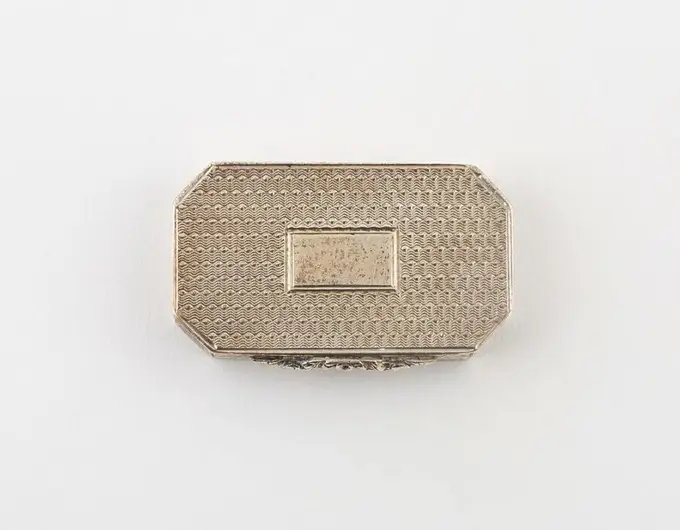
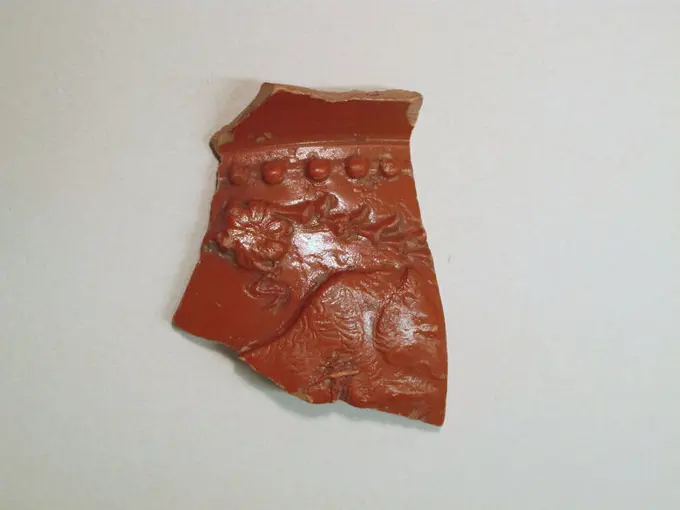
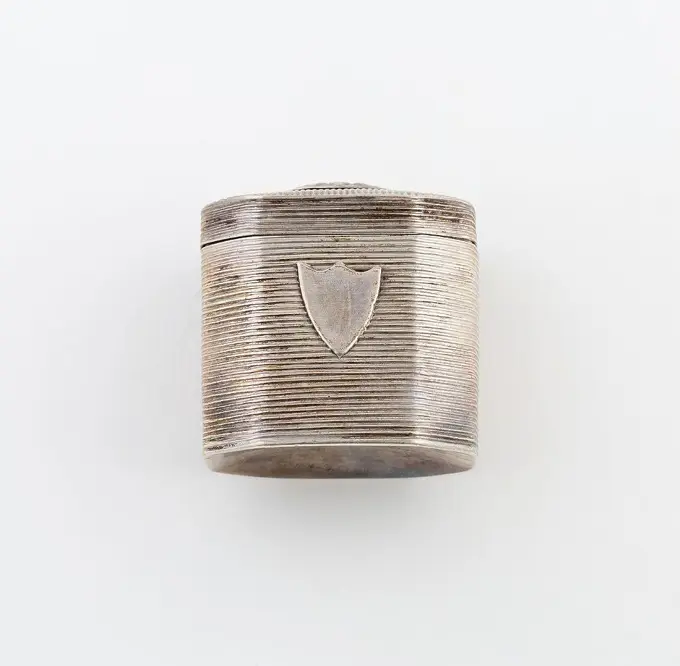
Unique historical items including a snuffbox, votive fragments, and decorative pottery, showcasing intricate detailing and cultural significance from various eras.

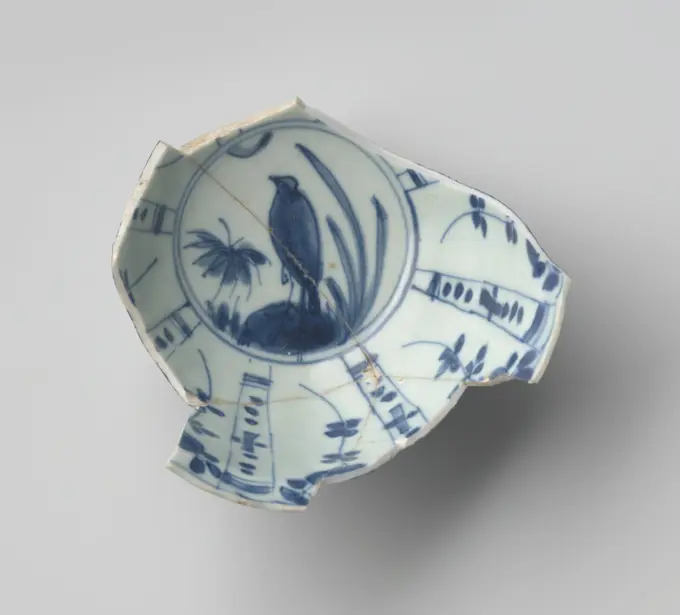
Discount Scherf of earthenware with a flower drawing in a circle, in underly glaze blue, anonymous, 1500 - 1799   earthenware. glaze   earthenware. glaze
Discount Scherf of earthenware with a flower drawing in a circle, in underly glaze blue, anonymous, 1500 - 1799 earthenware. glaze earthenware. glaze
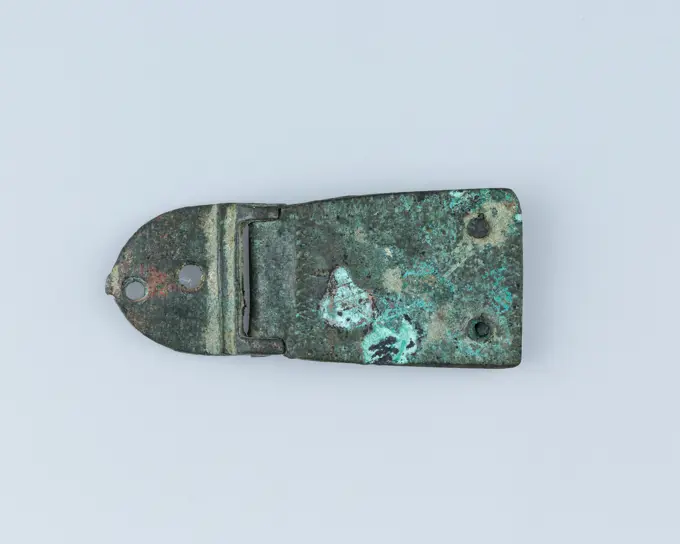
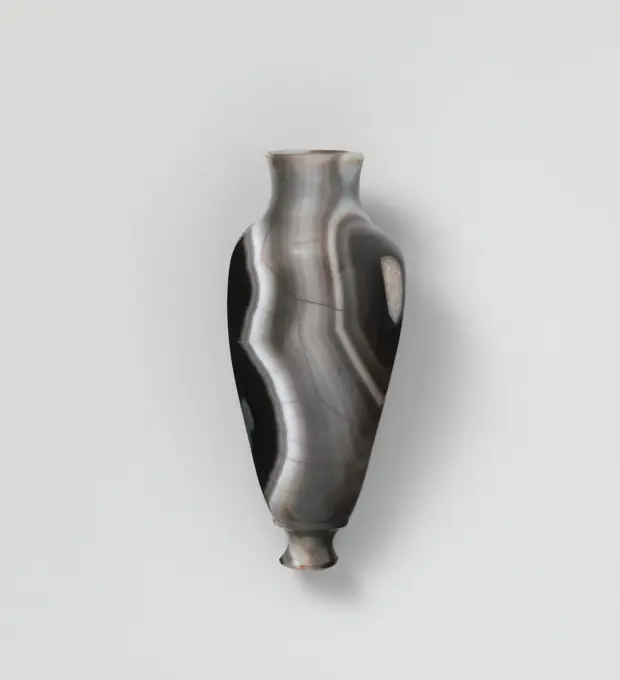
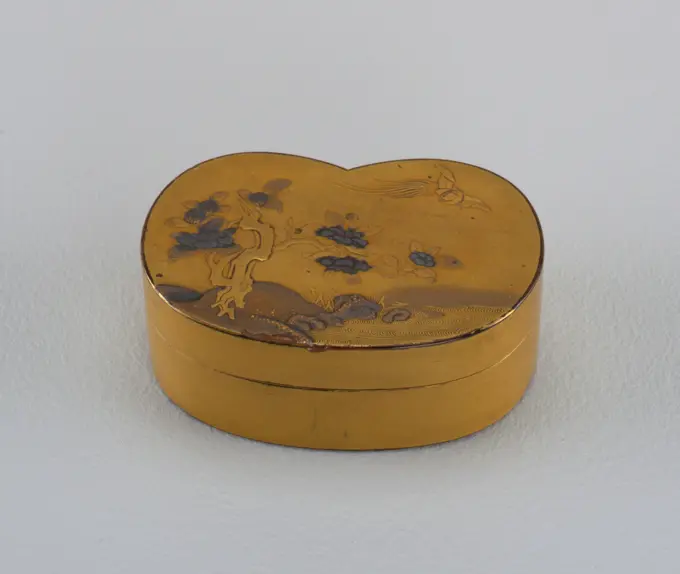
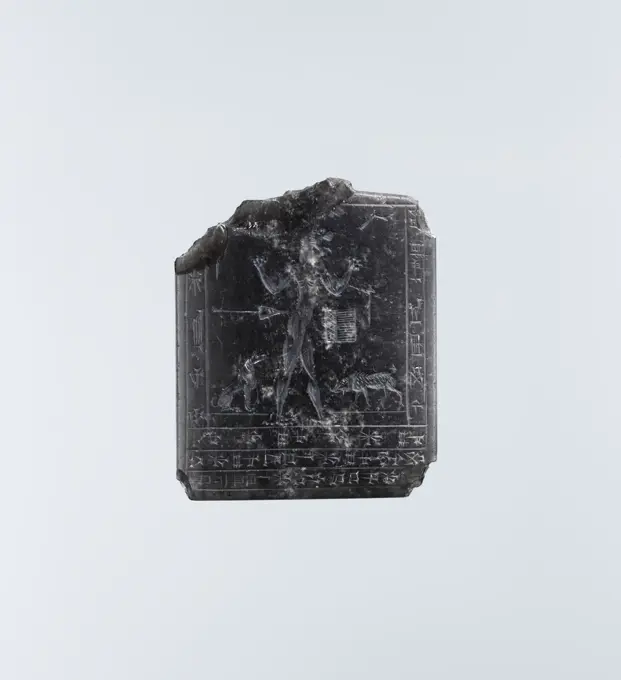
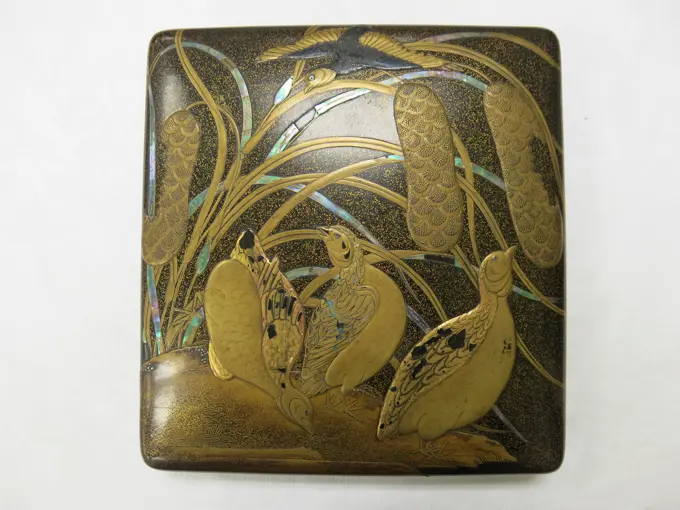
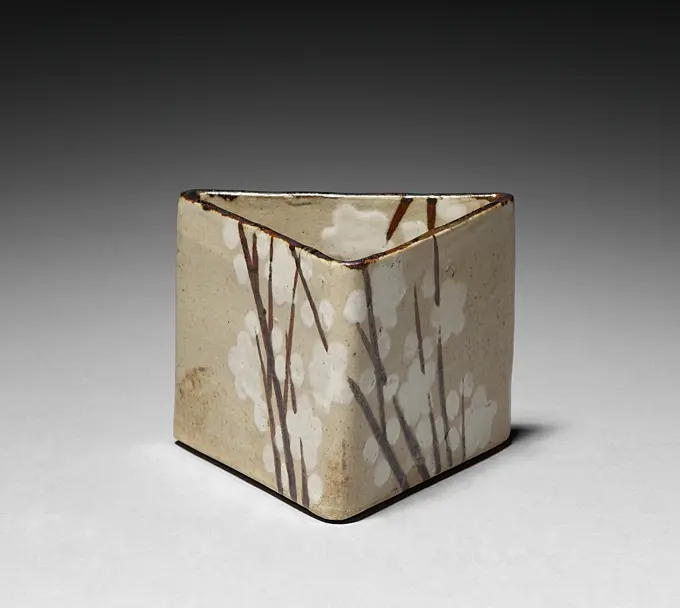
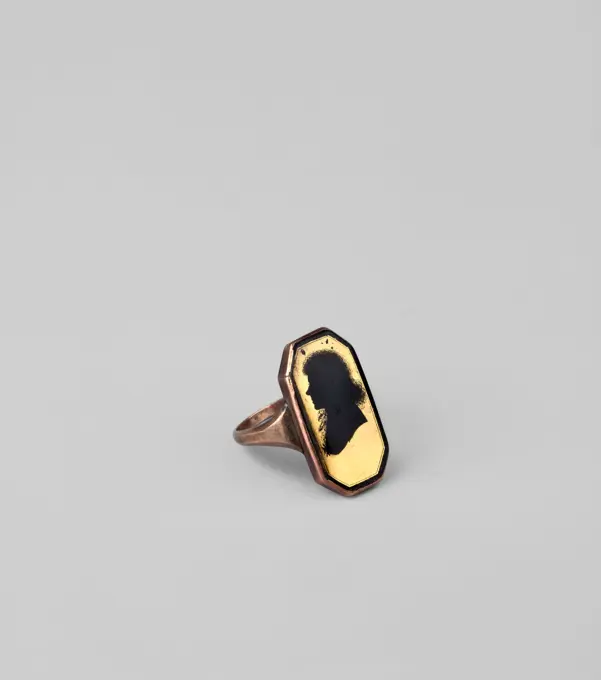
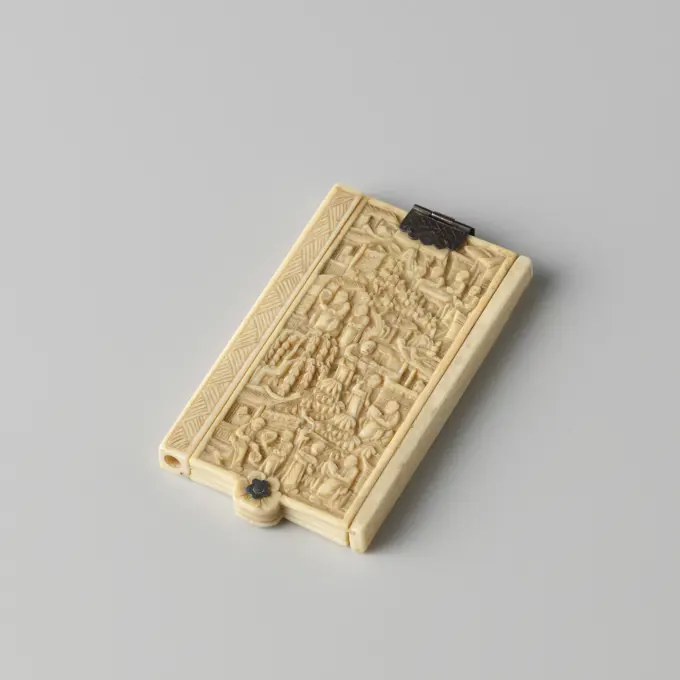
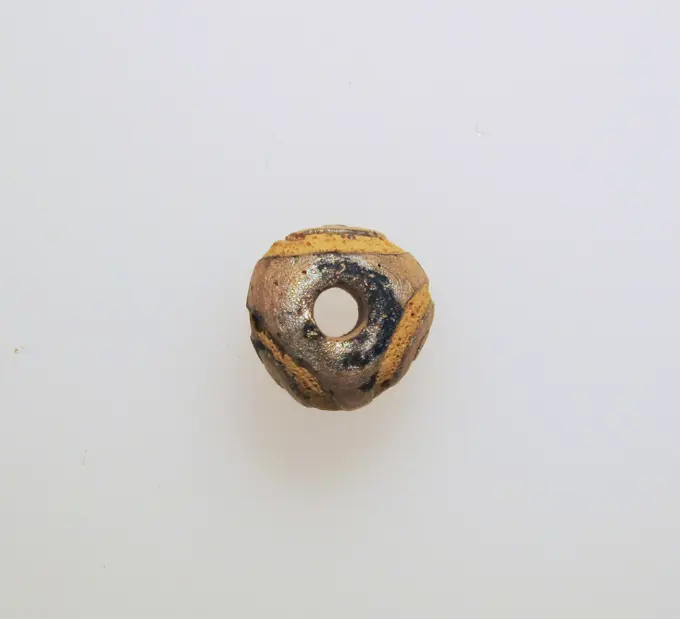
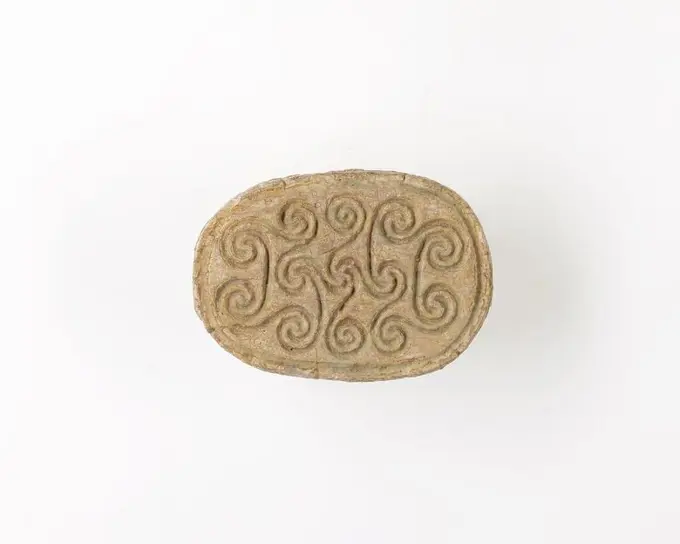
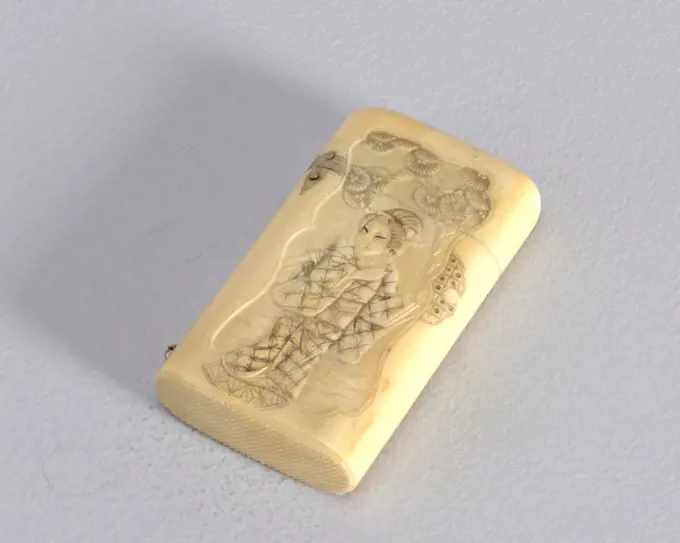
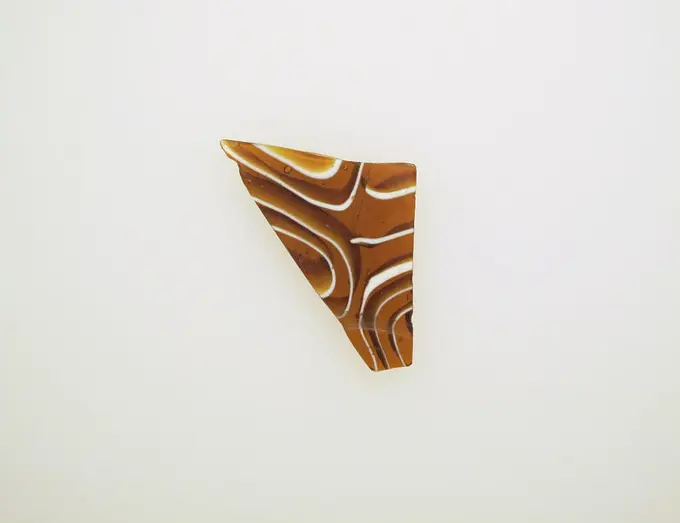
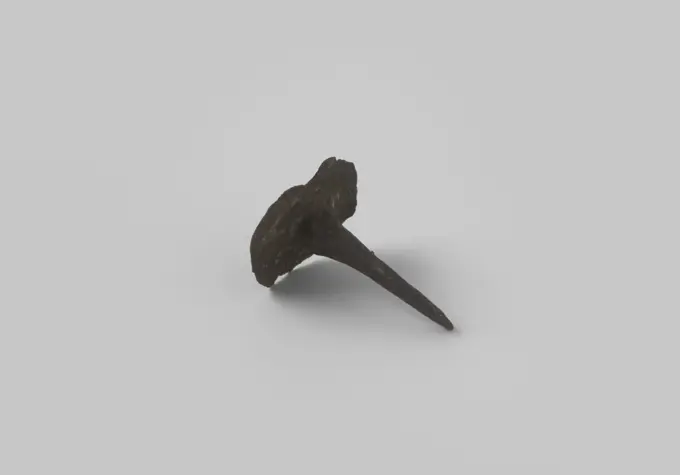
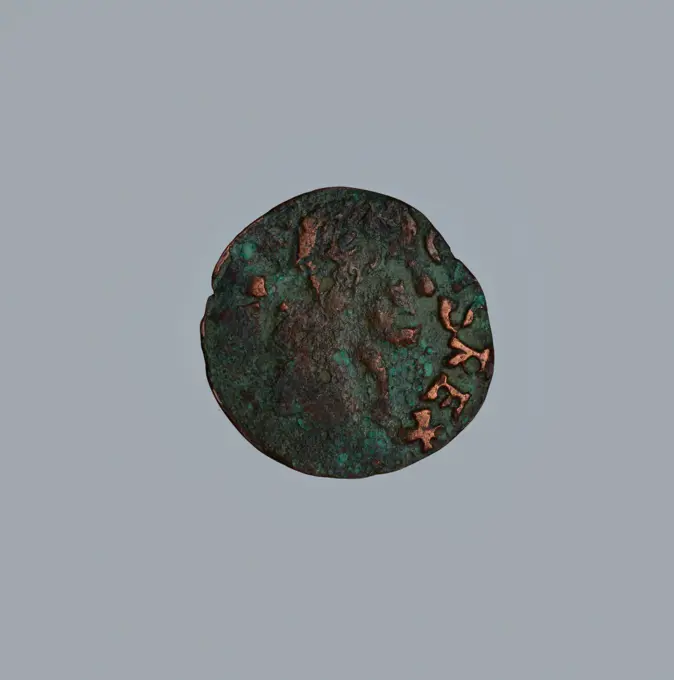
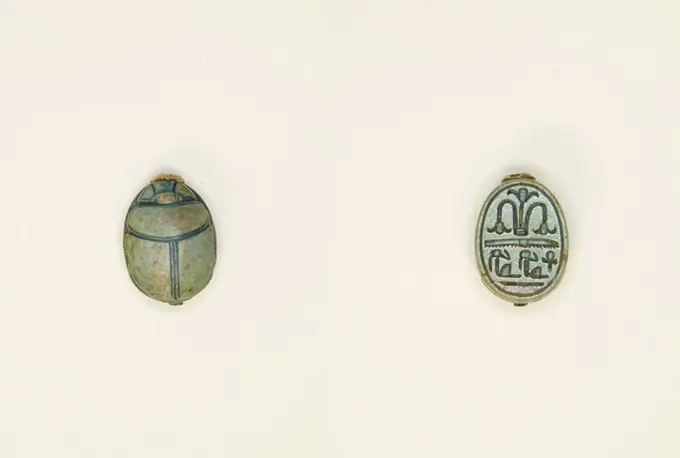
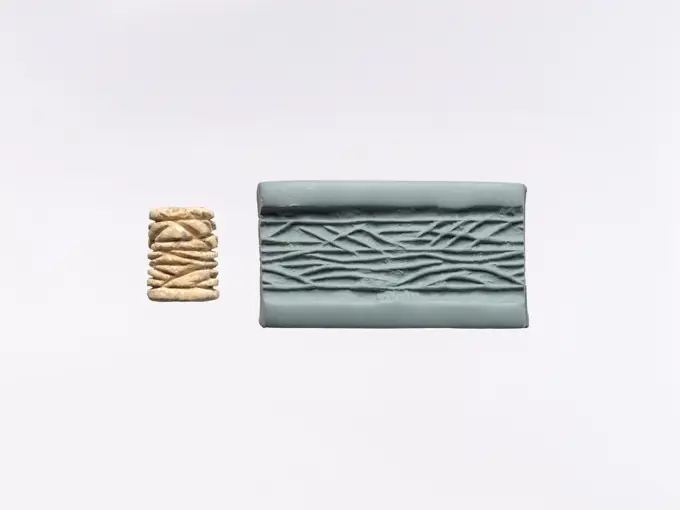
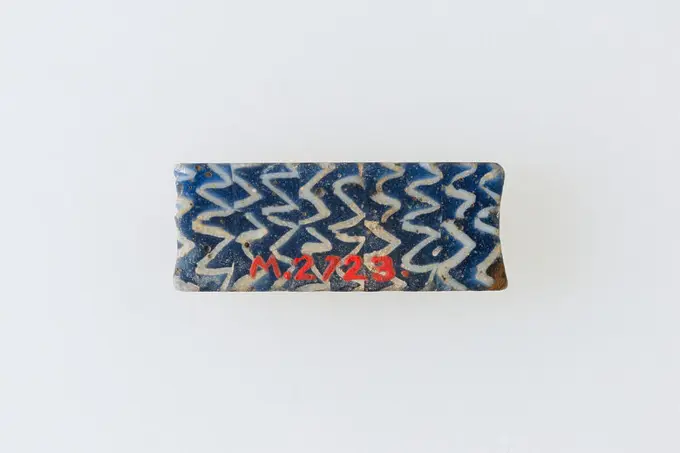
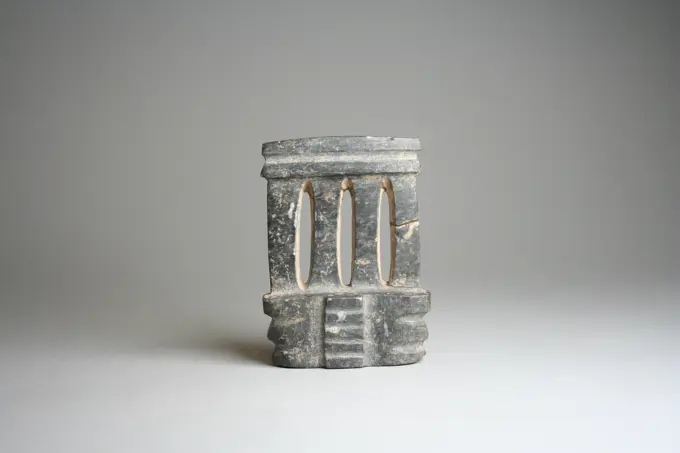
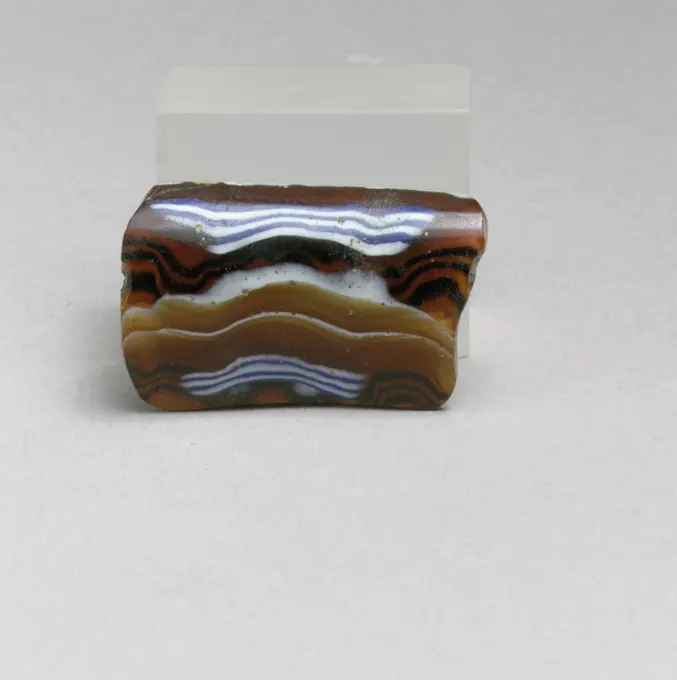
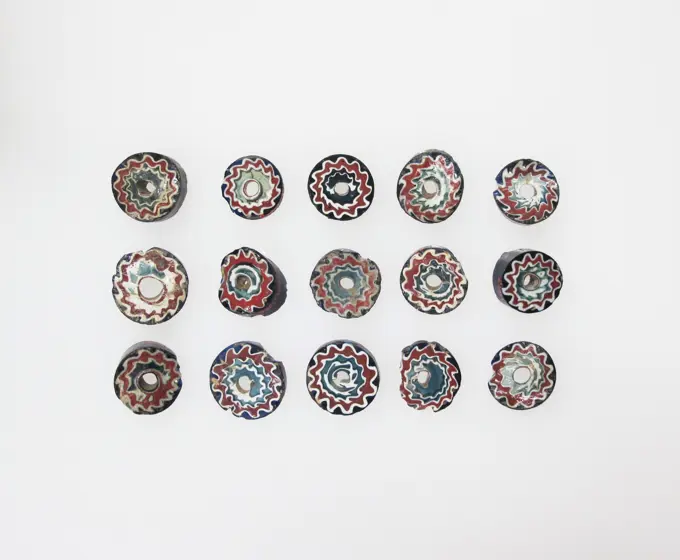
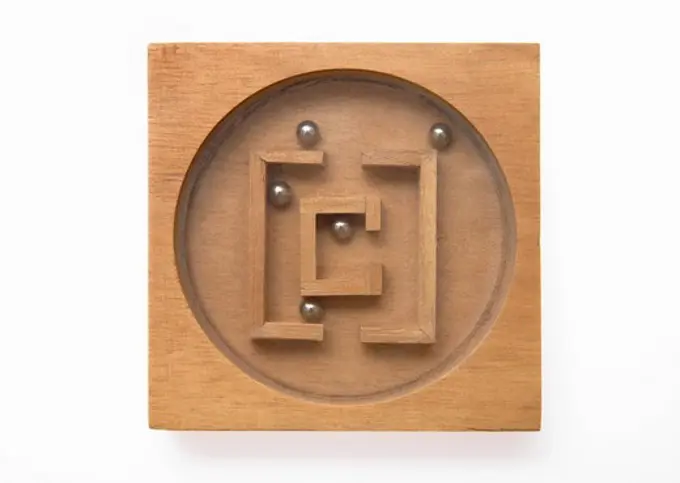
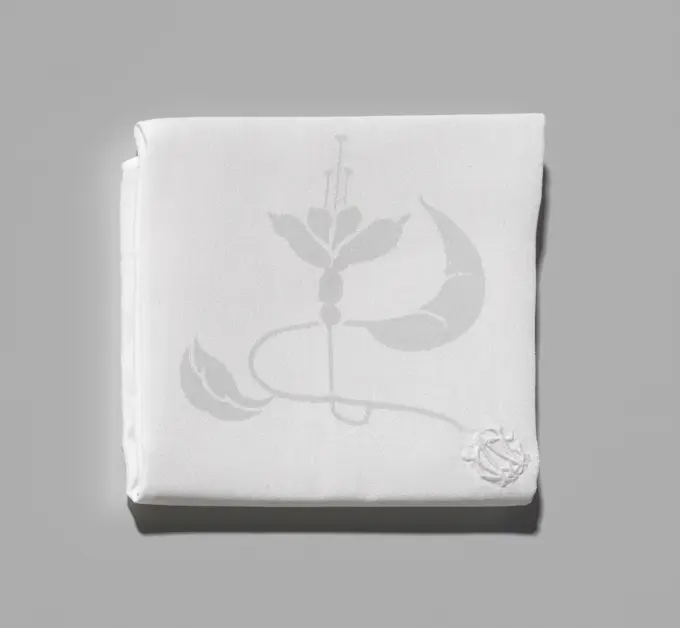
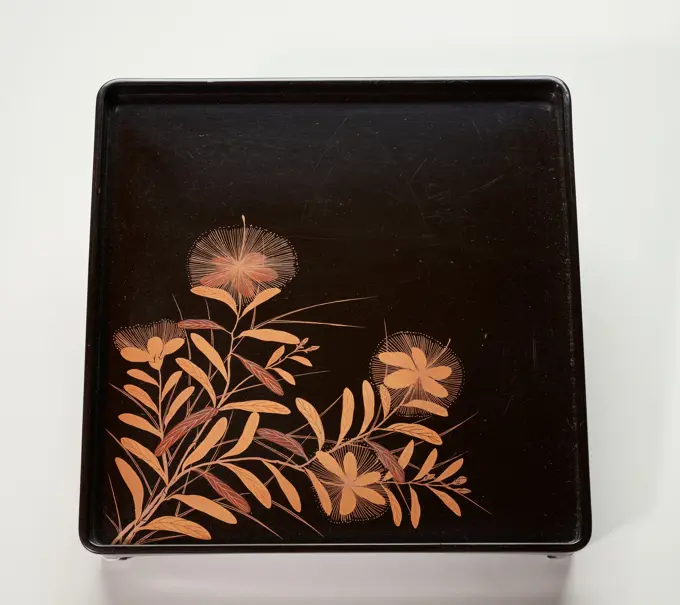
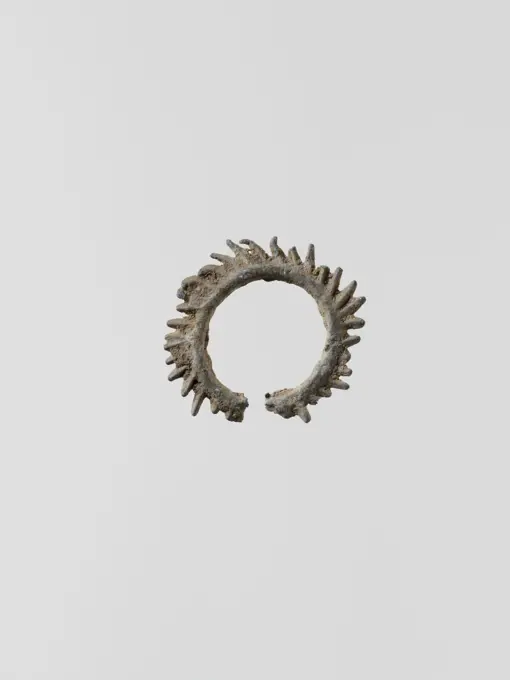
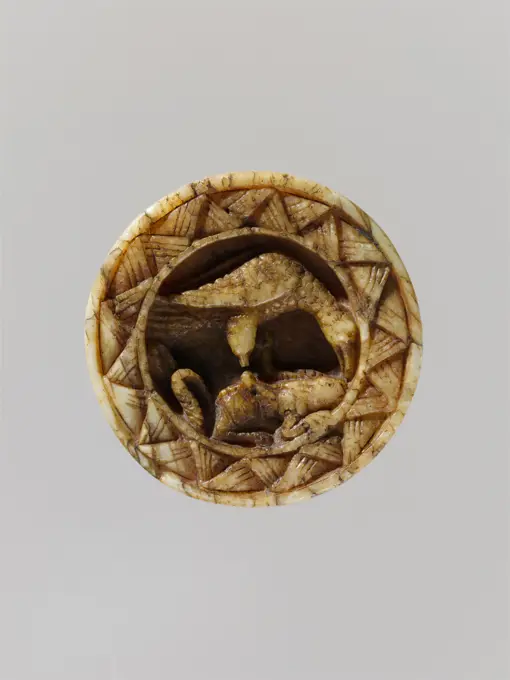
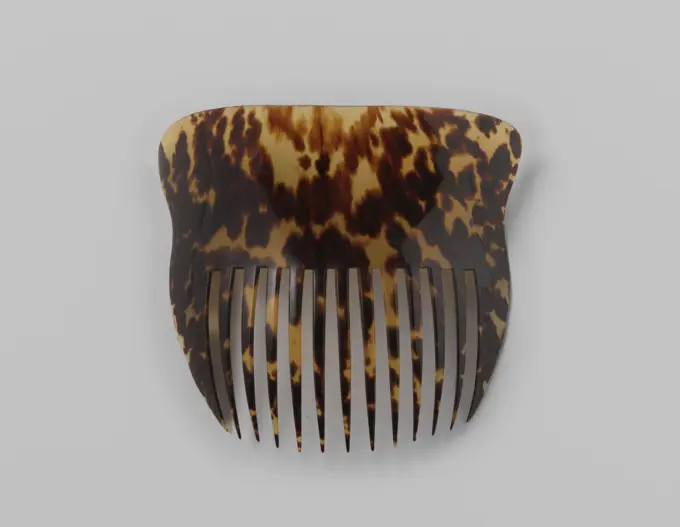
Hair comb of imitation () Turtle with bulging unadorned back, c. 1850 - c. 1949 Hair comb of imitation () Turtle with bulging unadorned back, 13 teeth. Europe whole: cutting Hair comb of imitation () Turtle with bulging unadorned back, 13 teeth. Europe whole: cuttingEye inlay from coffin Late Period, Saite 664 B.C. or later View more. Eye inlay from coffin. 664 B.C. or later. Ebony, ivory adhesive on back. Late Period, Saite. From Egypt, Upper Egypt, Thebes, Sheikh Abd el-Qurna, Tomb of Dagi (MMA 807), MMA excavations, 1913-14. Dynasty 26Buckle ca. 50 B.C.-ca. 500 A.D. possibly Gallo-Roman. Buckle. possibly Gallo-Roman. ca. 50 B.C.-ca. 500 A.D.. Bronze, pattina. Miscellaneous-Buckles & OrnamentKohl Flask. Dimensions: H. 2 1/2 in. (6.4 cm)W. 1 7/8 in. (4.8 cm). Date: probably 10th-12th century.This charming object was designed to hold kohl, a black cosmetic powder applied around the eyes. In the past, kohl was widely used by men and children as well as women. It was thought not only to accentuate the beauty of the eyes, but also to guard against the glaring sun, ward off evil, and discourage eye disease. The narrow drill hole at the top of this flask would have accommodated a slender stick to collect the cosmetic. Museum: Metropolitan Museum of Art, New York, USA.Drum with Tape Measure 1885-1895 Europe. Silver .Tile Wall Facing (Netherlands); tin-glazed earthenware, underglazeVinaigrette. Gervase Wheeler; Birmingham, England. Date: 1831-1842. Dimensions: 3.8 × 2.3 cm (1 1/2 × 7/8 in.). Silver and silver gilt. Origin: Birmingham. Museum: The Chicago Art Institute, Chicago, USA.Sword Guard (Tsuba) dated 1776 Japanese A tsuba is a sword guard and part of a sword mounting. It is mounted between the swords blade and grip to protect the users hands.. Sword Guard (Tsuba) 34969Part of a console, c. 1800 - c. 1825 Oak red -brown stable pilaster decoration. Netherlands oak (wood) cutting Oak red -brown stable pilaster decoration. Netherlands oak (wood) cuttingMiniature agate alabastron (perfume vase) late 1st century B.C.-1st century A.D. Roman In Hellenistic and Roman times, vessels made in semiprecious stone were much sought after as symbols of wealth and sophistication. They were used as diplomatic gifts or treasured as heirlooms, and many of them found their way into royal tombs or imperial collections, both in antiquity and later. Their rarity also encouraged imitations in both glass and pottery.. Miniature agate alabastron (perfume vase) 253615 Roman, Miniature agate alabastron (perfume vase), late 1st century B.C.1st century A.D., Agate, H.: 1 7/8 in. (4.8 cm). The Metropolitan Museum of Art, New York. Gift of Mrs. Edward S. Harkness, 1940 (40.61.2)Vessel stand naming the scribe Iui. Dimensions: H. 4.5 cm (1 3/4 in); diam. top 7.7 cm (3 1/16 in); diam. bottom 9.5 cm (3 3/4 in). Dynasty: Dynasty 18. Date: ca. 1550-1295 B.C.. Museum: Metropolitan Museum of Art, New York, USA.Cover (Japan); woodPile of four canvases, tied together with tape. A pile of three folded linen and linen tie coated with linen with damask pattern.Sharf of a sign from the wreck of the East Indians Hollandia, Anonymous, 1700 - in Or Before 1743 plate (dishes) Porcelain, plate, type 3; fragm of rim or centre, sim. NG 1980-27H3202c. Netherlands porcelain   SecondAmulet with a Lamashtu demon ca. early 1st millennium B.C. This plaque is made of obsidian, a naturally-occurring glass produced by volcanic activity, and finely carved in intaglio, in which a design is carved into a flat surface, creating a negative image. The top edge of the rectangular plaque is damaged, but enough remains to indicate that it originally had a projecting element at top center, probably drilled horizontally in order to allow the amulet to be strung and worn on the body or otherwise suspended. The image and text both relate to Lamashtu, daughter of the sky god Anu. This powerful demon was cast out of the heavens, in some accounts because she requested to dine on the flesh of human babies. Restless and angry, she roamed the earth violently attacking vulnerable creatures, especially pregnant mothers and newborns. Lamashtu is shown with a tall, sinewy human body, with stringy muscles emphasized by the parallel striations in the carving. Her head is that of a lion-griffin,Box with lid, anonymous, 1800 - 1900 Lacquer box with a representation of three geese in gold lacquer and the moon in metal on the lid. Japan wood (plant material). lacquer (coating). metal Lacquer box with a representation of three geese in gold lacquer and the moon in metal on the lid. Japan wood (plant material). lacquer (coating). metalWriting box with decoration of quails and millet 17th century Japan. Writing box with decoration of quails and millet. Japan. 17th century. Lacquer. LacquerGlass fragment with painted scene 4th century A.D. Roman Painted glass fragment of a tiger attacking an antelope; red and yellow outlined in black with a red and blue band and red flower with yellow center and green leaves on background.. Glass fragment with painted scene 248914Track, consisting of a U-shaped belt from copper, with a rod with gear, 1913 Spoor, consisting of a U-shaped belt from copper, with a rod with gear. Delft (possibly) whole: Copper (Metal)   Delft Spoor, consisting of a U-shaped belt from copper, with a rod with gear. Delft (possibly) whole: Copper (Metal)   DelftDolley in leaf shape, from linen application on ajour surface., Industrial school De Windroos, c. 1900 - c. 1925 Dolley in leaf shape, from linen application on ajour fabric. Test of skill. On label: IMR (Industrieschool for Girls Rotterdam). Rotterdam, ca. 1900-1925. Rotterdam linen (material) Dolley in leaf shape, from linen application on ajour fabric. Test of skill. On label: IMR (Industrieschool for Girls Rotterdam). Rotterdam, ca. 1900-1925. Rotterdam linen (material)One of Five Serving Bowls (Mukozuke) with Prunus Design, 1700s to mid-1800s. School of Ogata Kenzan (Japanese, 1663-1743). Kyoto Ware: stoneware with underglaze iron oxide and slip decoration; overall: 6.9 cm (2 11/16 in.); each side: 9 cm (3 9/16 in.). Note the rough, tan, clay bodies of these bowls with their deliberate irregularities. The design of branches was first painted in a black iron oxide, then the blossoms and buds in a white slip, followed by the application of a very thin transparent overglaze.Plate (USA); raised copper with silver overlayScarab fragment ca. 1981-1640 B.C. Middle Kingdom. Scarab fragment. ca. 1981-1640 B.C.. Faience, blue glazed. Middle Kingdom. From Egypt, Memphite Region, Lisht South, Double Row of Pits, Pit 6L.P2, MMA excavations, 1923-24. Dynasty 12Ring with scaraboid 6th century B.C. Cypriot. Ring with scaraboid 243569Ring with a portrait of Tadeusz Kościuszko. unknown, jewellerMount, ca. 1800; bronze; L x W x D: 6.4 x 6.4 x 1 cm (2 1/2 x 2 1/2 x 3/8 in.)Ivory notebook with five sheets, a sliced tire and silver clasp. Rectangular notebook with a pivot point on the underside and a lock on the top, both of silver. The booklet opens like a range and contains five thin, flat blades, between a carving front and back and back. On the outside embossed representations of Chinese at pavilions and trees. The left long side is pierced and can accommodate a graphite sticker (no longer present).Tile Wall Facing (Netherlands); tin-glazed earthenware, underglazeBead. Bead. Glass. GlassPlaque Bead with the Name of Amenhotep I, Head of Hathor on the Reverse ca. 1525-1504 B.C. New Kingdom. Plaque Bead with the Name of Amenhotep I, Head of Hathor on the Reverse. ca. 1525-1504 B.C.. Faience, paint. New Kingdom. From Egypt, Upper Egypt, Thebes, Luxor (el-Uqsur). Dynasty 18Excerpt (foot) with red shard, with a flower in sgraffito technology in white, ocher and green at the top, anonymous, 1200 - 1899  Italy earthenware  Italy earthenwareWood box, covered with raffia in red, brown and white, anonymous, c. 1900 - c. 1925 box Wood box, covered with raffia in red, brown and white. With loose lid.  wood (plant material). raffia (fiber)Scarab. Dimensions: l. 1.8 cm (11/16 in). Dynasty: Dynasty 12-18. Date: ca. 1981-1295 B.C.. Museum: Metropolitan Museum of Art, New York, USA.Geisha Holding Fish on Platter, Ivory, pigment, Oblong, upper corners rounded, featuring carved figure of geisha wearing patterned kimono of small squares and dots, holding small platter with fish on top. She is set against stylized reserve panel of bamboo trees, behind which are four smaller, variously patterned, fan-like elements, one on left, one on upper left corner, and two on right. Reverse features geisha wearing patterned kimono with star-like pattern, set against stylized reserve panel of plum blossoms, behind which are variously patterned elements, one leaf-like on left, two fan-like on right and bottom. Lid hinged on side. Striker carved into box bottom., Japan, late 19th century, containers, Decorative Arts, Matchsafe, MatchsafeVase fragment. Culture: Roman. Dimensions: 2 3/8 × 1 13/16 × 1/4 in. (6 × 4.6 × 0.6 cm).Bear. Museum: Metropolitan Museum of Art, New York, USA.Bransoleta. unknown, craftsmanBox 19th century Japan. Box 62236Fragment. Culture: European or Middle Eastern. Dimensions: L. 2 3/8 in. (6 cm). Date: ca. 1150-ca. 1250. Museum: Metropolitan Museum of Art, New York, USA.Skarabeusz. unknown, authorSharf of ross -baking earthenware, with blue glaze at the top, painted with a stylized flower shape in brown, blue and white, anonymous, 1600 - 1650  Northern Netherlands earthenware. glaze majolica  Northern Netherlands earthenware. glaze majolicarectangular empty brown wooden kitchen board on a white table, utensils. Place to display foodGrahal-Manzara. Carnavalet 2013-2016 collection sites. Numismatics.Shard of a plate from the wreck of the East India hollandiaia. Porcelain, plate, type 2; Fragm or Rim, SIM. NG 1980-27H2624H.Vinaigrette in the Form of a Scallop Shell. Possibly Joseph Willmore; Birmingham, England. Date: 1816-1817. Dimensions: 3.8 × 2.5 cm (1 1/2 × 1 in.). Silver and silver gilt. Origin: Birmingham. Museum: The Chicago Art Institute, Chicago, USA.Jelec (Tsuba); Takehara, Tomomas; 18th century (1701-00-00-1800-00-00);The Holy Quran,Antique QuranCrocodile amulet ca. 1295-1070 B.C. New Kingdom, Ramesside. Crocodile amulet. ca. 1295-1070 B.C.. Faience. New Kingdom, Ramesside. From Egypt, Memphite Region, Lisht North, Cemetery, MMA excavations. Dynasty 19-20Napkin made of linen with peel pattern, c. 1700 - c. 1799 White linen napkin with a peel pattern. Netherlands (possibly) linen (material) White linen napkin with a peel pattern. Netherlands (possibly) linen (material)Umbel Pendant ca. 1390-1353 B.C. New Kingdom. Umbel Pendant. ca. 1390-1353 B.C.. Faience. New Kingdom. From Egypt, Upper Egypt, Thebes, Malqata, Palace of Amenhotep III, MMA excavations, 1910-11. Dynasty 18Glass mosaic bowl fragment. Culture: Roman. Dimensions: H.: 1 9/16 x 1 7/16 in. (3.9 cm, 1 7/16 in.). Date: late 1st century B.C.-early 1st century A.D..Translucent honey brown; opaque white trails.Slightly convex curving body fragment.On exterior, two concentric cuts: outer, broad groove; inner, fine line. Both probably around bottom of large, shallow dish.Some pinprick and larger bubbles; dulling in cuts, but very little weathering. Museum: Metropolitan Museum of Art, New York, USA.Sword Guard (Tsuba). Culture: Japanese. Dimensions: H. 2 7/8 in. (7.3 cm); W. 2 5/8 in. (6.7 cm); thickness 1/4 in. (0.6 cm); Wt. 6.1 oz. (172.9 g). Date: ca. 1615-1868. Museum: Metropolitan Museum of Art, New York, USA.Christmas balls isolated on white background.Glass mosaic bead 3rd-4th century A.D. Roman, Egyptian. Glass mosaic bead. Roman, Egyptian. 3rd-4th century A.D.. Glass. Late Imperial. GlassAttic Black-Figure Neck Amphora Fragment (comprised of 10 Joined Fragments). UnknownCylinder seal ca. 2649-2100 B.C. Old Kingdom. Cylinder seal. ca. 2649-2100 B.C.. Steatite. Old Kingdom. From Egypt. Dynasty 5Scarab Decorated with Circles ca. 1640-1550 B.C. Second Intermediate Period. Scarab Decorated with Circles 545257Spijker, found at v.o.c. -ship Witte Leeuw, possibly from Zeelelie, Anonymous, 1750 - 1799  Spijker van V.O.C. ship Witte Leeuw. Dating unclear. Possibly 18th-century and can therefore not be part of De Witte Leeuw. It is unclear whether the object will come from the site or whether it was mixed later, possibly with material from the Zeelelie.  iron (metal)False coin, crown shilIIng, John II Casimir (1649 1668)Scarab: Floral Motif. Egyptian. Date: 2055 BC-1550 BC. Dimensions: 1.6 × 1.1 × 0.6 cm (5/8 × 7/16 × 1/4 in.). Glazed steatite. Origin: Egypt. Museum: The Chicago Art Institute, Chicago, USA. Author: Ancient Egyptian.Shield (Dhàl). Culture: Indian. Dimensions: Diam. 22 in. (55.9 cm); D. 4 1/2 in. (11.4 cm); Wt. 3 lb. 2.5 oz. (1431.7 g). Date: 19th century. Museum: Metropolitan Museum of Art, New York, USA.Kitchen vessel (pan or caserol); Unknown Egyptian workshop; VI-VII century (501-00-00-700-00-00);Engraved Gem; Europe; 20th century; Carnelian; 1.5 cm (9,16 in.)Empty wooden cutting board for preparing ingredients for preparing a delicious dish Empty wooden cutting board for preparing ingredients for preparing a delicious dish. Kitchen utensils Copyright: xZoonar.com/TetianaxChernykovax 21728383Cylinder seal and modern impression: oblique lines ca. 2600-2500 B.C. Although engraved stones had been used as early as the seventh millennium B.C. to stamp impressions in clay, the invention in the fourth millennium B.C. of carved cylinders that could be rolled over clay allowed the development of more complex seal designs. These cylinder seals, first used in Mesopotamia, served as a mark of ownership or identification. Seals were either impressed on lumps of clay that were used to close jars, doors, and baskets, or they were rolled onto clay tablets that recorded information about commercial or legal transactions. The seals were often made of precious stones. Protective properties may have been ascribed to both the material itself and the carved designs. Seals are important to the study of ancient Near Eastern art because many examples survive from every period and can, therefore, help to define chronological phases. Often preserving imagery no longer extant in any other medium, theInlay fragment, rows of zigzag lines. Dimensions: H. 0.9 × W. 2.2 cm (3/8 × 7/8 in.). Date: 200 BC-100 AD.A mosaic glass technique allowed multiples of an image to be created: a figural or design composition was made by bundling colored glass canes, which were then drawn out into a long bar. The bar was then sectioned at right angles, probably by striking the bar with appropriate tools, to produce small inlay tiles. The tile would then be smoothed and polished on the face intended to appear outwards. Museum: Metropolitan Museum of Art, New York, USA.Bracelet;  19th century (1801-00-00-1900-00-00);Valentine and Birthday cards depicting seashells, people, and cupid set in landscapes. Cards are fan shaped.. Proofs, Greeting cards. 1865 - 1899. The Miriam and Ira D. Wallach Division of Art, Prints and Photographs: Print Collection. CupidsCopper lamp from Koper, Anonymous, 1800 - 1900 The object consists of three parts: a piece with eight with a spout -fitted containers for oil and eight seeds, a drip tray and a wall piece with partly cut out and punched back of a stylized tree with flowers. At the top an opening to confirm the object on the wall. The ninth oil box (the 'Sjamesj') that was attached to the wall plate is missing. Netherlands brass (alloy) striking (metalworking) / cutting The object consists of three parts: a piece with eight with a spout -fitted containers for oil and eight seeds, a drip tray and a wall piece with partly cut out and punched back of a stylized tree with flowers. At the top an opening to confirm the object on the wall. The ninth oil box (the 'Sjamesj') that was attached to the wall plate is missing. Netherlands brass (alloy) striking (metalworking) / cuttingtop view of spiral from liquorice candy on white top view of spiral from black liquorice candy on white plate Copyright: xZoonar.com/ValeryxVoennyyx 17189259Stone Temple Model 1st-8th century Mezcala. Stone Temple Model. Mezcala. 1st-8th century. Stone. Mexico, Mesoamerica, Guerrero, Balsas River region. Stone-SculptureThread or yarn winder with base, Mahogany, metal, Winder formed of rectangular piece of wood with semi-circular cuts at both ends forming arms. Ends of arms curved and rounded. Base of square plan, slightly raised toward center. Base fitted with metal upright post; center of winder drilled with hole to fit and allow rotation of winder., England, late 19th century, tableware designs, Decorative Arts, Thread or yarn winder with baseSealFragment Come from V.O.C. ship De 'Witte Leeuw', Anonymous, Before 1613 bowl Fragment come from V.O.C. ship De 'Witte Leeuw', 55 present. Jingdezhen bone china (material)   Sint-HelenaTable screen (username). Sandstone, molding, celadon, molded decor. Cernuschi Museum, Asia Museum of Asia in the city of Paris.Netsuke of Dog and Fan on a Bench. Culture: Japan. Dimensions: H. 7/8 in. (2.2 cm); W. 1 1/4 in. square (3.2 cm). Date: 19th century. Museum: Metropolitan Museum of Art, New York, USA.Red-Figure Skyphos Fragment (part of 93.AE.54). Kleophrades Painter, painter (Greek (Attic), active 505 - 475 B.C.) about 480-470 B.C. Exterior: lower part of a draped figure and part of the centaur Cheirons tail. Interior: black. This fragment belongs to a partially reconstructed skyphos (93.AE.54) that depicts on side A: Peleus and Thetis, with their child Achilles, meeting Cheiron, in the company of Apollo, and on side B: a priest holding a temple key and a staff, a woman shaking hands with a seated figure, and two standing figuresperhaps the priest Chryses meeting Agamemnon to recover his daughter Chryseis (see Williams, 1997, who also notes other joining fragments in Leipzig). This fragment belongs to side A, and gives part of figure, likely female, standing behind Cheiron. She is presumably his wife, Chariklo, or his mother Philyra.Wooden board for pear -shaped pot, Henry Simmen, c. 1925 Rectangular wooden board.  pot: stoneware. stop: wood (plant material). voet: wood (plant material) vitrification / cutting Rectangular wooden board.  pot: stoneware. stop: wood (plant material). voet: wood (plant material) vitrification / cuttingTile with peacock. Tile with a blue painted peacock on a ground and in the corners an oxen head.Glass mosaic ribbed bowl fragment late 1st century B.C.-early 1st century A.D. Roman Rim fragment.Translucent honey brown, cobalt blue, and opaque white.Outsplayed rim with thick, rounded edge; straight side tapering downward.Ribbon mosaic pattern formed from sections of a single cane in brown ground with irregular wavy white and blue threads in parallel horizontal lines; on exterior, three vertical ribs, widely spaced, with flattened tops.Polished interior; pitting of surface bubbles on interior; creamy iridescent weathering on exterior; some weathering on jagged edges.. Glass mosaic ribbed bowl fragment 257282Glass cameo fragment. Culture: Roman. Dimensions: H.: 2 1/16 in. (5.3 cm). Date: late 1st century B.C.-mid-1st century A.D..Translucent cobalt blue with overlay in opaque white.Fragment of cylindrical body with concave curving side.On exterior, in deep relief in white a large vine leaf, carved in fine detail, showing veins and texture of the leaf surface.Broken on all sides with weathered edges; dulling, pitting of surface bubbles, some brilliant iridescence, and thick creamy brown weathering on white overlay.Rotary grinding marks on interior. Museum: Metropolitan Museum of Art, New York, USA.Millefiori bead rods, 15. Millefiori bead rods, 15. Glass. GlassStone wall letters Letter V 3D stone wall letters Letter V 3DBalls in maze, close upDamask finger cloth with Dessin Fuchsia, 1900 - 1935 Damas finger cloth with Dessin Fuchsia, equipped with monogram 'vd' from the linen weaving mill and in white embroidered monogram 'GW', owner's brand of the Gogh-Wibaut couple. Eindhoven linen (material) damask Damas finger cloth with Dessin Fuchsia, equipped with monogram 'vd' from the linen weaving mill and in white embroidered monogram 'GW', owner's brand of the Gogh-Wibaut couple. Eindhoven linen (material) damaskSponge Box. Possibly Eliaser Efraim Denekamp; Dutch, active c. 1837-c. 1865; Possibly Schoonhoven, Netherlands. Date: 1847. Dimensions: 3.8 x 3.8 cm (1 1/2 x 1 1/2 in.). Silver. Origin: Netherlands. Museum: The Chicago Art Institute, USA.Suzuribako with lid. Decor on lid consists of two geese in gold against a black fond.Toast Rack; enameled and gilt tôleDetalle de las puertas de la Casa Milà (La Pedrera) de Barcelona. Author: ANTONI GAUDI.Fragment of a Plaque 100 BCE-100 CE Italy. In ancient Rome, there was a high demand for colorful glass that could dazzle banquet guests alongside the expensive silver and gold serving wares meant to impress. Fragments like this one would have once been a part of larger mosaic dishes. The mosaic pattern was made by sagging molten glass into bowl-shaped molds, a technique used on many of these fragments is similar to millefiori, ìthousand flowersî in Italian, a modern glass-making method in which tiny rods of colored glass are bundled together, wrapped in a sheet of glass, fused, and then thinly sliced to reveal swirls of a flower-like patterns. They were arranged side by side, sometimes together with bits of colored glass, and fused together with heat.. Glass, mosaic glass technique . Ancient RomanEmpty wooden plate, knife, fork and cutting board set on textured concrete backgroundSmall Serving Tray with Maiden Flower Design, late 18th century, Attributed to Yamamoto Shunshō VI, Japanese, died 1803, 2 3/8 × 10 11/16 × 10 3/4 in. (6.03 × 27.15 × 27.31 cm), Lacquer, Japan, 18th century, Originally from a set of ten, the five trays on display here show a variety of plant motifs associated with the seasons, and executed in hiramaki-e (low sprinkled picture) with gold and pigmented powders. The bottom of one of the trays bears the seal 'Shunshō,' for the family of lacquer artisans. The Shunshō school was established by Yamamoto Shunshō (1610-1682) and continued on until the end of the 19th century. Shunshō I was well known for his mastery of the togidashi-e (polished out picture) technique, which is used on these pieces. However, the naturalism of the plant designs indicates that this is a later piece by either Shunshō V (Jirobei, b. 1734) or VI (Masanori, d. 1803).Wreaths, 11 Greek, Laconian. Wreaths, 11 251730 Greek, Laconian, Wreaths, 11, Lead, Diameter: 7/8 in. (2.3 cm). The Metropolitan Museum of Art, New York. Gift of A. J. B. Wace, 1924 (24.195.164)Fragment of Magical Papyrus ca. 712-525 B.C. Third Intermediate Period-Saite Period. Fragment of Magical Papyrus 553477Drum with lid, oval, green -rejected, anonymous, c. 1700 - c. 1799 An oval, green -painted can of drum with hinged lid with handle mounted loose in the lid; Vast inside. Amsterdam (possibly) . An oval, green -painted can of drum with hinged lid with handle mounted loose in the lid; Vast inside. Amsterdam (possibly) .Game Piece with an Eagle Attacking a Hare ca. 1100-1200 German The subject may refer to falconry, the most noble hunting pastime within the feudal society.. Game Piece with an Eagle Attacking a Hare 469714Hedgehog Seal with device of a horse ca. 1295-1185 B.C. New Kingdom, Ramesside. Hedgehog Seal with device of a horse. ca. 1295-1185 B.C.. Steatite, green glaze. New Kingdom, Ramesside. From Egypt. Dynasty 19Box with red velvet, anonymous, c. 1900 - Before 1955 box With red velvet -covered box. The inside of the box is covered with white fabric. The inside of the lid is lined with white side and contains a stamp 'Sahasinpa ... Bangkok'. Bangkok textile materials. copper (metal). velvet (fabric weave)   Netherlands. ThailandModel of Anchor Release Gear Or Brown's Stopper, Rijkswerf Willemsoord, c. 1854 demonstration model Model of an anchor trap on a ground board. The device consists of a slide in front of the chain, part of which is low so that the flat -lying links of the chain cannot go through the keep; With a tumbler operated with a lever on the side, this low -lying part can be lifted, so that the chain runs free. A bracket is applied on top. Scale 1: 5 (Obreen). model maker: Den Helderafter design by: United Kingdom wood (plant material)False coin, Jagiellonian pennyAttic Black-Figure Volute Krater Fragment. Unknown