Historical Artifacts and Fragments

Ancient fragments including wall paintings, mosaics, and oracle bones showcasing cultural and historical significance.
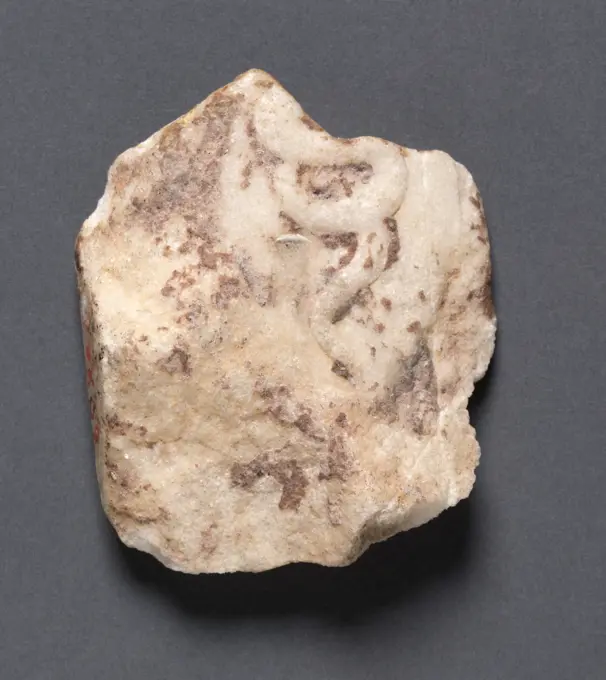
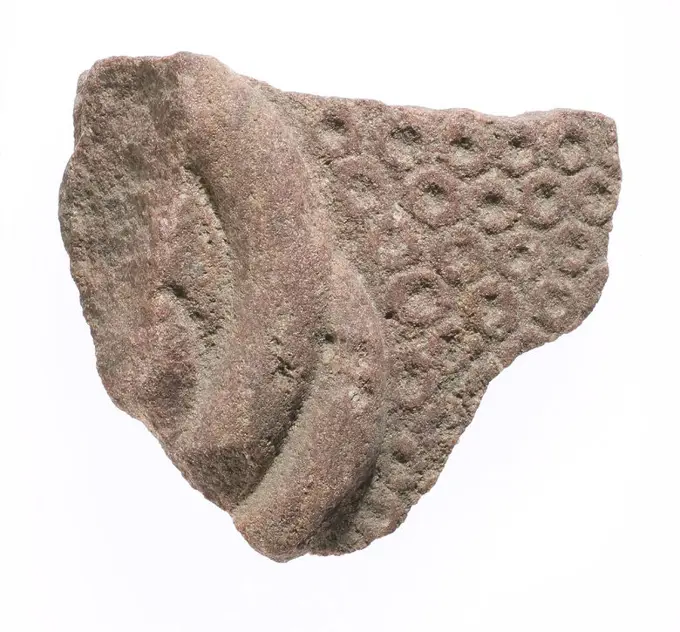
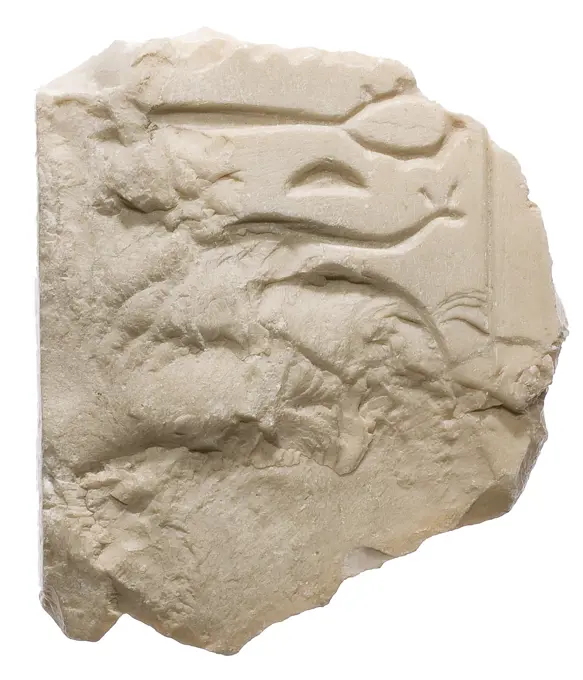
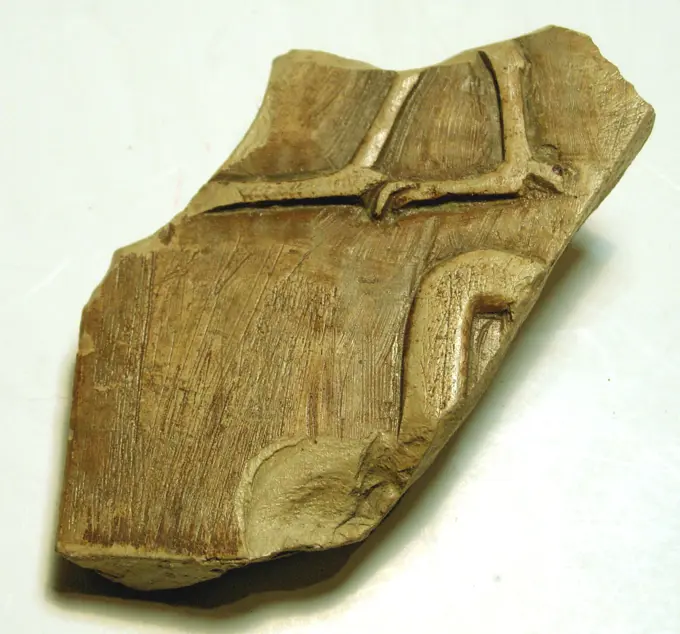
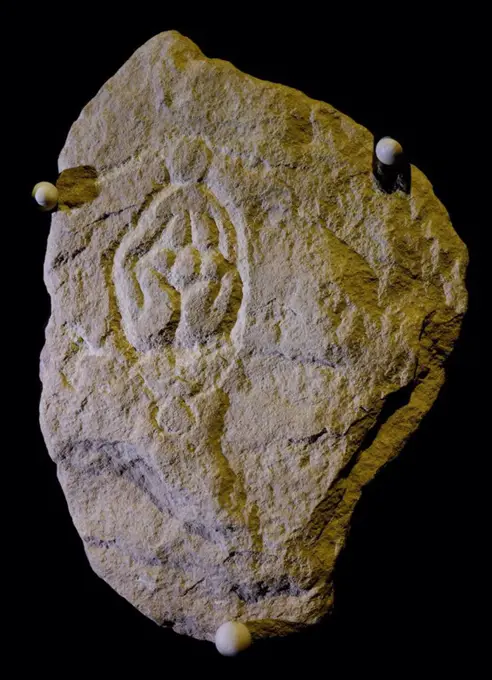
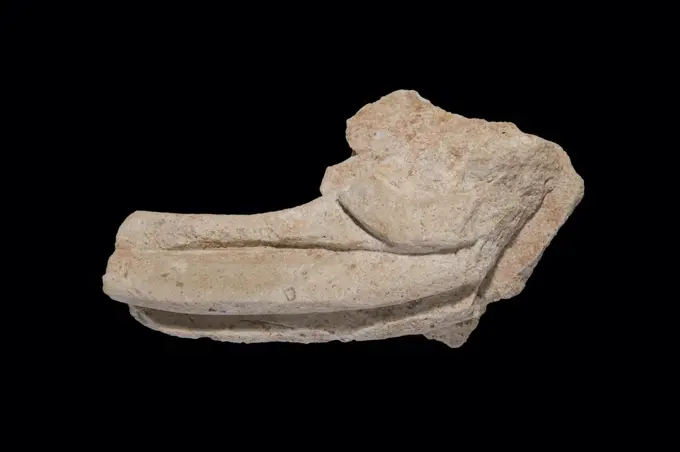
Fragment sent with "Dancing Lady": Serpent in Relief, c. 50 BC. Greece, Alexandria (), 1st century B.C.. Marble; overall: 85.4 cm (33 5/8 in.).
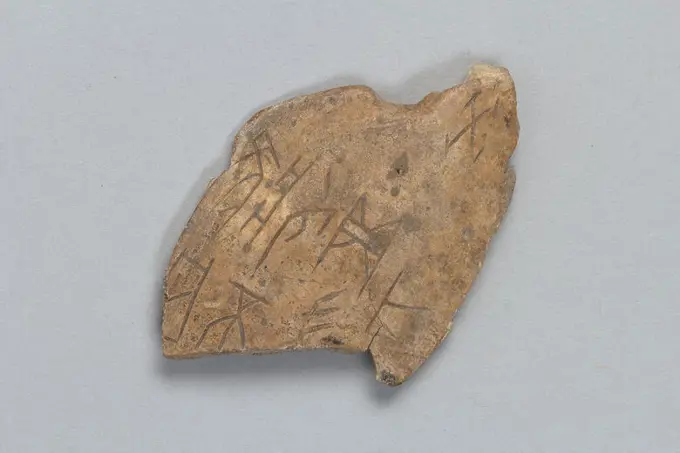
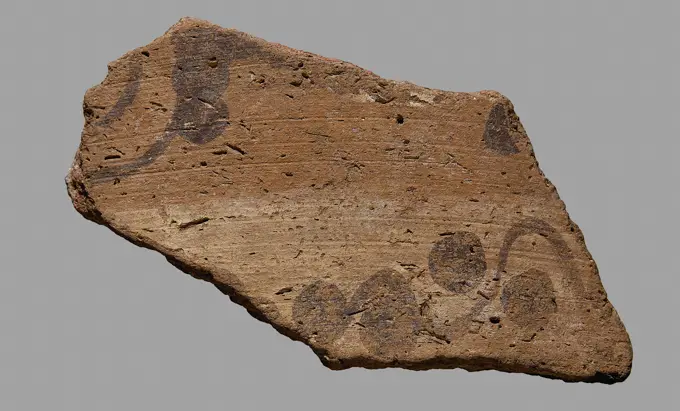
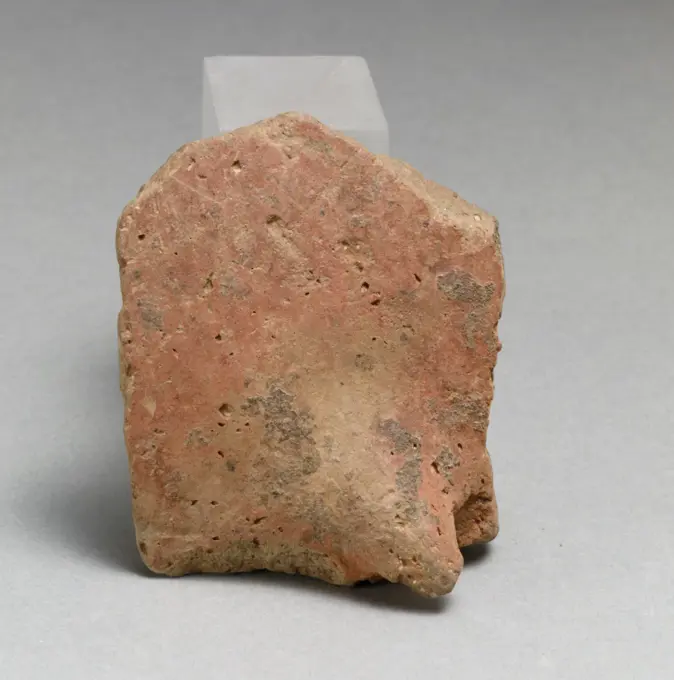
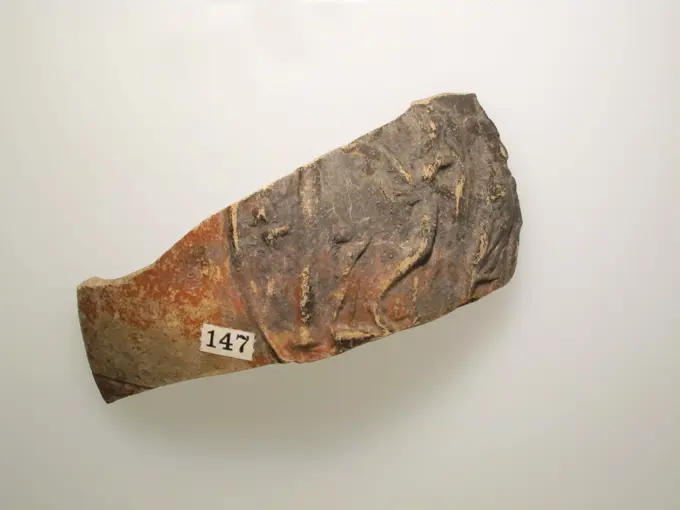
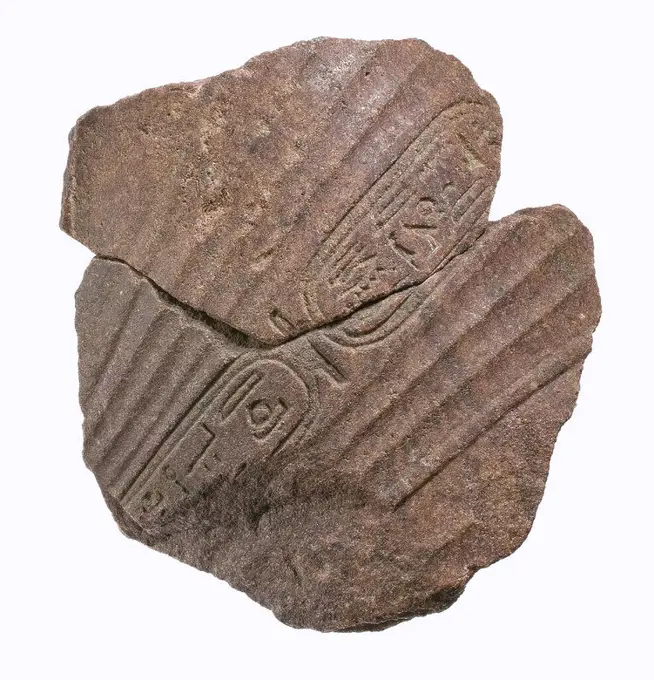
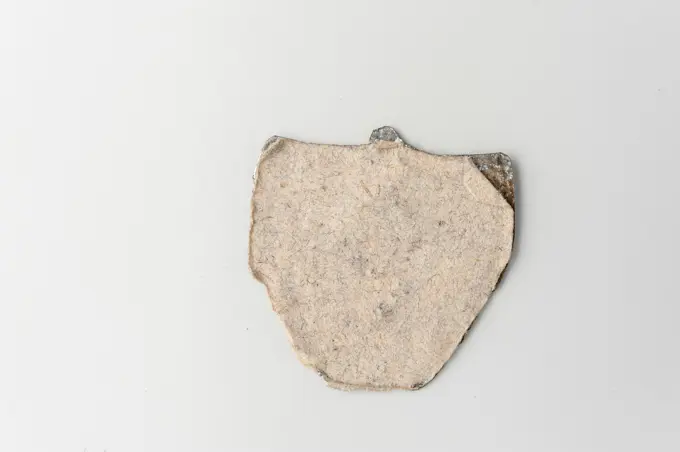
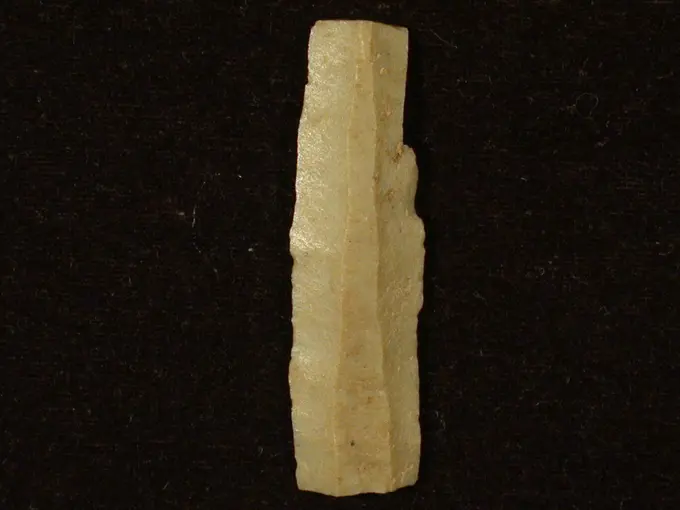
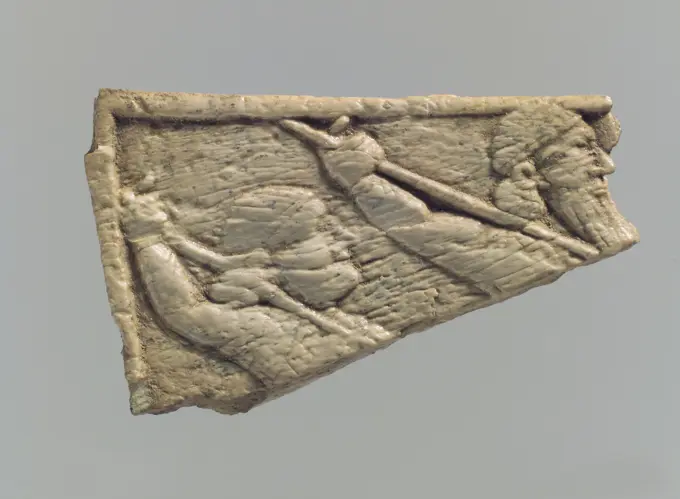
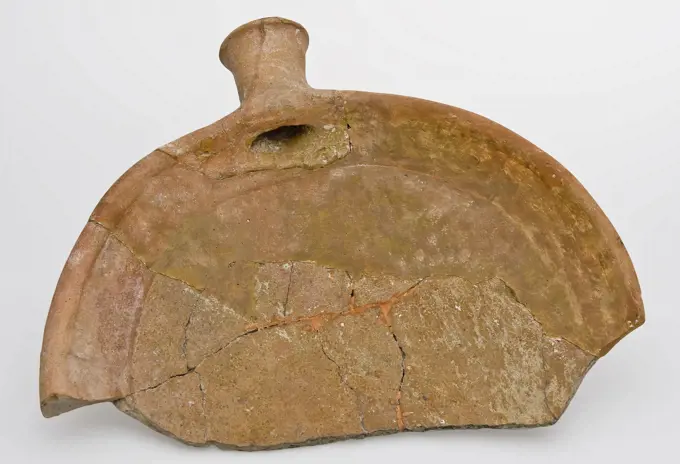
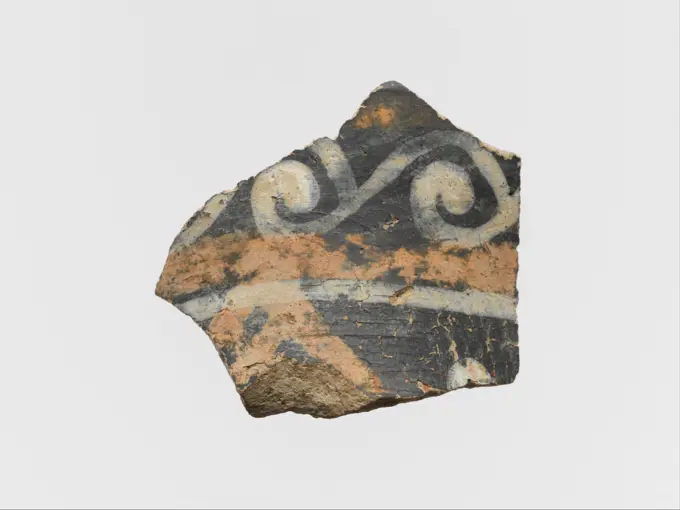
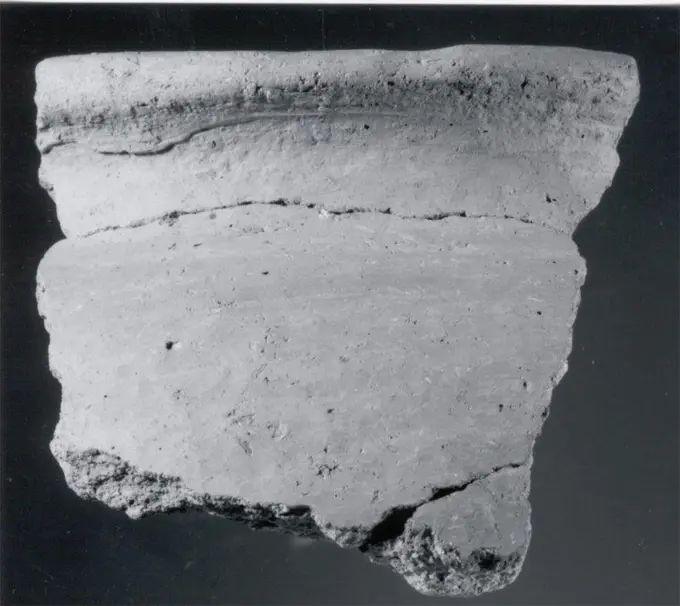
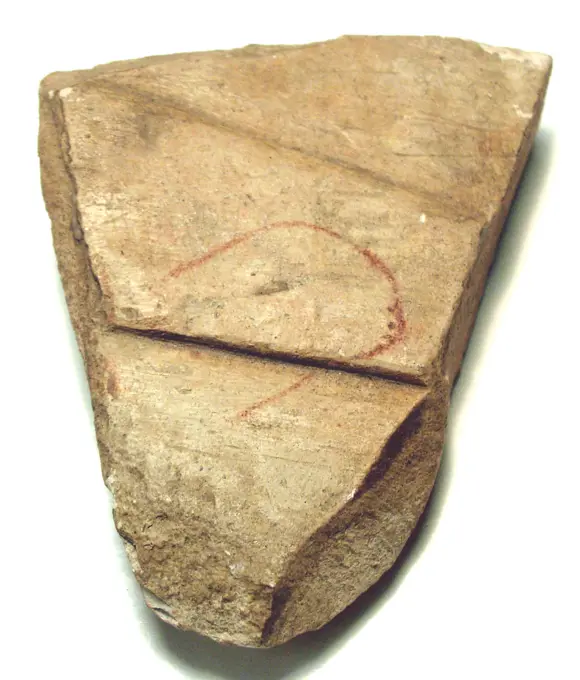
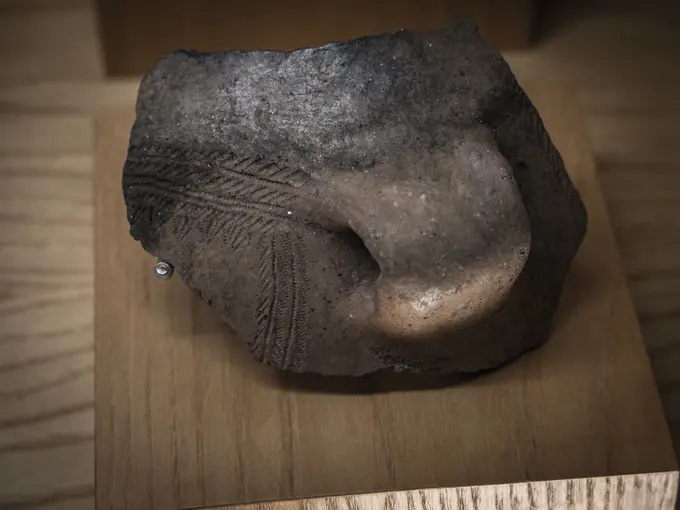
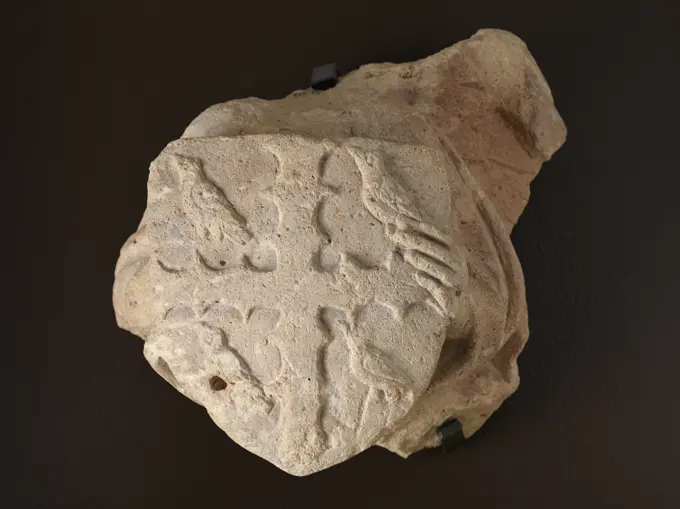
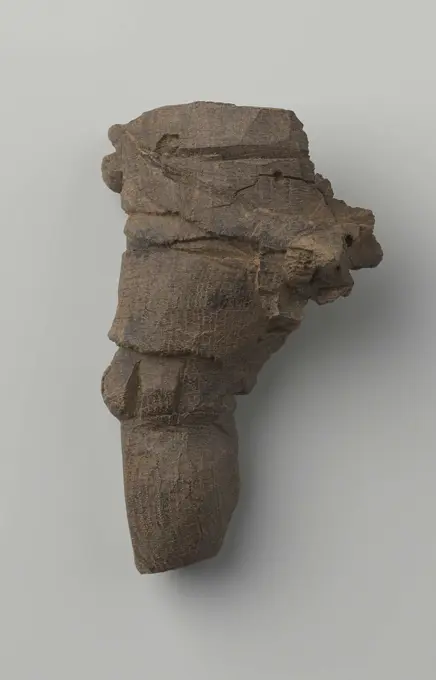
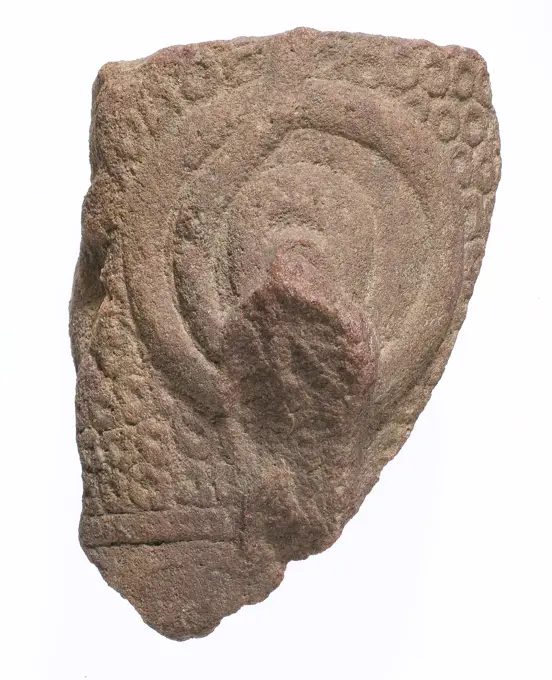
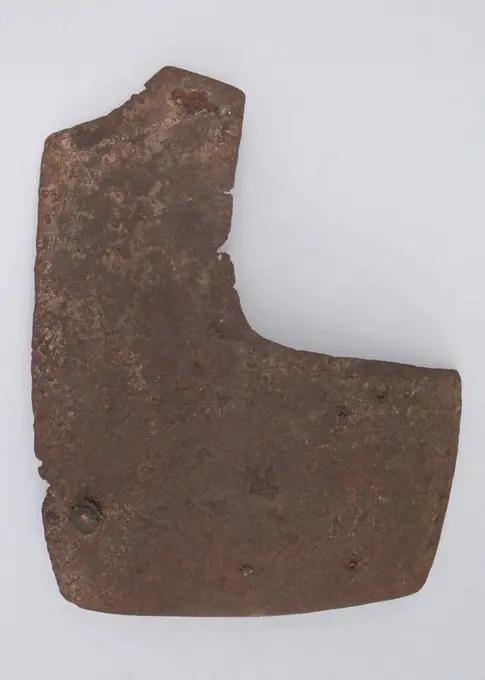
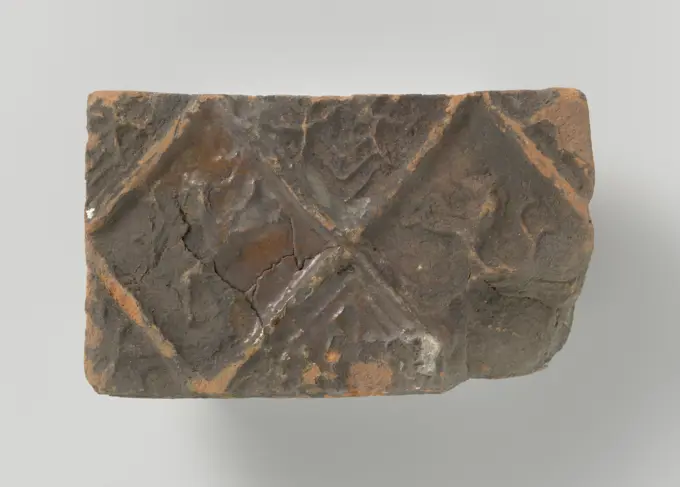
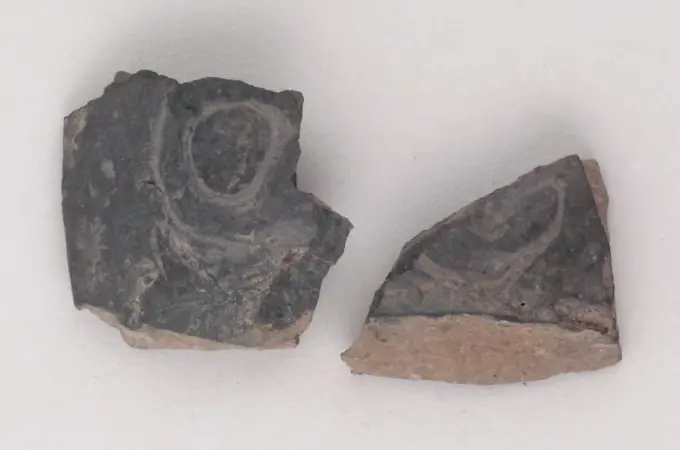
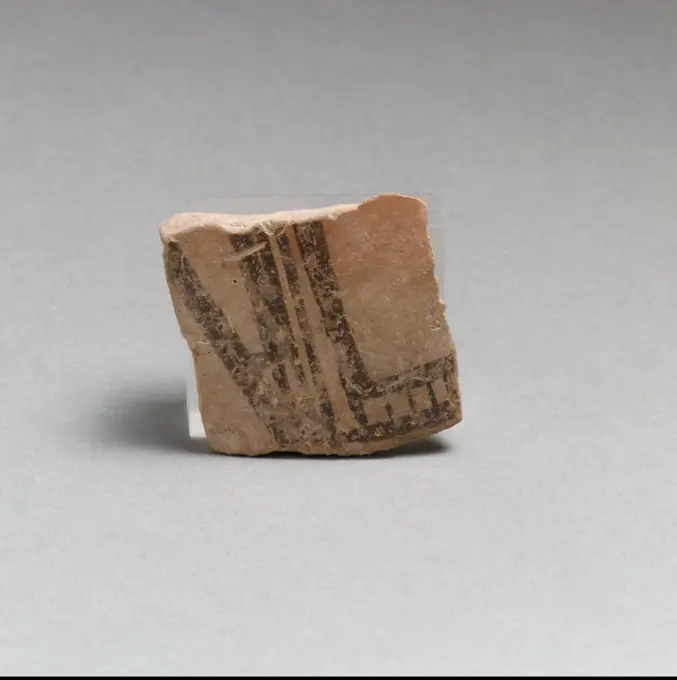
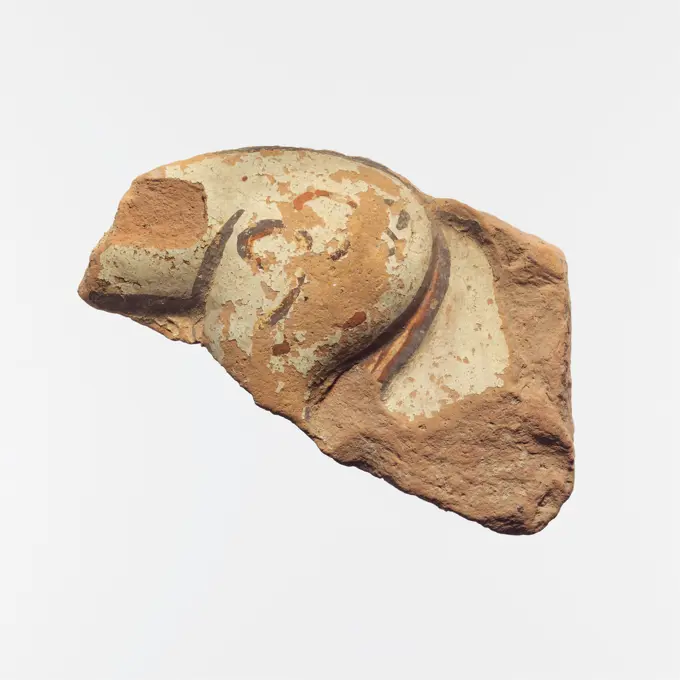
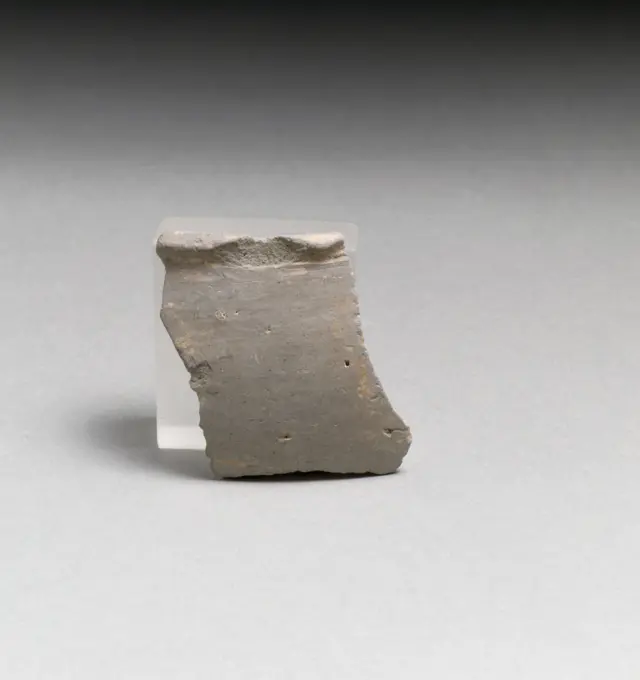
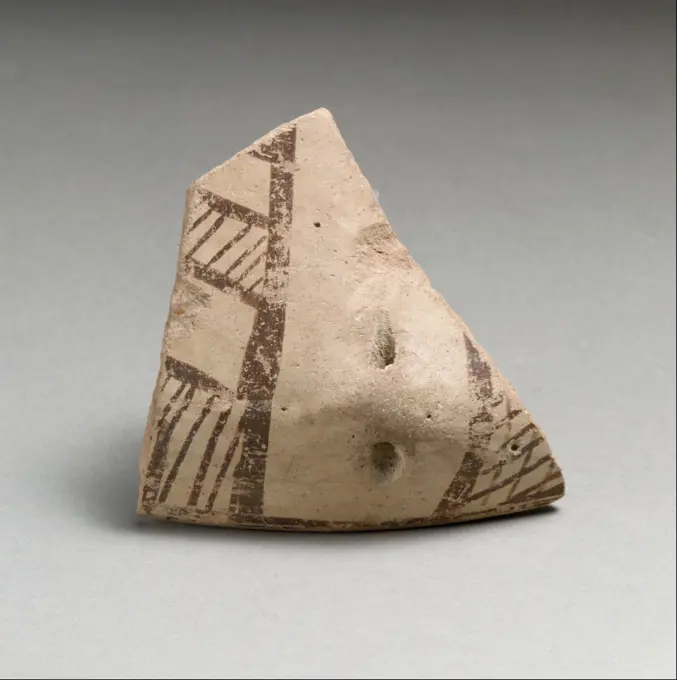
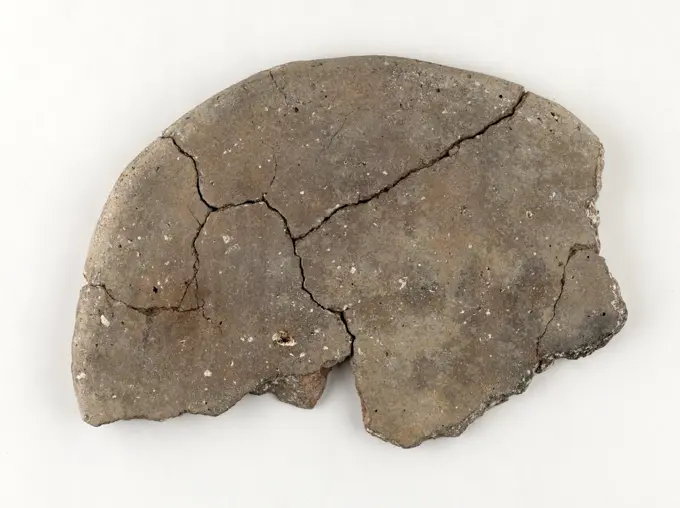
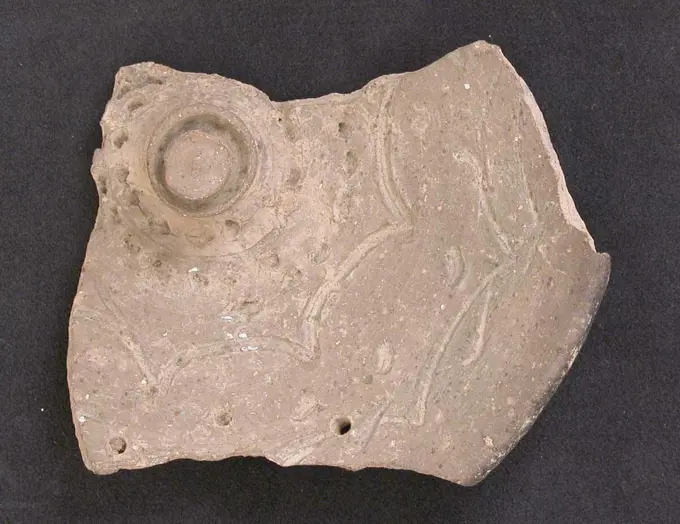
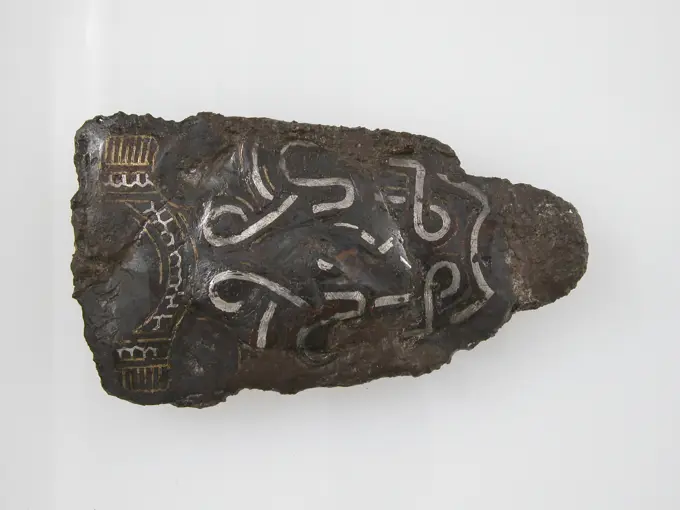
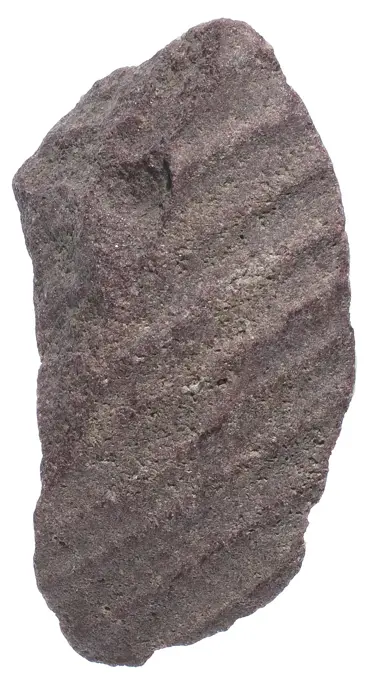
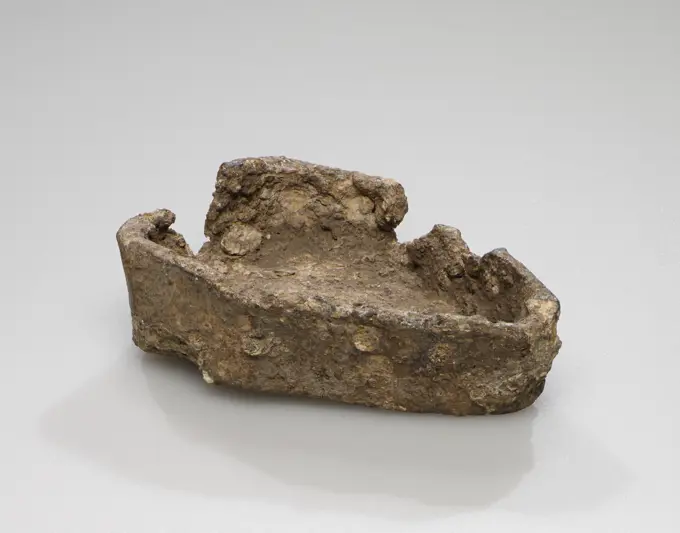
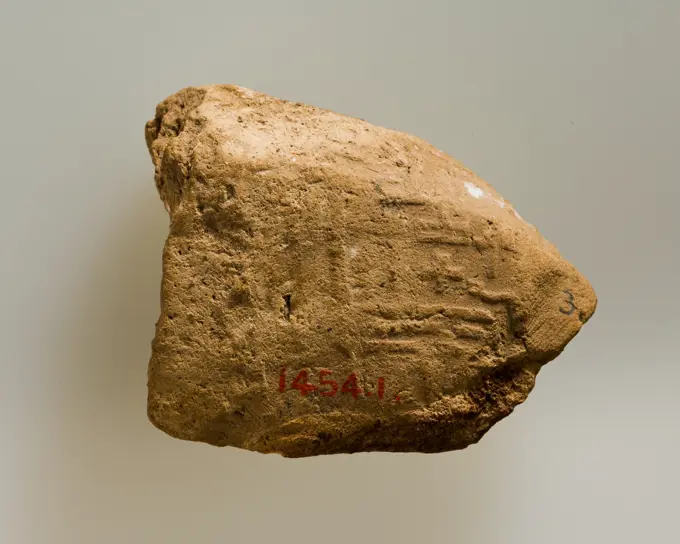
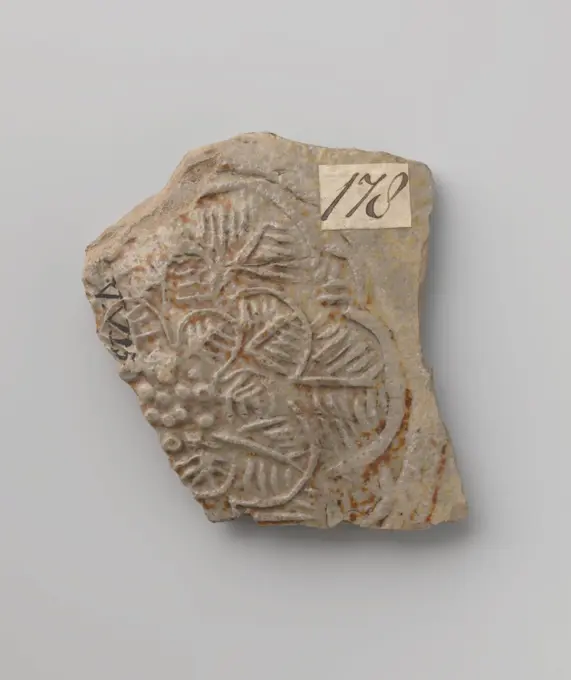
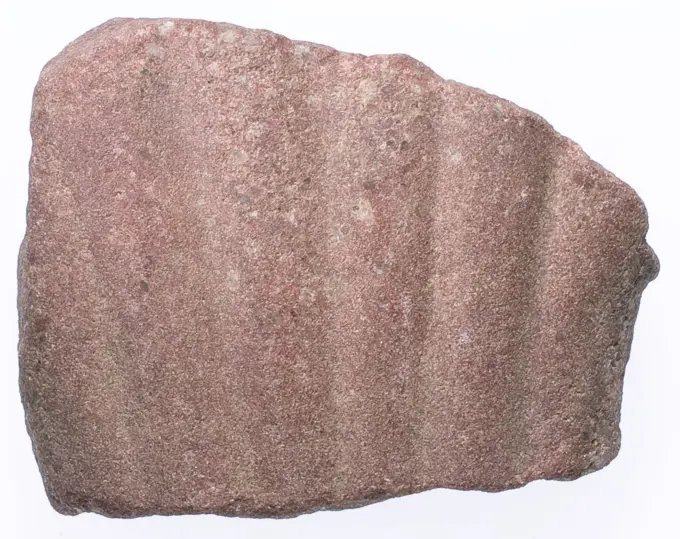
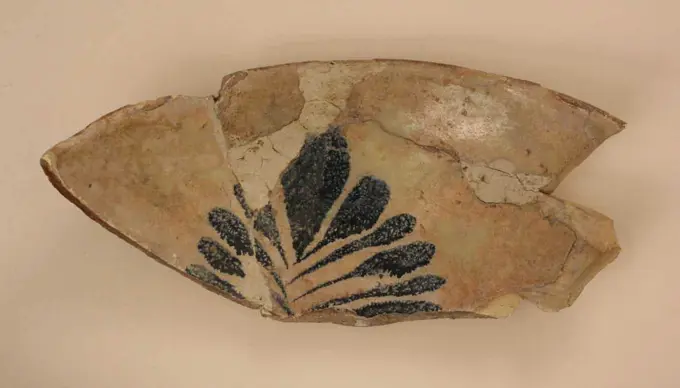
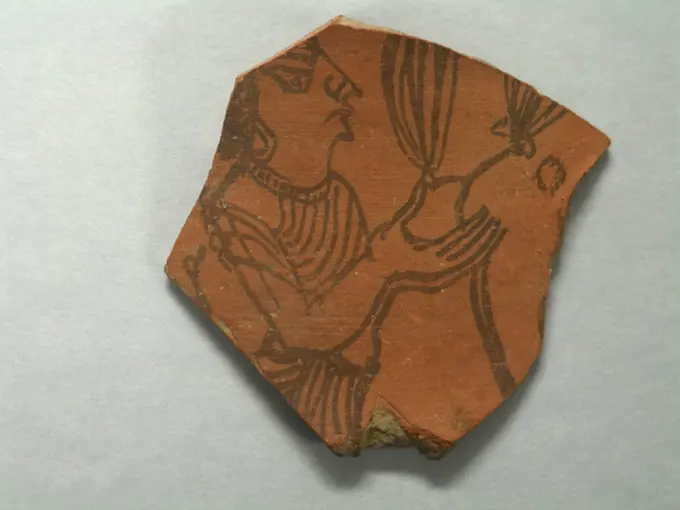
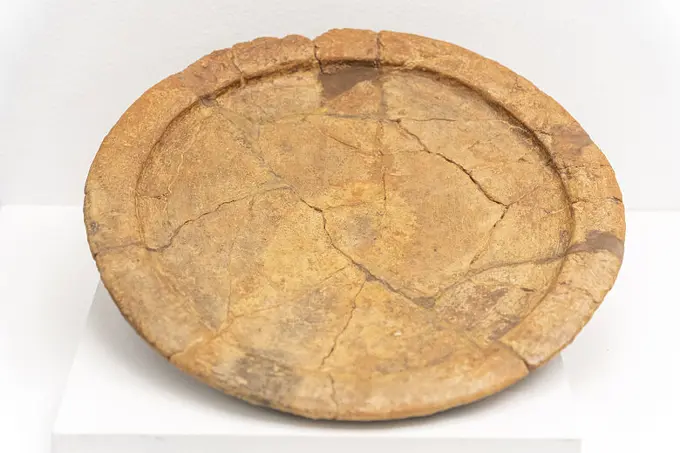
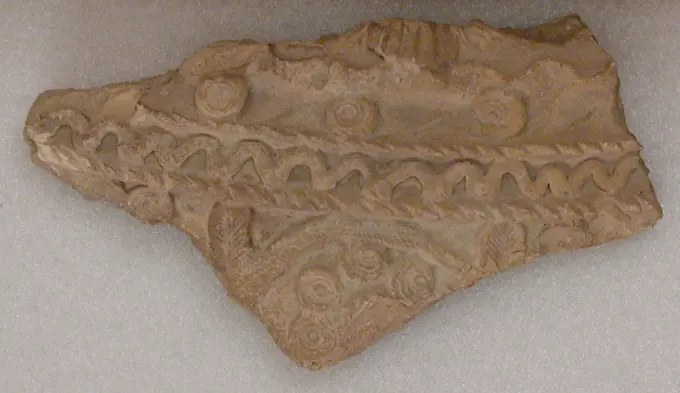
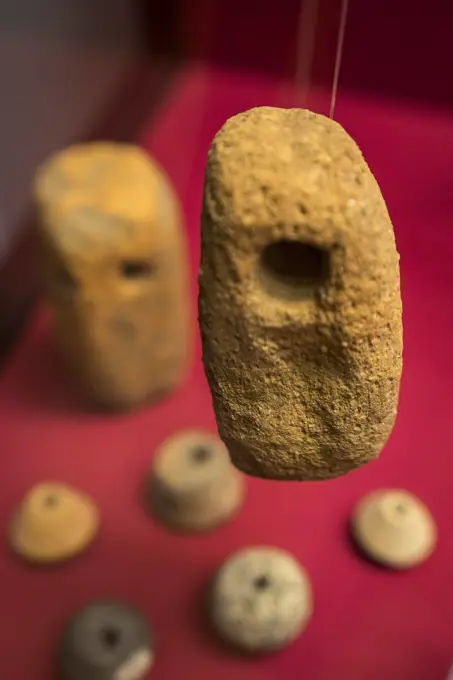
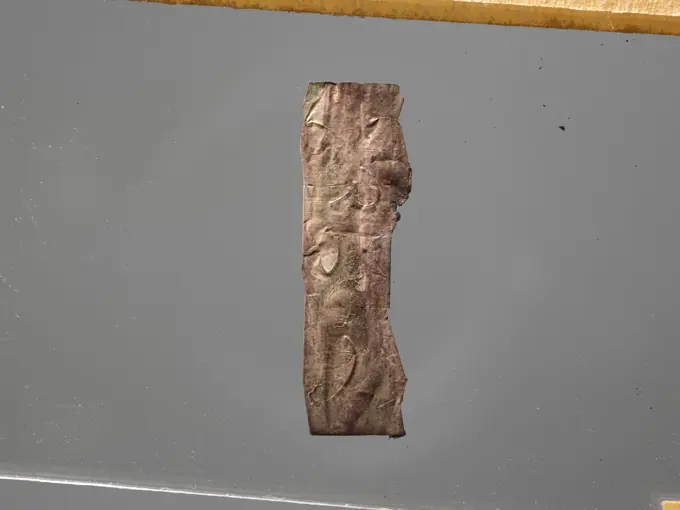
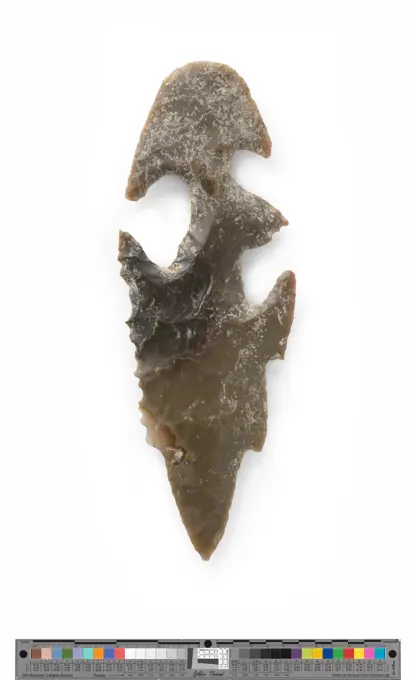
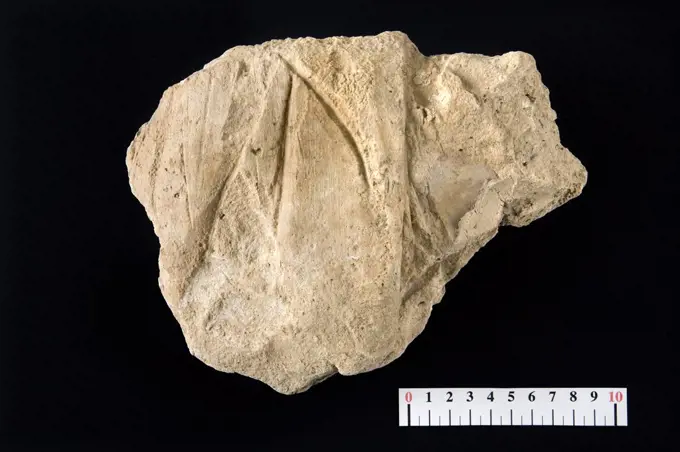
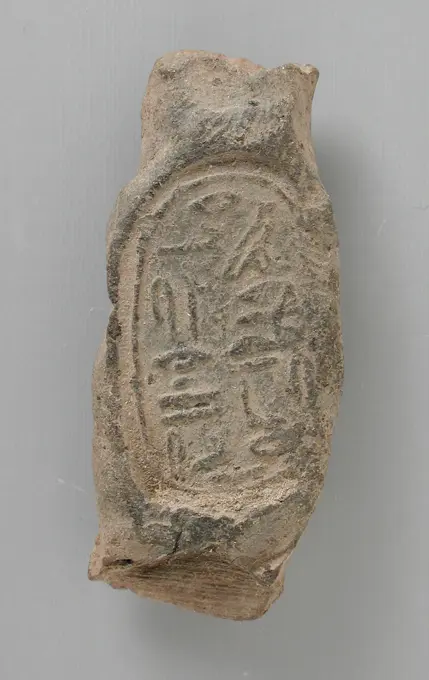
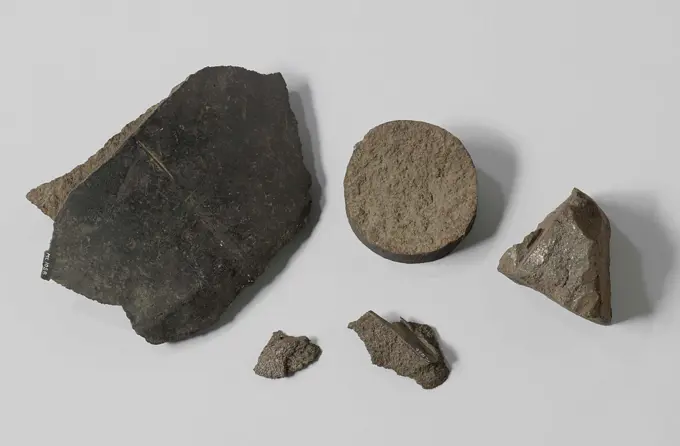
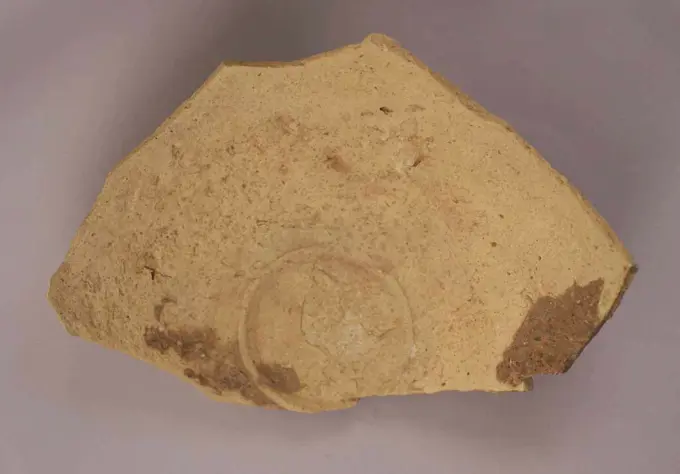
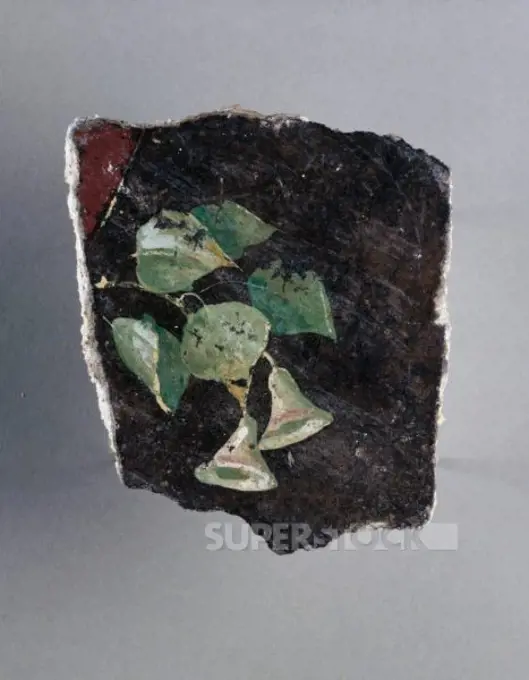
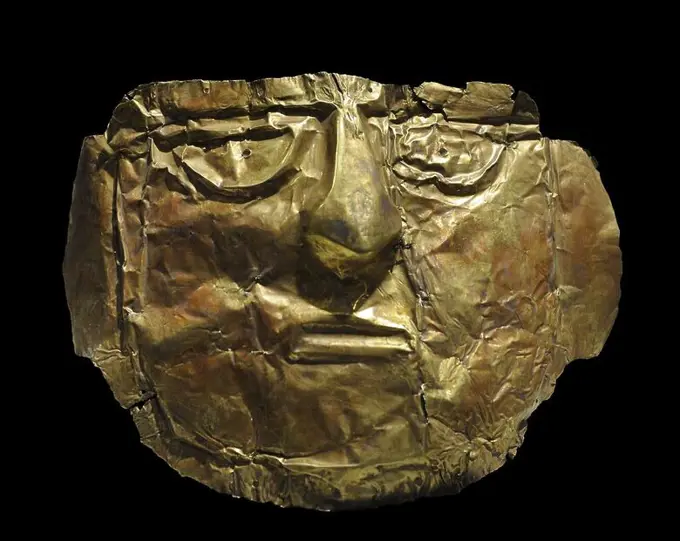
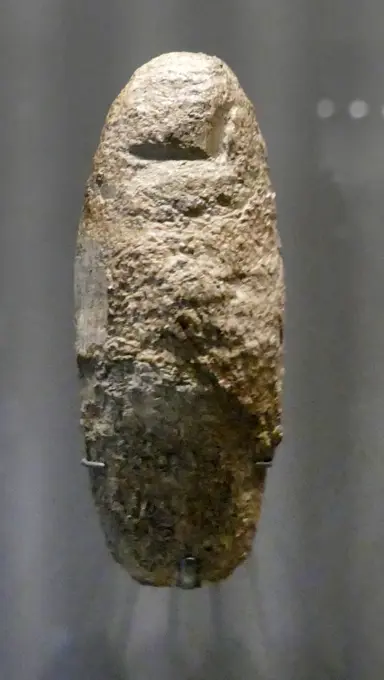
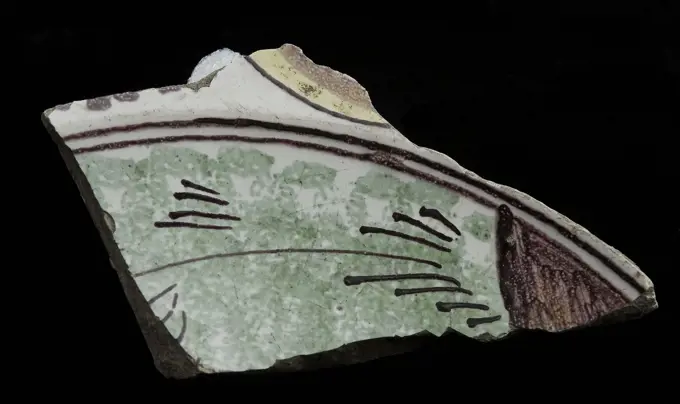
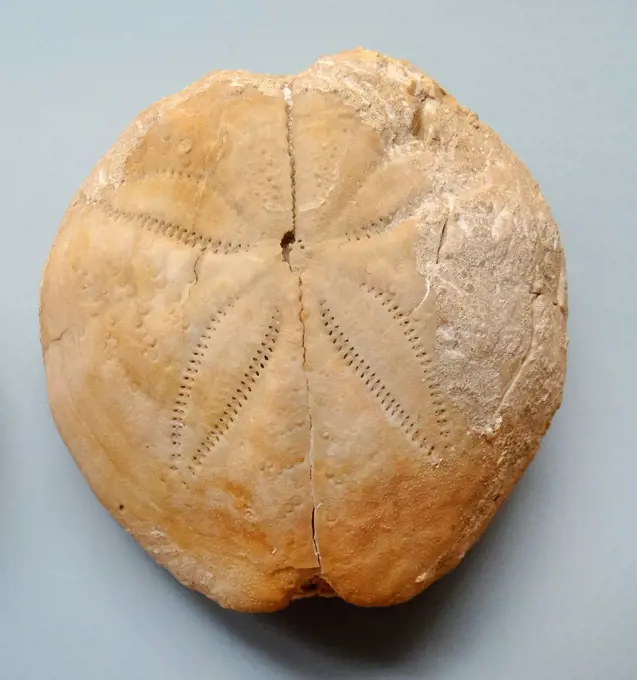
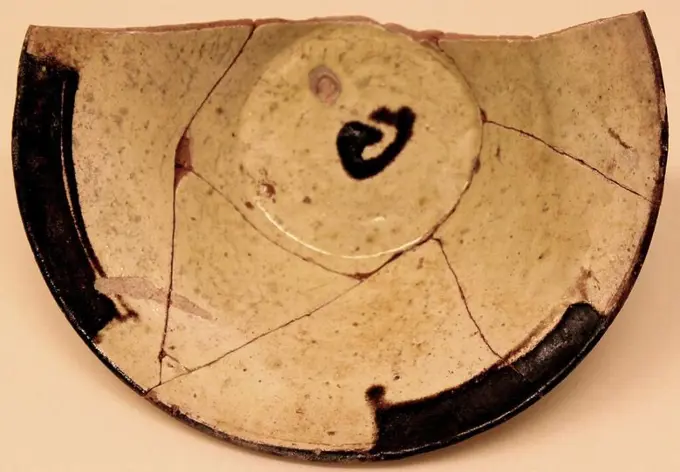
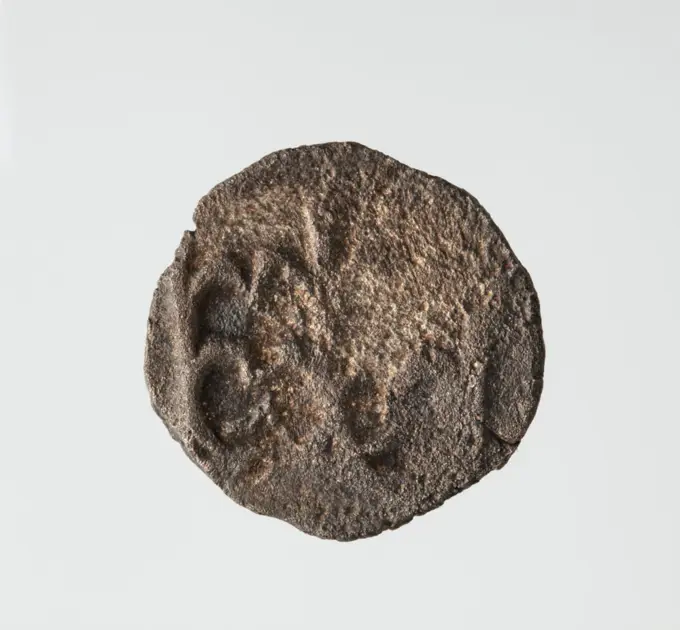
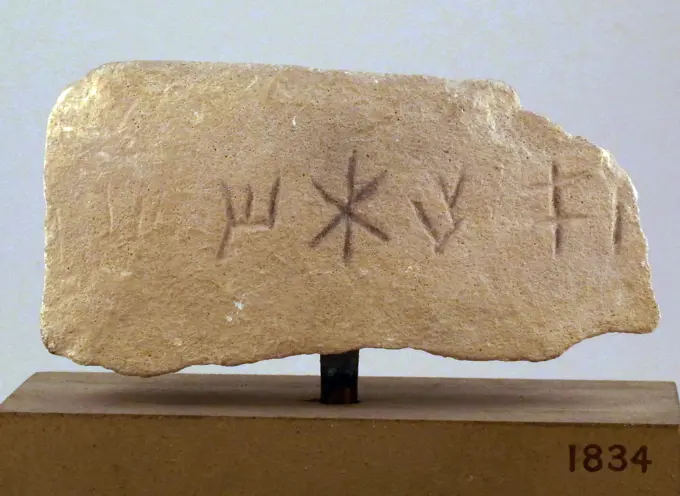
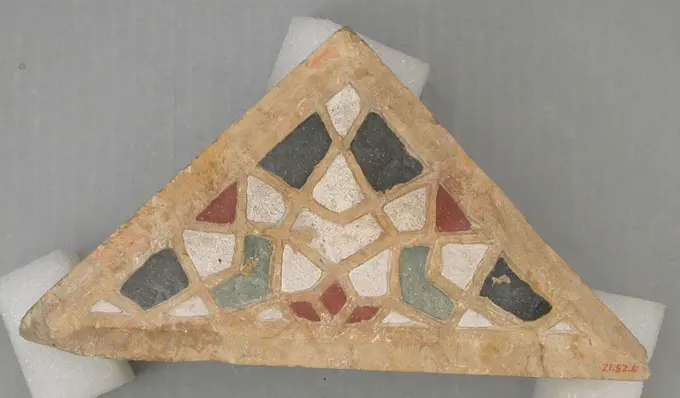
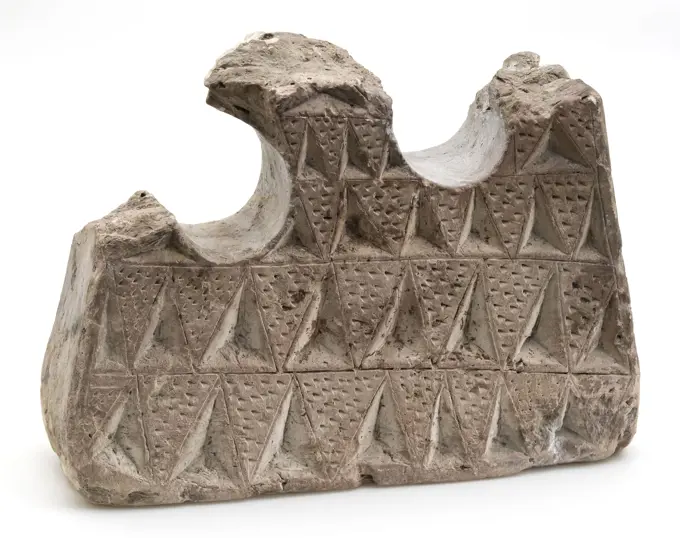
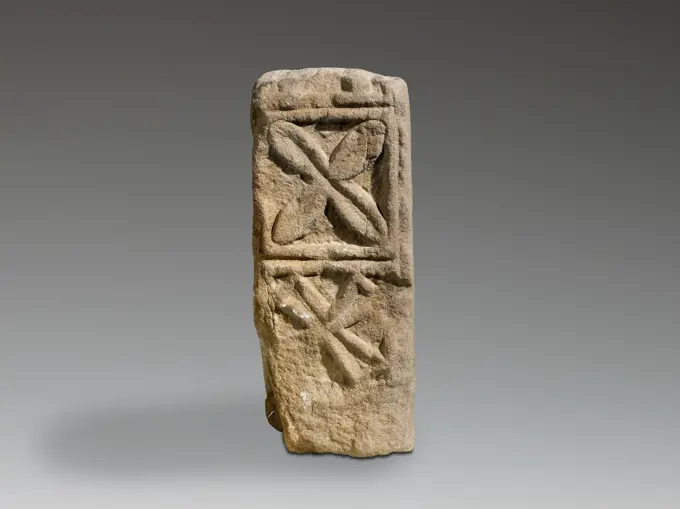
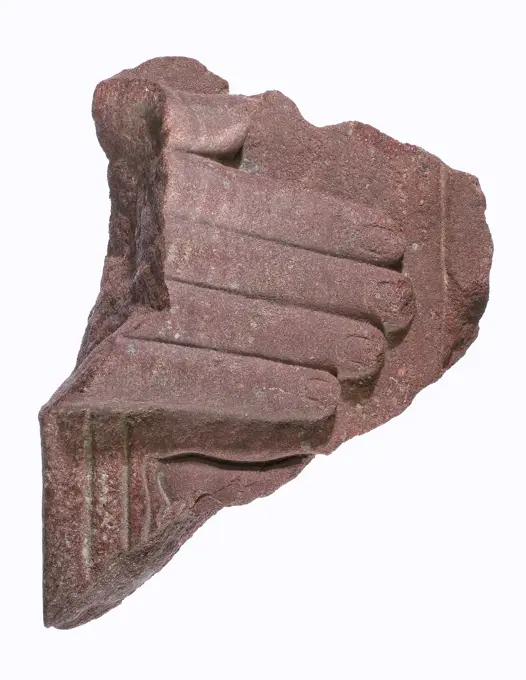
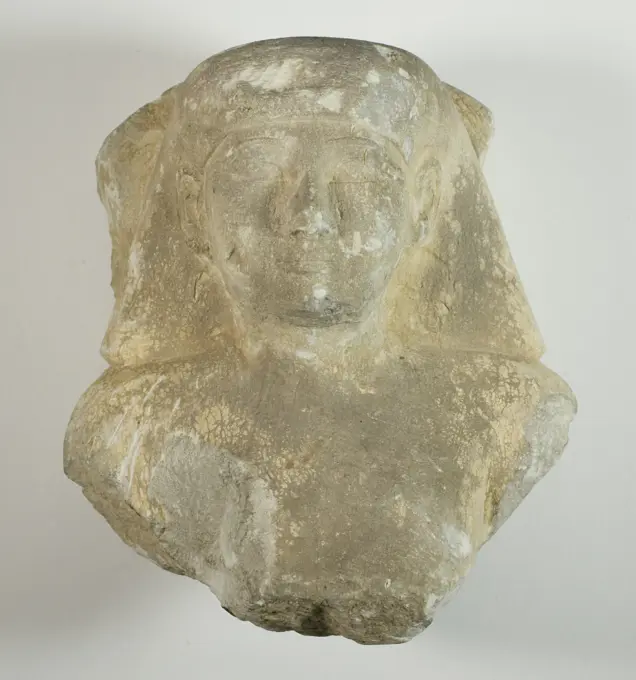
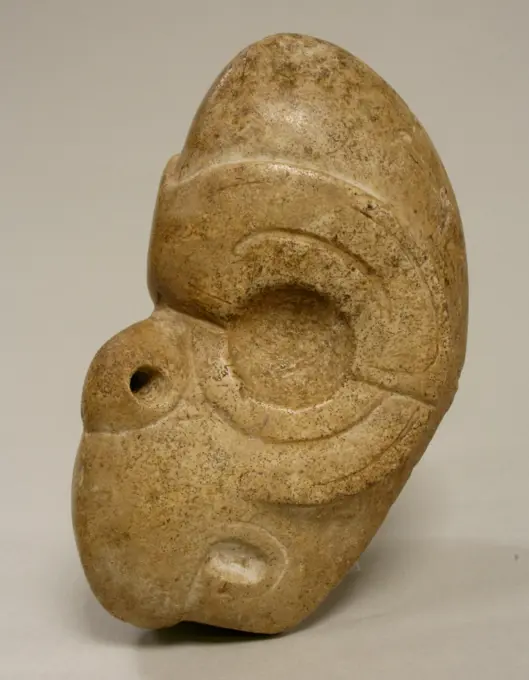
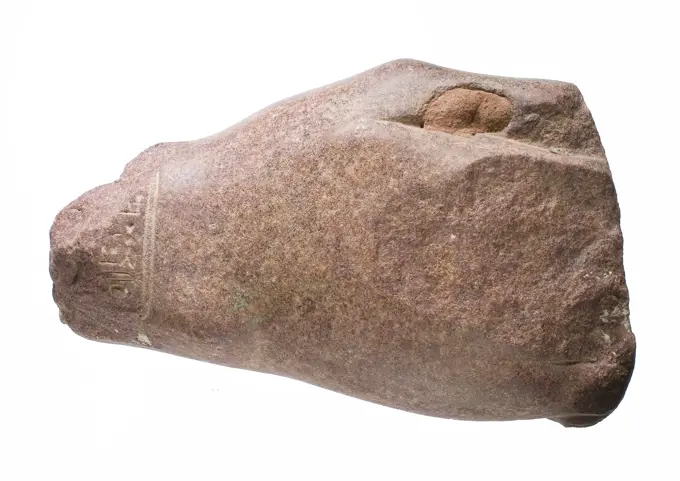
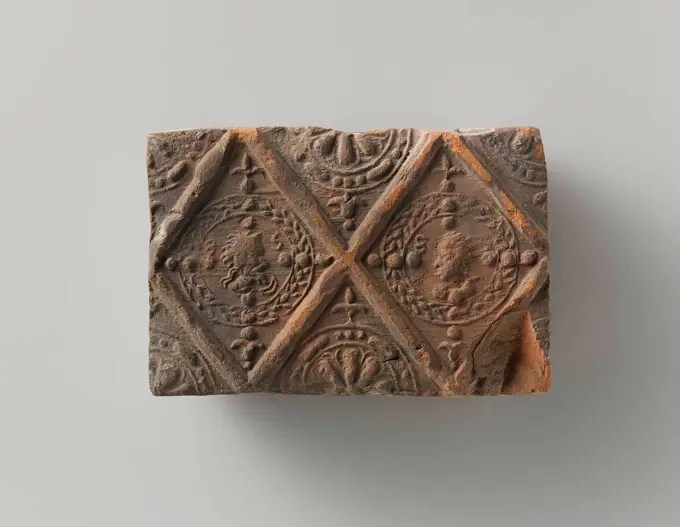
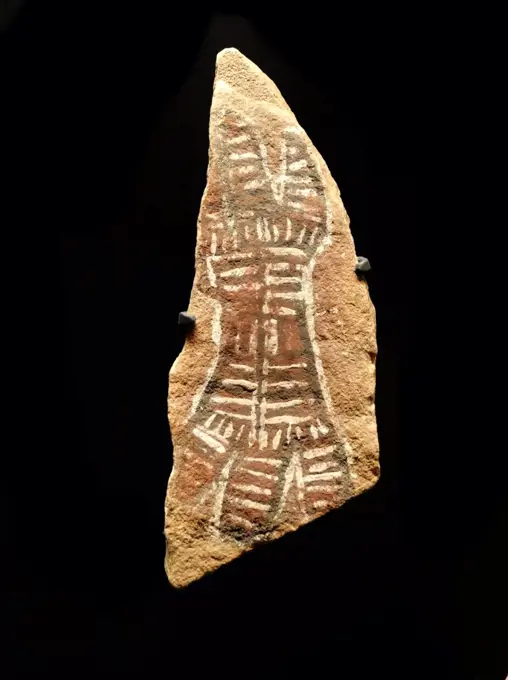
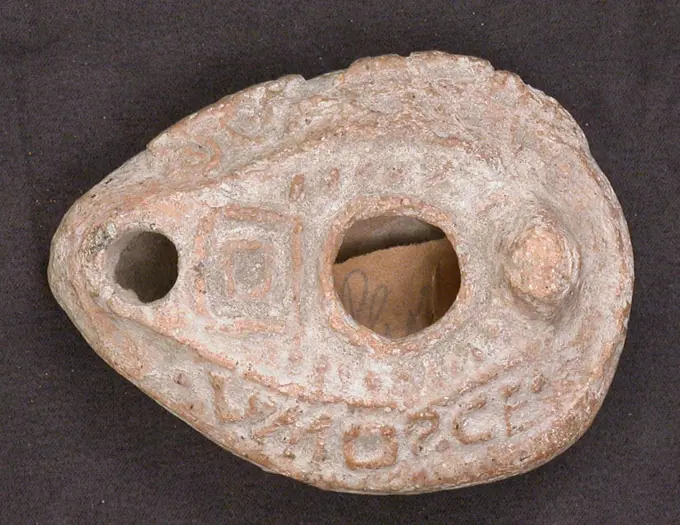
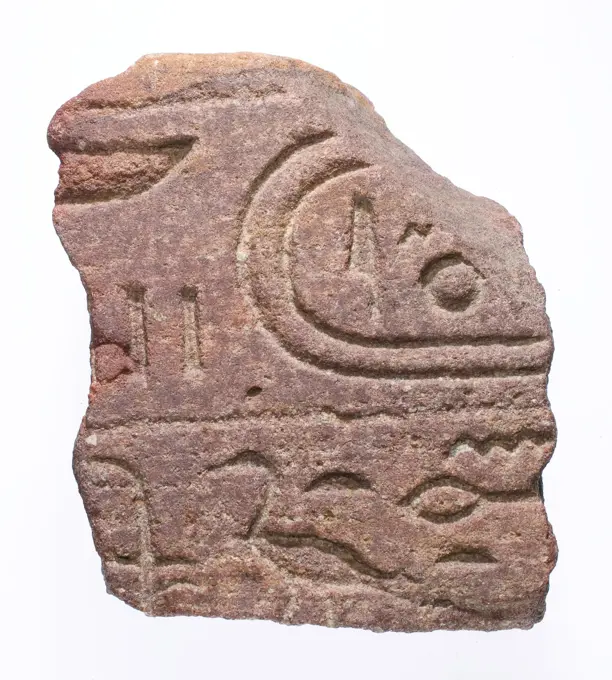
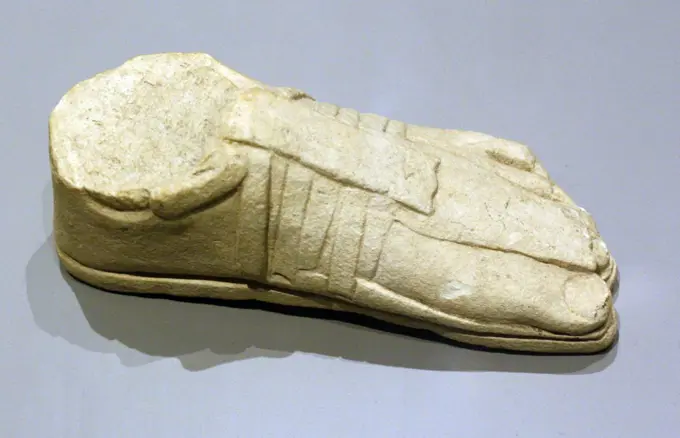
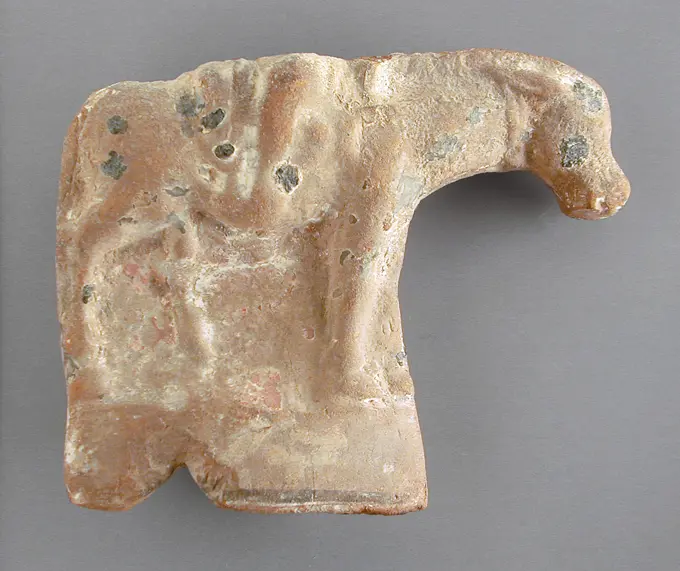
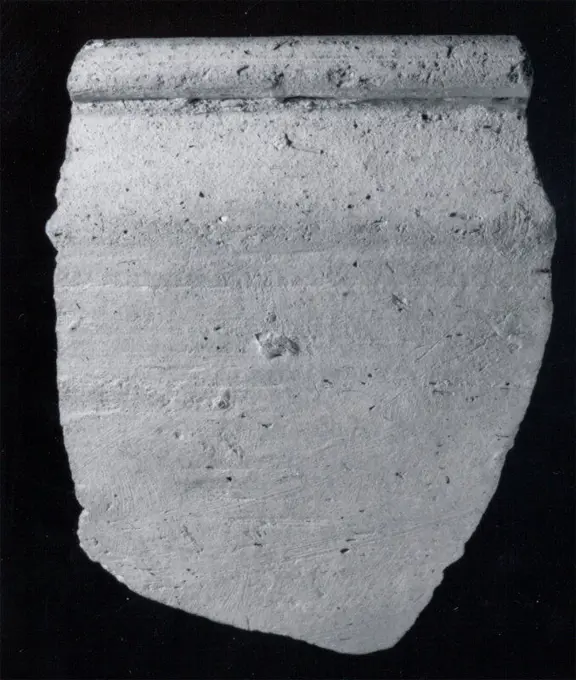
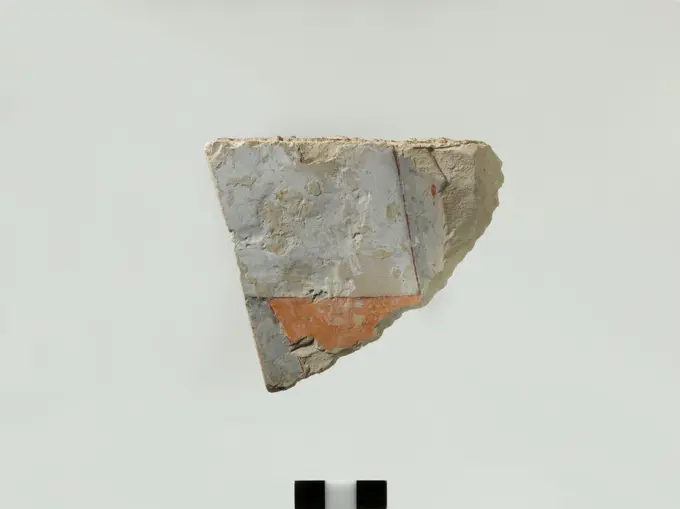
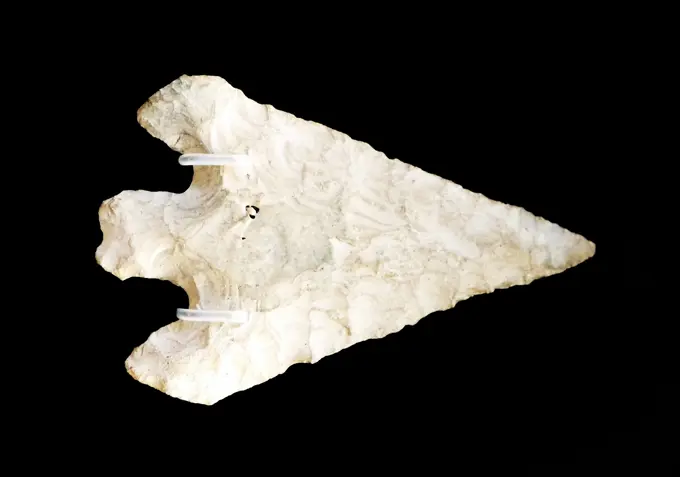
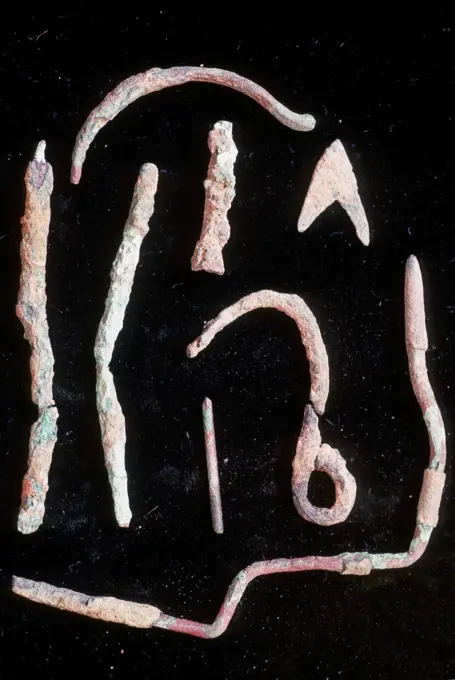
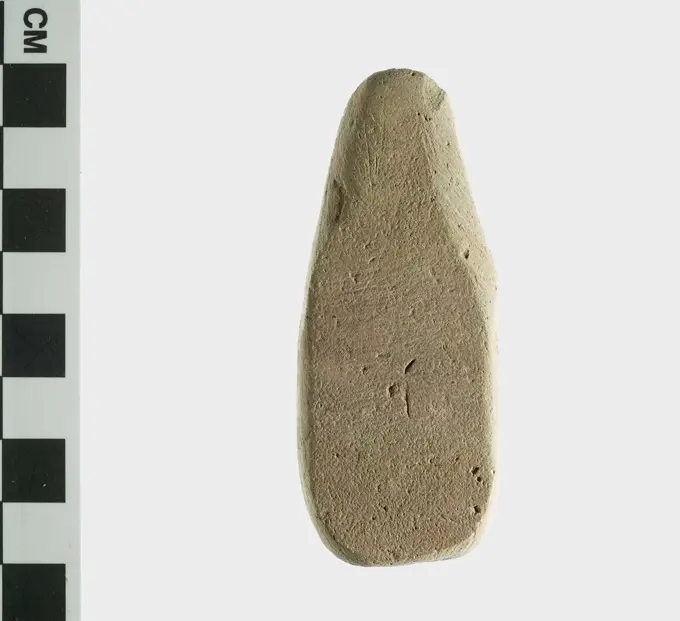
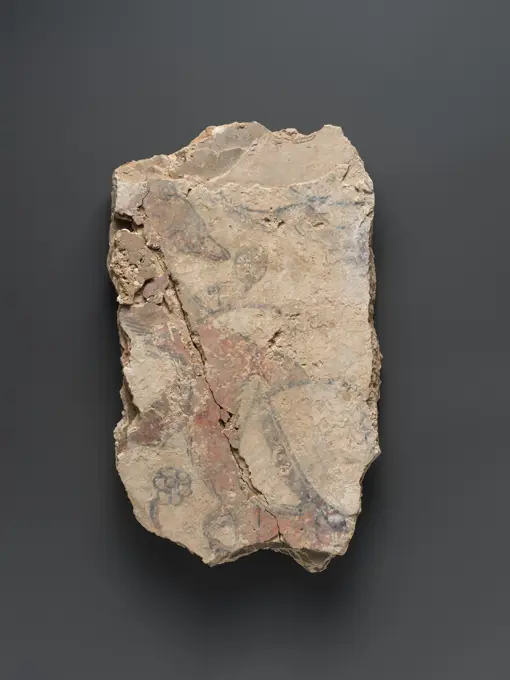
Fragment of a Wall Painting with a Fox or a Dog (and Painted Layers) 12th century This mural fragment was found during a museum excavation among the debris of a bathhouse, together with other depictions of quadrupeds, birds, and human figures. It demonstrates the complexity of the techniques employed in medieval times, which was largely unknown to early twentieth-century forgers. The paintings are executed with a sure hand, first applying the main colors and later outlining the designs, on a humid to dry plaster. The pigments wide-ranging components suggest that a standardized palette had not yet been developed.. Fragment of a Wall Painting with a Fox or a Dog (and Painted Layers). 12th century. Lime plaster; painted. Excavated in Iran, Nishapur. PlasterMosaic floor bedding. Culture: Roman. Dimensions: 5 1/2 × 2 1/2 in. (14 × 6.4 cm). Museum: Metropolitan Museum of Art, New York, USA.Oracle Bone Fragment. Culture: China. Dimensions: 2 1/8 x 1 1/2 in. (5.4 x 3.8 cm). Date: 13th-11th century B.C.. Museum: Metropolitan Museum of Art, New York, USA.Fragment of the vessel; Egyptian workshop; V-VIII century (401-00-00-800-00-00);Coptic collectionVase fragment Neolithic. Vase fragment 251328 Neolithic, Vase fragment, Terracotta, 2 7/16  1 15/16  3/4  5/16 in. (6.2  4.9  1.9  0.7 cm). The Metropolitan Museum of Art, New York. Gift of Gisela M. A. Richter, 1923 (23.121.28)Fragment; (possibly) belonging to the Retable of Soest. .Fragment imadła amfory ze stemplowane. Das (ca 280-ca 205 a.C.), potter's workshopVase fragment 1st half of 2nd century A.D. Roman Standing male, Nike () and Eros.. Vase fragment 250359waist area from a statue of the king. Dimensions: H. 18.5 × W. 18 × D. 7 cm (7 5/16 × 7 1/16 × 2 3/4 in.); cartouche: W. 3.3 cm (1 5/16 in.). Dynasty: Dynasty 18. Reign: reign of Akhenaten. Date: ca. 1353-1336 B.C.. Museum: Metropolitan Museum of Art, New York, USA.Fragment sent with "Dancing Lady": Serpent in Relief, c. 50 BC. Greece, Alexandria (), 1st century B.C.. Marble; overall: 85.4 cm (33 5/8 in.).Grahal-Manzara. Carnavalet 2013-2016 collection sites. Numismatics.Blade ca. mid-4th millennium B.C.. Blade 327841Panel fragment ca. 8th-7th century B.C. Iran. Panel fragment 324181Vessel Fragment. Culture: Coptic. Dimensions: Overall: 2 11/16 x 3 9/16 x 1 3/4 in. (6.9 x 9 x 4.4 cm). Date: 4th-7th century. Museum: Metropolitan Museum of Art, New York, USA.Flat pan, pan holder soil find ceramic earthenware glaze lead glaze, Half flat pan with hollow handle. Red earthenware archeology Spaland Kethel Schiedam Soil discovery Schiedam Kethel terp Spaland site II April May 1962.Terracotta rim of a cup with spirals and band ca. 1800-1700 B.C. Minoan From Knossos, CretePolychrome fragment, white spiral ornament, and bands of orange and white on dark ground.. Terracotta rim of a cup with spirals and band 248543Jar rim sherd ca. late 3rd millennium B.C.. Jar rim sherd 325264Raised relief fragment 664-610 B.C. Late Period, Saite see 23.3.468. Raised relief fragment 548011Early Neolithic pottery with printed decoration, Chaves Bastarás-Casbas cave, Huesca museum, Aragon community, Spain.Fireplace with presentation of two climbing lions, placed in two windows. Fireplace with a show of two climbing lions, placed in two windows and accompanied by the year 1634. The half windows at the top and bottom are filled with diamond-shaped flowers.ECU of the blood family (dummy title). Stone, traces of polychromy. Carnavalet museum, history of Paris. Sculpted fragment of an armorious shield carried by angels. The coat of arms, from silver to the cross, acted with sand accompanied by four cans of the same, the dull legs, is indeed that of the blood family.Fragment of an lower body (an upper leg); (possibly) belonging to the Retable of Soest. .Crown with discs, uraeus coils and frontlet ca. 1353-1336 B.C. New Kingdom, Amarna Period. Crown with discs, uraeus coils and frontlet 567662Brigandine Plate. Culture: Italian. Dimensions: H. 11 1/4 in. (28.6 cm); W. 9 in. (22.9 cm); Wt. 1 lb. 4 oz. (567 g). Date: 1400-1450. Museum: Metropolitan Museum of Art, New York, USA.Crown with discs and uraeus coils. Dimensions: H. 9.6 × W. 11.7 × max. Th. 4.3 cm (3 3/4 × 4 5/8 × 1 11/16 in.). Dynasty: Dynasty 18. Reign: reign of Akhenaten. Date: ca. 1353-1336 B.C.. Museum: Metropolitan Museum of Art, New York, USA.Hearing stone with representation of two climbing lions, c. 1600 - c. 1625 Hearing stone with representation of two two climbing lions, placed in profiled window. The half windows on the top and bottom are filled with leaf motif. Southern Netherlands earthenware vitrification Hearing stone with representation of two two climbing lions, placed in profiled window. The half windows on the top and bottom are filled with leaf motif. Southern Netherlands earthenware vitrificationPrawa dłoń, fragment sarkofagu antropoidalnego. unknown, authorVase fragment ca. 580-550 B.C. Etruscan Hind part of a lion in relief.. Vase fragment. Etruscan. ca. 580-550 B.C.. Terracotta; bucchero pesante. Archaic. VasesVase fragment ca. 4000-3000 B.C. Neolithic, Thessaly. Vase fragment. Neolithic, Thessaly. ca. 4000-3000 B.C.. Terracotta. Neolithic, second period. VasesRaised relief fragment 664-610 B.C. Late Period, Saite see 23.3.468. Raised relief fragment 547997Fragment of a terracotta architectural tile 6th century B.C. Lydian Hindquarters of a quadruped.. Fragment of a terracotta architectural tile 252645 Lydian, Fragment of a terracotta architectural tile, 6th century B.C., Terracotta, Overall: 4 7/8 x 2 1/2 in. (12.4 x 6.4 cm). The Metropolitan Museum of Art, New York. Gift of The American Society for the Excavation of Sardis, 1926 (26.199.75)Vase fragment Minoan. Vase fragment 247654Highstone with representation of the two -headed eagle between the columns of Hercules, c. 1550 - c. 1600 Highstone with representation of the two -headed eagle between the columns of Hercules. Southern Netherlands earthenware Highstone with representation of the two -headed eagle between the columns of Hercules. Southern Netherlands earthenwareVase fragment ca. 4000-3000 B.C. Neolithic, Thessaly. Vase fragment 253226 Neolithic, Thessaly, Vase fragment, ca. 40003000 B.C., Terracotta, length 2 13/16in. (7.1cm). The Metropolitan Museum of Art, New York. Anonymous Gift, 1930 (30.119.21)Bread dish. Terracotta. Neolithic. Paris, Carnavalet museum. Neolithic, bread dish, terracotta, dishes, archeological vestigeFragment of a Lid 8th-9th century. Fragment of a Lid 449009Throne block with inscription and border pattern ca. 1353-1336 B.C. New Kingdom, Amarna Period. Throne block with inscription and border pattern 549875Belt Plate 7th century Frankish. Belt Plate 465549 Frankish, Belt Plate, 7th century, Iron, silver inlay, brass inlay, Overall: 3 7/16 x 1 15/16 x 5/16 in. (8.8 x 5 x 0.8 cm). The Metropolitan Museum of Art, New York. Gift of J. Pierpont Morgan, 1917 (17.193.228)body with garment pleats ca. 1353-1336 B.C. New Kingdom, Amarna Period. body with garment pleats 561684Lamp. UnknownRaised relief fragment 664-610 B.C. Late Period, Saite see 23.3.468. Raised relief fragment 548002Clay jar sealing Clay jar sealing impressed with name of Khasekhemwy ca. 2650 B.C. Early Dynastic Period. Clay jar sealing Clay jar sealing impressed with name of Khasekhemwy 547400Fragment of a jug with a flower roundel, anonymous, c. 1570 - c. 1610 Fragment of a jug of stoneware. On the shard in relief, part of a flower rosette in a medallion. Raeren or frechize. Raeren (possibly) stoneware. glaze vitrification Fragment of a jug of stoneware. On the shard in relief, part of a flower rosette in a medallion. Raeren or frechize. Raeren (possibly) stoneware. glaze vitrificationinlay element ca. 1353-1336 B.C. New Kingdom, Amarna Period. inlay element 561683Fragments of a Bowl with Blue Palmette 9th century This bowl was excavated at Ctesiphon, the Sasanian metropolis and administrative capital conquered by Arab Muslim armies in 637. The city was known in Arabic as al-Madain, or “the cities”, for its extended area. Arab historians indulge in describing al-Madain/Ctesiphons grand monuments, which obsessed Muslim rulers and may have acquired a symbolic meaning related to its imperial past. This was the case of the Taq-i Kisra, an impressively-sized ivan (a vaulted hall with one side open) partially dismantled to reuse its bricks in caliphal buildings in the new capital Baghdad. Finds like this fragment, which was excavated at a site named el-Ma'aridh II, attest to the continued occupation of Ctesiphons urban area in the early Islamic period. Similar ceramics count amongst the advances achieved by Iraqi potters in the 9th century. Beside technical innovations, such as the development of a range of opacifying techniques for glazes and theShard: Offerer with Flower ca. 4th-5th century Pakistan. Shard: Offerer with Flower 51095Mauritania. Agrour Rock Art SiteFragment 8th-9th century. Fragment 448877Fragment 14th-15th century. Fragment 445503PIEZAS DE LA EXPOSICION "ARTE SIN ARTISTAS": ESCENA CON DOS PERSONAJES O "EL NAIPE", DEL GRAN ABRIGO DE LAUSSEL. MARQUAY, DORDOÑA (FRANCIA). GRABADO EN PIEDRA CALIZA, GRAVETIENSE.Fragment 6th-8th century. Fragment 445968plate with thickened edge, III BC, El Moro tomb, Niebla, Huelva Museum, Huelva, Andalusia, Spain.Fragment 8th-9th century. Fragment 448847Women's Grande loge de France. Stone. Paris. France.loom weights and spindles loom weights and spindles, Iberian culture, Archeological Museum. Úbeda, Jaén province, Andalusia, Spain Copyright: xZoonar.com/BartomeuxBalaguerxRotgerx 21702801HACHA DE PIEDRA - ARMA RUPESTRE. Location: MUSEO ARQUEOLOGICO-PREHISTORIA. GRANADA. SPAIN.CINCEL DECORADO. PALEOLITICO. (DEPOSITO: MUSEO ARQUEOLOGICO NACIONAL).Lamella Case Fragment. UnknownEccentric Flint. Belize, Guatemala, Honduras, or Mexico, Maya, 600-900 CE. Stone. ChertRelief with jars on stands ca. 1353-1336 B.C. New Kingdom, Amarna Period. Relief with jars on stands. ca. 1353-1336 B.C.. Limestone, paint (mostly modern). New Kingdom, Amarna Period. From Egypt; Probably from Middle Egypt, Hermopolis (Ashmunein; Khemenu); Probably originally from Amarna (Akhetaten). Dynasty 18Restoration techniques of Romanesque decorative stuccoes, find n 9, recto, after restoration, basilica of Santa Maria Maggiore, Lomello, Lombardy. Italy, 11th century.Seal Impression Belonging to an Overseer. Egypt, Middle Kingdom () (1991 - 1600 BCE). Tools and Equipment; seals. Semi-baked clay of gray color with scorch marksFive fragments of a burst gun. One large, one medium, one circular and two small fragments of a canon of 30 pounds. The circular piece is smooth on the outer circumference; It could come from one of the taps. All the other pieces have one slippery side; The big piece may come from the Kulas.Fragment 9th century. Fragment 451136Fragments of Romanesque decorative stuccoes, after its restoration, recto, basilica of Santa Maria Maggiore, Lomello, Lombardy. Italy, 11th century.Pictorial decoration of bells, fragment, House of the Golden Bracelet, Pompeii, Campania, Italy. Roman civilisation, 1st century AD.Máscara funeraria realizada en oro. Cultura Chimú, Período Intermedio Tardío (1100-1400 d. C.). Perú. Museo de América. Madrid. España.Vase fragment Minoan. Vase fragment 247692The Venus of Willendorf made from Oolitic limestone.Small fragment majolica scale, polychrome, tree or shrub, plate dish crockery holder soil find ceramic earthenware glaze, baked underside covered with lead glaze. Polychrome. Archived background archeology Rotterdam Bijenkorf underground pit adorn serving food Ground discovery metro works Rotterdam 1966 near the Bijenkorf.Spatangus purpureus, a genus of heart urchins in the Spatangidae family. European Waters. Dated 1776Bowl. Dimensions: H. 1 1/2 in. (3.8 cm)Diam. 5 3/16 in. (13.2 cm). Date: late 9th-10th century. Museum: Metropolitan Museum of Art, New York, USA.Bliżej Kultury Władysław Warneńczyk (King of Poland, 1434 1444), Mint of KrakówLimestone inscribed box fragment Cypriot Fragment of a stone box (ex-voto) with Cypro-Syllabic inscription, dedicated to the Lady of Paphos.. Limestone inscribed box fragment. Cypriot. Stone. Cesnola InscriptionsTile 12th-14th century. Tile. 12th-14th century. Earthenware; glazed. Attributed to Egypt. Ceramics-TilesCoin/Token. Eastern Mediterranean, Roman, circa 2nd century. Tools and Equipment; coins. TerracottaLead, Młynarska, Moulins de Pont D'Ain; 20th Century unknownFragment of a Bowl 14th-15th centuryAimé-Jules Dalou (1838-1902). "Booter holding a sickle". Terracotta, 1894. Museum of Fine Arts of the City of Paris, Petit Palais. Booter, date, base base, label, sickle, hold, terracottaPottery spit semi-trailer, triangular model with carving trim, spit trailer lower found ceramic earthenware, hand shaped baked carved earthenware spire trailer decorated with kerfsneewerk. Triangular model with two or three recesses to insert the spit Decoration on the sides consists of: squares divided into triangles with mespoints and recessed triangles. On the other side: horizontal series of triangles alternately submerged or triangles filled with mespunten archeology indigenous pottery hearth food prepare kitchen fryingFragment of Gara; Unknown Nubian workshop; 1. PO. VII century (601-00-00-650-00-00);Faras (Sudan), relief decorations, architectural elements, crosses, Nubian art, rosettes (ornament), Polish excavations in Faras (Sudan), HungaryHand from a stelophorous statue with part of the Horus name of Akhenaten () ca. 1353-1336 B.C. New Kingdom, Amarna Period. Hand from a stelophorous statue with part of the Horus name of Akhenaten () 561644Bust of a Statuette of a Man 664 BCE-525 BCE Egypt. Limestone . Ancient EgyptianDivine images in clay and stone. Goddess figurines from Sha'ar Hagolan made from clay and pigments and pebble figurines from Sha'ar Hagolan and Munhata made from limestone and basalt. From the Yarmukian culture over 8,000 years ago.Chavín nailed head Chavín culture 900 BC-200 BC Perú.Bird Head Hacha 7th-9th century Veracruz. Bird Head Hacha. Veracruz. 7th-9th century. Limestone calcite, pigment. Mexico, Mesoamerica, Veracruz. Stone-SculptureFragment. Dimensions: L 25 x W 18 x H 5.5. Date: probably 8th-12th century. Museum: Metropolitan Museum of Art, New York, USA.old paper and rope on canvas, frameright hand fragment with cartouche of the Aten New Kingdom, Amarna Period ca. 1353-1336 B.C.Baked fireplace, with windows with busts in medallions. Baked fireplace, with windows with busts in medallions.Painted stone from the cliff bandiagara village of Songo. Made from stone and coloured pigments.Lamp 7th-8th century. Lamp 451651Base fragment with name of Akhenaten and titulary of a princess ca. 1353-1336 B.C. New Kingdom, Amarna Period. Base fragment with name of Akhenaten and titulary of a princess 561640Sandals were commonly worn for walking in the ancient world and usually consisted of a protective leather sole that was secured to the wearer's foot with straps or thongs.Donkey. Egypt, 305 BCE - 641 CE. Sculpture. TerracottaBowl rim sherd ca. late 3rd millennium B.C.. Bowl rim sherd. ca. late 3rd millennium B.C.. Ceramic. Early Bronze Age. Mesopotamia, Tell TayaRelief fragment from the tomb of Meketre ca. 1981-1975 B.C. Middle Kingdom. Relief fragment from the tomb of Meketre. ca. 1981-1975 B.C.. Limestone, paint. Middle Kingdom. From Egypt, Upper Egypt, Thebes, Southern Asasif, Tomb of Meketre (TT 280, MMA 1101), MMA excavations, 1920. Dynasty 12Bronze Age arrowhead circa 2500 -1600 BC. BritishCopper Tools of the Harappans from Haryana, Punjab, India Copyright: xDilipxRajgor/DinodiaxPhotoxPolishing stone ca. 1295-1070 B.C. New Kingdom, Ramesside. Polishing stone. ca. 1295-1070 B.C.. Sandstone. New Kingdom, Ramesside. From Egypt, Memphite Region, Lisht North, Cemetery, MMA excavations, 1915-16. Dynasty 19-20