Historical Artifacts and Fragments

Ancient fragments including wall paintings, mosaics, and oracle bones showcasing cultural and historical significance.
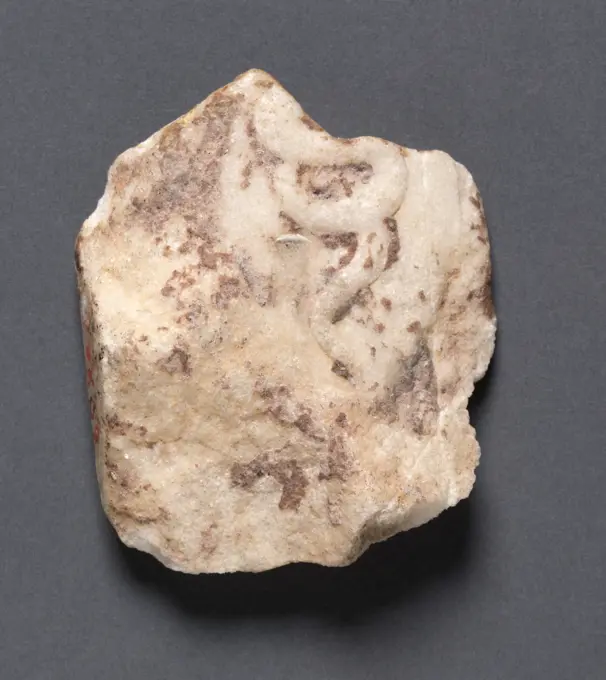
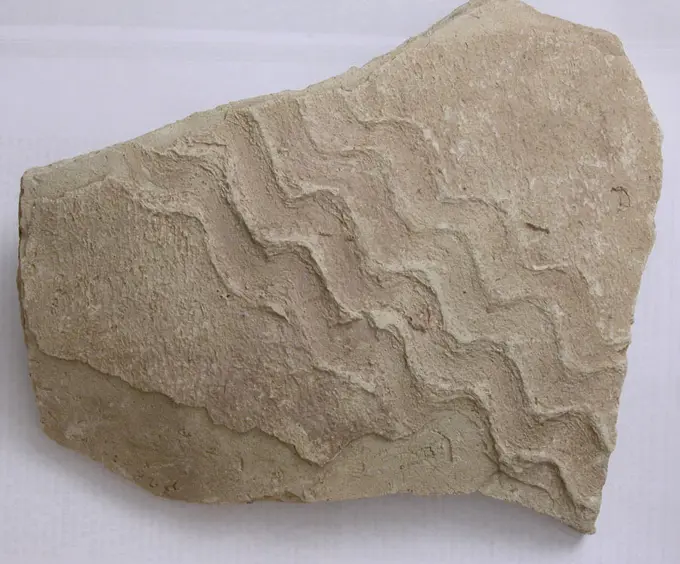
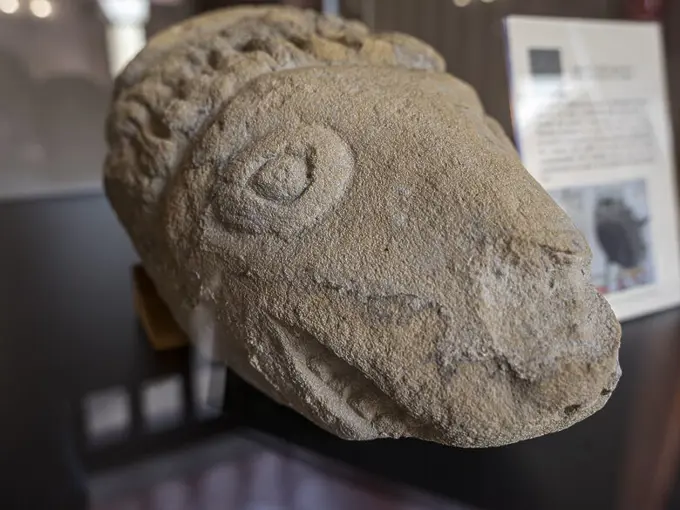
Fragment sent with "Dancing Lady": Serpent in Relief, c. 50 BC. Greece, Alexandria (), 1st century B.C.. Marble; overall: 85.4 cm (33 5/8 in.).
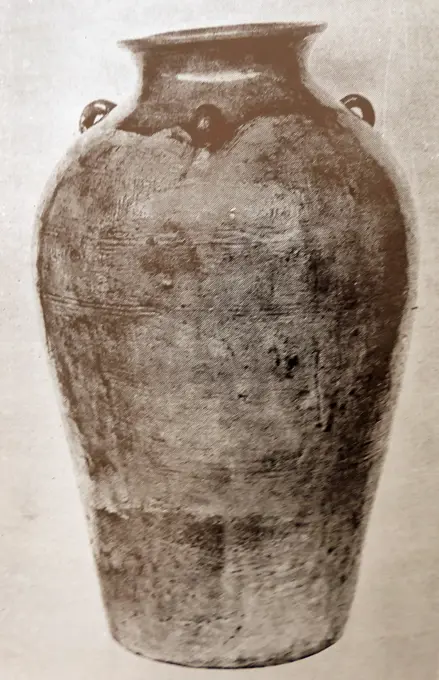
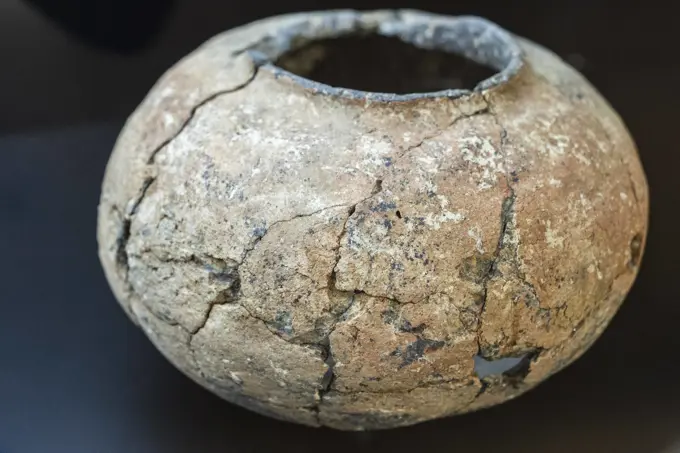
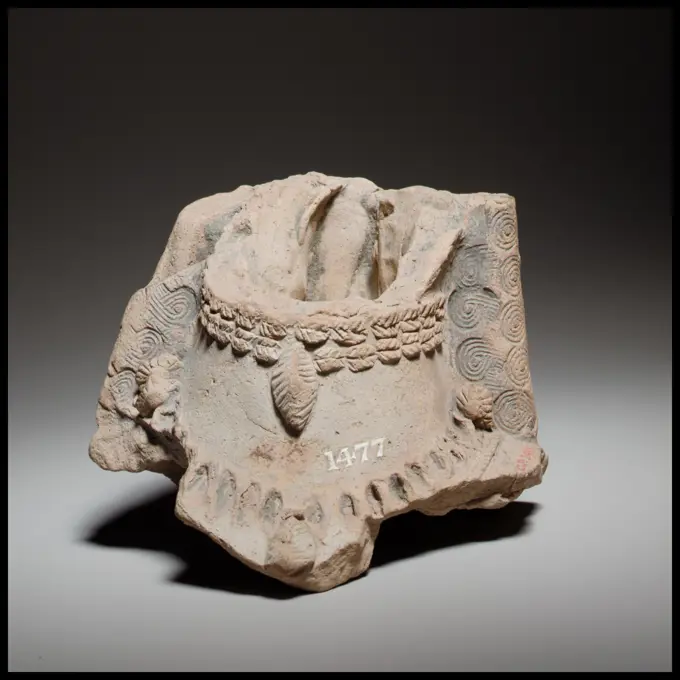
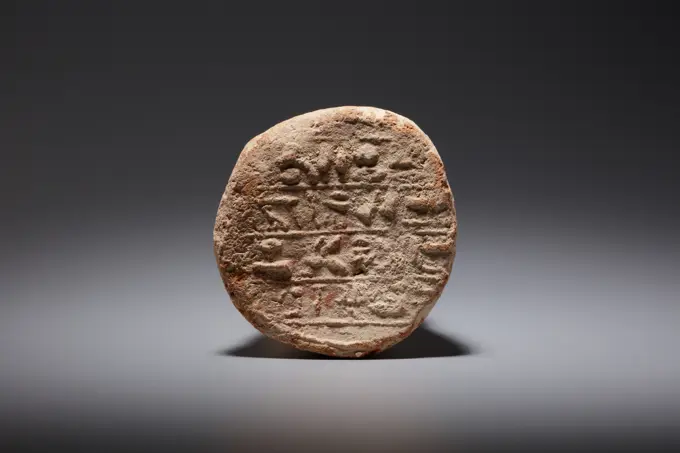
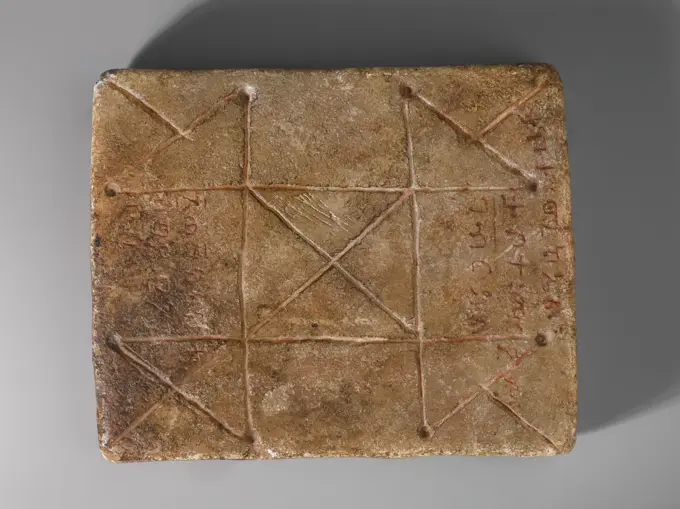
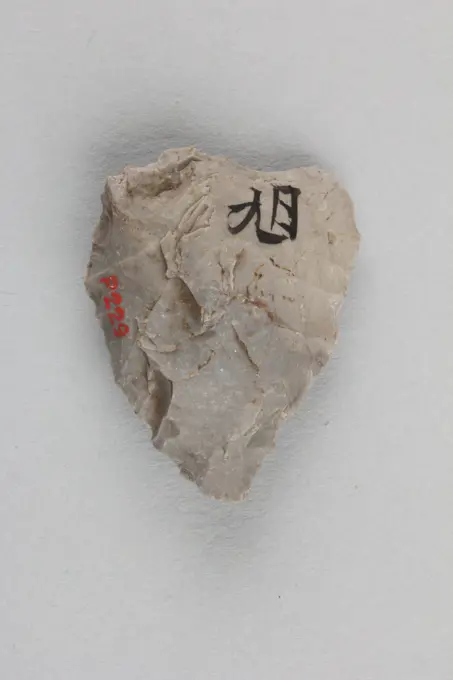
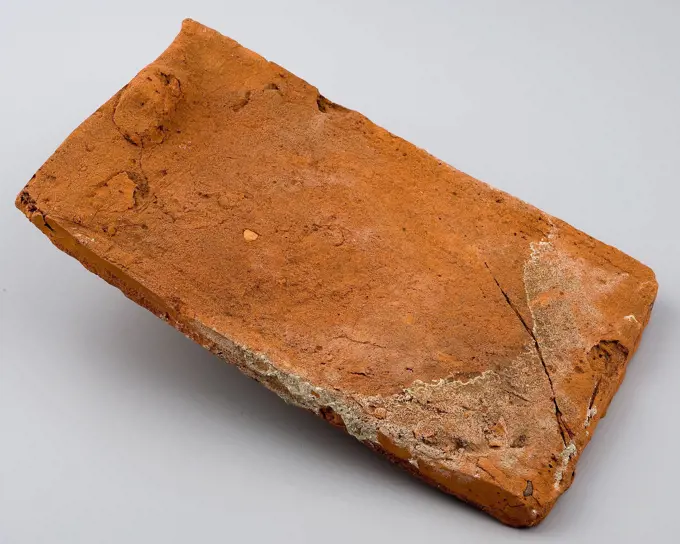
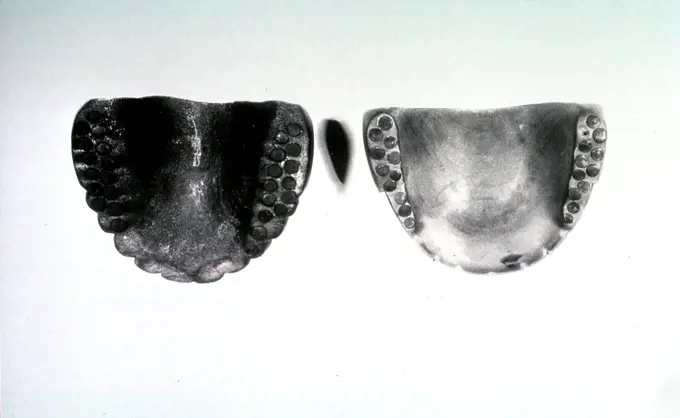
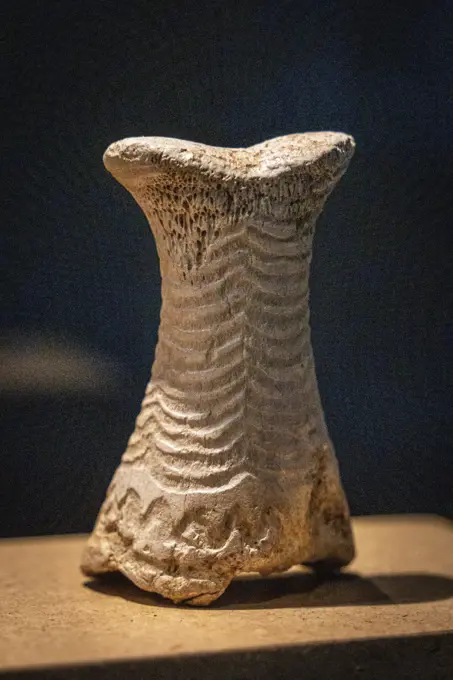
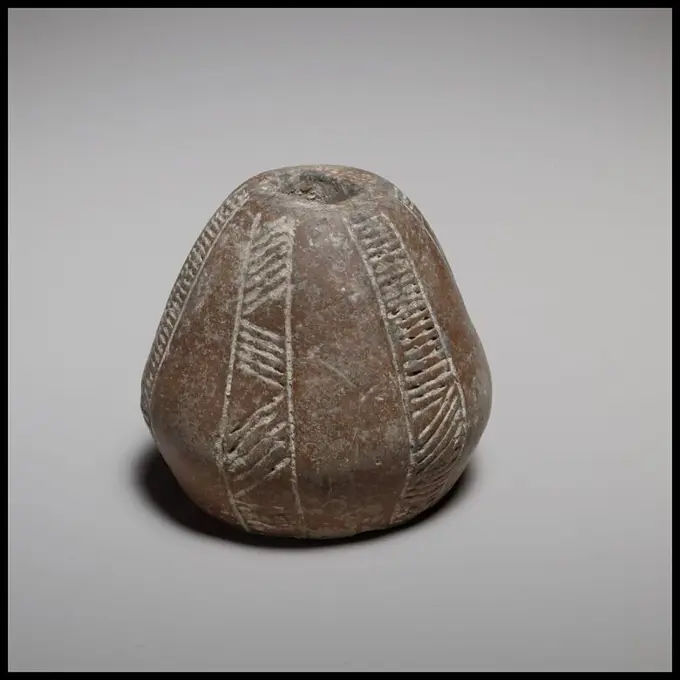
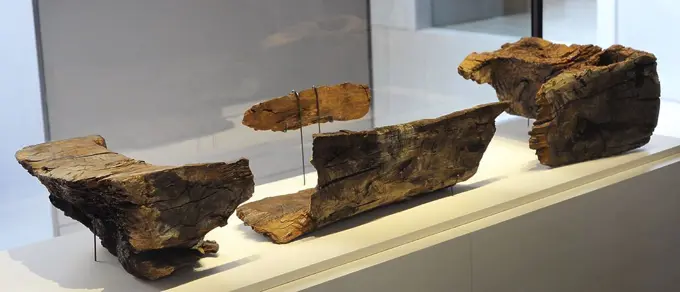
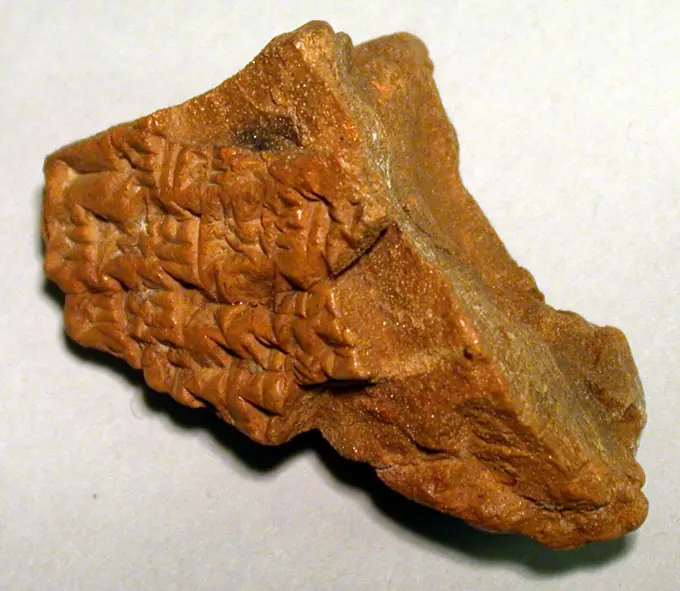
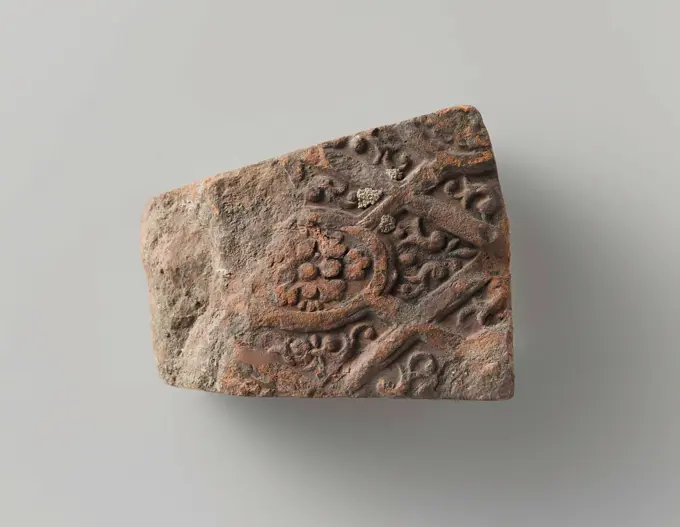
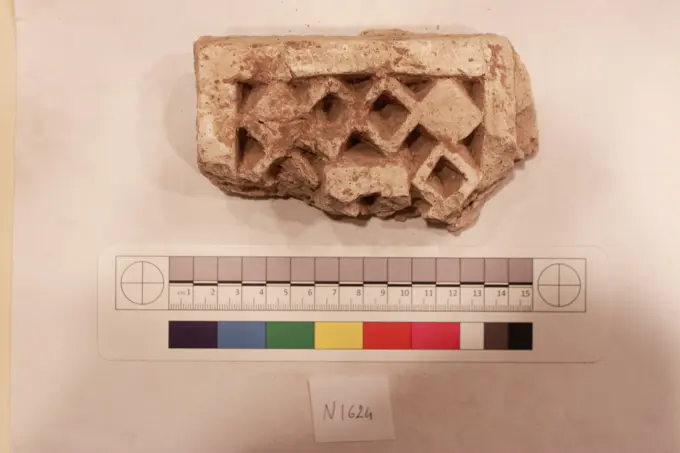
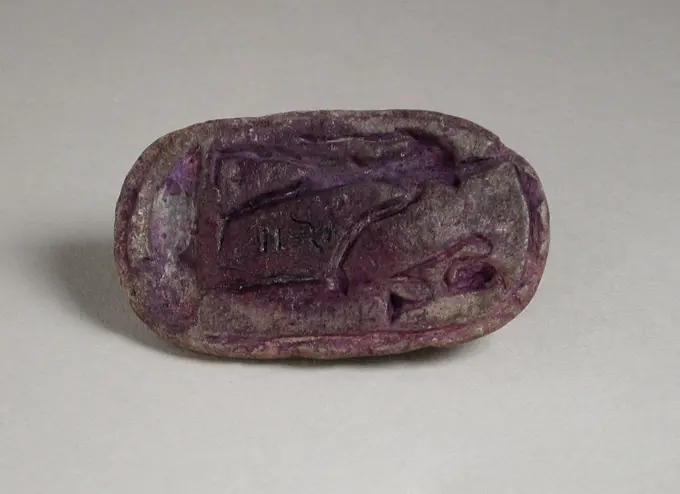
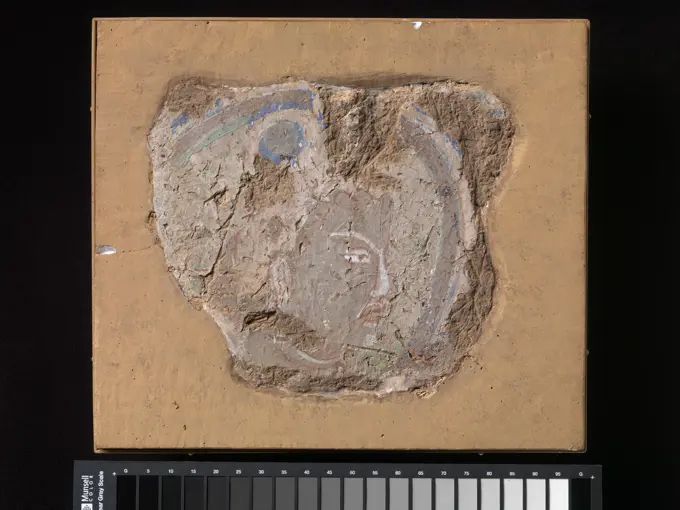
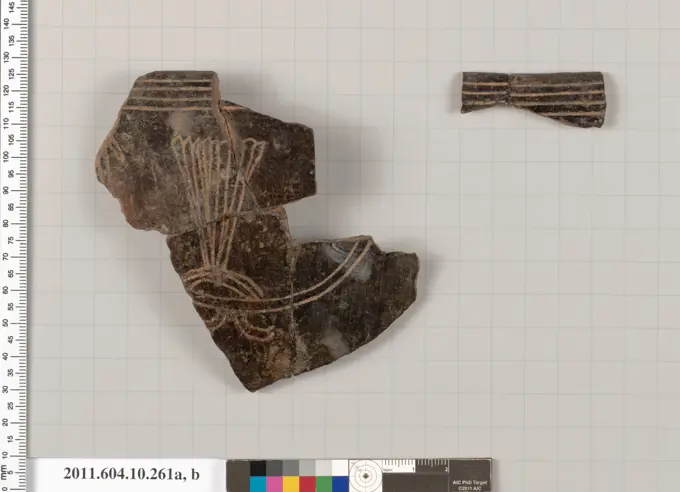
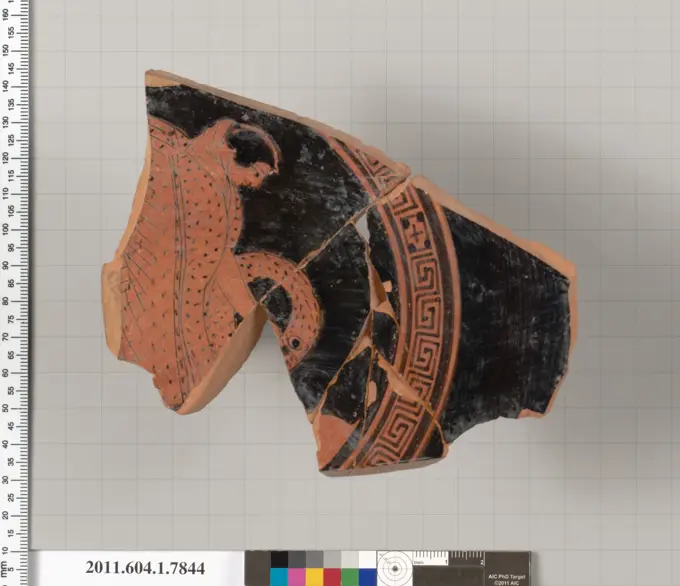
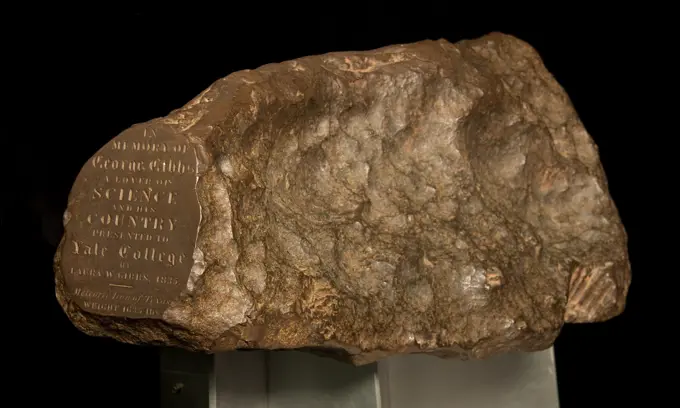
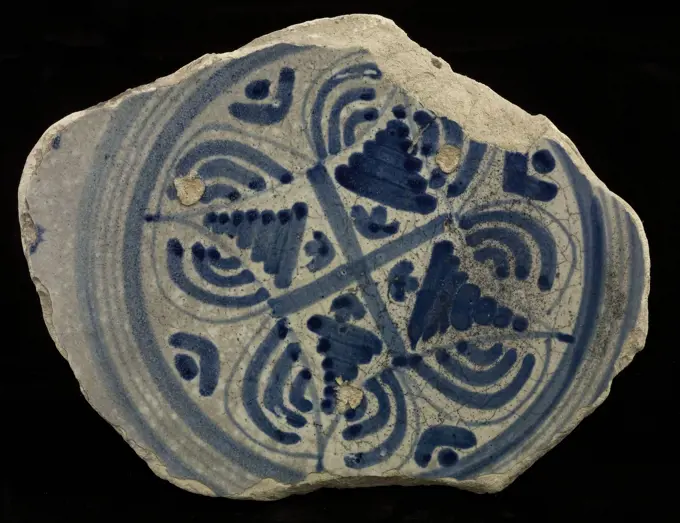
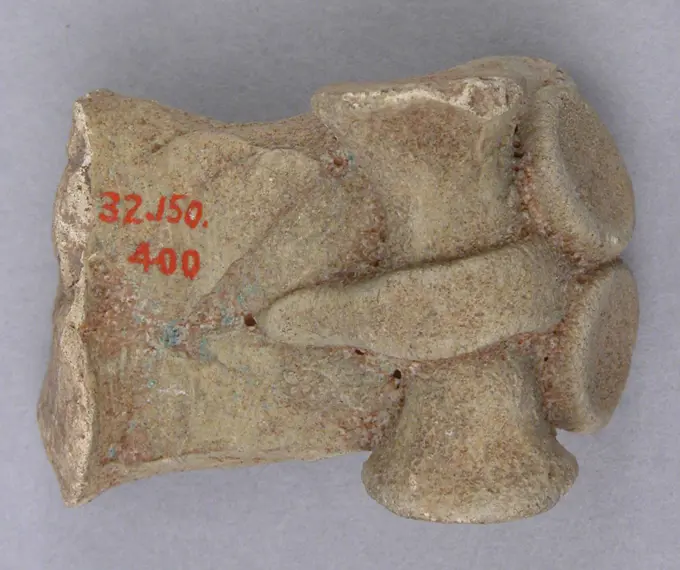
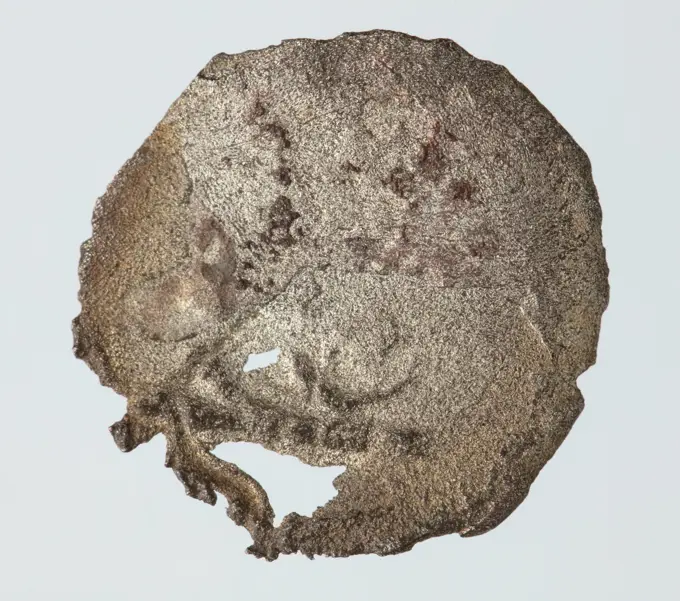
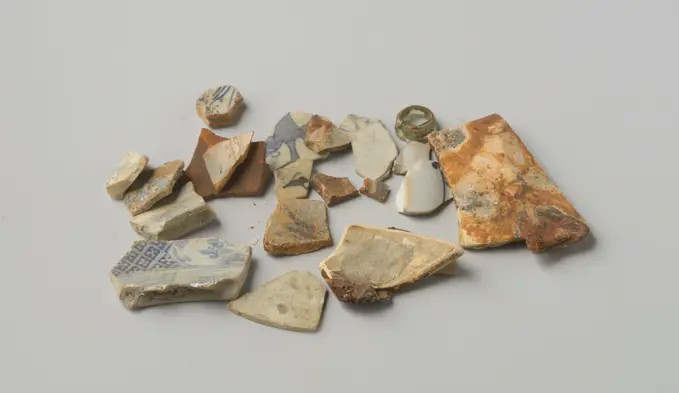
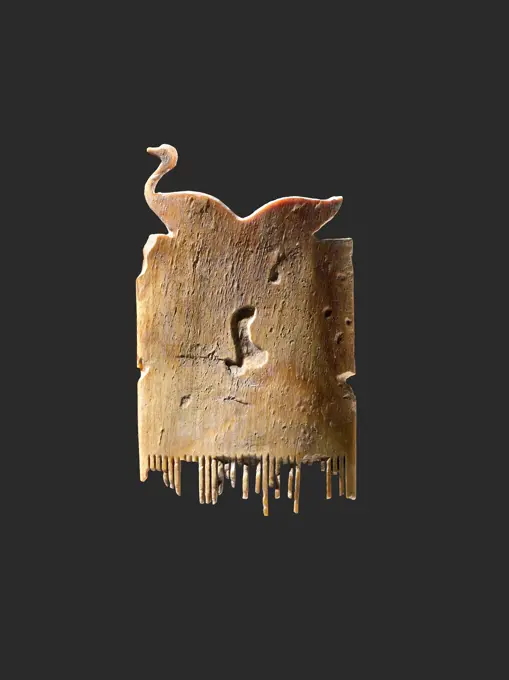
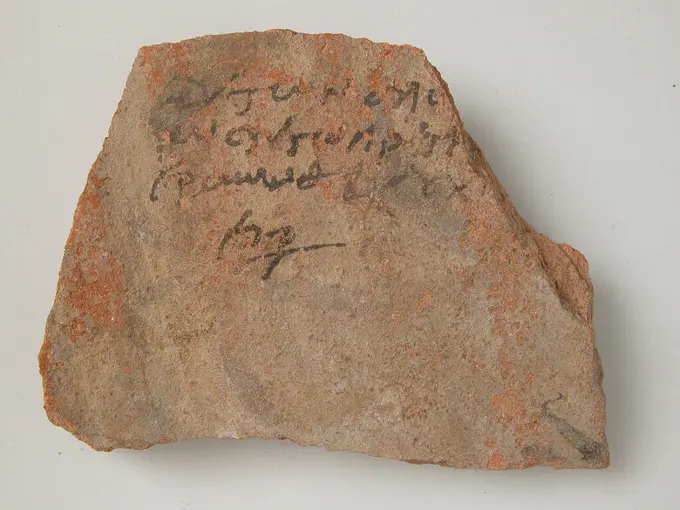
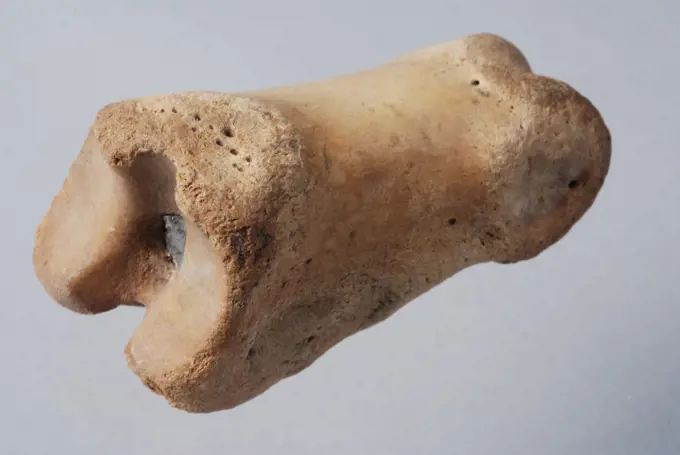
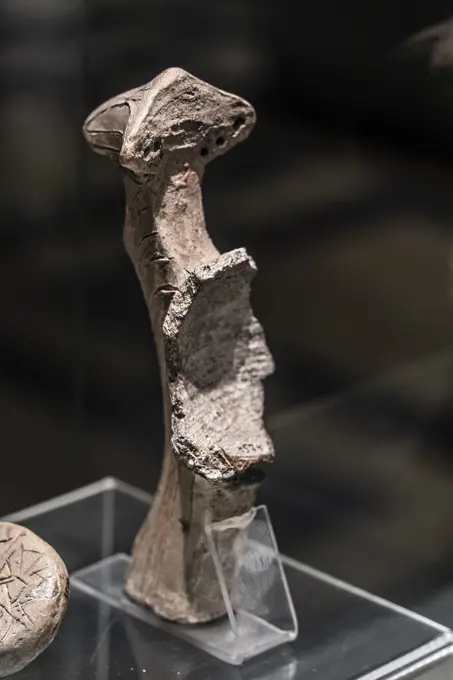
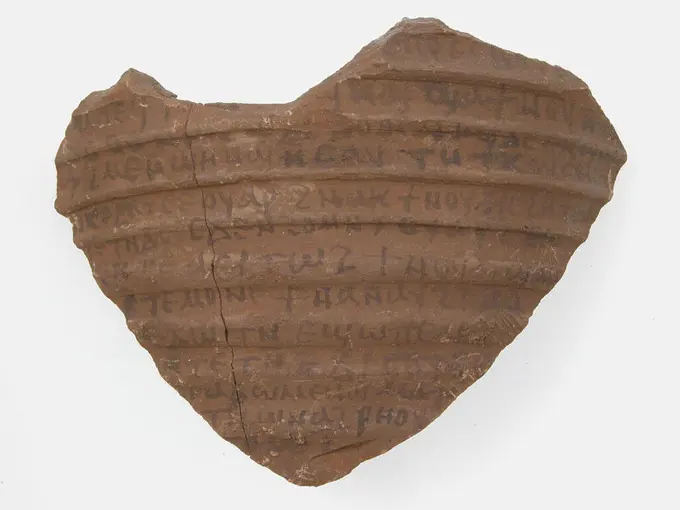
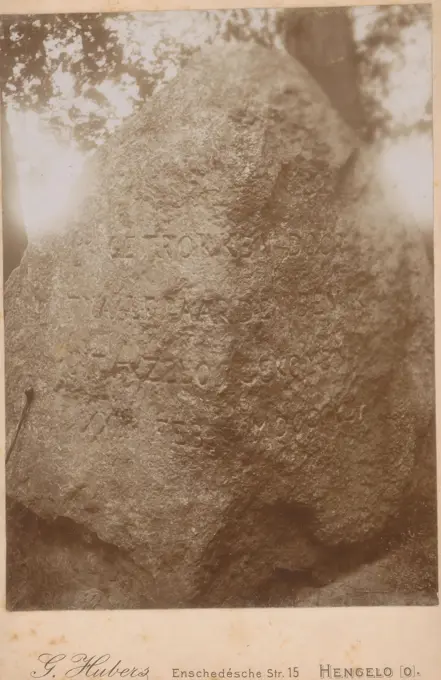
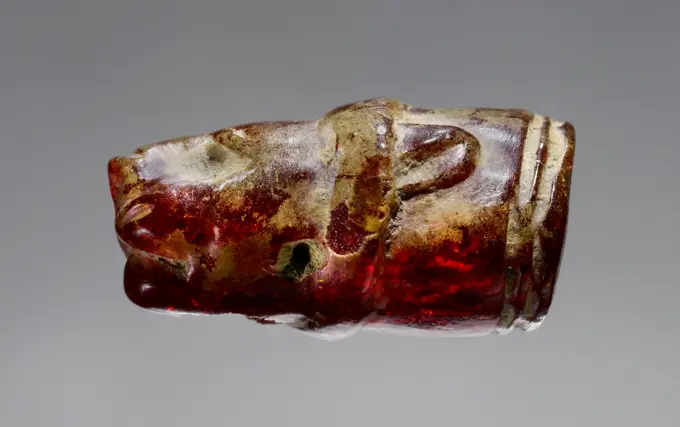
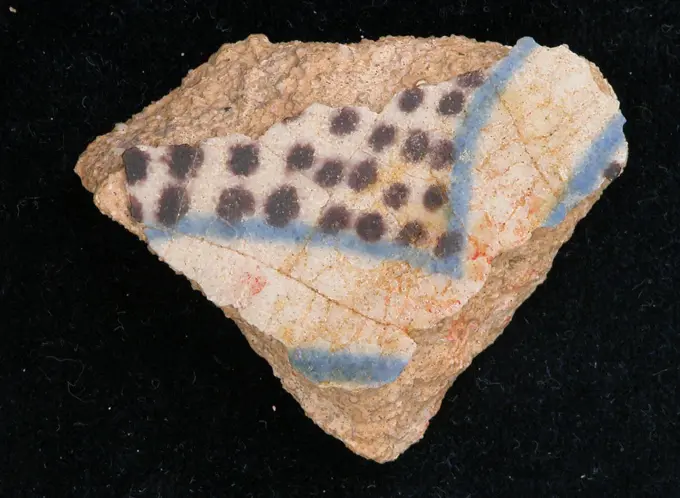
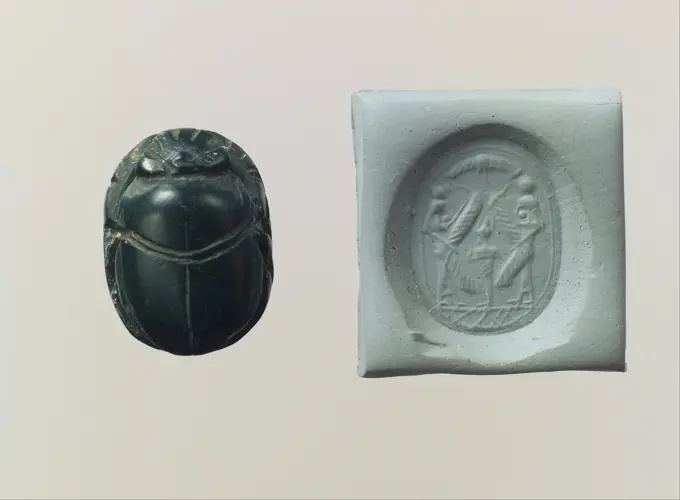
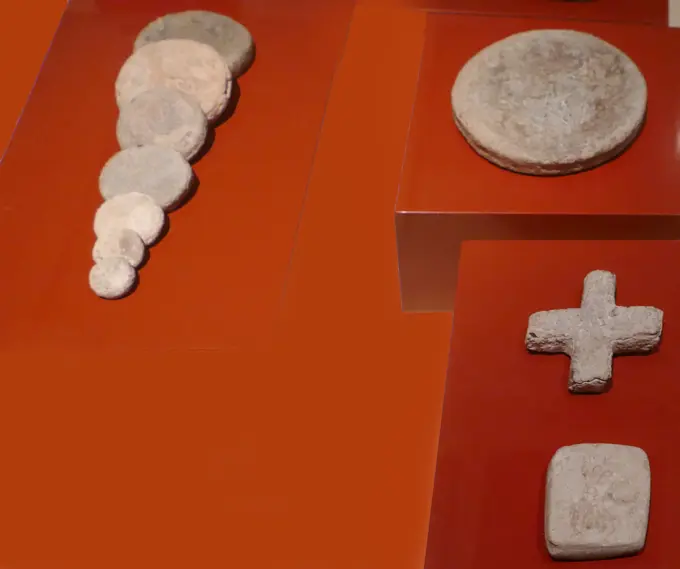
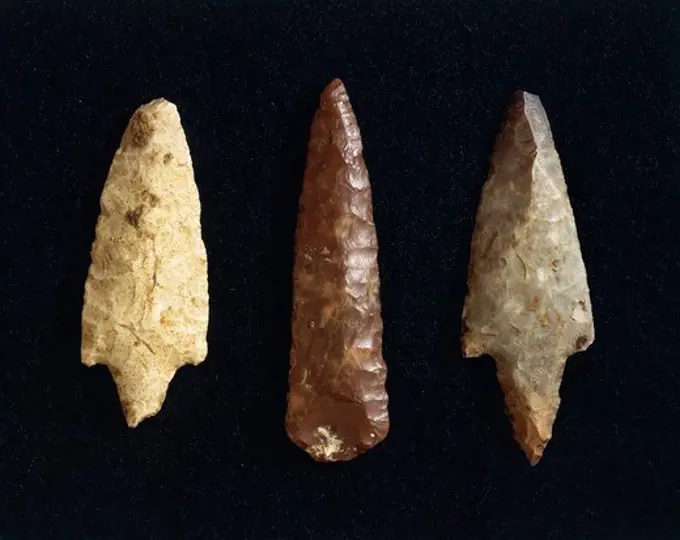
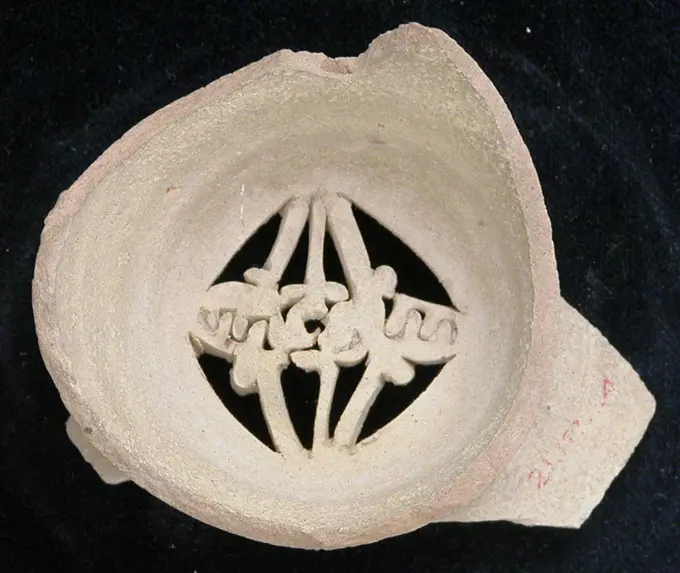
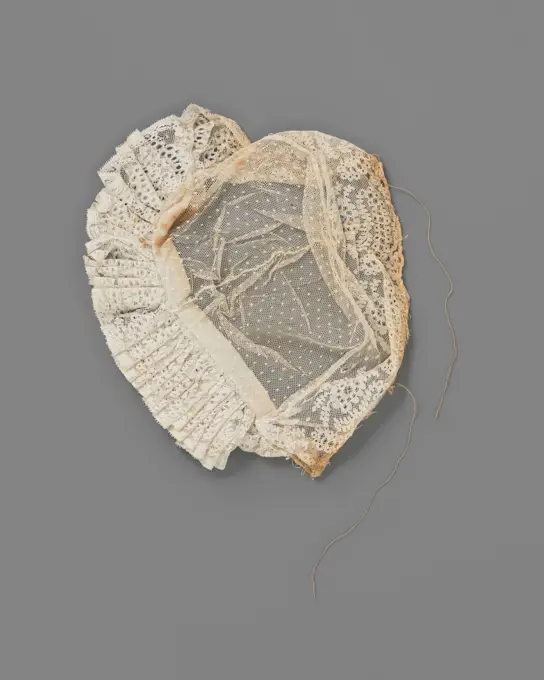
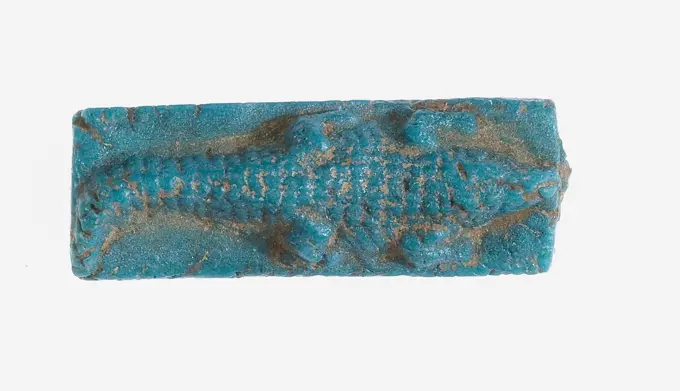
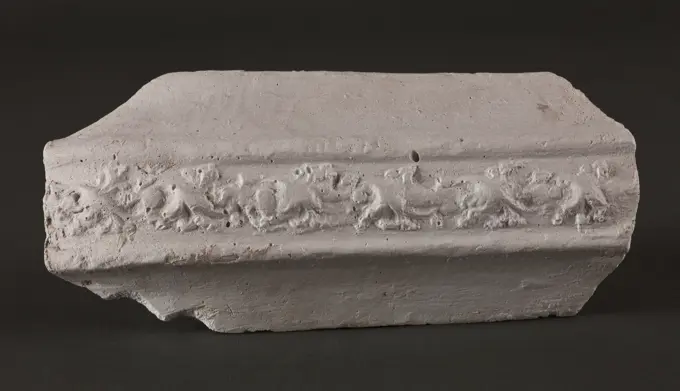
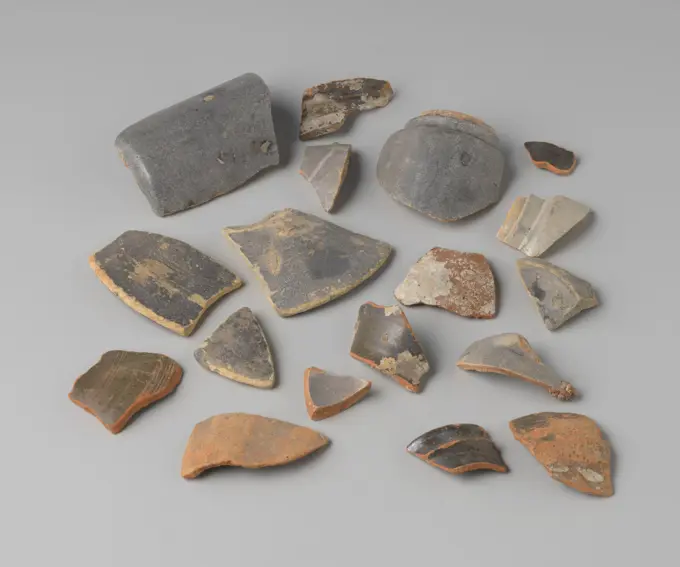
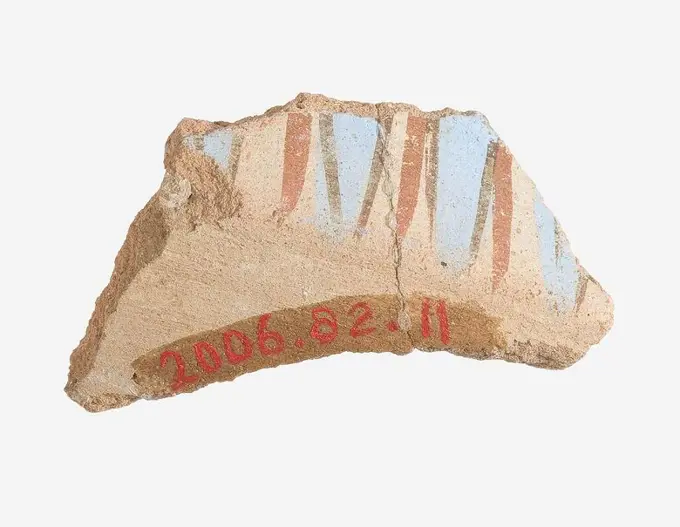
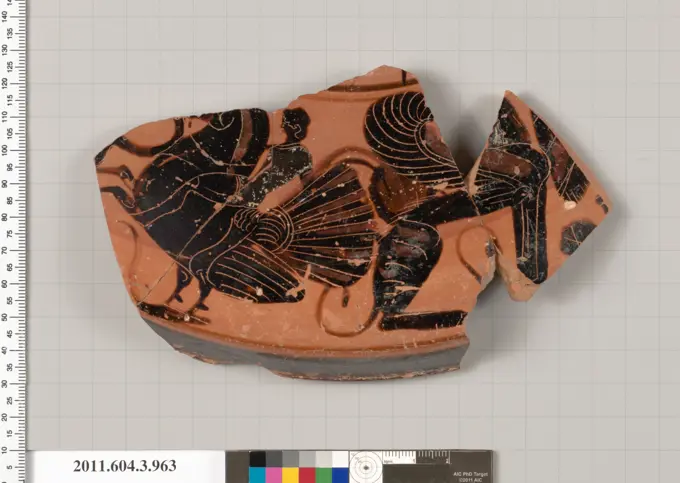
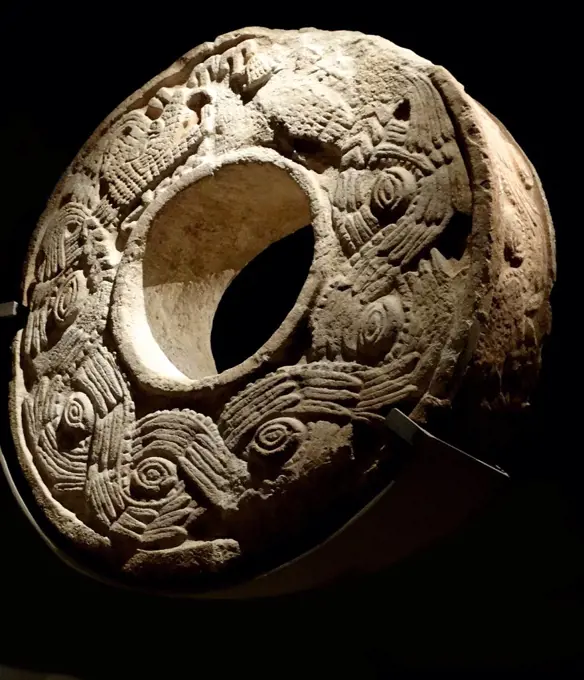
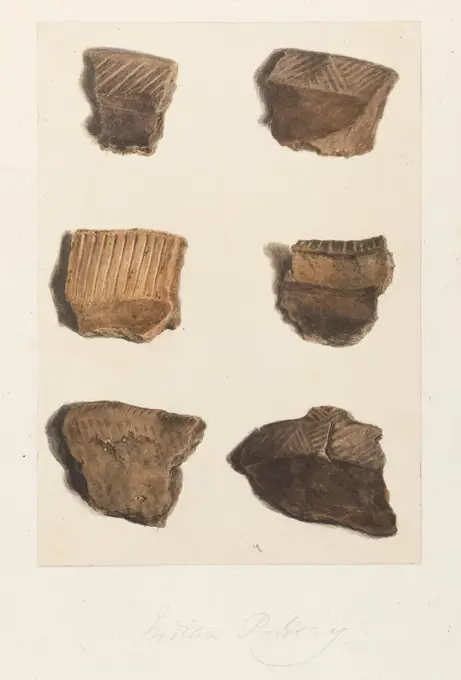
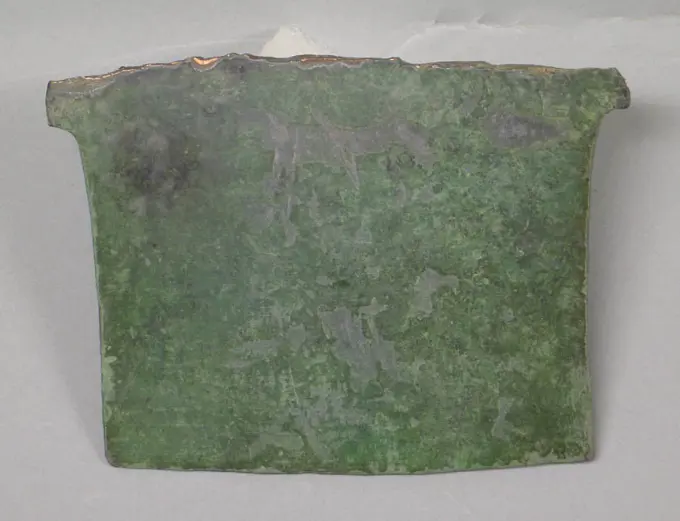
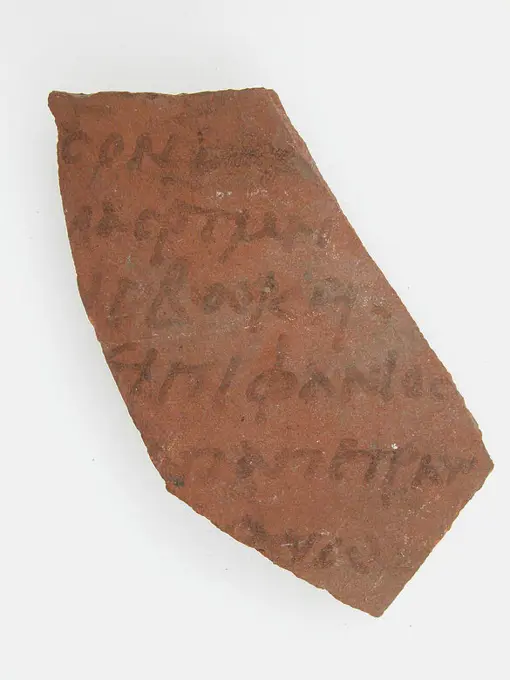
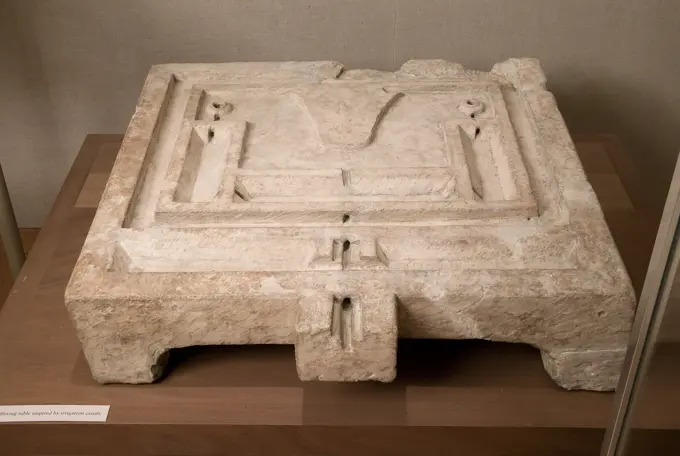
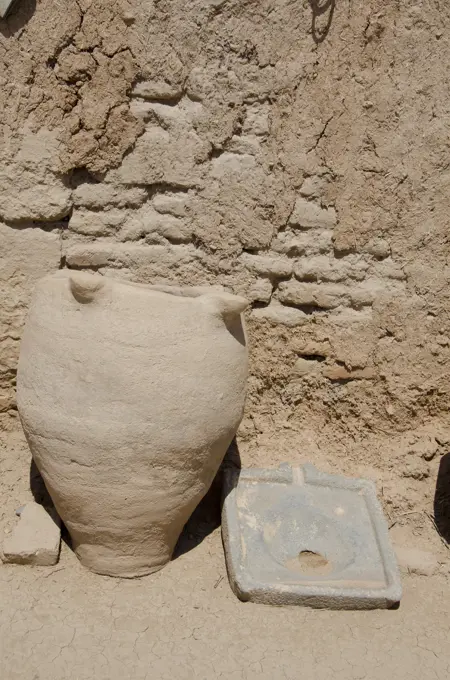
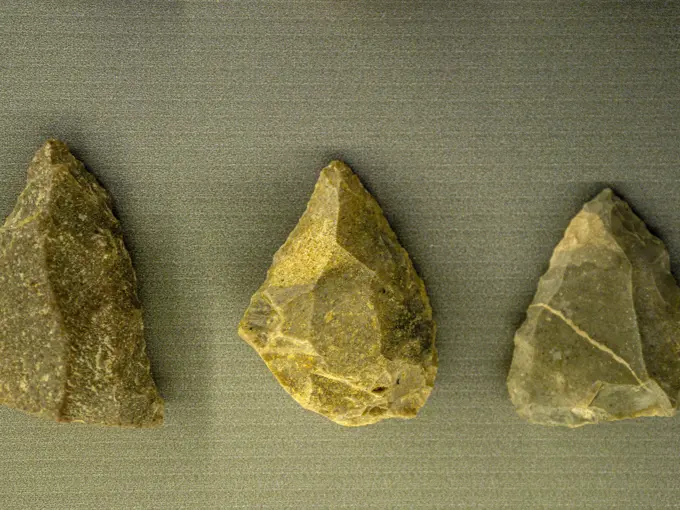
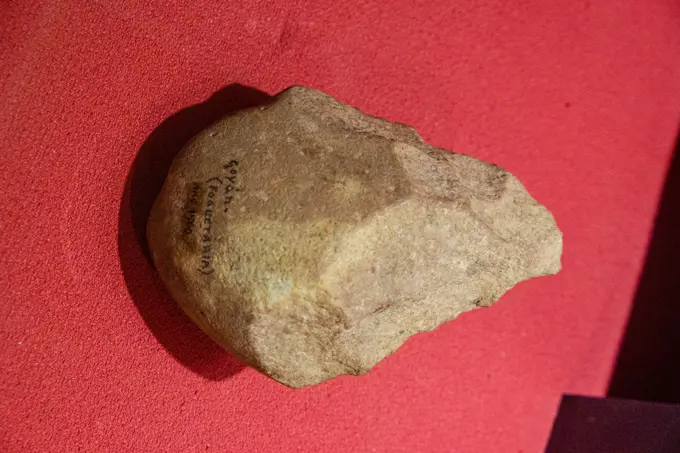
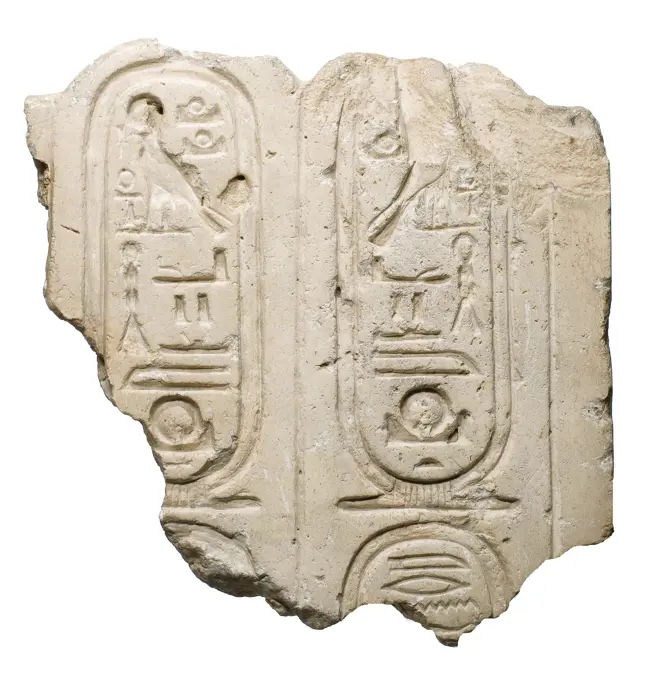
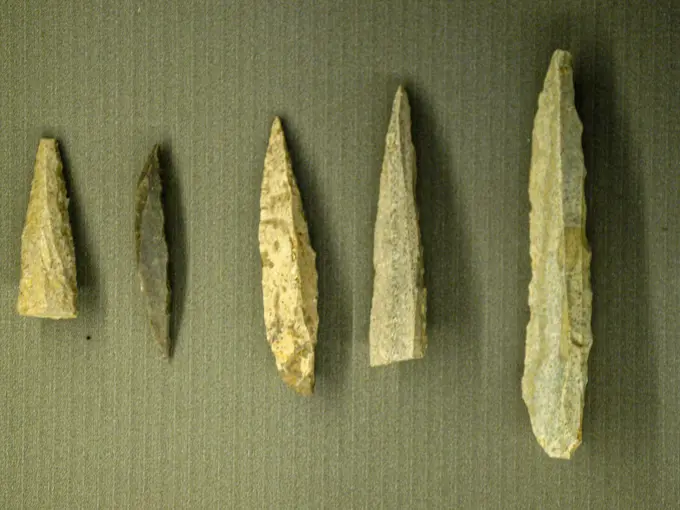
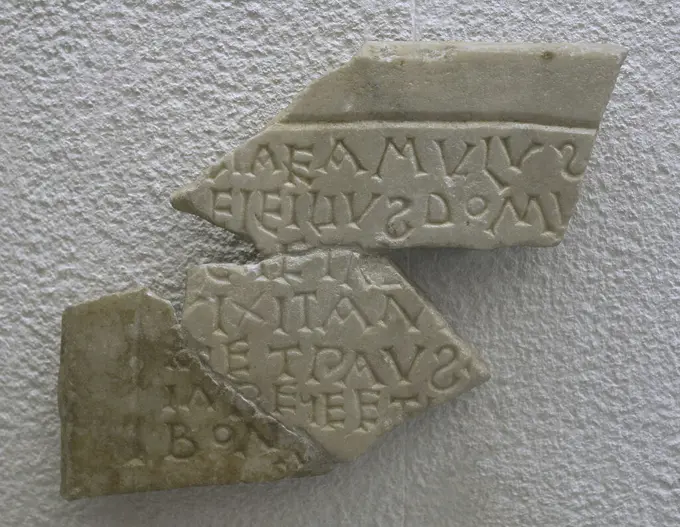
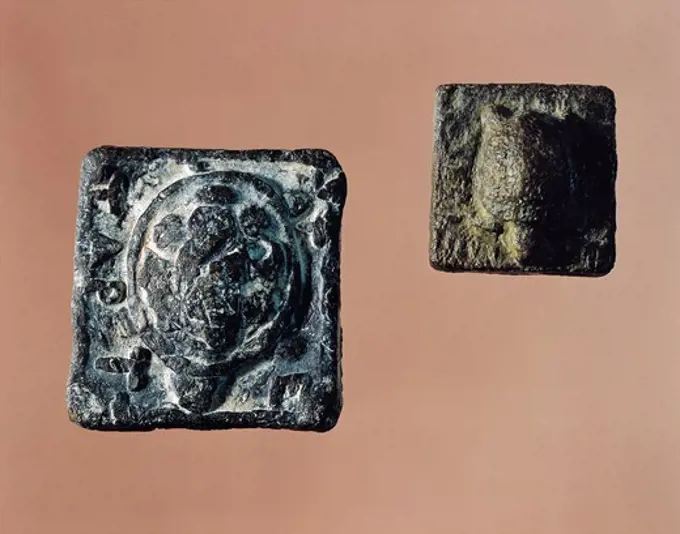
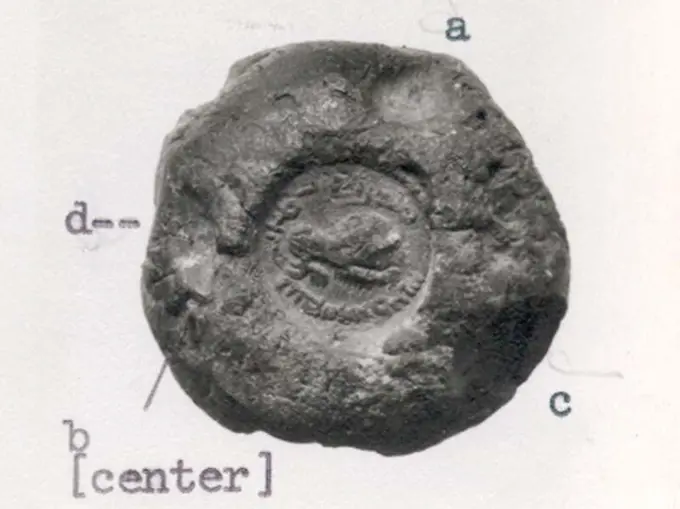
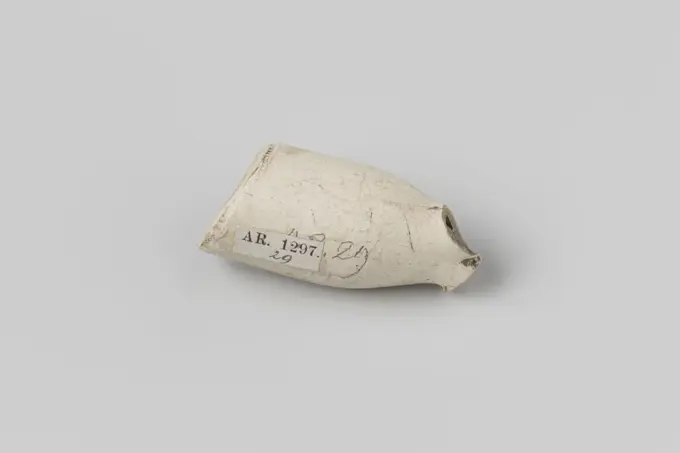
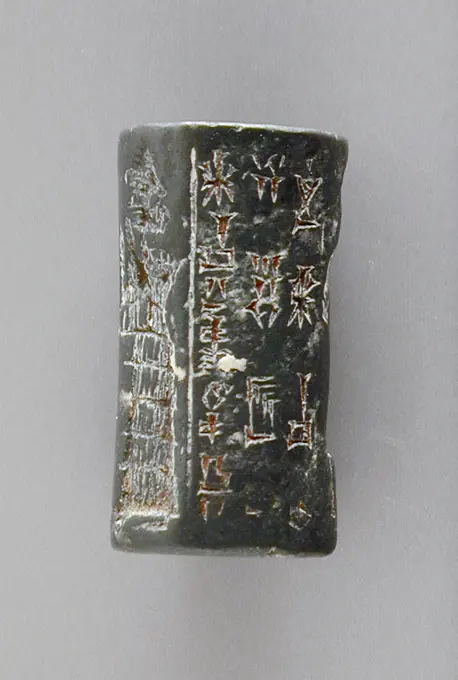
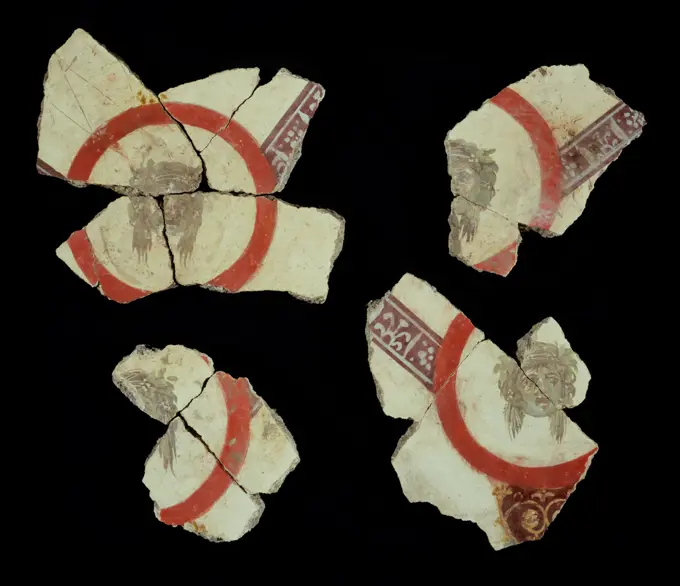
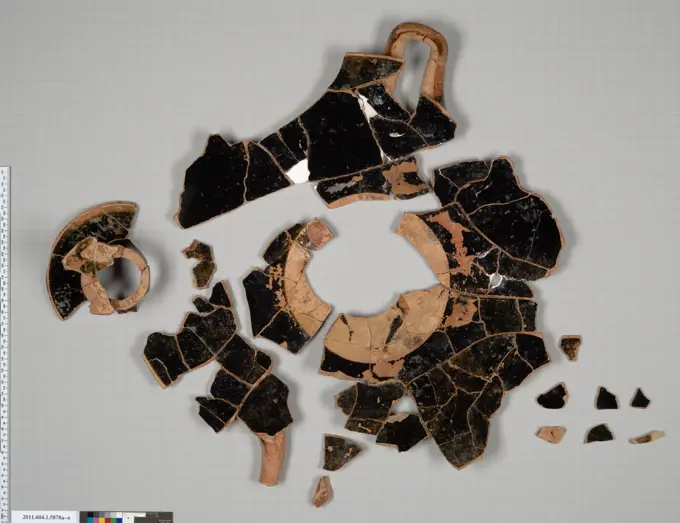
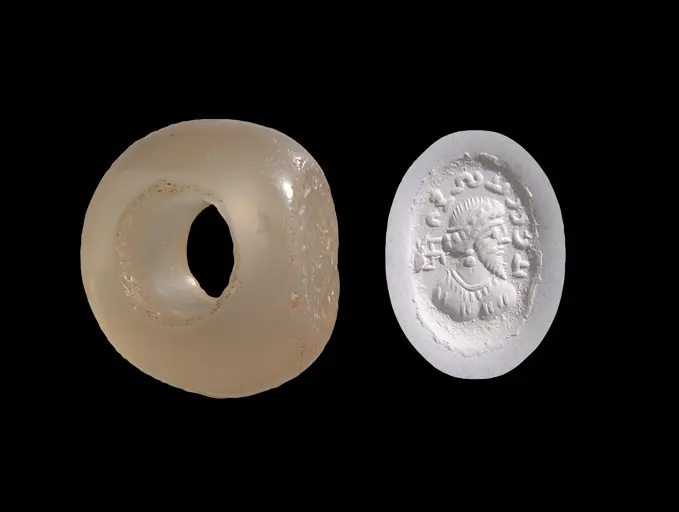
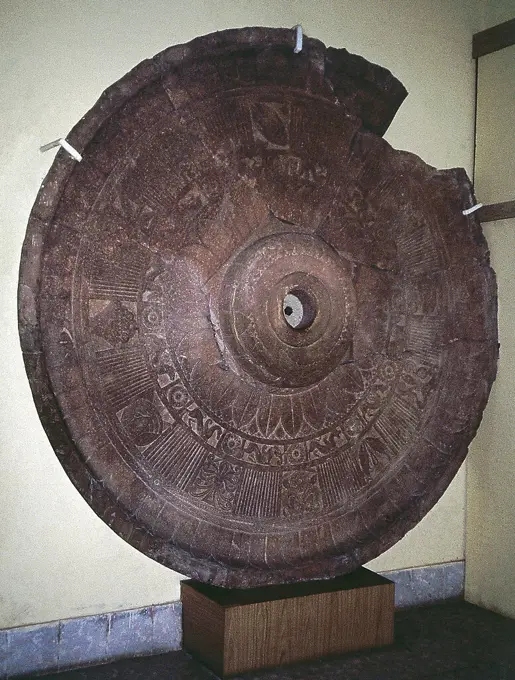
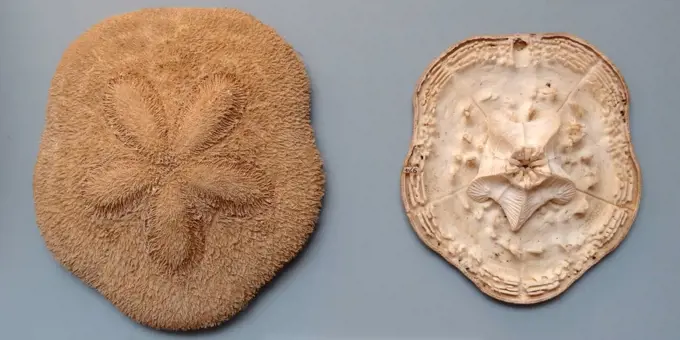
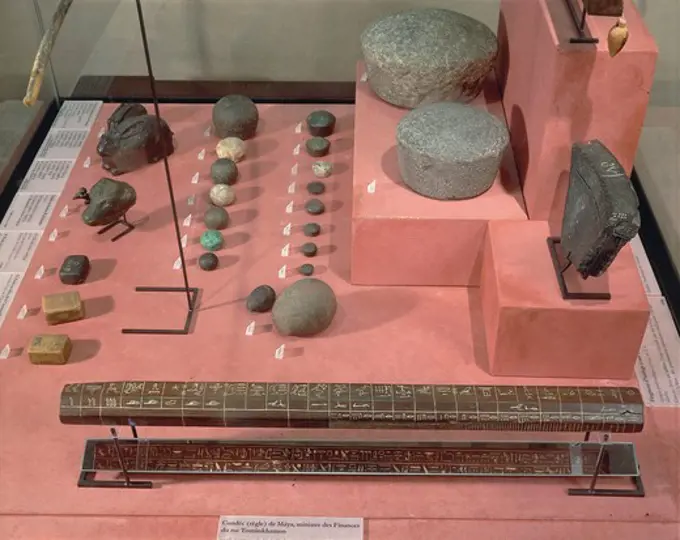
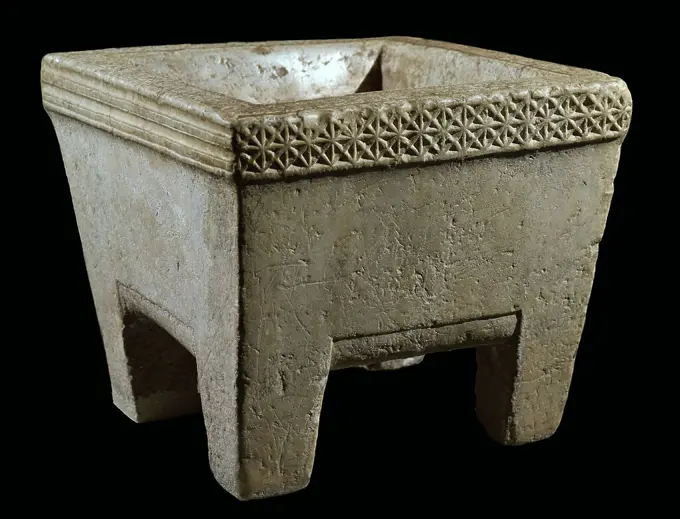
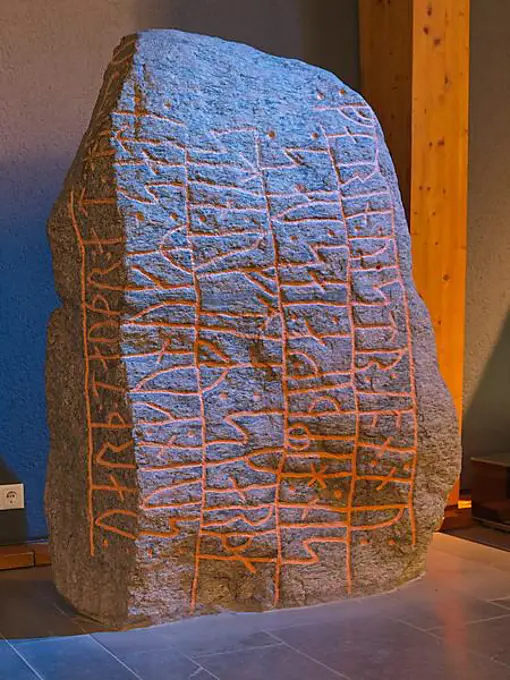
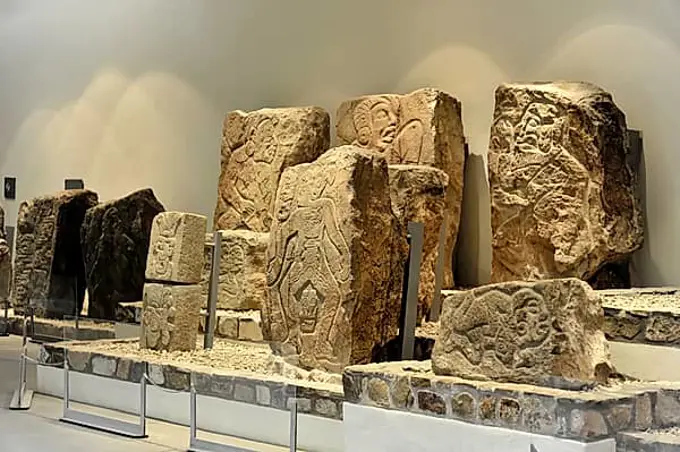
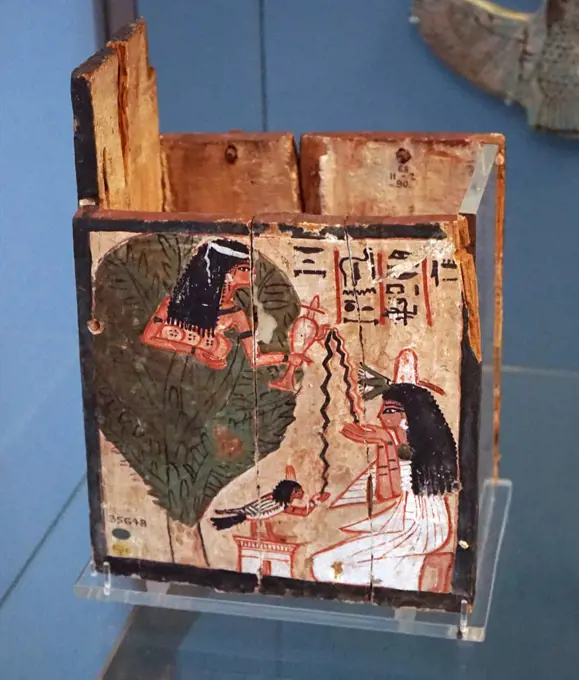
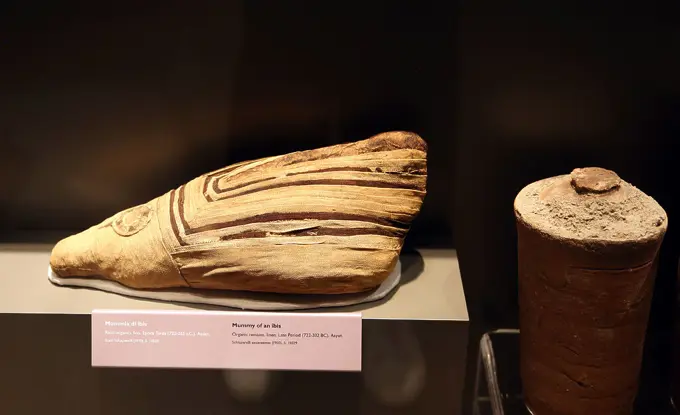
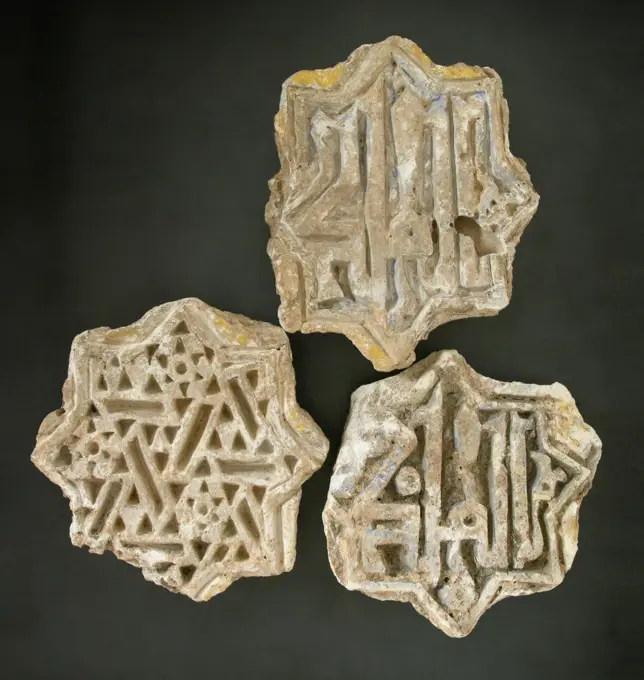
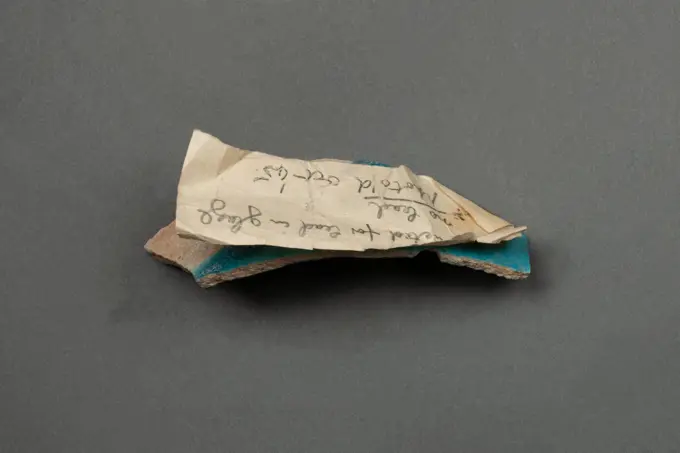
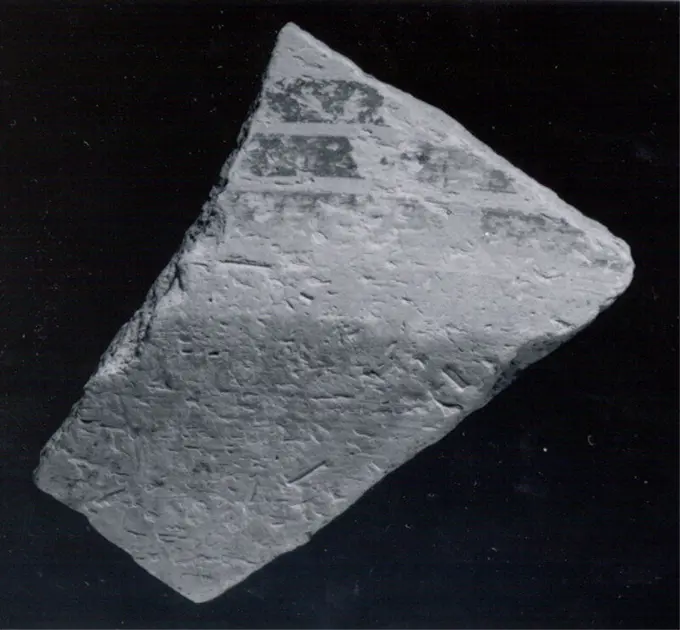
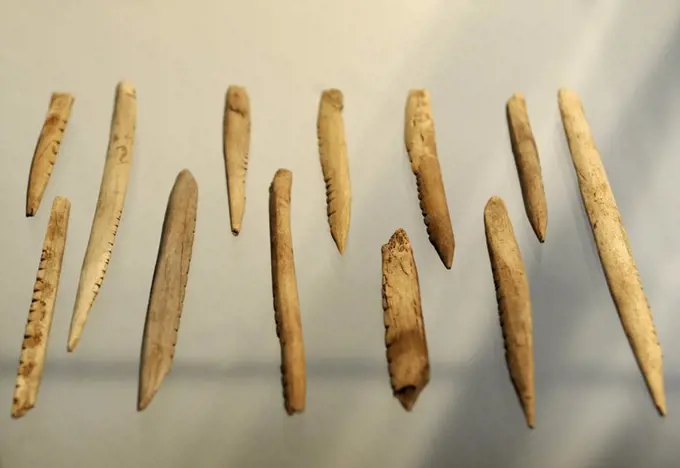
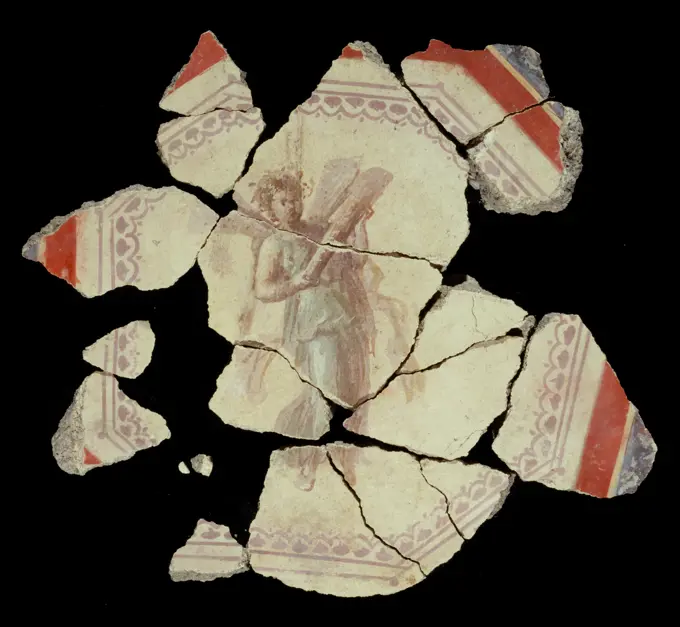
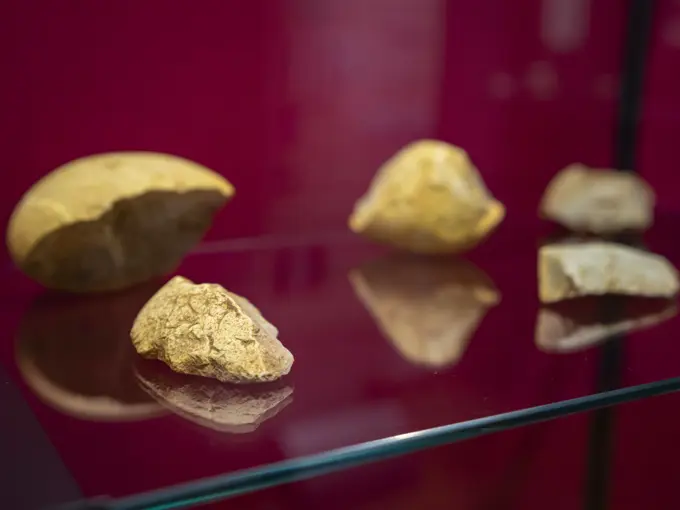
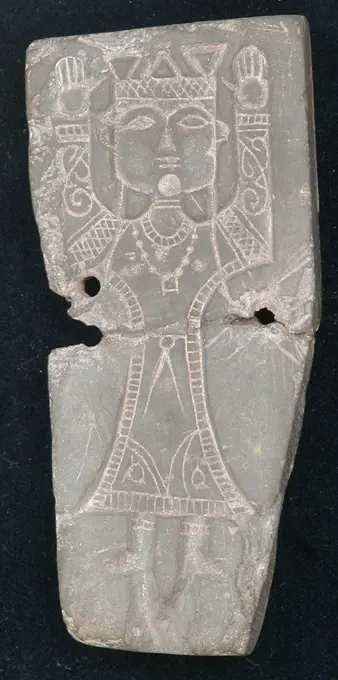
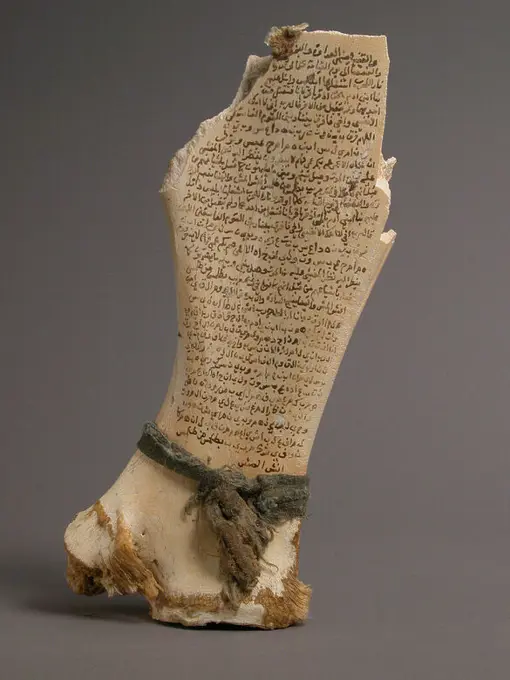
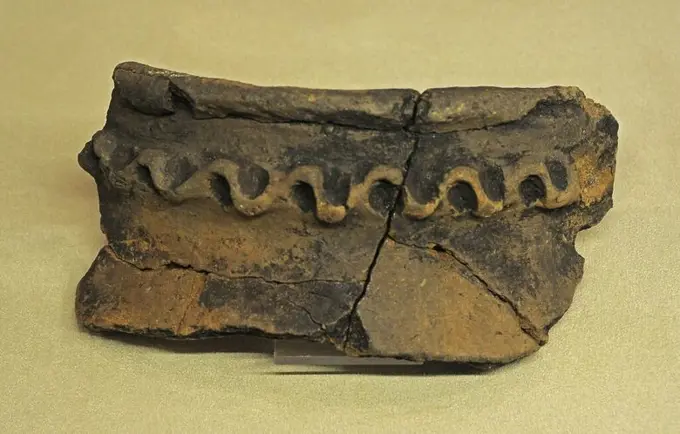
Poland. Prehistory. Neolithic. Fragment of a decorated vessel. Temporary exhibition "The Hunters Settlement Fok from the Stone Age in the Gulf of Puck" (March-June 2015). Archaeological Museum. Gdansk. Poland.Punchong ware, brushed-slip. A Korean Jar with Four Loops from Joseon Dynasty (1392 -1910)restored vessel restored vessel, ceramic, chalcolithic, El Tejar, Gibraleon, Huelva Museum, Huelva, Andalusia, Spain Copyright: xZoonar.com/BartomeuxBalaguerxRotgerx 21733629Fragment of a terracotta female figure ca. 600 B.C. Cypriot In its original condition, this must have been an impressive and elaborate piece of sculpture. The surviving portion of the figure's neck preserves a choker and a necklace below it as well as some of the impressed curls of her hair.. Fragment of a terracotta female figure 241079Near East. Egypt. Coin weight. Glass. Egypt. 7th-8th centuries. The State Hermitage Museum. Saint Petersburg. Russia.Funerary Cone of the Wab-Priest Neferkhawet New Kingdom ca. 1550-1295 B.C. This cone has the impression of a stamp seal inscribed for a wab-priest named Neferkhawet who was also overseer of the fields of Amun and chief bee keeper of AmunWater Filter 10th-12th century. Water Filter 447436Tabot (tablica ołtarzowa). unknown, authorArrowhead Japan. Arrowhead 62415Roof tile made of red earthenware, roof tile roofing building material earthenware pottery earthenware glaze lead glaze, in mold shaped glazed earthenware roof tile Rectangular in shape. Flat knot or nop in the middle of the top archeology build housing roof coverFragment of a Wall Decoration 10th-11th century. Fragment of a Wall Decoration 450334Old Japanese dentures ca. early 1900s. phalanx idol phalanx idol, bone, 3000-2500 BC, Sao Martinho de Sintra, Portugal, Huelva Museum, Huelva, Andalusia, Spain Copyright: xZoonar.com/TOLOxBALAGUERx 21720783Truncated-biconical spindle-whorl with flat base. Culture: Cypriot. Dimensions: H. 1 15/16 in. (4.9 cm). Date: ca. 2000-1725 B.C..Spindle whorls aided in the making of cloth for garments and bedding. They were placed in tombs, perhaps so that the deceased could continue to spin wool in the afterlife. Museum: Metropolitan Museum of Art, New York, USA.Prehistory. Iron Age. Architectural element depicting a tetraskelion. Granite. From Castro de Santa Luzia (Viana do Castelo, Portugal). Carmo Archaeological Museum. Lisbon, Portugal.Wooden sarcophagus. Post-Talayotic culture. 5th-4th centuries BC. From Cometa dels Morts (Escorca, Majorca, Balearic Islands, Spain). National Archaeological Museum. Madrid. Spain.Sherds ca. 3rd-7th century A.D. Sasanian. Sherds. Sasanian. ca. 3rd-7th century A.D.. Ceramic. Sasanian. From Mesopotamia, CtesiphonPIEDRA PROCEDENTE DE LAS CUEVAS DE PETRA. Location: EXTERIOR. PETRA.Cuneiform tablet: unidentified fragment ca. late 1st millennium B.C.. Cuneiform tablet: unidentified fragment 321844Bow stone with image of flower work and windows. Bow stone with image of flower work and windows.Stucco Fragment probably 8th-12th century. Stucco Fragment 741453Stamp Seal. Egypt, New Kingdom - Late Period (1569 - 333 BCE), possibly modern. Tools and Equipment; seals. TerracottaOstrakon with Arabic text;  XII-XIV century (1101-00-00-1400-00-00);Arabian (culture), Inscribed ceramics, Arab inscriptions, Islam art, Polish excavations in Stara DongoHead of a Buddhist Image ca. 6th-7th century China (Xinjiang Uyghur Autonomous Region). Head of a Buddhist Image 54213Ancient Egypt. Funerary cones made of clay. The name and titles of the deceased were inscribed on the base. Embedded in rows on the outer facades of the tombs, only the inscription was visible, so that they constituted a mark of ownership of the 18th-Dynasty tombs in Thebes. From left to right, and from top to bottom: cone of Totemhab (scribe of the Southern City), cone of Tchai (with the offerings formula), cone of Senhotep (scribe of the House of Life), cone of Amenemenka (Second Prophet of Menkheperre, and his wife Merytre, Singer of Amun) and cones of Djeho (son of Ankhhor, son of Djehor the nobleman, the prince, the great chief of the Meshwesh, leader of the prophets of Banebdjed. His mother was Shepensopdet). National Archaeological Museum. Madrid. Spain.Fragment 8th-9th century. Fragment 448854Terracotta fragments of a kantharos (drinking cup with high handles) 650-600 B.C. Etruscan Fragment from a kantharos, with four incised lines below the rim and foliate ornament; a second small fragment has four incised lines from below the rim. Terracotta fragments of a kantharos (drinking cup with high handles). Etruscan. 650-600 B.C.. Terracotta; Bucchero. Archaic. VasesTerracotta fragment of a kylix (drinking cup) second quarter of the 5th century B.C. Attributed to the Painter of London D 12 Interior, draped figure, riding a winged creature (Hyacinth); Exterior, part of a handle palmette and tendrils; draped male to right; feet of figure to left; feet of draped figure to right; feet of draped figure to left. Terracotta fragment of a kylix (drinking cup). Greek, Attic. second quarter of the 5th century B.C.. Terracotta; red-figure. Classical. VasesRed River, Found 1808. North America; USA; Texas; Red RiverGriffin's head, 16th century, probably originating from the Renaissance Chirinos Palace, Archeological Museum. Úbeda, Jaén province, Andalusia, Spain.Scarab Uninscribed 1985 BCE-525 BCE Egypt. Agate . Ancient EgyptianAstorga, Asturica Augusta, Roman Museum, Way of St. James, Silver Route, Province of Leon, Castile and Leon, Spain, EuropeQaqortoq Museum, GreenlandFragment majolica plate, blue on white, with plume motif or brush strokes, plate dish crockery holder soil find ceramic earthenware enamel, baked underside covered with lead glaze. Monochrome archeology Italy decorate foodBell BREAK (Inscription: Captm Eccle)  Zygmuntów Tower, Wawel Cathedral, KrakowFragment 8th-9th century. Fragment 448863Bliżej Kultury Władysław Jagiełło (CA 1351 1434), Mint of KrakówShards of earthenware, porcelain and glass from the wreck of the East Indians Hollandia, Anonymous, 1700 - in Or Before 1743  Shards of earthenware, porcelain and glass. Delft earthenware. porcelain. glaze   SecondComb with a pair of ducks ca. 3900-3500 B.C. Predynastic, Late Naqada l-Naqada II. Comb with a pair of ducks 547215Ostrakon. Culture: Coptic. Dimensions: Overall: 2 3/4 x 3 9/16 x 9/16 in. (7 x 9.1 x 1.4 cm). Date: 4th-7th century. Museum: Metropolitan Museum of Art, New York, USA.Fragment. Dimensions: L27 cm x W 18.5 x H4. Date: probably 8th-12th century. Museum: Metropolitan Museum of Art, New York, USA.Legs pooped out of cow's leg, part of throwing game: flocks, koot game piece relaxant soil find lead leg metal, Shaft: in one of the short sides hole in which lead archeology Rotterdam play rail tunnel kootkoot fikkelen Soil discovery: trajectory rail tunnel Rotterdam.Detail of an altar with an anthropomorphic figure, Chalcolithic, fifth millennium BC, Bulgarian National Archaeological Museum, Sofia, Republic of Bulgaria, Europe.Ostrakon. Culture: Coptic. Dimensions: 6 x 4 3/8 in. (15.3 x 11.1 cm). Date: 7th century. Museum: Metropolitan Museum of Art, New York, USA.Heart Scarab of Pakasha ca. 1295-1070 B.C. New Kingdom, Ramesside. Heart Scarab of Pakasha 567834Netherlands, Hubers, Gerrit, Boulder with inscription, probably a memorial stone, verso - handwritten, photograph, photo, photos, topography, G. Hubers, Enschedésche Str. 15, Hengelo O., recto - handwritten, Bookstore-Bindery, E. Broekhuis, Hengelo (O.), verso - pasted, 220, height 168 mm, width 109 mm, Dutch, 1863-01-31 - 1927-01-26, photographer, 1894 - 1927, photographic paper, photo paper, cardboard, daylight collodion silver printPendant: Lion's Head. UnknownFragment 13th century or later. Fragment 451551Scarab seal and modern impression: Osiris flanked by protective deities ca. 6th-5th century B.C. Around the beginning of the first millennium B.C., Phoenician seal engravers adopted the use of the scarab, an Egyptian symbol of regeneration. In typical Phoenician fashion, the seals were decorated with Egyptian motifs that are juxtaposed out of context, sometimes with non-Egyptian animal subjects. Popular subjects included the birth of Horus and scenes of his mother Isis nursing him as an infant. Winged protective deities and genies were also favorite themes. Iconographically, the seals of the eighth to seventh centuries B.C. have a close dependence on Phoenician carved bowls and ivories. Phoenician scarab seals reached a peak of popularity in the fifth to fourth centuries B.C., when they spread throughout the Mediterranean. The city of Tharros on Sardinia was a major center of production and distribution. By this time, the seals were carved with not only Egyptian themes but also EtruscaVarious lead weights of various sizes used in the Minoan metric systemItaly, Prehistory, Copper Age. Polished flint arrow and lance tips. From Marche RegionWater Filter 10th-12th century. Water Filter 447453Tulle hat with Rijssel side; The ball of tulle -embroidered tulle is trimmed along the forehead with a pleated strip of Rijssel side, anonymous, c. 1800 - c. 1900 Tulle hat with Rijssel side. The ball of tulle -embroidered tulle is trimmed along the forehead with a pleated strip of Rijssel side. maker: FrieslandLille whole: Linen (Material). embroidering / Lille lace Tulle hat with Rijssel side. The ball of tulle -embroidered tulle is trimmed along the forehead with a pleated strip of Rijssel side. maker: FrieslandLille whole: Linen (Material). embroidering / Lille laceCrocodile Amulet ca. 1390-1353 B.C. New Kingdom. Crocodile Amulet. ca. 1390-1353 B.C.. Faience. New Kingdom. From Egypt, Upper Egypt, Thebes, Malqata, Palace of Amenhotep III, MMA excavations, 1910-11. Dynasty 18Bell Zygmunt (Gmerek Hans Behema)  Zygmuntów Tower, Wawel Cathedral, Krakow Beheem, Hans (FL. 1520)Bell Half Zygmunt (Ear decorated with a frieze)  Zygmuntów Tower, Wawel Cathedral, KrakowDaalder, emergency coin from Groningen, beaten during the siege (with a text about the Coevorden intake), Anonymous, 1672 coin. siege coin diamond -shaped emergency coin of Groningen, with rounded corners. Front: Crowned coat of arms (small stamp) between value indication within the Omschrift. Reverside: inscription "By rabenhaupt his wise advice and by Eibergens heroes acts four sickings of large must have clingh, losecaet and grit t foot: with Klien Magt brave in an onion in an onion, the Welck den Bischop Dapper and Groningen opt highestly sterns highest Groningen silver (metal) striking (metalworking) / engraving  Groningen. CoevordenBracelet ca. 9th century B.C. Iran. Bracelet 325159Shards of earthenware from V.O.C. ship De 'Witte Leeuw', Anonymous, Before 1613  Shards glazed red-baking earthenware from V.O.C.-ship the 'Witte Leeuw'.  earthenware. glaze   Sint-HelenaVessel fragment. Dimensions: h. 3.5 cm (1 3/8 in); w. 4.1 cm (1 5/8 in); th. 1 cm (3/8 in). Dynasty: Dynasty 18. Reign: reign of Amenhotep III. Date: ca. 1390-1353 B.C.. Museum: Metropolitan Museum of Art, New York, USA.Facing brick with inscription: Smirrens Rosyn Vat ,, c. 1400 - c. 1950  Lying rectangle, trapezoidal, with an image. On the left cones, an open barrel in the middle and on the right cones. Along the bottom edge the inscription Smirrens Rosyn Vat. The stone is broken in two pieces: Kog-Es-63-2 with the cones and the SMIR caption and KOG-Es-63-1 with the rest of the image and the caption. Netherlands (possibly) .   AmsterdamTerracotta fragment of a lekanis lid (covered dish) second quarter of the 6th century B.C. Greek, Attic At the top, tip of one ray; below, a line of black glaze and a thin line of red glaze; draped youth to left, riding a hippalectryon ("cock horse"); part of a sphinx to right, looking to left; part of the wing of a siren to right; below the wing, a rosette; the overhang of the lid is black glazed; the resting surface is unglazed; the underside is glazed. Terracotta fragment of a lekanis lid (covered dish). Greek, Attic. second quarter of the 6th century B.C.. Terracotta; black-figure. Archaic. VasesStone marker from a Mayan Ball Court at Chichen Itza, Yucatan, Mexico 900-1250 ADNorth American artefacts and places. Album of drawings and watercolours attributed to Thomas BatemanAx 1500-500 B.C. India. Ax. India. 1500-500 B.C.. Copper. MetalworkOstrakon. Culture: Coptic. Dimensions: 2 x 2 11/16 in. (5.1 x 6.8 cm). Date: 7th century. Museum: Metropolitan Museum of Art, New York, USA.Terracotta votive offering. From an Etruscan or Etrusco-Campanian selection once featured in Henry Welcome's museum. 4th-2nd Century BC.Offering table ca. 1981-1640 B.C. Middle Kingdom. Offering table. ca. 1981-1640 B.C.. Limestone. Middle Kingdom. From Egypt, Memphite Region, Lisht North, Old Kingdom Cemetery, Tomb 3, Forecourt, MMA excavations, 1930-31. Dynasty 12-13Eastern Turkey, Mesopotamia, ancient city of Harran. Traditional mud beehive homes of Harran. Grindstone & water jug.Tipps zu Musteriensen Musterienses tips, Axlors cave, Dima, Arkeologi Museoa, aqueologico museum, Bilbao, Bizkaia, Basque Country, Spain Copyright: xZoonar.com/Tolox 22846436biface, Museo Comarcal de Molina de Aragón, Guadalajara, Spain.Balustrade endpost 1951 New Kingdom, Amarna Period. Balustrade endpost 549869La Gravette Tipps La Gravette tips, Bolinkoba cave, Abadino, Arkeologi Museoa, aqueologico museum, Bilbao, Bizkaia, Basque Country, Spain Copyright: xZoonar.com/Tolox 22846602Funerary gravestone belonging to a Jew. 6th-7th centuries. Marble. From Emerita Augusta (Mérida, province of Badajoz, Extremadura, Spain). Sephardic Museum. Toledo. Castile-La Mancha. Spain.Weights bearing effigy of tortoiseSealing ca. 7th century A.D. Sasanian. Sealing. Sasanian. ca. 7th century A.D.. Un-baked clay. Sasanian. Iran, Qasr-i Abu NasrFragment Pijpenkop, Anonymous, 1670 - 1710 Fragment Pijpenkop. Of the excavations on the Hofstede Arentsburg 1827-1831 under the supervision of Professor Reuvens. Netherlands pipe clay Fragment Pijpenkop. Of the excavations on the Hofstede Arentsburg 1827-1831 under the supervision of Professor Reuvens. Netherlands pipe clayCylinder Seal. Mesopotamia, Old Babylonian period, circa 2000-1600 B.C.. Tools and Equipment; seals. HematiteFresco Fragment. UnknownTerracotta fragments of a kylix (drinking cup) late 6th century/early 5th century Greek, Attic Interior, arm and two legs of a capering figure; Exterior, between eyes, lower body of warrior with shield to left; fragment with complete handle, part of a palmette with tendril; fragment with, circumscribed palmette with part of eye; fragment with, part of eye with tear duct, and legs and tail of satyr to right; rim fragment with part of eye and palmette; three fragments with parts of eyes; part of stem with bit of the bottom of the bowl; part of foot; one fragment with part of a palmette; two fragments with part of the ground line; one rim fragment with black glaze; three black glaze fragments; one fragment, with glaze worn; part of left half of handle; one fragment with part of ground line and start of handle root; small fragment of handle. Terracotta fragments of a kylix (drinking cup). Greek, Attic. late 6th century/early 5th century. Terracotta; bilingual. Archaic. VasesFart baked; unknown Sasanidzk workshop; V-VI century; Sasanidz period (401-00-00-600-00-00);Czartoryska, Maria Ludwika (1883-1958), Czartoryska, Maria Ludwika (1883-1958)-collection, Działyńska Izabela (1830-1899)-collection, Działyńska, Izabela (1830-1899), Iran, Pahlevi Language, Rings, message ( Protency), Sasanidzka Gliptyk, Iran's art, Sasanidz artESCULTURA HINDU - RUEDA DE PIEDRA. Location: MUSEO NUEVA DELHI. NUEVA DELHI. India.Clypeaster humilis, Cake urchins' or 'sea biscuits', is a genus of echinoderms belonging to the family Clypeasteridae. Middle East. Dated 1918Weights and measures of Maya, Tutankhamen's Minister of Finance (1333-1323 BC)PILA BAUTISMAL VISIGODA. Location: MUSEO NACIONAL DE ARTE ROMANO. MERIDA. Badajoz. SPANIEN.Haithabu rune stone, on display in the Viking Museum at the Haithabu excavation site, UNESCO World Heritage Site, Haithabu, Busdorf near Schleswig, Schleswig-Holstein, Germany, EuropeJewellery from tomb no. 7 of Monte Alban, museum, church of the former Dominican monastery of Santo Domingo in Oaxaca de Juárez, Oaxaca, Mexico, Central America, Ancient stone sculptures and reliefs on an illuminated exhibition stand in the museum, Central AmericaEgyptian Faience baboon figurines.Mummy of an ibis. Organic remains, linen. Late Period (722-332 BC). Asyut. Egypt. Egyptian Museum of Turin. Italy.Three Tiles. Iran or Iraq, 11th-12th century. Stucco. Stucco, carved and paintedFragment of a Bowl 11th-12th century View more. Fragment of a Bowl. 11th-12th century. Earthenware; gritty white body under blue and white glaze. Excavated in Iran, Nishapur. CeramicsCassiterite. minerals. North America; USA; Alaska; York Peninsula, Cape MountainCarinated jar or bowl sherd ca. early 2nd millennium B.C.. Carinated jar or bowl sherd 326089Bone objects. C. 8700 BC. Skottemarke, Lolland. Maglemosian Culture, 9500-6500 BC. Mesolithic. National Museum of Denmark. Copenhagen. Denmark.Utillaje Litico (Calcolitico).Museo arqueologico.Eivissa.Ibiza.Islas Pitiusas.Baleares.España.Fresco Fragment. Unknowncarved edges carved edges, paleolithic, La Calera -La Carolina-, Archeological Museum. Úbeda, Jaén province, Andalusia, Spain Copyright: xZoonar.com/BartomeuxBalaguerxRotgerx 21702720Wine cork with word wine in several languages. Isolated. Vintage filteredMold for Making Gold Placques 10th-12th century. Mold for Making Gold Placques 447935Bone with Inscription. Culture: Coptic. Dimensions: H: 10 7/8 in. (27.6 cm); W: 4 5/8 in. (11.8 cm); Depth: 2 11/16 in. (6.9 cm). Date: 4th-7th century. Museum: Metropolitan Museum of Art, New York, USA.