Historical Artifacts and Fragments

A range of ancient artifacts including tools and decorative inlays, showcasing the craftsmanship and materials of historical times.
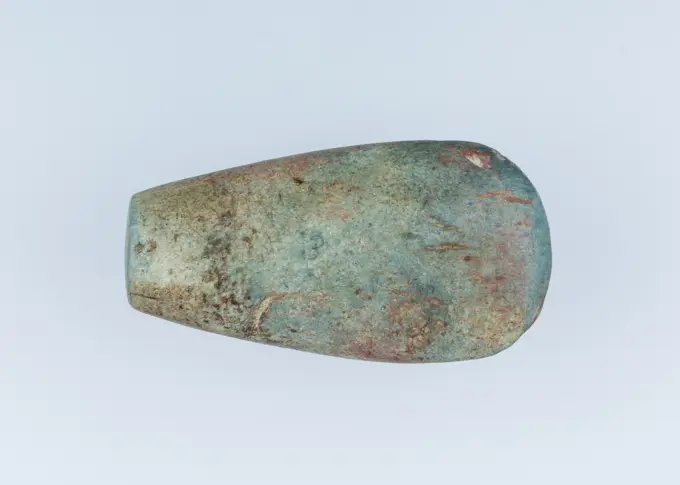
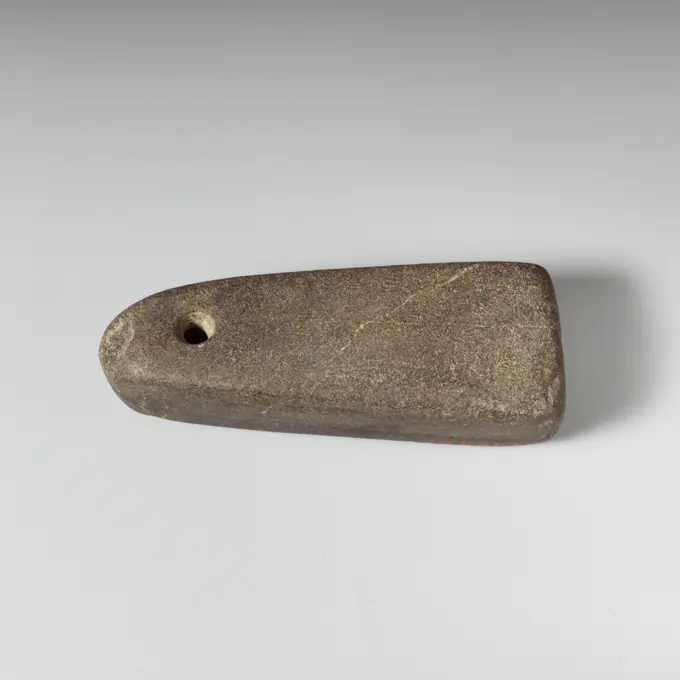
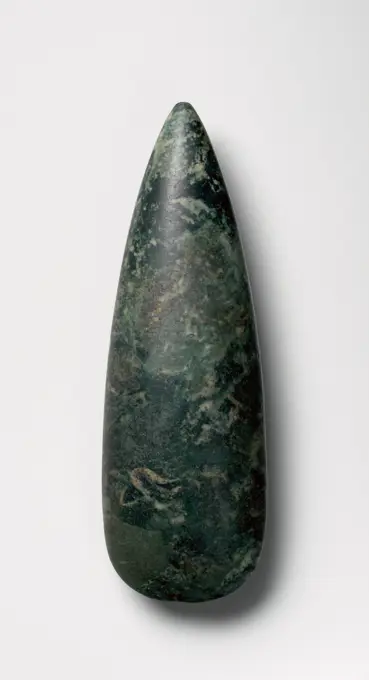
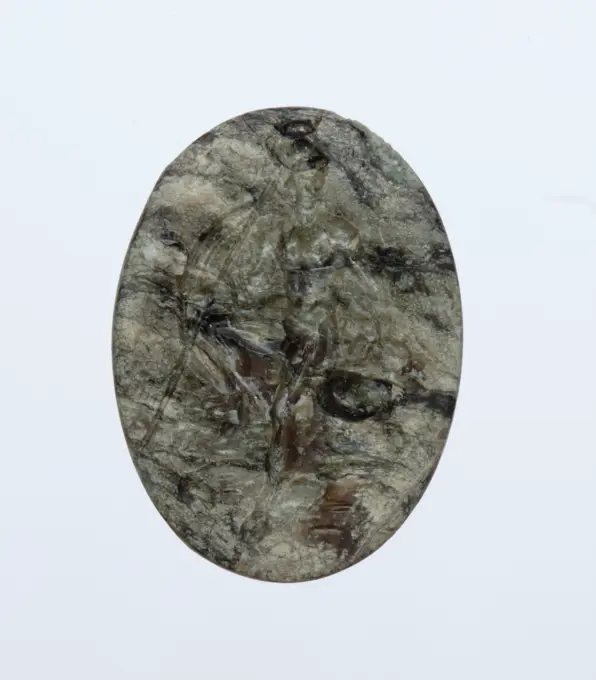
Implements (Celt) ca. 5,000-2,000 B.C. European, Italian peninsula. Implements (Celt). European, Italian peninsula. ca. 5,000-2,000 B.C.. Stone (serpentine), pigment. Miscellaneous
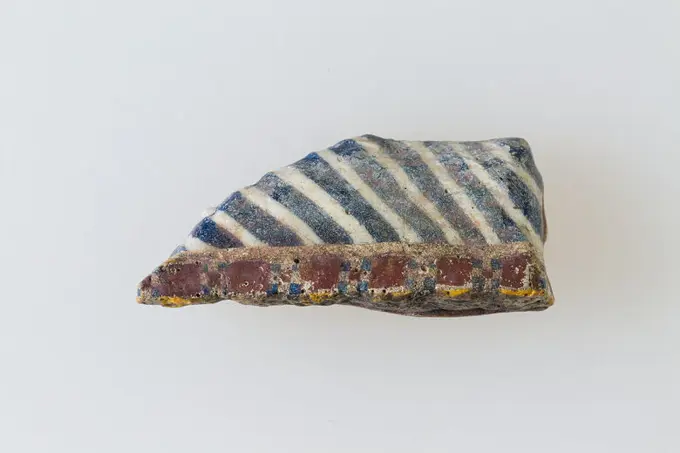
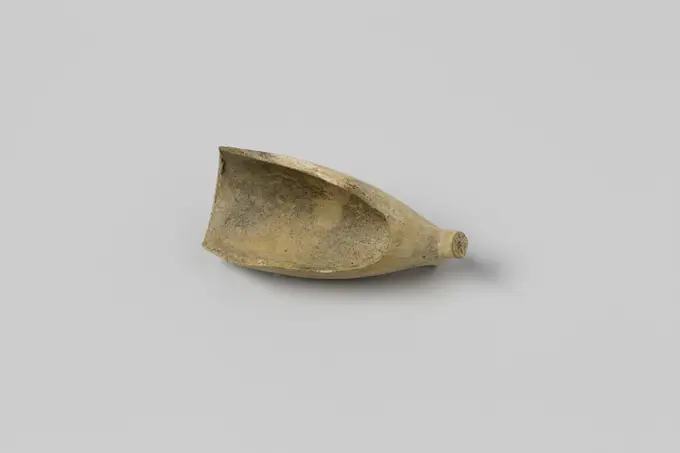
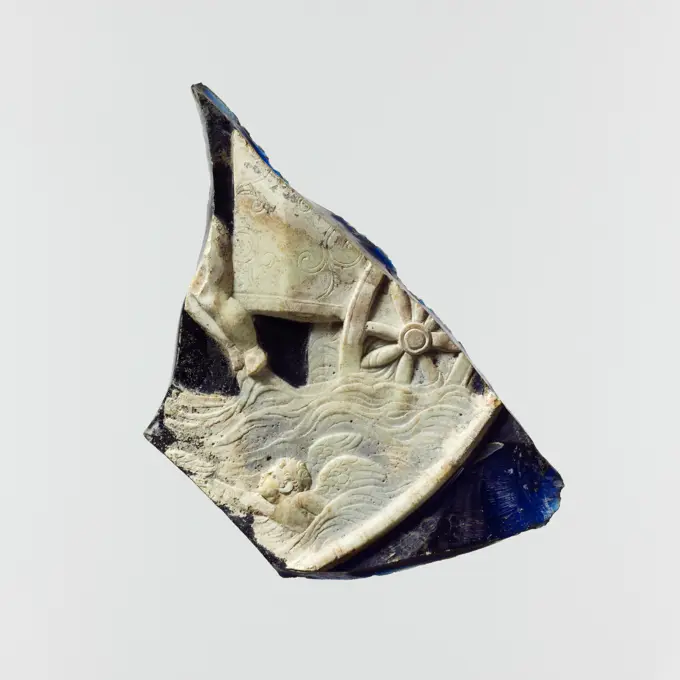
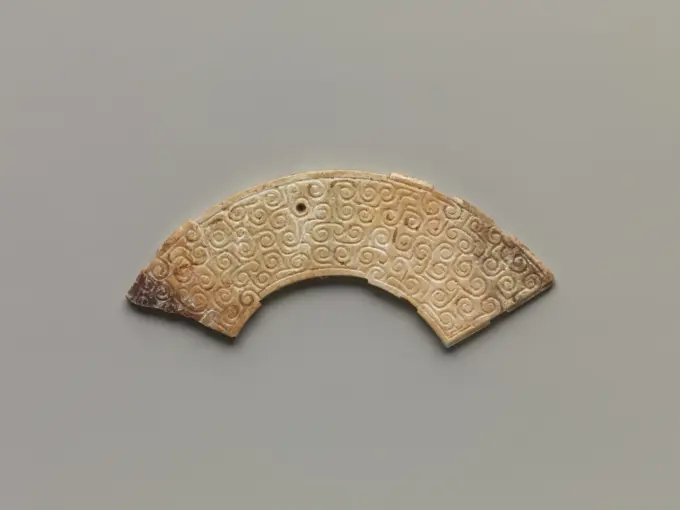
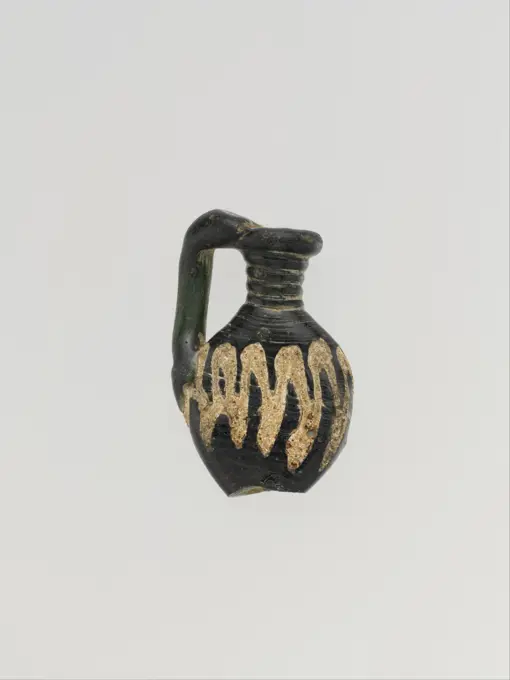
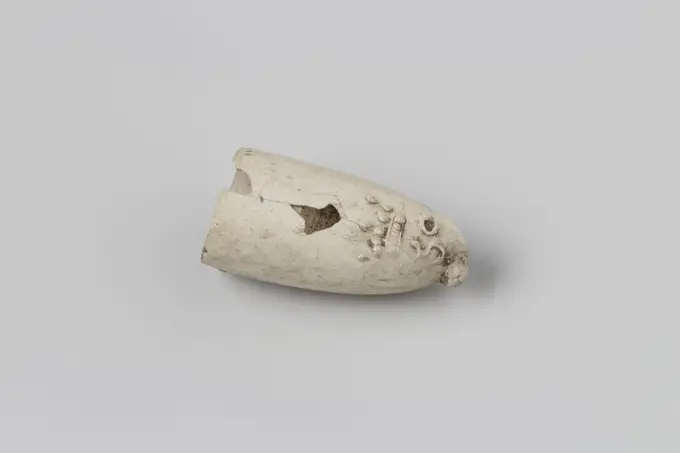
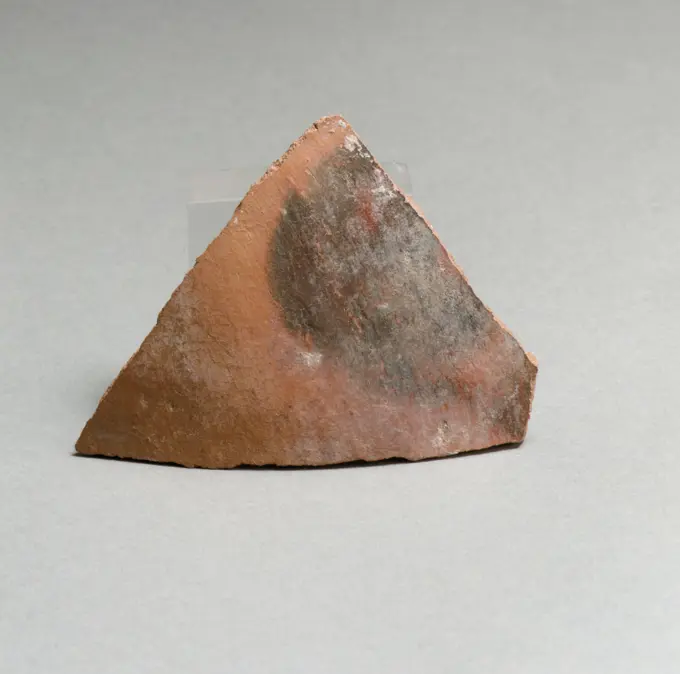
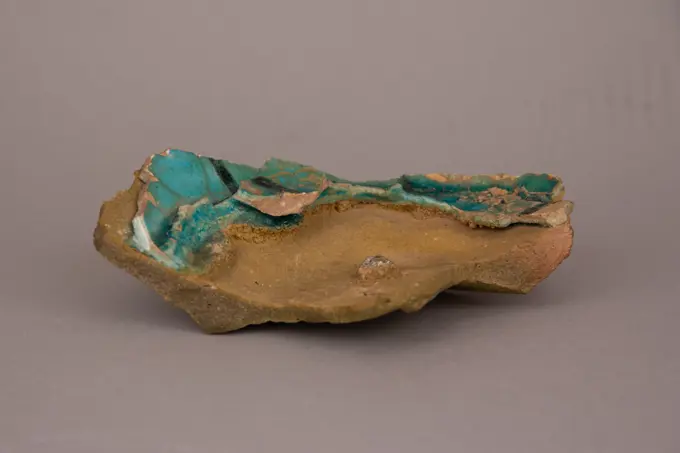
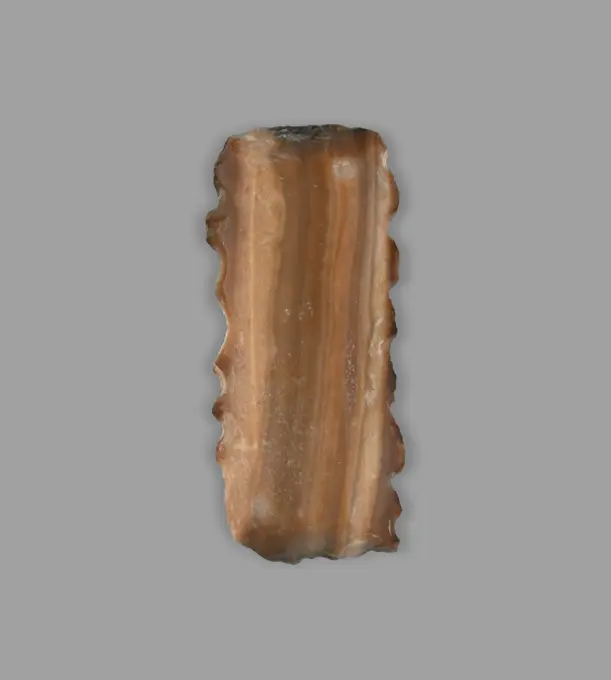
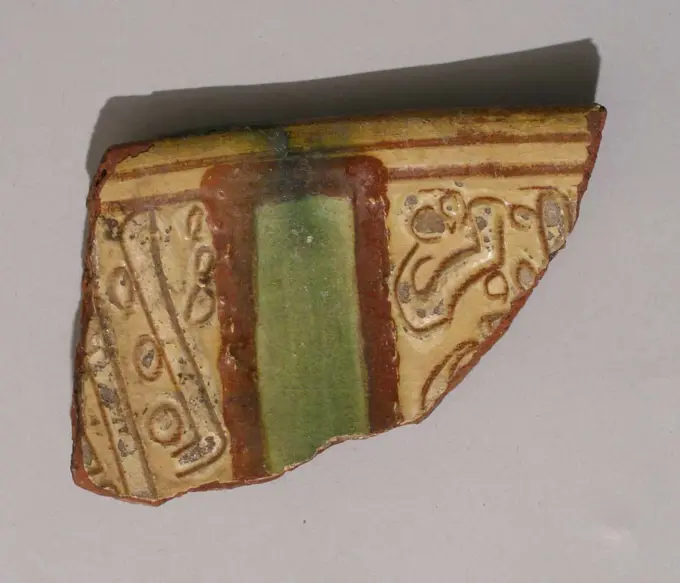
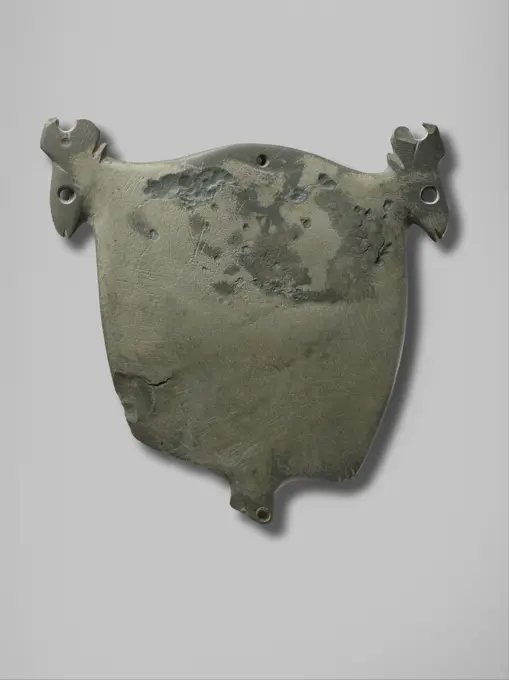
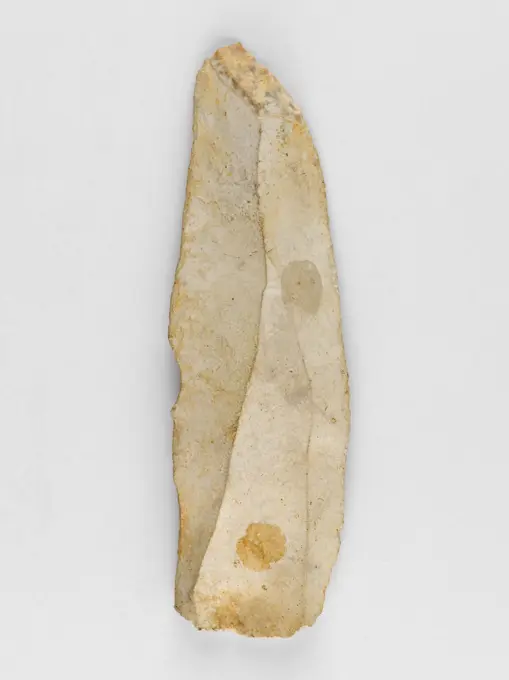
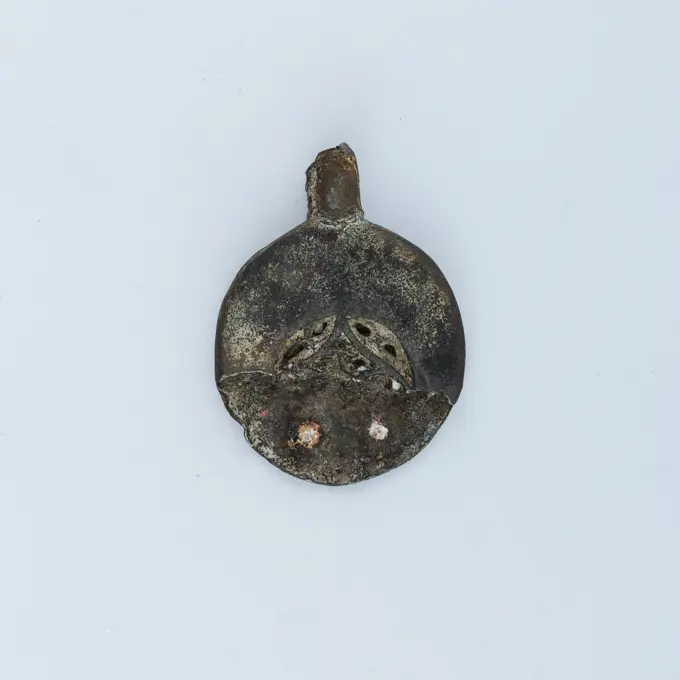
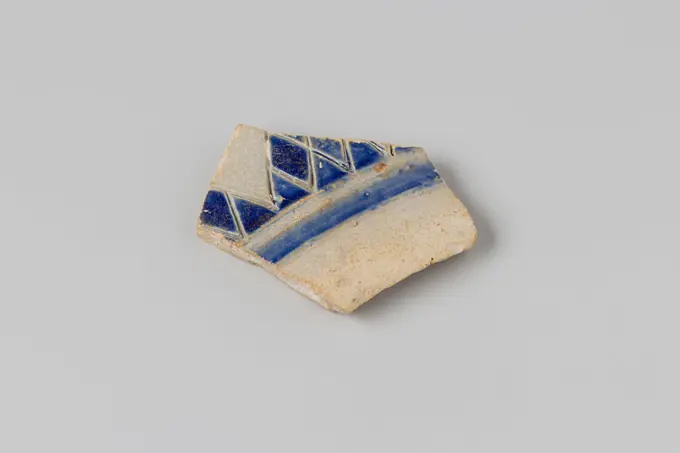
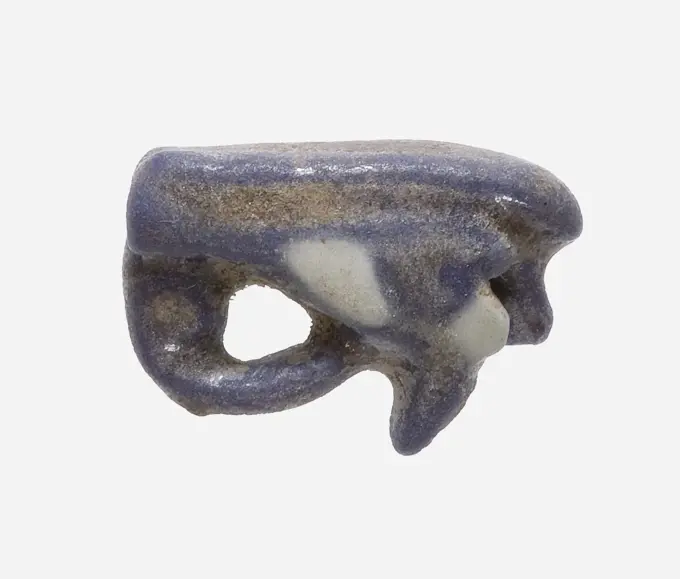
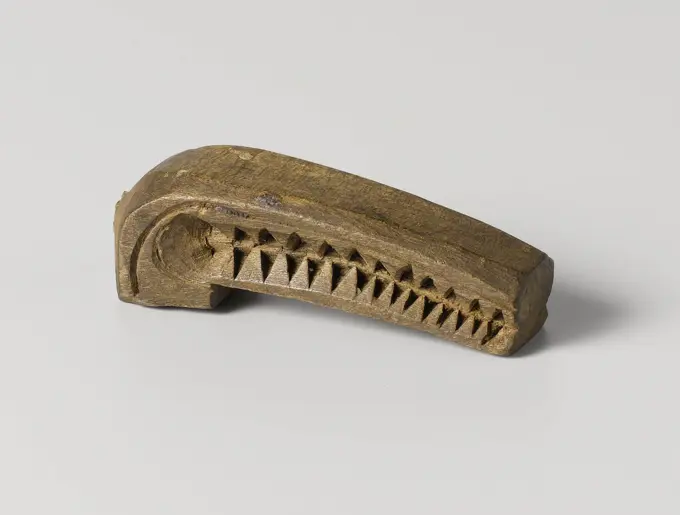
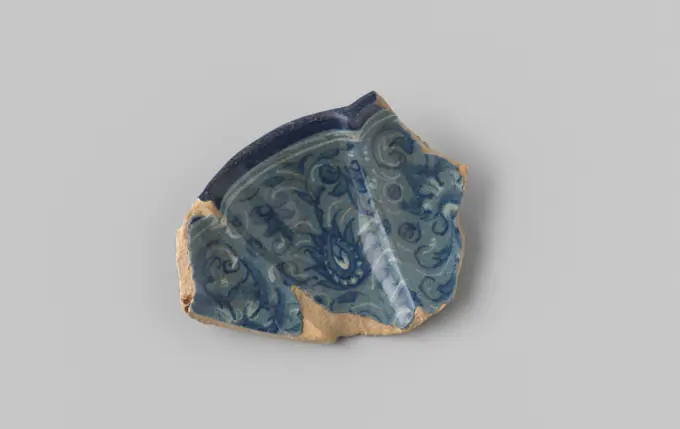
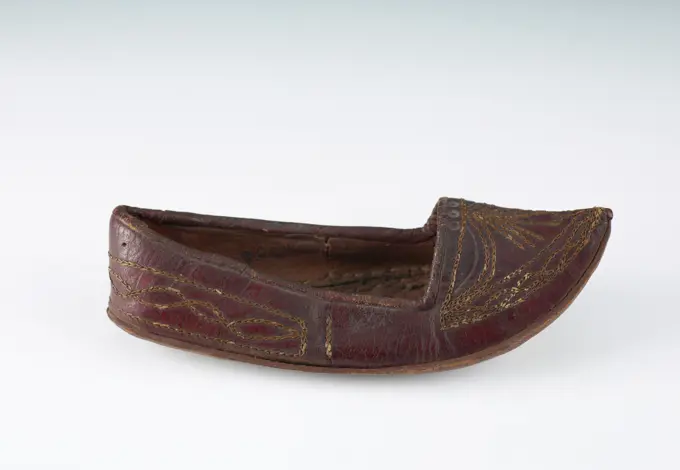
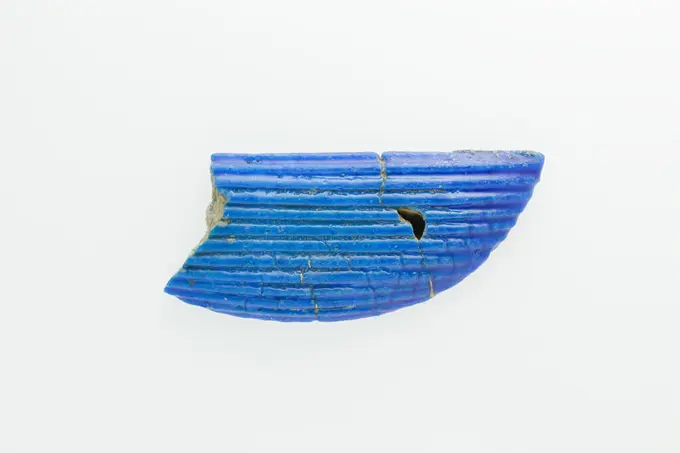
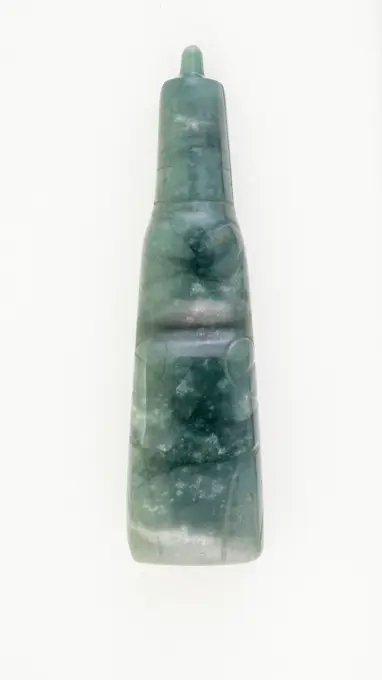
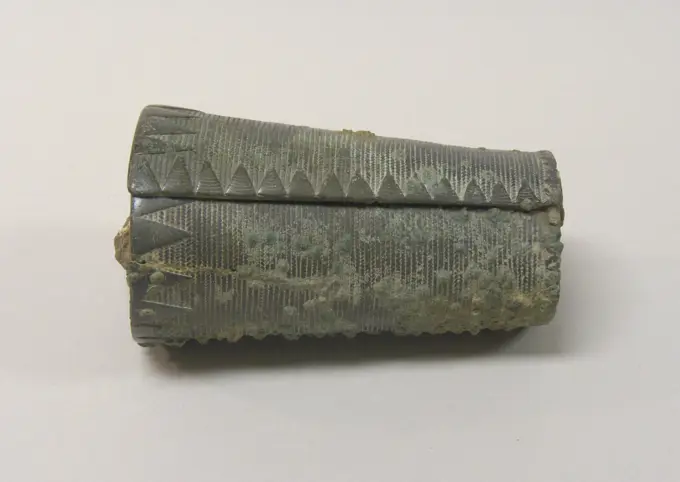
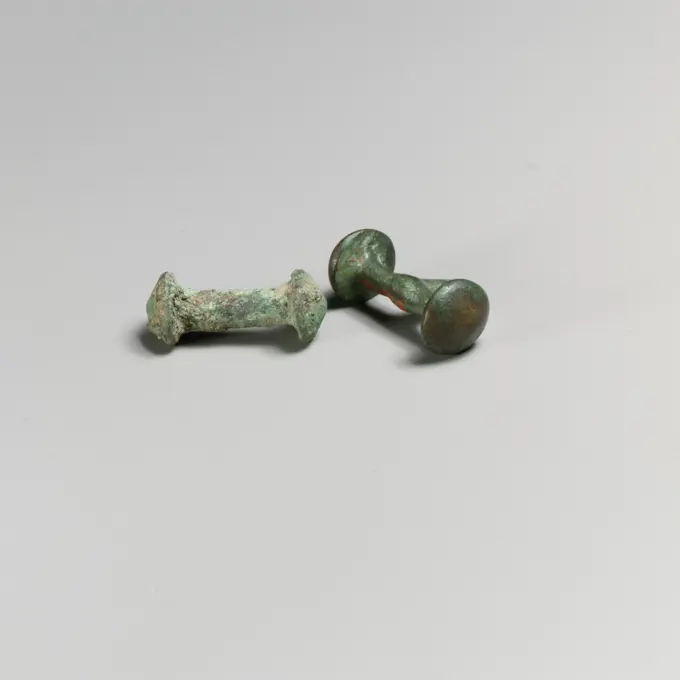
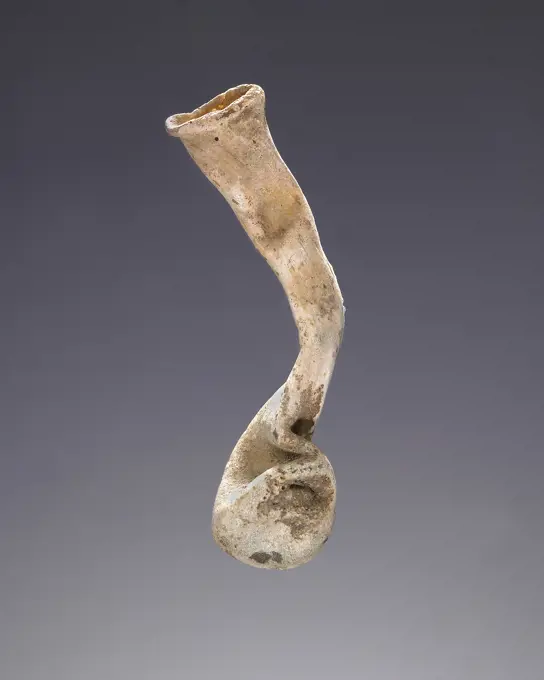
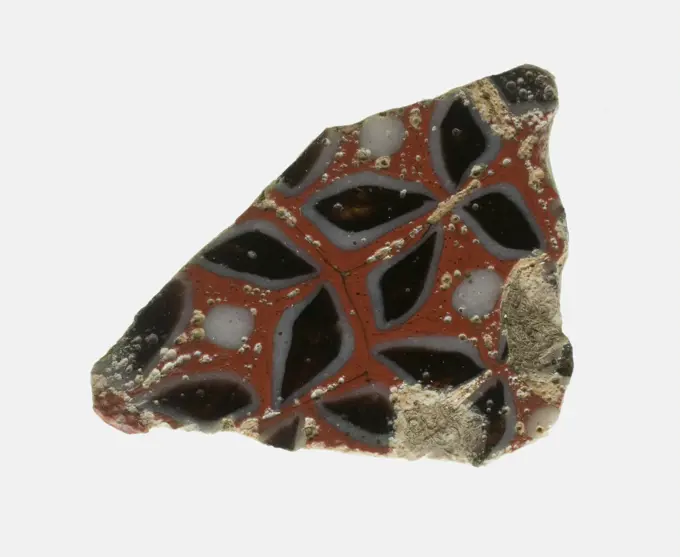
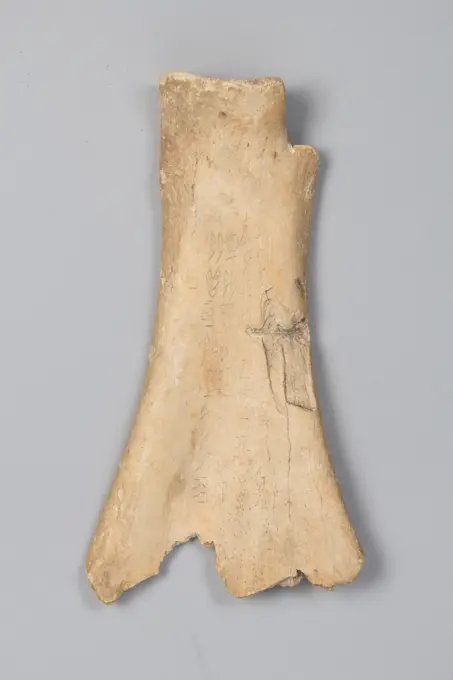
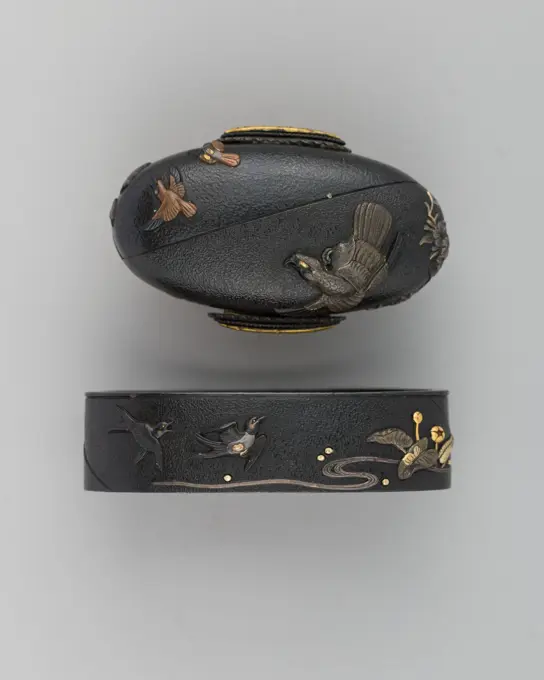
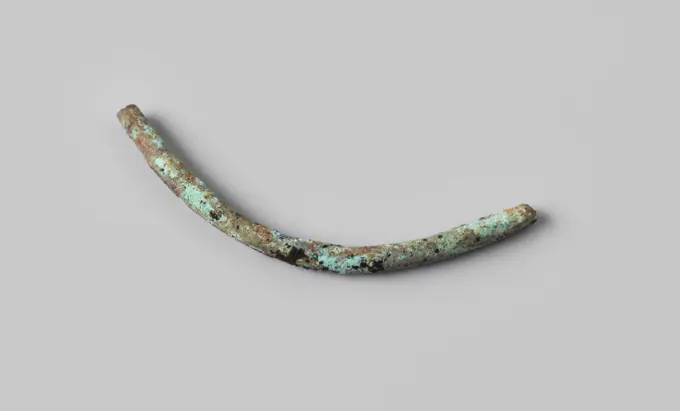
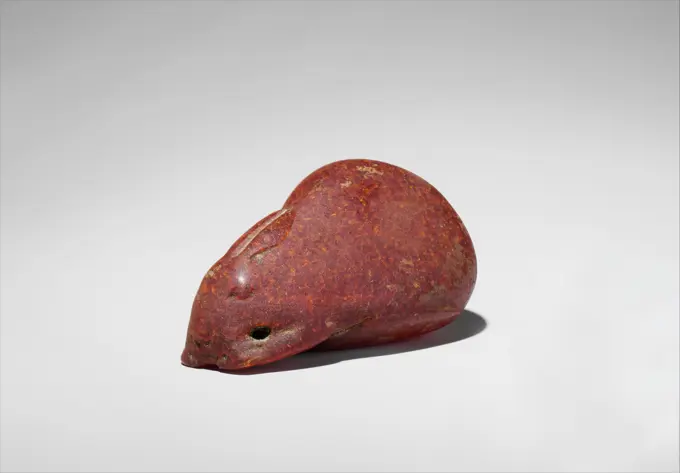
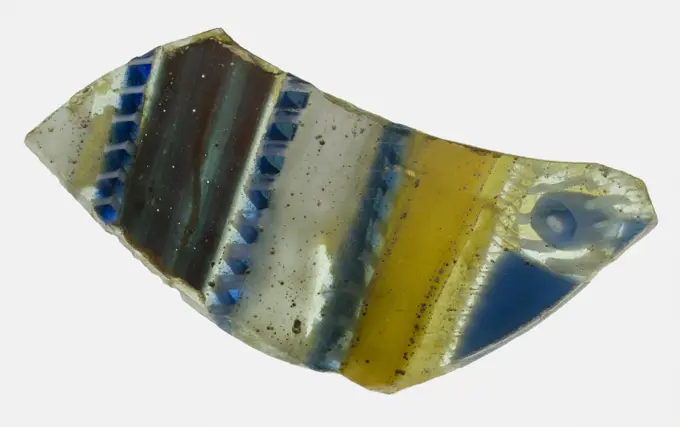
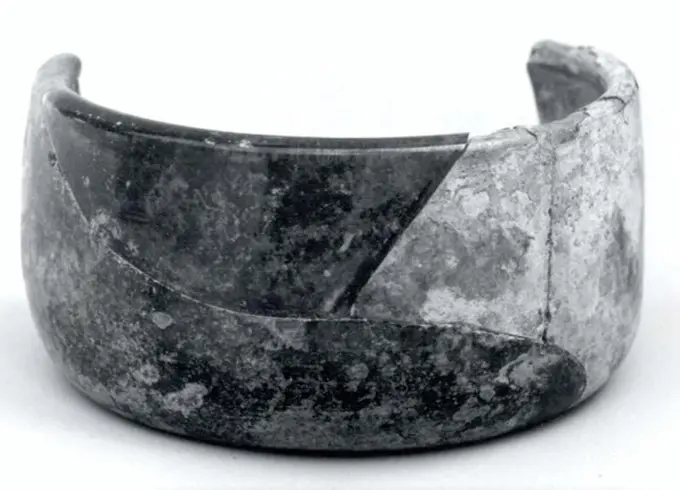
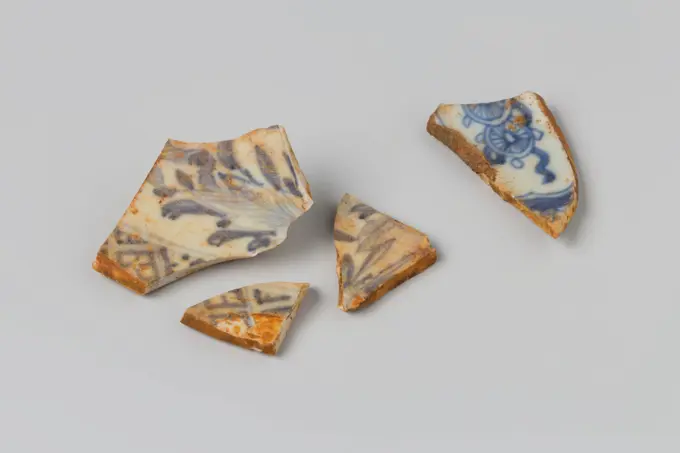
Implements (Celt) ca. 5,000-2,000 B.C. European, Italian peninsula. Implements (Celt). European, Italian peninsula. ca. 5,000-2,000 B.C.. Stone (serpentine), pigment. MiscellaneousFragment lead from the wreck of the East Indieschief Hollandia. Parts or artifacts; eroded fragments: Materials; Lead.Blowjob from the wreck of the East Indieschief Hollandia. Pipe, bowl, healermark illegible; Fragment, no HSM.Inlay with stripes. Dimensions: H. 1.5 × W. 3.5 cm (9/16 × 1 3/8 in.). Date: 200 BC-100 AD.A mosaic glass technique allowed multiples of an image to be created: a figural or design composition was made by bundling colored glass canes, which were then drawn out into a long bar. The bar was then sectioned at right angles, probably by striking the bar with appropriate tools, to produce small inlay tiles. The tile would then be smoothed and polished on the face intended to appear outwards. Museum: Metropolitan Museum of Art, New York, USA.Fragment blowjob from the wreck of the East Indieschief Hollandia. Pipe, Bowl, Healmar: Coat of Arms of the Province of Gelderland; Fragm, no HSM.Glass cameo plate fragment 1st century A.D. Roman Translucent deep cobalt blue and opaque white.Thick-walled fragment of large circular dish with gently curving side and part of bottom.On exterior, recessed molding of circular base ring; on interior, decoration carved in white overlay with a raised circular frame of beading surrounding a figural scene of two cupids pulling the chariot of Venus over the sea; the front of the car, decorated with fine incised scrolls, survives along with a large part of the eight-spoked left wheel whose lower part is sunk below the waves; in front of the car one cupid has just risen from the sea but only his legs survive; the other cupid swims below in the choppy sea, his wings are visible behind his back, his head is raised, and his proper right arm is outstretched, but most of his body is hidden below the waves. The cameo decoration fills the center of the shallow dish, surrounded by a plain cavetto in blue ground.Broken on all sides, with many chipped Arc-shaped pendant (Huang) 5th century B.C. China. Arc-shaped pendant (Huang) 75241Shist whetstone or polisher ca. 1600-1050 B.C. or earlier Cypriot Polisher.. Shist whetstone or polisher 243910Glass pendant shaped like a jug 4th-early 5th century A.D. Roman Translucent deep green, appearing black, with handle in same color; trail in opaque white.Lentoid, oval body; thick rounded rim; cylindrical neck; heavy rod handle applied over trail to side of body, drawn up vertically, then turned in, and attached to rim; small vertical hole runs through body from rim to bottom.On neck, spiral ribbing; on body, irregular vertical zigzag trail, pressed into body.Intact except for base; dulling, pitting, and slight iridescent weathering.The flattened, lentoid shape of the jug is unusual.. Glass pendant shaped like a jug 249674Terracotta vessel fragment with grass motif ca. 1600-1450 B.C. Minoan From Knossos, CreteFragment with grass design; dark-on-light ware.. Terracotta vessel fragment with grass motif 248546Spout of copper tap, spout part soil found copper metal, cast filed Mottled black with yellow-metal spout of tap in the shape of stylized animal head Curved spout with flat sides. Curvature only at the bottom. Small projecting lip at the top of the front archaeology Rotterdam rail tunnel tap faucet holder component barrel beer wine Soil discovery: trajectory rail tunnel Rotterdam.2 fragments of a vessel, glass, 2 fragments of vessel which orignally included 26 fragments selected for types of decoration, variation in color of glass, and iridescence. / 8for other accessioned fragments from the original accession of 26 fragmentents see 1928-15-4-a,b,c,g, h, m and n and 1928-15-4-p, q, r, s, u, w and x., Syria, 1st century BC-5th century AD, glasswares, Decorative Arts, 2 fragments of a vesselFragment 13th century Crusader. Fragment 475307Fragment lead from the wreck of the East Indians Hollandia, 1700 - in or before 1743 fragment Parts of artefacts; eroded fragments: materials; lead. Netherlands lead (metal)   SecondFragment 13th century Crusader. Fragment 475348Glass disk pendant. Culture: Roman. Dimensions: Other: 1/2 x 7/16 x 13/16 in. (1.2 x 1.1 x 2 cm). Date: ca. late 4th-6th century A.D..Translucent turquoise blue.Broad, rounded loop for suspension; flattened disk below.On stamp, raised central boss with four radiating short arms.Intact; pitting and brilliant iridescence. Museum: Metropolitan Museum of Art, New York, USA.Fragment of fire hose rings from the wreck of the East Indiesman Hollandia. Fire Engine, Firehose; Fragments, ID. NG-1975-20-H-1271-A, Squashed.DateflaskFragment Pijpenkop, Unknown, 1750 - 1780 Fragment piping head with a crown and the number 50 depicted. Of the excavations on the Hofstede Arentsburg 1827-1831 under the supervision of Professor Reuvens. Gouda pipe clay Fragment piping head with a crown and the number 50 depicted. Of the excavations on the Hofstede Arentsburg 1827-1831 under the supervision of Professor Reuvens. Gouda pipe clayVase fragment Minoan. Vase fragment 247775Fragment of a Waster 11th-12th century. Fragment of a Waster. 11th-12th century. Earthenware; gritty white body, turquoise blue glaze and black stripes. Excavated in Iran, Nishapur. CeramicsCulture Uruk (approCast pendant bead. UnknownConical Game Piece. Dimensions: H. 3 cm (1 3/16 in.); Diam. 2.2 cm (7/8 in.). Dynasty: Dynasty 18, early. Reign: reign of Thutmose I-early sole Thutmose III. Date: ca. 1504-1447 B.C..The first room that the Museum's excavators cleared in the family tomb of Neferkhawet was the east chamber. In the northwest corner of this room they found a mis-matched partial set of gaming pieces. The two types, conical and spool-shaped, are common components of the board games senet and 20-squares which were usually combined in a single game box with the game boards on opposite sides, and a drawer for the gaming pieces and the throw sticks or knuckle bones that were used like dice to determine how the pieces were moved on the boards. The eight gameing pieces, five conical and three spool-shaped, were lying on their sides next to the outlined remains of an insect-eaten game box. Museum: Metropolitan Museum of Art, New York, USA.Fragment stem from a candlestick from the wreck of the East Indieschief Hollandia. Candlestick, voice; Fragm, Squashed, originally faceted, molded rim.Figure of a Bent Human Index Finger. Egypt, Ptolemaic Period - Roman Period (332 BCE - 395 CE) or later. Sculpture. BronzeFragment of a Bowl 14th-15th century. Fragment of a Bowl 445155Shard of ross -baking earthenware, with blue glaze at the top with decoration of a scene with two flowers between leaves, which is in the earth in brown, white, yellow, orange and green, and some circles in brown and yellow around it, anonymous, 1600 - 1650  Northern Netherlands earthenware. glaze majolica  Northern Netherlands earthenware. glaze majolicaPalette with antelope heads and a turtle ca. 3650-3500 B.C. Predynastic, Naqada II. Palette with antelope heads and a turtle 547358Levallois blade. Paleolithic. Direct size. Coming from: rue du Ruisseau Montmartre, 1878. Paris, Carnavalet Museum. Age Pierre Taillee, Levallois blade, tool, paleolithic, prehistory, prehistoric, direct sizeConcretion from the wreck of the East Indiesman Hollandia. Parts or artifacts; eroded fragments: Materials; Lump, Hollow Core, Containing Impression Of (Tool) Handle, Circular in Section, With Blade.Strap End late 15th-early 16th century French. Strap End. French. late 15th-early 16th century. Bronze. Miscellaneous-Buckles & OrnamentShard of a pot from the wreck of the East India Hollandia.Stoneware, Rhenish, Westerwald, Pot; or body, sim. NG 1980-27H2624R.Lump of glass slag. Dimensions: l. 5.2 × w. 2.5 cm (2 1/16 × 1 in.). Date: 1st Century B.C.-1st Century A.D.. Museum: Metropolitan Museum of Art, New York, USA.Ceremonial Axe 7th-15th century Taíno The most numerous category of polished stone sculpture emerging from the Taíno world of the ancestral Caribbean islands are ceremonial axes and blades, which take many forms and may have been an important medium of exchange. Ceremonial blades made of different types of greenstone, both local and imported, have been recovered in large numbers. These axes, known as petaloid celts for their resemblance to flower petals, could have served as dedicatory offerings, which have a long history on the Caribbean mainland in Mesoamerica.. Ceremonial Axe. Taíno. 7th-15th century. Greenstone. Dominican Republic, Caribbean. Stone-ImplementsPijpenkop., Anonymous, c. 1400 - c. 1950 Quadrangular pipe head decorated with the bust of the empress and the arms of Austria.  pipe clay Quadrangular pipe head decorated with the bust of the empress and the arms of Austria.  pipe clayCarnavalet Museum, Medals CollectionFragment sheet metal from the wreck of the East Indians Hollandia, 1700 - in Or Before 1743 fragment Parts of artefacts; eroded fragments: materials; copper. Netherlands copper (metal)   SecondWedjat Eye Amulet ca. 1390-1353 B.C. New Kingdom One of the most popular amulets in ancient Egypt, the wedjat eye represents the healed eye of the god Horus. It depicts a combination of a human and a falcon eye, since Horus was often associated with a falcon. Its ancient Egyptian name, wedjat, means "the one that is sound (again)." In Egyptian mythology Horus eye was injured or stolen by the god Seth and then restored by Thoth. The wedjat eye embodies healing power and symbolizes rebirth. An amulet in this shape was thought to protect its wearer and to transfer the power of regeneration onto him or her. ?This particular wedjat eye shows the typical style of the New Kingdom, in which the spiral element sits directly underneath the cosmetic line, while in later examples it is situated much lower (see for example 89.2.415).. Wedjat Eye Amulet. ca. 1390-1353 B.C.. Faience. New Kingdom. From Egypt, Upper Egypt, Thebes, Malqata, Palace of Amenhotep III, MMA excavations, 1910-11. Dynasty 18Finger Ring 6th-7th century Frankish. Finger Ring 465298Pendant in the Shape of an Arc. Culture: China. Dimensions: H. 7/8 in. (2.2 cm); W. 4 in. (10.2 cm). Museum: Metropolitan Museum of Art, New York, USA.Vase fragments. Dimensions: .b: 1 7/16 × 4 13/16 × 3/4 in. (3.7 × 12.2 × 1.9 cm).d: 1 5/16 × 2 13/16 × 5/8 in. (3.4 × 7.2 × 1.5 cm).Incised decoration. Museum: Metropolitan Museum of Art, New York, USA.Shard of a plate from the wreck of the East India Flying Heart. One shard yellow-baking pottery that has been part of a plate, pale blue with vague drawing.Fragment of glazed dish, anonymous, 1500 - 1699 fragment Fragment of a brown glazed dish. Note: Dug up in Arnhem. Northern Netherlands earthenware. Fragment of a Dish of Quartz Fritgoed with Flower Drinks in Olive Luster. Fairly hard white earth with translucent blue glaze.Glass pendant in the form of a frog. Culture: Greek, possibly Egyptian. Dimensions: H.: 9/16 in. (1.4 cm). Date: 3rd-1st century B.C..Translucent deep turquoise green.Solid block with hole running lengthwise through body from chest to backside.Large body with head slightly raised, back legs bent and splayed outward to side of body, front legs projecting forward.Intact except for proper front left leg; some pinprick bubbles; dulling, pitting, and faint iridescence. Museum: Metropolitan Museum of Art, New York, USA.Glass Fragment. Culture: European. Dimensions: Overall; 2 1/2 x 1 1/2 in (6.5 x 4 cm). Date: 13th-14th century. Museum: Metropolitan Museum of Art, New York, USA.Cicada Figurine. Egypt, Late Period - Ptolemaic Period (711 - 30 BCE) or later. Sculpture. BronzeFragment of wood, in the form of a pipe and decorated with cut triangles, anonymous, c. 1590 - c. 1596 fragment Fragment of wood, more or less in the shape of a pipe and decorated on either side with two rows of cut triangles. The wooden fragment was probably attached to something like a handle. De Jonge (1877) speaks of a handle of a knife. This seems unlikely as there are no traces of the attachment of a blade. North Holland wood (plant material) cutting  Nova Zembla. Saving HuysExcerpt of a ribbed and scalloped edge with reddish shard, on gray -blue stock in blue and opaque white a decoration of vegetable motifs, on the back blue crosses, anonymous, 1200 - 1899  Italy earthenware  Italy earthenwareScherf Majolica with blue glaze, Anonymous, 1500 - 1699  Majolic screen. Northern Netherlands earthenware. glazeWomans shoe unknownheliotropeHafted Ax 500 B.C.-A.D. 300 Indonesia. Hafted Ax. Indonesia. 500 B.C.-A.D. 300. Bronze. Bronze and Iron Age period. MetalworkPijpenkop from the wreck of the East Indians Hollandia, Anonymous, 1700 - in Or Before 1743  Pipe, bowl, heelmark: arched cage; no hsm. Netherlands pipe clay   SecondFinger Ring 300 BCE-101 BCE Syria. Glass, cast . Ancient LevantineExcerpt with red shard, with striped tracks in sgrafitto technology with white glaze, anonymous, 1200 - 1899  Italy earthenware  Italy earthenwareInlay, hieroglyph. Dimensions: H. 2.4 cm (1 5/16 in.); W. 5.3 cm (2 1/16 in.). Dynasty: Dynasty 26. Reign: reign of Psamtik I. Date: 664-610 B.C.. Museum: Metropolitan Museum of Art, New York, USA.Bloodletter Handle. Mexico, probably Guerrero, Olmec, 1000-600 BCE. Stone. JadeitePipes head. Follow-oriented pipe head with a weapon and the other two sides one head shown on two sides. Of the excavations at the Hofstede Arentsburg 1827-1831 under the supervision of professor Reuvens.Lamp or InkstandFinger Grip before 16th century Mexican. Finger Grip 317415Sharf of a sign from the wreck of the East Indians Hollandia, Anonymous, 1700 - in Or Before 1743 plate (dishes) Porcelain, plate, type 2; fragm of centre, sim. NG 1980-27H2624h. Netherlands porcelain   SecondShawabty of Ditamenpaankh, 715-656 BC. Egypt, Late Period, Dynasty 25. Terracotta; overall: 5.8 x 1.5 x 1.3 cm (2 5/16 x 9/16 x 1/2 in.).Bliżej KulturyVase neck fragment ca. 1802-1450 B.C. Late Middle Kingdom-Early New Kingdom. Vase neck fragment. ca. 1802-1450 B.C.. Low-fired whitish clay. Late Middle Kingdom-Early New Kingdom. From Egypt, Memphite Region, Lisht North, Cemetery south of pyramid, House A1, so-called "faience factory", MMA excavations, 1920-22. Dynasty 13-18, earlyFragment of a ship bell, anonymous, 1700 - in or before 1743 musical instrument. percussion instrument. bell (idiophone). ship bell. fragment Acoustic, bell (ship's); fragment of body, very eroded. Netherlands copper (metal)   SecondAmulet of a Duck. Egyptian. Date: 2055 BC-1650 BC. Dimensions: 1 × 0.6 × 0.6 cm (3/8 × 1/4 × 1/4 in.). Stone. Origin: Egypt. Museum: The Chicago Art Institute, Chicago, USA. Author: Ancient Egyptian.Plain Ring 7th century Frankish. Plain Ring 465496 Frankish, Plain Ring, 7th century, Copper alloy, Overall: 13/16 x 1/8 in. (2.1 x 0.3 cm). The Metropolitan Museum of Art, New York. Gift of J. Pierpont Morgan, 1917 (17.193.180)Statuette of a dog. Culture: Roman. Dimensions: length 3.71 cm.. Museum: Metropolitan Museum of Art, New York, USA.Cuff with Chevron Design() 300 B.C.-A.D. 400 Vietnam. Cuff with Chevron Design(). Vietnam. 300 B.C.-A.D. 400. Bronze. Late period. JewelryChariot fastenings from Etruscan biga Etruscan. Chariot fastenings from Etruscan biga 253038 Etruscan, Chariot fastenings from Etruscan biga, Bronze, Other (.1): 1 3/8 in. (3.5 cm) Other (.2): 1 1/8 in. (2.9 cm). The Metropolitan Museum of Art, New York. Gift of Commendatore Vincenzo Vitalini, 1929 (29.165.1, .2)Knife lift from the wreck of the East India Hollandia. Knife-Handle, Straight-Sided: tapering; ID. NG 1980-27H1701, Traces of Ferrule, Rivet-Hole in Upper End.Glass pendant bead in the shape of a plumbline. Culture: Greek or Etruscan. Dimensions: Overall: 1 3/8 x 3/4 in. (3.5 x 1.9 cm). Date: ca. 7th-5th century B.C..Uncertain color, appearing opaque black; trail in opaque white.Elongated body, expanding downwards, with two vertical tooled indents in side; pierced through from top to bottom with a large, regular hole; rounded bottom edge.A single marvered trail wound at least 16 times round body in a spiral.Broken at narrower (top) end; dulling, severe pitting of surface bubbles, and faint brownish weathering.The date and provenance of this large bead are uncertain, but it may be Etruscan, dating to the 7th century B.C. and used as decoration on a fibula. Museum: Metropolitan Museum of Art, New York, USA.Janus-faced aryballos depicting a Nubian and a bull 600-550 B.C. Late Period. Janus-faced aryballos depicting a Nubian and a bull. 600-550 B.C.. Faience. Late Period. From EgyptOintment Flask; Eastern Mediterranean; 1st century; Glass; 9.2 cm (3 5,8 in.)Spear-butt, spike ca. 1050-1000 B.C. Cypriot. Spear-butt, spike 244197Fragment of a Floral Inlay 100 BCE-100 CE Roman Empire. In ancient Rome, there was a high demand for colorful glass that could dazzle banquet guests alongside the expensive silver and gold serving wares meant to impress. Fragments like this one would have once been a part of larger mosaic dishes. The mosaic pattern was made by sagging molten glass into bowl-shaped molds, a technique used on many of these fragments is similar to millefiori, ìthousand flowersî in Italian, a modern glass-making method in which tiny rods of colored glass are bundled together, wrapped in a sheet of glass, fused, and then thinly sliced to reveal swirls of a flower-like patterns. They were arranged side by side, sometimes together with bits of colored glass, and fused together with heat.. Glass, mosaic technique . Ancient RomanFragment Martavaan from V.O.C. ship De 'Witte Leeuw', Anonymous, Before 1613  Fragment Martavaan from V.O.C. ship De 'Witte Leeuw', 15 present. southeast Asia porcelain   Sint-HelenaOracle bone China. Oracle bone. China. Inscribed bone. Shang dynasty (ca. 1600-1046 B.C.). BoneSword-Hilt Collar and Pommel (Fuchigashira) 18th century Japanese A fuchigashira is a pair of matching sword fittings comprising the fuchi (collar at the base of the grip of the sword hilt) and kashira (pommel cap at the end of a sword hilt).. Sword-Hilt Collar and Pommel (Fuchigashira). Japanese. 18th century. Copper-silver alloy (shibuichi), copper-gold alloy (shakud), gold, silver, copper. Sword Furniture-Fuchi-KashiraAxle Cap from Chariot Wheel, 11th century BCE, 7 1/8 × 1 3/4 in., 0.9 lb. (18.1 × 4.45 cm, 0.4 kg), Bronze, China, 11th century BCECopper wire from the wreck of the East Indians Hollandia, Anonymous, 1700 - in or Before 1743  Varied parts or fragments, wire; fragm, eroded, bent, circular in section. Netherlands copper (metal)   SecondPendant: hare 5th century B.C. Italic Pendant of a hare or a cowrie shell which illustrates the Etruscan predilection for depicting more than one form in an object. The irregular conformation of the amber pieces sparked the artists' creativity.. Pendant: hare 256077Fibula łódeczkowata. unknown, authorBowl Fragment 100 BCE-100 CE Italy. In ancient Rome, there was a high demand for colorful glass that could dazzle banquet guests alongside the expensive silver and gold serving wares meant to impress. Fragments like this one would have once been a part of larger mosaic dishes. The ribbon pattern was made by bundling rows of parallel rods of glass, which were then fused to create swirling patterns. Glass, ribbon technique . Ancient RomanGlass bowl ca. 3rd-7th century A.D. Sasanian. Glass bowl 323042Fish Pendant 1100 BCE-900 BCE China. Jade .Applique Fragment. UnknownFragment Werra plate, mirror decor Adam, year 1610, light yellow and green glaze, border with curves, plate crockery holder earth discovery ceramic earthenware glaze, Red earthenware with drawing in light yellow and green glaze year glazed ** 10 archeology bible religion AdamFragment. Culture: European or Middle Eastern. Dimensions: L. 1 1/2 in. (3.8 cm). Date: ca. 1150-ca. 1250. Museum: Metropolitan Museum of Art, New York, USA.Glass Fragment 14th century. Glass Fragment 446836Bracelet. Western Iran, circa 1000-650 B.C.. Jewelry and Adornments; bracelets. Bronze, castShards of signs from the wreck of the East Indians Hollandia, Anonymous, 1700 - in Or Before 1743 plate (dishes) Porcelain, plate, type 2; fragm of base sim. NG 1980-27H507. Netherlands porcelain   SecondGrahal-Manzara. Carnavalet 2013-2016 collection sites. Numismatics.Plaque as Bull Head. Egypt, New Kingdom (circa 1569 - 1081 BCE). Sculpture; plaques. FaienceAnonymous. "Reminder bar of the colonial medal of General Leclerc". Metal. 1929-1945. General Leclerc Museum of Hauteclocque and the Liberation of Paris, Jean Moulin Museum. 158936-6Cylindrical Pendant 6th-7th century Frankish. Cylindrical Pendant 465644 Frankish, Cylindrical Pendant, 6th7th century, Bone, Overall: 1 5/16 x 3/8 in. (3.3 x 1 cm). The Metropolitan Museum of Art, New York. Gift of J. Pierpont Morgan, 1917 (17.193.31)Excavated horseshoePair of sleeves unknown