Historical Artifacts and Fragments

A range of ancient artifacts including tools and decorative inlays, showcasing the craftsmanship and materials of historical times.
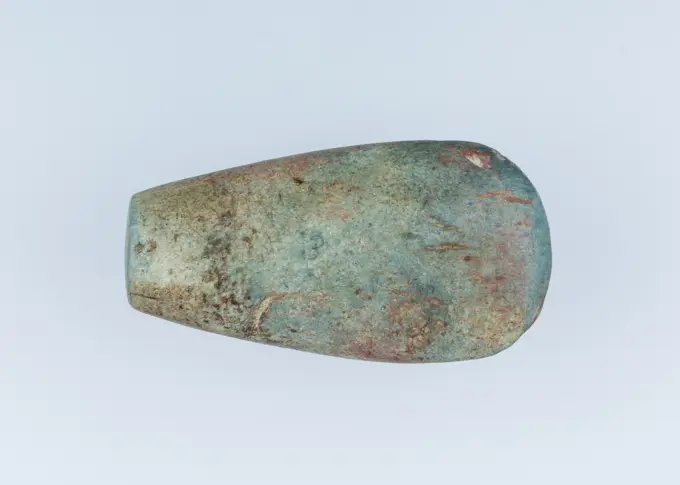
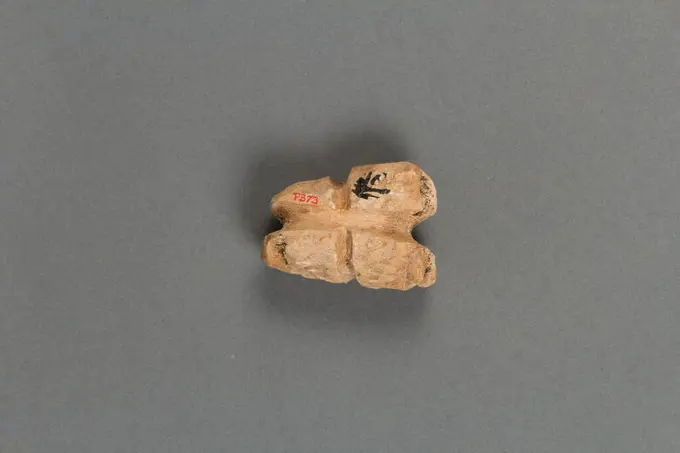
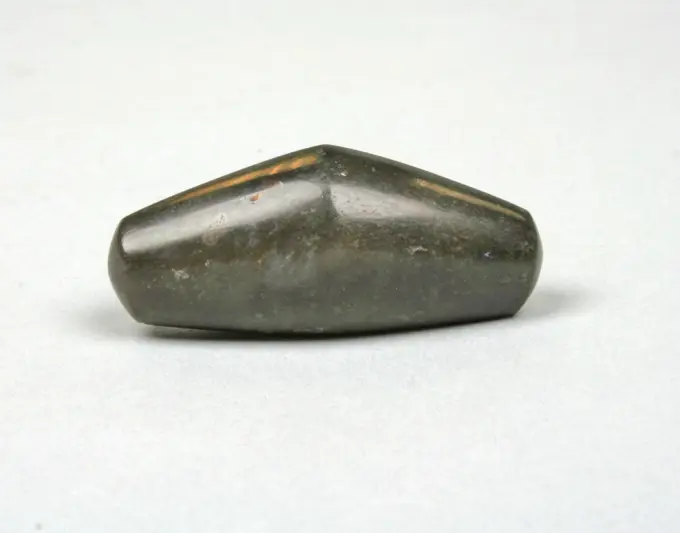
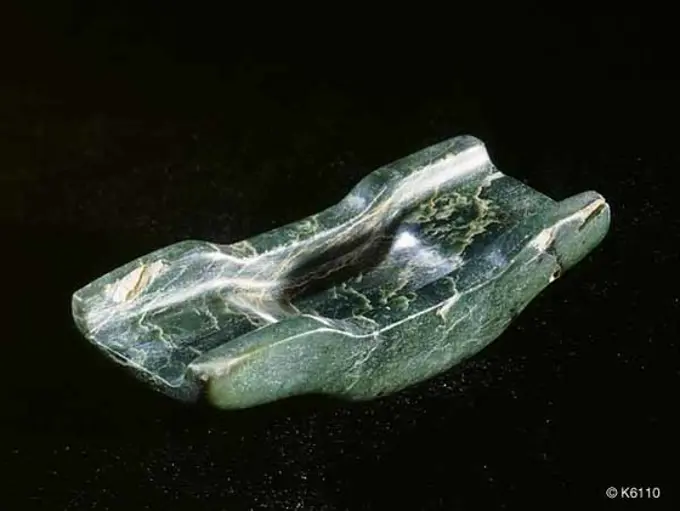
Implements (Celt) ca. 5,000-2,000 B.C. European, Italian peninsula. Implements (Celt). European, Italian peninsula. ca. 5,000-2,000 B.C.. Stone (serpentine), pigment. Miscellaneous
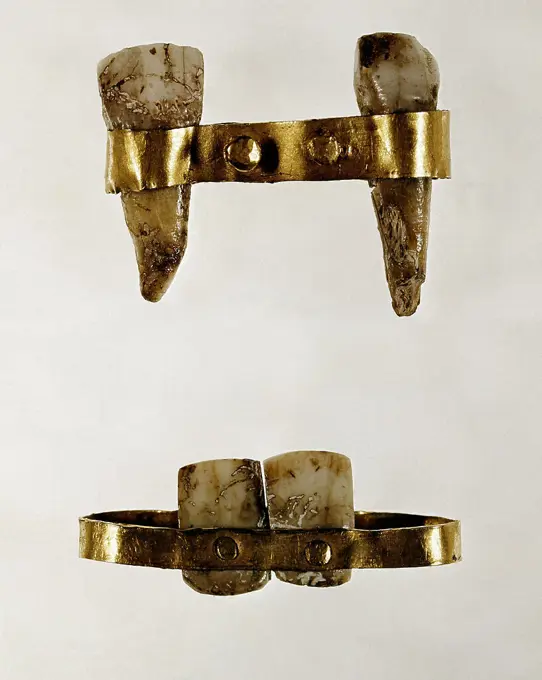
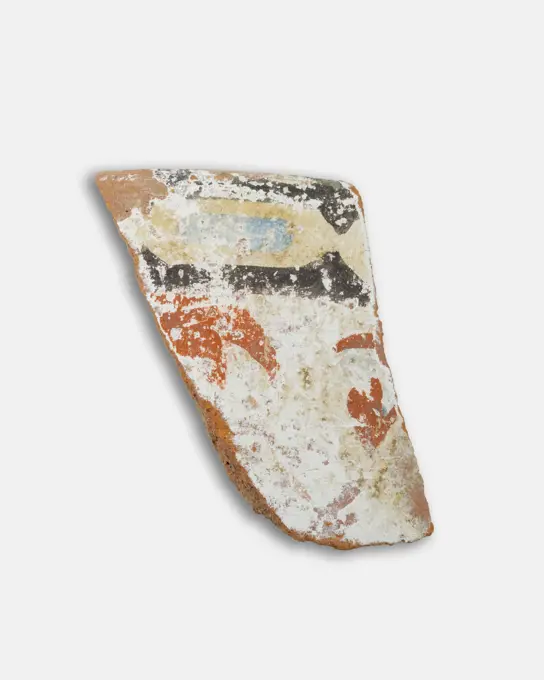
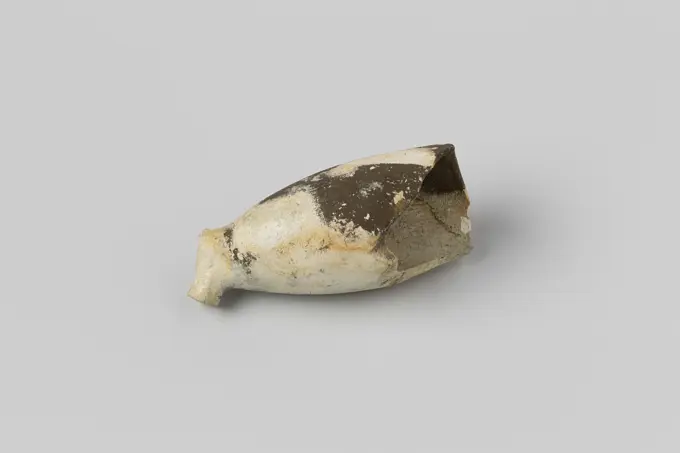
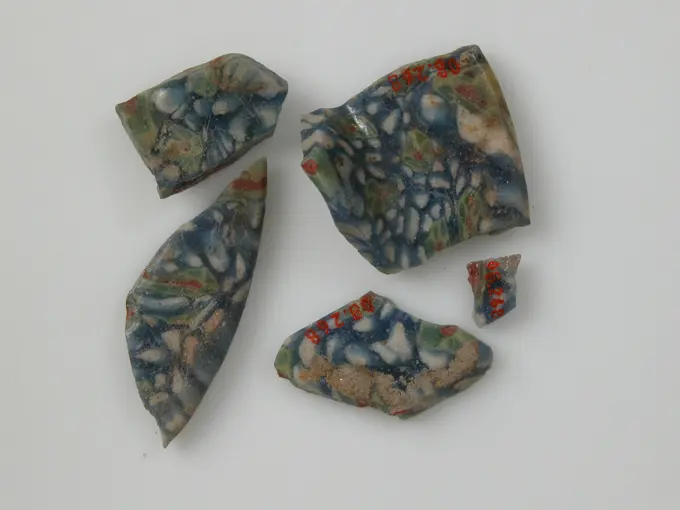
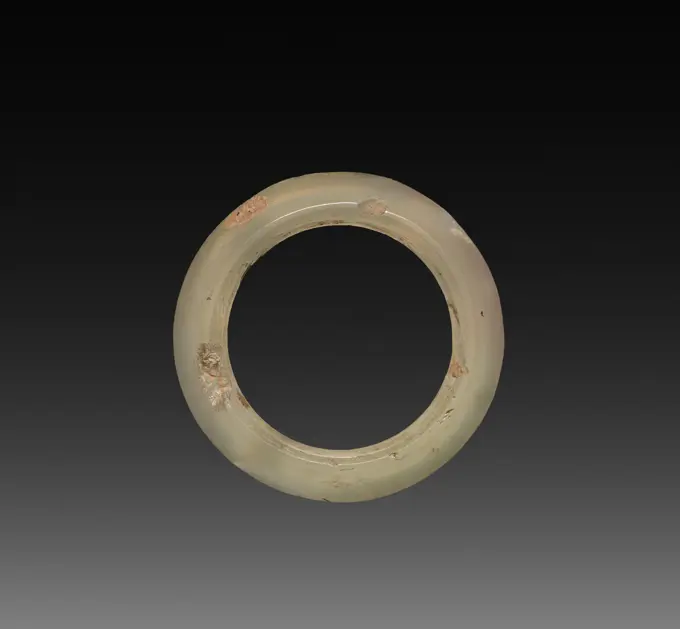
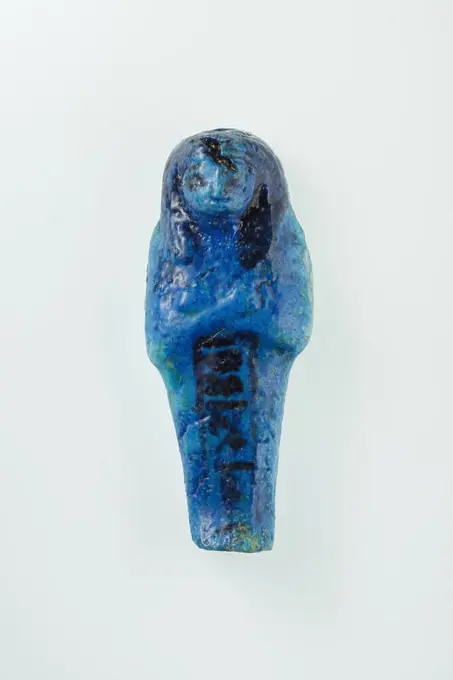
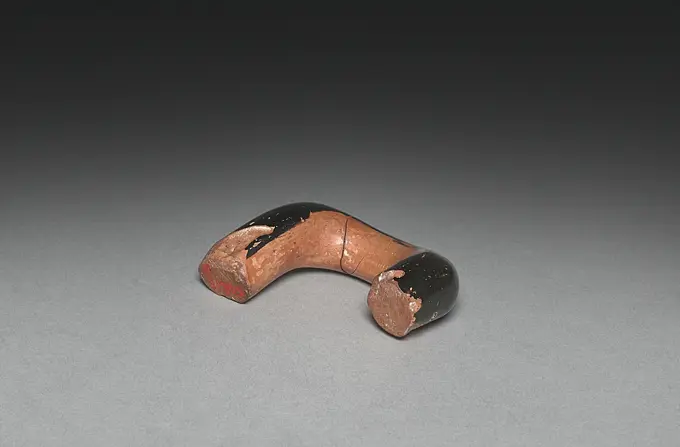
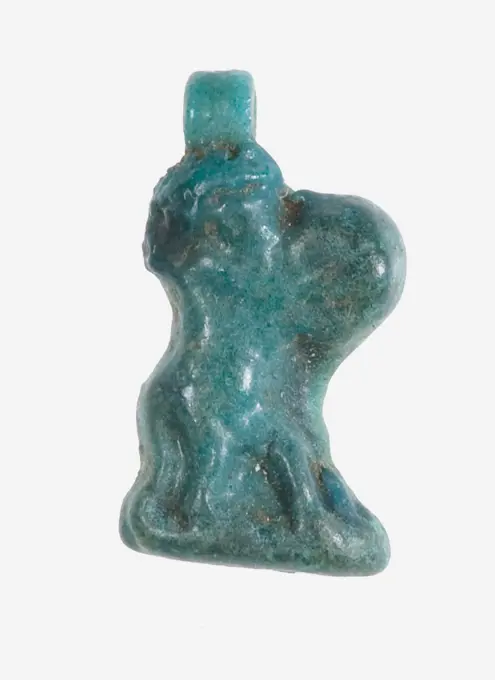
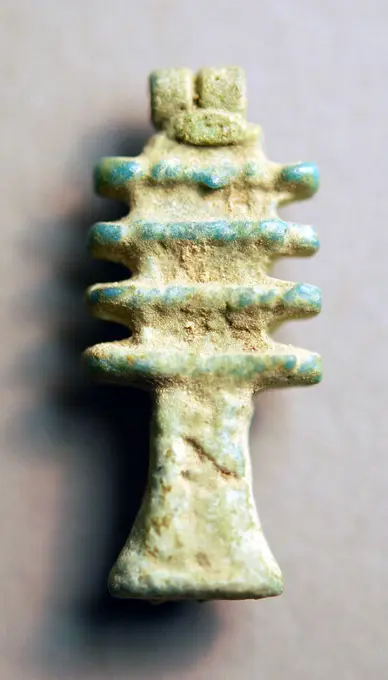
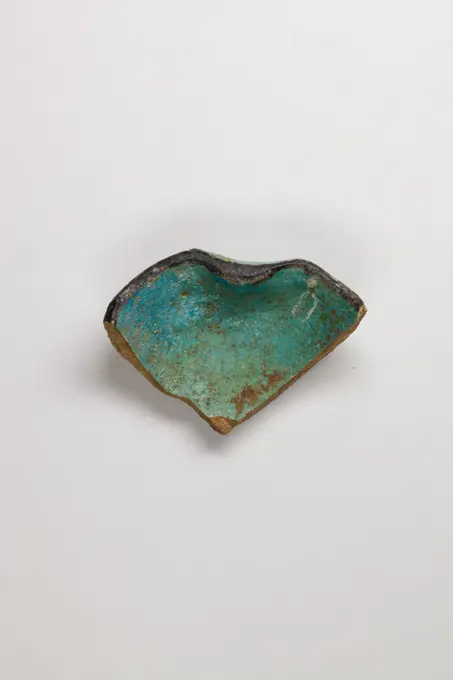
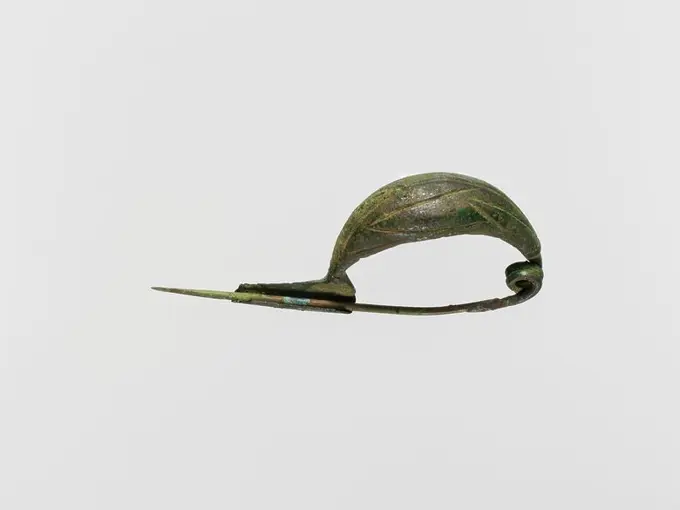
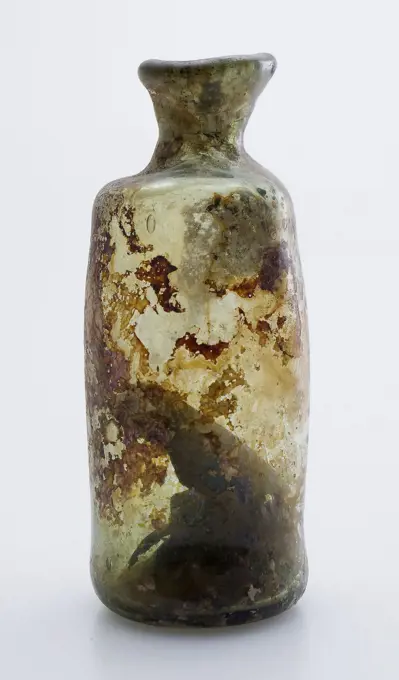
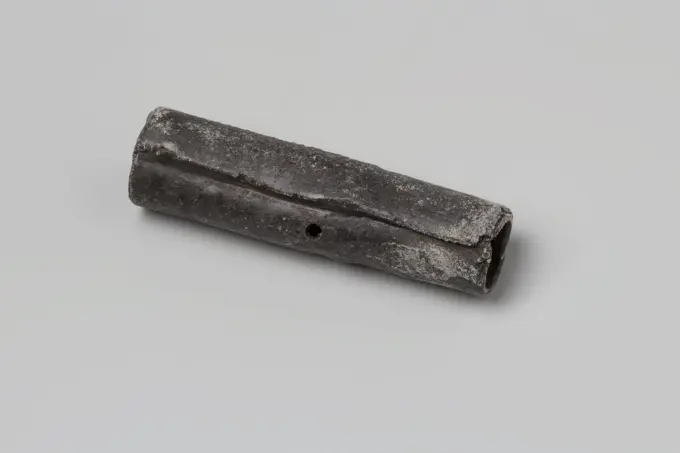
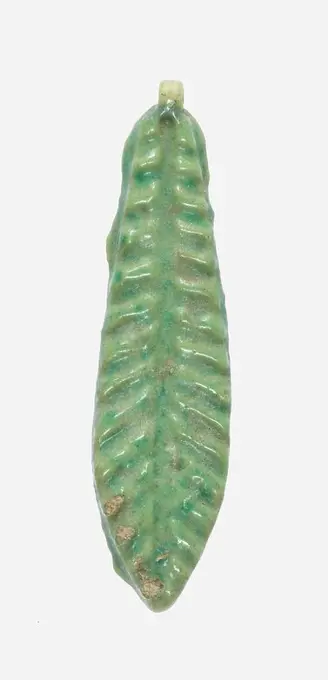
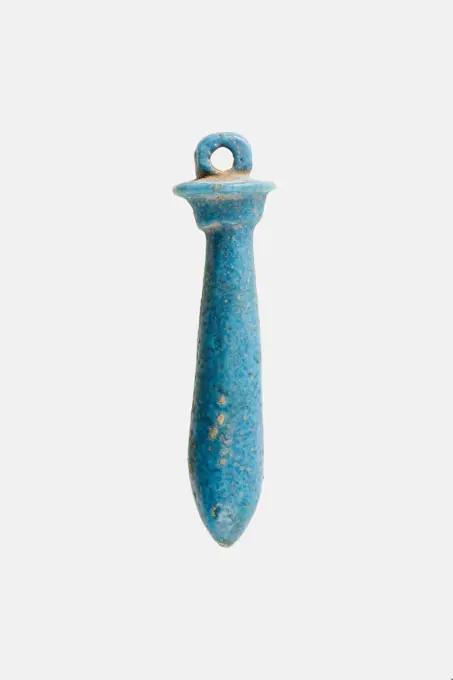
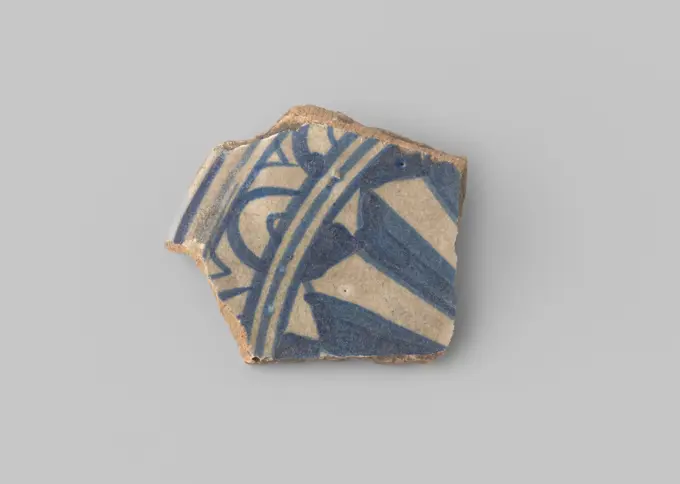
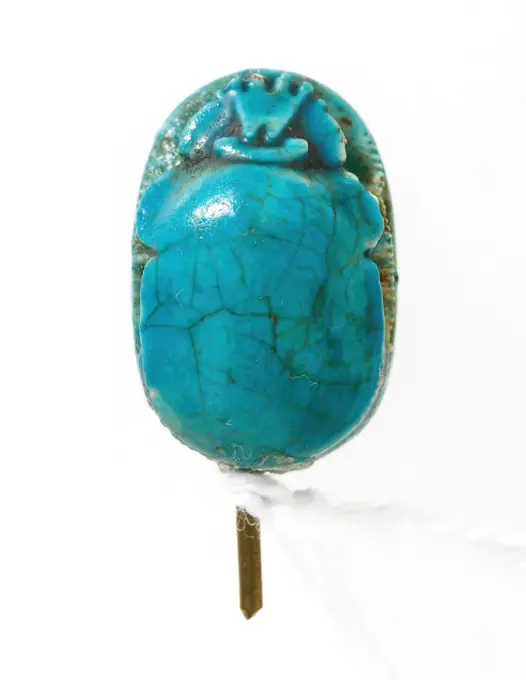
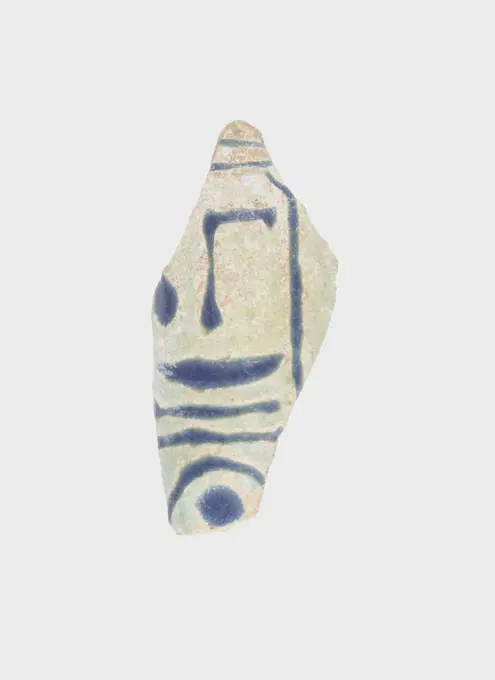
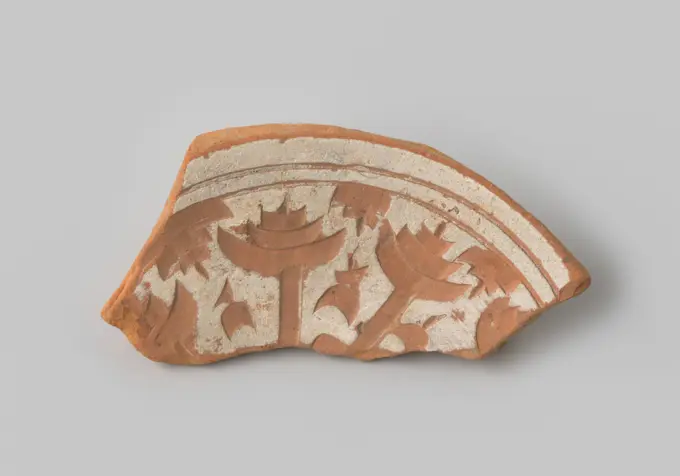
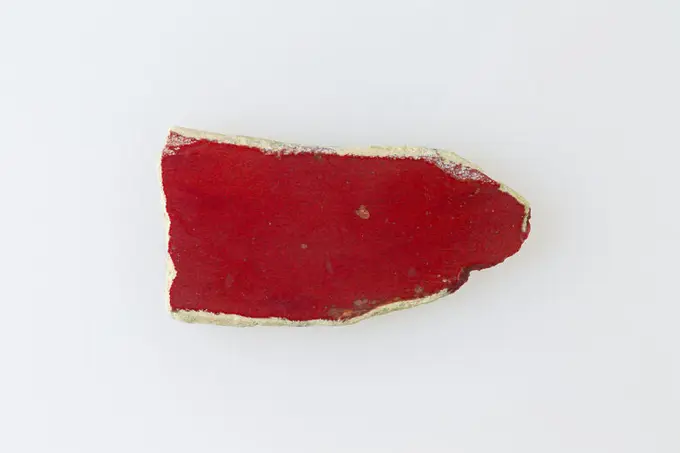
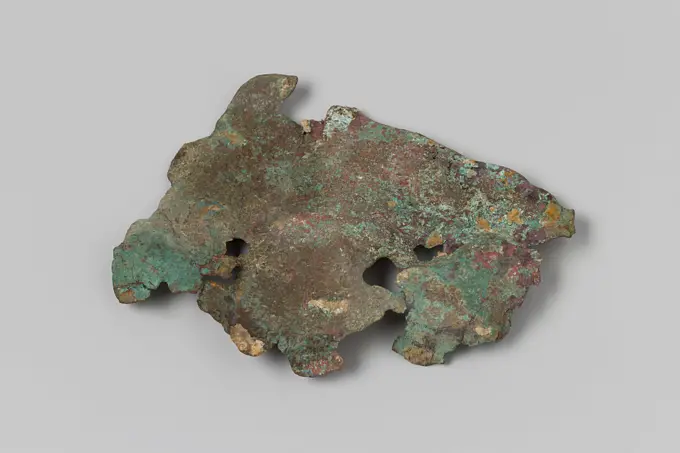
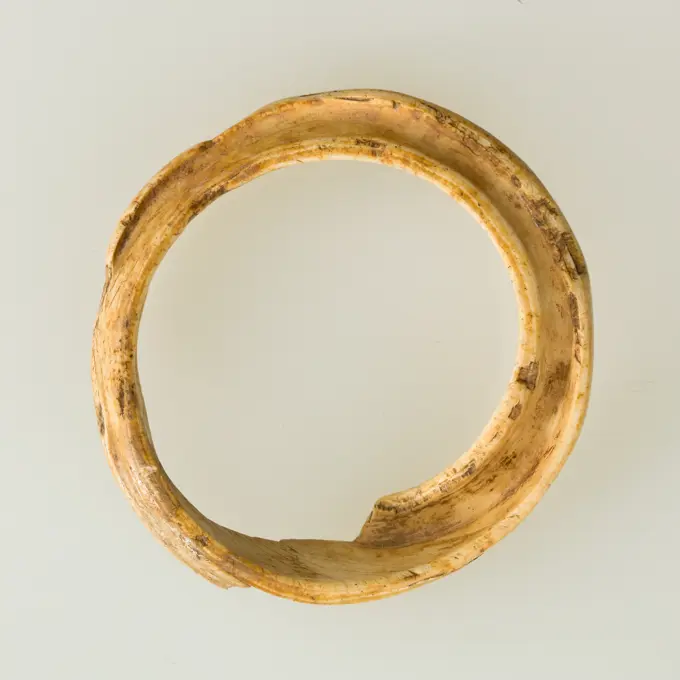
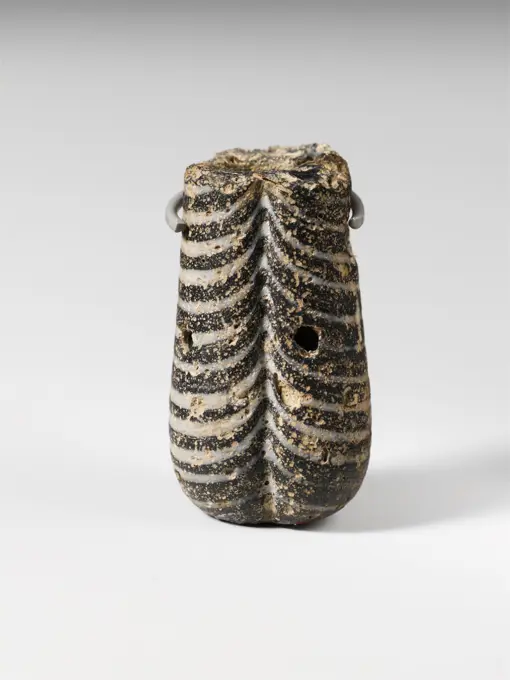
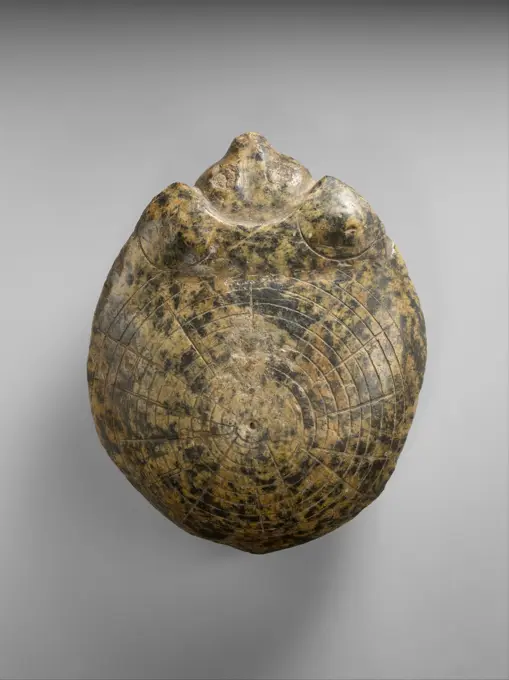
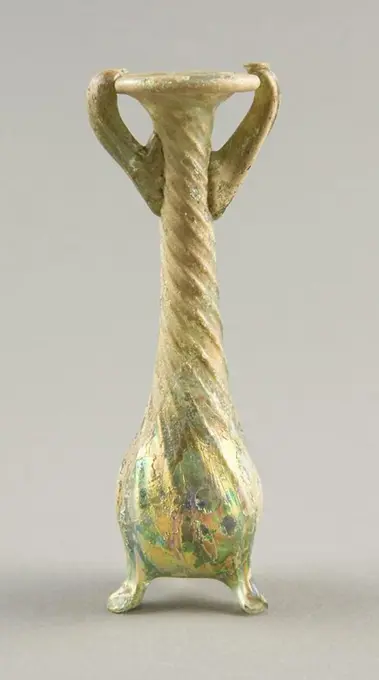
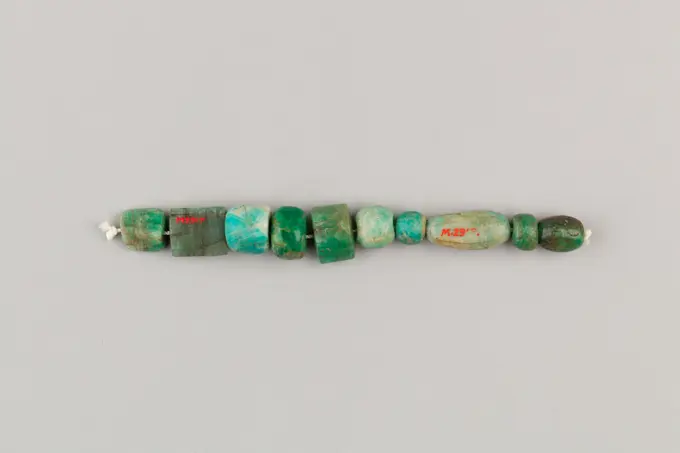
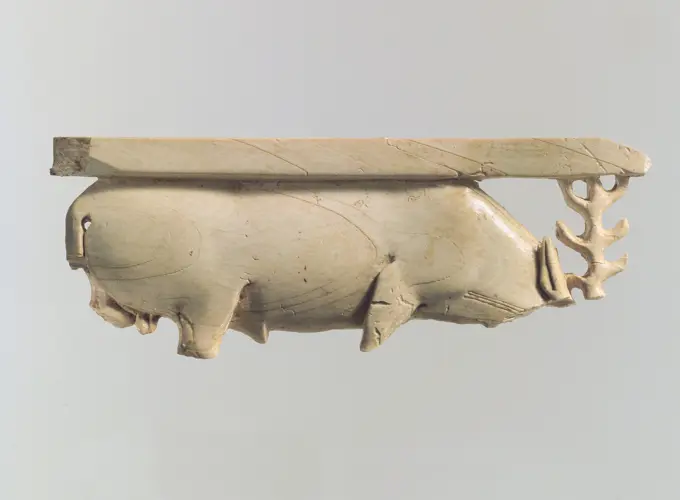
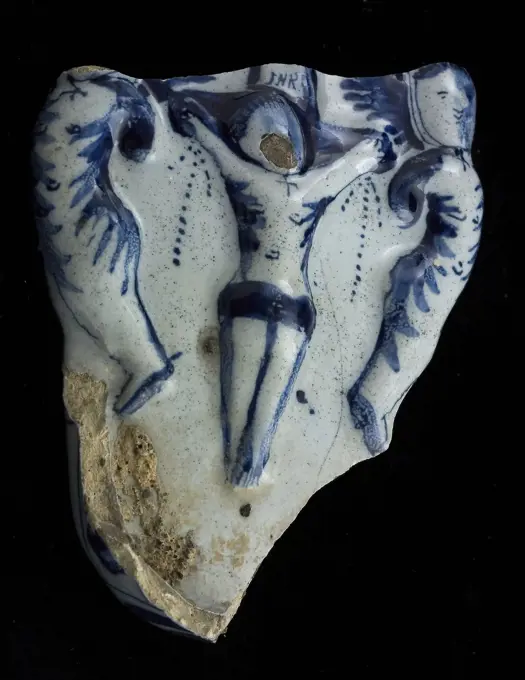
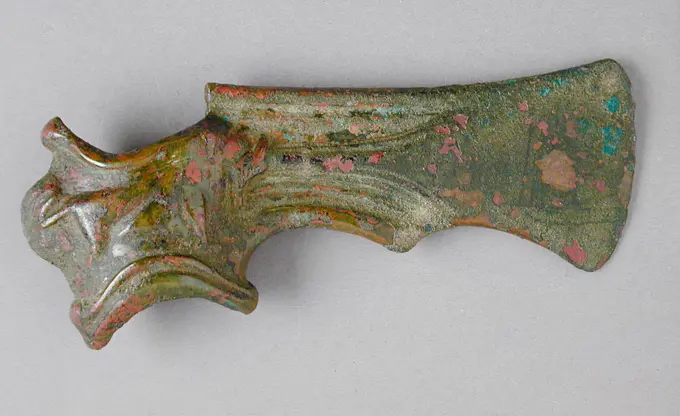
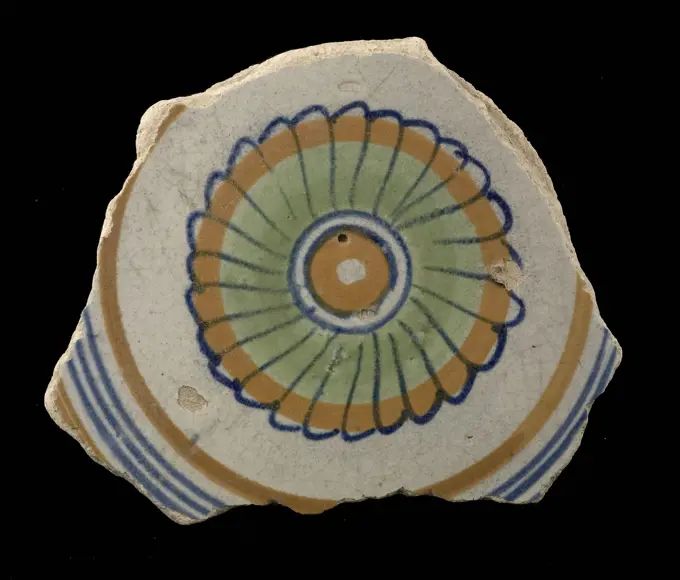
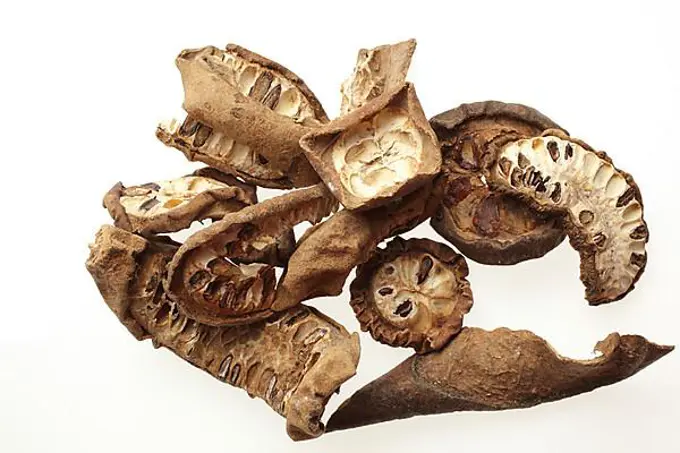
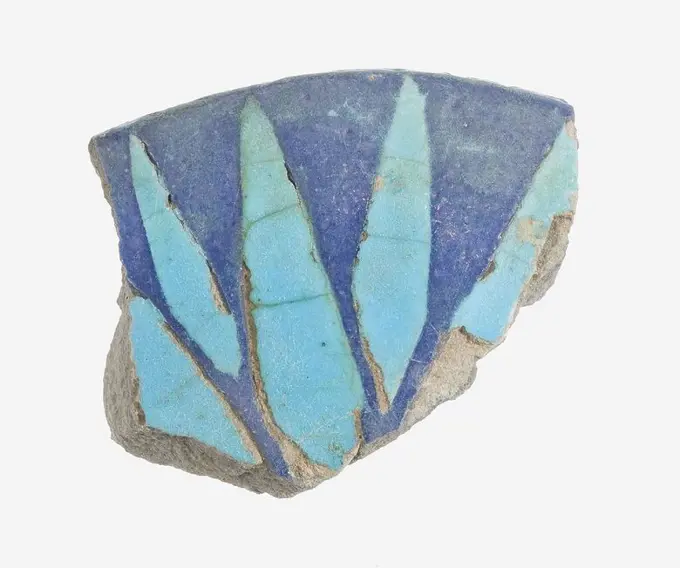
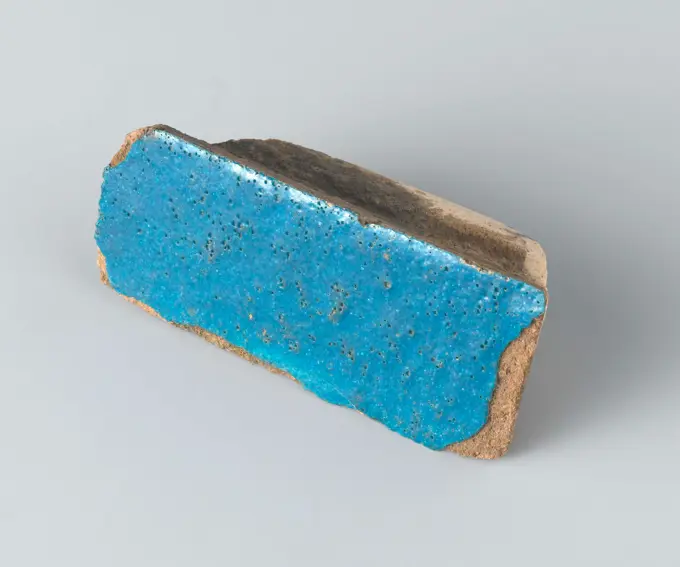
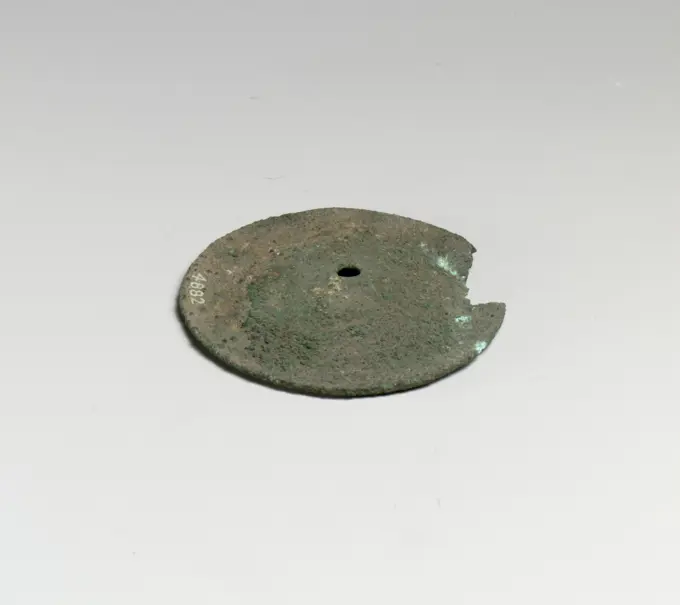
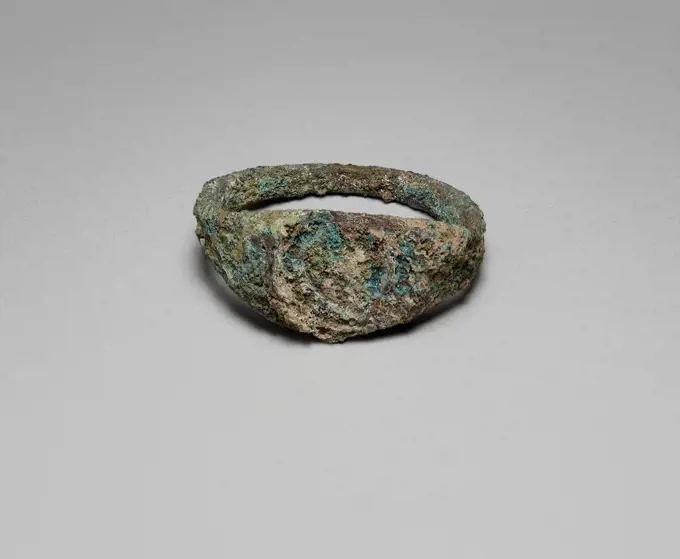
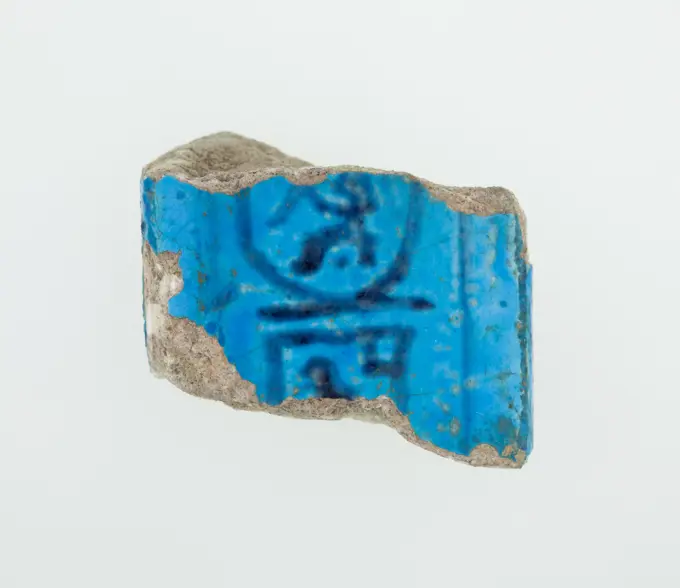
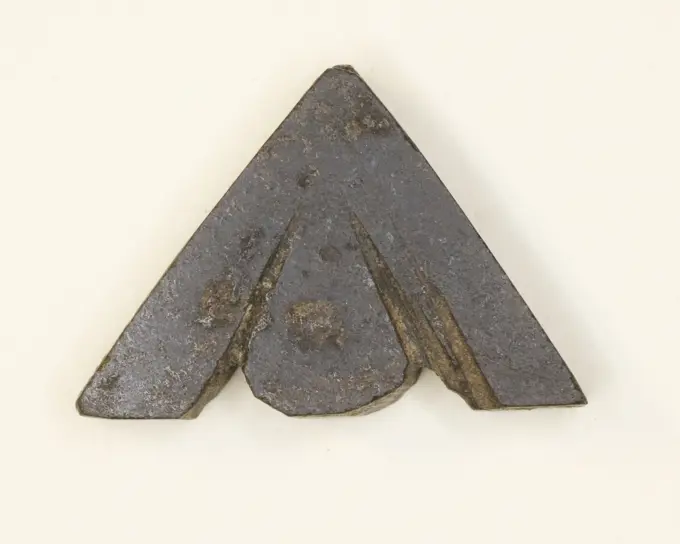
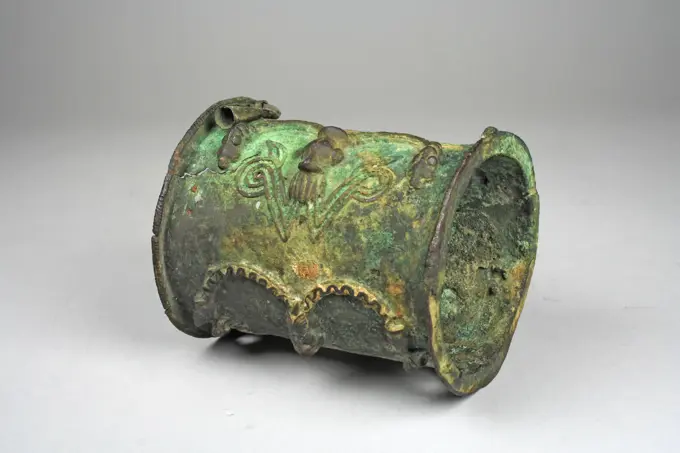
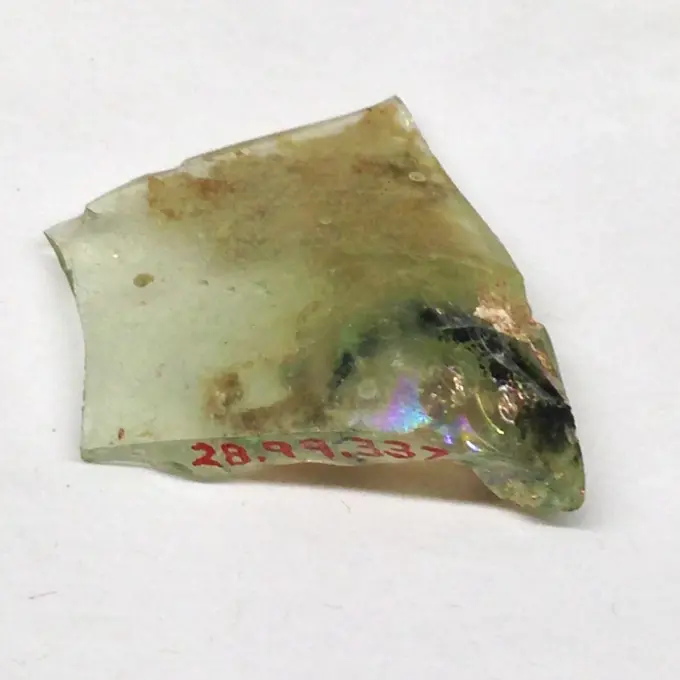
Fragment ca. 1150-ca. 1250 European or Middle Eastern. Fragment 695243PROTESIS DENTARIAS ETRUSCAS. Location: MUSEO PUBLICO. LIVERPOOL. ENGLAND.Vase fragment East Greek/Sardis, Lydian. Vase fragment 252675 East Greek/Sardis, Lydian, Vase fragment, Terracotta, Overall: 4 3/8 x 2 1/4in. (11.1 x 5.7cm). The Metropolitan Museum of Art, New York. Gift of The American Society for the Excavation of Sardis, 1926 (26.199.107)Ring. Dimensions: diameter 3.00 cm.. Museum: Metropolitan Museum of Art, New York, USA.Silver spiral ca. 1600-1050 B.C. Cypriot Of plain wire, one turn.. Silver spiral. Cypriot. ca. 1600-1050 B.C.. Silver. Late Bronze Age. Gold and SilverDecorated jar fragment ca. 1390-1352 B.C. New Kingdom. Decorated jar fragment. ca. 1390-1352 B.C.. Pottery and ink, paint. New Kingdom. From Egypt, Upper Egypt, Thebes, Malqata, Palace of Amenhotep III, MMA excavations. Dynasty 18Tile decorated with a lily embossed. .Fragment blowjob from the wreck of the East Indieschief Hollandia. Pipe, Bowl, Healmar: Crowned 22; Fragm, 1HSM1.Bolesław Krzywousty (1102-1138), Denar, Kraków, After 1113 Boles And Krzywousty (1102 1138)Glass Fragments from a Vessel 4th-early 5th century Coptic. Glass Fragments from a Vessel 477121Shawabty of Ditamenpaankh, 715-656 BC. Egypt, Late Period, Dynasty 25. Terracotta; overall: 6 x 1.6 x 1.6 cm (2 3/8 x 5/8 x 5/8 in.).Arrowheads, needles, hooks and harpoons. Culture: Japan. Dimensions: W. 1 5/8 in. (4.1 cm); L. 1 1/4 in. (3.2 cm). Museum: Metropolitan Museum of Art, New York, USA.Red earthenware with drawing in light yellow and green glaze, plate crockery holder soil find ceramic earthenware glaze, year in mirror: 1622 archeologyRing, AD 200 or later. China, Han dynasty (202 BC-AD 220) or later. Agate; diameter: 3.8 cm (1 1/2 in.).Vase fragment Roman Feet and drapery.. Vase fragment 250466Worker Shabti of Nany. Dimensions: H. 8.6 × W. 3.4 × D. 2 cm (3 3/8 × 1 5/16 × 13/16 in.). Dynasty: Dynasty 21. Reign: reign of Psusennes I. Date: ca. 1050 B.C..See 30.3.27.1a, b. Museum: Metropolitan Museum of Art, New York, USA.Bottom fragment Werra plate, mirror decor angel, Wing with underneath 1610, pale yellow, brown and green glaze, plate crockery holder soil find ceramic earthenware glaze, Red earthenware with drawing in light yellow and green glaze. date 1610 archeologyHandle from Red-Figure Kylix (Drinking Cup), c. 480 BC. Greece, Athens, 5th Century BC. Ceramic; diameter: 29.6 cm (11 5/8 in.). Although very similar to the ancient handle tip that it was used to replace, the drill holes in this fragment suggest that it was attached in modern times (before 1915). It was removed during an extensive conservation treatment in 1990.Scarab with a Nefer Hieroglyph ca. 1390-1353 B.C. New Kingdom. Scarab with a Nefer Hieroglyph. ca. 1390-1353 B.C.. Faience. New Kingdom. From Egypt, Upper Egypt, Thebes, Malqata, No exact location recorded, MMA excavations, 1910-11. Dynasty 18Bes Amulet ca. 1390-1353 B.C. New Kingdom. Bes Amulet. ca. 1390-1353 B.C.. Faience. New Kingdom. From Egypt, Upper Egypt, Thebes, Malqata, Palace of Amenhotep III, MMA excavations, 1910-11. Dynasty 18Red jasper amulet of the sun on the horizon 664-30 B.C. Egyptian Amulet of the rising sun.. Red jasper amulet of the sun on the horizon 243717Antique Clay Pipes Collection of broken Victorian clay pipes dug up from a disused Victorian tip in Cardiff, Wales Copyright: xZoonar.com/StephenxFarhallx 11013202Djed Amulet. Dimensions: H. 2.4 cm (15/16 in); w. 1.1 cm (7/16 in); th. 0.2 cm (1/16 in). Dynasty: Dynasty 18. Reign: reign of Amenhotep III. Date: ca. 1390-1352 B.C.. Museum: Metropolitan Museum of Art, New York, USA.Vase fragment ca. 1981-1640 B.C. Middle Kingdom. Vase fragment 560594Fragments Werra plate, mirror decoration doe, in light yellow and green glaze, dated, plate crockery holder earth discovery ceramic earthenware glaze, Red earthenware with drawing in light yellow and green glaze archeologyAnimal figure ca. 1850-1640 B.C. Middle Kingdom. Animal figure. ca. 1850-1640 B.C.. Mud, faience. Middle Kingdom. From Egypt, Memphite Region, Lisht North, cemetery south of Rehuerdjersen (384), Pit 712, south chamber, MMA excavations, 1907-08. Dynasty 12, late-early 13Bronze sanguisuga-type fibula (safety pin). Culture: Etruscan. Dimensions: Other: 3 15/16 in. (10 cm). Date: 710-675 B.C..The bow is hollow and open on its underside. Its upper surface is decorated with incised lines. The head is formed by a spiral of two turns. Museum: Metropolitan Museum of Art, New York, USA.Glass mosaic ribbed bowl fragment late 1st century B.C.-early 1st century A.D. Roman Body fragment.Translucent purple and opaque white.Convex curving side tapering downward.Marbled mosaic pattern formed from sections of a single cane in purple ground with white rods; on exterior, single pronounced vertical rib with rounded outer edge.Polished interior; pitting of surface bubbles on interior; dulling and patches of creamy iridescent weathering on exterior and jagged edges, with one large weathered surface bubble on rib.. Glass mosaic ribbed bowl fragment 257378Medicine Bottle, medicine bottle bottle holder soil find glass, free blown and shaped Small (medicine) Bottle in clear light green glass. Pontil mark under raised bottom. Cylindrical body slightly flared at the bottom and bulging to convex shoulders short neck and irregularly flared lip (dm 2.0 cm) archeology health care packaging pharmacyPendantLead Role from the wreck of the East Indies' t Vliegend Hart ,, 1700 - 1735 lead Tube rolled lead picture. Black-gray in color. Roll of Lead. Middelburg lead (metal)Amulet  touristBead in the Form of a Leaf. Dimensions: H. 3.5 cm (1 3/8 in..); W. 0.9 cm (3/8 in.); Th. 0.4 cm (3/16 in.). Dynasty: Dynasty 18. Reign: reign of Amenhotep III. Date: ca. 1390-1352 B.C.. Museum: Metropolitan Museum of Art, New York, USA.Uszebti. unknown, authorStone font Letter O 3D Stone font Letter O 3D rendering illustration isolated on white background Copyright: xZoonar.com/MilicxDjurovicx 21521863Papyrus Scepter (wadj) amulet Late Period ca. 712-332 B.C. View more. Papyrus Scepter (wadj) amulet. ca. 712-332 B.C.. Blue Faience. Late Period. From Egypt, Upper Egypt, Thebes, Sheikh Abd el-Qurna, Tomb of Dagi (MMA 807), MMA excavations. Dynasty 25-30Ritual Stone (pulidor) 15th-early 16th century Aztec. Ritual Stone (pulidor) 316293Scherf Majolica with decoration in blue, anonymous, 1500 - 1699  Majolic screen. Northern Netherlands earthenware. glazeFragment ca. 1150-ca. 1250 European or Middle Eastern. Fragment 695187Fragment of a Cup 50 BCE-100 CE Roman Empire. In ancient Rome, there was a high demand for colorful glass that could dazzle banquet guests alongside the expensive silver and gold serving wares meant to impress. Fragments like this one would have once been a part of larger mosaic dishes. The mosaic pattern was made by sagging molten glass into bowl-shaped molds, a technique used on many of these fragments is similar to millefiori, ìthousand flowersî in Italian, a modern glass-making method in which tiny rods of colored glass are bundled together, wrapped in a sheet of glass, fused, and then thinly sliced to reveal swirls of a flower-like patterns. They were arranged side by side, sometimes together with bits of colored glass, and fused together with heat.. Glass, mosaic glass technique . Ancient RomanScarab, 1567-1320 BCE, 13/16 x 9/16 in. (2.1 x 1.4 cm), faience, Egypt, 16th-14th century BCE, The belief in the power of amulets to protect the wearer continues to this day, for example, with the practice of carrying lucky coins or rabbits feet. In ancient Egypt, amulets accompanied the living and the dead, and took many forms, from animals to gods. On mummies, they were arranged in elaborate patterns to accompany the dead to the next world. The Djed pillar amulets indicate firmness, stability, and preservation. Often called the 'backbone of Osiris,' they were placed near the mummys neck or spine. The scarab, also shown here, was one of the most popular amulets, representing the sun god Re. (Scarabs were often inscribed on the reverse, and worn by the living, used as seals, and as funereal amulets to ensure rebirth. Blue, seen on both the Djed and the scarab, symbolized regeneration.)Finger Ring. Western Iran, circa 550-330 B.C.. Jewelry and Adornments; rings. Bronze, castCopper bill, part of the nickel game, marked with six wells, nickel game soil find copper brass metal, cast Cast in shape of heel bone of goat or goat brass die on one side marked with six beaten holes. Toy archeology Rotterdam Kralingen-Crooswijk Kralingen Oost Honingerdijk scaling playing child game Soil discovery: Honingerdijk 1982-05-23.Fragment of Kohl Tube ca. 1390-1353 B.C. New Kingdom. Fragment of Kohl Tube. ca. 1390-1353 B.C.. Faience. New Kingdom. From Egypt, Upper Egypt, Thebes, Malqata, House B, MMA excavations, 1910-11. Dynasty 18Excerpt of a dish with red -baking shard, with geometric shapes at the front in sgrafitto technology and white glaze, anonymous, 1200 - 1899  Italy earthenware  Italy earthenwareInscribed Axe Head. Egypt, probably 8th Dynasty (2190 - 2165 BCE) or later. Arms and Armor; axes. BronzeBracelet. Bracelet 256678Wall revetment, marble pattern. Dimensions: H. 5.5 × W. 3 cm (2 3/16 × 1 3/16 in.). Date: 200 BC-100 AD.Glass plaques imitating expensive marble or stones were used as wall coverings. Museum: Metropolitan Museum of Art, New York, USA.Penannular Earring ca. 1550-1425 B.C. Second Intermediate Period-Early New Kingdom. Penannular Earring. ca. 1550-1425 B.C.. Gold. Second Intermediate Period-Early New Kingdom. From Egypt, Upper Egypt, Thebes, Asasif, Carnarvon excavations. Dynasty 17-Early Dynasty 18Fragment of buyer from the wreck of the East India Hollandia.parts or artifacts; eroded fragments: Materials; Copper.Mosaic glass fragment. The small glass fragment shows a marbled pattern (black and red) with white, spot-shaped inserts. In Roman times, it used colored, ornamented glass for vessels, mosaics, wall decorations and furniture ornaments. For the production, different colored glasses were molded into tubes and rods. These were compressed and heated, causing a long bar. The glass sliced now had a wide variety of amorphous or floral patterns.Bracelet ca. 3850-2960 B.C. Predynastic Period. Bracelet 571038Roast turkey, anonymous, c. 1800 - c. 1899 Turkey made of metal, cave, with red -brown painted hull, tied up the wings. The legs stick in the air. Holland tin (metal) Turkey made of metal, cave, with red -brown painted hull, tied up the wings. The legs stick in the air. Holland tin (metal)Costume Ornament. Culture: Peru; central coast (). Dimensions: L. 1 3/8 in. (3.5 cm). Date: 11th-12th century. Museum: Metropolitan Museum of Art, New York, USA.Fragment with red shard, with floral decoration in SGRAFITTO technique with white glaze, anonymous, 1200 - 1899  Italy earthenware  Italy earthenwareAZABACHE - CONCHA PEREGRINA - SIGLO XVII. Location: MUSEUM OF FINE ARTS. Pontevedra. SPAIN.Glass pendant bead in the shape of a plumbline ca. 7th-5th century B.C. Greek or Etruscan Dark green, appearing opaque black; trail in opaque white.Elongated body, expanding downwards, with two vertical tooled indents in side; pierced through from top to bottom with a large, regular hole; rounded bottom edge.A single marvered trail wound at least 13 times round body in a spiral.Broken at narrower (top) end; dulling, severe pitting of surface bubbles, faint brownish weathering, ands small patches of iridescence.The date and provenance of this large bead are uncertain, but it may be Etruscan, dating to the 7th century B.C. and used as decoration on a fibula.. Glass pendant bead in the shape of a plumbline 246520Plain Ring 7th century Frankish. Plain Ring 465467 Frankish, Plain Ring, 7th century, Copper alloy, Overall: 7/8 x 1/8 in. (2.3 x 0.3 cm). The Metropolitan Museum of Art, New York. Gift of J. Pierpont Morgan, 1917 (17.193.155)Fragment Steel van Fork or Spoon from the wreck of the East Indians Hollandia, Anonymous, 1700 - in Or Before 1743 spoon Cutlery, fragment: stem of fork or spoon; fragm, sim. NG 1980-27H536a. Netherlands copper (metal)   SecondTurtle as a Votive Mehen Game ca. 3100-2649 B.C. Early Dynastic Period It has been suggested that the protrusion on some mehen> boards is a representation of a turtles head. This connection may be corroborated with this sculpture of a turtle with a series of concentric circles incised on its back, which has been interpreted as a votive mehen> board.. Turtle as a Votive Mehen Game 545801Inlay, hieroglyph. Dimensions: H. 1.8 cm (11/16 in.); W. 3.1 cm (1 1/4in.). Dynasty: Dynasty 26. Reign: reign of Psamtik I. Date: 664-610 B.C.. Museum: Metropolitan Museum of Art, New York, USA.Fragments of glazed ceramic vase made in a workshop East.( 1 St - 3 rd CE ) - Roman period from the " House of Hyppolytus "- Archaeological site of Complutum in Alcalá de Henares ( Madrid ). SPAIN.Scarab ca. 1981-1550 B.C. Middle Kingdom-Second Intermediate Period. Scarab 557061Glass Fragment 15th century European. Glass Fragment. European. 15th century. Pot metal glass. Glass-StainedScarab Ring of Neferkhawet ca. 1504-1447 B.C. New Kingdom. Scarab Ring of Neferkhawet. ca. 1504-1447 B.C.. Silver, gold, glazed steatite. New Kingdom. From Egypt, Upper Egypt, Thebes, Asasif, Tomb of Neferkhawet (MMA 729), west chamber B, Burial of Neferkhawet (I), 3rd finger, left hand, MMA excavations, 1934-35. Dynasty 18, earlyBottle. Roman; Levant or Syria. Date: 301 AD-500 AD. Dimensions: 12.7 × 4.1 × 3.2 cm (5 × 1 5/8 × 1 1/4 in.). Glass, blown technique. Origin: Syria. Museum: The Chicago Art Institute, Chicago, USA. Author: ANCIENT ROMAN.String of 10 beads 1st Century B.C. to 1st Century A.D. Ptolemaic or Roman Period. String of 10 beads 570521Umbel Pendant ca. 1390-1353 B.C. New Kingdom. Umbel Pendant. ca. 1390-1353 B.C.. Faience. New Kingdom. From Egypt, Upper Egypt, Thebes, Malqata, Palace of Amenhotep III, MMA excavations, 1910-11. Dynasty 18Openwork furniture plaque with a grazing stag ca. 9th-8th century B.C. Assyrian During the early first millennium B.C., ivory carving was one of the major luxury arts that flourished throughout the ancient Near East. Elephant tusks were carved into small decorative objects such as cosmetic boxes and plaques used to adorn wooden furniture. Gold foil, paint, and semiprecious stone and glass inlay embellishments enlivened these magnificent works of art. Based on certain stylistic, formal, and technical characteristics also visible in other media, scholars have distinguished several coherent style groups of ivory carving that belong to different regional traditions including Assyrian, Phoenician, North Syrian and South Syrian (the latter also known as Intermediate).Several ivories in the Metropolitan Museums collection are from the Aramaean town of Arslan Tash, ancient Hadatu, in northern Syria just east of the Euphrates River, close to the modern Turkish border. French archaeological exctumbled epidosite mineral isolated on white close up of sample of natural stone from geological collection - tumbled epidosite mineral isolated on white background from Karelia Copyright: xZoonar.com/ValeryxVoennyyx 21466998Part of faience holy water, blue on white with Christ on the cross, flanked by angels, holy water container liturgical vessel barrel soil finds ceramic earthenware glaze tin glaze, INRI archeology religion bible Jesus ChristFragment ca. 1150-ca. 1250 European or Middle Eastern. Fragment 694319Shaft-hole Axehead. Iran, Luristan, circa 2100-1750 B.C.. Arms and Armor; axes. Bronze, castHammered Silver Peanut Ornament 8th-mid-16th century Peru; north coast (). Hammered Silver Peanut Ornament 308983Fragment of the majolica dish, polychrome, concentric circles containing rosette, plate crockery holder soil find ceramic earthenware glaze, baked underside covered with clear lead glaze. Polychrome archeology Rotterdam decorating food archaeological find in the soil Rotterdam 1914-1917.Medicinal plant, dried fruits of finger-leaved akebia, Akebia quinata, also five-leaved akebiaVolute-krater fragment 4th century B.C. Greek, South Italian, Apulian. Volute-krater fragment. Greek, South Italian, Apulian. 4th century B.C.. Terracotta; red-figure. Late Classical. VasesPendant in the Form of a CanoeIndefinite Ruler, Brakteat Guziczki, XIII/XIV W.Pilgrim's Badge 15th century French. Pilgrim's Badge. French. 15th century. Lead. Metalwork-LeadFragment of Jar Lid. Dimensions: H. 4.5 cm (1 3/4 in), w. 3.5 cm (1 3/8 in). Dynasty: Dynasty 18. Reign: reign of Amenhotep III. Date: ca. 1390-1353 B.C.. Museum: Metropolitan Museum of Art, New York, USA.Figure 8th-9th century. Figure 450962. Tichelsteen with a sandwiched diameter. Porous, gray-yellow species. The flat silk opaque turquoise-blue glazed. From the grave of a jeweler of Akbar in Deli.Fragment blowjob from the wreck of the East Indieschief Hollandia. Pipe, bowl, healermark illegible; fragment.Earring-hook type with discs of thin foil. Earring-hook type with discs of thin foil 243415Pendant: Bunch of Grapes. Dimensions: H. 2.1 cm (13/16 in); W. 0.9 cm (3/8 in.); Th. 0.4 cm (3/16 in.). Dynasty: Dynasty 18. Reign: reign of Amenhotep III. Date: ca. 1390-1353 B.C.. Museum: Metropolitan Museum of Art, New York, USA.Inlay Eye from Coffin, 1980-1801 BC. Egypt, Middle Kingdom, Dynasty 12. Travertine and obsidian; overall: 2.7 cm (1 1/16 in.).Old wood sign on white wallBoat;  664-332 BC ; Half period (-664-00-00--332-00-00);Oyster-Shell Pendant, 1980-1801 BC. Egypt, Middle Kingdom, Dynasty 12. Carnelian and silver; overall: 1.5 cm (9/16 in.).Cymbal. Cymbal. Bronze. BronzesSmall Bronze Finger Ring withStone, ca. 323 B.C.-A.D.256, Bronze and stone, 1.5 × 1.8 cm (9/16 × 11/16in.), Yale-French Excavations atDura-Europos, Excavated in Dura-Europos, Syria, Syrian,Dura-Europos, Greco-Roman orParthian, JewelryFragment of a Menat Counterpoise ca. 1479-1458 B.C. New Kingdom. Fragment of a Menat Counterpoise. ca. 1479-1458 B.C.. Faience, paint. New Kingdom. From Egypt, Upper Egypt, Thebes, Deir el-Bahri, Temple of Nebhepetre Montuhotep II, Egypt Exploration Fund excavations. Dynasty 18Amulet of a Plummet 664 BCE-332 BCE Egypt. Hematite . Ancient EgyptianWhite decorated sweet pastry biscuit as Christmas decorationLarge Ball bead. Dimensions: Diam. 4 cm (1 9/16 in.). Dynasty: Dynasty 17-18. Date: ca. 1635-1458 B.C.. Museum: Metropolitan Museum of Art, New York, USA.CeltHorse. Iran, circa 200-100 BC. Sculpture. Bronze, castBracelet 18th century () Yoruba peoples, Ijebu group. Bracelet 316601Excerpt copper from the wreck of the East Indies Hollandia, 1700 - in or before 1743 fragment Parts of artefacts; eroded fragments: materials; copper. Netherlands copper (metal)   Second