Historical Artifacts and Fragments

A range of ancient artifacts including tools and decorative inlays, showcasing the craftsmanship and materials of historical times.
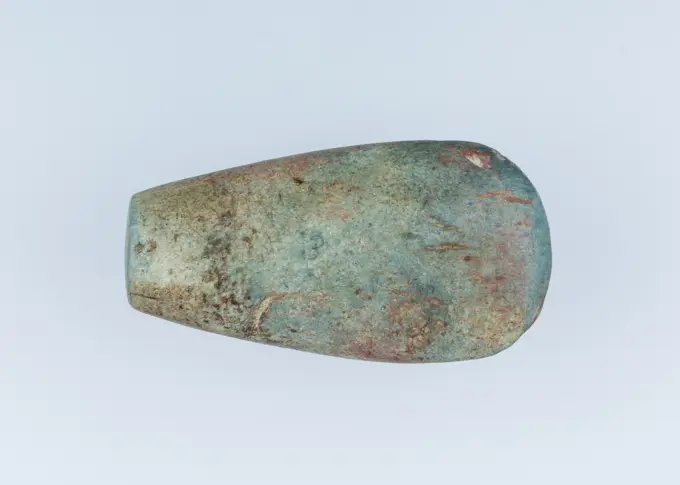
Implements (Celt) ca. 5,000-2,000 B.C. European, Italian peninsula. Implements (Celt). European, Italian peninsula. ca. 5,000-2,000 B.C.. Stone (serpentine), pigment. Miscellaneous
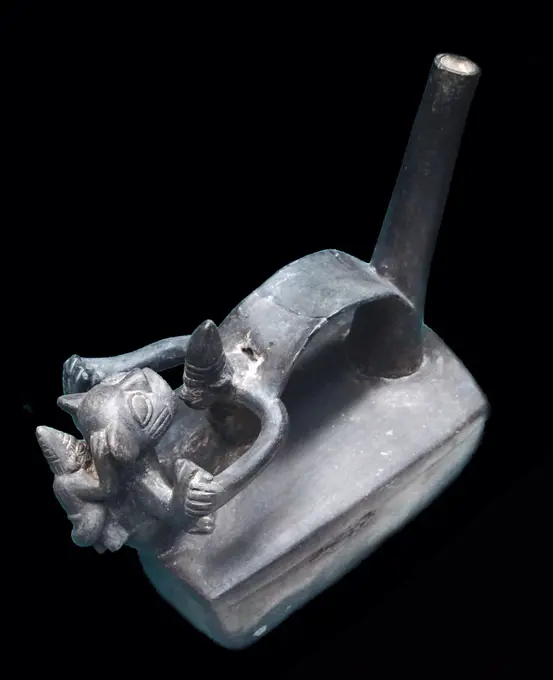
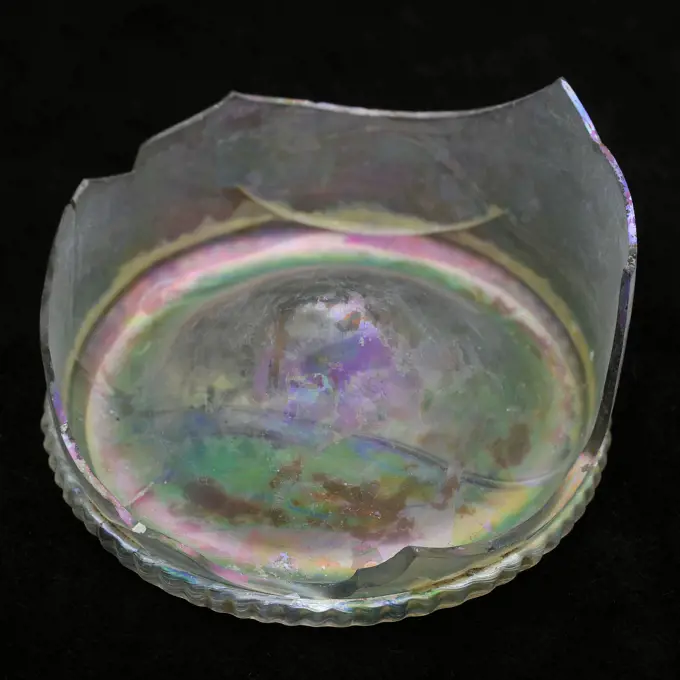
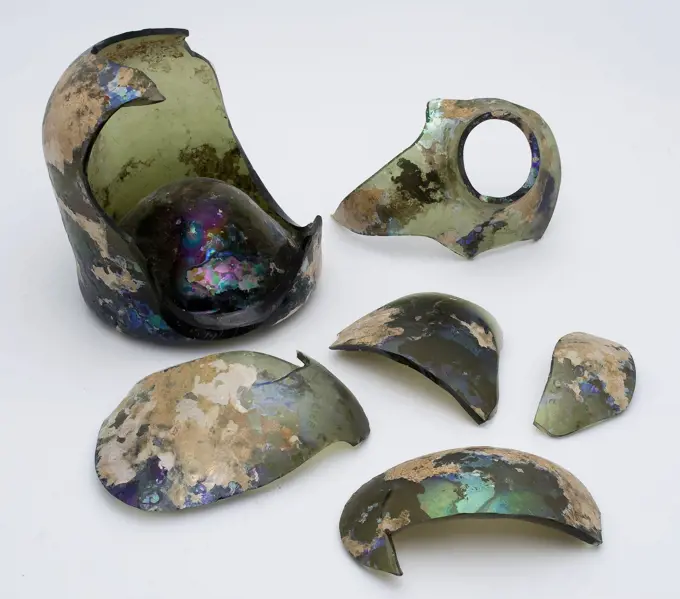
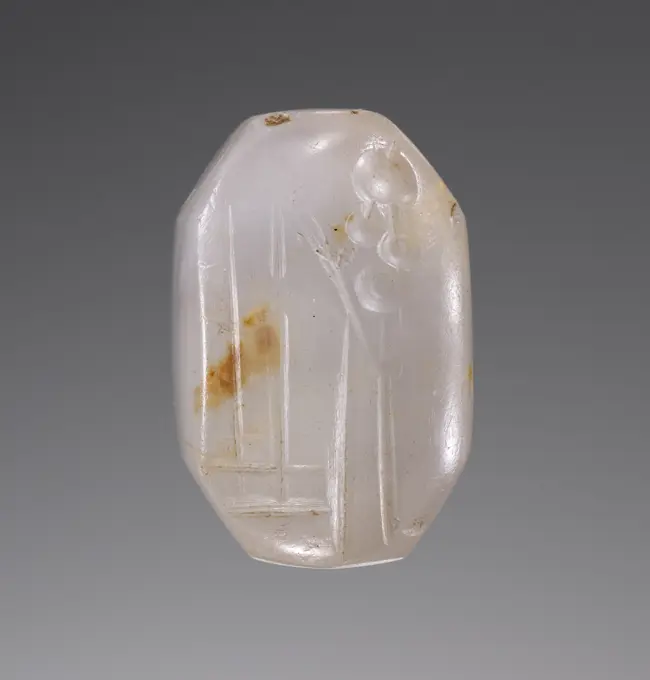
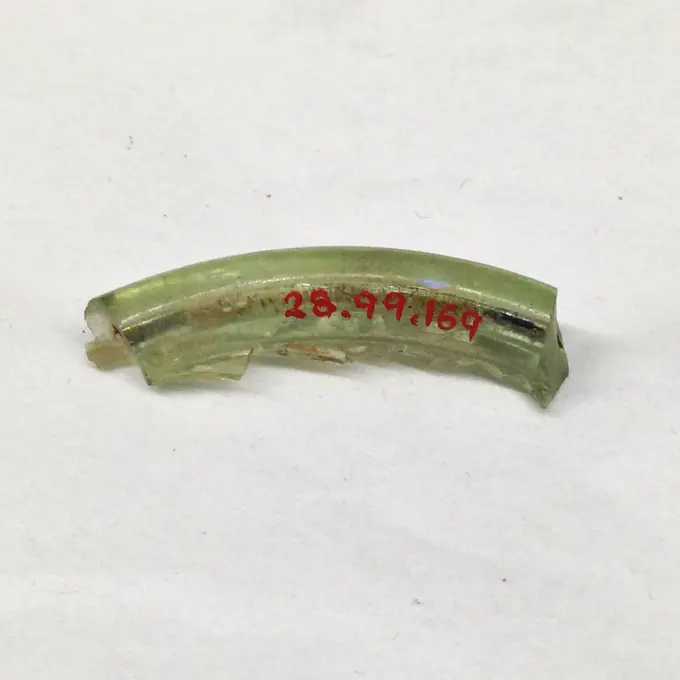
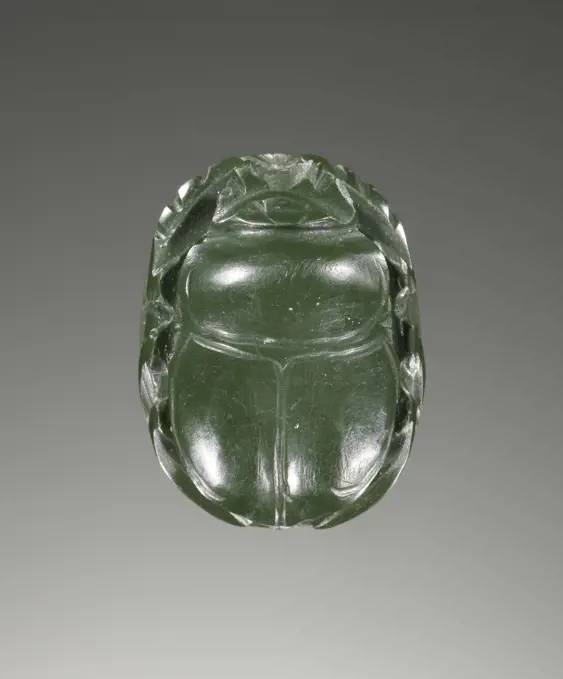
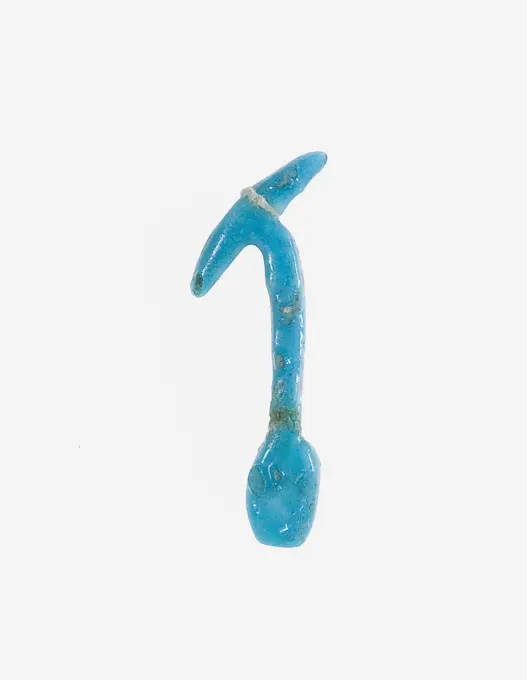
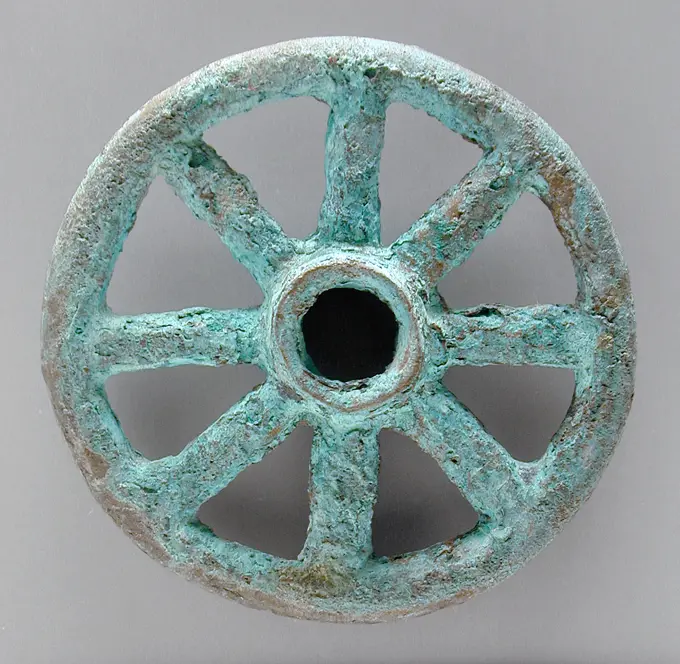
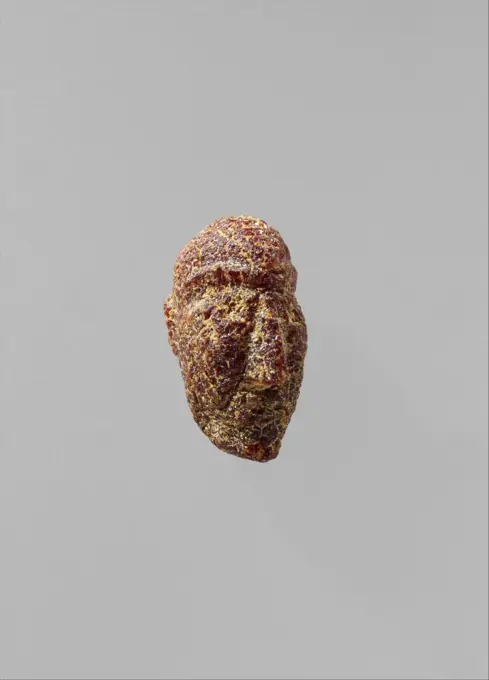
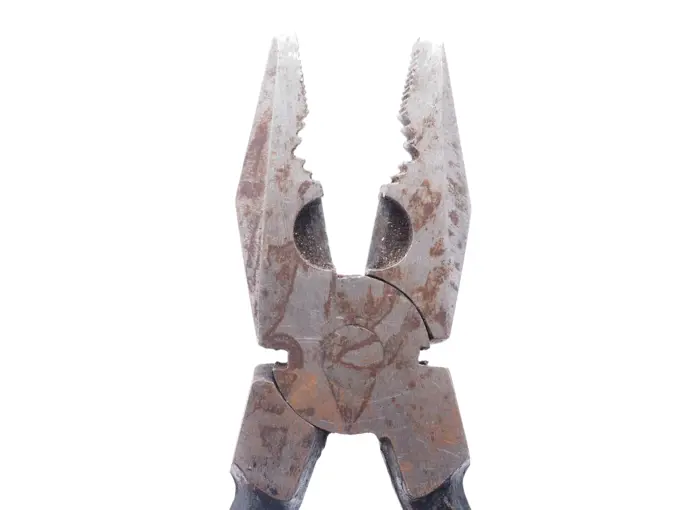
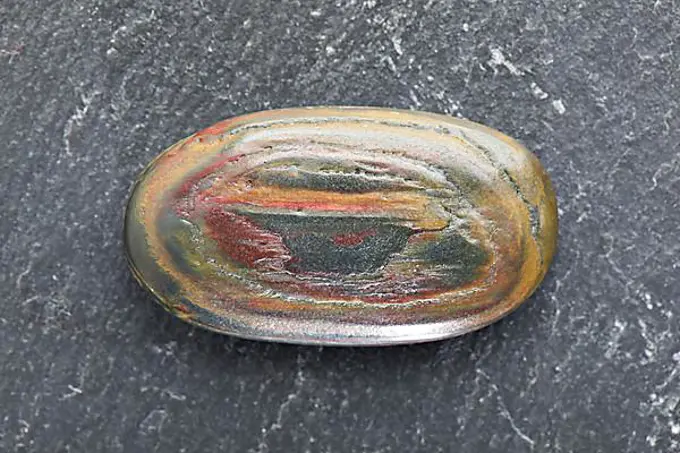
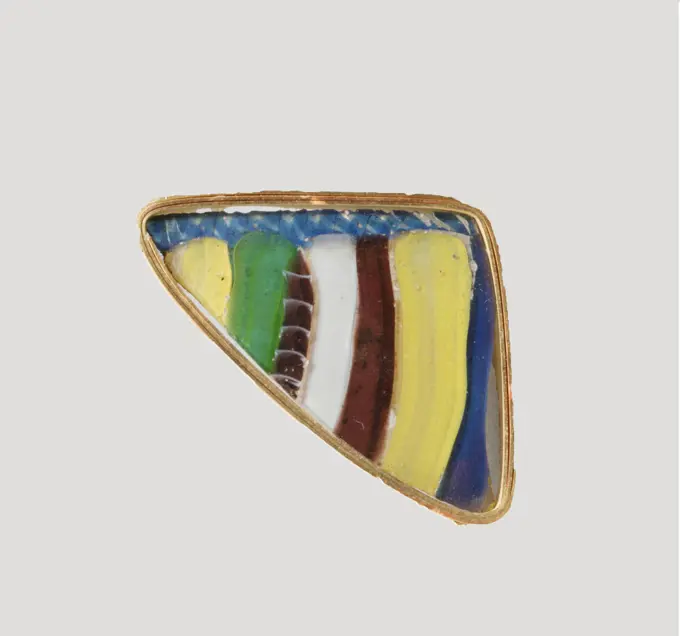
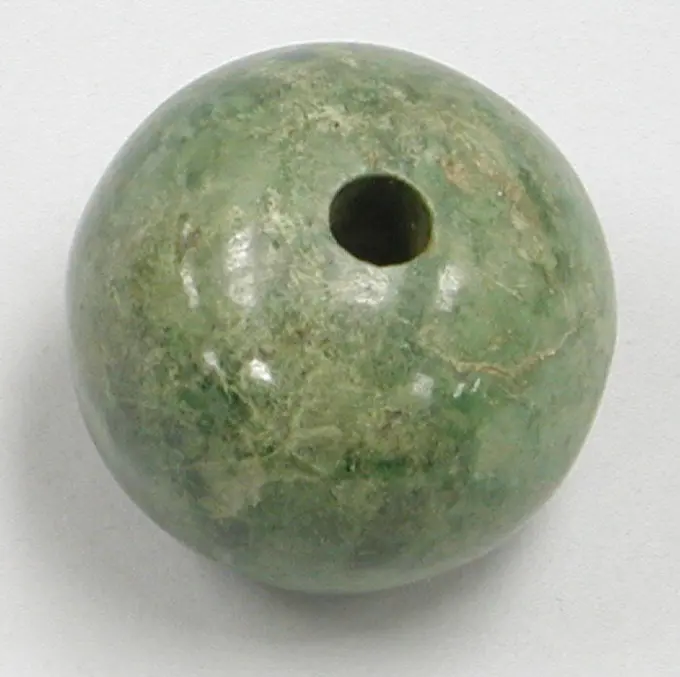
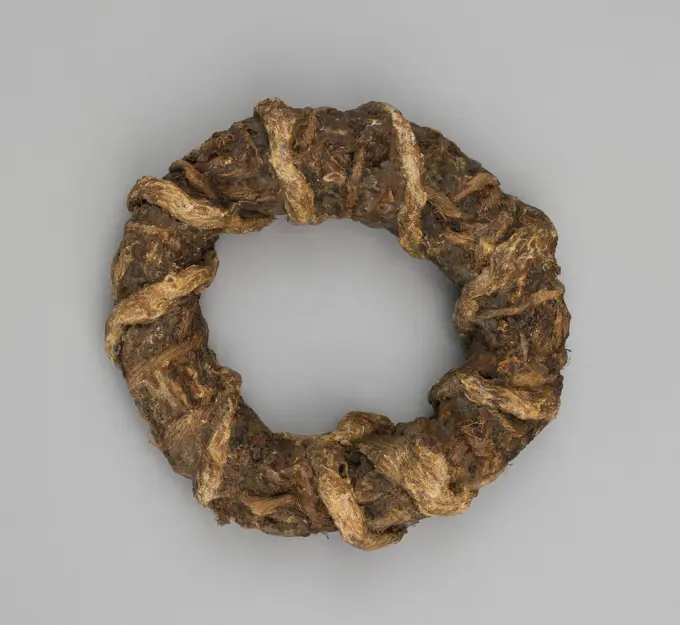
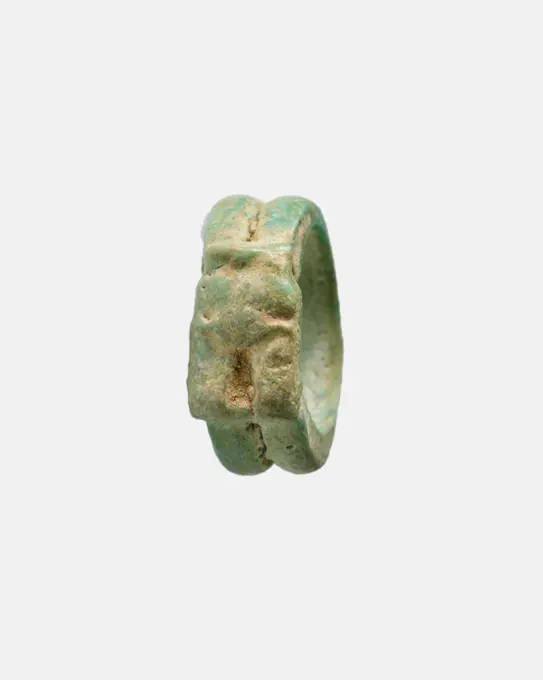
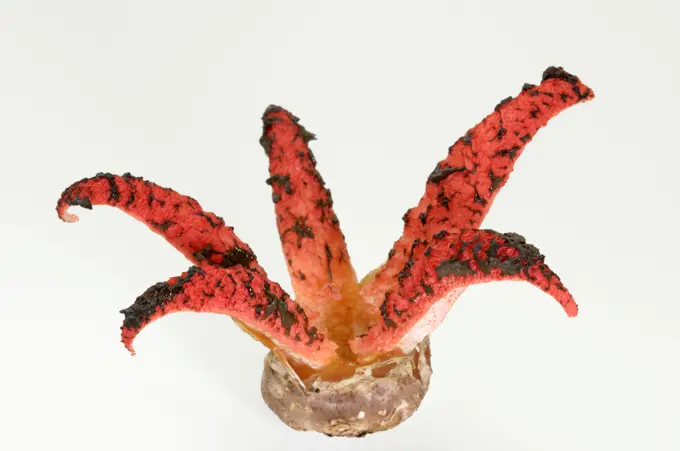
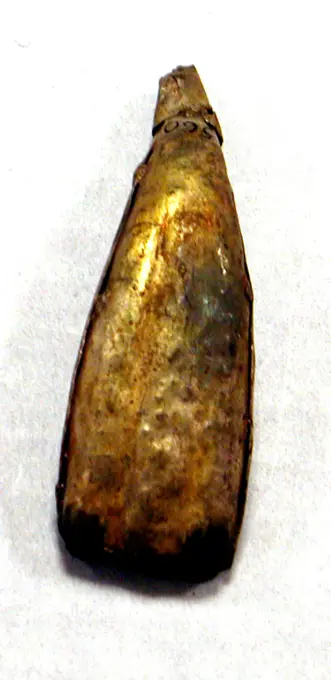
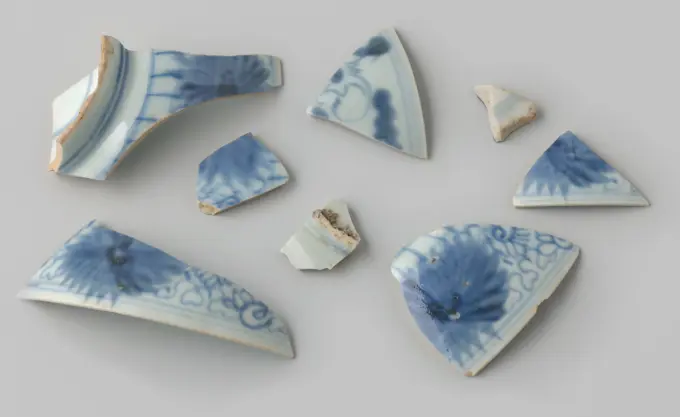
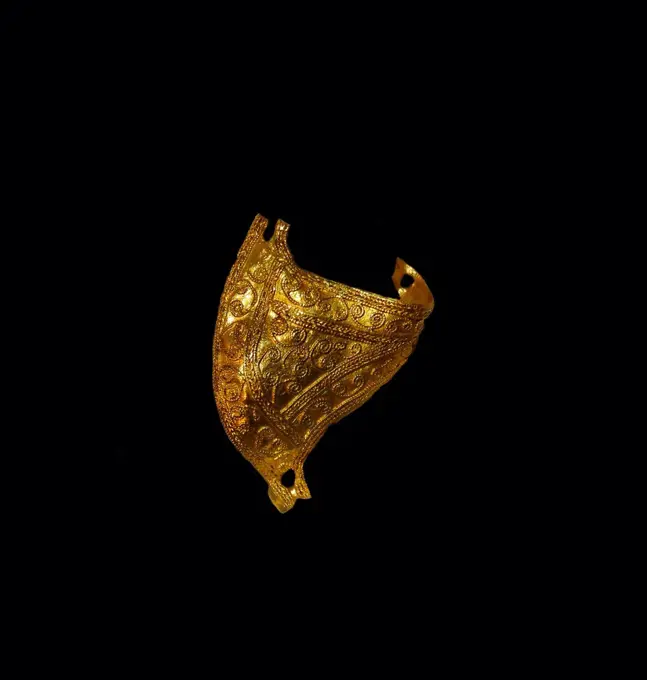
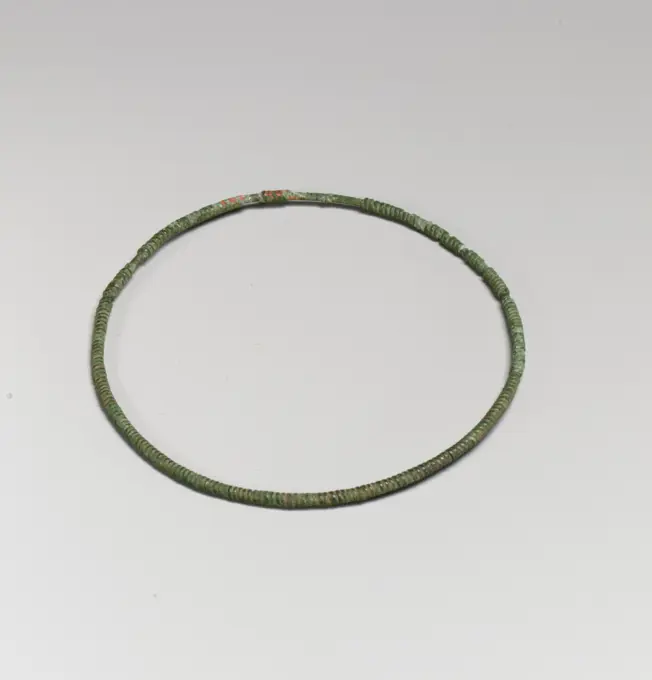
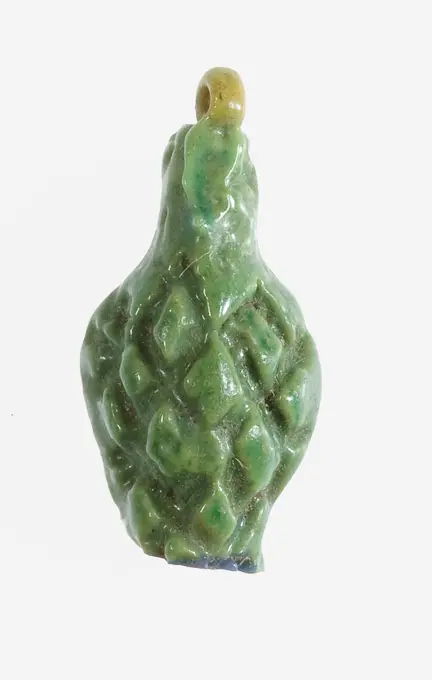
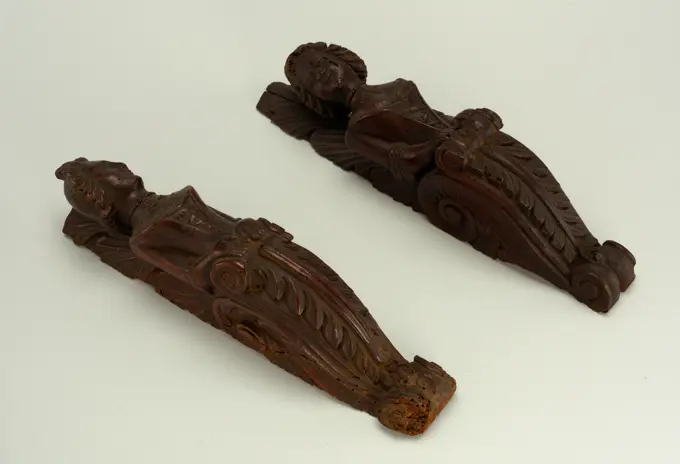
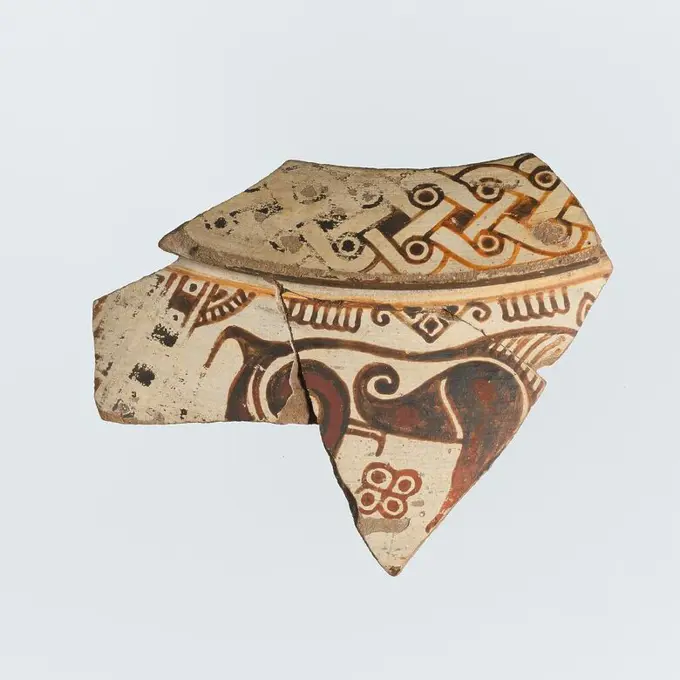
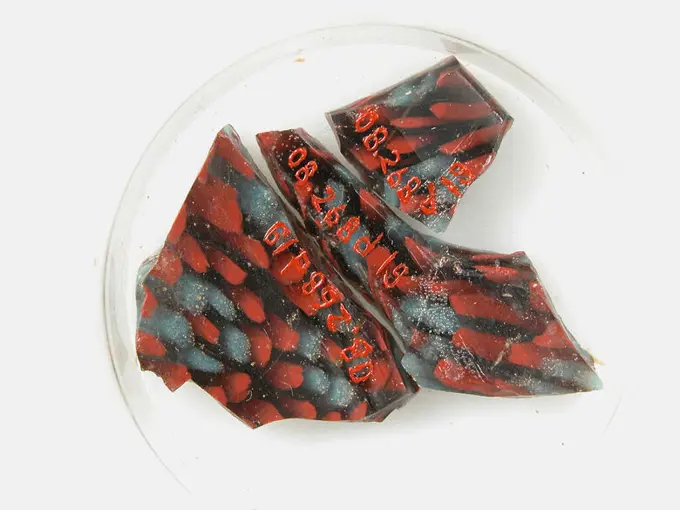
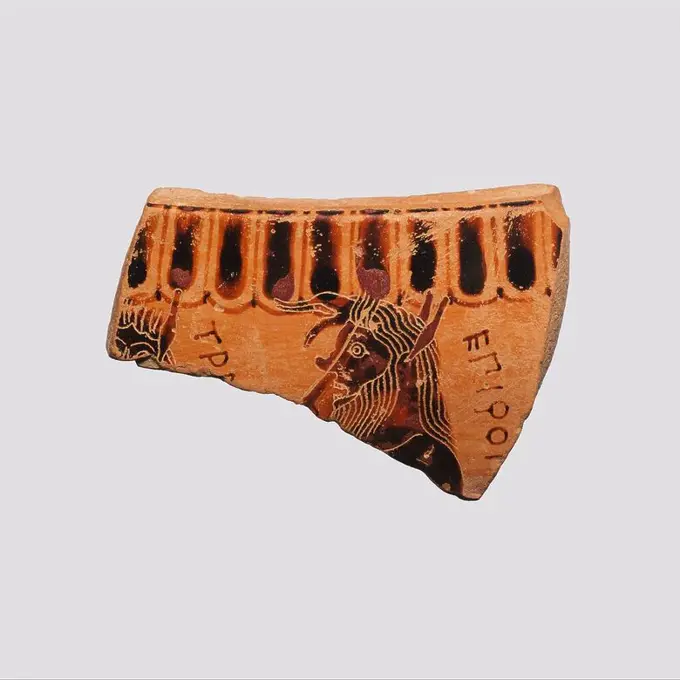
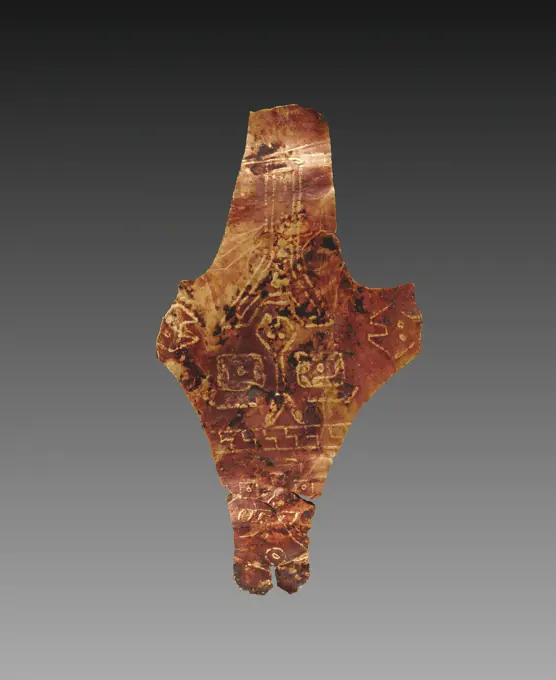
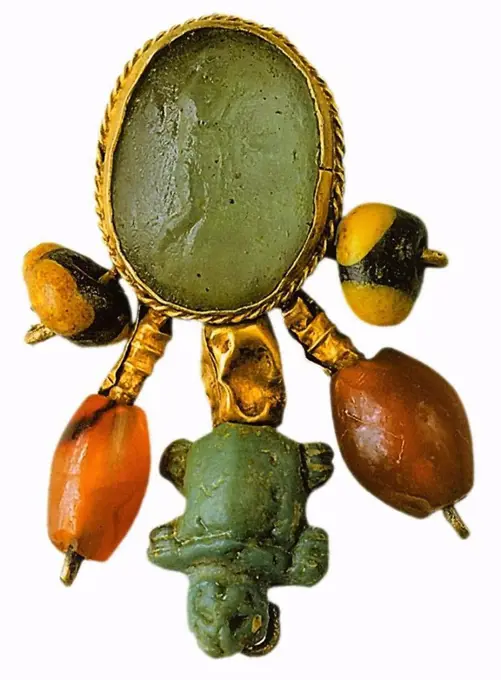
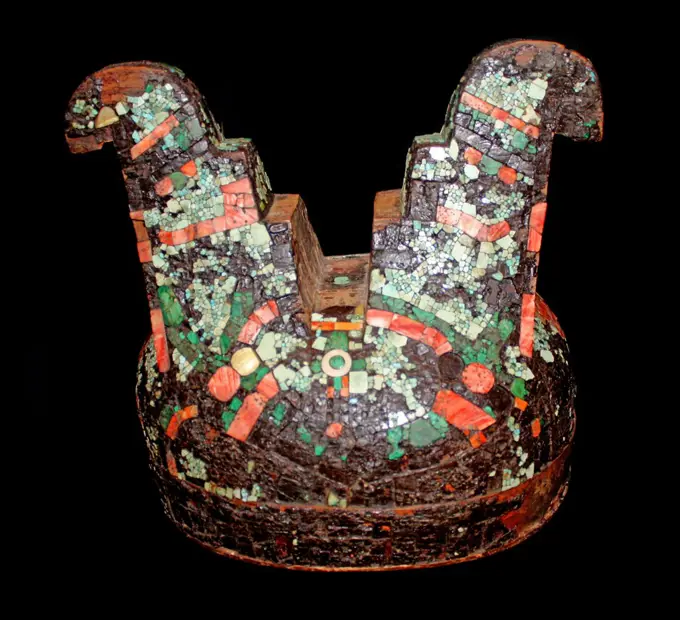
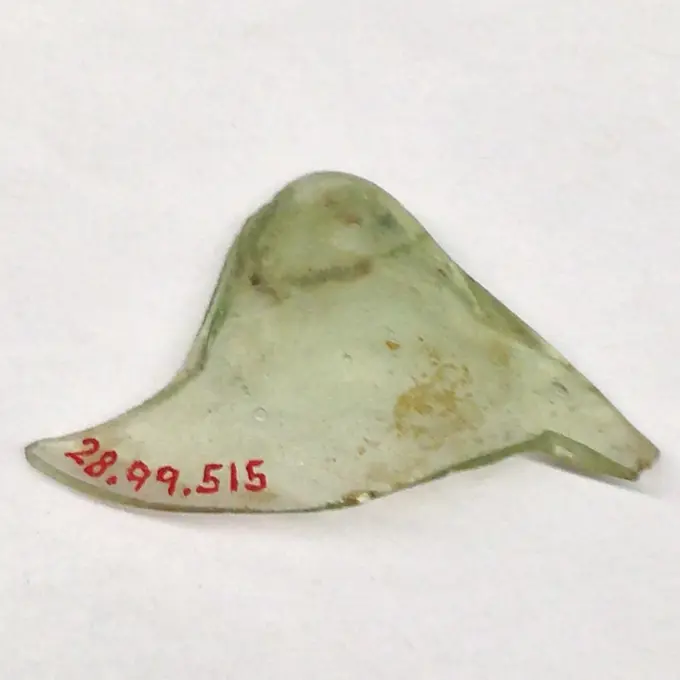
Fragment ca. 1150-ca. 1250 European or Middle Eastern. Fragment 696606A mythological fight. Chimu, Peru. Dated 13th CenturyFoot of beaker with serrated glass wire along the foot edge, pontilmark, beaker drinking glass drinkware tableware holder fragment soil find glass, free blown Foot of beaker Light green tinted glass turned dull and oily discolored by irisation Foot with raised soul and pontilemark. Knurled glass wire as stand ring under the soil archeology Valckensteyn Poortugaal Albrandswaard drink wine beer serve serve up Soil discovery: castle Valckensteyn in Poortugaal now Albrandswaard 1961-1962.Cylindrical bottle, flower pot model, bottle holder bottomfound glass, free blown and shaped Six fragments of bottom body shoulders and base neck of cylindrical bottle (flowerpot model) in clear green glass. Pontil mark under raised bottom. Slightly widened body to rounded shoulders and rejuvenated Neck archeology Rotterdam Kralingen-Crooswijk Struisenburg Oostmaaslaan packing Soil discovery Oostmaaslaan Rotterdam October 1959.Ring 400 BCE-200 BCE China. Jade .Faceted Pendant Stamp. UnknownFragment ca. 1150-ca. 1250 European or Middle Eastern. Fragment 694323Scarab; about 500 B.C; Green jasper; 0.9 × 1.6 × 1.2 cm (3,8 × 5,8 × 1,2 in.)Fragmentary Bowl 1100-1299 China. Jian ware; misfired .Steel van Fork or Spoon from the wreck of the East Indians Hollandia, Anonymous, 1700 - in or before 1743 spoon Cutlery, fragment: stem of fork or spoon; fragm, encrusted, id. NG 1980-27H67. Netherlands tin (metal)   SecondWas Amulet ca. 1390-1353 B.C. New Kingdom. Was Amulet. ca. 1390-1353 B.C.. Faience. New Kingdom. From Egypt, Upper Egypt, Thebes, Malqata, Palace of Amenhotep III, MMA excavations, 1910-11. Dynasty 18Fragment ca. 1150-ca. 1250 European or Middle Eastern. Fragment 694229Broken jar ca. 9th-10th century A.D. Islamic. Broken jar 323007Model Spoked Wheel. Egypt, probably Greco-Roman Period (332 BCE - 300 CE) or later. Sculpture; models. BronzePendant: male head 8th-7th century B.C. Etruscan Head of a man facing right with pronounced eyebrows and nose.. Pendant: male head 257804Plaque fragment; Alexandria (perhaps), Workshop in the Eastern Mediterranean, Egypt; 1st century B.C; Glass; 2.3 cm (7,8 in.)Fragment ca. 1150-ca. 1250 European or Middle Eastern. Fragment 694352Earflare Frontal 6th-7th century Moche (Loma Negra). Earflare Frontal 313484Glass Fragment 14th-15th century French. Glass Fragment. French. 14th-15th century. Pot metal glass. Glass-StainedFragment of a pipe head and pipe stems from the wreck of the East India Flying Heart. Cup of an earthen Gouda pipe filled with brownish cage. 45 very short pieces of stem, all with rust-brown attack.Plate and Nail 15th-16th century European. Plate and Nail. European. 15th-16th century. Iron. Metalwork-Ironpliers on white backgroundColorful stoneGlass striped mosaic bowl fragment late 1st century B.C.-early 1st century A.D. Roman Rim fragment.Translucent blue, purple, turquoise green, yellow, and white, with colorless glass.Applied coil rim with vertical lip, slightly beveled inward; convex curving side, tapering inward at bottom. Rim in colorless glass with blue spiral thread; body decorated with vertical bands forming a pattern: yellow, green, purple with spiral white thread, white, purple, yellow, and blue.Pinprick bubbles; exterior polished, with pitting of surface bubbles; dulling and creamy iridescent weathering on interior; some iridescent weathering on edges.. Glass striped mosaic bowl fragment. Roman. late 1st century B.C.-early 1st century A.D.. Glass. Early Imperial. GlassBead before 16th century Maya. Bead 317352Incendiary Quoit (Throwing Ring) Made 1600-1700 Austria. Pitch-covered material, match cord .Jewellery ring isolated on the white backgroundBroad collar terminal ca. 1850-1775 B.C. Middle Kingdom. Broad collar terminal 557352Costume Ornament 11th-12th century Central coast (). Costume Ornament 308792Ring, Hathor head ca. 1184-1070 B.C. New Kingdom, Ramesside. Ring, Hathor head. ca. 1184-1070 B.C.. Faience. New Kingdom, Ramesside. From Egypt; Probably from Northern Upper Egypt, Deir el-Ballas. Dynasty 20DEU, 2008: Octopus Stinkhorn, Giant Stinkhorn (Clathrus archeri, Anthurus archeri), fully developed fungus, studio picture.Scarab. UnknownHammered Silver Petal Ornament 8th-mid-15th century Peru; north coast (). Hammered Silver Petal Ornament 309080Shards of Kommen from V.O.C. ship De 'Witte Leeuw', Anonymous, Before 1613 bowl Shards of Kommen from V.O.C. ship De 'Witte Leeuw'. Jingdezhen porcelain   Sint-HelenaGlass Fragment 12th-14th century French. Glass Fragment. French. 12th-14th century. Pot-metal glass, vitreous paint. Glass-StainedArtefact from the Staffordshire Hoard of Anglo-Saxon gold and silver metalwork. Discovered in a field near the village of Hammerwich, near Lichfield, in Staffordshire, England, on 5 July 2009, it consists of over 3,500 items from the Anglo-Saxon kingdom of Mercia.Fragment. Culture: European or Middle Eastern. Dimensions: L. 2 1/8 in. (5.4 cm). Date: ca. 1150-ca. 1250. Museum: Metropolitan Museum of Art, New York, USA.Cup out of the wreck of the East India Flying Heart. Pewter crushed cup, flattened with a remnant of a handle. Inexpensive to a sliced edge at the bottom. The top edge has been fled.Bracelet 1st-3rd century A.D. Roman A closed hoop of round section; over the entire surface, a bronze wire is twisted spirally.. Bracelet 246437Cornflower Pendant ca. 1390-1353 B.C. New Kingdom. Cornflower Pendant. ca. 1390-1353 B.C.. Faience. New Kingdom. From Egypt, Upper Egypt, Thebes, Malqata, Palace of Amenhotep III, MMA excavations, 1910-11. Dynasty 18Bracelet. Western Iran, circa 1000-650 B.C.. Jewelry and Adornments; bracelets. Bronze, castPilaster, Term; wood, carvedFragments Pipe stems from the wreck of the East Indians Hollandia, Anonymous, 1700 - in Or Before 1743  Pipe, stem; fragment. Netherlands pipe clay   SecondTextile Ornament. Culture: Chimú. Dimensions: D. 1 3/8 in. (3.5 cm). Date: 14th-15th century. Museum: Metropolitan Museum of Art, New York, USA.Militaria, Italy, 20th century. Steel helmet with black cross and a cloth.Bird Pendant. China. Date: 1210 BC-1190 BC. Dimensions: 1 7/8 × 1 1/2 × 1/16 in. Jade. Origin: China. Museum: The Chicago Art Institute, Chicago, USA.Fragment of a terracotta dinos (deep round-bottomed bowl). Culture: East Greek, Chiot. Dimensions: 3 3/8 × 4 1/4 × 7/16 in. (8.6 × 10.8 × 1.2 cm). Date: ca. 600 B.C..Three fragments joined; bull. Museum: Metropolitan Museum of Art, New York, USA.Glass Fragments from a Vessel. Culture: Coptic. Dimensions: Storage (petri dish diam.): 1 3/4 in. (4.4 cm). Date: 4th-early 5th century. Museum: Metropolitan Museum of Art, New York, USA.Variscite. minerals. North America; USA; Utah; Utah County; Fairfield; Clay CanyonGold Face Mask Ornament 6th-7th century Moche (Loma Negra). Gold Face Mask Ornament 315153Fragment of a terracotta krater or dinos (bowl for mixing wine and water). Culture: Greek, Attic. Dimensions: length 2 7/8 in. (7.3 cm). Date: ca. 570 B.C..Two satyrs; inscribed. Museum: Metropolitan Museum of Art, New York, USA.Pendant: recumbent boar. Culture: Etruscan or Italic. Dimensions: Other: 1 1/2 in. (3.8 cm). Date: 5th century B.C..Pendant of a crouching boar pierced under the thighs. Museum: Metropolitan Museum of Art, New York, USA.Fragment of a vessel. A low curvature of the glass fragment allows the assignment to a vessel, possibly a shell. The violet glass runs through an irregular grid of white lines that resembles a honeycomb. In the spaces is a flower in millefiori technology. In order to see a turquoise point with a transparent and a yellow contour, several white points can be seen circularly shaping petals. For the production, different colored glasses were molded into tubes and rods. These were compressed and heated, causing a long bar. The glass sliced now had different amorphous or floral patterns. Thereafter, several of these platelets were folded together, heated again and pressed into the vascular shape. Burry for the elaborate manufacturing process and its fragility was one of the luxury articles of antiquity.Ornament, c. 300 BC-AD 100. Peru, South Coast, Ica Valley, Paracas, c. 300 BC-AD 100. Hammered and embossed gold-copper alloy; overall: 8.8 x 4.8 cm (3 7/16 x 1 7/8 in.).Ancient jewelry by anonymous artist, gold, glass stones, carnelian, faience, 5th-4th century BC, Russia, Moscow, State History MuseumCeremonial Helmet 1400 A.D. Decorated with Mosaic. Mixtecchicken bones chicken bones isolated on white background Copyright: xZoonar.com/RuslanxNassyrovx 7656769wobbler for fishing with spinning on white