Historical Artifacts and Fragments

Artifacts including decorative metalwork, pipe fragments, and terracotta pieces from ancient origins, showcasing cultural and historical significance.
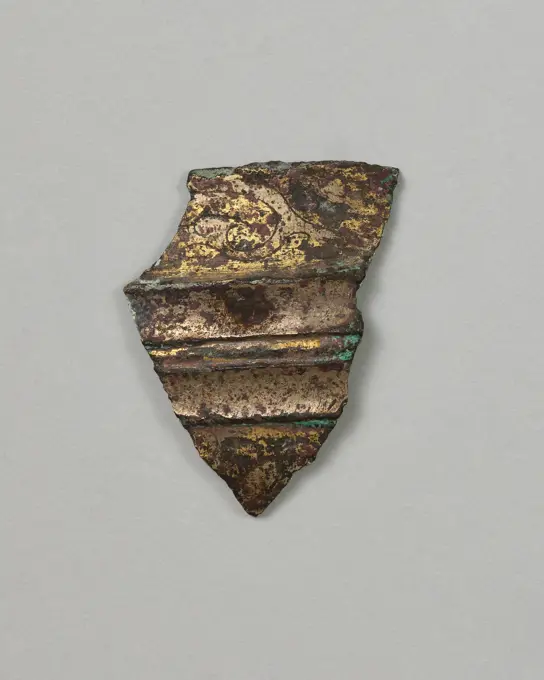
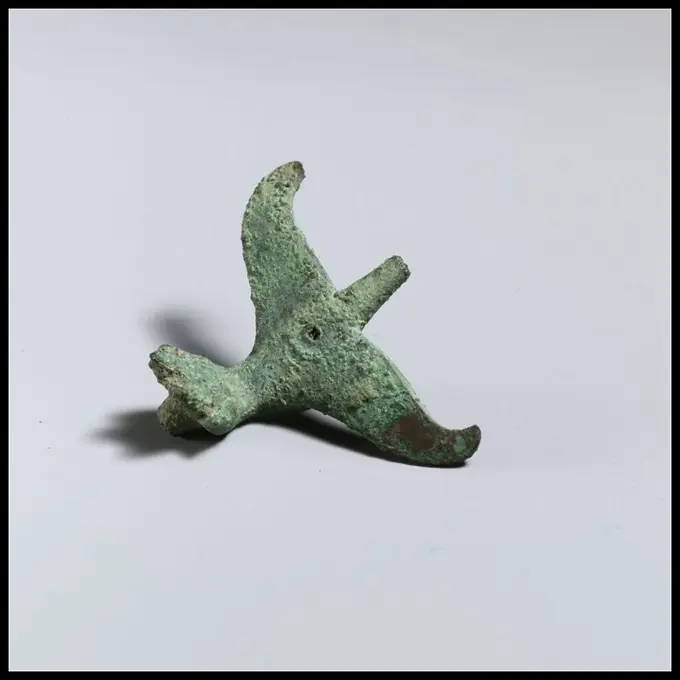
Basin fragment. Golden bronze. Cernuschi Museum, Asia Museum of Asia in the city of Paris.
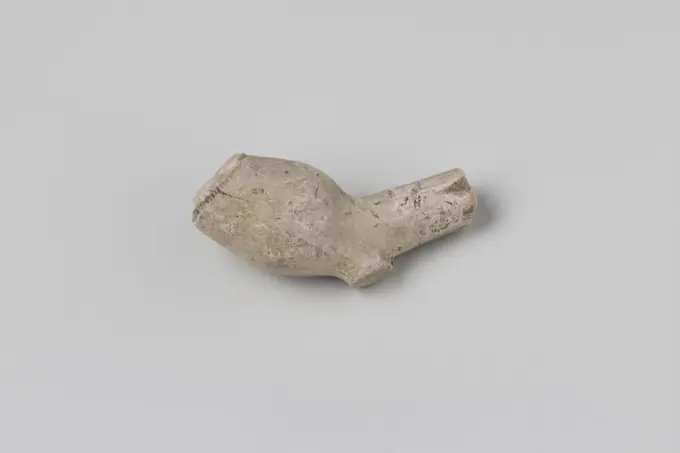
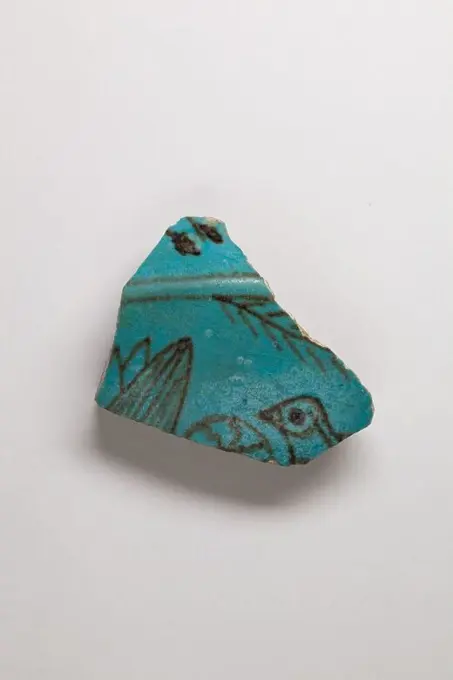
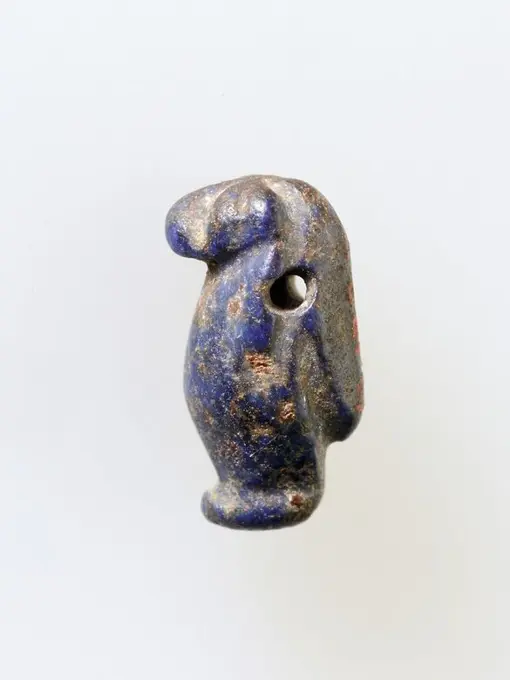
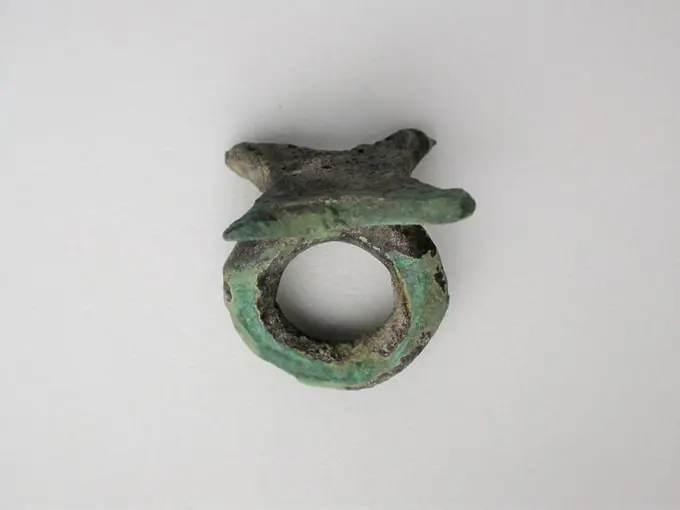
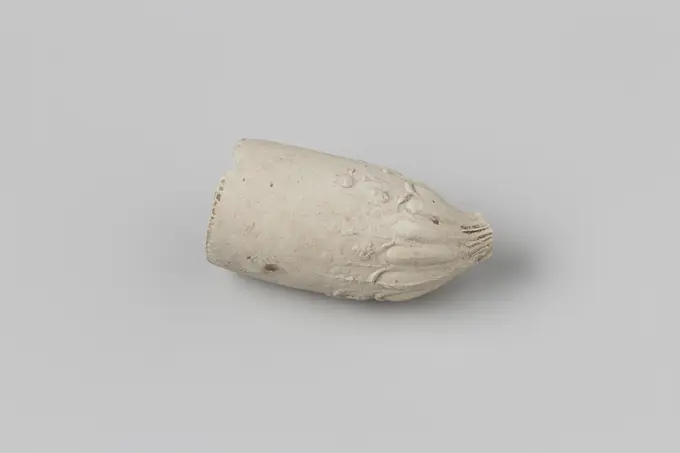
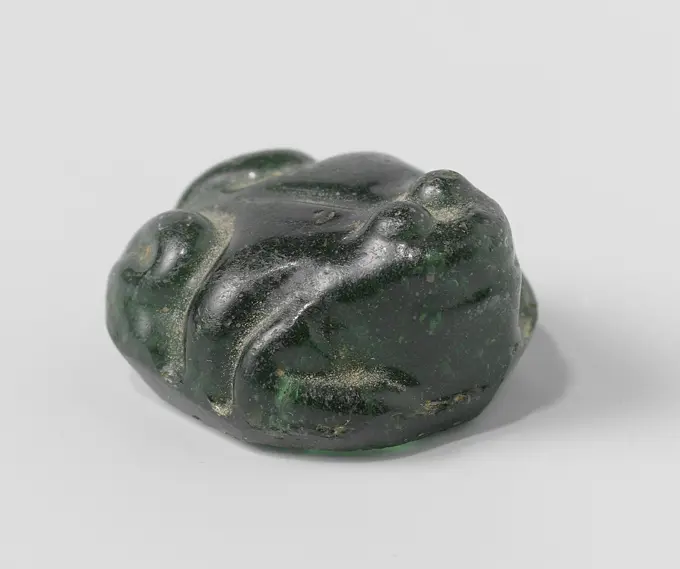
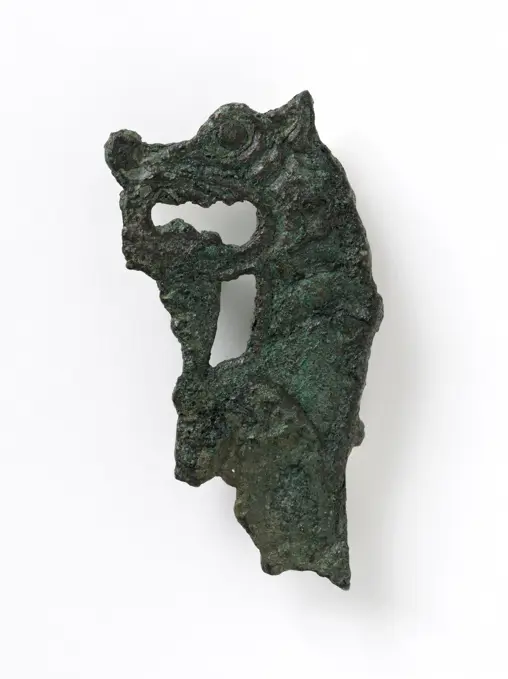
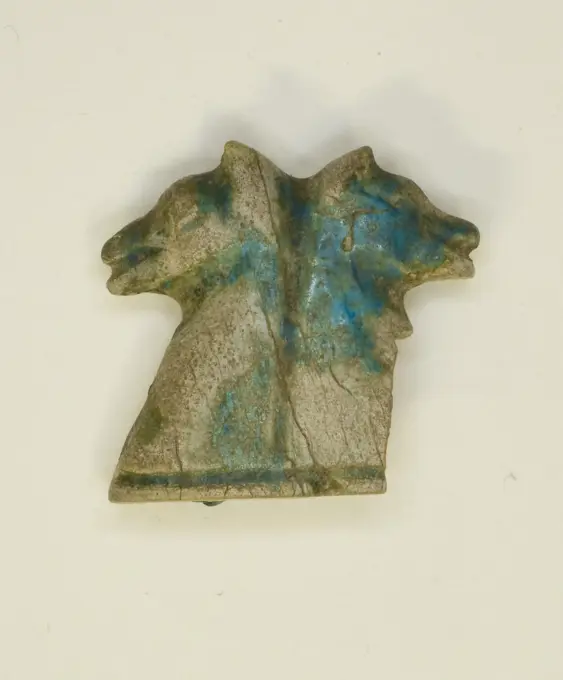
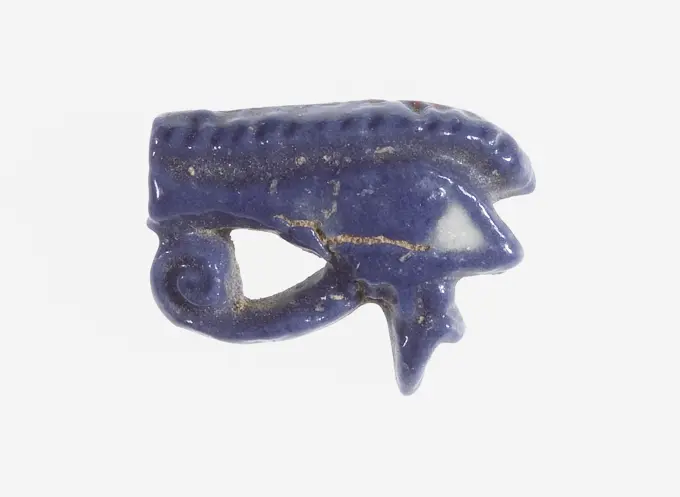
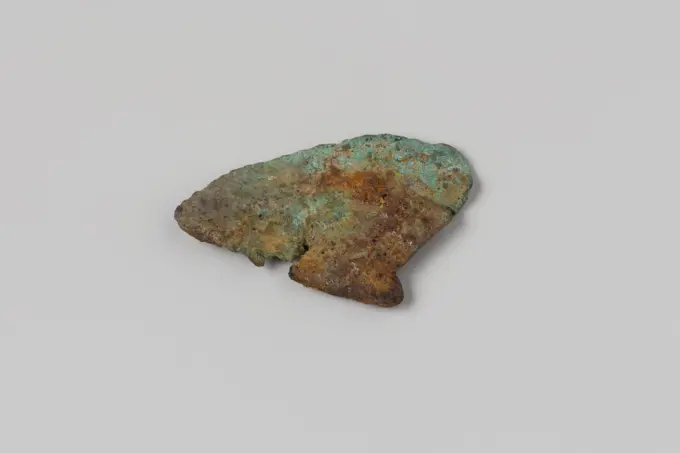
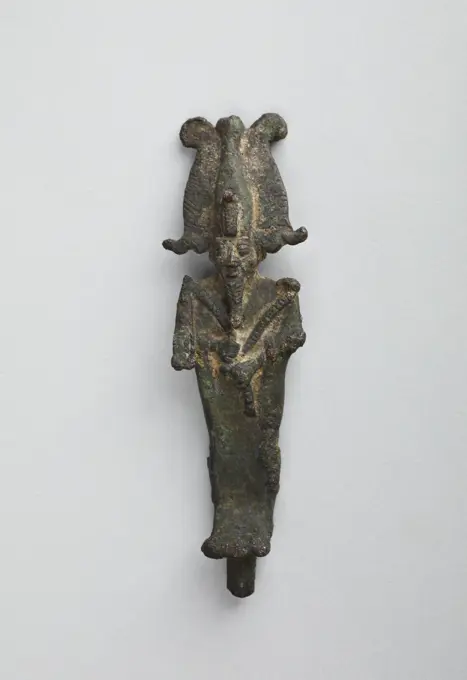
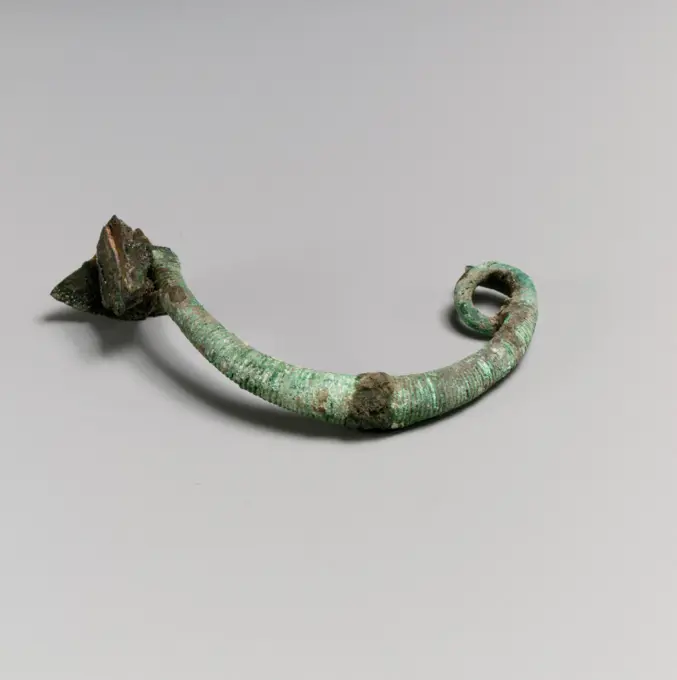
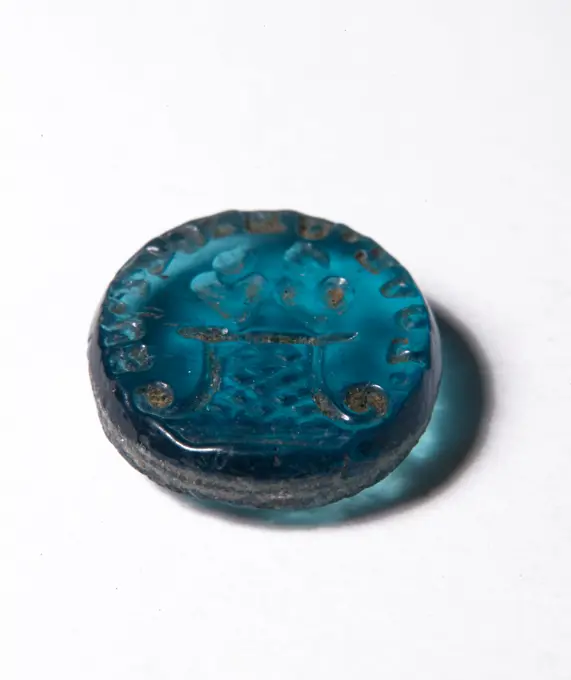
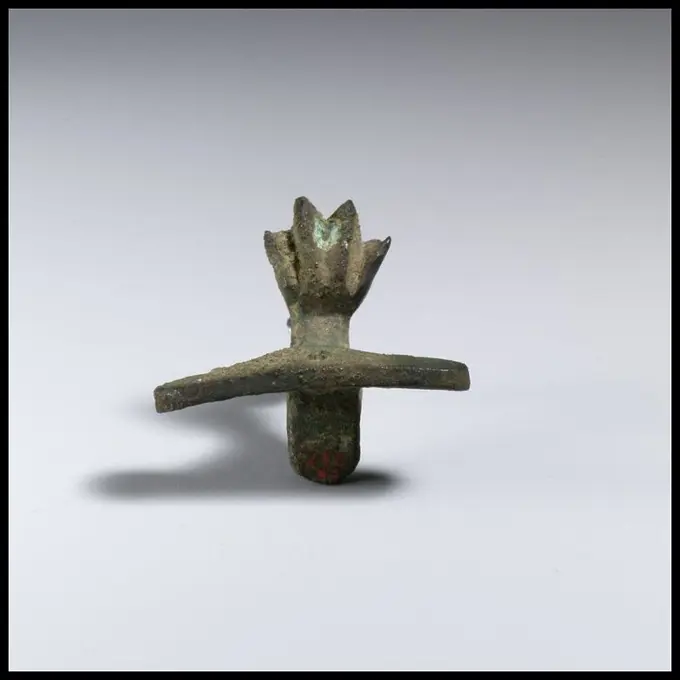
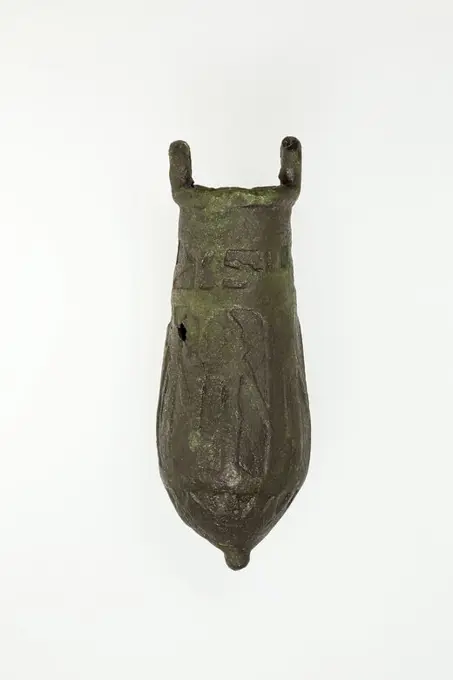
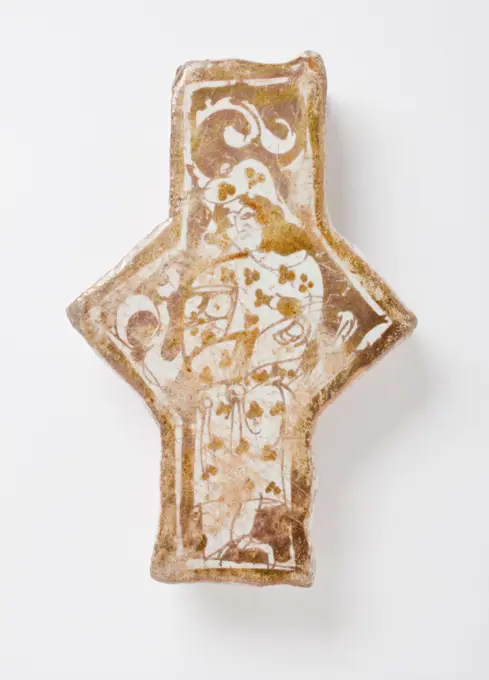
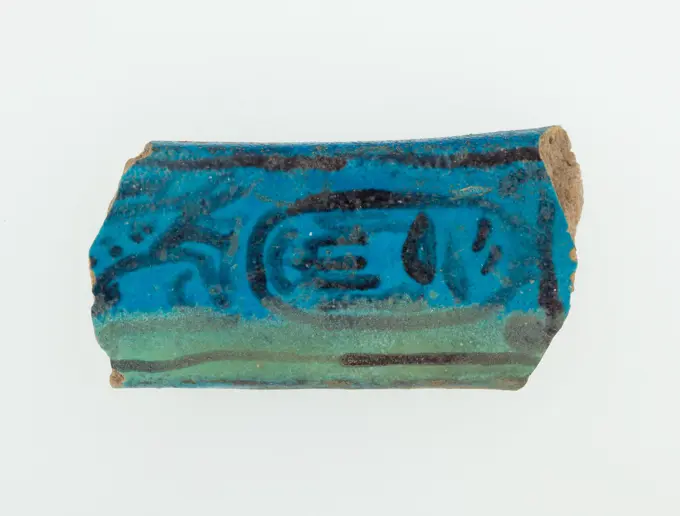
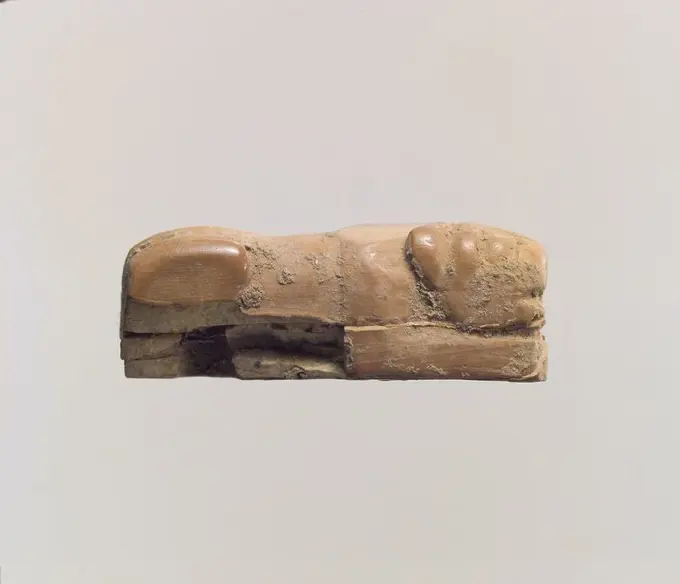
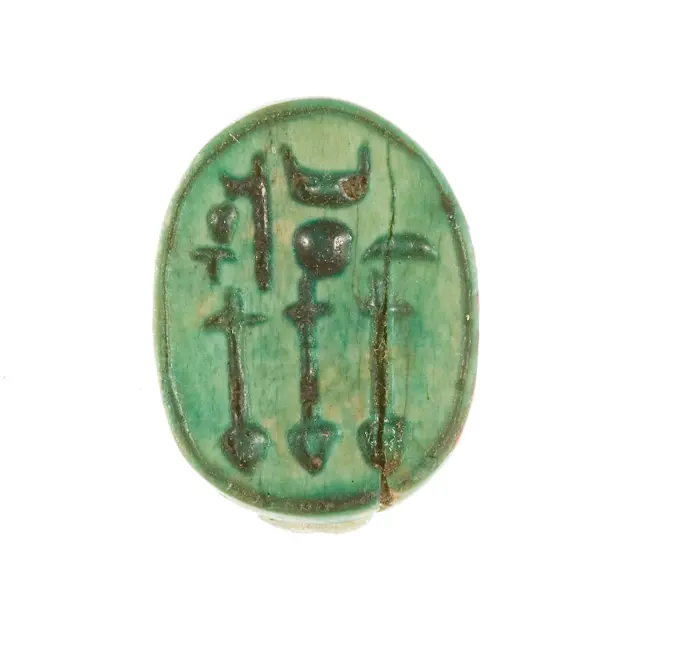
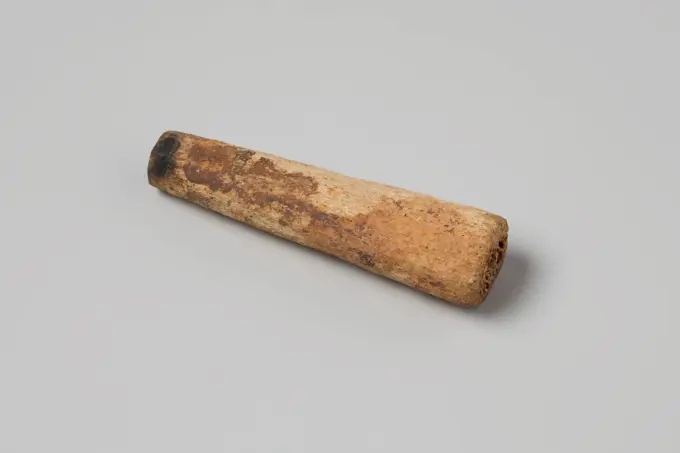
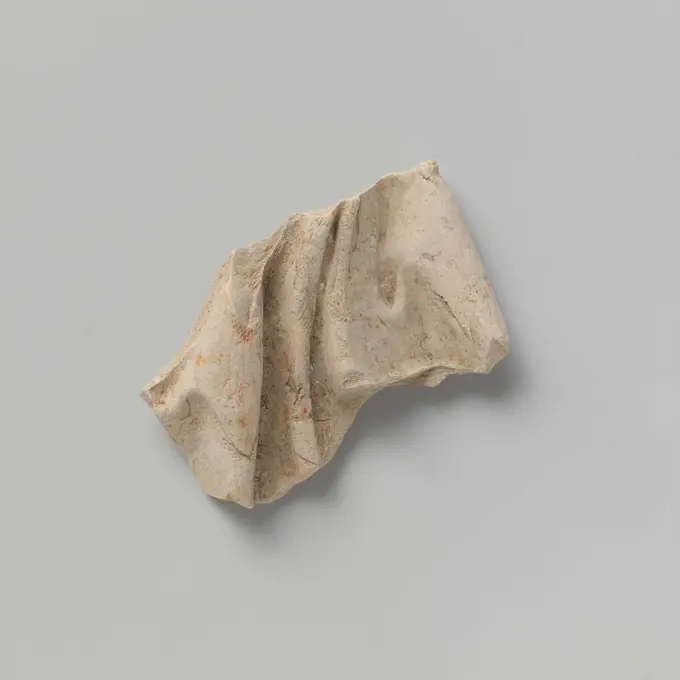
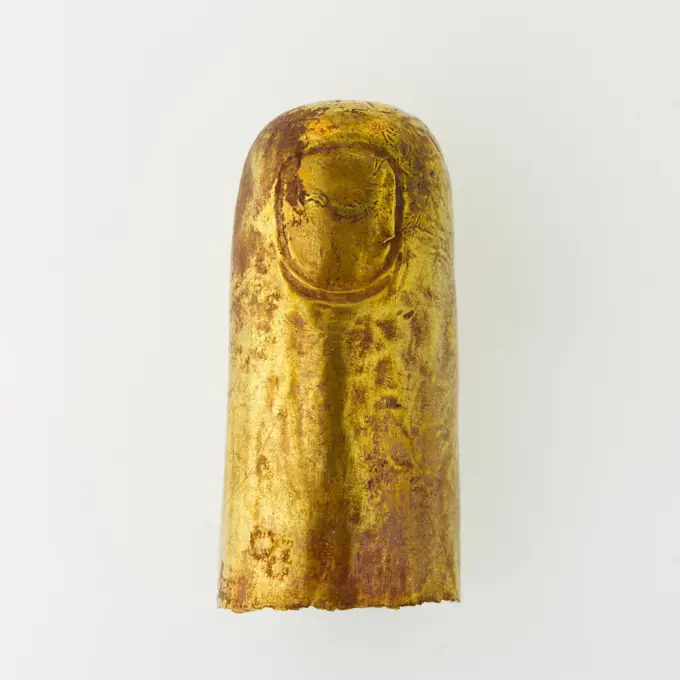
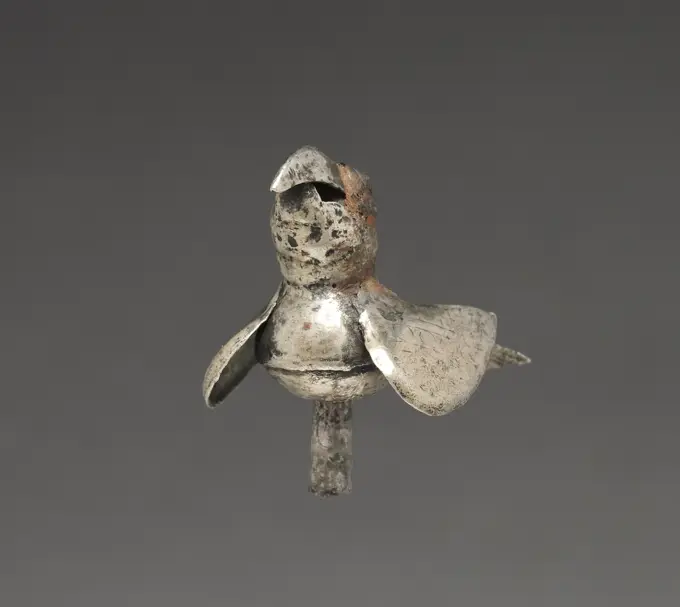
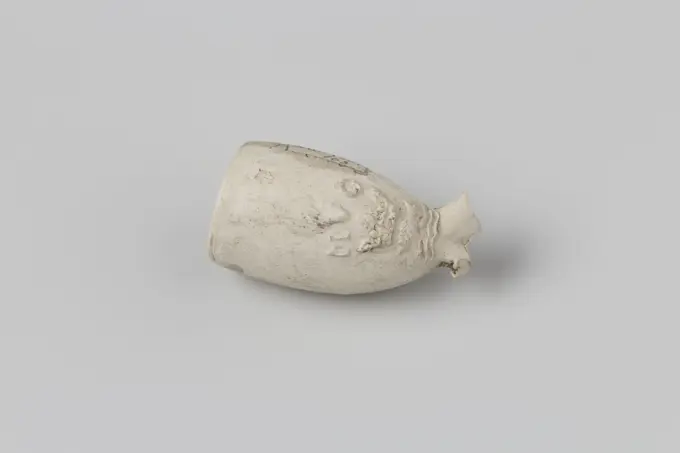
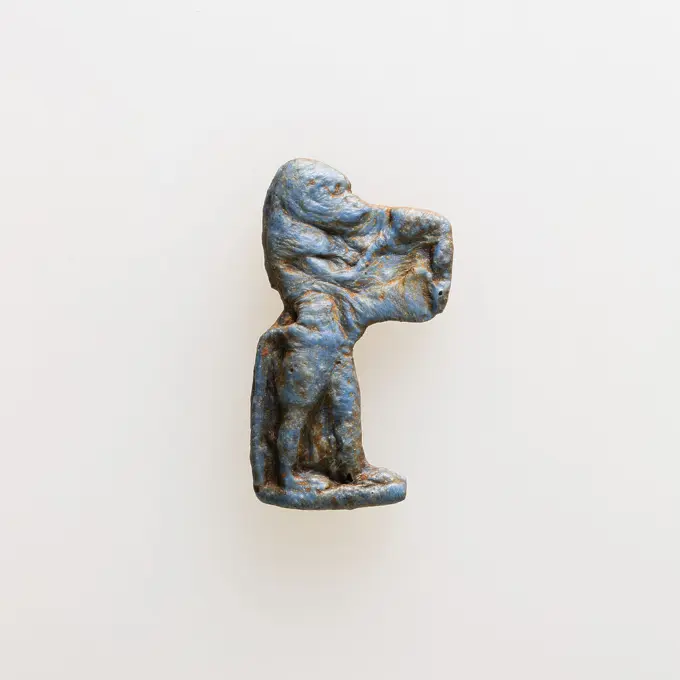
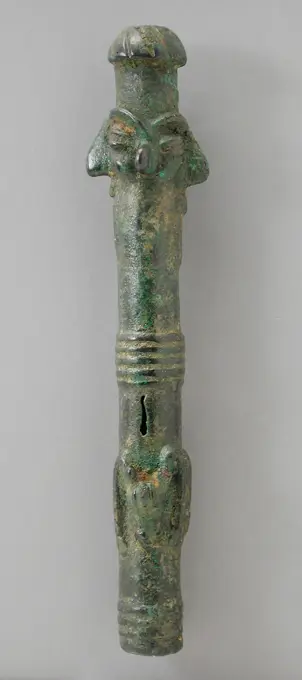
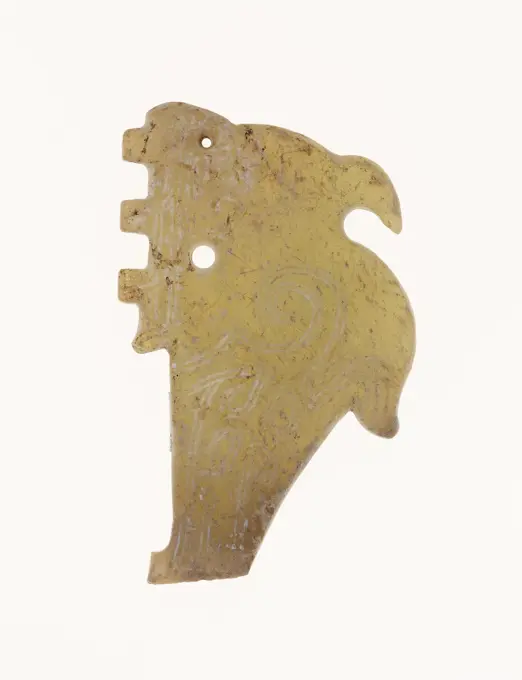
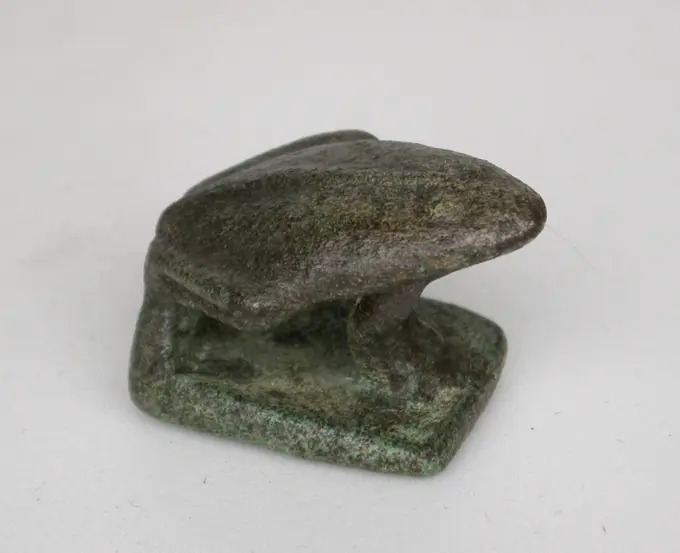
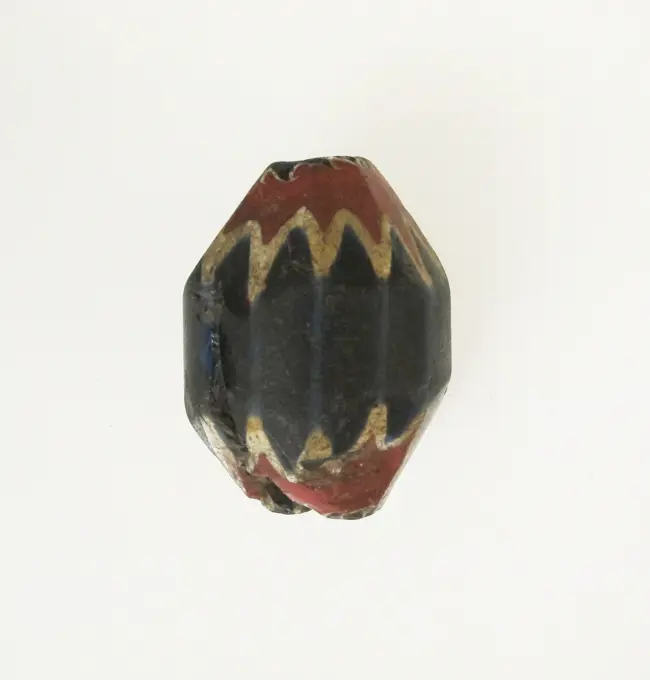
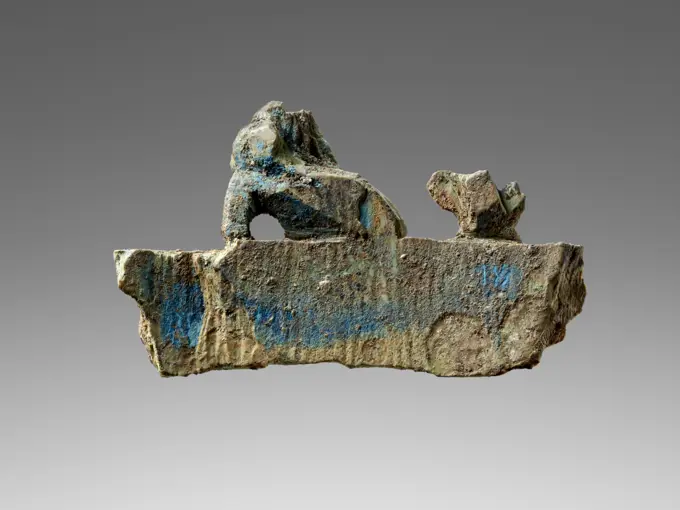
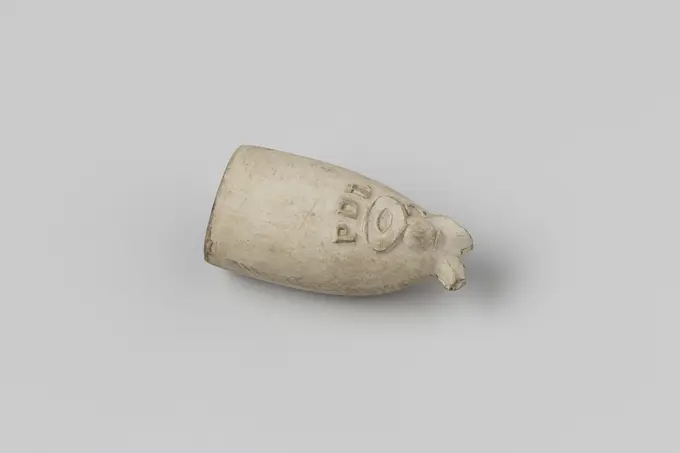
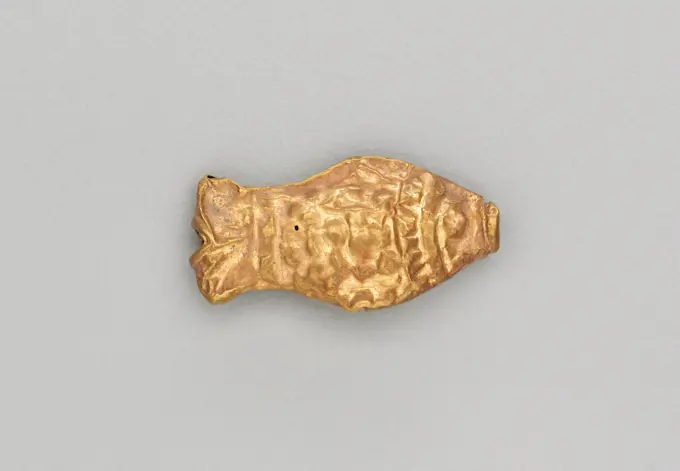
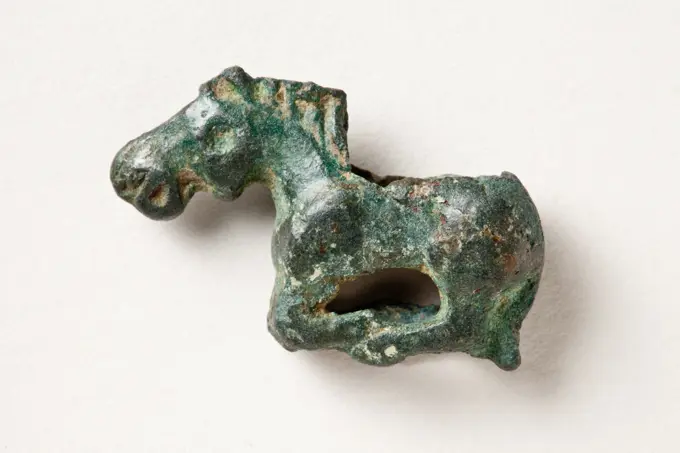
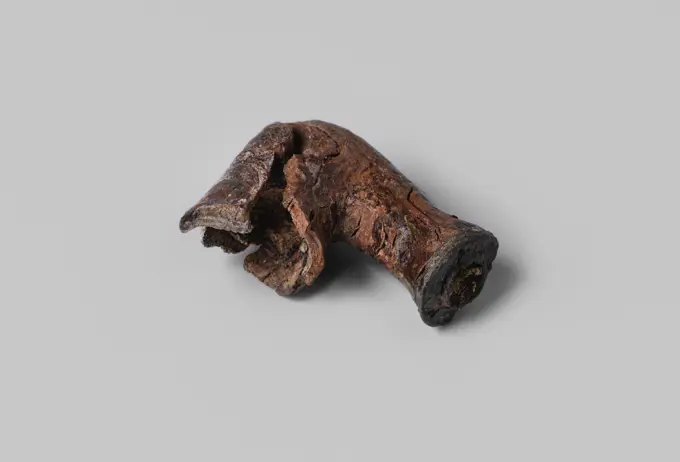
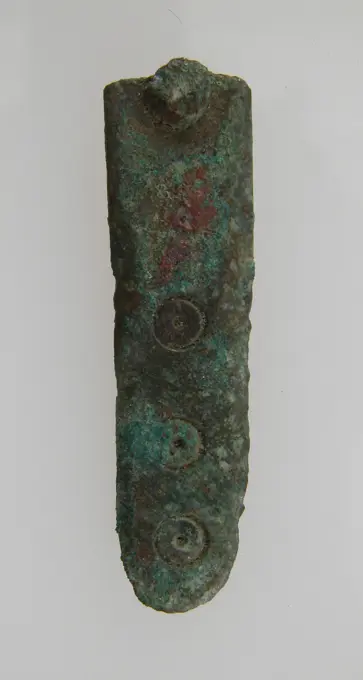
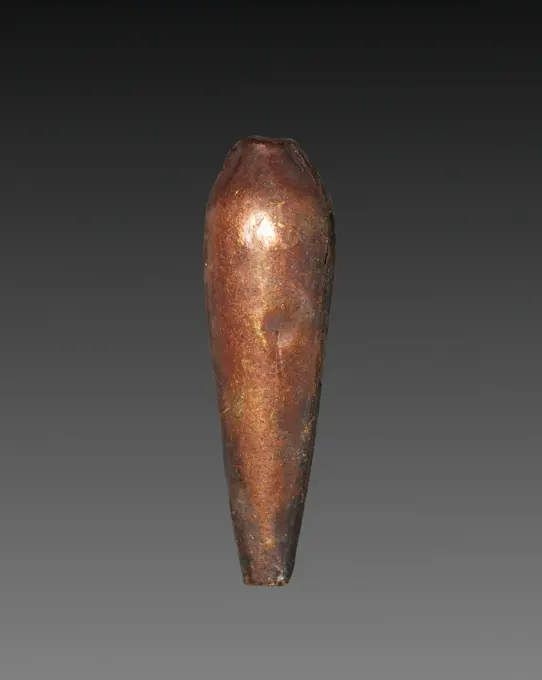
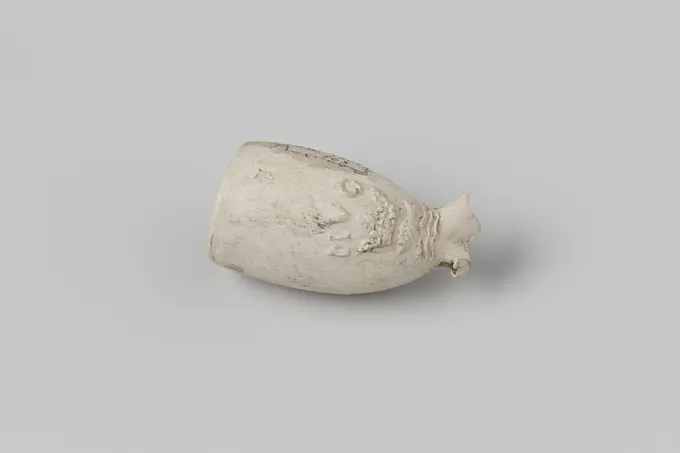
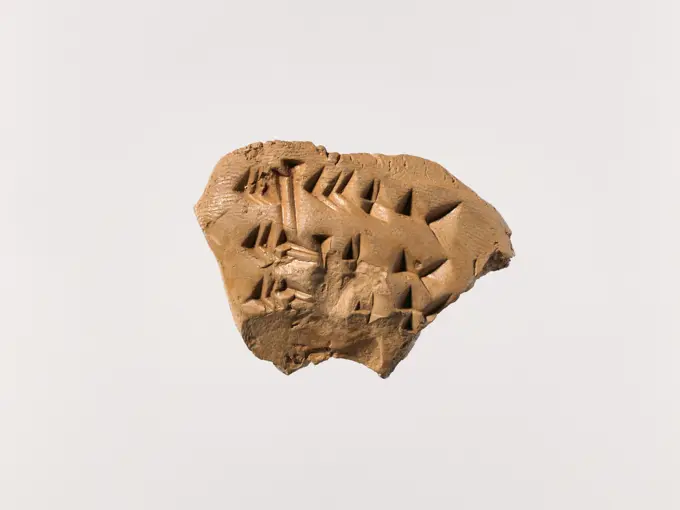
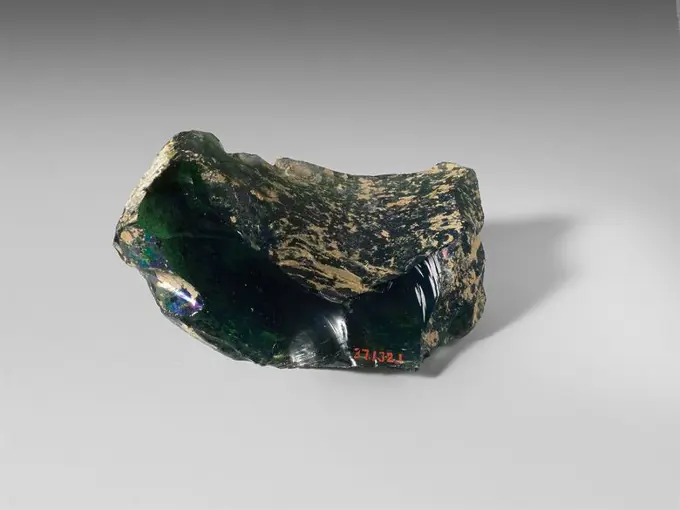
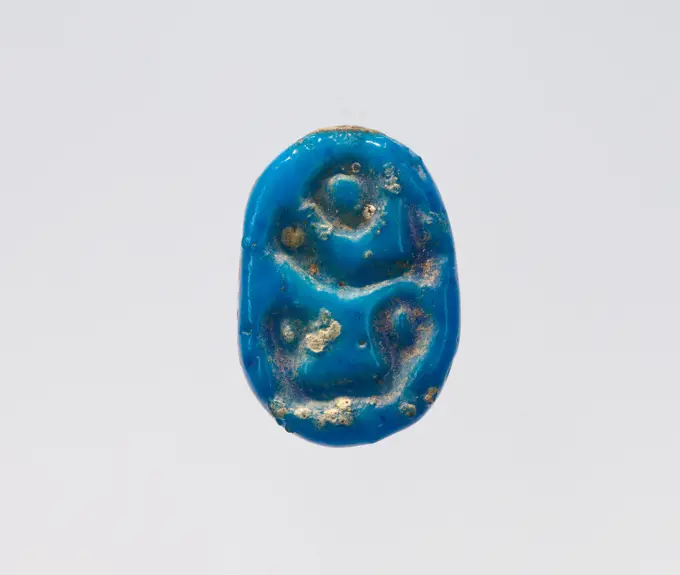
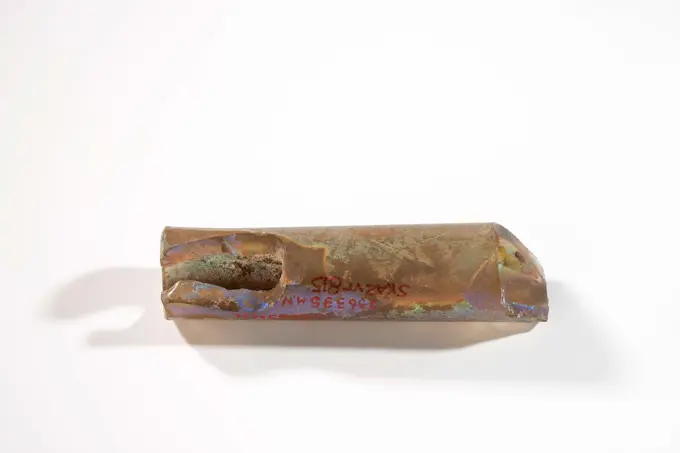
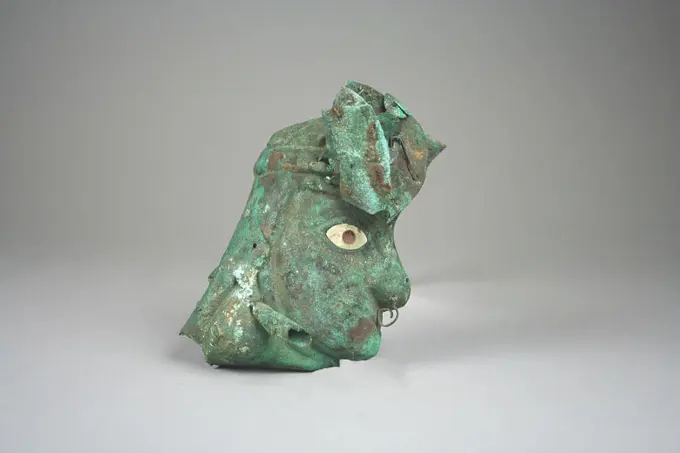
Decorative batter from the wreck of the East Indies Hollandia, Anonymous, 1700 - in or Before 1743  Fitting, decorative fitting or fragment; fragm, id. NG 1980-27H2960, eroded. Netherlands lead (metal)   SecondFragment Tobacco Pipe, Anonymous, 1635 - 1650 Fragment tobacco pipe. Of the excavations on the Hofstede Arentsburg 1827-1831 under the supervision of Professor Reuvens. Netherlands pipe clay Fragment tobacco pipe. Of the excavations on the Hofstede Arentsburg 1827-1831 under the supervision of Professor Reuvens. Netherlands pipe clayNose from a terracotta mask 6th century B.C. Greek, Laconian This nose comes from one of the numerous masks found at the sanctuary of Artemis Orthia.. Nose from a terracotta mask 251751 Greek, Laconian, Nose from a terracotta mask, 6th century B.C., Terracotta, Other: 2 5/8 in. (6.7 cm). The Metropolitan Museum of Art, New York. Gift of A. J. B. Wace, 1924 (24.195.185)Decorated Bowl Fragment. Dimensions: h. 4 cm (1 9/16 in); w. 4.3 cm (1 11/16 in); d. 0.9 cm (3/8 in). Dynasty: Dynasty 12-13. Date: ca. 1981-1640 B.C.. Museum: Metropolitan Museum of Art, New York, USA.Staff Head 6th-7th century Moche (Loma Negra). Staff Head 313476Taweret Amulet. Dimensions: H. 1.4 cm (9/16 in.); W. 0.6 cm (1/4 in.); D. 0.7 cm (1/4 in.). Dynasty: Dynasty 12, late-17. Date: ca. 1850-1550 B.C..This amulet was found in the plundered chamber reached by a shaft in the portico of a rock-cut tomb in the Asasif section of the Theban necropolis. Among the finds were parts of a rectangular wooden coffin with green hieroglyphs on a yellow background as well as a few remains of one or more model wooden boat(s), three scarabs (13.180.8- .10), two anhydrite toilet vessels (13.180.19a- .c, .20) and the group of jewelry items (13.180.1- .18a- .l) striking for the extensive use of silver. Dates that can be ascertained by stylistic comparisons to some of the objects range from the late Middle Kingdom (ca. 1850-1700 B. C.) to the late Second Intermediate Period (ca. 1580-1550 B. C.). A number of clay pots (28.3.239- .241 now in the Oriental Institute Museum, Chicago) from the area of the tomb but not with certainty identified as found inside the Fibula 2nd century B.C. Etruscan. Fibula 255231 Etruscan, Fibula, 2nd century B.C., Bronze, H.: 2 1/8 x 3 5/16 x 1 1/2 in. (5.4 x 8.4 x 3.8 cm). The Metropolitan Museum of Art, New York. Gift of Miriam Schaar Schloessinger, 1966 (66.119.2)Basin fragment. Golden bronze. Cernuschi Museum, Asia Museum of Asia in the city of Paris.Fragment glass from the wreck of the East Indieschief Hollandia. Parts or artifacts; eroded fragments: Materials; Glass.Crescent Ornaments 6th-7th century Moche (Loma Negra). Crescent Ornaments. Moche (Loma Negra). 6th-7th century. Copper. Peru. Metal-OrnamentsAmulet - baran. unknown, authorRing with Ingot Bezel. Greek; Thessaly. Date: 800 BC-700 BC. Dimensions: 2.9 × 2.7 × 2.7 cm (1 1/8 × 1 1/16 × 1 1/16 in.). Bronze. Origin: Thessaly. Museum: The Chicago Art Institute, Chicago, USA. Author: ANCIENT GREEK.Cista, foot. Dimensions: H. 4.39 cm.. Museum: Metropolitan Museum of Art, New York, USA.Amulet - maciora. unknown, authorFragment pijpenkop.Fragment blowjob with floral fashed motif with flowers and dots. Of the excavations at the Hofstede Arentsburg 1827-1831 under the supervision of professor Reuvens.Fragment tobacco pipe. Fragment tobacco pipe with a crown and letters M V o and N shown. Of the excavations at the Hofstede Arentsburg 1827-1831 under the supervision of professor Reuvens.Rectangular Plaque 7th century Frankish. Rectangular Plaque 465548 Frankish, Rectangular Plaque, 7th century, Copper alloy, silvered, Overall: 3/4 x 1/2 x 3/16 in. (1.9 x 1.2 x 0.5 cm). The Metropolitan Museum of Art, New York. Gift of J. Pierpont Morgan, 1917 (17.193.227)Frog, c. 1300 - c. 1400 Glass frog. Indonesia glass Glass frog. Indonesia glassWolf's shaped plate. Sarmatian art. 4th century BC, Cernuschi Museum. 35173-12 Art Sarmate, Loup, Sarmate, Saromate, PlaqueFeline Head Figurine. Egypt, Roman Period (100 - 400 CE) or later. Sculpture. BronzeAmulet of Two Back to Back Canine Heads 2160 BCE Egypt. Glazed steatite . Ancient EgyptianDrohiczy seal;  XI-XIII century (1090-00-00-1110-00-00);guild seals, customs seals, touches, seals of customs chambers, official seals, seals with a crossFitting 10th century B.C. China. Fitting 42046Decoration (amulet) In the shape of fish;  X-XII century (1001-00-00-1200-00-00);Minors, collection, Arabic (culture), Islam (culture), Islamic artWedjat Eye Amulet ca. 1390-1353 B.C. New Kingdom One of the most popular amulets in ancient Egypt, the wedjat eye represents the healed eye of the god Horus. It depicts a combination of a human and a falcon eye, since Horus was often associated with a falcon. Its ancient Egyptian name, wedjat, means "the one that is sound (again)." In Egyptian mythology Horus eye was injured or stolen by the god Seth and then restored by Thoth. The wedjat eye embodies healing power and symbolizes rebirth. An amulet in this shape was thought to protect its wearer and to transfer the power of regeneration onto him or her. This particular wedjat eye shows the typical style of the New Kingdom, in which the spiral element sits directly underneath the cosmetic line, while in later examples it is situated much lower (see for example 89.2.415). On the backside of the piece is an ankh-sign, the hieroglyph for life.. Wedjat Eye Amulet. ca. 1390-1353 B.C.. Faience. New Kingdom. From Egypt, Upper Egypt, Thebes, MAmulet in the Shape of a Persea Fruit ca. 1479-1458 B.C. New Kingdom. Amulet in the Shape of a Persea Fruit. ca. 1479-1458 B.C.. Faience. New Kingdom. From Egypt, Upper Egypt, Thebes, Sheikh Abd el-Qurna, below the Tomb of Senenmut (TT 71), burial 2, in box, MMA excavations, 1935-36. Dynasty 18Excerpt of copper from the wreck of the East Indians Hollandia, 1700 - in or before 1743  Parts of artefacts; eroded fragments: materials; copper. Netherlands copper (metal)   SecondFigurine of Osiris Lower Egyptian workshopHeld from a sword from the wreck of the East Indies Fleet, c. 1700 - c. 1735  Raised by a sword, wrapped with copper wire that green-blue is discolored as a result of oxidation. Round cross -section, elongated, around the 'base' are rotated copper wires. Swordhandle.  copper (metal)Glass head pendant mid-5th-4th century B.C. Phoenician Translucent cobalt blue, with additions in opaque white and yellow, and translucent cobalt blue.Cylindrical with large rod hole at bottom; horizontal rounded edge at back, U-shaped front projecting downwards; applied suspension loop on top of head.Applied twisted headband in cobalt blue; upper half of face in yellow, with blue and white stratified eyes; beard in blue with small circular mouth, ears in yellow, and pendant earrings in white.Intact, but missing proper left earring and blob in forehead; pitting, dulling, and some weathering.Blue, bearded mask with yellow face; handle at top.. Glass head pendant 249954Copper brooch with oval cabochon sharpened green paste, c. 1920 - c. 1930 Copper brooch in the form of an elongated leaf with green paste with a hook closure. Netherlands copper (metal). turquoise (mineral) Copper brooch in the form of an elongated leaf with green paste with a hook closure. Netherlands copper (metal). turquoise (mineral)Fibula 9th-8th century B.C. Italic, Villanovan. Fibula 256013Signet Matrix - Seal Matrix, 1750- 1850. Possibly made in Birmingham. A 'signet' or 'seal matrix' is a small stamp used for impressing the mark of its owner in wax onto documents.In medieval times, many signets were made of metal. 18th and 19th century examples are often made of moulded translucent glass, in this case blue in colour. This particular example, with its design of two hearts upon an altar, seems to have been intended as a marriage or love token. .Cista, foot. Dimensions: H. 4.60 cm.. Museum: Metropolitan Museum of Art, New York, USA.Relief fragment from the tomb of Meketre ca. 1981-1975 B.C. Middle Kingdom. Relief fragment from the tomb of Meketre 669024Situla. Dimensions: Height: 13 x Diam: 3.7 cm (5 1/8 x 1 7/16 in.). Date: 30 B.C.-A.D. 364. Museum: Metropolitan Museum of Art, New York, USA.Engraved Gem. UnknownTile. Iran, late 12th-early 13th century. Ceramics. Fritware, glazed and luster-paintedHandle of a jug 7th-6th century B.C. Cypriot. Handle of a jug. Cypriot. 7th-6th century B.C.. Bronze. BronzesScarab Inscribed with the Throne Name of Amenhotep I ca. 1525-1504 B.C. New Kingdom. Scarab Inscribed with the Throne Name of Amenhotep I. ca. 1525-1504 B.C.. Steatite, glazed. New Kingdom. From Egypt. Dynasty 18Menat fragment ca. 1479-1458 B.C. New Kingdom. Menat fragment. ca. 1479-1458 B.C.. Faience. New Kingdom. From Egypt, Upper Egypt, Thebes, Deir el-Bahri, Hatshepsut Hole, Hathor Shrine, MMA excavations, 1922-23. Dynasty 18Figure of crouching lion. Culture: Iran. Dimensions: H. 1.9 cm x W.7 cm x D. 2.6 cm. Date: ca. 8th-7th century B.C.. Museum: Metropolitan Museum of Art, New York, USA.Foot Ornament 6th-7th century Moche (Loma Negra). Foot Ornament 315195Vase fragment East Greek/Sardis, Lydian. Vase fragment 252744 East Greek/Sardis, Lydian, Vase fragment, Terracotta, Overall: 2 3/8 x 1 5/8in. (6 x 4.1cm). The Metropolitan Museum of Art, New York. Gift of The American Society for the Excavation of Sardis, 1926 (26.199.177)Finial with Figures 1st-mid-8th century Moche. Finial with Figures 308952Crocodile amulet. Dimensions: L. 2.4 cm (15/16 in.); W. 0.8 cm (5/16 in.); H. 0.7 cm (1/4 in.). Dynasty: Dynasty 19-20. Date: ca. 1295-1070 B.C.. Museum: Metropolitan Museum of Art, New York, USA.Messenheft from the wreck of the East Indians Hollandia, Anonymous, 1700 - in Or Before 1743  Knife, handle, cylindrical: tapering; id. NG 1980-27H512a. Netherlands wood (plant material)   SecondScarabs Inscribed for the God's Wife Neferure ca. 1479-1458 B.C. New Kingdom. Scarabs Inscribed for the God's Wife Neferure. ca. 1479-1458 B.C.. Steatite (glazed). New Kingdom. From Egypt, Upper Egypt, Thebes, Deir el-Bahri, Temple of Hatshepsut, Foundation Deposit 9 (I), MMA excavations, 1926-27. Dynasty 18, earlyAmulet - dwa palce. unknown, authorArrowhead ca. 480-330 B.C. Cypriot. Arrowhead 244201Messenheft from the wreck of the East Indians Hollandia, Anonymous, 1700 - in Or Before 1743  Knife-handle, straight-sided: tapering; id. NG 1980-27H1701, traces of ferrule, rivet-hole in upper end. Netherlands bone (material). metal   SecondFragment of image. .Finger Stall ca. 1479-1425 B.C. New Kingdom. Finger Stall 553267Macaw, c. 800-1470. Peru, North Coast, Sicán or Chimú, 9th-15th Century. Gold alloy; overall: 3 x 3.1 x 3.1 cm (1 3/16 x 1 1/4 x 1 1/4 in.).Fragment Pijpenkop, Machiel van Genderen, 1750 - 1785 Fragment piping head with a crown, a fish and three waves and the letters m v g. Of the excavations on the Hofstede Arentsburg 1827-1831 under the supervision of Professor Reuvens. Schoonhoven pipe clay Fragment piping head with a crown, a fish and three waves and the letters m v g. Of the excavations on the Hofstede Arentsburg 1827-1831 under the supervision of Professor Reuvens. Schoonhoven pipe clayGold earring with glass pendant in the form of a miniature jug or gourd ca. 4th-5th century A.D. Roman Pendant: Translucent cobalt blue, with same color handle; added blobs in opaque red, white, and yellow.Thick, flaring rim; concave neck; globular body; rounded bottom; large ring handle (for suspension) trailed on to top of body, neck, and underside of rim.All of jug, except for handle, decorated with applied and marvered blobs of varying size.Intact; some pitting, creamy weathering, and iridescence.. Gold earring with glass pendant in the form of a miniature jug or gourd. Roman. ca. 4th-5th century A.D.. Gold, glass; rod-formed and blobbed. Late ImperialAmulet of a baboon holding an unrecognizable object. Dimensions: H. 3.3 × W. 1.9 cm (1 5/16 × 3/4 in.). Date: 525-30 BC.Starting in the later Late Period and continuing through the Ptolemaic Period, a type of glass amulet cast by pressing the glass into a shallow open mold appears. The back was left rough, and the amulets may look ragged because glass overflowed the mold around the edges. The earlier amulets are monochrome, bi- or multicolor amulets supplement the repertoire during the Ptolemaic Period. Some of the amulets can be specifically tied to spells of the Book of the Dead - for example, acc. no. 17.194.2526 - and most are clearly funerary amulets, presumably meant to be wrapped between the bandages of the mummy where the presence of the amulet would do its job irrespective of its degree of finish. Museum: Metropolitan Museum of Art, New York, USA.Finial or Decorated Tube. Iran, Luristan, Luristan bronzes, circa 1000-650 B.C.. Architecture; Architectural Elements. Bronze, castScarab ca. 1492-1479 B.C. New Kingdom. Scarab 552401Mask, anonymous, c. -1100 - c. -800 Mask with three bronze brackets at the rear. The bronze has a dull patina. China bronze (metal) Mask with three bronze brackets at the rear. The bronze has a dull patina. China bronze (metal)MountButton from the wreck of the East Indians Hollandia, Anonymous, 1700 - in or before 1743 button Knoop. Button; conical, radially fluted, lead-filled, loop-shank. Netherlands copper (metal)   SecondOpen Wide Bracelet with Striations 300 B.C.-A.D. 400 Thailand. Open Wide Bracelet with Striations 53276Food Model Amulet: Brace of Duck, 1295-1069 BC. Egypt, New Kingdom, Dynasties 19-20. Turquoise faience; overall: 2.6 cm (1 in.).Bird Pendant 1300 BCE-1000 BCE China. Jade .Buckle With rectangular rim and back piece, with one rivet.. Buckle 246790Excerpt of copper from the wreck of the East Indians Hollandia, 1700 - in or before 1743 fragment Varied parts or fragments, strips and strip-shaped fragments; fragm. Netherlands copper (metal)   SecondAmulet of a Frog 2134 BCE-1991 BCE Egypt. Bronze . Ancient EgyptianFemale figurine - fragment;  III-II century BC () (-300-00-00--201-00-00);Glass chevron bead ca. 1700-1799 Venetian Large millefiori polygonal bead.. Glass chevron bead. Venetian. ca. 1700-1799. Glass. GlassFragment of Ivory Relief Figures, Possibly part of a Comb. UnknownFragment pijpenkop.Fragment pipe head with a double circle and the letters P d L. of the excavations at the Hofstede Arentsburg 1827-1831 under the supervision of professor Reuvens.Stater. UnknownGlass pendant in the form of a jug 4th-early 5th century A.D. Roman Uncertain color, appearing opaque black; handle in same color; trails in opaque turquoise blue.Biconical body; thick rounded rim; slender cylindrical neck; pad base; handle applied to rim, drawn out and down, and attached to body.On body, double zigzag trails; single trail wound around neck.Body intact, but lower half of handle missing; dulling, pitting, and slight iridescent weathering.. Glass pendant in the form of a jug. Roman. 4th-early 5th century A.D.. Glass; rod-formed and trailed. Late Imperial. GlassNecklace Bead in the Form of a Fish, 185-72 BC. India, Sunga Period (185-72 BC). Gold repoussé with granulation;Lazio Roma Subiaco Monastery of S. Scolastica Archaeological Museum8. Hutzel, Max 1960-1990 Antiquities: Views of antiquities in museum, including sarcophagi, plates, vases, coins. General Notes: Hutzel guide says we have negatives, but we cannot find them. German-born photographer and scholar Max Hutzel (1911-1988) photographed in Italy from the early 1960s until his death. The result of this project, referred to by Hutzel as Foto Arte Minore, is thorough documentation of art historical development in Italy up to the 18th century, including objects of the Etruscans and the Romans, as well as early Medieval, Romanesque, Gothic, Renaissance and Baroque monuments. Images are organized by geographic region in Italy, then by province, city, site complex and monument.Scarab set in a ring bezel ca. 1479-1458 B.C. New Kingdom This carnelian scarab is set in a gold mount that was intended to swivel on a wire ring like one found in the tomb of Hatnefer (36.3.3). On the base, it is inscribed with a simple X.The scarab was found tied with linen cord to the left hand of the mummy of a twelve-year old boy named Amenhotep whose tomb was located on the hillside below the tomb of Hatshespsut's best-known courtier, Senenmut (36.3.252). Amenhotep had been provided with food offerings of bread, raisins, dates, pomegranate, sycamore figs, and dom palm nuts. There were also jars that may have held beer (36.3.161, 36.3.162, 36.3.164).. Scarab set in a ring bezel. ca. 1479-1458 B.C.. carnelian, gold. New Kingdom. From Egypt, Upper Egypt, Thebes, Sheikh Abd el-Qurna, below the Tomb of Senenmut (TT 71), burial of Amenhotep, ring finger of left hand, MMA excavations, 1935-36. Dynasty 18Menat fragment ca. 1479-1458 B.C. New Kingdom. Menat fragment. ca. 1479-1458 B.C.. Faience. New Kingdom. From Egypt, Upper Egypt, Thebes, Deir el-Bahri, Hatshepsut Hole, Hathor Shrine, MMA excavations, 1922-23. Dynasty 18Small brass cock, part of tap, tap or decoration, artifact tap decorative fittings soil find copper brass metal, cast Handle of crane in the shape of rooster Possible top of decorative fittings archeology Rotterdam rail tunnel packaging Soil discovery: trajectory rail tunnel Rotterdam.Plaque. Western Inner Mongolia, 5th-3rd century B.C.. Sculpture; plaques. Bronze, castFragment ship bell from the wreck of the East Indieschief Hollandia. Acoustic, BELL (SHIPs); Fragment of body, very ioded, traces of molding.Horse Accoutrement. Southern Siberia, 1st century B.C.. Tools and Equipment; horse trappings. Bronze, castFragment Pijpenkop from the wreck of the East Indians -Hollandia, Anonymous, 1700 -in Or Before 1743 fragment Pipe, bowl; fragm, eroded (5.5l, 4.5h). Netherlands wood (plant material)   SecondCraching model; Unknown North Fotamian workshop; 1st half 3 thousand BC ; Early period Dżazira III (-3000-00-00--2501-00-00);Al -Jazira (Geographical Land - Syria - Iraq - Mesopotamia), Children's graves, Kadzielnic models, early period Dżazira III (approx. 2600 -OK. 2350 BC), Early Envym period III (approx. 2600 -OK 2350 BC), transmission (provenance), excavations of the Mediterranean Archeology Center University, excavations of the Mediterranean Archeology Center of the University of WarsawFerret 6th-7th century Frankish. Ferret. Frankish. 6th-7th century. Copper alloy. Made in Niederbreisig, Germany. Metalwork-Copper alloyTeardrop-Shaped Bead, 1980-1801 BC. Egypt, Middle Kingdom, Dynasty 12. Gold over calcite gesso core; average: 2.4 cm (15/16 in.).Copper molded thimble with smashed pits, thimble sewing kit soil find copper metal, cast Copper molded thimble head with embossed pits without groove transition to shaft without groove archeology Valckensteyn Poortugaal Albrandswaard seamstress tailor sewing textile processing clothing needle and restore wire Soil discovery: castle Valckensteyn in Poortugaal now Albrandswaard.Fragment pijpenkop.Fragment pipe head with a crown, a fish and waves and the letters M V G displayed. Of the excavations at the Hofstede Arentsburg 1827-1831 under the supervision of professor Reuvens.Fishnet sinker Japan The Jmon period is the earliest period in Japanese history, lasting from roughly 14,000 to 300 BCE. The Jmon people were primarily hunter-gatherers, hunting land animals and gathering vegetables and nuts on the land as well as hunting and fishing at sea. Fish net sinkers, which would have been used to weigh down nets when catching fish, testify to the importance of seafood in the diets of some Jmon communities, especially those close to the sea. Fish bones found at Jmon archaeological sites indicate that the Jmon hunted fish not only close to the shore but also farther out in the open sea, where larger fish could be caught. There is even evidence that the Jmon ate pufferfish, a poisonous fish considered a delicacy in modern Japan.. Fishnet sinker. Japan. Bone. Final Jmon period (ca. 1000-300 B.C.). BoneBulla: inventory of the contents of a container () 1st millennium B.C. Babylonian or Achaemenid (). Bulla: inventory of the contents of a container (). Babylonian or Achaemenid (). 1st millennium B.C.. Clay. Neo-Babylonian or Achaemenid (). Mesopotamia, NippurFragment. Culture: American. Dimensions: 4 x 3 in. (10.2 x 7.6 cm). Date: 1700-1800. Museum: Metropolitan Museum of Art, New York, USA.Buff Ware Fragment with Horned Animals. Dimensions: W. 3 3/4 in. (9.5 cm). Date: 9th-10th century.This small fragment gives us a sense of the vivid colors and unique imagery of the buff ware objects discovered at Nishapur, demonstrating why their discovery at Nishapur was so exciting to the museum's excavators. Museum: Metropolitan Museum of Art, New York, USA.Scarab ca. 1479-1458 B.C. New Kingdom. Scarab. ca. 1479-1458 B.C.. Faience. New Kingdom. From Egypt, Upper Egypt, Thebes, Deir el-Bahri, Hatshepsut Hole, Hathor Shrine, MMA excavations, 1922-23. Dynasty 18Bottle neck. unknown, craftsmanAmulet - tit. unknown, authorFace Mask Ornament. Culture: Moche (Loma Negra). Dimensions: Height 4-1/2 in. (11.5 cm). Date: 390-450. Museum: Metropolitan Museum of Art, New York, USA.Shards of pots from the wreck of the East Indians Hollandia, Anonymous, 1700 - in Or Before 1743 pot Stoneware, Rhenish, Westerwald, pot; of body, sim. NG 1980-27H2624. Westerwald stoneware   SecondTile decorated with a lily in relief, 1300 - 1450  Germany (possibly)England (possibly)Netherlands (possibly) earthenware  Germany (possibly)England (possibly)Netherlands (possibly) earthenwareScarab ca. 1479-1458 B.C. New Kingdom. Scarab. ca. 1479-1458 B.C.. Faience. New Kingdom. From Egypt, Upper Egypt, Thebes, Deir el-Bahri, Hatshepsut Hole, Hathor Shrine, MMA excavations, 1922-23. Dynasty 18Face Amulet 301 CE-700 CE Egypt. Stone . Ancient Egyptian