Historical Artifacts and Fragments

Artifacts including decorative metalwork, pipe fragments, and terracotta pieces from ancient origins, showcasing cultural and historical significance.
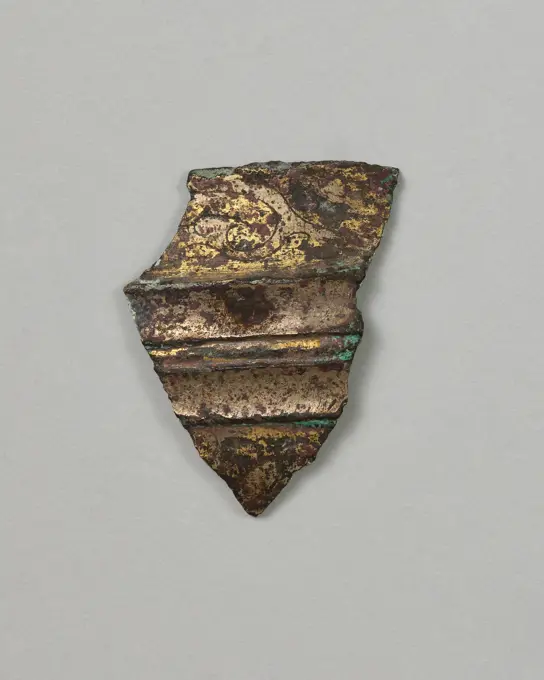
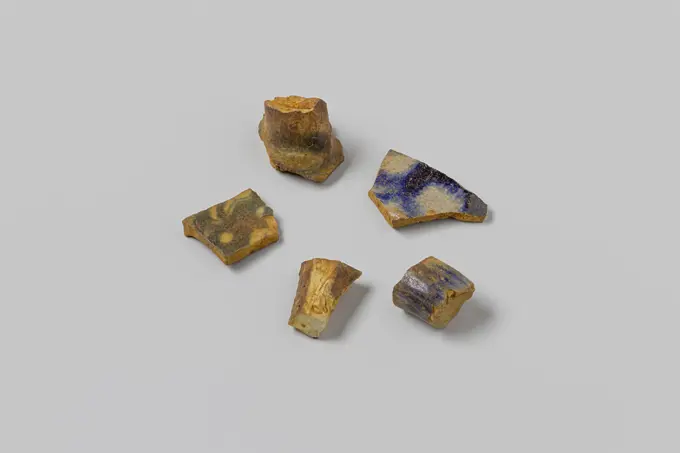
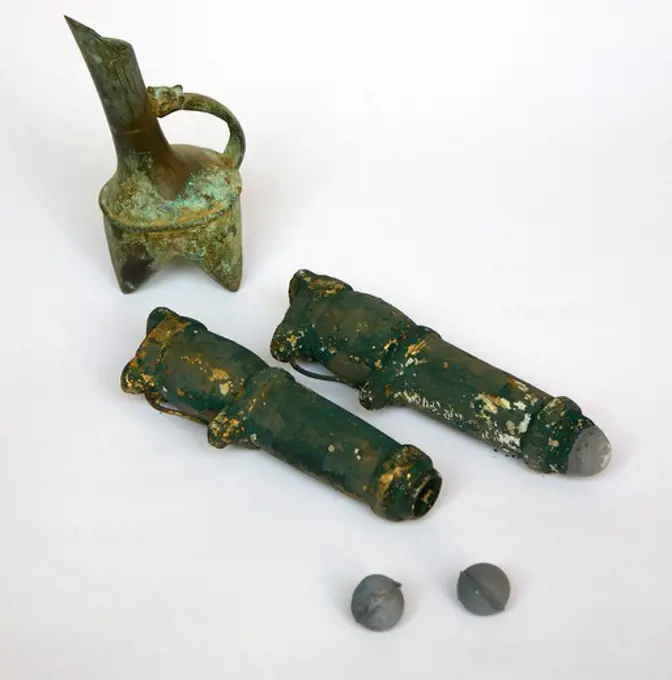
Basin fragment. Golden bronze. Cernuschi Museum, Asia Museum of Asia in the city of Paris.
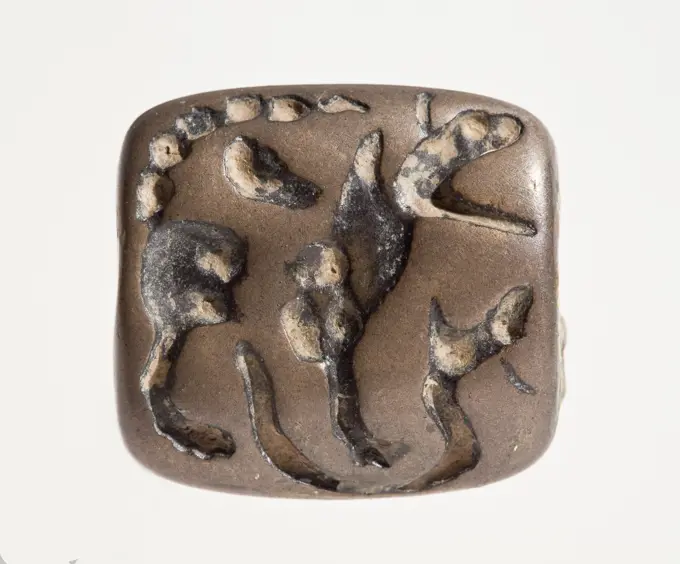
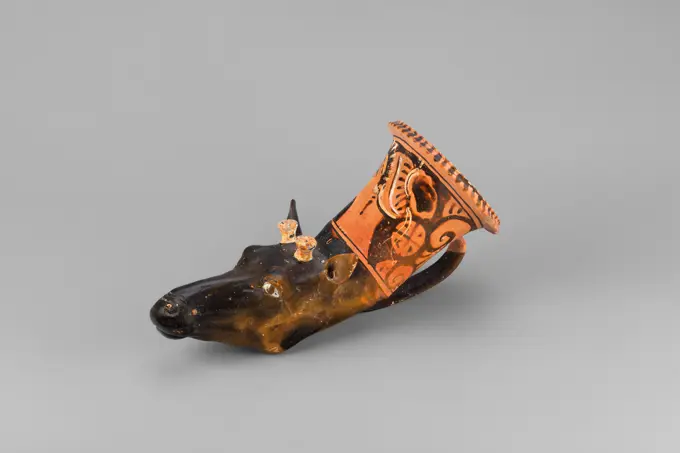
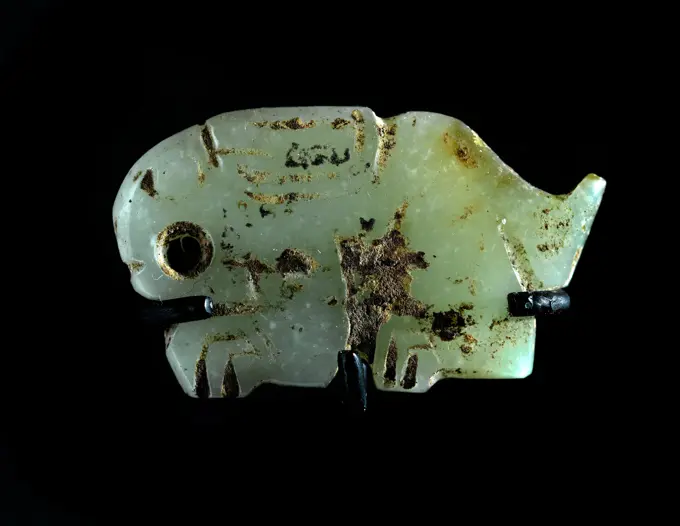
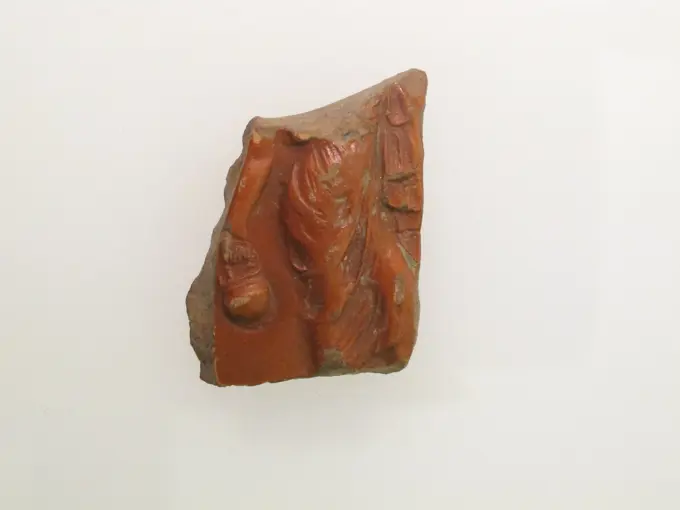
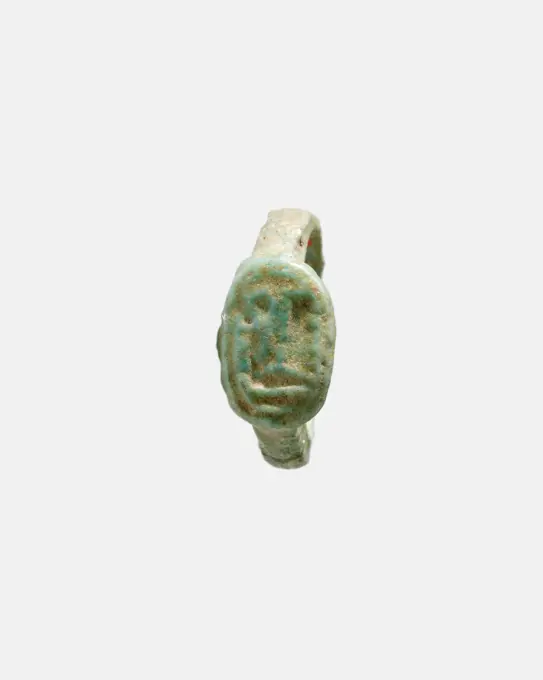
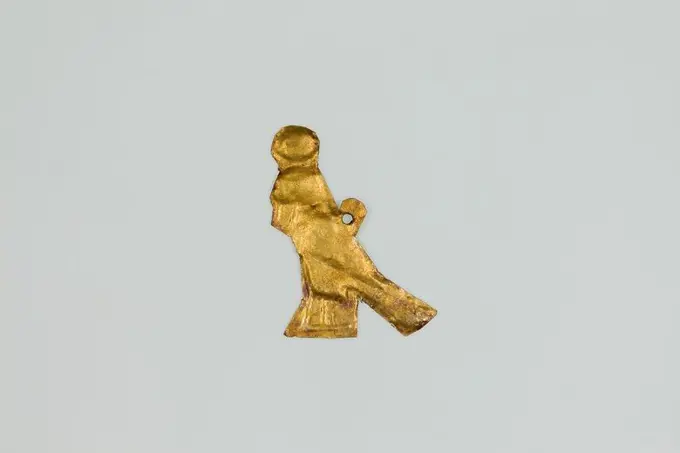
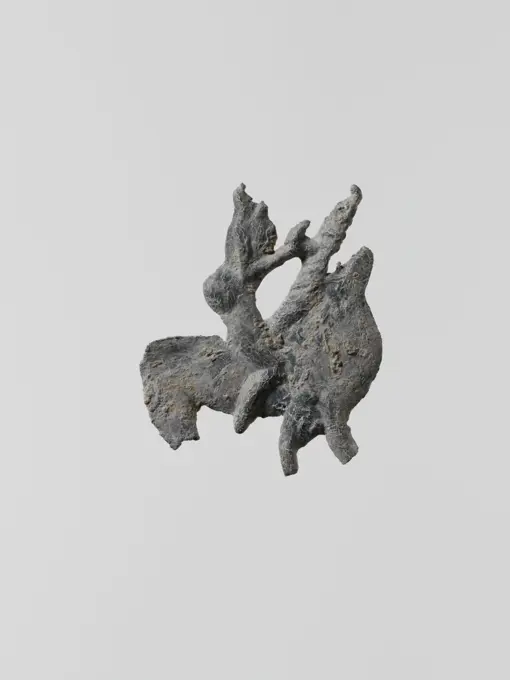
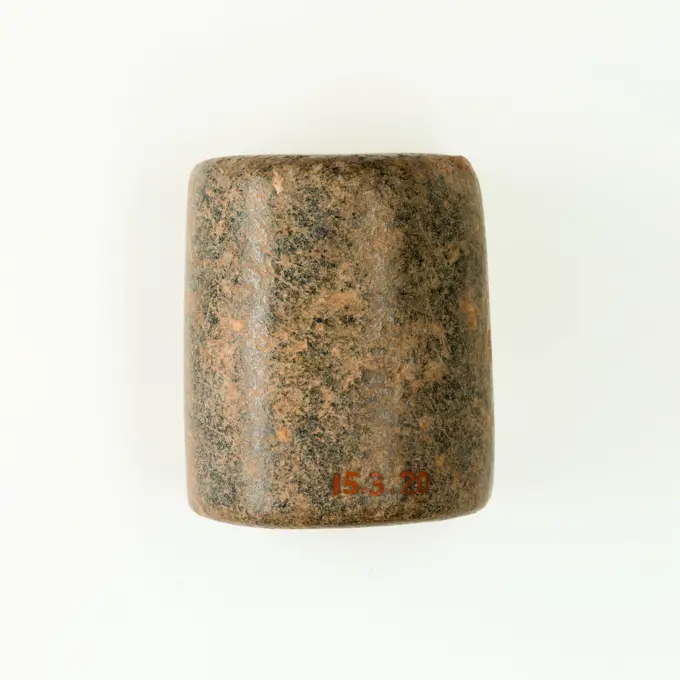
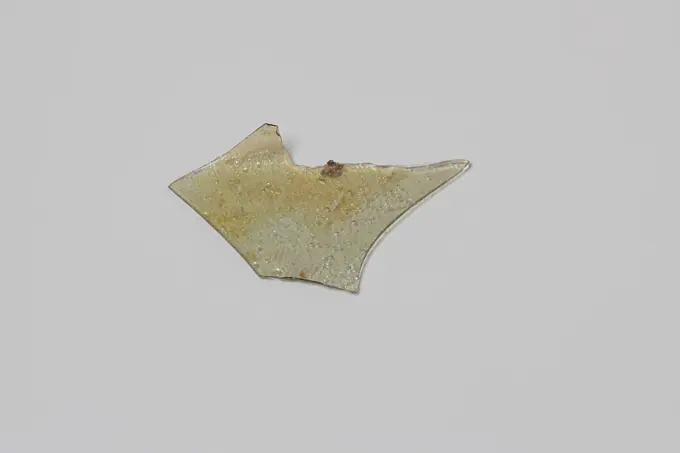
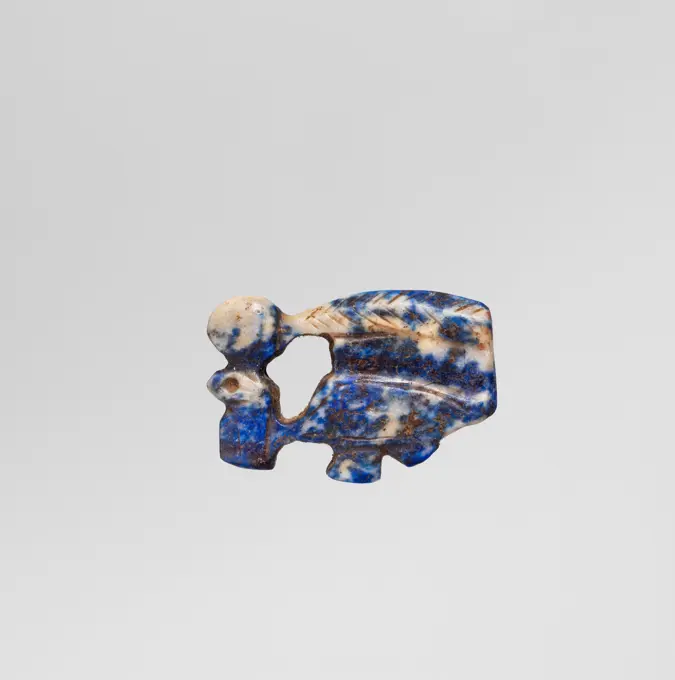
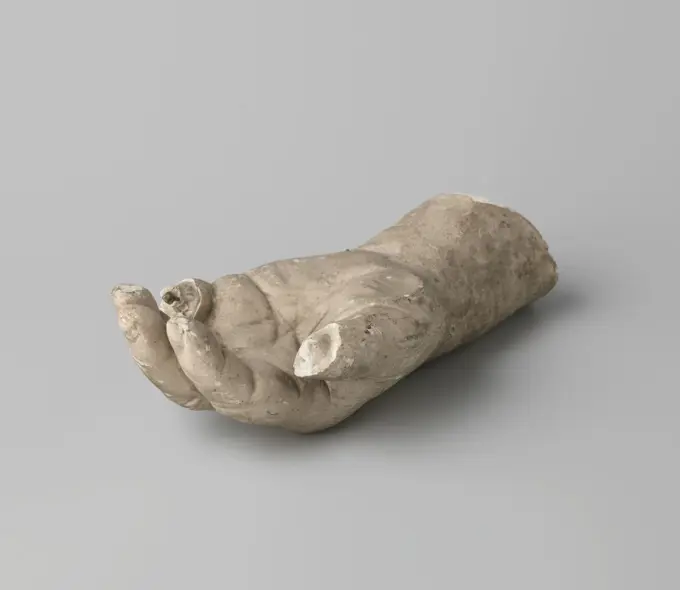
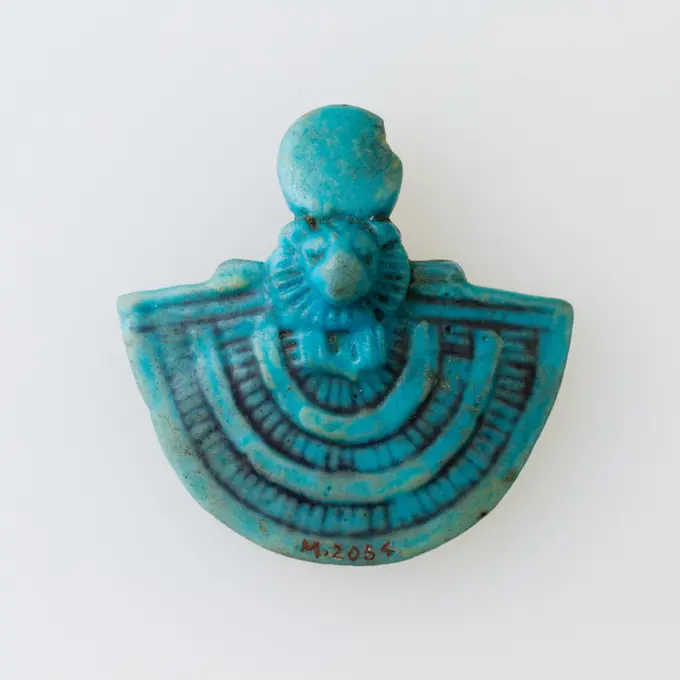
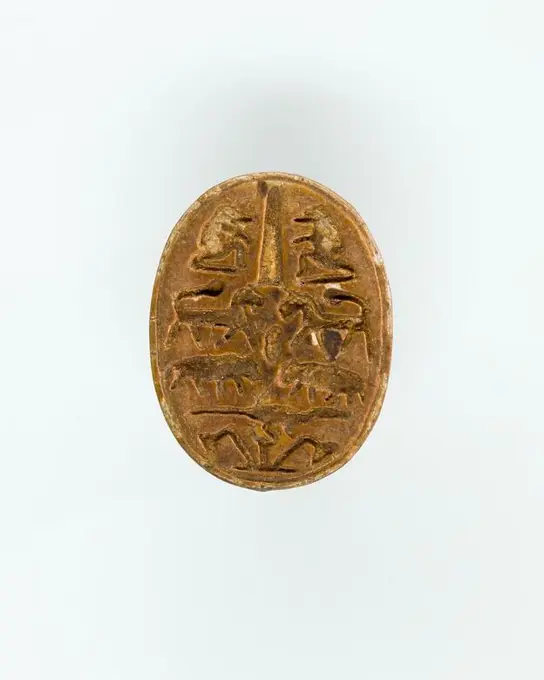
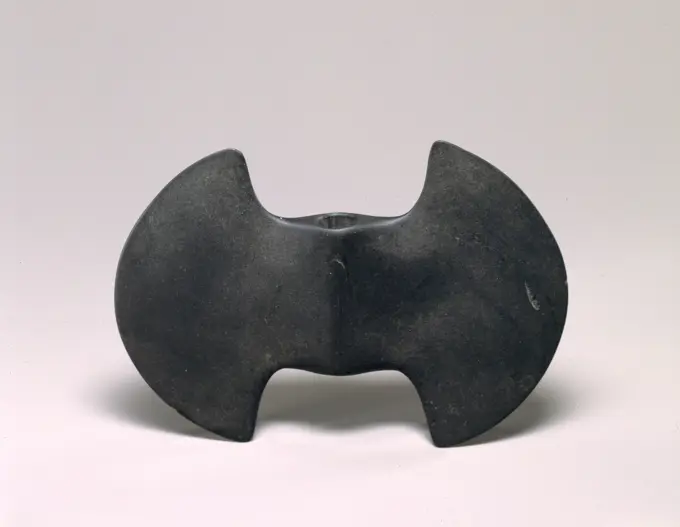
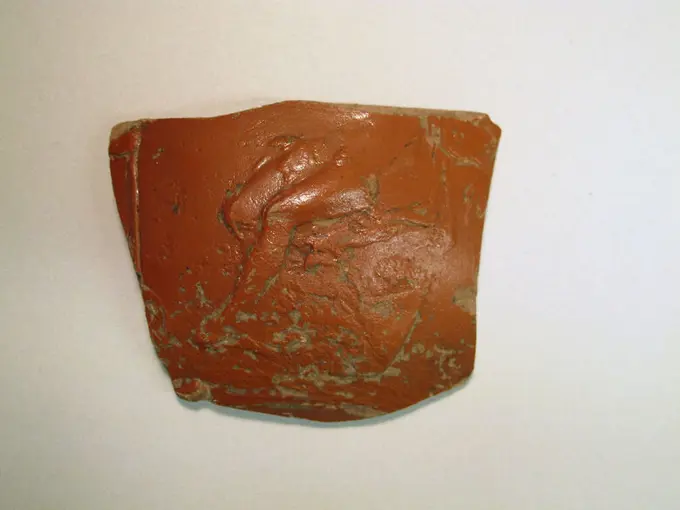
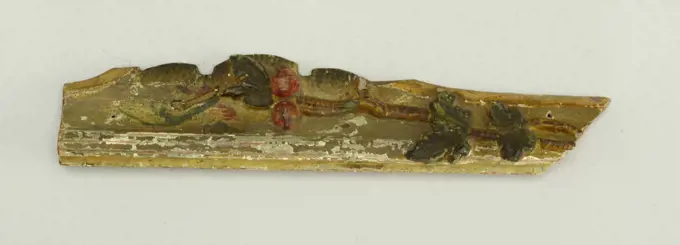
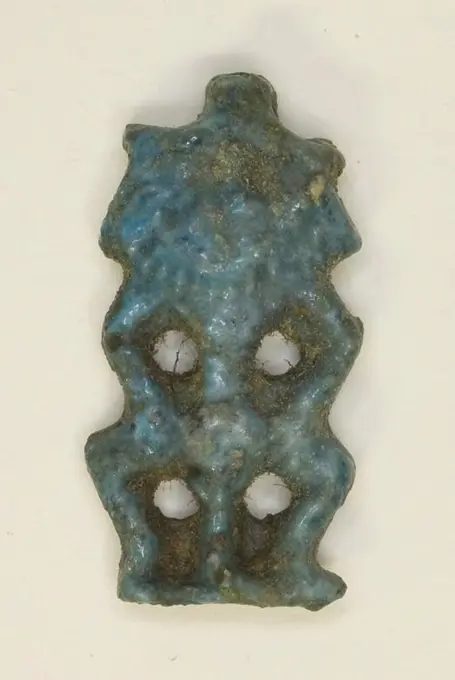
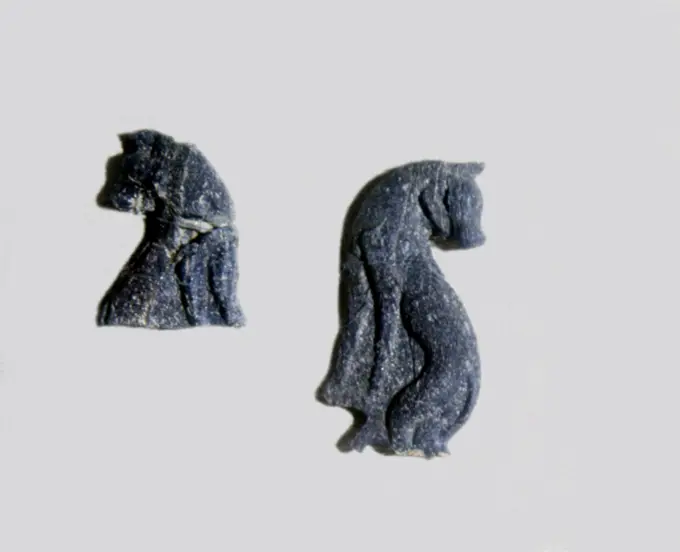
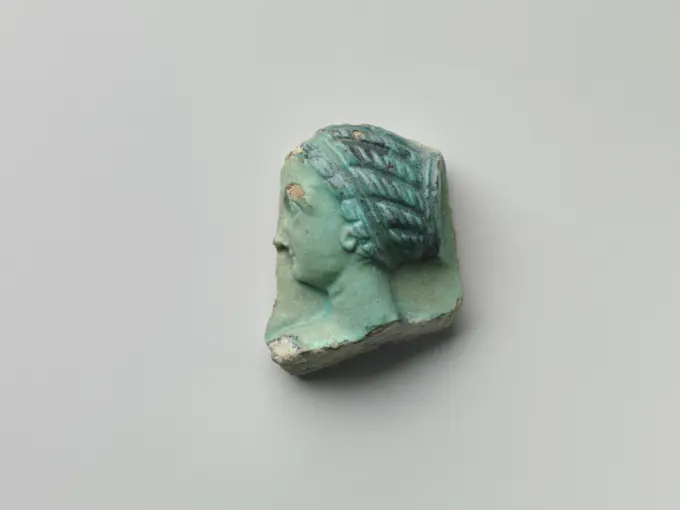
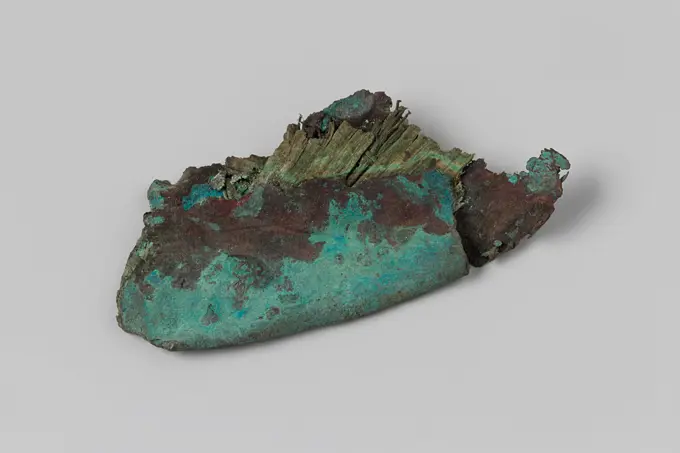
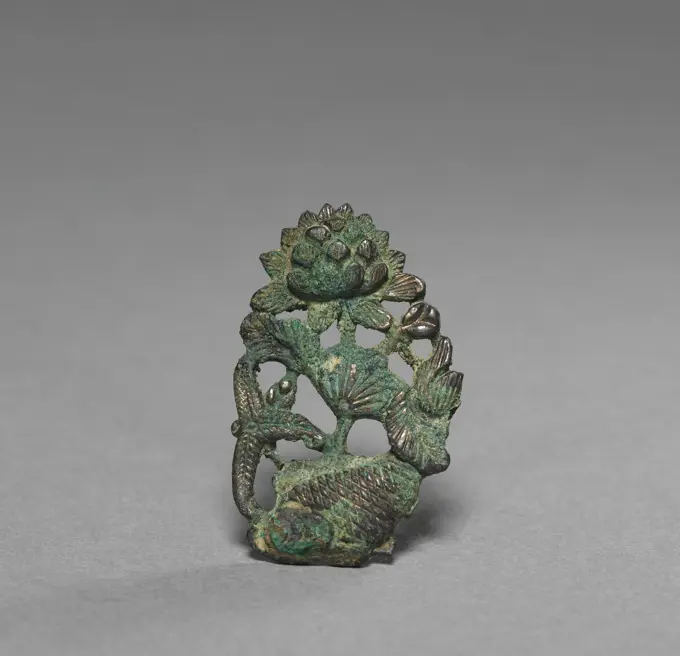
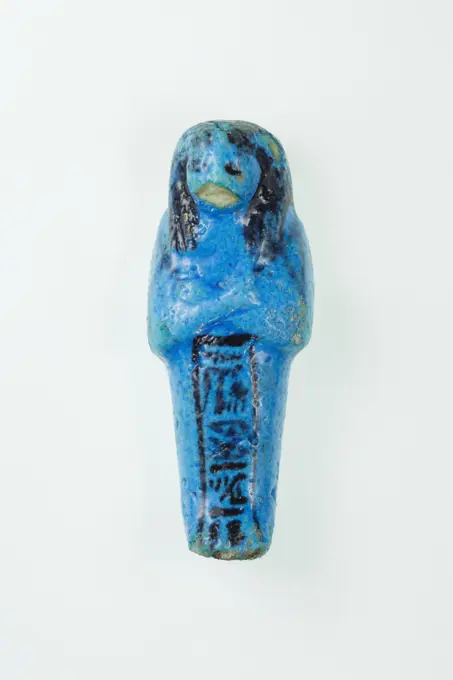
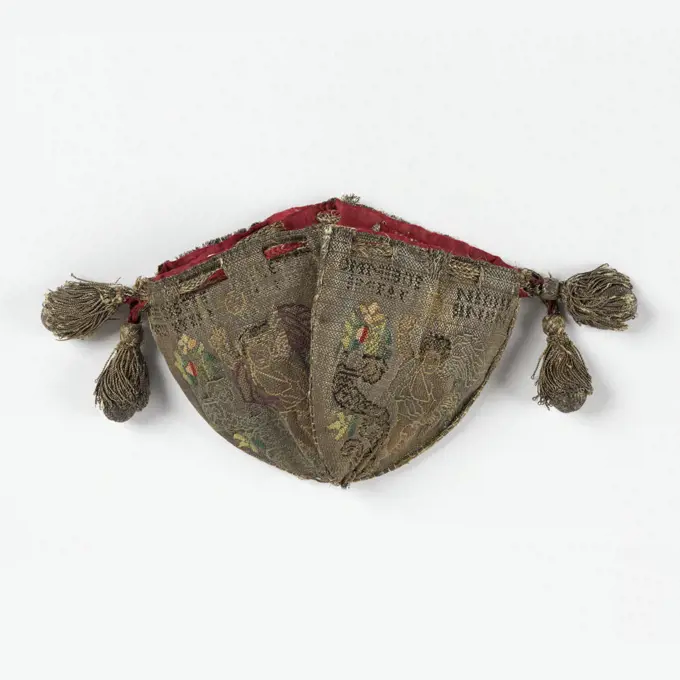
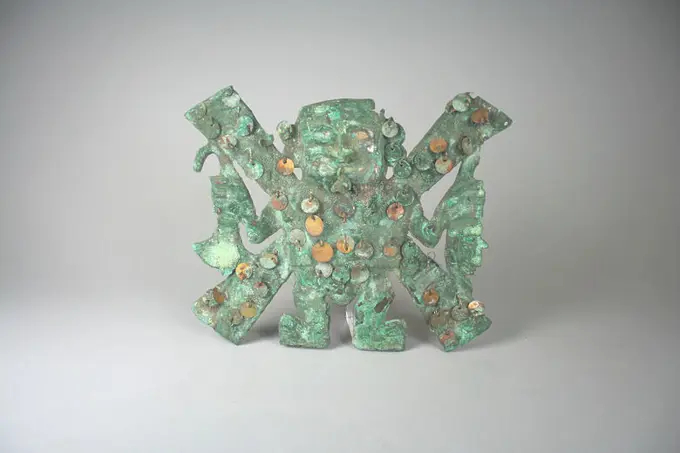
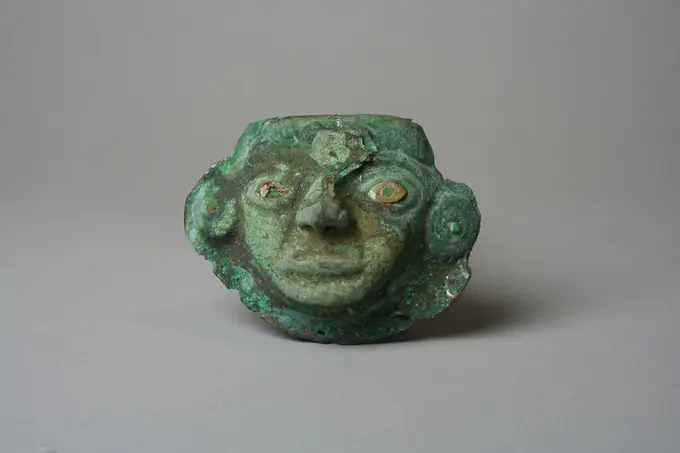
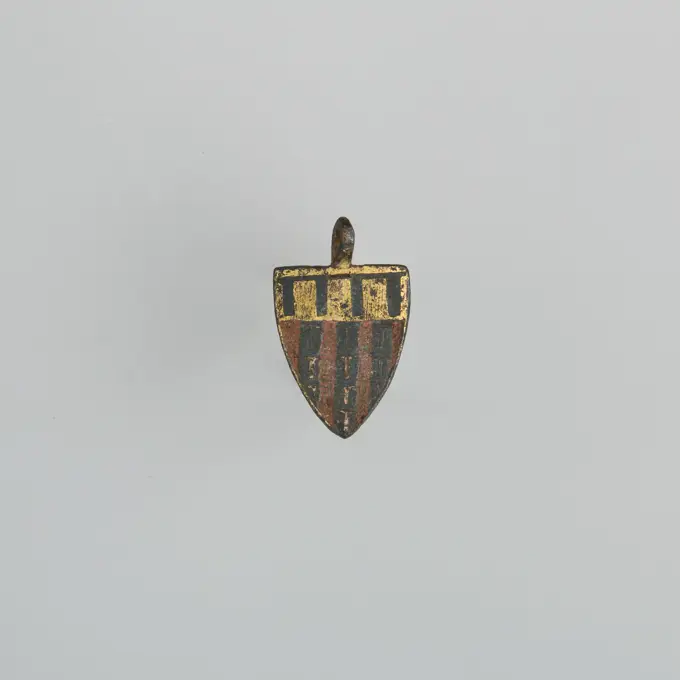
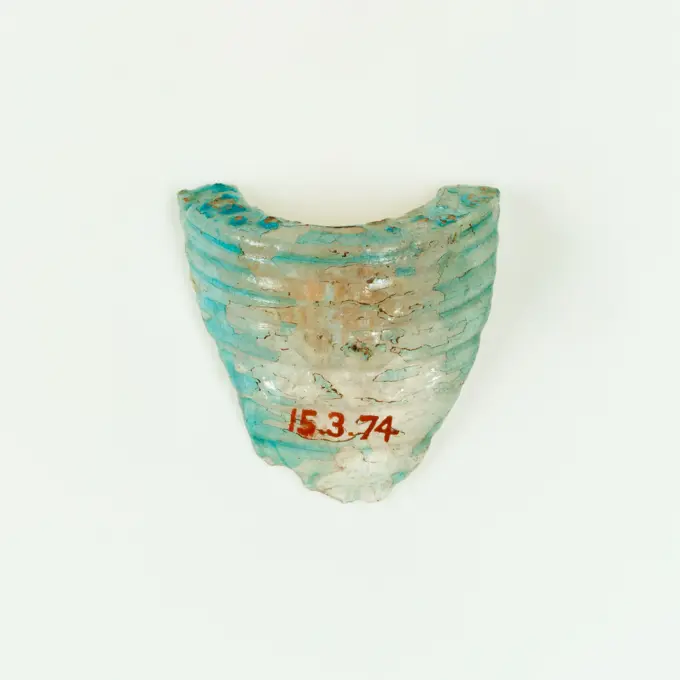
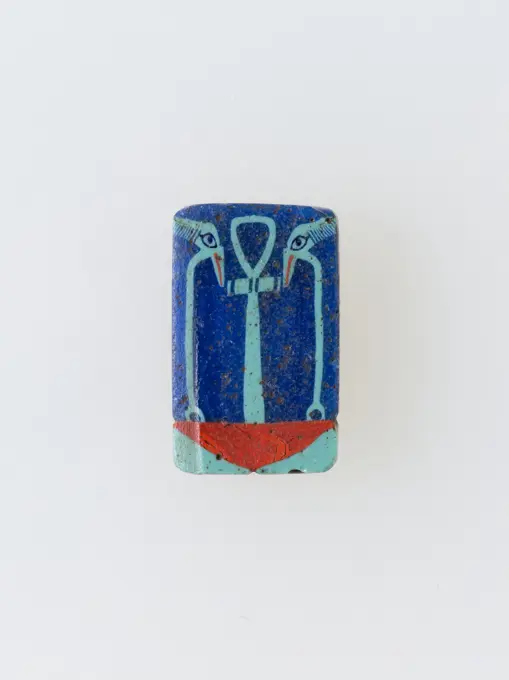
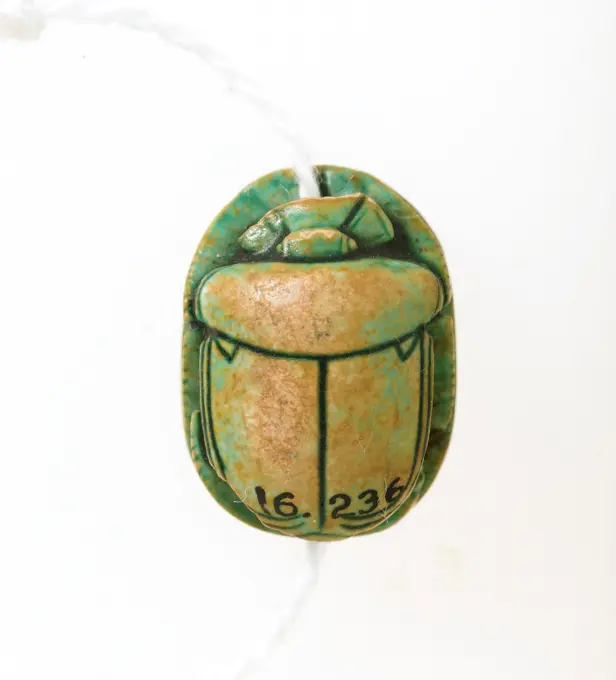
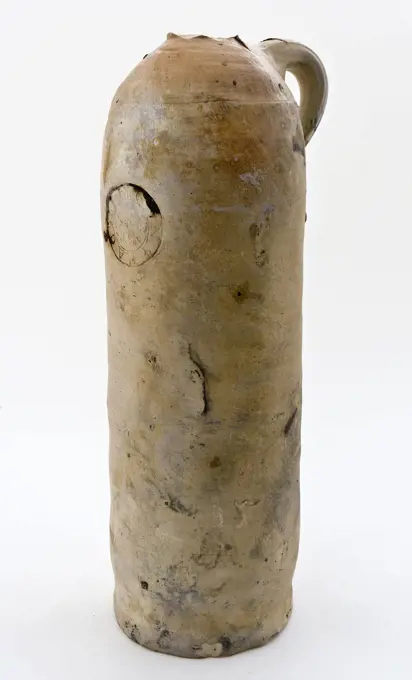
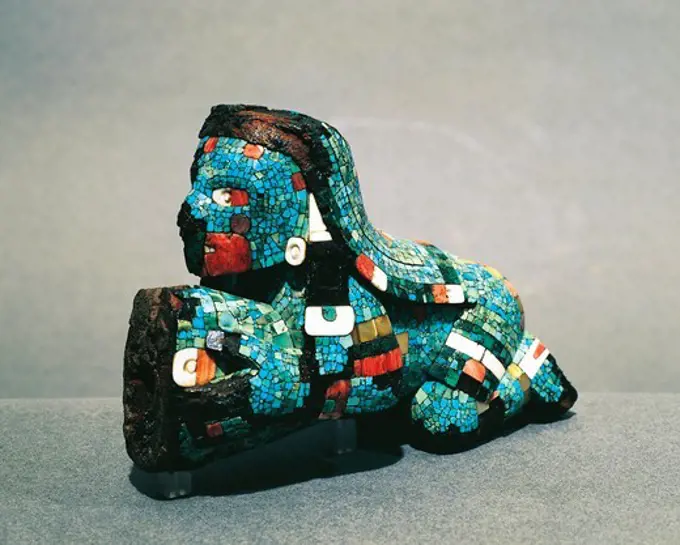
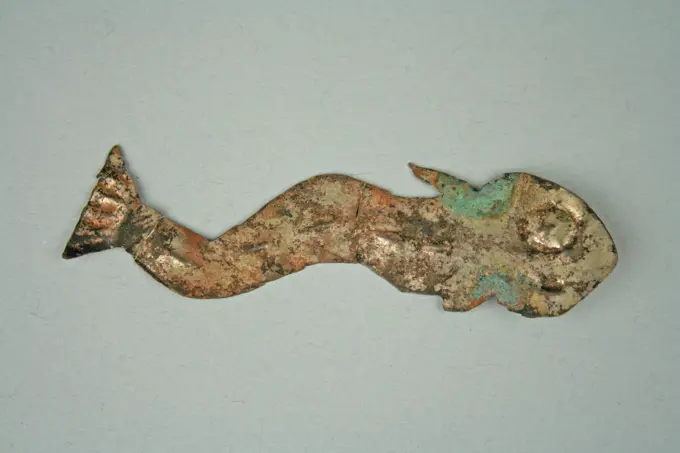
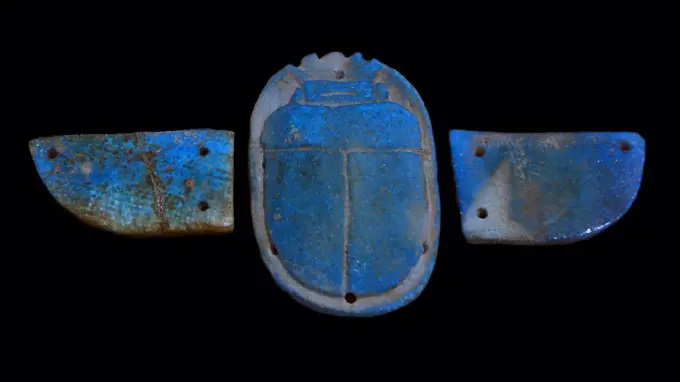
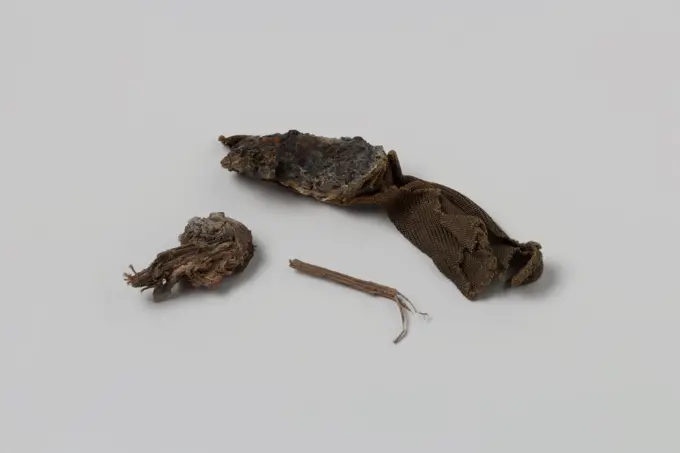
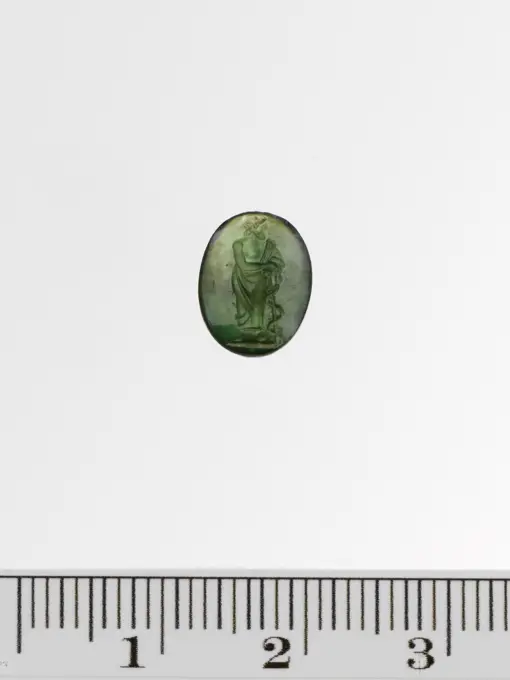
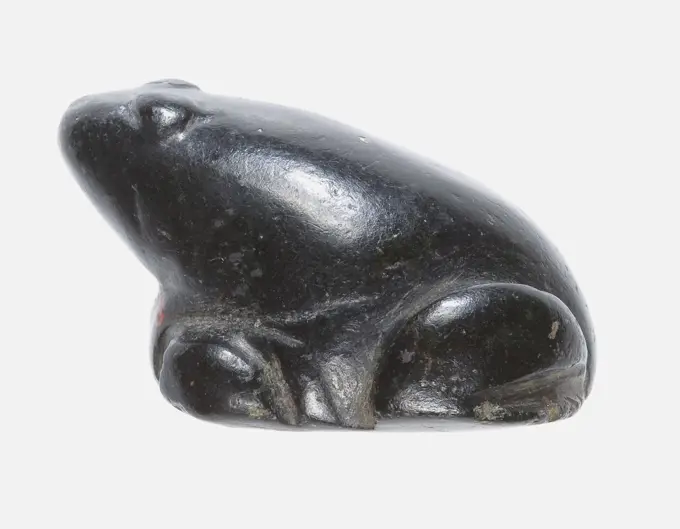
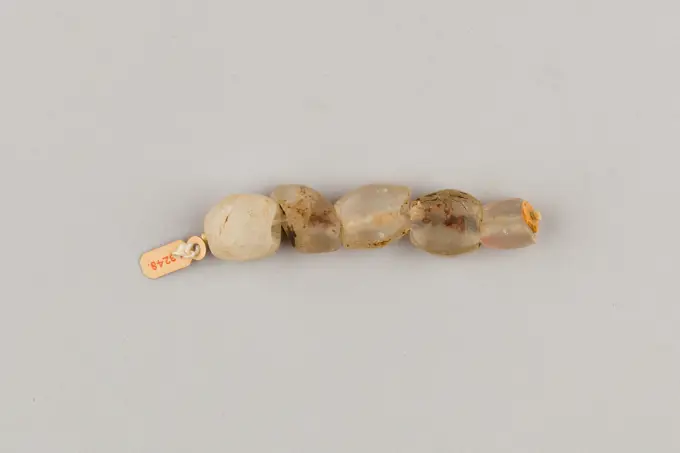
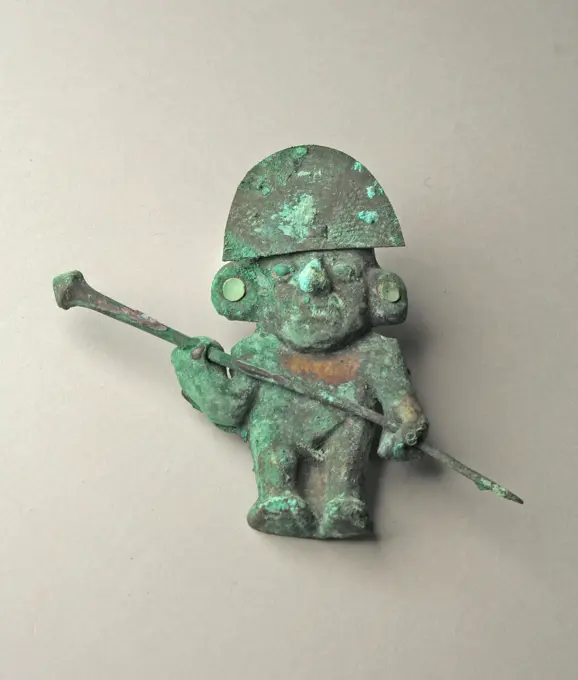
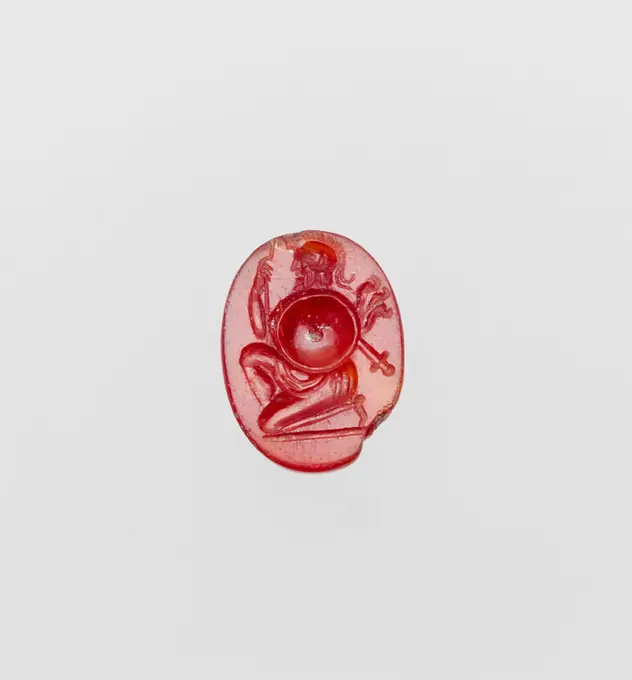
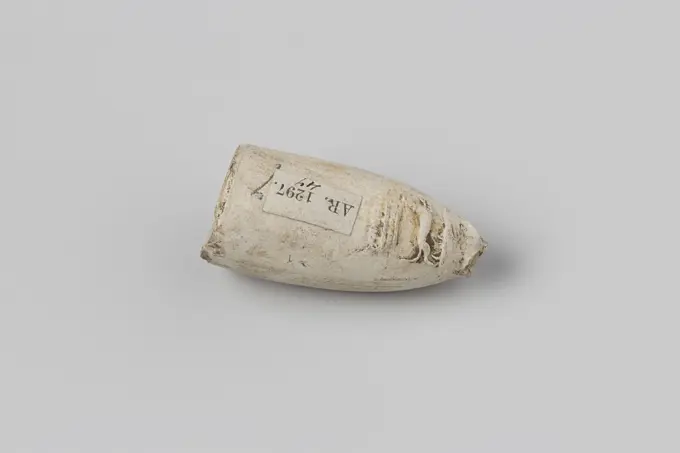
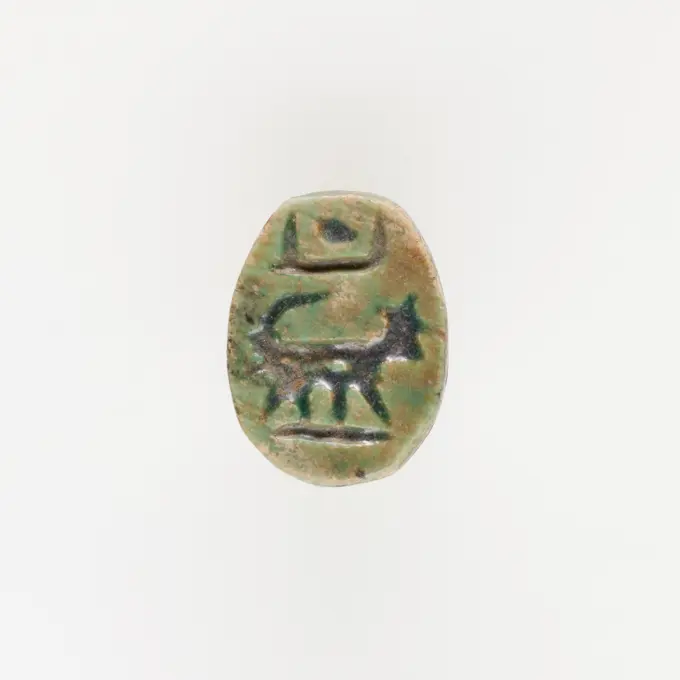
Scarab with Quadruped ca. 1186-945 B.C. New Kingdom - Third Intermediate Period The underside of this scarab shows a quadruped marching to the right, with a solar symbol above its back. While the animals features are not clear enough to identify it with certainty, the long upward curled tail and prominent ears make it most likely to be a lion. This interpretation is supported by the fact that, in ancient Egypt, lions and leonine deities were often associated with the power of the sun (the god Re), who is here referred to in the sun disk placed at the top.. Scarab with Quadruped 545254Stamp Seal. Iran, Bactria or Mesopotamia, about 2nd millennium B.C.. Tools and Equipment; seals. BronzeRyton czerwonofigurowy w kształcie głowy żyrafy. Grupa Stoke-on-trents (ca 300 r. p.n.e.)Pin 4th century B.C. European. Pin 90135Hare ". Nephritis. Paris, Cernuschi museum. 39228-18 LIEVRE, NEPHRITEVase fragment 1st century B.C.-1st century A.D. Roman Priestess of Isis.. Vase fragment. Roman. 1st century B.C.-1st century A.D.. Terracotta. VasesCylinder seal of Senwosret III ca. 1878-1840 B.C. Middle Kingdom. Cylinder seal of Senwosret III. ca. 1878-1840 B.C.. Glazed steatite. Middle Kingdom. From Egypt, Memphite Region, Lisht North, Cemetery, debris, MMA excavations. Dynasty 12Ring ca. 1550-1070 B.C. New Kingdom. Ring. ca. 1550-1070 B.C.. Faience. New Kingdom. From Egypt; Probably from Northern Upper Egypt, Deir el-Ballas. Dynasty 18Anonymous, cut (common name). Cernuschi Museum, Asia Museum of Asia in the city of Paris.Fragment pipe head. Fragment pipe head with a crown, a fish and waves, and the letters I v a depicted. Of the excavations at the Hofstede Arentsburg 1827-1831 under the supervision of professor Reuvens.Ba-bird with sun disk amulet. Dimensions: l. 1.8 cm (11/16 in.) × h. 2.2 cm (7/8 in.). Dynasty: Dynasty 26-29. Date: 664-380 B.C.. Museum: Metropolitan Museum of Art, New York, USA.Round Plaque 3rd century B.C.-A.D. 2nd century Vicús. Round Plaque. Vicús. 3rd century B.C.-A.D. 2nd century. Copper (hammered), gilt, cloth fragments. Peru. Metal-OrnamentsFist Ornament 6th-7th century Moche (Loma Negra). Fist Ornament 315196Scarab of Ramesses II. Dimensions: L. 1.6 cm (5/8 in.). Dynasty: Dynasty 19-20. Date: ca. 1295-1070 B.C.. Museum: Metropolitan Museum of Art, New York, USA.Lead figure of a horseman 6th-5th century B.C. Greek, Laconian Small flat votive figurines of cast lead have been found in great quantities at the ancient sanctuaries of Laconia; over one hundred thousand, dating from the seventh century B.C. to the Classical period, were dedicated to the goddess Artemis Orthia in Sparta.. Lead figure of a horseman 251666 Greek, Laconian, Lead figure of a horseman, 6th5th century B.C., Lead, Height: 1 3/8 in. (3.5 cm). The Metropolitan Museum of Art, New York. Gift of A. J. B. Wace, 1924 (24.195.100)Worker Shabti of Nauny Third Intermediate Period ca. 1050 B.C. Almost 400 small funerary figures known as shabtis were found with Naunys burial. These can be seen as avatars, meant to carry out agricultural labor on Naunys behalf in the afterlife.Bird Plaque Ornament. Culture: Vicús. Dimensions: H. 2 x W. 2 in. (5 x 5 cm). Date: 3rd century B.C.-A.D. 2nd century. Museum: Metropolitan Museum of Art, New York, USA.Weight of 5 debens ca. 1981-1640 B.C. Middle Kingdom. Weight of 5 debens 557321Fragment of a basement bottle from the wreck of the East India Flying Heart. The very thin, peeled glass fragment is green in color. Case Bottle.Amulet - oko udżat z ureuszem. unknown, authorBottle. unknown, craftsmanCast of Hand Bilderdijk, 1500 - 2000   gypsum   gypsumTabakspijp..Tobacco pipe. The stem tors-shaped.Ring Weight 847-61 Glass weights were commonly used in financial transactions. Their molded inscriptions often include the name of the ruling caliph. Heavier ring weights were used to weigh food and other commodities. When the governor changed, a new stamp would often be added.. Ring Weight 445366goldsmith's mold, carved stone, first millennium BC, Huesca museum, Aragon community, Spain.Fragment of a Checkerboard Patterned Inlay. Egyptian. Date: 100 BC-1 BC. Dimensions: 2 × 1.5 × 1 cm (3/4 × 9/16 × 3/8 in.). Glass, mosaic technique. Origin: Italy. Museum: The Chicago Art Institute, Chicago, USA. Author: Ancient Egyptian.Aegis of Sakhmet or Bastet 664-30 B.C. Late Period-Ptolemaic Period An aegis is a collarlike necklace (often called a broad-collar) bearing a divine head as symbol of protection and fertility. The aegis was an element of a sacred menat necklace from at least the 18th dynasty. Heads of Lion- or cat-headed goddesses were most frequently depicted, but other goddesses and some gods might appear.Small faience examples like this one might serve as amulets.. Aegis of Sakhmet or Bastet. 664-30 B.C.. Faience. Late Period-Ptolemaic Period. From EgyptFish Ornament. Culture: Peru; central coast (). Dimensions: L. 1 1/2 in. (3.8 cm). Date: 11th-12th century. Museum: Metropolitan Museum of Art, New York, USA.Mordant 15th-17th century European. Mordant. European. 15th-17th century. Bronze. Miscellaneous-Buckles & OrnamentFragment of a Bowl 100 BCE-100 CE Roman Empire. In ancient Rome, there was a high demand for colorful glass that could dazzle banquet guests alongside the expensive silver and gold serving wares meant to impress. Fragments like this one would have once been a part of larger mosaic dishes. The mosaic pattern was made by sagging molten glass into bowl-shaped molds, a technique used on many of these fragments is similar to millefiori, ìthousand flowersî in Italian, a modern glass-making method in which tiny rods of colored glass are bundled together, wrapped in a sheet of glass, fused, and then thinly sliced to reveal swirls of a flower-like patterns. They were arranged side by side, sometimes together with bits of colored glass, and fused together with heat.. Glass, mosaic technique . Ancient RomanScarab. Dimensions: L. 1.7 cm (11/16 in.); W. 1.3 cm (1/2 in.); H. 0.6 cm (1/4 in.). Dynasty: Dynasty 19. Date: ca. 1295-1186 B.C.. Museum: Metropolitan Museum of Art, New York, USA.Bannerstone 5000-4000 B.C. Archaic. Bannerstone. Archaic. 5000-4000 B.C.. Shale. United States, Illinois. Stone-ImplementsVase fragment. Culture: Roman. Dimensions: 2 9/16 × 3 1/8 × 5/16 in. (6.6 × 8 × 0.7 cm).Seated man. Museum: Metropolitan Museum of Art, New York, USA.Fragment, wood, painted and gilded, Portion of a carved Venetian moulding, painted cream, green and red; flowers and fruit with running foliage. Scrolled edge., ca. 1750, Decorative Arts, FragmentAmulet of the God Bes. Egyptian. Date: 1500 BC-664 BC. Dimensions: 3.3 x 1.3 x 3.3 cm (1 5/16 x 1/2 x 3/16 in.). Faience. Origin: Egypt. Museum: The Chicago Art Institute, Chicago, USA. Author: Ancient Egyptian.Scarab Amulet 664-332 B.C. Late Period. Scarab Amulet 555154Mycenean cats from the Shaft Graves. Mycenae, 1800 BC. GREECE.Cameo glass fragment. Culture: Roman. Dimensions: Overall: 1 1/2 x 2 1/16 in. (3.8 x 5.2 cm). Date: 1st half of 1st century A.D..Translucent cobalt blue with opaque white overlay.Flat underside; top surface with shallow relief decoration.In relief in white, head and upper torso of a naked youthful satyr, facing left with head in profile and back in three-quarter view, and proper right left dropped before him and head slightly raised; he appears to be lifting a large circular object, part of which survives in front of him to the left.Broken on all sides; dulling, slight pitting, patches of creamy weathering and iridescence.The fragment comes from a flat panel of glass, probably a plaque rather than a vessel. Museum: Metropolitan Museum of Art, New York, USA.Fragment of a Vase Depicting Arsinoe II 275-270 B.C.or a bit later Ptolemaic Period Ptolemaic oinochoai (wine-jugs) with portraits of the queens were libation vessels associated with the royal cult, most likely with the Arsinoeia, the festival established in honor of Arsinoe II. On complete examples, the figure of the queen pours a libation at a sacrificial altar with a sacred pillar standing behind her, a scene which suggests that underworld gods are addressed, possibly funerary gods. The ritual use of faience and stylistic features are indicators of the influence of traditional Egyptian culture on the type.A good many fragments of such vessels are preserved, many from Alexandria, some from a few other sites in Egypt and from around the Mediterranean. They might have been distributed or purchased for use at the festival, and may well have acquired other uses, including a funerary association, since a number of examples were found in cemeteries. The type seems to extend from Arsinoe IIFragment of buyer from the wreck of the East India Hollandia.parts or artifacts; eroded fragments: Materials; Copper.Plate and Nail. Culture: European. Dimensions: Overall: 3 3/8 in. (8.6 cm). Date: 15th-16th century. Museum: Metropolitan Museum of Art, New York, USA.Cap early 18th century European. Cap. European. early 18th century. silk, metal threadMosaic glass fragment. The small glass fragment shows a green reason several points, which consist of white, black and blue dots. At two of these points, lines from the same colors are drawn. In Roman times, they used colored, ornamented glass for vessels, mosaics, wall decorations and furniture ornaments. For the production, different colored glasses were shaped to tubes and rods. These were compressed and heated, causing a long bar. The glass sliced now had a wide variety of amorphous or floral patterns.Ornament with Carp and Lotus Design, 1100s. Korea, Goryeo period (918-1392). Gilt bronze; overall: 3.2 x 2 cm (1 1/4 x 13/16 in.).Seven ScarabsFinial (France); bronzeStone Temple Model 1st-8th century Mezcala. Stone Temple Model 317527Sulfur stick with pressed rosettes, anonymous, c. 1775 - c. 1850 Rectangular sulfur stick box of lead glaze pottery. The high rear leaf has a round top, in which a bearing eye. The container is decorated with pressed rosettes. Holland (possibly)Friesland (possibly) earthenware. lead glaze Rectangular sulfur stick box of lead glaze pottery. The high rear leaf has a round top, in which a bearing eye. The container is decorated with pressed rosettes. Holland (possibly)Friesland (possibly) earthenware. lead glazeLife, weight or shooting shed, cone -shaped with flattened top in which a hole is applied, anonymous, c. 1590 - c. 1596 weight Life, weight or shovel, cone -shaped with a flattened top in which a hole is applied and a cavity or soul on the bottom. The kill can be attached to a thin cord. This lead may have been part of a nautical instrument (a quadrant).  lead (metal) casting  Nova Zembla. Saving HuysBead ca. late 8th millennium B.C.. Bead. ca. late 8th millennium B.C.. Talc. Neolithic. SyriaWorker Shabti of Nany ca. 1050 B.C. Third Intermediate Period See 30.3.27.1a, b. Worker Shabti of Nany. ca. 1050 B.C.. Faience. Third Intermediate Period. From Egypt, Upper Egypt, Thebes, Deir el-Bahri, Tomb of Meritamun (TT 358, MMA 65), first corridor, burial of Nany, MMA excavations, 1928-29. Dynasty 21Glass portrait head. Culture: Roman. Dimensions: Height: 1 15/16 in. (5 cm). Date: 1st half of 4th century A.D..Opaque deep red.Solid block.Carved in the round: male head with short wavy hair and fringe across forehead, arched brows, large eyes, and clean shaven face.Broken, with large unweathered chip in proper right side of face and side of head, and weathered chips to nose, mouth, and chin; green copper weathering surface.This small portrait head may represent a prince from the family of Constantine I. Museum: Metropolitan Museum of Art, New York, USA.Purse, Medium: silk, metal Technique: tapestry woven, Small silk bag composed of four shield-shaped panels in cloth of silver brocaded in silk. A winged figure points to an inscription (indecipherable); a cornucopia of flowers; a sunburst. Panels joined by narrow gold braid, with draw cords of braided gold with tassels., France, 17th century, costume & accessories, PurseShards of a sign from V.O.C. ship De 'Witte Leeuw', Anonymous, Before 1613 plate (dishes) Shards of a sign from V.O.C. ship De 'Witte Leeuw', 20 present. Jingdezhen bone china (material)   Sint-HelenaWall revetment, marble pattern. Dimensions: H. 3.5 × W. 9 cm (1 3/8 × 3 9/16 in.). Date: 200 BC-100 AD.Glass plaques imitating expensive marble or stones were used as wall coverings. Museum: Metropolitan Museum of Art, New York, USA.Deity Ornament. Culture: Moche (Loma Negra). Dimensions: Height 9-5/32 in.. Date: 390-450. Museum: Metropolitan Museum of Art, New York, USA.Bead China. Bead 43168Lead figure of a man with a spear or scepter. Culture: Greek, Laconian. Dimensions: Height: 1 5/16 in. (3.3 cm). Date: 6th-5th century B.C..Small flat votive figurines of cast lead have been found in great quantities at the ancient sanctuaries of Laconia; over one hundred thousand, dating from the seventh century B.C. to the Classical period, were dedicated to the goddess Artemis Orthia in Sparta. Museum: Metropolitan Museum of Art, New York, USA.Shards of pots from the wreck of the East India Hollandia.Stoneware, Rhenish, Westerwald, Pot: Fragm or Handle; Fragm or body sim. NG 1980-27H2624R.Animal Ornament 6th-7th century Moche (Loma Negra). Animal Ornament 315166Face Mask Ornament. Culture: Moche (Loma Negra). Dimensions: H x W: 2 3/8 x 3 1/8in. (6 x 8cm). Date: 390-450. Museum: Metropolitan Museum of Art, New York, USA.Twenty-sided die (icosahedron) with faces inscribed with Greek letters. Dimensions: Height: 2.7 x L: 3 x W: 2.8 cm (1 1/16 x 1 3/16 x 1 1/8 in.). Date: 2nd century B.C.-4th century A.D..A number of polyhedral dice made in various materials have survived from the Hellenistic and Roman periods, usually from ancient Egypt when known. Several are in the Egyptian or Greek and Roman collections at the Museum. The icosahedron - 20-sided polyhedron - is frequent. Most often each face of the die is inscribed with a number in Greek and/or Latin up to the number of faces on the polyhedron. Nothing specific about the use of these polyhedra is preserved, so theories are built on clues provided by some variant examples. One unusual example uses Greek words, a few of which resemble those associated with throws of the astragals (knucklebones), and this has led to suggestions they were used for games. Another remarkable example discovered in Dakhleh Oasis in Egypt in the 1980s records an Egyptian godBadge or Harness Pendant ca. 1400 Spanish Heraldry, or coat-of-arms, were vitally important in Europe throughout the Middle Ages and the Renaissance. Heraldic emblems were used to identify noble families, cities, regions, and even countries. In addition to being displayed on shields and flags, heraldry was incorporated into architectural decoration on the interior and the exterior of buildings, on furniture, works of art, clothing, and horse equipment. Harness pendants, like this example, would have been attached to a headstall, bridle, or other straps making up the tack of a horse ridden by a nobleman or noblewoman, or a member of their household. Many harness pendants also have decoration that is simply ornamental, or have symbols that are not specifically heraldic in nature.. Badge or Harness Pendant. Spanish. ca. 1400. Copper, gold, enamel. Miscellaneous-BadgesShard: Lotus Flower (Partial with Costume Fragment) ca. 4th-5th century Pakistan. Shard: Lotus Flower (Partial with Costume Fragment). Pakistan. ca. 4th-5th century. Painted terracotta. CeramicsFragment of vase ca. 1850-1640 B.C. Middle Kingdom. Fragment of vase 557336Inlay, ankh with was scepters 100 BC-100 AD Ptolemaic Period-Roman Period A mosaic glass technique allowed multiples of an image to be created: a figural or design composition was made by bundling colored glass canes, which were then drawn out into a long bar. The bar was then sectioned at right angles, probably by striking the bar with appropriate tools, to produce small inlay tiles. The tile would then be smoothed and polished on the face intended to appear outwards.. Inlay, ankh with was scepters. 100 BC-100 AD. Glass. Ptolemaic Period-Roman Period. From EgyptMosaic MaskMale Head. UnknownStatuette of a bull Greek, Laconian. Statuette of a bull 251683 Greek, Laconian, Statuette of a bull, Lead, Height: 1 7/16 in. (3.7 cm). The Metropolitan Museum of Art, New York. Gift of A. J. B. Wace, 1924 (24.195.117)Scarab, 1504-1450 BCE, 1/2 in. (1.3 cm), green-glazed steatite, Egypt, 16th-15th century BCEStoneware mineral pitcher, cylindrical with round shoulder, sausage ear and short neck, mineral water pitcher jar product packaging container soil find ceramic stoneware glaze salt glaze approx., hand turned glazed baked Stoneware mineral pitchers cylindrical with round shoulder short neck and sausage ear. Stand area with traces of deduction and soul. Glazed. Marked under the ear and marked on the front with medallion Medallion in the medallion: FACHINGEN in the midfield left clawing lion archeology Rotterdam Kralingen-Crooswijk Struisenburg Oostmaaslaan Boslaan Buizengat advertising indigenous pottery import drinking water drinking medicine packaging Soil discovery: Buizengat Oostmaaslaan Boslaan Rotterdam an old landfill of urban waste.Detail of a Celtic bronze torc, 4th century BC. Artist: UnknownScarab Inscribed for the King's Daughter Neferure ca. 1479-1458 B.C. New Kingdom. Scarab Inscribed for the King's Daughter Neferure. ca. 1479-1458 B.C.. Steatite (glazed). New Kingdom. From Egypt, Upper Egypt, Thebes, Deir el-Bahri, Temple of Hatshepsut, Foundation Deposit 7 (G), MMA excavations, 1926-27. Dynasty 18Plaque. Western Inner Mongolia, 5th-3rd century B.C.. Sculpture; plaques. Bronze, castLambis Lambis from v.O.c.-ship the 'white lion'. Shell from v.o.c.-ship the 'white lion'. One of five shells.Intaglio with standing female figure holding offeringdishNeith () amulet. Dimensions: l. 4 cm (1 9/16 in.) × h. 1.2 cm (1/2 in.). Dynasty: Dynasty 26-29. Date: 664-380 B.C.. Museum: Metropolitan Museum of Art, New York, USA.Sacrificial dagger hilt in shape of human figure covered with mosaic, 15th centuryFish Ornament 11th-12th century Peru; central coast (). Fish Ornament 308839Ancient Egyptian Heart scarabs from the reigns of Thutmose III and Ramesses II. The dung beetle was one of the creatures with the greatest symbolic weight in ancient Egyptian culture.Silk stocking from the wreck of the East Indies' t Vliegend Hart, which was decayed in 1735 ,, 1730 - 1735  Fragment of a silk stocking: toe. Rayy and clumped piece of textile. The textile is attached to concretion. There is also a piece of concretion loose. Middelburg silkToad Amuleet 664-380 B.C. Late Period. Toad Amuleet. 664-380 B.C.. Faience. Late Period. From Egypt. Dynasty 26-29Fragments from Spijkers from the wreck of the East Indied Flying Heart. Two fragments of copper nails, one is a head, the other is a point. Nails.Weapon in ancient timesTerracotta amphora handle with stamp 2nd half of 2nd century B.C. Greek, Rhodian The stamp bears the name of the potter Herakleon, together with a stylized bunch of grapes.. Terracotta amphora handle with stamp 241972Plasma ring stone 1st century B.C.-3rd century A.D. Roman Asklepios leaning on a staff onto which a serpent is wound.. Plasma ring stone. Roman. 1st century B.C.-3rd century A.D.. Plasma. Late Republican or Imperial. GemsBuffalo Pendant 1100 BCE-900 BCE China. Jade .Head with Lampadion Knot. UnknownSpool-shaped bead ca. 1850-1640 B.C. Middle Kingdom. Spool-shaped bead 560885Delicious sweet donut of purple color in glaze and with lilac balls Delicious sweet donut of purple color in glaze and with lilac balls with chocolate filling on a dark concrete background Copyright: xZoonar.com/TetianaxChernykovax 21388777Frog Amulet 664-380 B.C. Late Period. Frog Amulet. 664-380 B.C.. Chlorite (1994). Late Period. From Egypt. Dynasty 26-29String of 9 Beads after 600 Islamic Period. String of 9 Beads. after 600. Glass. Islamic Period. From EgyptTurbo Sarmaticus Shell on DriftwoodString of 5 beads 3rd century BC-3rd century AD  Ptolemaic or Roman Period. String of 5 beads 572127Warrior Figure 6th-7th century Moche (Loma Negra). Warrior Figure 314486Carnelian ring stone. Culture: Italic. Dimensions: Length: 11/16 in. (1.7 cm). Date: 3rd-2nd century B.C..Warrior kneeling on one knee. Museum: Metropolitan Museum of Art, New York, USA.Belt Fittings 9th-10th century. Belt Fittings. 9th-10th century. Bronze; cast, gilded. Excavated in Iran, Nishapur. MetalLoaf of Bread ca. 1492-1473 B.C. New Kingdom This conical loaf of bread was found in a basket of food that had been placed in the tomb of Hatnefer (36.3.1). The basket also contained other loaves of bread (36.3.73, 36.3.79) as well as raisins (36.3.65) and dates (36.3.66).. Loaf of Bread. ca. 1492-1473 B.C.. Bread. New Kingdom. From Egypt, Upper Egypt, Thebes, Sheikh Abd el-Qurna, Tomb of Hatnefer and Ramose (below TT 71), inside 36.3.57a, b (Basket "C"), MMA excavations, 1935-36. Dynasty 18, earlyFragment pipe head. Fragment pipe head with a crown and a lion depicted. Of the excavations at the Hofstede Arentsburg 1827-1831 under the supervision of professor Reuvens.Glass Fragment 13th century European. Glass Fragment. European. 13th century. Pot metal glass. Glass-Stained