Historical Artifacts and Fragments

Artifacts including decorative metalwork, pipe fragments, and terracotta pieces from ancient origins, showcasing cultural and historical significance.
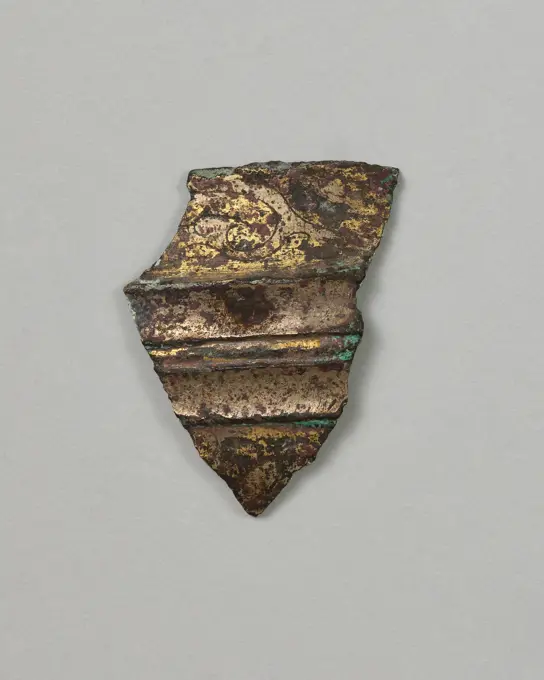
Basin fragment. Golden bronze. Cernuschi Museum, Asia Museum of Asia in the city of Paris.
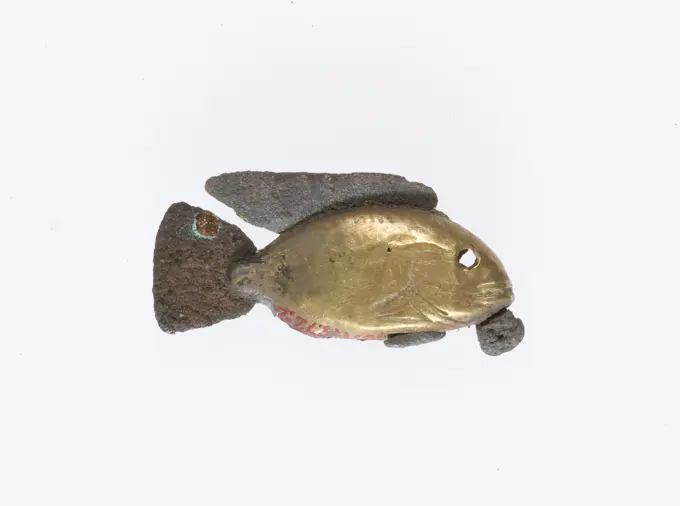
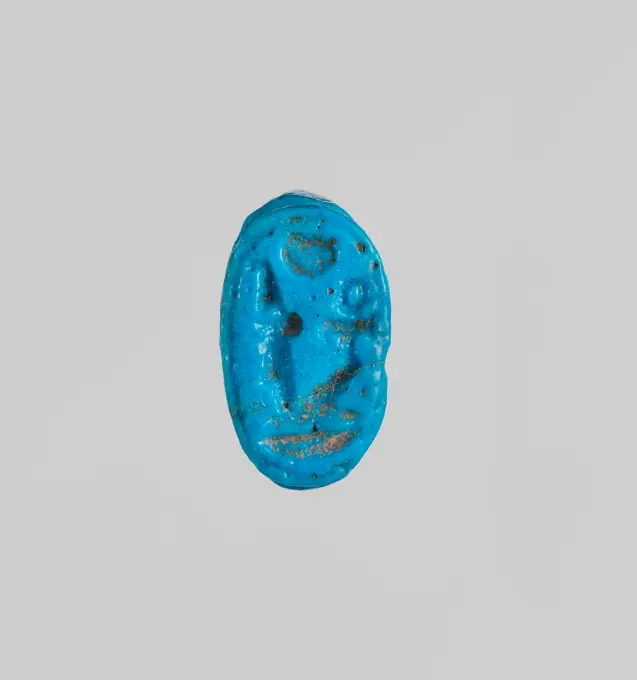
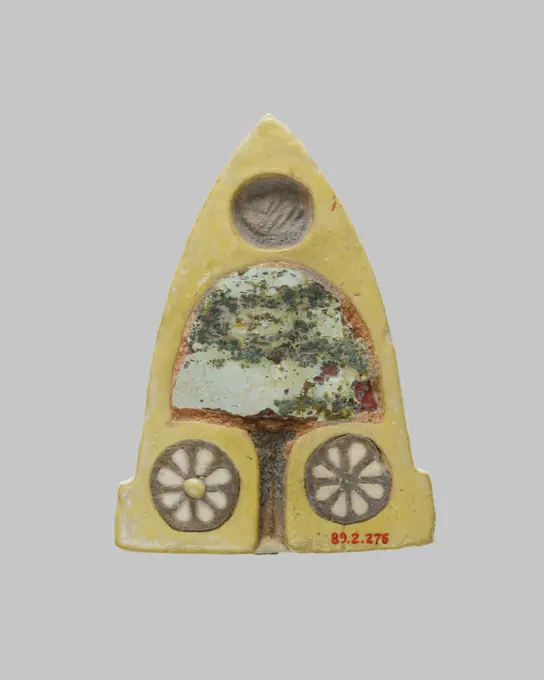
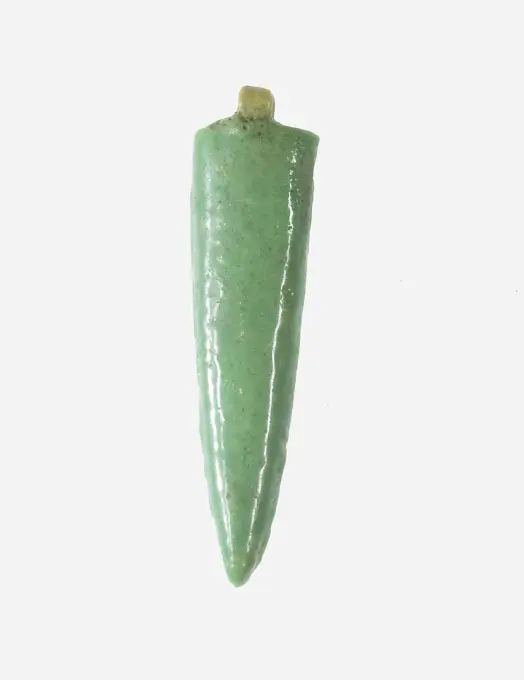
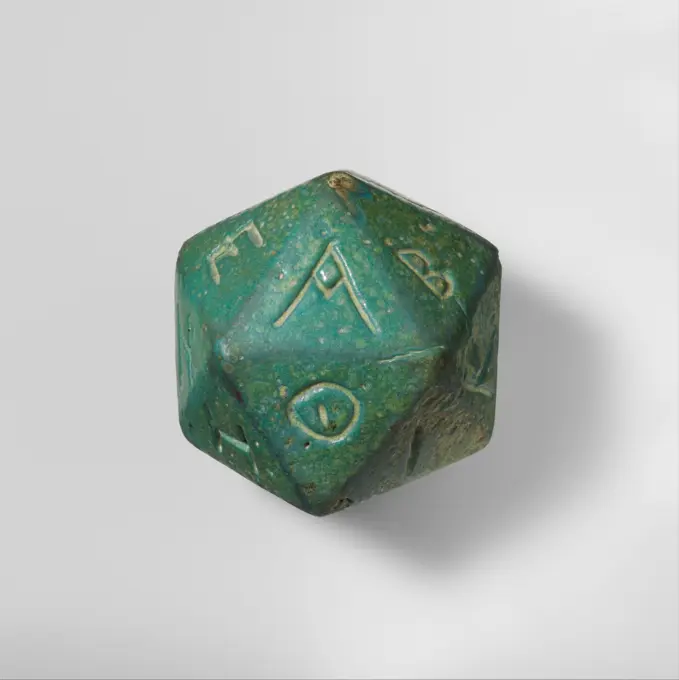
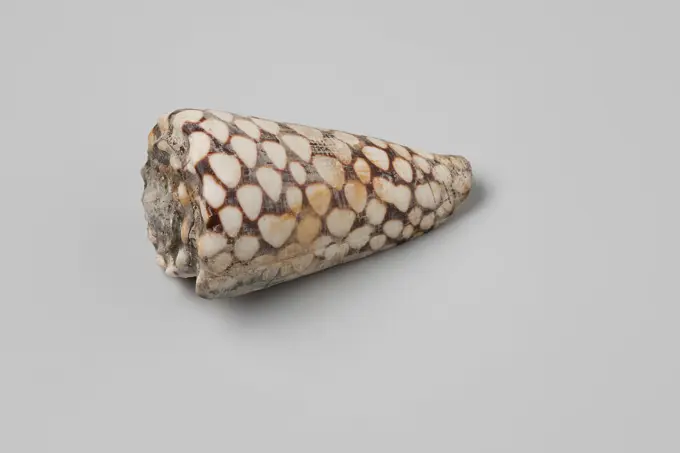
Conus Marmoreus from v.O.c.-ship the 'white lion'. Shell from v.o.c.-ship the 'white lion'.Stone font Letter B 3D Stone font Letter B 3D rendering illustration isolated on white background Copyright: xZoonar.com/MilicxDjurovicx 21521898Fish Pendant Middle Kingdom ca. 1981-1650 B.C. This fish pendant depicts a tilapia and might have been worn as a hair ornament. Tilapias were a symbol for fertility and regeneration since they carry their eggs in their mouths until the eggs hatch. For the meaning of fish pendants see the object information for 09.180.1182. View more. Fish Pendant. ca. 1981-1650 B.C.. Gold. Middle Kingdom. From Egypt. Dynasty 12-13Pendant in the form of a fish Cypriot. Pendant in the form of a fish 244418Pierścionek z imieniem Nebmaatre. unknown, authorTobacco pot in pumpkin shape. .Faience Inlay ca. 1184-1153 B.C. New Kingdom, Ramesside. Faience Inlay. ca. 1184-1153 B.C.. Faience. New Kingdom, Ramesside. From Egypt. Dynasty 20Bead in the Form of a Lotus Sepal ca. 1390-1353 B.C. New Kingdom. Bead in the Form of a Lotus Sepal. ca. 1390-1353 B.C.. Faience. New Kingdom. From Egypt, Upper Egypt, Thebes, Malqata, Palace of Amenhotep III, MMA excavations, 1910-11. Dynasty 18Faience polyhedron inscribed with letters of the Greek alphabet 2nd-3rd century A.D. Roman A number of polyhedra made in various materials are known from the Hellenistic and Roman periods. They may have been used in conjunction with an oracle inscribed on a pillar set up in a public place. The polyhedron was thrown in order to choose a letter at random. One consulted the inscription to find the matching letter and read the oracle's response. There would be twenty oracular messages, each beginning with a letter of the alphabet that corresponded to one side of the dice.. Faience polyhedron inscribed with letters of the Greek alphabet 253530 Roman, Faience polyhedron inscribed with letters of the Greek alphabet, 2nd3rd century A.D., Faience, Width (Point to point, greatest): 2 11/16 in., 7.2oz. (6.8 cm, 204.9g) Width (Point to point ,smallest): 2 1/2 in. (6.3 cm) Width (Side to side, greatest): 2 3/16 in. (5.6 cm) Width (Side to side, smallest): 2 3/16 in. (5.5 cm). The Metropolitan MusFaience polyhedron inscribed with letters of the Greek alphabet. Culture: Roman. Dimensions: Width (Point to point, greatest): 2 11/16 in., 7.2oz. (6.8 cm, 204.9g)Width (Point to point ,smallest): 2 1/2 in. (6.3 cm)Width (Side to side, greatest): 2 3/16 in. (5.6 cm)Width (Side to side, smallest): 2 3/16 in. (5.5 cm). Date: 2nd-3rd century A.D..A number of polyhedra made in various materials are known from the Hellenistic and Roman periods. They may have been used in conjunction with an oracle inscribed on a pillar set up in a public place. The polyhedron was thrown in order to choose a letter at random. One consulted the inscription to find the matching letter and read the oracle's response. There would be twenty oracular messages, each beginning with a letter of the alphabet that corresponded to one side of the dice. Museum: Metropolitan Museum of Art, New York, USA.Glass Jar With Barnacles. Sample of sea pubs (Balanus spec.) In glass jar with lid, sealed with animal bladder and wash.