Historical Artifacts and Relics

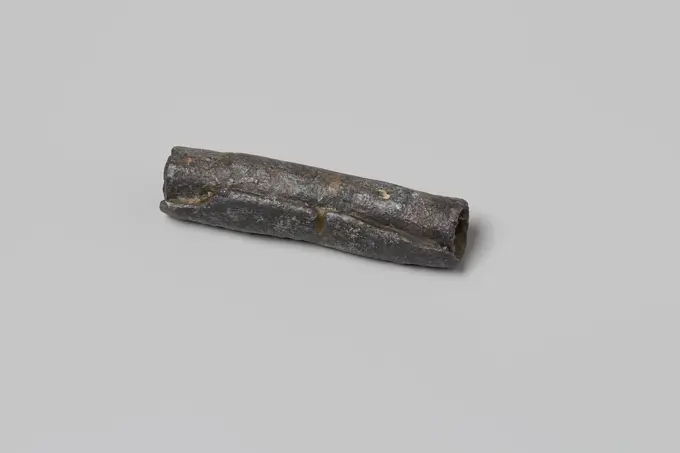
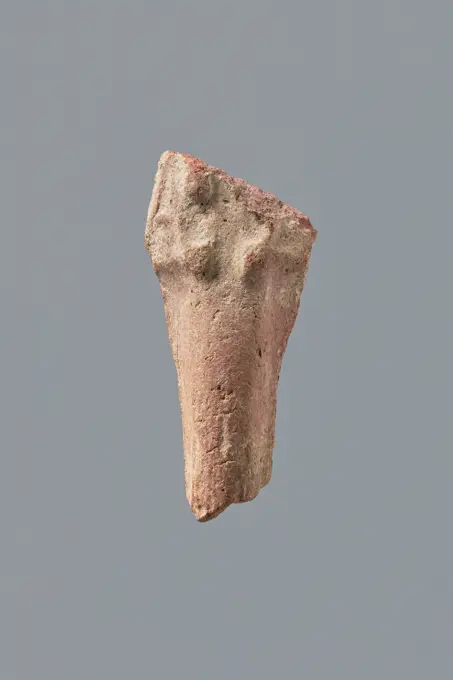
A collection of weathered objects including rolled lead, pumice stones, and stylized head fragments, showcasing textures and muted colors from maritime origins.
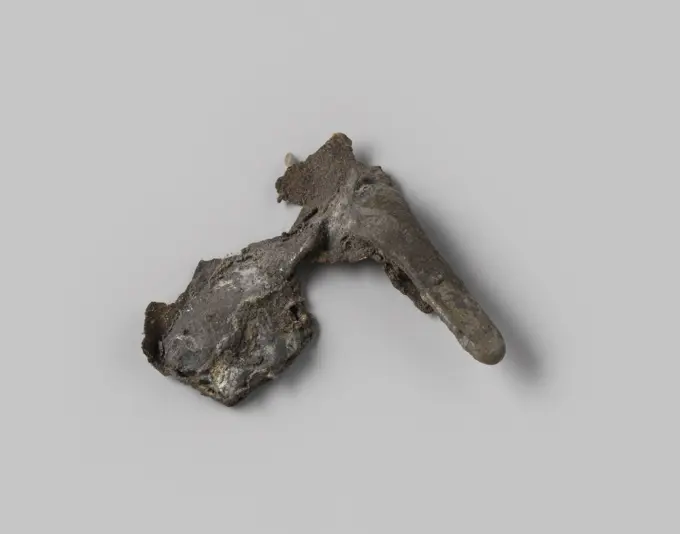
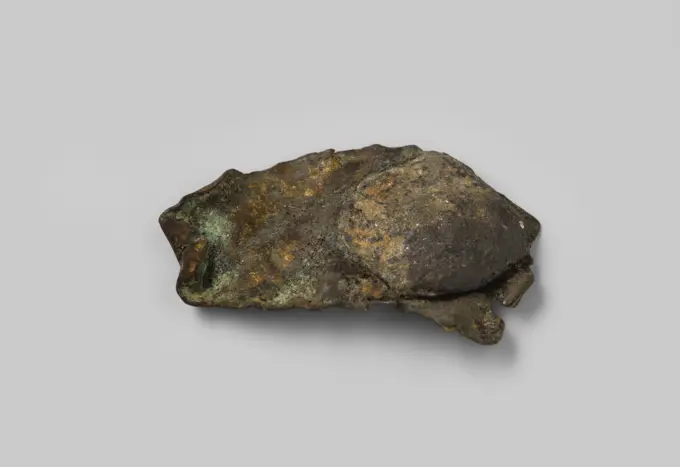
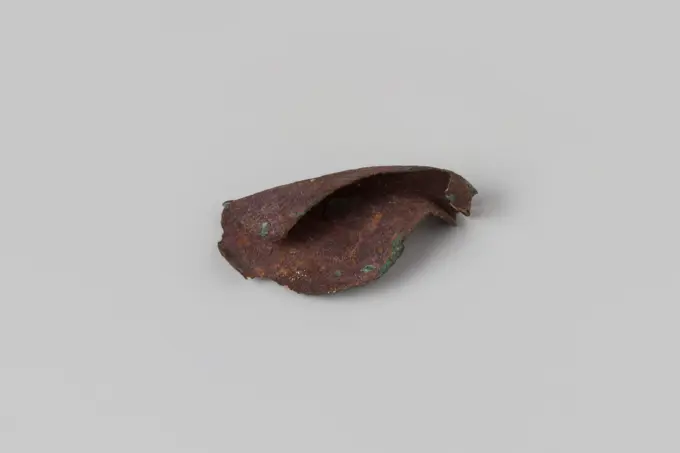
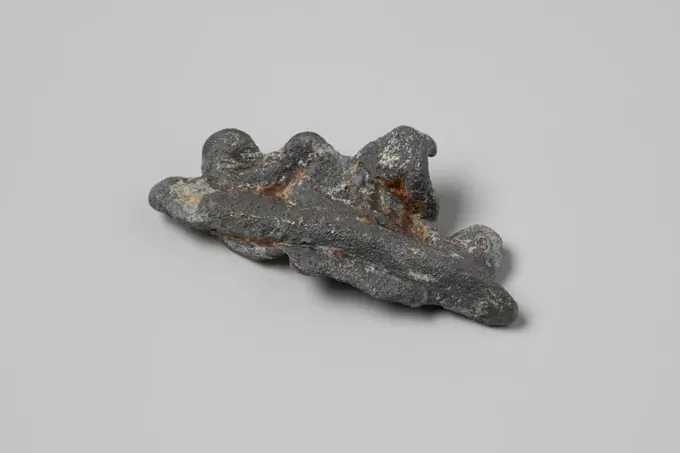
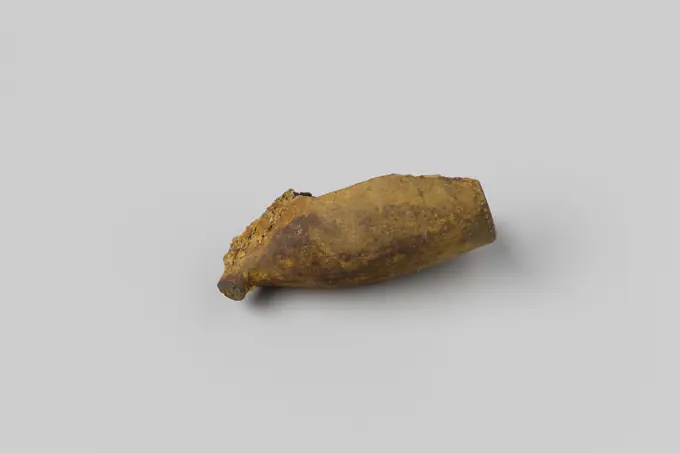
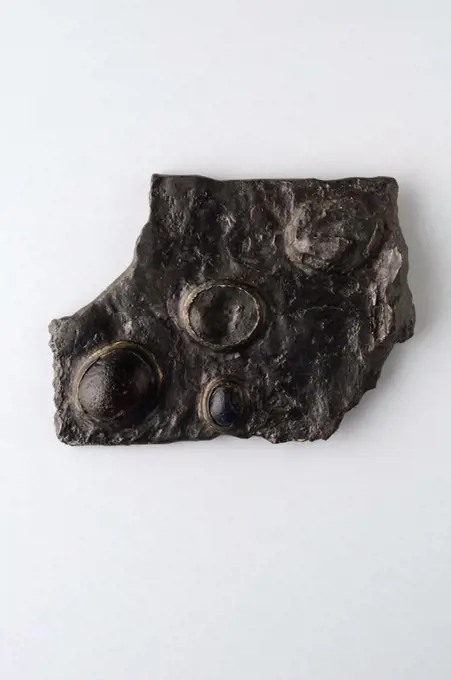
Batter of pattern sleeve from the wreck of the East Indians Hollandia, Anonymous, 1700 - in Or Before 1743 cartridge shell Cartridge case, tube solder; id. NG 1979-205H549 with copper tube fragm. Netherlands lead (metal)   Second
Batter of pattern sleeve from the wreck of the East Indians Hollandia, Anonymous, 1700 - in Or Before 1743 cartridge shell Cartridge case, tube solder; id. NG 1979-205H549 with copper tube fragm. Netherlands lead (metal) Second
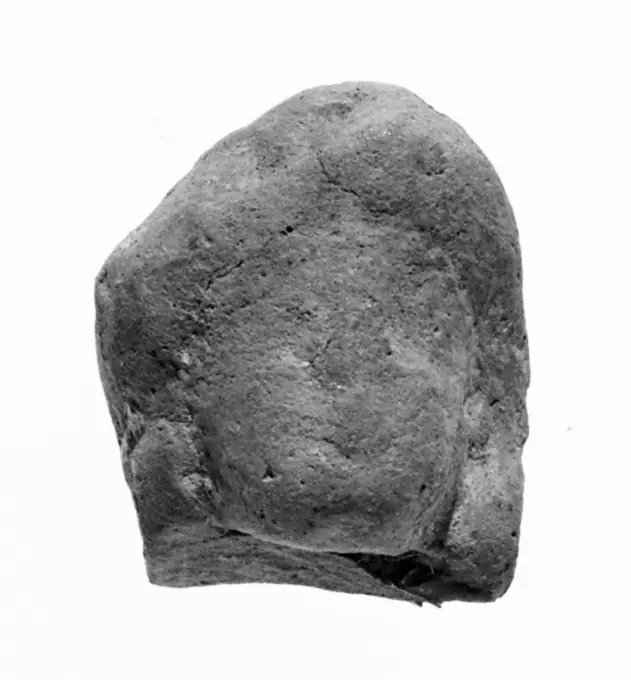
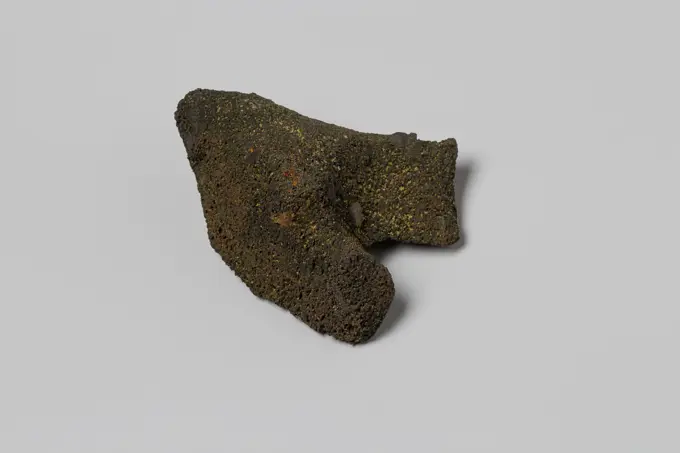
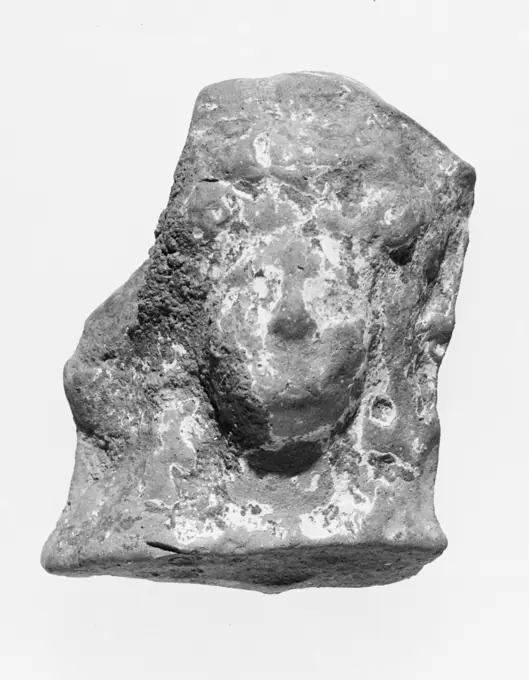
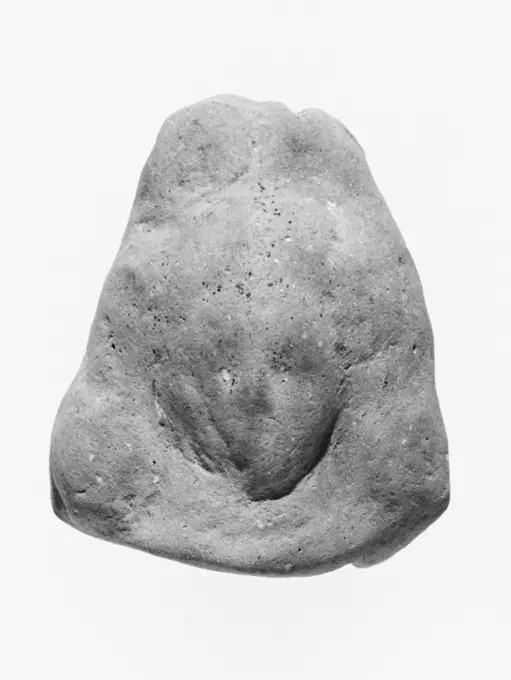
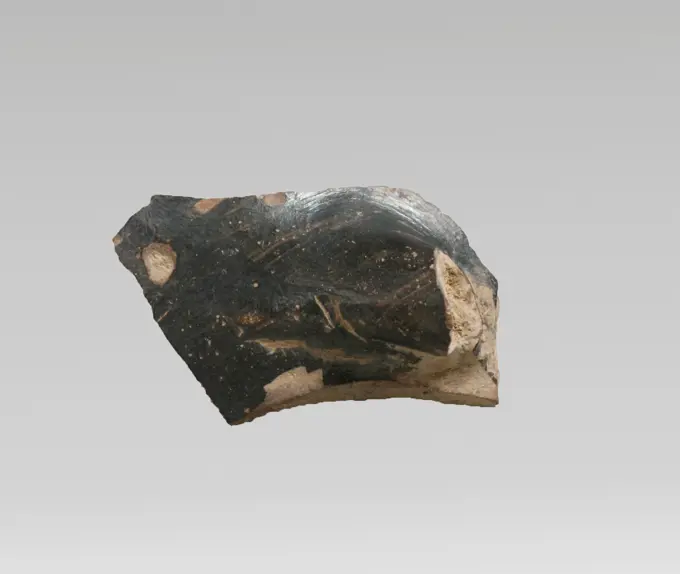
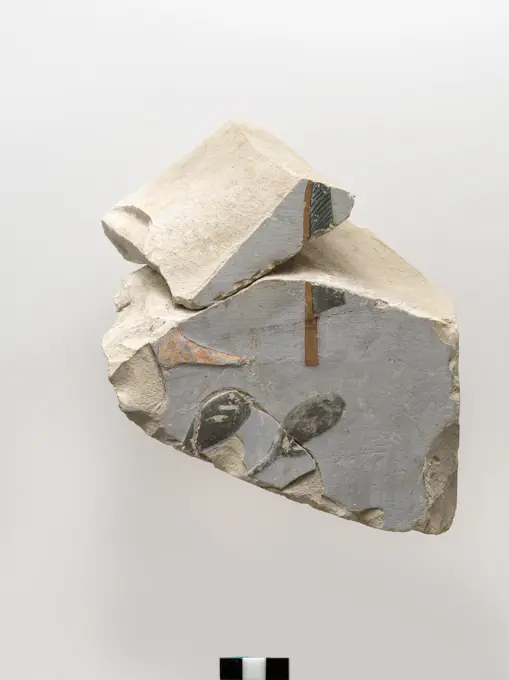
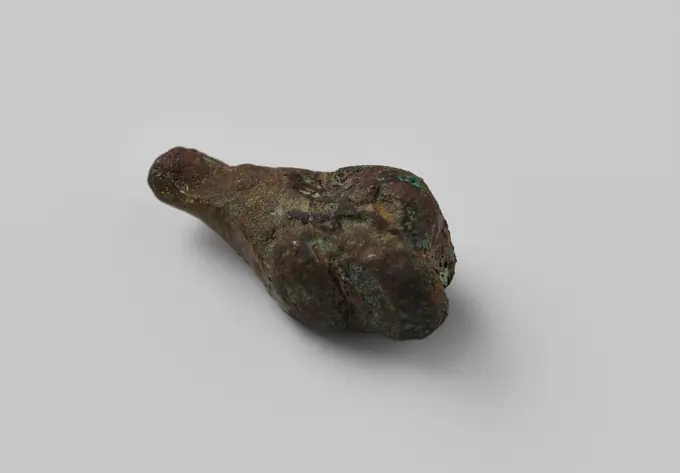
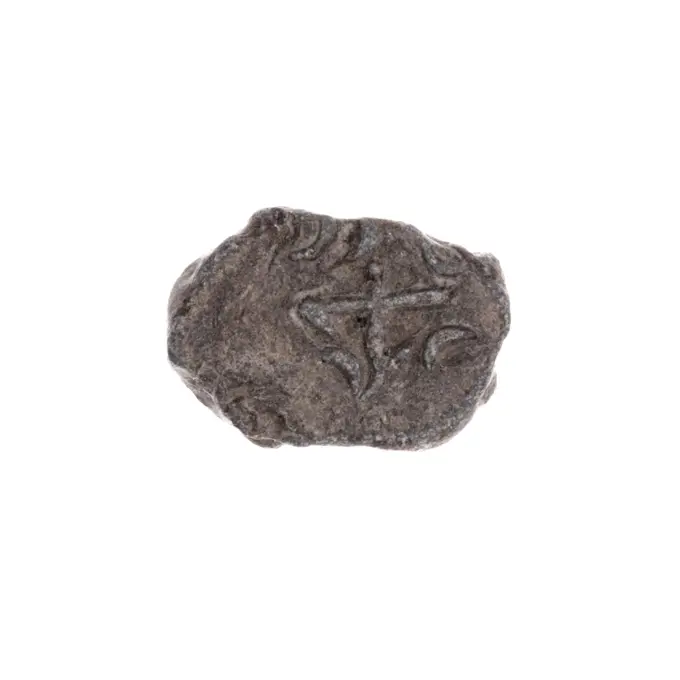
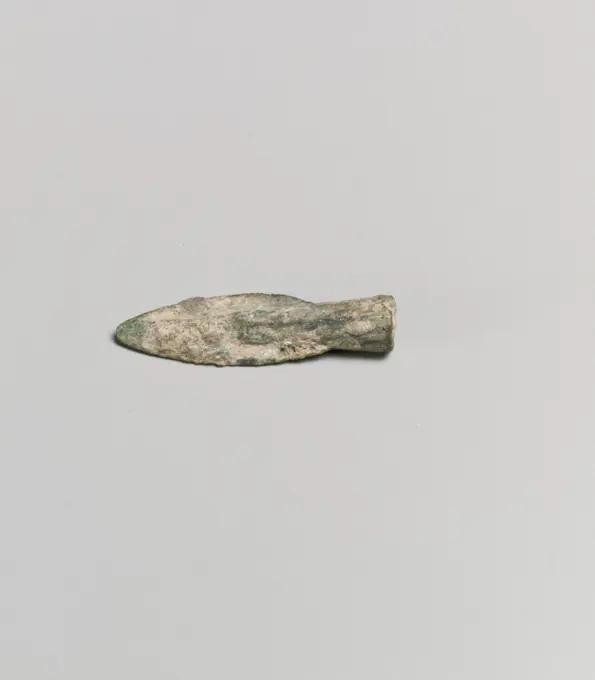
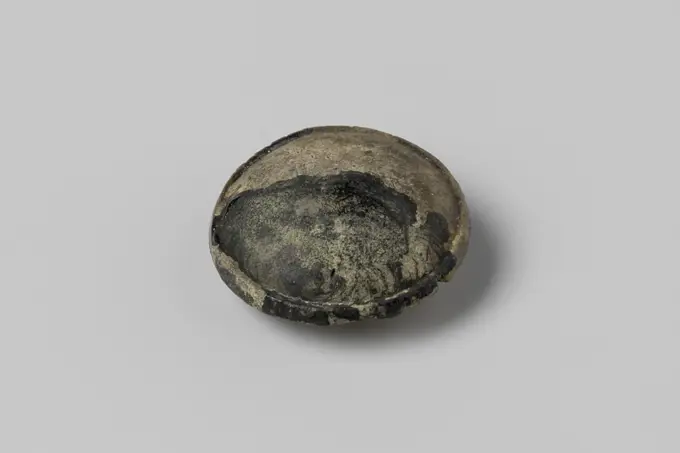
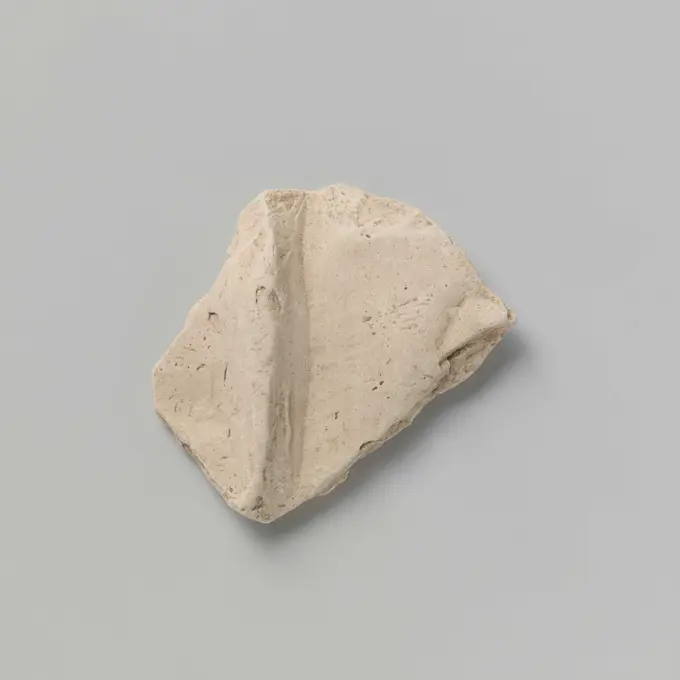
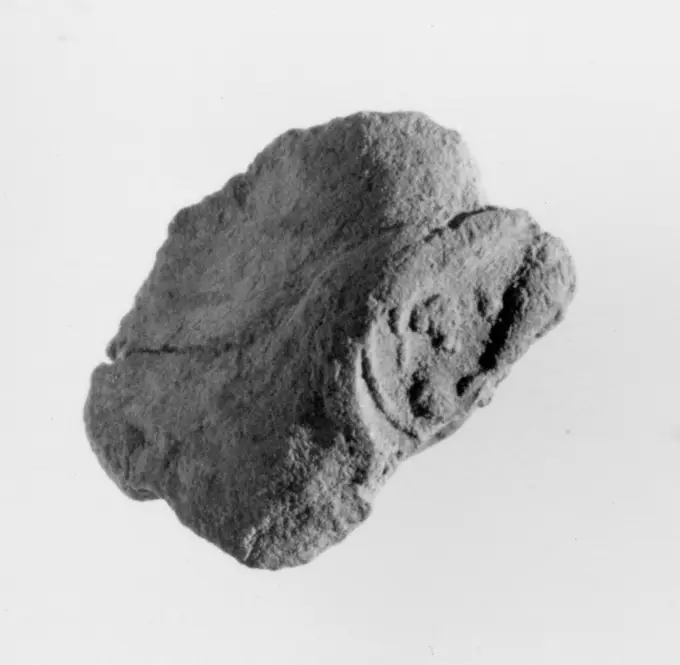
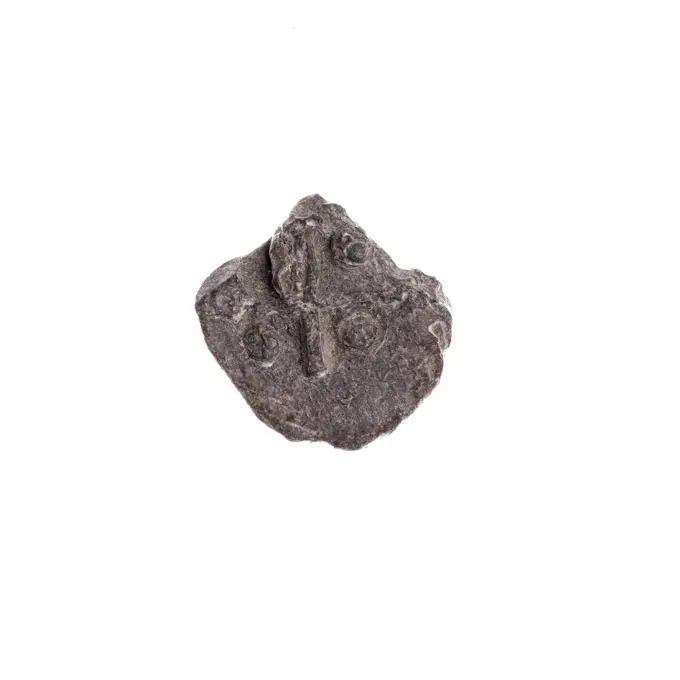
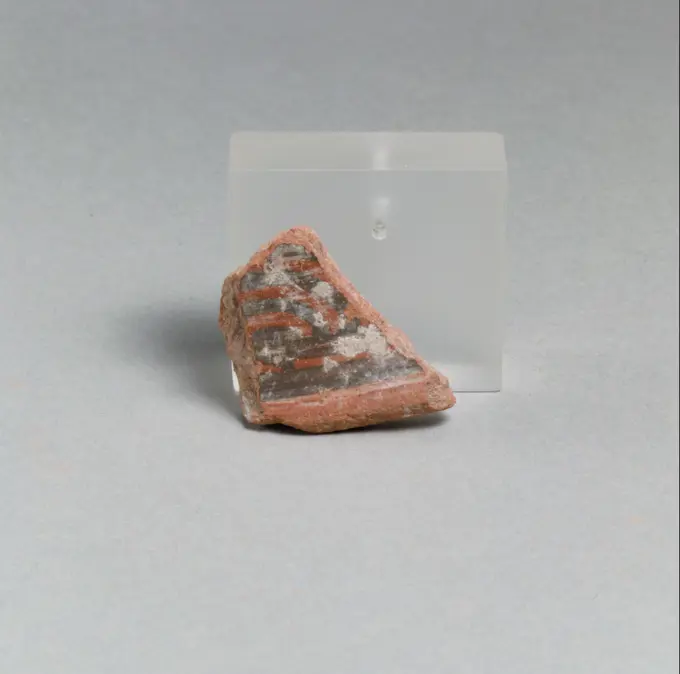
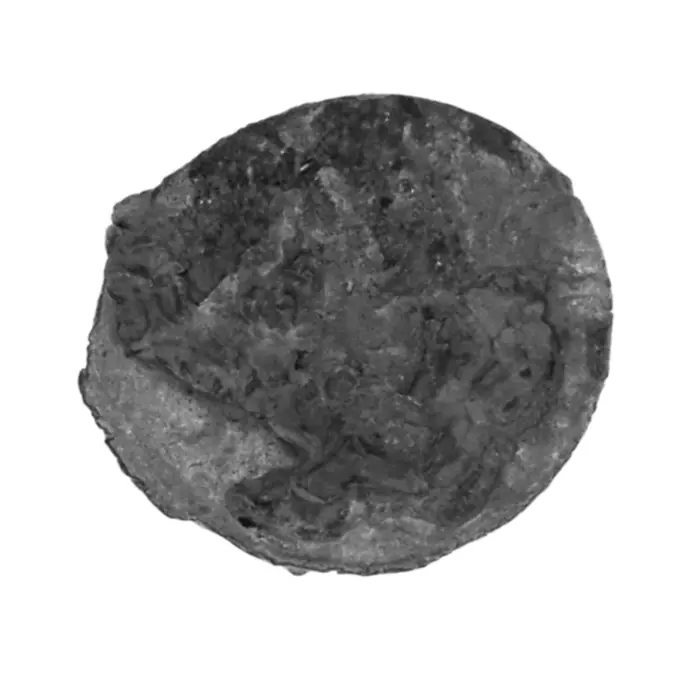
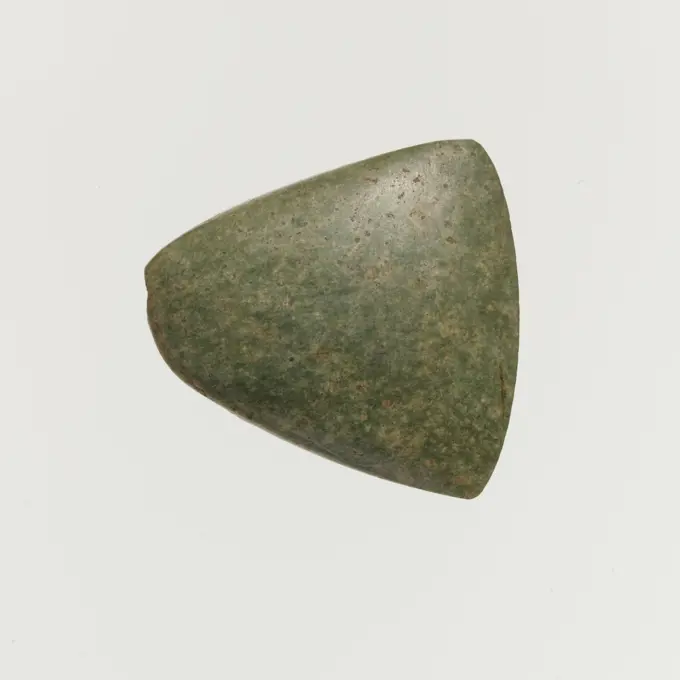
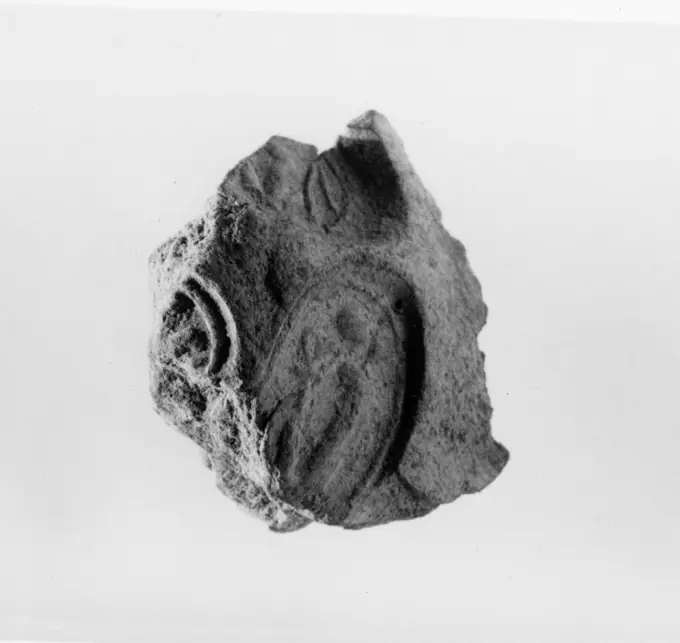
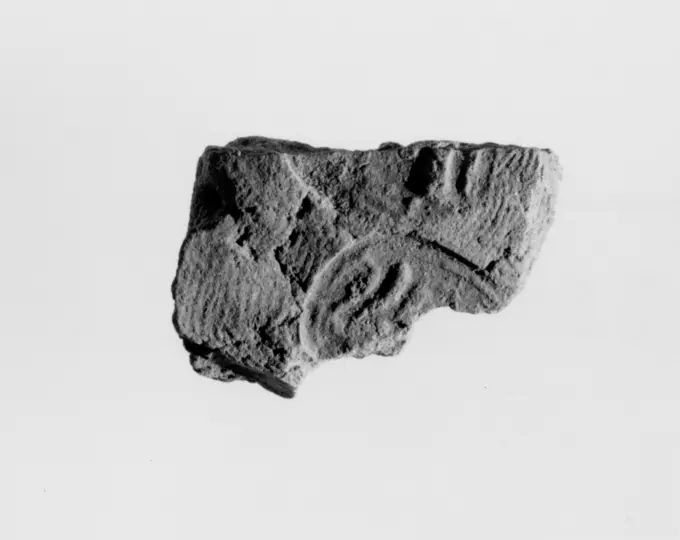
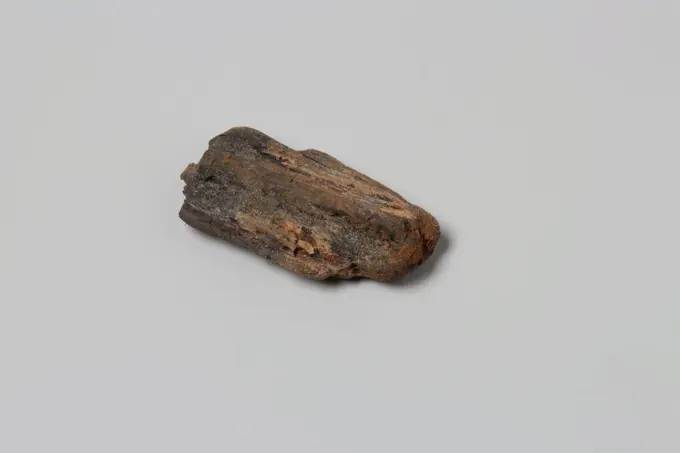
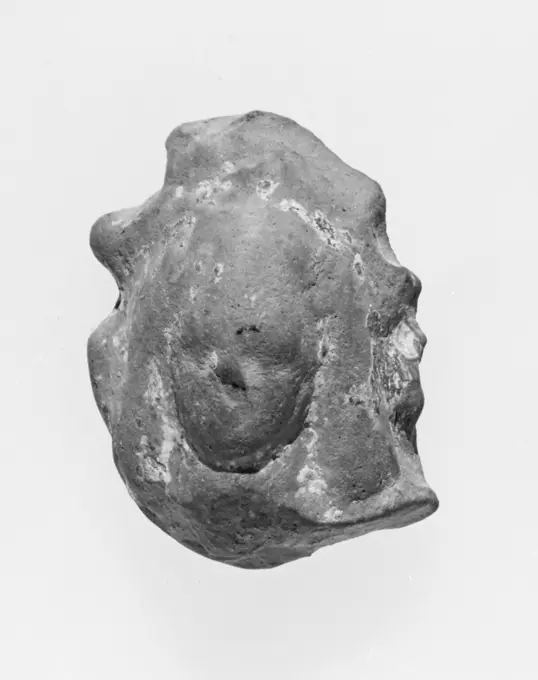
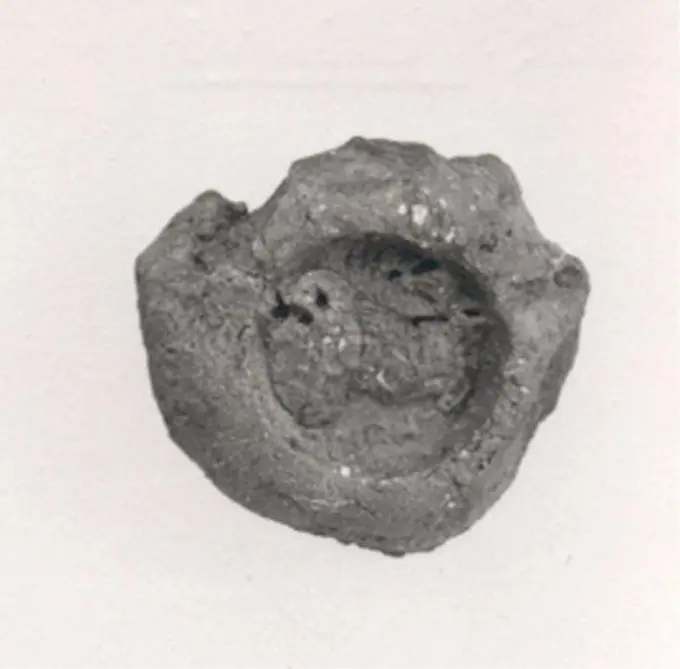
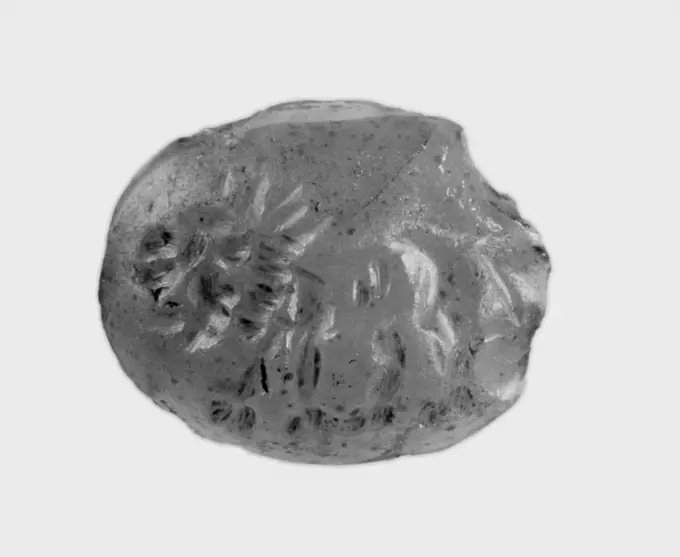
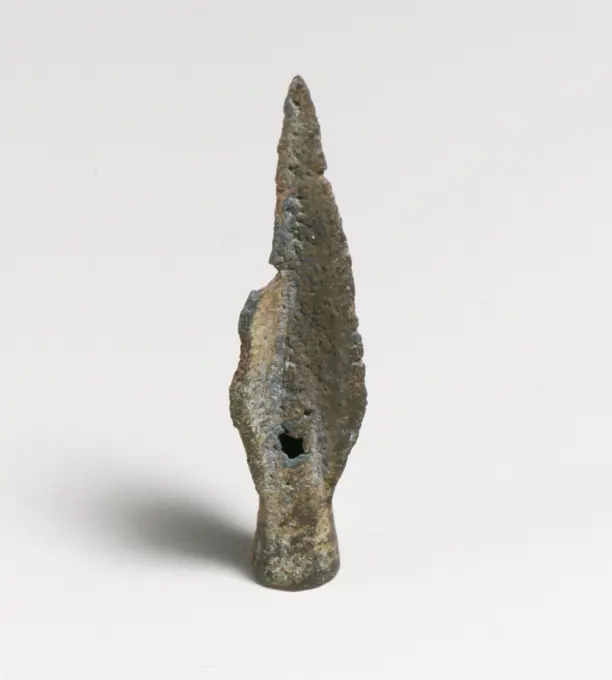
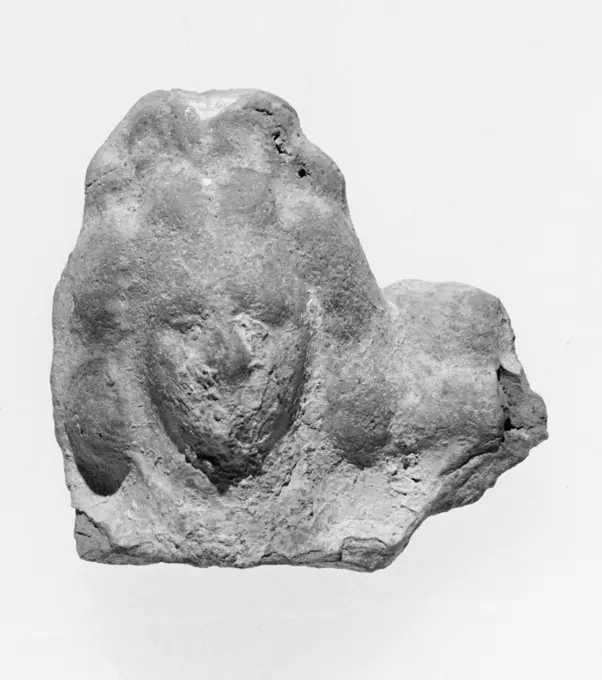
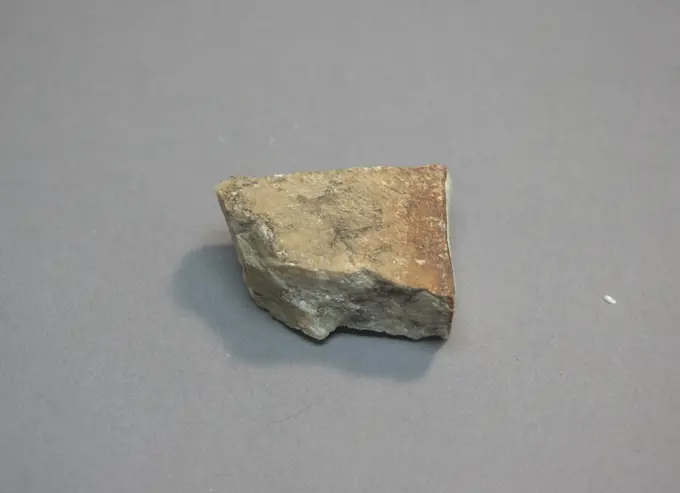
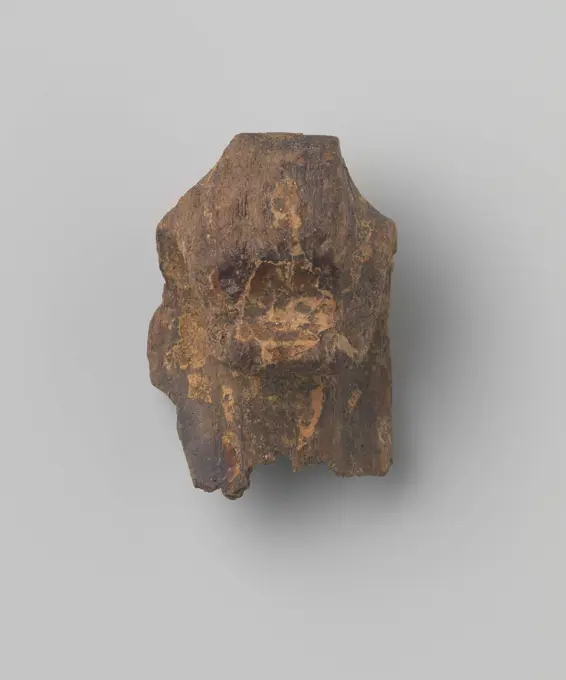
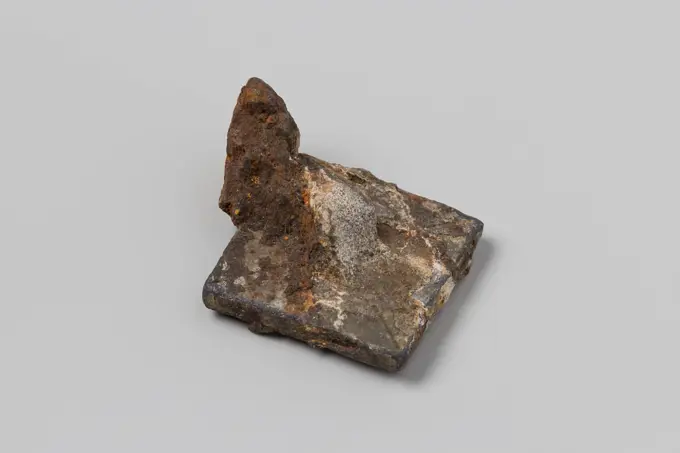
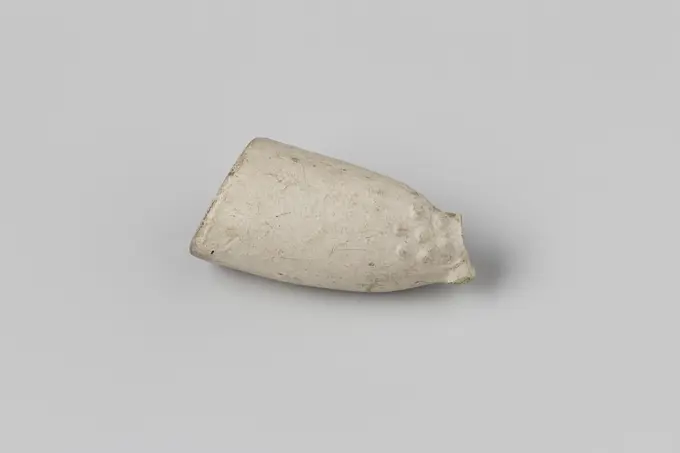
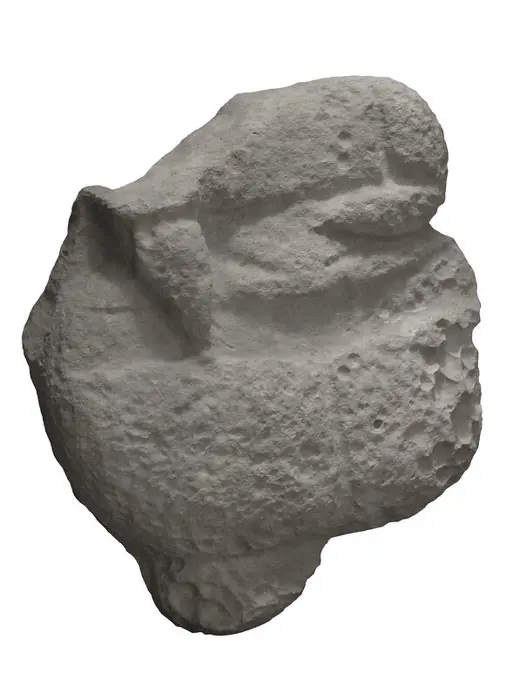
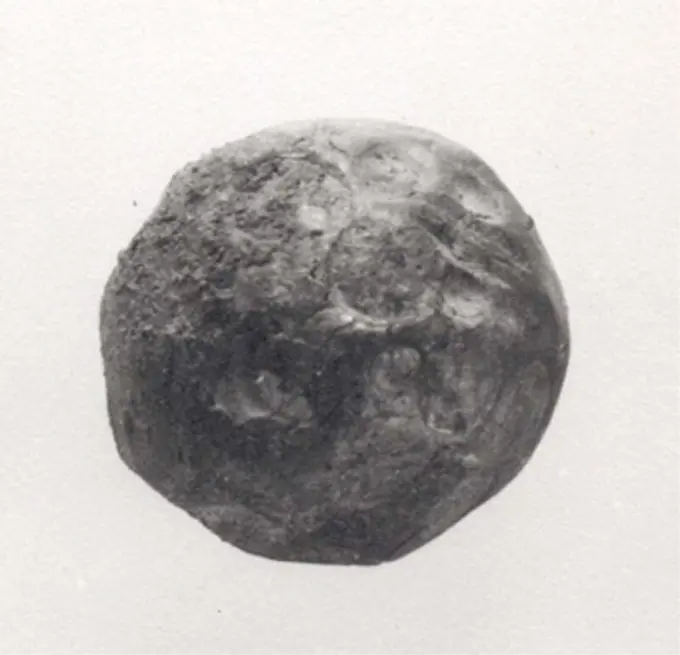
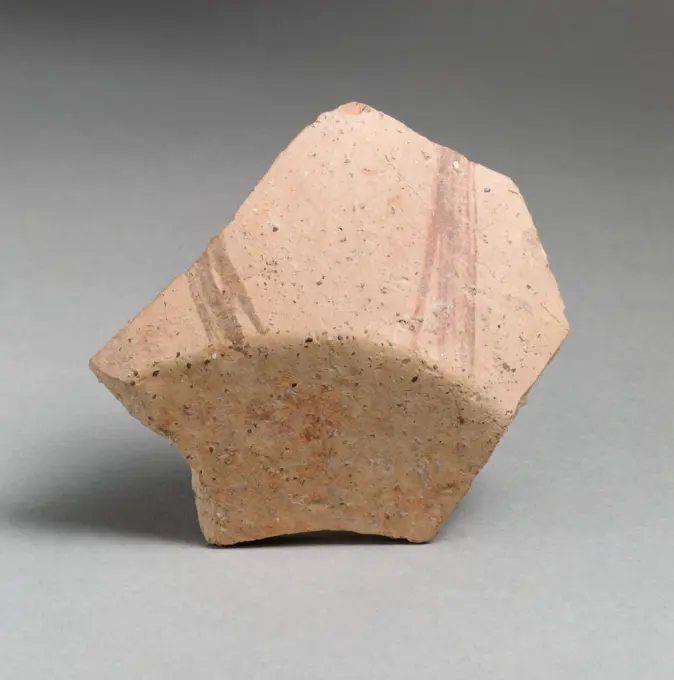
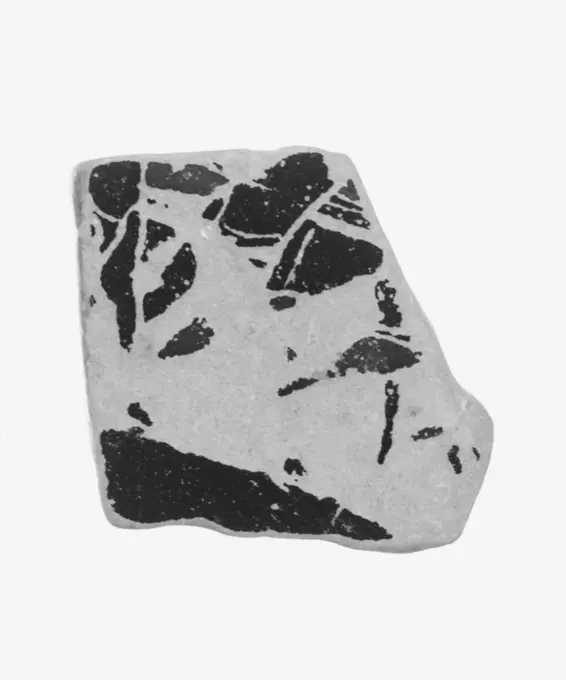
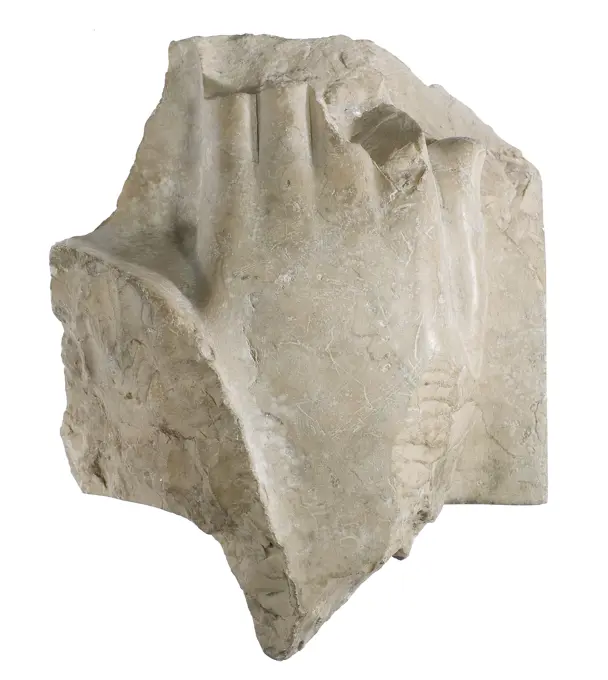
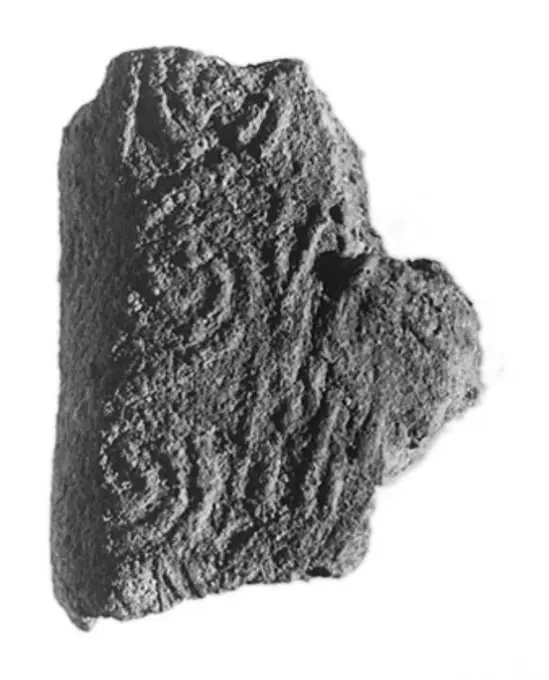
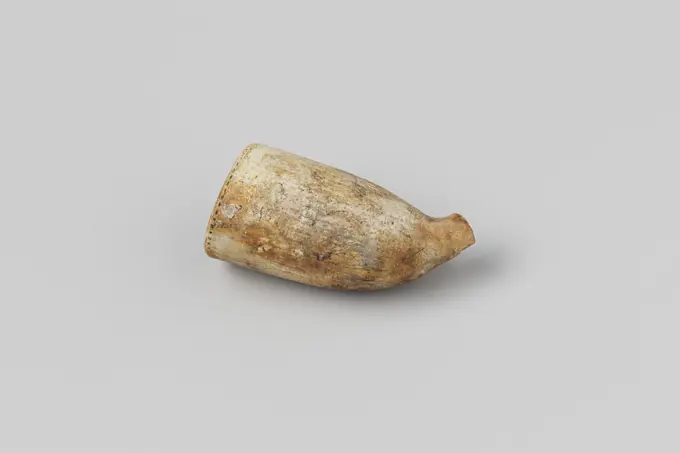
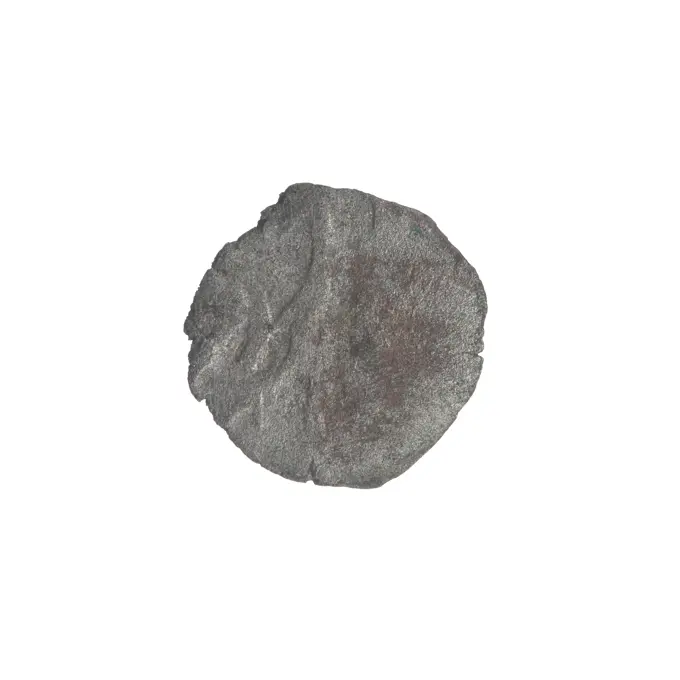
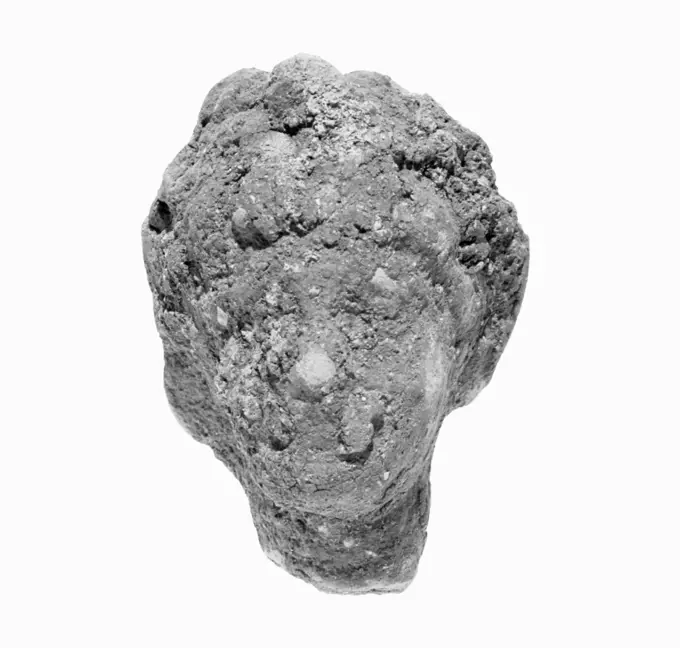
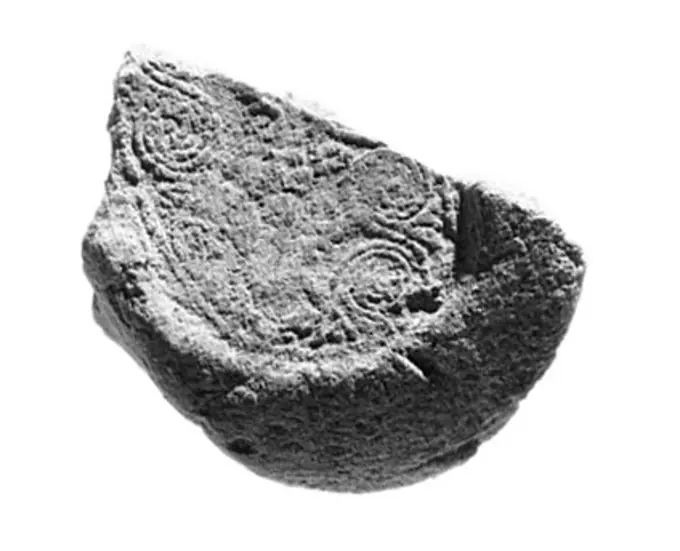
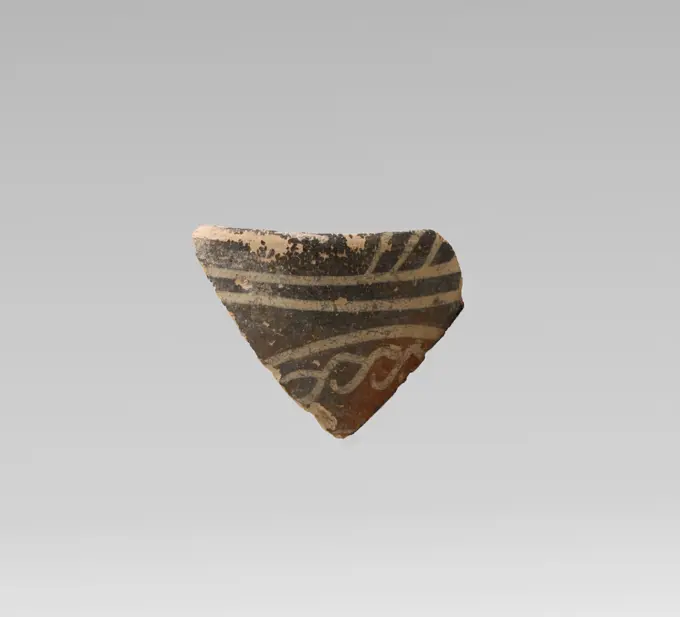
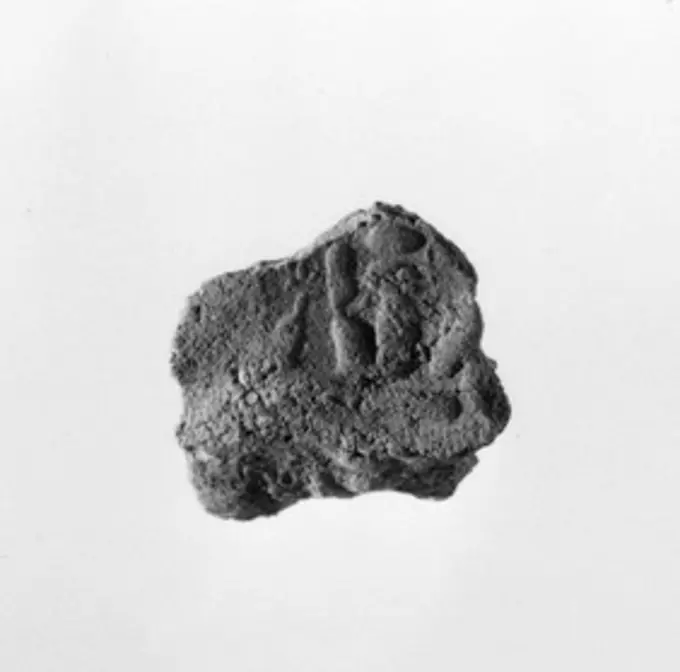
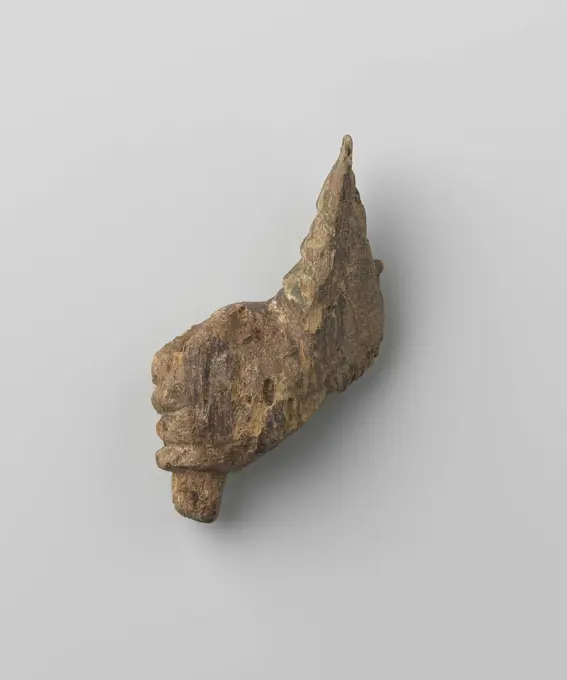
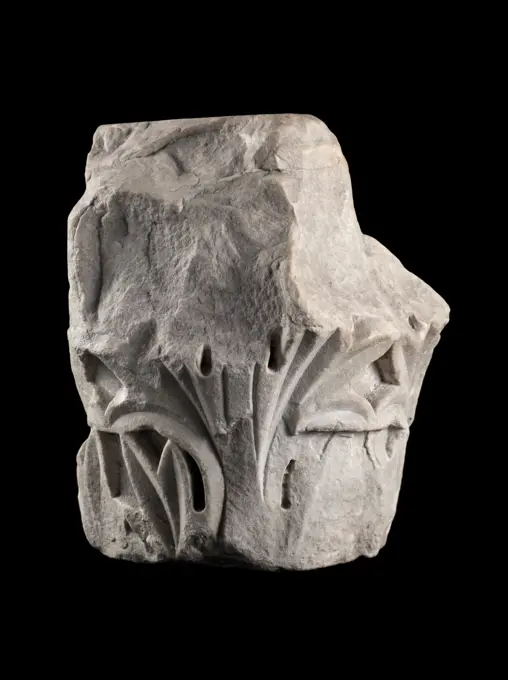
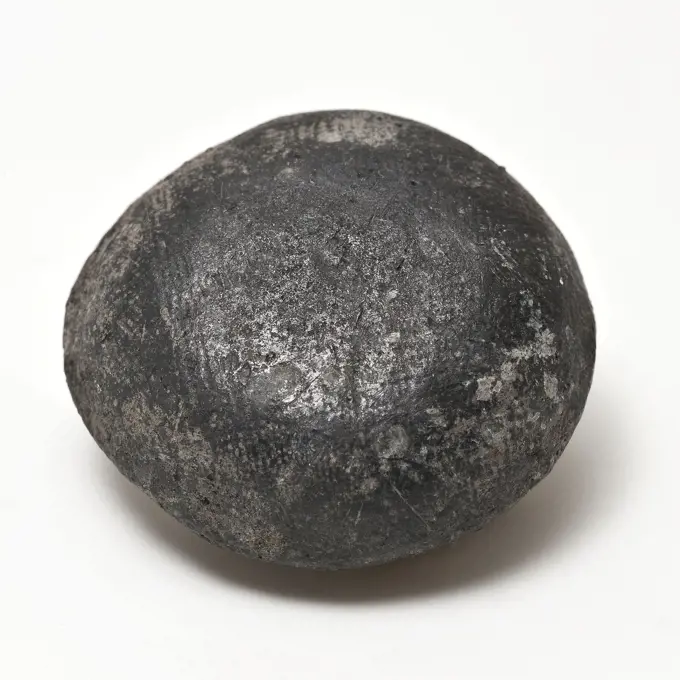
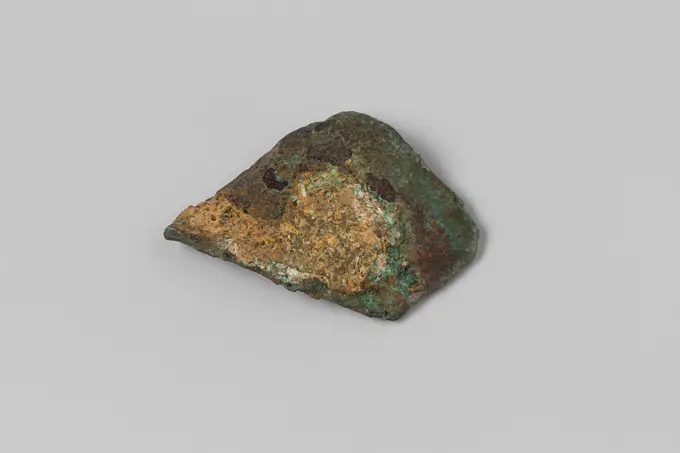
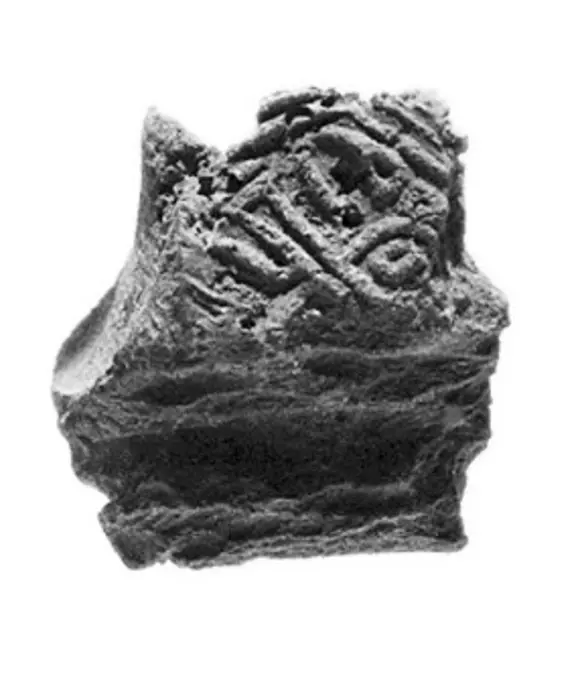
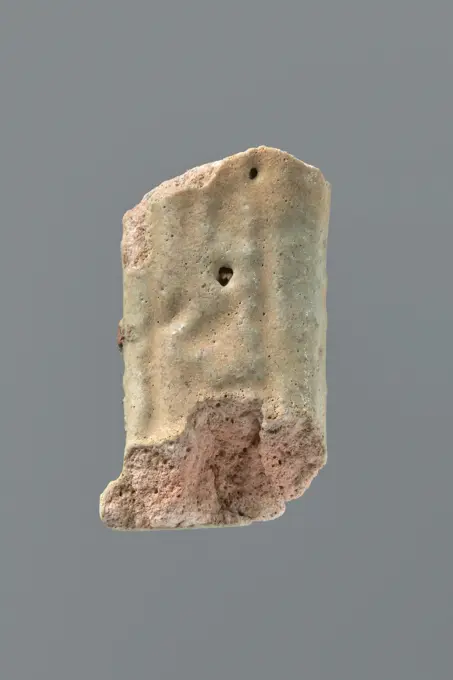
Loden role from the wreck of the East Indiesman 't flying heart. To tube rolled lead plate. Silver gray in color. Roll or lead.Female Head. UnknownPumice from the east India wreck 't flying heart. Pumice stone: black-granular mushroom-shaped stone. PUMICE.Female Head. UnknownFemale Head. UnknownFibula, boat-shaped type 9th-8th century B.C. Italic The outer surface is decorated with incised patterns.. Fibula, boat-shaped type 246346Female Head. UnknownArrowhead ca. 3rd-7th century A.D. Sasanian. Arrowhead 323104Batter of pattern sleeve from the wreck of the East Indians Hollandia, Anonymous, 1700 - in Or Before 1743 cartridge shell Cartridge case, tube solder; id. NG 1979-205H549 with copper tube fragm. Netherlands lead (metal)   SecondVase fragment Greek, Laconian Fragment with part of handle.. Vase fragment. Greek, Laconian. Terracotta. Helladic. VasesRelief fragments from tomb of Meketre ca. 1981-1975 B.C. Middle Kingdom. Relief fragments from tomb of Meketre 669010Gralen or end from the wreck of the East Indians Hollandia, Anonymous, 1700 - in Or Before 1743  Varied parts or fragments, end or finials; broken off, eroded; (animal) head-shaped, tapering lower end. Netherlands copper (metal)   SecondDrohiczy seal;  XI-XIII century (1090-00-00-1110-00-00);guild seals, customs seals, touches, seals of customs chambers, official seals, seals with a cross, seal with the letterDrohiczy seal;  XI-XIII century (1090-00-00-1110-00-00);guild seals, customs seals, touches, seals of customs chambers, official seals, seals with a crossFemale Head Fragment. UnknownBronze arrowhead 6th-4th century B.C. or later Greek or Achaemenid With midrib and socket.. Bronze arrowhead 252857 Greek or Achaemenid, Bronze arrowhead, 6th4th century B.C. or later, Bronze, Other: 1 7/16 in. (3.7 cm). The Metropolitan Museum of Art, New York. Gift of The American Society for the Excavation of Sardis, 1926 (26.199.294)Female Head. UnknownButton from the wreck of the East India hollandia. Button. (1) SIM. NG 1980-27H1185 (1.7, 1.8D)Fragment from the wreck of the East Indies Hollandia, Anonymous, 1700 - in or Before 1743 fragment Varied parts or fragments, sheet metal fragments: worked, with solder; fragm, eroded; with circular blob of solder. Netherlands copper (metal)   SecondFragment of image. .Document Sealing ca. 1390-1353 B.C. New Kingdom. Document Sealing. ca. 1390-1353 B.C.. Mud. New Kingdom. From Egypt, Upper Egypt, Thebes, Malqata, no exact location recorded, MMA excavations, 1910-12. Dynasty 18Fragment; (possibly) belonging to the Retable of Soest. .Vase fragment Greek, Lydian. Vase fragment 252763 Greek, Lydian, Vase fragment, Terracotta, Overall: 1 1/4in. (3.2cm). The Metropolitan Museum of Art, New York. Gift of The American Society for the Excavation of Sardis, 1926 (26.199.196)Drohiczy seal;  XI-XIII century (1090-00-00-1110-00-00);guild seals, customs seals, touches, seals of customs chambers, official seals, seals with a crossVase fragment East Greek/Sardis, Lydian. Vase fragment 252793 East Greek/Sardis, Lydian, Vase fragment, Terracotta, Overall: 1 1/8 x 1in. (2.8 x 2.5cm). The Metropolitan Museum of Art, New York. Gift of The American Society for the Excavation of Sardis, 1926 (26.199.226)Unattributed Trebizond Coin. UnknownSmall jadeitite axe Cretan 5th-4th millennium BCE Celt.Document Sealing With Multiple Seal Impressions ca. 1390-1353 B.C. New Kingdom. Document Sealing With Multiple Seal Impressions. ca. 1390-1353 B.C.. Mud. New Kingdom. From Egypt, Upper Egypt, Thebes, Malqata, MMA excavations, 1910-12; Presumably from King's Palace, East magazine. Dynasty 18Batter from the wreck of the East Indiesman Hollandia. Fittings, bands and bracing, flat; Fragm, One End Broken, SIM. NG 1980-27H3053.Document Sealing ca. 1390-1353 B.C. New Kingdom. Document Sealing. ca. 1390-1353 B.C.. Mud. New Kingdom. From Egypt, Upper Egypt, Thebes, Malqata, no exact location recorded, MMA excavations, 1910-12. Dynasty 18Wooden object (fragment) from the wreck of the East Indies' t Vliegend Hart, 1700 - 1735 in 1735  The brown softwood fragment is almost rectangular and has a raised ledge on one side in the middle (approx. 4 mm high).  softwoodFemale Head. UnknownSealing ca. 7th century A.D. Sasanian. Sealing 323363Engraved Gem. UnknownArrowhead ca. 480-330 B.C. Cypriot. Arrowhead 244203Female Head. UnknownSample of Fibrolite 20th century China. Sample of Fibrolite. China. 20th century. Fibrolite. HardstoneHare Pendant. China. Date: 1200 BC-1000 BC. Dimensions: 2 × 1 1/8 × 1/4 in. Jade. Origin: China. Museum: The Chicago Art Institute, Chicago, USA.Terracotta vessel fragment with incised decoration ca. 3600-3100 B.C. Cretan From Knossos, CreteGray ware, decorated with incised lines.. Terracotta vessel fragment with incised decoration. Cretan. ca. 3600-3100 B.C.. Terracotta; Fine burnished ware. Late Neolithic. VasesFemale Head. UnknownWall casing 664-610 B.C. Late Period, Saite see 23.3.468. Wall casing. 664-610 B.C.. Limestone, varnish. Late Period, Saite. From Egypt, Upper Egypt, Thebes, Deir el-Bahri, Tomb of Nespekashuty (TT 312, MMA 509), 1st chamber W. wall, MMA excavations, 1922-23. Dynasty 26Fragment ca. 1150-ca. 1250 European or Middle Eastern. Fragment 35954Unattributed Trebizond Coin. UnknownFigurine ca. 150 B.C. Parthian. Figurine. Parthian. ca. 150 B.C.. Ceramic. Parthian. Mesopotamia, NippurFragment; (possibly) belonging to the retable of Soest, c. 1475 - c. 1499   wood (plant material)   wood (plant material)Plaque fragment ca. 8th-7th century B.C. Assyrian This small broken piece of ivory was originally part of a plaque. Carved ivory plaques were widely used in the production of elite furniture during the early first millennium B.C. They were often inlaid into a wooden frame using joinery techniques and glue, and could be overlaid with gold foil or inlaid with colored glass or stone pieces to create a dazzling effect of gleaming surfaces and bright colors. This fragment is made up of thin-walled carved cells, called cloisons, that were filled with colored inlays, although the traces of blue color that remain are left by the material that fixed the inlays in place rather than by the inlays themselves. When the royal buildings at Nimrud were sacked during the fall of Assyria in 614 and 612 B.C., looters stripped the gold inlay from the ivory furniture and left the broken pieces behind. This piece was probably part of a feathered wing belonging to a creature such as a sphinx or griffin, bothExcerpt of copper from the wreck of the East Indians Hollandia, 1700 - in or before 1743  Parts of artefacts; eroded fragments: materials; copper. Netherlands copper (metal)   SecondFragment; (possibly) belonging to the Retable of Soest. .Bead ca. late 8th millennium B.C.. Bead. ca. late 8th millennium B.C.. Chalcedony (or red talc ). Neolithic. SyriaSealing ca. 1981-1640 B.C. Middle Kingdom. Sealing 560447Playing Task from the wreck of the East India Hollandia. Rectangular, Square, Flat, Engraved Diagonal Cross on One Side, Game token.Fragment tobacco pipe. Fragment tobacco pipe. Of the excavations at the Hofstede Arentsburg 1827-1831 under the supervision of professor Reuvens.Biconical Bead 800 BCE-600 BCE Greece. These precious bronzes objects are votives, or devotional gifts, made for gods. They come in many forms. Some are miniature sculptures of animals, mostly depicting horses, deer, and birds. Others are items of personal adornment, including beads and brooches. Quite a few seem once to have been attached to something else. This assemblage is characteristic of the thousands of votives that were hung from sacred trees or placed in sanctuaries around Greece. Once a shrine was full, the votives were gathered together and ceremonially buried to make room for more offerings. This comes from Thessaly in north-eastern Greece.. Bronze . Ancient GreekFragment blowjob. Fragment pipe head with two stained flowers. Of the excavations at the Hofstede Arentsburg 1827-1831 under the supervision of professor Reuvens.Headless standing stone statue. It belongs to the corpulent type, which measure between 50 and 75 cm in height. From Hagar Qim, Malta. Temple Period (3600 BC to 2500 BC). National Museum of Archaeology. Valletta. Malta.Drohiczy seal;  XI-XIII century (1090-00-00-1110-00-00);guild seals, customs seals, touches, seals of customs chambers, official seals, seals with a cross, seal with the image of the faceUnattributed Trebizond Coin. UnknownSealing ca. 7th century A.D. Sasanian. Sealing 323326Vase fragment ca. 1600-1450 B.C. Minoan. Vase fragment 247715Ring. Ring 243480Decorative batter from the wreck of the East India Hollandia. Fitting, decorative fitting or fragment; Fragm, ID. NG 1980-27H2960, eroded.Attic Black-Figure Cup Fragment. UnknownUnattributed Trebizond Coin. UnknownOffering table, hand ca. 1353-1336 B.C. New Kingdom, Amarna Period. Offering table, hand 567640Silver. minerals. Europe; Norway; Buskerud Province; KongsbergSealing fragment ca. 2030-1640 B.C. Middle Kingdom. Sealing fragment 565839Blowjob from the wreck of the East India Hollandia.Pipe, Bowl Without: Stamped Decoration; Imprint illegible.Human Head and Shoulders. Unknowndenarius; W ADSAW II JAGIEC (King of Poland; 1386-1434); 1386-1434 (1386-00-00-1434-00-00);Shard from one can be from the wreck of the East Indiesman Hollandia. Stoneware, Rhenish, Westerwald, JUG; Fragm or body with traces of Blue Paint, SIM. NG 1980-27H2615.Head with Melon Coiffure and Wreath. UnknownSealing ca. 1981-1640 B.C. Middle Kingdom. Sealing 560382Reliefs from the tomb of Meketre ca. 1981-1975 B.C. Middle Kingdom. Reliefs from the tomb of Meketre 668895Terracotta rim fragment with quirks and bands ca. 2300-2100 B.C. Minoan From Gournia, CreteRim fragment with quirks and bands.. Terracotta rim fragment with quirks and bands. Minoan. ca. 2300-2100 B.C.. Terracotta; White-on-dark ware. Early Minoan III. VasesDrohiczyn seal. unknown, managerDocument Sealing With the Throne Name of Amenhotep III ca. 1390-1353 B.C. New Kingdom. Document Sealing With the Throne Name of Amenhotep III. ca. 1390-1353 B.C.. Mud. New Kingdom. From Egypt, Upper Egypt, Thebes, Malqata, King's Palace, West magazine, MMA excavations, 1910-12. Dynasty 18Fragment blowjob from the wreck of the East Indieschief Hollandia. Pipe, bowl, healermark illegible; Fragment, no HSM.Fragment in the form of a hand; (possibly) belonging to the Retable of Soest. .Glass Fragment 14th century French. Glass Fragment. French. 14th century. Colorless glass. Made in Evereux (), France. Glass-StainedSealing ca. 1981-1640 B.C. Middle Kingdom. Sealing 560470Fragment naszyjnika. nieznany warsztat północno mezopotamski (ca 2600-ca 2350 a.C.), workshopMacro Close up image of raw material Platinum and Chrome Ore rock isolated on black reflective backgroundIron plate belonging to a belt buckle, originally decorated with molten glass cabochons. Length 68 mm Width 50 mm Weight 34, 480 gr. First half of the sixth century AD - Visigoth period, from the "Afflicted Necropolis "-Archaeological site of Complutum in Alcalá de Henares ( Madrid ). SPAIN.Sword Guard (Tsuba) ca. 3rd century-538 Japanese A tsuba is a sword guard and part of a sword mounting. It is mounted between the swords blade and grip to protect the users hands.. Sword Guard (Tsuba) 30010Bead. UnknownVase fragment East Greek/Sardis, Lydian. Vase fragment 252801 East Greek/Sardis, Lydian, Vase fragment, Terracotta, Overall: 1 3/4 x 1 1/4in. (4.4 x 3.2cm). The Metropolitan Museum of Art, New York. Gift of The American Society for the Excavation of Sardis, 1926 (26.199.234)IdolDrohiczy seal;  XI-XIII century (1090-00-00-1110-00-00);guild seals, customs seals, touches, seals of customs chambers, official seals, seals with a crossAnonymous. Marquee, Merovingian fragment. Marble. December 7, 2010. Paris, Carnavalet museum. 54582-17 Merovingian marquee, fragment, marbleLead disk, possible weight, round with flat and convex side, weight ground find lead metal, gram cast Disc shaped with convex side. On the convex side vague tissue structure archeology Rotterdam rail tunnel roads Soil discovery: rail tunnel Rotterdam.Loden role from the wreck of the East Indiesman 't flying heart. To tubularly loden pictures. Black-gray in color. Roll or lead.Loden role from the wreck of the East Indiesman 't flying heart. A lead role came from a lump of concretion. This to a tube rolled lead plate is silver gray and once part of a fishing net. These nets are or come from a flying heart itself or they are from fishermen who lost their nets to the wreck. Roll or lead.Serpentinite pendant ca. 1600-1050 B.C. Cypriot The pendant is not perforated, but furnished with a small knob at the upper end around which a thread could be tied.. Serpentinite pendant 243891Fragment uszebti.. unknown, authorFragment of buyer from the wreck of the East India Hollandia.parts or artifacts; eroded fragments: Materials; Copper.Sealing ca. 1981-1640 B.C. Middle Kingdom. Sealing 560518Lazio Roma Rome SS. Giovanni e Paolo, Museum38. Hutzel, Max 1960-1990 Medieval: Ceramic fragments, sculptural fragments, fresco fragments, inscribed tomb markers. Houses one of the best collections of Malagan medieval ceramics for casting wall monuments, copies of which are housed in campanile. Specific Location: Museum Antiquities: Ceramic fragments, sculptural fragments, architectural fragments Object Notes: Basilica has separate record and is filed separately. German-born photographer and scholar Max Hutzel (1911-1988) photographed in Italy from the early 1960s until his death. The result of this project, referred to by Hutzel as Foto Arte Minore, is thorough documentation of art historical development in Italy up to the 18th century, including objects of the Etruscans and the Romans, as well as early Medieval, Romanesque, Gothic, Renaissance and Baroque monuments. Images are organized by geographic region in Italy, then by province, city, site complex and monument.Stone polished axe. North Africa, Neolithic. 4.1cm.Fragment; (possibly) belonging to the retable of Soest, c. 1475 - c. 1499   wood (plant material)   wood (plant material)Fragment uszebti. unknown, author