Historical Artifacts and Relics

A collection of weathered objects including rolled lead, pumice stones, and stylized head fragments, showcasing textures and muted colors from maritime origins.
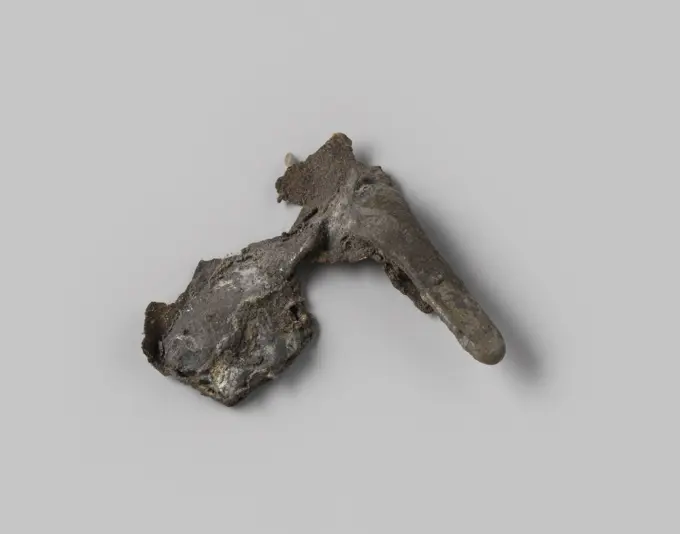
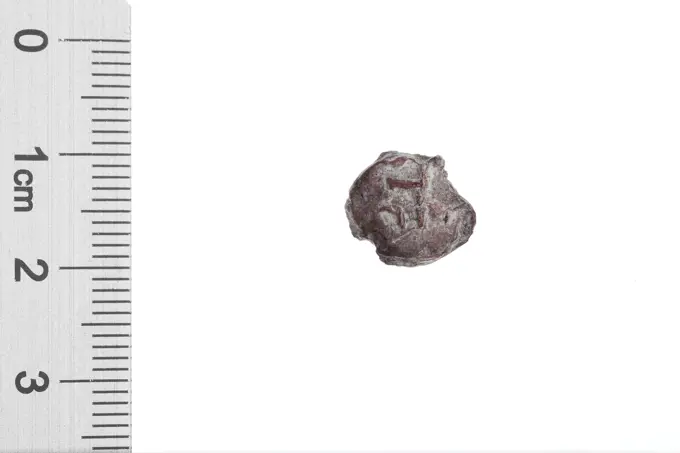
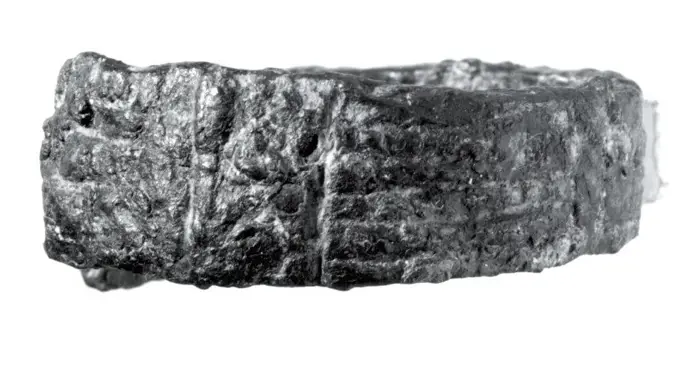
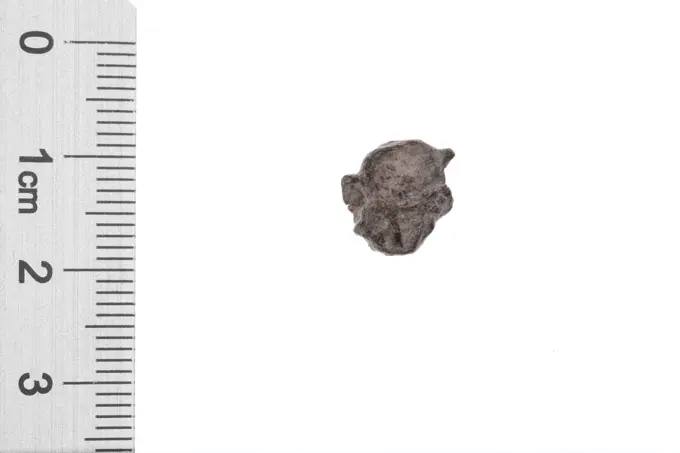
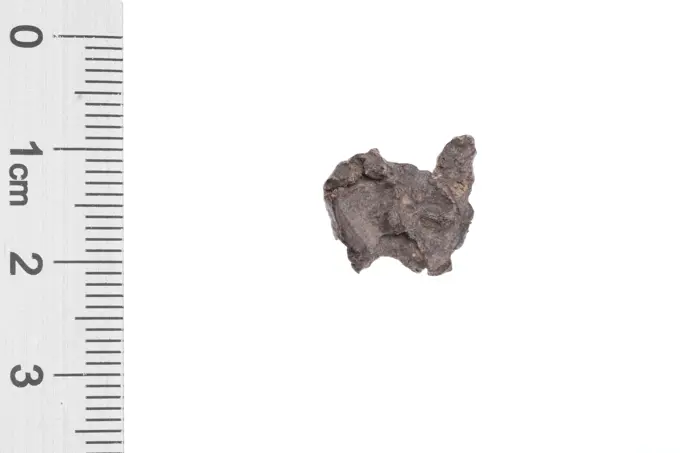
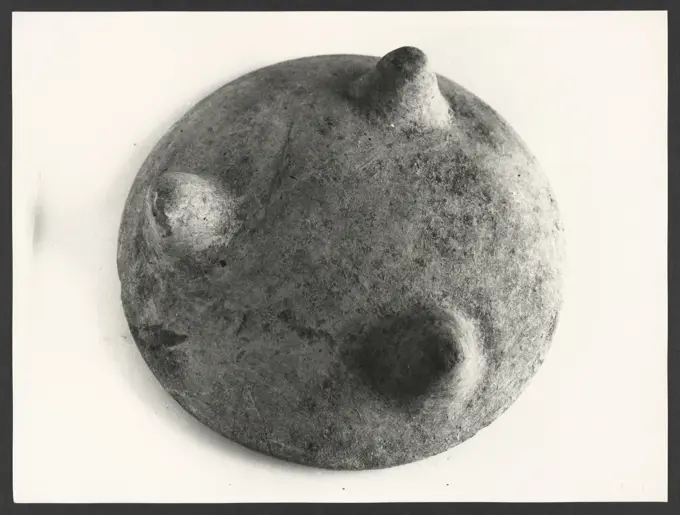
Batter of pattern sleeve from the wreck of the East Indians Hollandia, Anonymous, 1700 - in Or Before 1743 cartridge shell Cartridge case, tube solder; id. NG 1979-205H549 with copper tube fragm. Netherlands lead (metal)   Second
Batter of pattern sleeve from the wreck of the East Indians Hollandia, Anonymous, 1700 - in Or Before 1743 cartridge shell Cartridge case, tube solder; id. NG 1979-205H549 with copper tube fragm. Netherlands lead (metal) Second
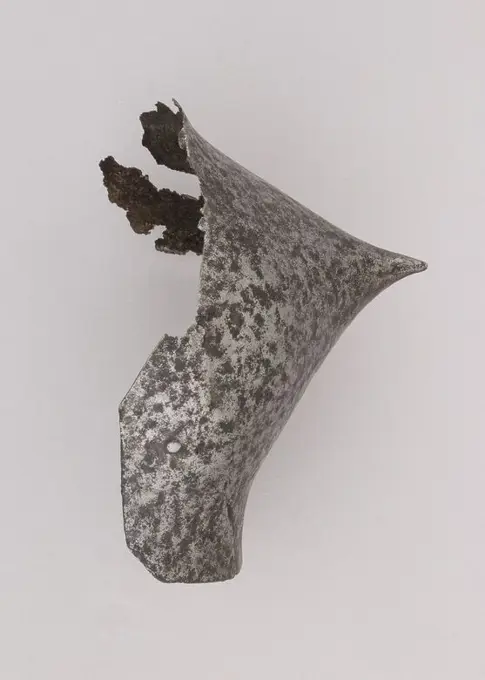
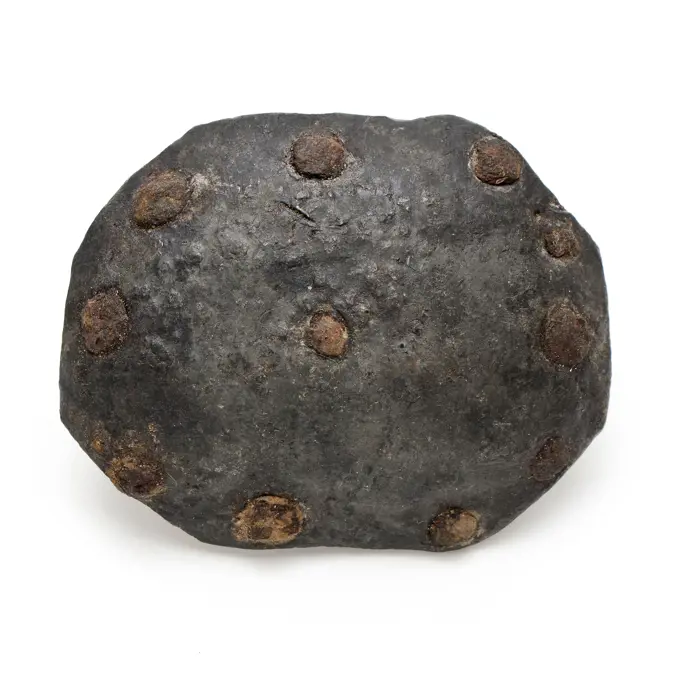
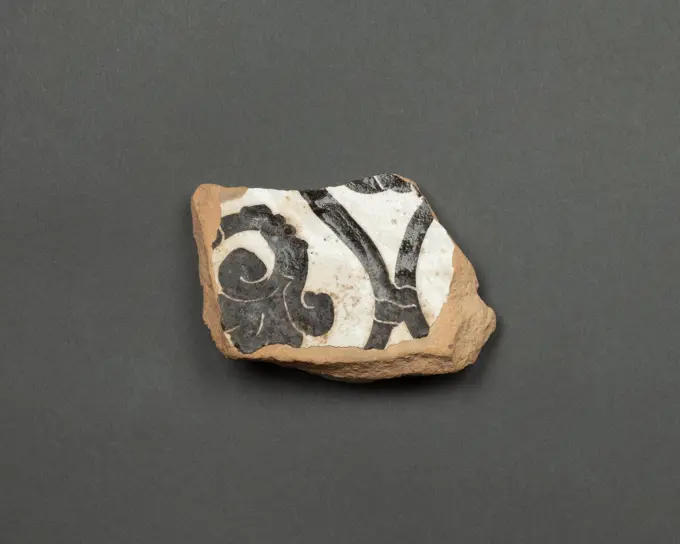
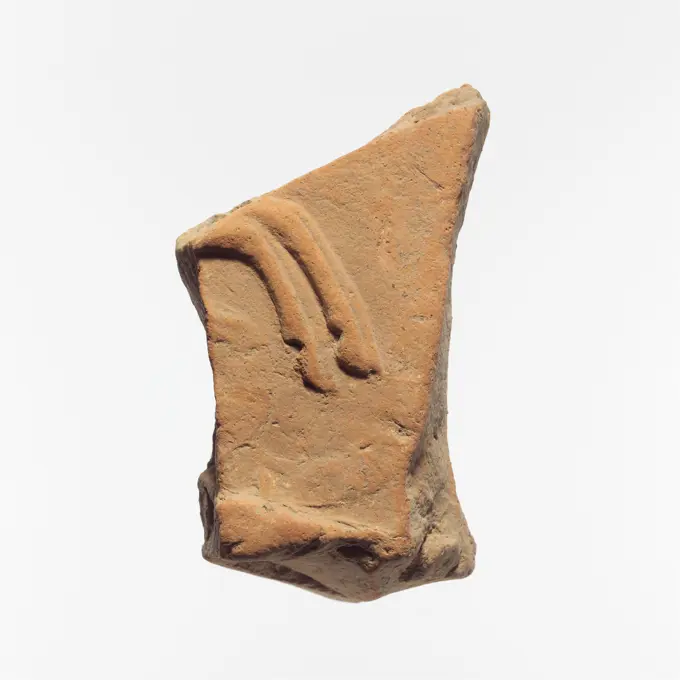
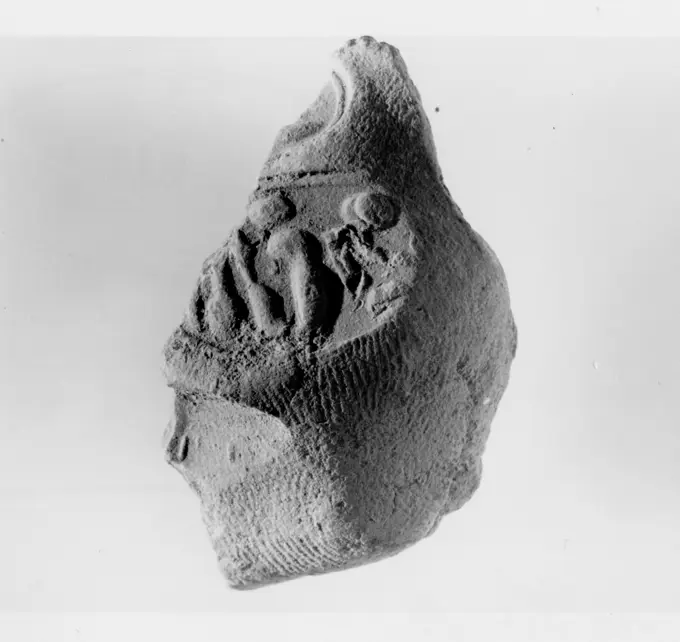
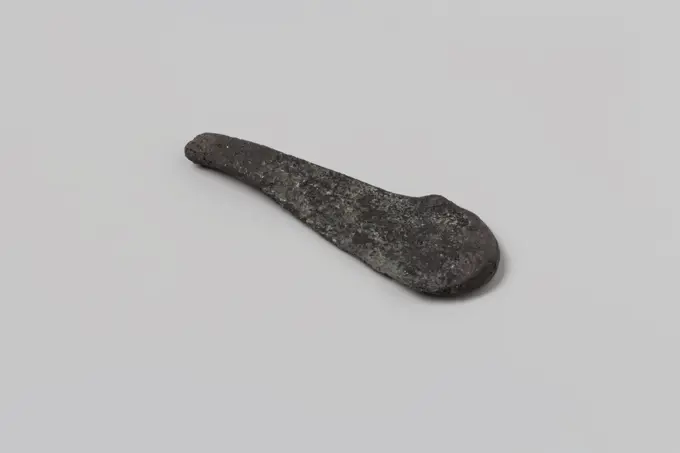
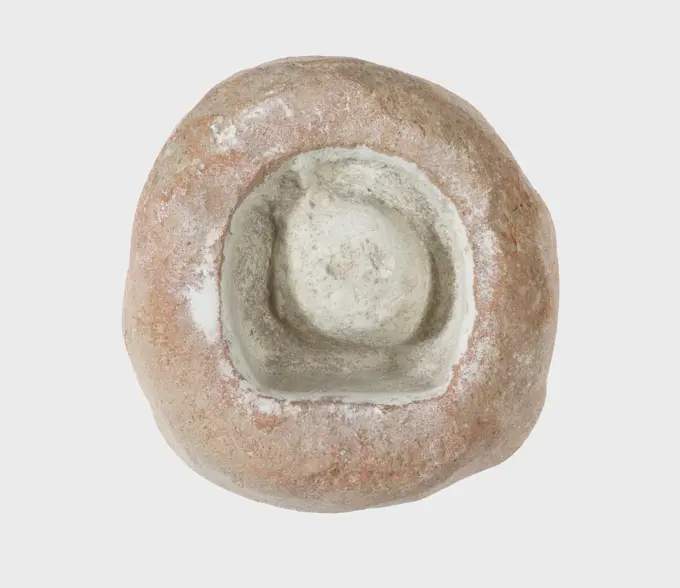
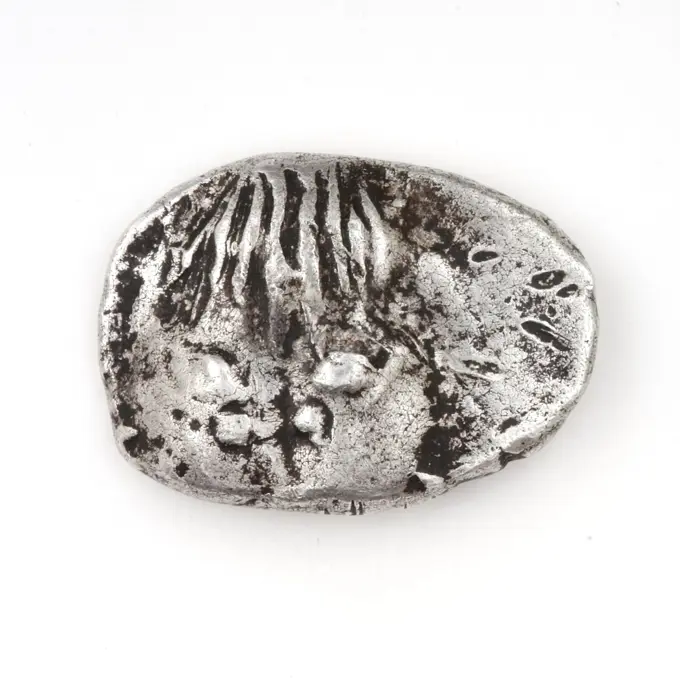
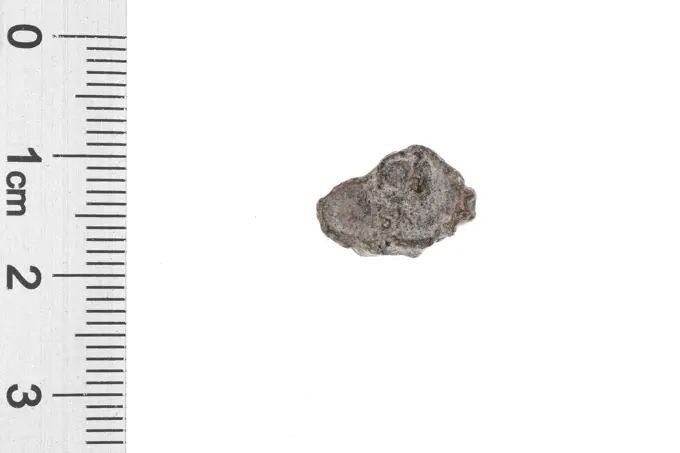
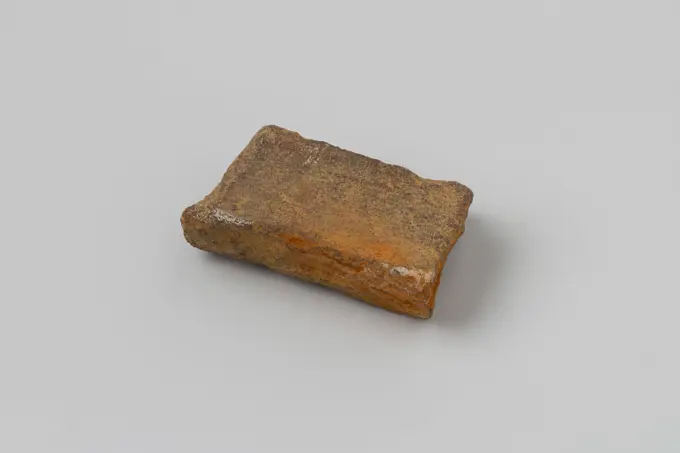
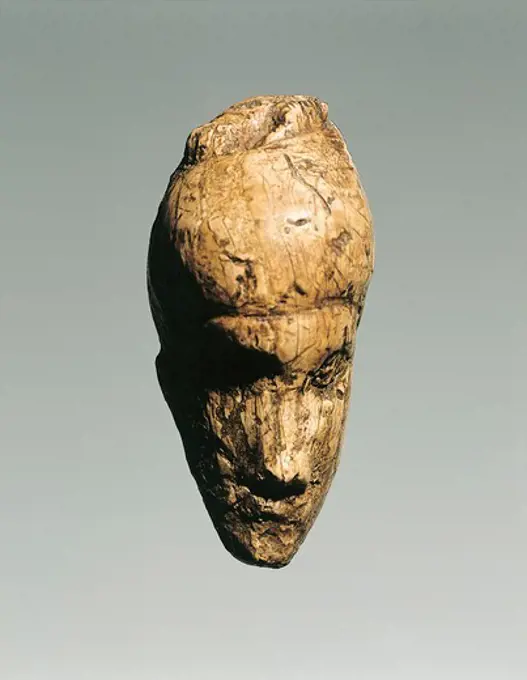
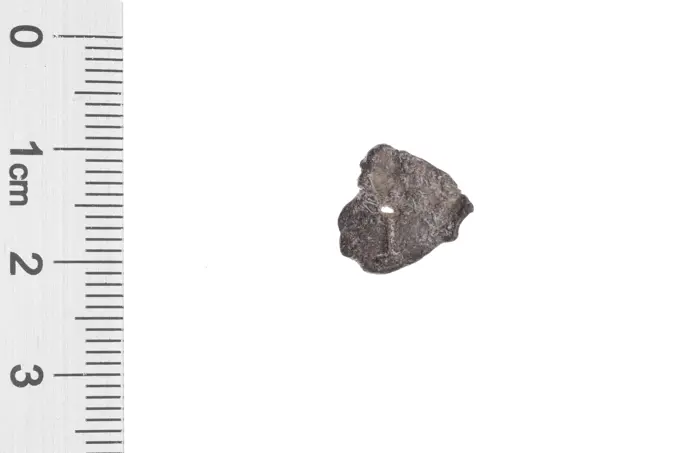
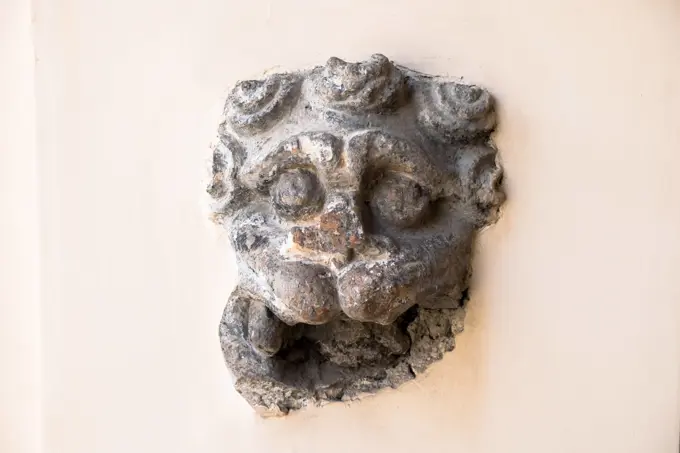
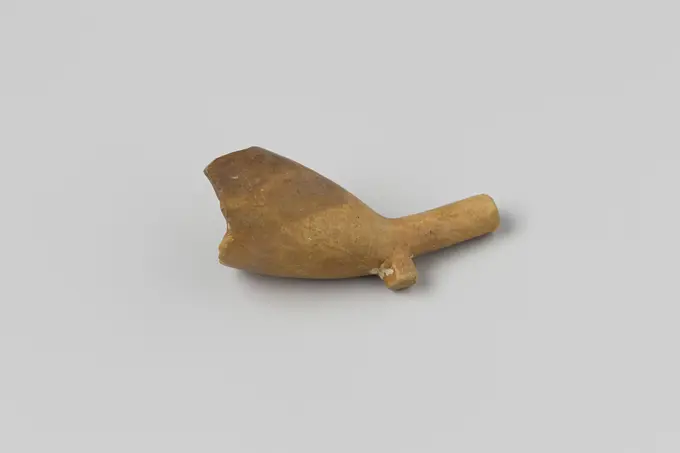
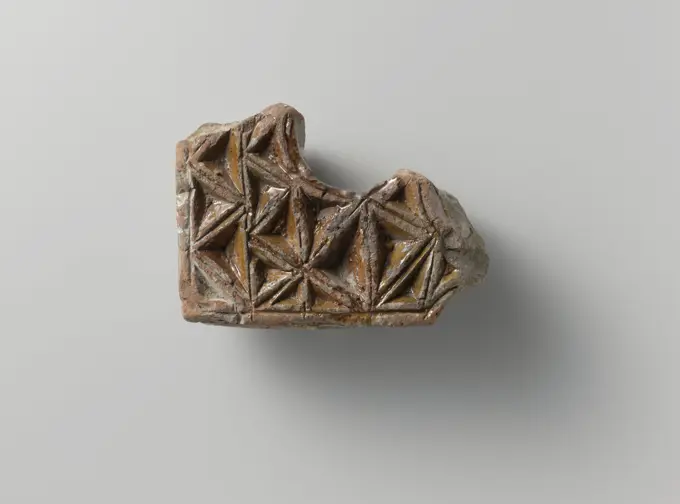
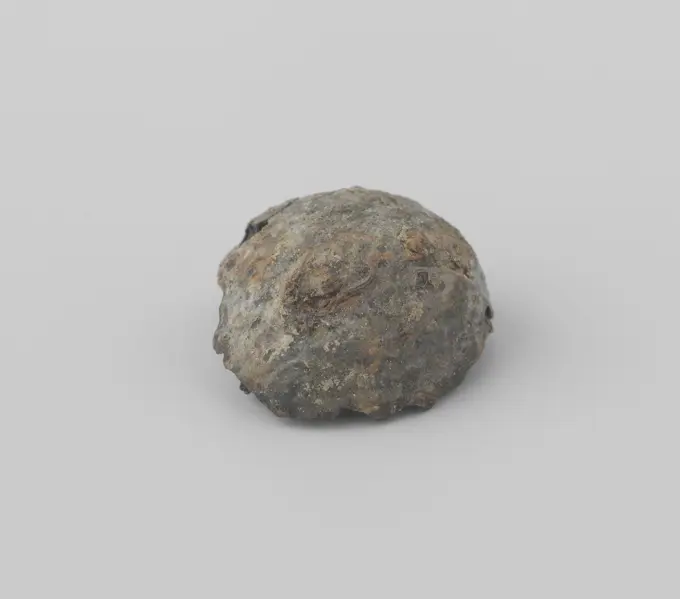
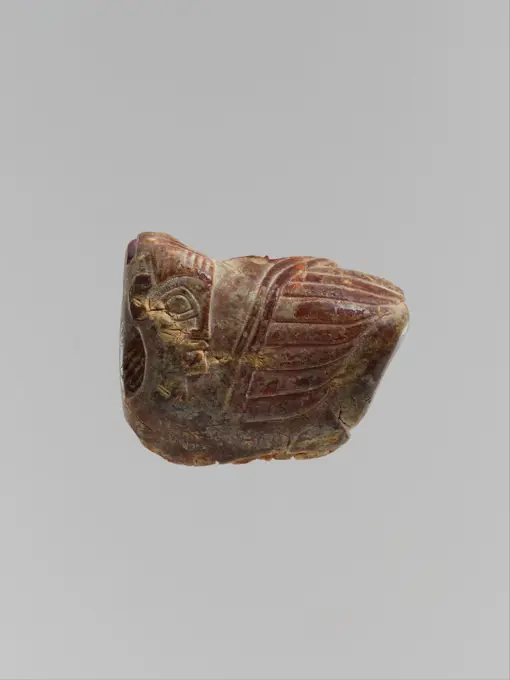
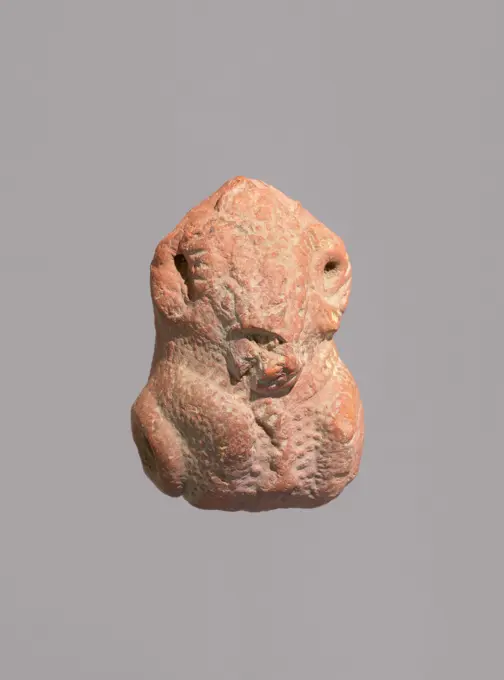
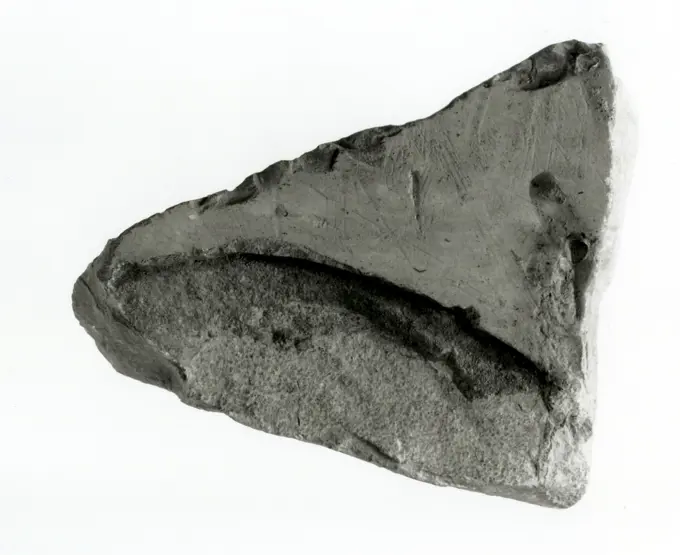
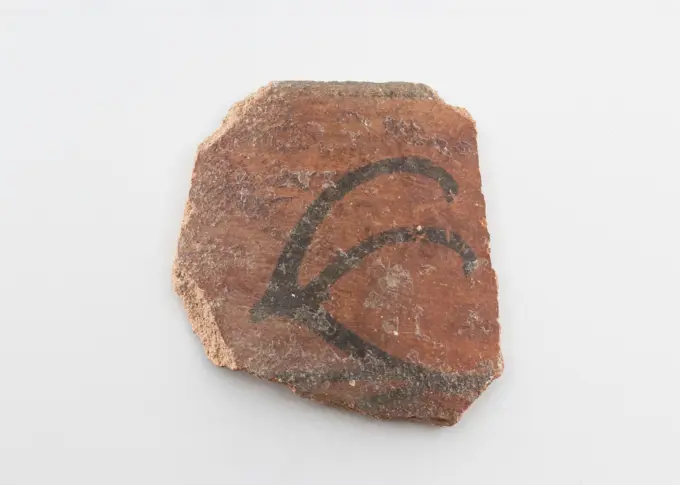
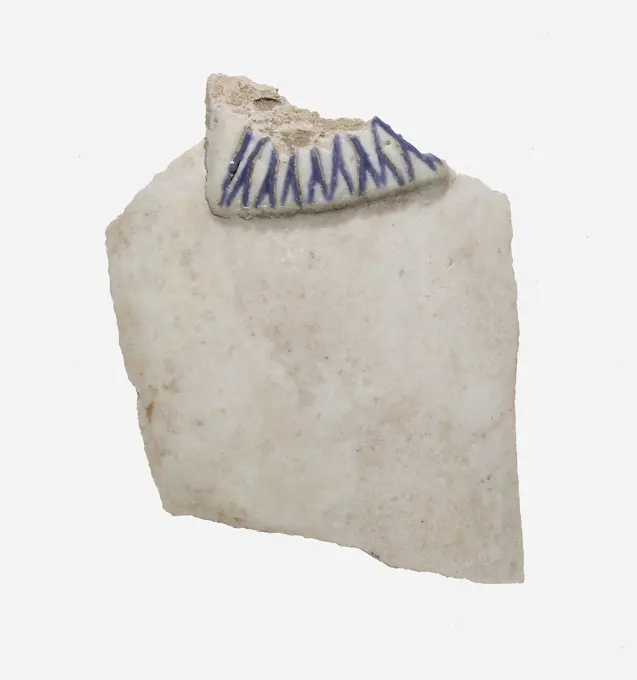
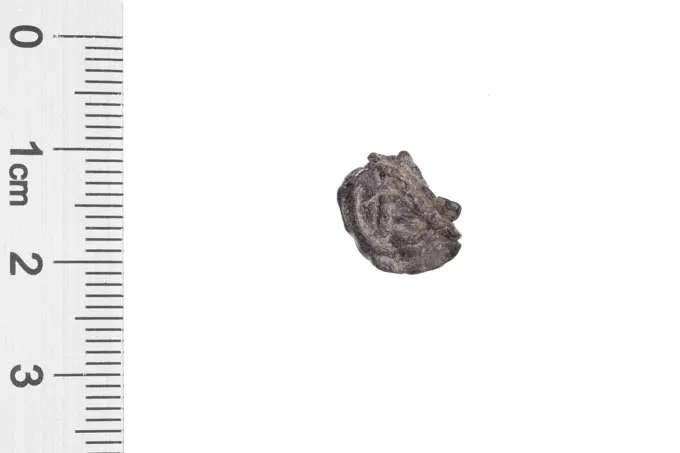
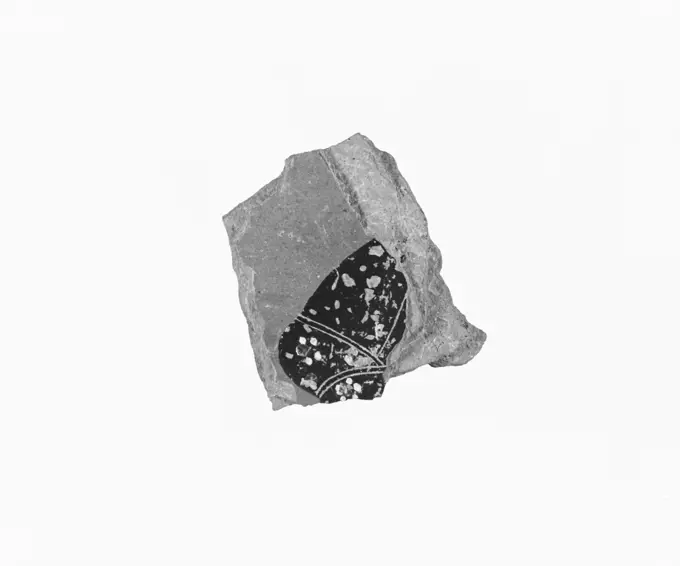
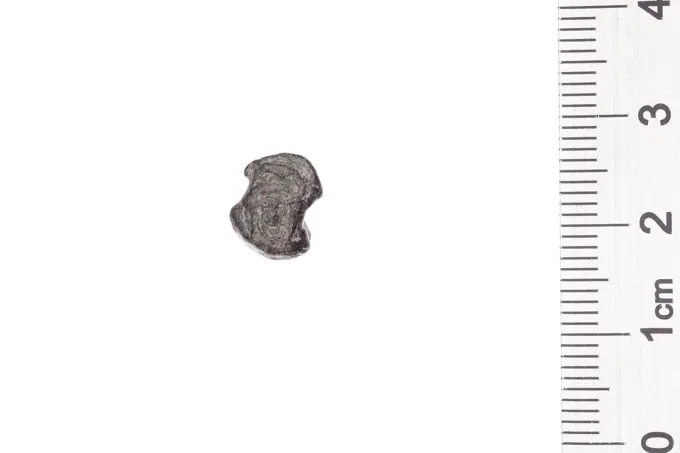
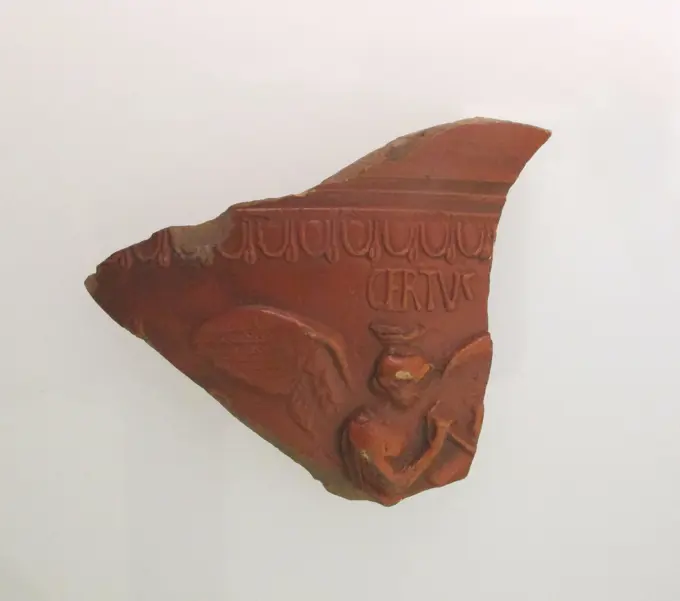
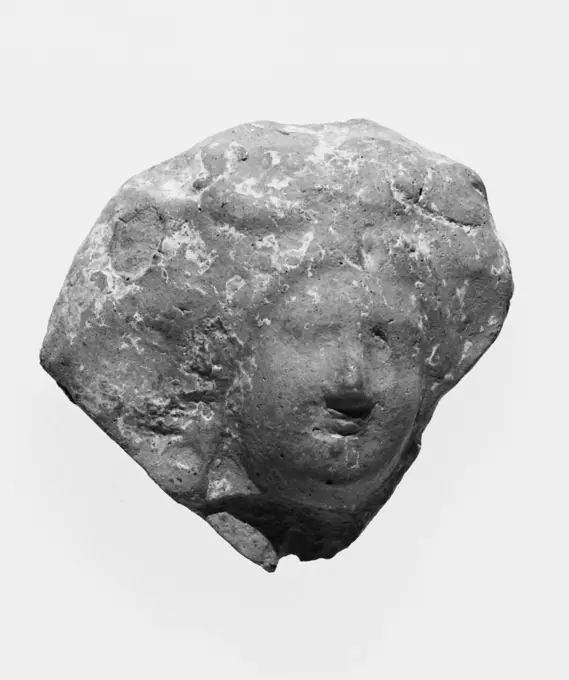
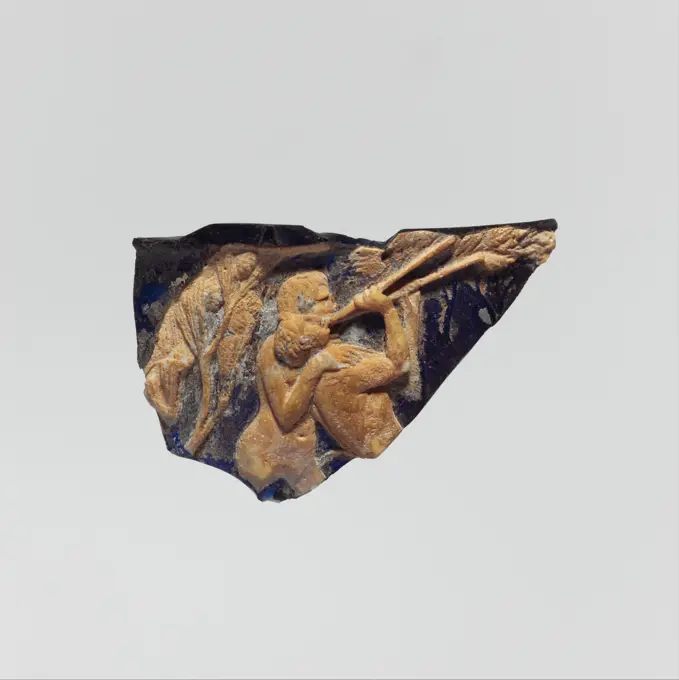
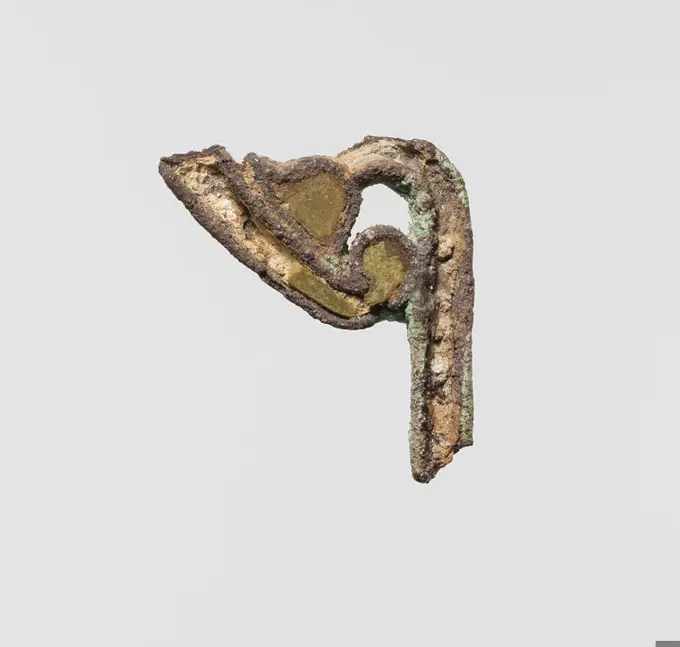
Coin probably 786-808. Coin. probably 786-808. Copper. Excavated in Iran, Nishapur. CoinsChalice or Kantharos Handle Fragment. UnknownElbow Defense (Couter). Culture: Italian. Dimensions: H. 4 1/2 in. (11.4 cm); W. 4 3/4 in. (12.1 cm); D. 4 1/4 in. (10.8 cm); Wt. 5 oz. (141.7 g). Date: ca. 1430-40. Museum: Metropolitan Museum of Art, New York, USA.Drohiczyn seal. unknown, managerEight-edged globe herd containing wood remnants, held by eleven nails, herd ground find lead wood iron metal, hand-forged cast cut Eight-sided convex plate in which wood remains held by eleven nails Possible fitting of shield archeology Rotterdam City Triangle Oostplein Newport reinforcement Soil discovery: Oostplein end New Port 1985.Ceramic probably 8th-12th century This object was excavated at Nishapur.Nishapur was a vital city in the early and middle Islamic periods, located along one of the main trajectories that connected Iran and West Asia Islamic lands with Central Asia and China. These itineraries are often referred to by the term Silk routes but were in fact crucial to the movement of constellations of materials and objects, as well as people and ideas. The diverse population of Nishapur and its surroundings, from the better-researched elite groups of merchants, land-owning aristocracy, and literates, to the less-known artisans, farmers, miners, and servants, were instrumental in adapting global cultural trends to create their own distinctive visual languages. This is seen in the material remains of everyday life in medieval Nishapur - from pots and pans to lighting devices, inkwells, textiles and trimmings, jewelry, games and toys, talismanic devices, weapons, coins, and architectural fragments.Nishapur lIvory die. Culture: Roman. Dimensions: Overall: 5/8 x 9/16 in. (1.6 x 1.4 cm). Date: ca. 1st-3rd century A.D..Cubical in form. Museum: Metropolitan Museum of Art, New York, USA.Fragment of a terracotta architectural tile 6th century B.C. Lydian Forelegs of an animal.. Fragment of a terracotta architectural tile 252644 Lydian, Fragment of a terracotta architectural tile, 6th century B.C., Terracotta, Overall: 3 5/8 x 6 in. (9.2 x 15.2 cm). The Metropolitan Museum of Art, New York. Gift of The American Society for the Excavation of Sardis, 1926 (26.199.74)Fragment of a Statue of a Youth. This fragment is one of two pieces from different parts of the left leg of a statue of a nude man. The larger fragment (see 82.AA.48.1) is of the upper thigh area and includes the curve of the inner part of the leg as it transitions to the groin. The smaller fragment (see 82.AA.48.2) is of the knee area with the top of the fragment broken at the middle of the patella. The modeling is of a high quality, giving a hint of the importance of the original statue from which the two fragments come.Document Sealing With the Throne Name of Amenhotep III ca. 1390-1353 B.C. New Kingdom. Document Sealing With the Throne Name of Amenhotep III. ca. 1390-1353 B.C.. Mud. New Kingdom. From Egypt, Upper Egypt, Thebes, Malqata, West Villas, West Villa B, MMA excavations, 1910-12. Dynasty 18Feline Head Figurine. Egypt, Roman Period (30 BCE - 395 CE) or later. Sculpture. BronzeVase fragment ca. 4000-3000 B.C. Neolithic, Hagiorgetika. Vase fragment 253283 Neolithic, Hagiorgetika, Vase fragment, ca. 40003000 B.C., Terracotta, length 1 1/8in. (2.8cm). The Metropolitan Museum of Art, New York. Anonymous Gift, 1930 (30.119.78)Fragment Steel van Fork or Spoon from the wreck of the East Indians Hollandia, Anonymous, 1700 - in Or Before 1743 spoon Cutlery, fragment: stem of fork or spoon; fragm, sim. NG 1980-27H67. Netherlands tin (metal)   SecondAttic Black-Figure Amphora Fragment. UnknownFragment pin from the wreck of the East Indieschief Hollandia. Tools and Instruments, Sewing and Sailmaking, PIN; Fragm or Shaft, ID. NG 1980-27H3265, eroded.Mold for a Rings ca. 1390-1353 B.C. New Kingdom. Mold for a Rings. ca. 1390-1353 B.C.. Pottery. New Kingdom. From Egypt, Upper Egypt, Thebes, Malqata, various, MMA excavations, probably 1910-11. Dynasty 18tetrobol; Pantikapaion; 2. PO. VI century BC (-550-00-00--501-00-00);Nadczarzyorze, Terlecki, Ignacy (1860-1916), Terlecki, Ignacy (1860-1916)-collection, depressed square (numism.), Lions, lion scalp (iconogr.), Purchase (provenance), animalsDrohiczyn seal. unknown, managerDrohiczyn seal. unknown, managerShard from a can from the wreck of the East Indied Flying Heart. One thick brown shard with rean stroke that has been part of a can.Arrow Point, 550-330 BC. Iran, Ecbatana (). Bronze; overall: 3.6 cm (1 7/16 in.).Terracotta bowl fragment ca. A.D. 15-35 Roman Two figures: satyr and woman.. Terracotta bowl fragment 250436Play medal from the wreck of the East Indies Hollandia, Anonymous, 1700 - in Or Before 1743  Rectangular, square, flat, engraved diagonal cross on one side, game token. Netherlands lead (metal)   SecondGlass mosaic ribbed bowl fragment. Culture: Roman. Dimensions: Other: 1 1/16 x 1 3/4 in. (2.7 x 4.4 cm). Date: late 1st century B.C.-early 1st century A.D..Body fragment.Translucent purple and opaque white.Slightly concave curving side.Composite mosaic pattern formed from polygonal sections of a single cane in a purple ground with wavy bands of white parallel threads; on exterior, part of a single thick, flat vertical rib, tapering downward, with tooling marks across squared top.Polished interior; pitting of surface bubbles on interior; dulling, pitting, and creamy iridescent weathering on exterior and jagged edges. Museum: Metropolitan Museum of Art, New York, USA.Sealing ca. 1981-1640 B.C. Middle Kingdom. Sealing 560465Pendant 1st-8th century Mezcala. Pendant 313248denarius; W ADSY AW III WARNE Czyk (Polish king; 1434-1444); 1434-1444 (1434-00-00-1444-00-00);Czech Republic, Brno, Etnograficke Muzeum Moravskeho Muzea v Brne, Bone pendant depicting human face from Dolni Vestonice.Drohiczyn seal. unknown, managerDrohiczyn seal. unknown, managerDetails in Palazzo dello spagnolo the Palazzo dello Spagnolo is a Rococo or late-Baroque-style palace in central Naples Copyright: xZoonar.com/MassimoxLamax 8017863Bracelet ca. 8th-7th century B.C. Iran. Bracelet 327033denarius; W ADSAW II JAGIEC (King of Poland; 1386-1434); 1386-1434 (1386-00-00-1434-00-00);Statue Fragment. UnknownDrohiczyn seal. unknown, managerFitting ring from the wreck of the East Indians Hollandia, Anonymous, 1700 - in or before 1743  Fittings, bands and bracing, circular: riveted; fragm, id. NG 1980-27H3058, squashed, corroded, 2 rivets, 1 circular hole. Netherlands copper (metal)   SecondBody (thigh ) with garment, pleated ca. 1353-1336 B.C. New Kingdom, Amarna Period. Body (thigh ) with garment, pleated. ca. 1353-1336 B.C.. Indurated limestone. New Kingdom, Amarna Period. From Egypt, Middle Egypt, Amarna (Akhetaten), Great Temple of the Aten, pit outside southern wall, Petrie/Carter excavations, 1891-92. Dynasty 18Natural rough ruby in zoisite stone on a white background.Drohiczyn seal. unknown, managerMale Head. UnknownSealing ca. 2030-1640 B.C. Middle Kingdom. Sealing 565371Drohiczyn seal. unknown, managerScrew cap from the wreck of the East Indies Princesse Maria, Anonymous, 1670 - 1686 screwcap Round pewter screw cap for a basement bottle, black corroded. Screw Cap. Netherlands tin (metal)Sugar Earth ,, 1600 - 1699 An octagonal sugar box made of forged iron with an ajour processed decoration of leaves and flowers on a surface of red copper on the lid and quoted leaf work on the sides. . France iron (metal). copper (metal) forging An octagonal sugar box made of forged iron with an ajour processed decoration of leaves and flowers on a surface of red copper on the lid and quoted leaf work on the sides. . France iron (metal). copper (metal) forgingSilver sniff box, Anonymous, 1700 - 1725 Oval with wide waved edge and with gold -plated inside. Northern Netherlands silver (metal) Oval with wide waved edge and with gold -plated inside. Northern Netherlands silver (metal)Drohiczyn seal. unknown, managerDrohiczyn seal. unknown, managerShard of a plate from the wreck of the East India Hollandia.Porcelain, Plate, Type 2; Fragm or Center, SIM. NG 1980-27H2624H.Fragment of a Statue: Hand. UnknownVase fragment East Greek/Sardis, Lydian. Vase fragment 252807 East Greek/Sardis, Lydian, Vase fragment, Terracotta, Overall: 2 1/4 x 1 1/8in. (5.7 x 2.8cm). The Metropolitan Museum of Art, New York. Gift of The American Society for the Excavation of Sardis, 1926 (26.199.240)Fragment blowjob from the wreck of the East Indiesman Hollandia.Pipe, Bowl, Healmar: Bundle of Seven Arrows (Coat of Arms of the Seven United provinces of the Netherlands); Fragm, 1HSM1.Empty wooden cutting board on gray textured concrete background Empty wooden cutting board on gray textured concrete background. Cutlery, preparation for dinner Copyright: xZoonar.com/TetianaxChernykovax 21909417Lazio Viterbo Viterbo Museo Civico80. Hutzel, Max 1960-1990 Views of paintings (Middle Ages through 18th c.), frescoes, a tabernacle, coffin, sculpture reliefs, portal fragments, busts, sculpture, tapestry found in the Pinacoteca, Second floor gallery and Second floor cloister sequences. Antiquities: Many views of Etruscan and Roman fragments, sculpture, sarcophagi, pottery, masks, jewelry and other objects found in the Storeroom sequence (inventory numbers on back of prints), and the Cloister, Second floor Cloister, Valle Giulia, Sala Romana and Sala Etrusca sequences. General Notes: There are eight separate numerical sequences for this location. The cloister as an architectural structure, rather than museum site, is documented in the record and file for S. Maria della Verita, Cloister, all views of which are stored in Medieval core collection. Five views from the Museo Civico Second floor cloister sequence are stored in Medieval. German-born photographer and scholar Max Hutzel (1911-Block weight from the wreck of the East Indies Hollandia, Anonymous, 1700 - in Or Before 1743 weight Block-shaped weight, circular, flat top, concave underside, tapering in section. Netherlands lead (metal)   SecondCotton hat with Zaans Stigwerk, Anonymous, c. 1700 - c. 1800 Cotton hat with Zaans Sticwork. Netherlands cotton (textile) embroidering Cotton hat with Zaans Sticwork. Netherlands cotton (textile) embroideringLacan, E., Ville de Paris, Bilordeaux, Adolphe, Le même os, Bone of an elephant, recto - printed, photomechanical print, page, photos, photographically illustrated books, Procédé spécial photo-litho. A. Bilordeaux, Vu du coté opposé (voir pl. 53), 6, 7 nature, PL. 53 bis, AB, height 244 mm, width 193 mm, photographer, 1864 - 1869, paper, photolithography, French, 1807 - 1870, cliché maker, printer, supervisionConstruction fragmet, decorated with deepened triangles, anonymous, c. 1450 - c. 1550 A building fragment of baked pottery, decorated with a pattern of immersed triangles. Netherlands earthenware A building fragment of baked pottery, decorated with a pattern of immersed triangles. Netherlands earthenwareNutmeg from the wreck of the East Indians' t Vliegend Hart, 1700 - 1735  The half, brown nutmeg was found in a chunk of concretion.  organic materialPijpenkop, Anonymous, 1700 - 1799 Pipe head with two dotted flowers. Of the excavations on the Hofstede Arentsburg 1827-1831 under the supervision of Professor Reuvens. Netherlands pipe clay Pipe head with two dotted flowers. Of the excavations on the Hofstede Arentsburg 1827-1831 under the supervision of Professor Reuvens. Netherlands pipe clayAttic Red-Figure Vase Fragment. UnknownDenar Fa Sneaking; W ADSAW II JAGIEC (King of Poland; 1386-1434); 1386-1434 (1386-00-00-1434-00-00);Emilia-Romagna Ferrara Ferrara Museo Civico di Schifanoia33. Hutzel, Max 1960-1990 General Notes: INCOMPLETE RECORD--NEGATIVES PROCESSED, PRINTS FILED German-born photographer and scholar Max Hutzel (1911-1988) photographed in Italy from the early 1960s until his death. The result of this project, referred to by Hutzel as Foto Arte Minore, is thorough documentation of art historical development in Italy up to the 18th century, including objects of the Etruscans and the Romans, as well as early Medieval, Romanesque, Gothic, Renaissance and Baroque monuments. Images are organized by geographic region in Italy, then by province, city, site complex and monument.Fragment Tobacco Pipe, Machiel Andriesz van Oosterhout, 1760 - 1775 Fragment tobacco pipe with the letters m v o and crowned n. Of the excavations on the Hofstede Arentsburg 1827-1831 under the supervision of Professor Reuvens. Schoonhoven pipe clay Fragment tobacco pipe with the letters m v o and crowned n. Of the excavations on the Hofstede Arentsburg 1827-1831 under the supervision of Professor Reuvens. Schoonhoven pipe clayPendant: siren 5th-4th century B.C. Italic The siren is a mythical hybrid creature who is part bird and part human female. Here the siren's head is shown in profile and turned back on her shoulder to look over her left wing.. Pendant: siren 256075Vase fragment Minoan. Vase fragment. Minoan. Terracotta. Early Minoan III. VasesVase fragment. Dimensions: h. 3.2 cm (1 1/4 in); w. 3.5 cm (1 3/8 in). Dynasty: Dynasty 12-13. Date: ca. 1981-1640 B.C.. Museum: Metropolitan Museum of Art, New York, USA.Tuber magnatum  on white backgroundDrohiczyn seal. unknown, managerRelief fragments from tomb of Meketre ca. 1981-1975 B.C. Middle Kingdom. Relief fragments from tomb of Meketre 669012Half coconut from v.o.c.-ship the 'white lion'. Half coconut from v.o.c.-ship the 'white lion'. The bottom, with a hole.Prehistory, Italy, Bronze Age. Spindle whorls. From Chiavari necropolis, province of Genoa.Cuneiform tablet: record of silver for supplies, Ebabbar archive ca. 575 B.C. Babylonian. Cuneiform tablet: record of silver for supplies, Ebabbar archive. Babylonian. ca. 575 B.C.. Clay. Neo-Babylonian. Mesopotamia, probably from Sippar (modern Tell Abu Habba)Fragment of a terracotta architectural tile. Culture: Lydian. Dimensions: Overall: 5 1/2 x 5 in. (14 x 12.7 cm). Date: 6th century B.C..Decorated terracotta tiles were fixed to the roof line and upper walls of Lydian houses. Museum: Metropolitan Museum of Art, New York, USA.Aries head - a fragment of the figurine;  III/II century BC -1st century (-225-00-00-100-00-00);Sunk relief fragment 664-610 B.C. Late Period, Saite see 23.3.468. Sunk relief fragment. 664-610 B.C.. Limestone. Late Period, Saite. From Egypt, Upper Egypt, Thebes, Deir el-Bahri, Tomb of Nespekashuty (TT 312, MMA 509), Lunette, 2nd chamber, MMA excavations, 1922-23. Dynasty 26Sherd ca. 3500-3100 B.C. Iran This sherd is made of a red clay, with black painted decoration showing the head of a horned animal. It is typical of Namazga II ceramics from Turkmenistan, dating to ca. 3500-3100 B.C. It was excavated in 1937 at a prehistoric site in the vicinity of Nishapur in northeastern Iran. While Nishapur itself was founded by the Sasanian king Shapur I (reigned ca. A.D. 241-272), this sherd shows that human habitation there goes back to the prehistoric period. Furthermore, the prehistoric pottery from Nishapur has close affinities with ceramic materials from Central Asia rather than with contemporary sites in Iran, meaning that in this period its inhabitants were likely culturally linked to their neighbors to the east. At the same time, Nishapurs location on what later became known as the Great Khorasan Road suggests that it was part of the trade network that facilitated the import of precious stones such as lapis lazuli, carnelian and turquoise from Central AsiaDrohiczy seal;  XI-XIII century (1090-00-00-1110-00-00);guild seals, customs seals, touches, seals of customs chambers, official seals, seals with a cross, seal with the image of the faceAttic Red-Figure Oinochoe (Chous) Fragment. UnknownAttic Black-Figure Vase Fragment. UnknownMarble bowl fragment with Phoenician inscription. Culture: Cypriot. Dimensions: Overall: 3 1/4 x 4 3/4 x 7/8 in. (8.3 x 12.1 x 2.2 cm). Date: ca. 389 B.C.. Museum: Metropolitan Museum of Art, New York, USA.Drohiczyn seal. unknown, managerFragments of Vase ca. 1390-1353 B.C. New Kingdom. Fragments of Vase. ca. 1390-1353 B.C.. Faience. New Kingdom. From Egypt, Upper Egypt, Thebes, Malqata, Green Buildings, MMA excavations, 1910-11. Dynasty 18Drohiczyn seal. unknown, managerAttic Black-Figure Lekythos Fragment. UnknownDrohiczyn seal. unknown, managerDrohiczyn seal. unknown, managerDrohiczyn seal. unknown, managerSealing ca. 7th century A.D. Sasanian. Sealing 323273Vase Fragment 1st century B.C.-1st century A.D. Roman Fragment of a vase; Nike writing on a shield. Signed by Certus as workman for Rasinius.. Vase Fragment 250300Wooden Moveable Type, probably 1800s. China, Nigur, 19th century . Wood; overall: 2.3 x 0.8 x 1.4 cm (7/8 x 5/16 x 9/16 in.).Fragment of an Attic Red-Figure Dinos. Attributed to Kleophrades (Greek (Attic), active about 490 B.C.)Female Head. UnknownFragment Pijpenkop, Anonymous, 1650 - 1750 Fragment pipe head with dotted flower. Of the excavations on the Hofstede Arentsburg 1827-1831 under the supervision of Professor Reuvens. Netherlands pipe clay Fragment pipe head with dotted flower. Of the excavations on the Hofstede Arentsburg 1827-1831 under the supervision of Professor Reuvens. Netherlands pipe clayGrahal-Manzara. Carnavalet 2013-2016 collection sites. Numismatics.Back pillar (), Aten cartouches ca. 1353-1336 B.C. New Kingdom, Amarna Period. Back pillar (), Aten cartouches 549665Fragment Pijpenkop from the wreck of the East Indians Hollandia, Anonymous, 1700 - in Or Before 1743  Pipe, bowl, heelmark: fish, flounder; fragm, 2hsm1,6. Netherlands pipe clay   SecondHelmet. UnknownRoom alpine violet (Cyclamen persicum Hybride), seed capsule immature and ripe, seeds eastern Mediterranean, Germany, EuropeGlass cameo cup (scyphus) fragment late 1st century B.C.-mid-1st century A.D. Roman Translucent cobalt blue with opaque white overlay; handle in translucent cobalt blue.Slightly everted rim tapering to rounded vertical lip; convex curving side; part of right side of handle attachment overlaid on white with small pointed projection.On exterior, in deep relief two satyrs, naked from hips and waist, the one to right with his right arm around shoulder of the other, who is leaning back and playing the double flute, held aloft by both his hands; to either side of satyrs branches of pine trees.Broken with weathered edges; pitting of surface bubbles, dulling, and creamy weathering with iridescence.. Glass cameo cup (scyphus) fragment 248479Papyrus plant bent to left that is an element from a pectoral. Dimensions: H. 1.7 × W. 1.5 × Th. 0.3 cm (11/16 × 9/16 × 1/8 in.). Date: ca. 1887-1750 BC.This fragment from a pectoral illustrates part of stalk of papyrus with an umbel bending to the left. Museum: Metropolitan Museum of Art, New York, USA.