Historical Artifacts and Relics

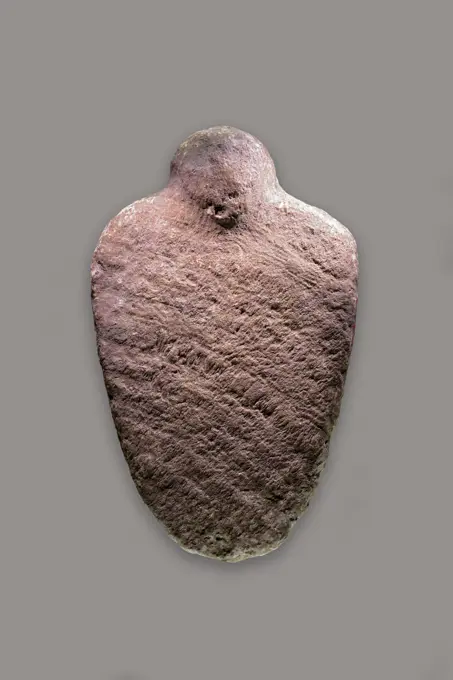
A collection of weathered objects including rolled lead, pumice stones, and stylized head fragments, showcasing textures and muted colors from maritime origins.
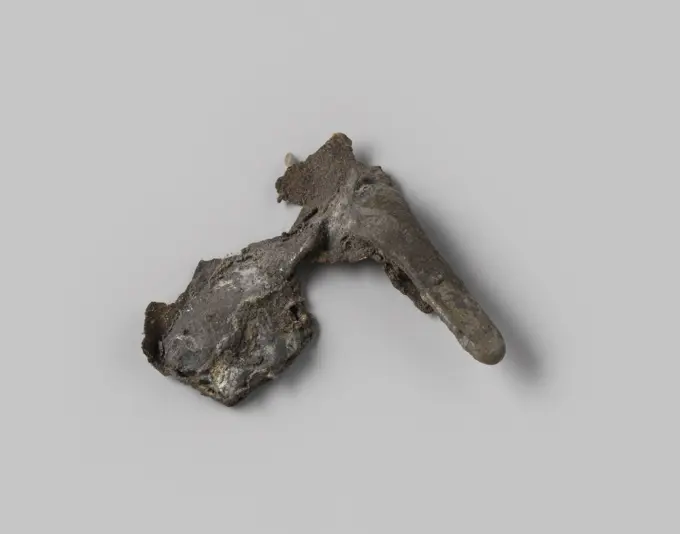
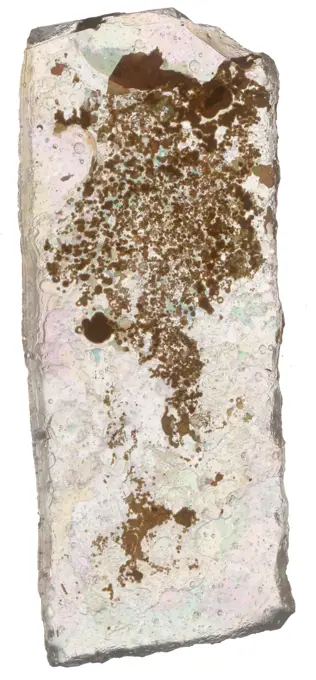
Batter of pattern sleeve from the wreck of the East Indians Hollandia, Anonymous, 1700 - in Or Before 1743 cartridge shell Cartridge case, tube solder; id. NG 1979-205H549 with copper tube fragm. Netherlands lead (metal)   Second
Batter of pattern sleeve from the wreck of the East Indians Hollandia, Anonymous, 1700 - in Or Before 1743 cartridge shell Cartridge case, tube solder; id. NG 1979-205H549 with copper tube fragm. Netherlands lead (metal) Second
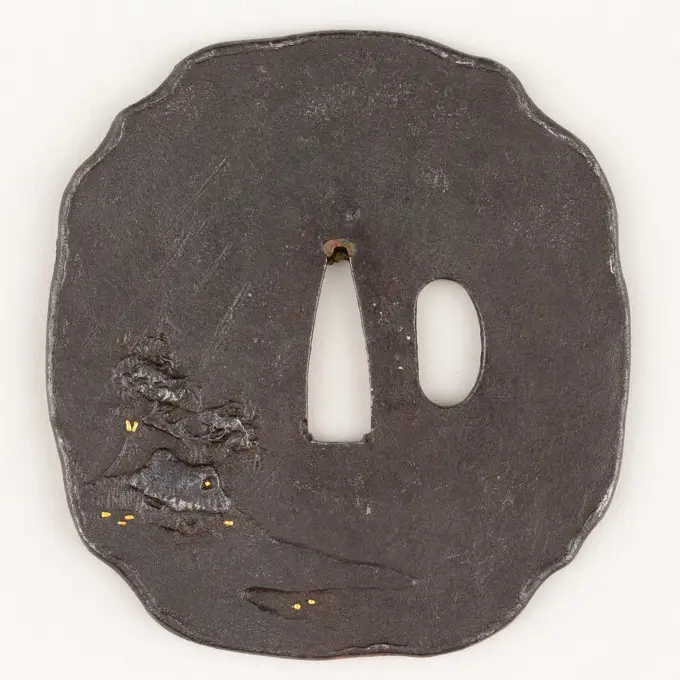
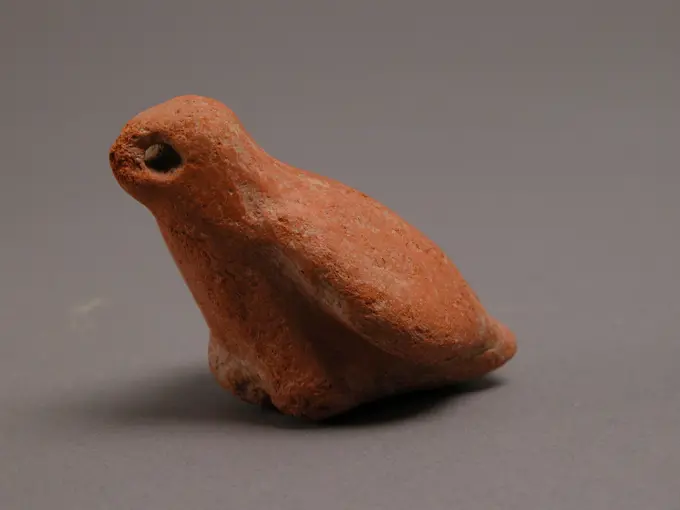
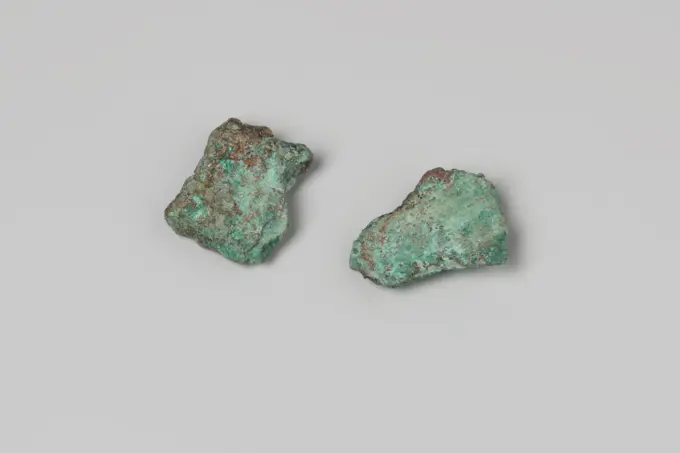
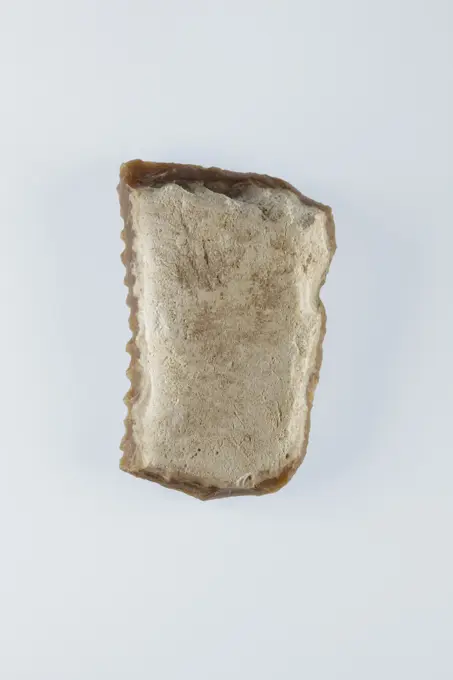
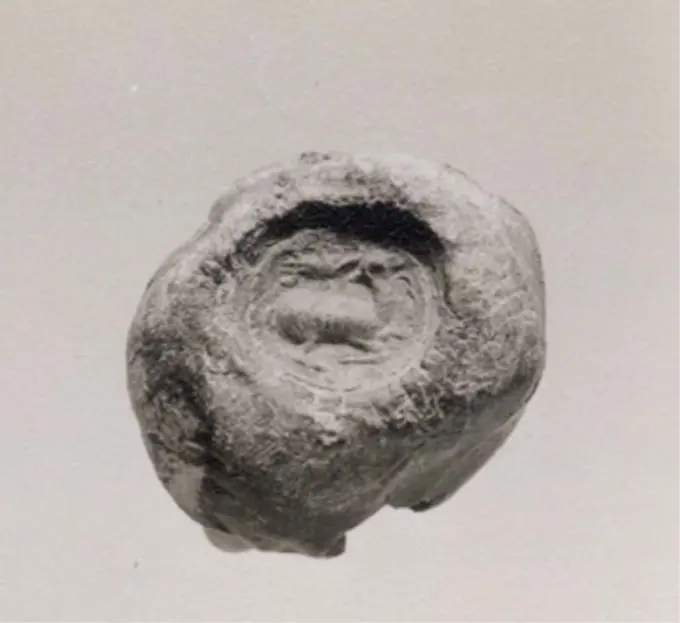
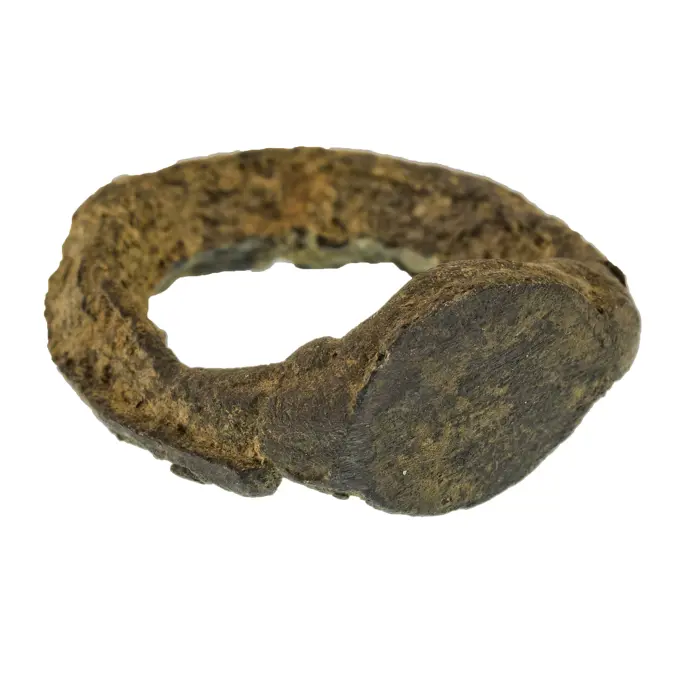
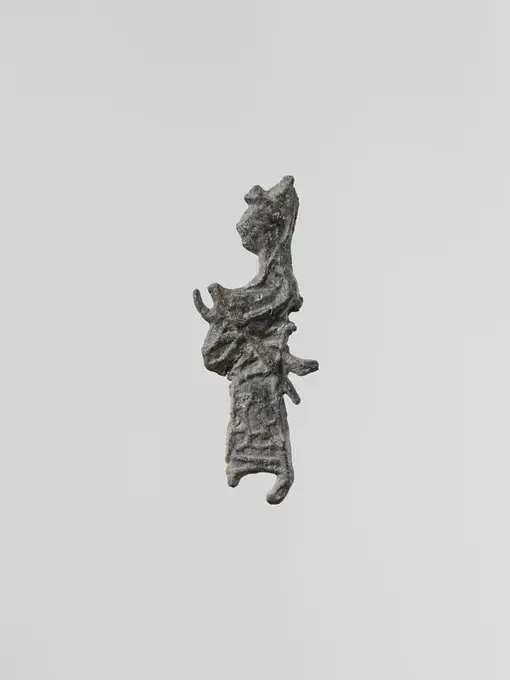
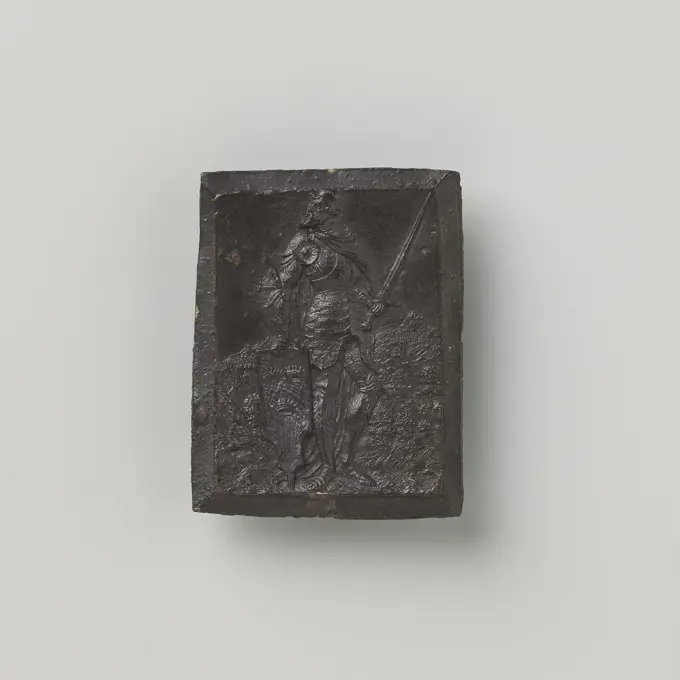
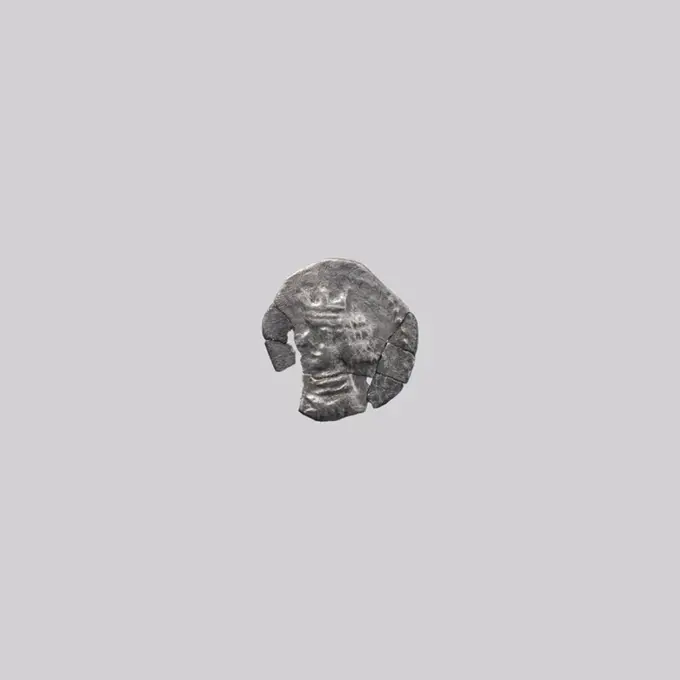
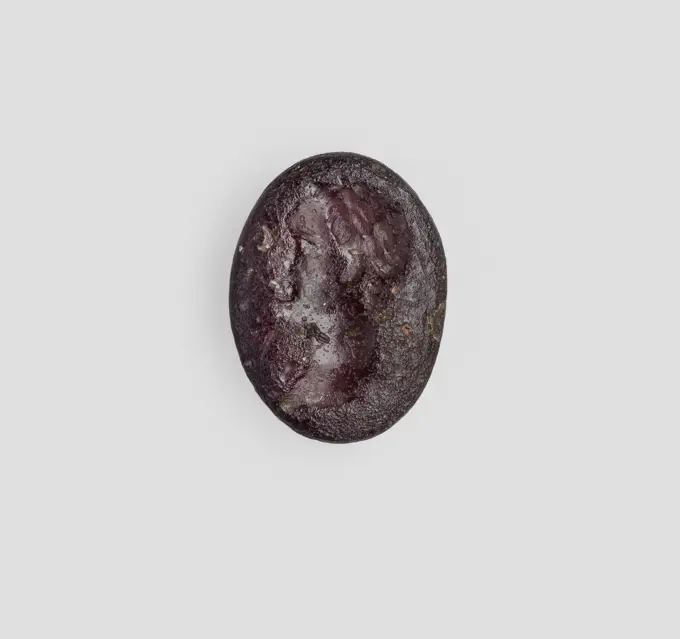
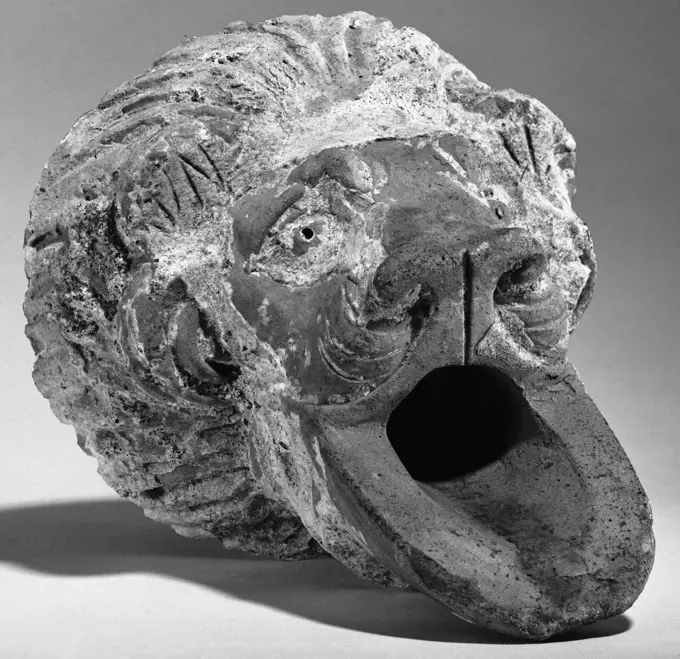
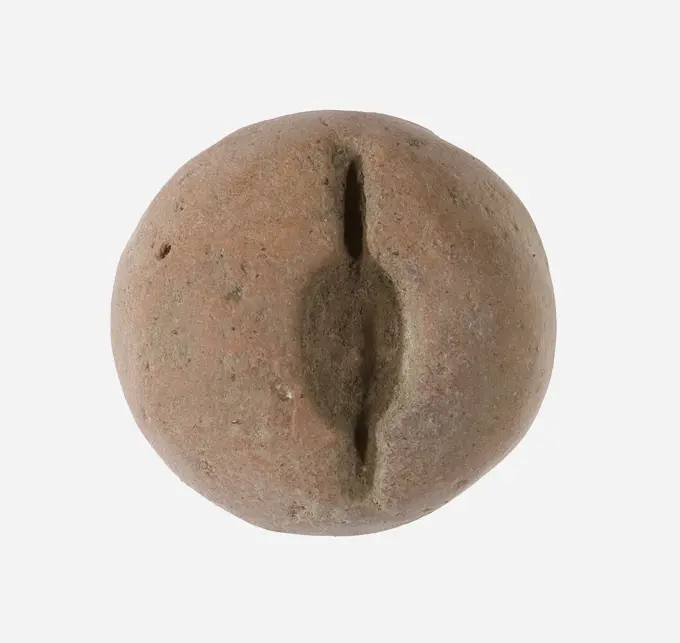
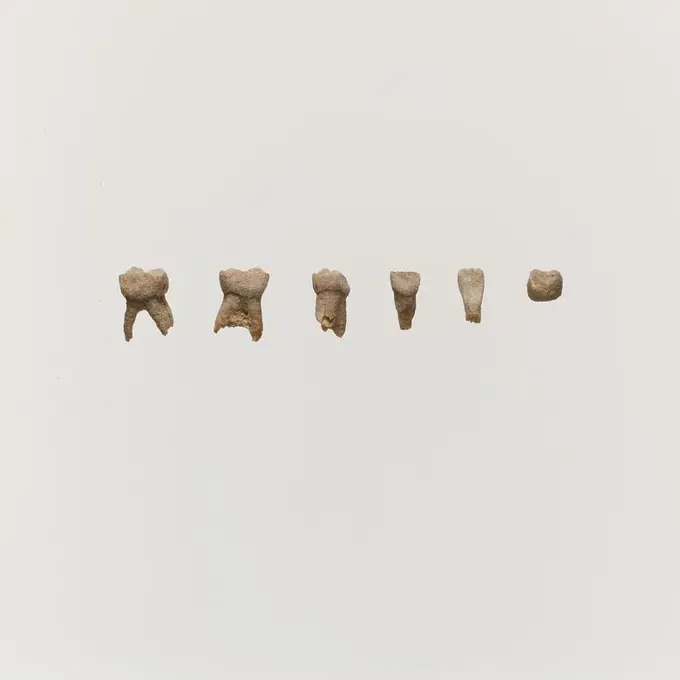
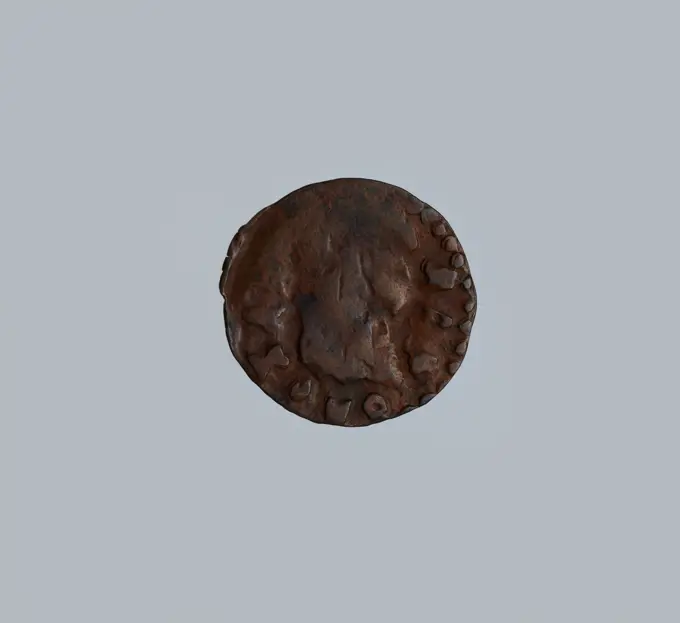
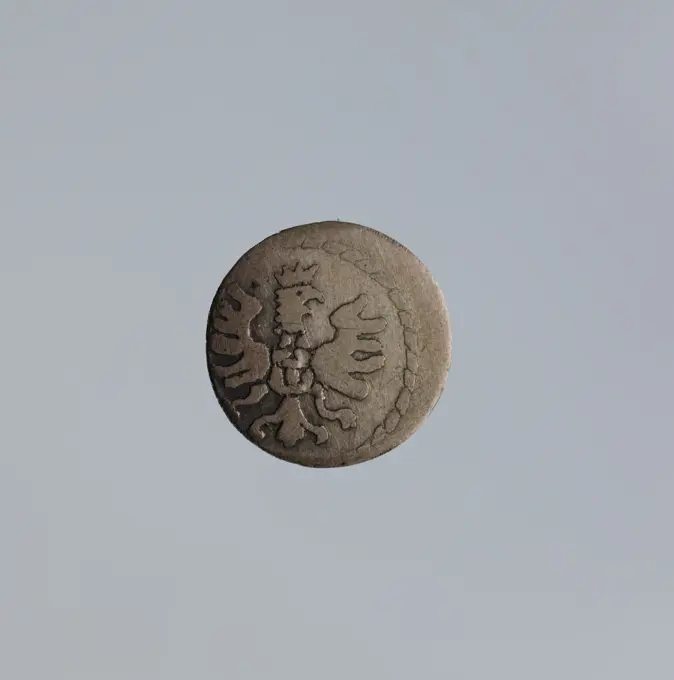
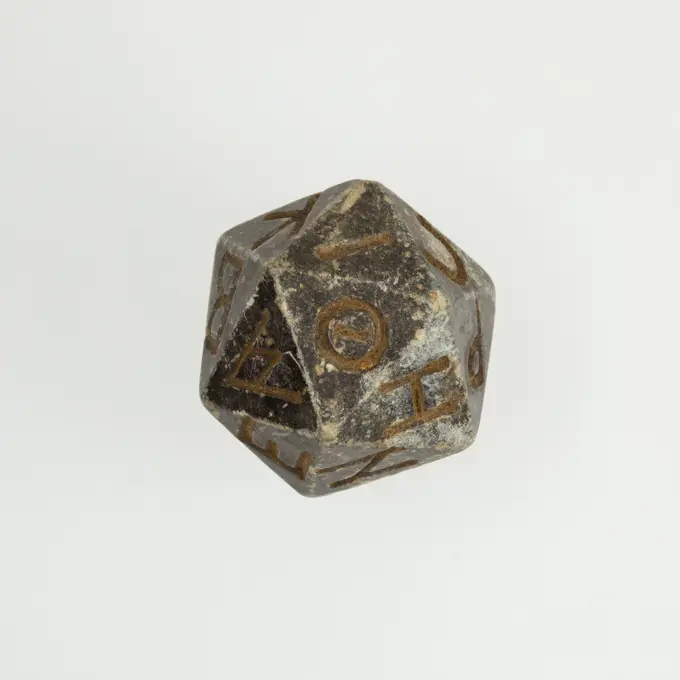
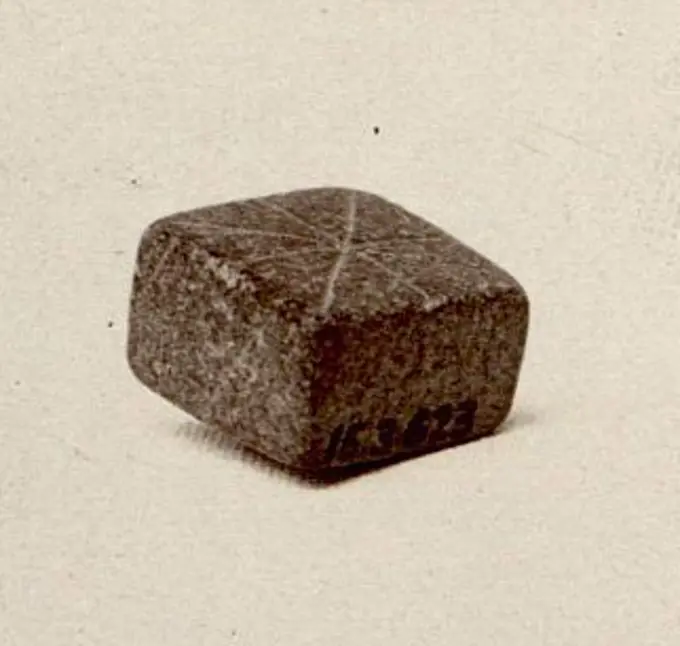
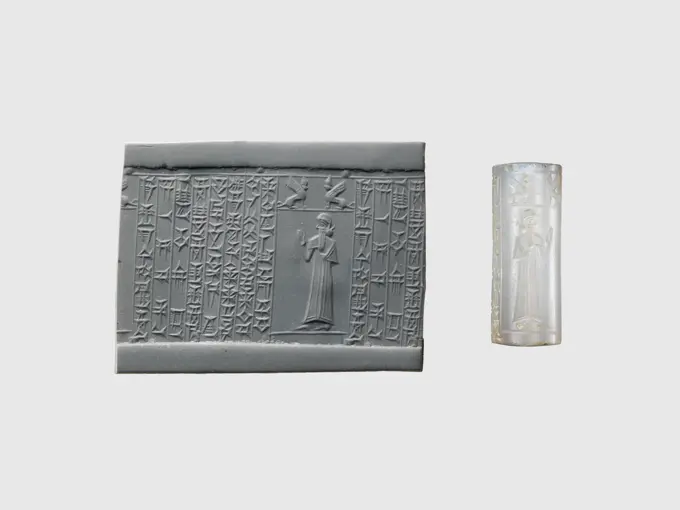
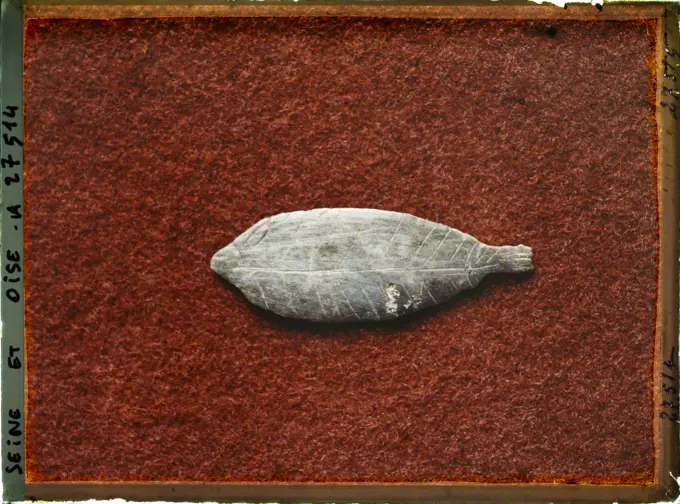
Fishnet, Gorham Manufacturing Company, Providence, Rhode Island, USA, founded 1818, Silver, Oblong, curved corners, rounded sides, featuring all-over raised decoration of fish, crabs, and other sea life inside a net, reverse identical. Lid hinged on side. Striker in grooved recess on bottom., Providence, Rhode Island, USA, 1894, containers, Decorative Arts, Matchsafe, MatchsafeSword Guard (Tsuba) 1600-1625 Japanese A tsuba is a sword guard and part of a sword mounting. It is mounted between the swords blade and grip to protect the users hands.. Sword Guard (Tsuba) 33378Fragment 13th century Crusader. Fragment 475353Loom Weight. UnknownSaddle-Face Bannerstone 3000 BCE-2000 BCE Indiana. Granite . ArchaicAttic Black-Figure Fragment. UnknownBird 4th-7th century Coptic. Bird. Coptic. 4th-7th century. Earthenware. Made in Kharga Oasis, Byzantine Egypt. CeramicsBird Head PectoralBurnt cardboard Burnt cardboard isolated on white background Copyright: xZoonar.com/RuslanxNassyrovx 12569413Fragments copper from the wreck of the East Indians Hollandia, 1700 - in or before 1743 fragment Parts of artefacts; eroded fragments: materials; copper. Netherlands copper (metal)   SecondStone font Number 1 ONE 3D Stone font Number 1 ONE 3D rendering illustration isolated on white background Copyright: xZoonar.com/MilicxDjurovicx 21521845Sickle Insert ca. 1186-1070 B.C. New Kingdom, Ramesside This small piece of flint was a key element to a successful agricultural season in ancient Egypt. Grain was a staple of the economy, as bread and beer made from grain were consumed daily. They also formed the foundation of eternal sustenance, as funerary offerings. Ancient Egyptians used sickles made from flint and wood to reap grain. Pieces of flint such as this one were shaped to fit into a wooden haft along with a number of other such inserts, and secured with an adhesive. The flint pieces provided a sharp edge to cut the grain stalks. With use, the flint would wear down and develop a shiny gloss. The flint inserts could be re-sharpened or replaced as needed. Sickle inserts could be made in a variety of ways. The earliest were fully bifacially retouched, then later they were made on blades (long narrow pieces of flint). Starting in the 2nd millennium BC, some sickle inserts were made on large flakes, such as this one. Flint, raSealing ca. 7th century A.D. Sasanian. Sealing. Sasanian. ca. 7th century A.D.. Un-baked clay. Sasanian. Iran, Qasr-i Abu NasrPewter signet ring, ring ornament clothing accessory clothing semi-finished soil find tin metal, inside, Two rings: 'signet rings' with round chaton (1) and with an oval chaton (2 ) archeology Rotterdam railway tunnel adorn prosperity status goldsmith tinnegieter tingieterij craft Soil discovery: trajectory rail tunnel Rotterdam.Harness or bridle fittings ca. 9th century B.C. Iran. Harness or bridle fittings 325057Arrowhead ca. 9th century B.C. Iran. Arrowhead 326198Excerpt (foot) with red shard, in sgraffito technique in the middle a cross in ocher, in the side arms of which vertical arrows (nails) Sit with green points, on a beige stock, anonymous, 1200 - 1899  Italy earthenware  Italy earthenwareMagical figurine of foreigner ca. 1981-1650 B.C. Middle Kingdom. Magical figurine of foreigner. ca. 1981-1650 B.C.. Travertine (Egyptian alabaster). Middle Kingdom. From Egypt, Memphite Region, Lisht North, debris, MMA excavations, 1906-07. Dynasty 12-13Woollen Caps Worn by Dutch Whalers, anonymous, c. 1650 - c. 1700  Hat, double, coarsely knitted of multi -colored wool, with ear valves and rim turned over. Turned around in Tricot stitch. Object numbered 422-8.  wool   Spitsbergen. Zeeuwsche UytkyckLead figure of a goddess with spear and aegis, probably Athena. Culture: Greek, Laconian. Dimensions: Height: 1 7/16 in. (3.6 cm). Date: 6th-5th century B.C..Small flat votive figurines of cast lead have been found in great quantities at the ancient sanctuaries of Laconia; over one hundred thousand, dating from the seventh century B.C. to the Classical period, were dedicated to the goddess Artemis Orthia in Sparta. Museum: Metropolitan Museum of Art, New York, USA.ArioVistus; Twelve oldest, German kings. Rectangular, lead, plaque with beveled edges. A standing knight's figure in harness, with turned cloak and a crown on the head, turns the body to the right and sees to left. In his left hand, he holds a sword, the right is based on a shield of three crosses.Arrow or spear shaft terminal ca. 9th century B.C. Iran. Arrow or spear shaft terminal. Iran. ca. 9th century B.C.. Copper, bronze. Iron Age II. Iran, HasanluBoat;  Unspile (0-00-00-0-00-00);Obol. Culture: Parthian. Dimensions: 3/8 in. (1 cm). Date: ca. 1st century B.C.. Museum: Metropolitan Museum of Art, New York, USA.1/4 Paisa from Tanjore in India, 1700-1800 ,, 1700 - 1800 coin Copper-silver coin. Front: two Divine figures. Ridder: Lingam: Symbol of the Subject to Male and Woman.  copper (metal) striking (metalworking)Collection of the Dutch Heidematschappij. BOOst furnace slices. 1968Gemma (intaglio) z przedstawieniem głowy Domicjana w wieńcu laurowym. warsztat italski, workshopLion Head Water Spout; Italy; 1st century B.C; Terracotta and white slip; 16.8 cm (6 5,8 in.)Attic Vase Fragment. UnknownMold for Small Ovoid Bead ca. 1390-1353 B.C. New Kingdom. Mold for Small Ovoid Bead. ca. 1390-1353 B.C.. Pottery. New Kingdom. From Egypt, Upper Egypt, Thebes, Malqata, various, MMA excavations, probably 1910-11. Dynasty 18False coin, IIthuanian shilIIng, 1616, Sigismund III Vasa (1587 1632)Tooth, 5. Dimensions: Length (average length): 3/8 in. (1 cm). Museum: Metropolitan Museum of Art, New York, USA.False coin, crown shilIIng, John II Casimir (1649 1668)False coin, crown shilIIng, 1603, Sigismund III Vasa (1587 1632)Bowl fragment. Dimensions: diam. 8.3 cm (3 1/4 in). Dynasty: Dynasty 12-13. Date: ca. 1981-1640 B.C.. Museum: Metropolitan Museum of Art, New York, USA.Dry leaves isolated on white backgroundTwenty-sided die (icosahedron) with faces inscribed with Greek letters 2nd century B.C.-4th century A.D. Ptolemaic Period-Roman Period A number of polyhedral dice made in various materials have survived from the Hellenistic and Roman periods, usually from ancient Egypt when known. Several are in the Egyptian or Greek and Roman collections at the Museum. The icosahedron - 20-sided polyhedron - is frequent. Most often each face of the die is inscribed with a number in Greek and/or Latin up to the number of faces on the polyhedron.Nothing specific about the use of these polyhedra is preserved, so theories are built on clues provided by some variant examples. One unusual example uses Greek words, a few of which resemble those associated with throws of the astragals (knucklebones), and this has led to suggestions they were used for games. Another remarkable example discovered in Dakhleh Oasis in Egypt in the 1980s records an Egyptian gods name in Demotic (the Egyptian script of these late Skarabeusz z głową barana. unknown, authorWeight: 1/4 deben  ca. 1981-1640 B.C. Middle Kingdom. Weight: 1/4 deben . ca. 1981-1640 B.C.. Black stone. Middle Kingdom. From Egypt, Memphite Region, Lisht North, Cemetery, MMA excavations, 1920-22. Dynasty 12-13Brush palette decorated with a pine tree, anonymous, c. 1800 - c. 1900  China wood (plant material) cutting  China wood (plant material) cuttingCylinder seal ca. 16th-15th century B.C. Kassite. Cylinder seal. Kassite. ca. 16th-15th century B.C.. Chalcedony. Kassite. MesopotamiaCast of Hand Bilderdijk, 1500 - 2000   gypsum   gypsumMosaic glass fragment. The small glass fragment consists of several yellow-green circles with dark green center on dark green ground. In Roman times, it used colored, ornamented glass for vessels, mosaics, wall decorations and furniture ornaments. For the production, different colored glasses were molded into tubes and rods. These were compressed and heated, causing a long bar. The glass sliced now had a wide variety of amorphous or floral patterns.Coin 5th-14th century. Coin. 5th-14th century. Copper. Excavated in Iran, Nishapur. CoinsSaint-Germain-en-Laye, France , 1921 - Seine -et -Oise - Auguste Léon - (June) (French - Saint-Germain-en-Laye , France). Museum, represented animal , fantastic animal, archaeological vestige, sculpture, fish, prehistory, Animal , Habitat , Architecture , Art, France, St Germain-en-Laye, fish from Mr de St Périer 63957Household ring ca. 1295-1070 B.C. New Kingdom, Ramesside. Household ring 559496Weird 'Endurance' Rock AheadPendant: head of a woman 5th century B.C. Italic. Pendant: head of a woman. Italic. 5th century B.C.. Amber. Classical. Miscellaneous-AmberFish Ornament. Culture: Peru; central coast (). Dimensions: L. 1 3/4 in. (4.4 cm). Date: 11th-12th century. Museum: Metropolitan Museum of Art, New York, USA.Antique wooden rustic wagon wheel. Home decor and accents. Home decorative accessories. Isolated interior object. 3d rendering