Historical Artifacts and Seals

Unique ancient artifacts, including scarab seals and glass pendants, that reflect craftsmanship and cultural significance from past civilizations.

Key, 1700 - 1800 Key with an eye formed by two bladed leaf voltuties, closed by flowers. The beard has the shape of an open quadrobe (seen pyramidal from above) and is grooved with an Andreas cross.  bronze (metal) Key with an eye formed by two bladed leaf voltuties, closed by flowers. The beard has the shape of an open quadrobe (seen pyramidal from above) and is grooved with an Andreas cross.  bronze (metal)
Key, 1700 - 1800 Key with an eye formed by two bladed leaf voltuties, closed by flowers. The beard has the shape of an open quadrobe (seen pyramidal from above) and is grooved with an Andreas cross. bronze (metal) Key with an eye formed by two bladed leaf voltuties, closed by flowers. The beard has the shape of an open quadrobe (seen pyramidal from above) and is grooved with an Andreas cross. bronze (metal)
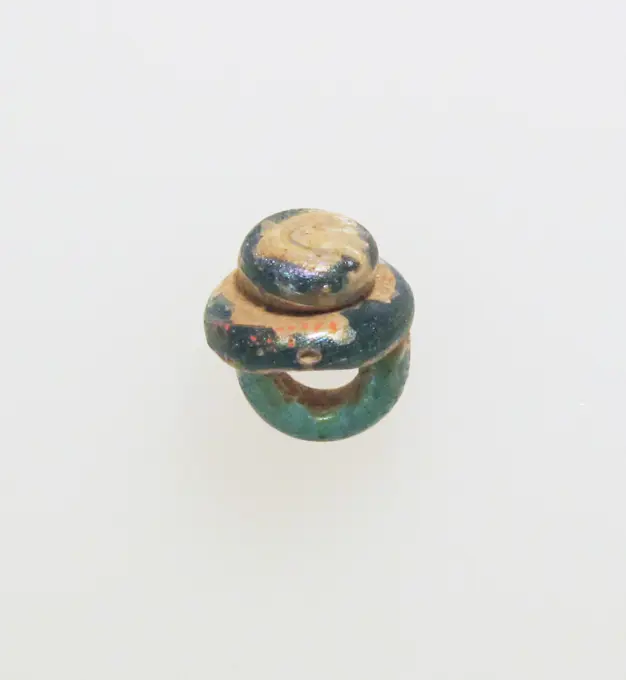
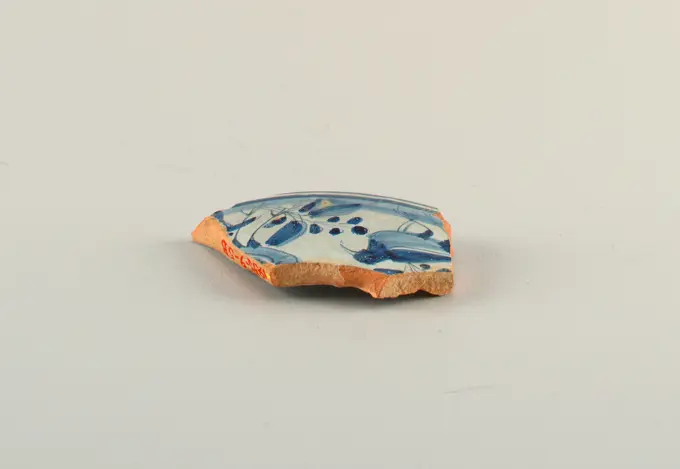
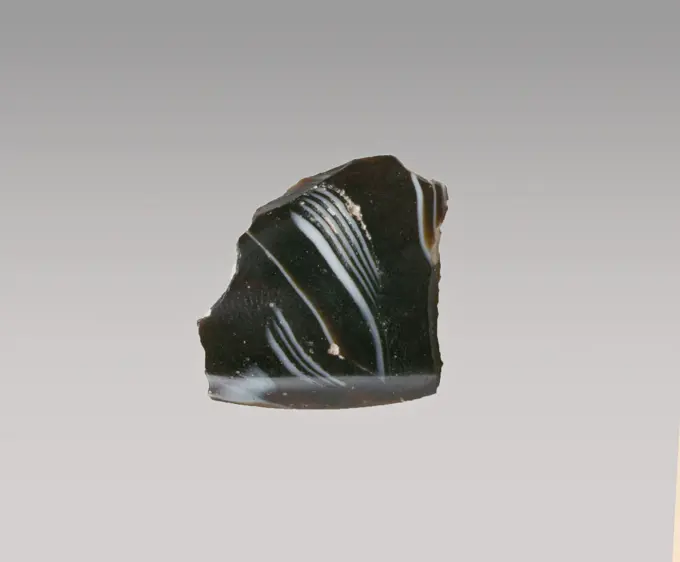
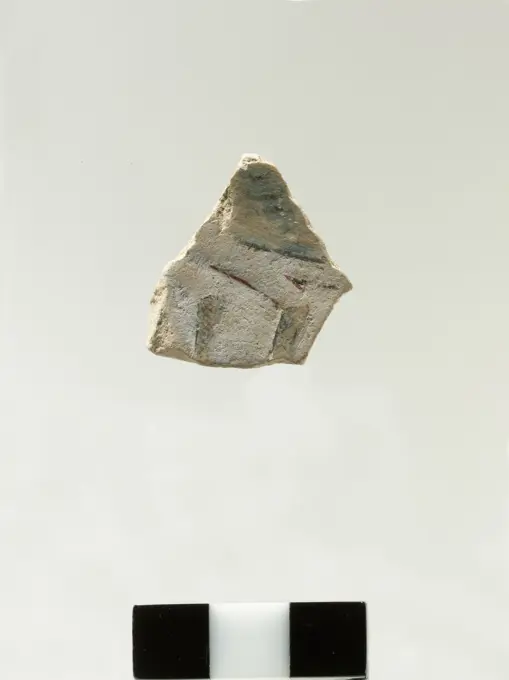
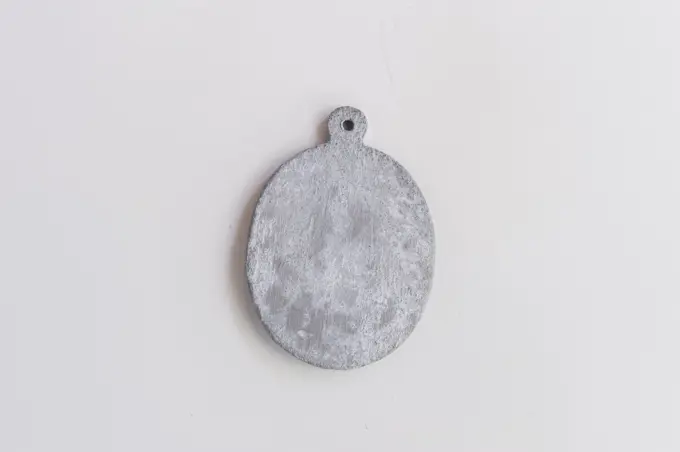
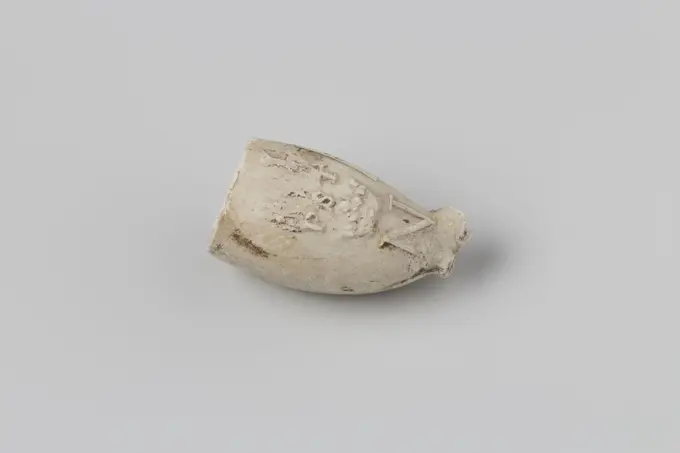
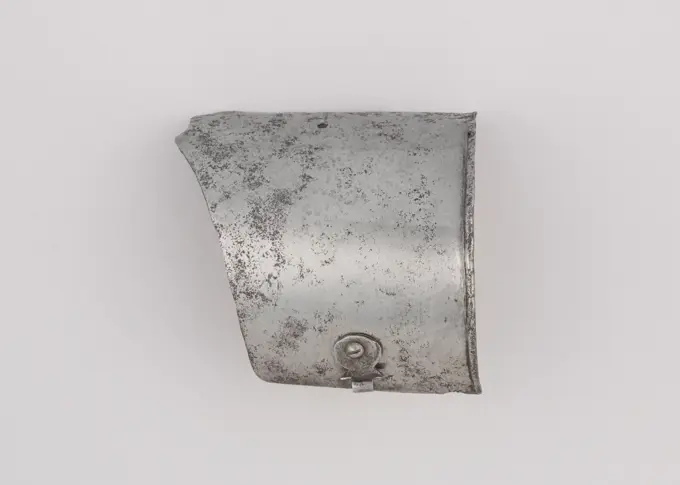
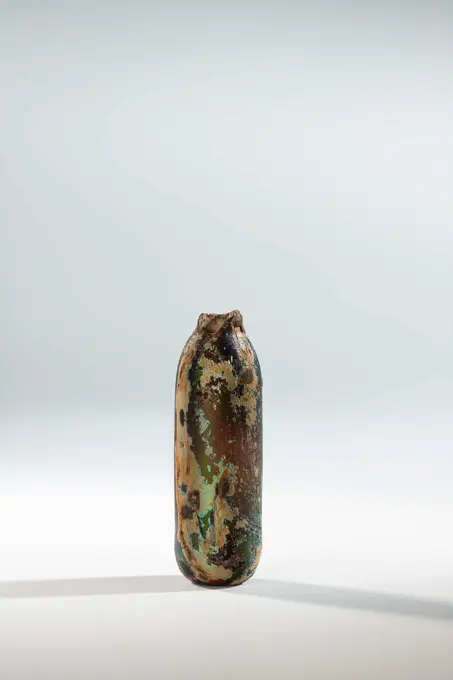
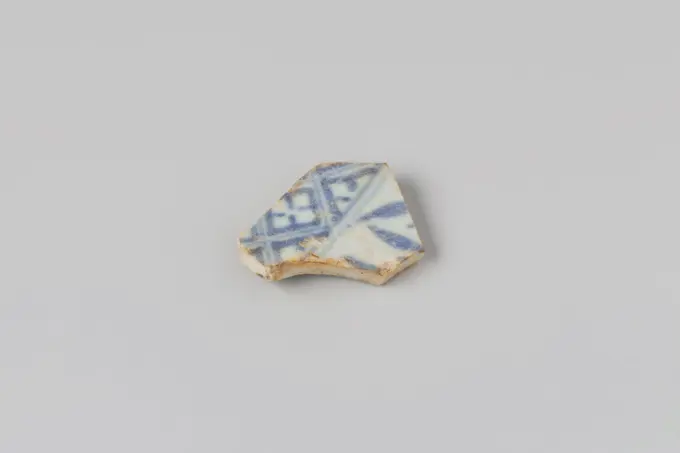
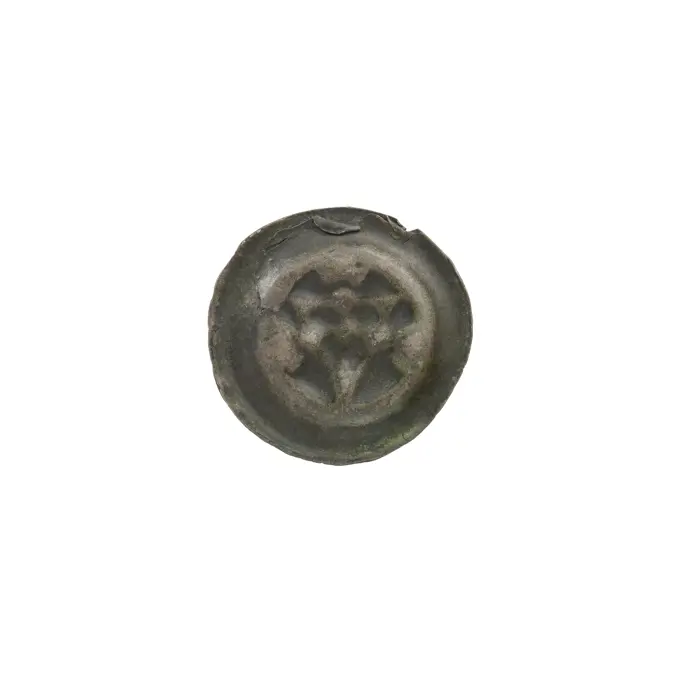
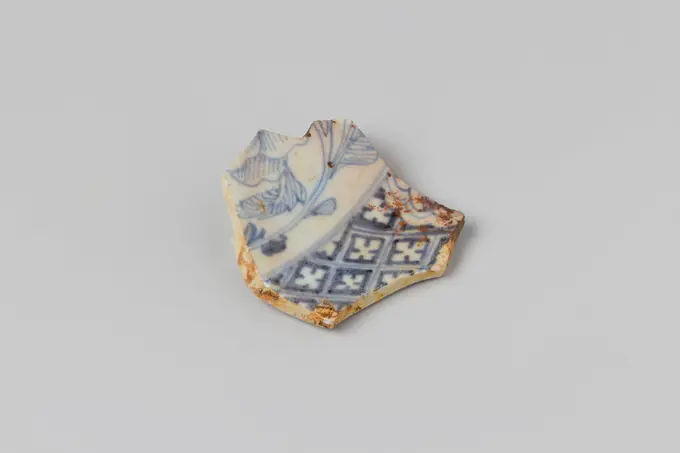
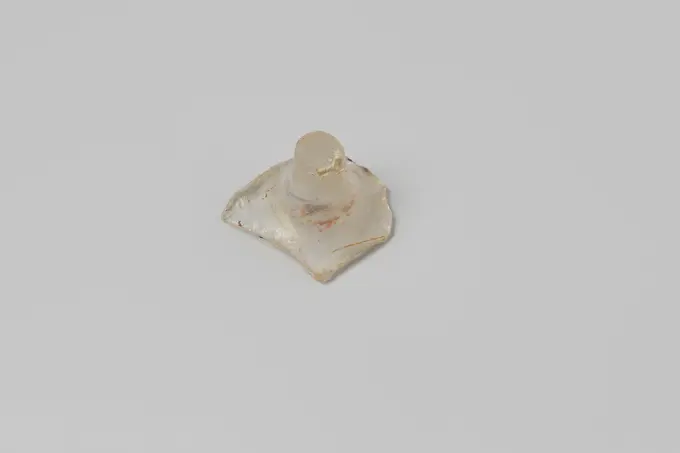
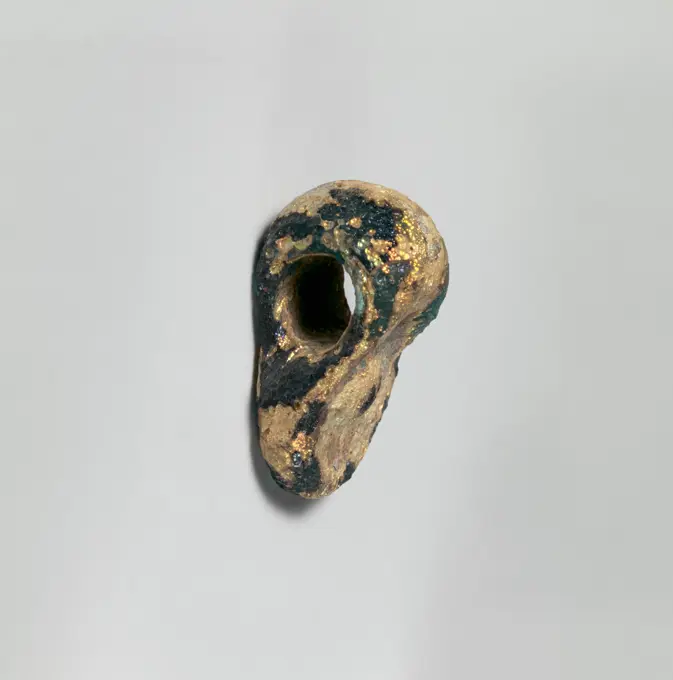
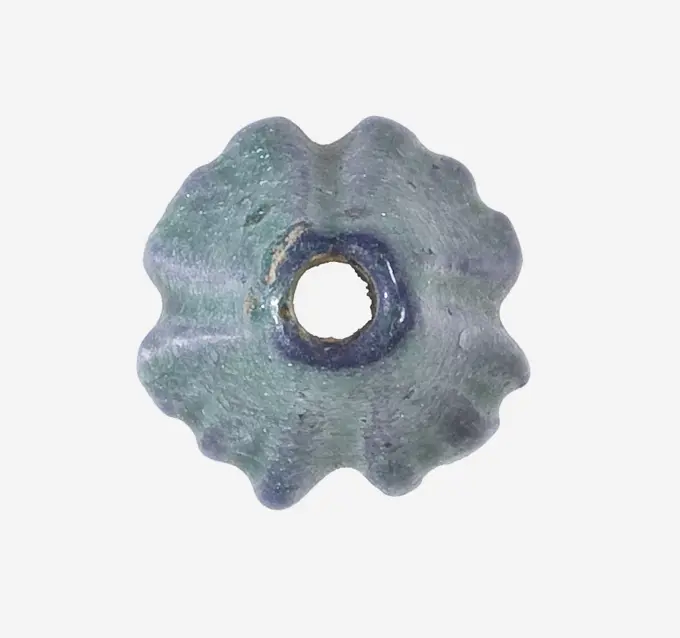
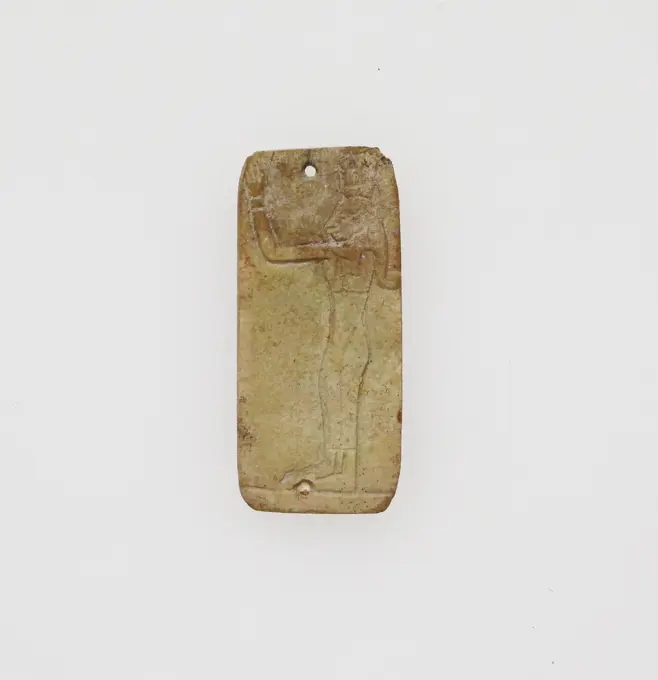
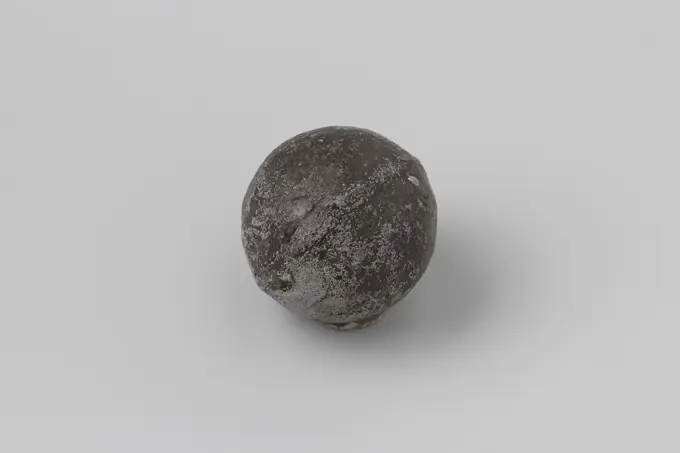
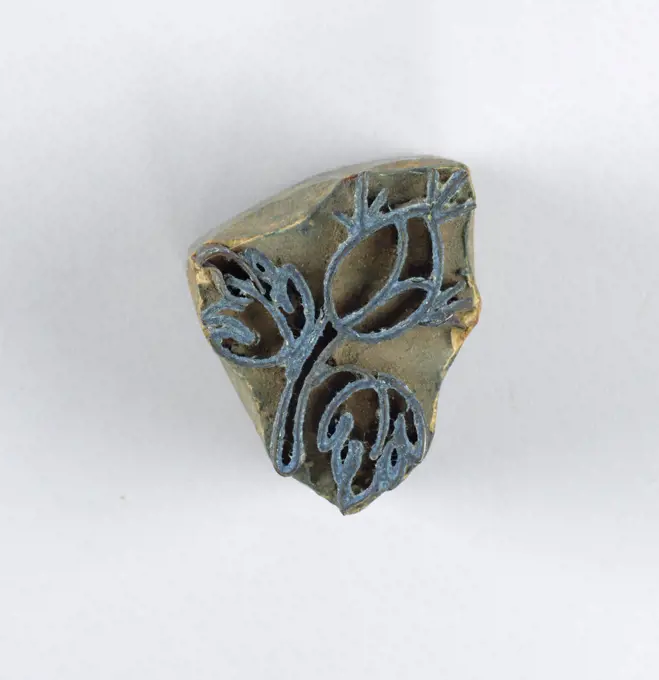
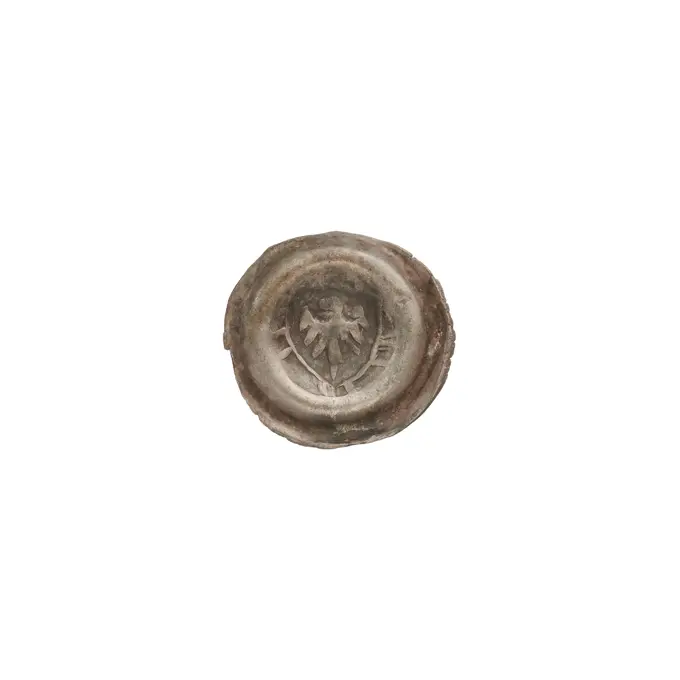
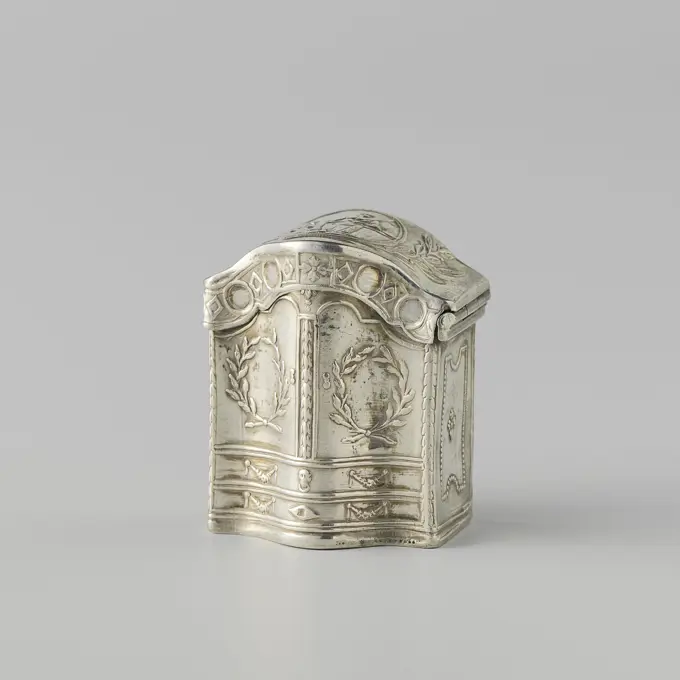
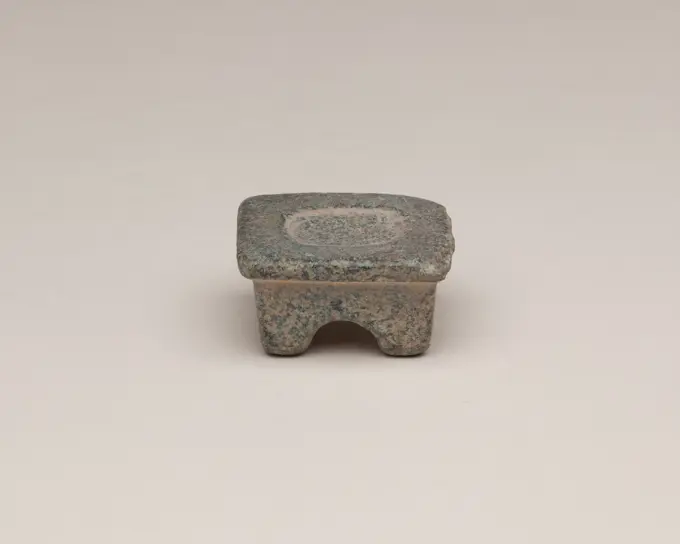
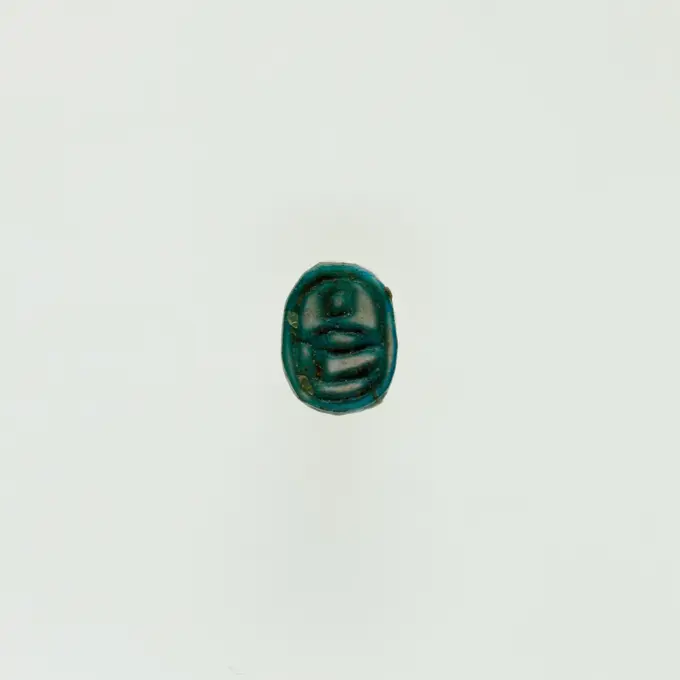
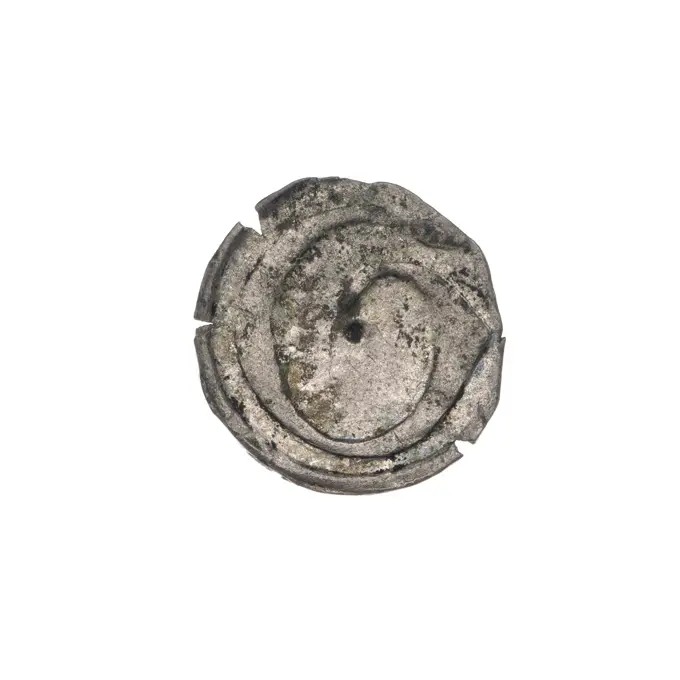
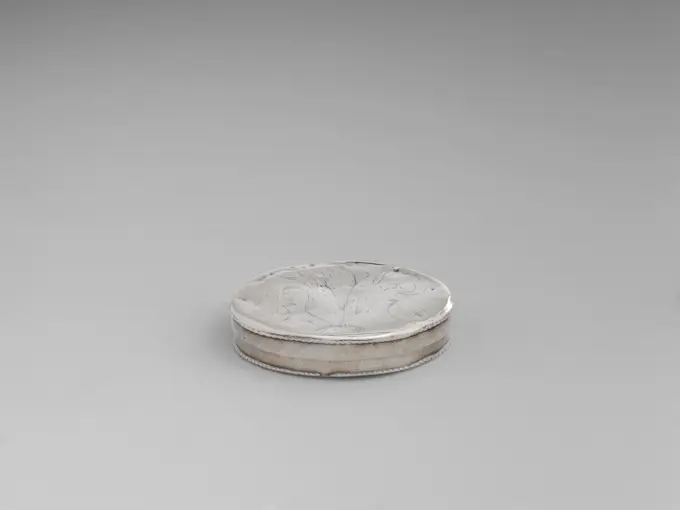
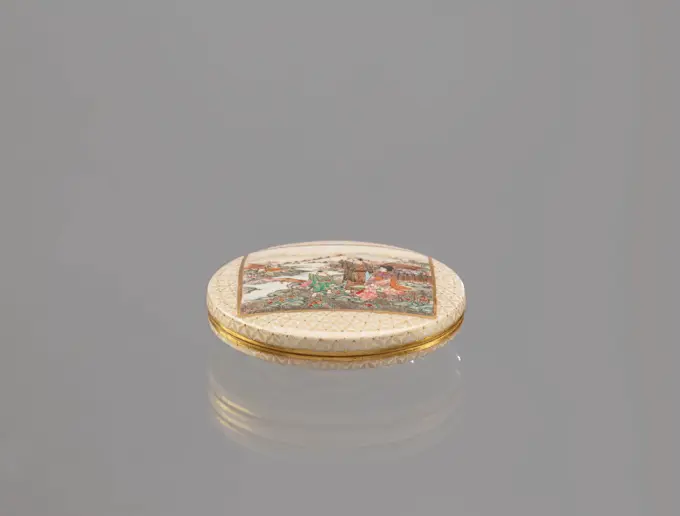
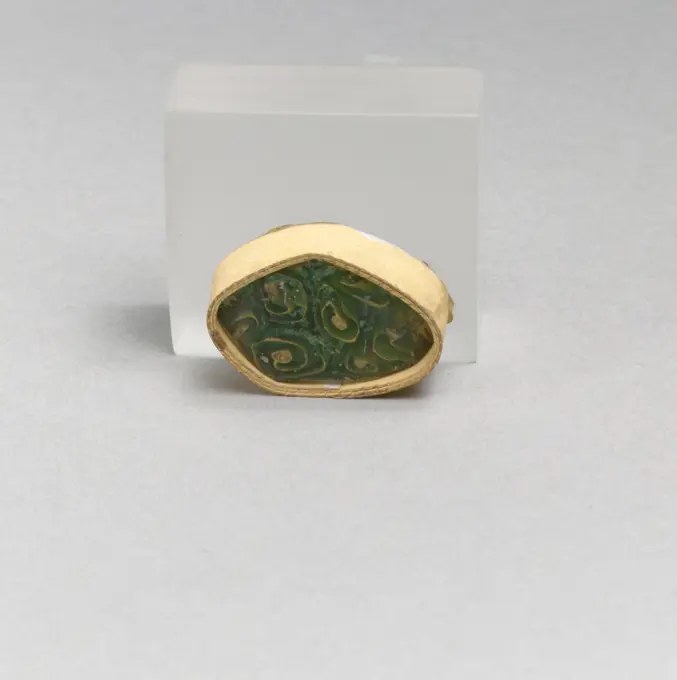
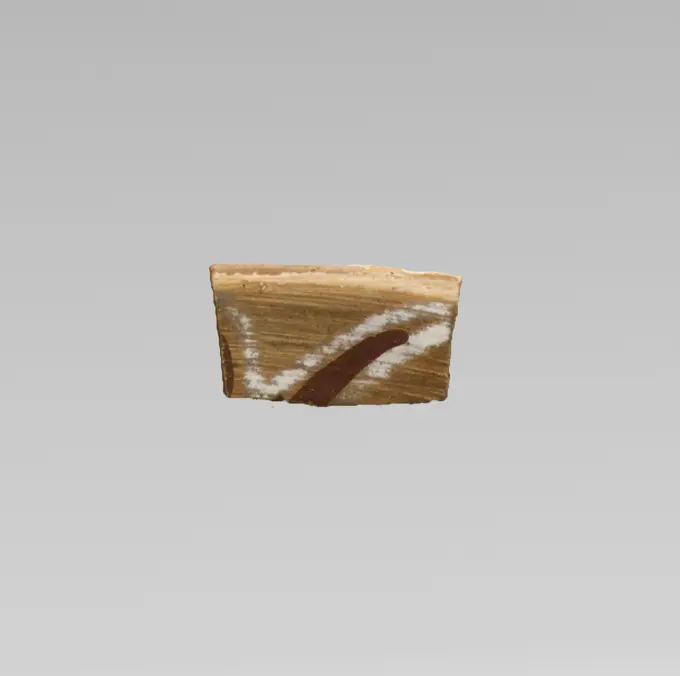
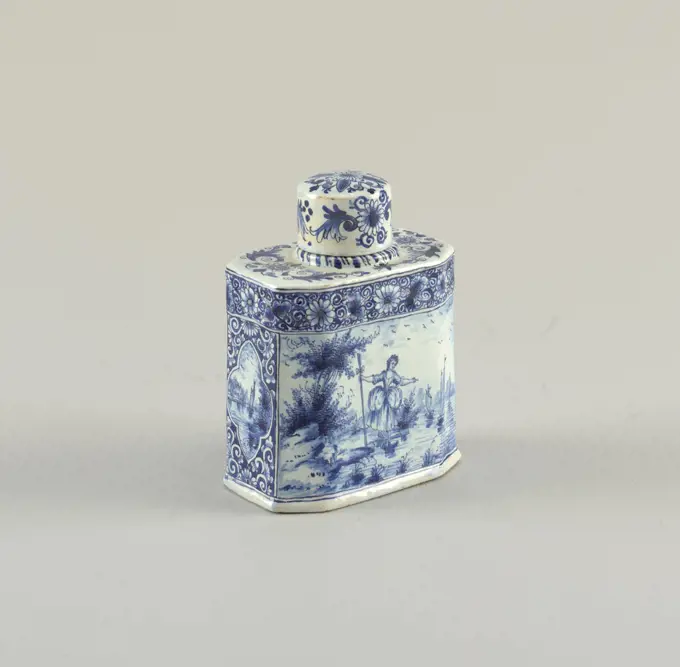
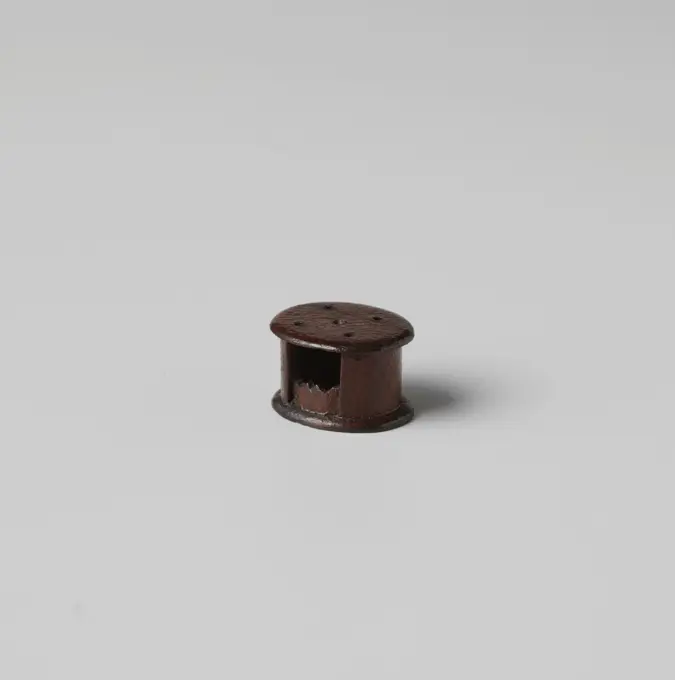
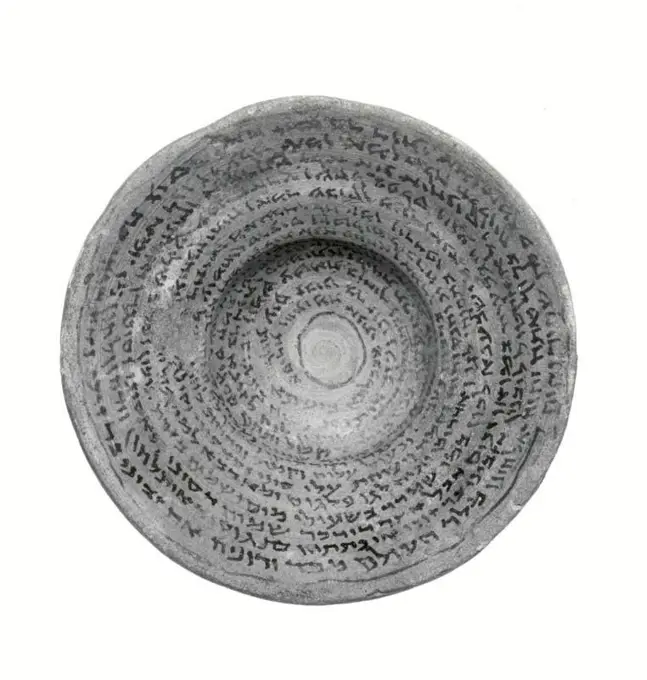
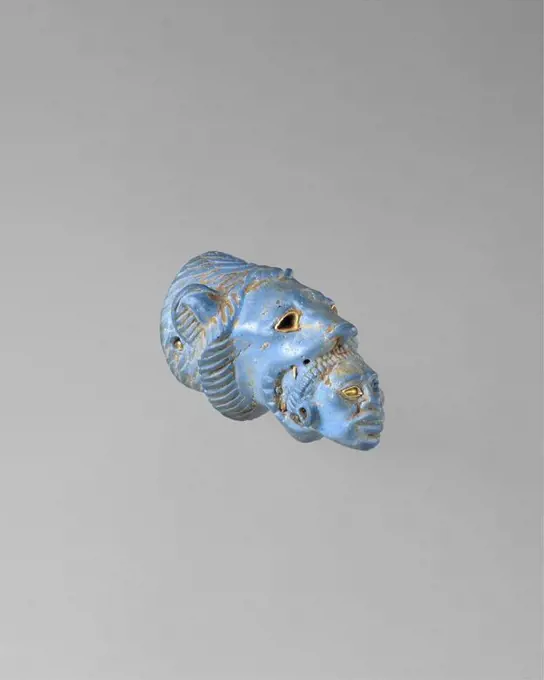
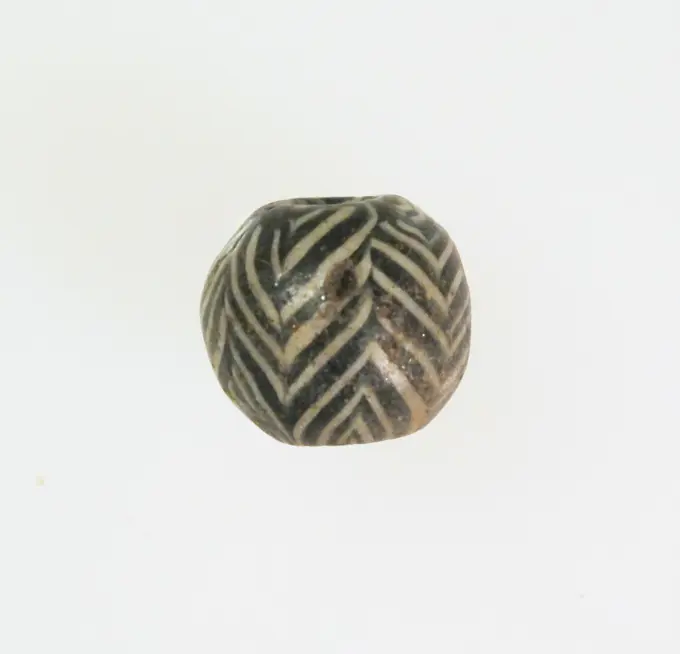
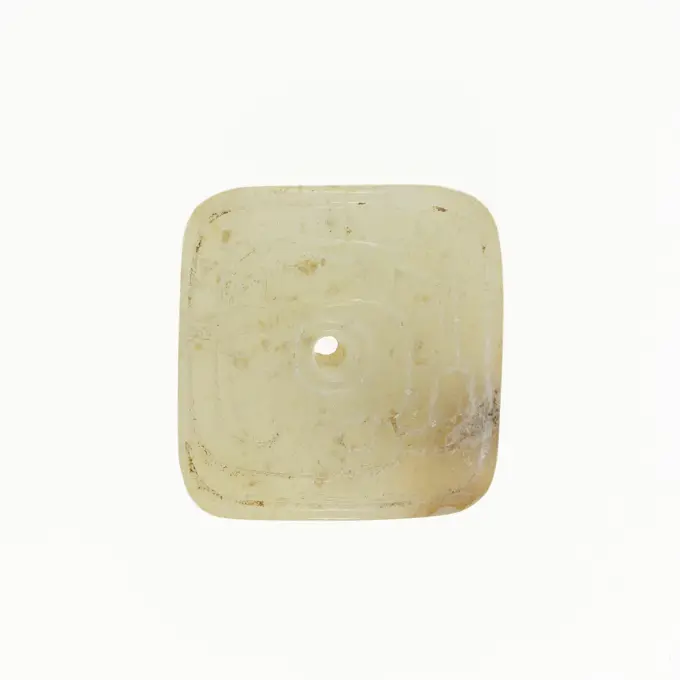
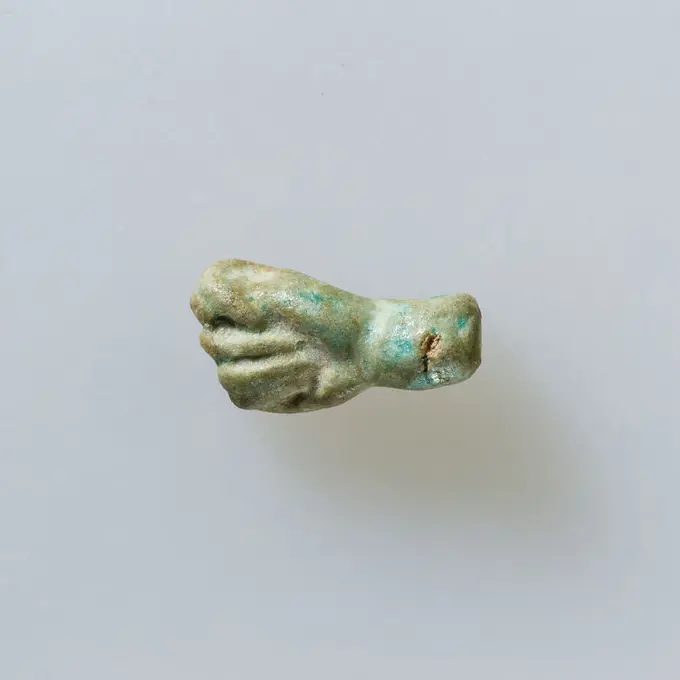
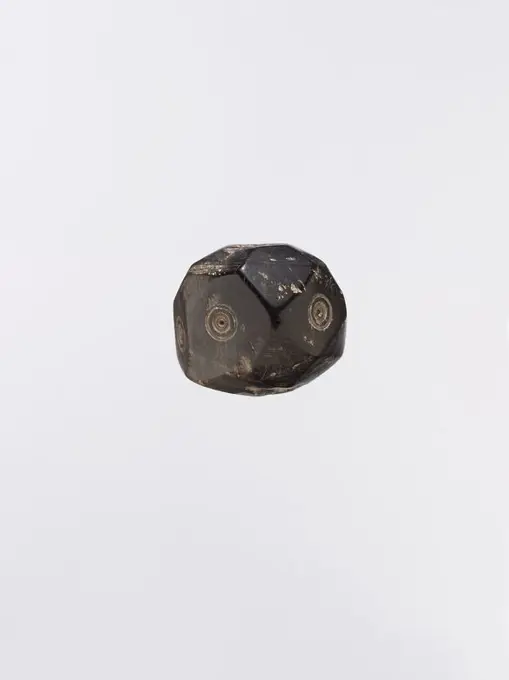
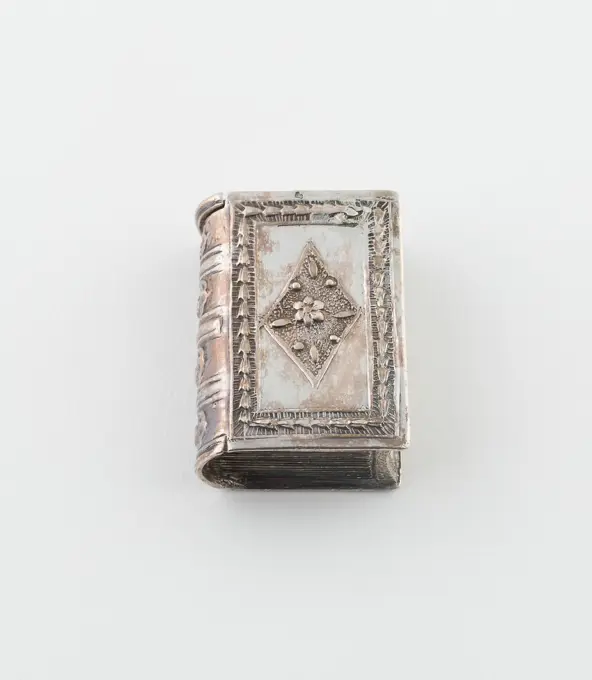
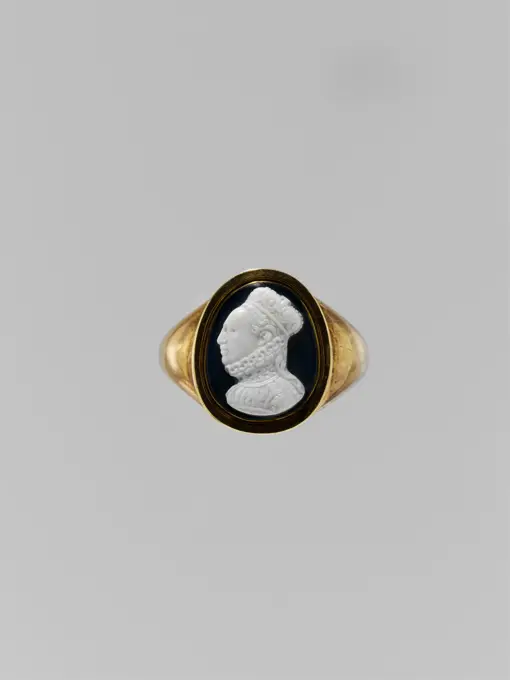
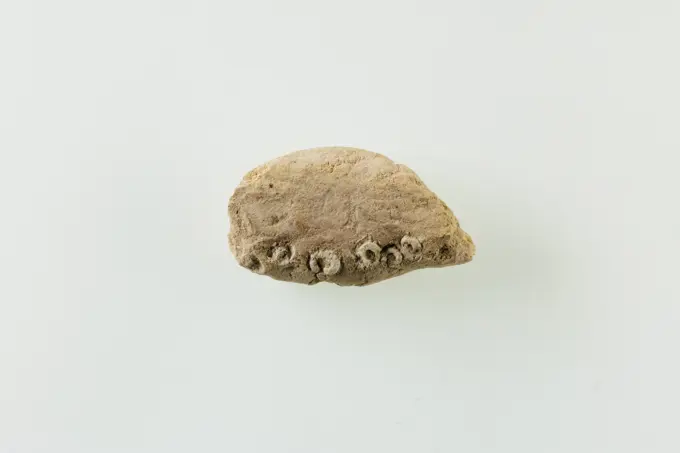
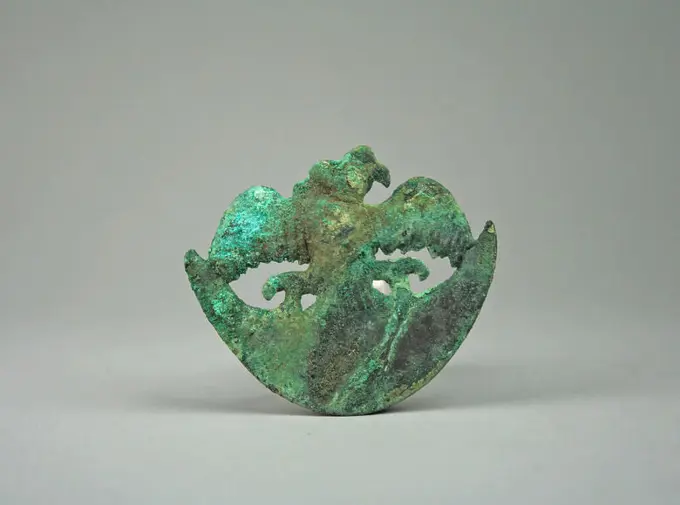
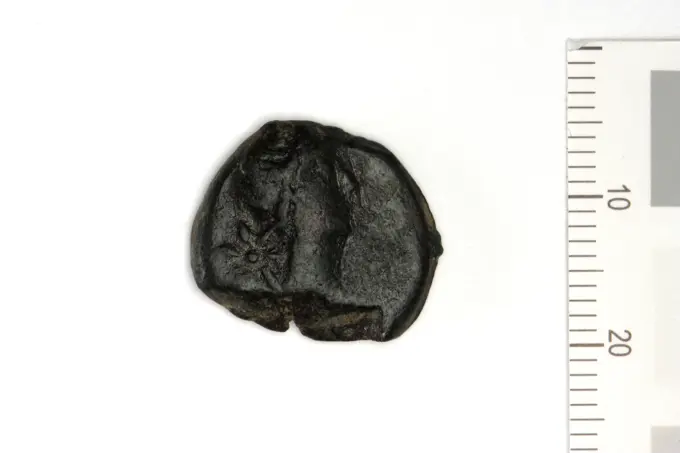
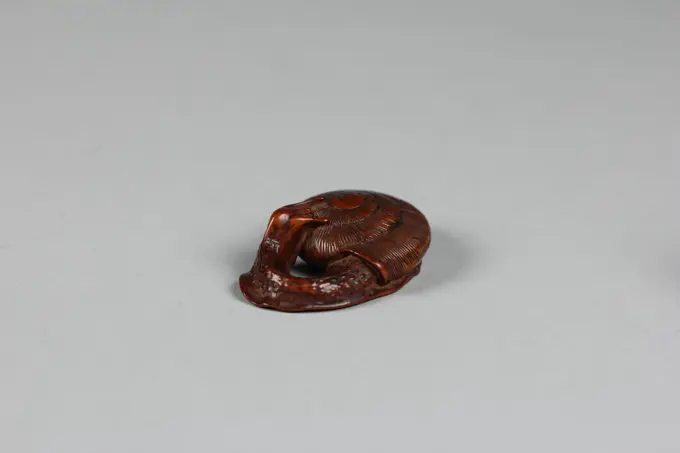
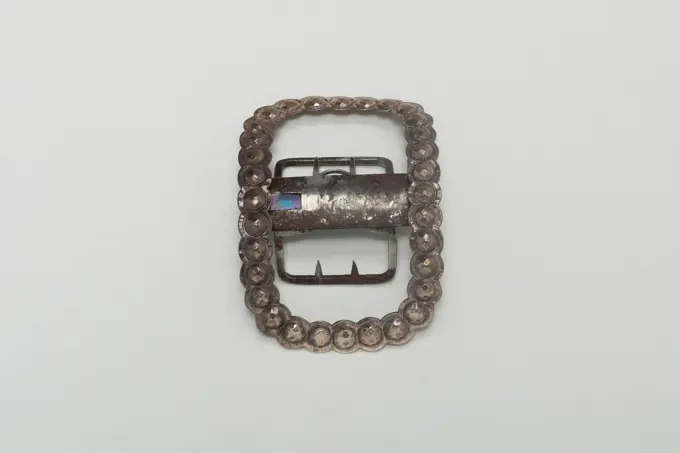
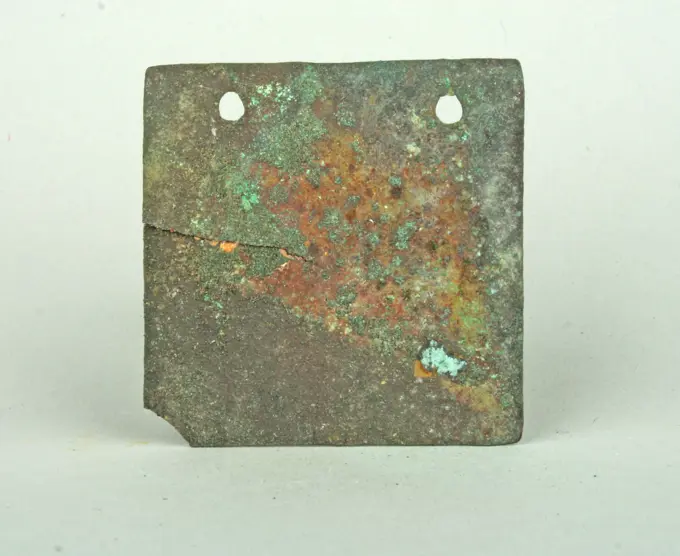
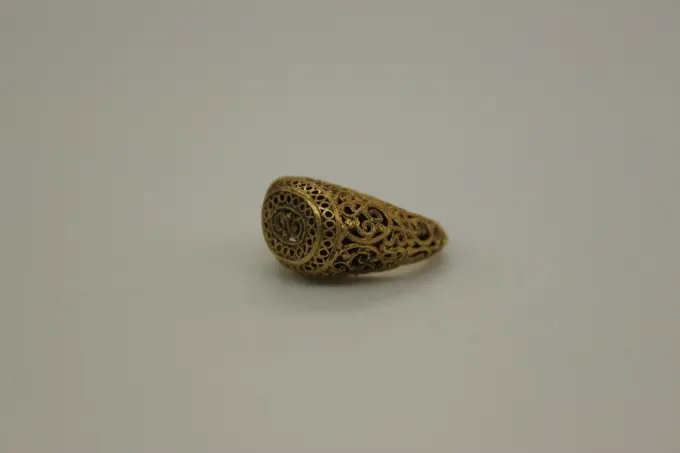
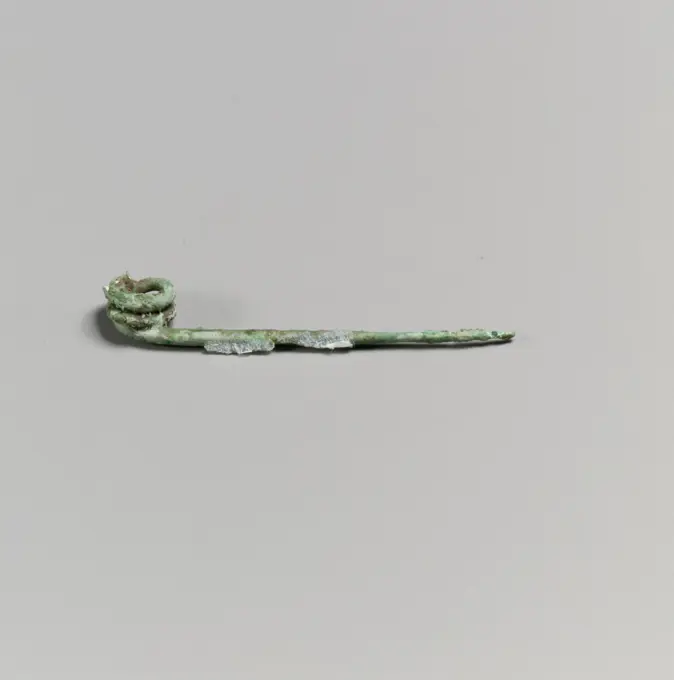
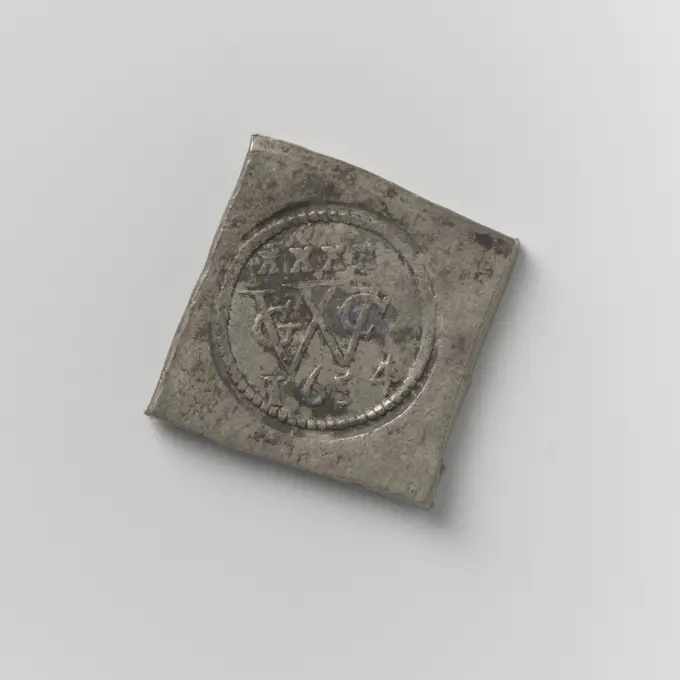
Black jasper scaraboid seal 2nd half of the 5th century B.C. Greek, Ionian Persian horseman spearing a Greek foot soldier.. Black jasper scaraboid seal. Greek, Ionian. 2nd half of the 5th century B.C.. Jasper, black. Classical. GemsGlass pendant 4th century A.D. Roman Moulded glass pendant, translucent blue green color.. Glass pendant. Roman. 4th century A.D.. Glass. Late Imperial. GlassFragment; tin-glazed earthenwareKey, 1700 - 1800 Key with an eye formed by two bladed leaf voltuties, closed by flowers. The beard has the shape of an open quadrobe (seen pyramidal from above) and is grooved with an Andreas cross.  bronze (metal) Key with an eye formed by two bladed leaf voltuties, closed by flowers. The beard has the shape of an open quadrobe (seen pyramidal from above) and is grooved with an Andreas cross.  bronze (metal)Glass mosaic fragment late 1st century B.C.-early 1st century A.D. Roman Base ring fragment, probably from a deep, footed ribbed bowl.Translucent deep honey brown and opaque white.Tall, outsplayed base ring with thick, rounded edge; concave curving side rising sharply upward.Ribbon mosaic pattern formed from sections of a single cane in brown ground with irregular wavy white threads in parallel lines.Polished interior; pitting of surface bubbles on interior; dulling and creamy iridescent weathering on exterior, edge of base, and jagged edges.. Glass mosaic fragment. Roman. late 1st century B.C.-early 1st century A.D.. Glass; cast. Early Imperial. GlassRelief fragment from the tomb of Meketre ca. 1981-1975 B.C. Middle Kingdom. Relief fragment from the tomb of Meketre. ca. 1981-1975 B.C.. Limestone. Middle Kingdom. From Egypt, Upper Egypt, Thebes, Southern Asasif, Tomb of Meketre (TT 280, MMA 1101), MMA excavations, 1920. Dynasty 12Carnavalet Museum, Medals CollectionFragment Pijpenkop, Pieter Jansz Seton, 1775 - 1795 Fragment Pijpenkop with the letters P T and crowned N. van de Excavations on the Hofstede Arentsburg 1827-1831 under the supervision of Professor Reuvens. Schoonhoven pipe clay Fragment Pijpenkop with the letters P T and crowned N. van de Excavations on the Hofstede Arentsburg 1827-1831 under the supervision of Professor Reuvens. Schoonhoven pipe clayPilgrim's Badge 14th-16th century French. Pilgrim's Badge. French. 14th-16th century. Lead. Metalwork-LeadUpper Arm Defense (Rerebrace) ca. 1430-40 Italian This is part of a large find of medieval armor discovered in 1840 in the ruins of the fortress of Chalcis, on the Greek island of Euboea (then a Venetian colony called Negroponte). The fortress had been captured and destroyed by the Turks in 1470. Now divided largely between the Ethnological Museum, Athens, and The Metropolitan Museum of Art, the Chalcis hoard contains many rare and unusual elements of fourteenth- and fifteenth-century armor. Of particular importance are the variety of headpieces and the many fragments of brigandines (armor for the torso constructed of small plates riveted to layers of fabric), some of which retain portions of their original velvet covering. The Chalcis armor provides a unique picture of the armament used in the Aegean, one of the easternmost military outposts of the Venetian empire.. Upper Arm Defense (Rerebrace) 23132Bottle. unknown, craftsmanFragment of a dish of pottery with lead glaze .. Fragment of a dish of pottery with lead glazing. The fragment looks like a fragmentary dish with Invnr. BK-1979-23-a. The fragment is just like BK-1979-23-A and BK-1979-23-C a soil find from Noord-Holland.Glass chevron bead Venetian. Glass chevron bead. Venetian. Glass. GlassSharf of a sign from the wreck of the East Indians Hollandia, Anonymous, 1700 - in Or Before 1743 plate (dishes) Porcelain, plate, type 2; fragm of rim, sim. NG 1980-27H2624h. Netherlands porcelain   SecondDenar - Brakteat; approx. 1307/1308- 1317/1318 (1307-00-00-1318-00-00);Dishwill of earthenware, with white tinglaze on the top and bottom and a representation with flowers in blue at the top, damaged, anonymous, 1500 - 1799   earthenware. tin glaze   earthenware. tin glazeShard of a plate from the wreck of the East India Hollandia.Porcelain, Plate, Type 2; Fragm or base, sim. NG 1980-27H507.Fragment foot from a flute glass from the wreck of the East Indiesman Hollandia. Glass, voice glass, feet; Fragment, ID. NG 1980-27H1283.Glass disk pendant ca. late 4th-6th century A.D. Roman Translucent turquoise blue.Broad, rounded loop for suspension; flattened disk below.On stamp, raised central boss with four radiating short arms.Intact; pitting and brilliant iridescence.. Glass disk pendant. Roman. ca. late 4th-6th century A.D.. Glass; rod-formed and stamped. Late Roman. GlassSpoke, Anonymous, c. 1590 - c. 1596  Short spoke of iron, belonging to NG-NM-7662-2 together formed one. This spoke was sawn through in Hammerfest, because it was believed that it was the course of a rudder, but the spoke was found of solid iron. According to B. Kist this is a hand spoke.  iron (metal) forging  Nova Zembla. Saving HuysPendant: Petals of Cornflower ca. 1390-1353 B.C. New Kingdom. Pendant: Petals of Cornflower. ca. 1390-1353 B.C.. Faience. New Kingdom. From Egypt, Upper Egypt, Thebes, Malqata, Palace of Amenhotep III, MMA excavations, 1910-11. Dynasty 18Plaque 6th-4th century B.C. Egyptian. Plaque. Egyptian. 6th-4th century B.C.. Terracotta. Terracottaspolished Leopard Skin Jasper Jaguar Stone on white closeup of sample of natural mineral from geological collection - polished Leopard Skin Jasper Jaguar Stone rock on white marble background from Mexico Copyright: xZoonar.com/ValeryxVoennyyx 16070160Round cufflink from Niello silver with star pattern. Round cufflink from Niello silver with star patternMusketball from the wreck of the East India. The flying heart. Lead spherical bullet that was fired from a musket. The bullet is dark gray in color. The bullet has been immersed in beeswax for conservation. Identical to NG-1984-1, 2, 4, 5. Musket Calibre.Printing block, Medium: wood, copper, brass, One of twenty-one wood blocks showing a different floral motif formed by metal strips set in wood., USA, 1825-50, appliances & tools, Printing blockMonkey Amulet () ca. 1802-1450 B.C. Late Middle Kingdom-Early New Kingdom. Monkey Amulet (). ca. 1802-1450 B.C.. Faience. Late Middle Kingdom-Early New Kingdom. From Egypt, Memphite Region, Lisht North, Cemetery south of pyramid, House A1, so-called "faience factory", MMA excavations, 1920-22. Dynasty 13-18, earlyDenar - Brakteat; Konrad von Jungingen (Grand Master; 1393-1407); around 1395-1406 (1396-00-00-1406-00-00);Ring 400 BCE-200 BCE China. Jade .Attic Panathenaic Amphora Fragment. UnknownCabinet, Anthonie Keun, 1810 - 1812 Silver box in the form of a curved cabinet. Groningen silver (metal) Silver box in the form of a curved cabinet. Groningen silver (metal)Fragment from the wreck of the East Indiesman Hollandia. Parts or artifacts; eroded fragments: Materials; Copper.Kohl pot stand ca. 1981-1640 B.C. Middle Kingdom. Kohl pot stand. ca. 1981-1640 B.C.. Serpentinite. Middle Kingdom. From Egypt, Memphite Region, Lisht North, Cemetery, MMA excavations, 1920-22. Dynasty 12-13Zawieszka. nieznany warsztat północno mezopotamski, workshopRelief fragment, tomb of Meketre ca. 1981-1975 B.C. Middle Kingdom. Relief fragment, tomb of Meketre 667735Scarab Inscribed with a Blessing Related to Re ca. 1740-1640 B.C. Middle Kingdom During the late Middle Kingdom (late Dynasty 12-13, ca. 1850-1640 B.C.), numerous scarabs were incised with inscriptions related to the sun god Re. These scarabs are often quite small. The precise meaning of the inscriptions remains unclear: they can be interpreted as forming the name Re, or as a phrase or wish meaning (may) Re give. Such inscriptions summon the sun gods protection. These so-called ‘rdi ra scarabs continue to be manufactured during the Second Intermediate Period (ca. 1640-1550 B.C.), but show different details on the back and sides.. Scarab Inscribed with a Blessing Related to Re 545713Ornament 6th-7th century Moche (Loma Negra). Ornament 313507heller; XIV-XV century (1301-00-00-1500-00-00);Potocki, Andrzej (1861-1908), letter G, letters, city coins, Silesian Eagle (iconogr.), Eagles, Unpatne G.Glass mosaic inlay fragment Roman late 1st century BCE-early 1st century CE Translucent purple and opaque white.Flat revetment plaque.Marbled mosaic pattern in purple with white circles and streaks.Polished upper side; pitting of surface bubbles; dulling, deep pitting, weathering, and slight iridescence on underside and jagged edges. View more. Glass mosaic inlay fragment. Roman. late 1st century BCE-early 1st century CE. Glass; cast. Early Imperial. GlassScarab ca. 1492-1479 B.C. New Kingdom. Scarab. ca. 1492-1479 B.C.. Green glazed steatite. New Kingdom. From Egypt, Upper Egypt, Thebes, Asasif, Tomb CC 37, Burial 59 D, Carnarvon excavations, 1911. Dynasty 18Terracotta vessel fragment with incised lines and punctations ca. 3600-3100 B.C. Cretan From Knossos, CreteFragment, gray ware, decorated with incised lines and punctured dots.. Terracotta vessel fragment with incised lines and punctations 248525Attic Black-Figure Volute Krater Fragment. Unknownszel g; Pfahler, Ernest; 1619-1640 (1619-00-00-1640-00-00);Patch Box 1722 William Cowell Sr.. Patch Box 5543hemiobol; Pantikapaion; 340-330 BC (340-00-00-330-00-00);Nadczarzyorze, satir (mitol.), Terlecki, Ignacy (1860-1916), Terlecki, Ignacy (1860-1916)-collection, lions, protom lion (iconogr.), Plants, purchase (provenance), grains, animalsIncense box (kôgô) with a cover; Kinkôzan, Sôbei VII (1867-1927); 19th/20th century (1891-00-00-1910-00-00);Glass mosaic fragment late 1st century B.C.-early 1st century A.D. Roman Thin-walled body fragment.Translucent light blue green, appearing deeper green, purple, and opaque yellow.Convex curving side.Mosaic pattern formed from polygonal sections of a single cane in a blue green ground with a yellow spiral around a central fine spiral also in yellow on a purple ground.Polished exterior; pitting of surface bubbles; dulling, pitting, and iridescent weathering on interior and jagged edges.. Glass mosaic fragment 245589Vase fragment 7th century B.C. East Greek Fragment from a chalice with part of a lotus flower.. Vase fragment. East Greek. 7th century B.C.. Terracotta. Archaic. VasesTea Caddy, earthenware, tin-glaze, Rectangular body with champfered corners; straight-sided circular neck, flat-topped cover; painted in underglaze blue on white on 2 sides with fig-ures, on the shorter sides with reserves of sailboats on floral pattern background, floral band around top body; cover painted with floral motifs., Delft, Netherlands, 1875-1900, ceramics, Decorative Arts, tea caddy, tea caddyStew, oval, with five holes in the top, anonymous, c. 1740 - c. 1760 Stew of mahogany, oval with five holes in the top, the opening for the fire test is finished with a scalloped front line. Amsterdam mahogany (wood) Stew of mahogany, oval with five holes in the top, the opening for the fire test is finished with a scalloped front line. Amsterdam mahogany (wood)Incantation bowl with Aramaic inscription ca. 5th-6th century A.D. Sasanian. Incantation bowl with Aramaic inscription 321885Denar Fa Sneaking; W ADSY AW III WARNE Czyk (Polish king; 1434-1444); 1434-1444 (for the original) (1434-00-00-1434-00-00);Handle Depicting a Lion Subduing a Nubian. Dimensions: h. 3 cm (1 3/16 in); l. 4.3 cm (1 11/16 in); w. 3 cm ( 1 3/16 in). Dynasty: Dynasty 19. Reign: reign of Ramesses II. Date: ca. 1279-1213 B.C..The image of a lion, which symbolizes the pharaoh, subjugating a Nubian, one of the traditional enemies of Egypt, is frequent in early Ramesside art, especially during the reign of Ramesses II. The usual rendition shows a bound Nubian kneeling before a lion that holds the back of the man's head in its jaws. Undoubtedly this protome shows the pose in an abbreviated form. Two fly whisks with gilded lion heads were found in the tomb of Tutankhamun, and this protome may also have decorated a royal fly whisk or whip handle. The lion's hollow neck has two small holes allowing the piece to be doweled in place.The piece has been dated to the reign of Ramesses II because there is no indication of lachrimal, or tear, lines beneath the lion's eyes, a common feature of late Dynasty 18 representations Bead Roman Blue bead with white zigzag lines.. Bead. Roman. Glass. GlassPlaque with Coiled Bird 1100 BCE-900 BCE China. Jade .Bead n.d.a.. Bead. n.d.a.. Stone. Mesopotamia, NippurAmulet of fist with thumb thrust between first two fingers. Dimensions: L. 1.8 × W. 1 × D. 0.8 cm (11/16 × 3/8 × 5/16 in.). Date: 1st-mid 4th century.In this amulet the thumb is placed between the first two fingers of the fist. This is a Roman amulet connected with sexuality. Museum: Metropolitan Museum of Art, New York, USA.Bead. Date: 9th-10th century.The dot-in-circle motif recalls designs presumed to be of magical significance, most likely an abstract eye to ward off the evil-eye, which serve an apotropaic function. Easily reproduced with a tool and visible in many cultures and times, this symbol may have lost its meaning, and become simply a decorative pattern, or may have one that we have not yet discovered. Museum: Metropolitan Museum of Art, New York, USA.Vinaigrette 1841-1842 London. Silver, silver gilt, and agate .Slit Cylinder (jue) 700 BCE-500 BCE China. Jade .Nose Ornament 1st-3rd century Moche. Nose Ornament 317812Floral plaque 100 B.C.-A.D. 400 Ptolemaic Period-Roman Period This fragment was part of a glass floral plaque for wall or furniture inlay like 26.7.1249.. Floral plaque. 100 B.C.-A.D. 400. Glass. Ptolemaic Period-Roman Period. From EgyptCarnavalet museum, tokens collectionBook-Shaped Match Safe 1875-1885 Netherlands. Silver .Weight. unknown, craftsmanElizabeth I of England (1533-1603) ca. 1570-1600 probably Italian The Virgin Queen hired English, French, and Italian engravers to create a huge and resplendent glyptic iconography. This relatively meager specimen, well worn, reflects coins minted late in her reign.. Elizabeth I of England (1533-1603) 198293Carnavalet Museum, Medals CollectionFragment of clay lump with imbedded ring beads Late Middle Kingdom-Early New Kingdom ca. 1802-1450 B.C. View more. Fragment of clay lump with imbedded ring beads. ca. 1802-1450 B.C.. Low-fired whitish clay, faience. Late Middle Kingdom-Early New Kingdom. From Egypt, Memphite Region, Lisht North, Cemetery south of pyramid, House A1, so-called "faience factory", MMA excavations, 1920-22. Dynasty 13-18, earlyCrescent Ornament. Culture: Moche (Loma Negra). Dimensions: H. 1 3/16 x W. 1 3/8 in. (3 x 3.5 cm). Date: 390-450. Museum: Metropolitan Museum of Art, New York, USA.Scroll, inscribed. Scroll, inscribed 251410 Scroll, inscribed, Bronze, H.: 1 1/4 x 5/16 in. (3.2 x 0.8 cm). The Metropolitan Museum of Art, New York. Rogers Fund, 1923 (23.160.77)Ring Figure of Serpent Uto ( ) Wearing Crown of Lower Egypt 1390 BCE Egypt. Faience . Ancient EgyptianAE. FanagoriaCylindrical bead ca. 1st century B.C. Parthian This cylindrical bead is made of glass, streaked with gold foil. It was excavated at Shahr-i Qumis in northern Iran, which has been identified as the ancient city of Hecatompylos, established by the Parthians as their capital by about 200 B.C. In Greek Hecatompylos means a hundred gates,’ suggesting that the city was quite large. Indeed, the modern archaeological site includes several mounds, only a few of which have been excavated, and a vast area covered with potsherds. This bead comes from Site VII, a building which may have originally been an elite residence but which was subsequently reused as a funerary structure.The excavations at Shahr-i Qumis by the British Institute of Persian Studies in 1967 were co-sponsored by the Metropolitan Museum of Art. However, this bead was not discovered until 1971, and it was acquired from the British Institute as a result of the Met’s financial contributions to the Institute’s excavations at Tepe NuOrnaments, 14. Culture: Greek, Laconian. Dimensions: Height: 1 1/2 in. (3.8 cm). Museum: Metropolitan Museum of Art, New York, USA.Weight of 5 debens. Dimensions: h. 3.7 × w. 3.2 cm, weight: 77g (1 7/16 × 1 1/4 in., 0.1 kg). Dynasty: Dynasty 12-13. Date: ca. 1981-1640 B.C.. Museum: Metropolitan Museum of Art, New York, USA.Fragment of a vessel. A low curvature of the glass fragment allows the assignment to a vessel, possibly a shell. The Blue Violet Shard shows several flowers in millefiori technology. A fine white contour frames a central blue dot and the petals thereof. For the production, different colored glasses were molded into tubes and rods. These were compressed and heated, causing a long bar. The glass sliced now had different amorphous or floral patterns. Thereafter, several of these platelets were folded together, heated again and pressed into the vascular shape. Burry for the elaborate manufacturing process and its fragility was one of the luxury articles of antiquity.Netsuke of Snail 19th century Japan. Netsuke of Snail 59753. SilverGlass mosaic dish fragment 2nd-mid-1st century B.C. Greek, Eastern Mediterranean Rim fragemnt. Translucent turquoise blue, opaque white and yellow.Outsplayed rim and broad concave curving neck.Composite mosaic pattern formed from polygonal sections of two canes: one in a blue ground with a white spiral; the second in a blue ground with a yellow spiral; a blue network cane wound with a white thread is attached as a rim.Part of rim chipped and missing; interior deeply ground and polished, with pitting of surface bubbles and thread on rim completely removed; dulling, pitting, and iridescent weathering on exterior and jagged edges.. Glass mosaic dish fragment. Greek, Eastern Mediterranean. 2nd-mid-1st century B.C.. Glass; cast. Late Hellenistic. Glass. Coffin of silver.Shabti of Siptah ca. 1194-1188 B.C. New Kingdom, Ramesside. Shabti of Siptah 559278Square Plaque 3rd century B.C.-A.D. 2nd century Vicús. Square Plaque 314882Glass chevron bead Venetian. Glass chevron bead. Venetian. Glass. GlassGold Ring in Filigree Technique 11th century Gold jewelry of the Fatimid period (909-1171) has several distinct characteristics, including filigree openwork with S-curve decoration, and granulation. This gold ring, with its scrolling arabesque motifs is typical of such jewels. While large amounts of such jewelry were manufactured for both royal and patrician patrons, most of these items were later melted down for currency or refashioned into newer pieces, making this a rare surviving example.. Gold Ring in Filigree Technique 453187Carnavalet museum, tokens collectionSmall annular pearl (attributed title). Carnavalet museum, history of Paris.Inlay, hieroglyph 664-610 B.C. Late Period, Saite A quantity of faience hieroglyphs and border elements was found in the tomb or courtyard of Nespekashuty. These are displayed in galleries 127 and 130. They are of similar size and manufacture, so seem to have belonged to a single object, likely of wood. Some of the signs belong to the standard offering formula, others mention Osiris and Anubis, so they certainly suggest an item of funerary furniture - a box, a screen, or a coffin although coffins are not usually inlaid in faience and remnants of Nespekashuty's were painted.Unfortunately, there are no signs indisputably pointing to Nespekashuty's names or titles. Although it seems likely that the fairly elaborate piece of equipment to which they testify belonged to the main burial of this tomb, and not to the Third Intermediate Period burials found in the courtyard or to the material apparently cleared from the Hathor Shrine at Deir el Bahri or to the other sets of late shabtis found inFibula 9th-8th century B.C. Italic, Villanovan. Fibula 25602018th century (1701-00-00-1800-00-00);Attic Black-Figure Vase Fragment. UnknownBowl, Glass, Green, red, white and blue glass in a vertical twisted ribbon pattern., Switzerland, 18th century, glasswares, Decorative Arts, BowlOrnament in the shape of a bear 3rd-6th century China. Ornament in the shape of a bear 61160Decorative batter from the wreck of the East India Hollandia. Fitting, decorative fitting or fragment; Eroded, heart-shaped, flat, Solder on underside.Drachma; 171 BC-138 BC (171-00-00-138-00-00);Cachet with the female weapon Clifford, Anonymous, c. 1750 - c. 1775 Vase -shaped cachet (breloque) of gold. The seal of agate has the diamond -shaped weapon Clifford. Netherlands gold (metal). carnelian cutting Vase -shaped cachet (breloque) of gold. The seal of agate has the diamond -shaped weapon Clifford. Netherlands gold (metal). carnelian cuttingWhorl 7th century B.C. Etruscan or Italic Whorl.. Whorl. Etruscan or Italic. 7th century B.C.. Amber. Late Geometric. Miscellaneous-AmberWoman smoking, Cast and chased silver, Rectangular with rounded corners, featuring relief ornament of woman's head in profile holding a cigarette to her lips, smoke swirling around her face, her hair pulled up loosely with flower, long tendrils fall around her shoulders, all framed by elastic, ribbon-like decoration with whiplash curves. Reverse undecorated except for monogram (H). Lid hinged on side. Striker in recessed groove on bottom., Possibly Newark, NJ, USA, ca. 1900, containers, Decorative Arts, Matchsafe, MatchsafeWedding Box of Arent Volckersz Akersloot and Meijnuatie Cornelis Ossenhooft, Anonymous, c. 1693 Round knotty box of silver with screw lid, with an engraved show on the lid: Love with two children sitting in front of a house. To the show an edge script. On the bottom the edge: Arent Volckersz Akersloot = Meijnuatie Cornelis Ossenhooft ao 1693 5/3. Treks with birds and flowers engraved along the wall. Hoorn (North Holland) (possibly) silver (metal) engraving Round knotty box of silver with screw lid, with an engraved show on the lid: Love with two children sitting in front of a house. To the show an edge script. On the bottom the edge: Arent Volckersz Akersloot = Meijnuatie Cornelis Ossenhooft ao 1693 5/3. Treks with birds and flowers engraved along the wall. Hoorn (North Holland) (possibly) silver (metal) engravingForty Stuiver, emergency coin from Pernambuco, beaten during the siege by order of the Dutch West India Company, Anonymous, 1654 coin. siege coin Unilateral, more or less rectangular, silver emergency coin. Front: Inside Round Pearl Edge: Monogram of letters G, W and C under Roman number XXXX. Reverse: Blanco. Pernambuco silver (metal) striking (metalworking)  PernambucoBead 7th-5th Century B.C. Etruscan. Bead. Etruscan. 7th-5th Century B.C.. Gold. Gold and Silver