Historical Artifacts and Seals

Unique ancient artifacts, including scarab seals and glass pendants, that reflect craftsmanship and cultural significance from past civilizations.

Key, 1700 - 1800 Key with an eye formed by two bladed leaf voltuties, closed by flowers. The beard has the shape of an open quadrobe (seen pyramidal from above) and is grooved with an Andreas cross.  bronze (metal) Key with an eye formed by two bladed leaf voltuties, closed by flowers. The beard has the shape of an open quadrobe (seen pyramidal from above) and is grooved with an Andreas cross.  bronze (metal)
Key, 1700 - 1800 Key with an eye formed by two bladed leaf voltuties, closed by flowers. The beard has the shape of an open quadrobe (seen pyramidal from above) and is grooved with an Andreas cross. bronze (metal) Key with an eye formed by two bladed leaf voltuties, closed by flowers. The beard has the shape of an open quadrobe (seen pyramidal from above) and is grooved with an Andreas cross. bronze (metal)
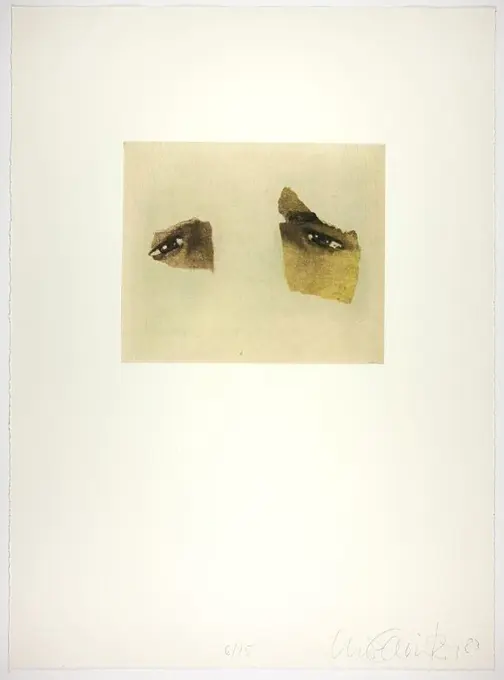
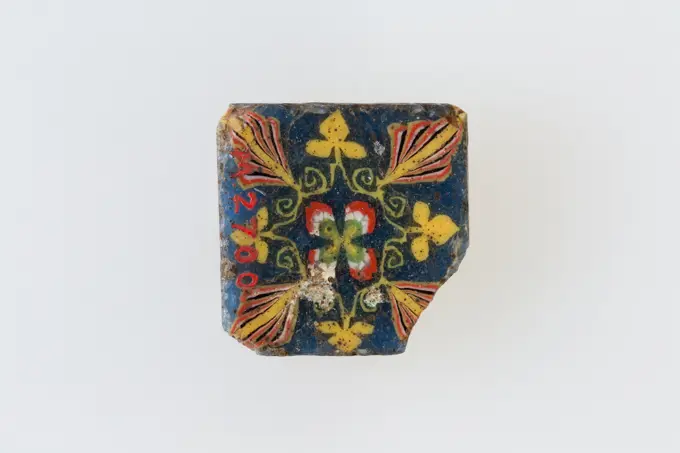
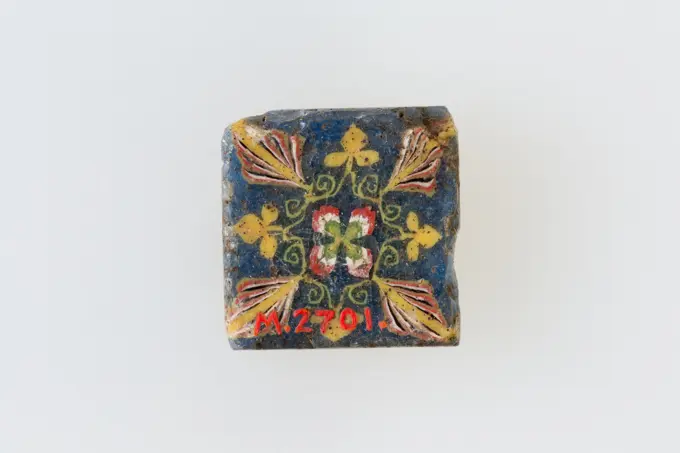
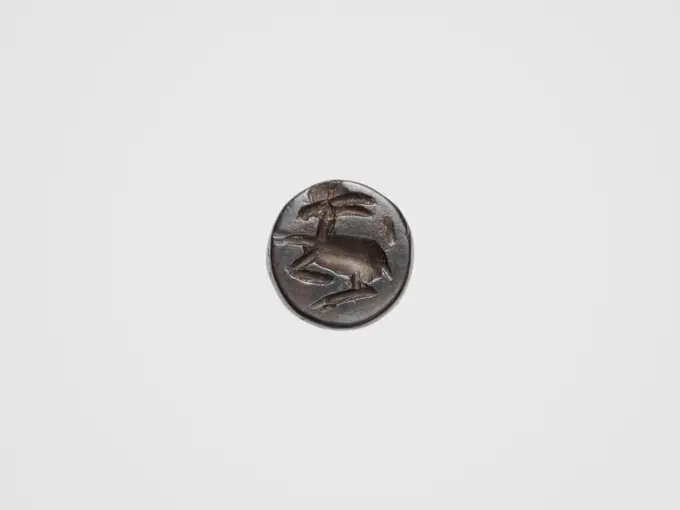
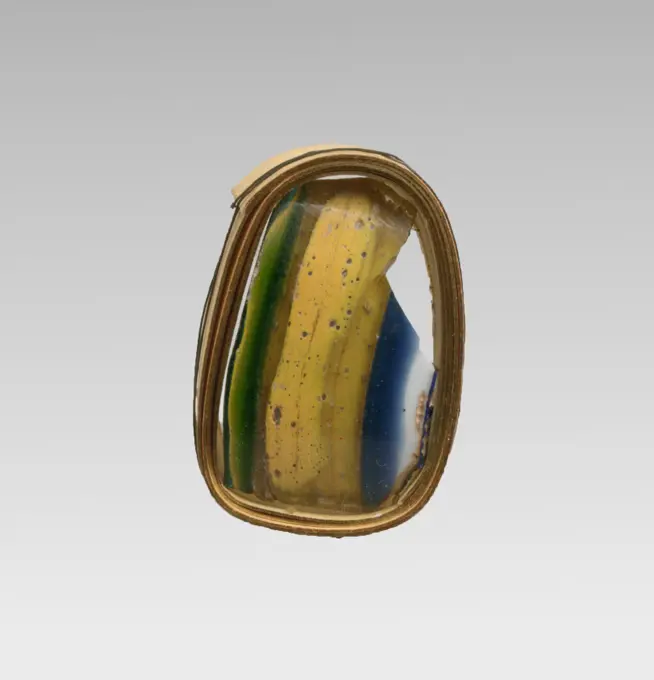
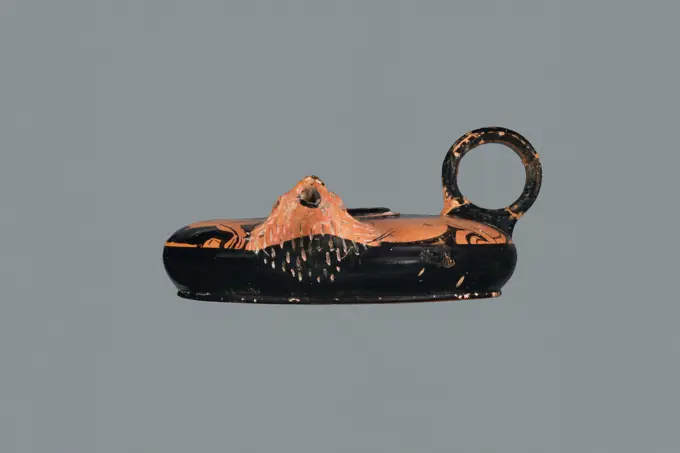
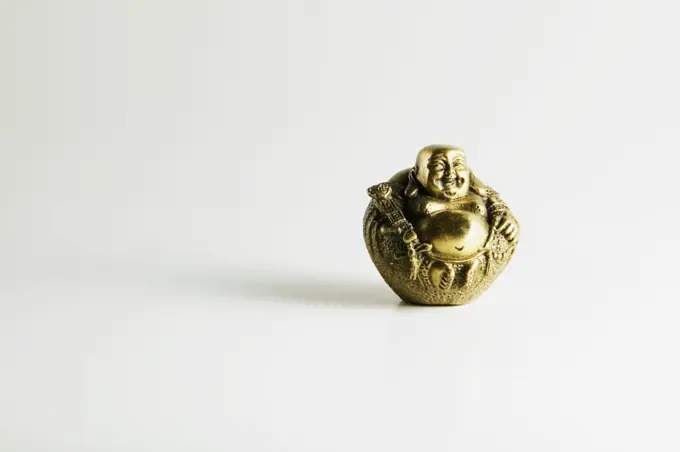
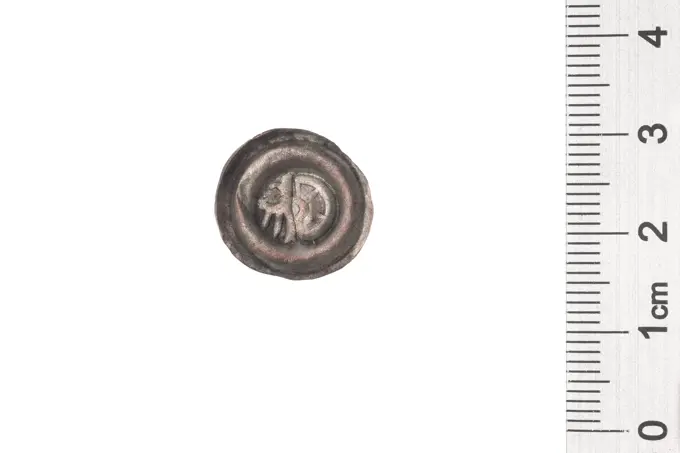
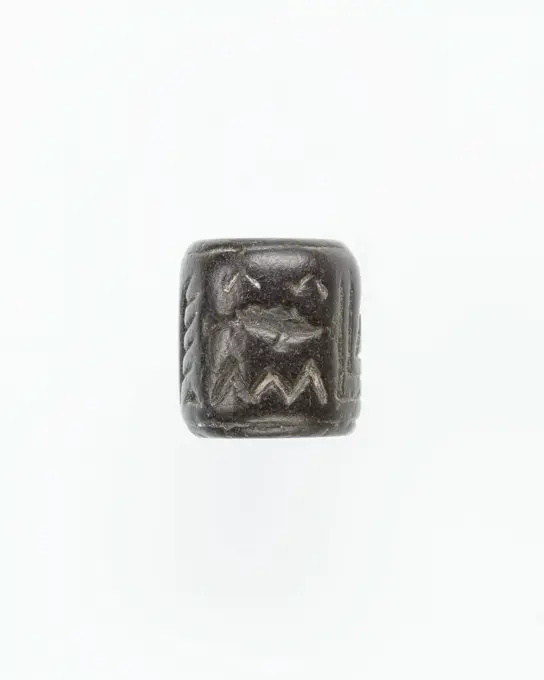
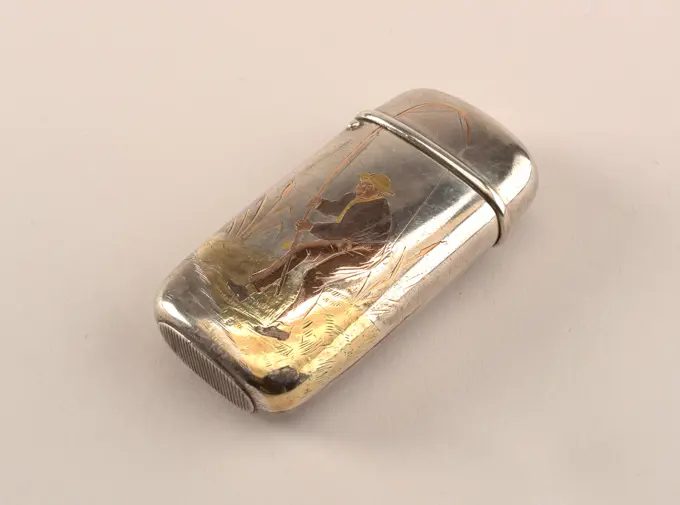
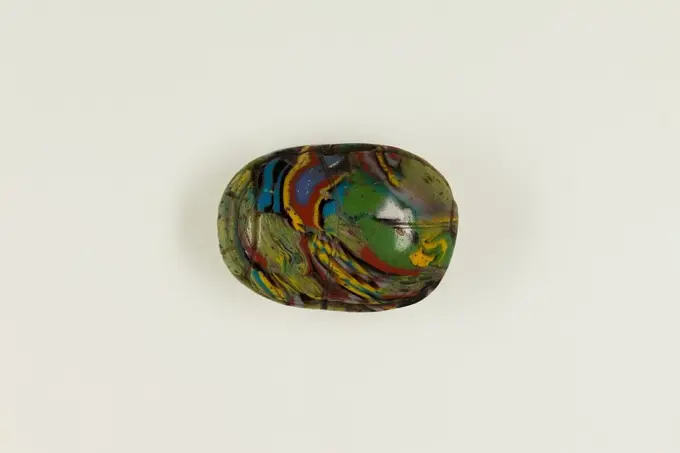
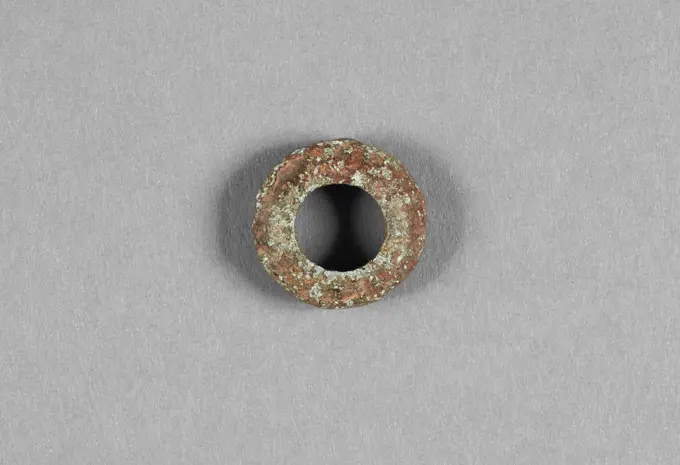
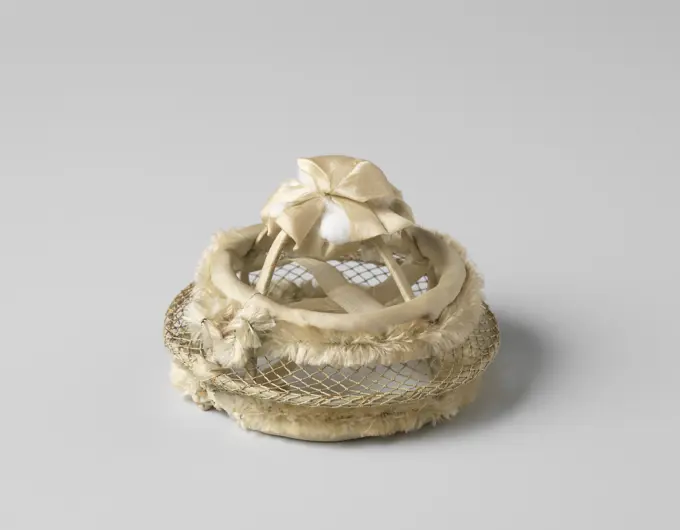
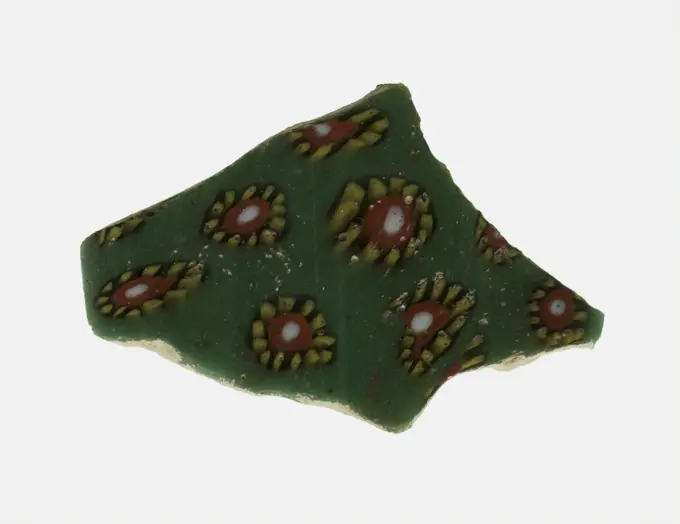
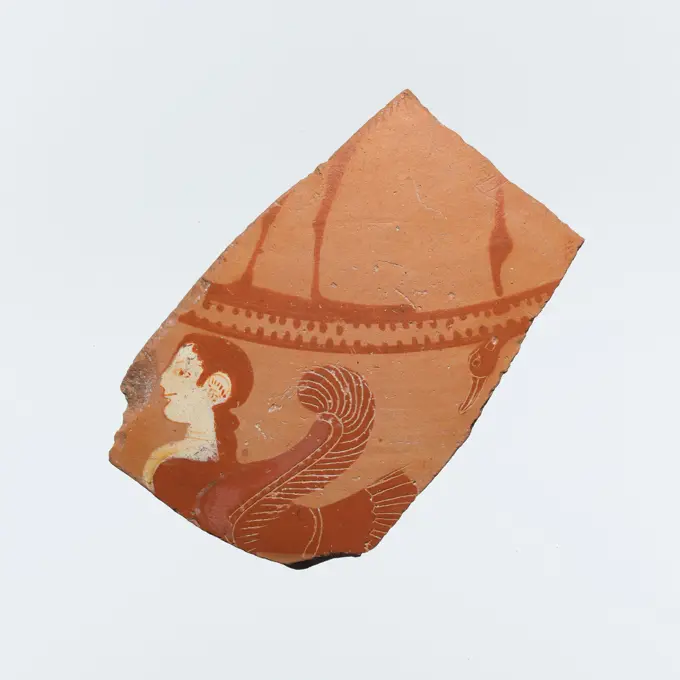
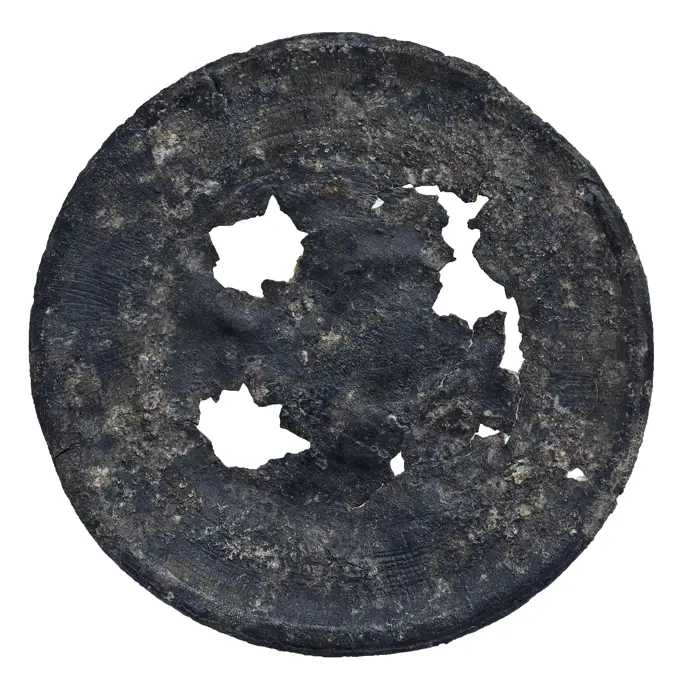
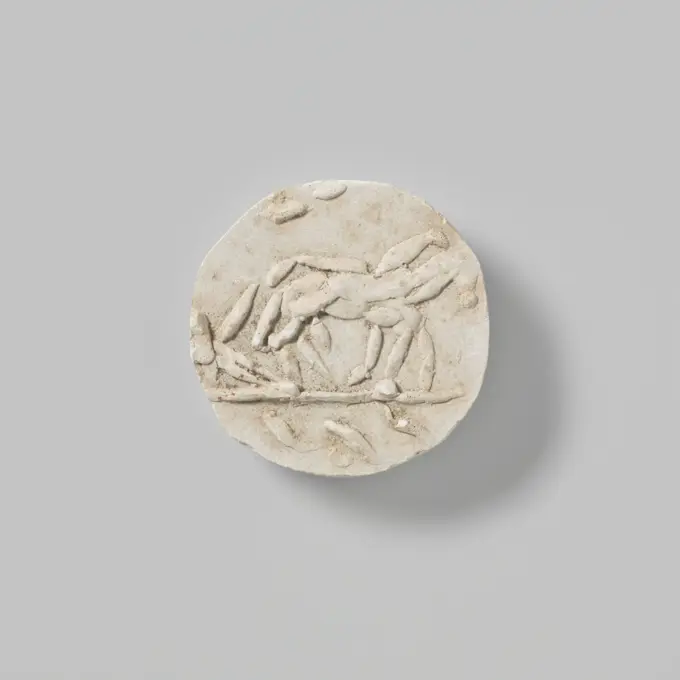
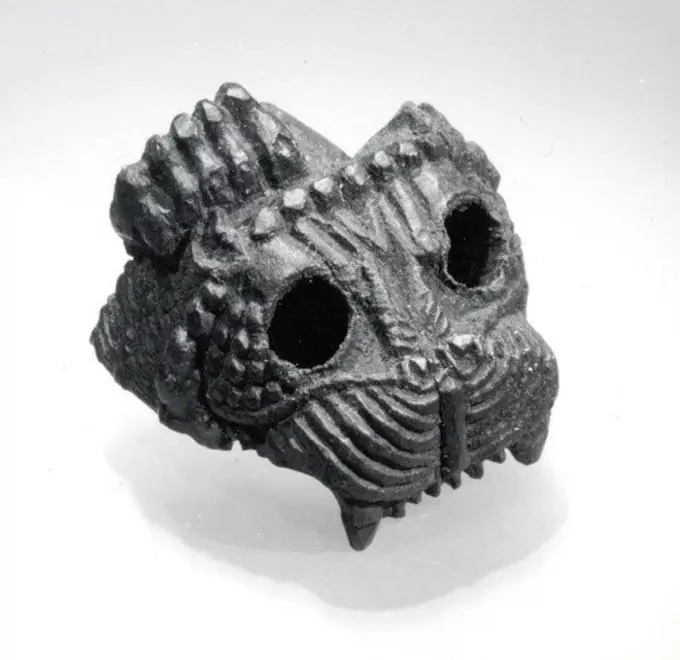
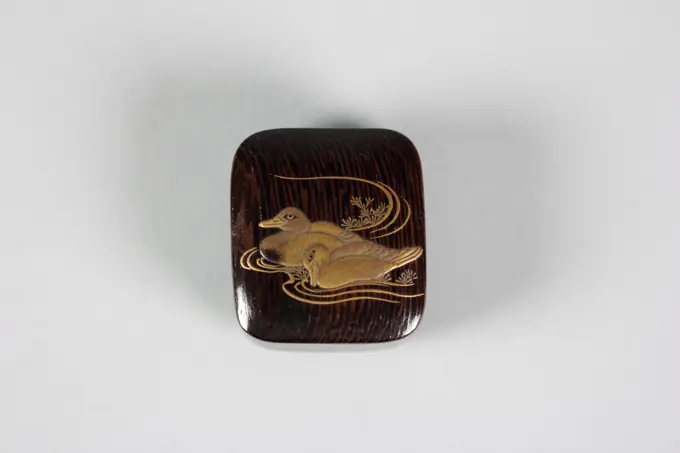
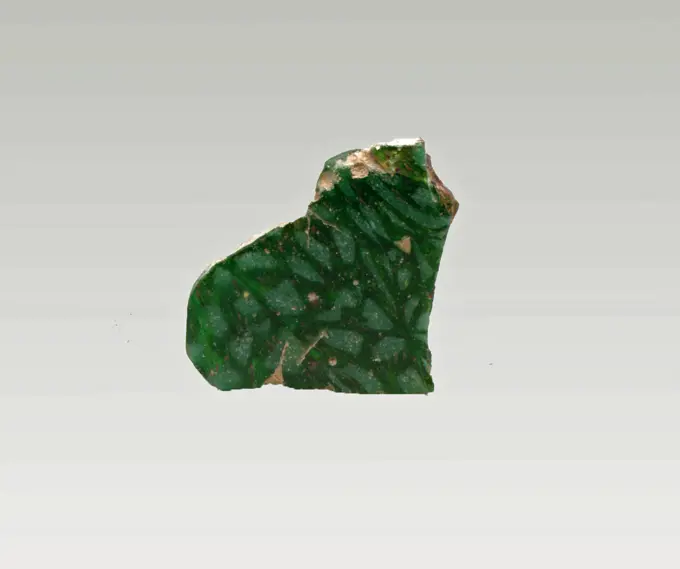
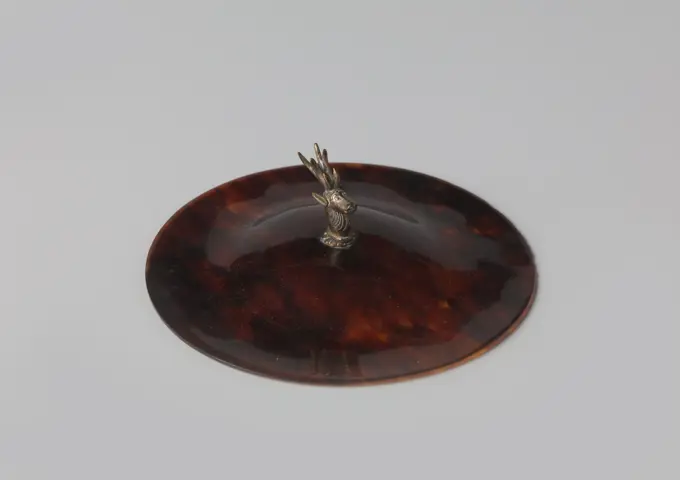
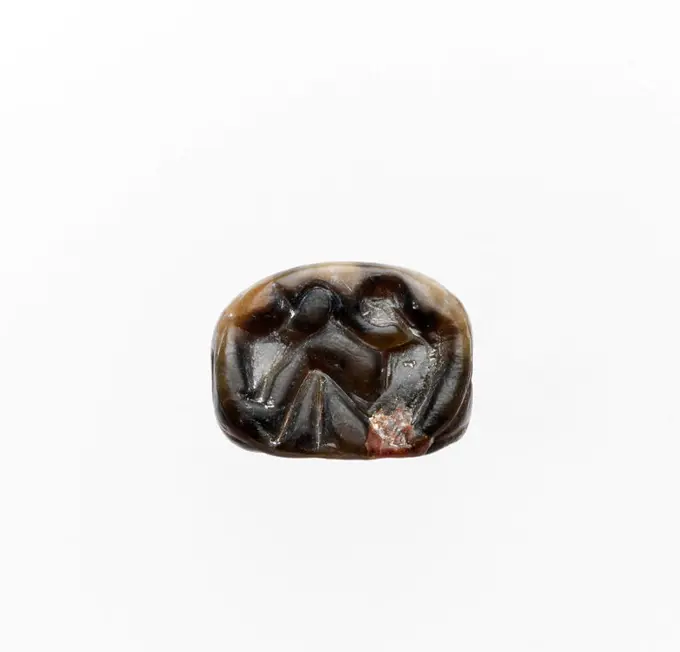
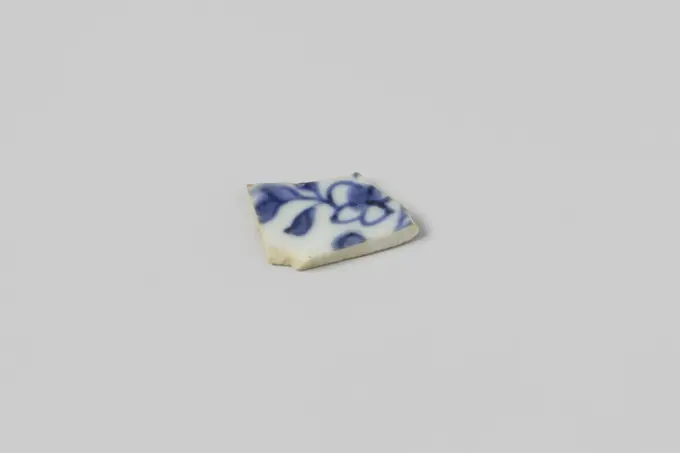
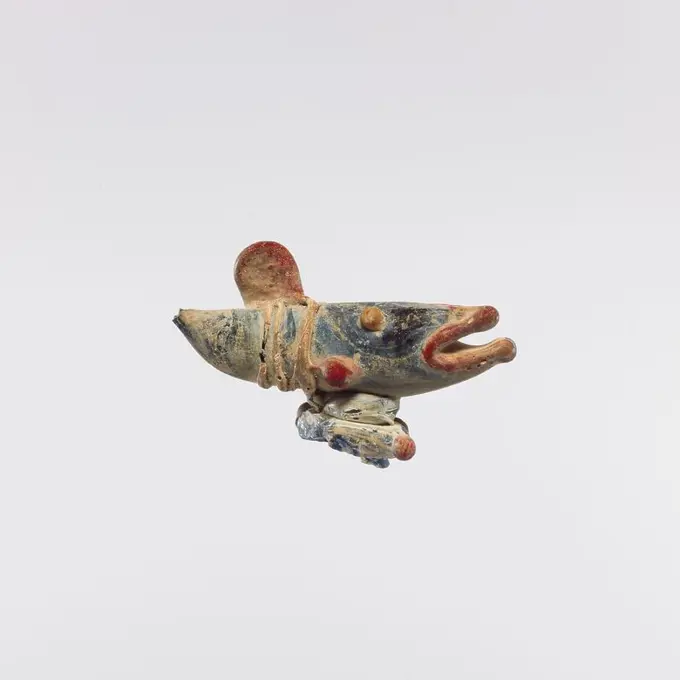
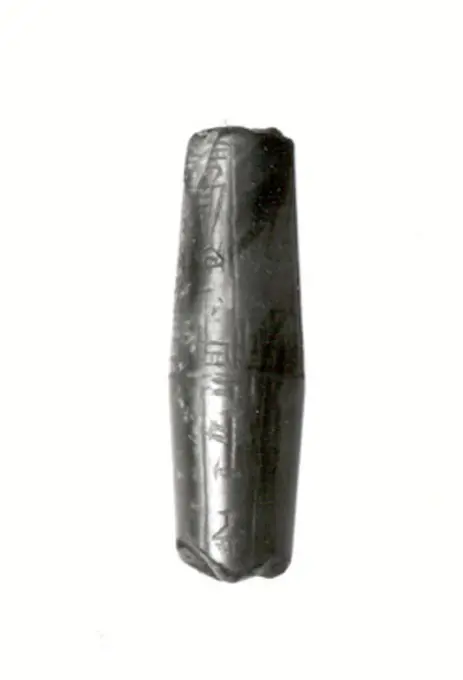
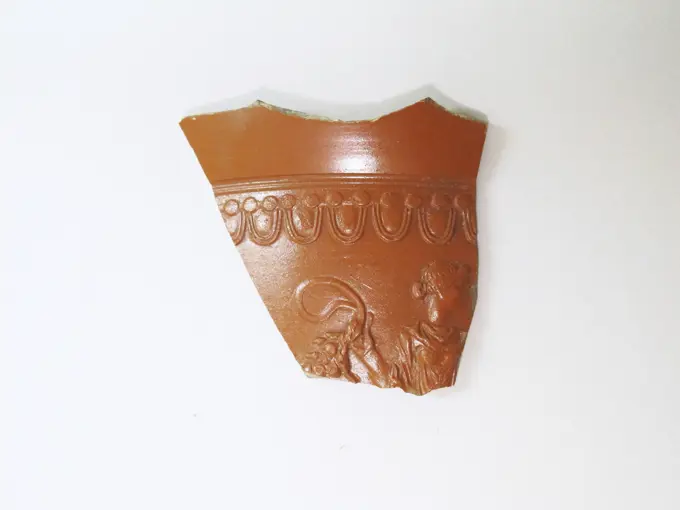
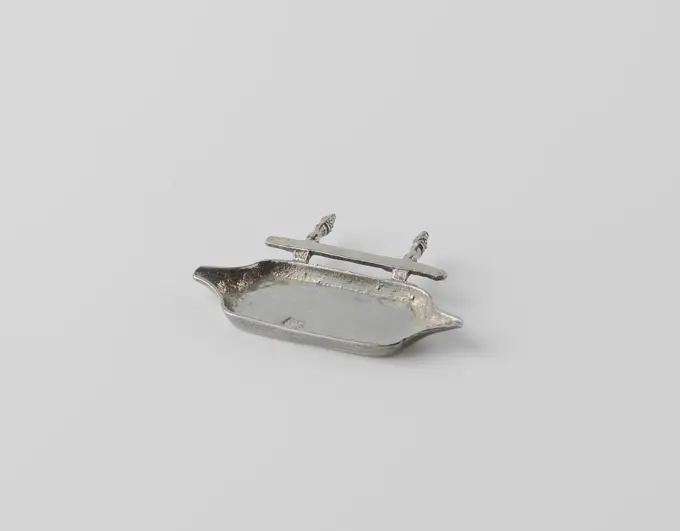
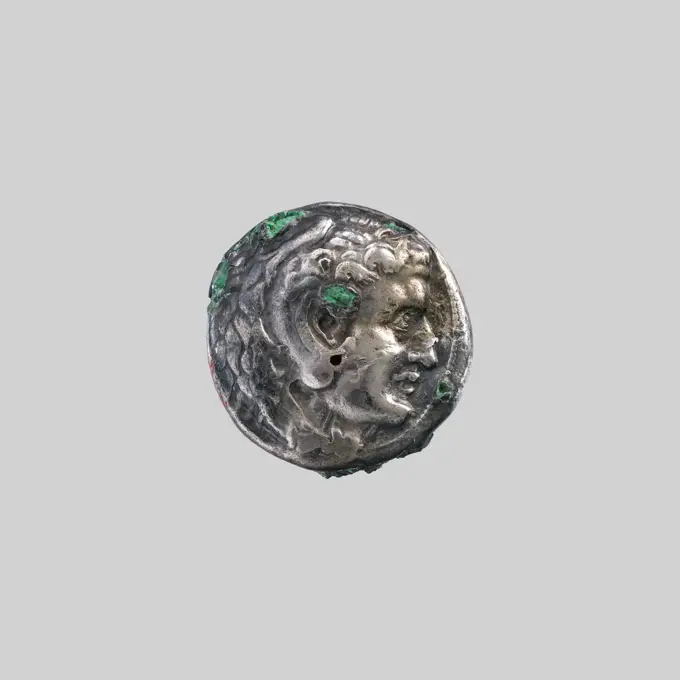
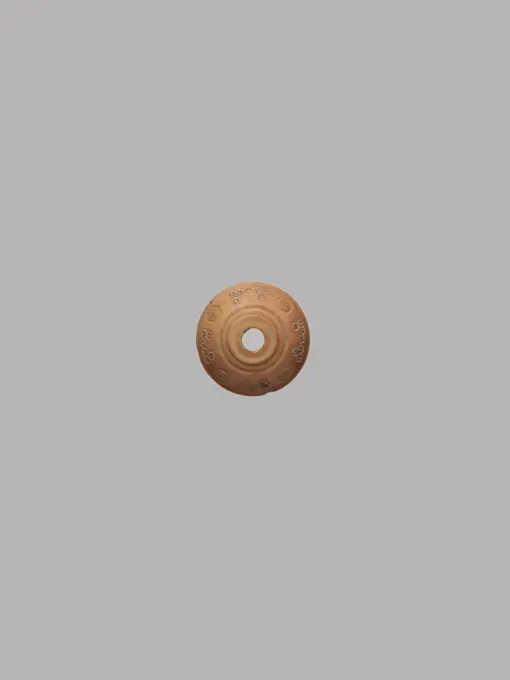
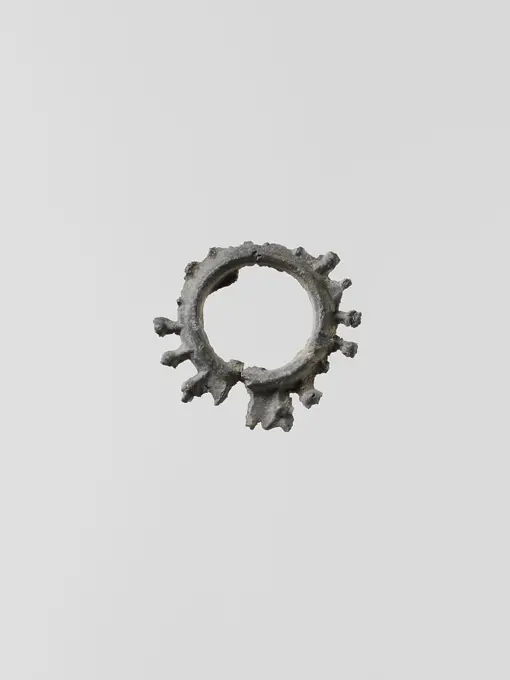
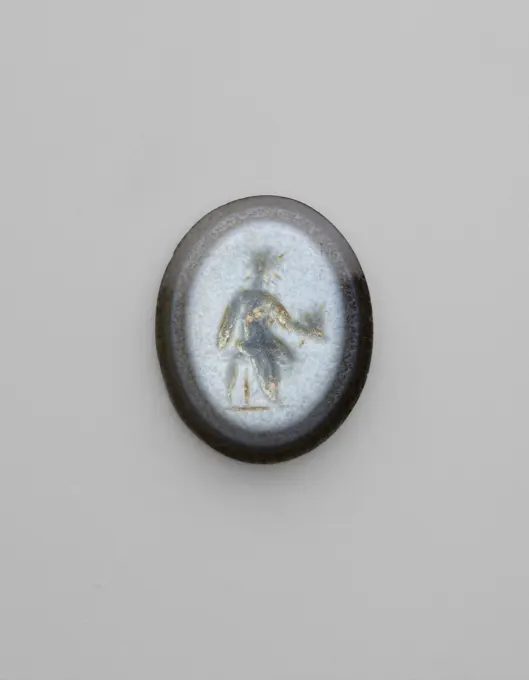
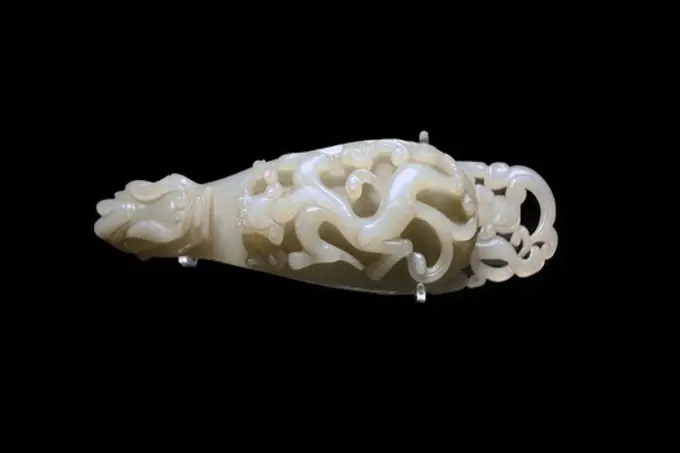
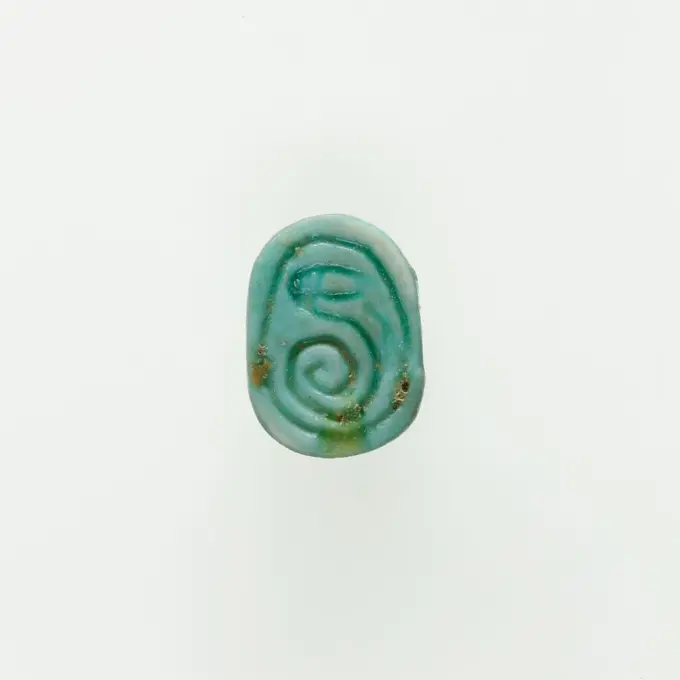
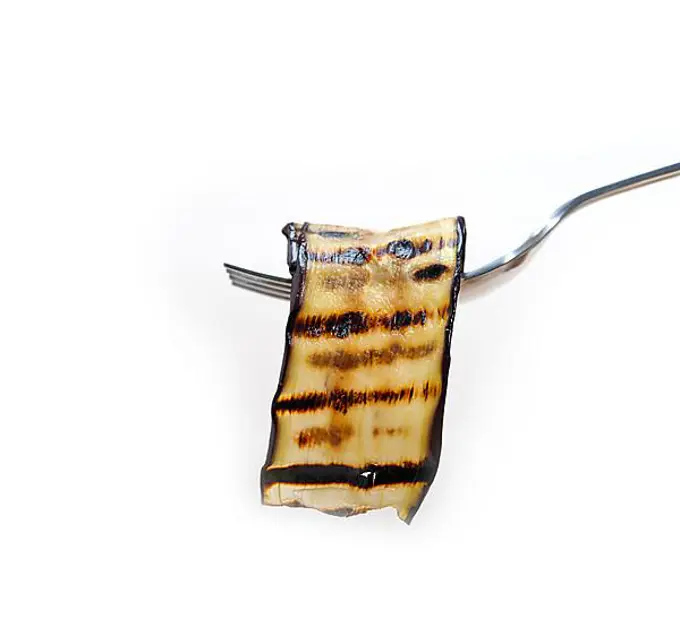
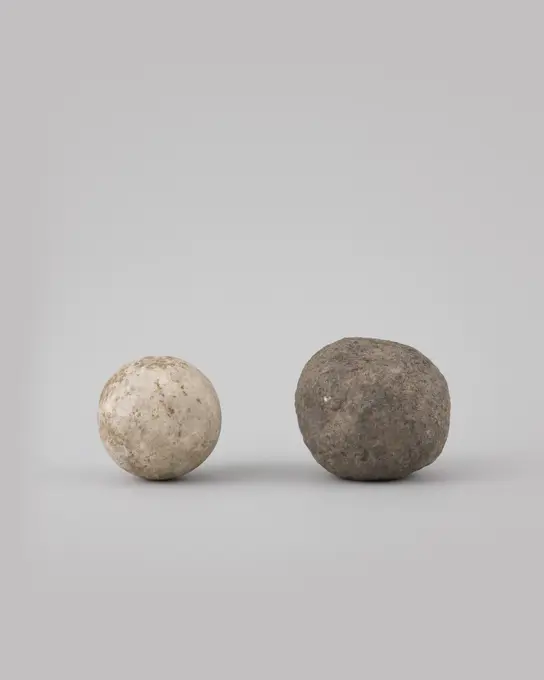
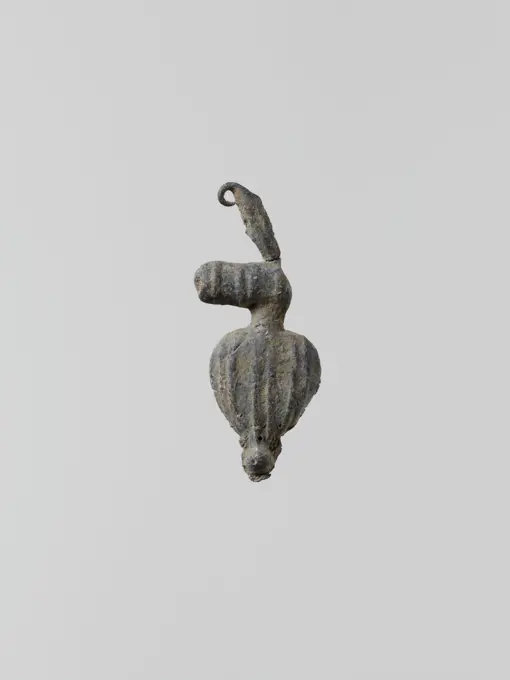
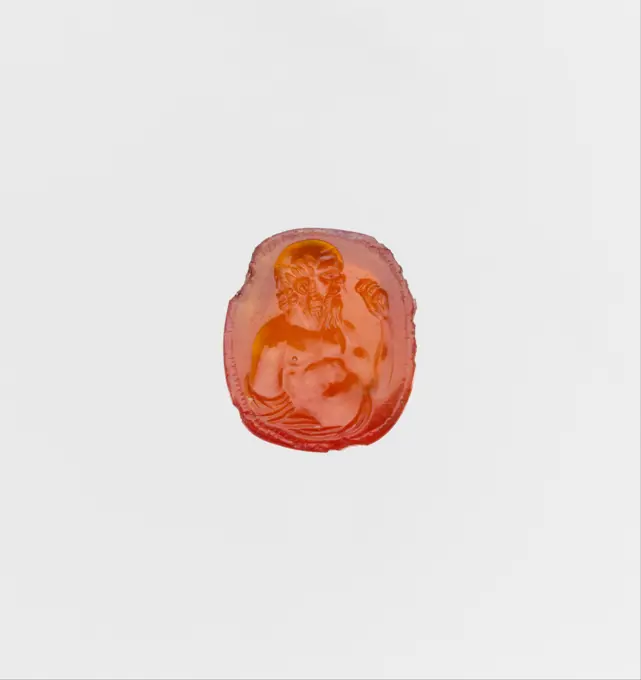
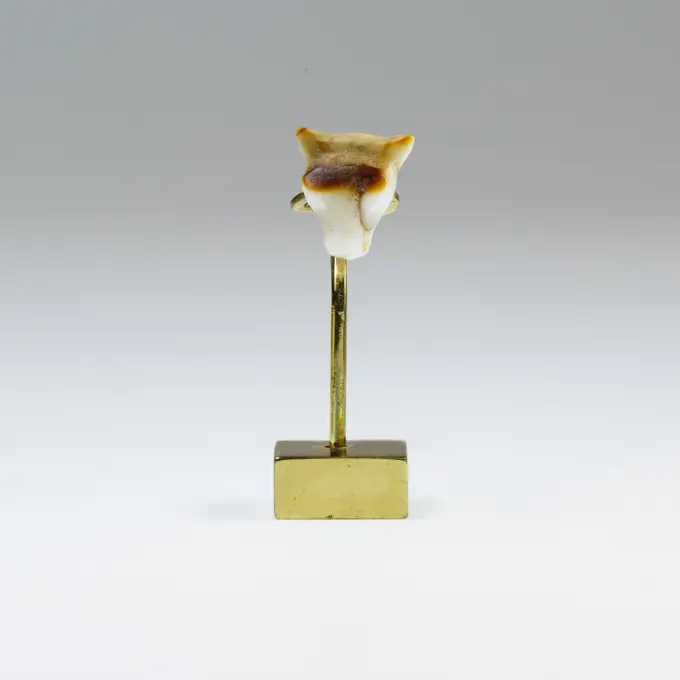
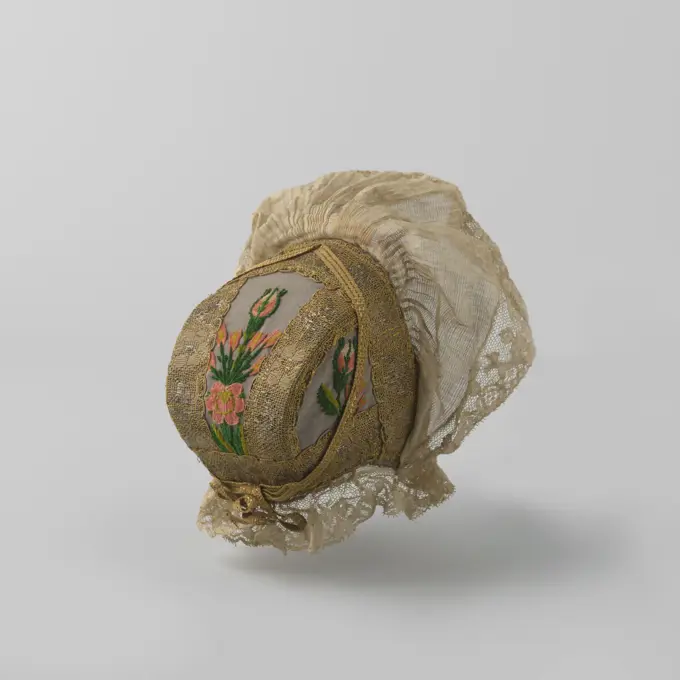
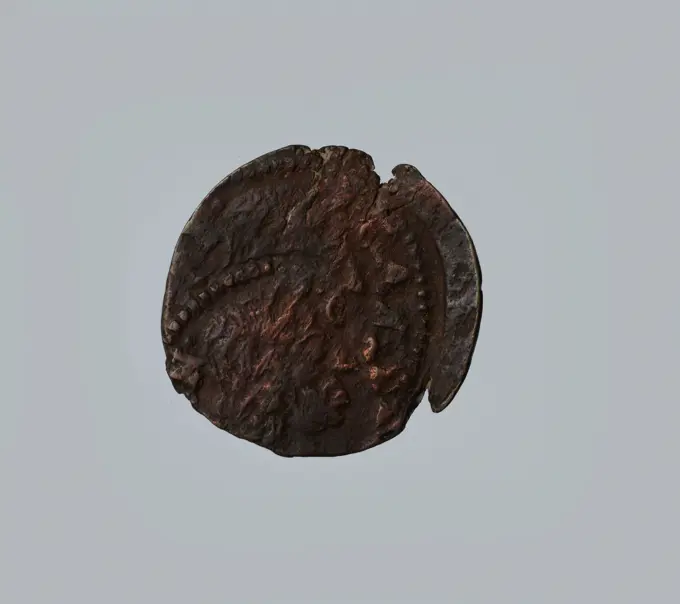
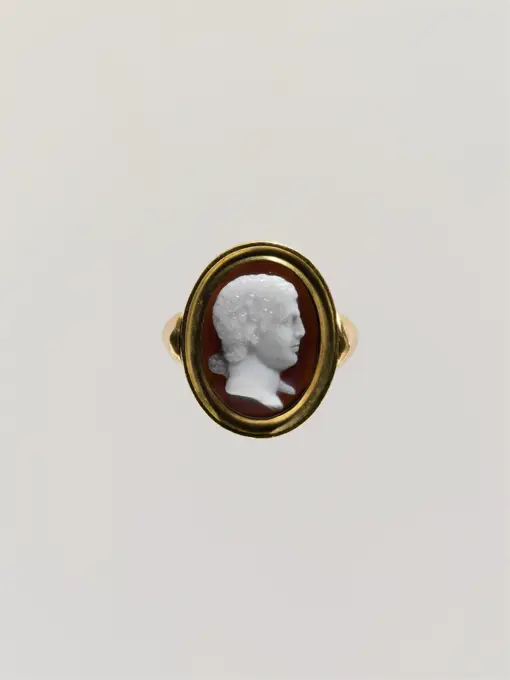
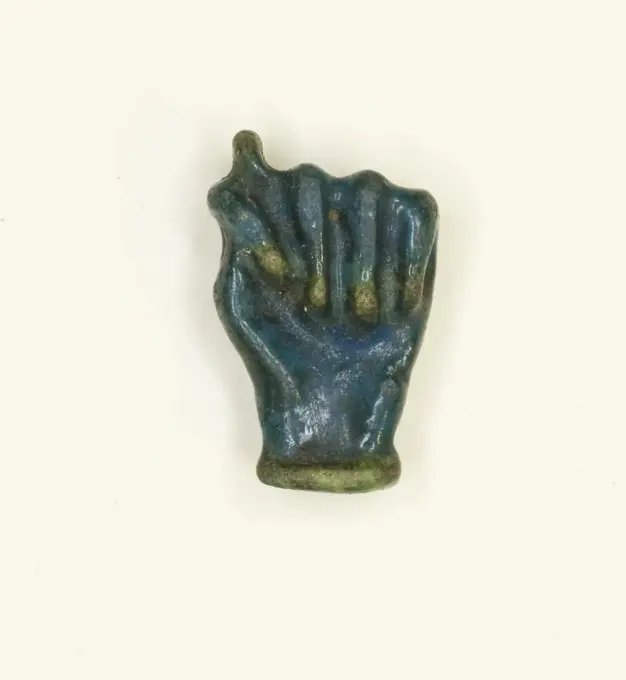
Rosette dated 1565 Italian. Rosette. Italian. dated 1565. Brass. Miscellaneous-Buckles & OrnamentAmber from bow of a fibula (safety pin) 7th century B.C. Etruscan Amber pendant from the bow of a fibula.. Amber from bow of a fibula (safety pin). Etruscan. 7th century B.C.. Amber. Archaic. Miscellaneous-AmberGriff box of wood. Wooden carved girder box with secret closure. Signature: 1714Valencay cheese from FrancePlate 32 from Uruguayan Torture Series. Luis Camnitzer; American, born Germany, 1937. Date: 1983. Dimensions: 250 x 300 mm (image/plate/primary support); 750 x 552 mm (secondary support). Color photo-etching from four plates on cream wove paper, laid down on ivory wove paper (chine collé). Origin: United States. Museum: The Chicago Art Institute, Chicago, USA.Buckle China. Buckle. China. Carnelian and white jadeite. Qing dynasty (1644-1911), Qianlong period (1736-95). JadePunch and Judy Puppet Theatre Matchsafe; England; silver; 5.2 x 3.4 x .8 cm (2 1/16 x 1 5/16 x 5/16 in. )Ornaments, 14 Greek, Laconian. Ornaments, 14 251710 Greek, Laconian, Ornaments, 14, Lead, Height: 1 in. (2.5 cm). The Metropolitan Museum of Art, New York. Gift of A. J. B. Wace, 1924 (24.195.144)Gold Ring in Filigree Technique. Dimensions: H. 1 1/16 in. (2.7 cm)W. 1 in. (2.5 cm)D. 9/16 in. (1.4 cm)Wt. 0.2 oz. (5.7 g). Date: 11th century. Museum: Metropolitan Museum of Art, New York, USA.Inlay, square, floral design 1st-3rd Century A.D. Roman Period A mosaic glass technique allowed multiples of an image to be created: a figural or design composition was made by bundling colored glass canes, which were then drawn out into a long bar. The bar was then sectioned at right angles, probably by striking the bar with appropriate tools, to produce small inlay tiles. The tile would then be smoothed and polished on the face intended to appear outwards.. Inlay, square, floral design. 1st-3rd Century A.D.. Mosaic glass. Roman Period. From EgyptInlay, square, palmette 100 BC-100 AD Ptolemaic Period-Roman Period A mosaic glass technique allowed multiples of an image to be created: a figural or design composition was made by bundling colored glass canes, which were then drawn out into a long bar. The bar was then sectioned at right angles, probably by striking the bar with appropriate tools, to produce small inlay tiles. The tile would then be smoothed and polished on the face intended to appear outwards.. Inlay, square, palmette. 100 BC-100 AD. Glass. Ptolemaic Period-Roman Period. From EgyptStamp seal ca. 3rd-7th century A.D. Sasanian Stamp seals were used in antiquity as marks of ownership and badges of status. This seal is hemispheroid in shape and is pierced so that it could be suspended and perhaps worn. On its flattened side, a recumbent, horned animal is depicted. The image is carved into the surface of the stone and appears in relief when the seal is pressed into clay.The seal was excavated in the fortress at Qasr-i Abu Nasr. The site is located near Shiraz in southern Iran at a strategic point at the intersection of defensive mountains, available water sources, and along roads entering the Shiraz plain. It was excavated by archaeologists from The Metropolitan Museum of Art for three seasons from 1932-1935. The town was occupied, at least intermittently, from the Parthian period (3rd century B.C.-3rd century A.D.) to the Muzaffarid period (13th-14th century A.D.). The major occupation, including the extensive fortress, dates to the Late Sasanian period (6th-7th cenVase fragment Aegean. Vase fragment 248524Bliżej KulturyPaperweight. European, possibly English. Date: 1825-1850. Dimensions: Diam. 7.3 cm (2 7/8 in.). Glass. Origin: England. Museum: The Chicago Art Institute, Chicago, USA.Glass mosaic fragment late 1st century B.C.-early 1st century A.D. Roman Base ring fragment, probably from a deep, footed ribbed bowl.Translucent blue, turquoise blue layered with opaque yellow and appearing green, opaque yellow and white, and colorlessStraight, conical side with rounded bottom edge.Ribbon mosaic pattern formed from stripes in green, yellow layered with colorless, blue, and white in parallel lines.Pinprick bubbles; polished exterior and bottom edge; pitting of surface bubbles on exterior; dulling and faint creamy iridescent weathering on interior and jagged edges.. Glass mosaic fragment. Roman. late 1st century B.C.-early 1st century A.D.. Glass; cast. Early Imperial. GlassGuttus czerwonofigurowy. unknown, authorbracteate heller. Toszek, issuerDish of twisted wood, anonymous, c. 1800 - c. 1899 Dish without a border, turned from a dark hardwood species. England (possibly) . Dish without a border, turned from a dark hardwood species. England (possibly) .BuddhaOrnaments, 4. Culture: Greek, Laconian. Dimensions: fragmentary: 1 5/8 in. (4.2 cm). Museum: Metropolitan Museum of Art, New York, USA.bracteate heller. Jan I (książę karniowsko-raciborski ; 1365/77-1380/82), ruler, Racibórz, issuerButton of braided fabric, anonymous, c. 1590 - c. 1596 button Button of braided fabric, presumably made of white/yellow cotton. The knot is somewhat bulky at the top.  textile materials   Nova Zembla. Saving HuysCylinder seal ca. 2960-2649 B.C. Early Dynastic Period. Cylinder seal. ca. 2960-2649 B.C.. Steatite. Early Dynastic Period. From Egypt. Dynasty 2Sacred Eye Amulet ca. 1390-1353 B.C. New Kingdom. Sacred Eye Amulet. ca. 1390-1353 B.C.. Faience, apple green. New Kingdom. From Egypt, Upper Egypt, Thebes, Malqata, Palace of Amenhotep III, MMA excavations, 1910-11. Dynasty 18Fragment of a tile. Fragment of a tile of pottery. On the tile two adjacent cylindrical rollers or sleeves, the bottom of which is pierced with holes.Spoon, Bronze, Cast oval concave bowl. Polygonal stem terminating in hoof. Tapered rib on reverse of bowl., Italy, late 17th century, cutlery, Decorative Arts, SpoonFishing motif Matchsafe; USA; silver, brass, copper; 6.4 x 3.3 x 1.3 cm (2 1/2 x 1 5/16 x 1/2 in. )Plate (England); glazed earthenware; 2.7 x 19.8 cm (1 1/16 x 7 13/16 in.); Bequest of Jane M. Epstine; 2006-20-42Toll. Toll with six planes. On the six planes are the letters: A, B, S, T, N, D. The toll has been edited with a Filigrein and has not been marked.String of 10 beads. Dimensions: l. 11.5 cm (4 1/2 in.). Date: 1st Century B.C. to 1st Century A.D.. Museum: Metropolitan Museum of Art, New York, USA.Scarab. Dimensions: l. 3.4 cm (1 5/16 in.). Date: 304 B.C.-A.D. 364. Museum: Metropolitan Museum of Art, New York, USA.Small annular pearl (attributed title). Carnavalet museum, history of Paris.Brown coin; Pantikapaion; approx. 250 BC (-255-00-00--246-00-00);Nadczarzyorze, satir (mitol.), Terlecki, Ignacy (1860-1916), Terlecki, Ignacy (1860-1916)-collection, weapons (iconogr.), Arrows (weapons), armament (iconogr.), Purchase (provenance) , bow and arrow (iconogr.), Łuki (army)Puppetal hat, lined with light blue taffeta, chenille and a net. Puppetal hat, lined with light-leaf silk, chenille and a net. Emipre or Biedermeier Model: Three horizontal, coated metal bands are cited by two intersecting brackets. The lower belt is open and is closed to measure with a bow. Tires and brackets are unfolded with taft, while the far back to the outside of the middle belt is tense between the first and the third band. Decoration. On the crown a bow tie from satin. Along the lower upper band is for softening () A laiton sewn to which airbauw's chenille is mounted. Condition: All silk, Chenille and Lind is very, but almost faded to gray.Mordant 15th-17th century European. Mordant. European. 15th-17th century. Bronze. Miscellaneous-Buckles & OrnamentFragment of a Cup 100 BCE-100 CE Italy. In ancient Rome, there was a high demand for colorful glass that could dazzle banquet guests alongside the expensive silver and gold serving wares meant to impress. Fragments like this one would have once been a part of larger mosaic dishes. The mosaic pattern was made by sagging molten glass into bowl-shaped molds, a technique used on many of these fragments is similar to millefiori, ìthousand flowersî in Italian, a modern glass-making method in which tiny rods of colored glass are bundled together, wrapped in a sheet of glass, fused, and then thinly sliced to reveal swirls of a flower-like patterns. They were arranged side by side, sometimes together with bits of colored glass, and fused together with heat.. Glass, mosaic glass technique . Ancient RomanFragment of a terracotta lid ca. 540-515 B.C. Attributed to the Urla Group Upper register: legs and head of a crane. Lower register: siren and head of swan.. Fragment of a terracotta lid 253531 : Attributed to the Urla Group, Fragment of a terracotta lid, ca. 540515 B.C., Terracotta, 3 3/8in. (8.5cm). The Metropolitan Museum of Art, New York. Fletcher Fund, 1937 (37.11.4)Disc with Coiled Dragon 1000 BCE-800 BCE China. Jade .Small tin plate, toys, plate crockery holder miniature toy relaxant soil find tin metal, cast Small tin plate. Slightly thickened plate edge. Stand plane Flat deformed The rings of the mold are visible in the tin archeology Rotterdam IJsselmonde indigenous product child play child's play dollhouse Soil discovery: Castle IJsselmonde pit 2 Rotterdam 1972.Design for a medal with plowing horses, Lambertus Zijl, 1876 - 1947 Design of plaster, presumably for a medal, with a representation of two plowing horses. Netherlands gypsum Design of plaster, presumably for a medal, with a representation of two plowing horses. Netherlands gypsumFragment of a vessel. A low curvature of the glass fragment allows the assignment to a vessel, possibly a shell. The violet shard is crossed with a grid of white lines reminiscent of bee honeycombs. In the center there is a blue point with yellow contour to group the circular white dots as petals. For the production, different colored glasses into tubes and rods were formed. These were compressed and heated, causing a long bar. The glass sliced now had different amorphous or floral patterns. Thereafter, several of these platelets were folded together, heated again and pressed into the vascular shape. Burry for the elaborate manufacturing process and its fragility was one of the luxury articles of antiquity.Upper part of a lion's head ca. 9th century B.C. Iran This wood fragment preserves the upper part of a lions head. On the top of its head are what may be interpreted as the toes of a human right foot. The lion is open-mouthed with bared fangs. Its features are carved in a stylized manner and its eyes would have once held inlays. This fragment may have once been part of a larger piece of furniture. It is one of the thousands of artifacts of terracotta, bronze, iron, gold, silver, and ivory which were recovered from monumental buildings at the site of Hasanlu in northwestern Iran. Hasanlu is best known for its early first-millennium B.C. occupation. At that time, it was a major local center of commerce and artistic production with close ties to other political and creative centers of the Near East. In 1957, the University Museum of the University of Pennsylvania initiated large-scale excavations at the site with the Iranian Archaeological Service. The Metropolitan Museum of Art co-sponsNetsuke of Two Ducks Swimming 19th century Japan. Netsuke of Two Ducks Swimming 59059watercolor cosmeticsGlass mosaic carinated bowl fragment late 1st century B.C.-early 1st century A.D. Roman Body fragment.Translucent cobalt blue and purple, opaque white, yellow, and red.Carinated side, with part of one narrow convex curve, then slanting sharply downward below.Composite mosaic pattern formed from polygonal sections of a single cane in a blue ground surrounding a hollow band in a purple ground outlined in white and filled with a circle of yellow dots, and a central white rod within white and red circles.Polished exterior; pitting of surface bubbles on exterior; dulling and iridescent weathering on interior and jagged edges.. Glass mosaic carinated bowl fragment 257202Glass mosaic inlay fragment late 1st century B.C.-early 1st century A.D. Roman Translucent deep turquoise green and opaque white.Flat plaque; slightly uneven underside.Marbled mosaic pattern in green ground with multiple white rods.One chipped edge; polished upper side; pitting and weathering of surface bubbles; dulling and creamy weathering on underside and most of edges.. Glass mosaic inlay fragment. Roman. late 1st century B.C.-early 1st century A.D.. Glass; cast. Early Imperial. GlassGlass Fragment 13th-15th century European. Glass Fragment. European. 13th-15th century. Pot metal glass. Glass-StainedCeramic brooch with a flower in a square, c. 1900 - c. 1990 Ceramic brooch with a flower with white leaves and a green heart in a black square with a glued hook closure that is stuck over the brand at the rear. I am dealing with metal. glue gluing Ceramic brooch with a flower with white leaves and a green heart in a black square with a glued hook closure that is stuck over the brand at the rear. I am dealing with metal. glue gluingLid of turtle with Hertekop made of silver (series from 28 pieces to BB), anonymous, c. 1700 - c. 1799 Turtle cover (28 pieces: A to BB) with silver's deer head as a button. Indonesia silver (metal) Turtle cover (28 pieces: A to BB) with silver's deer head as a button. Indonesia silver (metal)Prism, triangular seal. Culture: Minoan. Dimensions: 5/8 × 1/2 × 5/16 in. (1.6 × 1.2 × 0.7 cm). Date: ca. 1800-1700 B.C..Three sided gem with man with jug; quadruped; goat. Museum: Metropolitan Museum of Art, New York, USA.Sharf of a sign from the wreck of the East Indians Hollandia, Anonymous, 1700 - in Or Before 1743 plate (dishes) Porcelain, plate, type 3; fragm of rim, sim. NG 1980-27H3202c. Netherlands porcelain   SecondGlass ornament in the shape of a fish. Culture: Roman. Dimensions: Other: 1 15/16 in. (4.9 cm). Date: 1st half of 4th century A.D..Translucent cobalt blue; trails and blobs in opaque red and opaque white.Solid cylindrical body tooled at front to make a large open mouth, tapering to point at back; under body, cylindrical stem and a larger circular pad.Decoration comprises a white trail wound vertically four times round body in an irregular spiral, two white blobs for eyes, a red trail applied to mouth as lips, two red blobs behind eyes perhaps for gills, and a red flattened vertical dorsal fin applied over spiral trail; on circular pad, four red blobs on outer edge in a square pattern.Fish complete apart from tail and part of spiral trail, and part of pad and one blob missing; dulling, slight pitting, and thick creamy weathering with patches of iridescence.The ornament may have been attached to the side of a beaker or cup. Museum: Metropolitan Museum of Art, New York, USA.Bead ca. 2112-2004 B.C. Neo-Sumerian. Bead. Neo-Sumerian. ca. 2112-2004 B.C.. Carnelian. Ur III. MesopotamiaVase fragment 1st century B.C.-1st century A.D. Roman Woman holding a garland.. Vase fragment. Roman. 1st century B.C.-1st century A.D.. Terracotta. VasesHand grenade from the wreck of the East India Princesse Maria. Cast iron hand grenade, round hollow sphere that was filled with powder and a round opening in which a (wooden) tube was lined with highly flammable material. The grenade was bound in rope to keep the stop in place.Pan with two handles and two spouts, anonymous, c. 1400 - c. 1950 Pan of silver, rectangular, with two handles and two spouts.  silver (metal) Pan of silver, rectangular, with two handles and two spouts.  silver (metal)Tetradrachm of Alexander the Great ca. 311-305 B.C. Seleucid Numismatists - the scholars who study coins - refer to the front’ side of the coin, which usually features the head of a person or god, as the obverse,’ and the back’ side as the reverse.’On the obverse of this silver tetradrachm coin, a youthful bust of Herakles faces right. He has a large nose, a prominent chin, pursed lips, and a slightly furrowed brow. He wears a headdress made of a lion’s pelt, with the paws tied around his neck. A border of dots surrounds the image.The reverse shows the seated figure of Zeus facing left. He is naked from the waist up, and holds a staff in his left hand; an eagle perches on his outstretched right hand. He sits on a high-backed throne. His legs are crossed, and his feet rest on a footstool. The Greek word A?E?AN?POY’ is behind him, and the word BA?I?E??’ is below, meaning of King Alexander.’ The Greek letters ?I and I are under his throne; these are probably mint marks indicating wCover of teeth puier tray, anonymous, c. 1775 - c. 1800 Cover of a teeth puier tray with blue Saxon pattern, unnoticed.  . Cover of a teeth puier tray with blue Saxon pattern, unnoticed.  .Engraved Gem; about 20; Honey-colored sard; 1.5 × 1.2 × 0.3 cm (9,16 × 7,16 × 1,8 in.)Hair comb from imitation turtle, with a narrow back and two light curves along the top, anonymous, c. 1885 - c. 1900 Hair comb from imitation turtle, with a narrow back and two light curves along the top, 23 teeth. Netherlands (possibly) celluloid (cellulosic). cellulose acetate sawing / filing / polishing Hair comb from imitation turtle, with a narrow back and two light curves along the top, 23 teeth. Netherlands (possibly) celluloid (cellulosic). cellulose acetate sawing / filing / polishingBead. Bead 243013SnuffBox.  Maker: Samuel Edwards, American, 1705-1762Fragment of an Inlay 100 BCE-100 CE Roman Empire. In ancient Rome, there was a high demand for colorful glass that could dazzle banquet guests alongside the expensive silver and gold serving wares meant to impress. Fragments like this one would have once been a part of larger mosaic dishes. The mosaic pattern was made by sagging molten glass into bowl-shaped molds, a technique used on many of these fragments is similar to millefiori, ìthousand flowersî in Italian, a modern glass-making method in which tiny rods of colored glass are bundled together, wrapped in a sheet of glass, fused, and then thinly sliced to reveal swirls of a flower-like patterns. They were arranged side by side, sometimes together with bits of colored glass, and fused together with heat.. Glass, mosaic glass technique . Ancient RomanBronze portrait bust of a girl ca. 1st-2nd century A.D. Roman Enveloped below the shoulders with drapery. Her hair is long and fastened in a knot behind.. Bronze portrait bust of a girl 246285Button or Spindle Whorl 9th-10th century The dot-in-circle motif recalls designs presumed to be of magical significance, most likely an abstract eye to ward off the evil-eye, which serves an apotropaic function. Easily reproduced with a tool and visible in many cultures and times, this symbol may have lost its meaning, and become simply a decorative pattern, or may have one that we have not yet discovered.. Button or Spindle Whorl 449231Glass mosaic ribbed bowl fragment. Culture: Roman. Dimensions: 1 3/16 × 7/8 × 1/8 in. (3.1 × 2.2 × 0.3 cm). Date: late 1st century B.C.-early 1st century A.D..Translucent purple and opaque white.Squarish oval, with ground edges, formed from outsplayed rim and straight side.On exterior of vessel, top of a shallow, broad rib, squared off at top. Mosaic pattern formed from lengths of a single cane in a purple ground with irregular, broad white threads.Polished interior and edges, with some pitting of surface bubbles; pitting and dulling on interior. Museum: Metropolitan Museum of Art, New York, USA.Wreaths, 6. Culture: Greek, Laconian. Dimensions: 13/16 × 15/16 in. (2.1 × 2.3 cm). Museum: Metropolitan Museum of Art, New York, USA.Shank of a cylinder amulet. Dimensions: L. 3.5 cm (1 3/8 in.). Dynasty: Dynasty 12. Reign: reign of Senwosret III. Date: ca. 1878-1840 B.C..This interesting tiny element is the central portion of an imitation cylinder amulet. Cylinder amulets are specific to the Middle Kingdom (Dynasty 12-13, ca. 1981-1650 B.C.) and almost exclusively known from women's tombs. Their function remains speculative because they are neither represented in imagery nor discussed in ancient records. In this example, both ends are lost, but the surviving dowel was created by stringing disks of alternating turquoise and lapis lazuli, separated by thinner ones of gold, over a thin rod to create a pleasing striped pattern. Museum: Metropolitan Museum of Art, New York, USA.Intaglio with seatedfigureJade itemBeads, 10. Beads, 10. Glass. GlassPot hat (cloche) of yellow straw over which green and gray openwork viscose, with two velvet straps and green rip ribbon, Katja Robinski, c. 1958 - c. 1965 Pot hat (cloche) of yellow straw over which green and gray openwork viscose, with two velvet straps and green rip ribbon. Amsterdam .. lint: velvet (fabric weave). Pot hat (cloche) of yellow straw over which green and gray openwork viscose, with two velvet straps and green rip ribbon. Amsterdam .. lint: velvet (fabric weave).Polish Republic, 5 Zlotys, History of the Polish Coin  Denar Bolesław Śmiał; 2013 Mennica Polska S.A., Carp Kopiec, DominikaAmulet - Aker lub Ruti. unknown, authorScarabs. Dimensions: L. 0.9 cm (3/8 in.); W. 0.7 cm (1/4 in.); H. 0.4 cm (3/16 in.). Dynasty: Dynasty 18, early. Reign: reign of Thutmose II-Early Joint reign. Date: ca. 1492-1473 B.C..This scarab was found with twenty-three other scarabs and seal-amulets in the coffin of a young woman who was buried in Hatnefer's tomb (see 36.3.1 and 36.3 26). The base is inscribed with a decorative spiral pattern. Museum: Metropolitan Museum of Art, New York, USA.Umbel Pendant ca. 1390-1353 B.C. New Kingdom. Umbel Pendant. ca. 1390-1353 B.C.. Faience. New Kingdom. From Egypt, Upper Egypt, Thebes, Malqata, Palace of Amenhotep III, MMA excavations, 1910-11. Dynasty 18Brooch - Ancient Figures Josiah Wedgwood Josiah WedgwoodGrilled eggplant oubergine on a fork macro close up, food photographyHeart Scarab of Ibemnetjer  ca. 1550-1070 B.C. New Kingdom. Heart Scarab of Ibemnetjer . ca. 1550-1070 B.C.. Dark green stone. New Kingdom. From Egypt. Dynasty 18-20Two stone balls (common name). Rock. Cernuschi Museum, Asia Museum of Asia in the city of Paris.Amulet of an Unidentified Shape, 2123-2040 BC. Egypt, Date Uncertain. Turquoise green faience; overall: 0.1 cm (1/16 in.).Lead ornament in the form of a bud 6th-5th century B.C. Greek, Laconian Small flat votive figurines of cast lead have been found in great quantities at the ancient sanctuaries of Laconia; over one hundred thousand, dating from the seventh century B.C. to the Classical period, were dedicated to the goddess Artemis Orthia in Sparta.. Lead ornament in the form of a bud 251698 Greek, Laconian, Lead ornament in the form of a bud, 6th5th century B.C., Lead, Height: 1 1/4 in. (3.3 cm). The Metropolitan Museum of Art, New York. Gift of A. J. B. Wace, 1924 (24.195.132)Carnelian engraved gem with a portrait of Sokrates ca. 1st century B.C.-1st century A.D. Roman The fifth century B.C. Greek philosopher Sokrates is represented reclining with one hand raised. He is bearded and bald and has the broad bulbous nose that is said to have likened him to a silenus. The type of head resembles that generally identified as a work of the early Hellenistic period, perhaps by Lysippos.. Carnelian engraved gem with a portrait of Sokrates 244952Tubular Bead with Spirals. Culture: Moche (Loma Negra). Dimensions: Length 3-11/16 in. (9.4 cm). Date: 390-450. Museum: Metropolitan Museum of Art, New York, USA.Upper human jaw without teeth model medical implant isolated on blue background. Healthy teeth, dental care and orthodontic concept. Hi quality copy space.. Upper human jaw without teeth model medical implant isolated on blue background. Healthy teeth, dental care and orthodontic concept.Mourning brooch with two flowers of black glass on silver brochation. Mourning brooch with two black glass flowers on a silver brochure with a hook closure.Calf's Head Amulet 664-332 B.C. Late Period. Calf's Head Amulet. 664-332 B.C.. Agate. Late Period. From Egypt. Dynasty 26-29Retro cartoon with texture. Isolated on White.Septarian concretion or (septarian nodules) from  Morocco. Dense mass formed by precipitation of mineral cement in sedimentary rock or soil which is later cracked and filled with other material, in this case calcite.Baby hat of lilac silk with tufts of pink roses and button on branch, with gold -colored passement and trimmed with lace, anonymous, c. 1785 - c. 1825 Baby hat of Lila Silk Decorated with Chenille Belly and Gold Passion, trimmed with lace. The embroidery consists of a rose roses bunch with a button on green twigs. Machine side. Stiff interior and lining of Grijspaars linen with white, yellow, brown stripes. France whole: Silk. whole:. whole:. Completely: Braid. whole: Linen (Material) Baby hat of Lila Silk Decorated with Chenille Belly and Gold Passion, trimmed with lace. The embroidery consists of a rose roses bunch with a button on green twigs. Machine side. Stiff interior and lining of Grijspaars linen with white, yellow, brown stripes. France whole: Silk. whole:. whole:. Completely: Braid. whole: Linen (Material)False coin, crown shilIIng, John II Casimir (1649 1668)Head of young Hercules and the Nemean lion late 18th-early 19th century Italian. Head of young Hercules and the Nemean lion 198278Necklace Figurine Bead, 1-700. Colombia, 1st-8th century. Cast gold; overall: 3.4 cm (1 5/16 in.).Amulet of a Clenched Fist Made 30 BCE-395 CE Egypt. Faience . Ancient EgyptianHead Ornament, c. 600-900. Honduras, Copan, Maya, 7th-10th Century. Jade; overall: 4.6 x 2 x 1 cm (1 13/16 x 13/16 x 3/8 in.).Amulet serce zwieńczony kobiecą głową. unknown, authorShabti fragment ca. 1295-1070 B.C. New Kingdom, Ramesside. Shabti fragment 550191Rosette Pendant ca. 1390-1353 B.C. New Kingdom. Rosette Pendant. ca. 1390-1353 B.C.. Faience. New Kingdom. From Egypt, Upper Egypt, Thebes, Malqata, Palace of Amenhotep III, MMA excavations, 1910-11. Dynasty 18Seated Rabbit 18th-19th century China. Seated Rabbit 42082