Historical Artifacts and Seals

Unique ancient artifacts, including scarab seals and glass pendants, that reflect craftsmanship and cultural significance from past civilizations.

Key, 1700 - 1800 Key with an eye formed by two bladed leaf voltuties, closed by flowers. The beard has the shape of an open quadrobe (seen pyramidal from above) and is grooved with an Andreas cross.  bronze (metal) Key with an eye formed by two bladed leaf voltuties, closed by flowers. The beard has the shape of an open quadrobe (seen pyramidal from above) and is grooved with an Andreas cross.  bronze (metal)
Key, 1700 - 1800 Key with an eye formed by two bladed leaf voltuties, closed by flowers. The beard has the shape of an open quadrobe (seen pyramidal from above) and is grooved with an Andreas cross. bronze (metal) Key with an eye formed by two bladed leaf voltuties, closed by flowers. The beard has the shape of an open quadrobe (seen pyramidal from above) and is grooved with an Andreas cross. bronze (metal)
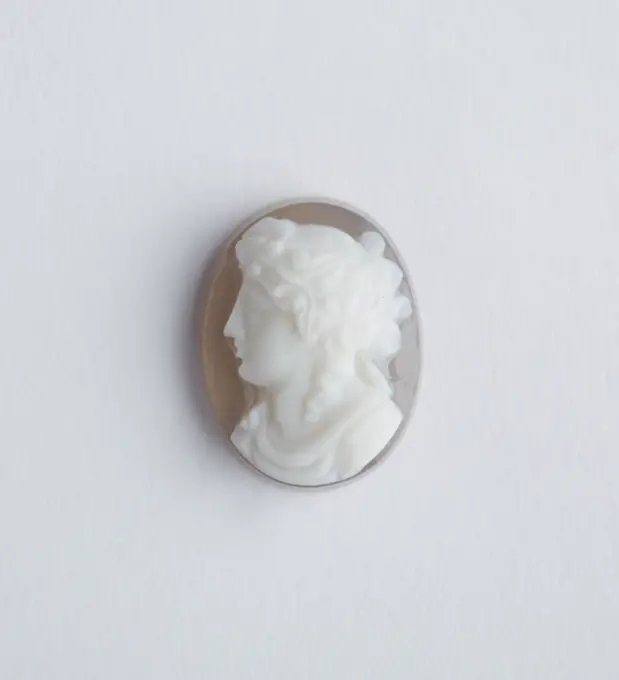
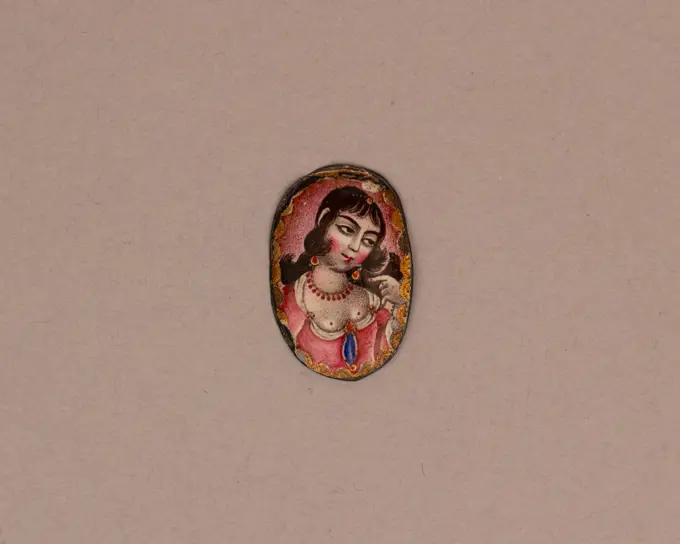
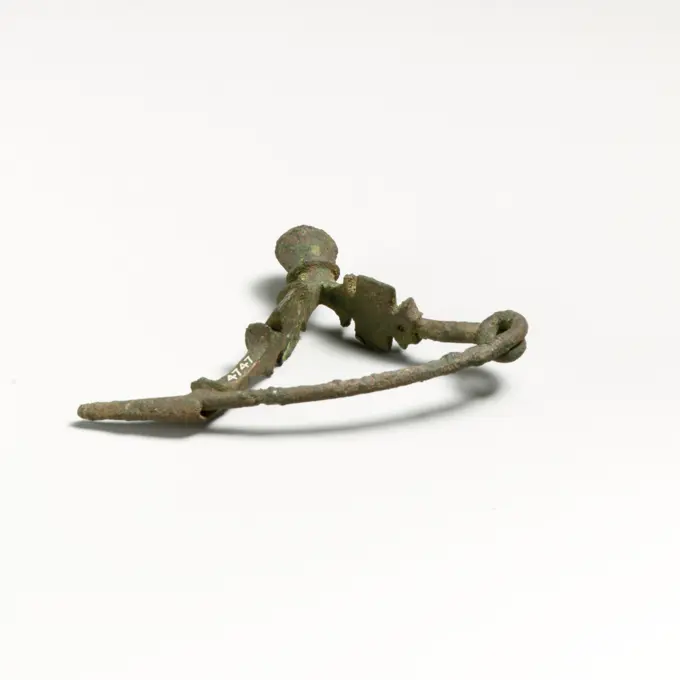
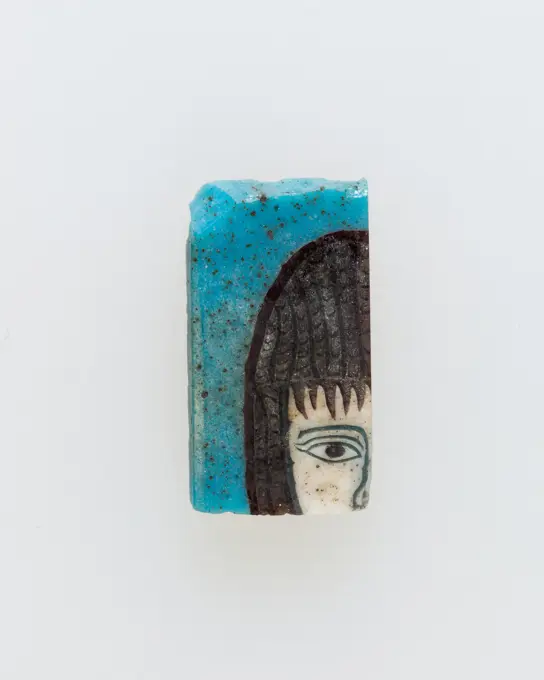
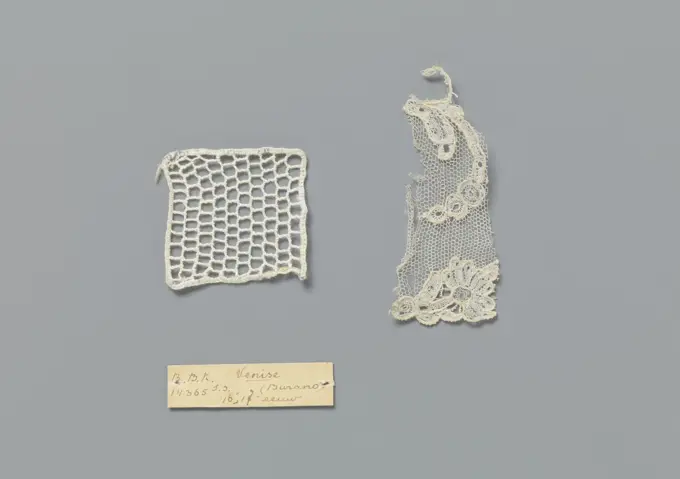
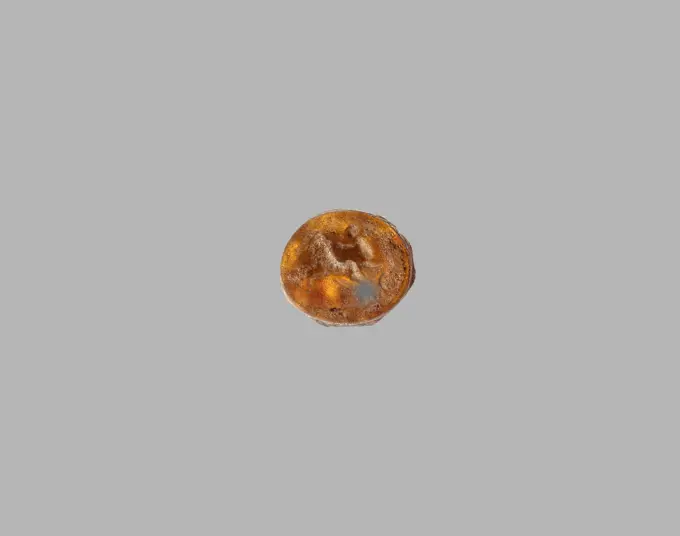
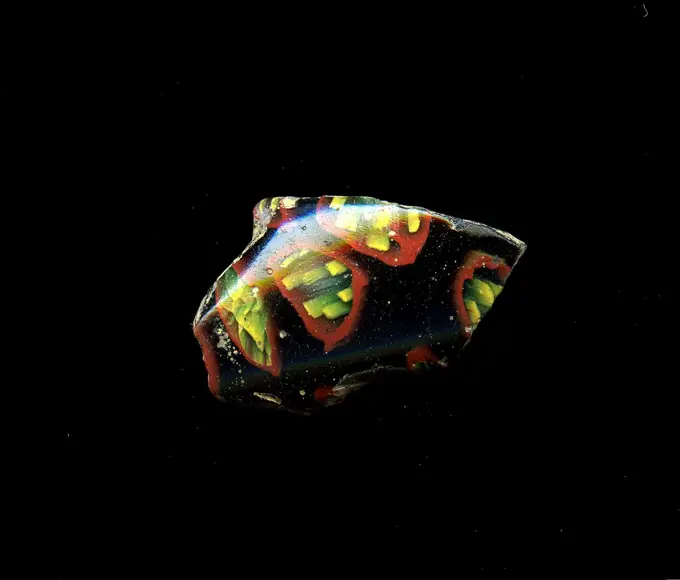
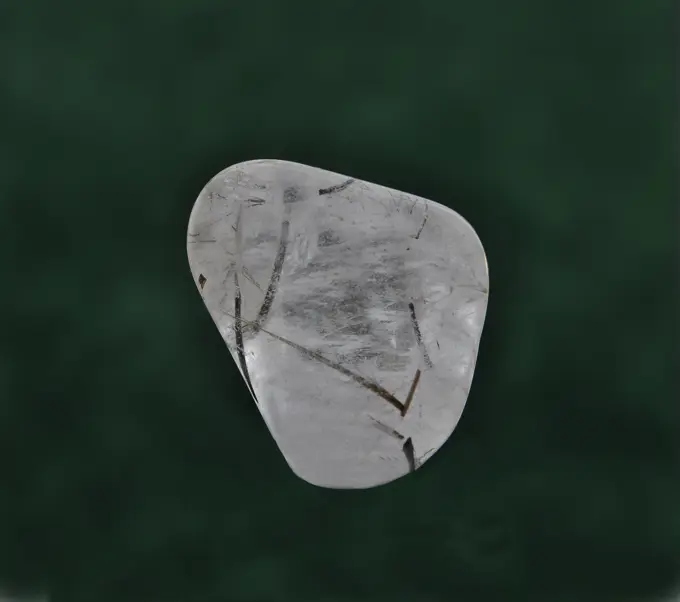
Pin with head of a dog Roman. Pin with head of a dog 256656Portrait of a womanDisk late 18th century. Disk. late 18th century. Gold with enamel. Attributed to Iran. JewelryBliżej KulturyBronze fibula (safety pin) ca. 8th century B.C. Cypriot Bow bent up at an angle, knob on top slightly flattened with a small collar; head formed by a spiral of one turn. Fibulas of this type are purely Cypriot. They were exported to the Aegean, Palestine, and the western Mediterranean.. Bronze fibula (safety pin) 244422Inlay, part of head 100 BC-100 AD Ptolemaic Period-Roman Period A mosaic glass technique allowed multiples of an image to be created: a figural or design composition was made by bundling colored glass canes, which were then drawn out into a long bar. The bar was then sectioned at right angles, probably by striking the bar with appropriate tools, to produce small inlay tiles. The tile would then be smoothed and polished on the face intended to appear outwards.Such elements could also be used side by side to create repeating patterns. Or if the rod presented one half of an element that was symmetrical, such as a face, a tile and a reversed tile from the same rod could be put together to form a complete whole.. Inlay, part of head. 100 BC-100 AD. Glass. Ptolemaic Period-Roman Period. From EgyptSilver Tulip on a white backgroundPortret ApollaSteel needle side with Burano ground, anonymous, anonymous, c. 1700 - c. 1799 sample Steel natural-colored needle side as an example of a Burano ground. Study material. The steel is made of coarse threads as an example of this needle-sided soil, which was used in Burano side. It is a characteristic needle -sided soil of rectangular meshes formed by making a spacious feston stitches from left to right and from right to left the loops between the Feston stitches to pick up twice. The steel that was made around 1925 includes a fragment antique Burano side in which this technique is used. Netherlands linen (material)Gemma (intaglio) z przedstawieniem amorka na rydwanie. warsztat italski, workshopvelvet letter with gold velvet letter with gold Copyright: xZoonar.com/OxanaxRishnyakx 5994970Mosaic glass fragment. The small glass fragment shows a violet reason several types of flowers in millefiori technology. To create a core of a yellow point with violet border, fine white lines make the contours of petals. Other flowers consist of a yellow point to which a white circle is pulled. Most recently, there are flowers consisting of a distorted yellow circle as a core and yellow lines for petals. In Roman times, they used colored, ornamented glass for vessels, mosaics, wall decorations and furniture ornaments. For the production, different colored glasses were molded into tubes and rods . These were compressed and heated, causing a long bar. The glass sliced now had a wide variety of amorphous or floral patterns.Bronze handle attachment in the form of a satyr mask 2nd century B.C. Greek Handle attachment, mask of a satyr.. Bronze handle attachment in the form of a satyr mask 250561 Greek, Bronze handle attachment in the form of a satyr mask, 2nd century B.C., Bronze, H.: 2 1/8 in. (5.4 cm). The Metropolitan Museum of Art, New York. Rogers Fund, 1917 (17.230.27)Fragment of a vessel. A low curvature of the glass fragment allows the assignment to a vessel, possibly a shell. The black body shows several flowers in millefiori technology. To give a blue dot circular small yellow points as petals. Each flower is framed by a red circular line. For the production, different colored glasses were molded into tubes and rods. These were compressed and heated, causing a long bar. The glass sliced now had different amorphous or floral patterns. Thereafter, several of these platelets were folded together, heated again and pressed into the vascular shape. Burry for the elaborate manufacturing process and its fragility was one of the luxury articles of antiquity.Bead in the Form of a Bunch of Grapes ca. 1390-1353 B.C. New Kingdom. Bead in the Form of a Bunch of Grapes. ca. 1390-1353 B.C.. Faience. New Kingdom. From Egypt, Upper Egypt, Thebes, Malqata, Palace of Amenhotep III, MMA excavations, 1910-11. Dynasty 18Floral plaque 100 BC-100 AD Ptolemaic Period-Roman Period This fragment was part of a glass floral plaque for wall or furniture inlay like 26.7.1249.. Floral plaque. 100 BC-100 AD. Glass. Ptolemaic Period-Roman Period. From EgyptTurmalinquarz - Turmaline on green Turmalinquarz - Turmaline on green Copyright: xZoonar.com/lantapixx 7150128