Historical Artifacts and Tools

Artifacts varying from ancient javelins and pins to decorative hair needles, representing craftsmanship across different cultures and eras.
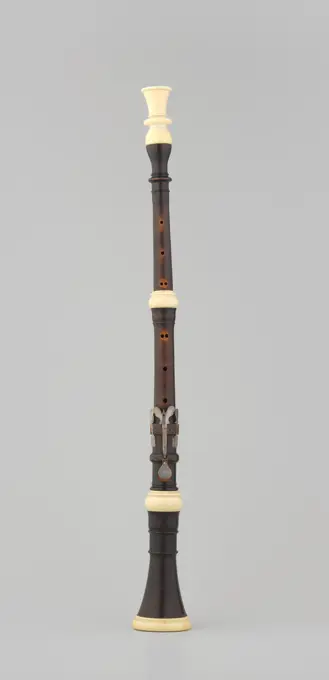
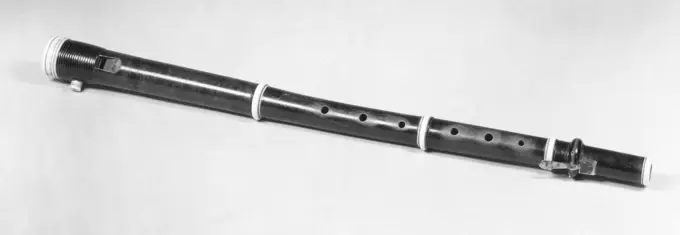
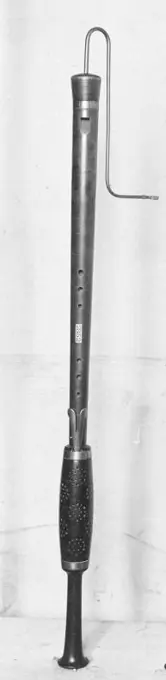
Oboe, Frederick Richters, c. 1720 - c. 1730 Hobo van Palmhout, mounted with ivory. Three silver valves. The third and fourth gap are double. Marked: F. Richters / Klaver with the Steel to the right. Amsterdam boxwood. ivory. kleppen: silver (metal) Hobo van Palmhout, mounted with ivory. Three silver valves. The third and fourth gap are double. Marked: F. Richters / Klaver with the Steel to the right. Amsterdam boxwood. ivory. kleppen: silver (metal)
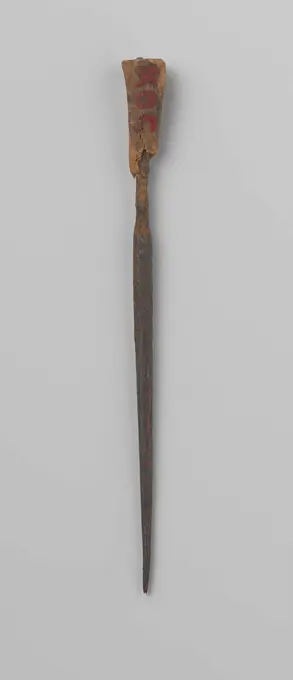
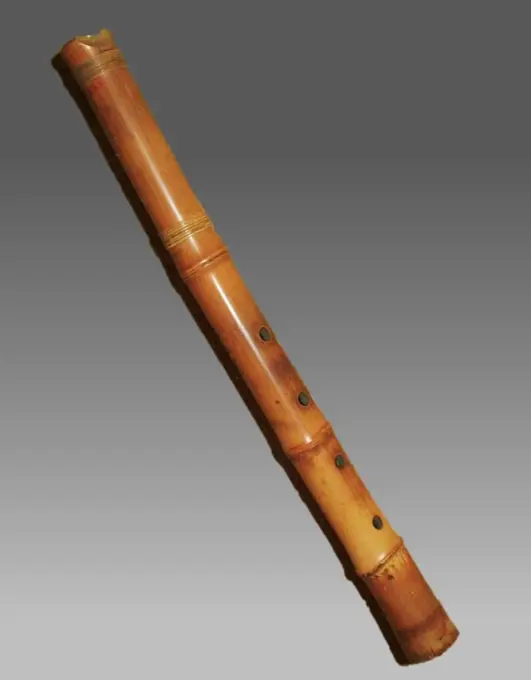
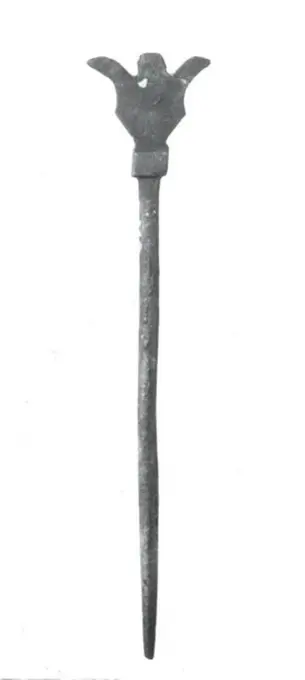
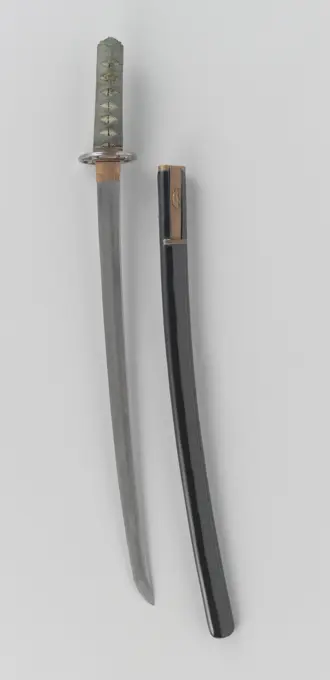
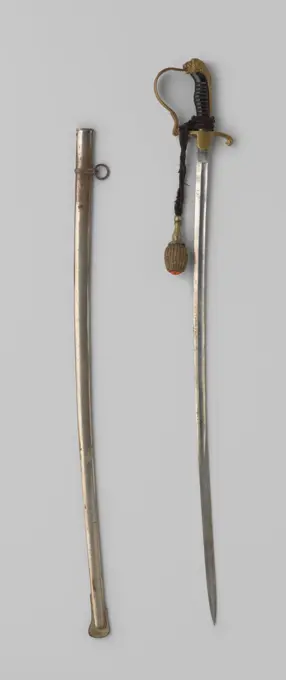
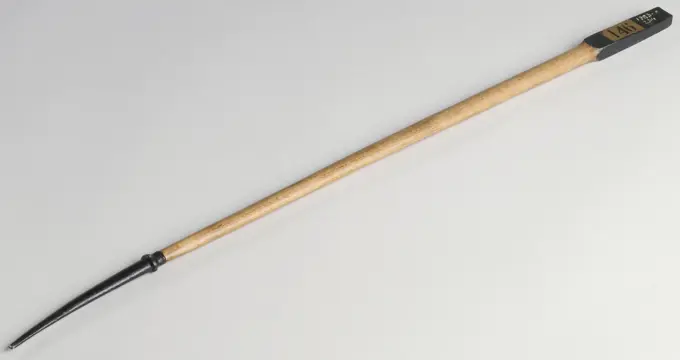
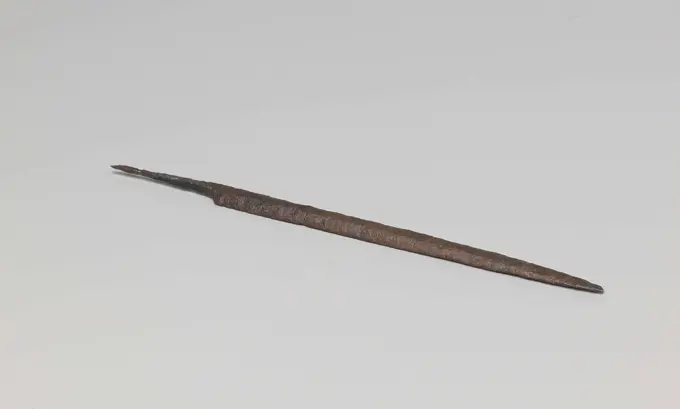
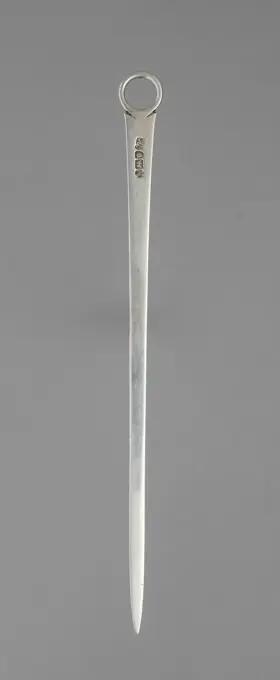
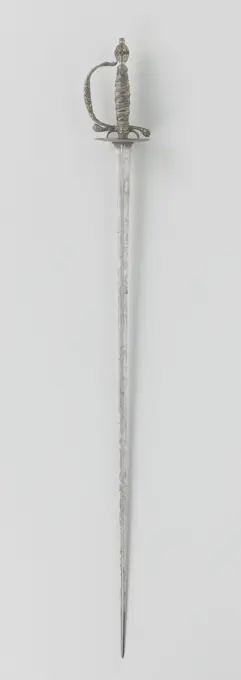
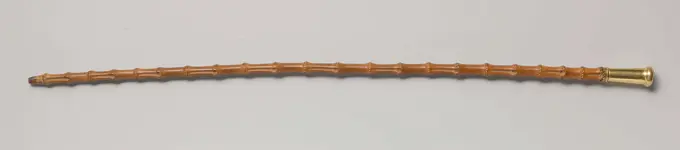
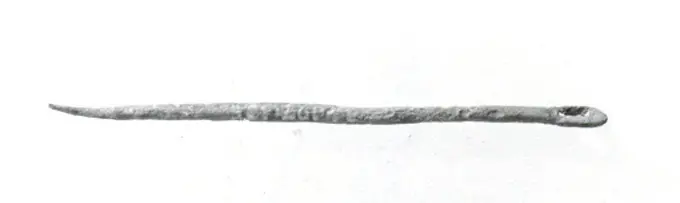
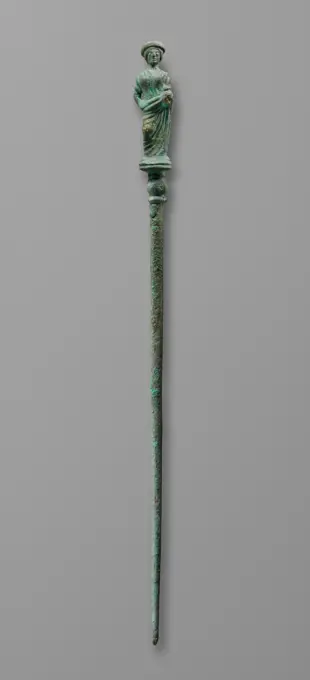
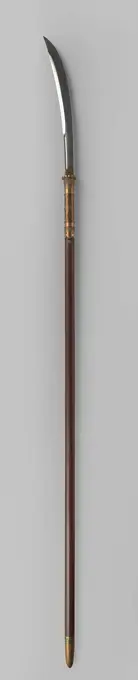
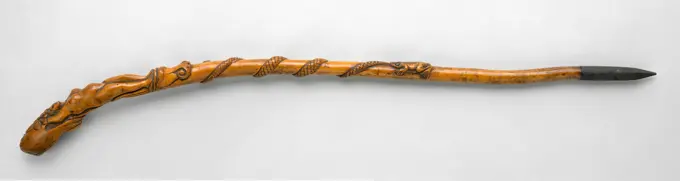
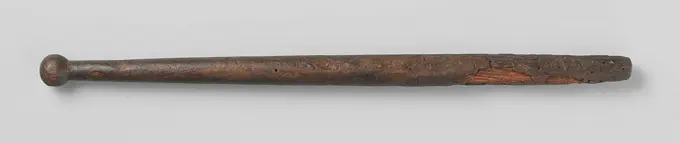
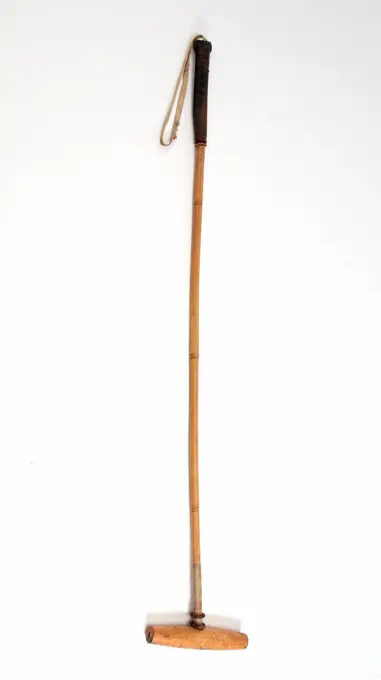
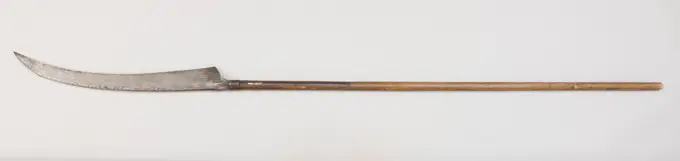
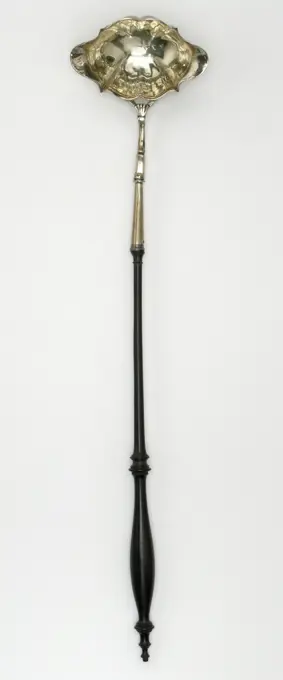
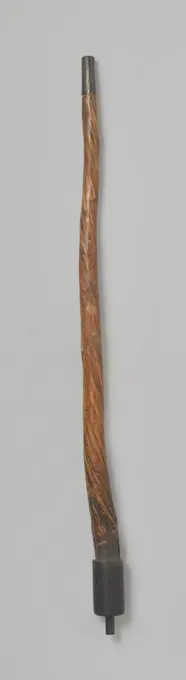
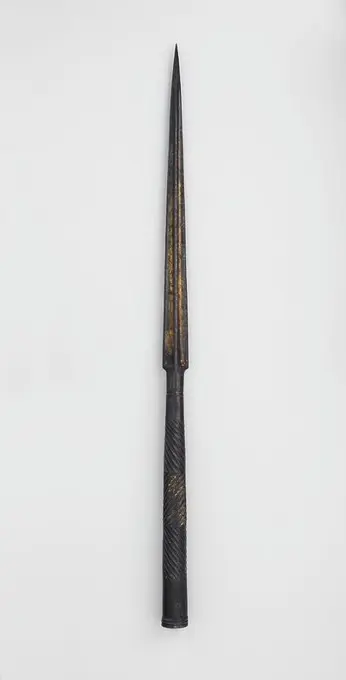
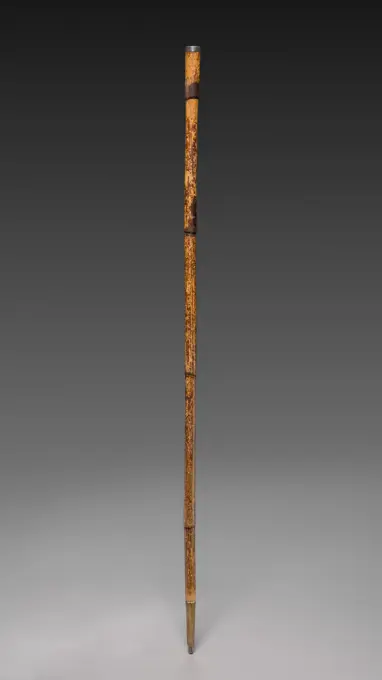
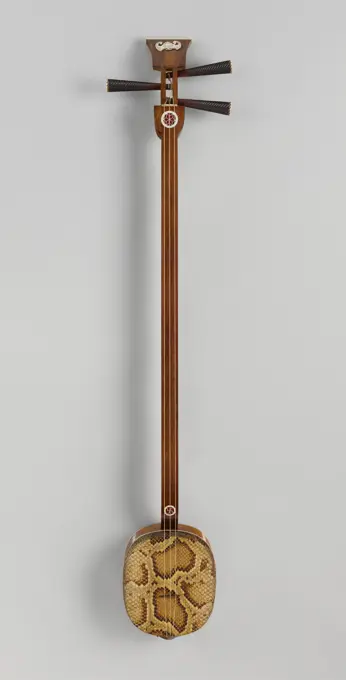
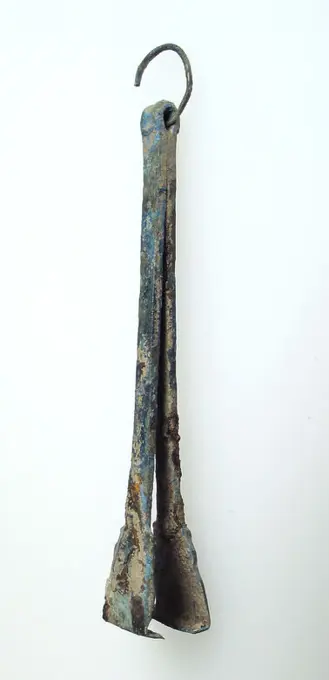
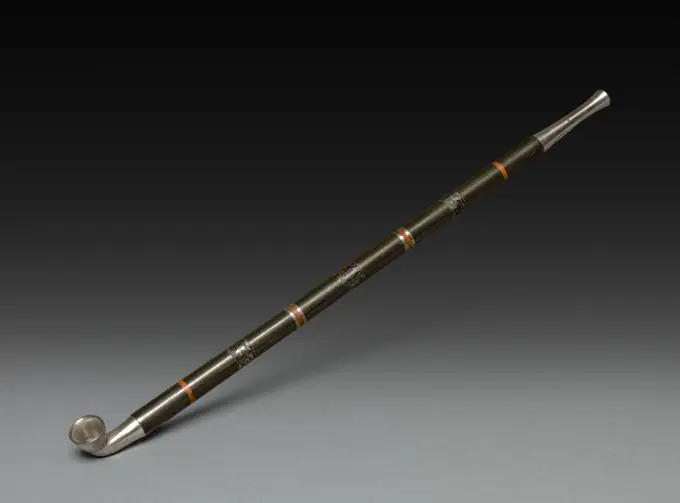
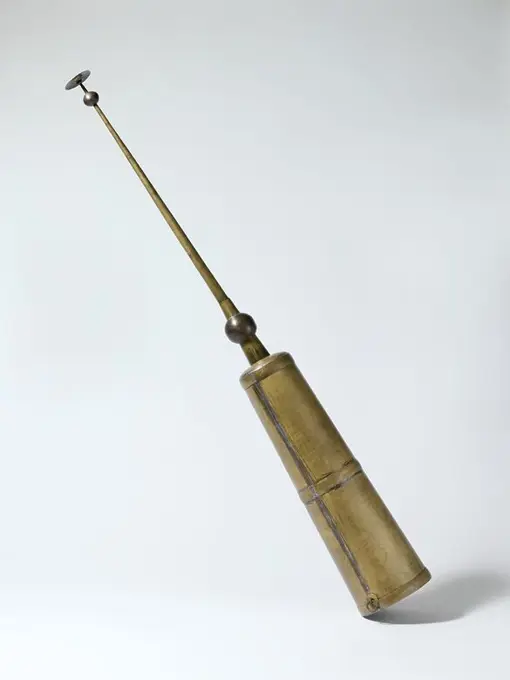
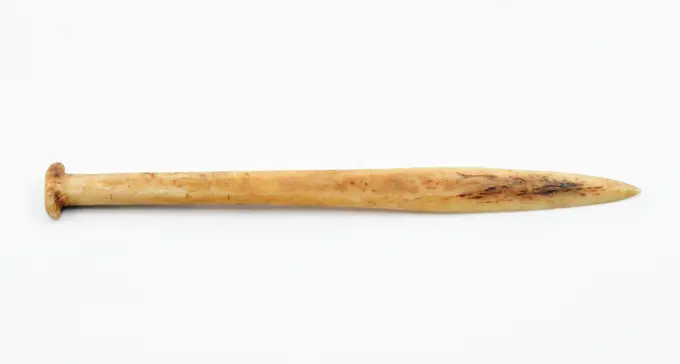
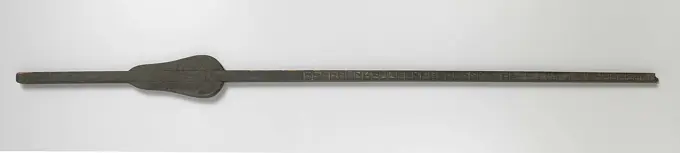
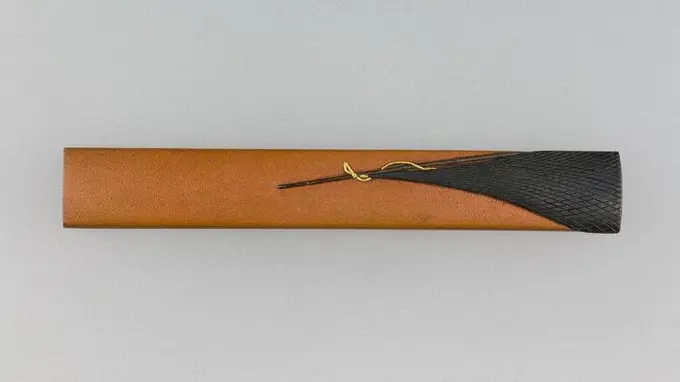
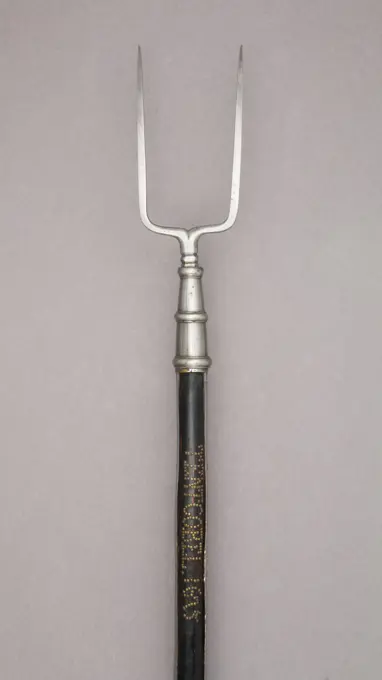
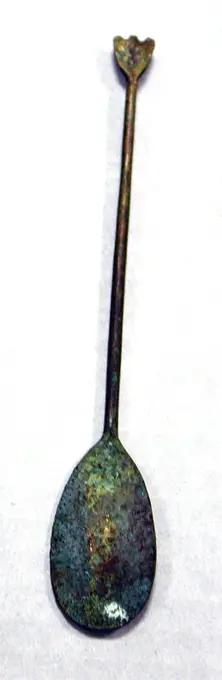
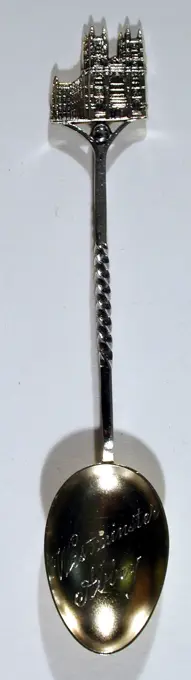
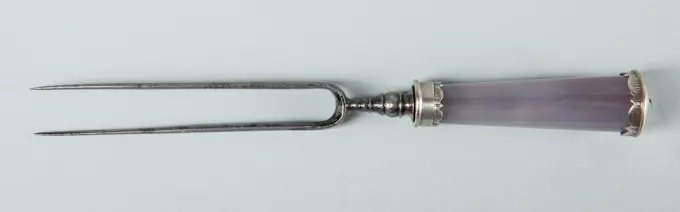
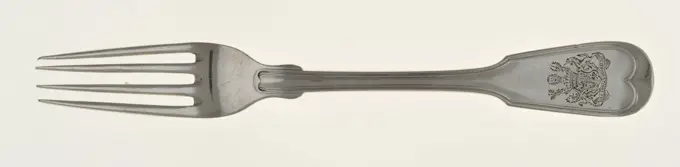
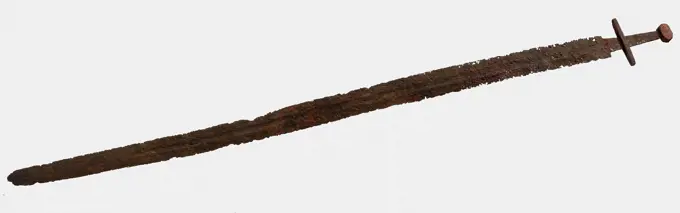
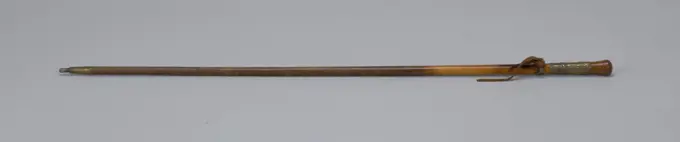
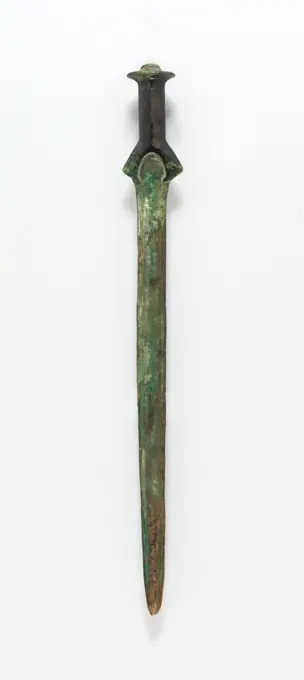
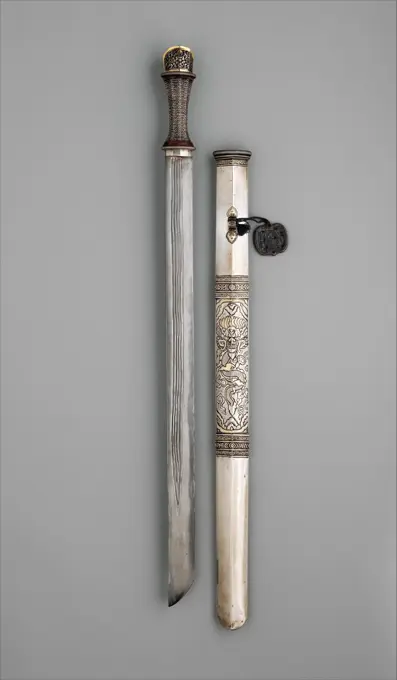
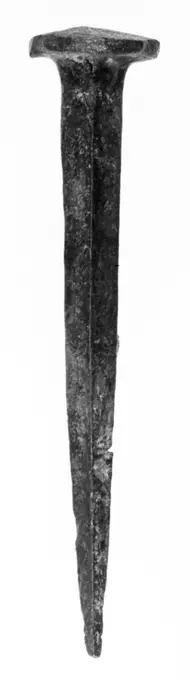
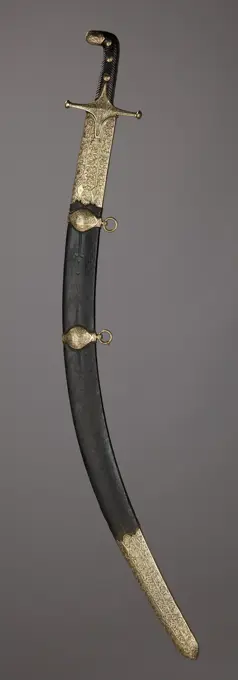
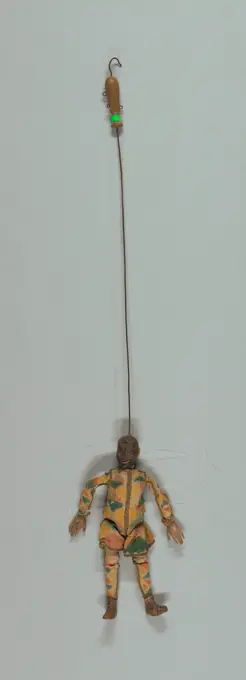
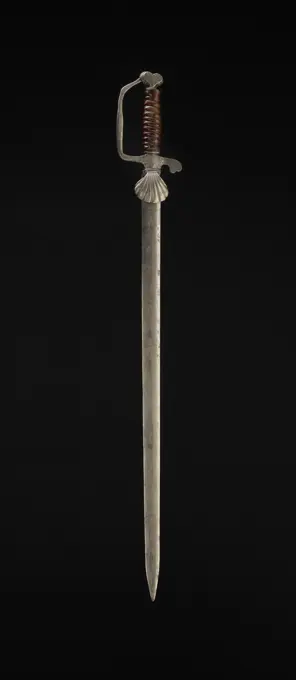
Blunt Pile and Shaft of a Javelin. Dimensions: pile L. 12.5 cm (4 15/16 in)reed shaft L. 75 cm (29 1/2 in). Dynasty: Dynasty 18. Reign: Joint reign of Hatshepsut and Thutmose III. Date: ca. 1479-1458 B.C.. Museum: Metropolitan Museum of Art, New York, USA.Pin ca. 3rd-7th century A.D. Sasanian. Pin. Sasanian. ca. 3rd-7th century A.D.. Bronze. Sasanian. Iran, Qasr-i Abu NasrHaarnaald, Anonymous, 1650 - 1800 Hair needle with an enamelled Morekop on top. Decorated with stones.  . Hair needle with an enamelled Morekop on top. Decorated with stones.  .Crossbow Bolt, 1500s-1600s. Germany, 16th-17th century. Wood, leather, steel; average: 37.2 cm (14 5/8 in.).Sabel belonging to Cornelis Tromp, Anonymous, c. 1650 - c. 1679  A Japanese saber, type Wakizashi, with black lacquered wooden sheath. The grip of rye façade is wrapped with green silk. In the wrapping is a menu with a male in a rowing boat. Mounting of saber and sheath with red copper, tsuba made of blank steel. Japan copper (metal). cypress (wood). brass (alloy). steel (alloy). Tamboer stick or tambour-maître stick of Pitrite. Bottom copper, partly steel profiled point. On the top two holes, so that copper wire is applied, bent on both sides to hooks. A white metal chain around the stick. Upper stick on both sides a hole, completely finished with white metal. On top of the stick a copper profiled ring, above which a silver ball with profile rings and vegetative ornaments. Silver brands in edge. From W. de Vries, in 1830/32 Korporaal Tamboer 2nd Bat. V. Department of Amsterdamsche Schutterij.Zakłowy fork; Midz ski arsen; 20-30 years of the 20th century (1920-00-00-1939-00-00);Rotting with Golden VOC Munt of 1779, Anonymous, c. 1779 - c. 1800  Rotting with gilt, silver button crowned with a golden VOC coin on which the harnessed man with a lifted sword and left hand an arrow bundle with inscription and dating in the right hand. A metal foot at the bottom. Indonesia Stok: Rattan. Button: Silver (Metal). Munt: Gold (Metal) cutting / gilding / striking (metalworking)  IndonesiaCompass or divider, fragment Roman. Compass or divider, fragment 250595 Roman, Compass or divider, fragment, Bronze, Other: 5 7/8 in. (14.9 cm). The Metropolitan Museum of Art, New York. Rogers Fund, 1917 (17.230.62)Oboe, Frederick Richters, c. 1720 - c. 1730 Hobo van Palmhout, mounted with ivory. Three silver valves. The third and fourth gap are double. Marked: F. Richters / Klaver with the Steel to the right. Amsterdam boxwood. ivory. kleppen: silver (metal) Hobo van Palmhout, mounted with ivory. Three silver valves. The third and fourth gap are double. Marked: F. Richters / Klaver with the Steel to the right. Amsterdam boxwood. ivory. kleppen: silver (metal)Walking label M 1912 from reserve officer D. Schipper, Anonymous, in or after 1912 sabre Wall label M 1912 with steel sheath and sabel brush. The blade has a diamond -shaped blade section on a steel Ricasso. The sheath is made of steel and has two separate bodies and a towing plate. The hilt is made of copper and has a downward shock with a lion's head at the end. A downward oval -shaped pare heart in the middle of the bump plate. The Zijwwaarste Pareerstang ends in the handle button which has the shape of a lion's head. The handle is from eBoniet and wrapped with braided copper wire. The saber brush hangs on a brown -colored rope and consists of textile and gold -colored copper wire. An orange chocked in the middle of the sabel brush. Netherlands (possibly) Schede, Kling: Steel (Alloy). Sabel brush: Textile Materials. hilt: Copper (Metal)   AcehModel of a Mast, anonymous, c. 1800 demonstration model Model of an ellipse -shaped mast. In diameter this mast is drop -shaped with the sharp side behind. Above the Hommer the mast is bent forward and ends in a point. The mast foot is rectangular. Netherlands wood (plant material). paint (coating)Yad; silver, woodBow -Hair Ornament, 17th-19th century, 5 3/4 in. (14.61 cm), Gold, China, 17th-19th centuryFile, half round without handle, with parallel reversal and skinny notches on both sides. File, half round without handle, with parallel reversions. The file is rasp-shaped with sharp dots. Very fine notches are visible on both sides.Skewer, 1783-1784. Hester Bateman (British, 1709-1794). Silver; overall: 31.2 cm (12 5/16 in.).Brandistock 1580 Italy, northern. Iron .Degen with sheath from Jhr. G.P.C. Breugel, Anonymous, 1830 - in Or Before 1832 sword Degen with copper bump. On the blade on both sides the brand 1414. Also an image of an ongoing animal. Three holes in the blade. With black leather sheath with copper fittings. Coming from Jhr. G.P.C. Breugel, in 1830-1832 1st lieutenant of the 1st Battalion 2nd Department of Mobile North Holland Schutterij.  Kling: Iron (Metal). hundred, funnel: copper (metal). Schede: Leather   North HollandDegen with Silver Estate, Anonymous, 1800 - 1849 sword Sierdegen; is reminiscent of the customs inspectors from the French era. Silver hilt with bump plate from a part; cast, fetched and partially edited ajour; Decoration consists of praise, sunken circles and tires of nail heads; the rod of the fist, the pare rod and finger brackets partially pleated; The wooden handle is wrapped spirally and equipped with silver handle rings on the top and top.; Stamped at the bottom of the shot with The Hague Stadskur. The blade has a hollow-triangular cross-section and is etched with trellis work, partly in panels, and a radiant sun. The Hague gevest: silver (metal). kling: iron (metal) casting / etching  The HagueRotting met gouden VOC-munt van 1779.Rotting with gold-plated, silver button awarded with golden voc coin on which hearted man with a lifted sword and left hand in right hand with a lifting beam with inscription and dating. At the bottom a metal base.Pen prof. Ludwik GumplowiczSpear 16th-19th century Javanese. Spear. Javanese. 16th-19th century. Wood, steel, gold. Java. Shafted WeaponsServing Spoon 1725-50 American. Serving Spoon 7376Needle ca. 3rd-7th century A.D. Sasanian. Needle. Sasanian. ca. 3rd-7th century A.D.. Bronze or copper. Sasanian. Iran, Qasr-i Abu NasrPerfume Dipper. UnknownSword. Dimensions: 1 3/8 x 28 1/8 in. (3.5 x 71.5 cm). Date: 9th century.This sword has an iron blade and was adorned with gilt-bronze elements on the cross guard and quillon. Parts of its wooden scabbard remain fused to the blade, which also was decorated with gilt-bronze mounts at the center and tip. The form of this sword, with its straight, double-edged blade, seems to be a Central Asian type. Museum: Metropolitan Museum of Art, New York, USA.Banner, 1600s. Switzerland, Savoyard, 17th century. Silk ground, small steel lance head on shaft; overall: 115.6 x 111.8 cm (45 1/2 x 44 in.).Schede van Lans belonging to Cornelis Tromp, Anonymous, c. 1650 - c. 1679 sheath Black lacquered wooden sheath from Lans, with a fittings. North Vietnam (Possible) Japan copper (metal). brass (alloy). cypress (wood). lacquer (coating)The uniformed sword of the Council of the Embassy of the Republic of Poland in Otmar ŁazarskiPeak with feathers and wooden handle, anonymous, c. 1590 - c. 1596  Triplets with springs and wooden stem.  wood (plant material). iron (metal) cutting / forging  Nova Zembla. Saving HuysLans behorend bij wapenrek van Cornelis Tromp.LANs with lacquered wooden stick, glass shoe, crooked blade with yellow and redhead batter. The blade of the lance has a Japanese form, but misses a hole in the angel for attaching the clings to the stick. The Angel has a rough surface that was struck with resin and was fixed in the stick's hole. This way of assembly is characteristic of stick weapons and white weapons from Southeast Asia.Walking stick with a female nude and a Breton sabot on the handle ca. 1888-90 Paul Gauguin French Gauguin made five trips to Brittany between 1886 and 1894. He liked the region's "savage, primitive" quality. His perception is embodied in the carving of this walking stick, with its snake-entwined shaft and handle in the form of a female nude supporting a Breton wooden shoe. The sole of the shoe slides open to reveal a hidden compartment.. Walking stick with a female nude and a Breton sabot on the handle. Paul Gauguin (French, Paris 1848-1903 Atuona, Hiva Oa, Marquesas Islands). French. ca. 1888-90. Boxwood, mother-of-pearl Pinctada margaritifera (black-lip pearl oyster), glass, and iron. SculptureSalt spoon M. B. 1874-78 View more. Salt spoon. Russian, St. Petersburg. 1874-78. Silver. Metalwork-SilverVintage looking Anchor Vintage looking An anchor to attach ships to the bottom of the sea - isolated over white background Copyright: xZoonar.com/ClaudioxDiviziax 9709047Wooden Spindle Made 1000-1476 Peru. Wood .A covers of steel with flattened handle. A covers of steel with flattened handle. Address: Imra / Schützt.Dolk of priem.Small dagger or prime. Very defective.Bladder Pipe ca. 1875-89 European. Bladder Pipe. European. ca. 1875-89. Wood, leather, pig's bladder. Aerophone-Reed Vibrated-double reedPersonal effects.Each crewman had his own sea chest for his personal belongings. These wooden chests have since perished, only the locks and little keys remain. To kill time, the men made music and played sports. A drumstick and a flute were found on Nova Zembla. The ball is made of whalebone and was used to play kolven’, a kind of hockey. The little comb was used to remove headlice.Polo stick - Salter & Sons Salter & SonsCombat scythe unknownToddy Ladle. David Hennell I (England, 1712-1785). England, London, 1741. Furnishings; Serviceware. Silver gilt, woodUnicorn-horns, anonymous, c. 1000 - c. 1099 tooth (material) Torsted horn with silver battle at the bottom. Route signs are engraved on the horn. Northwest Europe ivory engraving  Mariakerk. UtrechtLance Head. Culture: Syrian or Egyptian. Dimensions: H. 26 3/8 in. (67 cm); Wt. 1 lb. 10.2 oz. (742.8 g). Date: ca. 1500.The skillfully chiseled fluting patterns on the socket of this lance head are characteristic of Mamluk iron work and can be seen on Mamluk ax and mace shafts, and other lance heads. The long lance was one of the prime weapons of Mamluk cavalrymen. Museum: Metropolitan Museum of Art, New York, USA.Probe Cypriot. Probe 244393Walking stick with many hiking badgesYeah - Opatat to fish; W Admimir, Niko Aj Gawri (Fl. 1898-1917); 1890 (1890-00-00-1890-00-00);WeavingSwordStylish ballpoint pen of white gold on a greyWalking Stick of Moses Seymour, 1774. America, 18th century. Wood and metal; overall: 96.8 cm (38 1/8 in.). At the age of fifteen, Moses Seymour Jr., sat for a portrait that honors both its sitter and implicitly, his father, the former Revolutionary War major from Litchfield, Connecticut, who commissioned this work. Like so many American painters of his generation, Earl studied with Benjamin West in London. Upon his return, he practiced his profession in his native Connecticut River Valley. Seymour's book and cane suggest that the young man reads and walks in harmony among nature's beauties, an activity that recalls the ideals of the ancient Roman poet Horace. In a pose that presses him close to the foreground, however, this cultured figure also conveys a message about man's domination over nature. The painting remained in the sitter's family until it was given to the museum.Sanxian (弦 ) 19th century Chinese There are two forms of the sanxian: a large one from the North, with a thin metal plate attached inside to enrich the sound, and a smaller version from the South. Like the pipa, the sanxian may accompany narrative song, changing its tuning to accommodate the singer. The bat decorating the finials of this instrument is a symbol of good fortune and appears on many Chinese objects.. Sanxian (弦 ) 500615Piccolo, anonymous, c. 1820 Piccolo van Ebony with two valves. A valve is missing. Europe wood (plant material). ebony (wood) Piccolo van Ebony with two valves. A valve is missing. Europe wood (plant material). ebony (wood)Fragment legs needle or stick, pen needle soil found leg, sawn sanded Shiny legs needle or stick. On one side, the saw marks are visible. Other sides are especially polished by use. Dark point Kepen under the end may be intended to attach wire but also as decoration archeology Rotterdam rail tunnel indigenous processed bone sewing pricking leather clothing Soil discovery: rail tunnel Rotterdam.Flageolet 1844-50 Frederick Riley. Flageolet 504179Weaving tool ca. 1295-1070 B.C. New Kingdom, Ramesside. Weaving tool. ca. 1295-1070 B.C.. Wood. New Kingdom, Ramesside. From Egypt, Memphite Region, Lisht North, Late New Kingdom Settlement, MMA excavations, 1920-22. Dynasty 19-20Tweezers. Culture: Frankish. Dimensions: Overall (with ring): 3 3/8 x 1/2 x 3/8 in. (8.6 x 1.3 x 1 cm)without ring: 3 1/16 x 1/2 x 3/8 in. (7.7 x 1.3 x 1 cm). Date: 7th century. Museum: Metropolitan Museum of Art, New York, USA.Tobacco Pipe, 1700s to mid-1800s. Japan, Edo period (1615-1868). Metals; overall: 19 cm (7 1/2 in.).Chopstick, 1000s-1100s. Korea, Goryeo period (918-1392). Bronze; overall: 20 cm (7 7/8 in.). In Korea, chopsticks made of metal such as brass, silver, and gold were excavated from ancient tombs and ruins dated to the 6th century at the earliest. Burial goods often include utilitarian objects such as table wares and utensils because the dead were believed to need them in the afterlife.Da Tongjiao (Trumpet). Culture: Chinese. Dimensions: Height (When extended): 38 11/16 in. (98.3 cm)Height (When closed): 23 3/8 in. (59.4 cm)Width: 5 1/2 in. (14 cm)Depth: 4 7/8 in. (12.4 cm)Diameter (Of bell): 5 1/8 in. (12.9 cm). Date: late 19th century. Museum: Metropolitan Museum of Art, New York, USA.Skewer -Great Bass Recorder in D ca. 1800-1889 possibly French. Great Bass Recorder in D. possibly French. ca. 1800-1889. Wood, brass. France (). Aerophone-Whistle Flute-recorderThe Amsterdams level.stok with the indication of the Amsterdam level. The stick was used at the city water office at the Nieuwmarkt. The stick also includes an old piece of lead and a copper ring, which is not in the depot.Przeszo PrzyszociTrapezoidal tongue sword blade. Bronze Age. Copper alloy, cast iron. Coming from: Lit de la Seine, Pont de Bercy, 1853. Paris, Carnavalet Museum. Bronze Age, Copper alloy, Weapon, Cast iron, Speed Laming, Trapezoidal, Protohistory, Protohistoric TongueCurved Sword and Matching Scabbard Mounts possibly 15th-16th century; blade 18th-19th century hilt and scabbard mounts, Tibetan; blade, Indian. Curved Sword and Matching Scabbard Mounts 26604Knife Handle (Kozuka). Culture: Japanese. Dimensions: L. 3 13/16 in. (9.7 cm); W. 9/16 in. (1.4 cm); thickness 3/16 in. (0.5 cm); Wt. 1.3 oz. (36.9 g). Date: first half 19th century. Museum: Metropolitan Museum of Art, New York, USA.Spoon, bronze, Elongated subtly pointed oval bowl with vertical rib, curving stem with squared terminal with floral and scroll decoration on obverse at join above bowl., Korea, 6th century, cutlery, Decorative Arts, SpoonSword and Scabbard, 1800s. Java. Iron and silver; overall: 58.2 cm (22 15/16 in.); blade: 46.7 cm (18 3/8 in.).Short Pin 1st-4th century Roman. Short Pin 465117 Roman, Short Pin, 1st4th century, Bone, Overall: 2 1/8 x 3/16 in. (5.4 x 0.5 cm). The Metropolitan Museum of Art, New York. Gift of J. Pierpont Morgan, 1917 (17.191.68)Lazio Roma Rome SS. Giovanni e Paolo, Museum3. Hutzel, Max 1960-1990 Medieval: Ceramic fragments, sculptural fragments, fresco fragments, inscribed tomb markers. Houses one of the best collections of Malagan medieval ceramics for casting wall monuments, copies of which are housed in campanile. Specific Location: Museum Antiquities: Ceramic fragments, sculptural fragments, architectural fragments Object Notes: Basilica has separate record and is filed separately. German-born photographer and scholar Max Hutzel (1911-1988) photographed in Italy from the early 1960s until his death. The result of this project, referred to by Hutzel as Foto Arte Minore, is thorough documentation of art historical development in Italy up to the 18th century, including objects of the Etruscans and the Romans, as well as early Medieval, Romanesque, Gothic, Renaissance and Baroque monuments. Images are organized by geographic region in Italy, then by province, city, site complex and monument.walking cane walking cane isolated on white background Copyright: xZoonar.com/VVxVoennyyx 5052577Kove (slit drum) Melanesian (Banks Islands, Vanuatuan) late 19th centuryMilitary Fork dated 1675 German. Military Fork. German. dated 1675. Steel, wood (ash), brass, iron. Shafted WeaponsBlaaspijp. An iron blade pipe.Hammered Copper Spatula 8th-mid-16th century Peruvian. Hammered Copper Spatula 309110a hundred;  19th century (1800-00-00-1848-00-00);ancient asian woodwind musical instrument on a black background, surnay. national musical instrument of AsiaCrossbow Bolt, 1500s-1600s. Germany, 16th-17th century. Wood, leather, steel; average: 37.2 cm (14 5/8 in.).Souvenir spoon with finial in form of west front of Westminster Abbey 1896-97 Saunders & Shepherd. Souvenir spoon with finial in form of west front of Westminster Abbey 211426VOC rifle with weapon of Amsterdam, Solingen, 1725 - 1798 flintlock gun Rifle with flint lock from the VOC and the Wapen van Amsterdam. The loading stick is made of iron. Amsterdam iron (metal). wood (plant material). copper (metal)   AmsterdamForkSTOP fork; Gumpert, Georg Heinrich (Fl. 1850-1893); 2. PO. 19th century (1800-00-00-1810-00-00);Blade with crossbar and lifting knob, sword hilt weapon soil find wrought iron metal total, Long fairly evenly wide lasting flat wide blade Wide trench over almost the full length of the blade. Relatively short sting with small sturdy straight block striker and small oval handle with sharp edges. Archeology militariaClub -Cane, Malacca (rattan), burlwood, gilded brass, leather, Ridged stick with original leather strap and brown tassel. Mounting decorated with bands of geometric and floral ornament. Short brass ferule tipped with iron., France, 18th century, costume & accessories, Decorative Arts, CaneModel of Part of a Made Topmast.Model of the part of a round steng. The Steng consists of a king and four cheeks, connected to Neuten and held together with tub tires. The heel is square and has a slotwood hole. Diagonally through the heel, a disk for the stern gear handle has been applied, and there is an overright on it a slot for the true stern gear handle.Sword of the Achtkantschwert Type 13th century B.C. probably Central European This sword exemplifies one of the most popular European types of the Middle Bronze Age period, which is commonly known as the "octagonal sword" (Achtkantschwert in German) in reference to the longitudinal division of the grip into eight facets. Although it exhibits all of the usual constructional and formal features of the type, the ornamentation of its hilt with punched dots and chased crescents is distinctive. Specifically, it is peculiar to a small group of octagonal swords, which have all been excavated in Germany, and are collectively known as the Hausmoning subtype in reference to the find spot of one specimen. In conception, it is especially close to that of two examples discovered in Unterföhring and Steinheim, respectively, both in Bavaria. The distribution of the dots and crescents on the hilt, and the absence of concentric circles around each punched dot, however, set this weapon apart from all othFragment of the Frame of a Model Bed ca. 1550-1295 B.C. New Kingdom. Fragment of the Frame of a Model Bed. ca. 1550-1295 B.C.. Wood. New Kingdom. From Egypt. Dynasty 18Sword and Scabbard (dpa rtags) 18th-19th century Bhutanese The subtly forged patterns on the blade and the silverwork of the hilt and scabbard represent Bhutanese swordsmithing at its very best. Unlike most countries, in Bhutan swords remain a widely recognized cultural and political symbol and are worn frequently by government ministers and members of parliament as part of their official dress on ceremonial occasions.. Sword and Scabbard (dpa rtags) 649101Nail. UnknownCase; shark skin, wood; L x W: 5.8 x 4.2 cm (2 5/16 x 1 5/8 in.); The Robert L. Metzenberg Collection, gift of Eleanor L. Metzenberg; 1985-103-119-aPrzeszo Przyszoci unknownCord, Medium: silk, metal thread and cotton, Strands of silk and metal thread woven in an ornamental pattern around a cotton core. a black silk and silver thread - b and d silver thread - c and e gilt thread - strands of silk and metal thread wrapped around a small core are twisted together to form a larger cord., France, after 1850, trimmings, CordDiscant recorder, Engelbert Terton, c. 1720 Soprano block flute consisting of two parts. The head and foot are decorated with silver frames. Stamped E. Terton above which a crown and including a lion. The finger holes 3, 4, 5, 6, 7 were cut at a later time. Amsterdam boxwood (hardwood). silver (metal) Soprano block flute consisting of two parts. The head and foot are decorated with silver frames. Stamped E. Terton above which a crown and including a lion. The finger holes 3, 4, 5, 6, 7 were cut at a later time. Amsterdam boxwood (hardwood). silver (metal)England, London, handrail from metal.Harlequin Puppet; Italy; carved and painted wood, glass and woven clothKloskant intermediate base with thick four -pointed star flowers between two rows of semi -circles, anonymous, c. 1600 - c. 1649 Piles of natural -colored bobbin: Old Flemish side. The repeating and symmetrical pattern exists along the top and bottom of the strip from a row of semi-circles, with a row of thick four-pointed star flowers in between on the center line of the strip. The motifs are made in linen battle with openwork edges. The motifs are connected by thick short braids that seem to form the beginning of a grid. A simple (ornamental) ground has been used in the center of the flowers. Top and bottom of the strip are straight. Northern Netherlands linen (material) bobbin lace / old Flemish lace Piles of natural -colored bobbin: Old Flemish side. The repeating and symmetrical pattern exists along the top and bottom of the strip from a row of semi-circles, with a row of thick four-pointed star flowers in between on the center line of the strip. The motifs are made in linen battlShakuhachi 18th century Japanese (possibly Uzan) The shakuhachi descends from the hitoyogiri.Both instruments have four finger holes and a thumb hole, are held vertically, and have a blowing edge formed by an outward cut at the rim. The hitoyogiri ceased to be used by the 19th century, but the shakuhachi survives today.The shakuhachi took shape during the Momayama period (1534-1615), but developed its final form during the Edo period (1615-1868), when it was adopted by the komuso, wandering monks. These monks, many of whom were masterless samurai and stripped of their swords, kept the favor of the shogun by acting as his spies. The monks altered the hitoyogiri, by making it thicker, longer, and slightly curved at the bell. This new design allowed the shakuhachi to serve as a club. The shakuhachi now accompanies poetry, plays in ensemble with the koto and shamisen, and is heard in virtuosic solos.. Shakuhachi. Japanese (possibly Uzan). 18th century. Bamboo. Japan. Aerophone-Blow Hole-enMilitary cordlas