Historical Artifacts and Tools

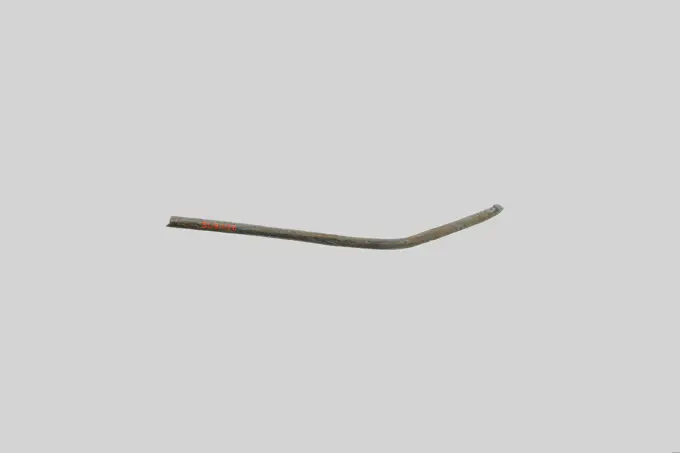
Artifacts varying from ancient javelins and pins to decorative hair needles, representing craftsmanship across different cultures and eras.
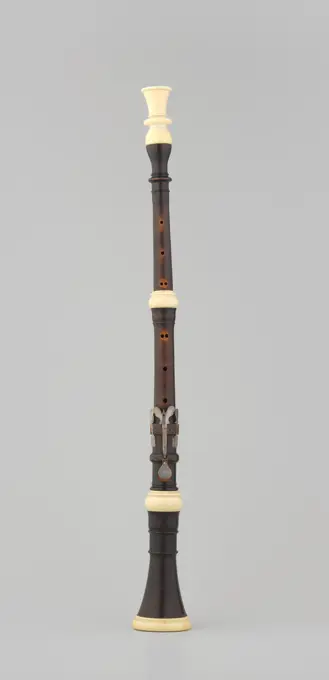
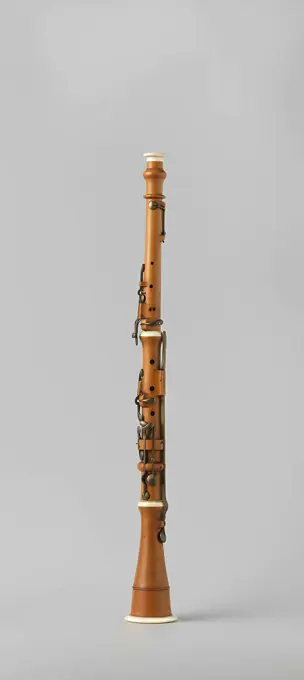
Oboe, Frederick Richters, c. 1720 - c. 1730 Hobo van Palmhout, mounted with ivory. Three silver valves. The third and fourth gap are double. Marked: F. Richters / Klaver with the Steel to the right. Amsterdam boxwood. ivory. kleppen: silver (metal) Hobo van Palmhout, mounted with ivory. Three silver valves. The third and fourth gap are double. Marked: F. Richters / Klaver with the Steel to the right. Amsterdam boxwood. ivory. kleppen: silver (metal)
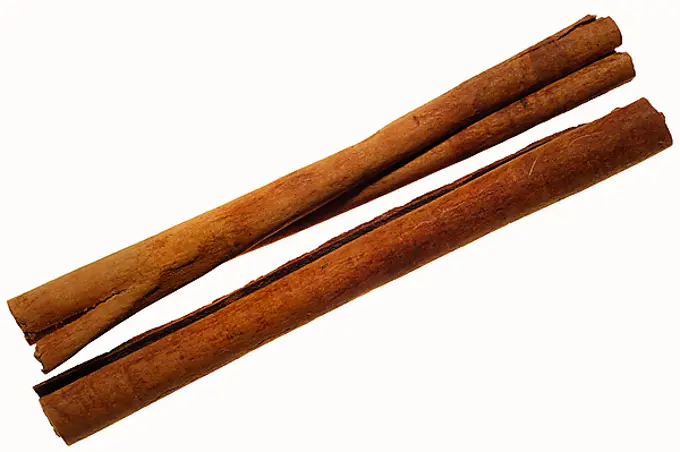
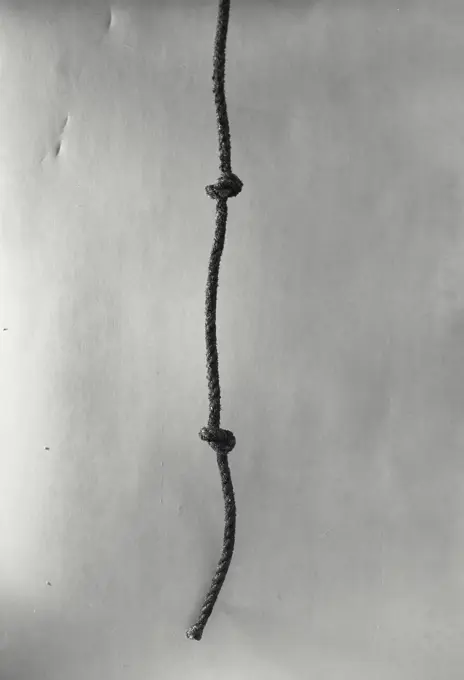
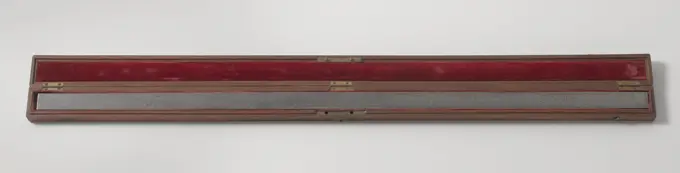
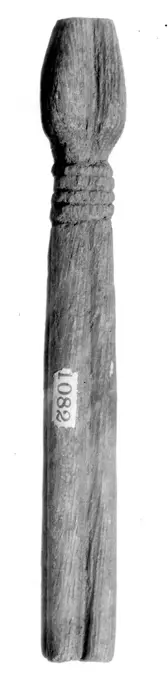
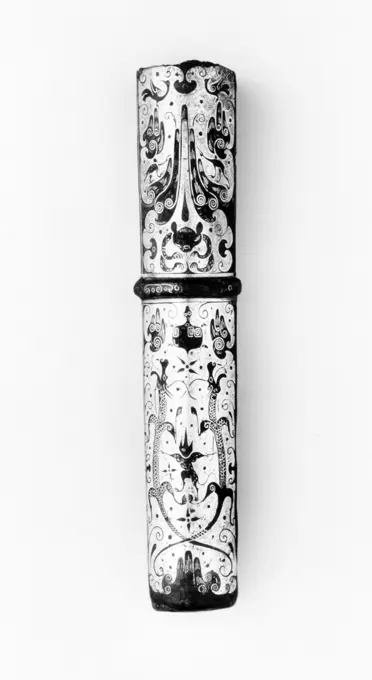
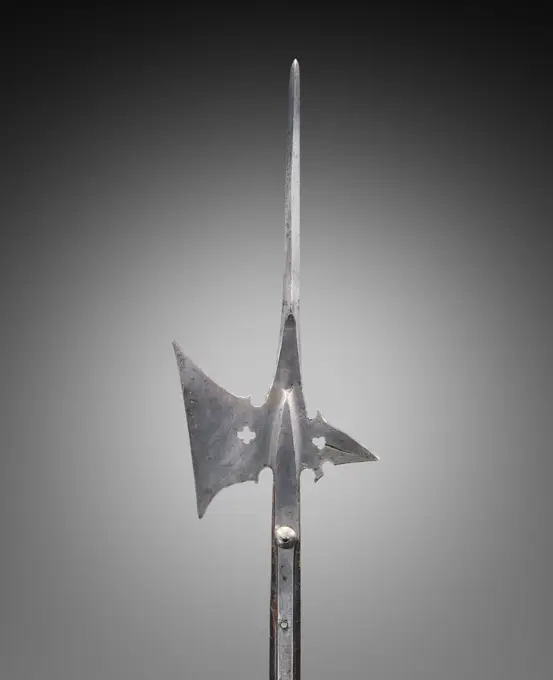
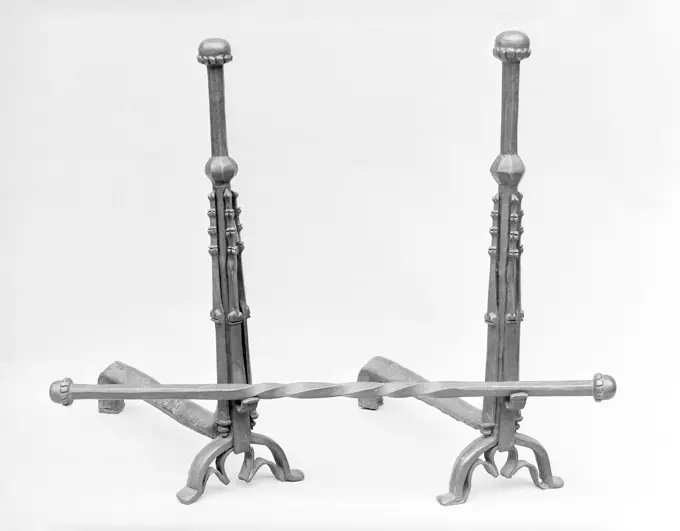
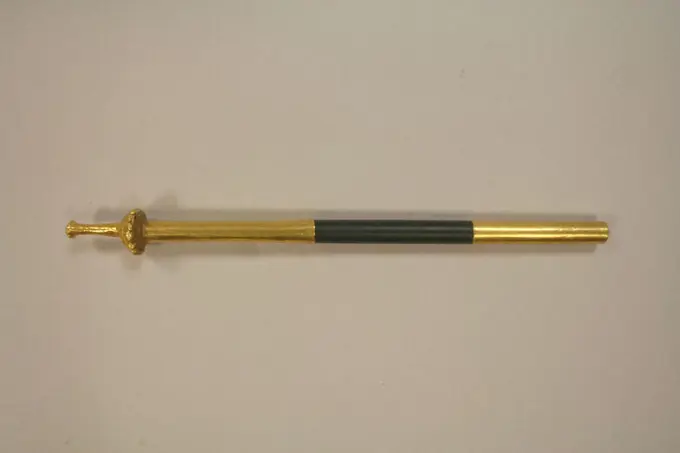
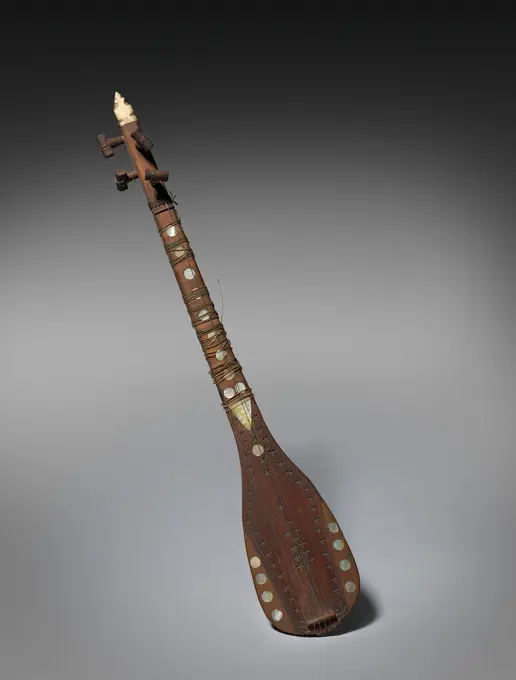
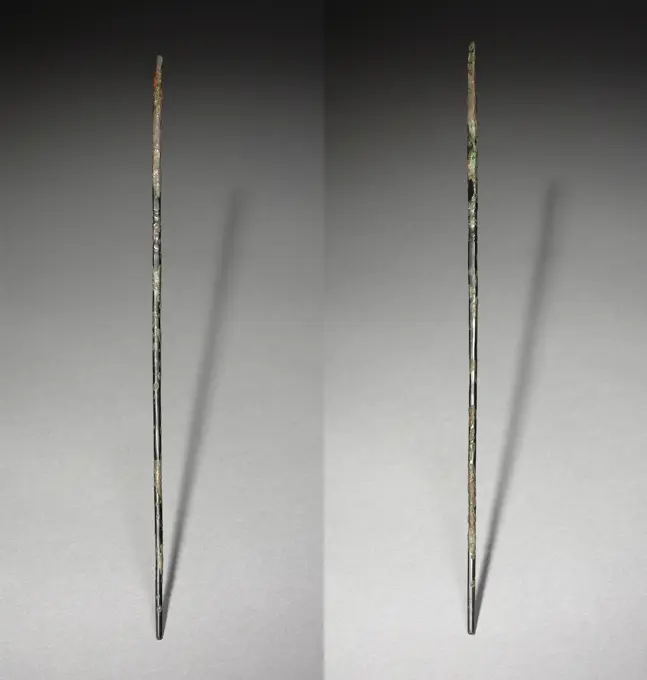
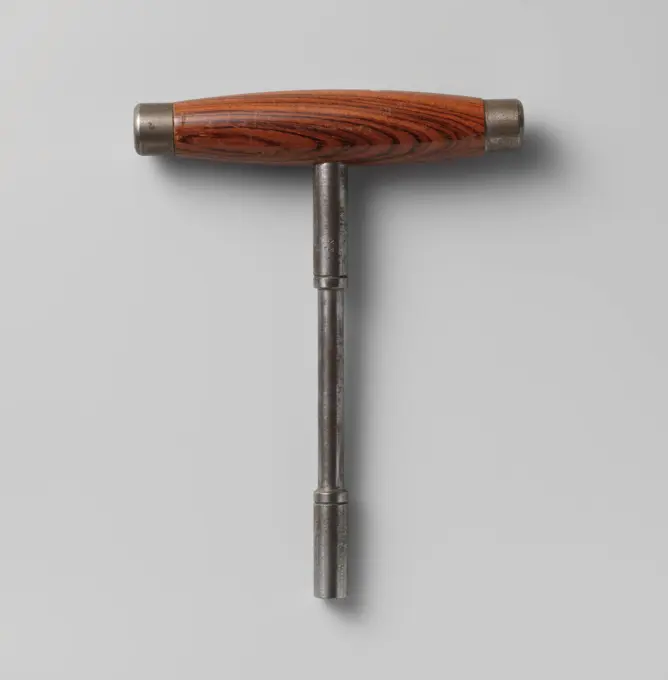
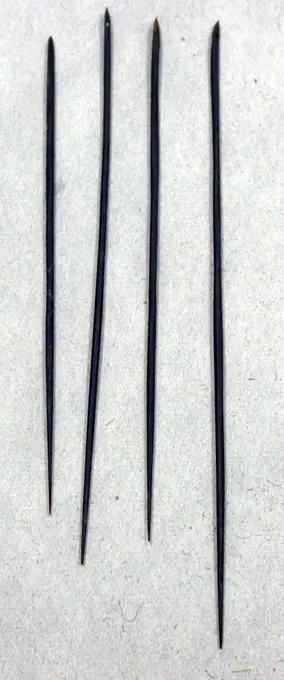
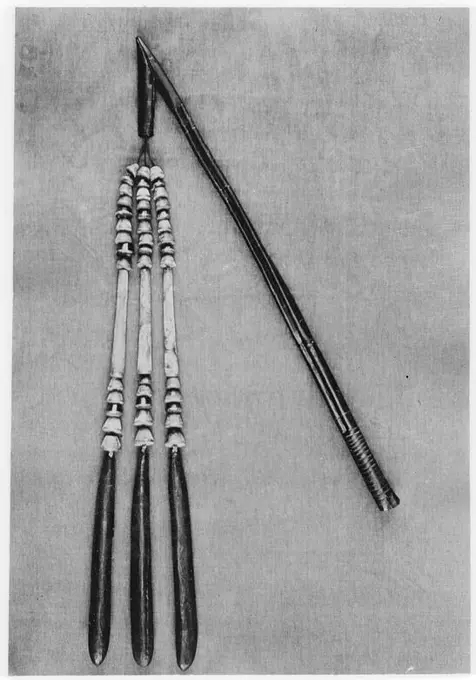
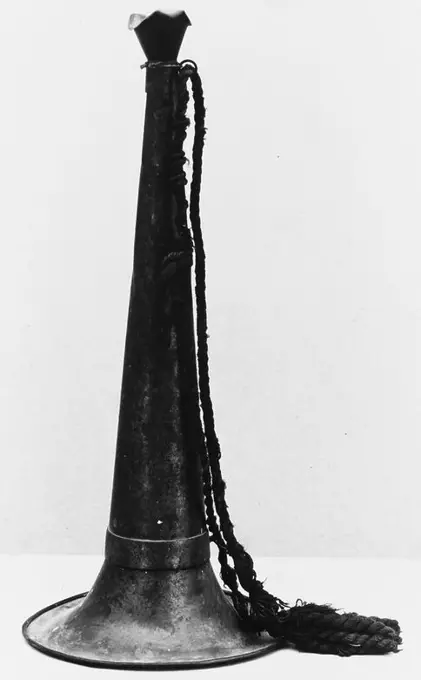
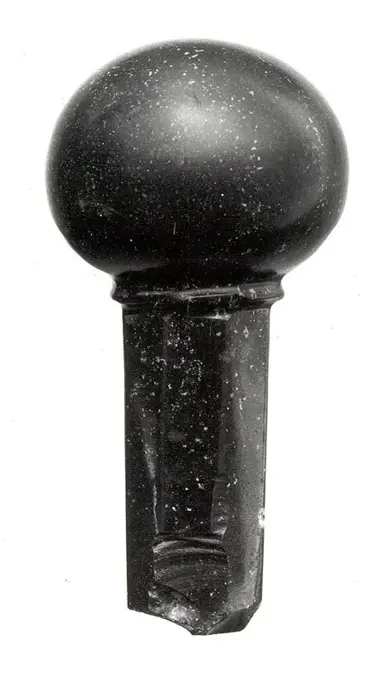
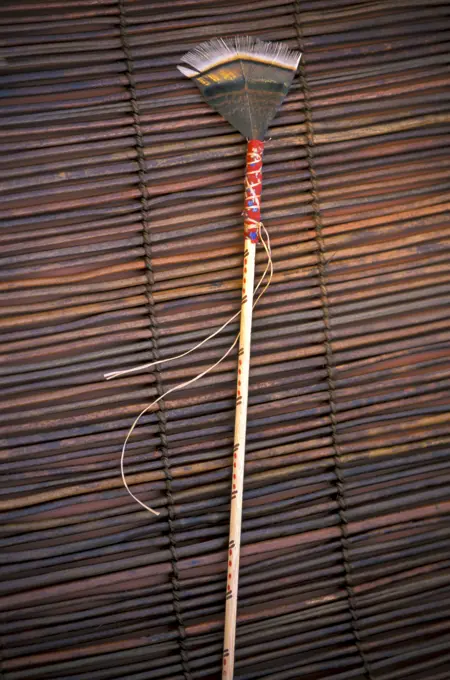
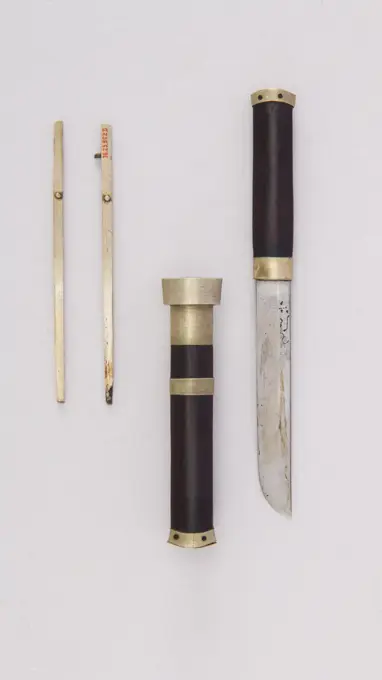
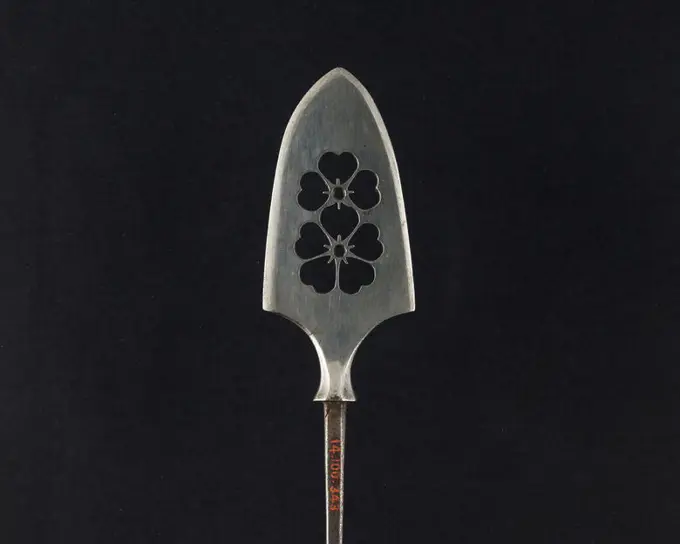
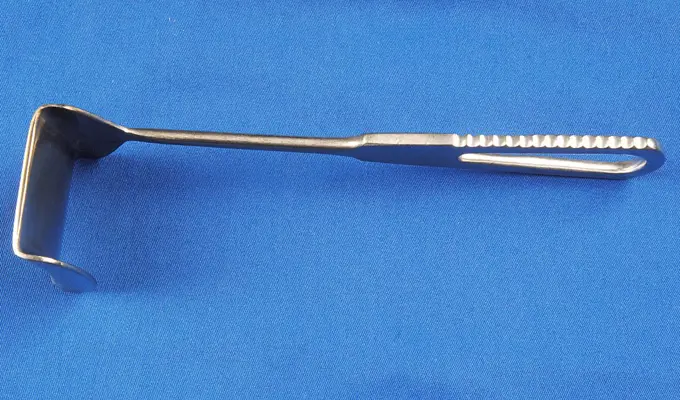
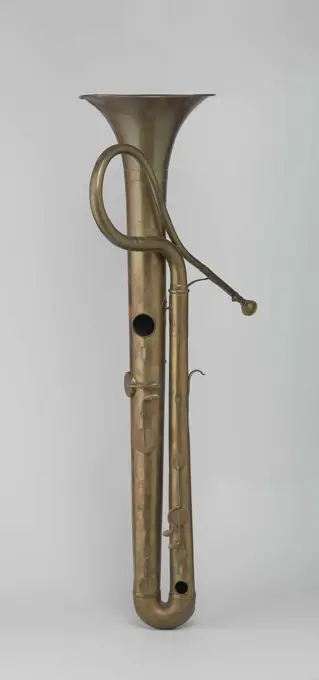
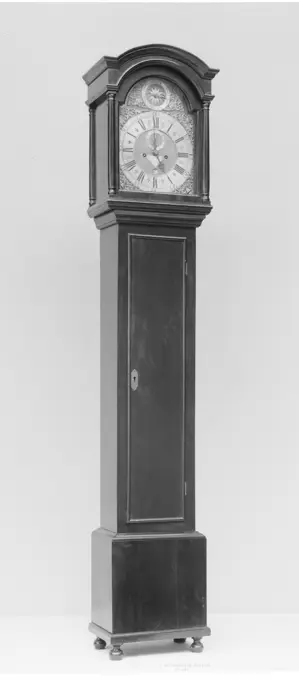
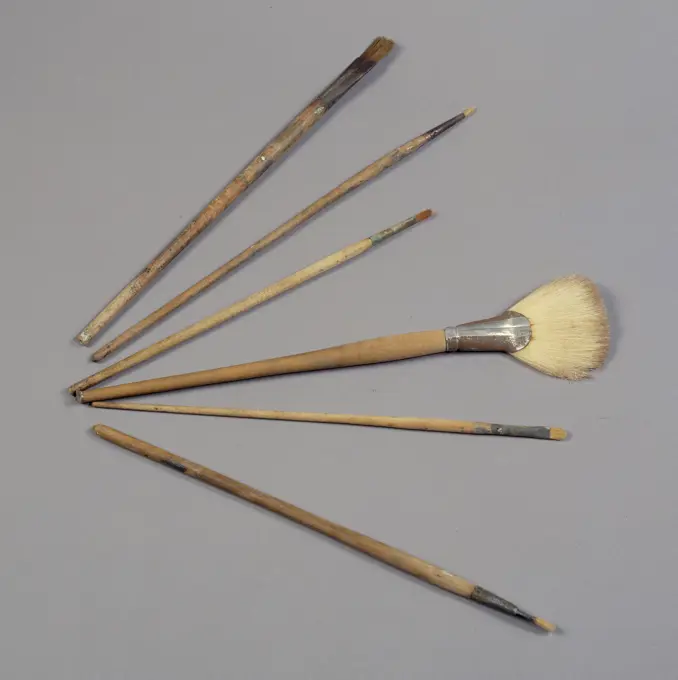
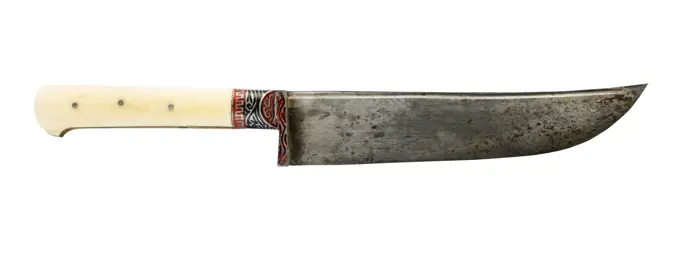
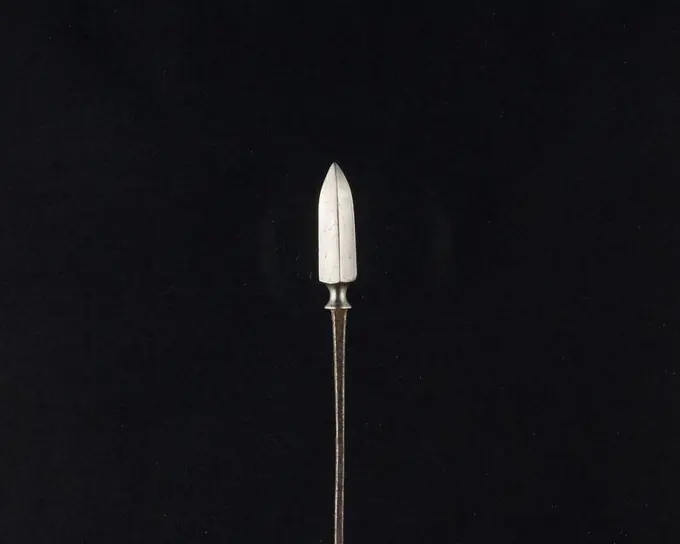
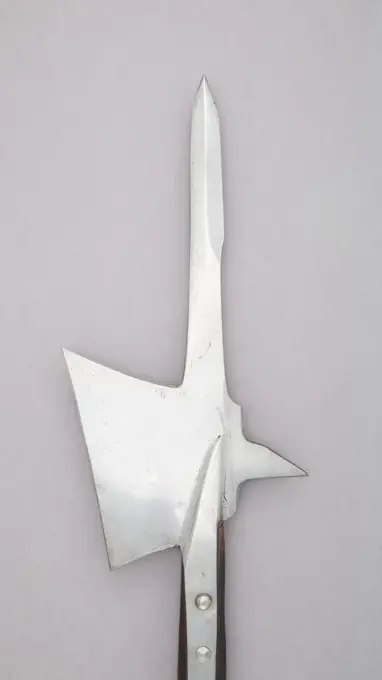
Halberd late 15th century German The head of this halberd incorporates three basic elements: an axe-like blade, an apical spike, and a beak. The axe blade, which gives the weapon its name (derived from the German Halm, long shaft, and Barte, axe) was used for hacking, the spike for thrusting, and the beak either for piercing a plate of armor (against which the cutting edge would have been useless), or for pulling a knight from his saddle.The halberd was a foot-soldier's weapon particularly popular in Germany and Switzerland. It was the most versatile of shafted weapons a man on foot could use; though the pike was the main weapon for the massed squares of foot soldiers so important in fifteenth- and sixteenth- century battles, the halberd was preferred both by Swiss Reisläufer and German Landsknecht (mercenaries). It had the advantage that it could be used in a pinch by a single man, such as when ambushed on a foraging or plundering raid, while a twelve-foot-long pike was of use only byHand drawing old street lamp vector monochrome illustration in black color isolated on white backgroundÉtui ca. 1750-70 British or German. Étui. British or German. ca. 1750-70. Gold, agate. Metalwork-Gold and PlatinumBishop Hill: Mangler. Dated: c. 1939. Dimensions: overall: 33.2 x 45.5 cm (13 1/16 x 17 15/16 in.) Original IAD Object: 26" long; 5" wide. Medium: watercolor and graphite on paperboard. Museum: National Gallery of Art, Washington DC. Author: H. Langden Brown.Cinnamon sticks (Cinnamonum)walking stick isolated on a white backgroundVintage photograph. Time ropeKnife; Manufactured by Herder; ivory, steel, silver; L x W: 25.8 x 3 cm (10 3/16 x 1 3/16 in.); The Robert L. Metzenberg Collection, gift of Eleanor L. Metzenberg; 1985-103-156Clarinet late 18th or early 19th century Valentine Metzler German. Clarinet. British. late 18th or early 19th century. Boxwood, ivory. London, England. Aerophone-Reed Vibrated-single reed cylindricalStandard metre, Etienne Lenoir, 1799  Iron standard of 1 meter in Houten, with red velvet covered, fedal. On box inscription. instrument maker: FranceParis iron (metal)   Netherlands. ParisFurniture element in the form of a column with lotus bud capital ca. 1981-1550 B.C. Middle Kingdom-Early New Kingdom. Furniture element in the form of a column with lotus bud capital 556599blur in south africa close up of the castle sign like    texture backgroundHandle of a Shield ca. 1981-1550 B.C. Middle Kingdom-Early New Kingdom. Handle of a Shield. ca. 1981-1550 B.C.. Wood. Middle Kingdom-Early New Kingdom. From Egypt. Dynasty 12-18Ferrule late 2nd-early 1st century B.C. China. Ferrule 55296Tambour hook, 19th century, 4 7/8 in. (12.38 cm), Bone, England, 19th centuryHalberd, c. 1520. Germany, 16th century. Steel, pierced quatrefoil; rectangular wood haft with planed corners; overall: 182.3 cm (71 3/4 in.); blade: 24.2 cm (9 1/2 in.). The halberd was a staff weapon favored by European infantries (foot soldiers) of the 1400s and 1500s for its versatility and deadly effect. The word halberd comes from the German words Halm (staff) and Barte (axe). The halberd is, in fact, an axe that served multiple functions: the axe blade was used for hacking, the spike for thrusting, and the beak for piercing plate armor or for pulling a knight from his saddle. The halberd was used by shock troops (those who lead an attack) and by Swiss and German mercenaries. After about 1550, the halberd gradually became less functional. Its large blade provided space for coats of arms and insignia. By the late 1500s, the parade halberd had become a ceremonial weapon for palace guards.Pair of andirons with cross bar 15th century French. Pair of andirons with cross bar. French. 15th century. Iron. Metalwork-IronRusty chain links. Isolated on white backgroundEar Rod. Culture: Macaracas. Dimensions: Length 8-1/2 in. (21.6 cm). Date: 8th-12th century. Museum: Metropolitan Museum of Art, New York, USA.part ancient Asian stringed musical instrument on black background with backlight. national musical instrument of AsiaTanbūr, late 1800s. Syria or Turkey, Ottoman period (1299-1922). Wood, bone, mother-of-pearl, and wire; overall: 58.4 x 10.5 cm (23 x 4 1/8 in.). This long-necked lute collected in Ottoman Syria possesses traits that are Syrian, Turkish, and Iranian and provides an example of the musical interaction between cultures. It is an ancient instrument and resembles lutes used in Pharaonic Egypt and Mesopotamia. In its many forms, the tanbr was a common instrument throughout the Islamic world. It is often used as a solo instrument in both sacred and secular contexts. Burn marks decorate the pear-shaped body along with inlaid dots of mother-of-pearl, which may also have helped with navigation of the fret board by the player.Oboe.Hobo of boxwood.Tall CaseClock.   Maker: Silas Merriman, American, 1734-1805A Pair of Chopsticks, 918-1392. Korea, Goryeo period (918-1392). Bronze; overall: 23.4 cm (9 3/16 in.). In Korea, chopsticks made of metal such as brass, silver, and gold were excavated from ancient tombs and ruins dated to the 6th century at the earliest. Burial goods often include utilitarian objects such as table wares and utensils because the dead were believed to need them in the afterlife.Tuning hammer, anonymous, c. 1900 - c. 1950 Iron and wood voting hammer.  wood (plant material). metal Iron and wood voting hammer.  wood (plant material). metalColumn. Culture: China. Dimensions: H. 8 5/8 in. (21.9 cm). Museum: Metropolitan Museum of Art, New York, USA.Four Needles 10th-16th century () Peruvian. Four Needles 320430Pair of columns 16th century Spanish. Pair of columns 209169Different used art brushes isolated on white background.Clarinet in E-flat probably Denis Buffet 1825-1830 The Buffet family originated from La Couture, which was a city focussing on instrument making. The brothers Denis (born La Couture 28 July 1783; Buffet-Auger) and Louis August (born La Couture, 6 Aug 1789; died Anet, 30 Sept 1864; Buffet jeune) had independent workshops in Paris. In 1825 Denis Buffet set up his workshop in Paris, his brother did so in 1830. Denis son Jean-Louis (born La Couture, 18 July 1813; died Paris, 17 April 1865) gradually took over the business after 1830. After 1844 it took the name Buffet Crampon.Overall size: 493Bore: c-hole 12.8; f-hole 12.8.Conical part: 103Technical description: Boxwood with ivory ferrules and brass keywork. Six pieces: mouthpiece, barrel, upper section, middle section for the fingers of the right hand, lower section with keys, bell. French style ebony mouthpiece to use with a ligature. Speaker liner projects ca. 4mm into the bore. Speaker, throat A and C♯4/G♯5 key mounted in pillars on pFlail scepter from the tomb of Senebtisi. Dimensions: overall handle: L. 45.4 cm (17 7/8 in)handle grip: L. 7 cm (2 3/4 in). Dynasty: Dynasty 12, late-early 13. Date: ca. 1850-1775 B.C.. Museum: Metropolitan Museum of Art, New York, USA.Fireman's Trumpet. Dimensions: H. 18 in. (45.7 cm). Date: 1800-1850. Museum: Metropolitan Museum of Art, New York, USA.Wrought-iron chain, Sweden.Head of a wand ca. 5th-4th century B.C. Assyrian. Head of a wand 324801The Endless Column by Constantin Brancusi, Targu Jiu, 1938. It is part of a sculptural ensemble together with The Table of Silence, The Gate of the Kiss and the Chairs' Alley. Romania, Targu JiuDagger (Pesh-Kabz) 19th century Indian. Dagger (Pesh-Kabz) 31427Blackfeet talking stick with painted designs also known as a speakers staff (PR)Knife with Sheath and Chopsticks 19th century Korean. Knife with Sheath and Chopsticks 31582Chitarrone 17th century Italian. Chitarrone. Italian. 17th century. Wood, various materials. Italy. Chordophone-Lute-plucked-frettedMiddle joint, alto recorder.middeel altokfluit, made from maple wood. Ivory paint stamp, sliced in the form of two clocked hands; The initials C.H.J are on the silver stamp. applied.Fragment tobacco pipe, anonymous, 1750 - 1780 Fragment tobacco pipe with twelve grunts with outlines (floral -sitting motif) and leaf motifs. Of the excavations on the Hofstede Arentsburg 1827-1831 under the supervision of Professor Reuvens. Netherlands pipe clay Fragment tobacco pipe with twelve grunts with outlines (floral -sitting motif) and leaf motifs. Of the excavations on the Hofstede Arentsburg 1827-1831 under the supervision of Professor Reuvens. Netherlands pipe clayArrowhead (Yanone). Culture: Japanese. Dimensions: L. 9 3/8 in. (23.8 cm); L. of head 2 7/8 in. (7.3 cm); W. 1 1/4 in. (3.2 cm); Wt. 0.9 oz. (25.5 g). Date: 13th-18th century. Museum: Metropolitan Museum of Art, New York, USA.Morris retractor on blue tableSt Patrick day and Irish holiday symbol of blackthorn walking stick, cartoon vector. Saint Patrick day festival and Irish national holiday celebration symbol of Irish Shillelagh cane or walking stick. St Patrick day and Irish holiday, walking stickScepter (Ru Yi), Qian Long period, 1736-1795, Jade, teakwood, China, 18th centuryOphiclee or outpholene (old spelling): copper wind instrument with 9 valves. Copper wind instrument, a kind of tuba but then with the cup forward consisting of two parts. Two valves and the nozzle will hear separately. There is a copper edge around the cup. A holder is soldered for sheet music to the instrument. The standards of the valves are covered.VARILLA DE HUESO DE CUEVA ROSA - RIBADESELLA. Location: MUSEO ARQUEOLOGICO-COLECCION. Oviedo. ASTURIAS. SPAIN.ViolinGeorge C Brown, Iron Tweezer, c 1938 Iron TweezerTall Clock 1740-60 Samuel Bagnall. Tall Clock. American. 1740-60. Walnut. Made in Boston, Massachusetts, United StatesPhoto of a sugar paste for depilation hair removal procedure. Texture. High quality photo.Oboe, Miksa Pliverics, c. 1850 - c. 1899 Hobo van Rozenhout with twelve silver valves and two open rings. The fingerrest is written on the middle part. Marked on all parts: Pliverics M. / Budapest. In the original suitcase, covered with leather on the outside and green velvet on the inside. The name of the maker is in golden letters on the inside of the lid: Pliverics Miksa / Lier in a laurel wreath / Budapest. There is a leather box with three wicker in the suitcase. Budapest rosewood (wood). silver (metal). koffer: leather. koffer: velvet (fabric weave) Hobo van Rozenhout with twelve silver valves and two open rings. The fingerrest is written on the middle part. Marked on all parts: Pliverics M. / Budapest. In the original suitcase, covered with leather on the outside and green velvet on the inside. The name of the maker is in golden letters on the inside of the lid: Pliverics Miksa / Lier in a laurel wreath / Budapest. There is a leather box with three wicker in the suitcase. BudapeRod Late Period 664-332 B.C. View more. Rod. 664-332 B.C.. Copper. Late Period. From Egypt, Upper Egypt, Thebes, Asasif, Tomb MMA 812, MMA excavations, 1929-30. Dynasty 27-30HammerCane British 18th century View more. Cane. British. 18th century. Glass. GlassCat scratching postArrowhead possibly 15th-17th century probably Tibetan. Arrowhead. probably Tibetan. possibly 15th-17th century. Iron. Ngari. Archery Equipment-ArrowheadsPUNTEROS JUDIOS PARA LEER. Location: PRIVATE COLLECTION. MADRID. SPANIEN.Shadow Puppet (Wayang Kulit) of Tre SulaRicikantattered book isolated on white backgroundCruz de Ferro top at Saint James Way Leon SpainMaracas (rattles) late 19th century Cuban. Maracas (rattles) 501210Knife Handle, early 1700s. Saint Cloud Porcelain Factory (French). Soft paste porcelain, steel blade; overall: 19.1 cm (7 1/2 in.).Shell nose ornament worn by men of high status in Papua New Guinea, Circa 1900A perspective view of an old concrete street lamp.Kitchen knifeStack of coins isolated on the whiteShadow Puppet (Wayang Kulit) of Sabol, from the set KyaiDrajatCoaxial cables with 4 resp. 6 tubes and with other wires in between (two-wire round radio rates with extra shielding and ordinary four screws).Steinerner hook as a sign of OK Steinerner hooks as a sign of OKMaterial of the painter Ernest Renoux: brushes ". Museum of Fine Arts of the City of Paris, Petit Palais. 26987-12 Material, tool, painter, brushKitchen Cabinet Detailhandcrafted pichoq traditional uzbek knife cutout handcrafted pichoq traditional uzbek knife isolated on white background Copyright: xZoonar.com/ValeryxVoennyyx 18787424Incense isolated on black backgroundArrowhead (Yanone). Culture: Japanese. Dimensions: L. 4 7/8 in. (12.4 cm); L. of head 1 1/4 in. (3.2 cm); W. 3/8 in. (1 cm); Wt. 0.3 oz. (8.5 g). Date: 18th century. Museum: Metropolitan Museum of Art, New York, USA.Sword. Culture: Chinese. Dimensions: H. 31 9/16 in. (80.2 cm); W. 2 1/8 in. (5.4 cm); D. 13/16 in. (2.1 cm); Wt. 2 lb. 1 oz. (935.5 g). Date: 18th-19th century. Museum: Metropolitan Museum of Art, New York, USA.Metal flag poles against blue sky.ButterflyBliżej Kultury unknownClose-up of badminton racketBadge of the 3rd National Scientific Congress of the Polish Toxicology Society in Kozubniki unknown labelclimbing shackles and rope on a rock wall vertical escalationWooden baseball bat with original design on LGBT rainbow flag background. The symbol of love and tolerance versus the symbol of hatred and intolerance. LGBT Pride Month. Close Up. Top viewBaseball bats in a row