Historical Artifacts Collection

Various ancient artifacts including Roman glass beads, coins, and decorative boxes, showcasing historical craftsmanship and materials.
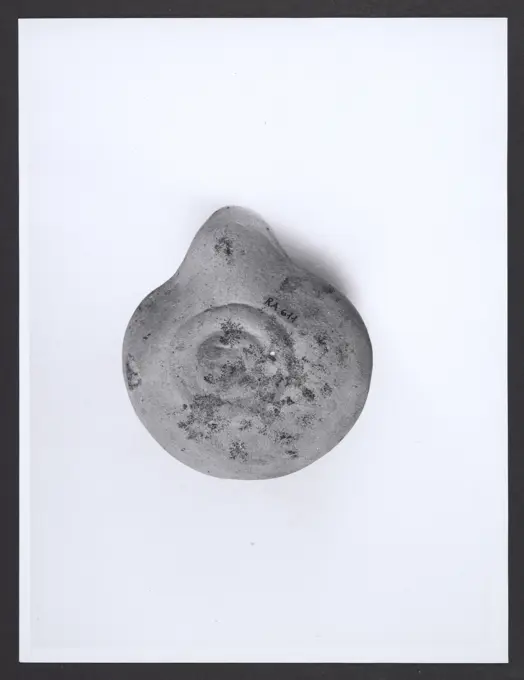
Emilia-Romagna Ferrara Ferrara Museo Civico di Schifanoia56. Hutzel, Max 1960-1990 General Notes: INCOMPLETE RECORD--NEGATIVES PROCESSED, PRINTS FILED German-born photographer and scholar Max Hutzel (1911-1988) photographed in Italy from the early 1960s until his death. The result of this project, referred to by Hutzel as Foto Arte Minore, is thorough documentation of art historical development in Italy up to the 18th century, including objects of the Etruscans and the Romans, as well as early Medieval, Romanesque, Gothic, Renaissance and Baroque monuments. Images are organized by geographic region in Italy, then by province, city, site complex and monument.
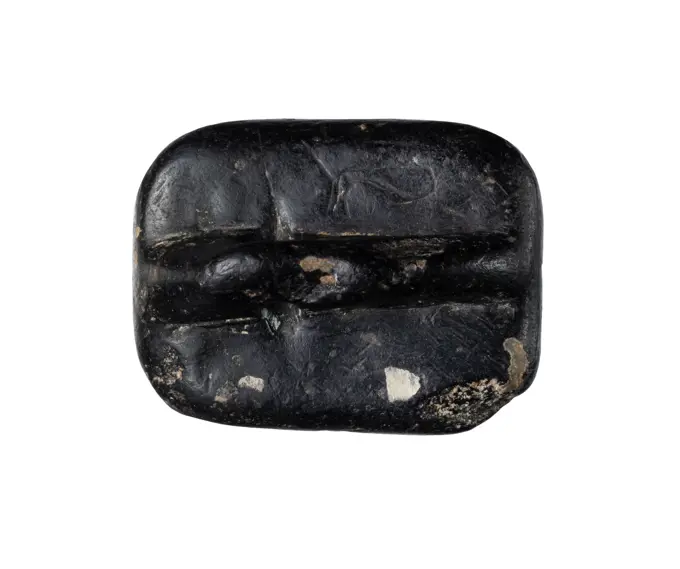
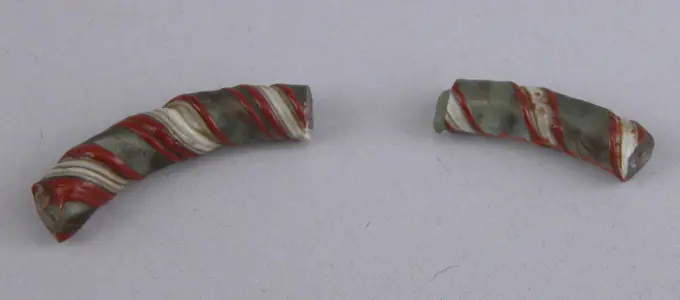
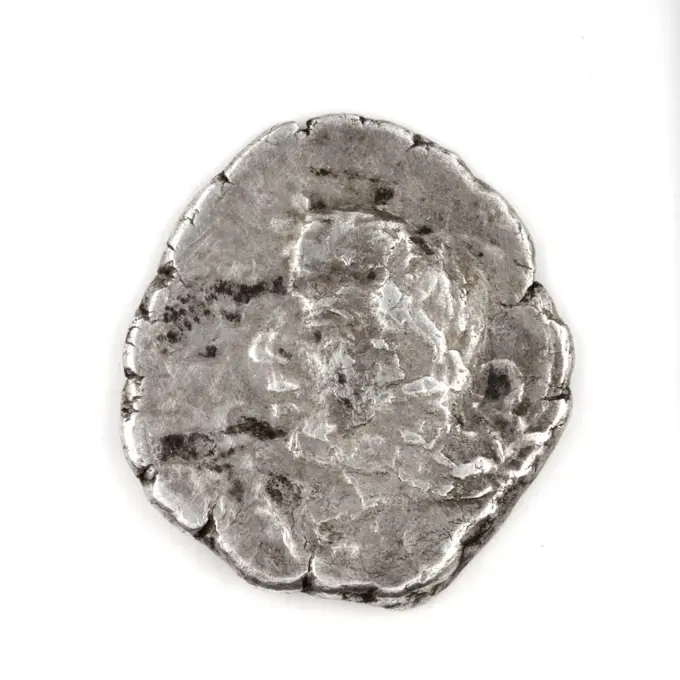
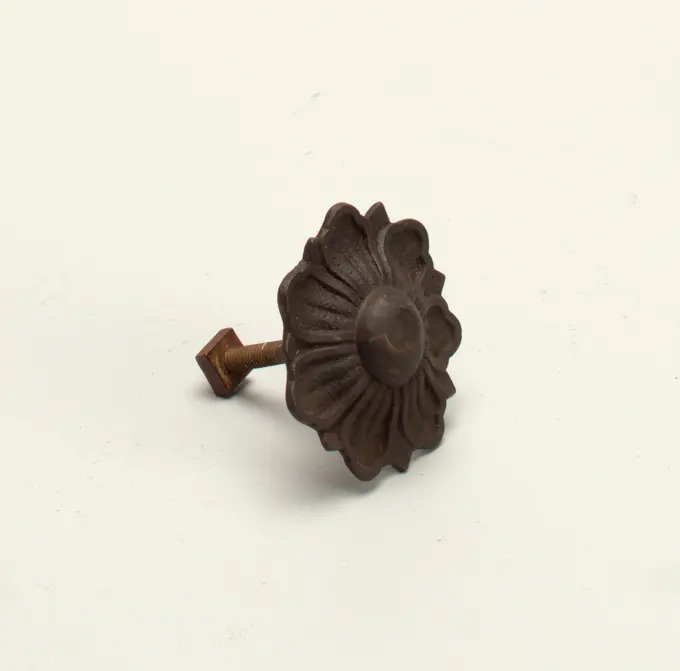
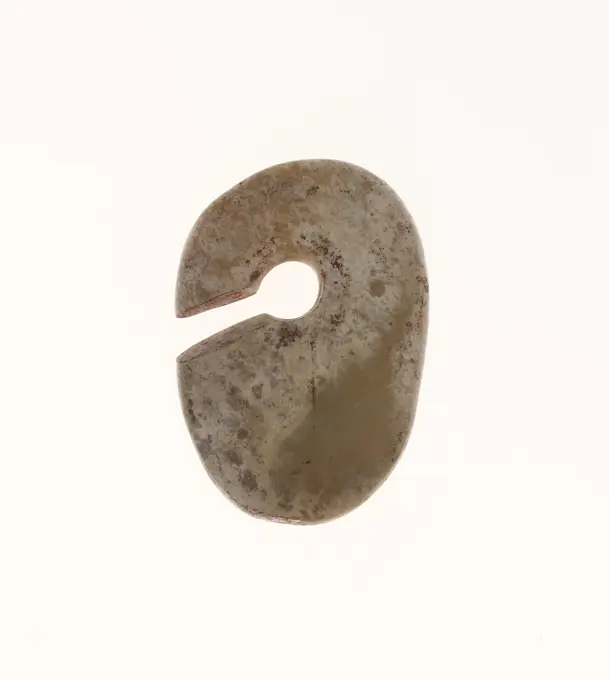
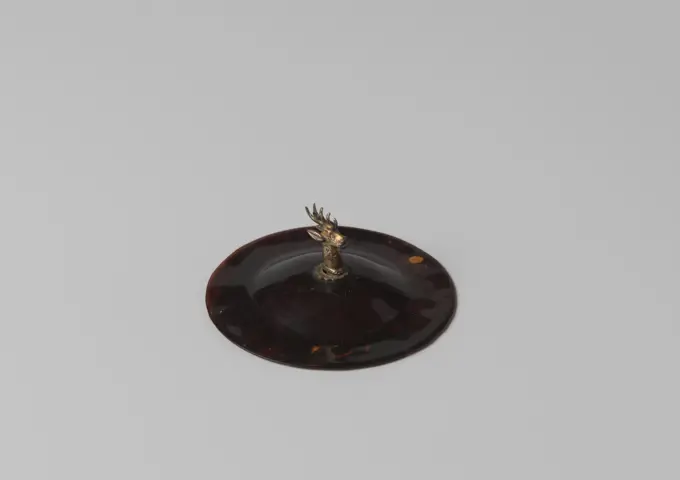
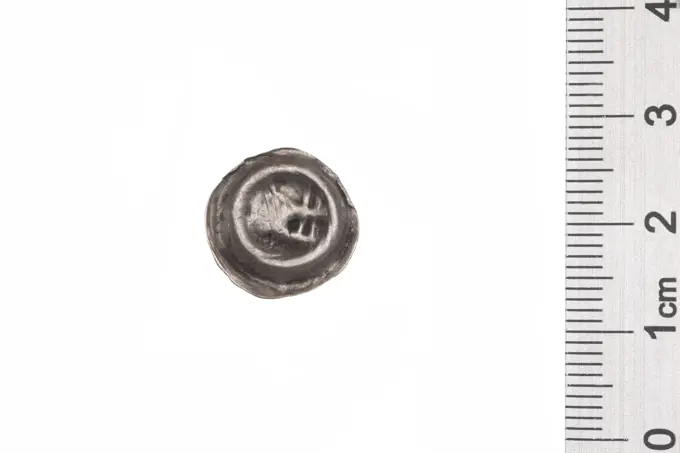
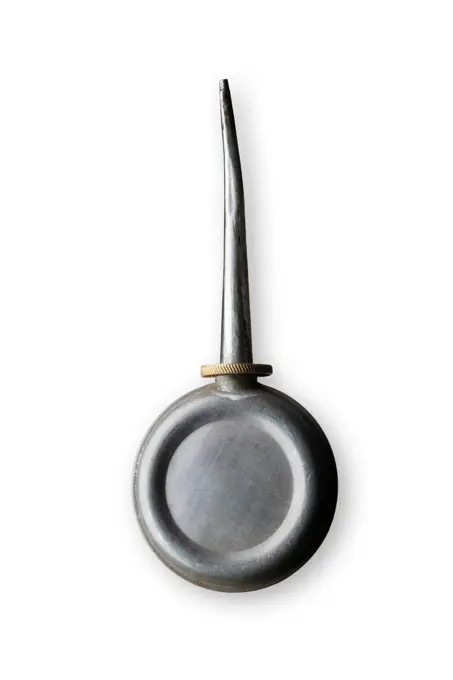
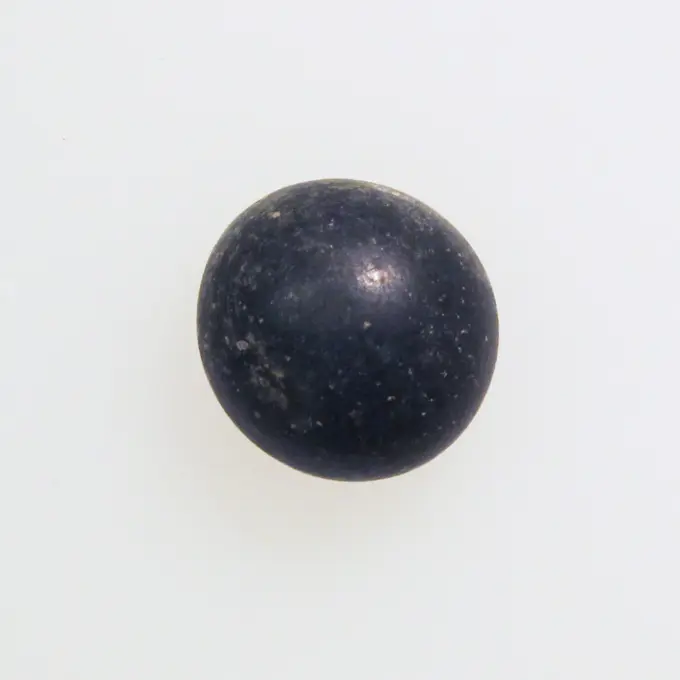
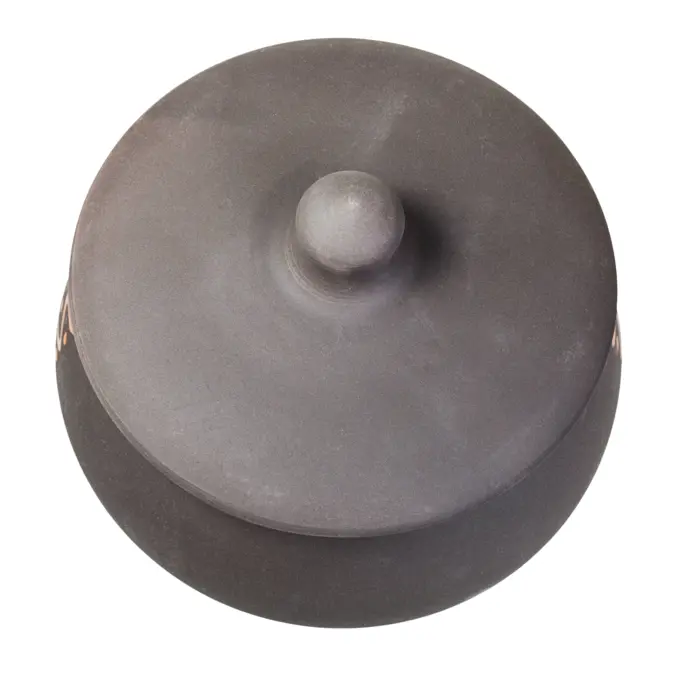
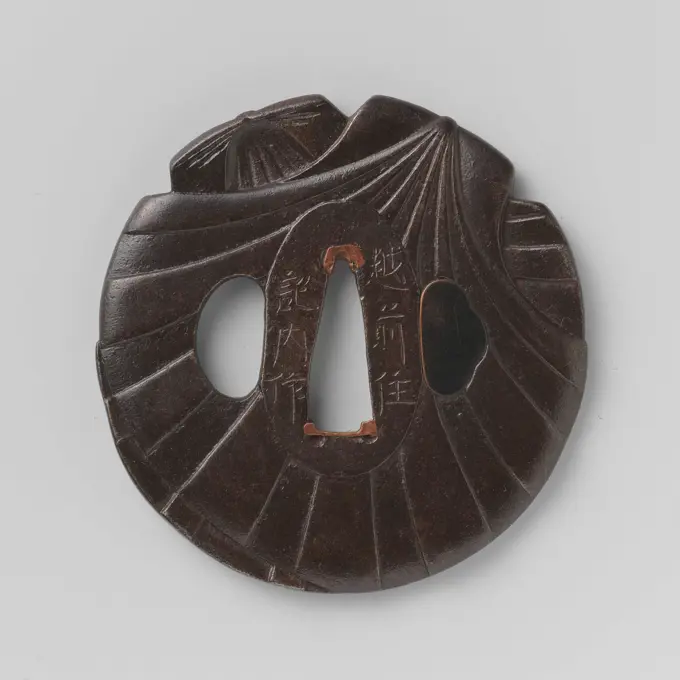
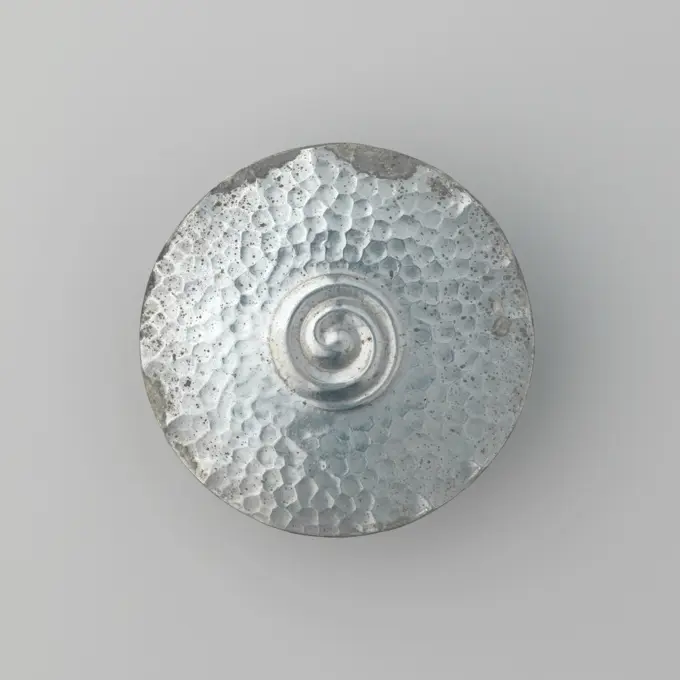
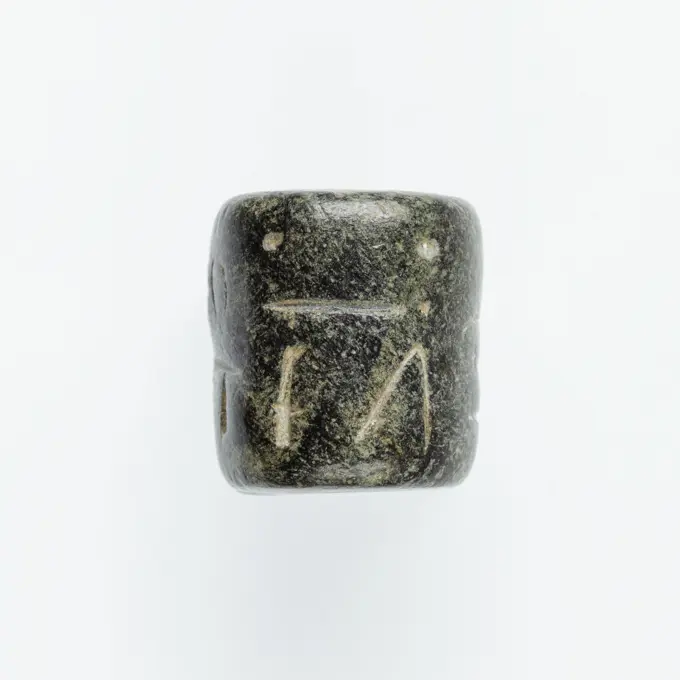
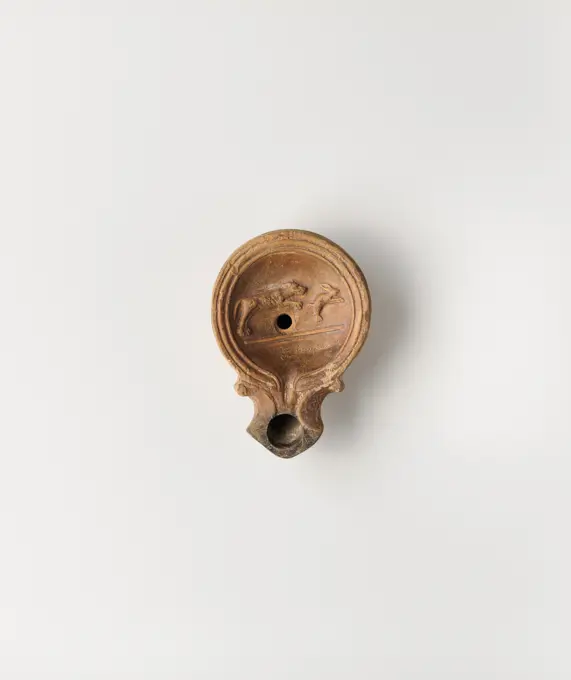
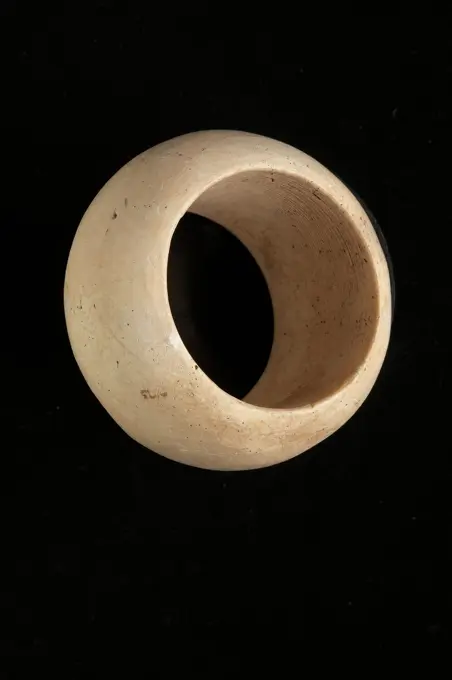
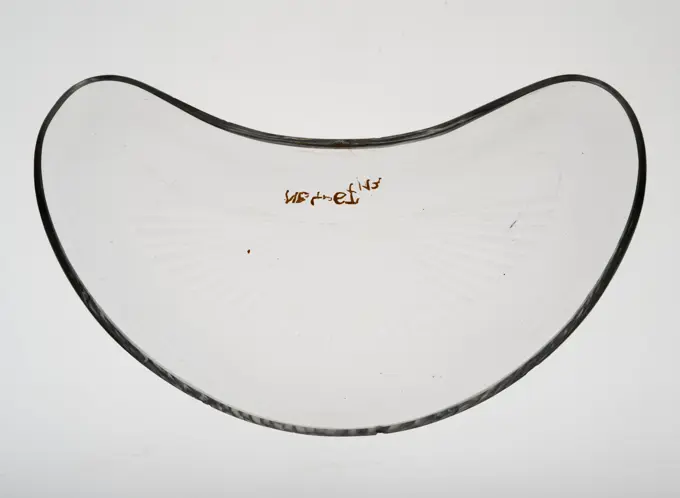
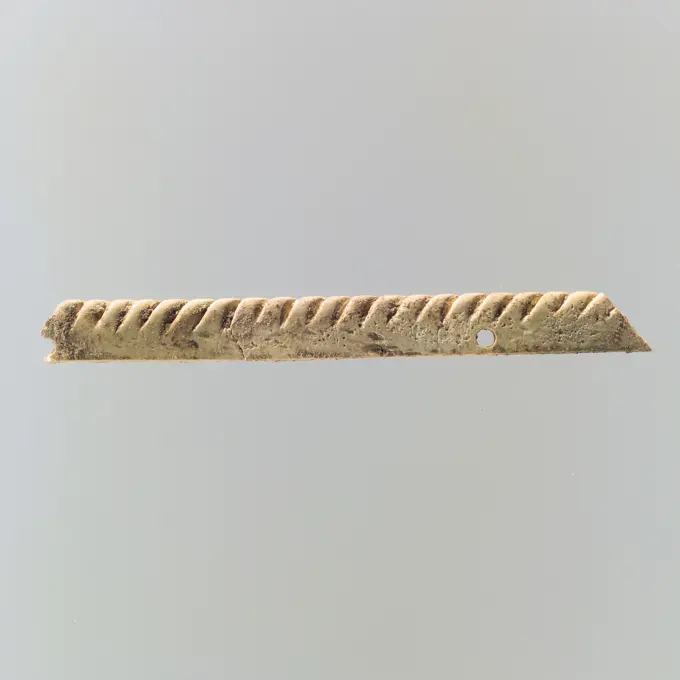
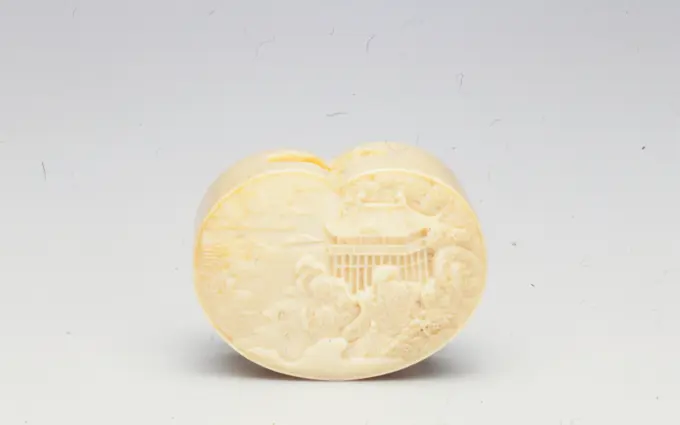
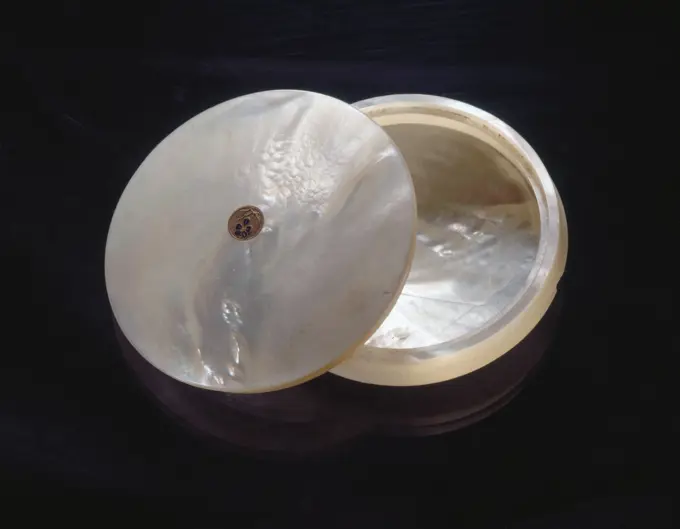
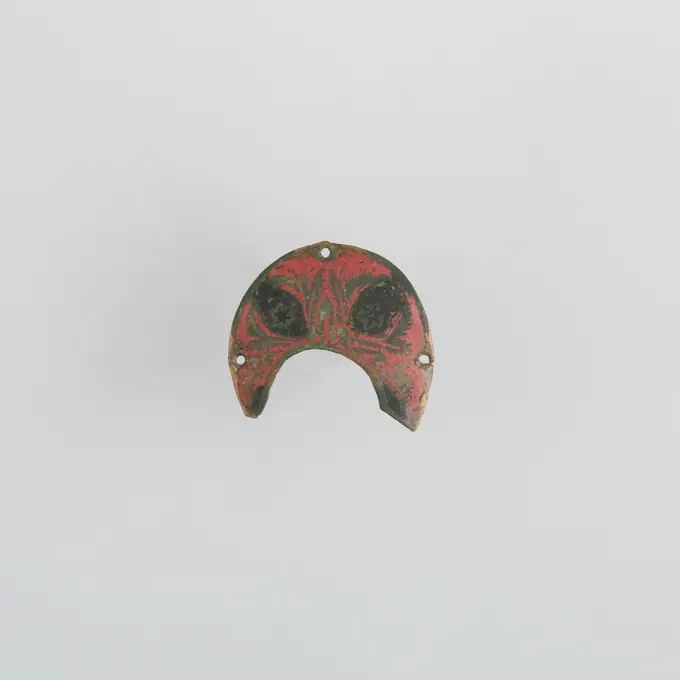
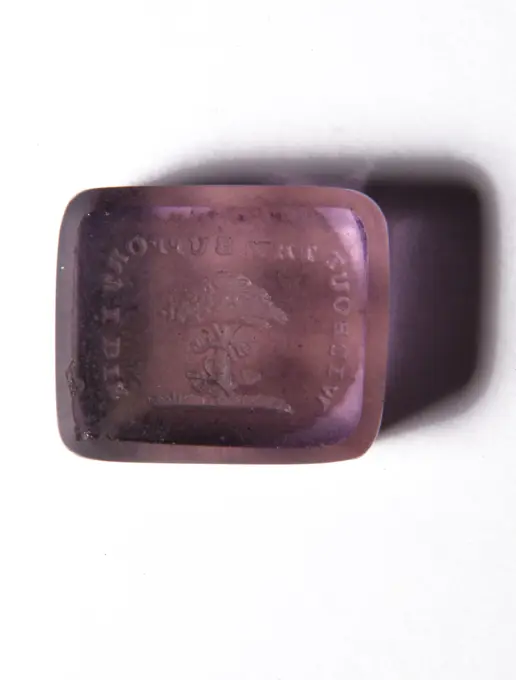
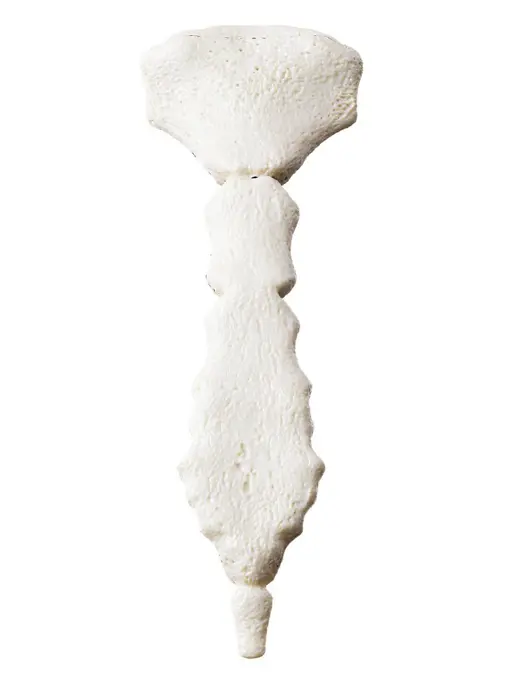
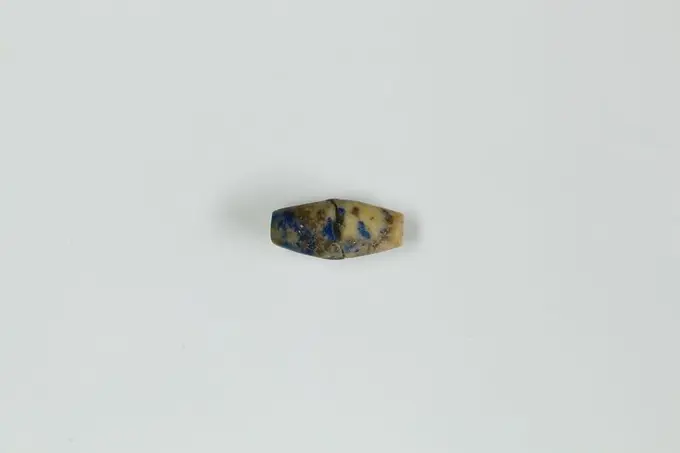
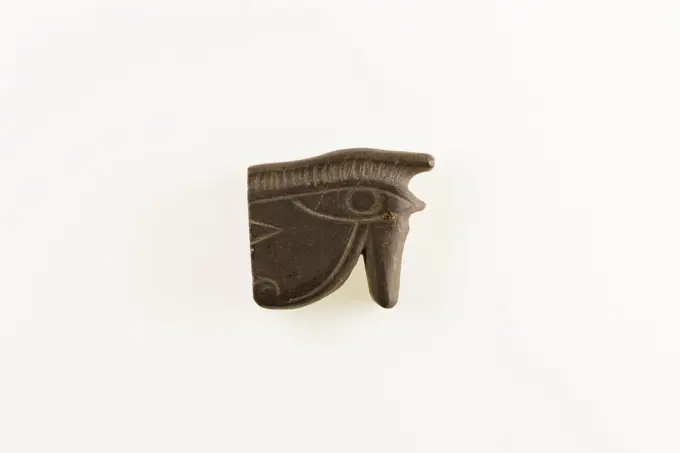
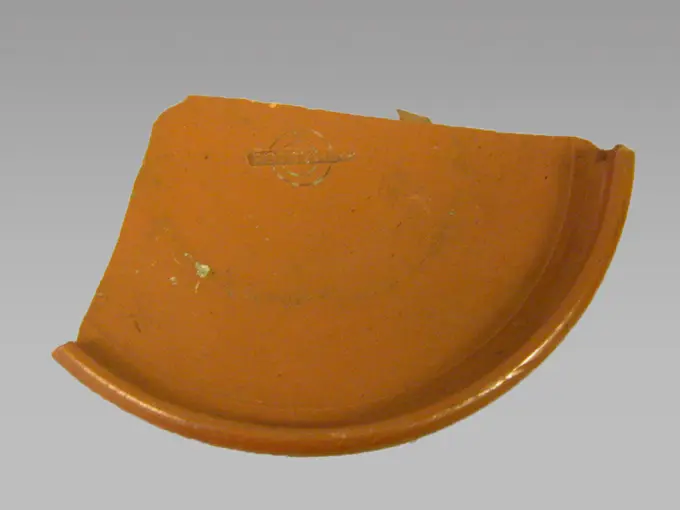
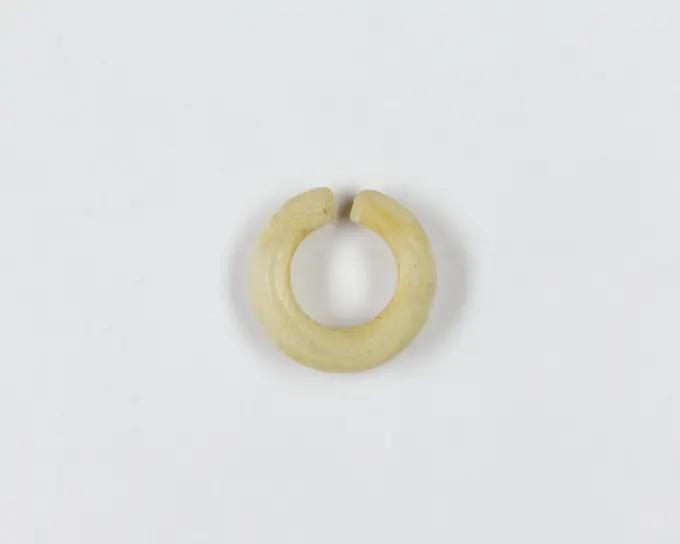
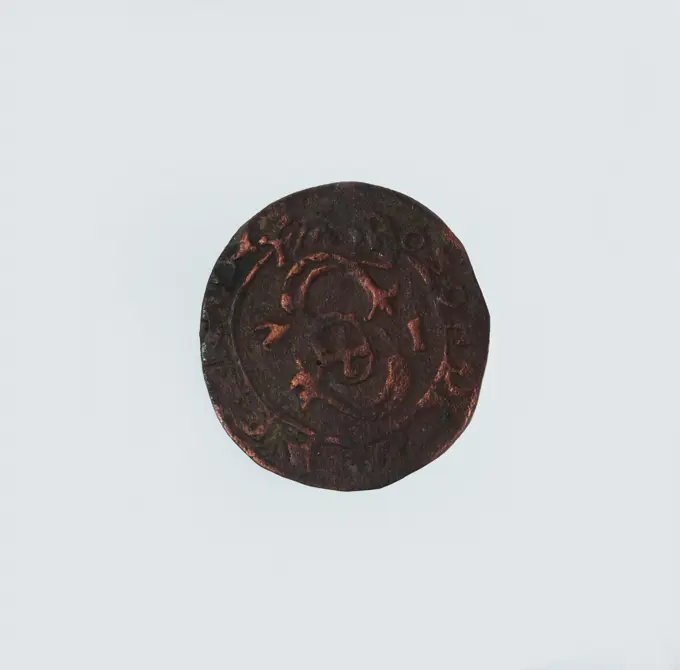
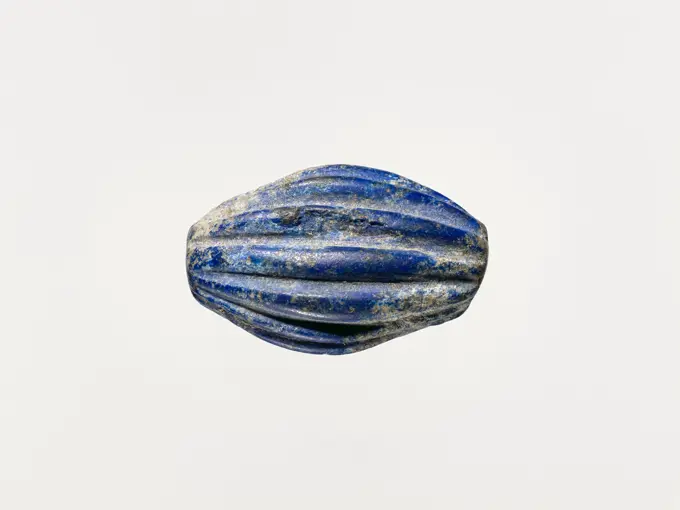
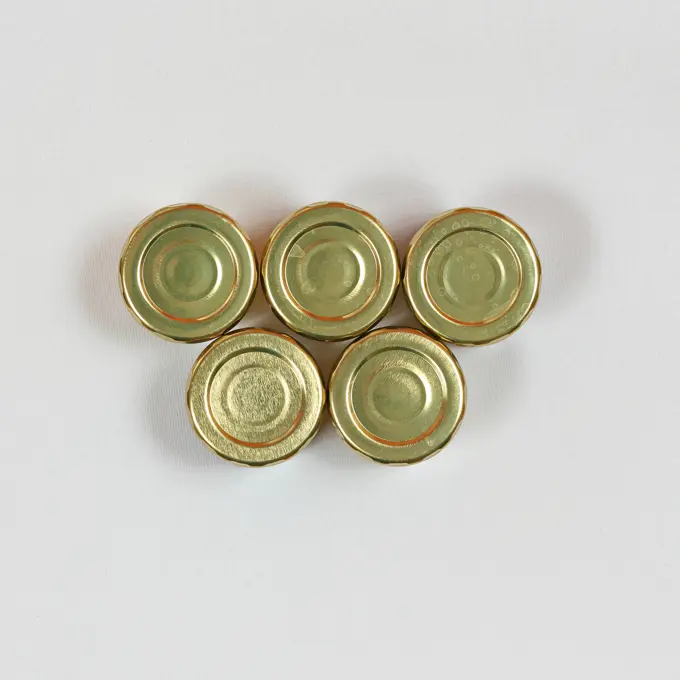
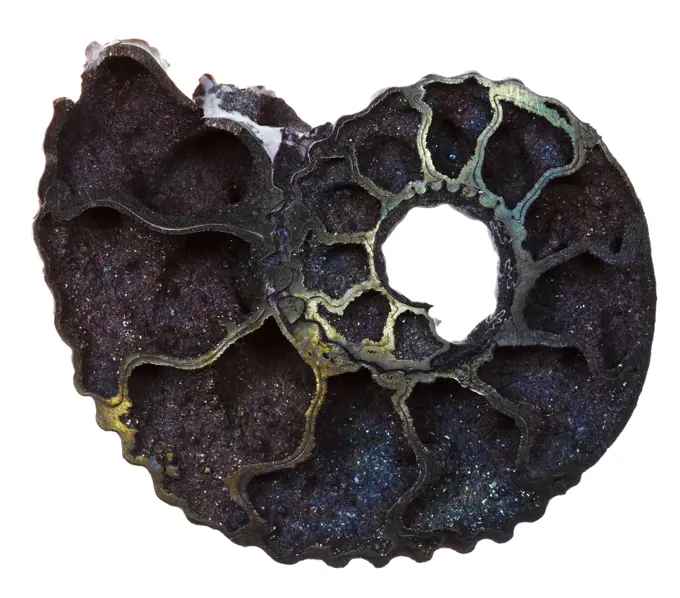
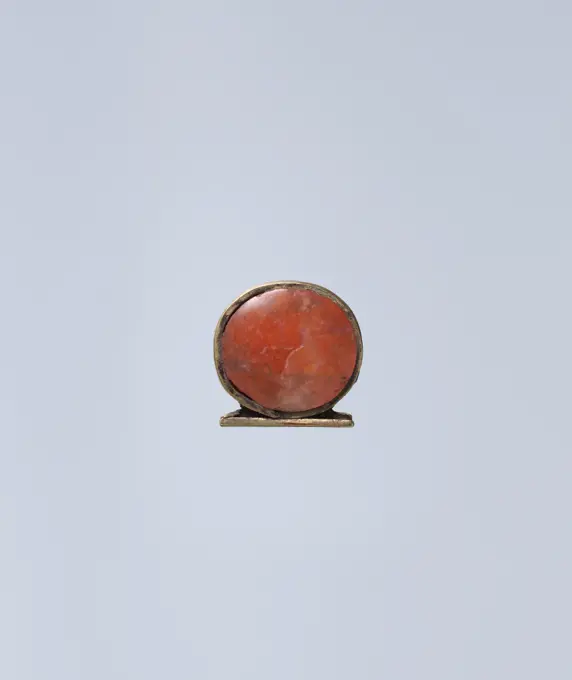
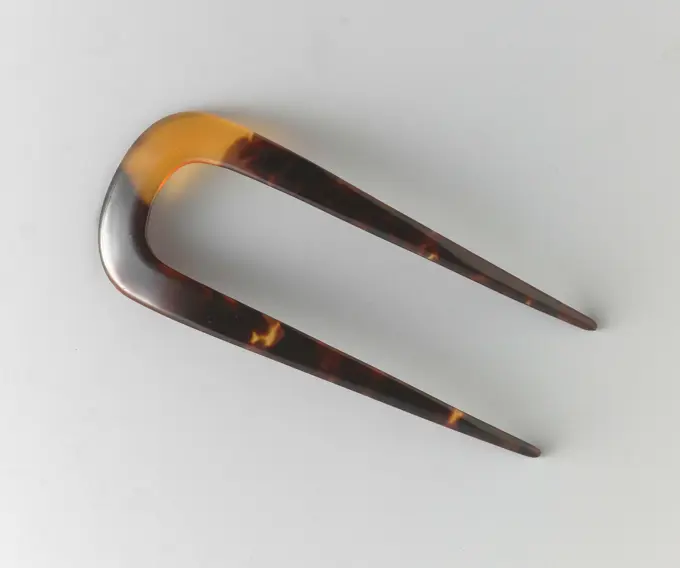
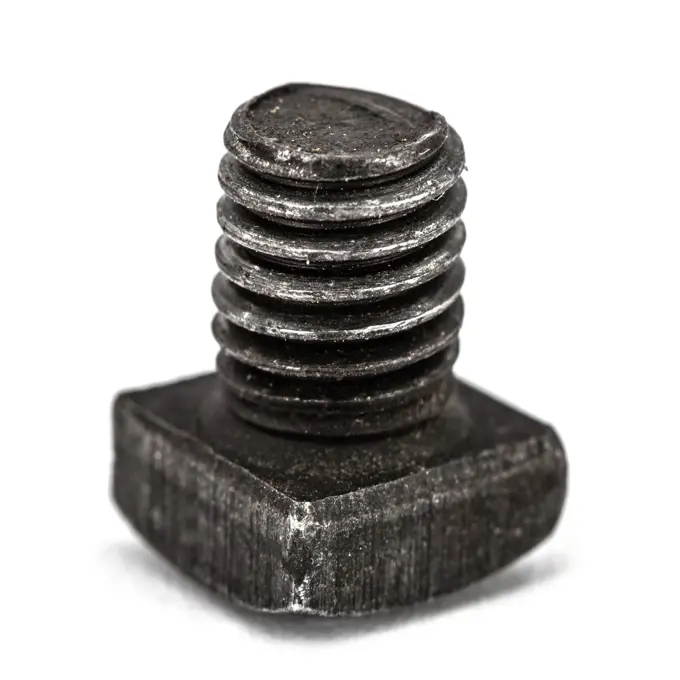
Pinhead Roman 1st century BCE-5th century CE View more. Pinhead. Roman. 1st century BCE-5th century CE. Glass. GlassTriobol - counterfeit;  before 1957 (1800-00-00-1957-00-00);Nadczarzyorze, Lion's head (iconogr.), Men's head (iconogr.), Lions, purchase (provenance), animalsGlass eye bead 8th-7th century A.D. Phoenician (). Glass eye bead. Phoenician (). 8th-7th century A.D.. Glass. GlassBox, Shaped tortoiseshell, Circular tortoiseshell box with lid., Europe, late 19th century, costume & accessories, Decorative Arts, BoxDoor Knocker (Italy); bronzeBrooch -Slit Oval Ring (jue) 5000 BCE-3000 BCE China. Jade .Cast Gem. UnknownEmilia-Romagna Ferrara Ferrara Museo Civico di Schifanoia56. Hutzel, Max 1960-1990 General Notes: INCOMPLETE RECORD--NEGATIVES PROCESSED, PRINTS FILED German-born photographer and scholar Max Hutzel (1911-1988) photographed in Italy from the early 1960s until his death. The result of this project, referred to by Hutzel as Foto Arte Minore, is thorough documentation of art historical development in Italy up to the 18th century, including objects of the Etruscans and the Romans, as well as early Medieval, Romanesque, Gothic, Renaissance and Baroque monuments. Images are organized by geographic region in Italy, then by province, city, site complex and monument.Rosette 1530-50 German. Rosette. German. 1530-50. Brass. Miscellaneous-Buckles & OrnamentLid of turtle with Hertekop of silver (series of 28 pieces A to BB), Anonymous, c. 1700 - c. 1799 Turtle of turtle with Hertekop of silver (series from 28 pieces A to BB), Indonesia, 18th century Indonesia silver (metal) Turtle of turtle with Hertekop of silver (series from 28 pieces A to BB), Indonesia, 18th century Indonesia silver (metal)bracteate heller. Świdnica, issuerDrohiczy seal;  XI-XIII century (1090-00-00-1110-00-00);guild seals, customs seals, touches, seals of customs chambers, official seals, seals with a cross, seal with the image of the faceölflasche,ölfläschchen,flasche,flaschen,ölflaschen ** oil bottle,oil flask,oil bottles,oil flasks ktn-jxuSaucer, late 1700s. Wedgwood Factory (British). Pottery; diameter: 2.6 x 13.4 cm (1 x 5 1/4 in.).Covered Box. Culture: China. Dimensions: H. 1 3/8 in. (3.5 cm); Diam. 2 3/4 in. (7 cm). Museum: Metropolitan Museum of Art, New York, USA.Rosette 1540-60 Italian. Rosette. Italian. 1540-60. Brass. Miscellaneous-Buckles & OrnamentBig green macaroon isolated over white backgroundpolished hawk-eye gemstone on white macro shooting of natural mineral rock specimen - polished hawk-eye gemstone on white marble background from South Africa Copyright: xZoonar.com/ValeryxVoennyyx 11951406Rosette ca. 1540 French. Rosette. French. ca. 1540. Brass. Miscellaneous-Buckles & OrnamentPinhead 1st century B.C.-5th century A.D. Roman. Pinhead. Roman. 1st century B.C.-5th century A.D.. Glass. GlassJasper intaglio: Harpocrates seated on lotus in papyrus boat ca. 2nd-3rd century A.D. Roman. Jasper intaglio: Harpocrates seated on lotus in papyrus boat 245138Carnavalet museum, medal collection Henri V head right; Reverse branch of three fulfilled lilies.Deployment;  X-XII century (901-00-00-1200-00-00);Arabic (culture), Islam (culture), message (provenance), Islamic arttop view of closed ceramic pot from unglazed clay top view of closed ceramic pot from black unglazed clay isolated on white background Copyright: xZoonar.com/ValeryxVoennyyx 8880252Box Horning with a bronze medal, Jacob Samuel Cohen Elion, 1877 box Square leather box. Inside is covered with dark blue velvet. Amsterdam leather. velvet (fabric weave). copper (metal)   AmsterdamOne of Three Hundred Sixty Heads, Five Molds, Fifteen Oscilla and Other Figural and Vase Fragments. UnknownBell 4th century B.C. Cypriot. Bell. Cypriot. 4th century B.C.. Bronze. BronzesSeal. Culture: Minoan. Dimensions: Other: 1/2 x 3/16 in. (1.3 x 0.5 cm). Museum: Metropolitan Museum of Art, New York, USA.Spilled chocolate isolated on white background. chocolate stains. Round tsuba, in the shape of a shell, the two halves shifted something relative to each other.Round picture of silver -colored One Metal, c. 1940 - c. 1945 Round image of silver -colored anedel metal. In a hammered edge, a circle shape with a spiral in it is centrally located in relief. The picture was meant to put another brochure behind. Netherlands metal hammering Round image of silver -colored anedel metal. In a hammered edge, a circle shape with a spiral in it is centrally located in relief. The picture was meant to put another brochure behind. Netherlands metal hammeringCylinder seal ca. 2960-2649 B.C. Early Dynastic Period. Cylinder seal. ca. 2960-2649 B.C.. Stone. Early Dynastic Period. From Egypt. Dynasty 2Terracotta oil lamp ca. 27 B.C.-A.D. 38 Roman, Cypriot Loeschcke Type 1A, with nozzle channel. Mold-made. Discus: in high relief, a hound chasing a hare, both running from left above ground line slanting up to right; a single filling hole at center above line; band of lines and grooves around edge. Volutes flanking angular nozzle, with large wick hole. Raised base ring, flanked by two incised circles, and a deep concave base.Intact.. Terracotta oil lamp. Roman, Cypriot. ca. 27 B.C.-A.D. 38. Terracotta; mold-made. Early Imperial. TerracottasPoppaea Sabina, Wedgwood, English, established 1759, Unglazed stoneware ('black basalt'), Oval, with molded border. Head in profile to right Poppaea Sabina (30-65 A.D.), wife Emperor Nero., England, 1767-1780, ceramics, Decorative Arts, Portrait medallion, Portrait medallionAccessoryBead ornament of Hapiankhtifi ca. 1981-1802 B.C. Middle Kingdom. Bead ornament of Hapiankhtifi. ca. 1981-1802 B.C.. Carnelian, faience, cupreous metal. Middle Kingdom. From Egypt, Middle Egypt, Meir, Tomb of Hapiankhtifi, Mummy, Khashaba excavations, 1910-12. Dynasty 12Pieczęć stemplowa. unknown, authorBottle;  IX-X century (801-00-00-1000-00-00);gift (provenance)Spherical knot of silver plated copper, on which two crossed guns are relieved; Part of a militia uniform. Signature as a peripheral: "P. Mansvelt & Z. 'S Hage". Salvaged in a box at a sash; Note in box: "W. Six 1859-1928 / 14 Knoops Schutterij Uniform / 1885".Six knots of sharpened steel on a smooth stock, on which seven diamond heads, anonymous, c. 1790 Six knots of sharpened steel. Seven diamond heads with pearl edge have been laid in flower shape on a smooth stock. France (possibly) whole: Steel (Alloy). Decoration: Diamond (Mineral) forging / grinding Six knots of sharpened steel. Seven diamond heads with pearl edge have been laid in flower shape on a smooth stock. France (possibly) whole: Steel (Alloy). Decoration: Diamond (Mineral) forging / grindingglass jar of honey isolated on white backgroundDetailed and colorful image of leopard jasper mineralMassage stones in a row on a towel Fragment of painted ware ca. 1st century A.D. Nabataean. Fragment of painted ware 324244Grahal-Manzara. Carnavalet 2013-2016 collection sites. Numismatics.Kohl Jar with Lid (lid), 1980-1801 BC. Egypt, Middle Kingdom, Dynasty 12. Travertine; diameter: 3.9 cm (1 9/16 in.); diameter of mouth: 1.4 cm (9/16 in.); overall: 4.2 cm (1 5/8 in.).Earthenware ointment jar, low model, white glazed, ointment jar pot holder soil find ceramic pottery glaze tin glaze, delfts white hand turned glazed baked Pottery ointment jar wide low form with three smooth nips along the outside of the kettle Slanting outward edge. White glazed with pink tint. Stand surface with deducting traces archeology Valckensteyn Poortugaal Albrandswaard health care indigenous pottery pharmacy packaging medicine drug sell handicraft store Soil discovery: castle Valckensteyn in Poortugaal now Albrandswaard 1961 - 1962.Finger ring 1st millennium B.C. Iran. Finger ring 325877Silver smell, anonymous, 1800 - 1801 Silver smell, flattened and circular with a screw cap. Engraved leaf edge in which I.H. V l (Imburg) S (Tirum), on the other side: Theodora Louisa (v Limburg Stirum) and F (Riderika) J (Ohanna) V l (Imburg) S (Tirum). MOTHER SAGE: IT Birmingham silver (metal) engraving Silver smell, flattened and circular with a screw cap. Engraved leaf edge in which I.H. V l (Imburg) S (Tirum), on the other side: Theodora Louisa (v Limburg Stirum) and F (Riderika) J (Ohanna) V l (Imburg) S (Tirum). MOTHER SAGE: IT Birmingham silver (metal) engravingBox -Carnavalet Museum, Medals CollectionKidney-shaped Dish. Northern Afghanistan, 2200-1800 B.C.. Furnishings; Serviceware. FaienceCollection of pearls displaying elegant shades from white to black. Perfect for jewelry design and fashion decoration. Highlights natural beauty and sophistication with copy space.. Variety of Pearls in Different Elegant ShadesButton. Button, black yarn braid.Spindle Whorl, 700s - 900s. Iran, early Islamic period, 8th - 10th century. Bone, incised; overall: 0.5 x 2.1 x 2.1 cm (3/16 x 13/16 x 13/16 in.).Focolare tablet second half of 6th century B.C. Etruscan Without decoration except deeply incised line at edge.. Focolare tablet. Etruscan. second half of 6th century B.C.. Terracotta; bucchero. Archaic. VasesGlass bead. Glass bead. Glass. GlassBracelet, c. 6th-2nd century BCE, 1-3/4 x 3-1/4 x 3-1/4 in. (4.4 x 8.3 x 8.3 cm), Shell, Thailand, 7th-1st century BCESoothe Creme Lotion Feuchtigkeitscreme 24k Gold Gel Abstriche auf beige Hintergrund. Hautpflege und Körper Schönheitsprodukt. Flüssiges Gel Kosmetik verschmiert Soothe cream lotion moisturizer 24k gold gel smears on beige background. Skincare and body beauty product. Liquid gel cosmetic smudges Copyright: xZoonar.com/IrinaxKvyatkovskayax 22736319Salad bowl;  the beginning of the 20th century (1901-00-00-2000-00-00);Border strip ca. 9th-8th century B.C. Assyrian This fragment of a narrow strip is decorated with diagonal ridges. Carved ivory pieces such as this were widely used in the production of elite furniture during the early first millennium B.C. They were often inlaid into a wooden frame using joinery techniques and glue, and could be overlaid with gold foil or inlaid with colored glass or stone pieces to create a dazzling effect of gleaming surfaces and bright colors. A round hole was drilled through the strip, and half of another drilled hole can be seen at one end, where the strip was broken in antiquity. These holes may have allowed it to be nailed to a frame for a piece of furniture.Built by the Assyrian king Ashurnasirpal II, the palaces and storerooms of Nimrud housed thousands of pieces of carved ivory. Most of the ivories served as furniture inlays or small precious objects such as boxes. While some of them were carved in the same style as the large Assyrian reliefs lining the wallsKiyomizu Temple in fan shape, 19th century, Unknown Japanese, 13/16 x 1 7/16 x 1 1/16in. (2.1 x 3.7 x 2.7cm), Ivory, Japan, 19th centuryRosette dated 1575 German. Rosette. German. dated 1575. Brass. Miscellaneous-Buckles & OrnamentBonbonnière in mother -of -pearl that belonged to Madame Houdon. Paris, Museum of Romantic Life. 34870-15 Box, candy, mother -of -pearl, objectFragment of a pipes stem from the wreck of the East India Flying Heart. Fragment of the handle of an Earthen Gouda Pipe, Blauworange discolored. Fragments or bowls and votes.Bronzit auf Filz Bronzit auf Filz Copyright: xZoonar.com/lantapixx 1100954Badge or Harness Pendant 14th century possibly Spanish Heraldry, or coat-of-arms, were vitally important in Europe throughout the Middle Ages and the Renaissance. Heraldic emblems were used to identify noble families, cities, regions, and even countries. In addition to being displayed on shields and flags, heraldry was incorporated into architectural decoration on the interior and the exterior of buildings, on furniture, works of art, clothing, and horse equipment. Harness pendants, like this example, would have been attached to a headstall, bridle, or other straps making up the tack of a horse ridden by a nobleman or noblewoman, or a member of their household. Many harness pendants also have decoration that is simply ornamental, or have symbols that are not specifically heraldic in nature.. Badge or Harness Pendant. possibly Spanish. 14th century. Copper, gold, enamel. Miscellaneous-BadgesSignet Matrix - Seal Matrix, 1750-1850. Possibly made in Birmingham. Presented by Francis Buckley, 1934.. A 'signet' or 'seal matrix' is a small stamp used for impressing the mark of its owner in wax onto documents. This is one of a collection of twenty-seven acquired by the museum in 1934. The majority of examples are finely made of moulded translucent glass, in this case mauve. Several bear engraved inscriptions in reverse, as in the case of this example which has a design of a tree and reads: 'WITHOUT THY SUPPORT I DIE'. .5 buttons belonging to a jacket, c. 1740 - c. 1760 button 5 buttons belonging to a jacket. The buttons are identical and covered with black textile.  wool   Spitsbergen. Svalbard. Zeeuwsche UytkyckBreast bone, illustrationLink wheels.Traditional type sieve made of woodBarrel bead. Dimensions: L. 1.4 cm (9/16 in.). Dynasty: Dynasty 21. Date: ca. 1070-945 B.C.. Museum: Metropolitan Museum of Art, New York, USA.Fragmentary Bowl 1100-1299 . Jian ware; stoneware with hare's fur glaze .Paperweight, 19th century, 1 3/8 x 2 1/8 x 2 1/8 in. (3.49 x 5.4 x 5.4 cm), Glass, China, 19th centuryWedjat eye inlay Late Period 522-343 B.C. View more. Wedjat eye inlay. 522-343 B.C.. Black glass. Late Period. From Egypt, Upper Egypt, Thebes, Southern Asasif, Unfinished Temple Site, MMA excavations, 1920-22. Dynasty 26Bead ca. 1640-1600 B.C. Middle Kingdom. Bead 557349Vase fragment Roman, Gaul Inscribed.. Vase fragment. Roman, Gaul. Terracotta. Vases3d cosmetic stone podium nature product platform. Realistic spa stage closeup png illustration isolated on transparent background. Pebble marble texture with sunlight elegant studio decoration set. 3d cosmetic stone podium nature product platformPenannular Earring ca. 1550-1295 B.C. New Kingdom. Penannular Earring. ca. 1550-1295 B.C.. Shell. New Kingdom. From Egypt; Probably from Northern Upper Egypt, Deir el-Ballas. Dynasty 18Carved Intaglio Gemstone with a Barking Dog RunningLeftFalse coin, Riga shilIIng, Sigismund III Vasa (1587 1632)Bead n.d.a.. Bead. n.d.a.. Lapis lazuli. Mesopotamia, NippurEarplug, one of 15, 15th century, 13/16 x 1 3/16 in. (2.06 x 3.02 cm), Jade, Mexico, 15th centuryFive Jars Five Small Jars With Golden Lids Copyright: xZoonar.com/MarkoxBericx 13104888Fossil ammonite shell section of fossil ammonite shell isolated on white background Copyright: xZoonar.com/VVxVoennyyx 5057734Carnavalet museum, tokens collectionWood cutting board isolated on white background. Wooden pizza boardShen amulet of Reniseneb ca. 1810-1700 B.C. Middle Kingdom This carnelian and gold shen amulet was found near the neck of Reniseneb's mummy along with a necklace of obsidian and gold (26.7.1349). Also on the mummy were a faience hippopotamus (26.7.898) and a mirror with an ebony handle decorated with gold inlay (26.7.1351) that records his name and the judicial title "Great One of the Southern Tens." Reniseneb's mummy also had a mask with a gilded face. Although Reniseneb was buried with only a few grave goods, the quality of these objects and the materials used indicate that he was a prosperous man of some importance.. Shen amulet of Reniseneb. ca. 1810-1700 B.C.. Gold, carnelian. Middle Kingdom. From Egypt, Upper Egypt, Thebes, Asasif, Birabi, pit tomb CC 25, body of Reniseneb, Carnarvon/Carter excavations, 1910. Dynasty 12-13Letter 0Euro currency, chocolate coins, isolated on whiteSimple copper or bronze ring, convex exterior, ring jewel clothing accessory clothing soil find copper bronze metal d 0.3, cast Ring of copper or bronze Model of classic wedding ring Smooth walled and flat on the inside curled on the outside. What irregularly shaped archeology Rotterdam railway tunnel wear status prosperity classic Soil discovery: Railway tunnel 1988-1993.Knoop of mother -of -pearl from the wreck of the East Indians' tvlagend Hart ,, 1700 - 1735 in 1735 button Pearl knot. Middelburg mother of pearlKosmetisches Serum mit 24k Gold auf beigem Hintergrund. Hautpflege Luxus Produkt Abstrich Cosmetic serum with 24k gold on a beige background. Skin care luxury product smear. Copyright: xZoonar.com/IrinaxKvyatkovskayax 22736472Four beautiful Spa stones isolated on white background. Hair comb of imitation turtle, U-shaped with smooth rounded back.isolated golden letterBracelet probably 14th-15th century. Bracelet 446089Special hardened screw close-up, isolated on white background Special hardened bolt for clamping wedge of planer shaft woodworking machine, close-up, isolated on white background Copyright: xZoonar.com/OleksandrxKostiuchenkox 9782293