Historical Artifacts Collection

Various ancient artifacts including Roman glass beads, coins, and decorative boxes, showcasing historical craftsmanship and materials.
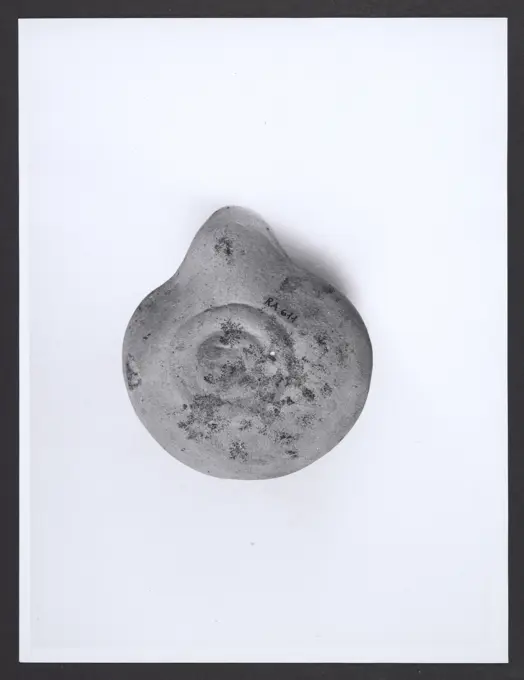
Emilia-Romagna Ferrara Ferrara Museo Civico di Schifanoia56. Hutzel, Max 1960-1990 General Notes: INCOMPLETE RECORD--NEGATIVES PROCESSED, PRINTS FILED German-born photographer and scholar Max Hutzel (1911-1988) photographed in Italy from the early 1960s until his death. The result of this project, referred to by Hutzel as Foto Arte Minore, is thorough documentation of art historical development in Italy up to the 18th century, including objects of the Etruscans and the Romans, as well as early Medieval, Romanesque, Gothic, Renaissance and Baroque monuments. Images are organized by geographic region in Italy, then by province, city, site complex and monument.
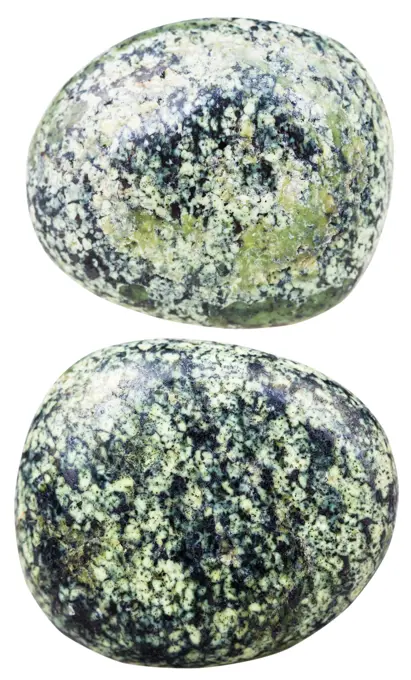
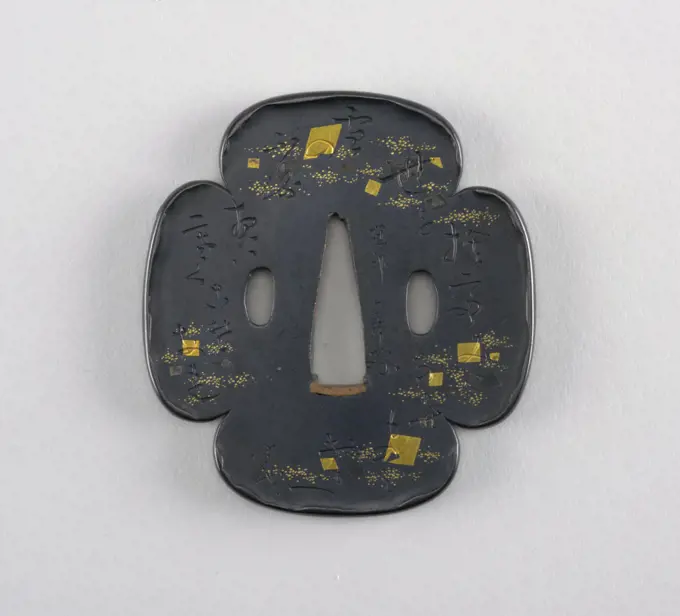
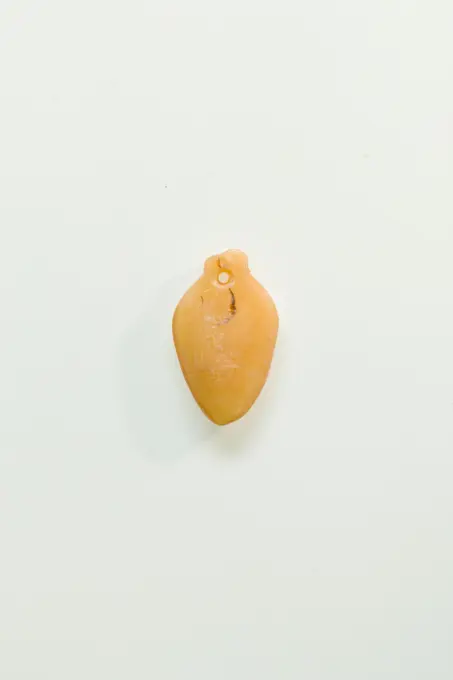
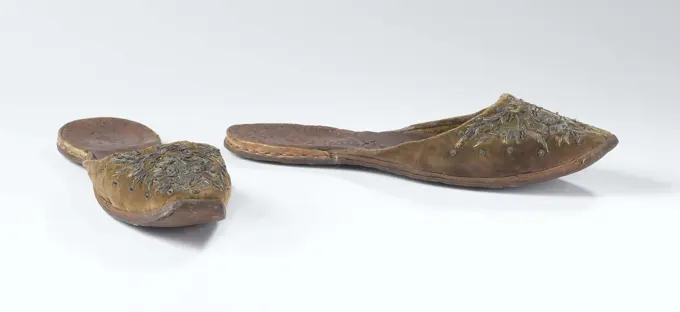
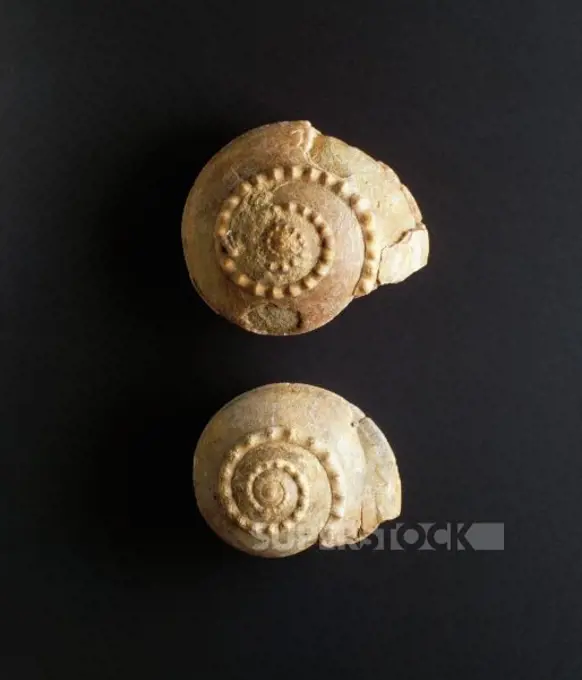
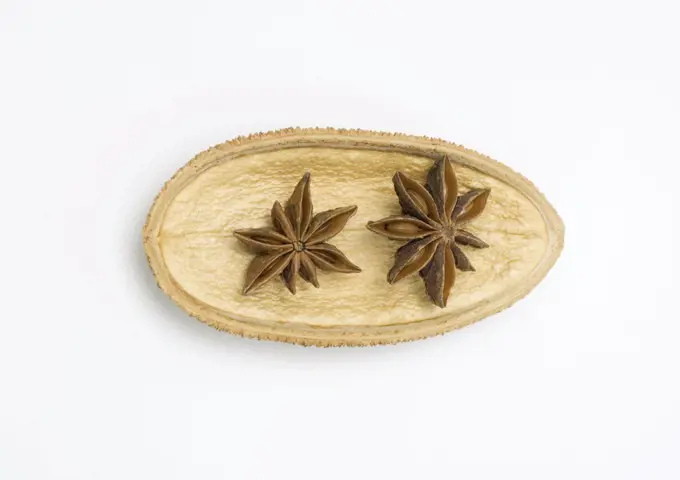
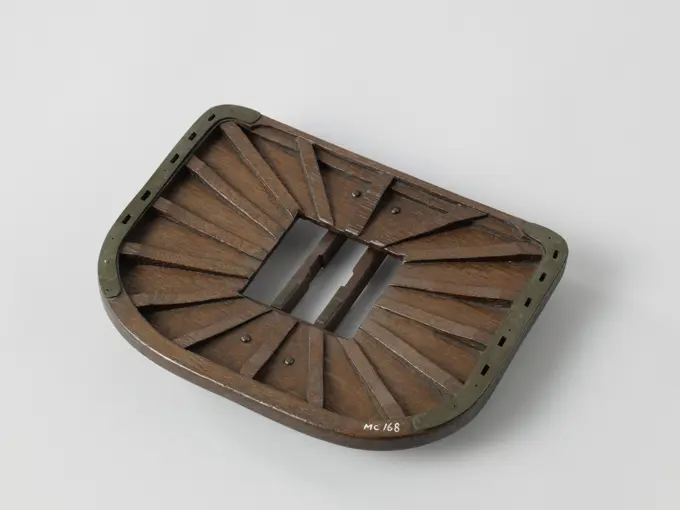
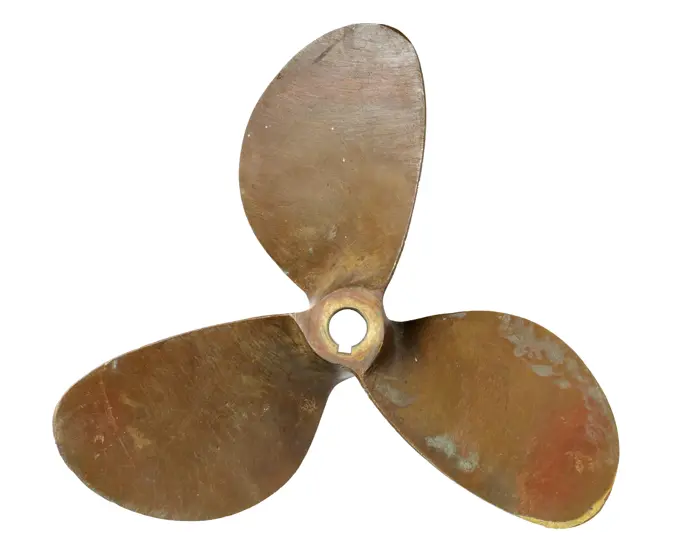
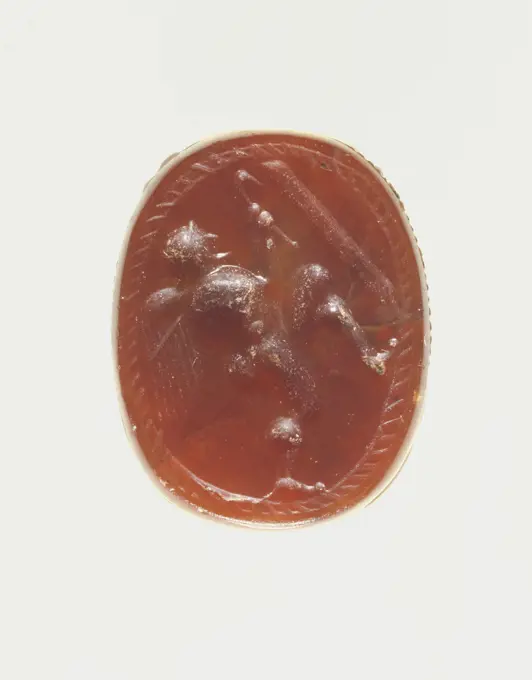
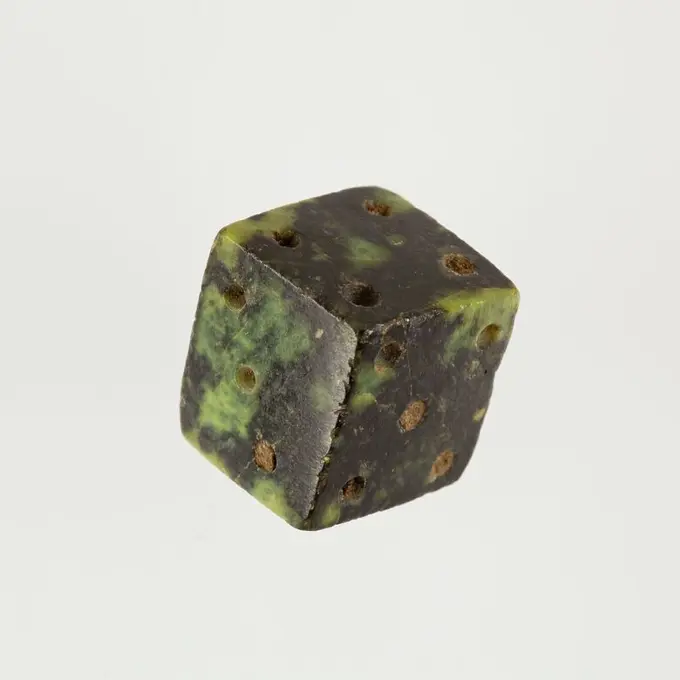
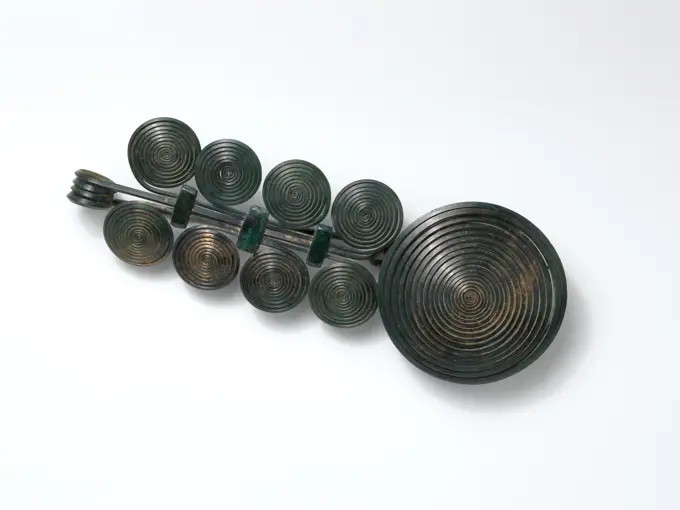
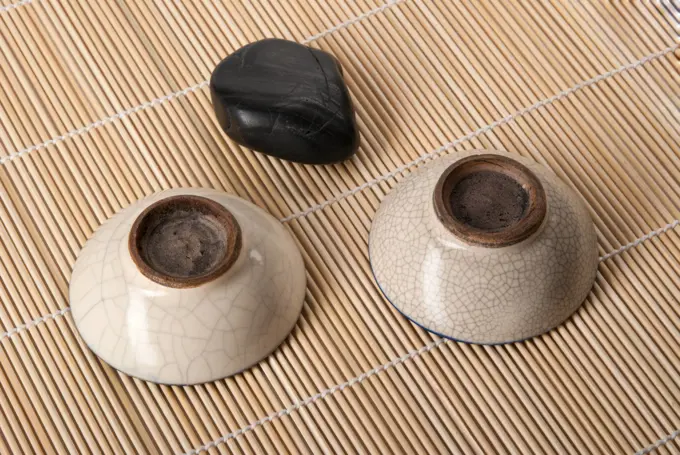
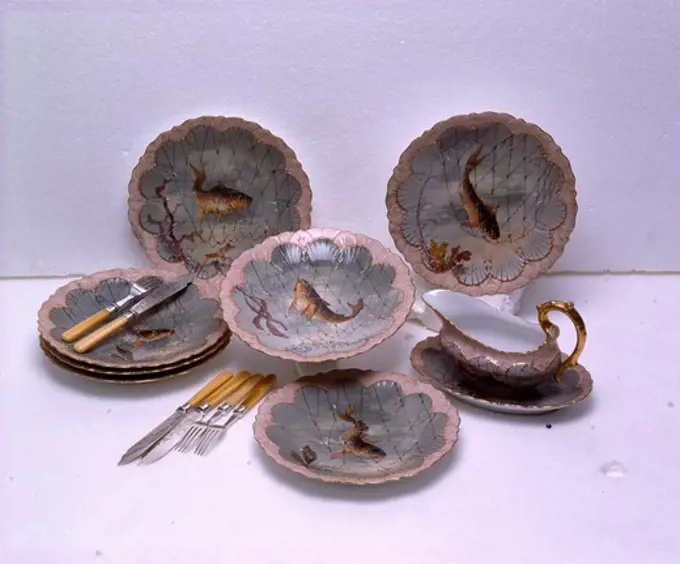
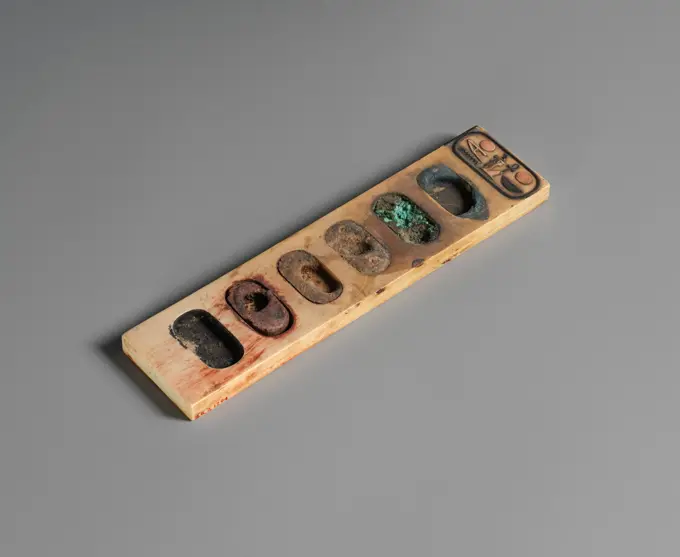
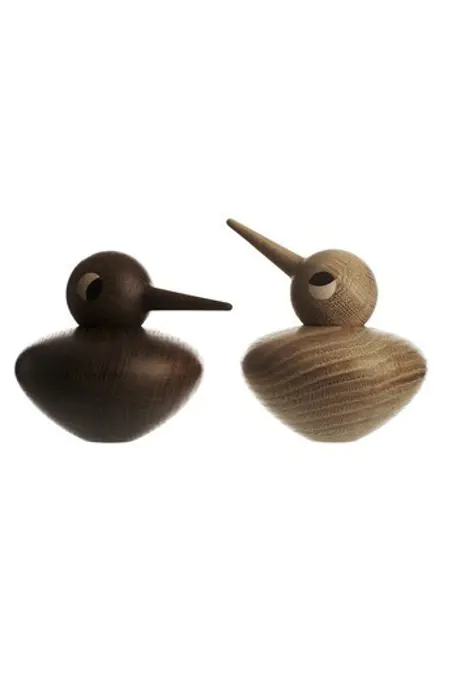
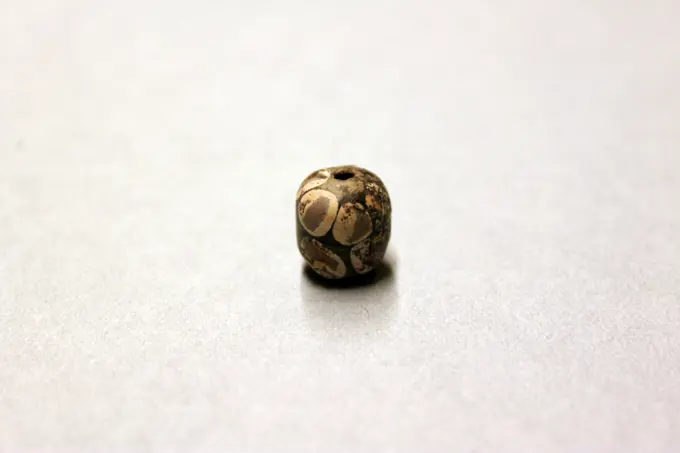
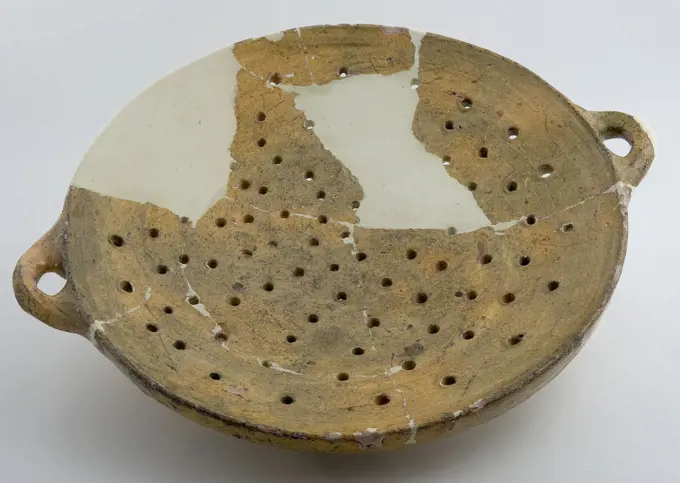
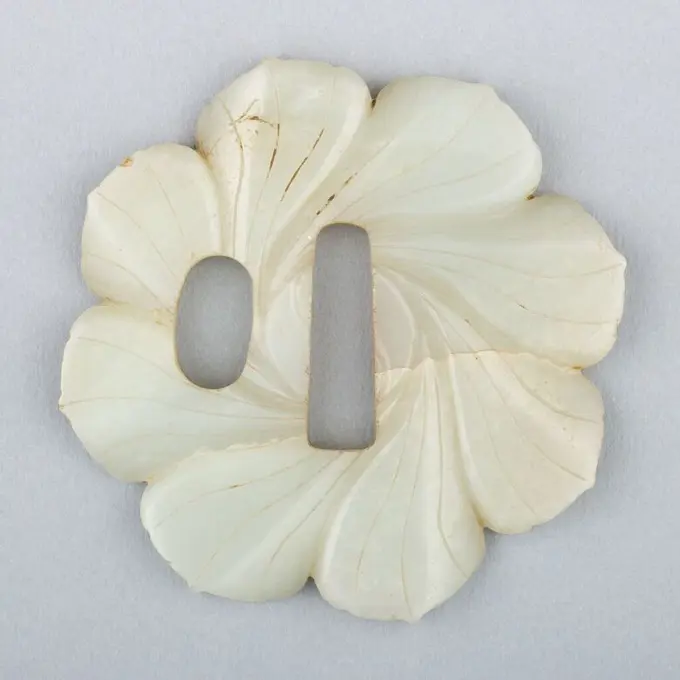
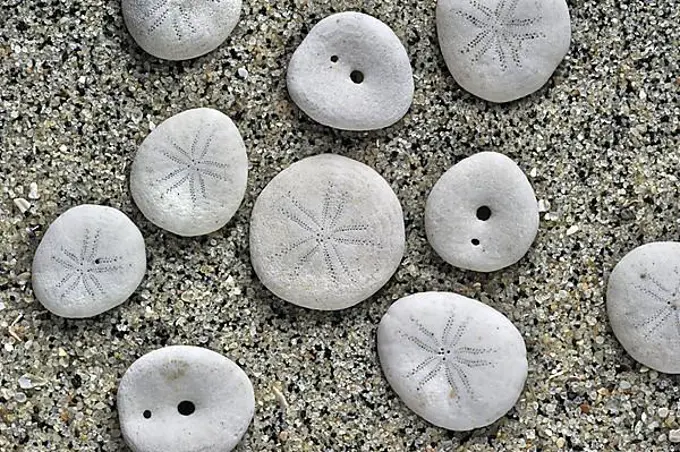
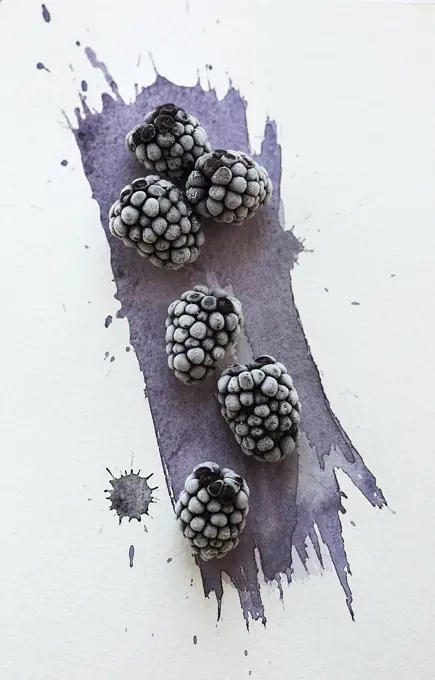
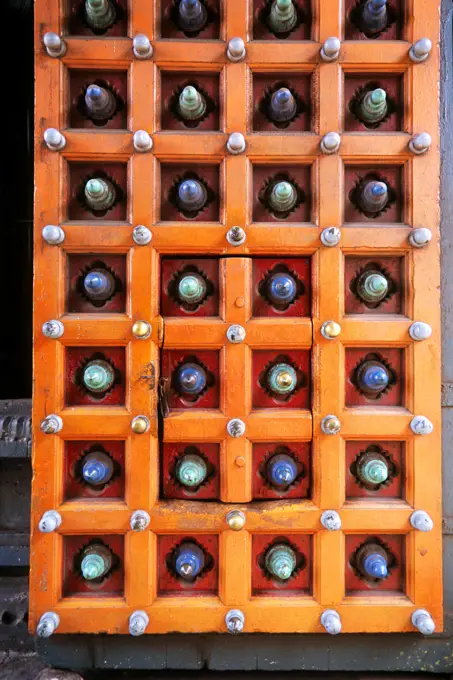
Umbel Pendant ca. 1390-1353 B.C. New Kingdom. Umbel Pendant. ca. 1390-1353 B.C.. Faience. New Kingdom. From Egypt, Upper Egypt, Thebes, Malqata, Palace of Amenhotep III, MMA excavations, 1910-11. Dynasty 18zen stones isolated on the white backgroundGrahal-Manzara. Carnavalet 2013-2016 collection sites. Numismatics.Salt Cellar late 19th century. Salt Cellar 446097two tumbled serpentine gemstones isolated macro shooting of natural mineral stone - two tumbled serpentine Serpentinite gemstones isolated on white background Copyright: xZoonar.com/ValeryxVoennyyx 8702293Tsuba, Shakudo (an alloy of copper and 3-6% gold), gold inlay, At the center is the nakago-ana, an opening through which the sword passes, with remnants of sekigane (plugs added to fit the tsuba to a sword) made of shakudo (a soft copper and gold alloy). Surrounding this is the seppadai, a flat oval area that is migaki (burnished). On either side are ryo-hitsu, openings for the kozuka (utility knife) and the kogai (skewer tool). Both are hangetsu-kei (half moon) in shape., Japan, late 19th century, metalwork, Decorative Arts, TsubaGrahal-Manzara. Carnavalet 2013-2016 collection sites. Numismatics.Fossilized sea urchins isolated on whiteHand drawn cartoonHeart (ib) from string of amulets ca. 1070-945 B.C. Third Intermediate Period Nine amulets of various materials were found threaded together in a tight group around the throat of the Lady Djedmutesankh; two of these, of green glass, disintegrated after they were discovered. This amulet represents a human heart, considered by the ancient Egyptians the center of intelligence and emotion.For the amulet group, see 25.3.169-related.. Heart (ib) from string of amulets 551037Retro cartoon with texture. Isolated on White.drawing pinsTiles and ornaments from the palace of Ramesses II. Dimensions: Diam. 3.2 cm (1 1/4 in.); Th. 0.4 cm (3/16 in.). Dynasty: Dynasty 19. Reign: reign of Ramesses II. Date: ca. 1279-1213 B.C.. Museum: Metropolitan Museum of Art, New York, USA.Skuwka from the sword of the sword (Kashira); Nara, Toshinaga (1667-1736); 18th century (1701-00-00-1800-00-00);Women's milk, from carmine red velvet, decorated with silver thread and spangles. Model: Without heels and with narrow tapered forefoot, ending in a square nose. Lined with leather with punched decoration at the place of the heel.Brown glass oval 2nd-1st century B.C. Greek Nike writing on a shield. Brown glass oval. Greek. 2nd-1st century B.C.. Glass. Hellenistic. GemsTrepospira depressa fossil, Gastropoda, Carboniferous.Schuitje for frivolité of leg, with a block between the two discs, held together by two metal pins. Schuitje for frivolité of leg, with a block between the two discs, held together by two metal pins.Lots Of Gold EggsHat of red straw, with braided strap made of blue straw, Tim Bönig, c. 1960 - c. 1997 Hat of red straw, with braided strap made of blue straw. Amsterdam . braiding Hat of red straw, with braided strap made of blue straw. Amsterdam . braidingSeal-shaped inscribed amulet ca. 16th-12th century BC Kassite. Seal-shaped inscribed amulet 324239quartz geode in front of white backgroundStar anise in dried huskGrinding wheel for steel isolated on white background.A chocolate curlBullets from the wreck of the East Indiesman Hollandia. Arms and accessories; shot; Corroded.Snowflake obsidian heart on feltUmbel Pendant ca. 1390-1353 B.C. New Kingdom. Umbel Pendant. ca. 1390-1353 B.C.. Faience. New Kingdom. From Egypt, Upper Egypt, Thebes, Malqata, Palace of Amenhotep III, MMA excavations, 1910-11. Dynasty 18Model of a Top, anonymous, c. 1780 - c. 1800 demonstration model Model of a march, rounded at the front, with two longitudinal and two transversals below. The march edge is reinforced with brass plates and the march floor is closed and reinforced with snaphans, radically around the Soldatengat. It is very similar to NG-MC-161. Netherlands wood (plant material). brass (alloy)Propeller Old three-blade bronze boat propeller on white Copyright: xZoonar.com/J.xSandvikx 1302124Fragment Come from V.O.C. ship De 'Witte Leeuw', Anonymous, Before 1613 bowl Fragment Come from V.O.C. ship De 'Witte Leeuw', 65 present. Jingdezhen porcelain   Sint-HelenaButton (France); silver, colored glass and turquoiseHat still life on a white background.A chocolate leafString of 5 bugle beads. Dimensions: l. 4.4 cm (1 3/4 in.). Date: 1st Century B.C. to 5th Century A.D.. Museum: Metropolitan Museum of Art, New York, USA.bead from gray shungite mineral gemstone isolated macro shooting - bead from gray shungite mineral gemstone isolated on white background Copyright: xZoonar.com/ValeryxVoennyyx 8877096Scarab; Etruria; 4th century B.C; Carnelian; 0.8 × 1.5 × 1.2 cm (5,16 × 9,16 × 1,2 in.)Hand drawn cartoonDice. Dimensions: H. 1.8 (11/16 in.); L. 1.7 (11/16 in.); W. 1.6 cm (5/8 in.). Date: 30 B.C.-A.D. 364. Museum: Metropolitan Museum of Art, New York, USA.Beads Perlen GbR Beads Perlen Copyright: xZoonar.com/B&BxGbRx 6856358Shoe spacer of black leather embroidered with gitten, c. 1915 - c. 1920 Shoe spur of black leather embroidered with gitten. Rectangular closed model of black leather on a reinforced surface. The embroidery consists of an oval leaf, flanked by two round flowers on a stem. France (possibly) Leather. Beads: Jet (Coal) Shoe spur of black leather embroidered with gitten. Rectangular closed model of black leather on a reinforced surface. The embroidery consists of an oval leaf, flanked by two round flowers on a stem. France (possibly) Leather. Beads: Jet (Coal)Three drops of cosmetic oil on a green background. High quality photo.Large Brooch with Spirals 1200-800 B.C. European Part of the appeal of objects made of copper alloy produced during the Bronze Age was undoubtedly their gleaming yellow color. The dark green patina that now characterizes these pieces, a result of tin corrosion, actually preserves the original finish of the surface texture, even if altering its color.. Large Brooch with Spirals. European. 1200-800 B.C.. Bronze. Made in Carpathian Basin region. Metalwork-BronzeFigure eight at the bottom of the soup tureen on white background.. Figure eight at the bottom of the tureen.Dark stone and two cup for tea lie on mat Dark stone and two cup for tea lie on mat ,model released, Symbolfoto Copyright: xZoonar.com/AndreyxZametalovx 7479245 ,model released, Symbolfoto ,property releasedCarved Sphere. Guatemala or Mexico, Maya, 200-450 CE. Stone. LimestoneBliżej KulturyClose-up of antique fish-patterned chinaDollar coins 1 cent wheat penny cent. Dollar coins 1 cent wheat penny cent currency of the United States isolated over white backgroundChristmas imagePainter's Palette Inscribed with the Name of Amenhotep III ca. 1390-1352 B.C. New Kingdom This painter's palette was carved from a single piece of ivory. Six oval wells contain cakes of pigments including blue, green, brown (), yellow, red, and black. The oval cartouche at one end encircles the throne name of Amenhotep III, Nebmaatre, and the epithet "beloved of Re.". Painter's Palette Inscribed with the Name of Amenhotep III. ca. 1390-1352 B.C.. Ivory, pigment. New Kingdom. Probably from Upper Egypt, Thebes; From Egypt. Dynasty 18Two birds against white background.Headdress combHat isolated on the white backgroundRoundel 664-332 B.C. Late Period. Roundel. 664-332 B.C.. Pottery. Late Period. From Egypt. Dynasty 26-30Dang of the VOC from Holland, 1790, United Oostindische Compagnie, 1790 coin Copper mint. Front: crowned coat of arms of Holland. Reverse: monogram of the VOC, above which mint sign and including the year. Smooth edge. Dordrecht copper (metal) striking (metalworking)Black glaze powder pyxis withlidPaperweight 1825-1850 Clichy. Glass . Clichy GlasshouseBeads 8th-13th century This object was excavated at Nishapur.Nishapur was a vital city in the early and middle Islamic periods, located along one of the main trajectories that connected Iran and West Asia Islamic lands with Central Asia and China. These itineraries are often referred to by the term Silk routes’ but were in fact crucial to the movement of constellations of materials and objects, as well as people and ideas. The diverse population of Nishapur and its surroundings, from the better-researched elite groups of merchants, land-owning aristocracy, and literates, to the less-known artisans, farmers, miners, and servants, were instrumental in adapting global cultural trends to create their own distinctive visual languages. This is seen in the material remains of everyday life in medieval Nishapur - from pots and pans to lighting devices, inkwells, textiles and trimmings, jewelry, games and toys, talismanic devices, weapons, coins, and architectural fragments.Nishapur lost its pScarab with the name Aakheperkare (Thutmose I) ca. 1504-1492 B.C. New Kingdom. Scarab with the name Aakheperkare (Thutmose I) 591151Pottery colander, white shard, fully glazed, two horizontal sausages, on three legs, colander kitchen utensils equipment earth discovery ceramics earthenware glaze lead glaze, hand-turned glazed baked Pottery colander white shard entirely glazed in light greenish yellow two horizontal sausages on the upper edge set on three legs Restoration is not repainted archeology Rotterdam City center Stadsdriehoek Oudehaven indigenous pottery food preparation kitchen food cooking serving Soil discovery: Oude Haven in Rotterdam.Wings, semi -circular of red wool, presumably militia, c. 1830  A dark red shoulder cover, lined with dark blue sheet. With holes that are partly stitched, the laces are missing. Probably militia. Netherlands wool. cloth   NetherlandsBullet rod, after c. 1350 bullet (ammunition) A stick of balls. Netherlands slate (rock). iron (metal). lead (metal) casting  WageningenBeads Perlen Beads Perlen Copyright: xZoonar.com/YvonnexBogdanskix 6856707Sword Guard (Tsuba). Culture: Japanese. Dimensions: H. 2 1/2 in. (6.4 cm); W. 2 1/2 in. (6.4 cm); thickness 1/4 in. (0.6 cm); Wt. 1.9 oz. (53.9 g). Date: 1800-1805. Museum: Metropolitan Museum of Art, New York, USA.Messenheft from the wreck of the East Indies' t Vliegend Hart, which was decayed in 1735 ,, 1700 - 1735  Tapered wooden knife, backs of flat, 6-sided cut, hold on the cut side and equipped with a copper ring. Knife handle. Netherlands wood (plant material). copper (metal)Teapot with lid of twisted wood, anonymous, c. 1800 - c. 1899 Teapot turned from dark hardwood species without an ear, with hole for spout and loose lid. England (possibly) . Teapot turned from dark hardwood species without an ear, with hole for spout and loose lid. England (possibly) .An empty plate on a gray concrete background with copy space An empty plate on a gray concrete background with copy space. Home dinner cooking Copyright: xZoonar.com/TetianaxChernykovax 21909400Easter biscuit (Easter egg) on yellow linenEccentric Blade before 16th century Mexican. Eccentric Blade 317409Garnet intaglio: Romulus, Remus, and the She-Wolf 2nd century B.C.-3rd century A.D. Roman She-wolf suckling Romulus and RemusAccording to tradition, Rome was founded in 753 B.C. by the twins Romulus and Remus. Sons of the god Mars and a mortal woman named Rhea Silvia, a direct descendant of Aeneas, the twins were abandoned by their uncle in the Tibur river. A she-wolf discovered them on the banks of the river and suckled them until they were taken in by a passing sheperd, Faustulus. Faustulus raised the boys together with his own twelve children until they decided to found a city of their own. They chose the spot by the Tibur where they had been rescued by the wolf, which was near the base of the Palatine hill in Rome. The representation of the wolf suckling the twins became a popular subject in Roman Republican and Imperial art.. Garnet intaglio: Romulus, Remus, and the She-Wolf. Roman. 2nd century B.C.-3rd century A.D.. Garnet. Republic or Imperial. GemsBlack and white stones in the sand. Zen japanese garden background scene. Zen japanese garden backgroundSard ring stone. Culture: Roman. Dimensions: Length: 9/16 in. (1.5 cm). Date: ca. 1st century A.D.-3rd century A.D..Mask of Silenos conjoined with female tragic mask. Museum: Metropolitan Museum of Art, New York, USA.Bliżej KulturyBadge or Harness Pendant 14th century British Heraldry, or coat-of-arms, were vitally important in Europe throughout the Middle Ages and the Renaissance. Heraldic emblems were used to identify noble families, cities, regions, and even countries. In addition to being displayed on shields and flags, heraldry was incorporated into architectural decoration on the interior and the exterior of buildings, on furniture, works of art, clothing, and horse equipment. Harness pendants, like this example, would have been attached to a headstall, bridle, or other straps making up the tack of a horse ridden by a nobleman or noblewoman, or a member of their household. Many harness pendants also have decoration that is simply ornamental, or have symbols that are not specifically heraldic in nature.. Badge or Harness Pendant. British. 14th century. Copper, gold, enamel. Miscellaneous-BadgesSingle piece of chocolate, close-upBonk from 1 penny from the Dutch East Indies, 1803, Batavian Republic, 1803 coin Copper rectangular mint. Front: Within a rectangular list of pearls value indication 1 S. Down side: within a rectangular list of pearls year. Batavia copper (metal) striking (metalworking)Beauty salon. Close up of black spa zen massage stones in wooden case as background. Relax concept.Scarab Finger Ring ca. 1479-1458 B.C. New Kingdom. Scarab Finger Ring 549022Chocolate thins in silver paperSet of easter eggs.Create galaxy drink coasters using resin, glitter and pigment powders, handmade items. Suitable for keychains, necklace and pendant.Pea urchin (Echinocyamus pusillus) shells on beachWild boar Hauer as a cornerstone wild boar Hauer as corner teethBanded agate ring stone 3rd-2nd century B.C. Italic Warrior consulting an oracle.. Banded agate ring stone. Italic. 3rd-2nd century B.C.. Agate, banded. Hellenistic. GemsUmbel Pendant ca. 1390-1353 B.C. New Kingdom. Umbel Pendant. ca. 1390-1353 B.C.. Faience. New Kingdom. From Egypt, Upper Egypt, Thebes, Malqata, Palace of Amenhotep III, MMA excavations, 1910-11. Dynasty 18Beads Perlen Beads Perlen Copyright: xZoonar.com/YvonnexBogdanskix 6856796Frozen blackberries scattered over a watercoloured painted backgroundDoor of Mallikeswarar temple  Chennai  Madras  Tamil Nadu  India Copyright: xMxAmirtham/DinodiaxPhotoxOrnament ca. late 3rd millennium B.C.. Ornament. ca. late 3rd millennium B.C.. Faience. Early Bronze Age. Mesopotamia, Tell TayaPurse with bitcoin coin isolated on whitePaper lamp isolated on black background.Wellness, masseur profession equipment concept. Spa massage rock and stones in bowl ready for next client. Spa massage rock and stones in bowlGold sport fields iconsGold Easter Eggs Set, Gold trendy style eggs Set, Clipping pathParis Manufacture. Hat slap and its box. Black satin, large black grain, black and blue silk satin, metal mechanism (brass). Cardboard box and paper with green cotton tie ribbons. Around 1865. Galliera, fashion museum of the city of Paris. 70571-19 Tie, blue, cardboard box, slap hat, green cotton, big grain, brass, Paris manufacturer, metal mechanism, paper, satin, black satin