Historical Bird Figurines

Bronze and gold decorative bird figures from ancient cultures, showcasing intricate designs and significant historical context.
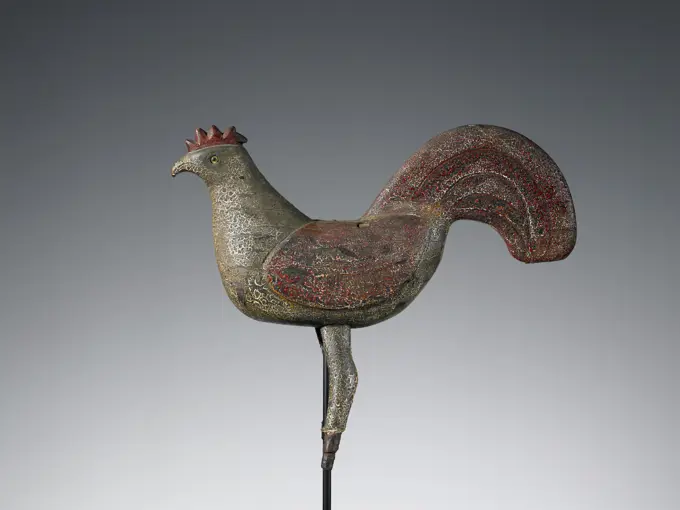
Cockerel weathervane, c. 1820, 16 x 5 1/2 x 17 3/4 in. (40.64 x 13.97 x 45.09 cm), Wood, pigment, glass, United States, 19th century
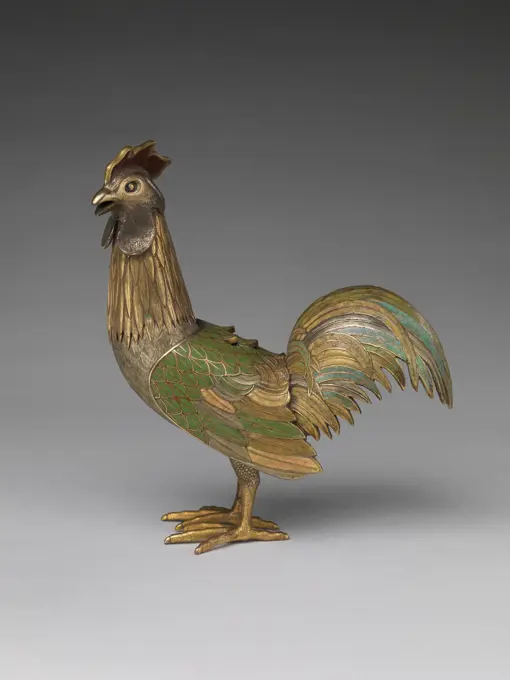
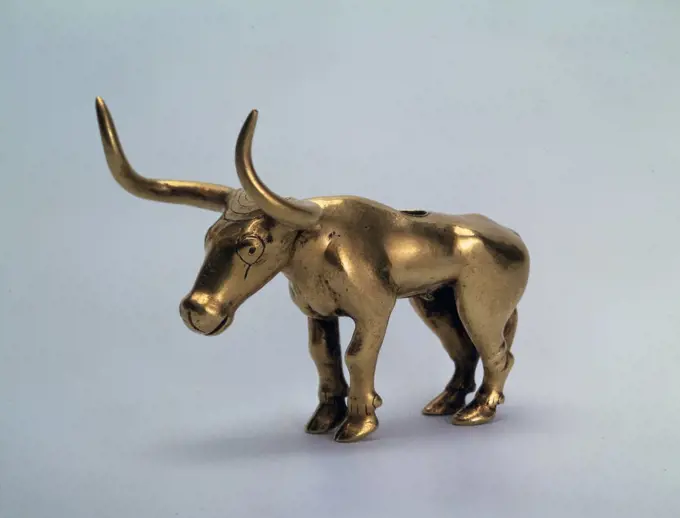
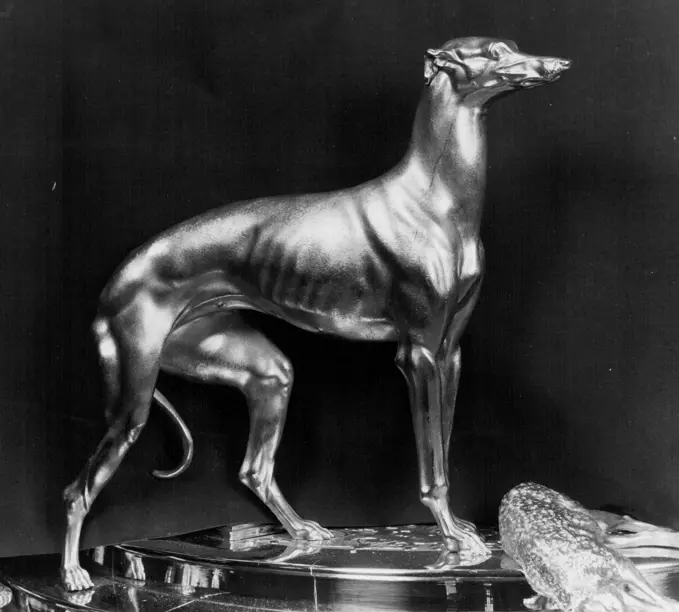
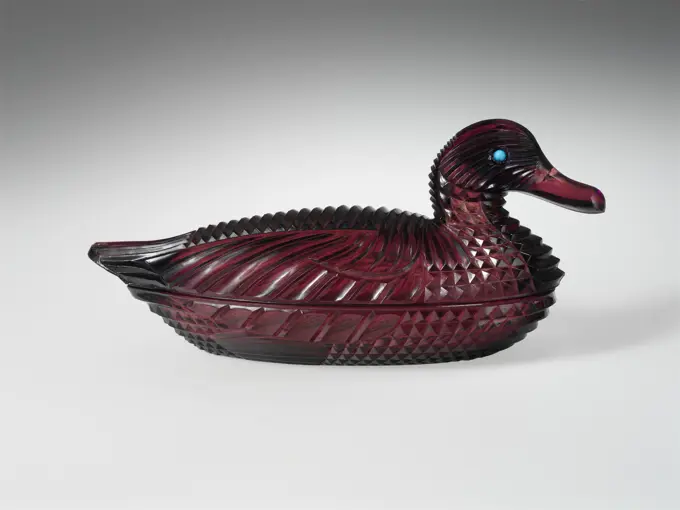
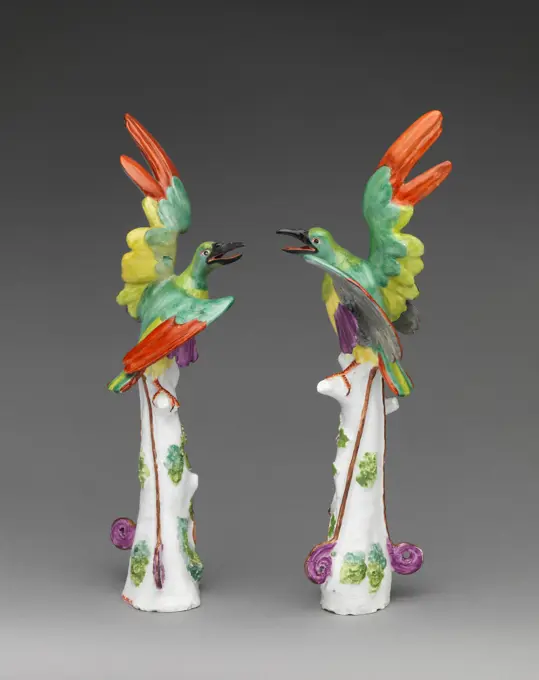
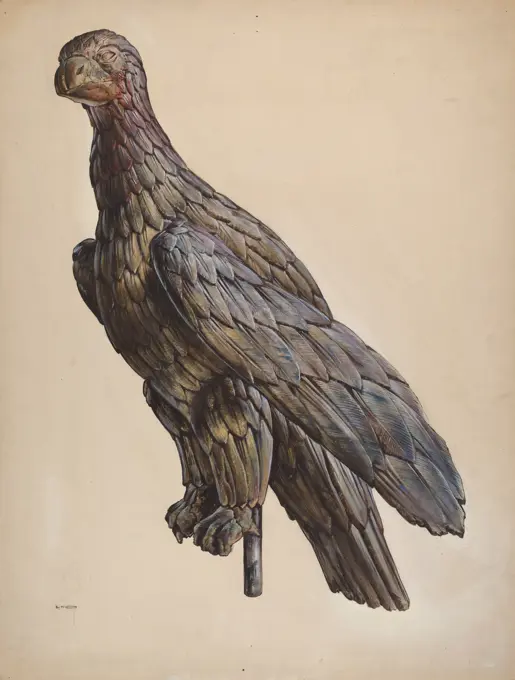
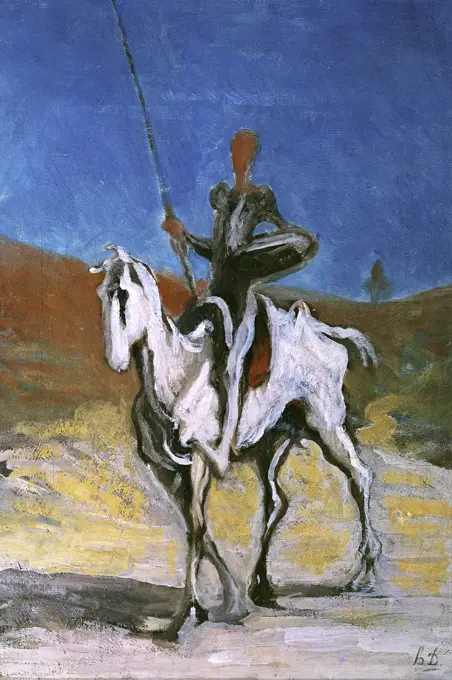
A bronze duck on a foot.Ancient China: Unglazed pottery figure of an ox and cart, Six Dynasties, 220 - 580 AD.Pa. German Toy Soldier. Dated: 1935/1942. Dimensions: overall: 37.9 x 29.3 cm (14 15/16 x 11 9/16 in.) Original IAD Object: 5" high; 2" wide; 3 3/4" long. Medium: watercolor and graphite on paper. Museum: National Gallery of Art, Washington DC. Author: Carl Strehlau.Incense Burner in the Shape of a Rooster 18th century Japan This incense burner in the shape of a rooster represents a high point of Edo enameling only rarely found on objects of this size. Except for the head and feet, the rooster's form was not molded but hammered from a sheet of copper alloy. The surface is embellished by intricate chasing on gilded and silvered copper. Theenameling is a result of the champlevé technique, in which silica paste colored by various metallic oxides is set in grooves that are hammered or chiseled out of the metal base, rather than being held by wire soldered onto the base, as in cloisonné.. Incense Burner in the Shape of a Rooster 40767Scythian Art., Gold , Ancient Culture , circa 3rd century BC, Russia, St. Petersburg, State Hermitage, H 6, L 7, 6Royal Plate on show in London: Historic Exhibits From Buckingham Palace and Windsor Castle.Eds, the greyhound, one of the Queen Victoria's four favourite dogs forms part of a spectacular gilt table centre, 30 inches high, designed by Prince Albert himself, and made by Robert Garrard in 1842. July 28, 1954.Covered Figural Dish ca. 1887-90 Atterbury and Company. Covered Figural Dish 2359Pewter pin freeing couple with bagpipes, pin jewelry clothing accessory clothing soil find tin lead metal, cast Pewter pin free set with bagpipes with backcloth archeology Rotterdam City triangle Meent Binnenrotte profane insignia erotica erotica Soil discovery Inner rump corner Meent.Bird of paradise (quetzal) (one of a pair) 1733 Meissen Manufactory German Porcelain birds have their origins in the princely tradition of maintaining collections of living animals and birds in menageries and aviaries, which were viewed as microcosms of the universe, and emblems of royal power and enlightenment. These collections often included exotic birds such as parrots, admired for their rarity, as well as more familiar native species.In 1731 the Meissen manufactory began a new genre in European porcelain, producing several hundred life-size and near-life-size porcelain birds and animals, many destined for the Japanese Palace of Augustus the Strong, Elector of Saxony (1670-1733). To create them, factory modelers found inspiration in nature, looking both to living and stuffed specimens, as well as zoological illustrations and Asian porcelain precedents. The great Meissen modeler Johann Joachim Kändler is known to have copied from life the birds kept at the royal aviary at Schloss MoStatue of hawk wrapped in plasticCowboy, Silver, Rectangular, with rounded corners and sides, featuring raised decoration of cowboy on bucking horse, reins in his left hand, whip in raised right hand, to left is hat flying off his head. Reverse side undecorated. Hinge on side. Striker on bottom., ca. 1900, containers, Decorative Arts, Matchsafe, MatchsafeA small pink rocking horse toy sits on a weathered wooden shelf, gently illuminated in low light. The pastel color against the dark background evokes memories of childhood innocence and playfulnessJames McLellan, Finial Eagle, c 1937 Finial EagleModel of elephant standing on circuit boards, illustration.CDK unknownStatue, Eastern Mass fair, Springfield , Sculpture. Edmund L. Mitchell CollectionDon Quixote Honore Daumier (1808-1879/French) Oil on canvas