Historical Bladed Weapons

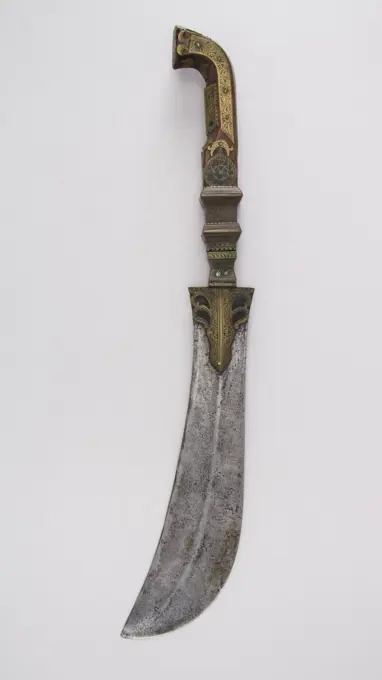
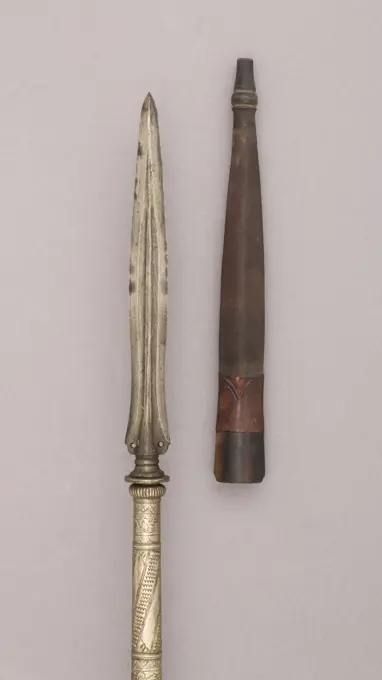
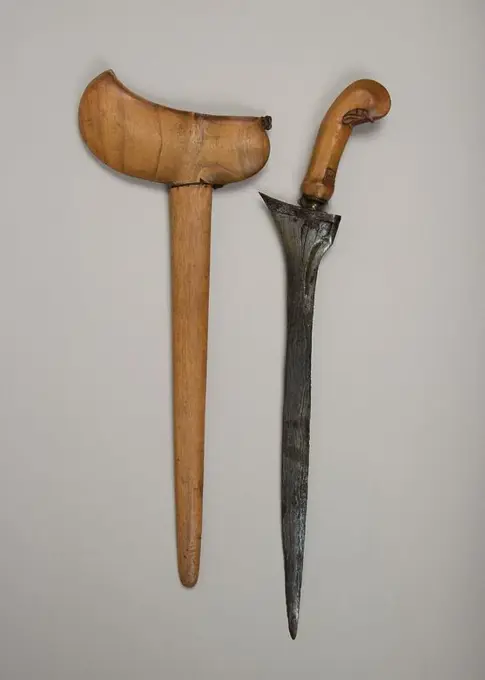
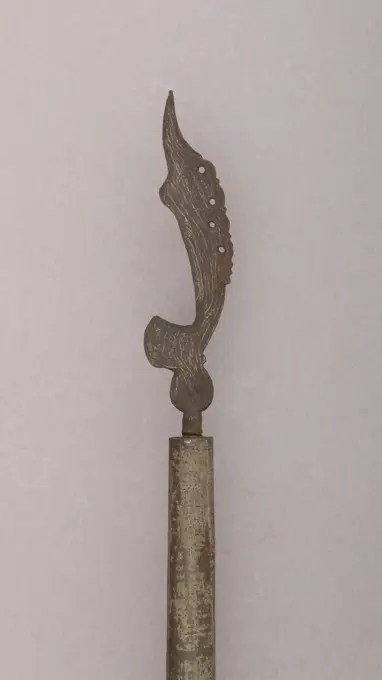
A collection of various historical bladed weapons, including a Javanese spear, British ballock knife, Indian Moplah knife, and unique chisels, showcasing intricate designs and craftsmanship.

Timmermanspasser, anonymous, c. 1590 - c. 1596  Carpenter's passer whose leg hinges in the other leg. The legs are slightly bent close to the hinge.  iron (metal) forging  Nova Zembla. Saving Huys
Timmermanspasser, anonymous, c. 1590 - c. 1596 Carpenter's passer whose leg hinges in the other leg. The legs are slightly bent close to the hinge. iron (metal) forging Nova Zembla. Saving Huys
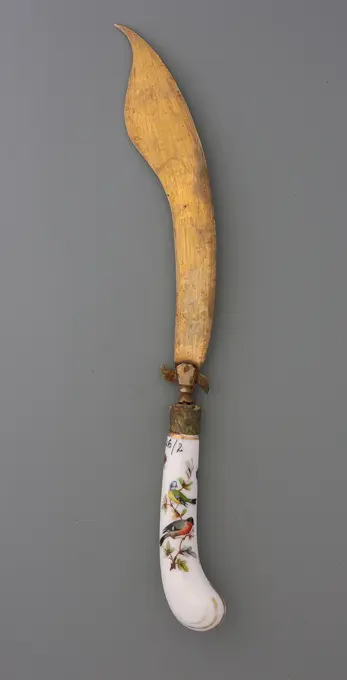
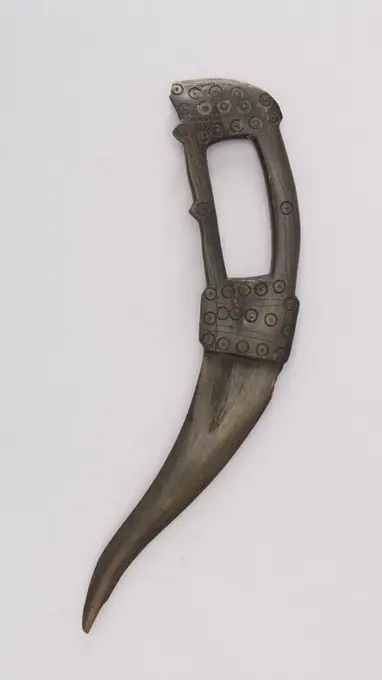
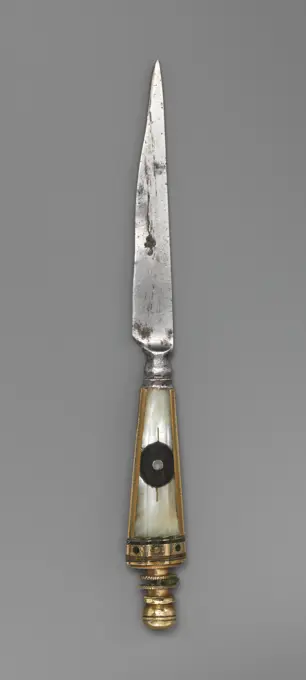
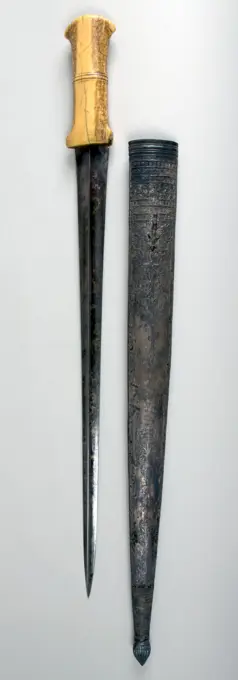
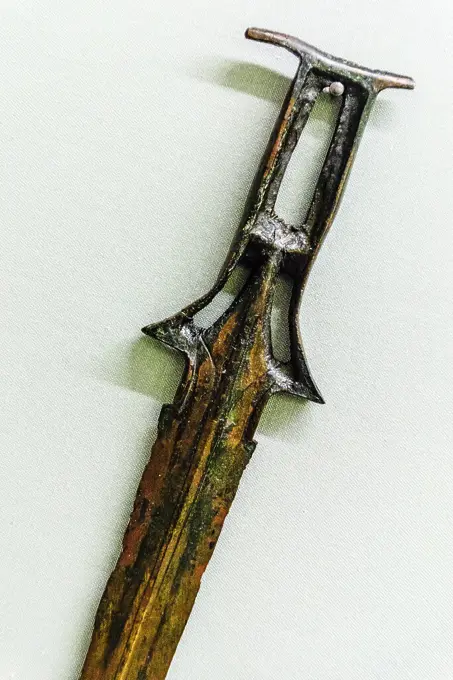
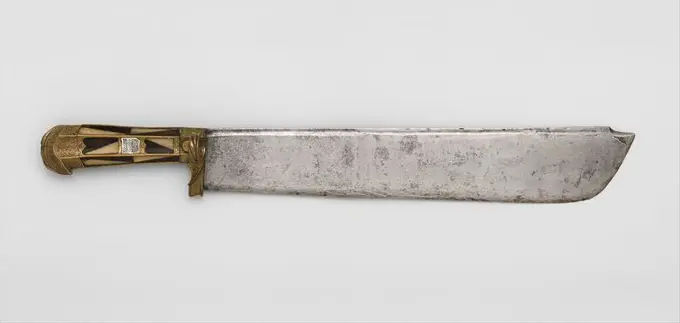
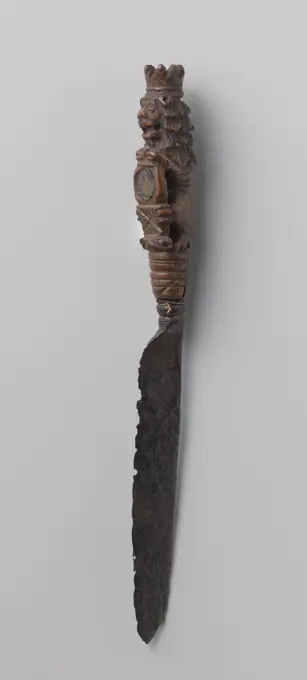
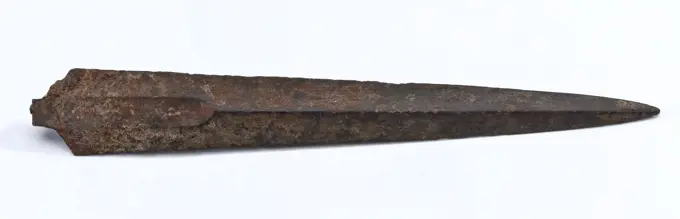
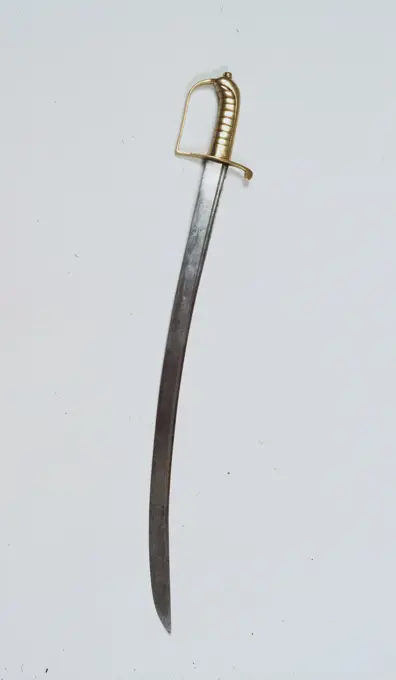
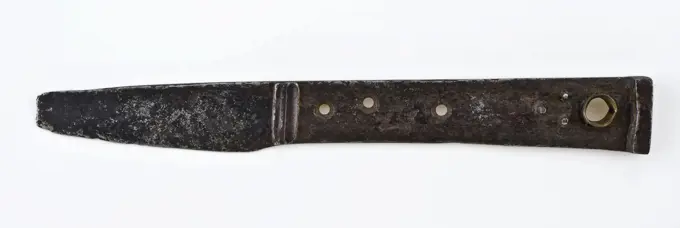
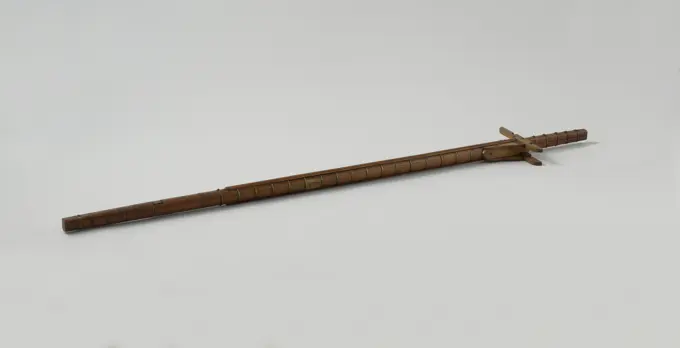
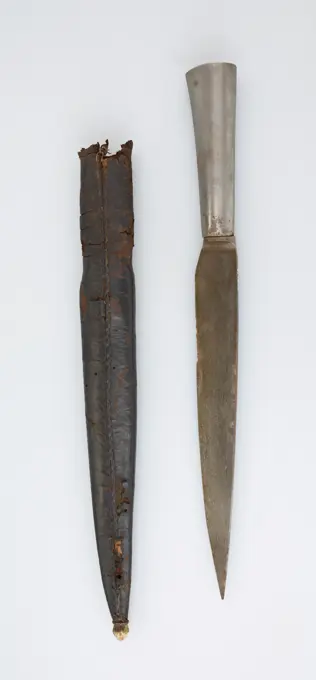
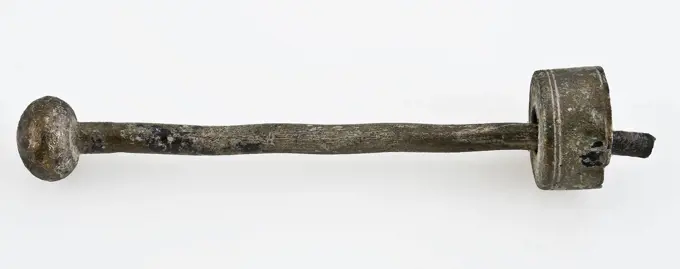
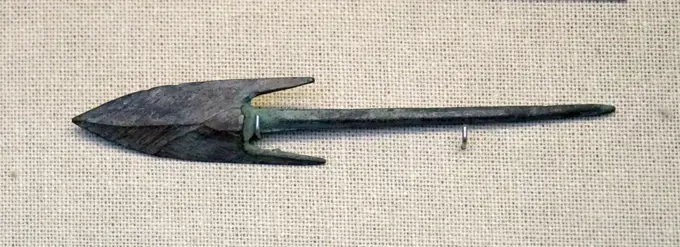
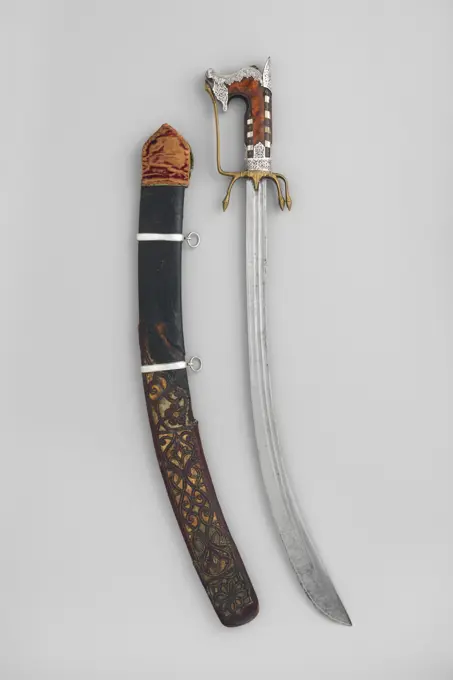
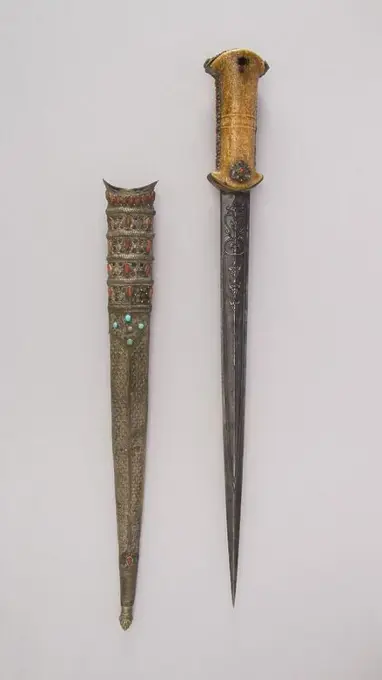
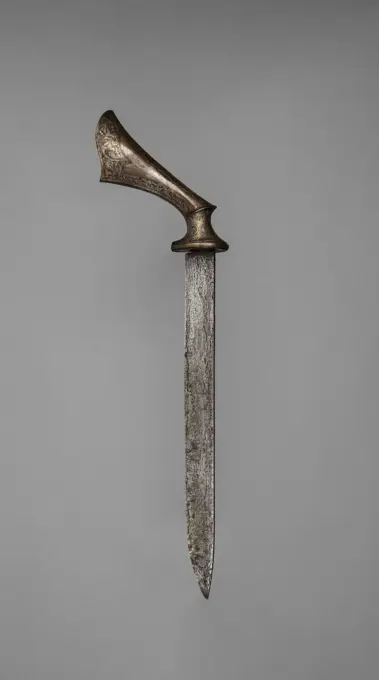
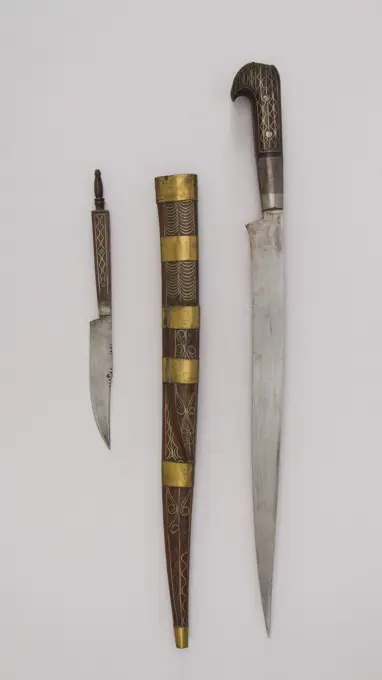
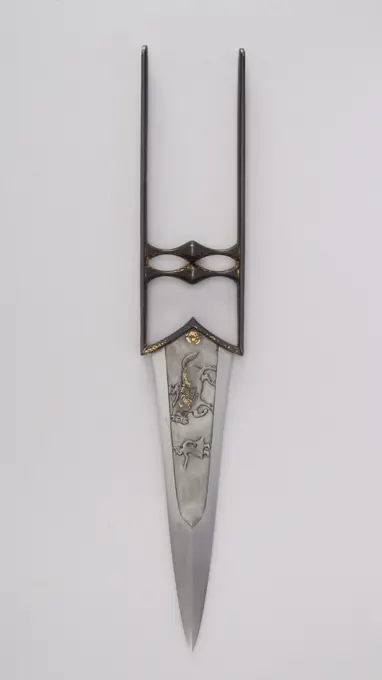
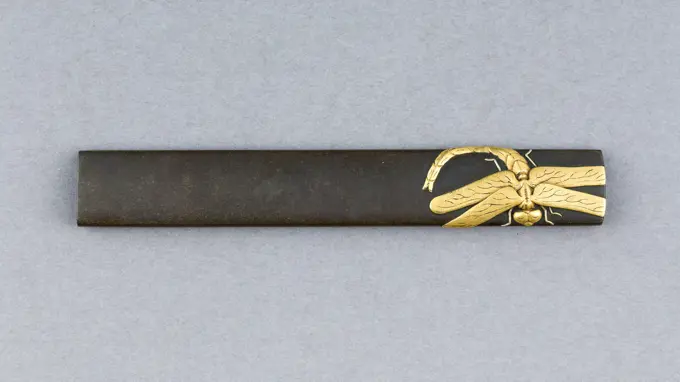
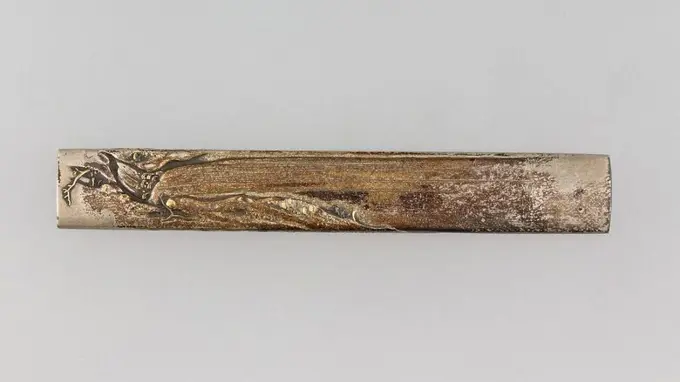
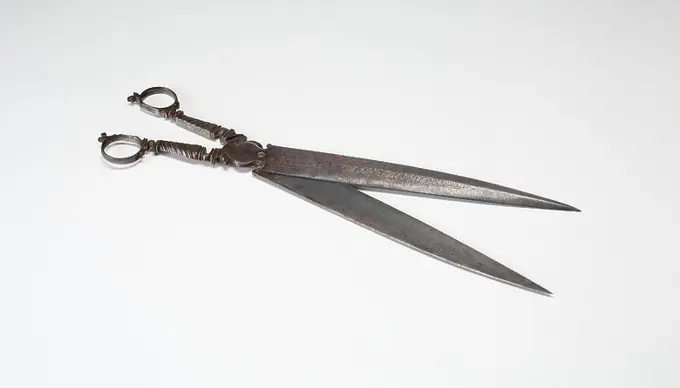
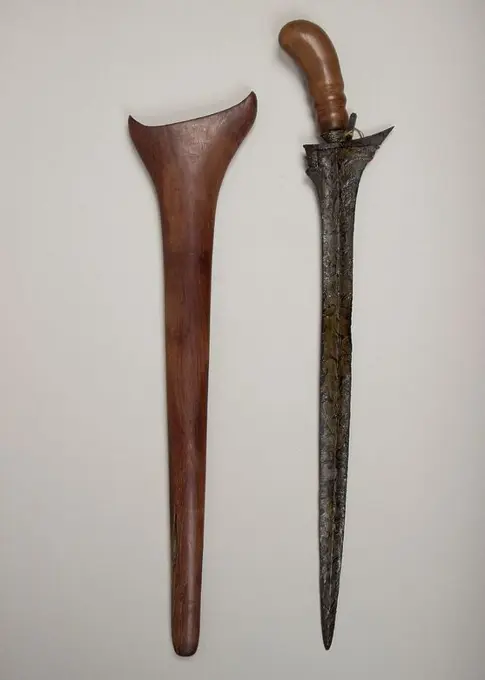
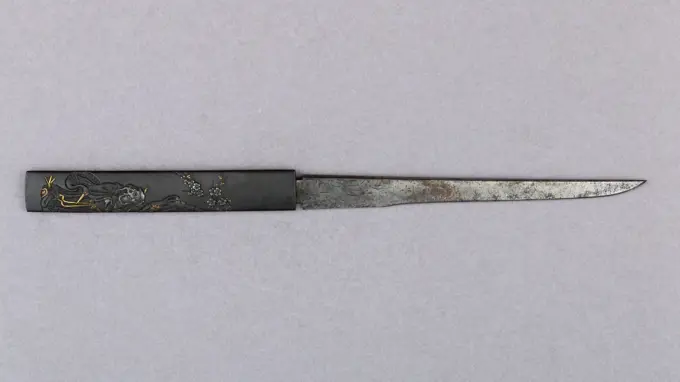
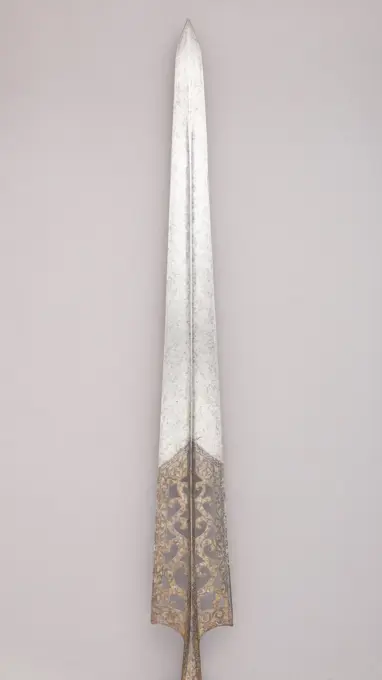
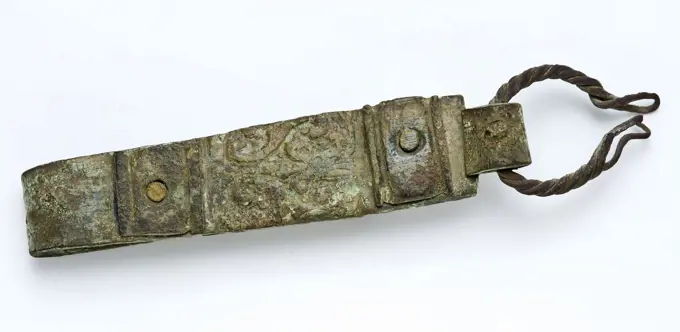
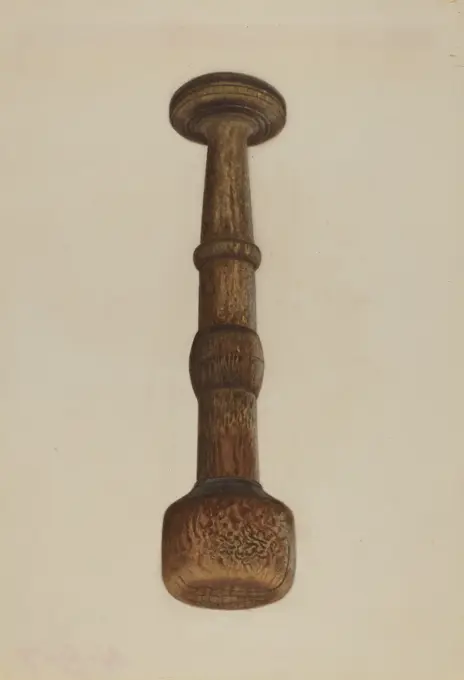
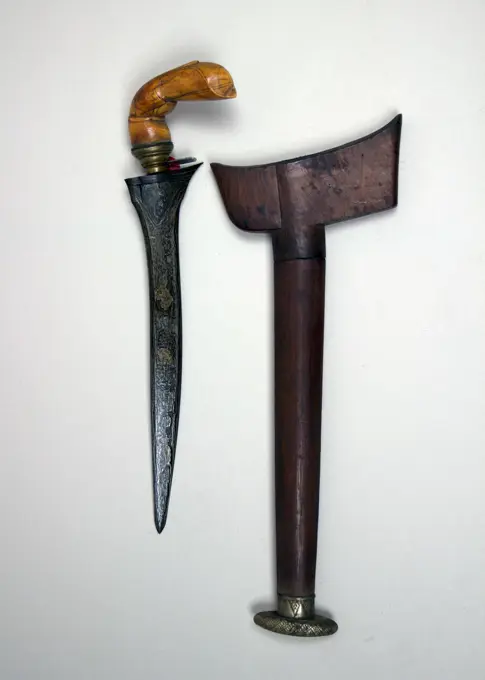
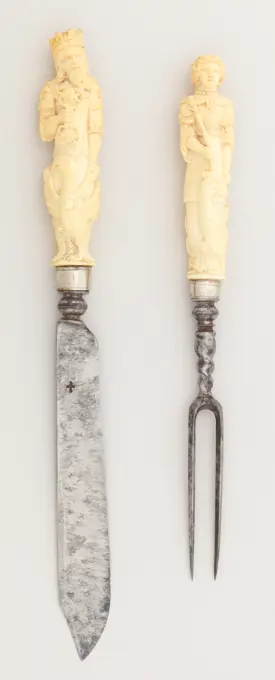
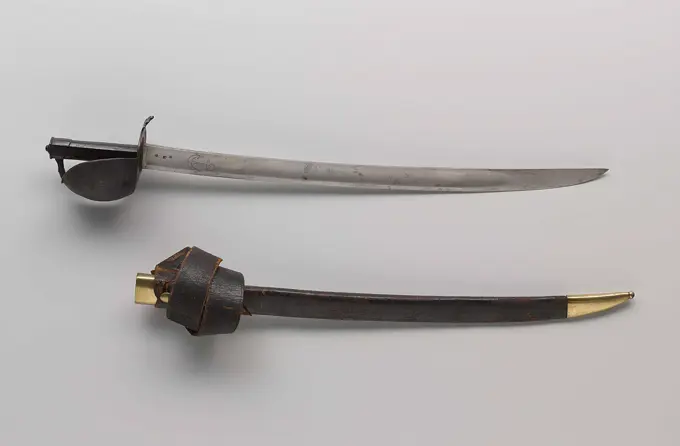
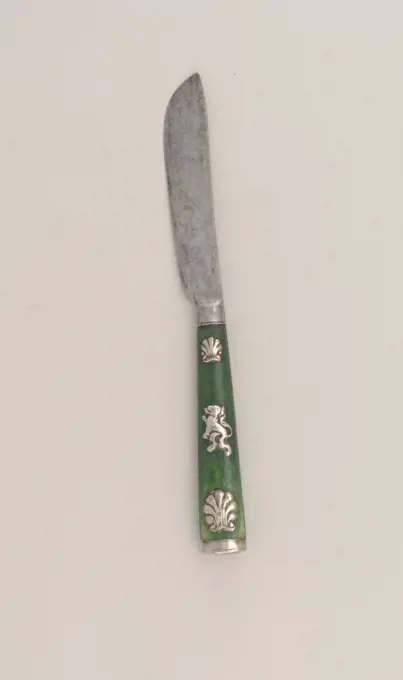
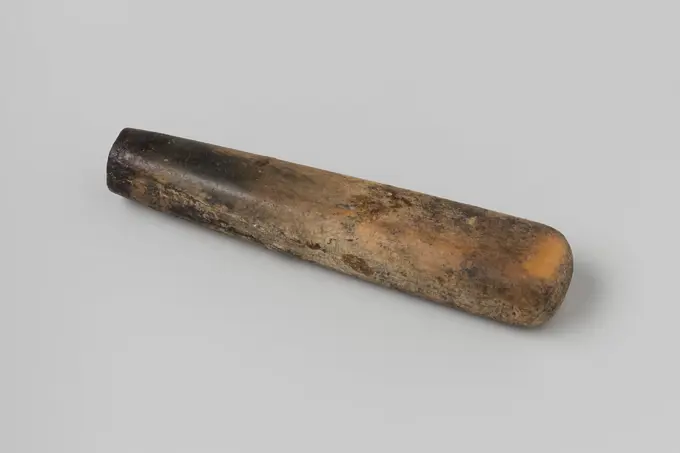
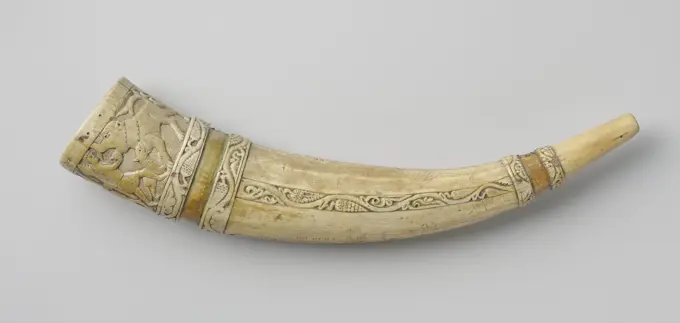
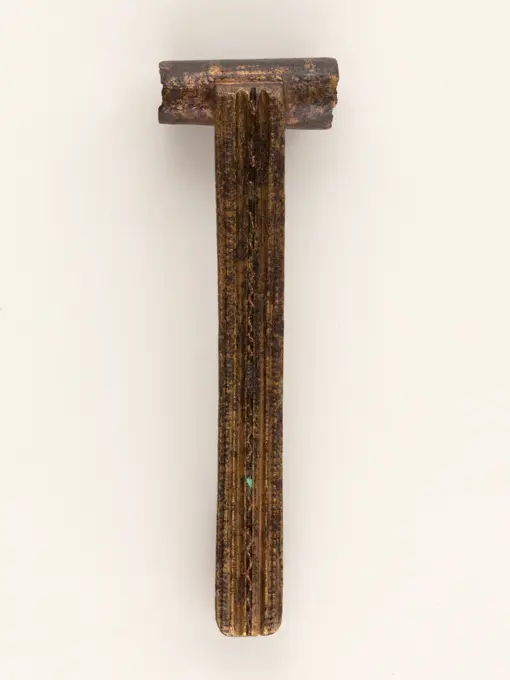
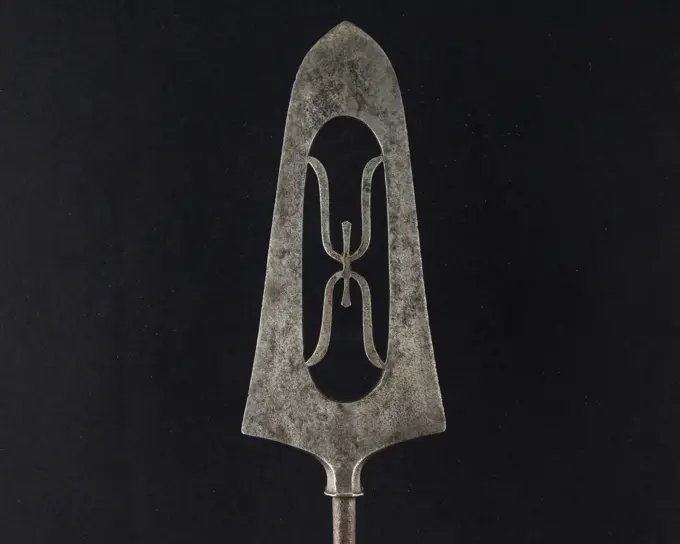
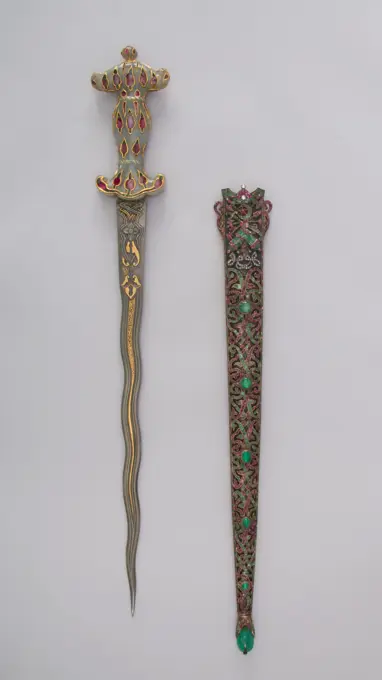
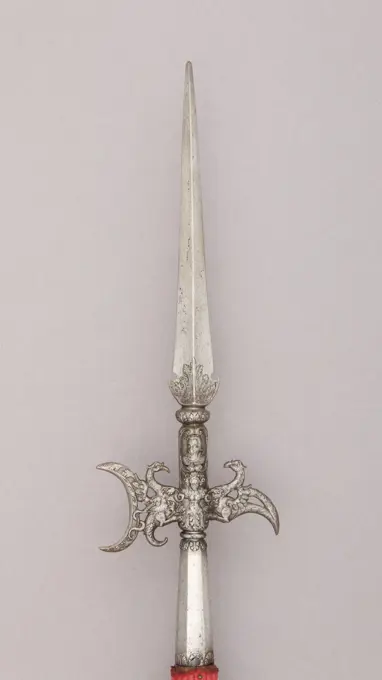
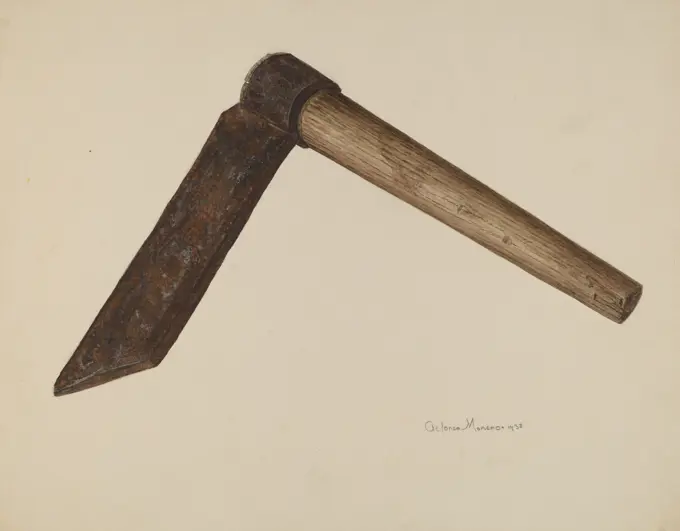
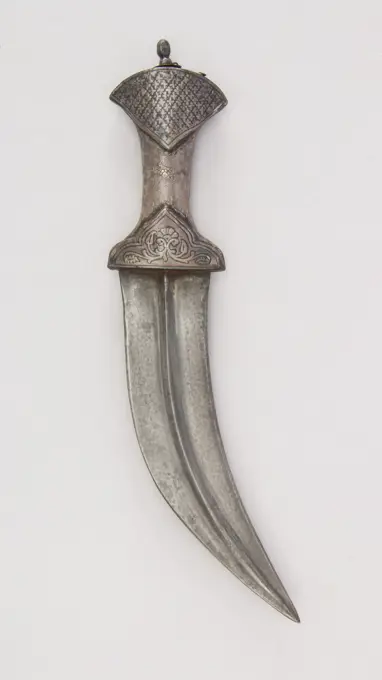
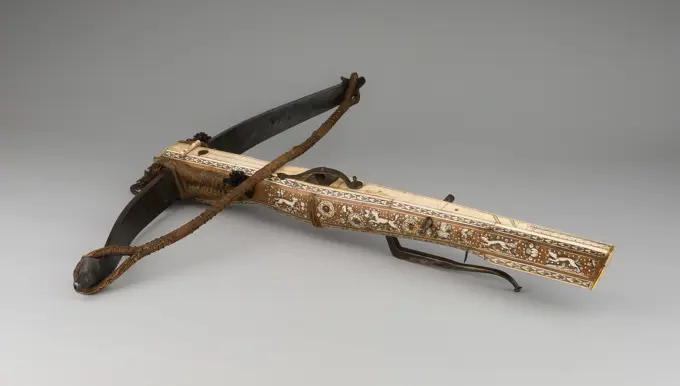
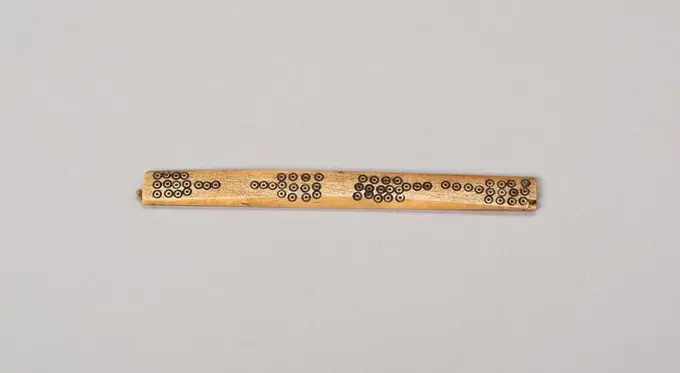
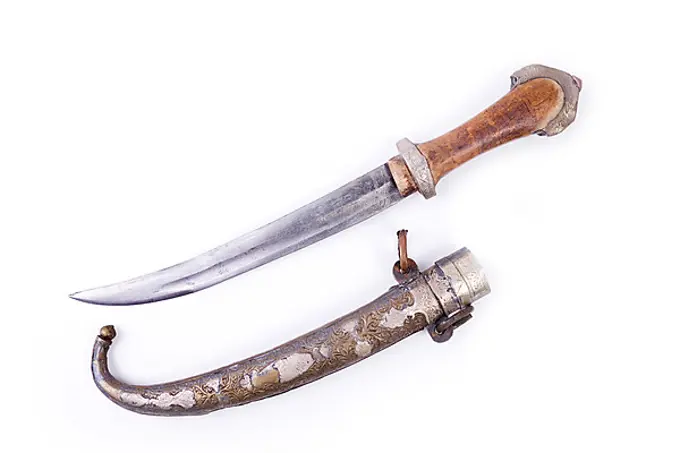
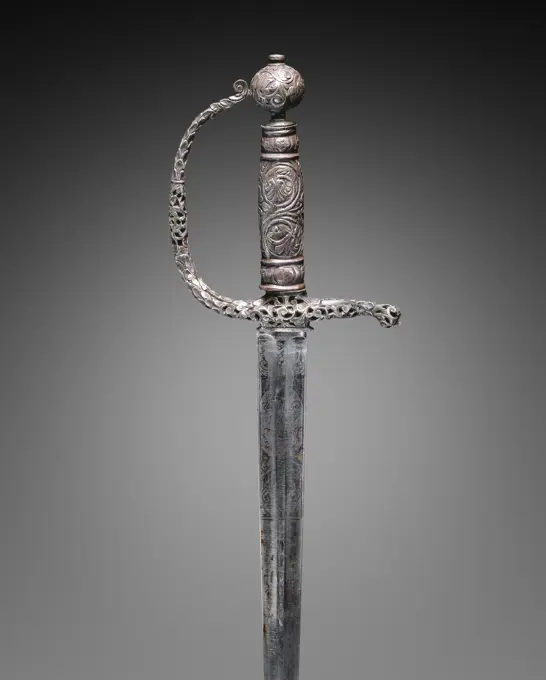
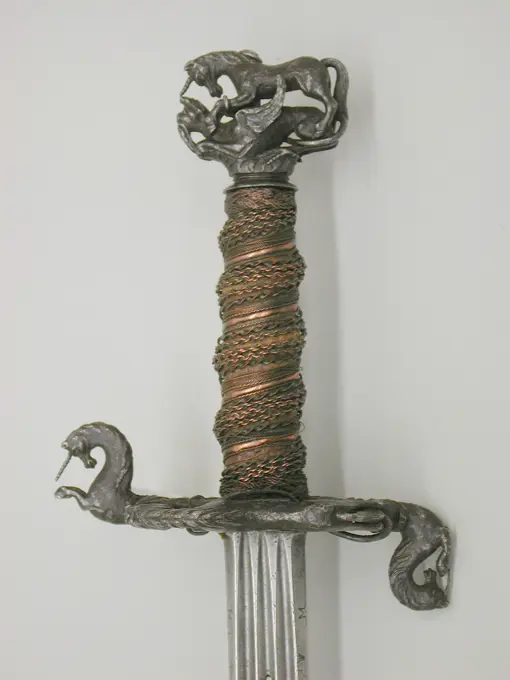
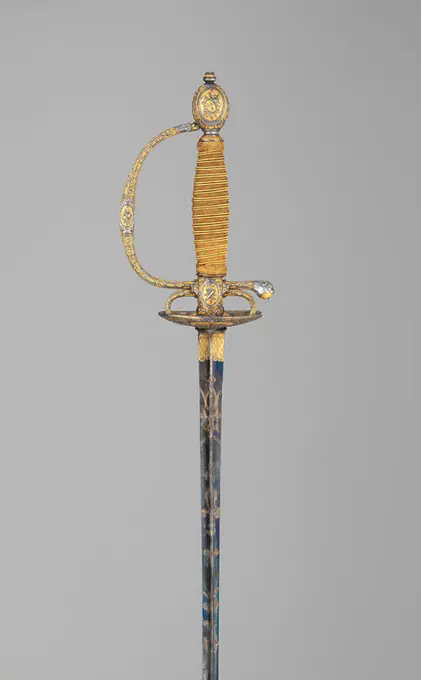
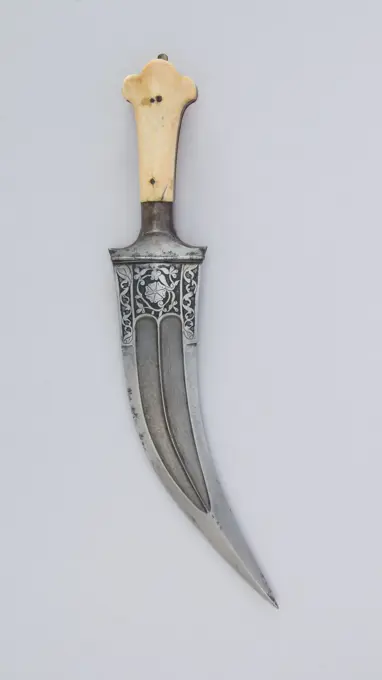
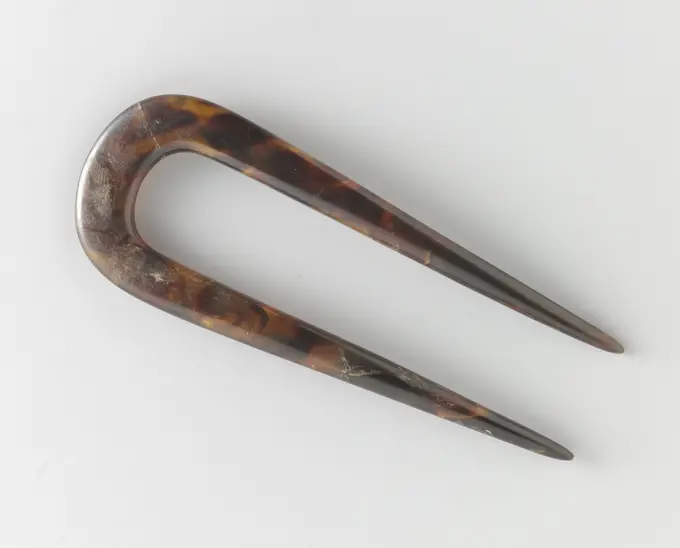
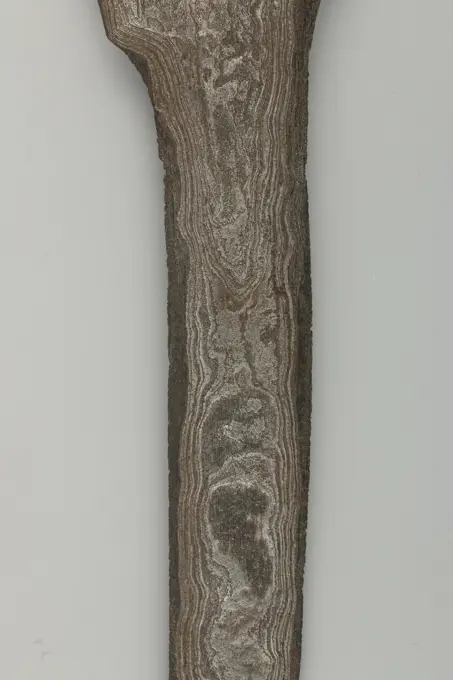
Spear 16th-19th century Javanese. Spear 30781Ballock Knife British 16th century The ballock knife, also sometimes called a kidney dagger, was a very popular form of dagger worn by men throughout northern Europe in the 15th and 16th centuries. It served as an eating utensil, tool, and weapon. View more. Ballock Knife. British. 16th century. Steel, horn. DaggersKnife (Moplah) 18th-19th century Indian, Kodagu (Coorg). Knife (Moplah) 31528Timmermanspasser, anonymous, c. 1590 - c. 1596  Carpenter's passer whose leg hinges in the other leg. The legs are slightly bent close to the hinge.  iron (metal) forging  Nova Zembla. Saving HuysGuts or hollow chisel with sloping sliding cut whose chisel is provided with an edge list. Guts or hollow chisel. Seat chisel with sloping sliding cut, chisel with an edge frame. Wooden handle is missing.Balic crisis, Anonymous, 1500 - 1900 Kris, blade steel, wooden sheath and house, grip ivory. Cross piece is painted. One side with flowers and arabesks, other side with figures. Bali steel (alloy). wood (plant material). ivory. dye Kris, blade steel, wooden sheath and house, grip ivory. Cross piece is painted. One side with flowers and arabesks, other side with figures. Bali steel (alloy). wood (plant material). ivory. dyeSpear 18th-19th century Indian, Sindh. Spear. Indian, Sindh. 18th-19th century. Steel, wood, brass, copper, gold, silver. Shafted WeaponsDagger with Sheath 19th century Philippine, Mandaya. Dagger with Sheath 27834Spear with Sheath 18th-19th century Malayan. Spear with Sheath 30648Kris with Sheath. Culture: Javanese. Dimensions: L. with sheath 19 5/8 in. (49.8 cm); L. without sheath 18 1/8 in. (46 cm); L. of blade 14 3/8 in. (36.5 cm); W. 3 3/4 in. (9.5 cm); Wt. 6.4 oz. (181.4 g); Wt. of sheath 4.8 oz. (136.1 g). Date: 16th-19th century. Museum: Metropolitan Museum of Art, New York, USA.Hinge 1700-1750 American. Hinge 20211Knife, Steel, mother-of-pearl, horn, Leaf-shaped blade with plain bolster and engraved brass ferrule. Mother-of-pearl handle with inlaid bands of horn, ivory and brass in geometrical pattern. Three brass rivets and inlaid finials on the top of leaf-shaped handle., Habaner, Eastern-Central Danube, Austria-Hungary, ca. 1690, cutlery, Decorative Arts, KnifeYeah to fish; Koenigliche Porzellanmanufaktur (Meissen; 1807/14-1918); 19th century (1801-00-00-1901-00-00);Turkey dagger, 19. centuryKris with Sheath. Culture: Javanese. Dimensions: L. with sheath 19 in. (48.3 cm); L. without sheath 17 in. (43.2 cm); L. of blade 12 3/4 in. (32.4 cm); W. 3 in. (7.6 cm); Wt. 7.2 oz. (204.1 g); Wt. of sheath 3.7 oz. (104.9 g). Date: 16th-19th century. Museum: Metropolitan Museum of Art, New York, USA.Dagger. Culture: Indian, Bhil. Dimensions: H. 12 11/16 in. (32.2 cm); W. 2 1/2 in. (6.4 cm); Wt. 3.9 oz. (110.6 g). Date: 18th-19th century. Museum: Metropolitan Museum of Art, New York, USA.Dagger (Pesh-kabz) with Sheath 18th-19th century Indian. Dagger (Pesh-kabz) with Sheath 31453Knife with Sheath 19th century Indian. Knife with Sheath 31571Knife (blade: France); famille-verre porcelain, gilding, steel, silver; L x W: 21 x 2.2 cm (8 1/4 x 7/8 in.); The Robert L. Metzenberg Collection, gift of Eleanor L. Metzenberg; 1985-103-216Table knife 17th century Italian. Table knife. Italian. 17th century. Steel, mother-of-pearl, gilt bronze, paste. Metalwork-SteelDagger with Sheath 18th-19th century hilt, Turkish; blade, French. Dagger with Sheath. hilt, Turkish; blade, French. 18th-19th century. Horn (cervid), steel, silver, wood, gold. Daggerspistiliform sword, bronze age, Evora museum, Evora, Alentejo, Portugal, Europe.Batter, c. 1400 - c. 1950   iron (metal)   iron (metal)PUNTA DE FLECHA DE BRONCE IBERICA PROCEDENTE DE LA RIA DE HUELVA. Location: MUSEO ARQUEOLOGICO NACIONAL-COLECCION. MADRID. SPAIN.Anne B Trepagnier, Pistol Dagger, c 1941 Pistol DaggerSapperssabel, Anonymous, c. 1750 - C. 1900 sabre French Tambour Majoors Sabel (SAOLSSABEL) with the inscription on the shot: N. 8 i.c 7. Copper hilt with eagle cutting and without brackets.  iron (metal). copper (metal)   NetherlandsSmall knife with a scabbardBlade, 19th century, 25 3/4 x 4 x 1 3/4 in. (65.41 x 10.16 x 4.45 cm), Metal, wood, leather, Benin, 19th centuryHunting Knife. Bladesmith: Hans Sumersperger (Austrian, Hall, active 1492-1498). Culture: Austrian, Hall. Dimensions: L. 18 5/8 in. (47.29 cm); W. 2 1/2 in. (6.35 cm). Date: ca. 1500.The grip is inlaid with the coat of arms of Austria in carved mother-of-pearl; the blade bears the mark of Hans Sumersperger, court knifesmith to Emperor Maximilian I (1459-1519). Such knives formed part of a group of implements that were used to prepare freshly killed game, including bear, wild boar, and deer, after a hunt. Museum: Metropolitan Museum of Art, New York, USA.Small knife with a sheathKnife with a Handle with a Crowned Lion, anonymous, c. 1650 - c. 1700 The standing lion holds a shield in front of itself. A glass disc has been applied to this, behind which there is a piece of gold leaf. Northern Netherlands (possibly) boxwood (hardwood). steel (alloy). glass. gold leaf The standing lion holds a shield in front of itself. A glass disc has been applied to this, behind which there is a piece of gold leaf. Northern Netherlands (possibly) boxwood (hardwood). steel (alloy). glass. gold leafBlade of kidney dagger with double-edged blade, kidney dagger dagger knife stab weapon weapon fragment soil finding iron metal, forged Kling The blade is double-edged and diamond-shaped in cross-section. From the heel on the first part facetted evenly with flat flanks. Kling suitable for general carving archeology cave hunter kloot dagger kliodolk ballad decoration status symbol personal equipment defense clothing accessory militariaInfantriesabel van J.E. Sacré, Anonymous, 1825 - 1830 sabre Saber with copper hilt. Coming from J.E. Sacré, Wachtmeester Korps Marchausee. Ger Hof: Infantry label No. 1, without sheath. West-Europa Kling: Iron (Metal). hilt: Copper (Metal)   NetherlandsBlade with baffles and plate gong with hood and copper ring, knife cutlery soil find iron brass metal blade, hand forged archeology underground pit Rotterdam City Triangle Groenendaal cutting food preparation kitchen Soil discovery: underground pit Groenendaal from 15th and 16th century cesspool.Model of a Main Topgallant Mast, anonymous, c. 1850 demonstration model Model of a large bramsteng. Round bramsteng made of a piece, ending in a flagpan, with a square heel with slot wood hole, a disc at the heel, one in the octagonal bummer and one in the top. Netherlands wood (plant material). brass (alloy)Small knife with a scabbardFruit knife, F. Nicoud, French, active 1890, Engraved and gilded silver, carved mother-of-pearl, Blade shows an engraved and gilded scene of fox and bird., ca. 1890, cutlery, Decorative Arts, Fruit knifePiston of kliste syringe With end cap and knob on end, spray component soil find tin metal w 12.0, Rod with knob at the end and profiled edge at the other end to the rod stopper cap Possible piston of syringe enema syringe archeology Rotterdam rail tunnel medical act doctor purging klisteren Soil discovery: trajectory Rotterdam rail tunnel.Arrowhead ca. 480-330 B.C. Greek, Cypriot. Arrowhead 244220Bronze arrow-head from ancient Greece. Dated 4th Century BCNimcha (Saber) with Scabbard hilt and scabbard, late 17th or early 18th century; blade 16th or 17th century hilt and scabbard, Algerian; blade, European This distinctly North African sword, or nimcha, probably dates from around the battle of Oran (1732), when that city, a haven for Turkish pirates, was besieged by the Spanish. The openwork leather scabbard shows Ottoman influence.. Nimcha (Saber) with Scabbard. hilt and scabbard, Algerian; blade, European. hilt and scabbard, late 17th or early 18th century; blade 16th or 17th century. Steel, silver, copper, wood, tortoiseshell, horn, mother-of-pearl, leather, textile. SwordsDagger with Sheath. Culture: Turkish; blade, Italian. Dimensions: L. with sheath 20 3/4 in. (60.3 cm); L. without sheath 19 3/4 in. (50.2 cm); W. 2 3/8 in. (6 cm); Wt. 15.1 oz. (428.1 g); Wt. of sheath 8.8 oz. (249.5 g). Date: 19th century. Museum: Metropolitan Museum of Art, New York, USA.Dagger (Pesh-kabz) with Sheath late 18th-early 19th century Indian, Mughal Daggers of this type, called pesh-kabz in Persian, have a straight or curved single-edged blade of T-shaped cross-section that tapers to an acute point. They were used in Iran and northern India in the eighteenth and nineteenth centuries. This Indian example is distinctive for its jeweled nephrite jade hilt and delicately pierced scabbard mounts.. Dagger (Pesh-kabz) with Sheath. Indian, Mughal. late 18th-early 19th century. Jade, steel, silver, wood, velvet, ruby, gold. DaggersKnife, 1500s-1800s. Sumatra. overall: 39.5 cm (15 9/16 in.); blade: 27.7 cm (10 7/8 in.).Knife, ivory, steel, silver, Scimitar-shaped blade, curved cutting edge upturned tip. Baluster neck, silver ferrule with engraved border. Ivory handle carved in deep relief with entwined hunting dogs and prey: stag, boar, rabbit. Button cap at end of handle., Southern Germany, late 17th-early 18th century, cutlery, Decorative Arts, KnifeSword (Kris), Before 1918. Philippines. overall: 61 cm (24 in.); blade: 49 cm (19 5/16 in.).Knife with Sheath and Small Knife 19th century Algerian, Kabyle. Knife with Sheath and Small Knife 31764Dagger (Katar) 18th century Indian. Dagger (Katar) 31500Lance head and lance haft butt cap, with diaper decor, 4th century BCE, 11 3/16 × 2 1/8 × 1 5/16 in., 0.7 lb. (28.42 × 5.4 × 3.33 cm, 0.3 kg) (a)1 1/8 × 1 1/16 in. (2.86 × 2.7 cm) (object part, opening-a), Bronze, China, 4th century BCEKnife Handle (Kozuka) ca. 1615-1868 Japanese A kozuka is a handle of a by-knife that is part of a sword mounting. It is kept in a slot on the reverse of a katana scabbard, often with a matching kōgai (hairdressing tool).. Knife Handle (Kozuka) 34675Knife Handle (Kozuka). Culture: Japanese. Dimensions: L. 3 13/16 in. (9.7 cm); W. 9/16 in. (1.4 cm); thickness 3/16 in. (0.5 cm); Wt. 1.2 oz. (34 g). Date: 18th century. Museum: Metropolitan Museum of Art, New York, USA.Knife Handle (Kozuka) with Blade Depicting Maples, Arabesques, and Patterns () Japanese probably 18th-19th century The entire obverse and the edges of the kozuka are decorated with a gold inlay (nunome-zgan) of maples (using gold of different qualities/hues) with arabesques which are embedded into a linear design, with the butt end of the handle being interpreted in the form of a kojiri (butt cap) of a sword scabbard.Kaga province was home to a group of sword fitting makers which focused on decorating iron with a flush inlay, mostly gold. This group, which consisted of several local lineages plus certain Got masters working in Kaga in that very style, and their works are referred to as Kaga-zgan (lit. "Kaga inlay"). The Tanba no Kami Yoshimichi lineage was founded at the very beginning of the 17th century in Kyto and flourished for nine generations until the end of the Edo period. By the middle of the 17th century, the lineage branched out into an saka-based branch which Blade with short blade and metal handle with round cross section, knife cutlery soil find tin metal w 12.0, archeologyKnife, steel, bone, brass, wood, Elongated blade with straight cutting edge, upper edge tapering downward to the point, engraved with profile scrolled pattern on both sides; at bolster coverse with eagle, reverse with fleur-de-lis. Handle similar to 1985-103-39., England, Italy, ca. 1600, cutlery, Decorative Arts, KnifeShears. Spain. Date: 1734. Dimensions: L. 30.5 cm (12 in.). Steel. Origin: Spain. Museum: The Chicago Art Institute, Chicago, USA.Kris with Sheath. Culture: Javanese. Dimensions: L. with sheath 23 in. (58.4 cm); L. without sheath 22 1/8 in. (56.2 cm); L. of blade 18 1/2 in. (47 cm); W. 4 in. (10.2 cm); Wt. 14.2 oz. (402.6g); Wt. of sheath 5.2 oz. (147.4 g). Date: 16th-19th century. Museum: Metropolitan Museum of Art, New York, USA.Knife Handle (Kozuka) with Blade ca. 1615-1868 Japanese A kozuka is a handle of a by-knife that is part of a sword mounting. It is kept in a slot on the reverse of a katana scabbard, often with a matching kōgai (hairdressing tool).. Knife Handle (Kozuka) with Blade 25800Hungarian buzdyganGuisarme. Culture: Italian. Dimensions: L. 97 1/2 in. (246.7 cm); L. of head 29 3/4 in. (75.6 cm); W. 6 11/16 in. (17 cm); Wt. 5 lbs. 9.9 oz. (2548.6 g). Date: ca. 1525. Museum: Metropolitan Museum of Art, New York, USA.Partisan late 16th century Italian. Partisan 34291Canoe CarvingToolBelt hanger or belt hook with long folded lip, two riveted friezes, belt accessory soil find brass bronze metal, eye) 6,7 cast sound riveted engraved Oblong and decorated plate with hook and loose eye of twisted copper wire Long bent back lip. Two riveted friezes between which driven engraved decoration archaeology Rotterdam wear rail tunnel clothes carry hangs with them Soil discovery: rail tunnel route.Luther D Wenrich, Potato Masher, c 1940 Potato MasherSheath for fork and knife, fruitwood, silver, Carved wooden sheath for two implements. The body of the sheath divided in four vertical parts. Front has six carved biblical scenes, at the bottom an angel holding a shield. On the back six scenes of men feasting, drinking, etc. On the two sides, six apostles with their emblems, 'WGW' carved on one side, '1589' on the reverse., Plain rectangular silver cap with rounded sides, slides on to sheath (1985-103-42-a). Replaced?, Netherlands, 1589, cutlery, Decorative Arts, Sheath for fork and knifeYamada Koto 19th century Japanese. Yamada Koto 500669Table fork ca. 1815 possibly Swiss. Table fork. possibly Swiss. ca. 1815. Steel, silver, buckshorn. Metalwork-SteelKnife; steel, bone, brass, wood; L x W: 23.4 x 1.8 cm (9 3/16 x 11/16 in.); The Robert L. Metzenberg Collection, gift of Eleanor L. Metzenberg; 1985-103-40Kris with Sheath 18th-19th century Indonesian, Sumbawa Island. Kris with Sheath 31245Knife (possibly Germany), ca. 1600-1700; ivory, silver, steel; L x W: 22.2 x 2.3 cm (8 3/4 x 7/8 in.); The Robert L. Metzenberg Collection, gift of Eleanor L. Metzenberg; 1985-103-176-bCase (possibly France); wood, leather, silver; L x W: 20 x 4.7 cm (7 7/8 x 1 7/8 in.); The Robert L. Metzenberg Collection, gift of Eleanor L. Metzenberg; 1985-103-268Dagger (Jambiya) with Sheath and Carrier 18th century Indian, Mughal. Dagger (Jambiya) with Sheath and Carrier 31570Boarding pendant in scabbard. Marinesabel No. 1 in sheath with carrying strap. Curved blade with wide blood stuff, iron hilt with a bowl. Hilt and bracket are black. On both sides, rough an anchor is engraved on the blade. The sheath has a brass understrap and top tire with carrying knob for carrying strap, which is broken.Kris with Sheath 18th-19th century Indonesian, Sumbawa. Kris with Sheath 31257Knife, green-stained ivory, silver, steel, Blade has straight upper edge, lower edge tapering towards the point, rounded bolster. Ivory handle, painted green. Three silver appliques on each side of the handle in the form of a lion an two scallops. Silver mount on top of handle has floral decoration., Germany, 1730-50, cutlery, Decorative Arts, KnifeCranequin (Winder) for a Crossbow Made 1570-1580 Nuremberg. Steel, iron with gilding, wood, and cord .Przeszo Przyszoci unknownNail 15th-16th century European. Nail. European. 15th-16th century. Iron. Metalwork-IronSword-Shaped Lime Spatula 500 B.C.-A.D. 300 Indonesia (Java, Lumajang, Pasiran). Sword-Shaped Lime Spatula. Indonesia (Java, Lumajang, Pasiran). 500 B.C.-A.D. 300. Bronze. Bronze and Iron Age period. MetalworkInscribedContainerMessenheft from v.O.c.-ship the 'white lion'. Messenheft from v.O.c.-ship the 'white lion'. Fell apart in two parts.Kris with Sheath 16th-19th century Javanese. Kris with Sheath 31385Hunting horn, anonymous, c. 1000 - c. 1099 Two pairs of cross -running tires in relief each lock a narrow, smooth section for a metal strap to attach a carrying strap. These tires are decorated with stylized, flared leaf vines with fruits; This motif repeats itself four times at the same distance between the inner cross tires in the longitudinal direction of the horn. At the wide end in low relief: a hunting scene, consisting of a man who loves a monster from him, assumed by a dog that bites the animal in the chest. Behind the animal a tree with a lying monster that turns its head, and whose mouth is kept open by a man. Then a horizontal animal with reversed head and an open mouth; Behind it a standing lion and a tree. One man wears a tunic, the other also one of the shoulder waving cloak, most animals have a band around the neck. Southern Italy ivory cutting  Maria Church Two pairs of cross -running tires in relief each lock a narrow, smooth section for a metal strap to attach a carryFibula. Copper alloy. Gallo-Roman, High Empire. Paris, Carnavalet museum. 51472-15 Staple, copper alloy, attachment, Gallo-Roman time, fibula, Roman Gallo, High EmpireArrowhead (Yanone) 18th century Japanese Although today Japanese warriors are renowned most for their swordsmanship, archery, especially from horseback, has been an essential part of samurai warfare and culture for centuries. Arrows were fitted with heads of varying shape according to their intended use in war, the hunt, or target practice. Arrowheads made for use on the battlefield incorporated different designs intended for specialized purposes such as the piercing of armor or to cause maximum damage to horses and unarmored personnel.Large arrowheads, pierced and elaborately chiseled with landscapes, birds, flowers, dragons, and Buddhist divinities, were created to be admired for the beauty of their metalwork and design rather than for use in archery. Such highly elaborate examples may have been made for presentation or as a votive offerings to a shrine.. Arrowhead (Yanone). Japanese. 18th century. Steel. Archery Equipment-ArrowheadsDagger with Sheath 19th century Turkish This dagger belongs to a large group of flamboyant gem-studded weapons that were probably made in Istanbul in the waning years of the Ottoman Empire. Their traditional shapes and luxurious materials were intended to evoke romantic notions of the exotic orient, Arabian Nights, or perhaps the sultans treasury. As most of these weapons are found today in American and European collections rather than in Turkish museums, they may have been made exclusively for Western tourists.. Dagger with Sheath. Turkish. 19th century. Steel, jade, gold, emerald, diamond, ruby. DaggersShort pin unknownHalberd 17th century Italian, possibly Brescia. Halberd 27042Alfonso Moreno, Shingle Knife, 1938 Shingle KnifeDagger (Katar) with Sheath 17th-18th century Indian, Mughal. Dagger (Katar) with Sheath 31865Dagger (Jambiya) 19th century Indian. Dagger (Jambiya) 31455Sporting Crossbow 1625-1650 Germany. Steel, wood, iron, horn, cord, and fiber weave .Balance-Beam Scale with Incised Circles in Paddle-like Design. Possibly Nazca; South coast, Peru. Date: 1000-1470. Dimensions: 11 x 16.4 cm (4 5/16 x 7/16 in.). Bone. Origin: Peru. Museum: The Chicago Art Institute, Chicago, USA.Morocco dagger, 19. centurySmall Sword, c. 1650. England, 17th century. Steel, pierced, chiseled, and engraved; overall: 93.5 cm (36 13/16 in.); blade: 79.7 cm (31 3/8 in.); grip: 11.8 cm (4 5/8 in.); guard: 12 cm (4 3/4 in.).Fragment belki nadokiennej. warsztat nubijski, workshopSmallsword ca. 1650 Dutch By the early seventeenth century, the rapier, a long slender thrusting sword, began to dominate as the gentlemans weapon of choice. During the course of the century, however, as civilian fencing techniques became more specialized and refined, the rapier developed into a lighter, trimmed-down weapon known by about 1700 as the smallsword. Smallswords, often richly decorated, remained an integral part of a gentlemans wardrobe until the wearing of swords in civilian settings went out of fashion at the end of the eighteenth century, at which time pistols were replacing swords as arms most frequently used in personal duels. The majority of smallsword hilts are made of silver or steel, but many also employ a wide variety of luxurious materials, such as gold, porcelain, and enamel. At their best, smallswords combine the crafts of swordsmith, cutler, and jeweler to create an elegant weapon that was also a wearable work of art.. Smallsword. Dutch. ca. 1650. Steel, copSmallsword. Culture: French. Dimensions: L. 35 1/4 in. (89.5 cm); L. of blade 29 7/16 in. (74.8 cm); W. 3 1/2 in. (8.9 cm); D. 2 3/4 in. (7 cm); Wt. 10 oz. (283.5 g). Date: 1780. Museum: Metropolitan Museum of Art, New York, USA.Dagger (Jambiya) 18th-19th century Indian. Dagger (Jambiya) 31690Hair comb made of turtle, U-shaped with smooth, rounded back, anonymous, c. 1885 - c. 1900 Hair comb made of turtle, U-shaped with smooth, rounded back. Netherlands (possibly) horn (animal material) filing / polishing Hair comb made of turtle, U-shaped with smooth, rounded back. Netherlands (possibly) horn (animal material) filing / polishingKris 16th-19th century Javanese. Kris. Javanese. 16th-19th century. Steel, gold, diamonds. Java. Krisses