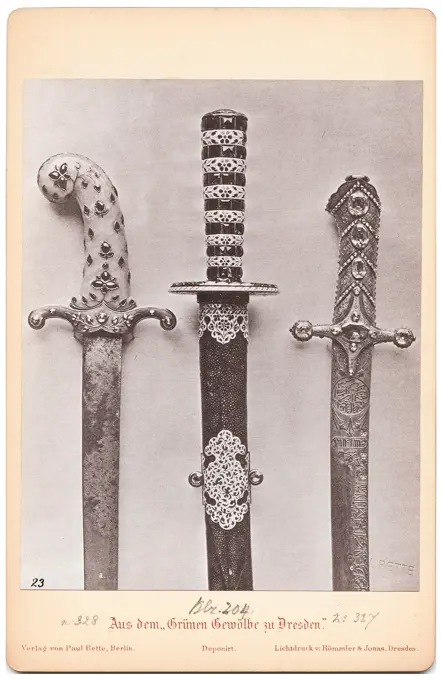
Historical Bladed Weapons

A collection of antique weapons including knives and poleaxes, showcasing intricate designs from different cultures and centuries, displayed against neutral backgrounds.

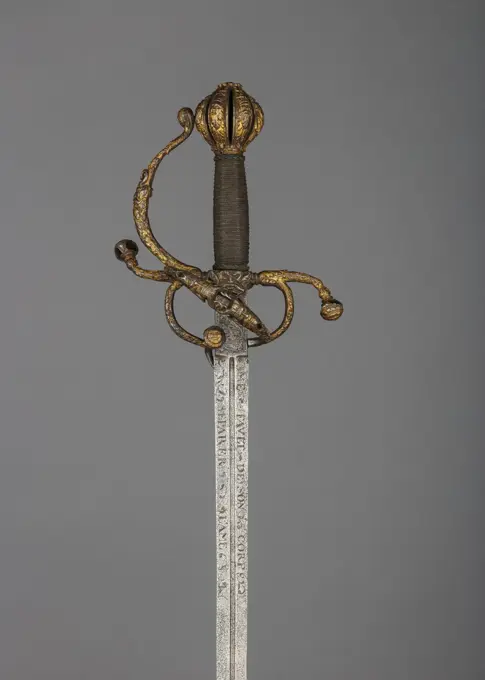
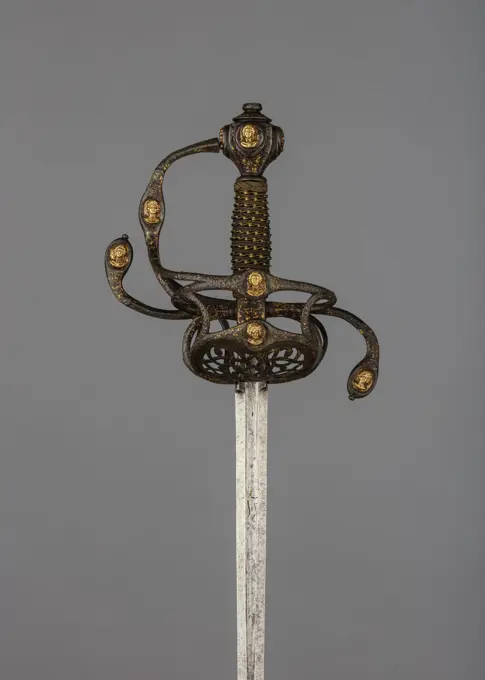
Sword - Type d'arme utilisée par les mousquetaires.
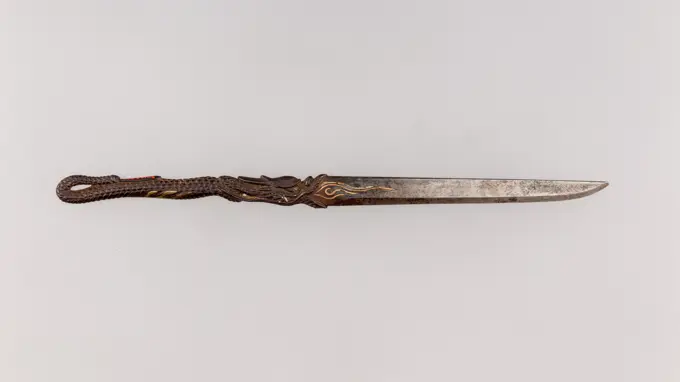
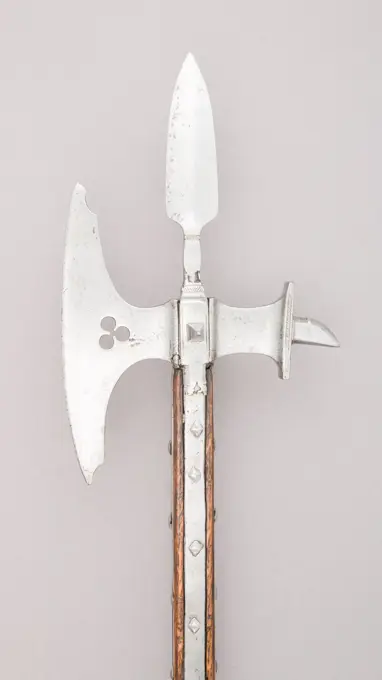
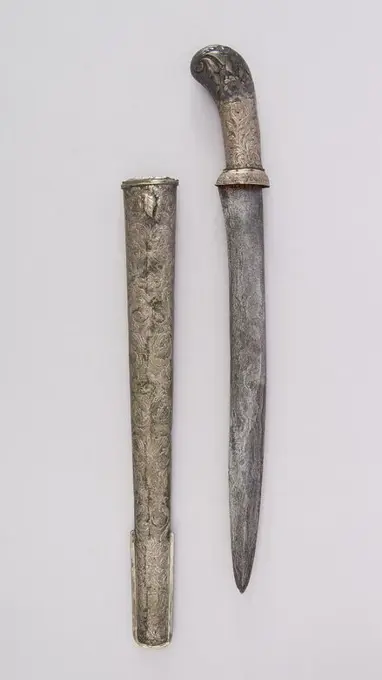
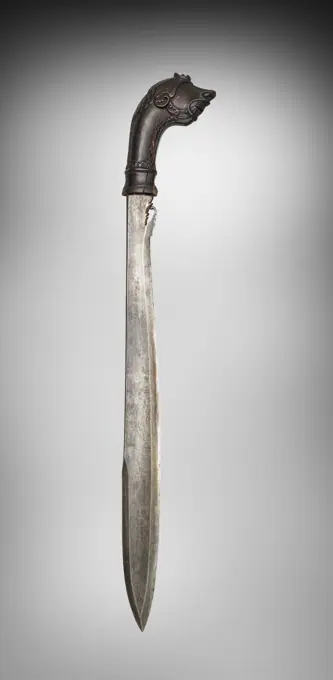
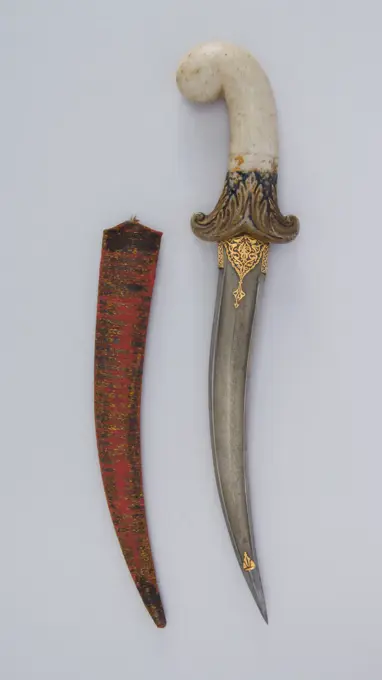
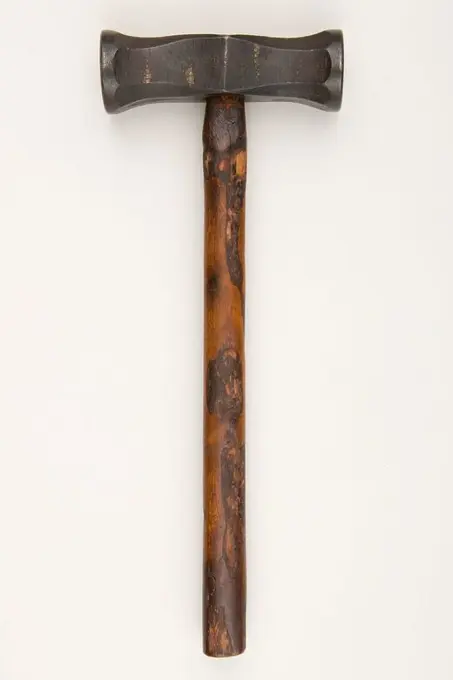
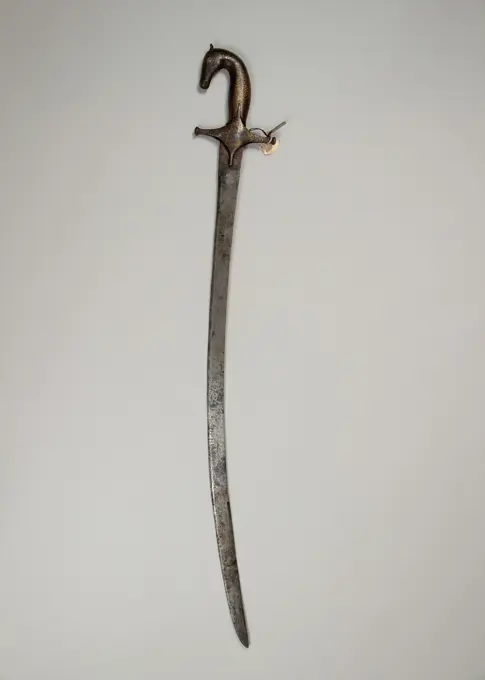
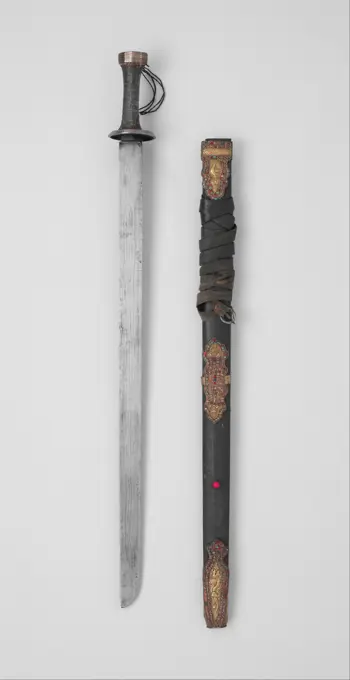
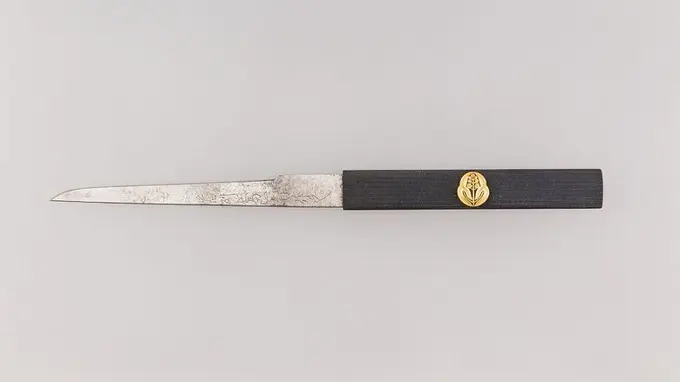
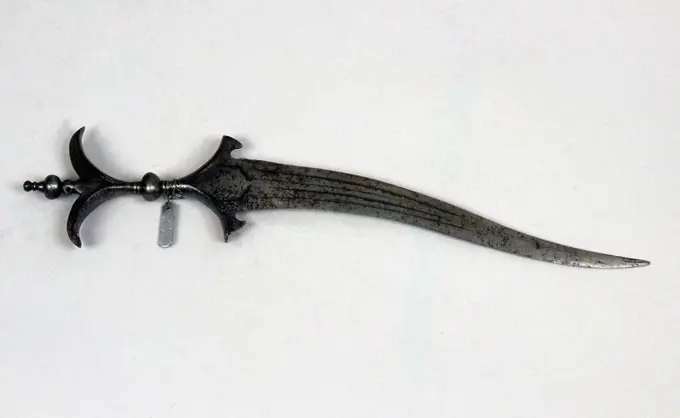
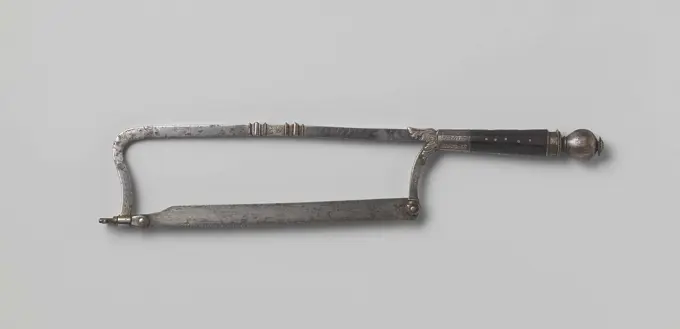
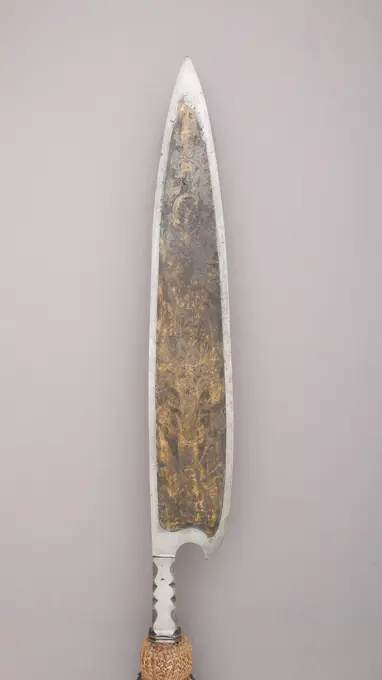
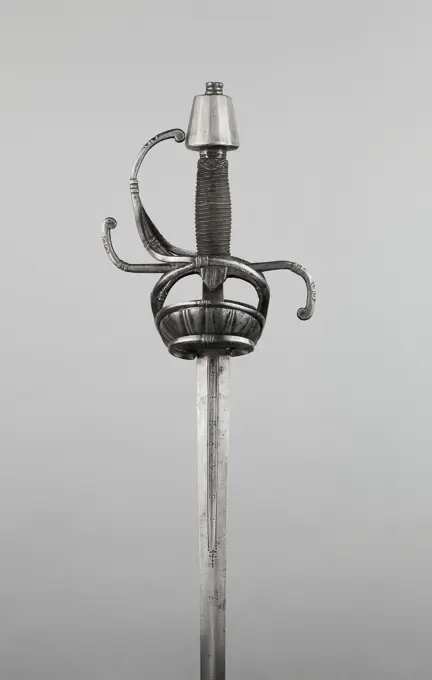
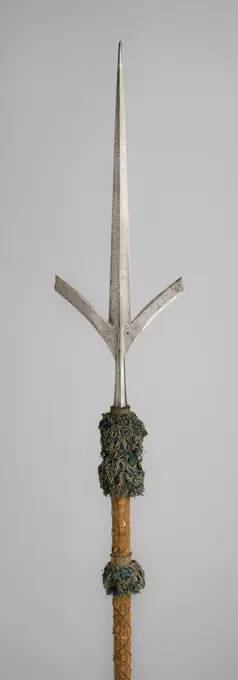
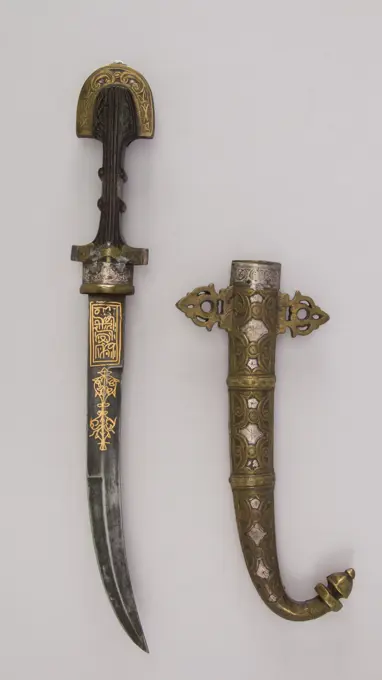
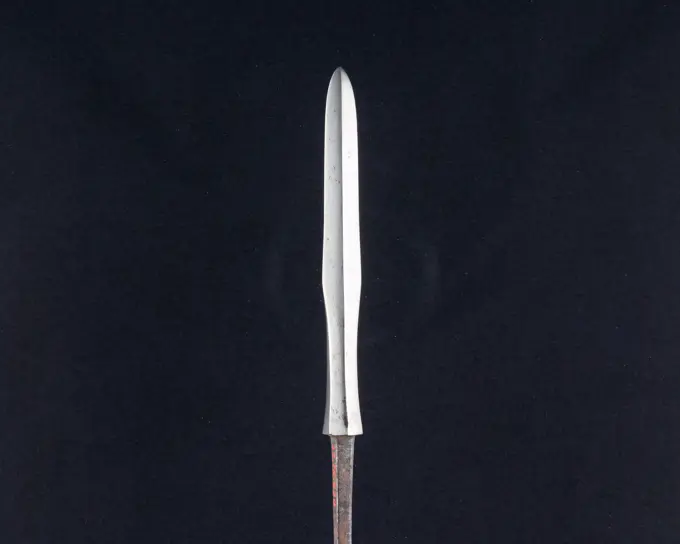
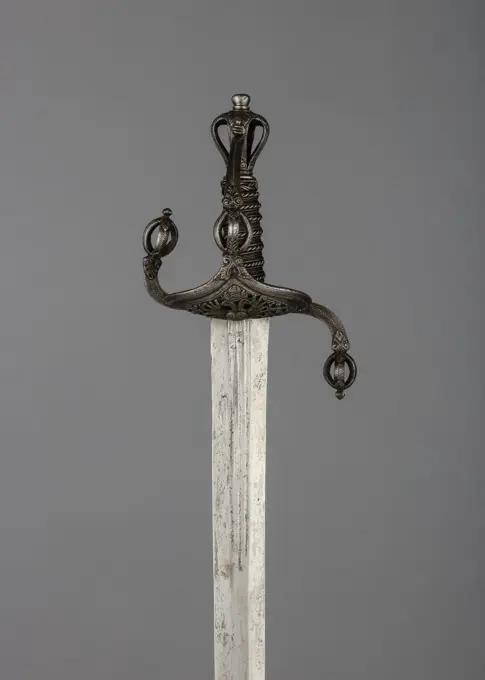
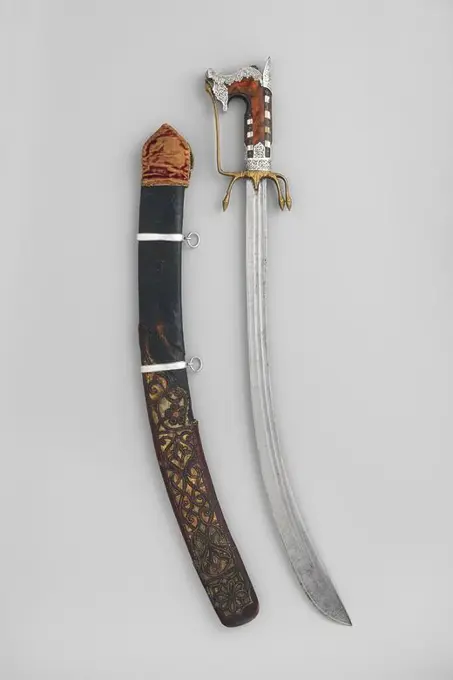
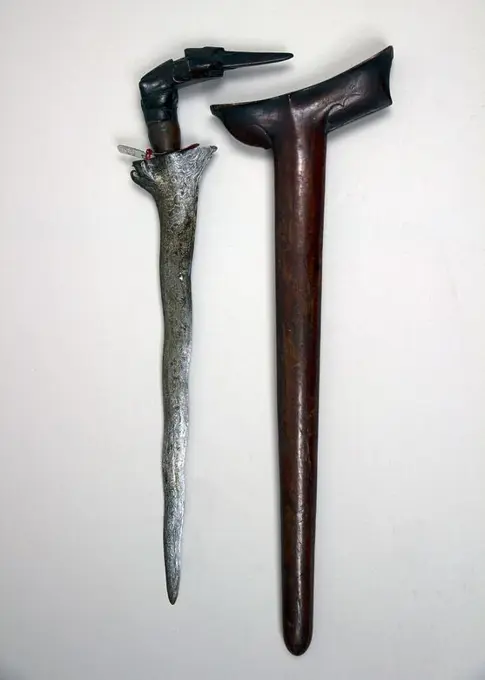
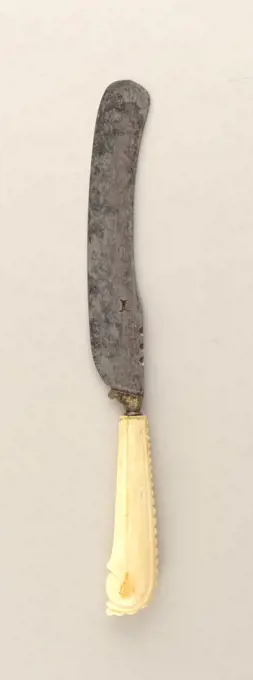
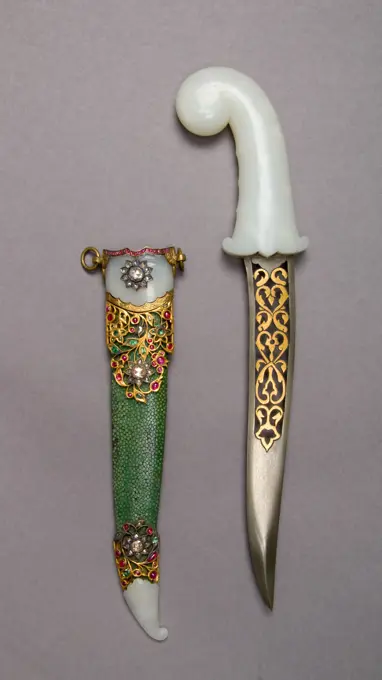
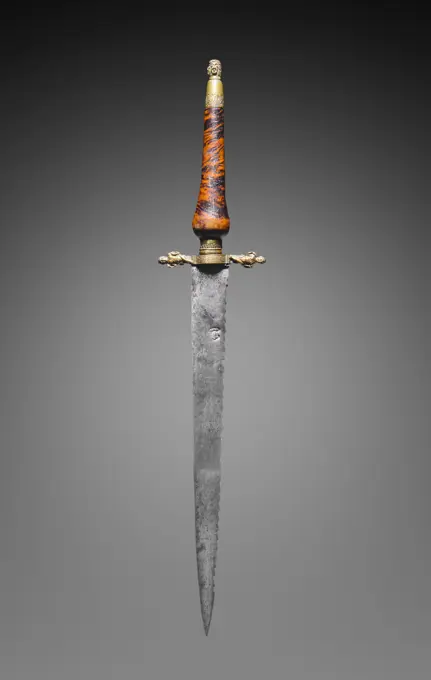
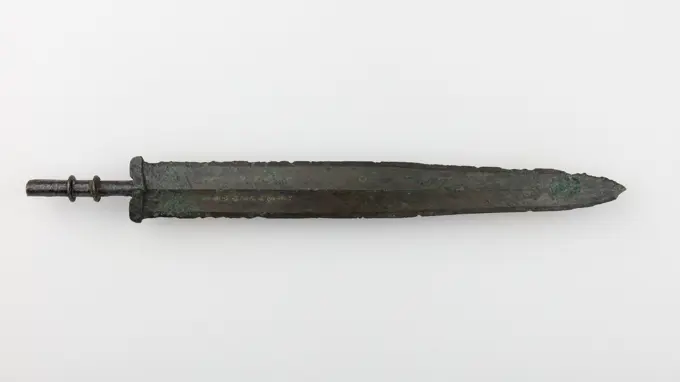
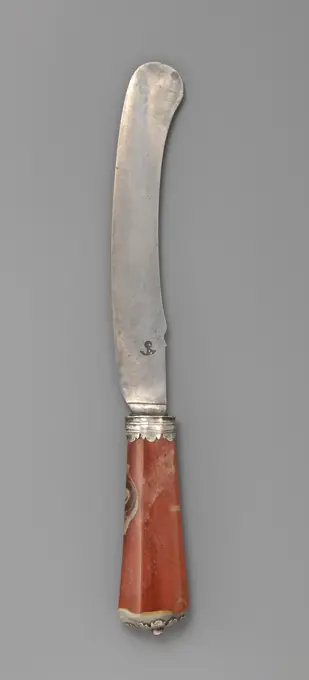
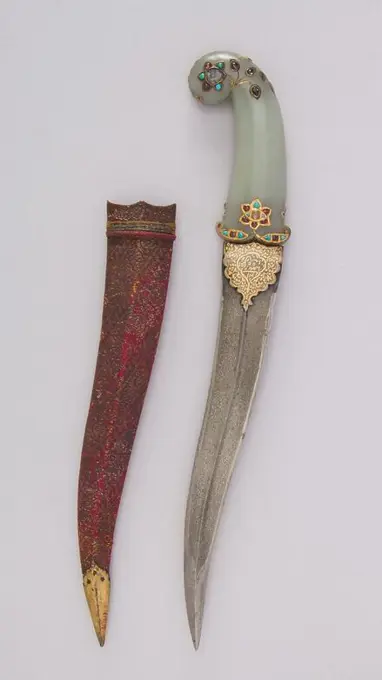
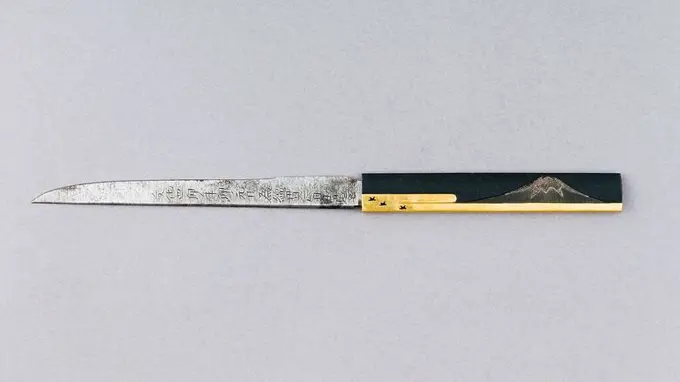
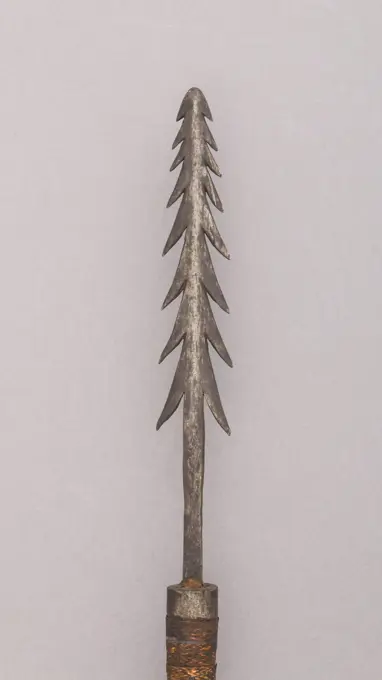
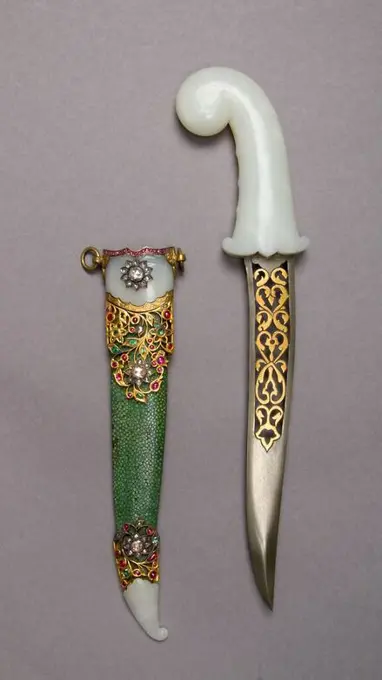
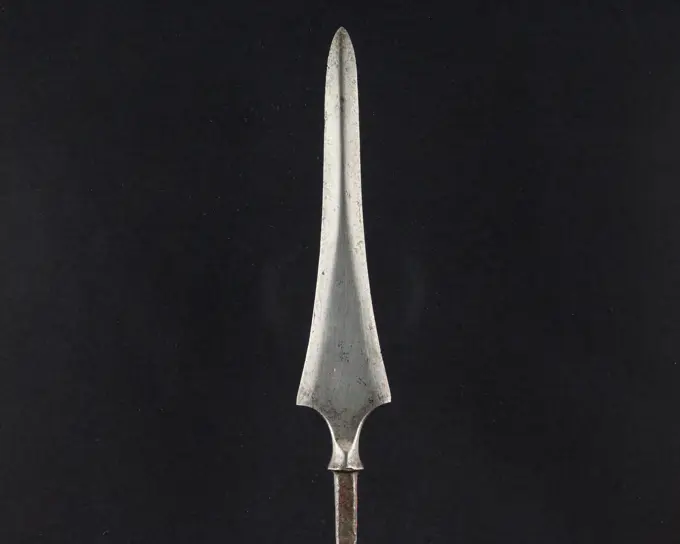
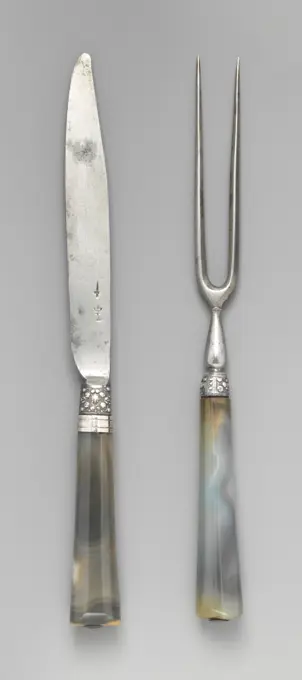
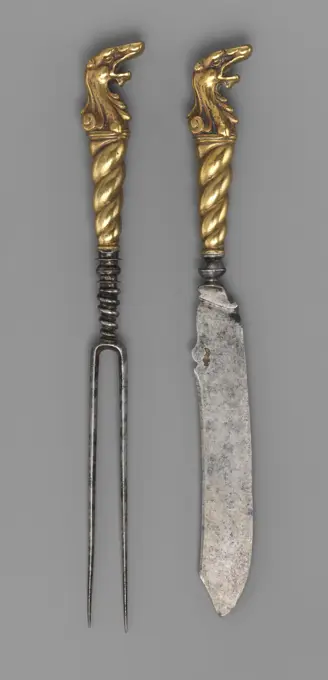
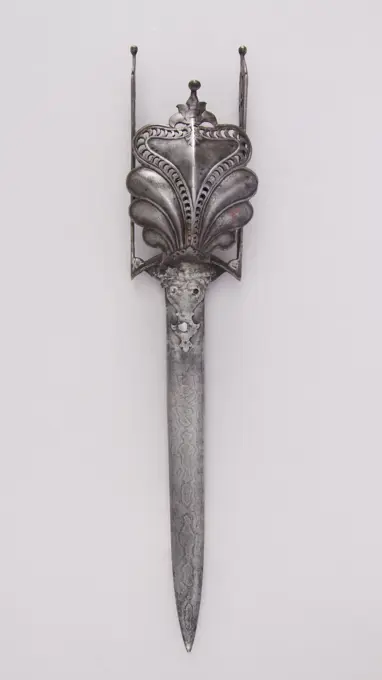
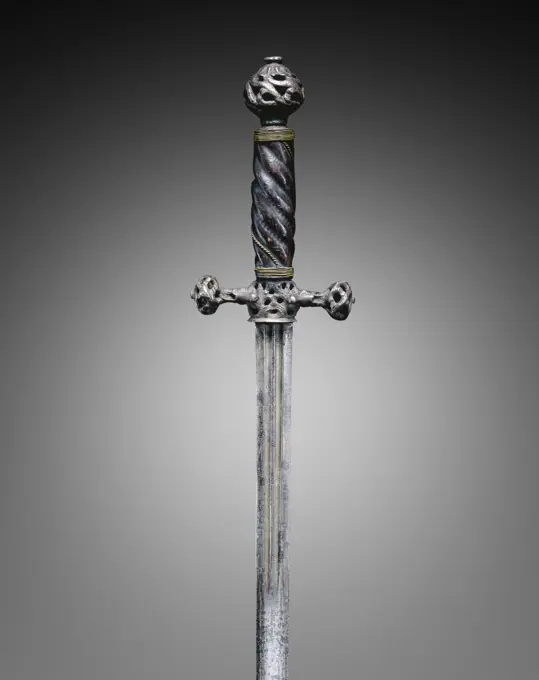
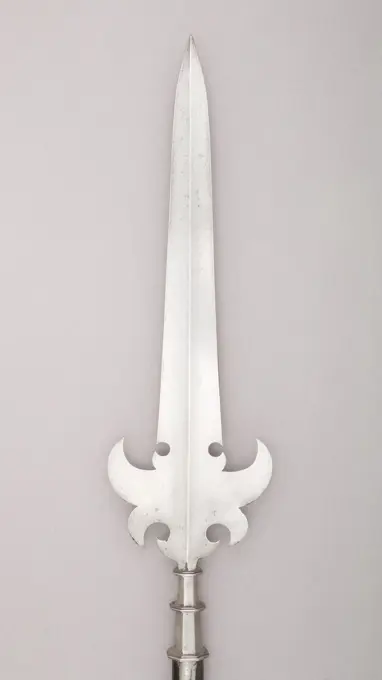
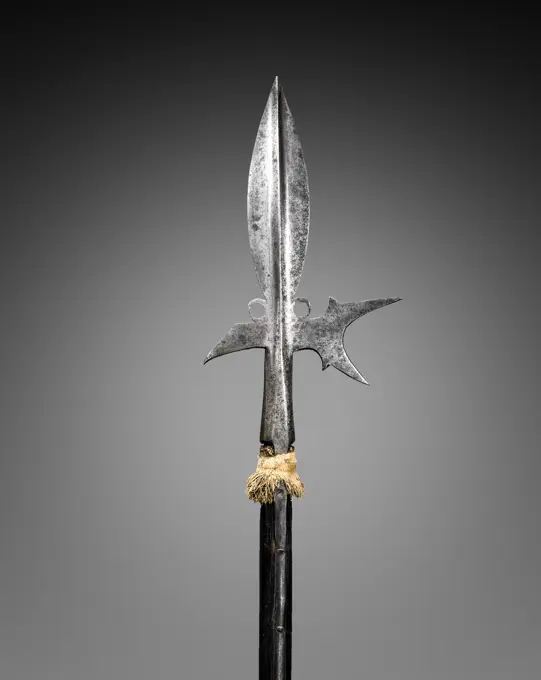
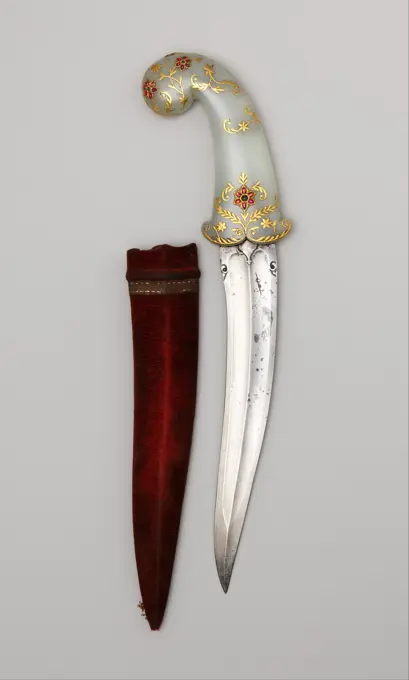
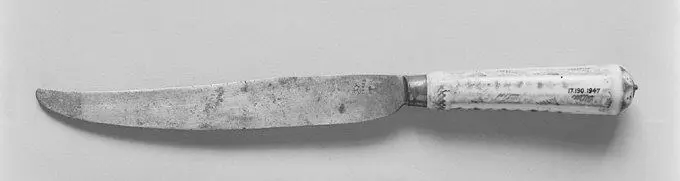
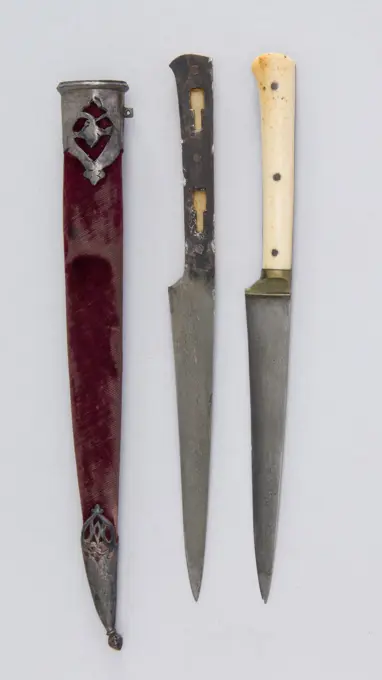
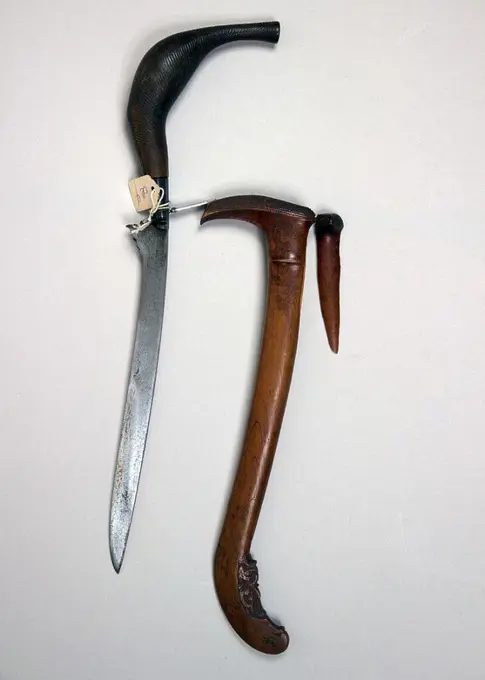
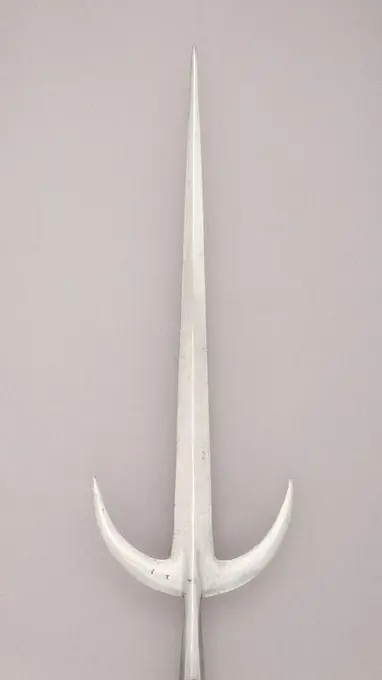
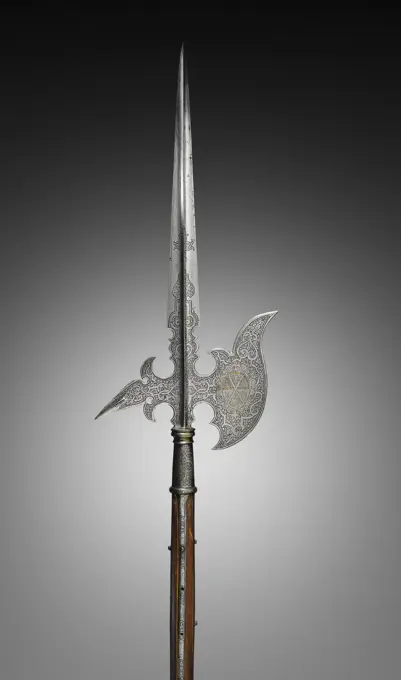
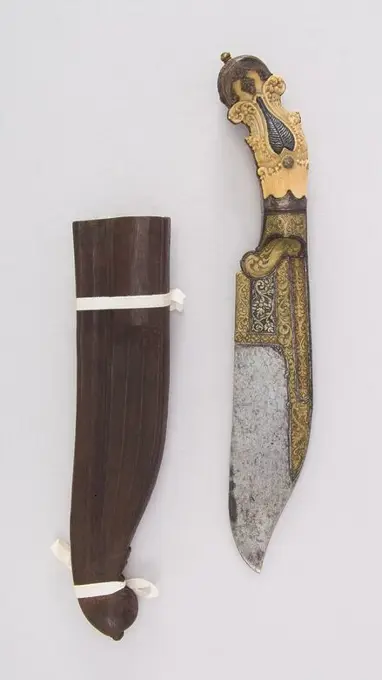
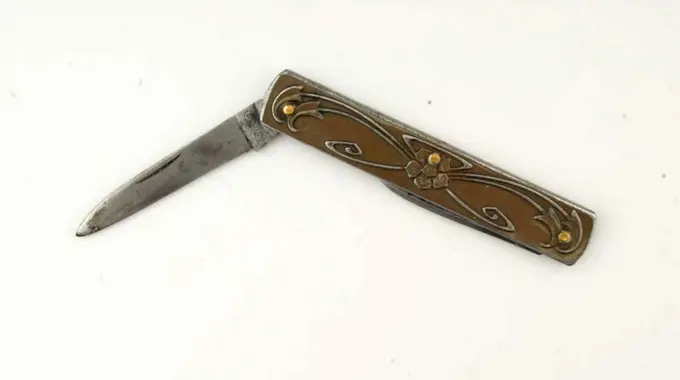
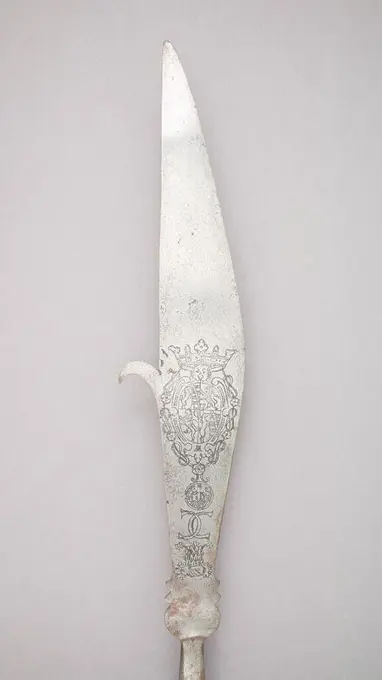
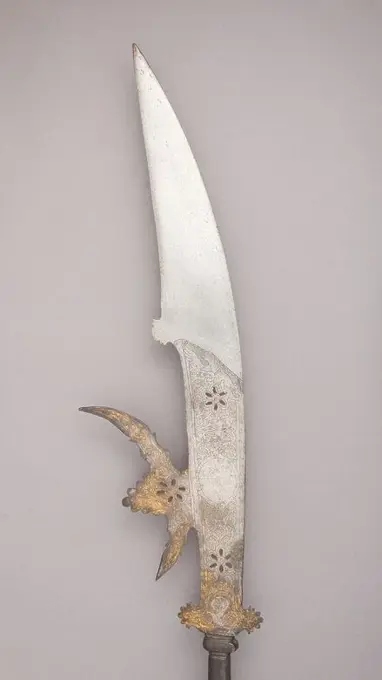
Knife 1600-1700 Europe. Steel and iron .Partisan 18th century French. Partisan 34297Knife Handle (Kozuka) with Blade 16th century Japanese A kozuka is a handle of a by-knife that is part of a sword mounting. It is kept in a slot on the reverse of a katana scabbard, often with a matching kōgai (hairdressing tool).. Knife Handle (Kozuka) with Blade 29761Knife (Kard) with Sheath. Culture: Indian. Dimensions: L. with sheath 17 3/8 in. (44.1 cm); L. without sheath 13 7/8 in. (35.2 cm); L. of blade 9 1/8 in. (23.2 cm); W. 1 3/8 in. (3.5 cm); Wt. 8.7 oz. (246.6 g); Wt. of sheath 4.1 oz. (116.2 g). Date: 18th-19th century. Museum: Metropolitan Museum of Art, New York, USA.Pollaxe ca. 1450 French, Burgundy The poleaxe was the western European equivalent of the halberd and was similarly designed for hacking and stabbing and for piercing armor plates. However, the heads of halberds were constructed in one intergral piece, but the heads of poleaxes were composed from separate elements, held together by rivets. The basic element was the axe blade with a counter-balancing beak. The blade was overlaid by side straps, which in turn would have the apical spike attached. The long side straps reinforced the shaft against being chopped through in combat.Though the poleaxe was one of the weapons used in the formal duels of foot combats, it was primarily a serious battle arm. In some cities the guards of the city gates were armed with poleaxes; in emergencies, when there was no time to raise the drawbridge, they could hack through the ropes that held up the portcullis, and the grill would drop to block the engrance.. Pollaxe. French, Burgundy. ca. 1450. Steel, wood (Arrowhead (Yanone). Culture: Japanese. Dimensions: L. 13 in. ( 33 cm); L. of head 5 in. (12.7 cm); W. 2 in. (5.1 cm); Wt. 1.9 oz. (53.9 g). Date: 18th century. Museum: Metropolitan Museum of Art, New York, USA.Knife with Sheath. Culture: Javanese. Dimensions: H. with sheath 17 1/8 in. (43.5 cm); H. without sheath 15 3/8 in. (39.1 cm); W. 2 1/8 in. (5.4 cm); Wt. 10.8 oz. (306.2 g); Wt. of sheath 4.1 oz. (116.2 g). Date: 16th-19th century. Museum: Metropolitan Museum of Art, New York, USA.Sword - Type d'arme utilisée par les mousquetaires.Dagger 18th-19th century Indian. Dagger 25006Sword and Scabbard (sword), 1700s. Java, 18th century. Steel and ivory; blade: 47 cm (18 1/2 in.); hilt: 12.8 cm (5 1/16 in.); scabbard: 51.4 cm (20 1/4 in.).Pastry knife 17th century Southern German, possibly Bavarian. Pastry knife. Southern German, possibly Bavarian. 17th century. Steel, ivory, brass. Metalwork-SteelDagger (Jambiya) with Sheath 19th century Indian, Mughal. Dagger (Jambiya) with Sheath 31691File, half round without a handle, with parallel notches and on the convex side local notches, anonymous, c. 1590 - c. 1596  File, half round without a handle, with parallel notches. The file is rasp -shaped with sharp dots, local notches are visible on the convex side. The upper point has been broken down.  iron (metal) forging  Nova Zembla. Saving HuysKnife with bent, spatula-shaped blade and legs, knife cutlery soil find iron bone metal, archeologyArmorer's Hammer. Culture: German or French. Dimensions: H. 14 1/4 in. (36.2 cm); W. of head 5 1/2 in. (14 cm); Wt. 3 lb. 1.8 oz. (1411.8 g). Date: 18th-19th century.This hammer is among the 644 pieces that make up the very specialized outillage (set of tools) brought from Paris to New York by the armorer Daniel Tachaux (1857-1928) in 1909, when he was hired to repair and maintain the Museum's arms and armor collection. Hammer heads and stakes of many different sizes, shapes, and weights are necessary to create the complex forms of different weapons and pieces of armor. Tachaux trained in Paris under the German armorer Ludwig Klein (about 1830-1882) and inherited his teacher's tools, which he combined with his own. The set, possibly the most complete of its kind in existence, was purchased by the Metropolitan Museum in 1912 at the request of the Arms and Armor Department's founding curator Bashford Dean. Museum: Metropolitan Museum of Art, New York, USA.Sword 19th century Indian. Sword 31139Dagger 18th-19th century Thai. Dagger 31567Spontoon 17th century French. Spontoon 27030Sword and Scabbard 18th-19th century Eastern Tibetan. Sword and Scabbard 26536Knife Handle (Kozuka) with Blade. Culture: Japanese. Dimensions: L. including blade 8 1/8 in. (20.6 cm); L. excluding blade 3 13/16 in. (9.7 cm); W. 9/16 in. (1.4 cm); thickness 1/4 in. (0.6 cm); Wt. 1.7 oz. (48.2 g). Date: blade, dated 1688; knife handle, before 1870. Museum: Metropolitan Museum of Art, New York, USA.Dagger (Chilanum). Culture: South Indian. Dimensions: H. 13 1/4 in. (33.7 cm); W. 2 15/16 in. (7.5 cm); Wt. 5.5 oz. (155.9 g). Date: 17th-18th century. Museum: Metropolitan Museum of Art, New York, USA.Span saw of iron ..Glaive of Maximilian III Joseph, Prince-Elector of Bavaria (reigned 1745-77) dated 1771 Inscribed: Jungwierth German. Glaive of Maximilian III Joseph, Prince-Elector of Bavaria (reigned 1745-77). German. dated 1771. Steel, wood, gold, copper alloy, textile. Shafted WeaponsRapier Made 1620-1630 Europe, southern. Steel, iron, and wood .Friuli Spear 1540-1560 Italy. Steel, wood (pine), velvet, brass nails, tassels, and gilded rosaces .Dagger (Jambiya) with Sheath 19th century Moroccan. Dagger (Jambiya) with Sheath 31753Pike 17th century possibly British. Pike 26725Arrowhead (Yanone) 18th century Japanese Although today Japanese warriors are renowned most for their swordsmanship, archery, especially from horseback, has been an essential part of samurai warfare and culture for centuries. Arrows were fitted with heads of varying shape according to their intended use in war, the hunt, or target practice. Arrowheads made for use on the battlefield incorporated different designs intended for specialized purposes such as the piercing of armor or to cause maximum damage to horses and unarmored personnel.Large arrowheads, pierced and elaborately chiseled with landscapes, birds, flowers, dragons, and Buddhist divinities, were created to be admired for the beauty of their metalwork and design rather than for use in archery. Such highly elaborate examples may have been made for presentation or as a votive offerings to a shrine.. Arrowhead (Yanone). Japanese. 18th century. Steel. Archery Equipment-ArrowheadsKris with Sheath. Culture: Balinese. Dimensions: L. with sheath 27 in. (68.6 cm); L. without sheath 24 in. (61 cm); L. of blade 18 7/8 in. (47.9 cm); W. 4 3/4 in. (12.1 cm); Wt. 20.6 oz. (584 g); Wt. of sheath 7.4 oz. (209.8 g). Date: 16th-19th century. Museum: Metropolitan Museum of Art, New York, USA.Dagger (Chilanum) 17th-18th century Indian. Dagger (Chilanum) 31435Sword German ca. 1620-40 View more. Sword. German. ca. 1620-40. Steel. SwordsNimcha (Saber) with Scabbard. Culture: hilt and scabbard, Algerian; blade, European. Dimensions: L. without scabbard 26 3/8 in. (67 cm); L. of blade 21 in. (53.3 cm); Wt. 1 lb. 6 oz. (632 g); Wt. of scabbard 9 oz. (263 g). Date: hilt and scabbard, late 17th or early 18th century; blade 16th or 17th century.This distinctly North African sword, or nimcha, probably dates from around the battle of Oran (1732), when that city, a haven for Turkish pirates, was besieged by the Spanish. The openwork leather scabbard shows Ottoman influence. Museum: Metropolitan Museum of Art, New York, USA.Kris with Sheath. Culture: Sumatran, Sumatera Selatan. Dimensions: L. with sheath 19 3/4 in. (50.2 cm); L. without sheath 16 3/4 in. (42.5 cm); L. of blade 13 1/2 in. (34.3 cm); W. 6 7/16 in. (16.4 cm); Wt. 9.5 oz. (269.3 g); Wt. of sheath 5.8 oz. (164.4 g). Date: 16th-19th century. Museum: Metropolitan Museum of Art, New York, USA.Knife, steel, ivory, Sabre-shaped blade, notched on upper edge, rounded end (later). Pistol-shaped ivory handle with beaded cresting upper edge, faceted panel opposite, gilded bolster., Germany, ca. 1675-1700, cutlery, Decorative Arts, KnifeDagger with Sheath 19th century Indian This dagger belongs to a large group of flamboyant gem-studded weapons that were probably made in Istanbul in the waning years of the Ottoman Empire. Their traditional shapes and luxurious materials were intended to evoke romantic notions of the exotic orient, Arabian Nights, or perhaps the sultans treasury. As most of these weapons are found today in American and European collections rather than in Turkish museums, they may have been made exclusively for Western tourists.. Dagger with Sheath 712681Officer's Plug Bayonette, c.1690. England, 17th century. Steel serrated blade, brass, and wood; overall: 46.6 cm (18 3/8 in.); blade: 30.2 cm (11 7/8 in.); quillions: 8.6 cm (3 3/8 in.); grip: 15.4 cm (6 1/16 in.). Used increasingly in warfare during the 1600s, the plug bayonet was inserted into the muzzle of a gun to make a weapon with a long shaft. This eventually made the use of pikemen in warfare obsolete as the new musketeer could now continue after having run out of shots.Dagger with Sheath probably 19th century Turkish. Dagger with Sheath 31438Sword 5th-4th century B.C. Chinese In its complete state, this excavated bronze sword would have included an integral disk-shaped pommel positioned perpendicularly to the axis of the grip. The double-edged blade bears on one side an inscription that seemingly records the circumstances of the sword's manufacture. However, the execution of the writing suggests that the inscription is either a modern addition or an original text that was defaced when the original characters were engraved over in a misguided attempt to make them clearer.. Sword. Chinese. 5th-4th century B.C.. Bronze. SwordsBoiler switch, c. 1400 - c. 1950   iron (metal)   iron (metal)Table knife 18th century German or Flemish. Table knife. German or Flemish. 18th century. Steel, agate, silver. Metalwork-SteelDagger (Khanjar) with Sheath. Culture: Indian, Mughal or Deccan. Dimensions: H. with sheath 15 1/4 in. (38.7 cm); H. without sheath 14 3/8 in. (36.5 cm); H. of blade 10 in. (25.4 cm); W. 2 3/4 in. (7 cm); Wt. 11.4 oz. (323.2 g); Wt. of sheath 1.3 oz. (36.9 g). Date: 18th-19th century. Museum: Metropolitan Museum of Art, New York, USA.Knife (Dha) with Sheath. Culture: Thai. Dimensions: H. with sheath 14 in. (35.6 cm); H. without sheath 13 1/4 in. (33.7 cm); W. 1 1/8 in. (2.9 cm); Wt. 4.7 oz. (133.2 g); Wt. of sheath 1.9 oz. (53.9 g). Date: 18th-19th century. Museum: Metropolitan Museum of Art, New York, USA.Dagger, 1800s. India, 19th century. Iron with bone and silver; overall: 41 cm (16 1/8 in.); blade: 27.7 cm (10 7/8 in.).Sword (Barong), Before 1916. Philippines. overall: 65.5 cm (25 13/16 in.); blade: 42.2 cm (16 5/8 in.).Rapier French ca. 1550 The rapier was the principal civilian sidearm throughout the sixteenth and seventeenth centuries. Designed for cut-and-thrust fencing of progressively complex techniques, the rapier is characterized by a double-edged blade with an acute point and an elaborate guard for the hand. The guards, usually of iron or steel, were subject to a variety of embellishment. They were engraved, chiseled, gilded, damascened, and encrusted in gold and silver in keeping with fashionable styles. Unless otherwise noted, the materials, attributions, and dating given here refer to the hilts. Rapier blades, invariably of steel, bear a variety of makers marks denoting their origin in the two principal centers of blademaking, Toledo in Spain and Solingen in Germany. View more. Rapier. French. ca. 1550. Steel, iron, gold, wood. SwordsKnife Handle (Kozuka) with Blade. Culture: Japanese. Dimensions: L. including blade 8 5/8 in. (21.9 cm); L. excluding blade 3 13/16 in. (9.7 cm); W. 9/16 in. (1.4 cm); thickness 3/16 in. (0.5 cm); Wt. 1.7 oz. (48.2 g). Date: ca. 1615-1868. Museum: Metropolitan Museum of Art, New York, USA.Spear (Sinalawitan) 18th-19th century Philippine, Igorot. Spear (Sinalawitan) 30662Knife -Hunting cordlas with vaginaKnife, Cast and chased silver, Knife in the form of a Japanese sword; handle with mottled surface, one side decorated with a dove and tree with leaves; other side depicts fish. Flat, curved blade engraved with stylized foliate decoration., ca. 1880, cutlery, Decorative Arts, KnifeLance Point 15th century Spanish. Lance Point. Spanish. 15th century. Shafted WeaponsDagger with Sheath. Culture: Indian. Dimensions: H. with sheath 15 11/16 in. (39.8 cm); H. without sheath 14 5/8 in. (37.1 cm); W. 3 3/8 in. (8.6 cm); Wt. 15.8 oz. (447.9 g); Wt. of sheath 1.8 oz. (51 g). Date: 19th century.This dagger belongs to a large group of flamboyant gem-studded weapons that were probably made in Istanbul in the waning years of the Ottoman Empire. Their traditional shapes and luxurious materials were intended to evoke romantic notions of the exotic orient, Arabian Nights, or perhaps the sultan's treasury. As most of these weapons are found today in American and European collections rather than in Turkish museums, they may have been made exclusively for Western tourists. Museum: Metropolitan Museum of Art, New York, USA.Persian saber with vaginaWallonian swordArrowhead (Yanone) 18th century Japanese Although today Japanese warriors are renowned most for their swordsmanship, archery, especially from horseback, has been an essential part of samurai warfare and culture for centuries. Arrows were fitted with heads of varying shape according to their intended use in war, the hunt, or target practice. Arrowheads made for use on the battlefield incorporated different designs intended for specialized purposes such as the piercing of armor or to cause maximum damage to horses and unarmored personnel.Large arrowheads, pierced and elaborately chiseled with landscapes, birds, flowers, dragons, and Buddhist divinities, were created to be admired for the beauty of their metalwork and design rather than for use in archery. Such highly elaborate examples may have been made for presentation or as a votive offerings to a shrine.. Arrowhead (Yanone). Japanese. 18th century. Steel. Archery Equipment-ArrowheadsKnife with vaginalTable knife and fork 17th century William Laughton. Table knife and fork. French. 17th century. Steel, silver, blue agate. Metalwork-SteelPoleaxe Made 1800-1900 Europe. Steel and wood .Dagger, mid 1500s. Germany, mid-16th century. Steel; elk horn grip; overall: 37.8 cm (14 7/8 in.); blade: 27.7 cm (10 7/8 in.); quillions: 6.5 cm (2 9/16 in.).Table knife 17th century Italian. Table knife. Italian. 17th century. Steel, brass. Metalwork-SteelCavalry saber with vagina, sling and rapCopper ritual axe. Teke, from Zaire.Guarded Dagger (Katar) 17th century Indian, Thanjavur. Guarded Dagger (Katar) 31412ESPADA DEL INFANTE DON FADRIQUE(HIJO DE FERNANDO III EL SANTO)S XIII.ESCUDOS CASTILLA Y LEON. Location: CATEDRAL-INTERIOR. Toledo. SPANIEN.Rapier with Extendable Handle Made 1580-1610 Germany. Steel and wood .Pillow Sword, c. 1650. Italy, 17th century. Steel, pierced; leather and wood; overall: 93 cm (36 5/8 in.); blade: 77.8 cm (30 5/8 in.); quillions: 9.5 cm (3 3/4 in.). The "pillow-sword" is so-named because of where it was kept. A sword like this one, with a straight blade and relatively simple hilt, would have been suspended above a headboard within arm's reach for bedside defense should an intruder attack while the household was asleep and vulnerable.Partisan ca. 1675 German, Saxony. Partisan 25895Halberd, c. 1580. Germany, late 16th Century. Steel; leaf-shaped head; octagonal woof haft, woolen pompom; overall: 197.5 cm (77 3/4 in.); blade: 22.8 cm (9 in.). The halberd was a staff weapon favored by European infantries (foot soldiers) of the 1400s and 1500s for its versatility and deadly effect. The word halberd comes from the German words Halm (staff) and Barte (axe). The halberd is, in fact, an axe that served multiple functions: the axe blade was used for hacking, the spike for thrusting, and the beak for piercing plate armor or for pulling a knight from his saddle. The halberd was used by shock troops (those who lead an attack) and by Swiss and German mercenaries. After about 1550, the halberd gradually became less functional. Its large blade provided space for coats of arms and insignia. By the late 1500s, the parade halberd had become a ceremonial weapon for palace guards.Wellner, knife to the initials of Adolf Hitler (attributed title), 1933. Silver metal. General Leclerc Museum of the Liberation of Paris - Jean Moulin Museum.Spontoon 18th century German. Spontoon 29612Knife -Model of an Anchor, anonymous, 1858 instruction model Model of an anchor, consisting of a shaft with a curved arm with anchor hands on the ends. Iron Ankerring with anchorage of tacked rope. The shaft is heavier, the angle between shaft and arms smaller and the hands are wider than usual. The anchor stick is missing. Scale 1:10 (estimate). Netherlands iron (metal). wood (plant material). brass (alloy). ropeFALCATA ILERGETE - SIGLO IV AC. Location: ARCHAEOLOGICAL MUSEUM. Lerida. SPAIN.Dagger (Khanjar) with Sheath late 18th century Indian, possibly Lucknow The hilt of this dagger has been attributed to the court workshops patronized by the nawab of Oudh at Lucknow, in northern India, in about 1785. Its form and decoration, however, were traditional in many courts in Mughal and Deccani states in the eighteenth century. The pale green nephrite jade hilt inlaid with rubies and emeralds is noteworthy for its delicacy and restraint.. Dagger (Khanjar) with Sheath 31843Knife mid-18th century French. Knife. French. mid-18th century. Soft-paste porcelain, steel. Ceramics-PorcelainPair of Knives with Sheath 18th-19th century Indian. Pair of Knives with Sheath 31446Knife (Bade-bade) with Sheath. Culture: Sumatran, Acheen. Dimensions: L. with sheath 14 7/8 in. (37.8 cm); L. without sheath 12 1/2 in. (31.8 cm); L. of blade 8 in. (20.3 cm); W. 4 1/4 in. (10.8 cm); Wt. 5.5 oz. (155.9 g); Wt. of sheath 1.6 oz. (45.3 g). Date: 16th-19th century. Museum: Metropolitan Museum of Art, New York, USA.SaberSmallsword, c. 1770-1780, 40 9/16 x 4 1/2 x 6 1/2 in. (103 x 11.4 x 16.51 cm), Silver, steel, Portugal, 18th centuryRunka. Culture: Italian. Dimensions: L. 8 ft. 5 in. (256.6 cm); L. of head 27 3/8 in. (69.5 cm); W. 8 1/2 in. (21.6 cm); Wt. 4 lbs. 6 oz. (1984.5 g). Date: 16th century. Museum: Metropolitan Museum of Art, New York, USA.Parade Halberd (from the state guard of Elector Christian I of Saxony  1560- 91), 1586-91. Germany, Saxony, late 16th Century. Steel, gilt and etched; round wood haft; overall: 238.2 cm (93 3/4 in.); blade: 30.5 cm (12 in.). The halberd was a staff weapon favored by European infantries (foot soldiers) of the 1400s and 1500s for its versatility and deadly effect. The word halberd comes from the German words Halm (staff) and Barte (axe). The halberd is, in fact, an axe that served multiple functions: the axe blade was used for hacking, the spike for thrusting, and the beak for piercing plate armor or for pulling a knight from his saddle. The halberd was used by shock troops (those who lead an attack) and by Swiss and German mercenaries. After about 1550, the halberd gradually became less functional. Its large blade provided space for coats of arms and insignia. By the late 1500s, the parade halberd had become a ceremonial weapon for palace guards.Knife (Piha Kaetta) with Sheath. Culture: Sri Lankan. Dimensions: H. with sheath 14 in. (35.6 cm); H. without sheath 12 3/4 in. (32.4 cm); W. 2 1/4 in. (5.7 cm); Wt. 1 lb. 6.9 oz. (649.2 g); Wt. of sheath 3.4 oz. (96.4 g). Date: 18th-19th century. Museum: Metropolitan Museum of Art, New York, USA.Women's pocket knife Krusius BrotherKnife (France); porcelain, silver, steel; L x W: 26.5 x 2.3 cm (10 7/16 x 7/8 in.); The Robert L. Metzenberg Collection, gift of Eleanor L. Metzenberg; 1985-103-232Knife, steel, glass beads, thread, Scimitar-shaped blade with rounded end and baluster stem. Tubular tapered handle multi-color floral bands in spirals, on white bead ground, separatedby blue, yellow and green beadwork border., Germany, ca. 1720-1750, cutlery, Decorative Arts, KnifeFauchard. Culture: Italian. Dimensions: L. 8 ft. 4 1/2 in. (255.3 cm); L. of head 28 in. (71.1 cm); W. 5 in. (12.7 cm); Wt. 4 lbs. 4.3 oz. (1936.3 g). Date: 16th century. Museum: Metropolitan Museum of Art, New York, USA.Rapier Italian early 17th century The rapier was the principal civilian sidearm throughout the sixteenth and seventeenth centuries. Designed for cut-and-thrust fencing of progressively complex techniques, the rapier is characterized by a double-edged blade with an acute point and an elaborate guard for the hand. The guards, usually of iron or steel, were subject to a variety of embellishment. They were engraved, chiseled, gilded, damascened, and encrusted in gold and silver in keeping with fashionable styles. Unless otherwise noted, the materials, attributions, and dating given here refer to the hilts. Rapier blades, invariably of steel, bear a variety of makers marks denoting their origin in the two principal centers of blademaking, Toledo in Spain and Solingen in Germany. View more. Rapier. Italian. early 17th century. Iron, steel, brass copper. SwordsKnife with a sheathSheath (Germany), ca. 1668; steel/ tinned copper; L x W x D: 30.2 x 4.7 x 5.5 cm (11 7/8 x 1 7/8 x 2 3/16 in.); The Robert L. Metzenberg Collection, gift of Eleanor L. Metzenberg; 1985-103-41-aFauchard. Culture: Italian, Venice. Dimensions: L. 8 ft. 11 1/2 in. (273.1 cm); L. of head 35 13/16 in. (91 cm); W. 8 11/16 in. (22 cm); Wt. 7 lbs. 3.6 oz. (3277.2 g). Date: 1550-75. Museum: Metropolitan Museum of Art, New York, USA.Partisan. Culture: French. Dimensions: L. 81 3/4 in. (207.6 cm); L. of head 14 1/2 in. (36.8 cm); W. 4 1/2 in. (11.4 cm); Wt. 2 lbs. 13.7 oz. (1295.6 g). Date: ca. 1710. Museum: Metropolitan Museum of Art, New York, USA.Traditional wooden pocket knife on a black background. Traditional wooden pocket knife on black backgroundKorseke ca. 1520 Italian. Korseke 25857Halberd ca. 1590 Italian. Halberd 26772Hunting Sword ca. 1500 Attributed to Hans Sumersperger Austrian Designed as a defense against large game, such as bear and boar, swords of this type were also worn as civilian sidearms. This example is related in form and decoration to two hunting swords made for Emperor Maximilian I by Hans Sumersperger and therefore may have been intended for a member of the imperial court.. Hunting Sword 23342Ancient sabre Ancient sabre. A smart variant of the fighting weapon Copyright: xZoonar.com/ValeryxxSibrikovx 2424014Cup-Hilted Rapier Spanish mid-17th century The rapier was the principal civilian sidearm throughout the sixteenth and seventeenth centuries. Designed for cut-and-thrust fencing of progressively complex techniques, the rapier is characterized by a double-edged blade with an acute point and an elaborate guard for the hand. The guards, usually of iron or steel, were subject to a variety of embellishment. They were engraved, chiseled, gilded, damascened, and encrusted in gold and silver in keeping with fashionable styles. Unless otherwise noted, the materials, attributions, and dating given here refer to the hilts. Rapier blades, invariably of steel, bear a variety of makers marks denoting their origin in the two principal centers of blademaking, Toledo in Spain and Solingen in Germany. View more. Cup-Hilted Rapier. Spanish. mid-17th century. Steel, bronze, gold. SwordsDagger with Hilt in the Form of a Blue Bull (Nilgai). Dimensions: H. 15 in. (38.1 cm). Date: ca. 1640.The weaponry produced at the Mughal court reflects the same refinement as other portable arts. Daggers such as this one were sometimes awarded to officers who had distinguished themselves in military victory and were worn at court as dress accessories indicating royal favor. Animal-headed hilts were especially favored, and the realism of their rendering conveys the keen appreciation for nature by Mughal artists.On this dagger, the hilt portrays a nilgai, or blue bull, one of the most beautiful animals found in India, and terminates at the base with a leafy scroll and lotus flower. Carved from a bluish-green nephrite that approximates the color of the animal, this hilt not only demonstrates the artist's thorough mastery of hard-stone carving, but also displays a level of accuracy and sensitivity that suggest close observation of a model, perhaps one of the captive animals kept in the Fork; ivory, brass, steel; L x W: 19 x 1.9 cm (7 1/2 x 3/4 in.); The Robert L. Metzenberg Collection, gift of Eleanor L. Metzenberg; 1985-103-143Unknown photographer, green vault in Dresden (without dat.): Saber King J. Sobieski; Japanese sword grip; Saber Mohammed's IV .. Photo on cardboard, 17 x 11 cm (including scan edges) unbek. Fotograf : Grünes Gewölbe in Dresden (ohne Dat.)