Historical Bladed Weapons

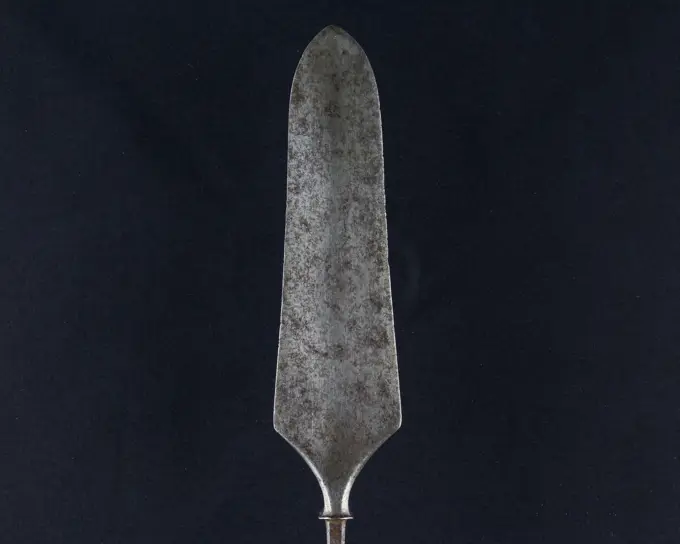
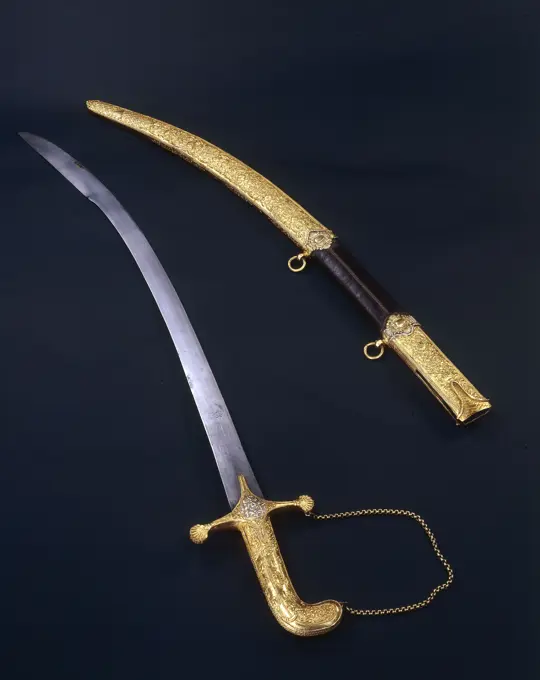
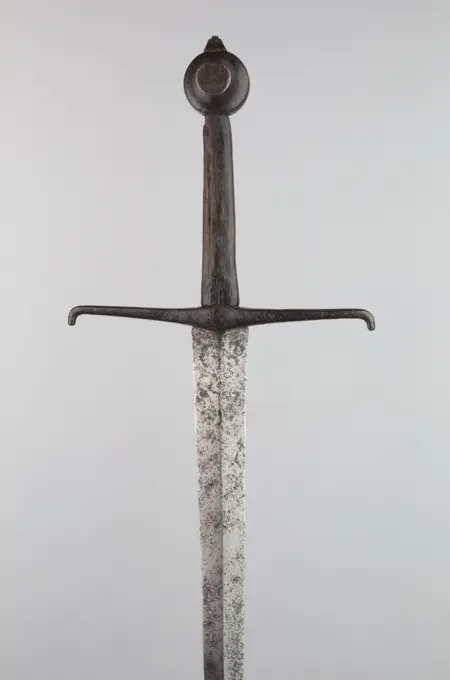
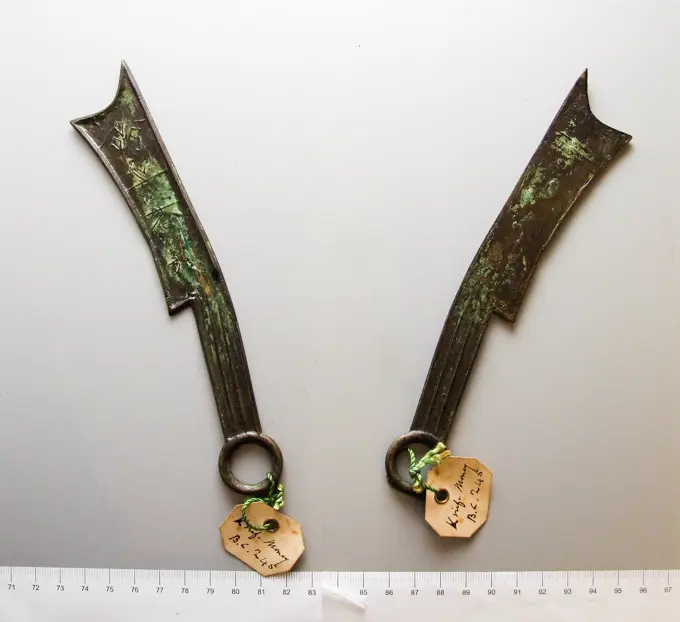
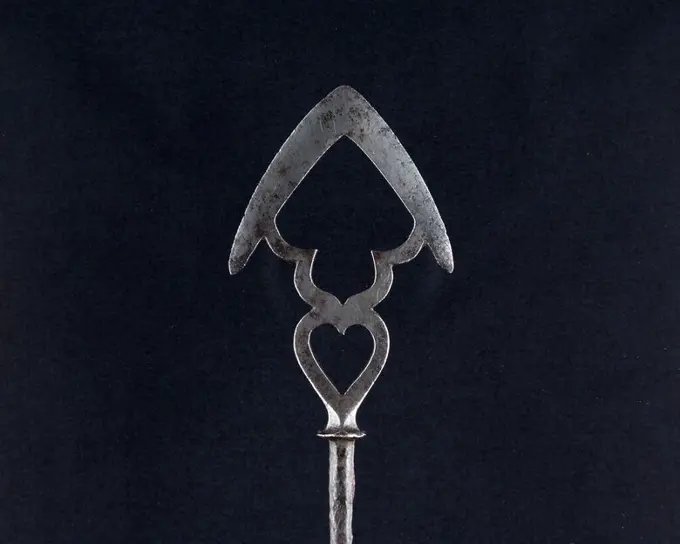
A collection of various historical bladed weapons, including a Javanese spear, British ballock knife, Indian Moplah knife, and unique chisels, showcasing intricate designs and craftsmanship.

Timmermanspasser, anonymous, c. 1590 - c. 1596  Carpenter's passer whose leg hinges in the other leg. The legs are slightly bent close to the hinge.  iron (metal) forging  Nova Zembla. Saving Huys
Timmermanspasser, anonymous, c. 1590 - c. 1596 Carpenter's passer whose leg hinges in the other leg. The legs are slightly bent close to the hinge. iron (metal) forging Nova Zembla. Saving Huys
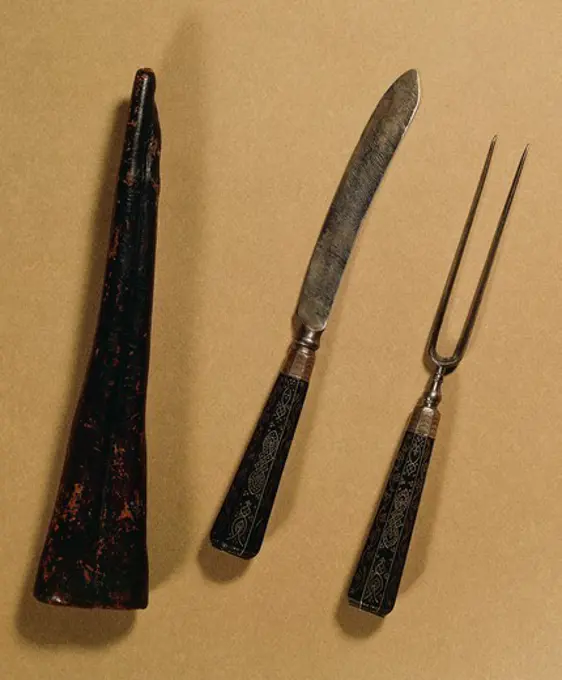
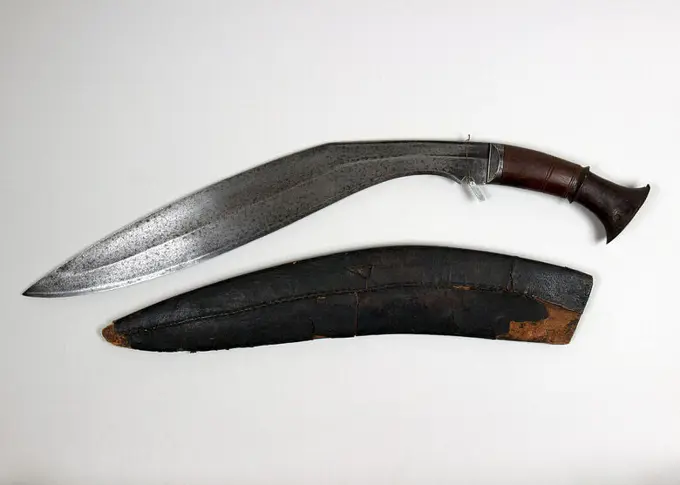
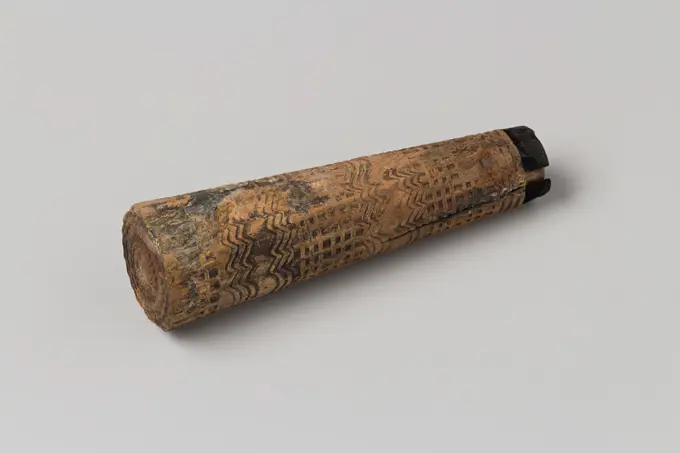
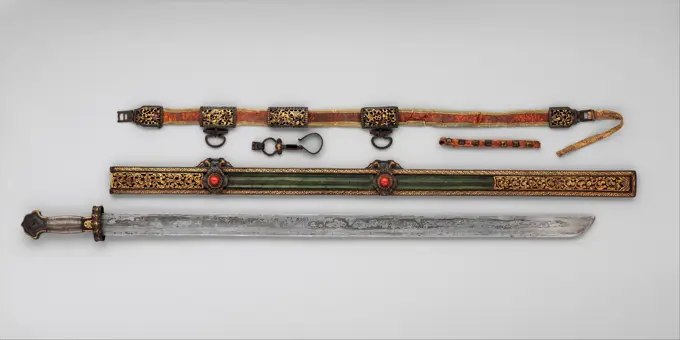
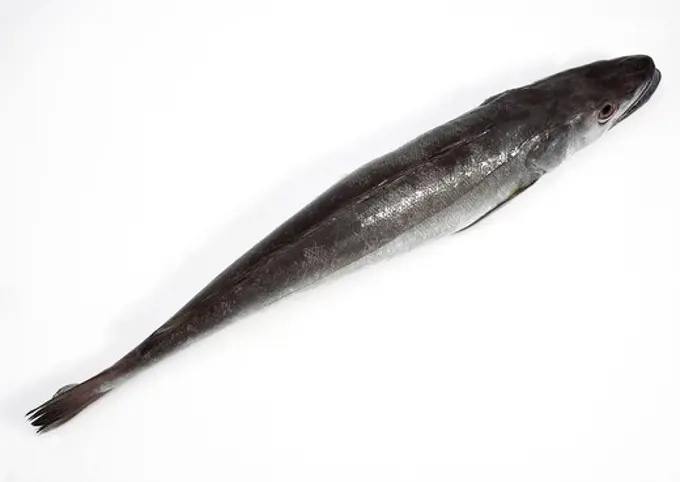
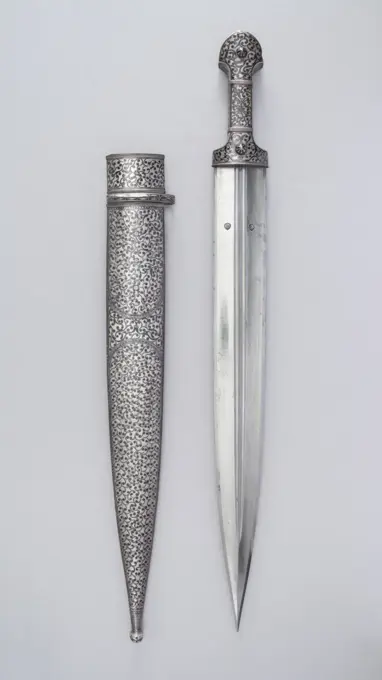
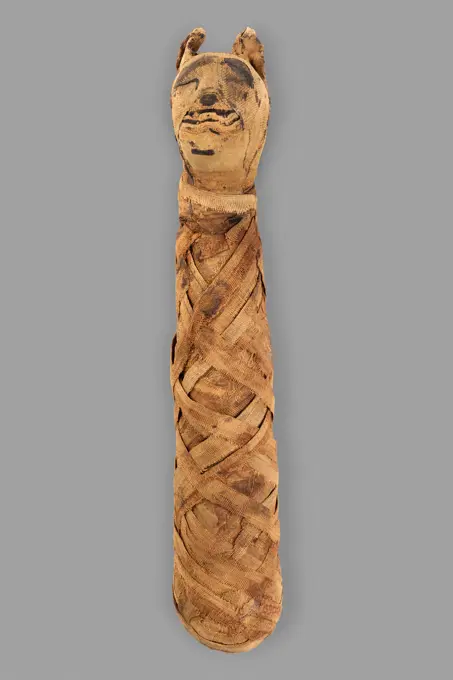
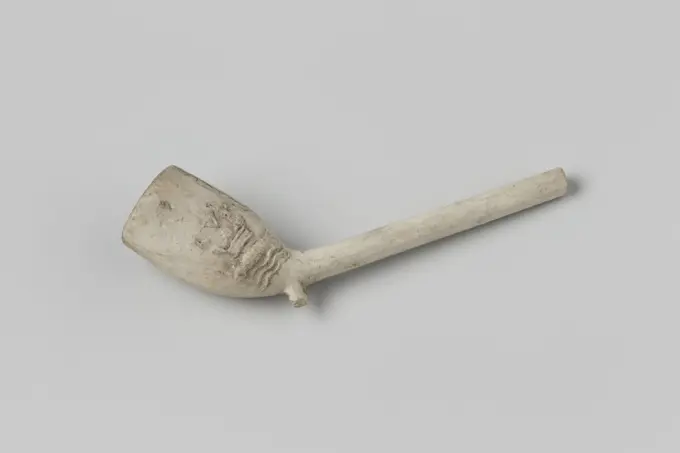
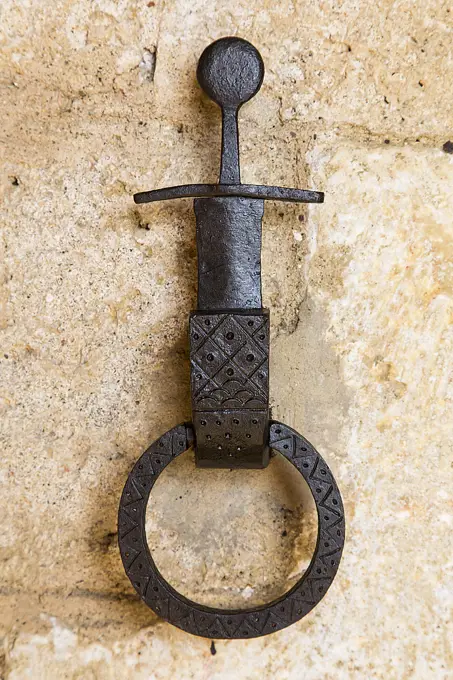
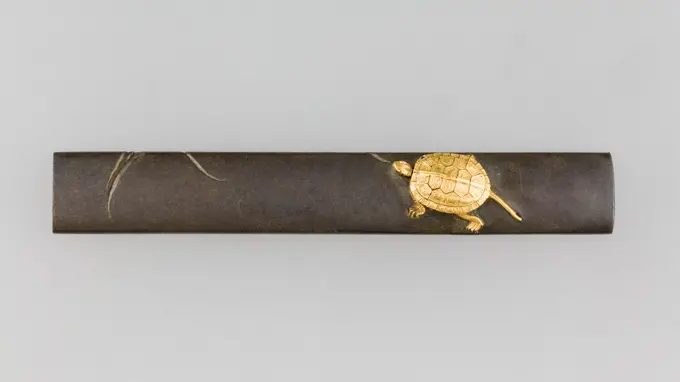
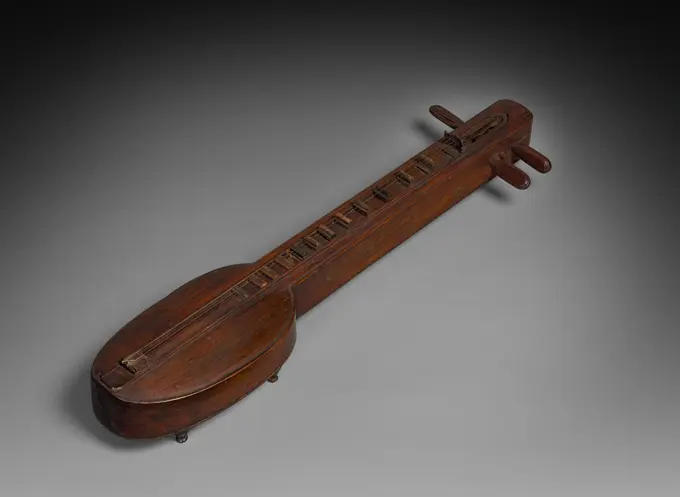
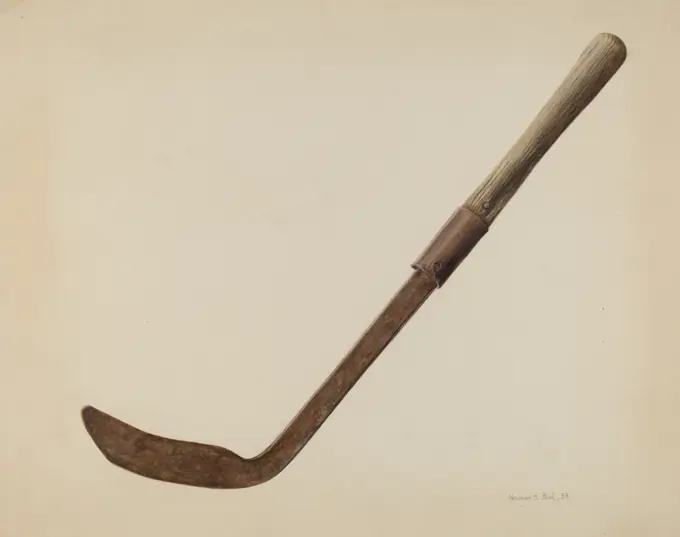
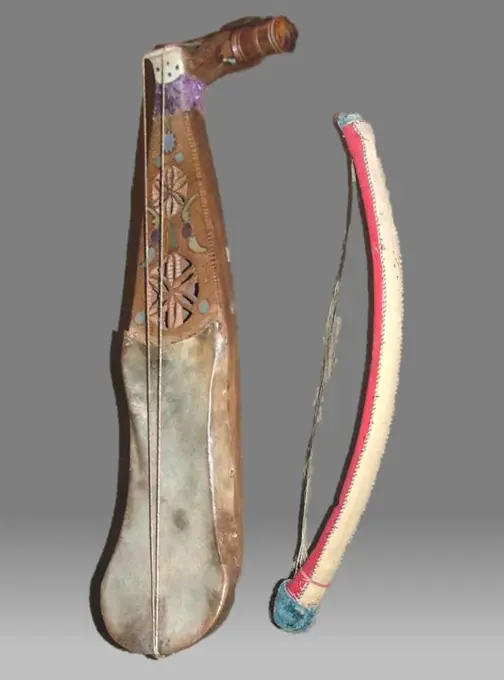
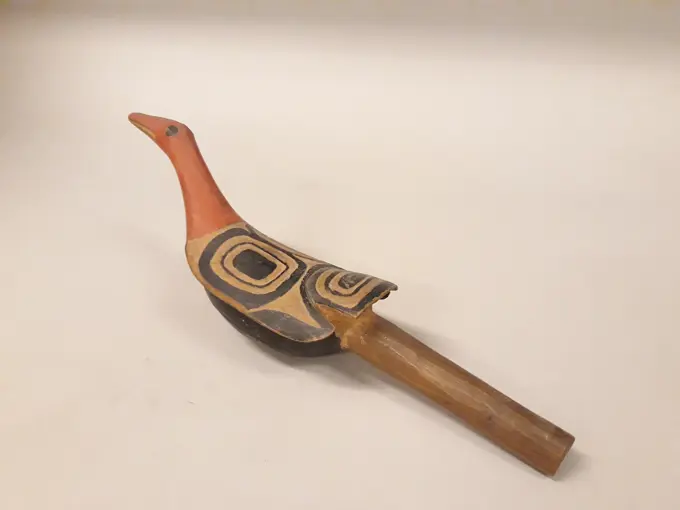
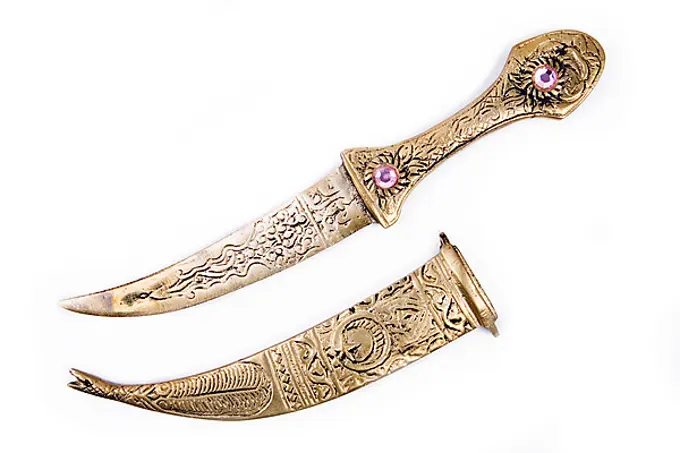
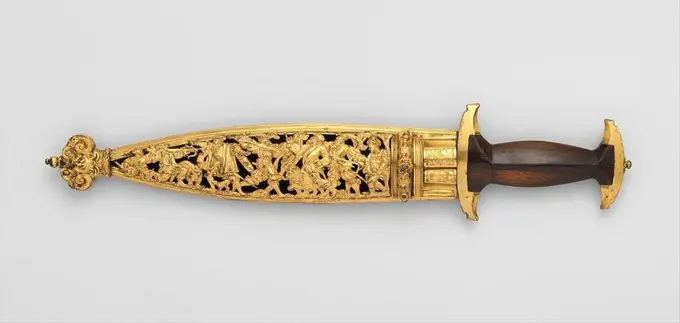
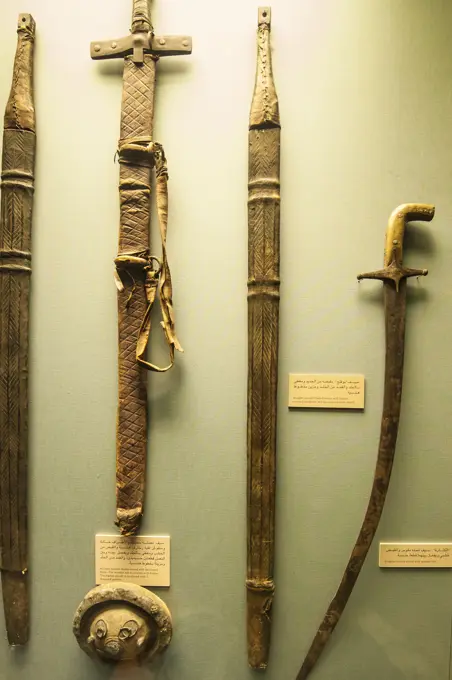
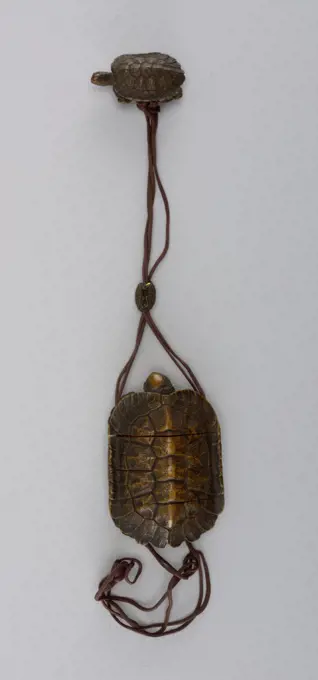
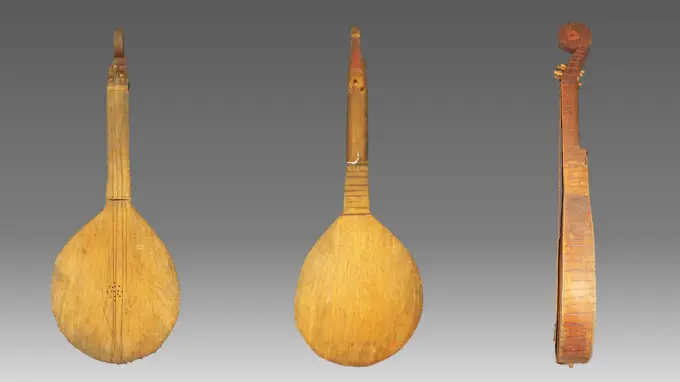
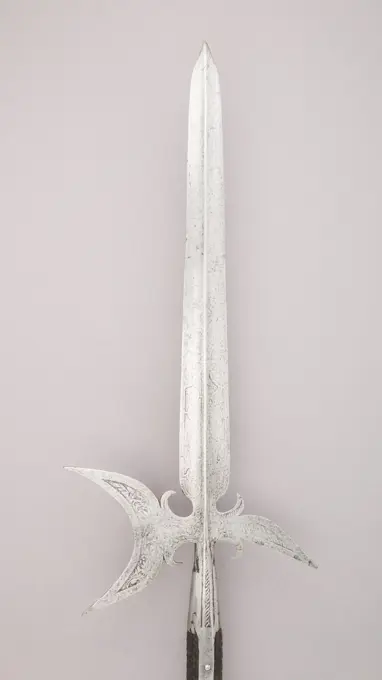
Hinges and Bolt. Dated: c. 1939. Dimensions: overall: 45.8 x 35.7 cm (18 1/16 x 14 1/16 in.). Medium: watercolor, graphite, and colored pencil on paper. Museum: National Gallery of Art, Washington DC. Author: Manuel G. Runyan.Piezas procedentes de la necròpolis de Mianes, Santa Bàrbara-Tortosa. Museu d'Història de Catalunya.Egypt dagger, 18. centuryBronze steelyard and weight 4th-6th century A.D. Roman The steelyard arm is calibrated on three sides with lines and Roman numerals, each providing different scales of weights.. Bronze steelyard and weight 246909Souvenir medieval dagger. An exact copy made of modern materialsTwo-piece bronze mold for plate, mold casting tool tools base metal bronze, molded turned Two-piece bronze mold for casting deep plate Rotterdam tin foundry tin stain tin Meeuws Druy craft Shapes come from the originally 18th century Rotterdam tin jug Druy. The large molds that were not signed or dated were the property of the tinker guild and were rented to the small tin caster.Arrowhead (Yanone) 18th century Japanese Although today Japanese warriors are renowned most for their swordsmanship, archery, especially from horseback, has been an essential part of samurai warfare and culture for centuries. Arrows were fitted with heads of varying shape according to their intended use in war, the hunt, or target practice. Arrowheads made for use on the battlefield incorporated different designs intended for specialized purposes such as the piercing of armor or to cause maximum damage to horses and unarmored personnel.Large arrowheads, pierced and elaborately chiseled with landscapes, birds, flowers, dragons, and Buddhist divinities, were created to be admired for the beauty of their metalwork and design rather than for use in archery. Such highly elaborate examples may have been made for presentation or as a votive offerings to a shrine.. Arrowhead (Yanone). Japanese. 18th century. Steel. Archery Equipment-ArrowheadsSilversmith's art, France, 18th century. Cutlery: ebony and silver fork with two prongs, knife and case. Strasbourg, 1714.Germanic weapons, iron sword, iron lance tip and sword with runic inscription / Germanische Waffen, eisernes Schwert, eiserne Lanzenspitze und Schwert mit Runeninschrift, Historisch, historical, digital improved reproduction of an original from the 19th century / digitale Reproduktion einer Originalvorlage aus dem 19. Jahrhundert. Mesopotamia, Daggers, 3rd millennium BC. Artist: Unknown.Knife (Kukri) with Sheath. Culture: Nepalese. Dimensions: H. with sheath 28 1/4 in. (71.4 cm); H. without sheath 28 in. (71.1 cm); H. of blade 22 in. (55.9 cm); W. 3 1/2 in. (8.9 cm); Wt. 3 lb. 2.8 oz. (1440.2 g); Wt. of sheath 9.6 oz. (272.2 g). Date: 18th-19th century. Museum: Metropolitan Museum of Art, New York, USA.Bronze spearhead. 700 BC. Royal Tombs, Salamis.Iron-Age CYPRUS.Knife lift from the wreck of the East Indiesman Hollandia.knife, Handle, Cylindrical: tapering; ID. NG 1979-403H, Ferrules, ID. NG 1980-27H426.Knives with Ivory handles from either Alaska or Canada. Dated 19th CenturySword, Scabbard, and Belt Hook blade, ca. 16th-17th century; hilt, scabbard, and belt, ca. early 18th-mid-19th century Tibetan The sinuous wood-grain pattern running down the center of the blade is among the most intricate and beautiful on any Tibetan sword in existence. The gold-and-silver decoration of the hilt and scabbard is also of the highest quality for the period. Lieutenant Edward Henry Lenon (1838-1893) captured the sword in China at the Battle of North Taku Fort on August 21, 1860, during the Second Opium War. Lenon was awarded the Victoria Cross for his actions in this battle.This sword is important for the quality and distinctiveness of its pattern welded blade; as an excellent example of a Tibetan sword made to be worn suspended from a sword belt in the Chinese fashion; for its overall state of preservation; and for its interesting provenance. The pattern welding technique used in the forging of the vast majority of traditional Tibetan blades results in a characteristic sFresh Hake Against White BackgroundDagger (Kindjal) with Sheath ca. 1840-50 Caucasian, possibly northern Dagestan This dagger has two central grooves in its steel blade. The handle and sheath have been decorated in niello, a black substance containing silver, copper, lead, and sulphur, that is a striking contrast to the silver ground. In the Caucasus, daggers such as this one were inseparable companions of Caucasian men and used for a variety of purposes, such as weapons, cork screws, and paper cutters, as well as dance accessories. Nineteenth-century photographs of Caucasian men in native dress frequently include such daggers, which are attached to their belts in a diagonal manner.. Dagger (Kindjal) with Sheath. Caucasian, possibly northern Dagestan. ca. 1840-50. Steel, wood, silver, niello. DaggersBeard from the sarcophagus mask;  around 1550-332 BC ; New PACH PACH-NY (-1550-00-00--332-00-00);Deposit of the University of Warsaw from 1937-1939, Brody, fragments of sarcophagus, masks, French excavations in Deir El-Medina (Egypt)Mumia kota. unknown, authorCarpet Stretcher. Dated: 1935/1942. Dimensions: overall: 37.9 x 48.4 cm (14 15/16 x 19 1/16 in.) Original IAD Object: 16 3/4" long; 1" wide; hammer: 9 3/4" long. Medium: watercolor and graphite on paper. Museum: National Gallery of Art, Washington DC. Author: Howard Lumbard.Knife lifting out of the wreck of the East India hollandia.knife, handle, cylindrical: tapering; ID. NG 1979-403H, Ferrules, ID. NG 1980-27H426.Fork And Knife (probably France); Manufactured by Meissen Porcelain Manufactory (Germany); glazed earthenware, steel; L x W x D (a): 22.3 x 2.5 x 2.3 cm (8 3/4 in. x 1 in. x 7/8 in.) L x W x D (b): 17 x 3 x 2.3 cm (6 11/16 x 1 3/16 x 7/8 in.)BASTONES DE MENCEY DE AÑEPATACO (REY GUANCHE). Location: ARCHAEOLOGICAL MUSEUM. SANTA CRUZ DE TENERIFE. TENERIFFA. SPAIN.Knife from Board ofRevenue.  Mint: Board of Revenue Artist: UnknownSheath (Germany), ca. 1680; silver, enamel; L x W: 12.2 x 2.2 cm (4 13/16 x 7/8 in.); The Robert L. Metzenberg Collection, gift of Eleanor L. Metzenberg; 1985-103-63-asmart dagger of the medieval soldier. It was used for huntingFragment Tobacco Pipe, Jacobus van Rijn, 1760 - 1780 Fragment tobacco pipe with a crown and fish and waves and the letters k v r. Of the excavations on the Hofstede Arentsburg 1827-1831 under the supervision of Professor Reuvens. Schoonhoven pipe clay Fragment tobacco pipe with a crown and fish and waves and the letters k v r. Of the excavations on the Hofstede Arentsburg 1827-1831 under the supervision of Professor Reuvens. Schoonhoven pipe clayAncient Ring. Close-up of an antique ring for tying horsesTwo-pronged fork with a porcelain handle. Korzec falsyfikat, Korzec (manufaktura porcelany ; 1790-1832), factoryShofar from the synagogue on the Jodensavanne. The shofar is a wind instrument that is used in Jewish worship. According to tradition, this specimen comes from the synagogue on the Jodensavanne where the Broers Jozef and Isaac Nahar were at the end of the 18th century Bazuinblazers.Knife Handle (Kozuka) early 19th century Japanese A kozuka is a handle of a by-knife that is part of a sword mounting. It is kept in a slot on the reverse of a katana scabbard, often with a matching kōgai (hairdressing tool).. Knife Handle (Kozuka) 29754Musical instrument in Kazakh Museum of Folk Musical Instruments. Almaty, Kazakhstan.Ta'khe, 1800s. Cambodia. Tropical hardwood with ferrous metal and silk strings; overall: 17.7 x 108.6 x 28.2 cm (6 15/16 x 42 3/4 x 11 1/8 in.).Herman O Stroh, Corn Knife, 1938 Corn KnifeRabāb 19th century Algerian or Moroccan This type of rabāb is one of the most important instruments in traditional Arabic ensembles of Tunisia, Algeria, and Morocco. It made its way into Spain with the Moors and from about 1300 lent its name to the early European fiddle, the rebec, which was orginally played with the rounded end on the lap just as the rabāb is played today. Short-necked, bowed lutes from Algeria are made with decorative pierced brass fingerboards while those from Morocco use wood to cover the hollowed neck. The dolphin represented on the back of the instrument is a symbol of good luck for these Mediterrian cultures.. Rabāb 501893Rattle 19th century Native American (Nootka or Kwakiutl). Rattle 501262Egypt dagger, 18. centuryDjambiya with scabbard and belt, Arabia Saudi, 20th century,Castle of San Carlos, seventeenth century, Palma, Mallorca, Spain.Arm Guard ca. 1750-1800 Indian. Arm Guard 31940Five Sinhalese Renaissance Knives from the Carrand Collection, Museo Nazionale del Bargello, Florence. .Swiss Dagger with Sheath, Bodkin, and By-Knife. Culture: Swiss. Dimensions: Dagger (04.3.130); L. with sheath 17 5/8 in. (44.8 cm); L. without sheath 15 3/4 in. (40 cm); W. 3 1/2 in. (8.9 cm); Wt. 1 lb. 1.5 oz. (496.1 g); Wt. of sheath 13.3 oz. (377 g); bodkin (04.3.131); L. 7 1/16 in. (17.9 cm); Wt. 0.8 oz. (22.7 g); knife (04.3.132); L. 8 1/16 in. (20.5 cm); W. 5/8 in. (1.6 cm); Wt. 1.1 oz. (31.2 g). Date: ca. 1570.Daggers with I-shaped grips were known as baselards, after the city of Basel, and were considered a national arm of the Swiss. Splendidly decorated specimens such as this one, with elaborate gilt bronze mounts and scabbards, were worn by officers and wealthy burghers, who usually also held high-ranking positions in the militia. The figural decoration on the scabbard represents the story of William Tell, the Swiss national hero. Museum: Metropolitan Museum of Art, New York, USA.Ancient artifacts and weapons in the Dubai Museum, Dubai, United Arab Emirates.Knife from Board ofRevenue.  Mint: Board of Revenue Artist: UnknownInro, Carved and lacquered wood, silk (cord), Inro (container) in form of a turtle, with tail and feet drawn in and head partially extended. Divided into four horizontal compartments fitted into each other and lacquered black on inside. Strung on brown silk cord with turtle-shaped Ojime 1952-164-24 and Netsuke 1952-164-25., Japan, ca. 1890, containers, Decorative Arts, InroLute 19th century Native American (Yakutat Tlingit). Lute 501182Halberd ca. 1600 German. Halberd 26765Nature studies - 1929 Nitrate negatives, black-and-white negativesExcerpt copper tube from the wreck of the East Indies Hollandia, Anonymous, 1700 - in or before 1743 fragment Varied parts or fragments, tubes and tube-shaped fragments; fragm, squashed, eroded; originally circular in section, tapering, straight, straight ends, longitudinal seam. Netherlands copper (metal)   SecondSabre of Napoleon Bonapartes , C18thThrusting Sword (Estoc) Made 1380-1410 Germany. Steel, iron, brass, and oak .Knife fromLinzi.  Mint: Linzi Artist: UnknownSeung late 19th century Thai Almost an exact copy of the Chinese Yueqin ('Moon Lute'), the seung is found in found in Northern Thailand. This 19th-century model with 10 frets is dedcorated with a bat, a Chinese reference to good luck. The lute is found in different sizes and is used in ensembles or played as a solo instrument.. Seung. Thai. late 19th century. Wood. Thailand. Chordophone-Lute-plucked-frettedSet of Five Lancets, leather, tortoise shell, metal, Cylindrical case with 5 tortoise shell tools ( files and knife) and one mother of pearl tool.., late 18th-early 19th century, appliances & tools, Decorative Arts, lancet, lancetAncient weapons of the Persian Empire. Old head helmet. Shields. Ali's saber. Saber with its scabbard. Iron of spades. Sharp weapon. Bow in its case. Quiver full of arrows. Iran. Old steel engraved antique print. Published in L'Univers La Perse, in 1841. History of the ancient Persian empireGarrote para atar gavillas. Museu Català de les Arts i Tradicions Populars.Arrowhead (Yanone). Culture: Japanese. Dimensions: L. 7 in. (17.8 cm); L. of head 3 1/4 in. (8.3 cm); W. 2 1/8 in. (5.4 cm); Wt. 1 oz. (28.3 g). Date: 18th century. Museum: Metropolitan Museum of Art, New York, USA.Stone arrowhead projectile points that were used by the Hopi for hunting small animals such as rabbitsPartisan of the Bodyguard of Vittorio Amadeo II (1666-1732), Duke of Savoy. Culture: Italian. Dimensions: L. 92 1/2 in. (234.95 cm); head L. (excluding straps) 21 in. (53.34 cm); W. 6 in. (15.24 cm); Wt. 4 lb. 6 oz. (1984 g). Date: ca. 1700. Museum: Metropolitan Museum of Art, New York, USA.Bamboo in furniture making workshop in LaosPavise with the Arms of the League of Saint George and Winterthur. Swiss; Winterthur. Date: 1420-1480. Dimensions: 112.7 × 43.2 cm (45 3/8 × 17 in.)Wt. 12 lb. 12 oz. Wood, leather, pigskin, iron, gesso, and pigment. Origin: Winterthur. Museum: The Chicago Art Institute, Chicago, USA.Beverly Chichester, Salem Dolls, 1935 1942 Salem DollsOrnament (ruyi) 18th century China. Ornament (ruyi) 773235USA, Massachusetts, New Bedford, Whaling Museum. Hand carved 19th century whale ivory pie crimpers (aka jagging wheels). (Large format sizes available)Rare Italian Lute.