Historical Blades

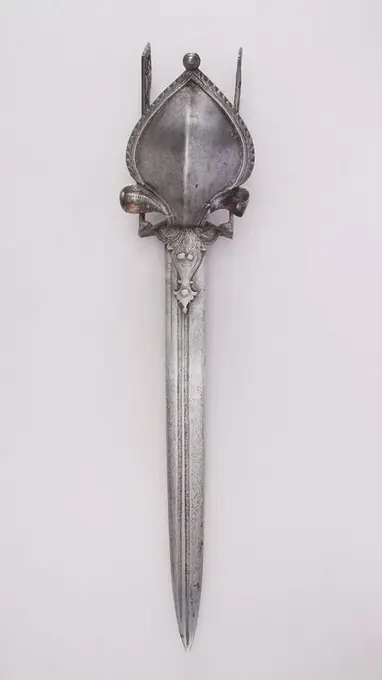
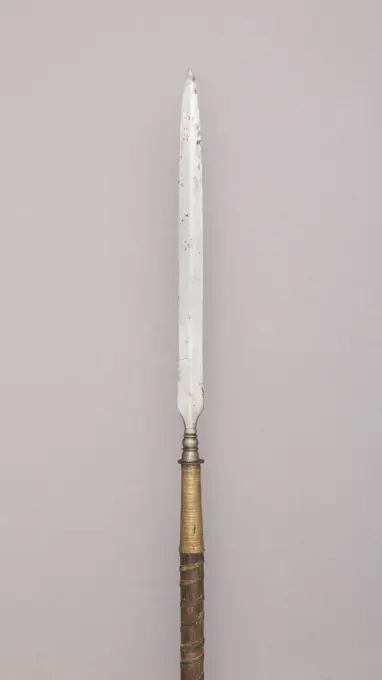
Images of ornate swords and knives from different eras. Features intricate designs, highlighting craftsmanship and historical significance.

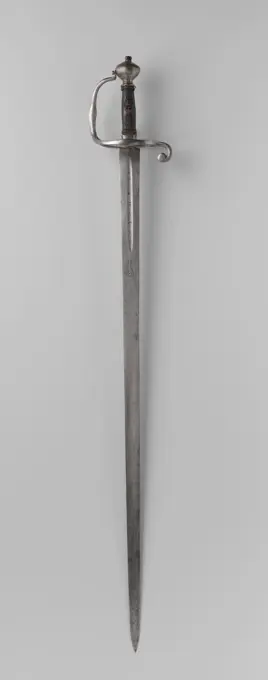
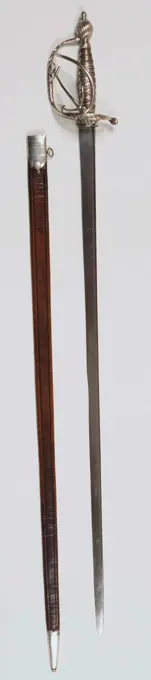
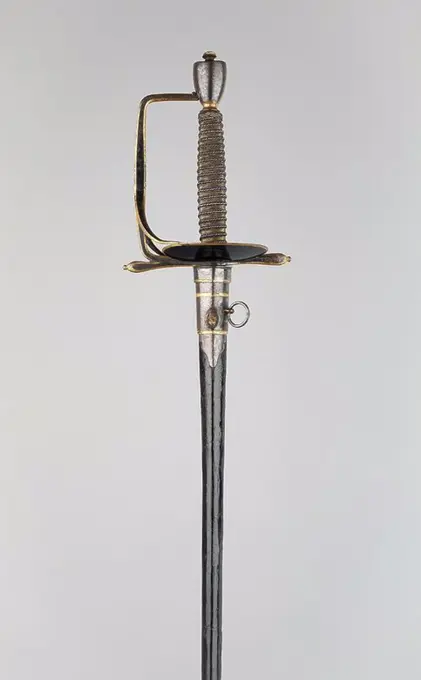
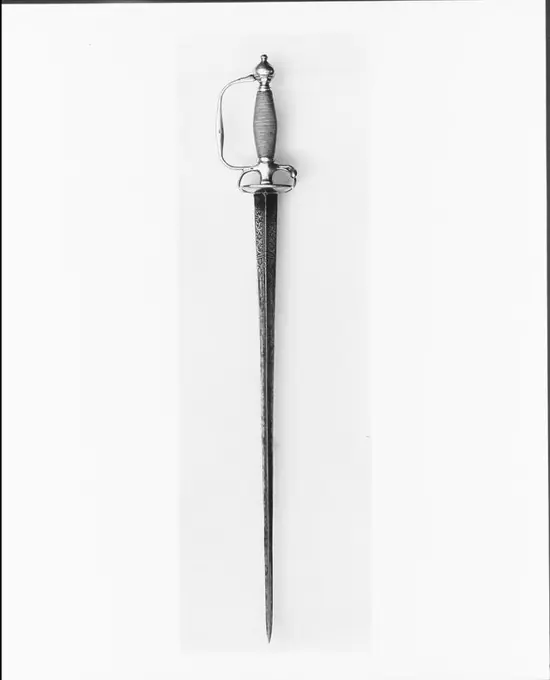
Degen with Schede, Anonymous, c. 1800 - c. 1900 sword Degen with iron blade which is blew and gilded with floramotives. The hing consists of a donkey -shaped double bump plate which is decorated with motifs at the front. The parade rod has a decorated button at the end. The handle consists of silver thread that is strung around the grip. West-Europa Kling: Iron (Metal). hilt: copper (metal). Handle: Silver (Metal). Schede: Leather
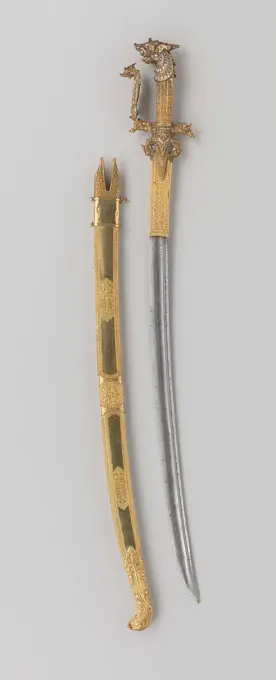
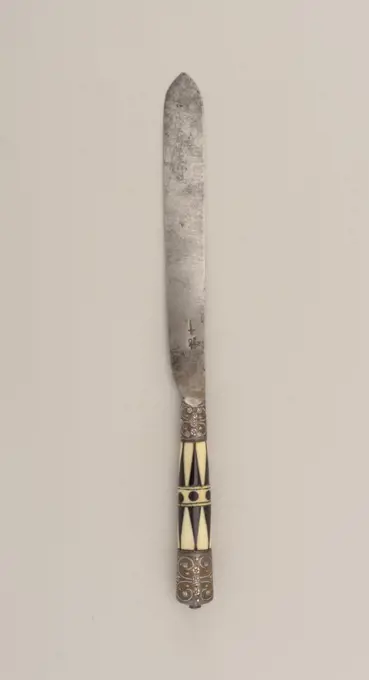
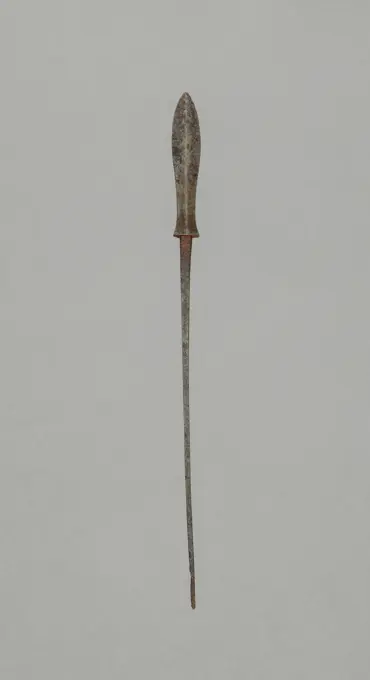
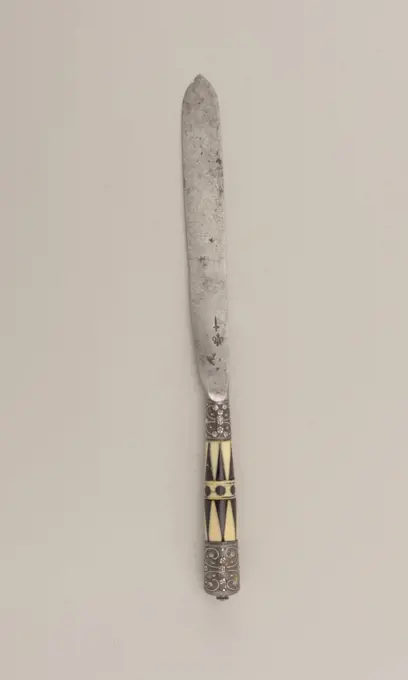
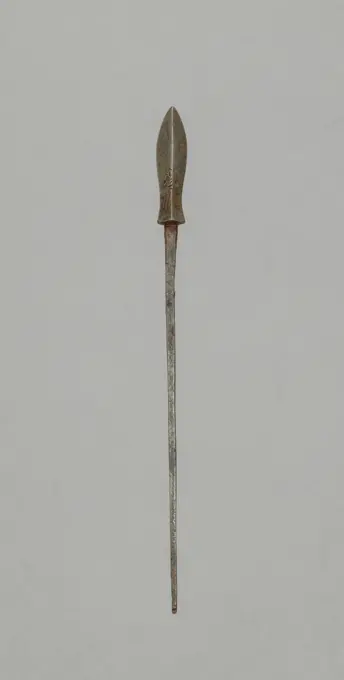
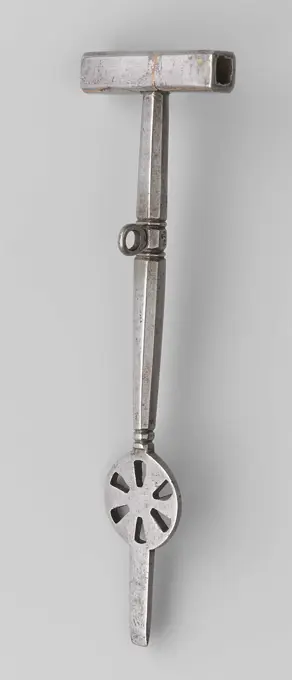
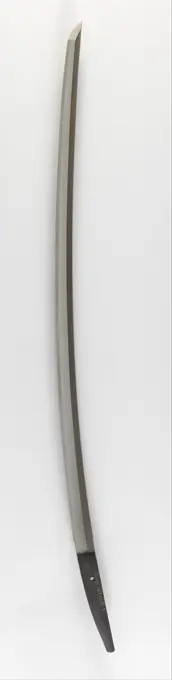
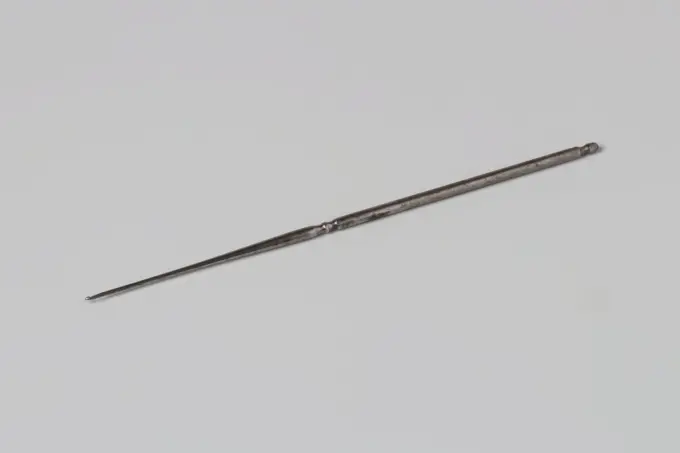
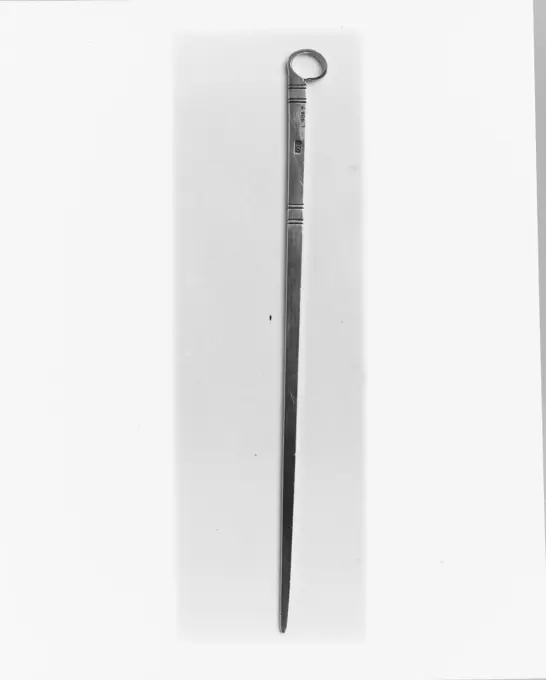
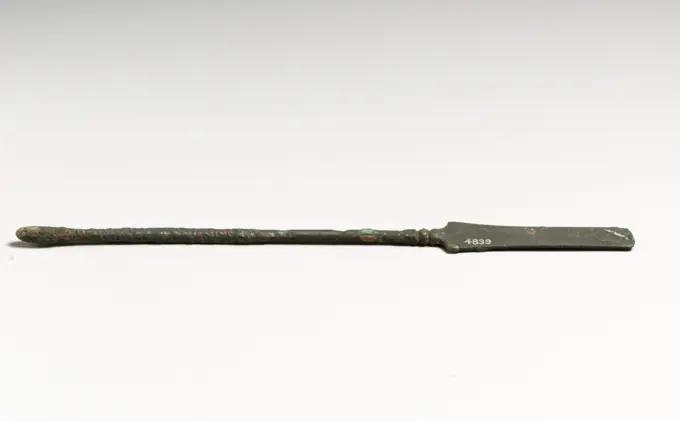
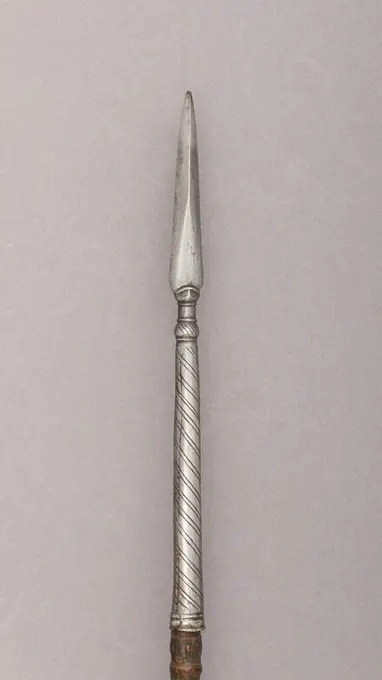
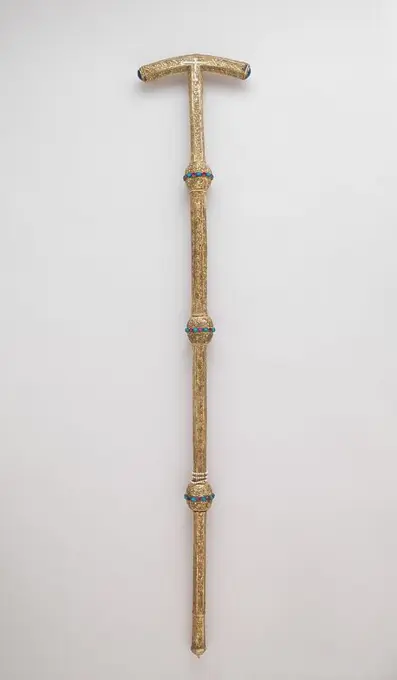
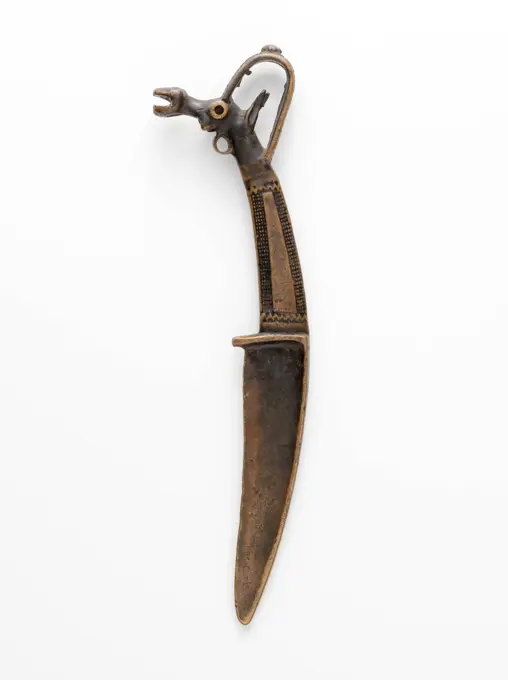
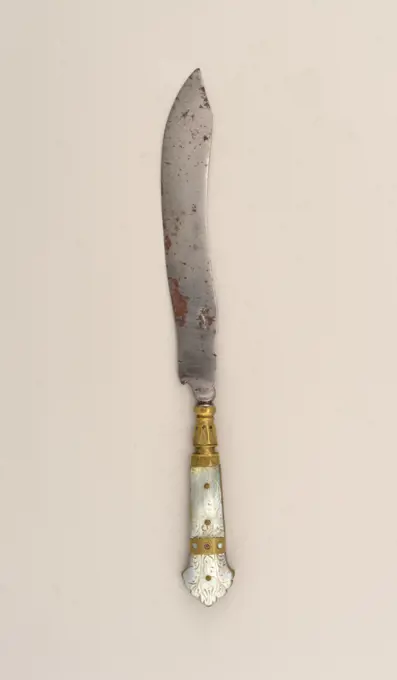
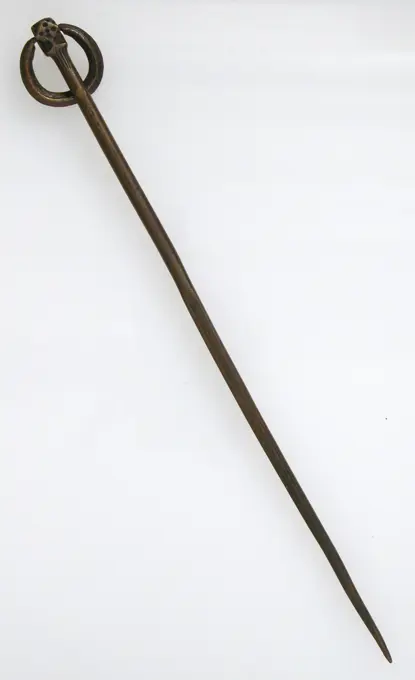
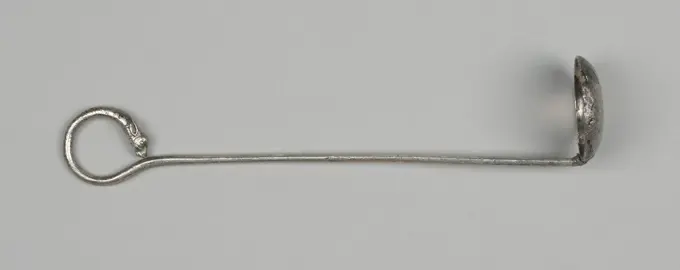
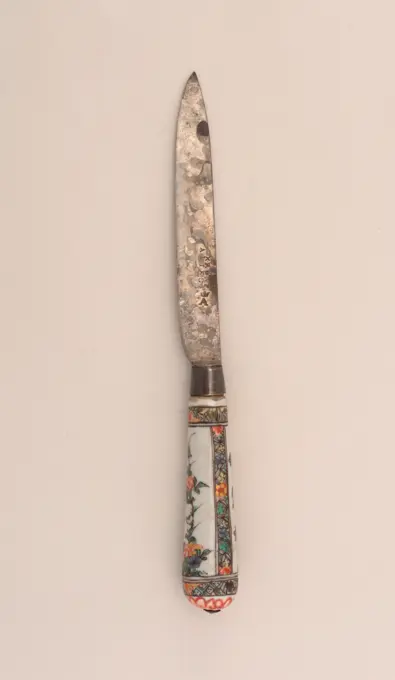
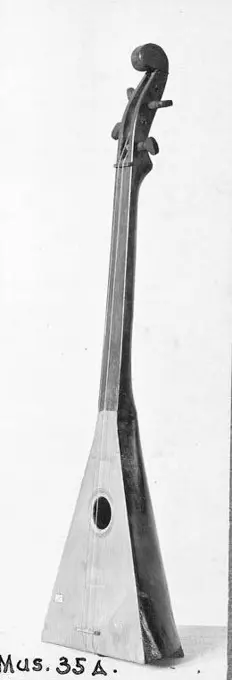
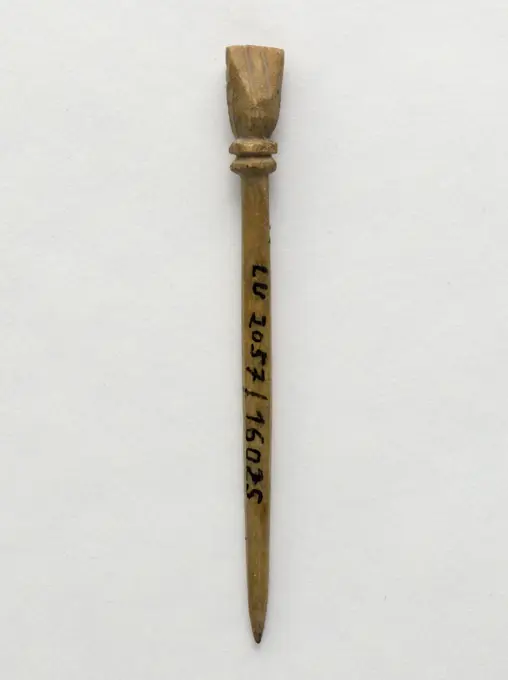
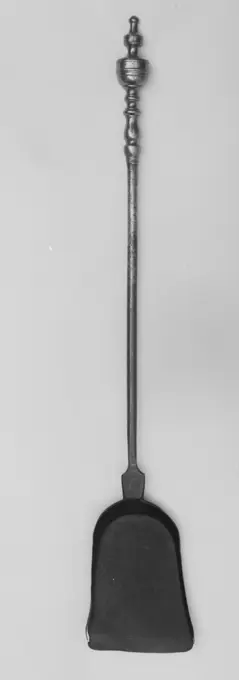
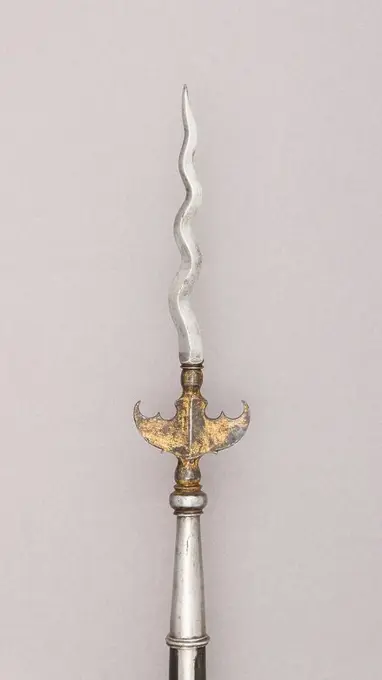
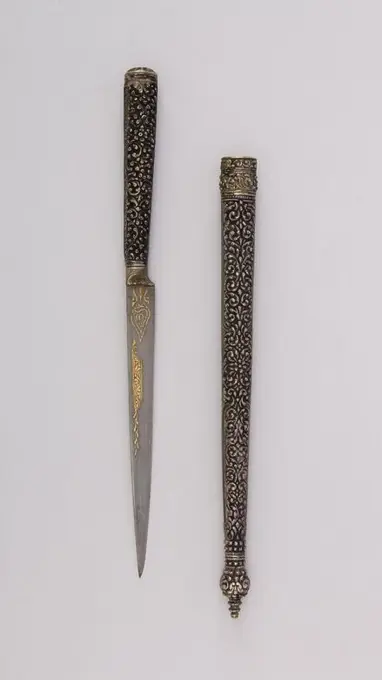
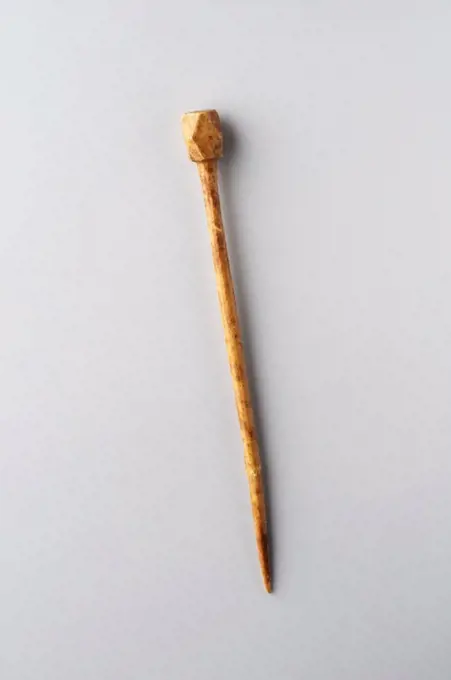
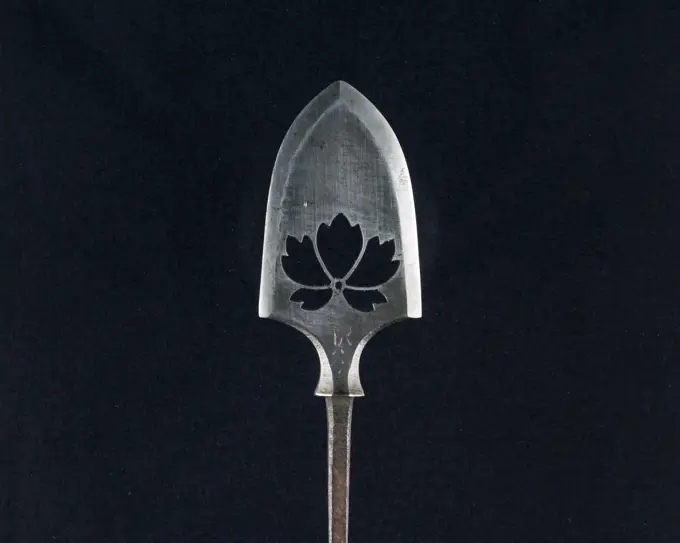
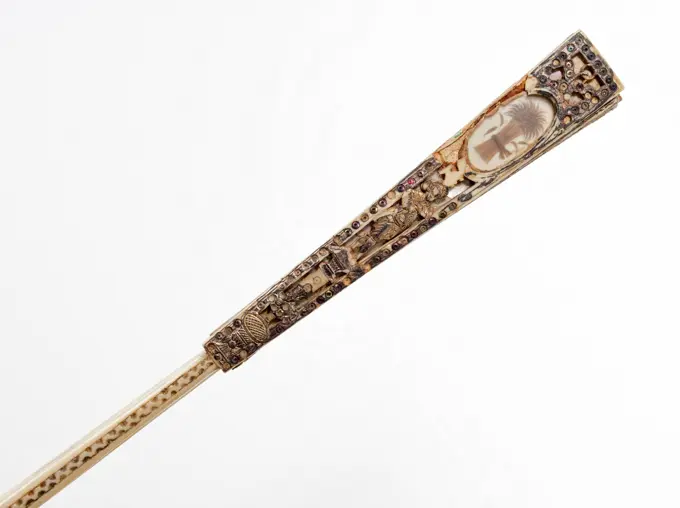
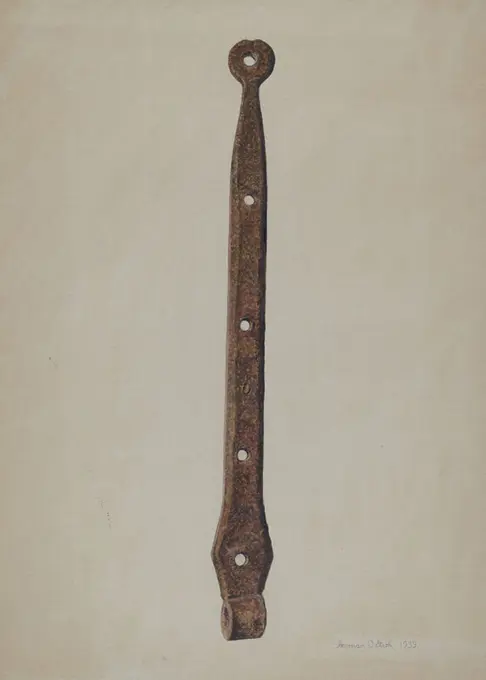
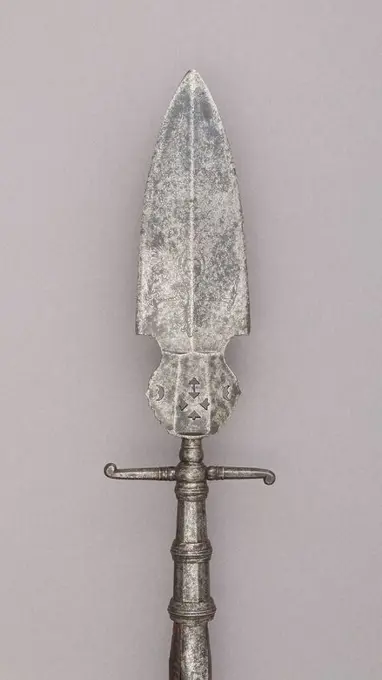
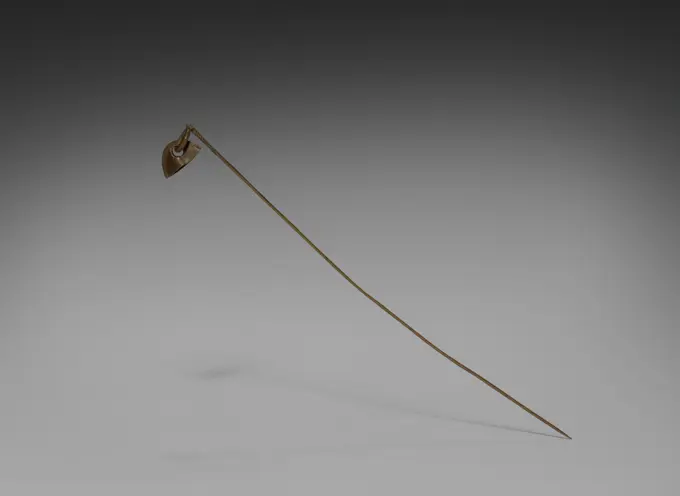
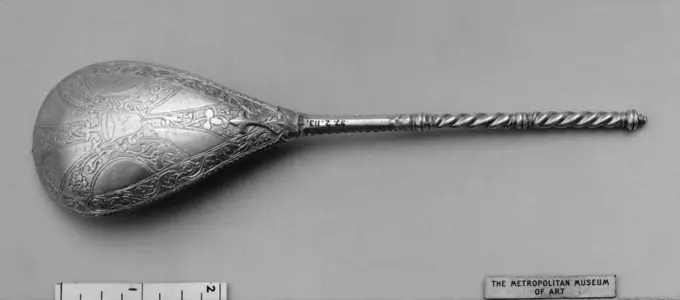
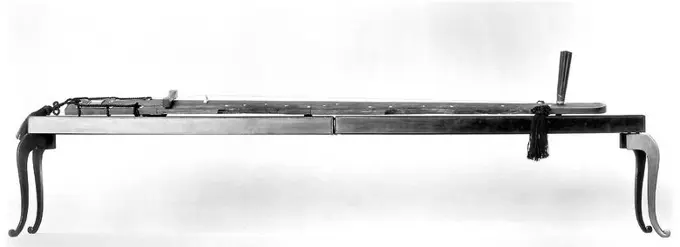
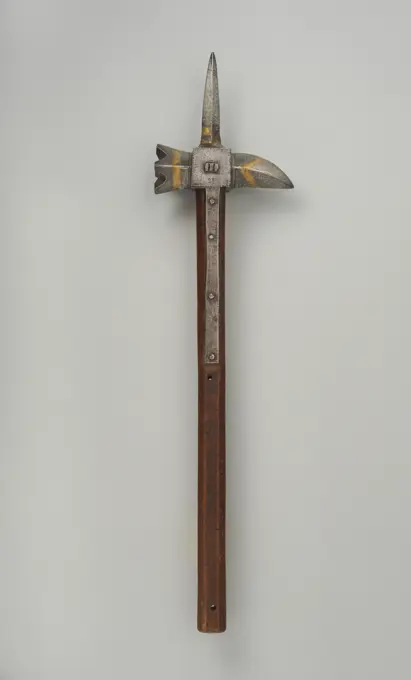
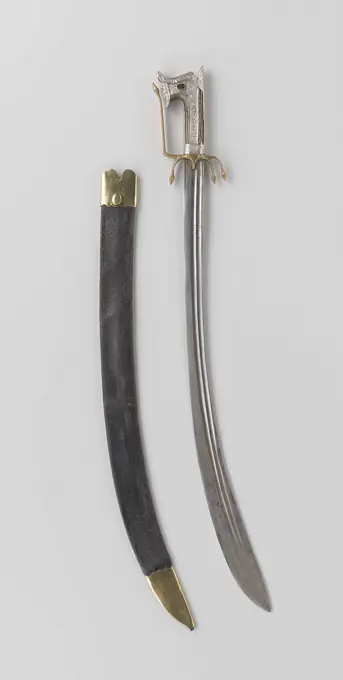
Degen with Schede, Anonymous, c. 1800 - c. 1900 sword Degen with iron blade which is blew and gilded with floramotives. The hing consists of a donkey -shaped double bump plate which is decorated with motifs at the front. The parade rod has a decorated button at the end. The handle consists of silver thread that is strung around the grip. West-Europa Kling: Iron (Metal). hilt: copper (metal). Handle: Silver (Metal). Schede: LeatherSword 1500 Italian. Sword. Italian. 1500. Steel. SwordsTwo sabres (kastanes) and a knife (piha-kaetta).Following an unsuccessful invasion of Kandy in 1764, the VOC troops nevertheless succeeded one year later in penetrating the kings centre of power. Peace negotiations failed and the troops plundered the palace and the city. The booty included many costly jewels and arms, including these three ornate weapons that were probably the kings personal property.Dessert fork; Würtembergische metallwarefabrik - WMF (Germany; Wytwónia Z Otnarz; 1880-1914); after 1880 (1890-00-00-1914-00-00);Knife (possibly Italy); steel, brass; L x W: 15.8 x 1.8 cm (6 1/4 x 11/16 in.); The Robert L. Metzenberg Collection, gift of Eleanor L. Metzenberg; 1985-103-27Dessert fork; Würtembergische metallwarefabrik - WMF (Germany; Wytwónia Z Otnarz; 1880-1914); after 1880 (1890-00-00-1914-00-00);Knife, steel, silver, gold, ivory, bone, Blade with straight sides and leaf-shaped point, hollow bolster. Ferrules silver-gilt with floral pattern. Tapered handles of ivory and bone inlaid in triangular pattern. In middle of handle black inlaid dots and two horizontal bands. Silver-gilt caps with floral pattern on end of handle., London, England, ca. 1610, cutlery, Decorative Arts, KnifeArrow Point, 1700s. Japan, Edo period (1615-1868). Steel; overall: 16.9 cm (6 5/8 in.); head: 4.8 cm (1 7/8 in.).Knife, steel, silver, gold, ivory, bone, Blade with straight sides and leaf-shaped point, hollow bolster. Ferrules silver-gilt with floral pattern. Tapered handles of ivory and bone inlaid in triangular pattern. In middle of handle black inlaid dots and two horizontal bands. Silver-gilt caps with floral pattern on end of handle., London, England, ca. 1610, cutlery, Decorative Arts, KnifeKnife, steel, silver, gold, ivory, bone, Blade with straight sides and leaf-shaped point. Hollow bolster, ferrules silver gilt with floral pattern. Tapered handles are ivory and bone in triangular pattern. In the middle of the handle black inlaid dots and two horizontal bands. Silver-gilt caps with floral pattern on the end of the handle., London, England, ca. 1610, cutlery, Decorative Arts, KnifeArrow Point, 1700s. Japan, Edo period (1615-1868). Steel; overall: 15.3 cm (6 in.); head: 3.8 cm (1 1/2 in.).Pair of wheellock rifles with spanner from Cornelis Tromp.These rifles or fowling pieces were intended for hunting game. The decoration of antler, bone and mother-of-pearl refers to hunting and the use of this kind of rifle. In 1656 Tromp was involved in the Polish-Swedish War as a rear admiral. He would also have regularly visited Danzig (now Gdańsk), the city where these rifles were made.Blade for a Sword (Katana) dated 1526 Blade inscribed by Masazane Japanese Masazane was a swordsmith active in the late Muromachi period in Ise (in present-day Mie prefecture). He was one of the most important swordsmiths of the Sengo Muramasa School. His best known work is a spear, the so-called Tonbogiri (dragonfly cutter), one of three famous spears, each of which was made by a renowned swordsmith.This sword has a highly distinctive steel surface, made in the ayasugihada (concentrically curved grain) pattern. Blades with the ayasugihada pattern have been the trademark of the celebrated Gasan School of swordsmiths since the fourteenth century. This Masazane sword is the only known example of a blade with the ayasugihada pattern made by a swordsmith outside of the Gasan School. It is thus an important example of the work of Masazane and of the influence of the Gasan School on other swordsmiths. The sword is in perfect condition, is signed and dated, and has an extremely rare grain patSpoon mid-19th century A.D. Boulenger. Spoon 188194 Maker: A.D. Boulenger, Spoon, mid-19th century, Silver, Length: 7 1/4 in. (18.4 cm). The Metropolitan Museum of Art, New York. Gift of Mrs. Samuel P. Avery, 1897 (97.2.170)Chester Kluf, Bark Peeler, c 1937 Bark PeelerSteel hook with button and section, Imra, c. 1900 - c. 1950 A steel hook with a button and section. Address: Imra / Geschützt. Germany (possibly) whole: Steel (Alloy) A steel hook with a button and section. Address: Imra / Geschützt. Germany (possibly) whole: Steel (Alloy)Sword ca. 14th-15th century; grip, later Italian. Sword. Italian. ca. 14th-15th century; grip, later. Steel, silver. SwordsSkewer 1750-75 Daniel Dupuy. Skewer 7525Spatula Cypriot This bronze spatula consists of a long shaft with an olivary point at one end and a broad flat blade, oar-shaped and blunt-edged, at the other. It was a pharmaceutical, rather than strictly surgical, instrument.. Spatula 244388Javelin or Spear. Culture: Indian. Dimensions: L. 72 3/4 in. (184.8 cm); L. of head 9 5/8 in. (24.4 cm); W. 3/4 in. (1.9 cm); Wt. 1 lbs. 5.6 oz. (612.3 g). Date: 18th century. Museum: Metropolitan Museum of Art, New York, USA.Pastoral staff. Culture: British, Birmingham, after Russian original. Dimensions: Overall (confirmed): 45 × 8 1/4 × 2 1/2 in. (114.3 × 21 × 6.4 cm). Manufacturer: Elkington & Co. (British, Birmingham, 1829-1963). Date: 19th century, after 17th century original.This electrotype is after a seventeenth-century original a treasure of the Patriarch, Moscow, at the time of reproduction. Museum: Metropolitan Museum of Art, New York, USA.Remains of a rifle from Jan van Speijks gunboat, anonymous, before 1831 rifle Fragment of a rifle from the gunboat by J. C. J. van Speijk. Netherlands iron (metal). wood (plant material)   ScalesFanfare trumpet, anonymous, c. 1815 - c. 1830 musical instrument. wind instrument. trumpet. fanfare trumpet Fanfaretrompet consisting of a thin slightly bent tube that ends in a wide chalice with border. The mouthpiece is missing. Europe copper (metal) casting / solderingKnife ". Bronze. Shang dynasty (1765 - 1122 BC), China. Paris, Muse Cernuschi. Knife Asian art, Chinese art, extreme-East art, bronze, knife, shang dynasty, prehistoric time, Shang time, prehistoryKris with Sheath. Culture: Philippine, Moro. Dimensions: L. with scabbard 29 in. (73.7 cm); L. without scabbard 27 1/2 in. (69.9 cm); L. of blade 23 3/8 in. (59.4 cm); W. 4 3/4 in. (12.1 cm); Wt. 1 lb. 12 oz. (793.8 g); Wt. of scabbard 7.6 oz. (215.5 g). Date: 18th-19th century. Museum: Metropolitan Museum of Art, New York, USA.Knife, steel, brass, mother-of-pearl, Sabre-shaped blade with a profiled upper edge, rounded bolster. Flaring rectangular handle, carved mother-of-pearl. Brass rivets on both sides of handle. Brass mounts and band along the side of handle decorated with engraved geometrical and fish-shaped forms., Germany, ca. 1700, cutlery, Decorative Arts, KnifeLance point, Wrought steel, Small spatulate point above series of 77 projecting barbs, the whole above a tapering hollow socket., Central or East Africa, 19th century, metalwork, Decorative Arts, Lance pointAnnular Brooch 9th century Irish. Annular Brooch. Irish. 9th century. copper alloy. Metalwork-BronzeSword of Honor. Light curved saber skling with back-cut but without heel. The sword has an open location with large anchor, handle cap with inscription and button in the shape of a lion head. The handle is covered with hauie skin and wrapped in horizontal lines with copper wire. The blade is entirely without brands.Berl of King August III; Köhler, Johannes; 1733 (1733-00-00-1733-00-00);dip pen draws black line on paper by wide nib brown wooden dip pen draws black line on white paper by wide nib Copyright: xZoonar.com/ValeryxVoennyyx 13807950Ladle. UnknownDegen, Anonymous, 1814 - 1866 sword Iron. Button, front bracket, heart -shaped pare brackets with curl, donkehoef. Wooden handle, partly wrapped with metal. On the blade on both sides inscription: Sahagom and an image of an ongoing animal. On the heel of the blade on both sides marked with the Amsterdam weapon.  iron (metal). wood (plant material)   NetherlandsFork (England); silver, agate; L x W: 15.5 x 1.3 cm (6 1/8 x 1/2 in.); The Robert L. Metzenberg Collection, gift of Eleanor L. Metzenberg; 1985-103-116Knife (China); steel, silver, porcelain; L x W: 21.3 x 2.1 cm (8 3/8 x 13/16 in.); The Robert L. Metzenberg Collection, gift of Eleanor L. Metzenberg; 1985-103-217Gauntlet Dagger (Para) 18th century South Indian. Gauntlet Dagger (Para) 31724Strainer spoon 18th century British. Strainer spoon 192220ToolDegen met schede herinnerend aan de verovering van de St. Lucie door luitenant W. O. Bloys van Treslong.Right sword with slender single-cutting blade, pearer ring with openworked abstract motifs, shovel boarded with anchor, round oval pommel with sloping ridges. Brown leather sheath with silver point and one carrying ring above. Signature: On the front bracket: Amsterdam; R (annual letter 1800); IDM. Inscription: On the front bracket: Starting for the conquest of the French Cannon: Brik La ST. Lucie for Lillo on March 20, 1793. Inscription: On the back of the blade: illegible.Brush China. Brush. China. Green jade. Qing dynasty (1644-1911), Qianlong period (1736-95). JadeSpearhead (Mdung Rtse). Culture: Tibetan. Dimensions: L. 14 1/4 in. (36.2 cm). Date: 17th-18th century. Museum: Metropolitan Museum of Art, New York, USA.Crutch Dagger (Zafar Takieh, "Cushion of Victory") 18th century Indian, Mughal; blade, European. Crutch Dagger (Zafar Takieh, "Cushion of Victory"). Indian, Mughal; blade, European. 18th century. Jade, steel. Solingen, North Rhine-Westphalia. DaggersMilitary Smallsword and Sabbard of a Member of the British Royal Family. Cutlers: John Highlord Bland (English, died 1791); and Robert Foster (English, 1758-1798), London. Date: 1775-1801. Dimensions: 101.6 × 12.4 cm (40 × 4 7/8 in.). Steel, silver, brass, gilding, wood, and lacquered snakeskin. Origin: England. Museum: The Chicago Art Institute, Chicago, USA.Drumsticks, c. 1800 - c. 1900 musical instrument. elements (of musical instruments). percussion instrument. beater. drumstick Wooden drumstick. Europe wood (plant material)Knife, Agate, silver, steel, Eight-panelled agate haft with scalloped, engraved ferrule below a flaring, square-ended steel blade., London, England, 18th century, cutlery, Decorative Arts, KnifeBalalaika 19th century Russian. Balalaika 500942Hair pin. Gallo-Roman. Bone. Paris, Carnavalet museum. Schematic representation of a human head of ogival shape tips down, nose edge, transverse notch for the mouth, high hairstyle, small cuts to suggest hair. Hair and Gallo-Roman, Gallo-Romain, Object, Bone, Archeological Vestige, ToiletHinge, c. 1400 - before 1950   iron (metal)   iron (metal)Fire Shovel 1770-1800. Fire Shovel 3645Decorative pin for Hair Kanzashi  plant motifs and birds unknownTwo daggers, anonymous, c. 1475 - c. 1524 dagger Damaged splashing interpreter. It has 2 ball -shaped bulges. The handle is decorated with a simple scaly motif. Low Countries wrought iron (iron alloy). brass (alloy). copper (metal). wood (plant material) forging / cutting  Low CountriesOboe, anonymous, c. 1800 - c. 1810 Hobo of palmhout with five trapezoidal brass valves. The third gap is double. England boxwood. kleppen: brass (alloy) Hobo of palmhout with five trapezoidal brass valves. The third gap is double. England boxwood. kleppen: brass (alloy)Club, 1700s-1800s. Polynesia, Fiji Islands, 18th-19th Century. Wood; overall: 23.2 cm (9 1/8 in.). Fijian weapons are made of heavy, dense wood, ornamented with fine, chip-carved patterning. The paddle-like shape of this example is quite rare.Handle of black plastic with ribbed surface and cut spines, for an umbrella or umbrella, Gustav Schnitzler, c. 1910 - c. 1920 Handle of dull -black plastic for an umbrella or parasol. The surface is ribbed and has cut spines. Possibly for the mourning. Nijmegen . Handle of dull -black plastic for an umbrella or parasol. The surface is ribbed and has cut spines. Possibly for the mourning. Nijmegen .Military flint rifle, Mathijs Tielenburg, c. 1785 - c. 1795 flintlock gun The lock plate is signed. On the bottom of the loop is .50. Stamped. The flask is simply cut. The yielding batter consists of four sliding drawer tires, the tractor bracket with A4 on it, an S-shaped screw plate, an oval thumb plate with no 7 on and on the pump plate M: E and IKN2; The loading stick is made of steel. Leeuwarden brass (alloy). steel (alloy). iron (metal). wood (plant material) engraving / cuttingBritish Naval Sword in Scabbard, Gillot & Hassel, 1868 - 1877 sabre English officers' label with Schede. Slightly curved saber king with wide blood channel and back cut without heel (Wilkinson Kling); It is etched with leaf motifs, a crowned anchor on one side, on the other the British royal weapon. It bears the inscription and a test brand. The sword has wrapped with a white shark skin with copper wire, a closed rag korf with crowned unclean anchor and a button in the shape of a lion's head. The private part of the shot can fold down and then close with a hole on a ridge of the sheath. There is a blue-and-gold Galon Sabel brush on the hilt. De Schede has a bottom tire with towing edge; The central and top strap both have a ring for the carrying tape, and all three tires are decorated with leaf motifs. London Kling: Iron (Metal). Hurt: Brass (Alloy). Schede: Copper (Metal). Handle: Wood (plant material). Sabel brush: Rope. Handle: Sharkskin. Handle: Silk. Handle: Rope. grip: gilding  GRiding Whip. Culture: Caucasian. Dimensions: as is, H. 27 1/2 in. (69.9 cm); W. 4 1/2 in. (11.4 cm); Wt. 5.9 oz. (167.3 g). Date: 18th-19th century. Museum: Metropolitan Museum of Art, New York, USA.Przeszo Przyszoci unknownModel of a Main Topmast, anonymous, c. 1780 - c. 1840 demonstration model Model of the large steng belonging to NG-MC-126. The steng is made round and out of a piece, with a thick square heel with slot hole, an octagonal Hommer and square top. Netherlands wood (plant material). paint (coating)Spearhead, c. 1400 - c. 1950 Iron spearhead, soil find.  iron (metal)   Amsterdam Iron spearhead, soil find.  iron (metal)   AmsterdamSpear 18th-19th century Indian. Spear 30758Brandmeestersstok with profiled head and crowned weapon Amsterdam ,, c. 1700 - c. 1800  Stick with profiled head. Painted brown over the entire length except for one part where the colors of Amsterdam are painted in diagonal jobs. Shortly above crowned weapon of Amsterdam. Amsterdam wood (plant material). oil paint (paint)   AmsterdamTangent Sight, anonymous, c. 1864 tangent sight Set -up rod for a 16 cm pulled cannon, consisting of an iron rod with pyramid -shaped top, on which a short horizontal bar with ocular is attached to the end. The horizontal rod can be set both vertically and horizontally. The vertical rod is subdivided into 600 mm, the horizontal in 100 mm. Scale 1: 1. Netherlands iron (metal). brass (alloy)Asia, Lebanon. Gold spoon for cosmetics or oil (anointing). Tomb of Chemou-Abi. 18th cent. BC. Lebanon.Needle -punch made in bronze. Length 10, 2 cm. (3 rd- 4 th CE ) - Roman period, from the " Villa del Val" - Archaeological site of Complutum in Alcalá de Henares ( Madrid ). SPAIN.Partisan. Culture: French. Dimensions: L. 86 1/2 in. (219.7 cm); L. of head 13 3/4 in. (34.9 cm); W. 2 7/8 in. (7.3 cm); Wt. 2 lbs. 8 oz. (1134 g). Date: ca. 1725. Museum: Metropolitan Museum of Art, New York, USA.Dagger with Sheath. Culture: Persian. Dimensions: L. with sheath 13 15/16 in. (35.4 cm); L. without sheath 10 5/8 in. (27 cm); L. of blade 6 1/8 in. (15.6 cm); W. 11/16in. (1.7 cm); D. 11/16 in. (1.7 cm); Wt. 3.1 oz. (87.9 g); Wt. of sheath 5.3 oz. (150.3 g). Date: 19th century. Museum: Metropolitan Museum of Art, New York, USA.Knife (Matchu) 18th-19th century South Indian. Knife (Matchu) 31291Model sabel brush for infantry label No. 2, M 1819, including Grenadiers (1829), men, Anonymous, c. 1819 - c. 1830 carrier White cotton galon with ornamental tissue, on which red flat woolen brush, consisting of pear with cardboard core. Below a red woolen braid on which red woolen frills. Bottom brass red, several times folded, fabric. Netherlands mohair. cotton (textile). cardboardHairpin (Acus crinalis) made bone with quadrangular head. 10 x 0, 7 cms ( 3rd - 4 th CE ), Roman period, from the "Villa del Val" - Archaeological site of Complutum in Alcalá de Henares ( Madrid). SPAIN.Knife with a handle of ebony, anonymous, 1550 - 1600 Knife with iron blade. It is from ebony, the transition from blade to handle is made of copper. The copper crown contains a crack and is decorated with flowers on either side Nuremberg heft: ebony (wood). heft: copper (metal). lemmet: iron (metal) engraving Knife with iron blade. It is from ebony, the transition from blade to handle is made of copper. The copper crown contains a crack and is decorated with flowers on either side Nuremberg heft: ebony (wood). heft: copper (metal). lemmet: iron (metal) engravingArrowhead (Yanone) 18th century Japanese Although today Japanese warriors are renowned most for their swordsmanship, archery, especially from horseback, has been an essential part of samurai warfare and culture for centuries. Arrows were fitted with heads of varying shape according to their intended use in war, the hunt, or target practice. Arrowheads made for use on the battlefield incorporated different designs intended for specialized purposes such as the piercing of armor or to cause maximum damage to horses and unarmored personnel.Large arrowheads, pierced and elaborately chiseled with landscapes, birds, flowers, dragons, and Buddhist divinities, were created to be admired for the beauty of their metalwork and design rather than for use in archery. Such highly elaborate examples may have been made for presentation or as a votive offerings to a shrine.. Arrowhead (Yanone). Japanese. 18th century. Steel. Archery Equipment-ArrowheadsDessert knife, Mother-of-pearl, silver, Paris, France, 1819-38, cutlery, Decorative Arts, Dessert knifeCandlestand ca. 1800. Candlestand 1172Knife, 1800s. Central Africa, Democratic Republic of the Congo, 19th century. Iron, wood, and copper alloy; overall: 57.4 cm (22 5/8 in.); blade: 24.2 cm (9 1/2 in.).Guarded Dagger (Katar). Culture: Indian, Thanjavur; blade, European. Dimensions: L. 21 3/4 in. (55.24 cm); W. 4 9/16 in. (11.6 cm); Wt. 1 lb. 11.5 oz. (779.6. Date: 17th century. Museum: Metropolitan Museum of Art, New York, USA.Spearhead with Cover ca. 1615-1868 Japanese. Spearhead with Cover 24447EVENTAIL. Venus and love; Mercury and love; Young woman in Park. Painted on Canepin, ivory repercussions and gilded. Paris, Carnavalet museum. 100087-12 Fashion accessory, EventailEVENTAIL. "Provision of the lodges of an opera and name of subscribers; royal lodge in the center". Painted swan, ivory. Paris, Carnavalet museum. arrangement of the lodges of an opera and name of subscribers; Royal Lodge in the Center Fashion accessory, EventailKnife, before 1916. Central Africa, Democratic Republic of the Congo or Central African Republic, early 20th Century. Forged iron and copper; overall: 40.6 cm (16 in.); blade: 32.7 cm (12 7/8 in.).Strap Hinge for Door. Dated: 1939. Dimensions: overall: 35.6 x 24.9 cm (14 x 9 13/16 in.). Medium: watercolor, graphite, and colored pencil on paperboard. Museum: National Gallery of Art, Washington DC. Author: Herman O. Stroh.Fork, steel, silver, earthenware, Two long curved tines, waisted shoulders, baluster neck. Silver ferrule, banded with scalloped edge. Pistol-shaped handle, earthenware, white ground with floral sprays in blue, yellow, green and purple. Small metal cap at the end of the handle., probably France, ca. 1760-70, cutlery, Decorative Arts, ForkSpontoon. Culture: Austrian. Dimensions: L. 76 3/8 in. (194 cm); L. of head 15 1/8 in. (38.4 cm); W. 4 11/16 in. (11.9 cm); Wt. 3 lbs. 4.2 oz. (1479.8 g). Date: 1745. Museum: Metropolitan Museum of Art, New York, USA.Crossbow Bolt, 1500s-1600s. Germany, 16th-17th century. Wood, leather, steel; average: 37.2 cm (14 5/8 in.).Pin for a Hat, Early 1900s. Africa, Democratic Republic of Congo, Kuba peoples, Early 20th century. Metal;Spoon 17th century possibly Russian. Spoon 188148 possibly Russian, Spoon, 17th century, Silver, parcel gilt, Length: 7 3/4 in. (19.7 cm). The Metropolitan Museum of Art, New York. Gift of Mrs. Samuel P. Avery, 1897 (97.2.113)Sword. Culture: American. Dimensions: L. 25 1/8 in. (63.8 cm). Maker: Edward Winslow (1669-1753). Date: 1725-50. Museum: Metropolitan Museum of Art, New York, USA.Pin ca. 8th-7th century B.C. Iran. Pin. Iran. ca. 8th-7th century B.C.. Bronze. Iron Age III. Iran, probably from LuristanPike. Culture: Spanish. Dimensions: L. 82 1/8 in. (208.6 cm); L. of head 4 3/4 in. (12.1 cm); W. 1 1/8 in. (2.9 cm); Wt. 1 lb. 12 oz. (793.8 g). Date: 17th century. Museum: Metropolitan Museum of Art, New York, USA.Ichigen-kin. Culture: Japanese. Dimensions: 12 3/8 × 47 1/4 × 5 1/2 in. (31.5 × 120 × 14 cm). Maker: Kasuke Satake (Japanese, 19th century). Date: 19th century.This one string zither was probably invented during the 17th century and remained popular until the 1920's. Although a revival of the tradition is occuring, the instrument is still rarely heard. The player touches the silk string lightly with an ivory tube worn on the left middle finger. The string is plucked with a shorter, similar tube worn on the right index finger. Museum: Metropolitan Museum of Art, New York, USA.Spoon 19th century Russian. Spoon 188062Sword. Culture: China. Dimensions: L. 18 in. (45.7 cm). Museum: Metropolitan Museum of Art, New York, USA.War Hammer ca. 1450 French Like the mace, the war hammer became an important knightly weapon after the introduction of full plate armor. Its armor-breaking qualities are indicated by its heavy four-pronged hammer head and rear spike, the bec-de-corbin. For good measure a sharp stabbing spike has been added. In a way comparable to the symbolic use of the mace, the war hammer became an insignia of rank of lower-ranking cavalry officers. Long-shafted war hammers were popular with Swiss infantry, where the so-called Lucerne hammer replaced the ubiquitious halberd in some cantons.. War Hammer. French. ca. 1450. Steel, latten, wood. Shafted WeaponsSpear butt 1st millennium B.C. Western Asia. Spear butt. Western Asia. 1st millennium B.C.. Bronze. Iron Age. Western AsiaSpear 18th-19th century Sri Lankan. Spear 30763Sabre (nimcha) of Cornelis Tromp.It is not known if Tromp was presented with this sabre - nimcha in Algerian - or if he seized the weapon as booty during a confrontation with the corsairs of Algiers. The form of the hilt resembles a birds head. Like Michiel de Ruyters nimcha, the blade of this sabre is inscribed with a text, possibly a proverb from the Koran.Traveling Fork Fork; silver, brass; L x W: 16.7 x 1.7 cm (6 9/16 x 11/16 in.); The Robert L. Metzenberg Collection, gift of Eleanor L. Metzenberg; 1985-103-273Lime Spoon, Bird 15th-16th century Inca. Lime Spoon, Bird. Inca. 15th-16th century. Copper alloy (cast). Peru. Metal-ImplementsKnife with Bird's Head 8th-6th century B.C. Northeast China. Knife with Bird's Head 59437Knife (Dha) with sheath. Culture: Burmese. Dimensions: H. with sheath 14 5/16 in. (36.4 cm); H. without sheath 13 13/16 in. (35.1 cm); W. 1 in. (2.5 cm); Wt. 6 oz. (170.1 g); Wt. of sheath 2.5 oz. (70.9 g). Date: 19th century. Museum: Metropolitan Museum of Art, New York, USA.