Historical Blades

Images of ornate swords and knives from different eras. Features intricate designs, highlighting craftsmanship and historical significance.

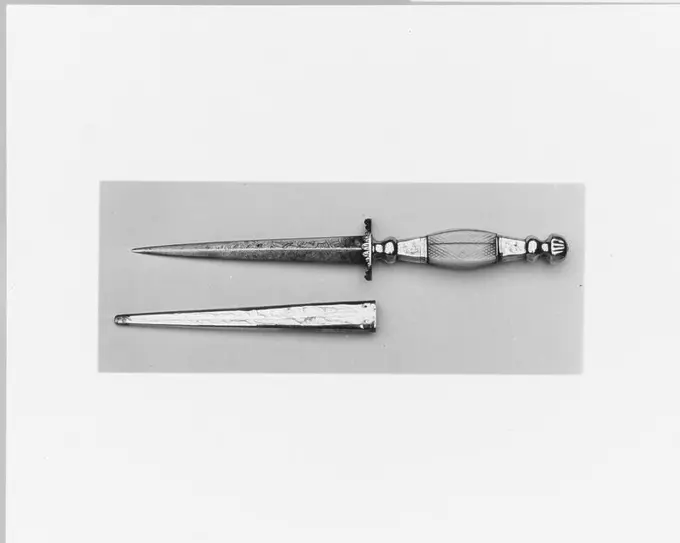
Degen with Schede, Anonymous, c. 1800 - c. 1900 sword Degen with iron blade which is blew and gilded with floramotives. The hing consists of a donkey -shaped double bump plate which is decorated with motifs at the front. The parade rod has a decorated button at the end. The handle consists of silver thread that is strung around the grip. West-Europa Kling: Iron (Metal). hilt: copper (metal). Handle: Silver (Metal). Schede: Leather
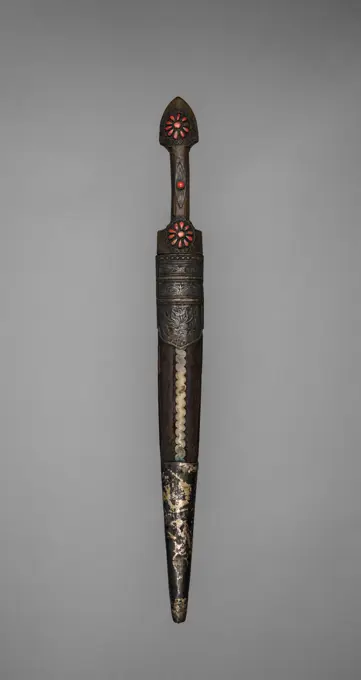
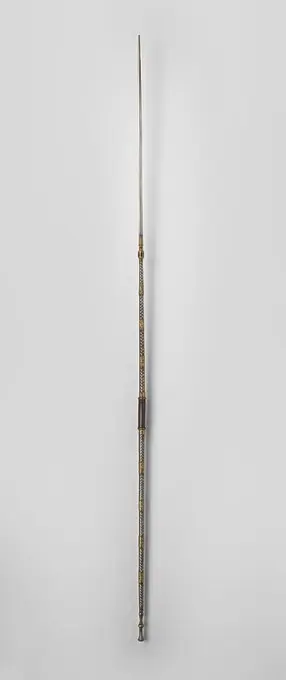
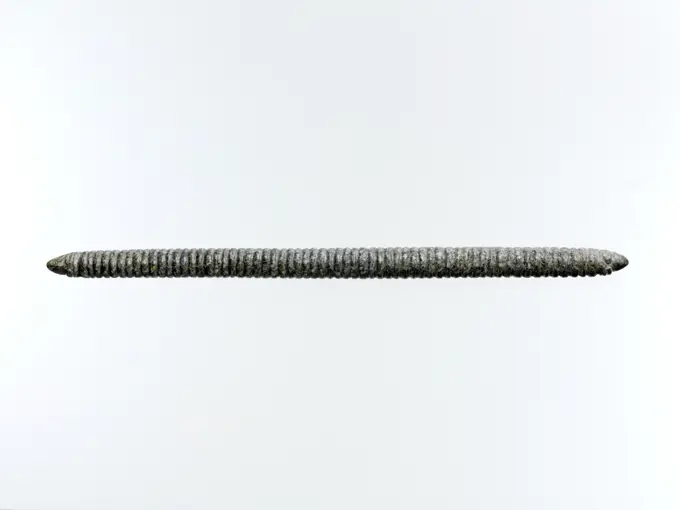
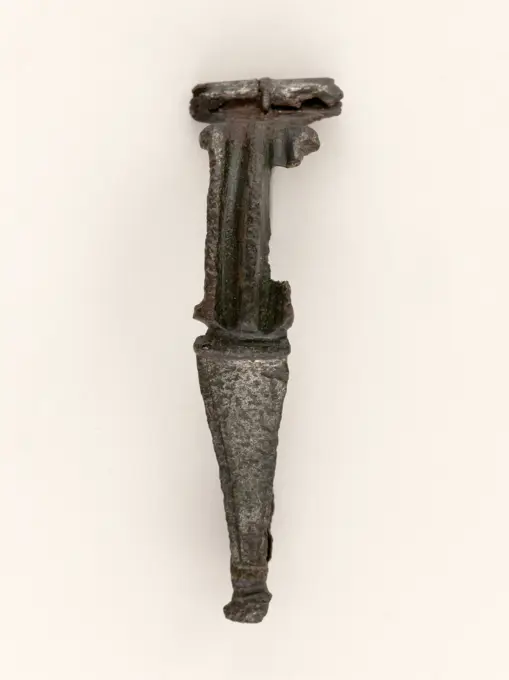
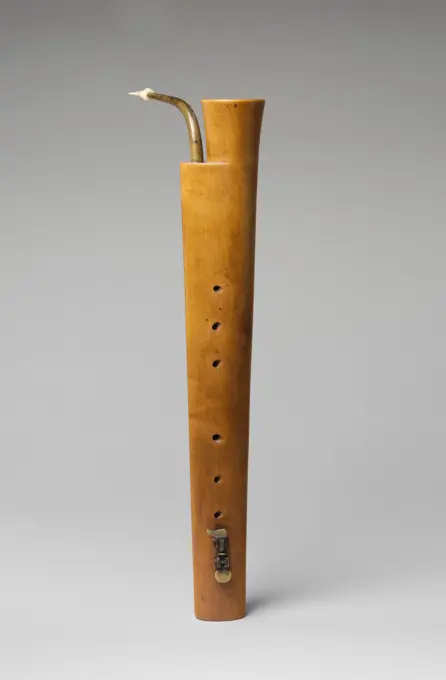
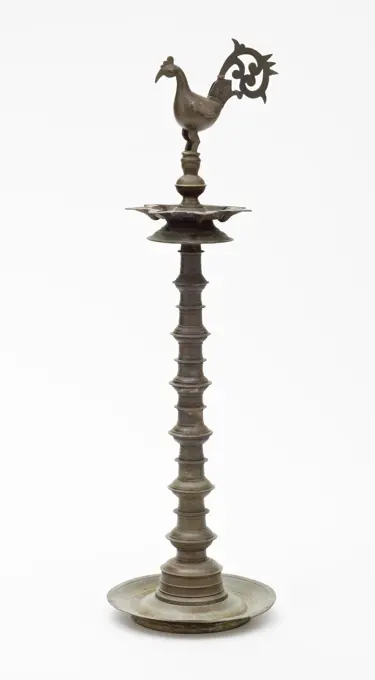
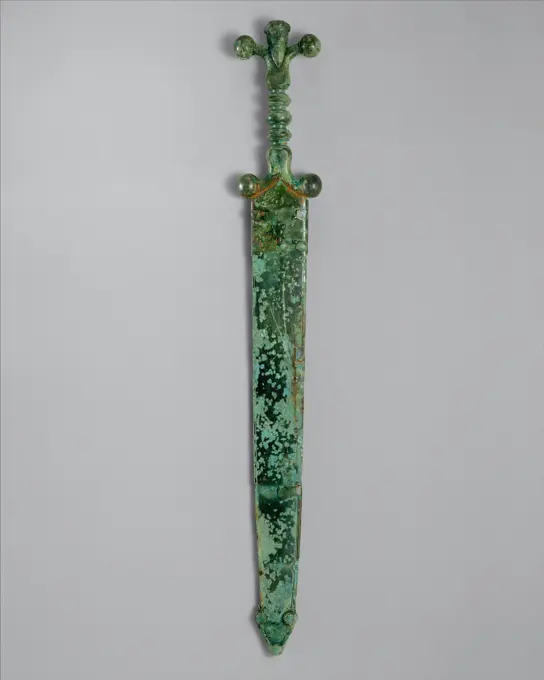
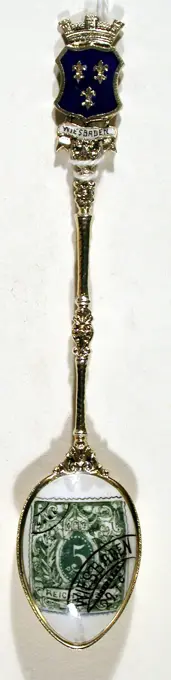
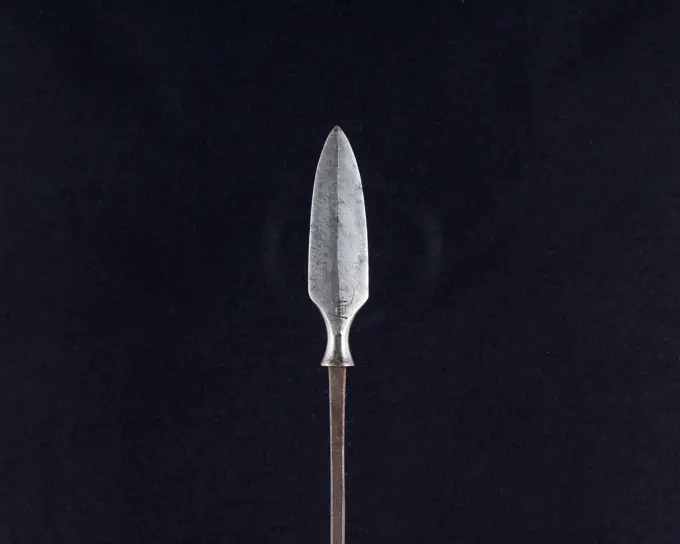
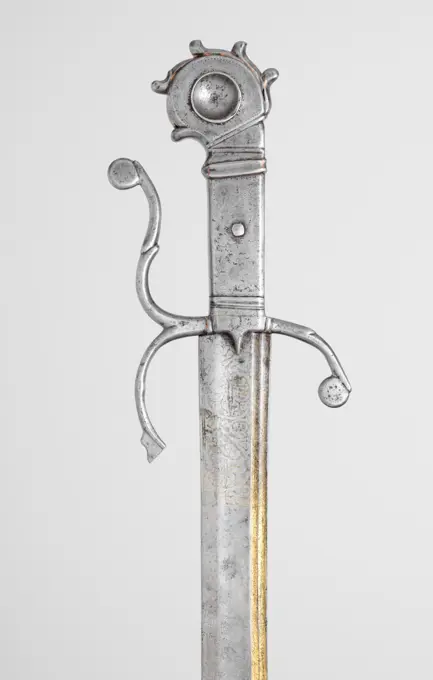
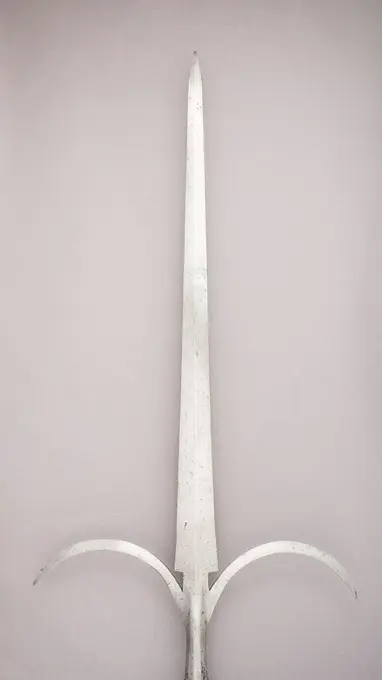
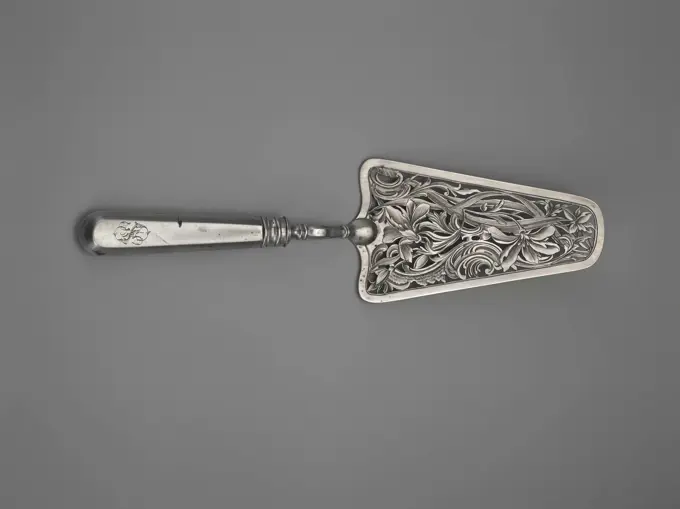
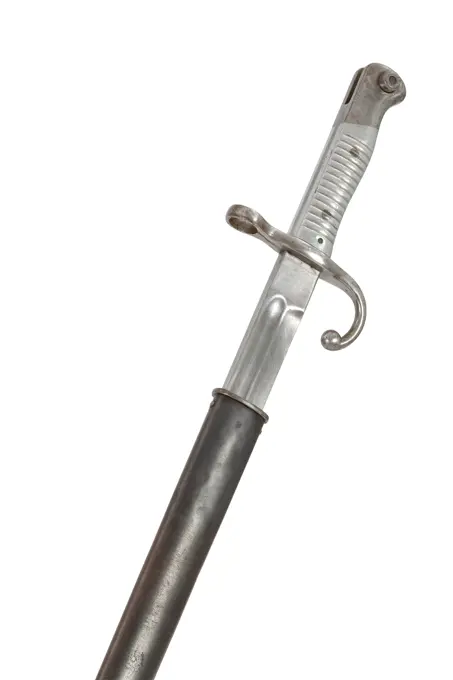
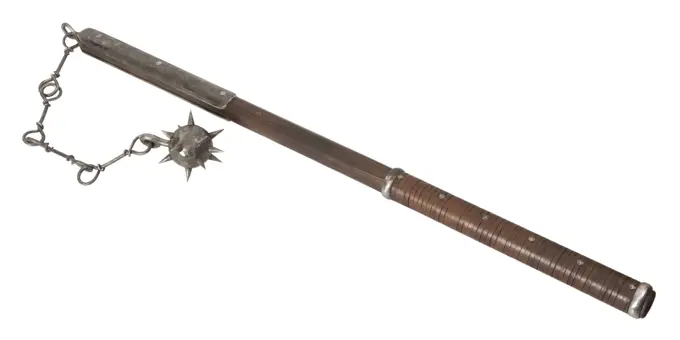
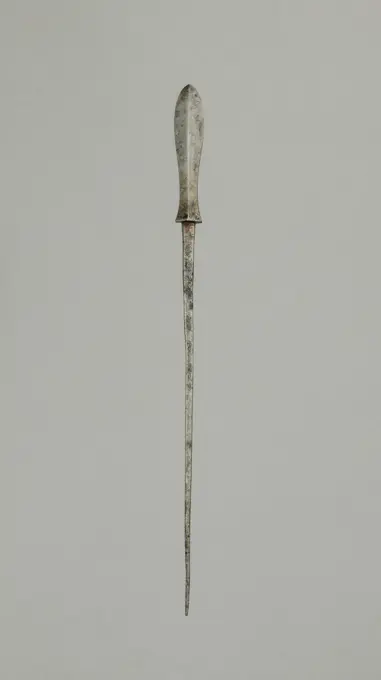
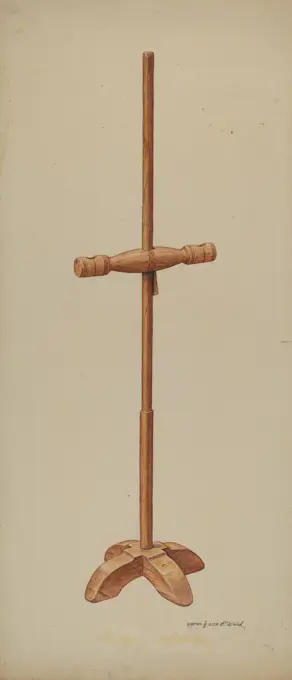
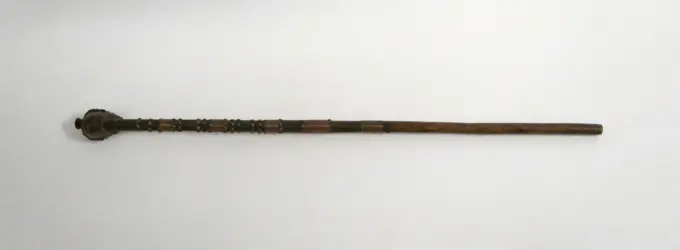
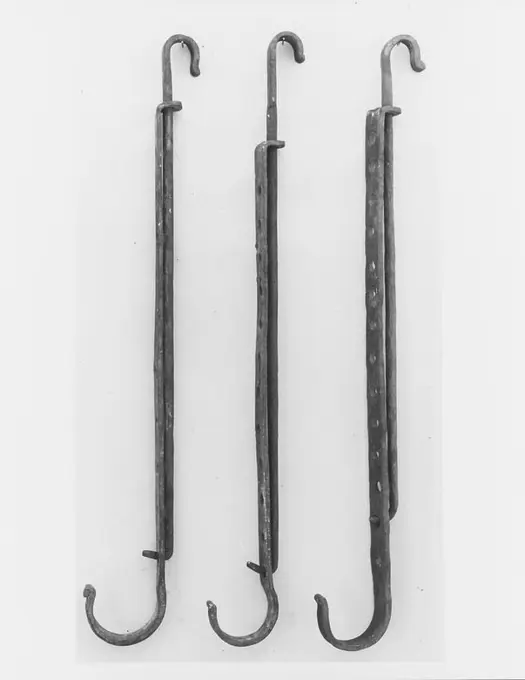
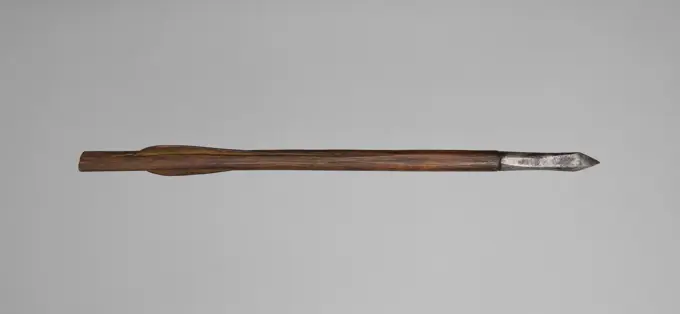
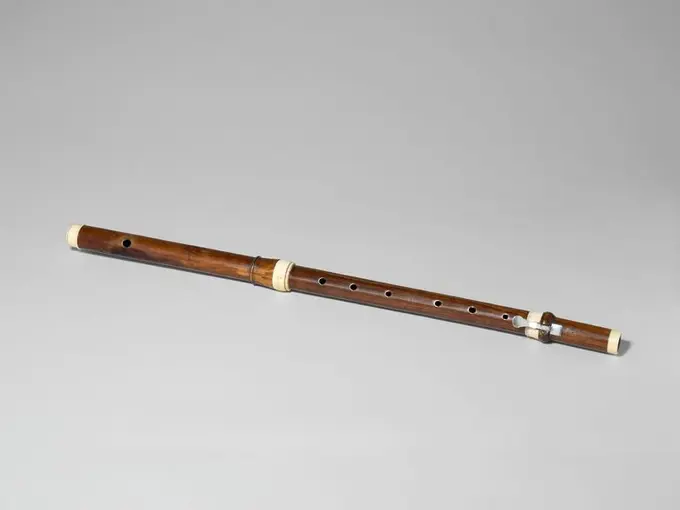
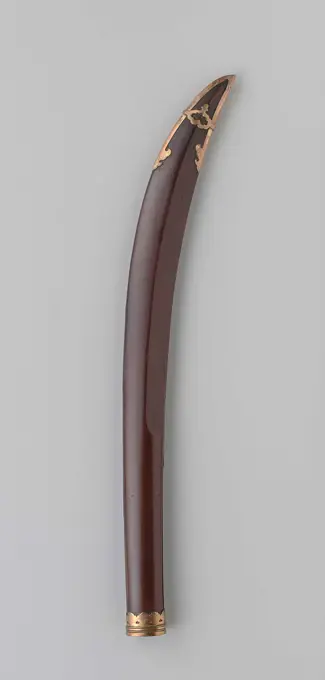
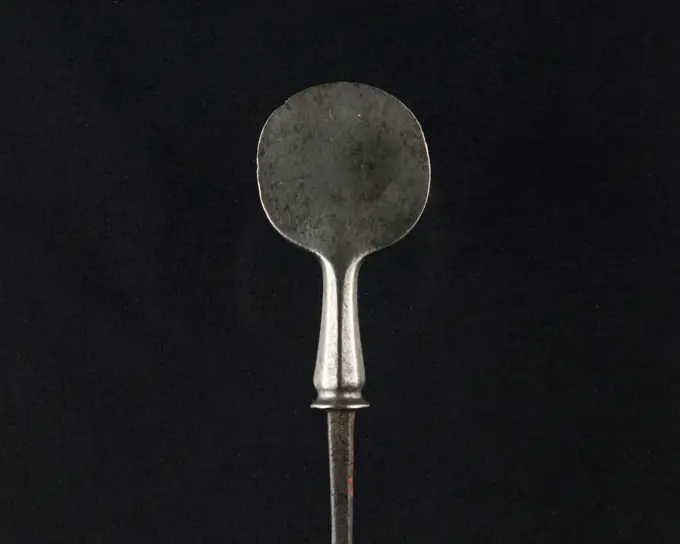
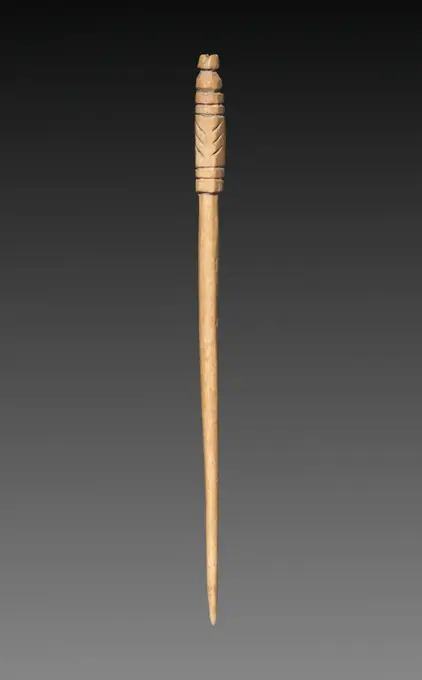
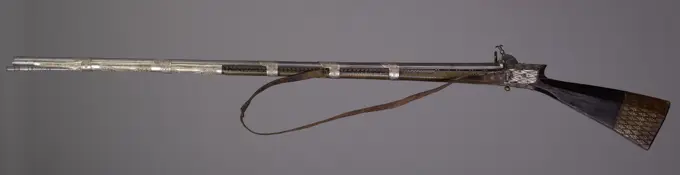
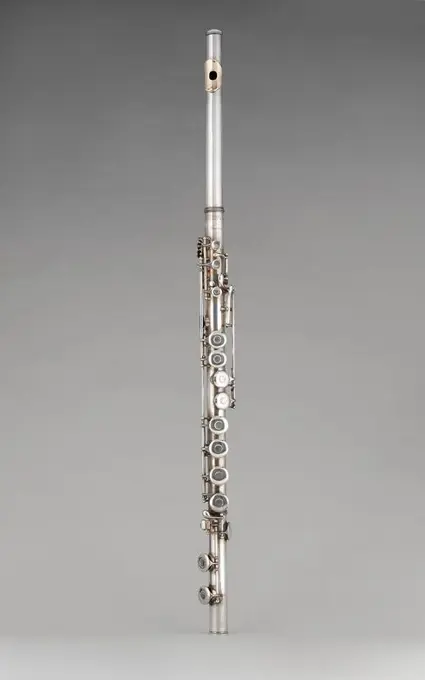
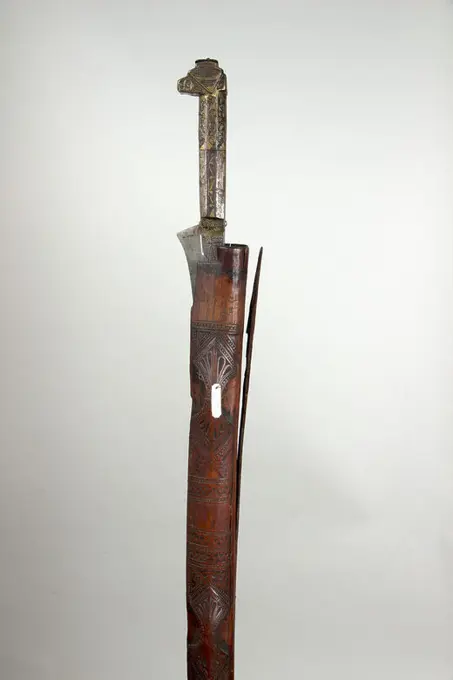
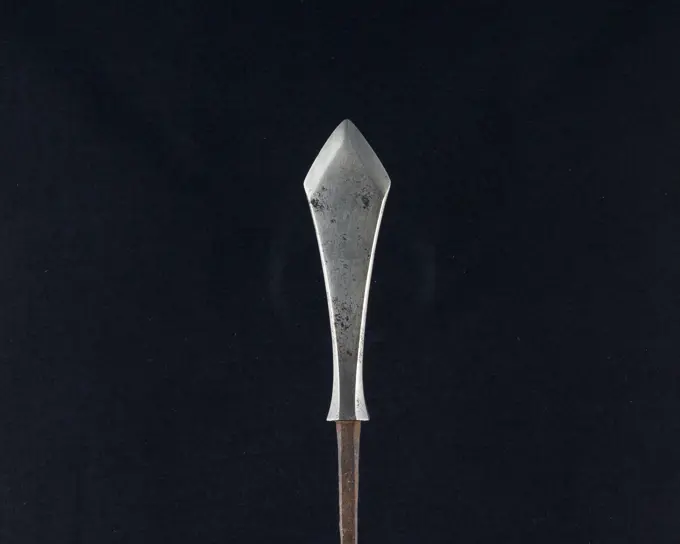
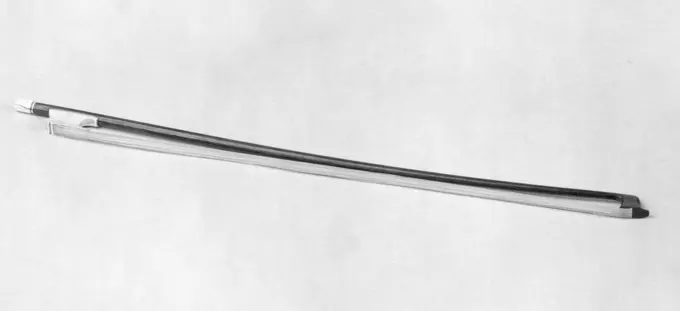
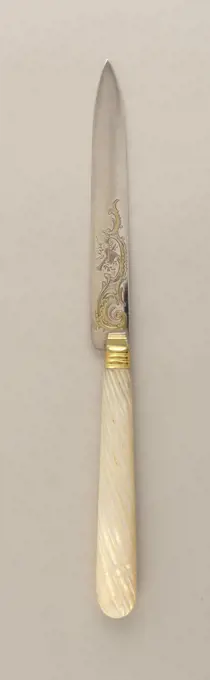
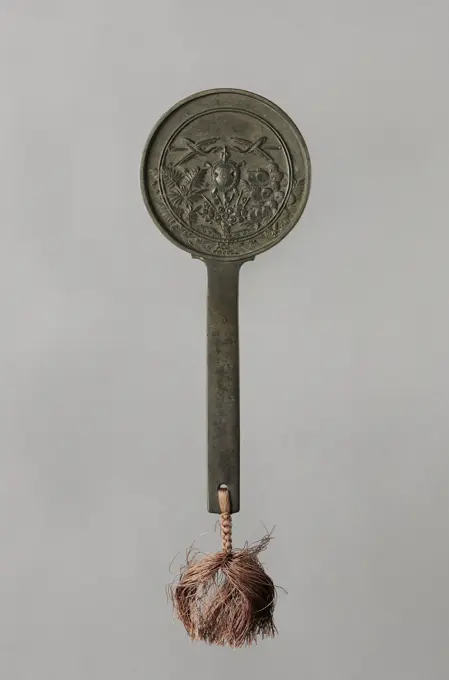
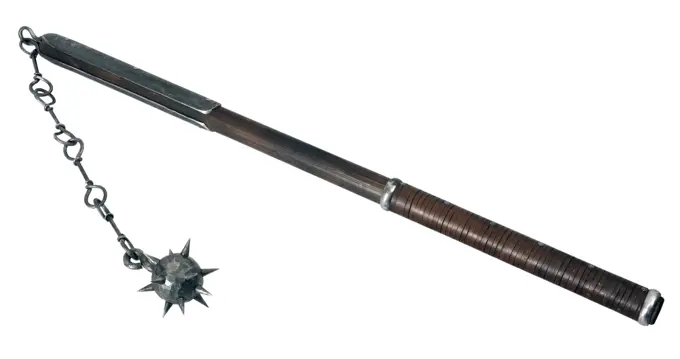
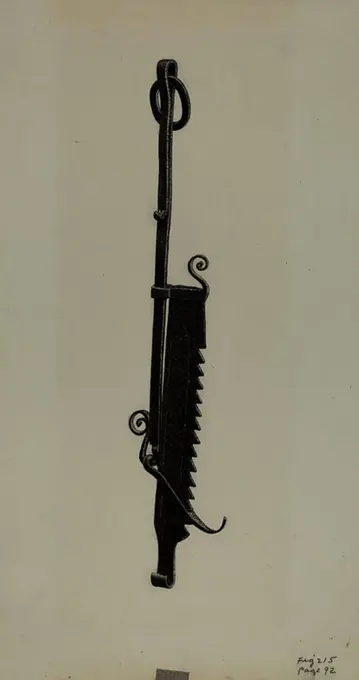
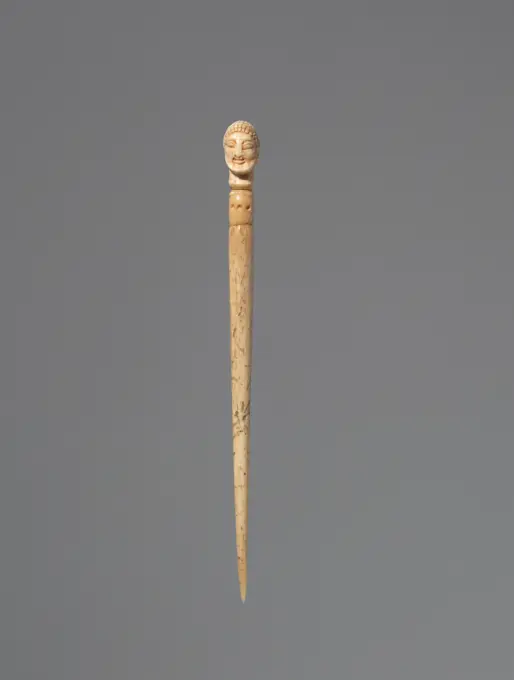
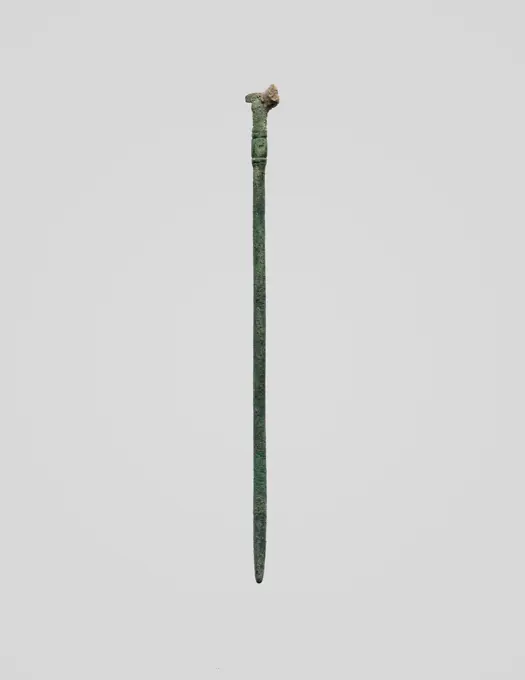
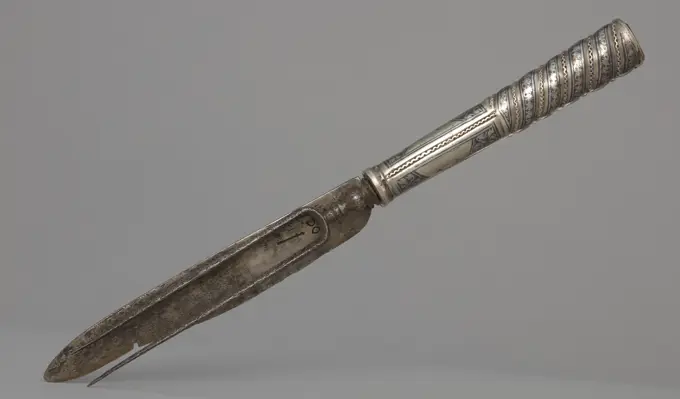
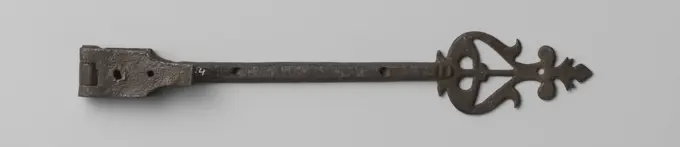
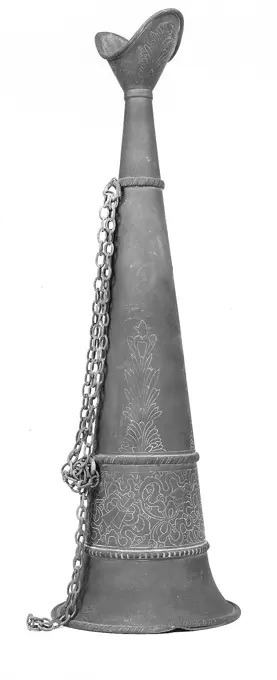
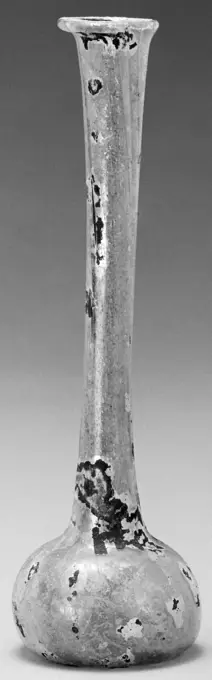
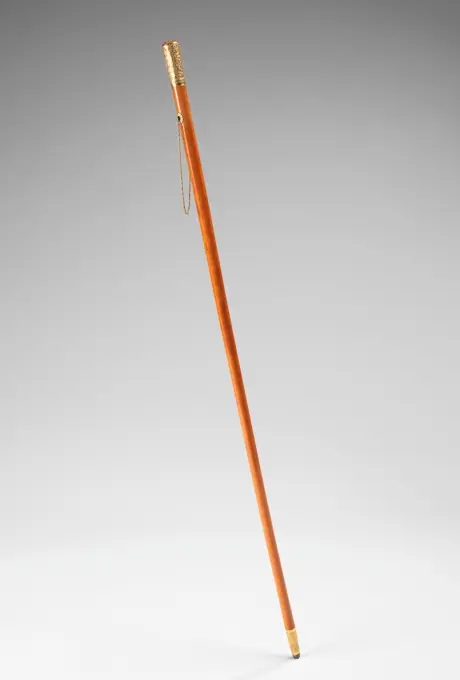
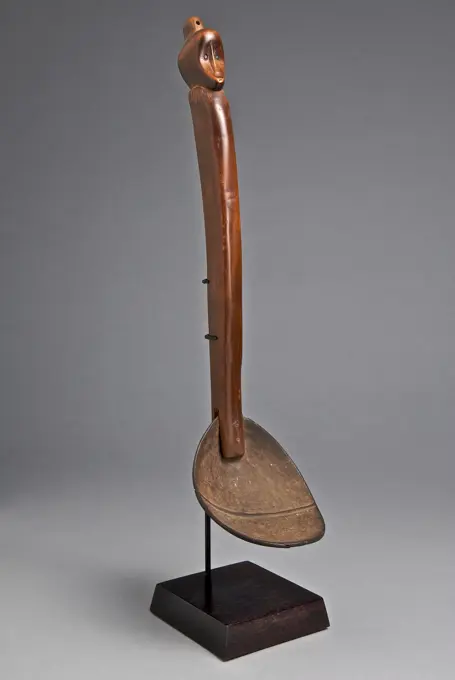
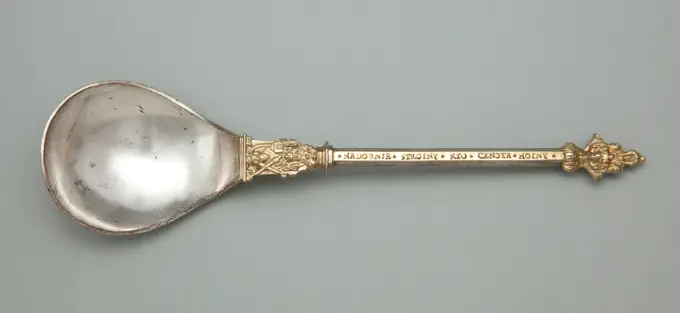
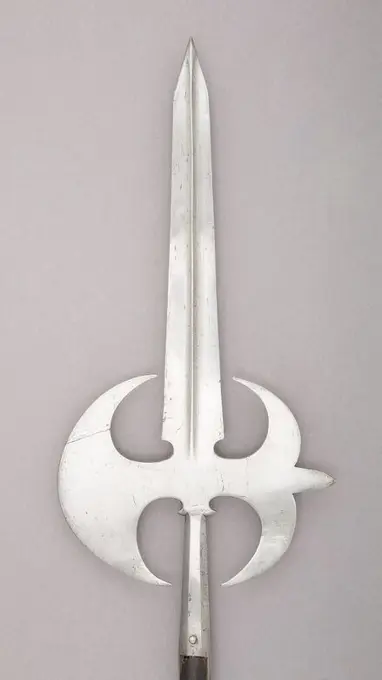
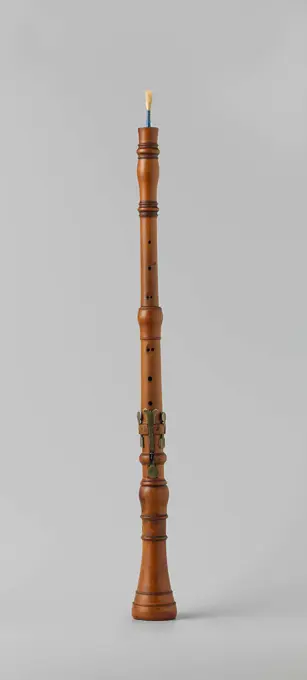
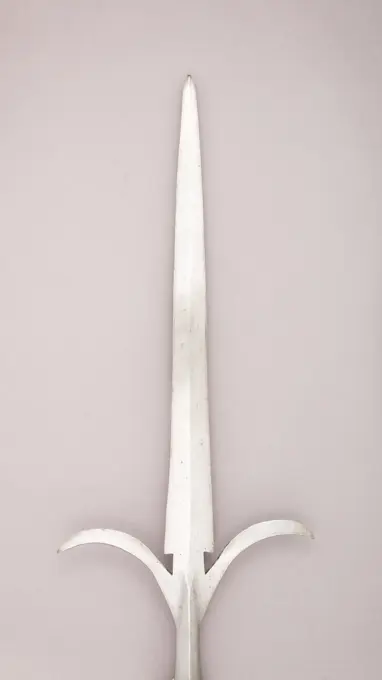
Korseke ca. 1525 Italian. Korseke 26677Knife (Piha Kaetta) with Stylus and Sheath 18th-19th century Sri Lankan. Knife (Piha Kaetta) with Stylus and Sheath 31550Dagger, 1700s - 1800s. Transcaucasian, Georgian. overall: 52.1 cm (20 1/2 in.); blade: 35.9 cm (14 1/8 in.).Sikin Panjang with Schede from the possession of General G.C.E. van Daalen, c. 1700 - c. 1950 hilted weapon The Sikin Panjang has a corresponding sheath. The blade of the weapon is completely straight where the sheath and the back run parallel to each other. Near the point, the cut bends slanted to the back. Along the back runs to about two -thirds of the blade on both sides a wide, fairly shallow groove. The cross -section of the blade is wedge -shaped, with slightly hollow sides. The back is gradually getting slightly narrower towards the point. At the handle there is a stalk ring that is forged with the blade of one piece. The stalk ring has eight or nine corners (skewers). The blade is damaged. The handle is forked. The handle is made of the carbouw horn and equipped with a simple groove pattern. The sheath is decorated with natural and floral motifs. Noord-sumatra greep: horn (animal material). kling: iron (metal). schede: wood (plant material)   SumatraFork, Steel, silver, agate, Two tined fork, curved shoulders, baluster neck. Silver ferrule engraved, agate handle, metal pin on top of handle., Sheffield, England, ca. 1700-25, cutlery, Decorative Arts, ForkFork with Animal Hoof Finial (Ornament), 300s. Byzantium, Syria, early Byzantine period, 4th century. Silver; overall: 14.5 cm (5 11/16 in.).Lance. Culture: Indian. Dimensions: L. 95 1/4 in. (241.94 cm); Wt. 7 lb. 2 oz. (3232 g). Date: 18th century.This finely decorated lance was acquired in 1771 by the English collector Horace Walpole (1717-1797) for display in his armory at Strawberry Hill, one of the earliest and most influential Gothic Revival houses in England. Museum: Metropolitan Museum of Art, New York, USA.Rasp ca. 200 B.C.-200 A.D. Colima. Rasp. Colima. ca. 200 B.C.-200 A.D.. Stone. Pre-Columbian. Colima, Mexico. Idiophone-ScrapedFibula. Copper alloy. Gallo-Roman. Paris, Carnavalet museum. 51474-4 Staple, copper alloy, attachment, Gallo-Roman time, fibula, Gallo-RomanSoprano Dulcian late 16th-early 17th century Spanish The bajoncillo is the smallest form of the bajón.Equipped with the usual two keys, this bajoncillo originally had some brassmounts that have been lost, including a key cover and garlands on the bell andlower end. The monogram is not yet identified with a particular maker, but mayhave been the mark of an otherwise unidentified Spanish maker namedMartinez.. Soprano Dulcian. Spanish. late 16th-early 17th century. Boxwood, brass. Spain. Aerophone-Reed Vibrated-double reedShort Sword (Yatagan) from the Court of Sleyman the Magnificent (reigned 1520-66). Culture: Turkish, Istanbul. Dimensions: L. 23 3/8 in. (59.3 cm); L. of blade 18 3/8 in. (46.7 cm); Wt. 1 lb. 8 oz. (691 g). Sword maker: Workshop of Ahmed Tekel (possibly Iranian, active Istanbul, ca. 1520-30). Date: ca. 1525-30.Exquisite workmanship and lavish use of precious materials distinguish this sword as a princely weapon and exemplifies the opulence and refinement of Ottoman luxury arts. Almost identical to a yatagan (now in the Topkapi Palace, Istanbul) made in 1526-27 by the court jeweler Ahmed Tekel, for the Ottoman sultan Sleyman the Magnificent (r. 1520-66), this sword was undoubtedly made in the same imperial workshop. The gold incrustation on the blade depicts a combat between a dragon and a phoenix against a background of foliate scrolls. These figures, like the gold-inlaid cloud bands and foliate scrolls on the ivory grips, are Chinese in inspiration, and were probably introdCanePen 580-640 Coptic. Pen 474923Folding Spoon (possibly Germany); silver, gold; L x W (open): 21.2 x 4.2 cm (8 3/8 x 1 5/8 in.); The Robert L. Metzenberg Collection, gift of Eleanor L. Metzenberg; 1985-103-256Dagger. Culture: Indian, Mughal. Dimensions: H. 15 13/16 in. (40.2 cm); H. of blade 10 7/8 in. (27.6 cm); W. 2 3/4 in. (7 cm); D. 15/16 in. (2.4 cm); Wt. 14.2 oz. (402.6 g). Date: 18th-19th century. Museum: Metropolitan Museum of Art, New York, USA.Toaster. Dated: c. 1940. Dimensions: overall: 47.8 x 30.3 cm (18 13/16 x 11 15/16 in.) Original IAD Object: 19" long; 5" wide. Medium: watercolor and graphite on paperboard. Museum: National Gallery of Art, Washington DC. Author: Nicholas Amantea.Bottle, Glass, Pale green, iridesecent, short conical body with tall tubular neck constricted at base; broad rim at circular mouth., Roman Empire, probably Syria, 1st-4th century, glasswares, Decorative Arts, BottleSpeaking Trumpet 18th century. Speaking Trumpet. 18th century. metal. AccessoryOil Lamp (samai) with a Rooster Finial. India, Deccan, 19th century. Furnishings; Lighting. Copper alloyBroadsword. Culture: German, Solingen. Dimensions: L. 36 5/8 in. (93 cm); L. of blade 30 7/8 in. (78.4 cm); W. 4 3/4 in. (12.1 cm); D. 3 3/4 in. (9.5 cm); Wt. 1 lb. 13 oz. (822.1 g). Date: dated 1612. Museum: Metropolitan Museum of Art, New York, USA.At palm tree. HERBORISTERIE SNOW. Rue du Bourg-Tibourg, 4th arrondissement, ParisSimple bamboo stick with small, round wooden button including a braided leather cord through a hole runs through the stick and is held by a piece of metal wire. The cord originally formed a loop by leaving the ends together with a brush, where one end is now broken. The tip of the stitch is flat and surrounded by a worn metal ring. Signature: Down a small label: 57.Sword and Scabbard ca. 60 B.C. Celtic This magnificent anthropomorphic Celtic sword is also one of the best preserved. The beautifully modeled head that terminates the hilt is one of the finest surviving images of a Celtic warrior. The human form of the hiltappearing as a geometric reduction of a classical warriormust have been intended to enhance the power of the owner and to bear a talismanic significance. The face is emphatically articulated with large almond eyes, and the head with omega-shaped and finely drawn hair. Although the scabbard has become amalgamated to the iron blade, affecting parts of the surface, its ornamentation and the exquisitely worked hilt make the whole an evocative statement about the technical ability of the Celts, the powerful conquerors of ancient Europe. The sword is of a type associated with the La Tène culture, named after the important Celtic site on Lake Neuchtel in present-day Switzerland and eastern France. Other related anthropomorphic swords frSouvenir spoon with green postage stamp and postmark for Wiesbaden European late 19th centuryArrowhead (Yanone) 18th century Japanese Although today Japanese warriors are renowned most for their swordsmanship, archery, especially from horseback, has been an essential part of samurai warfare and culture for centuries. Arrows were fitted with heads of varying shape according to their intended use in war, the hunt, or target practice. Arrowheads made for use on the battlefield incorporated different designs intended for specialized purposes such as the piercing of armor or to cause maximum damage to horses and unarmored personnel.Large arrowheads, pierced and elaborately chiseled with landscapes, birds, flowers, dragons, and Buddhist divinities, were created to be admired for the beauty of their metalwork and design rather than for use in archery. Such highly elaborate examples may have been made for presentation or as a votive offerings to a shrine.. Arrowhead (Yanone). Japanese. 18th century. Steel. Archery Equipment-ArrowheadsFalchion ca. 1490 Italian, Venice Falchion refers to a type of curved sword that was used in Europe from about 1200. This is one of the few to survive from the late fifteenth century. Its long narrow blade and interlaced decoration on the hilt suggest the Middle Eastern influence that was an important feature in Venetian and Spanish art.. Falchion. Italian, Venice. ca. 1490. Steel, gold, textile. Venice. SwordsOfficiersdegen with sheath of general model, 1820-1855, Anonymous, c. 1820 - c. 1855 sword Hilt, fire gilt and ornamented. The hilt consists of a button, front bracket, half parent bar and two bumps, one of which is foldable. The wooden handle is partly covered with plate iron. With iron blew, fire galvany, etched blade with trench. Iron sheath with fire-gaunted copper top and middle tire with carrying rings and ditto button. Coming from Blankenheim, captain (Snouckaert). Netherlands (possibly) Kling, Schede: Iron (Metal). hilt: copper (metal). Handle: Silver (Metal). Handle: Wood (Plant Material) gilding / engraving  NetherlandsFriauler Spiess. Culture: Italian. Dimensions: L. 9 ft. 7 1/8 in. (292.4 cm); L. of head 37 1/2 in. (95.2 cm); W. 19 1/4 in. (48.9 cm); Wt. 5 lbs. 8 oz. (2494.8 g). Date: 16th century. Museum: Metropolitan Museum of Art, New York, USA.Layer cake spatula. Sbitniew, Grigorij (fl. 1893-1918), goldsmithBayonet to the rifle, isolated on a white background, with clipping path Bayonet model 1891 to the rifle Mauser model 1891 Bayonet produced for the Army, Navy and Police of Argentina in Germany. Bayonets were made the company Weyersberg, Kirschbaum Cie in Solingen. Copyright: xZoonar.com/OleksandrxKostiuchenkox 3882321Spoon late 17th century British. Spoon 192252Medieval weapons Medieval weapons for close combat. These weapons can pierce light armor knight Copyright: xZoonar.com/ValeryxxSibrikovx 5638438Arrow Point, 1700s. Japan, Edo period (1615-1868). Steel; overall: 17.8 cm (7 in.); head: 4.8 cm (1 7/8 in.).Object ID #18804295; silver, steel; L x W: 23.4 x 2 cm (9 3/16 x 13/16 in.); The Robert L. Metzenberg Collection, gift of Eleanor L. Metzenberg; 1985-103-5Paul Ward, Candle Stand, c 1938 Candle StandStaff, 19th-20th century, 35 11/16 x 2 1/4 x 2 1/2 in. (90.6 x 5.7 x 6.4 cm), Wood, brass tacks, copper wire, Democratic Republic of the Congo, 19th-20th centuryDagger (Chilanum). Culture: Indian. Dimensions: H. 13 3/8 in. (34 cm); W. 4 1/4 in. (10.8 cm); Wt. 9.9 oz. (280.7 g). Date: 17th-18th century. Museum: Metropolitan Museum of Art, New York, USA.Trammel. Dimensions: H. 40 in. (101.6 cm). Date: 18th century.The trammel allowed a cook to adjust the cooking temperature by either raising or lowering vessels hanging above the fire. The tool consists of two permanently joined hooks that slide vertically and lock into place at frequent intervals. The device would be suspended from a lug pole placed high inside the fireplace. Museum: Metropolitan Museum of Art, New York, USA.Parasol button or umbrella button of wood; The flattened button is decorated with painted flowers, Gustav Schnitzler, c. 1920 Parasol button or umbrella button of painted wood. The Konian, flattened button is decorated with painted flowers in gold, orange and green. There is a black cord through the handle. Nijmegen wood (plant material). koord: cotton (textile) painting Parasol button or umbrella button of painted wood. The Konian, flattened button is decorated with painted flowers in gold, orange and green. There is a black cord through the handle. Nijmegen wood (plant material). koord: cotton (textile) paintingDwarsfluit.Cross flute of stained palm wood with heavy ivory rings and valve of Berlin silver. Signature: E. Terton, above which a crown and including a climbing lion. In green étui of leather.Rapier Made 1620-1640 Italy. Steel, iron, copper, and wood .Crossbow Bolt, 1500s-1600s. Germany, 16th-17th century. Wood, leather, steel; average: 37.2 cm (14 5/8 in.).Knife with Sheath. Culture: Chinese. Dimensions: H. with sheath 15 15/16 in. (40.5 cm); H. without sheath 12 3/4 in. (32.4 cm); H. of blade 6 1/2 in. (16.5 cm); W. 1 1/4 in. (3.2 cm); Wt. 5.3 oz. (150.3 g); Wt. of sheath 5.1 oz. (144.6 g). Date: 18th-19th century. Museum: Metropolitan Museum of Art, New York, USA.Transverse Flute. Culture: French. Dimensions: L. 65.8 cm (25 7/8 in.); external diameter from head to foot 2.9 cm (1 1/8 in.) to 2.5 cm (1 in.); diameter of mount 3.6 cm (1 7/16 in.). Manufacturer: Garion (French). Date: ca. 1720-40.This flute is a late example of the three joint design pioneered by the Hotteterre family during the seventeenth century. Making flutes with separate joints instead of in one piece allowed instrument makers to have greater control over the tapering of the internal bore profile, which improved intonation and response. Although this flute lacks the Baroque-style decorative balusters and beads of Hotteterre-type flutes, its basic layout and tonehole placement mirrors that of Hotteterre's instruments. Museum: Metropolitan Museum of Art, New York, USA.Sheath of Lans from Cornelis Tromp.red Naginata type Sheath.Stock exchange of knitted white and blue wool, with two steel rings, Petronella Moens, 1841 Elongated stock exchange of knitted white and blue wool in horizontal lanes, with a steel bead at the two ends. Halfway through the fair an opening, which can be closed by two steel rings with a Wybertjes relief. The stock market is unsurpassed. Netherlands whole: Wool. Ring: Steel (Alloy). Bead: Steel (Alloy) knitting / forging / forging  Utrecht Elongated stock exchange of knitted white and blue wool in horizontal lanes, with a steel bead at the two ends. Halfway through the fair an opening, which can be closed by two steel rings with a Wybertjes relief. The stock market is unsurpassed. Netherlands whole: Wool. Ring: Steel (Alloy). Bead: Steel (Alloy) knitting / forging / forging  UtrechtArrowhead (Yanone) 18th century Japanese Although today Japanese warriors are renowned most for their swordsmanship, archery, especially from horseback, has been an essential part of samurai warfare and culture for centuries. Arrows were fitted with heads of varying shape according to their intended use in war, the hunt, or target practice. Arrowheads made for use on the battlefield incorporated different designs intended for specialized purposes such as the piercing of armor or to cause maximum damage to horses and unarmored personnel.Large arrowheads, pierced and elaborately chiseled with landscapes, birds, flowers, dragons, and Buddhist divinities, were created to be admired for the beauty of their metalwork and design rather than for use in archery. Such highly elaborate examples may have been made for presentation or as a votive offerings to a shrine.. Arrowhead (Yanone). Japanese. 18th century. Steel. Archery Equipment-ArrowheadsCopper alloy spearhead ca. 2500-2000 B.C. Cypriot Leaf-shaped blade with a hooked tang.. Copper alloy spearhead. Cypriot. ca. 2500-2000 B.C.. Bronze. Early Bronze Age. BronzesSamuel Drowne, Tea Spoon, c. 1770, silver.Stick, 1-200. Parthian, 1st-2nd Century. Bone; overall: 12.3 cm (4 13/16 in.).Two daggers.Soldiers used daggers mainly in hand-to-hand combat, but these thrusting weapons were also a status symbol for the nobility. Various types were in use, often with an embellished hilt. A dagger with two lobes at the guard was called a bollock dagger’ or a kidney dagger’. These two daggers were found buried, which is why the blades are damaged.Navigation, anonymous, c. 1590 - c. 1596 pen Whole more pen.  . cutting  Nova Zembla. Saving HuysFalconer's Horn 18th century German. Falconer's Horn 503945Przeszo Przyszoci unknownTongs 1795-1810 American. Tongs 8753Flint hunt rifle, Jan Krans, c. 1690 flintlock gun The final plate is easily chiseled in relief with tantrens and provided with a signature. The loop has an iron sight grain. The carrot -knotwood flask is easily cut and branded with two fish above a stamped 4 behind the tractor bracket. The iron fittings includes four loading stokkers, a screw plate in the form of a sea snake, an ajour processed, crowned thumb plate framed by branches and a toe plate on the bottom of the grip with entangled tangles ending in a three -leaf. Maastricht iron (metal). engraving / cutting / striking (metalworking)Alto Flute. Culture: German. Dimensions: L. 84.8 cm (33 3/8 in.). Maker: Boehm & Mendler, German. Date: ca. 1880. Museum: Metropolitan Museum of Art, New York, USA.Sword (Flyssa) with Scabbard. Culture: Algerian, Kabyle. Dimensions: H. with scabbard 41 in. (104.1 cm); H. without scabbard 35 1/4 in. (89.5 cm); H. of blade 33 1/2 in. (85.1 cm); W. 1 1/2 in. (3.8 cm); Wt. 2 lb. 0.9 oz. (932.7 g); Wt. of scabbard 11.4 oz. (323.2 g). Date: 18th-19th century. Museum: Metropolitan Museum of Art, New York, USA.Arrowhead (Yanone) 18th century Japanese Although today Japanese warriors are renowned most for their swordsmanship, archery, especially from horseback, has been an essential part of samurai warfare and culture for centuries. Arrows were fitted with heads of varying shape according to their intended use in war, the hunt, or target practice. Arrowheads made for use on the battlefield incorporated different designs intended for specialized purposes such as the piercing of armor or to cause maximum damage to horses and unarmored personnel.Large arrowheads, pierced and elaborately chiseled with landscapes, birds, flowers, dragons, and Buddhist divinities, were created to be admired for the beauty of their metalwork and design rather than for use in archery. Such highly elaborate examples may have been made for presentation or as a votive offerings to a shrine.. Arrowhead (Yanone). Japanese. 18th century. Steel. Archery Equipment-ArrowheadsHammered Copper Chisel 1st-mid-16th century Peru; north coast (). Hammered Copper Chisel 309101Przeszo Przyszoci unknownLans behorend bij wapenrek van Cornelis Tromp.LAN with lacquered wooden stick, glass shoe, crooked blade with yellow and redhead batter. Short model. With sheath. The blade of the lance has a Japanese form, but misses a hole in the angel for attaching the blade to the stick. The Angel has a rough surface that was struck with resin and was fixed in the stick's hole. This way of assembly is characteristic of stick weapons and white weapons from Southeast Asia.Pochette Bow late 18th century Attributed to Dodd workshop. Pochette Bow 503415Fruit knife, F. Nicoud, French, active 1890, Silver, steel, mother-of-pearl, gilding, One of twelve fruit knives with mother-of-pearl handles and engraved and gilt decoration on blades., ca. 1890, cutlery, Decorative Arts, Fruit knifeDagger with Two Awls and Sheath for the Bodyguard of the Elector of Saxony Made 1575-1585 Dresden. Steel, silver, wood, and leather . Wolf PallerCup-Hilted Rapier Spanish mid-17th century The rapier was the principal civilian sidearm throughout the sixteenth and seventeenth centuries. Designed for cut-and-thrust fencing of progressively complex techniques, the rapier is characterized by a double-edged blade with an acute point and an elaborate guard for the hand. The guards, usually of iron or steel, were subject to a variety of embellishment. They were engraved, chiseled, gilded, damascened, and encrusted in gold and silver in keeping with fashionable styles. Unless otherwise noted, the materials, attributions, and dating given here refer to the hilts. Rapier blades, invariably of steel, bear a variety of makers marks denoting their origin in the two principal centers of blademaking, Toledo in Spain and Solingen in Germany. View more. Cup-Hilted Rapier. Spanish. mid-17th century. Steel. SwordsMirror, 1392-1573. Japan, Muromachi period (1392-1573). Bronze; diameter: 8.8 cm (3 7/16 in.); overall: 21 cm (8 1/4 in.).Halberd dated 1580 German. Halberd 25657Model of a Pile Driver, anonymous, anonymous, c. 1819 demonstration model Simple heit device, almost identical to NG-MC-45. The pile block is caught by scissors and hoisted to the top with a winch, where it is automatically released. Netherlands wood (plant material). brass (alloy). ropeMedieval weapons Medieval weapons for close combat. These weapons can pierce light armor knight Copyright: xZoonar.com/ValeryxxSibrikovx 5638423Dagger (Katar) with Sheath 18th-19th century Indian, Rajasthan; sheath, South Indian. Dagger (Katar) with Sheath 26812Trammel. Dated: c. 1938. Dimensions: overall: 44 x 23.6 cm (17 5/16 x 9 5/16 in.) Original IAD Object: 49 1/2" long; 8 1/2" wide. Medium: watercolor and graphite on paperboard. Museum: National Gallery of Art, Washington DC. Author: Wellington Blewett.Bro combined (ax with a fuse pistol);  1. PO. 19th century (1801-00-00-1850-00-00);Table knife and fork 17th century possibly Spanish. Table knife and fork. possibly Spanish. 17th century. Steel, silver, garnet or glass. Metalwork-SteelHairpin, 500-450 BC. Greece, first half 5th Century BC. Ivory; overall: 13.9 cm (5 1/2 in.).Pin ca. 3rd-7th century A.D. Sasanian This long, thin, bronze pin has an annular decoration near the head. The head is damaged so it is unclear what shape it would have taken. Excavated at the Bath of the Palace of the Taq-i Kisra in the Ctesiphon area, this pin and other metal objects reflect the wealth and opulence of the palace. The city of Ctesiphon was located on the east bank of the Tigris River, 20 miles (32 km) south of modern Baghdad in Iraq. It flourished for more than 800 years as the capital of the Parthians and the Sasanians, the last two dynasties to rule the ancient Near East before the Islamic conquest in the seventh century. Systematic excavations in the Ctesiphon area were undertaken by an expedition in 1928-29 sponsored by the German Oriental Society (Deutsche Orient-Gesellschaft). The Metropolitan Museum of Art and the Staatliche Museen, Berlin, undertook a joint expedition for one season in 1931-32. Several excavations were conducted, including at the main palace (Przeszo Przyszoci unknownHandel van Vertind IJzer, Anonymous, 1600 - 1800 Handen of Vertind iron. Seen from the hinge, the batter begins with a long rod, which flows into a trident, ending the middle tooth in a kind of French lily. West-Europa wrought iron (iron alloy). tin (metal) Handen of Vertind iron. Seen from the hinge, the batter begins with a long rod, which flows into a trident, ending the middle tooth in a kind of French lily. West-Europa wrought iron (iron alloy). tin (metal)Bow ca. 1750 Attributed to Wenzel Kowansky. Bow 506171Boar Spear dated 1576 French. Boar Spear 34315HalabardaFife ca. 1780-90 Thomas Cahusac, Sr. British The fife is a simple, six-hole flute that has traditionally been used for military purposes. Paired with a side drum, the fife was used to give signals to soldiers for all parts of their daily activities.Thomas Cahusac, Sr., and his two sons Thomas, Jr., and William Maurice were important woodwind makers in London during the late eighteenth and early nineteenth century. At the height of the company's operation, they also sold string and keyboard instruments and published music.. Fife. British. ca. 1780-90. Maple, brass. London, England, United Kingdom. Aerophone-Blow Hole-side-blown flute (transverse)Fireman's Trumpet mid-19th century American. Fireman's Trumpet 502412Unguentarium. UnknownDagger and Sheath. Dimensions: L. 9 1/2 in. (24.1 cm). Date: 1770-1800. Museum: Metropolitan Museum of Art, New York, USA.Spoon probably second or third quarter 17th century Dutch, Friesland. Spoon 192293Knife Handle (Kozuka). Culture: Japanese. Dimensions: L. 3 13/16 in. (9.7 cm); W. 9/16 in. (1.4 cm); thickness 1/4 in. (0.6 cm); Wt. 1.1 oz. (31.2 g). Date: ca. 1615-1868. Museum: Metropolitan Museum of Art, New York, USA.Cake server, F. Nicoud, French, active 1890, Cast silver, gilt silver, carved mother-of-pearl, Undulating gilt blade decorated with flowers, geometric patterns, Japanese woman with fan., Paris, France, ca. 1890, cutlery, Decorative Arts, Cake serverKnife (possibly Scotland); agate, silver, steel; L x W: 20.9 x 2 cm (8 1/4 x 13/16 in.); The Robert L. Metzenberg Collection, gift of Eleanor L. Metzenberg; 1985-103-126Dagger, Before 1916. Sumatra. overall: 19.1 cm (7 1/2 in.); blade: 12.5 cm (4 15/16 in.).Cane 1895-1905 probably French Apart from their obvious functionality, canes were an elegant accessory in the 19th century, when the afternoon promenade gave members of the fashionable set occasion to display their finery and genteel manners. The chased design on the handle of this handsome cane is particularly detailed, and the inclusion of both bird and plant motifs distinguishes it from the more routine overall scroll or flower design frequently used on such fittings. The cane's slender shape and light weight suggest it could be either a woman's or man's walking stick.. Cane 156089YataganLadlePair of pistols and a bullet associated with the death of William Frederick of Nassau, Stadtholder of Friesland, anonymous, c. 1650  Ruitpistool, part of couple identical bridle pistols of the 'Dutch type'. Slot: Radslot. Flat lock plate, narrow from behind, fixed with two lock screws (including rosettes legs). Walk: octagonal (rear) and round. Drawer: unadorned, an iron drawer tire at the front. Kolf: unadorned. On the bottom of the iron tractor bracket remains of decoration. The load of one of the pistols has been preserved. Netherlands (possibly) iron (metal). walnut (hardwood). bone (material) forging / cutting  NetherlandsJew's Harp 19th century New Zealander The Maori jew's harp (rooria or kukau) is used, like the musical bow in other parts of Polynesia and Melanesia, to simulate lover's speech. Made of flexible bamboo; it is held against the teeth while the split tongue is plucked. Changes of timbre occur as the player alters the formation of his mouth cavity; thus, the rooria can imitate speech patterns. The quiet sound is sometimes accompanied by guttural voiced tones.. Jew's Harp 503644Tromba Marina 19th century German or Swiss. Tromba Marina. German or Swiss. 19th century. Wood. Germany or Switzerland. Chordophone-Lute-bowed-unfrettedSpoonHalberd. Culture: French. Dimensions: L. 93 1/4 in. (236.9 cm); L. of head 22 5/8 in. (57.5 cm); W. 10 3/8 in. (26.4 cm); Wt. 4 lbs. 12 oz. (2154.6 g). Date: 17th century. Museum: Metropolitan Museum of Art, New York, USA.Oboe.Hobo of blank boxwood with three brass valves and eight holes, the third and fourth double. The instrument consists of three loose pieces.HKB - Korfbalbond, c. 1925 - c. 1950  Silver colored pin of the korfball association HKB with long twisted pen. Netherlands metal   Netherlands