Historical Blades and Accessories

A collection of antique swords, walking sticks, and decorative pins exhibiting intricate designs and craftsmanship from various eras.
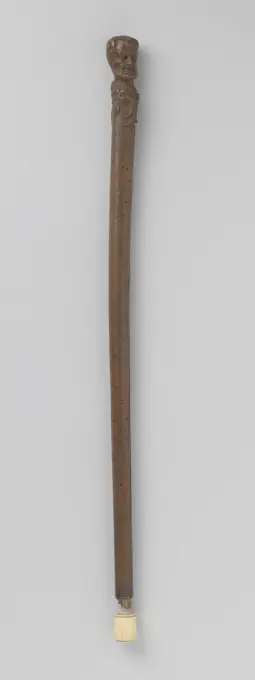
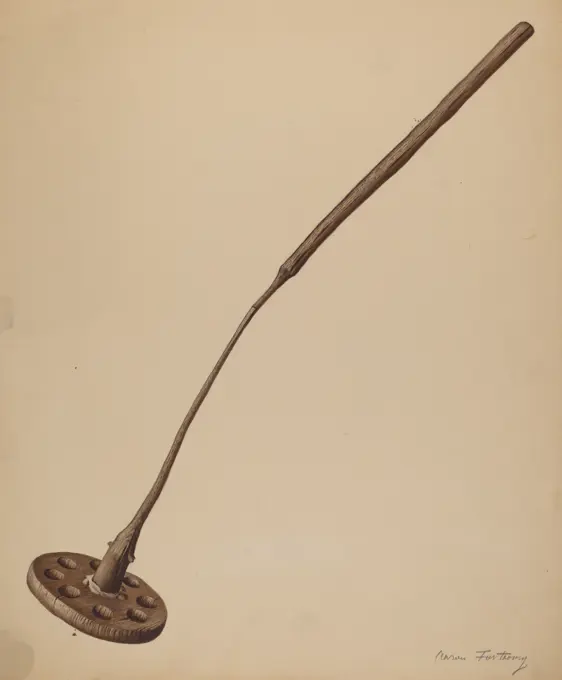
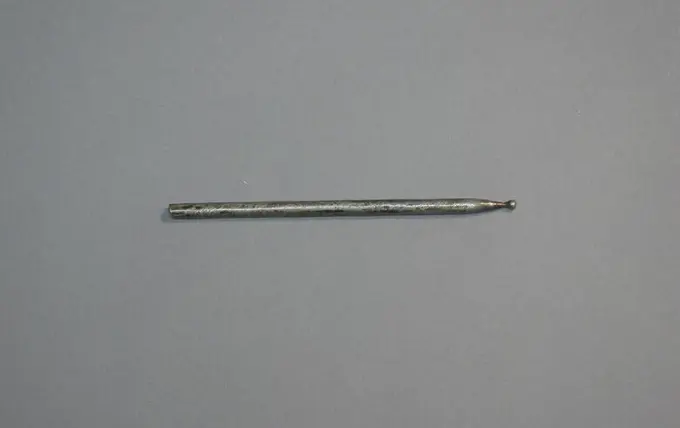
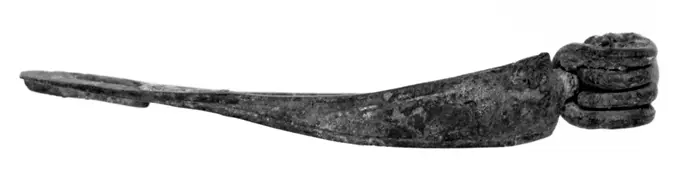
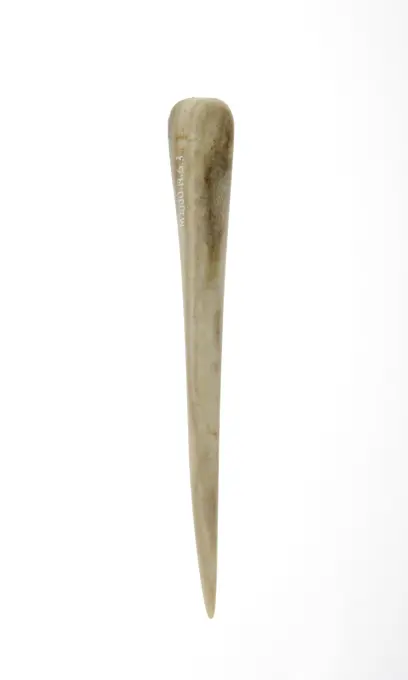
Button belonging to a walking stick, anonymous, c. 1700 - c. 1750 Button belonging to walking stick. Europe ironwood   Friesland Button belonging to walking stick. Europe ironwood   Friesland
Button belonging to a walking stick, anonymous, c. 1700 - c. 1750 Button belonging to walking stick. Europe ironwood Friesland Button belonging to walking stick. Europe ironwood Friesland
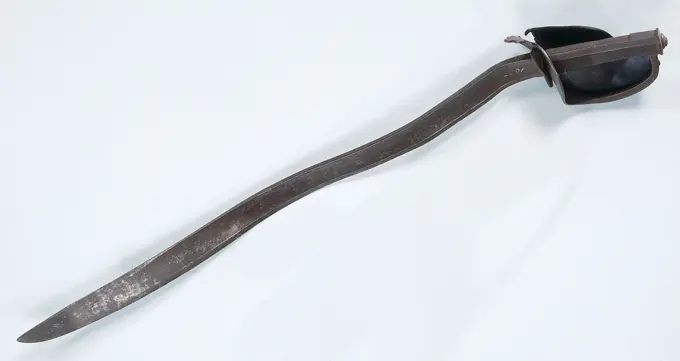
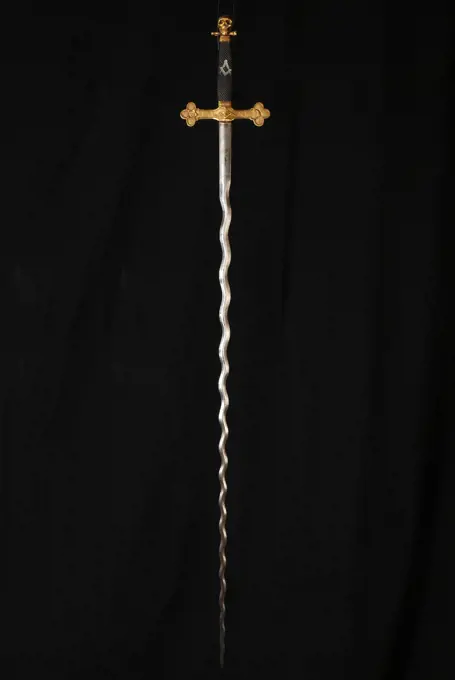
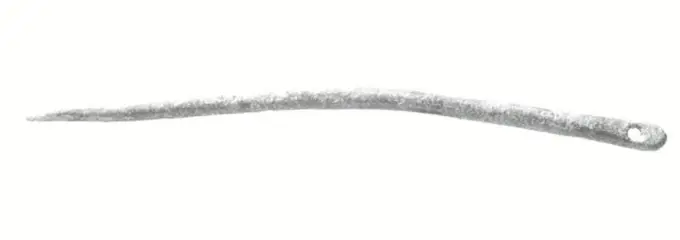
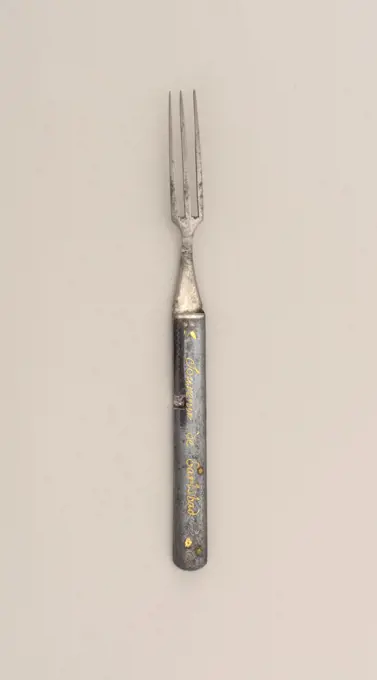
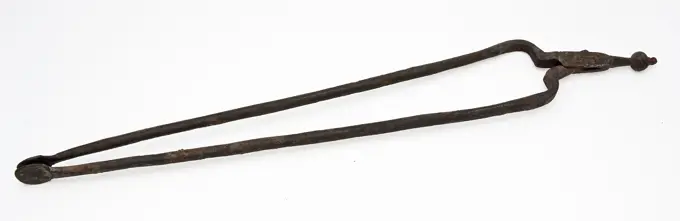
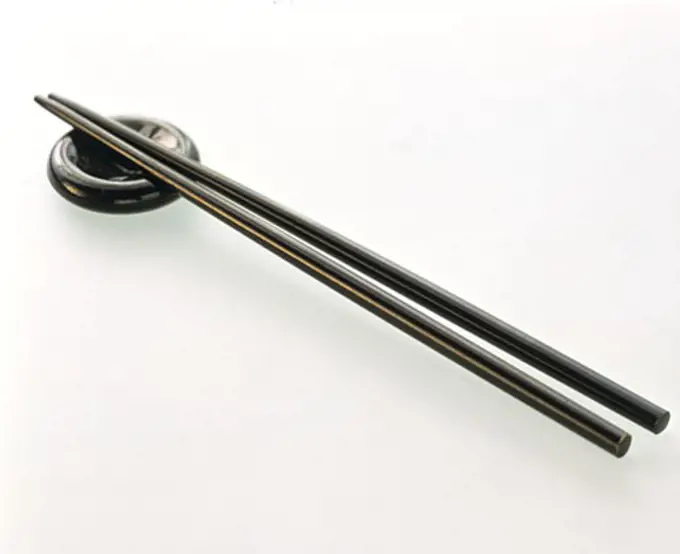
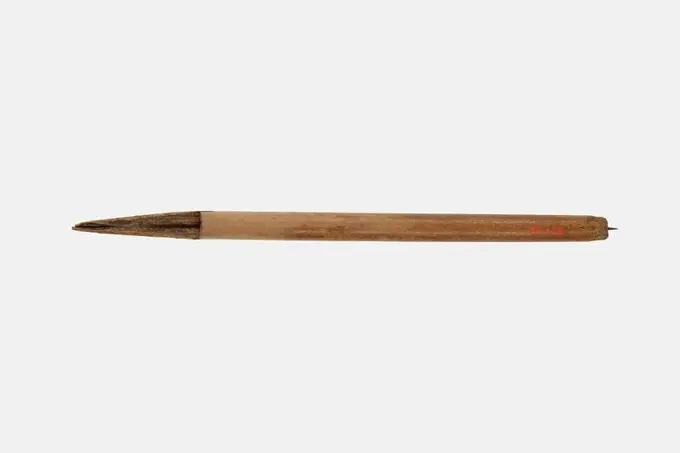
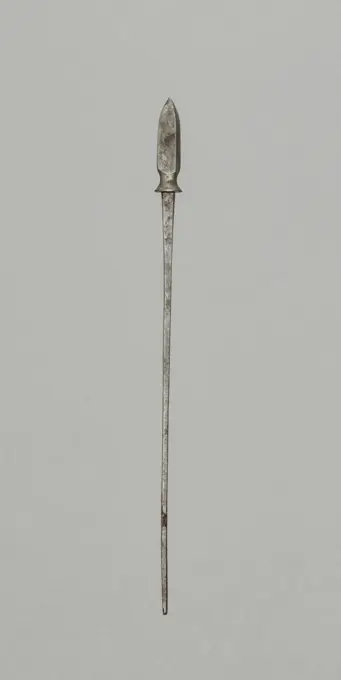
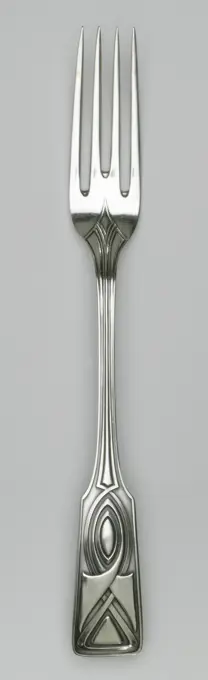
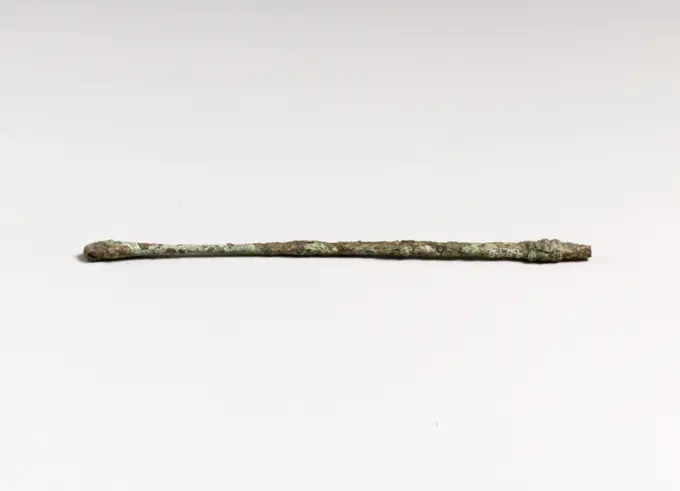
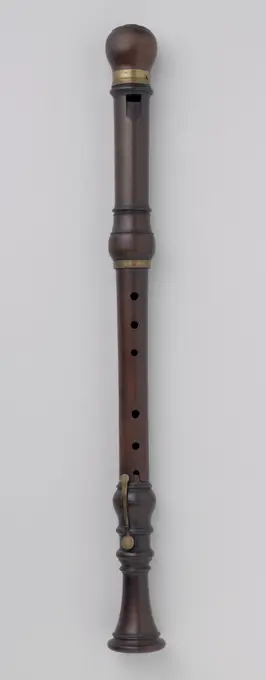
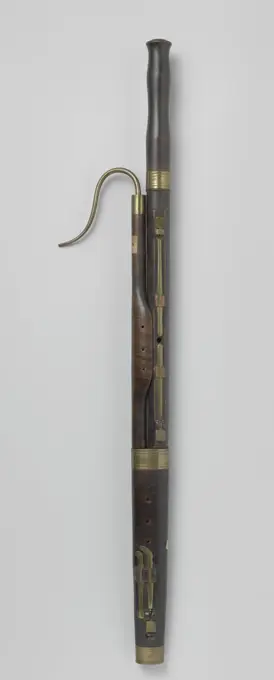
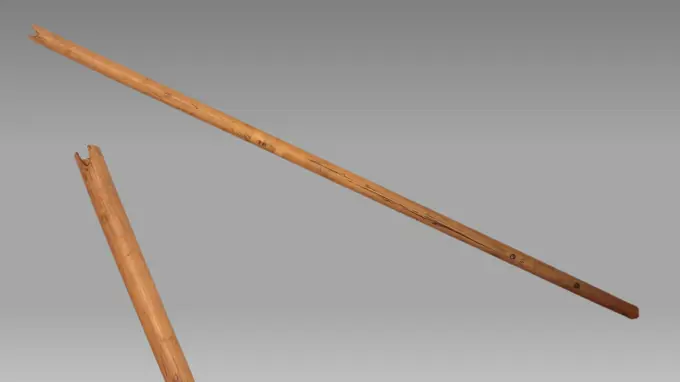
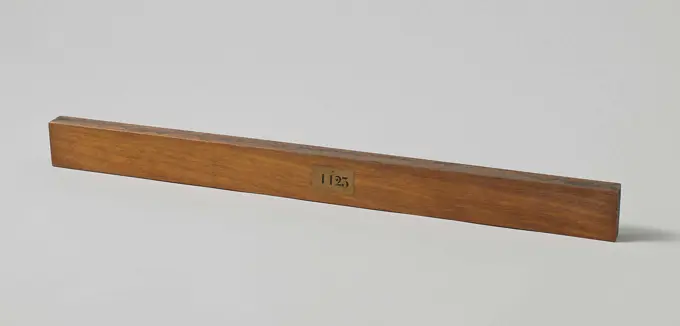
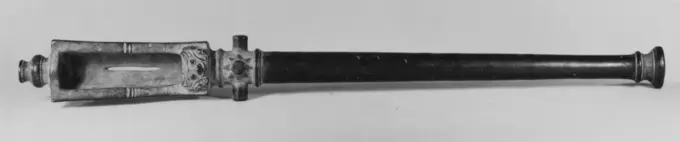
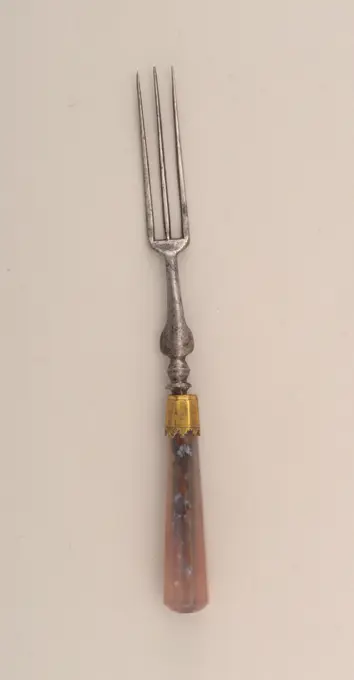
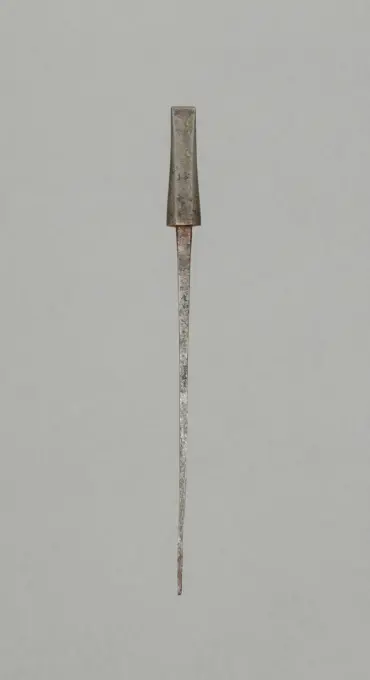
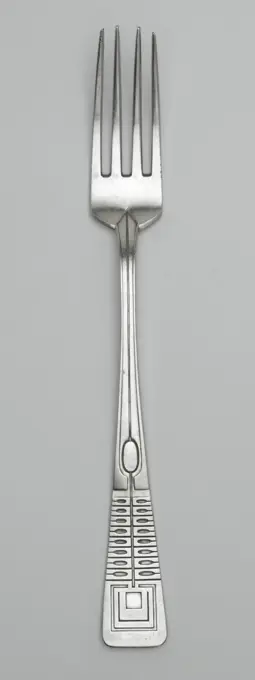
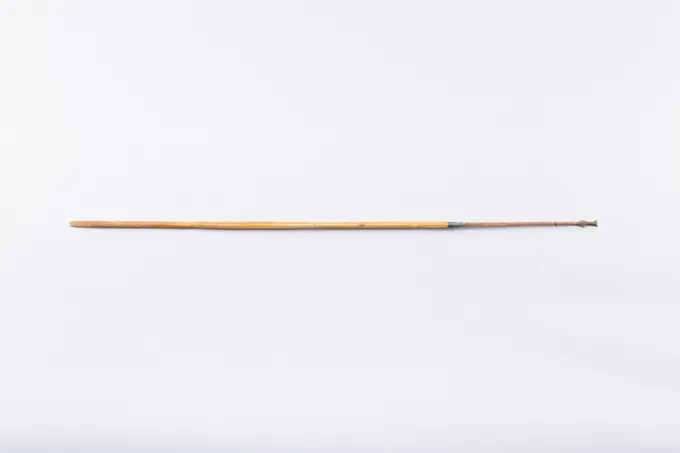
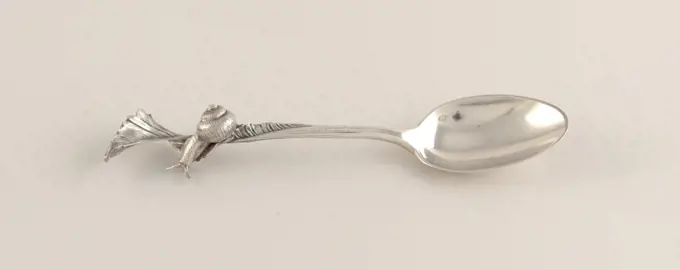
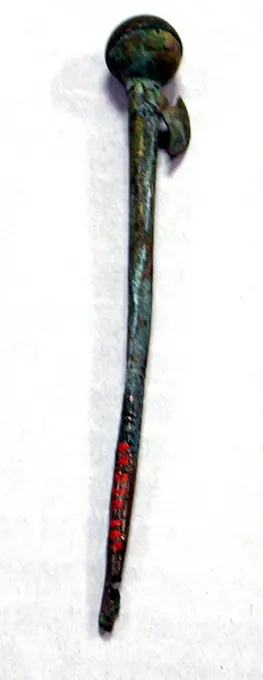
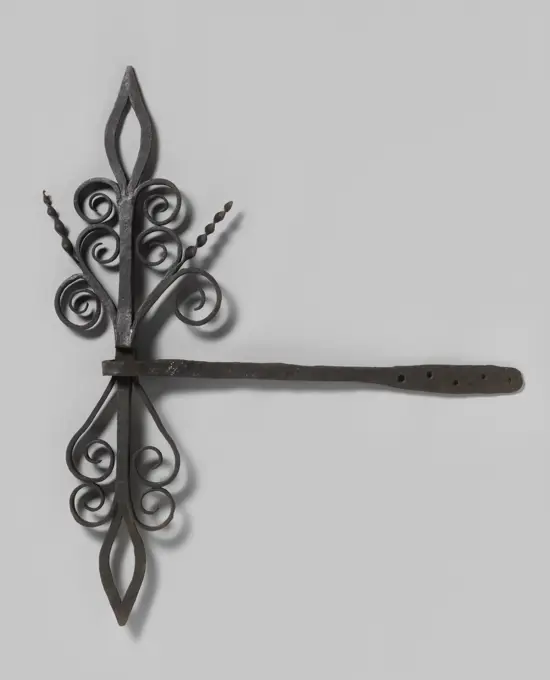
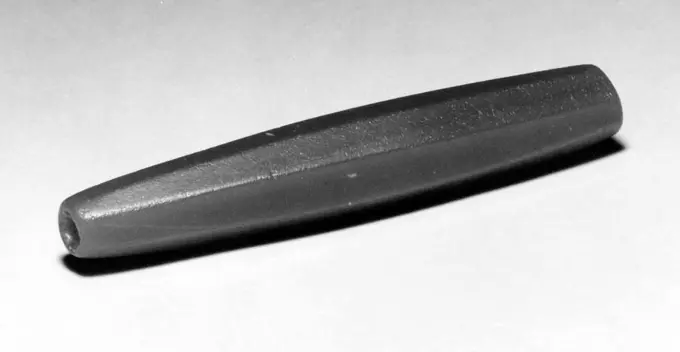
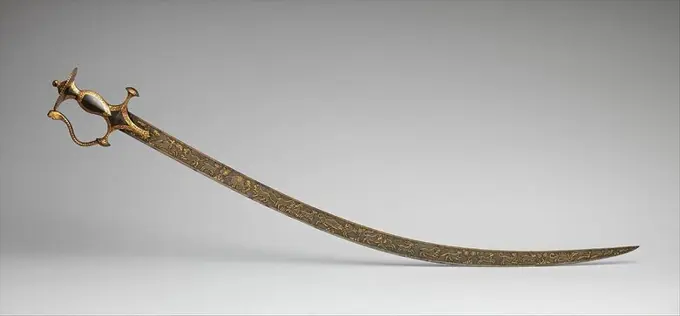
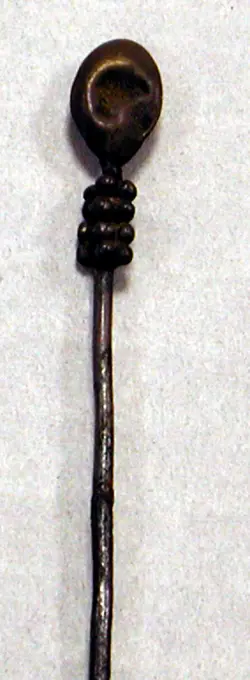
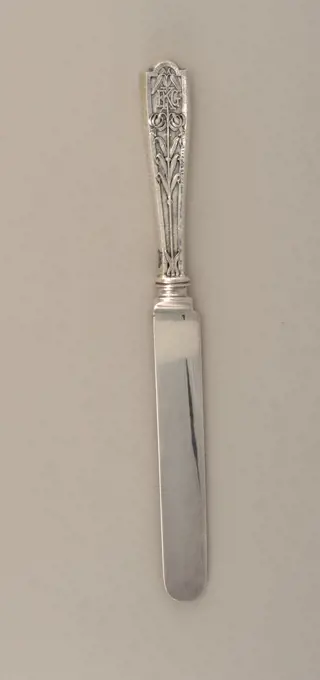
Rockledge Silver Service, George Washington Maher, American, 1864-1926, Gorham Manufacturing Company, Providence, Rhode Island, USA, founded 1818, Ernest L. and Grace King, Silver, Of 'Martele' silver, the handle decorated with a native lily motif and initials E.K.G. conjoined., 1911-12, cutlery, Decorative Arts, Luncheon knife, Luncheon knifeWaferIronMarinesabel from the gunboat no. 2 of J. C. J. van Speyk.entersabel of Frans Model (1811) that was part of the inventory of the gunboat no. 2. Iron marine table, twisted and rusting. Signature: On the blade at the top: B (two other unreadable), inner bracket: (illegible), inside hilt: 3.Knife (England); Made by William Boswell; agate, silver, steel; L x W x D: 19.7 x 1.5 x 1.5 cm (7 3/4 x 9/16 x 9/16 in.)Pen. Dimensions: L. 14.6 cm (5 3/4 in.). Date: 30 B.C.-A.D. 364. Museum: Metropolitan Museum of Art, New York, USA.Masonic flaming sword, sword attribute mother of pearl brass steel gold, fire goldplated silverplated Masonic sword: flaming double-edged blade; flat door bar with three-pin end; convex flat grip; apple in shape skull with bones front on blade in cartouche: S & Z freemasonry temple angel Court of Eden secret ritual dekker loge ceremony spirituality weapon settled romance clothing Rotterdam City Triangle OppertParasol with a deck of plain red side on a bamboo stick with a handle of wood and a brass button in the form of a golf club, anonymous, c. 1910 Parasol with a copper button in the shape of a wave stick and with an angel -red sides. Stick with a grip of an unpeeled branch. Unsempted, eight iron ribbons. Heavy brass button in L-shape with thickened end. With cover in color of the deck. Great Britain deck: Silk. Baleinen: Iron (Metal). Stok: Bamboo. Handle: Wood (plant material). Handle: Brass (Alloy). Point: Copper (Metal). Hoes: Silk cutting / cutting / casting Parasol with a copper button in the shape of a wave stick and with an angel -red sides. Stick with a grip of an unpeeled branch. Unsempted, eight iron ribbons. Heavy brass button in L-shape with thickened end. With cover in color of the deck. Great Britain deck: Silk. Baleinen: Iron (Metal). Stok: Bamboo. Handle: Wood (plant material). Handle: Brass (Alloy). Point: Copper (Metal). Hoes: Silk cutting / cutting / castingNeedle ca. 3rd-7th century A.D. Sasanian. Needle. Sasanian. ca. 3rd-7th century A.D.. Bronze. Sasanian. Iran, Qasr-i Abu NasrSTOP fork; Gumpert, Georg Heinrich (Fl. 1850-1893); 2. PO. 19th century (1800-00-00-1810-00-00);Folding fork, steel, silver, gold, Three straight tines, flaring curved neck. Straight-sided handle with engraved floral decoration, inlaid with gold leaves, gold inlay inscription: 'Souvenir de Carlsbad' on the front side. Fork folds partly into handle., possibly Germany, ca. 1790-1800, cutlery, Decorative Arts, Folding forkDescant Recorder, Willem Beukers (1703-1781), c. 1750 Brown wood soprano block, marked: W. Beukers. Amsterdam maple (wood) painting Brown wood soprano block, marked: W. Beukers. Amsterdam maple (wood) paintingMace 18th-19th century Chinese. Mace. Chinese. 18th-19th century. Iron. Shafted WeaponsIron barrel, hinged in the handle, end with small knob, fire tong tool equipment soil find wrought iron iron metal, forged Iron fire tongs Two long blades with flat spatulas. Hinged in the handle End with small button. Decorated on the hilt with some grooves archeology underground pit Rotterdam City Triangle Groenendaal indigenous fireplace heating firing Soil discovery underground pit Groenendaal 1977.Clarinet in C George Goulding Co. British ca. 1800 The Goulding firm was established by George Goulding as "Goulding & Co." around 1800 in London. (Waterhouse, NLI, 142). Overall size: 584.Bore: c-hole 13.6; f-hole 13.6.Technical description: Boxwood with ivory ferrules and brass keywork. Six pieces: mouthpiece, barrel, upper section, middle section for the fingers of the right hand, lower section with keys, bell. Blackwood long-tenon mouthpiece grooved for cord. English-style flask shaped barrel. Rudiments of square wooden rings like on other Goulding clarinets. Speaker liner projects almost to the centre of the bore. Levers for L4, tone-hole and key for R4 mounted in a bell-shaped swelling. Zig-zag F3/C5 lever guided in rudiment of a square wooden ring.L0:   T; speaker.L1:   T; throat A♮.L2:   T.L3:   T.L4:   E3/B♮4; F3/C5. R1:   T. R2:   T. R3:   T. R4:   T; G3/E♭5. Keyhead type: flat square. Keymount type: blocks and swelling. Inscribed on all pieces, except for unstamped moutBow -Sugar canePLUMA. Location: PRIVATE COLLECTION. MADRID. SPAIN.Bone Weaving Bobbin 8th-mid-16th century Peru; north coast (). Bone Weaving Bobbin 309265Chopsticks with HolderFork (e,f) Fork (England); steel, silver, ivory stained green; L x W x D (e): 18.4 x 1.3 x 1.4 cm (7 1/4 x 1/2 x 9/16 in.)Pen. Dimensions: L. 16 cm (6 5/16 in.). Date: 30 B.C.-A.D. 364. Museum: Metropolitan Museum of Art, New York, USA.Barometer; Dollond Piotr (d. 1820), Adams G.; K.XVIII century (1791-00-00-1800-00-00);Stick God (Akua Ka'ai) 18th-early 19th century Hawai'i The Hawaiians venerated, and in some cases still honor, a multitude of supernatural beings, or akua. During religious observances, akua often manifested themselves in carved figures or other objects, which served as vessels for their supernatural power (mana). Sacred images in human or animal form were known as ki'i. Some ki'i, often called akua ka'ai, were carved atop a pointed stake, which could be inserted into the ground or the thatched walls of houses or other structures to allow the figure to stand upright.Small akua ka'ai, such as the present work, may have been used for private devotion. If so, they may portray 'aumakua, supernatural beings associated with individual families or activities. The ridge on the head of this figure may portray the crested helmet (mahiole) worn by high-ranking male chiefs. If so, the image may depict an ancestral chief or a deity clad in chiefly regalia.. Stick God (Akua Ka'ai). Hawai'i. 18th-earArrow Point, 1700s. Japan, Edo period (1615-1868). Steel; overall: 17 cm (6 11/16 in.); head: 3.2 cm (1 1/4 in.).Dinner Fork. Peter Behrens (Germany, 1868-1940)Rückert, M.J. (Germany, Mainz). Germany, 1901. Furnishings; Serviceware. SilverPiccolo Flute.Piccolo of ebony with two valves. A valve is missing.Probe Cypriot. Probe 244373Bass recorder with one key (lower joint), Johan Christoph Denner, c. 1700 Underpiece Leipzig copper (metal). wood (plant material) Underpiece Leipzig copper (metal). wood (plant material)Aaron Fastovsky, Churn, c 1939 ChurnSpoon probably 1634-36 Wilke Doncker. Spoon 192245A cavalry saber with a Turkish blade in the Polish frameSpearhead 16th-19th century Javanese. Spearhead 30769Spoon, 918-1392. Korea, Goryeo period (918-1392). Silver bronze; overall: 30.8 cm (12 1/8 in.).Tool, Wood, steel, brass, Dispay board (accessory 1) reads, 'Wood Engraving Tools, Gravers used by DeWitt C. Hitchcock, (1824 - 1879), Given by D. C. Judson. One wooden-handled steel engraving tool of blade-like shape, with the ends cut at an angle along the edge to a point. Numbered VII on handle., ca. 1870, metalwork, Decorative Arts, ToolTable fork Swiss early 19th century View more. Table fork. Swiss. early 19th century. Steel, horn, silver. Metalwork-SteelBassoon, Heinrich Borders, c. 1800 - c. 1813 musical instrument. wind instrument. bassoon A dark brown wooden fagot with eight valves, seven holes and four pipes. The copper parts are fire gilt. The instrument is slightly damaged. The bladder cane is missing. Having belonged to Joh. van Stokkum, in 1830-32 staff musician at the 18th Infantry department. Dresden copper (metal). rope. wood (plant material). steel (alloy) drilling / casting / soldering / sawingStick pin, Gold, Kayak, USA, late 19th century, jewelry, Decorative Arts, Stick pinGore Melanesian (Aoba Island, Vanuatuan) late 19th centuryobject on white - tool Axe close upSample of Wood from Tasmania.Monster van Tasmania blue gum (Eucalyptus spec.).Cannon ca. 14th century Indonesia (Java). Cannon 37742Knife (Kris) and Wood Scabbard, c 1900- 1925 . Indonesia or Malaysia, Early 20th century (). Metal, wood; overall: 6.4 cm (2 1/2 in.).Walking Stick Handle (USA); Made by Henry Rado (American, 1859-1921); silver, woodGuenbri late 19th century Syrian. Guenbri. Syrian. late 19th century. Coconut shell, wood. Syria. Chordophone-Lute-plucked-unfrettedPrice pins in the form of a goose feather with the year 1730 and the weapon of Amsterdam, Hendrik de Hondt (attributed to), 1730 pen Price pins of silver in the form of a goose spring, on which the cast, crowned weapon of Amsterdam, held by lions on two leaves on either side of a culot, is purplinated. Below that, the cast year 1730 is applied. The figure VI is engraved in the shaft. Amsterdam silver (metal)  quill AmsterdamLight length with smooth legs and a ring at the tip of the handle. The fire length has been marked: STK. = Amsterdam, JRL. = D (1788) and MT. = H. Duller. The fire length is saved as part of a fireplace (BK-NM-11177-157).SaberFork (England); steel, brass, agate; L x W: 12.7 x 1 cm (5 x 3/8 in.); The Robert L. Metzenberg Collection, gift of Eleanor L. Metzenberg; 1985-103-114Cricket Tickler and Case, 19th century, H.9-5/16 x Dia.5/16 in. (a,b; case, overall), wood, bamboo, China, 19th centuryArrow Point, 1700s. Japan, Edo period (1615-1868). Steel; overall: 14 cm (5 1/2 in.); head: 4.6 cm (1 13/16 in.).Tweezers. UnknownDinner Fork. Peter Behrens (Germany, 1868-1940)Rückert, M.J. (Germany, Mainz). Germany, 1901. Furnishings; Serviceware. SilverWhalebone bark cloth beater from Pitcairn Island, eastern Polynesia. Dated 1850Ceremonial Headdress Made 1801-1850 Hokkaido. Bast fiber, gilt-paper-wrapped silk, silk and wood . AinuFigure-top spoon possibly 1625-26 possibly Dutch, Nijmegen. Figure-top spoon 192291Arrow with composite stone tip ca. 1479-1458 B.C. New Kingdom. Arrow with composite stone tip. ca. 1479-1458 B.C.. Reed, wood, quartz, adhesive. New Kingdom. From Egypt, Upper Egypt, Thebes, Sheikh Abd el-Qurna, Tomb of Senenmut (TT 71), below, deposit of bows and arrows, MMA excavations, 1935-36. Dynasty 18Drill for carving jade. Culture: China. Dimensions: L. 5 11/16 in. (14.4 cm); Diam. 1/4 in. (0.6 cm). Date: 20th century.These steel drills with blunt points (zhuangding or dingzi in Chinese), flat heads (tuozi), or curving heads (wazi) are used for high relief carving, undercutting, and fine shaping of small jade works. The craftsman holds the jade in one hand against the drill, which is mounted on a spinning shaft. He or she rotates the shaft using foot treadles, while continuously applying abrasives, usually sand mixed with water, to the tip of the drill, which cuts the jade. Museum: Metropolitan Museum of Art, New York, USA.Carving Fork (USA); Manufactured by Gorham Manufacturing Company (United States); horn, silver; (d) cm: L: 27.8 x W: 2.3 (10 15/16 x 7/8 in) ; Bequest of Julian Clarence Levi; 1972-5-3-dBlade ca. 2600-2500 B.C. Sumerian. Blade. Sumerian. ca. 2600-2500 B.C.. Bronze. Early Dynastic IIIa. Mesopotamia, Nippurblur in south africa close up of the castle sign like    texture backgroundWeaving tool () ca. 1295-1070 B.C. New Kingdom, Ramesside. Weaving tool (). ca. 1295-1070 B.C.. Bone. New Kingdom, Ramesside. From Egypt, Memphite Region, Lisht North, Cemetery, MMA excavations, 1913-14. Dynasty 19-20Kris 18th-19th century Philippine, Mindanao or Tapiantana. Kris 31266Kohl stick ca. 1550-1295 B.C. New Kingdom. Kohl stick. ca. 1550-1295 B.C.. Glass. New Kingdom. From Egypt. Dynasty 18wet old rusty steel chain isolated on white backgroundMedical Instrument with Spoon Finial. UnknownSpindle, c. 1st-3rd century. Peru, South Coast, Nasca style, early period. Wood with carved clay whorl; overall: 32 x 1.2 x 1.2 cm (12 5/8 x 1/2 x 1/2 in.).ScalpelhandleBone hairpin. Culture: Roman. Dimensions: H.: 3 1/16 in. (7.8 cm). Date: 1st-2nd century A.D..The head is in the form of a pinecone. Museum: Metropolitan Museum of Art, New York, USA.Arrowhead (Yanone). Culture: Japanese. Dimensions: L. 11 in. (27.9 cm); L. of head 3 1/2 in. (8.9 cm); W. 3/4 in. (1.9 cm); Wt. 1.8 oz. (51 g). Date: 18th century. Museum: Metropolitan Museum of Art, New York, USA.Kris. Culture: Philippine, Mindanao or Tapiantana. Dimensions: L. 29 1/8 in. (74 cm); L. of blade 24 1/2 in. (62.2 cm); W. 5 1/4 in. (13.3 cm); Wt. 1 lb. 15.3 oz. (887.3 g). Date: 18th-19th century. Museum: Metropolitan Museum of Art, New York, USA.Legs pointed with four barbs, pointed harpoon soil found bone, sawn cut cut Late stone age archeology Maglemose culture Rotterdam Maasvlakte prehistoric stone age late stone age fishing fishing hunting hunting Ground discovery Maasvlakte Maglemose culture Found since 1971.Demi-tasse spoon, Charles Victor Gibert, French, Silver, Handle in the form of a snail crawling on a twisted leaf., ca. 1890, cutlery, Decorative Arts, Demi-tasse spoonHammered Silver Miniature Club 8th-mid-16th century Peru; north coast (). Hammered Silver Miniature Club 309195Façade anchor from the house in Hattem ,, c. 1600 - c. 1699 A facade anchor of a demolished 17th century house in Hattem. Hattem iron (metal) forging  Hattem A facade anchor of a demolished 17th century house in Hattem. Hattem iron (metal) forging  HattemOld wooden signpost"Louis XVI" tableware Spoon; Designed by Joseph E. Birmingham; Manufactured by Shreve & Co.; USA; silver; cm: L: 17 x W: 5Faceted Bead with Tapered Ends China. Faceted Bead with Tapered Ends 44310Fibula. UnknownBlade and Mounting for a Sword (Katana) Blade inscribed by Naotane Taikei Japanese Engraving on blade attributed to Honj Yoshitane Japanese Sword guard (tsuba) inscribed by Yukinaka Japanese blade, dated 1839; mounting, 19th century Although both blades are by Naotane, that of the long sword (katana) is made in the Bizen style, while that of the short sword (wakizashi) is made in the Ssh style. The engraving on both is attributed to Yoshitane, who decorated many of Naotane's blades. View more. Blade and Mounting for a Sword (Katana). Japanese. blade, dated 1839; mounting, 19th century. Steel, wood, lacquer, rayskin (samé), silk, iron, copper-gold alloy (shakud), copper, gold, silver. Hagi, Nagato Province (Yamaguchi Prefecture). SwordsBronze spoon used for cosmetics or medicines ( 1 St- 4 Th CE )- Roman period, from the " Miracle Wall " ( Martyrdom of Saints Children ; Justo y Pastor ) - Archaeological site of Complutum in Alcala de Henares (Madrid). SPAIN.Ebenezer Coker, Soup Ladle, 1754/55, silver.gift (provenance), pipes, Japanese (culture), Japanese artNecklace probably 19th century Tibetan This collection of largely ethnographic jewelry includes examples from cultures in South America, North America, Europe, Asia, and Africa and dates from the Pre-Columbian period to the twentieth century. Owned by renowned art collector and fashion enthusiast Muriel Kallis Newman, the collection represents her knowledge and appreciation of a wide range of jewelry design and making traditions. Numerous items in her collection are composite artifacts made from various cultures and time periods reappropriated as modern jewelry creations by or for Muriel. It is important to note that Newman wore many of the pieces in the collection, interpreting them to suit and express her own singular, often avant-garde style.. Necklace 141673Baluster mid-18th century British. Baluster. British. mid-18th century. Deal. WoodworkFragment Pijpensteel, Anonymous, 1600 - 1800 Fragment pipe stalk with 6 zigzag lines, alternating small and large, all around. Of the excavations on the Hofstede Arentsburg 1827-1831 under the supervision of Professor Reuvens. Netherlands pipe clay Fragment pipe stalk with 6 zigzag lines, alternating small and large, all around. Of the excavations on the Hofstede Arentsburg 1827-1831 under the supervision of Professor Reuvens. Netherlands pipe clayFork; steel; L x W: 19 x 2.4 cm (7 1/2 x 15/16 in.); The Robert L. Metzenberg Collection, gift of Eleanor L. Metzenberg; 1985-103-18Hairpin 500-700 Frankish. Hairpin 465431 Frankish, Hairpin, 500700, Bronze-gilt, Overall (a-c): 5 5/16 x 9/16 in. (13.5 x 1.5 cm) a knop only: 7/8 x 9/16 in. (2.2 x 1.5 cm) b part of a shaft only: 2 1/4 x 1/8 in. (5.7 x 0.3 cm) c lower part of a shaft only: 2 3/16 x 3/16 in. (5.6 x 0.5 cm). The Metropolitan Museum of Art, New York. Gift of J. Pierpont Morgan, 1917 (17.193.124a-c)Crutch Dagger (Zafar Takieh, "Cushion of Victory") with Sheath 19th century Indian. Crutch Dagger (Zafar Takieh, "Cushion of Victory") with Sheath 31484Awl -Hunting Sword (Shamshir Shikargar) with Modern Scabbard. Culture: Indian, Rajasthan. Dimensions: H. without scabbard 36 1/2 in. (92.7 cm); W. 4 3/4 in. (12.1 cm); Wt. 2 lb. 3.5 oz. (1006.4 g); Wt. of scabbard 3.1 oz. (87.9 g). Date: 18th-mid-19th century.Rajput and Mughal painted hunting scenes commonly depict royalty and nobility wielding swords while pursuing prey on horseback. This example depicts such scenes, sculptured in low-relief decoration. On both sides, running the full length of the blade, is a menagerie of animals, from real to mythical, together with hunters. The guard terminates in the head of a tiger. Museum: Metropolitan Museum of Art, New York, USA.Sharpening Blade, c. 1770. England, 18th century. Luxurious personal objects were an essential part of a privileged wardrobe during the 1700s and early 1800s, emphasizing their owners refinement and wealth. Especially popular were étuis, small ornamented cases containing miniature sewing, writing, or grooming implements that hung at a womans waist from an ornate clasp, known as a chatelaine. Despite its glittering surface, this small expensive set disguised a system based on the labor and suffering of enslaved or indentured people, whether in gold and stone mines or the shop where it was made.SpoonSilver Pin 15th-16th century Inca. Silver Pin. Inca. 15th-16th century. Silver (hammered). Peru. Metal-OrnamentsPod razor (Ensis siliqua) shell, Common razorfish on white backgroundFeather Symbol 1790-1890 Mesquakie or Potawatomi. Feather Symbol 319050Halberd ca. 1550 possibly Italian. Halberd. possibly Italian. ca. 1550. Steel, wood (ash), iron. Shafted WeaponsFork with attachable spoon, silver, Amsterdam, Netherlands, 19th century, cutlery, Decorative Arts, Fork with attachable spoonServing Spoon, 1763-1764. Assisted by William Wooler (British). Silver; overall: 28.9 cm (11 3/8 in.).Clarinet in C ca. 1833-45 Firth, Hall & Pond American. Clarinet in C 504224Souvenir spoon with arms of Venice European late 19th century