Historical Blades and Accessories

A collection of antique swords, walking sticks, and decorative pins exhibiting intricate designs and craftsmanship from various eras.
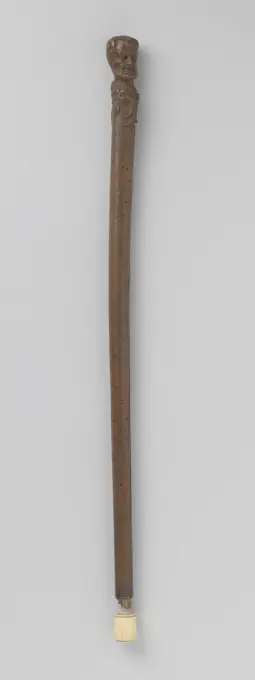
Button belonging to a walking stick, anonymous, c. 1700 - c. 1750 Button belonging to walking stick. Europe ironwood   Friesland Button belonging to walking stick. Europe ironwood   Friesland
Button belonging to a walking stick, anonymous, c. 1700 - c. 1750 Button belonging to walking stick. Europe ironwood Friesland Button belonging to walking stick. Europe ironwood Friesland
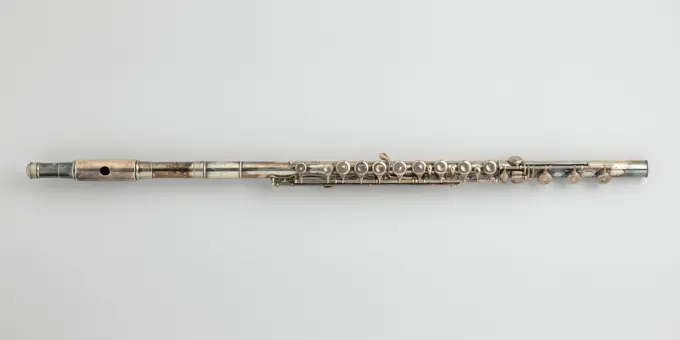
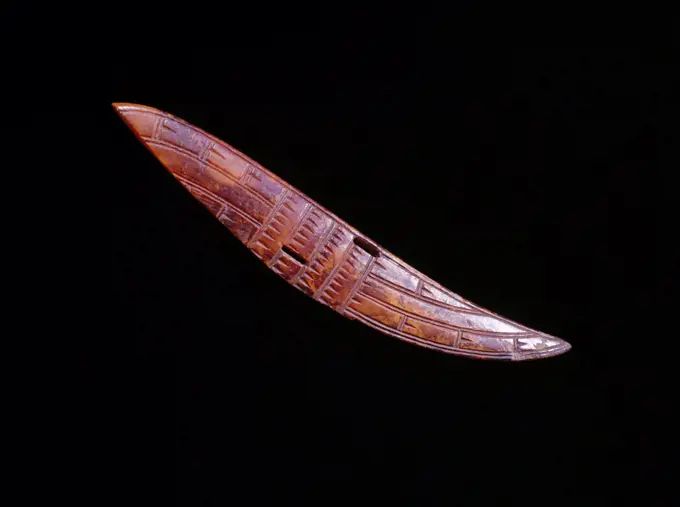
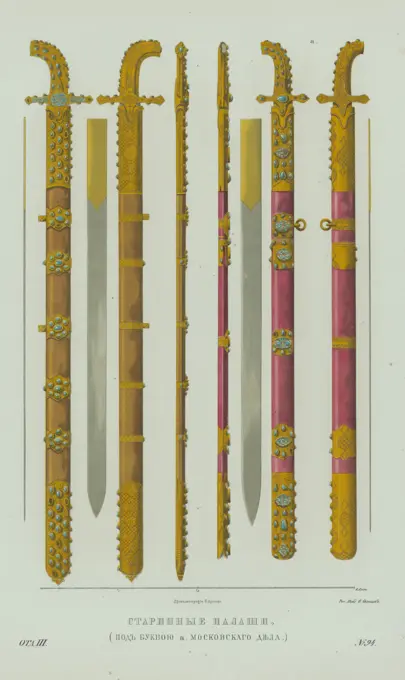
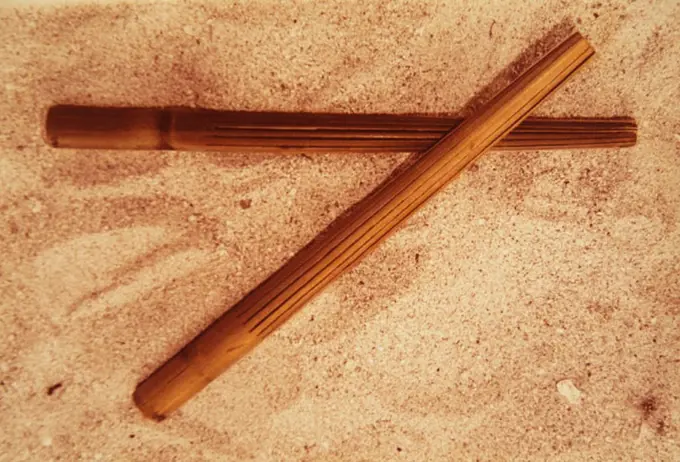
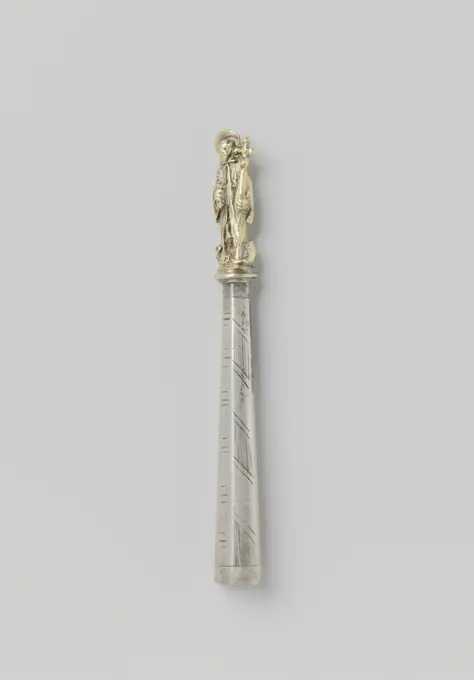
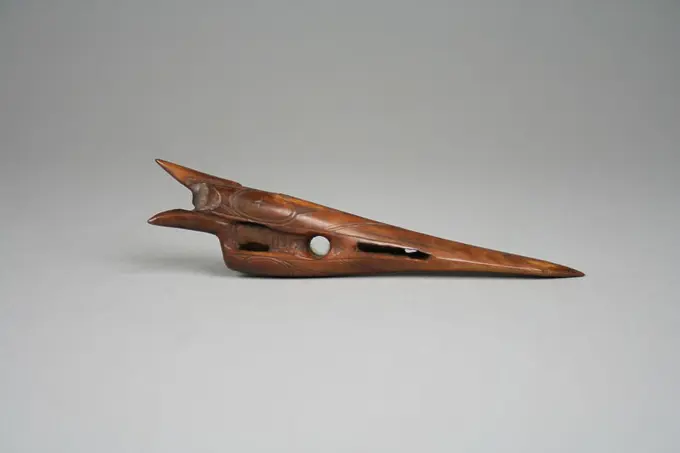
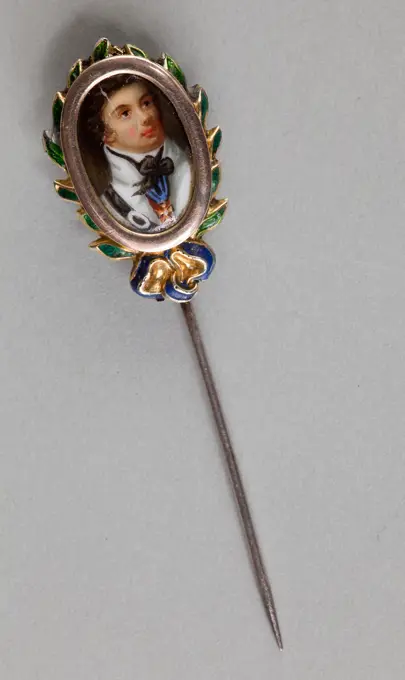
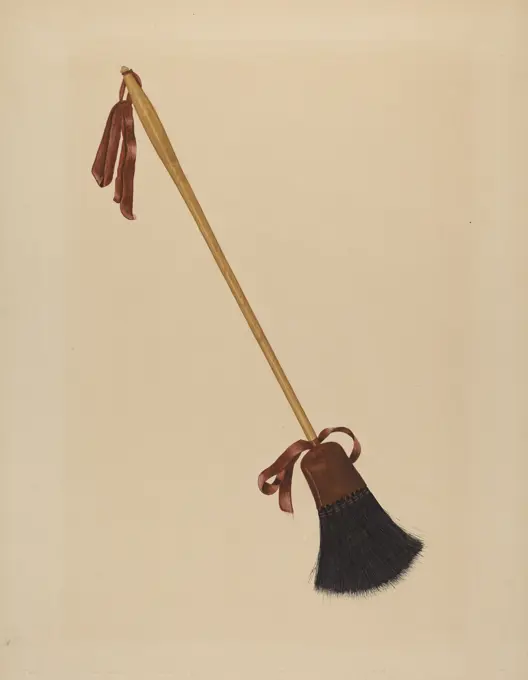
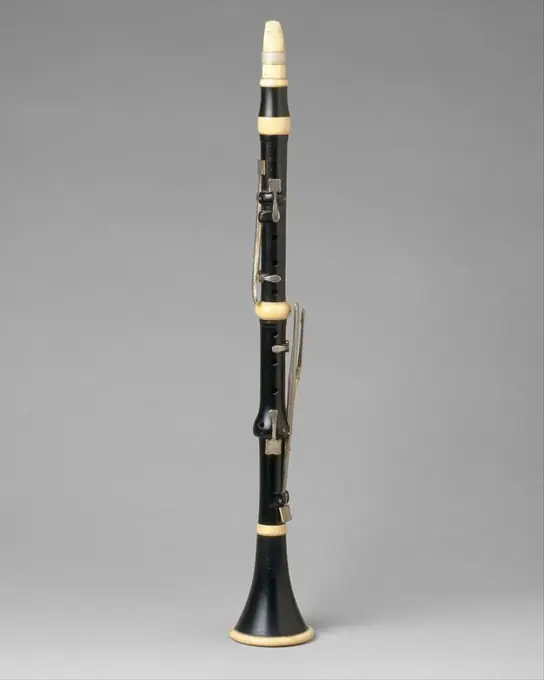
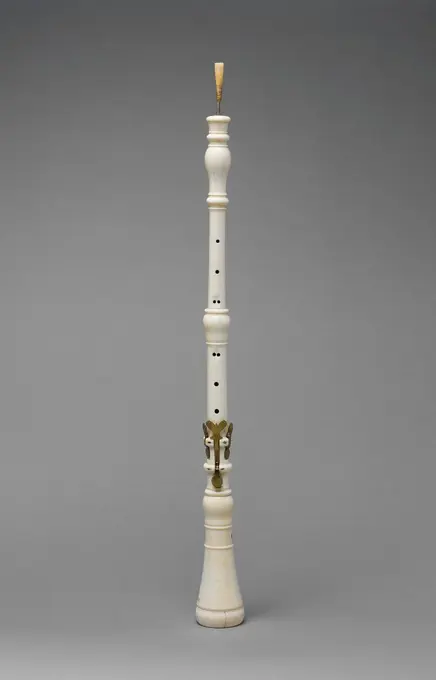
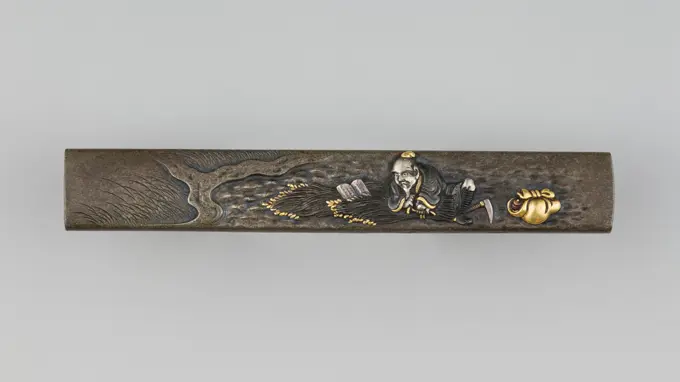
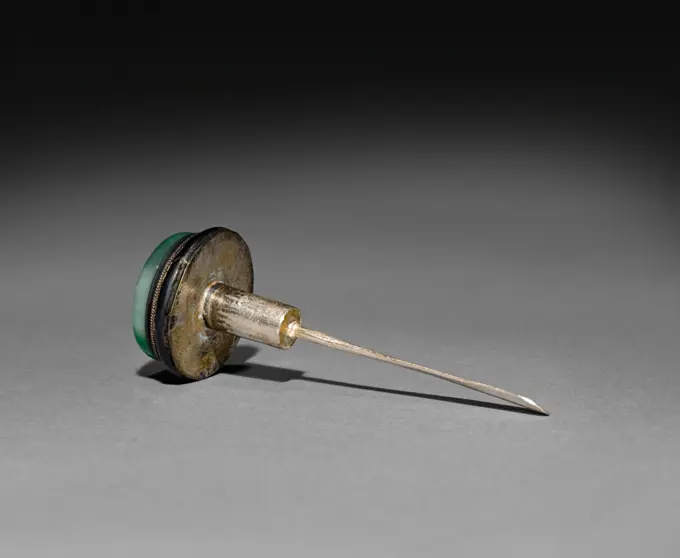
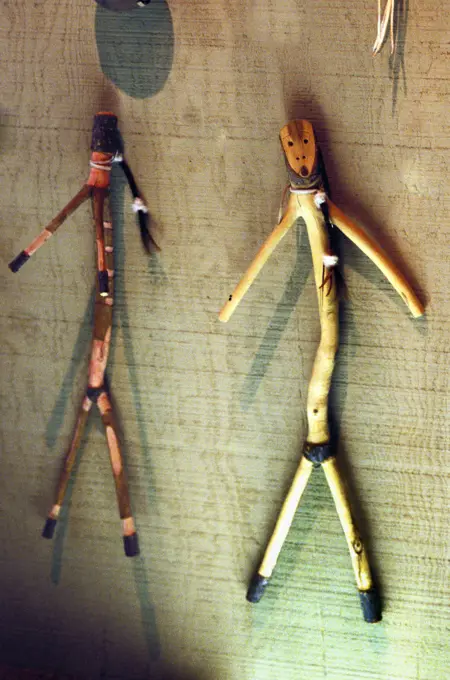
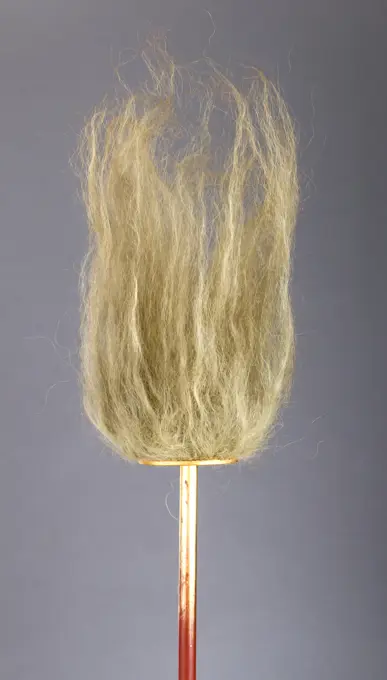
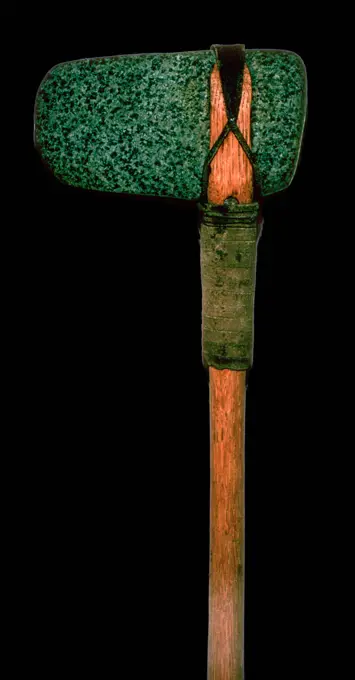
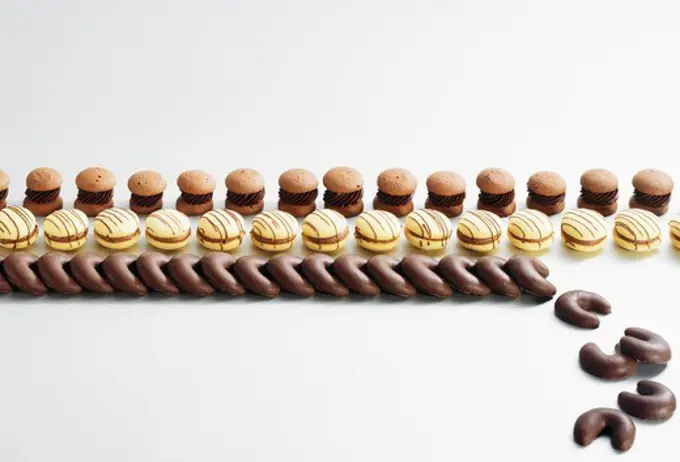
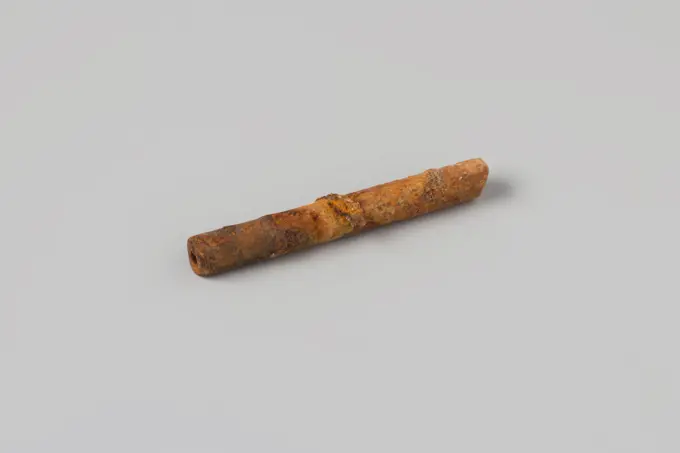
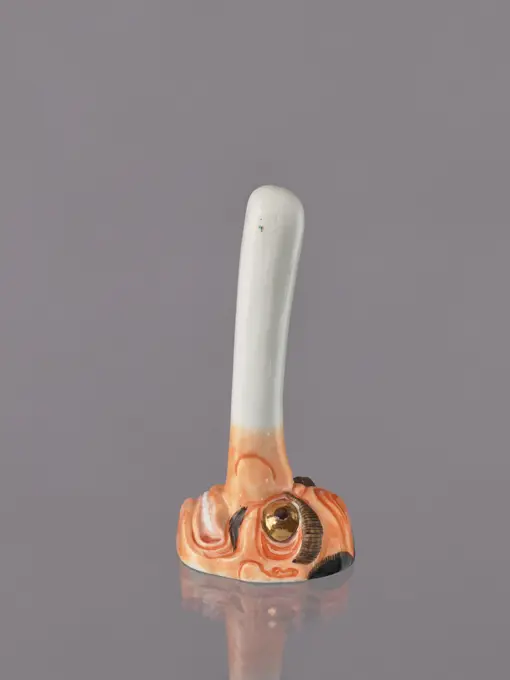
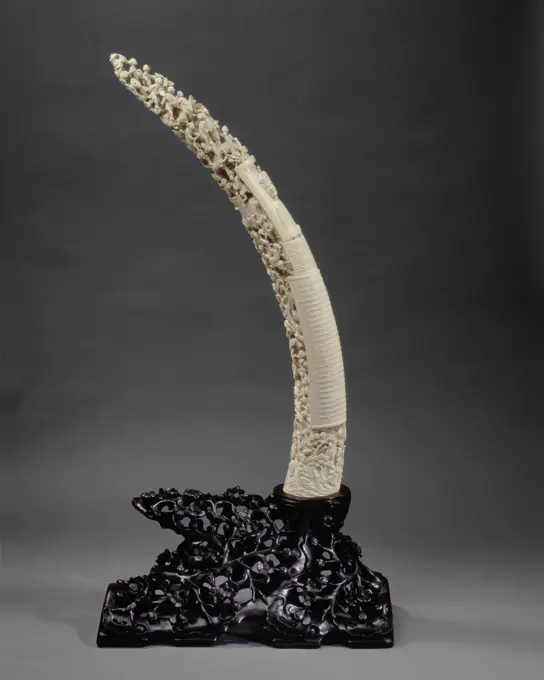
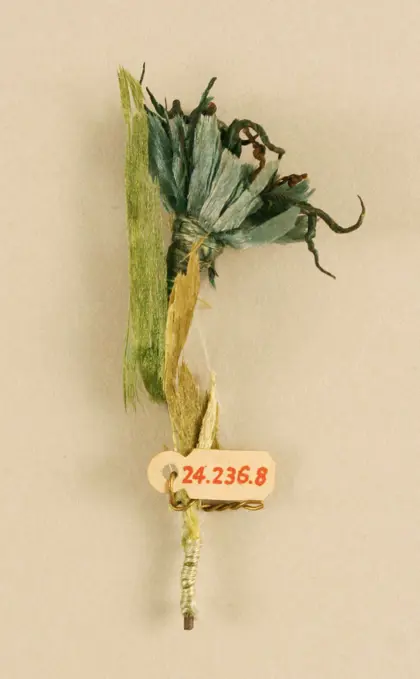
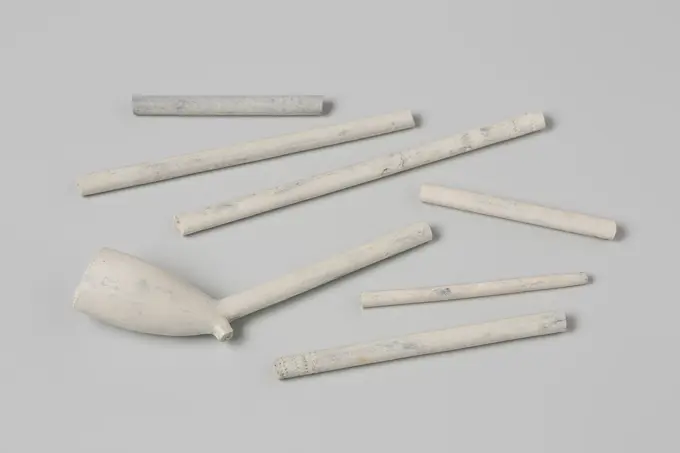
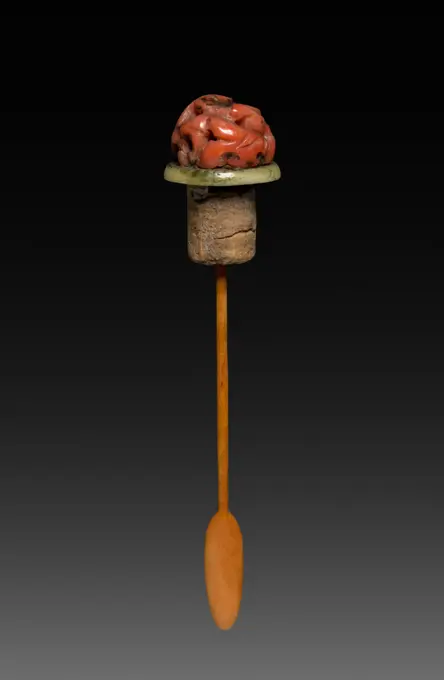
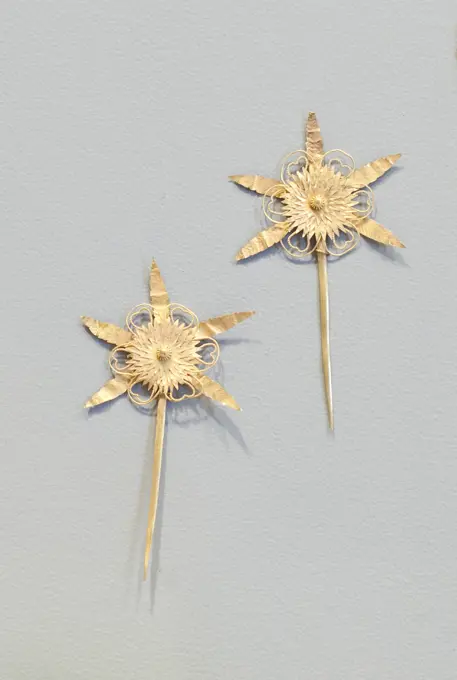
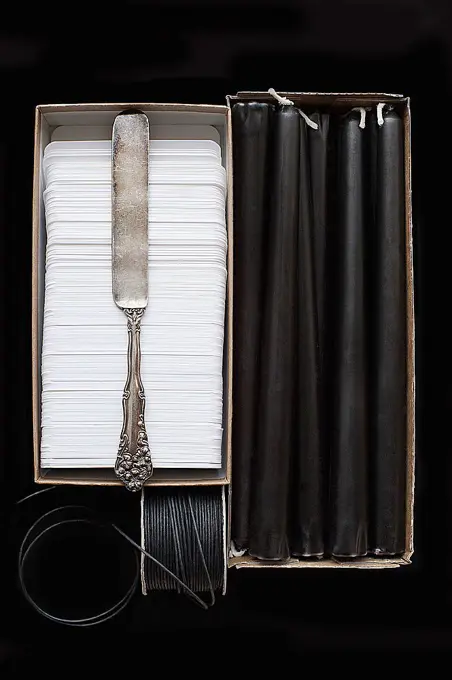
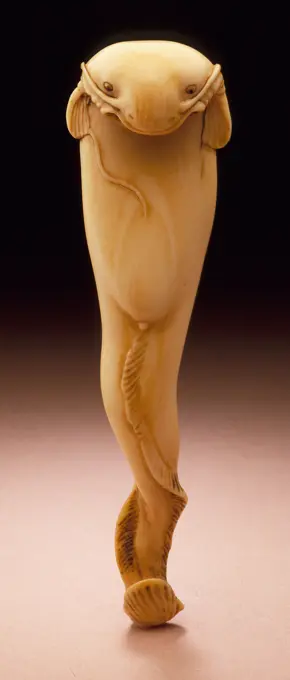
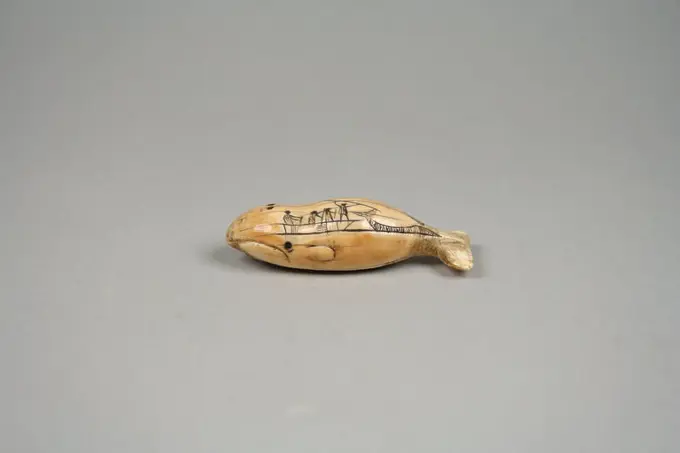
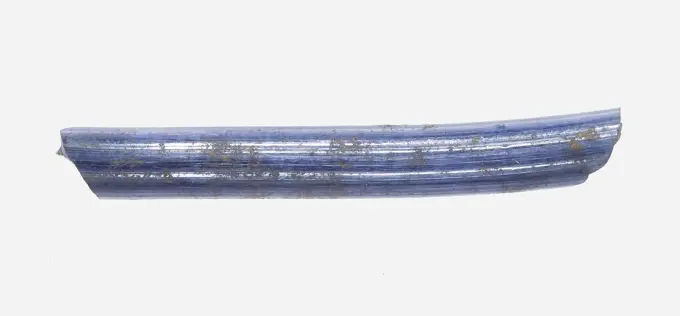
Fused Rods of Opaque Blue Glass ca. 1390-1353 B.C. New Kingdom. Fused Rods of Opaque Blue Glass. ca. 1390-1353 B.C.. Glass. New Kingdom. From Egypt, Upper Egypt, Thebes, Malqata, Palace of Amenhotep III, factories, MMA excavations, 1911-12. Dynasty 18Flute ca. 1867-1869 Charles Monzani American. Flute. American. ca. 1867-1869. Silver-plated brass. New York, NY, United States. Aerophone-Blow Hole-side-blown flute (transverse)Wishbone on graph paperUSA, Alaska, St. Lawrence Island, Ancient etched wrist guard for bow and arrowStarinnye palashi, v tom chisle moskovskago dela' (Old broadswords, among them one made in Moscow). Watercolor by Acad. F. Solntsev. Chromolithography by F. Dreher., 1849 - 1853., Moskva. Publisher, Tip. A. Semena. Art, Russian, ChromolithographsHawaii, Sepia tone picture of pu´ili on sandy beachSpoon stalk with image apostle, anonymous, c. 1600 - c. 1625 Silver spoon stalk with a gilded apostle at the end. Germany silver (metal) gilding Silver spoon stalk with a gilded apostle at the end. Germany silver (metal) gildingHarpoon Head. Culture: Old Bering Sea. Dimensions: H. 7/8 x W. 4 1/4 in. (2.2 x 10.8 cm). Date: 3rd-4th century (). Museum: Metropolitan Museum of Art, New York, USA.CONTRACT;  19th/20th century (1890-00-00-1910-00-00);Knife Handle (Kozuka). Culture: Japanese. Dimensions: L. 3 13/16 in. (9.7 cm); W. 9/16 in. (1.4 cm); thickness 1/4 in. (0.6 cm); Wt. 1.2 oz. (34 g). Date: ca. 1615-1868. Museum: Metropolitan Museum of Art, New York, USA.PinRichard Barnett, Long Handled Bristle Brush, c 1938 Long Handled Bristle BrushChinese ink, close upStoffer with hairs at the bottom and on the short side, with round profiled stem. Duster from rosewood; inserted bristles under and in the head of the narrow back; Round handle with profile decoration; Yarn wire new.Sprouting seed of a mangrove, studio photography with white backgroundClarinet in D. Culture: British. Dimensions: L. 21 1/2 in. (54.6 cm). Maker: Astor & Co. (1778-1831). Date: 1820 or 1821. Museum: Metropolitan Museum of Art, New York, USA.Cylinder amulet ca. 1700-1425 B.C. Second Intermediate Period-early Dynasty 18. Cylinder amulet. ca. 1700-1425 B.C.. Gold. Second Intermediate Period-early Dynasty 18. From Egypt, Upper Egypt, Thebes, Wadi Gabbanat el-Qurud. Dynasty 18Mouth tools Stinging mouth tools of the brake enlarges 50x copyright: xzoonar.com/DR.XNORBERBERTXLANGEX 13776013Oboe in C. Culture: German. Dimensions: L.: 570 mm (22.44 in.); Diam. of bell: 57 mm (2.24 in.); Upper Section: 231 mm (9.09 in.). Date: 1730-40.The quality, tone and forms of musical instruments are largely determined by the materials chosen for their construction. Elephant-tusk ivory, a particularly adaptable but exotic material, has long been employed in fashioning instrument of great value. Those shown here display a broad range of decorative styles and craft techniques, and illustrate the forms to which ivory best lends itself. Beautifully decorated instruments of ivory and other precious materials can be seen throughout these galleries. Museum: Metropolitan Museum of Art, New York, USA.UmbrellaKnife Handle (Kozuka) late 17th-early 18th century Ichijosai Hironaga (Hirotoshi) Japanese A kozuka is a handle of a by-knife that is part of a sword mounting. It is kept in a slot on the reverse of a katana scabbard, often with a matching kgai (hairdressing tool).. Knife Handle (Kozuka). Japanese. late 17th-early 18th century. Copper-silver alloy (shibuichi), gold, silver, copper, copper-gold alloy (shakud). Sword Furniture-KozukaSnuff Bottle (stopper), 1644-1911. China, Qing dynasty (1644-1911). Glass; overall: 6.4 cm (2 1/2 in.).Knife Handle (Kozuka). Culture: Japanese. Dimensions: L. 3 7/8 in. (9.8 cm); W. 11/16 in. (1.7 cm); thickness 5/16 in. (0.8 cm); Wt. 1.5 oz. (42.5 g). Date: ca. 1615-1868. Museum: Metropolitan Museum of Art, New York, USA.Blackfeet dolls made from willow sticksOphiclee or outpholene (old spelling): copper wind instrument with 10 valves. Copper wind instrument, a kind of tuba but then with the cup forward consisting of three parts. A valve and the mouthpiece are missing. Bottom brass plate with copper edge. The inside of the valves are coated, rulerly with leather or felt. Parts are made of brass.Tibetan buddhist Mani wheel or hand prayer wheel isolated on whiteFeeler gauge.Field Ensign (Sashimono) 18th century Japanese Field ensigns (sashimono), small banners worn by soldiers in feudal Japan, served as identifiers on the battlefield. This field ensign is distinguished by its incorporation of yak hair, an uncommon component in such objects.. Field Ensign (Sashimono). Japanese. 18th century. Wood, lacquer, iron, yak hair. MiscellaneousCage crinoline ca. 1875 American The first bustle phase, from 1869-77, required skirt supports to accomplish the desired silhouette. This particular example of a cage crinoline would simply keep the skirt away from the body and hold its cylindrical shape. A separate bustle would need to be worn to push the skirts up and out over the back of the wearer's skirt.. Cage crinoline. American. ca. 1875. linen, metalNorth Native American stone tomahawk Artist: UnknownOld rusty hand saw on white backgroundParasol ca. 1858 American. Parasol 121928Schokoladenkipferl (cresent-shaped chocolate biscuits) and chocolate macaroonsA worn out toothbrush still life.Feather quill an old paper. Isolated on whiteFragment Pijpensteel from the wreck of the East Indians Hollandia, Anonymous, 1700 - in Or Before 1743  Pipe, stem; fragment. Netherlands pipe clay   SecondMask of tengu goblin. unknownCarved elephant tusk gift to Annie Hermine Cremer-Hogan, anonymous, c. 1919  Processed elephant position on standard upwards with figures and buildings. Front: Above the center of Annie Hermine Cremer-Hogan, wife of J.Th. Cremer, used to left head. She has short hair and a branch on the head. Dress with square neck and short and long necklace. Unkinder list for portrait. Below inscription in framework without decorations. Completely further processed with human figures and children between trees with rosettes in between. Many with a text board or banner in hand. Lower edge: rocky soil on which the scene takes place. Belonged to wooden standard. While ivory cutting  Sumatra. Washington D.C.Boutonnière British 1625-49Fragment of a pipe head and pipe stems from the wreck of the East India Flying Heart. One cup of an earthen Gouda pipe and six pieces of stealing. The cup still has a piece of stem and wears heel brand crowned 67. Two stems have decorations.A stock photograph of an artists paint brush with fresh colorful paint on its bristles.Snuff Bottle (stopper), 1662-1722. China, Qing dynasty (1644-1911), Kangxi reign (1662-1722). Porcelain; overall: 9 cm (3 9/16 in.).Thermometer, close-upAncient Egyptian wooden palette belonging to a scribe. 1550-1070 BCHair Ornament, one of a pair, 11th century, 3 5/8 x 2in. (9.2 x 5.1cm), Gold, China, 11th centuryVintage looking Communication tower Vintage looking Communication tower radio mast with antenna aerial Copyright: xZoonar.com/ClaudioxDiviziax 9938696Knife on box of napkins and candlesPod, cone or capsule on a backgroundEarthquake Fish. Japan, 19th century. Costumes; Accessories. Ivory with staining, inlay; obihasami typeCommunication tower vintage Communication tower radio mast with antenna aerial vintage Copyright: xZoonar.com/ClaudioxDiviziax 8755114Whale. Culture: Eskimo. Dimensions: H. 7/8 x W. 1 x D. 2 7/8 in. (2.2 x 2.5 x 7.3 cm). Date: 1830-60. Museum: Metropolitan Museum of Art, New York, USA.Power and network cables on a wall, empty sockets for electrical outlets, construction site, renovation of a flat, North Rhine-Westphalia, Germany, EuropeClose-up of incenses in an incense caseInsects in test tubes: crickets, mealworms, grasshoppers, and buffalo wormsFork and Knife with Porcelain Handles, Meissen Porcelain Manufactory, German, active from 1710 to the present, F. & E. Marcus, German, 18th century onwards, hard paste porcelain, vitreous enamel, nickel, steel, knife (a): Slightly curving blade, tapering tubular blue and white porcelain handle decorated with stylized blue flowers and sprigs on a white ground., fork (b): Three tine steel fork, tapering tubular porcelain handle painted with stylized blue flowers and sprigs on a white ground., Germany, 18th century, ceramics, Decorative Arts, fork and knife, fork and knifeDetail of boot lid of historic classic car Porsche 356 from 50s 60s with metal bracket teardrop shape with Porsche logo emblem, underneath Porsche lettering, Messe Techno Classica, Essen, North Rhine-Westphalia, Germany, EuropeBrazilian musical instrument called berimbau and usually used during capoeira brought from africa and modified by the slaves