Historical Blades And Knives

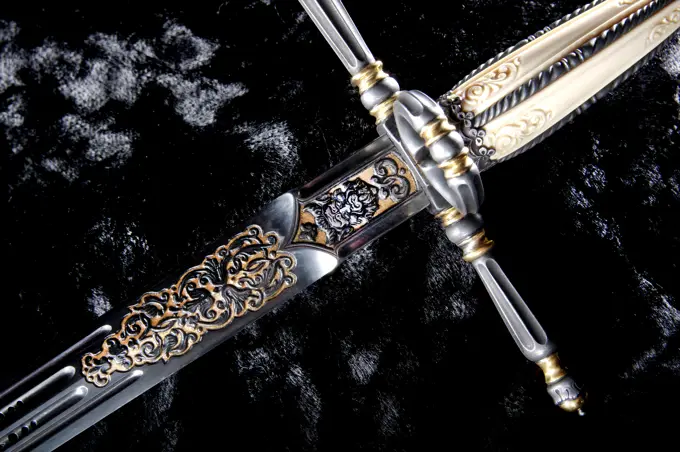
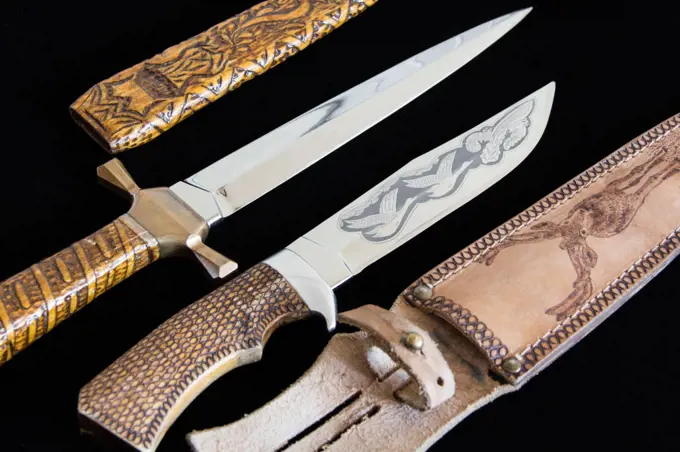
An assortment of intricate historical bladed weapons, including daggers and swords, featuring decorative elements and various materials from different centuries.

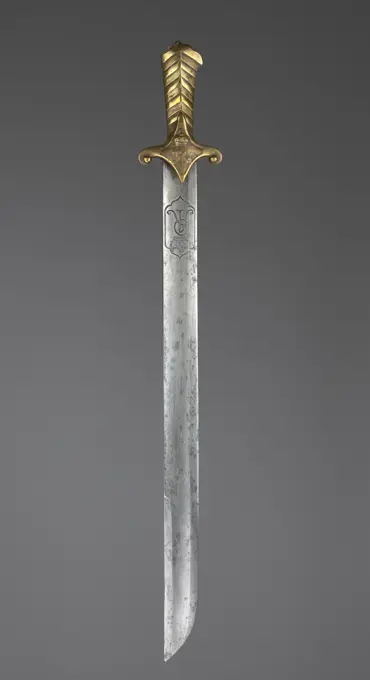
Yatagan van Schout at Nacht Willem Crul, Anonymous, c. 1500 - 1950 yatagan Yatagan, donated by the Admiralty to the Schout at Nacht Willem Crul according to written announcement. The handle and the slightly bent sheath are covered with thin papal silver, in which richly driven ornament work in Eastern style. Probably Levantine work.  Handle and sheath: Silver Leaf. Kling: Iron (Metal)   Rotterdam
Yatagan van Schout at Nacht Willem Crul, Anonymous, c. 1500 - 1950 yatagan Yatagan, donated by the Admiralty to the Schout at Nacht Willem Crul according to written announcement. The handle and the slightly bent sheath are covered with thin papal silver, in which richly driven ornament work in Eastern style. Probably Levantine work. Handle and sheath: Silver Leaf. Kling: Iron (Metal) Rotterdam
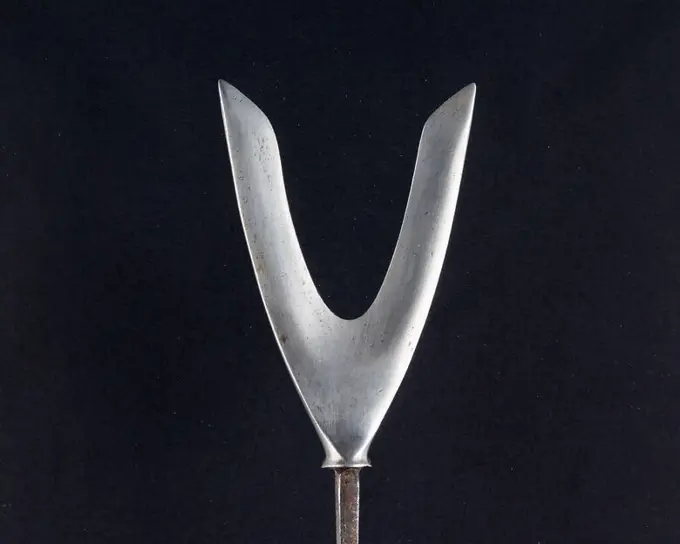
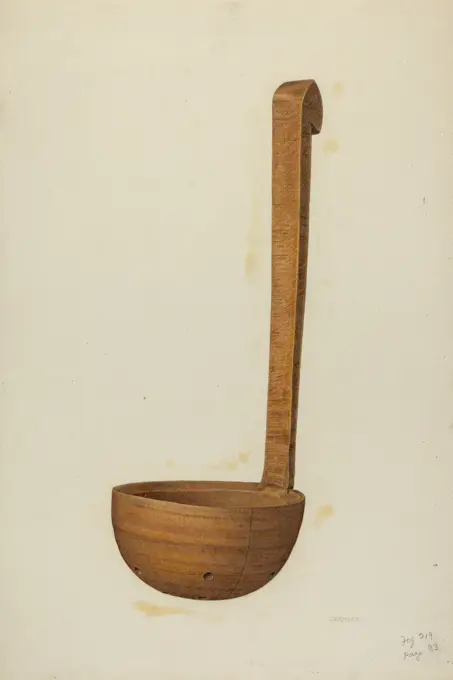
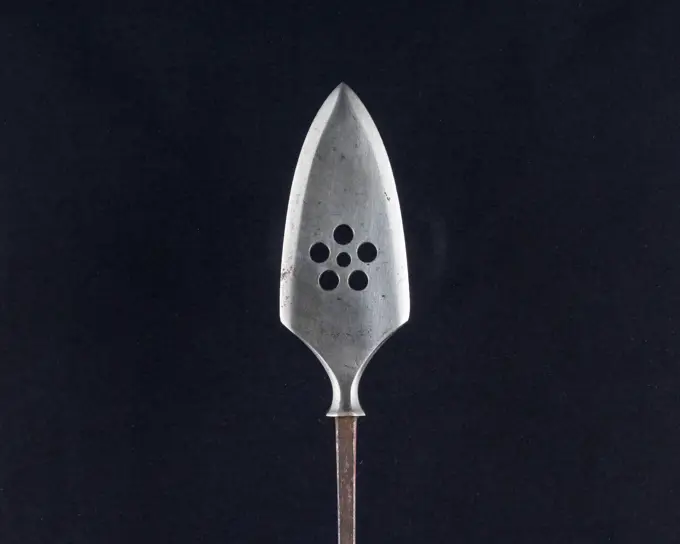
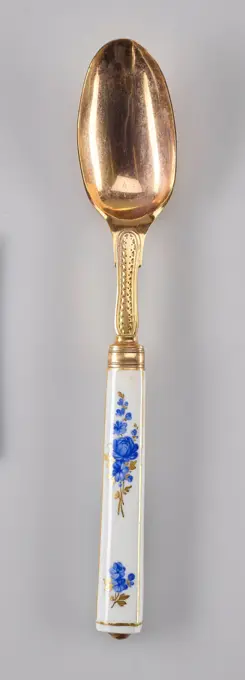
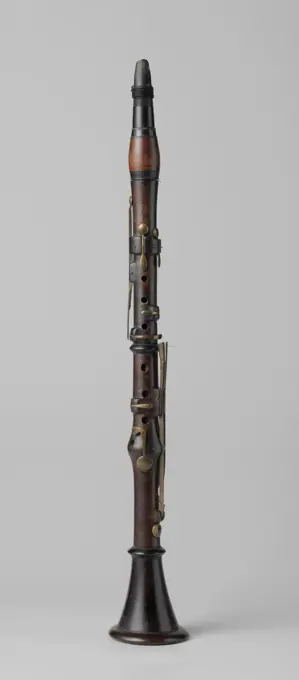
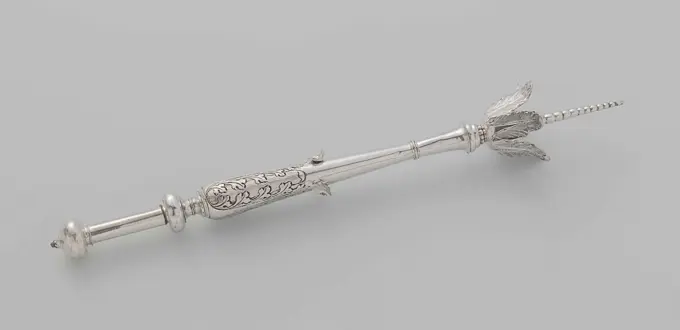
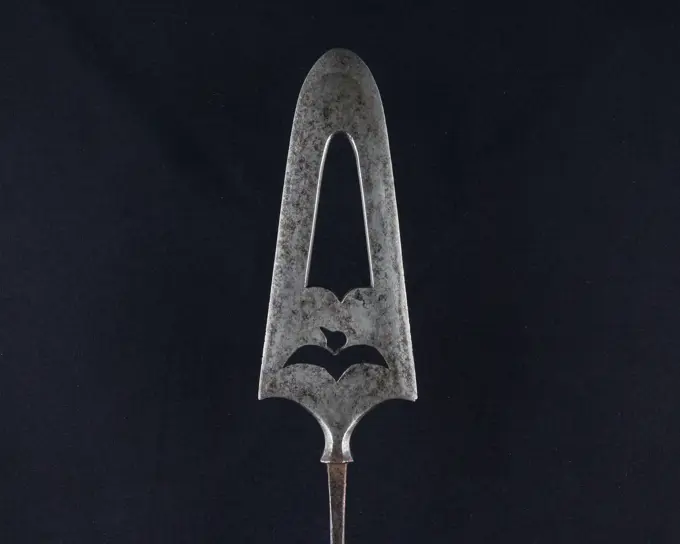
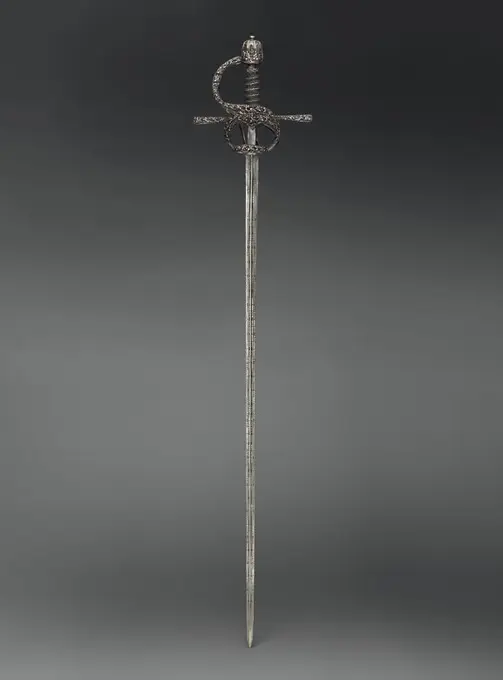
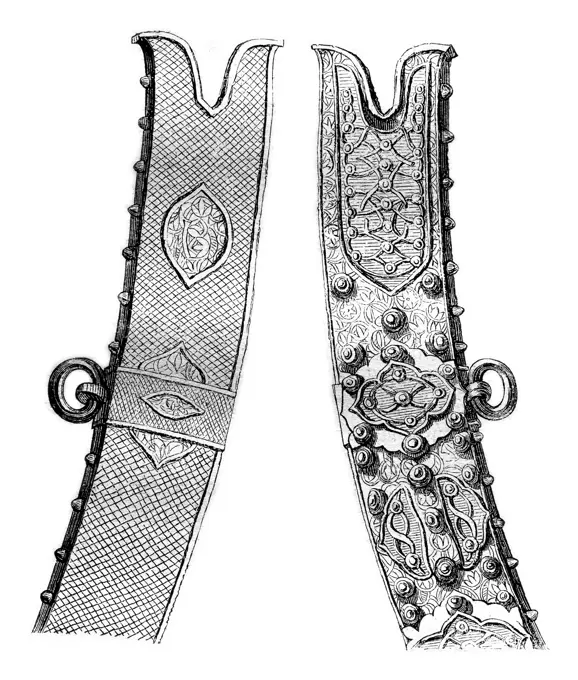
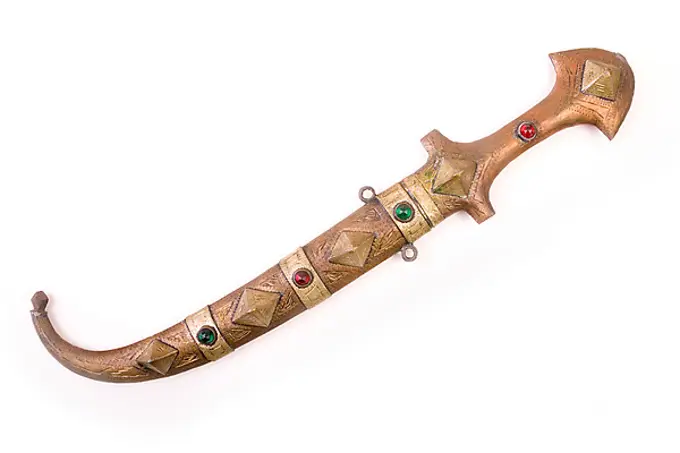
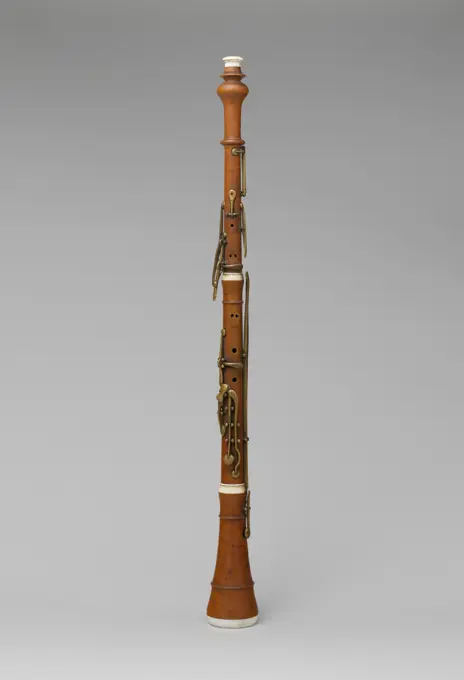
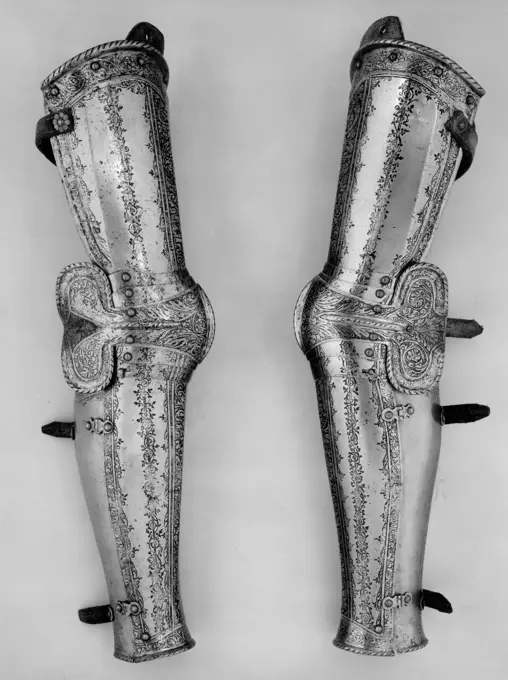
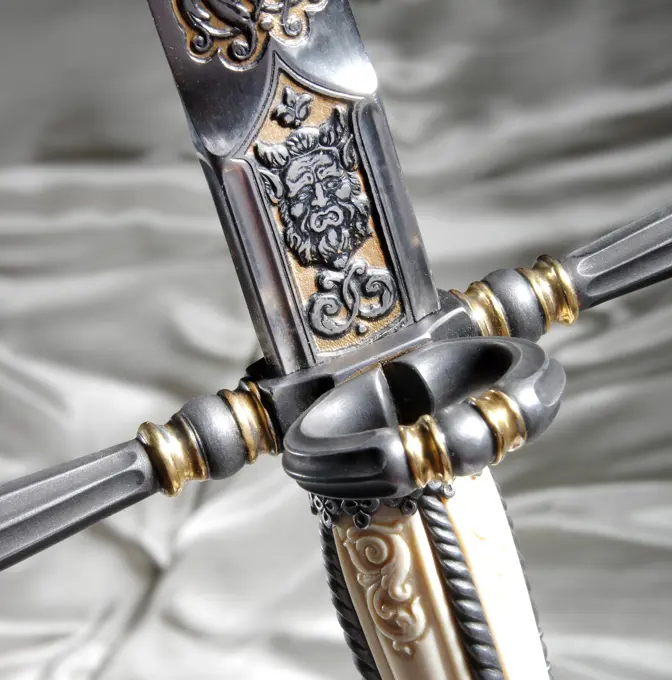
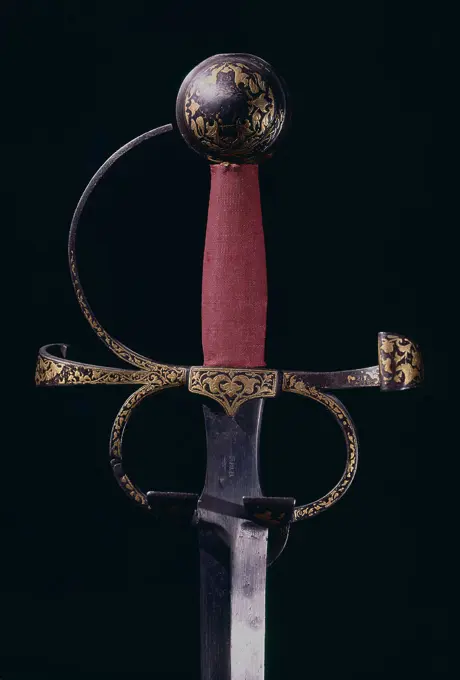
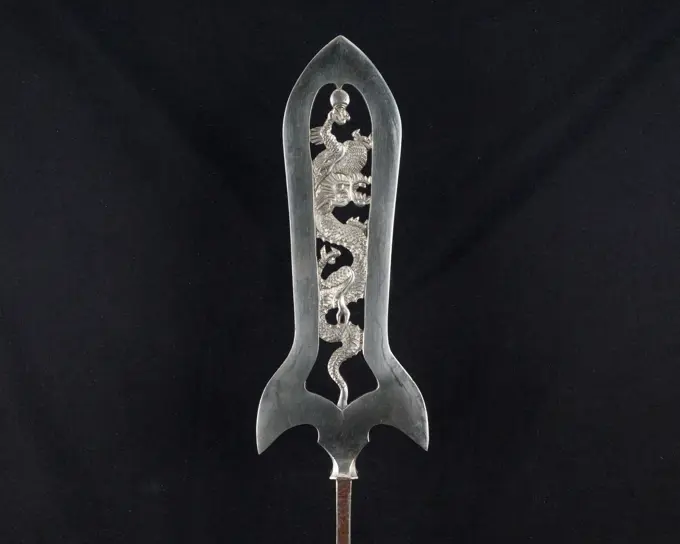
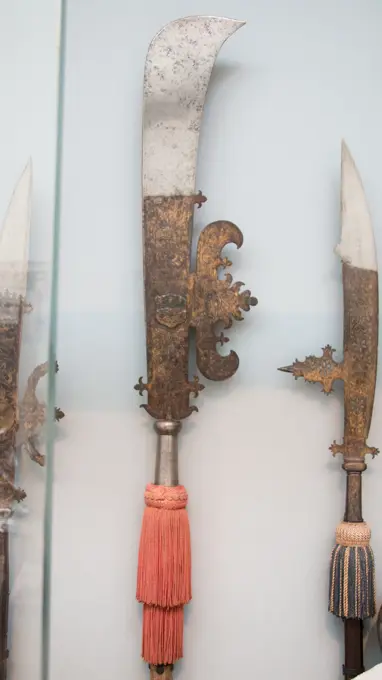
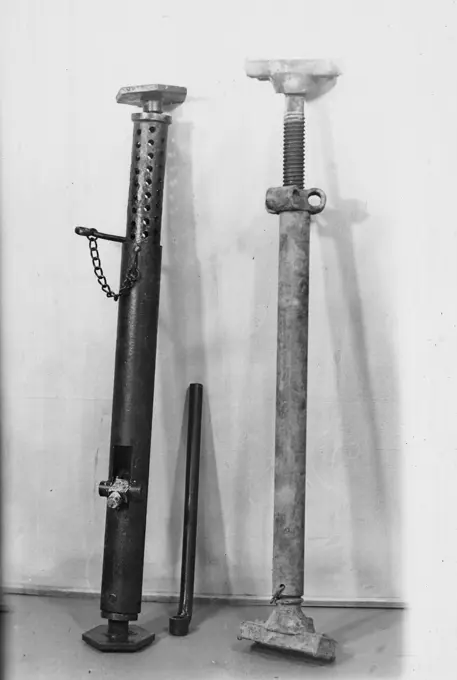
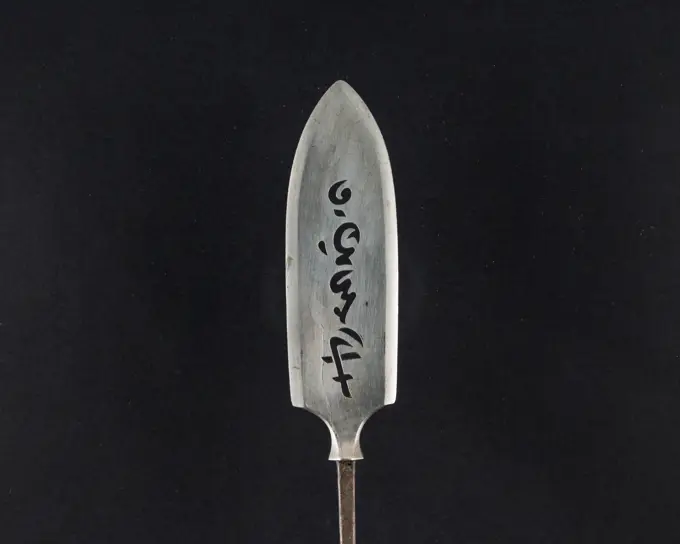
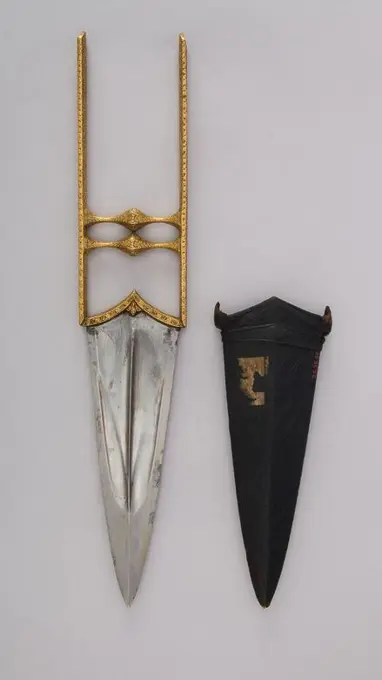
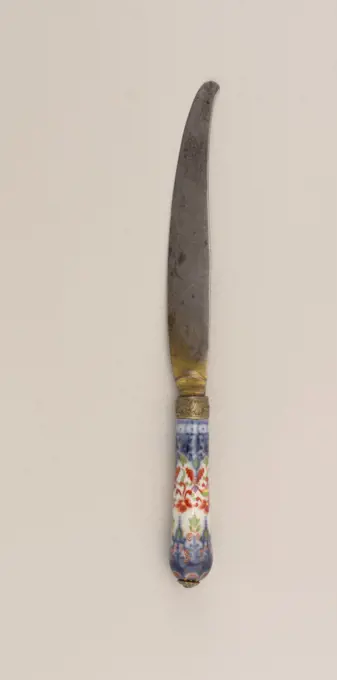
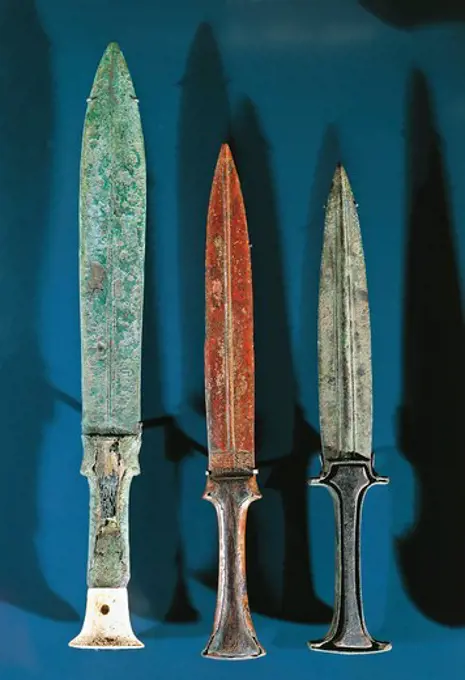
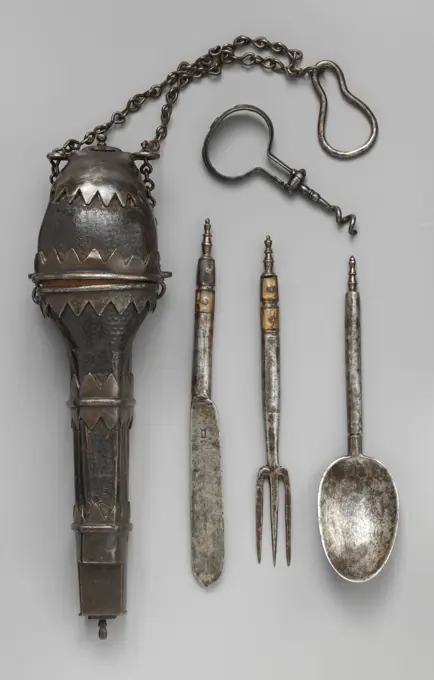
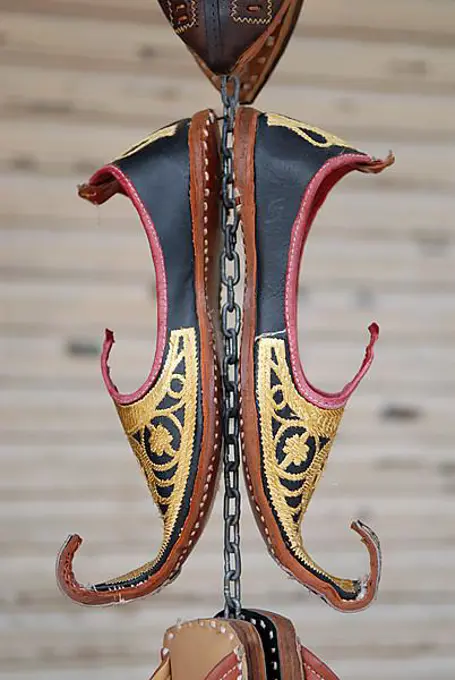
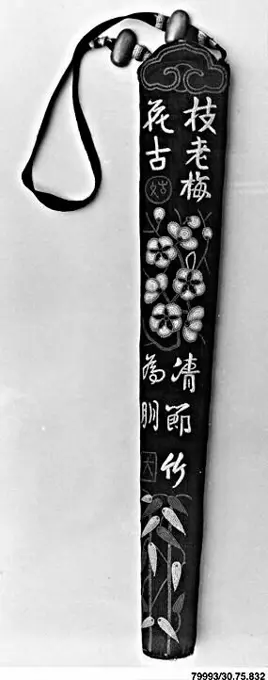
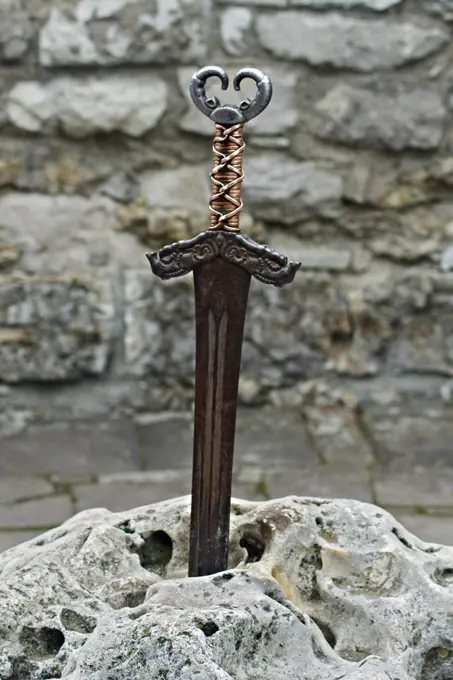
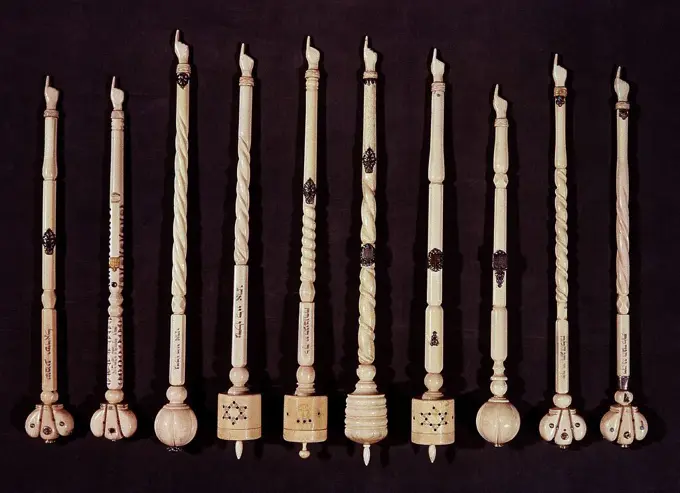
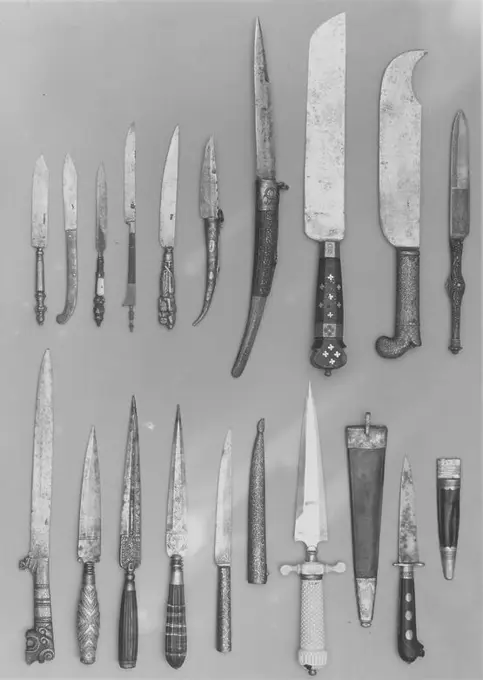
LadleHandleFork, 1600 - 1699 Fork with a geemilled handle. The handle is decorated with blue and orange flowers on a white background.  . Fork with a geemilled handle. The handle is decorated with blue and orange flowers on a white background.  .Arrowhead (Yanone). Culture: Japanese. Dimensions: L. 10 3/4 in. (27.3 cm); L. of head 3 3/4 in. (9.5 cm); W. 2 1/2 in. (6.4 cm); Wt. 2.5 oz. (70.9 g). Date: 18th century. Museum: Metropolitan Museum of Art, New York, USA.Wooden Cross. Dated: c. 1940. Dimensions: overall: 47 x 35.8 cm (18 1/2 x 14 1/8 in.). Medium: watercolor and graphite on paper. Museum: National Gallery of Art, Washington DC. Author: George File.Paper Knife or Bookmark, William Robb (Aberdeen, Scotland, 1851 - 1927) 1925 - 1926Isidore Danziger, Strainer, c 1941 StrainerAncient sabre. A smart variant of the fighting weaponArrowhead (Yanone) 18th century Japanese Although today Japanese warriors are renowned most for their swordsmanship, archery, especially from horseback, has been an essential part of samurai warfare and culture for centuries. Arrows were fitted with heads of varying shape according to their intended use in war, the hunt, or target practice. Arrowheads made for use on the battlefield incorporated different designs intended for specialized purposes such as the piercing of armor or to cause maximum damage to horses and unarmored personnel.Large arrowheads, pierced and elaborately chiseled with landscapes, birds, flowers, dragons, and Buddhist divinities, were created to be admired for the beauty of their metalwork and design rather than for use in archery. Such highly elaborate examples may have been made for presentation or as a votive offerings to a shrine.. Arrowhead (Yanone). Japanese. 18th century. Steel. Archery Equipment-ArrowheadsSpoon, from a flatware dessert service, 18th century, Meissen Porcelain Factory, Meissen, Germany, est. 1710, Hard paste porcelain, gilt metal, Germany, 18th centuryClarinet, anonymous, c. 1830 Cup and part middle part Europe wood (plant material). copper (metal) Cup and part middle part Europe wood (plant material). copper (metal)Mariascepter.Scepter, driven, upwards conical and crowned by an opened flower celk, from which a long point lights. A wreath of acanthus leaves decorates the bottom, separated by a noda of the smooth handle.Arrowhead (Yanone) 18th century Japanese Although today Japanese warriors are renowned most for their swordsmanship, archery, especially from horseback, has been an essential part of samurai warfare and culture for centuries. Arrows were fitted with heads of varying shape according to their intended use in war, the hunt, or target practice. Arrowheads made for use on the battlefield incorporated different designs intended for specialized purposes such as the piercing of armor or to cause maximum damage to horses and unarmored personnel.Large arrowheads, pierced and elaborately chiseled with landscapes, birds, flowers, dragons, and Buddhist divinities, were created to be admired for the beauty of their metalwork and design rather than for use in archery. Such highly elaborate examples may have been made for presentation or as a votive offerings to a shrine.. Arrowhead (Yanone). Japanese. 18th century. Steel. Archery Equipment-ArrowheadsDagger with Sheath. Culture: Caucasian. Dimensions: L. with sheath 20 1/16 in. (51 cm); L. without sheath 19 5/16 in. (49.1 cm); L. of blade 14 in. (35.6 cm); W. 1 1/2 in. (3.8 cm); Wt. 11.6 oz. (328.9 g); Wt. of sheath 3.1 oz. (87.9 g). Date: 18th-19th century. Museum: Metropolitan Museum of Art, New York, USA.Rapier. Bladesmith: Pietro de Formicano (Italian, Belluno, active ca. 1600). Culture: hilt, Northern European, possibly German; blade, Italian, Belluno. Dimensions: L. 47 1/16 in. (119.5 cm); L. of blade 40 1/2 in. (102.9 cm); W. 9 in. (22.9 cm); Wt. 2 lb. 10 oz (1190 g). Date: ca. 1610-20.The hilt is of blackened iron and consists of an ovoid pommel surmounted by a flattened button, a knuckle guard, two quillons slightly expanding toward rounded tips, arms of the hilt, and two side rings, the upper one connected to the knuckle guard by a short diagonal branch. The wooden grip of oval section is bound with twisted and braided iron wire. The branches of the guard are chiseled in high relief with a multitude of tiny battling warriors, forty-two on horseback and forty-four on foot, some of them dressed in Roman armor, others nude. In some areas faint landscape details are present in the background behind the figures and judging from the traces of gold that remain, the entire background wBassoon Ziegler, Johann JosephScabbard scimitar Zolkiewski great general, preserves the treasury of Czestochowa, vintage engraving. Scabbard scimitar Zolkiewski great general, preserves the treasury of Czestochowa, vintage engraved illustration. Magasin Pittoresque 1869. Copyright: xZoonar.com/PatrickxGuenettex 10678761Boils ,, 1600 - 1699 A forged iron round tube for seal washing. Turned hexagonal with spring lid. Upstairs and below Acanthus leaf decoration. At the bottom of a seal stamp with monogram in cartouche. France iron (metal) forging A forged iron round tube for seal washing. Turned hexagonal with spring lid. Upstairs and below Acanthus leaf decoration. At the bottom of a seal stamp with monogram in cartouche. France iron (metal) forgingFinnish knife for dressing fish, with a scabbardStaff with wing of Mercury. Staff from Mercury with a broken wing, part of the wing added.Morocco dagger 19 centurySwordSmart dagger Smart dagger of the medieval soldier. It was used for hunting Copyright: xZoonar.com/VALERY-SIBRIKOVx 20011003Glove Stretcher (Scotland for export); woodKnife (Bade-bade). Culture: Sumatran, Acheen. Dimensions: L. 15 3/4 in. (40 cm); L. of blade 10 1/2 in. (26.6 cm); W. 2 11/16 in. (6.8 cm); Wt. 6.8 oz. (192.8 g). Date: 16th-19th century. Museum: Metropolitan Museum of Art, New York, USA.Spoon 1700-1705 Christian Winter. Spoon 188119 Maker: Christian Winter, 16611737, master 1694, Spoon, 17001705, Silver, parcel gilt, 6 1/4 x 1 9/16 in. (15.9 x 4.0 cm). The Metropolitan Museum of Art, New York. Gift of Mrs. Samuel P. Avery, 1897 (97.2.84)Oboe 1837-38 Henri Brod French Henri Brod was a prominent performer, serving as first oboe of the Paris Opera and professor at the Conservatoire. In conjuction with his brother, he was also active as a maker. Brod is credited with various technical improvements to the instrument, two of which are found on this instrument: a rocking lever to connect the e'-flat and c' touchpiece and the d' half-hole key (still in use), which gives precise partial covering of the tone hole to facilitate overblowing in the upper octave. Despite technical developments that were increasingly being applied to the oboe and other woodwind imnstruments during the middle decades of the nineteenth century, Brod wrote that the oboe was most effective in slow, melodic passages.Techical description:Simple system oboe, stamped on all three sections with "BROD" (front) and "24" (rear side). The oboe is composed of three sections of boxwood and mounted with ivory sleeves. The wood shows weak burls in some areas of the arpon cilindrico con una hilera de dientes, cueva de Santimamiñe, Kortezubi, Arkeologi Museoa, museo aqueologico, Bilbao, Bizkaia, Pais Vasco, Spain.Composed Armor for a Youth ca. 1560 and later Some elements made by Raymond Bartel French The left gauntlet, the fingers and thumb of the right gauntlet, the rear plate of the left greave, and the toe-caps were made by Raymond Bartel and etched by Stanley Rowland.. Composed Armor for a Youth 22265Smart dagger Smart dagger of the medieval soldier. It was used for hunting Copyright: xZoonar.com/VALERY-SIBRIKOVx 20007145Folding fork and spoon, Silver, Three curved tines, short, rounded shoulders, decorative chiseling at the joint and neck. Hinged at the neck, locket engraved with floral pattern. Square handle with eagle on top., Large oval-shaped spoon bowl with three rings on the back which can be slotted over the tines of the fork., Possibly Zeeland, Netherlands, early 17th century, cutlery, Decorative Arts, Folding fork and spoonSpoon, from a flatware dessert service, 18th century, Meissen Porcelain Factory, Meissen, Germany, est. 1710, Hard paste porcelain, gilt metal, Germany, 18th centuryESPADA DE PIZARRO. Location: PALACIO REAL-REAL ARMERIA DE MADRID. MADRID. SPANIEN.CHIFLE DE ASTA PROCEDENTE DE ARGENTINA - 1970 - 48x8,30 cm. Location: MUSEO DE AMERICA-COLECCION. MADRID. SPANIEN.Wooden figure from Namibia, Africa, against a white backgroundLámpara de aceite. Museu Català de les Arts i Tradicions Populars.Crossbow, jack and crossbow darts, by German work, 1480 - 1510, 15th Century, wood, horn, iron, cord, leather. Italy: Lazio: Rome: National Museum of Palazzo Venezia: Collezione Odescalchi 1777 1327-8. Whole artwork. Bow parchment string stirrup tendon wooden stock trigger pins hexagon box pulley handlebar gear toothed shaft quadrangular tips feathersArrowhead (Yanone) dated 1647 Japanese, Kyoto Although today Japanese warriors are renowned most for their swordsmanship, archery, especially from horseback, has been an essential part of samurai warfare and culture for centuries. Arrows were fitted with heads of varying shape according to their intended use in war, the hunt, or target practice. Arrowheads made for use on the battlefield incorporated different designs intended for specialized purposes such as the piercing of armor or to cause maximum damage to horses and unarmored personnel.Large arrowheads, pierced and elaborately chiseled with landscapes, birds, flowers, dragons, and Buddhist divinities, were created to be admired for the beauty of their metalwork and design rather than for use in archery. Such highly elaborate examples may have been made for presentation or as a votive offerings to a shrine.. Arrowhead (Yanone). Japanese, Kyoto. dated 1647. Iron, steel. Kyoto. Archery Equipment-ArrowheadsGlaive early 18th century Italian, Venice. Glaive. Italian, Venice. early 18th century. Steel, gold, polychromy, wood, textile. Venice. Shafted WeaponsSpoon 15th century French The elaborateness of design and high quality of workmanship, as well as the preciousness of the materials, of this spoon indicate with certainty that it belonged to a person of rank. Unfortunately, neither the motifs nor the color scheme have been successfully associated with a particular family. This spoon, surmounted by a pomegranate finial, is executed in translucent green and purple enamel, separated by a band of white enamel, into which are impressed silver-gilt motifs: floral tracery, stars, radiant crescents, and pairs of ornamental symbols (possibly undeciphered initials). The technique of impressing enamel with metallic ornament links the spoon to a group of objects, which have pomegranate finials and gold stars impressed in the enamel. The beakers in this series have been associated with the painted enamel technique thought to have been developed in the Netherlands in the second quarter of the fifteenth century, though it has also been suggested thatLabor Inspectorate Photo Collection. 5x5 stool stamps. undatedGoldweight Scorpion, 20th century, 2 1/2 x 7/8 in. (6.35 x 2.2 cm), Bronze, Ghana, 20th centuryArrowhead (Yanone) 18th century Japanese Although today Japanese warriors are renowned most for their swordsmanship, archery, especially from horseback, has been an essential part of samurai warfare and culture for centuries. Arrows were fitted with heads of varying shape according to their intended use in war, the hunt, or target practice. Arrowheads made for use on the battlefield incorporated different designs intended for specialized purposes such as the piercing of armor or to cause maximum damage to horses and unarmored personnel.Large arrowheads, pierced and elaborately chiseled with landscapes, birds, flowers, dragons, and Buddhist divinities, were created to be admired for the beauty of their metalwork and design rather than for use in archery. Such highly elaborate examples may have been made for presentation or as a votive offerings to a shrine.. Arrowhead (Yanone). Japanese. 18th century. Steel. Archery Equipment-Arrowheadspart ancient Asian stringed musical instrument on black background with backlight. national musical instrument of AsiaDagger (Katar) with Sheath. Culture: Indian. Dimensions: L. with sheath 16 7/8 in. (42.9 cm); L. without sheath 15 9/16 in. (39.5 cm); L. of blade 8 3/4 in. (22.2 cm); W. 3 1/16 in. (7.8 cm); D. 9/16 in. (1.4 cm); Wt. 14.6 oz. (413.9 g); Wt. of sheath 1.7 oz. (48.2 g). Date: 18th-19th century. Museum: Metropolitan Museum of Art, New York, USA.Knife with Porcelain Handle, Meissen Porcelain Manufactory, German, active from 1710 to the present, hard paste porcelain, vitreous enamel, steel, gold, Sabre-shaped blade, drop bolster. Ferrule engraved with animals and flowers; ferrule and bolster gilded. Porcelain handle tapering, round in section. Floral pattern in blue, red, green, yellow and purple on a white ground. Button cap on top of handle., Germany, ca. 1750, cutlery, Decorative Arts, knife, knifeA set of surgical instruments and accessories Roman, 1st century AD Said to have been found together In Italy.Sword (Arival). Culture: South Indian. Dimensions: H. 31 5/16 in. (79.5 cm); W. 3 1/16 in. (7.8 cm); D. 2 3/4 in. (7 cm); Wt. 2 lb. 2.4 oz. (975.2 g). Date: possibly 16th century. Museum: Metropolitan Museum of Art, New York, USA.Close up of bar strainer against black backgroundPrzeszo Przyszoci unknownDjambiya with scabbard and belt, Yemen, 18th century, Castle of San Carlos, seventeenth century, Palma, Mallorca, Spain.Ancient Egyptian bronze daggers with electrum blades and ivory handles.Fork Tines, Knife, Sheath Or Fork Handle (probably Austria); antler, nickel-plated metal, steel, leather; a: cm: L: 20 x W: 2.5 (7 7/8 x 1 in.) b: cm: L: 10.9 x W: 2.7 (4 5/16 x 1 1/16 in.) c: cm: L: 8.9 x W: 1.1 (3 1/2 x 7/16 in.); The Robert L. Metzenberg Collection, gift of Eleanor L. Metzenberg; 1985-103-1-a/cKnife, fork, spoon, and corkscrew in a case (Étui de couvert) late 17th or 18th century Anonymous In eighteenth-century Europe, Paris led the production of high-quality luxury goods. Parisian goldsmiths made a wide range of small, personal articles such as snuffboxes; étuis to hold sealing wax, tweezers, or utensils for sewing; souvenirs, which contained thin ivory tablets for note taking; and shuttles for knotting lace. Gold snuffboxes and boxes decorated with portrait miniatures were prized and frequently given as royal gifts, often to ambassadors or members of the court in lieu of cash payments for their services. Coveted and admired, these boxes were produced from a variety of materials. The best were skillfully made of gold and embellished with diamonds, enameled decoration, lacquer, and other luxurious materials. By the middle of the century, the taking of snuff had become an entrenched social ritual, and the snuffbox, too, had become an important social prop. Snuffboxes were conSmart dagger Smart dagger of the medieval soldier. It was used for hunting Copyright: xZoonar.com/VALERY-SIBRIKOVx 20007379Retro styled golden color key with a mirrorivory products gavel and carved tusk metropolitan police wildlife unit, london.Traditional shoes, Jodhpur, Rajasthan, India, AsiaFan Holder 18th-19th century China. Fan Holder 68822Trompe l'oeil wall paintings of candlesticks from the House of Castor and Pollux, Pompeii, excavated 1828. Handcoloured lithograph by Berth after an illustration by Wilhelm Zahn from his Ornament of All Classical Art Eras, Ornamente aller klassischen Kunst-Epochen, Reimer, Berlin, 1834.Ancient sword stuck in stoneCase (Germany); shark skin, silver, brass; L x W: 18.4 x 2.8 cm (7 1/4 x 1 1/8 in.); The Robert L. Metzenberg Collection, gift of Eleanor L. Metzenberg; 1985-103-136-aBox of surgical instruments, 19th century, Italy.PUNTEROS JUDIOS PARA LEER. Location: PRIVATE COLLECTION. MADRID. SPAIN.Carving knife. Culture: German. Dimensions: Length: 13 3/8 in. (34 cm). Date: 17th century. Museum: Metropolitan Museum of Art, New York, USA.Necklace pendants and beads ca. 18th-17th century B.C. Babylonian. Necklace pendants and beads 329031Photo of cold weapon on black backgroundmetal on green background metal on green background Copyright: xZoonar.com/OxanaxRishnyakx 5127955Cup ostensorium, 15th century. Obrador of Lleida.Black pirate flag winding up in the wind tied with a rope to an old sword. waving pirate flagLorgnet of imitation turtle with long stem and two frames with different cut glasses in a white box. Lorgnet of imitation turtle with long stem and two frames with different cut glasses. With copper ring down stem.Gold Hanukah Candles in Gold Menorah Against Black Background