Historical Blades and Utensils

Collection of exquisite cutlery and musical instruments, highlighting detailed craftsmanship from various historical periods.

Flat copper needle with elongated oval eye, needle soil finding copper brass metal, cast archeology Rotterdam City Triangle Mariniersweg Kipstraat Hoogstraat sewing textile processing clothing needle and thread soil finding corner Mariniersweg Kipstraat Hoogstraat.
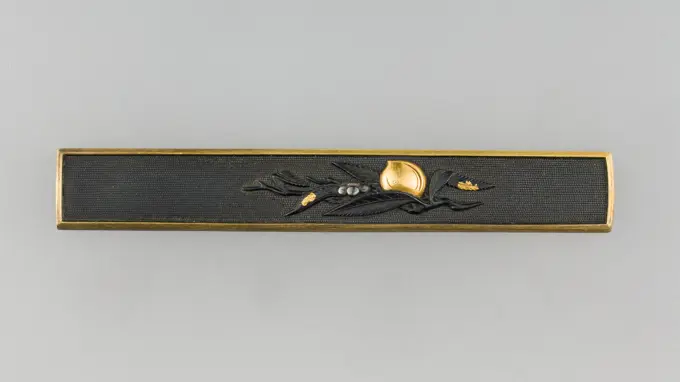
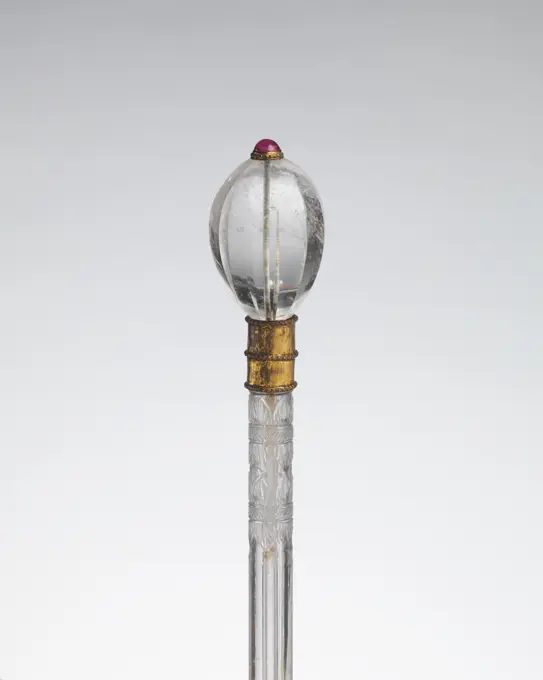
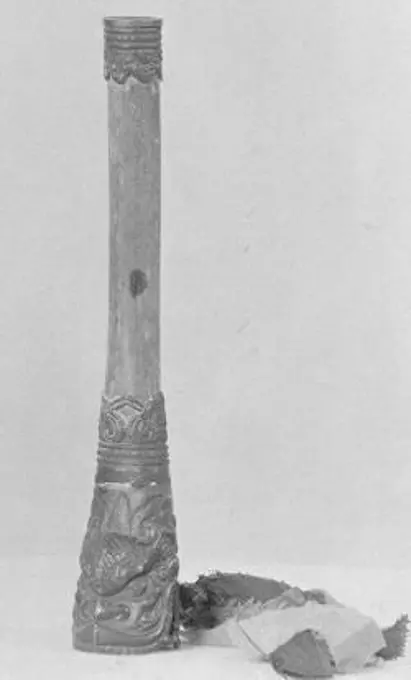
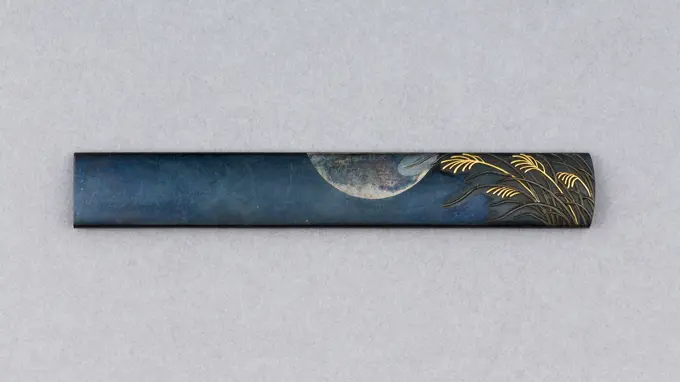
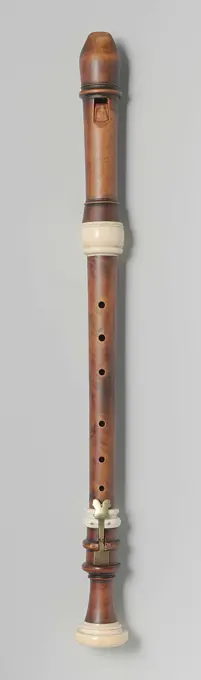
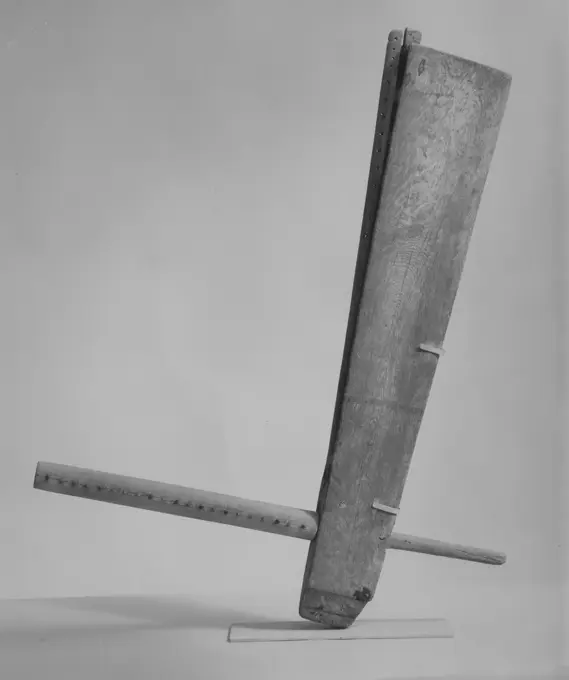
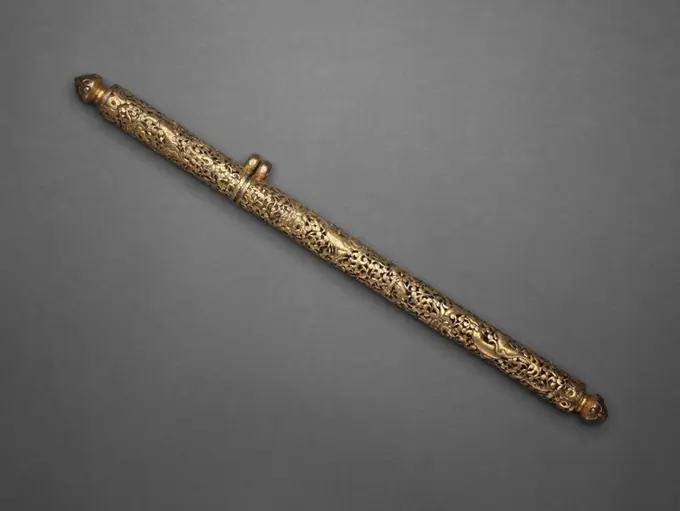
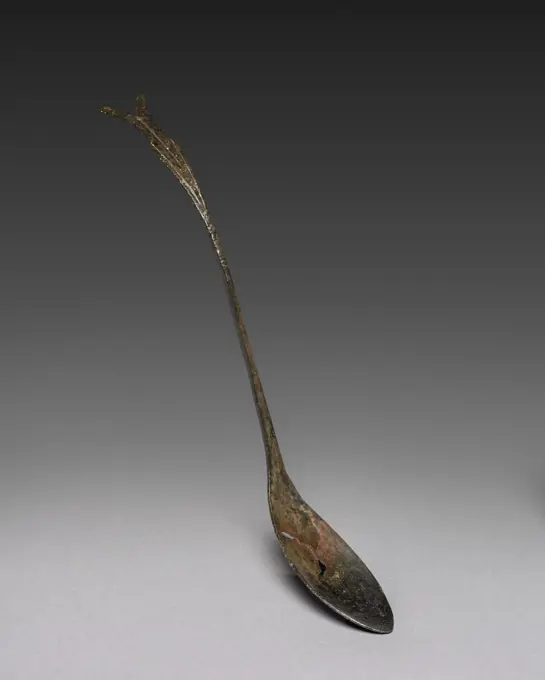
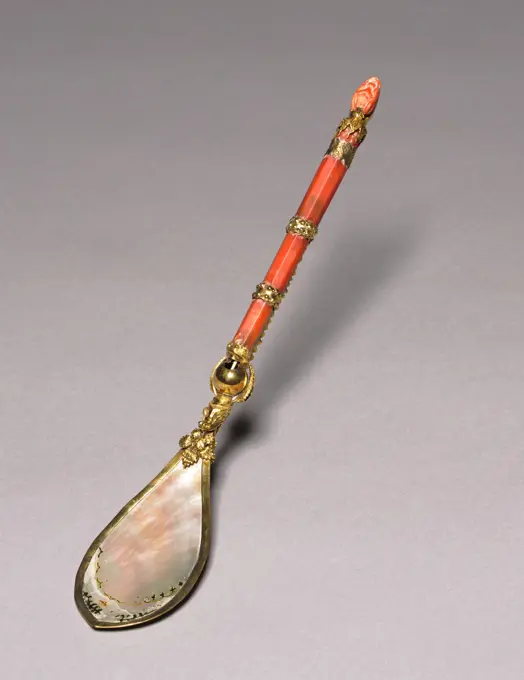
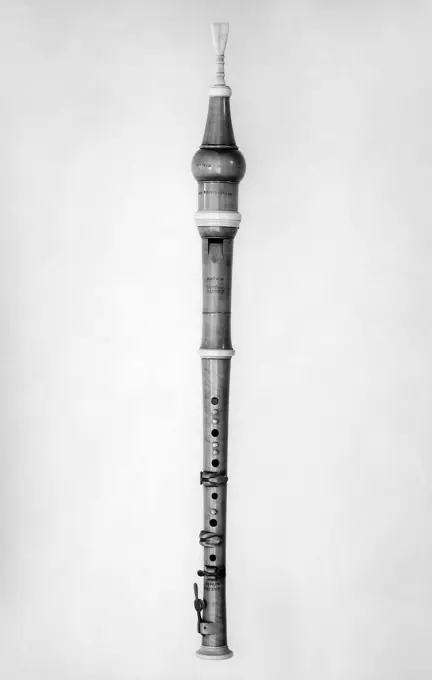
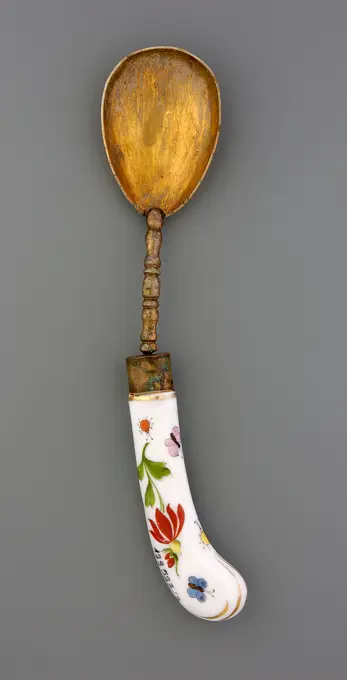
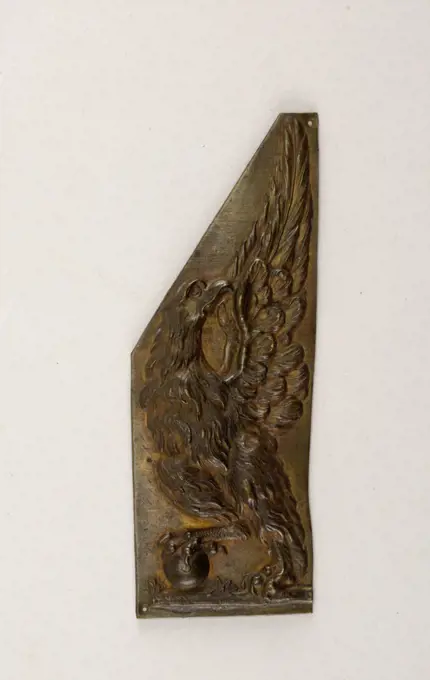
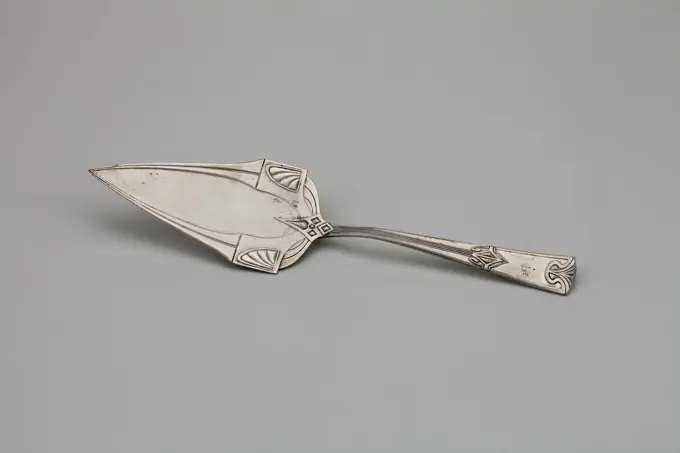
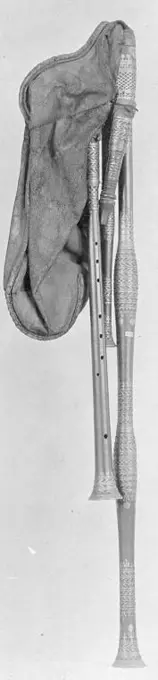
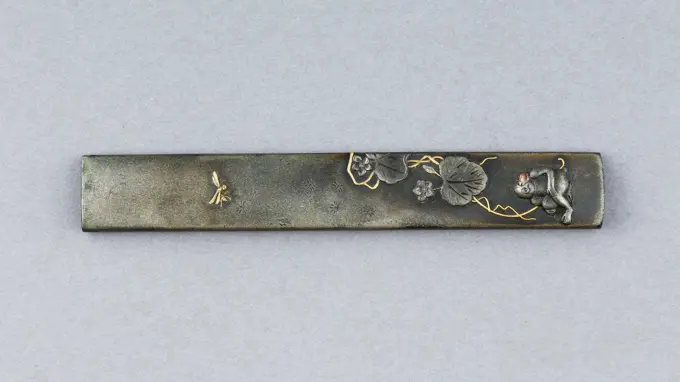
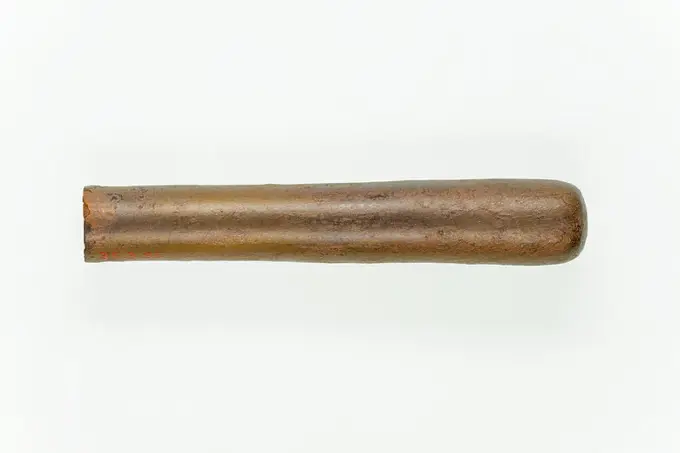
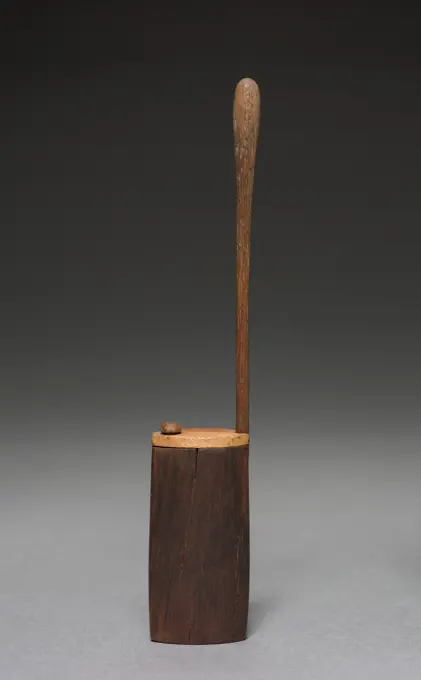
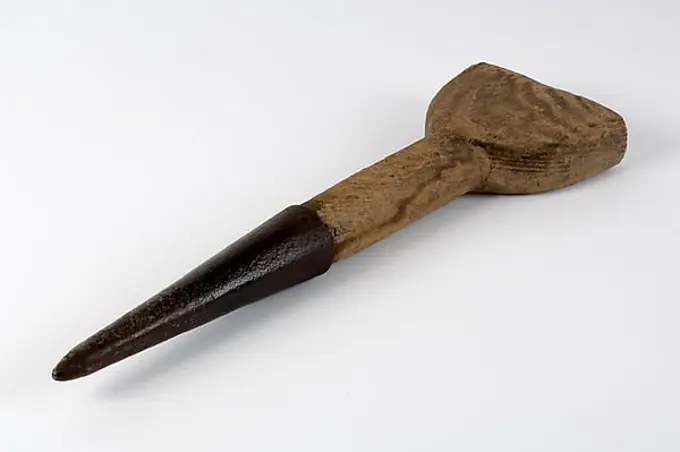
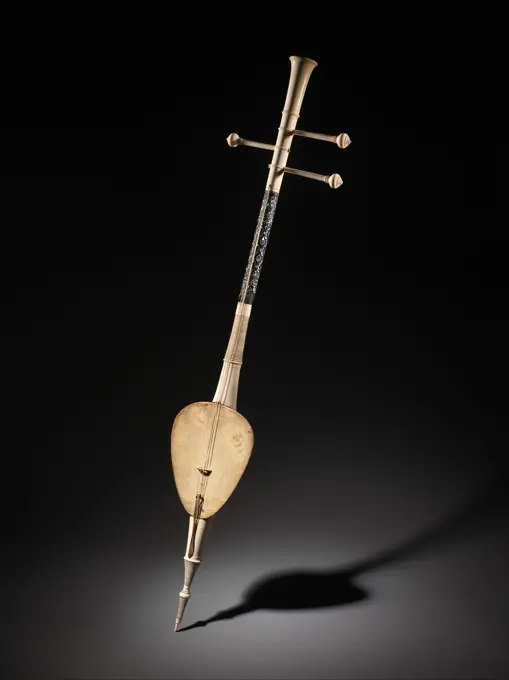
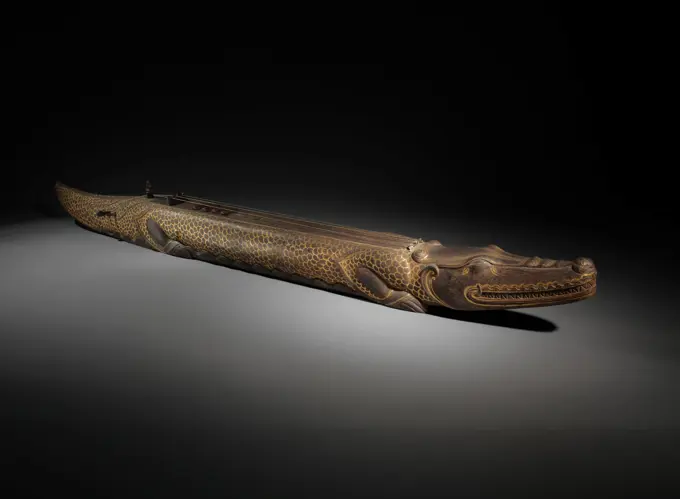
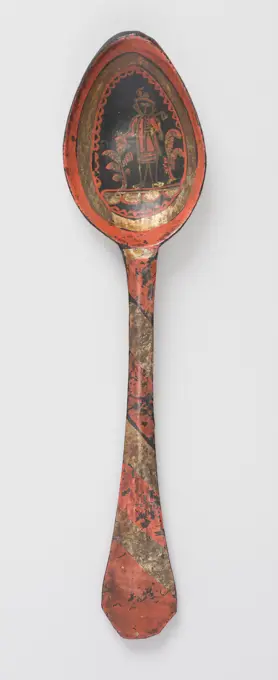
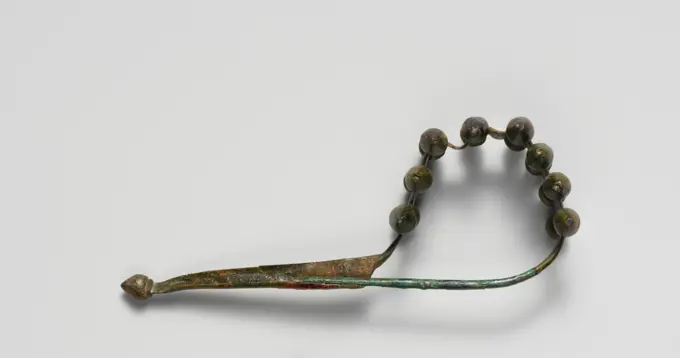
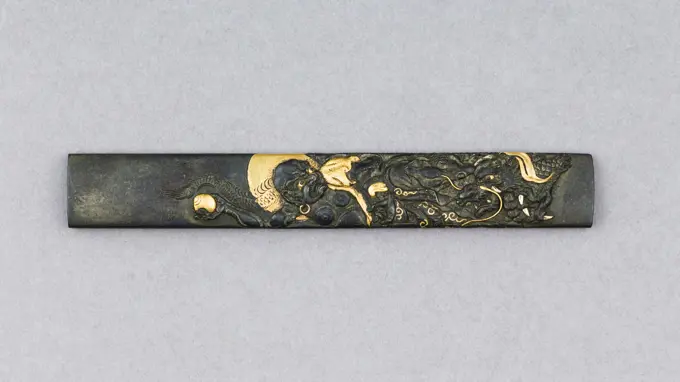
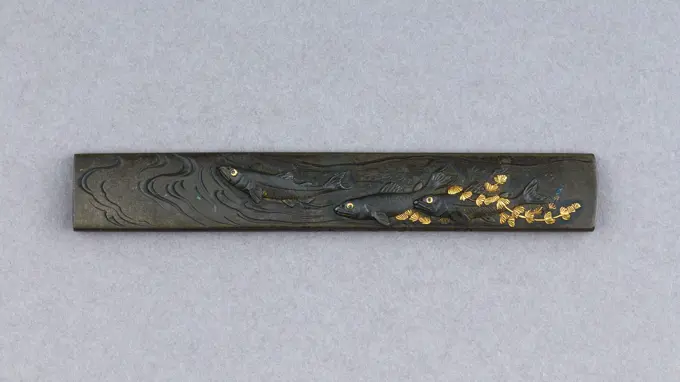
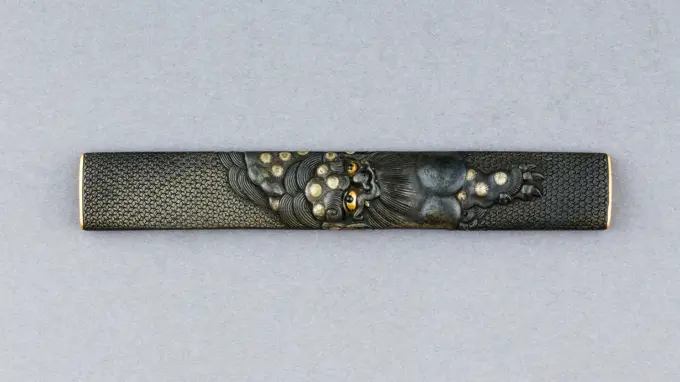
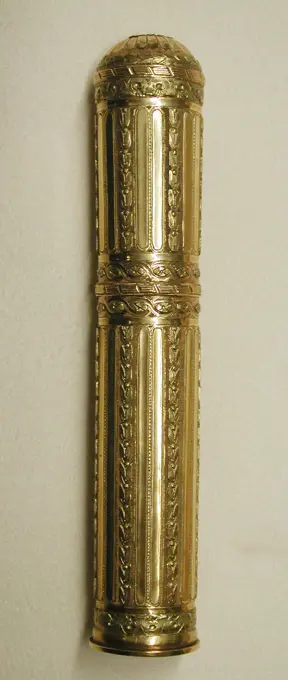
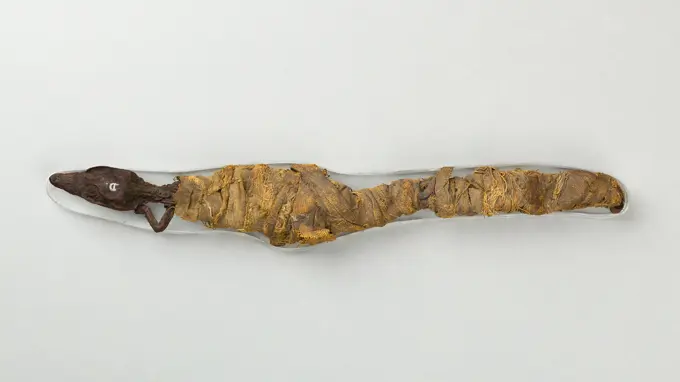
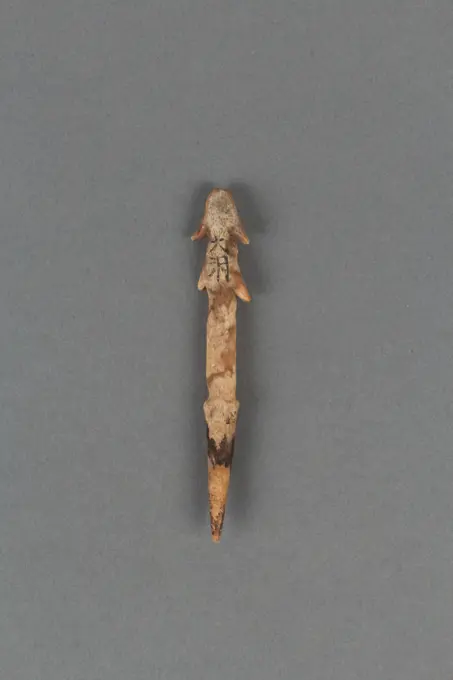
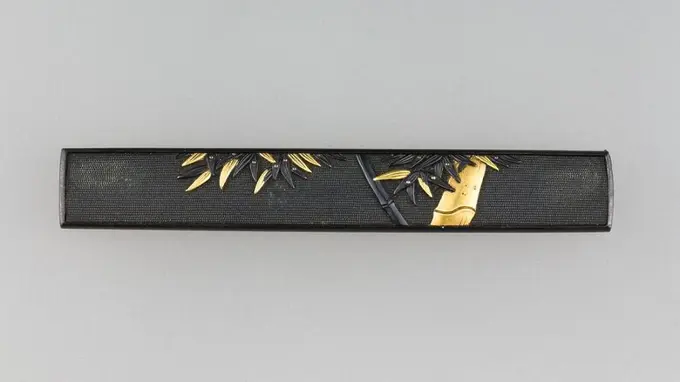
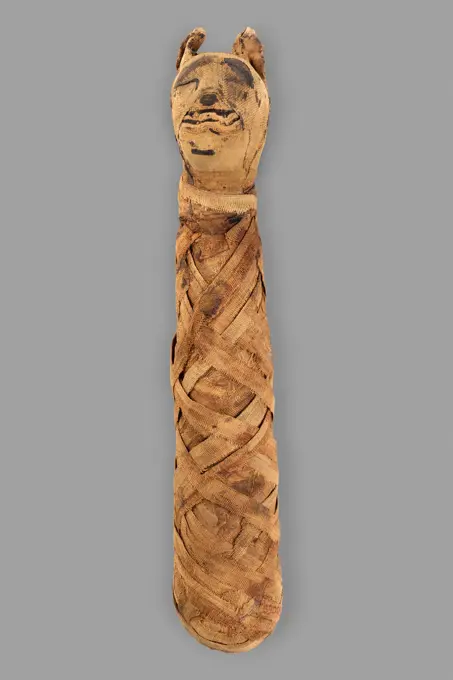
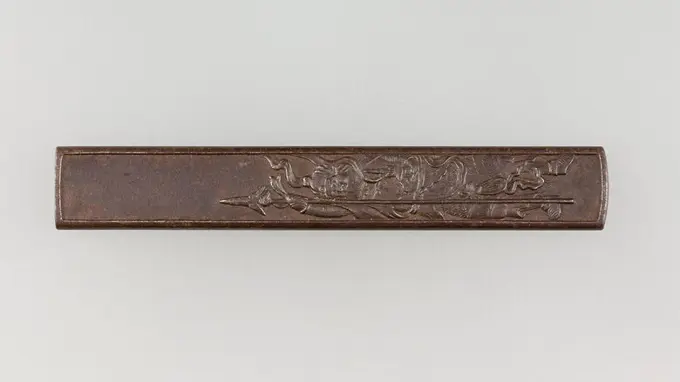
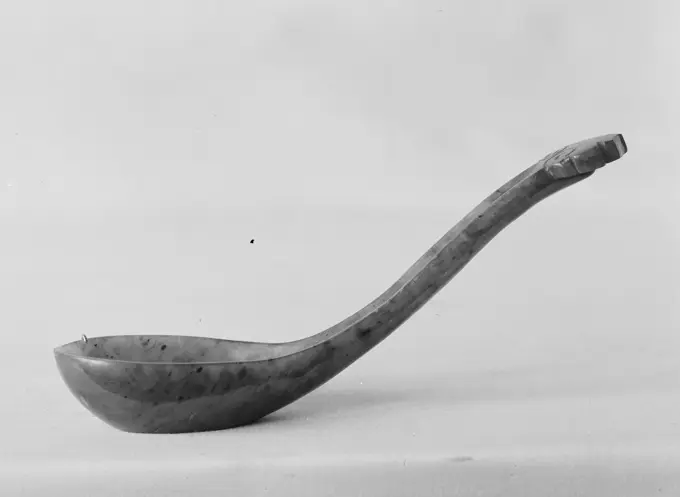
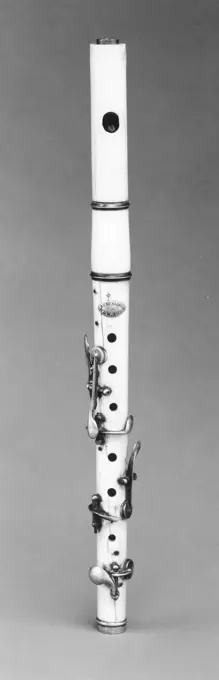
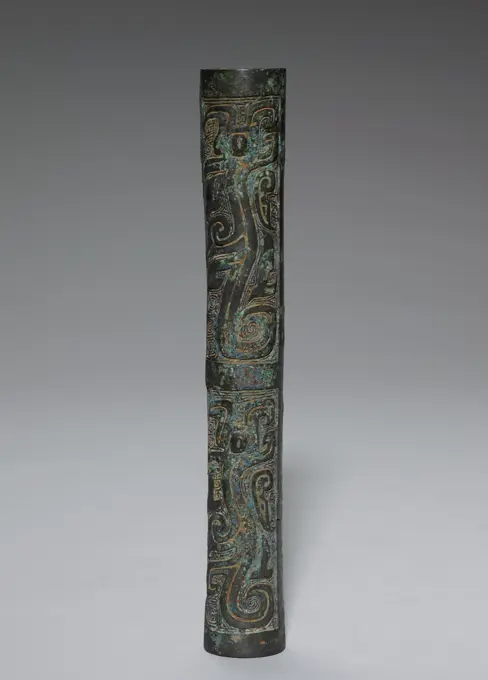
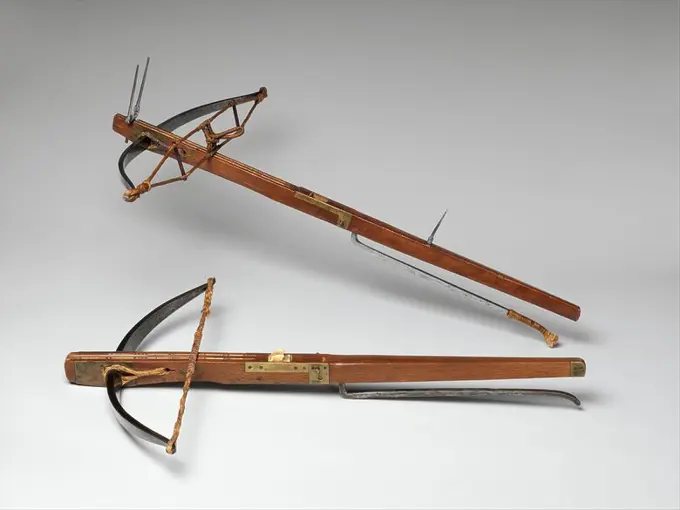
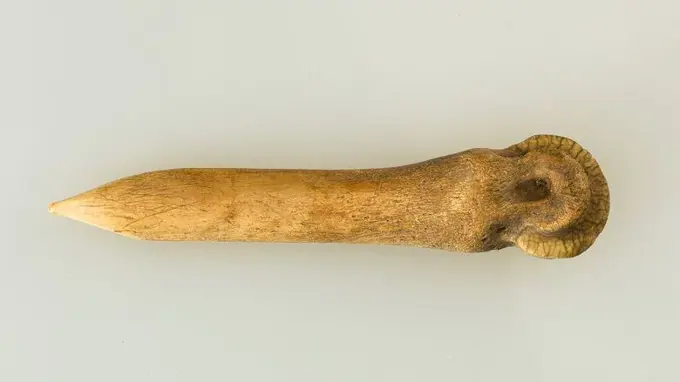
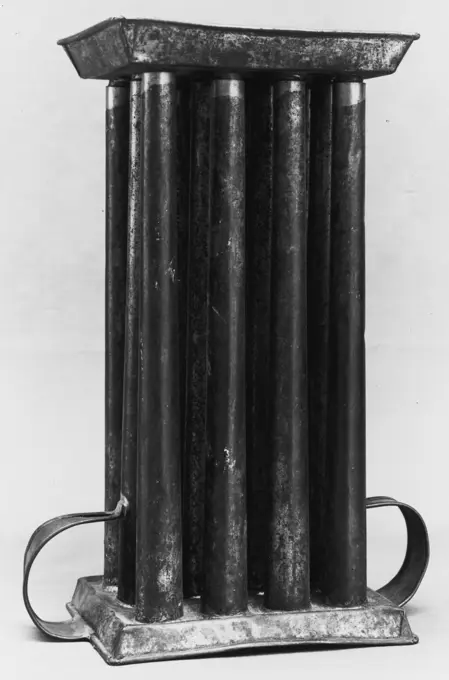
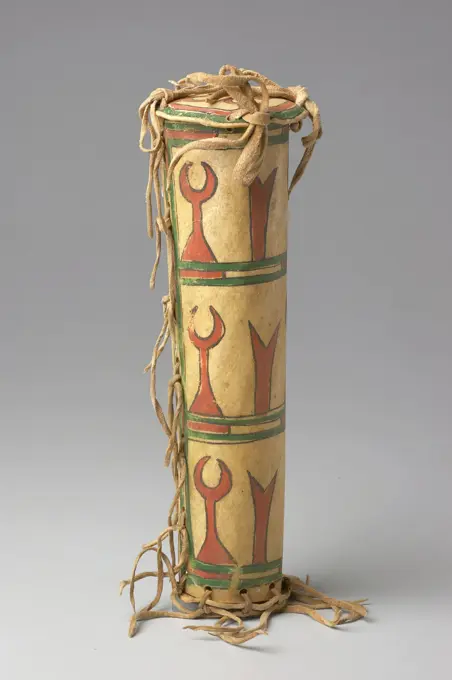
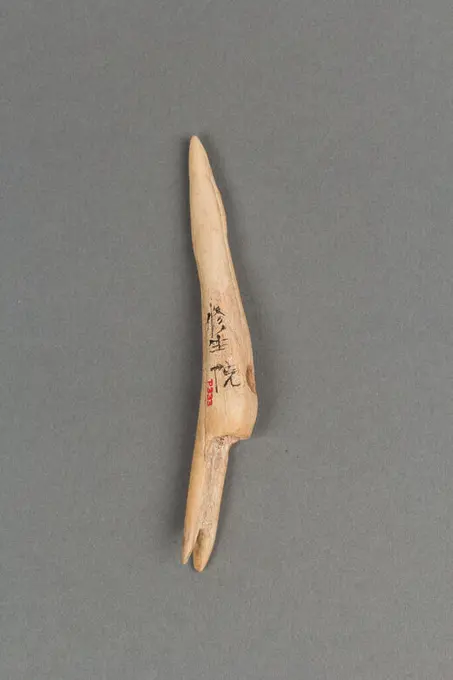
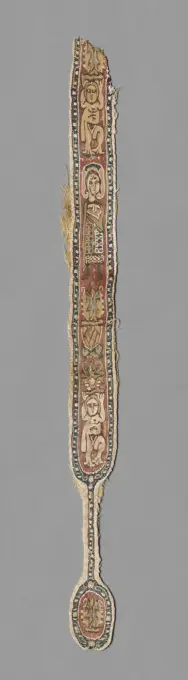
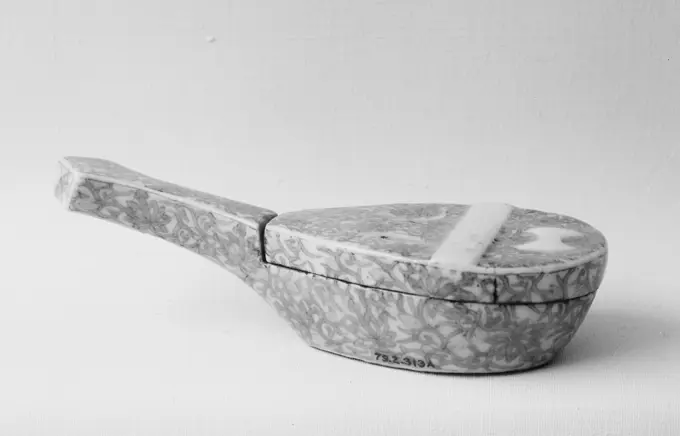
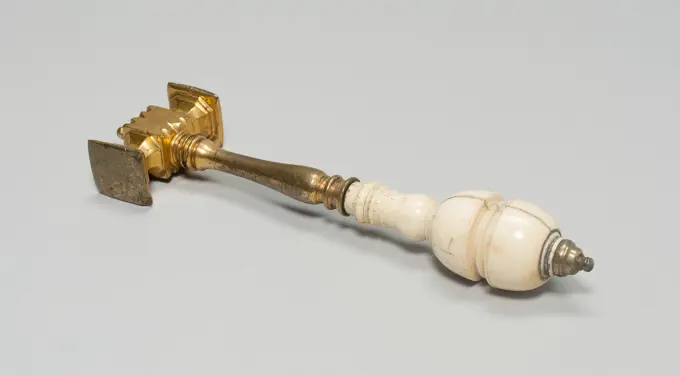
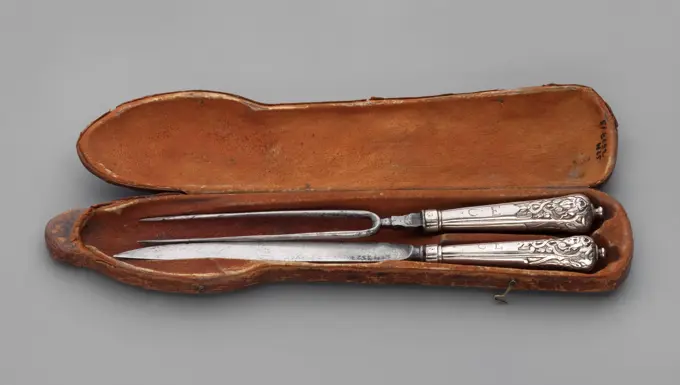
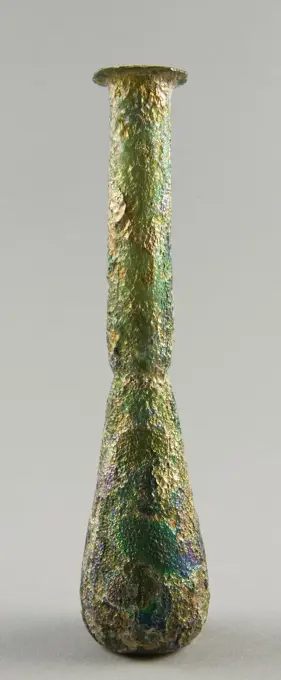
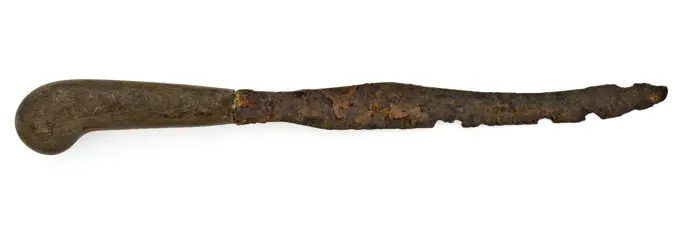
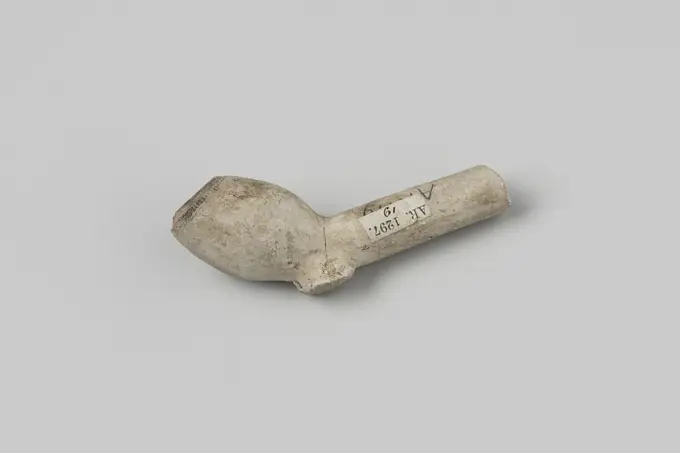
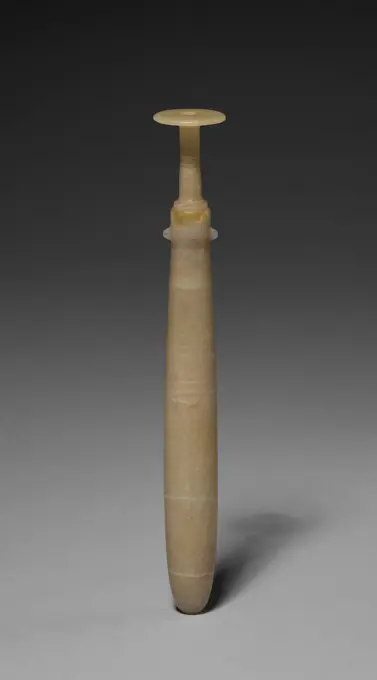
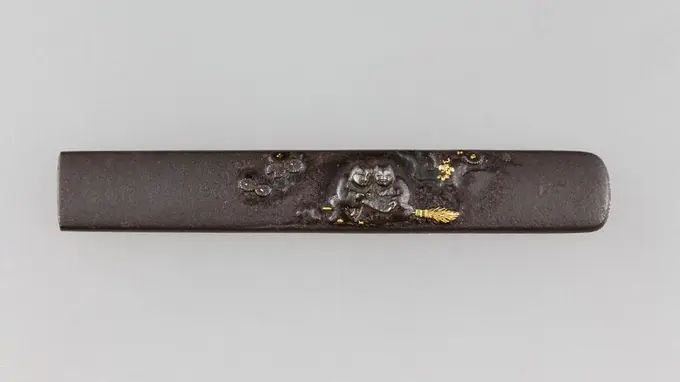
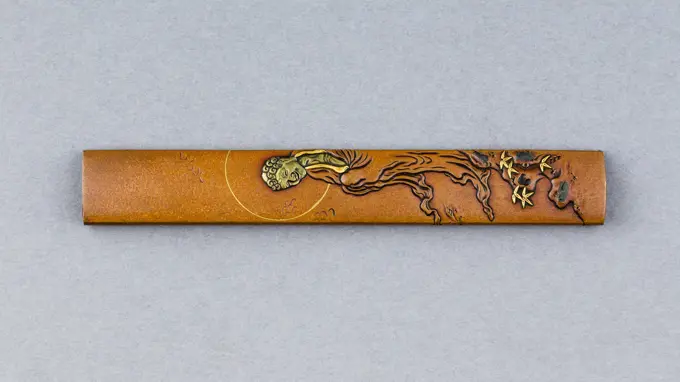
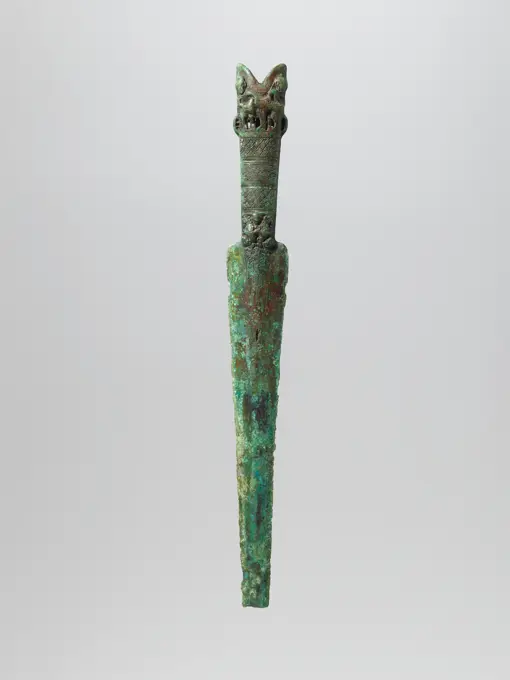
Spearhead 2nd century B.C. China. Spearhead 59665Knife Handle (Kozuka) 18th century Japanese A kozuka is a handle of a by-knife that is part of a sword mounting. It is kept in a slot on the reverse of a katana scabbard, often with a matching kgai (hairdressing tool).. Knife Handle (Kozuka). Japanese. 18th century. Copper-gold alloy (shakud), gold, silver, copper-silver alloy (shibuichi). Sword Furniture-KozukaCeremonial Mace 18th century Indian This ceremonial mace is a rare example fashioned entirely from rock crystal. Rock crystal was often carved to produce luxurious objects, including an Islamic, perhaps Fatimid, mace that became part of the Hungarian royal regalia. Several detached rock-crystal mace heads are known, among them a probably tenth- to eleventh-century Iranian example in the Metropolitan Museum's collection (acc. no. 1981.86).Most likely from Mughal India, this mace has a haft that is decorated in a style found on several Indian maces and axes now in the Wallace Collection, London (nos. 1563 and 1595). A very similar ovoid head is on an all-steel Indian mace dated 1880 and now in the Khalili Collection, London (no. MTW 1130). The ovoid shape, however, is not confined to India; similar mace heads are known from Bukhara as well. Much earlier examples of ovoid mace heads exist, probably from the eleventh or twelfth century, among them a Seljuq mace in the Furusiyya Art FoundatDagger (Katar) South Indian, Vijayanagara 16th century View more. Dagger (Katar). South Indian, Vijayanagara. 16th century. Steel. DaggersPowder Flask possibly 17th century possibly Scandinavian. Powder Flask 29595Kang-T'ung late 19th century Chinese (Tibetan). Kang-T'ung. Chinese (Tibetan). late 19th century. Copper. China. Aerophone-Lip Vibrated-trumpet / tromboneKnife Handle (Kozuka) ca. 1615-1868 Japanese A kozuka is a handle of a by-knife that is part of a sword mounting. It is kept in a slot on the reverse of a katana scabbard, often with a matching kōgai (hairdressing tool).. Knife Handle (Kozuka) 34568Tenor recorder.Recorders flourished during the Renaissance and Baroque periods. They were made in sets comprising different voices, as in a choir: soprano, alto, tenor and bass. As the 18th century wore on, the recorder became old-fashioned. Except for this rare tenor recorder by the famous Peter Bressan, all those shown here were made in the Netherlands.Harp 664-332 B.C. Late Period. Harp 552814Pen Case with Dragons and Foliate Design. Tibet; Derge. Date: 1401-1600. Dimensions: 37.5 cm (14 3/4 in.). Gilt iron. Origin: Tibet. Museum: The Chicago Art Institute, Chicago, USA.Spoon with Fish-Tail Design, 918-1392. Korea, Goryeo period (918-1392). Silver bronze; overall: 29.2 cm (11 1/2 in.). Many of Goryeo period spoons like this one feature a curved handle that splits into a jagged fishtail design. This fishtail design is not unique to Korea; it was also widely used in the area under the rule of two non-Han Chinese states: Liao (907-1125) and Jin (1115-1234). These seemingly ordinary objects testify to exciting material interactions between the Goryeo dynasty and non-Han Chinese northern states, which were often omitted from the official records.Spoon with Detachable Pick, c. 1500. Italy, Venice, 16th century. Enameled shell and coral, gilt-silver mounts; detachable pick with dragon's head finial; overall: 29.2 cm (11 1/2 in.); part 1: 26 cm (10 1/4 in.).Knife Handle (Kozuka). Culture: Japanese. Dimensions: L. 3 13/16 in. (9.7 cm); W. 9/16 in. (1.4 cm); thickness 1/4 in. (0.6 cm); Wt. 1.1 oz. (31.2 g). Date: ca. 1615-1868. Museum: Metropolitan Museum of Art, New York, USA.Busk 1675-1725 Italian Carving provides a man and woman on a draped platform with a shell canopy, a mask, scrolls, and flowers.. Busk 85400Stole;  15th century (1401-00-00-1500-00-00);Flageolet ca. 1835 John Simpson. Flageolet 505680ka; Korzec (Porcelain and faience manufacture; 1790-1832); around 1820 (1815-00-00-1825-00-00);Mount, Gilt bronze, Vertical rectangle with repoussé figure of an eagle with raised wings, his right talon upon a sphere., Italy, early 19th century, metalwork, Decorative Arts, MountArt Nouveau layer cake spatula. Plewkiewicz, Roman i S-ka (Warszawa ; wytwórnia platernicza ; 1896-1935, authorPipes factral of lacquer. Chestnuts with and without a bolster, with a sprig. With a tobacco bag with a decoration of blossom branches on a geometric soil. Iron fittings in the shape of a crab with golden eyes. In wooden box.Cornemuse Du Nivernais 18th or early 19th century French. Cornemuse Du Nivernais 501471Uncut Yardage (Ribbon) Made 1701-1800 China. Silk, plain weave; painted .Knife Handle (Kozuka) ca. 1615-1868 Japanese A kozuka is a handle of a by-knife that is part of a sword mounting. It is kept in a slot on the reverse of a katana scabbard, often with a matching kōgai (hairdressing tool).. Knife Handle (Kozuka) 34578Carriage umbrella with side, brown and black trim, trimmed with long brown fringe, white, wooden and legs handle, car umbrella parasol clothing accessory women's clothing clothes textile silk cotton metal iron copper bone wood, textile Small parasol with brown silk covering with black strips halfway the covering short brown and black fringe along the edge long light brown fringe. White cotton Lining blue rosette. Metal ribs wooden ribs top of the handle is white lacquered wood bottom is cut leg Halfway there is hinge hidden under wide copper ring Below the point is hinge The point itself lacks woman's protective equipment sunlight umbrella animal materialFerrule from a Stave of Neferkhawet. Dimensions: L. 8.3 cm (3 1/4 in.); Diam. 1.4 cm (9/16 in.). Dynasty: Dynasty 18, early. Reign: reign of Thutmose I-early sole Thutmose III. Date: ca. 1504-1447 B.C.. Museum: Metropolitan Museum of Art, New York, USA.Kohl Container, 1540-1296 BC. Egypt, New Kingdom, Dynasty 18. Wood; overall: 4.3 x 2.5 x 1.8 cm (1 11/16 x 1 x 11/16 in.); applicator: 9 cm (3 9/16 in.).Sprenkelaar or Sprenkelfles with fool head, anonymous, c. 1600 - c. 1699 The object is composed of three parts: the cast in a narrow head -ending hook, the middle part, which is provided under a hole, and the lower hollow part made of a plate, which is closed by a perforated ball. Northern Netherlands brass (alloy) casting The object is composed of three parts: the cast in a narrow head -ending hook, the middle part, which is provided under a hole, and the lower hollow part made of a plate, which is closed by a perforated ball. Northern Netherlands brass (alloy) castingHistoric gardening tools, planting wood, exemption, objectSō Sām Sāi 19th century Thai The body is made from a halved, triangular-shaped coconut with three bulges on its back. Skin covers the front of the instrument and strings attach to the pegs internally. Played in a vertical position with the spike resting on the ground, it either provides vocal accompaniment, is played solo, or is used in the Thai mahori ensemble, when singers are included.. Sō Sām Sāi 500928Needle Case 1800-1830 American. Needle Case 5406Mi-gyaung late 19th century Burmese In the ninth century, several Burmese musicians were sent to the Tang-dynasty court in China. Among the instruments they presented to the emperor were the saùng-gauk (harp), klene (mouth organ), and mi-gyaung, all chamber instruments. Mi-gyaung means " crocodile-zither" in Burmese. Similar box zithers exist throughout Southeast Asia and, although the shape is not maintained, the reptilian name persists as chakhe in Thailand or kacapi in Indonesia and the Philippines.. Mi-gyaung 502048Spoon; wood, carved, painted, gilded; L x W x D: 19.6 x 4.5 x 2.3 cm (7 11/16 x 1 3/4 x 7/8 in.)Bronze dragon-type fibula (safety pin) 7th-early 6th century B.C. Italic Dragon-type fibulae are a later variant of the serpentine type. With an elongated clasp and a bow embellished by pairs of bronze bud-like knobs separately made and attached to the bow by a central spike.. Bronze dragon-type fibula (safety pin). Italic. 7th-early 6th century B.C.. Bronze. Archaic. BronzesBelt -Knife Handle (Kozuka) ca. 1615-1868 Japanese A kozuka is a handle of a by-knife that is part of a sword mounting. It is kept in a slot on the reverse of a katana scabbard, often with a matching kōgai (hairdressing tool).. Knife Handle (Kozuka) 34567Wooden Spindle with Ceramic Whorls Made 1000-1476 Peru. Wood, polychrome ceramic, and cotton .Knife Handle (Kozuka) ca. 1615-1868 Japanese A kozuka is a handle of a by-knife that is part of a sword mounting. It is kept in a slot on the reverse of a katana scabbard, often with a matching kōgai (hairdressing tool).. Knife Handle (Kozuka) 34530Lime Container(Tagan)Wheellock Birding Rifle (Tschinke). Polish, Silesia, Teschen. Date: 1630. Dimensions: L. 115.5 cm (45 1/2 in.)Barrel L. 89 cm (35 in.)Caliber .35Wt. 5 lb. 11 oz. Steel, brass, walnut, horn, and mother-of-pearl. Origin: Teschen. Museum: The Chicago Art Institute, Chicago, USA.Knife Handle (Kozuka) ca. 1615-1868 Japanese A kozuka is a handle of a by-knife that is part of a sword mounting. It is kept in a slot on the reverse of a katana scabbard, often with a matching kōgai (hairdressing tool).. Knife Handle (Kozuka) 34643Sealing wax case (étui) 1774-75 French, Paris In eighteenth-century Europe, Paris led the production of high-quality luxury goods. Parisian goldsmiths made a wide range of small, personal articles such as snuffboxes; étuis to hold sealing wax, tweezers, or utensils for sewing; souvenirs, which contained thin ivory tablets for note taking; and shuttles for knotting lace. Gold snuffboxes and boxes decorated with portrait miniatures were prized and frequently given as royal gifts, often to ambassadors or members of the court in lieu of cash payments for their services. Coveted and admired, these boxes were produced from a variety of materials. The best were skillfully made of gold and embellished with diamonds, enameled decoration, lacquer, and other luxurious materials. By the middle of the century, the taking of snuff had become an entrenched social ritual, and the snuffbox, too, had become an important social prop. Snuffboxes were considered highly fashionable accessories, with some meRitual Stand with Lion Supports 1400-1600 Tibet. Copper and wood .Pin. UnknownSacred animal mummy of crocodile ca.400 B.C.-100 A.D. Late Period-Roman Period Animal cults The Egyptians considered certain individual animals to be living manifestations of a god, such as, since earliest times, the Apis bull. Those individuals were duly mummifed when they died and buried for eternal life, then replaced by another single living manifestation. During the first millennium BC, many multiples of animals associated with certain gods were specially raised in temple precincts as simultaneous avatars of that god and then mummified in large contingents and deposited in catacombs for eternal life. The ancient perception of these multiples, the evolution of the practice in this direction, and variations within the practice are not easily accessible to us. But the hundreds of thousands of often elaborately prepared animal mummies found in catacombs and other locales testify to its ancient resonance. Animal mummies Research on animal mummies has shown that the majority of mummies Harpoon head Japan The Jmon period is the earliest period in Japanese history, lasting from roughly 14,000 to 300 BCE. The Jmon people were primarily hunter-gatherers, hunting land animals and gathering vegetables and nuts on the land as well as hunting and fishing at sea. Harpoon heads such as this one testify to the importance of seafood in the diets of some Jmon communities, especially those close to the sea. Fish bones found at Jmon archaeological sites indicate that the Jmon hunted fish not only close to the shore but also farther out in the open sea, where larger fish could be caught. There is even evidence that the Jmon ate pufferfish, a poisonous fish considered a delicacy in modern Japan.. Harpoon head. Japan. Bone. Final Jmon period (ca. 1000-300 B.C.). BoneHorn (Oliphant) with Case horn, 11th-12th century; case, 16th century South Italian Reflecting the shared visual language of the Mediterranean region, both fabulous beasts and ordinary animals inhabit interlocking roundels carved into this tusk of ivory. Such splendid objects often survived because they were stored in European church treasuries. This horn reportedly belonged to a Benedictine monastery in Dijon, France, and is the only surviving example to retain its original travelling case. Listen to experts illuminate this artwork's story Listen Play or pause #1168. Horn (Oliphant) with Leather Case Supported by Bloomberg Philanthropies We're sorry, the transcript for this audio track is not available at this time. We are working to make it available as soon as possible.. Horn (Oliphant) with Case. South Italian. horn, 11th-12th century; case, 16th century. Ivory, silver, leather. MiscellaneousKnife Handle (Kozuka). Culture: Japanese. Dimensions: L. 3 13/16 in. (9.7 cm); W. 9/16 in. (1.4 cm); thickness 3/16 in. (0.5 cm); Wt. 1.3 oz. (36.9 g). Date: late 18th century. Museum: Metropolitan Museum of Art, New York, USA.CUERNO DE CAZA CON RELIEVES DE CAZADOR Y ANIMALES. Location: MUSEO DEL PUEBLO ESPAÑOL. MADRID. SPAIN.T'na late 19th century Burmese. T'na 500915Knife Handle (Kozuka). Culture: Japanese. Dimensions: L. 3 7/8 in. (9.8 cm); W. 9/16 in. (1.4 cm); thickness 5/16 in. (0.8 cm); Wt. 1.2 oz. (34 g). Date: ca. 1615-1868. Museum: Metropolitan Museum of Art, New York, USA.Cat's mummy;  664-30 BC ; Late period-Ptolemajski period (-664-00-00--30-00-00);catsKnife Handle (Kozuka). Culture: Japanese. Dimensions: L. 3 13/16 in. (9.7 cm); W. 9/16 in. (1.4 cm); thickness 3/16 in. (0.5 cm); Wt. 1 oz. (28.3 g). Maker: Joken Mori (Japanese, died 1866). Date: 19th century. Museum: Metropolitan Museum of Art, New York, USA.Saz late 19th century Turkish In addition to lutes like the ūd with large, vaulted backs, wood bellies, and relatively short, unfretted necks, the Middle East possesses a large number of long necked lutes. These may be identified by carved or carvel-built (strips of wood glued together) tear-shaped bodies, fretted necks, wooden bellies, and pegblocks which extend from the lute's neck (sāz, tanbūr types), or by bodies that incorporate a waist, bipartite, parchment-covered bellies and openwork pegboxes (tār type). Linguistic connections may be made between these instrument names and those from other cultures; for example, tanbūr and tambūrā (India); tār and sitar (India), among others. In Turkey the term, bağlama is fairly interchangable with saz which refers to long-necked lutes. It is used in many contexts in Turkey to accompany song, dance and ritual.. Saz 500968Spoons China. Spoons. China. Nephrite, spinach-green with specks of black. Ming dynasty (1368-1644). JadePiccolo ca. 1860-75 Theodore Berteling. Piccolo 503418Oliphant or ivory hunting horn carved with the arms and badges of Ferdinand and Isabella of Portugal from the early 16th century. Chromolithograph from an illustration by William Gibb from A.J. Hipkins' "Musical Instruments, Historic, Rare and Unique," Adam and Charles Black, Edinburgh, 1888. Alfred James Hipkins (1826-1903) was an English musicologist who specialized in the history of the pianoforte and other instruments. William Gibb was a master illustrator and chromolithographer and illustrated "The Royal House of Stuart" (1890), "Naval and Military Trophies" (1896), and others.Ornament; wood, painted and gildedAnubis Fetish (Imiut) ca. 1919-1885 B.C. Middle Kingdom Two male figures, shrine, and fetishlike object were discovered by Metropolitan Museum excavators in a chamber in the enclosure wall of an elite tomb at Lisht South. The object of veneration found inside the shrine was called an imiut, "the one in the wrappings." It consists of a dummy animal (a linen form inside an animal skin), without head or hind legs, fastened by linen strips to a staff whose end rests in a jar containing now-decayed ointment. Early in Egyptian history, imiut fetishes were placed protectively around sacred spaces; later, the imiut was often depicted in relation to funerary gods, especially Osiris. Both the guardians and the imiut played an important role during rites performed over the mummy the night before the funeral.. Anubis Fetish (Imiut) 545547Tube, one of a pair, 11th century BCE, 8 × 1 5/16 × 1 1/8 in., 0.7 lb. (20.32 × 3.33 × 2.86 cm, 0.3 kg), Bronze, China, 11th century BCECrossbow with Spanning Lever. Culture: Spanish, possibly Valencia or Toledo; lever possibly Madrid. Dimensions: crossbow L. 32 5/8 in. (82.9 cm); W. 21 1/2 in. (54.6 cm); Wt. 6 lb. (2,726 g). spanning lever L., extended 18 3/8 in. (46.6 cm); W. 2 5/8 in. (6.7 cm); Wt. 1 lb. 3 oz. (548 g). Date: crossbow, ca. 1540-60; spanning lever, ca. 1525-75. Museum: Metropolitan Museum of Art, New York, USA.William Frank, Clock (Chronometer), 1941 Clock (Chronometer)Implement. Date: ca. 3850-2960 B.C.. Museum: Metropolitan Museum of Art, New York, USA.Bone. Possibly to the stove.Piccolo Flute.Piccolo of palm wood with a valve. Plush, intermediate piece and center piece.Copper Lime Spoon with Bird Top 15th-16th century Inca. Copper Lime Spoon with Bird Top 315252Clarinet in B-flat Benjamin Ferris and Simon Giffin American ca. 1822 Benjamin Ferris worked as a silversmith between 1802 and 1811 in Philadelphia, in Waterford and in Wilmington before settling in New York, where a partnership of Feris and Giffin was listed in 1822. (Waterhouse NLI, 114; Groce, Musical Instrument Makers of New York, 51)Overall size: 596Bore: c-hole 13.0; f-hole 13.6.Conical part: 130Technical description: Dark stained boxwood with ivory ferrules and brass keywork. Five pieces: mouthpiece, barrel, upper section, lower section, bell. English style long tenon ebony mouthpiece grooved for cord. English style flask shaped mouthpiece. Speaker liner projects almost to the centre of the bore and has a small chimney on the back of the instrument. Pins in blocks to prevent the wood from cracking. Levers for L4, tone-hole and key for R4 mounted in a bell-shaped swelling. Zig-zag F3/C5 lever guided in a block.L0:   T; speaker.L1:   T; throat A♮.L2:   T.L3:   T.L4:   E3/B♮4; FCandle Mold 1800-1830. Candle Mold 1154Parfleche Container, 19th century, 10 3/4 x 3 1/2 x 3 3/8 in. (27.3 x 8.9 x 8.6 cm), Animal hide, pigment, United States, 19th century, These two uniquely shaped rawhide cases highlight the technically skilled artistic abilities of Tsistsistas (Cheyenne) and Inua-ina (Arapaho) artists. Because they were allies, the Arapaho and the Tsistsistas share some artistic qualities, particularly their use of delicately drawn lines. The pattern you see on the fringed bag is one of three distinct patterns used by the Tsistsistas on their bags. This artist emphasizes the power of color in her dramatic shapes. There is a sense of balance as the amount of colored and uncolored areas are distributed evenly.Arrowheads, needles, hooks and harpoons. Culture: Japan. Dimensions: W. 1/2 in. (1.3 cm); L. 3 1/2 in. (8.9 cm).These implements--an arrowhead, fishhooks, needle, and harpoon--were skillfully carved from bone, a material worked by Japanese artisans since Paleolithic times. They were found in the Obara Shell Mound at Ofunato Bay in Iwate Prefecture. According to information gleaned from shell mounds, or middens, the people of the Jomon period relied on a variety of strategies to obtain food. The large number of fishhooks, fashioned with and without barbs, together with the rich array of marine remains found in these rubbish heaps since very early times indicate that some fifty species of fish and shellfish constituted an essential dietary staple. Toggle-head harpoons, a later innovation, facilitated the hunting of sea mammals. Attaching a line to the toggle allowed the hunter to draw in his prey once the toggle had broken away from the harpoon shaft. Further evidence gathered from thesCandlestick 15th-16th century European. Candlestick. European. 15th-16th century. Iron. Metalwork-IronSitar late 19th Century Indian This small sitar has a body made of bent strips of wood. The strips are bent to form a bowl resonator that resembles the shape of small sitars that use ostrich eggs for the resonating champer.. Sitar 502150Fragment of a Clavus, 700s - 800s. Egypt, Abbasid period (), 8th - 9th century. Tapestry; linen and wool; overall: 3.5 x 45.7 cm (1 3/8 x 18 in.).Covered Incense Box 19th century Japan. Covered Incense Box. Japan. 19th century. White crackled porcelain decorated with blue under the glaze (Awata ware). Edo (1615-1868) or Meiji period (1868-1912). CeramicsHammer 1600-1699 France. Gilded bronze and ivory .Yeah and fork in a leather case; Wolhaupter, Johann Georg (Fl. 1717-1752); 1737-39 (1737-00-00-1739-00-00);Wierzejski, Tadeusz (1892-1974) - collection, baroque (style), gift (provenance), men's mask, monograms, regency (ornament)Fishing rod -Bottle 101 CE-400 CE Syria. Glass, blown technique . Ancient RomanJohn Hall, Candlestick, c 1938 CandlestickKnife with bent iron blade and wooden handle with round knob at the end, knife cutlery soil find iron wood metal, archeologyFragment tobacco pipe. Fragment tobacco pipe. Of the excavations at the Hofstede Arentsburg 1827-1831 under the supervision of professor Reuvens.Italian Iron 1750-55. Italian Iron 4447Transverse Flute ca. 1880-1900 William R. Meinell German. Transverse Flute 503376Decoration with a row over the entire length three times a leaves motif and two insects.Badge with a lion in the coat of armsHalf Model of a Launch.Polychromed mold model (port) of a sloop. The boois above the bark wood is closed. Flat mirror with sternge board. The seam runs to both ends. Peaked round trip.Alabastron, 305-222 BC. Egypt, early Ptolemaic Dynasty. Travertine; diameter: 3.3 cm (1 5/16 in.); overall: 22.9 cm (9 in.); stopper: 4.5 cm (1 3/4 in.); body: 19.1 x 2.5 cm (7 1/2 x 1 in.). Both ancient Egyptian men and women loved cosmetics. Unguents, oils, and perfumes made from aromatic plant resins and gums were obtained at great cost from distant lands. The objects identified with cosmetics were given lavish treatment.Oboe, Leglaye, c. 1850 - c. 1899 Hobo of rosewood with twelve valves, two of which are open rings and a silver finger support. The third gap is double. Marked on the cup: Leglaye (in an arc) / Bruxelle. In a wooden briefcase covered with leather on the outside and velvet inside. There is a metal round box with wax in the briefcase. Brussels rosewood (wood). silver (metal). leather. velvet (fabric weave). metal Hobo of rosewood with twelve valves, two of which are open rings and a silver finger support. The third gap is double. Marked on the cup: Leglaye (in an arc) / Bruxelle. In a wooden briefcase covered with leather on the outside and velvet inside. There is a metal round box with wax in the briefcase. Brussels rosewood (wood). silver (metal). leather. velvet (fabric weave). metalKnobbed Ornament. Unknown 4th century A.D. Knobbed ornament with grooves, and a section pierced with four holes.Hammer of the Venerable Master of the Maria Amalia lodge, Weimar. unknown, authorKnife Handle (Kozuka). Culture: Japanese. Dimensions: L. 3 13/16 in. (9.7 cm); W. 9/16 in. (1.4 cm); thickness 1/4 in. (0.6 cm); Wt. 1 oz. (28.3 g). Date: 1667-1736. Museum: Metropolitan Museum of Art, New York, USA.tattered book isolated on white backgroundSilver spoons, from Angerville, Gaul, FranceVintage bellows Vintage bellows isolated with clipping path included Copyright: xZoonar.com/Baloncicix 7157457Knife Handle (Kozuka) ca. 1615-1868 Japanese A kozuka is a handle of a by-knife that is part of a sword mounting. It is kept in a slot on the reverse of a katana scabbard, often with a matching kōgai (hairdressing tool).. Knife Handle (Kozuka) 34581Nécessaire second half 18th century probably British, South Staffordshire. Nécessaire. probably British, South Staffordshire. second half 18th century. Enamel on copper. Enamels-PaintedHarpoon head Japan The Jōmon period is the earliest period in Japanese history, lasting from roughly 14,000 to 300 BCE. The Jōmon people were primarily hunter-gatherers, hunting land animals and gathering vegetables and nuts on the land as well as hunting and fishing at sea. Harpoon heads such as this one testify to the importance of seafood in the diets of some Jōmon communities, especially those close to the sea. Fish bones found at Jōmon archaeological sites indicate that the Jōmon hunted fish not only close to the shore but also farther out in the open sea, where larger fish could be caught. There is even evidence that the Jōmon ate pufferfish, a poisonous fish considered a delicacy in modern Japan.. Harpoon head 62281Sitar mid-19th century Indian The heart-shaped wood body on this early sitar is decorated with ivory inlay showing vegetal designs and the Tree of Life. Unlike the modern instrument, the sitar at this time did not have sympathetic strings.. Sitar. Indian. mid-19th century. Wood. India. Chordophone-Lute-plucked-frettedArched Harp possibly Fang people 19th centuryModel of an Optical Telegraph. Model of an optical telegraph, on a base board. The device consists of two pest piles with an operating mechanism below and moving arms at the top. The main arm rotates around a shaft between the posts and has two blades at the ends, which rotate independently. The operating mechanism moves entirely analogous to the arms, its movement is transferred to the axes of moving parts with chains.Knife Handle (Kozuka). Culture: Japanese. Dimensions: L. 3 13/16 in. (9.7 cm); W. 9/16 in. (1.4 cm); thickness 3/16 in. (0.5 cm); Wt. 1.1 oz. (31.2 g). Date: ca. 1615-1868. Museum: Metropolitan Museum of Art, New York, USA.