Historical Blades and Weapons

A selection of historical weapons including daggers, swords, and spears from different cultures and eras, showcasing intricate designs and materials.
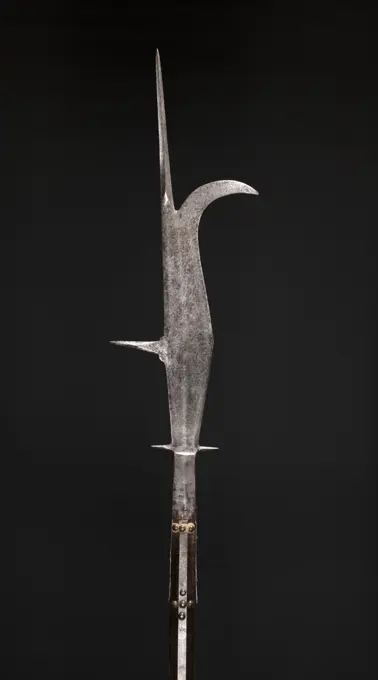
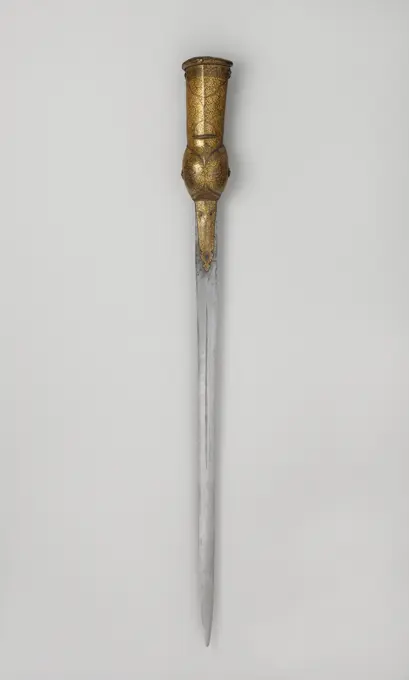
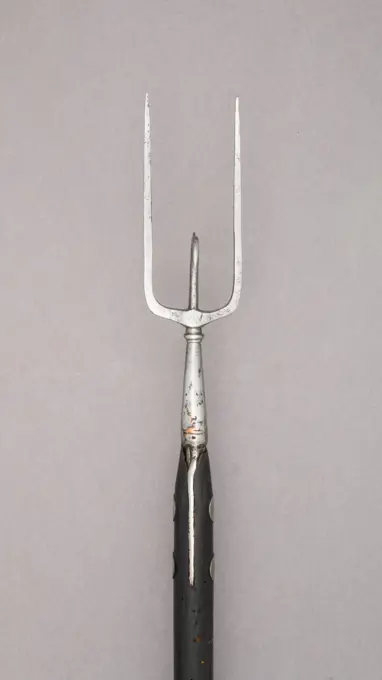
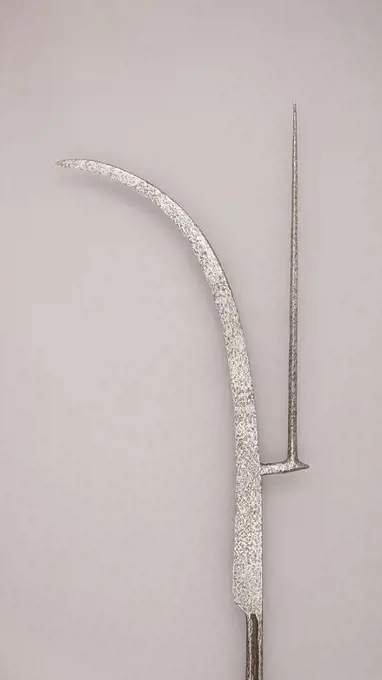
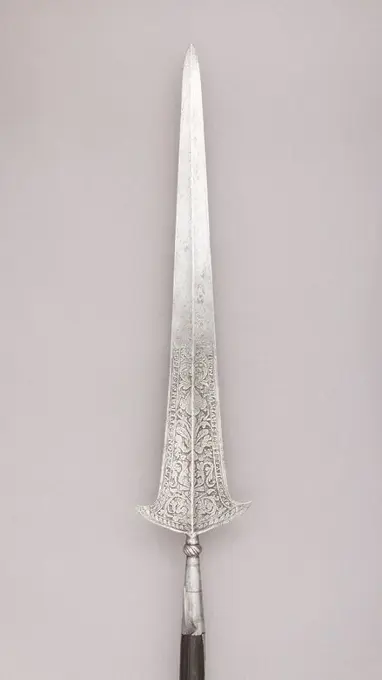
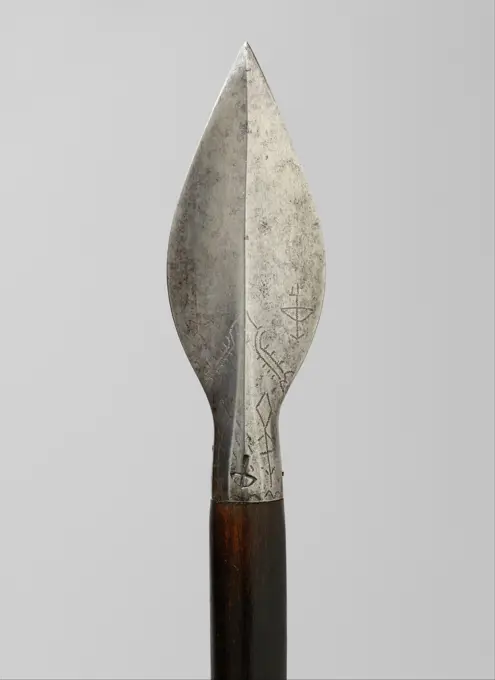
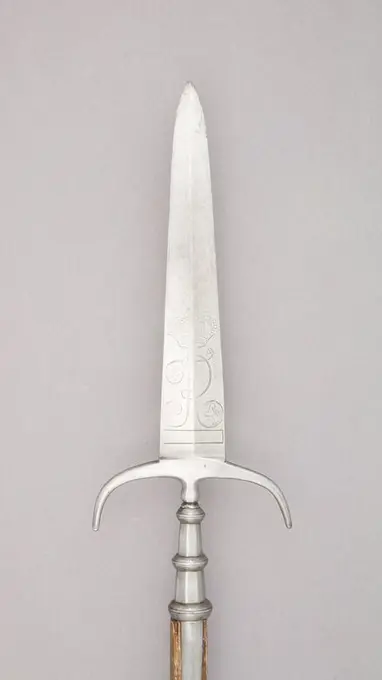
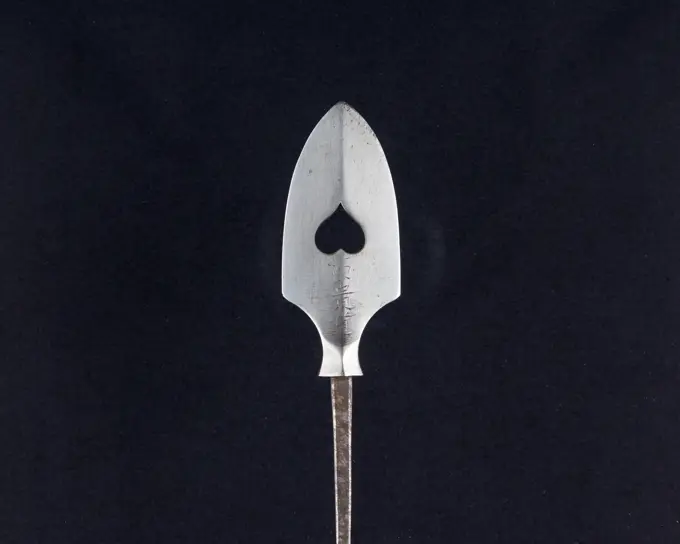
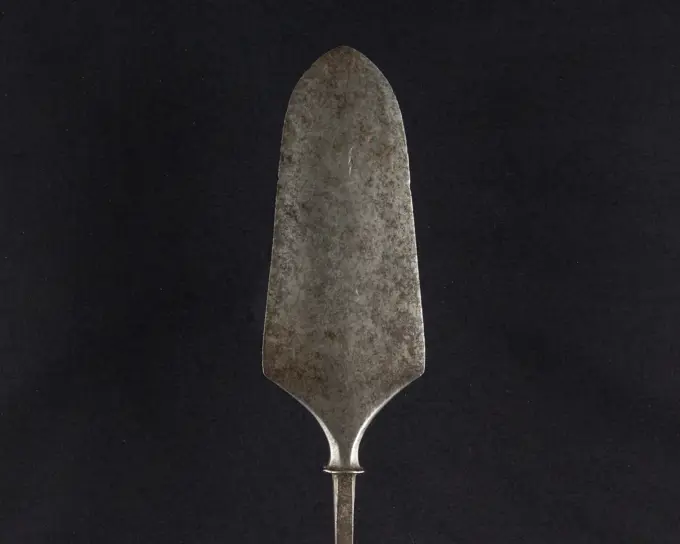
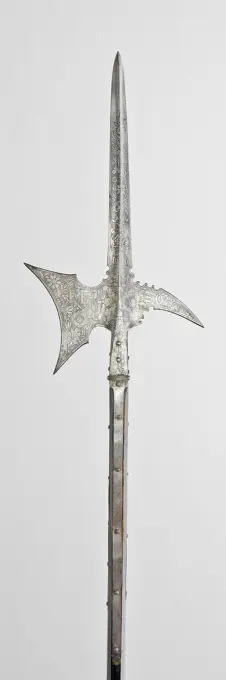
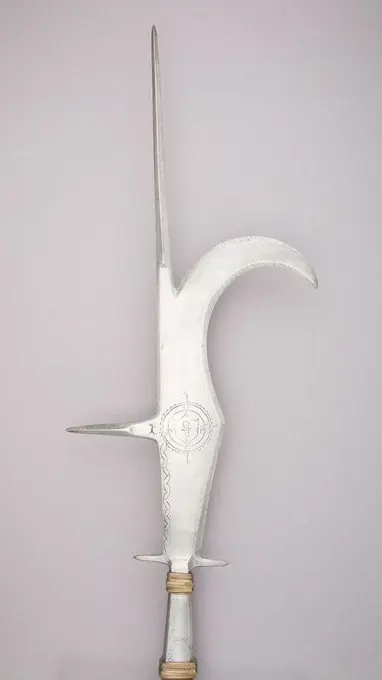
Bill, c. 1480. Italy, 15th century. Steel, wood haft; overall: 184.8 cm (72 3/4 in.); blade: 11.4 cm (4 1/2 in.).
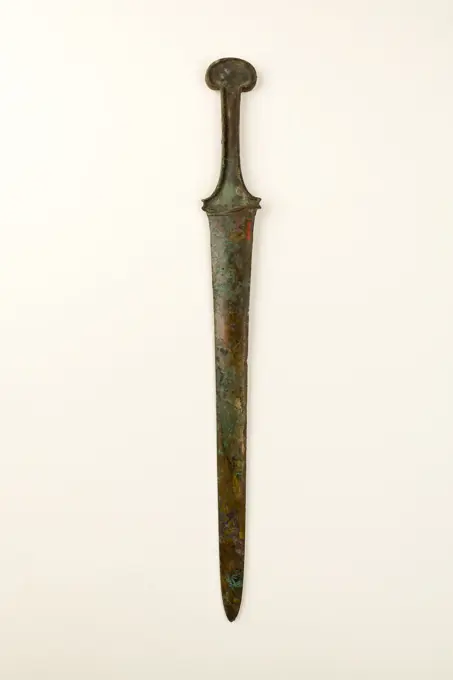
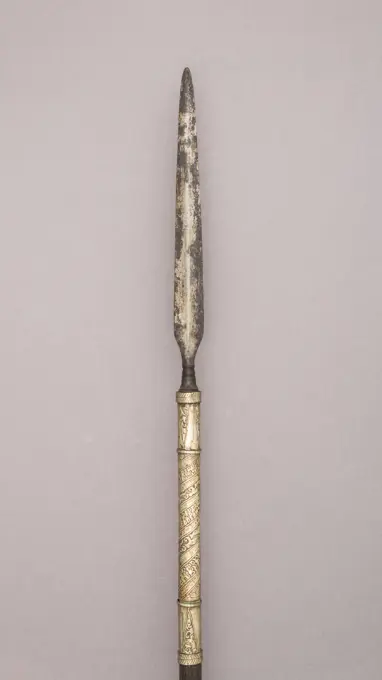
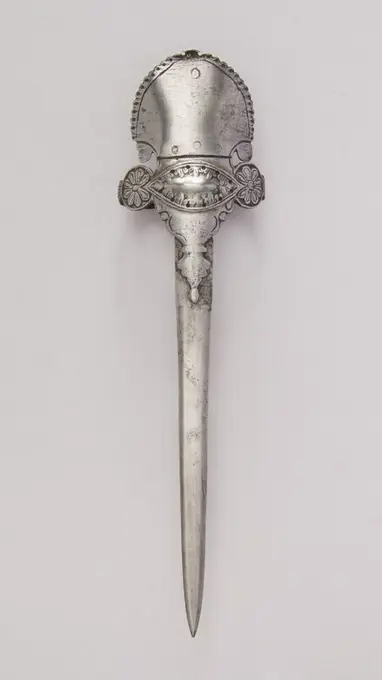
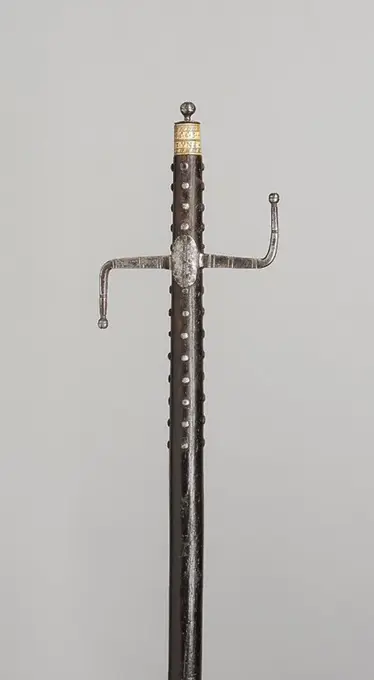
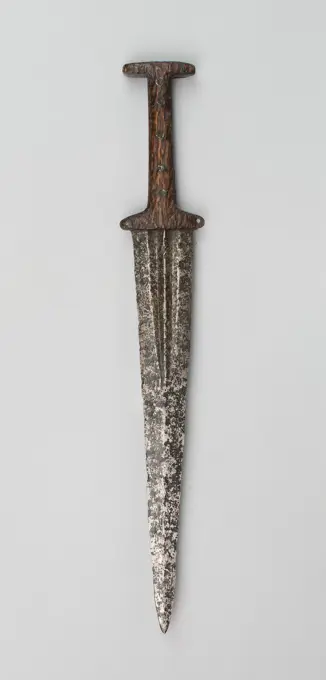
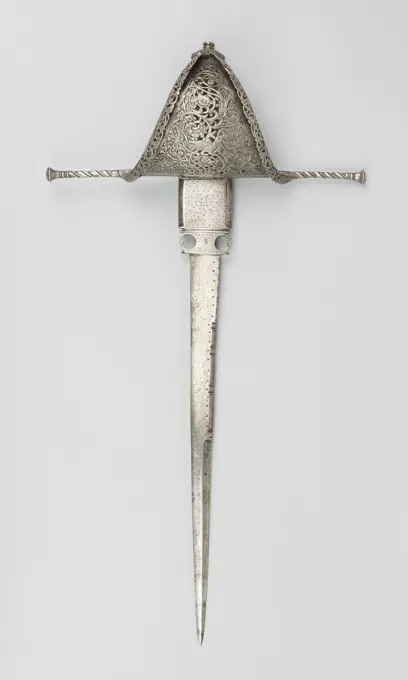
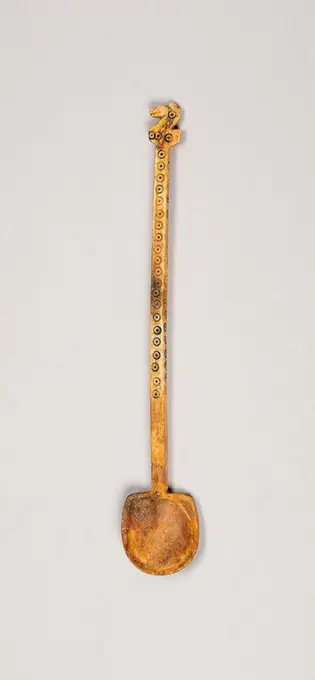
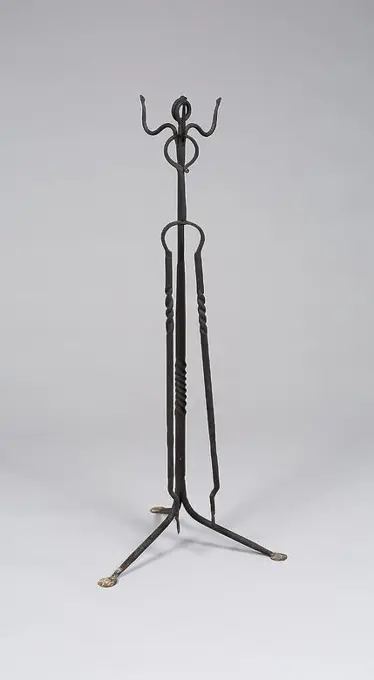
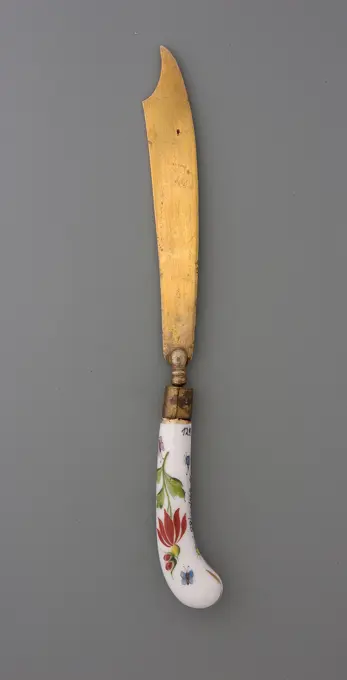
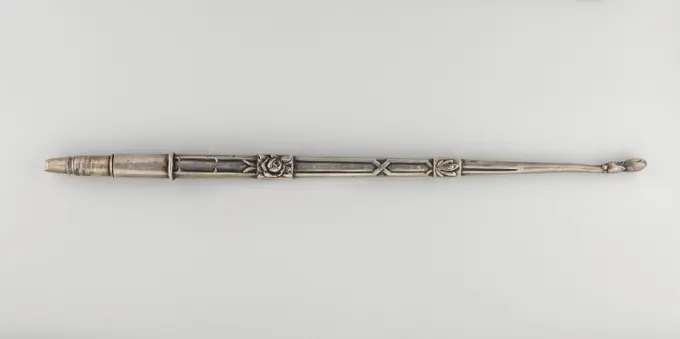
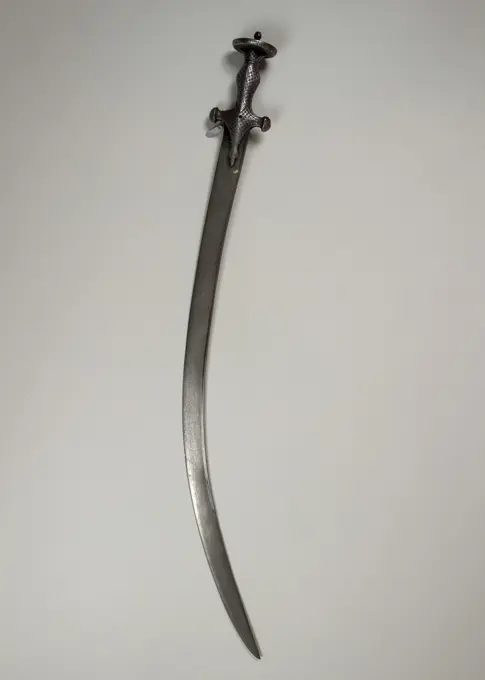
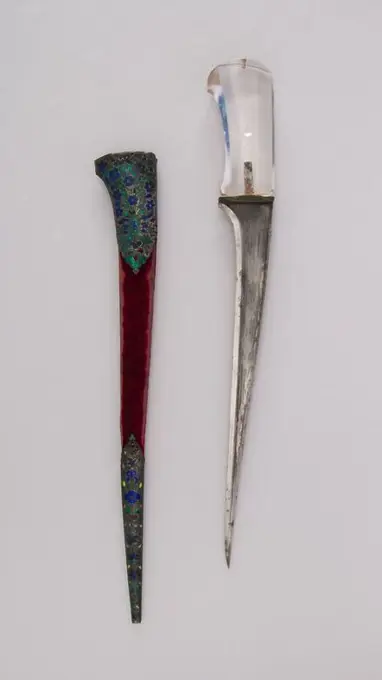
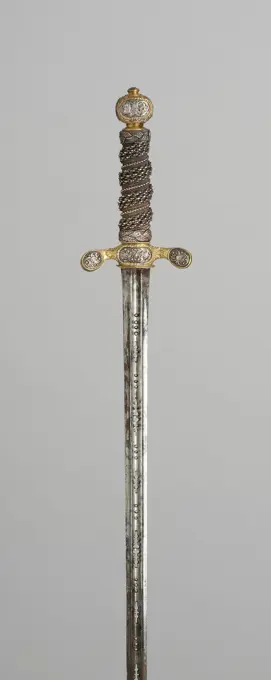
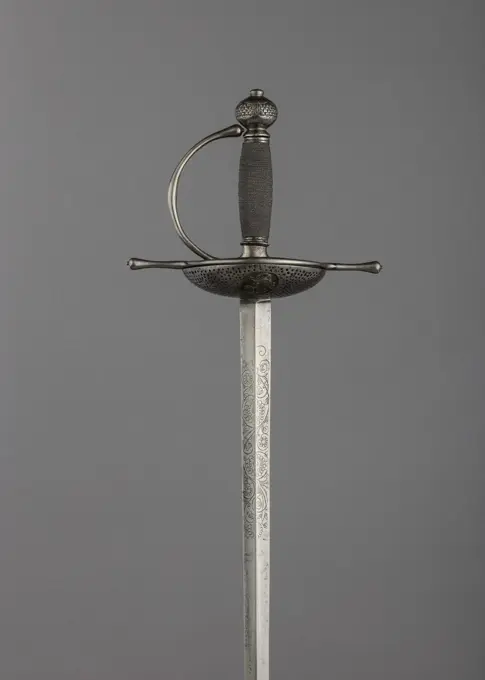
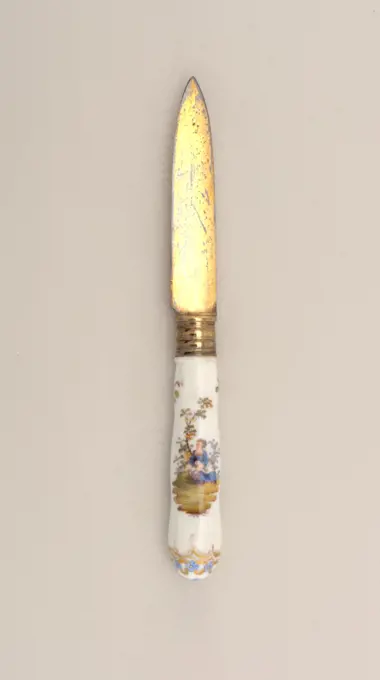
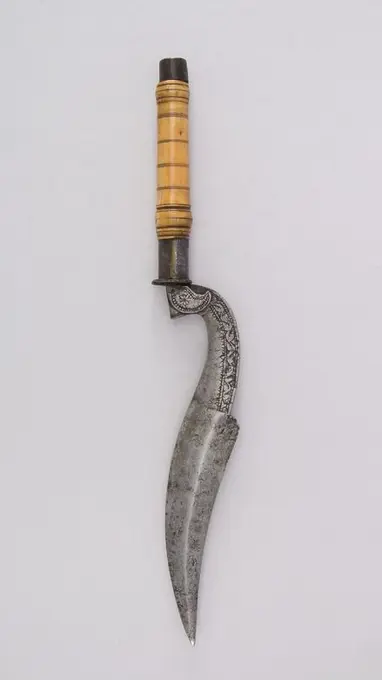
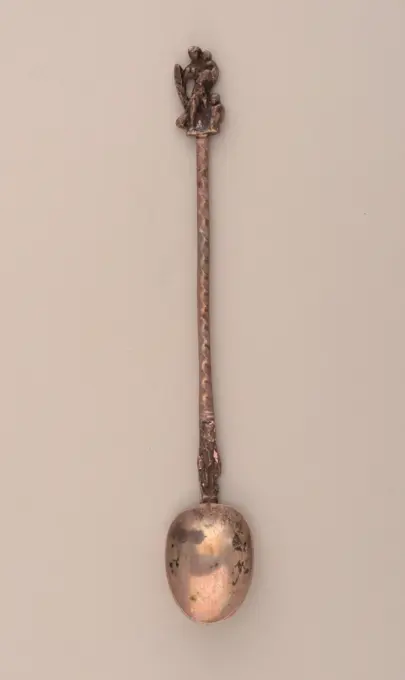
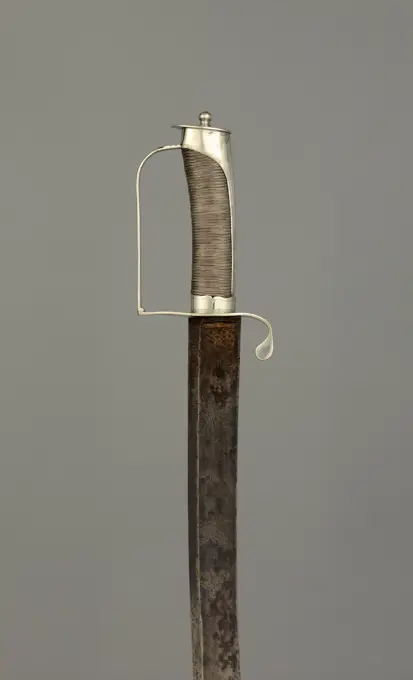
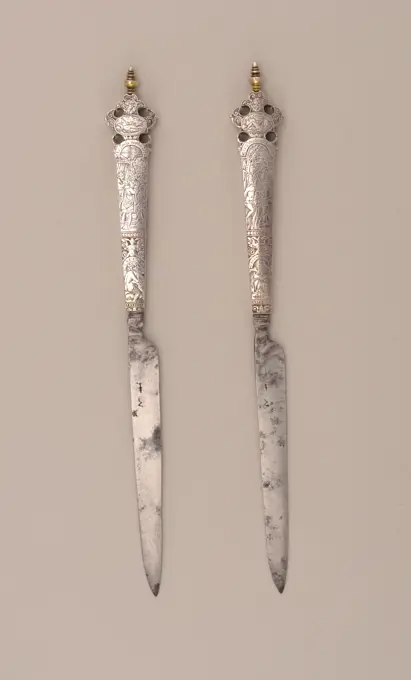
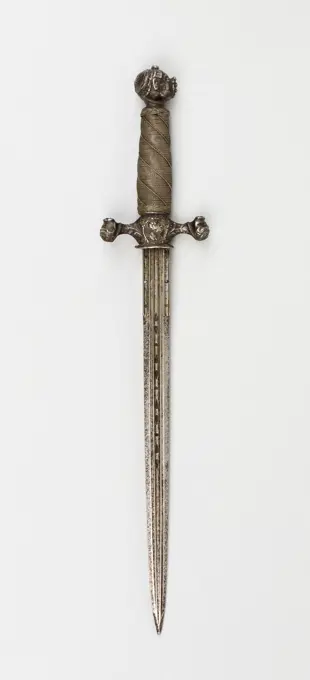
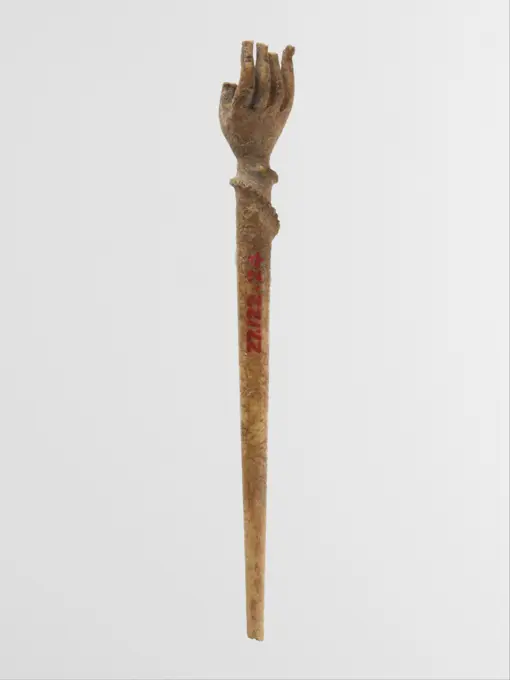
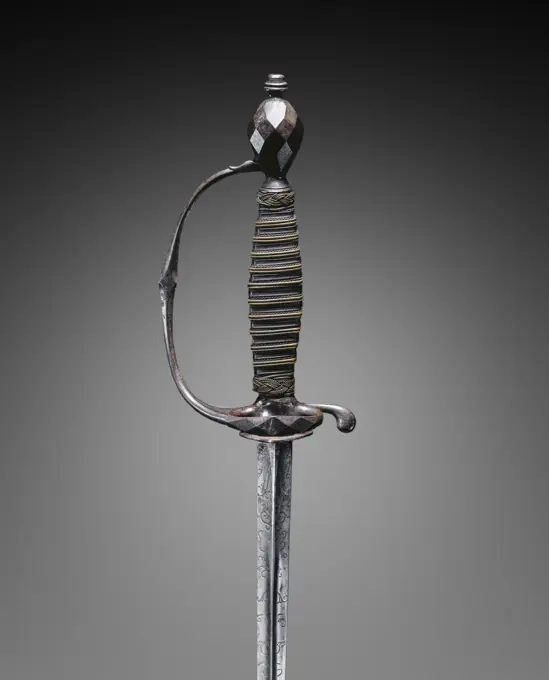
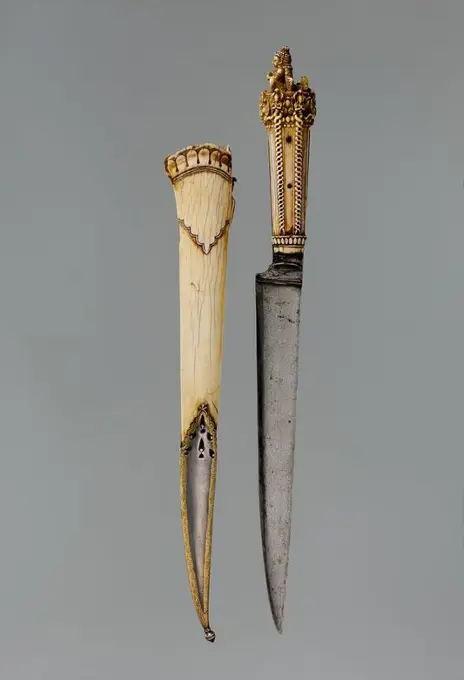
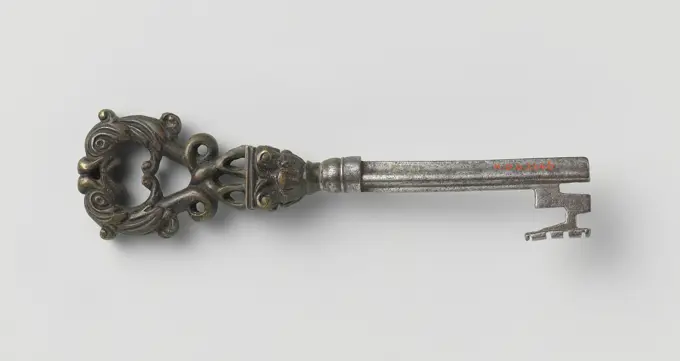
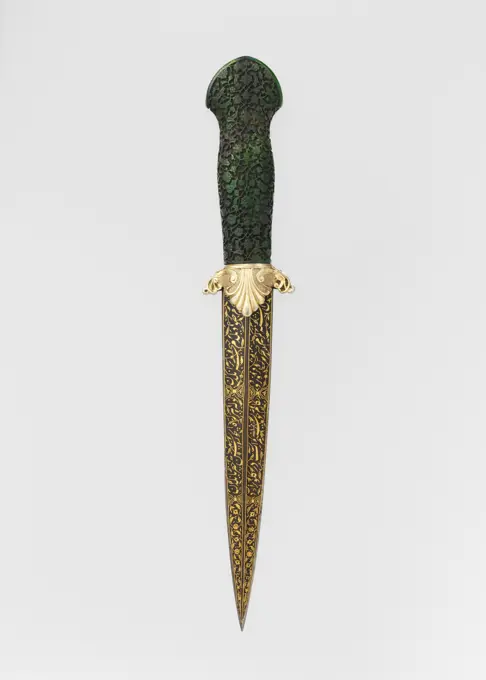
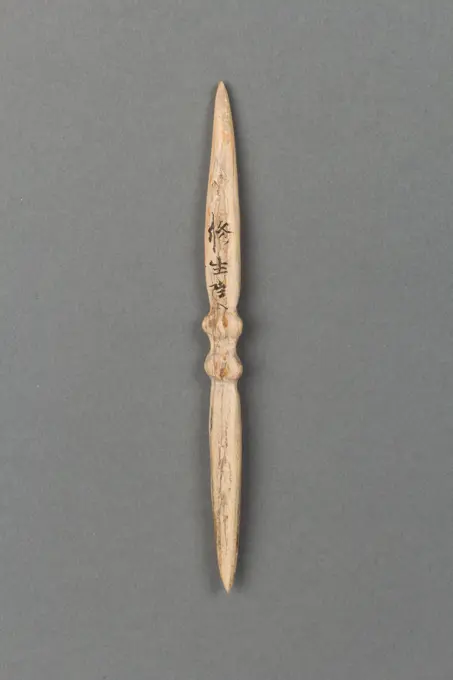
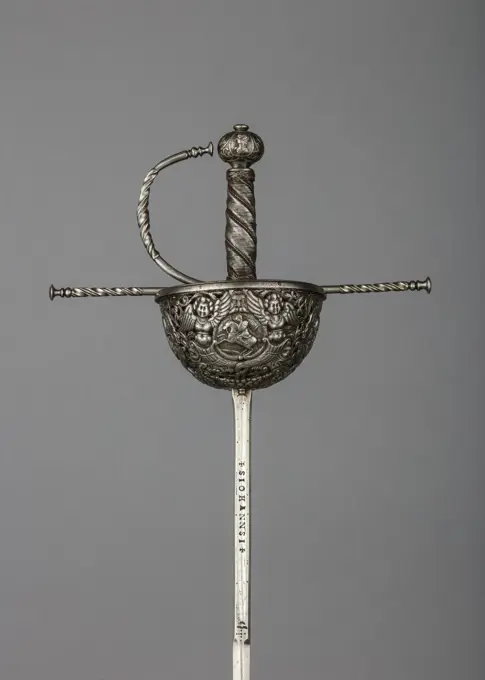
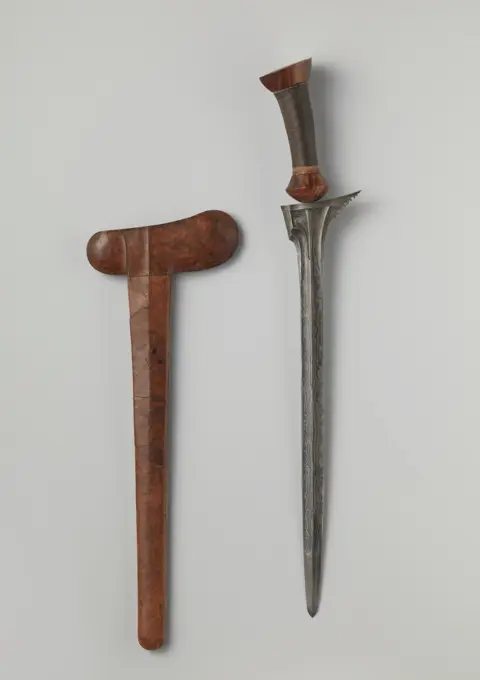
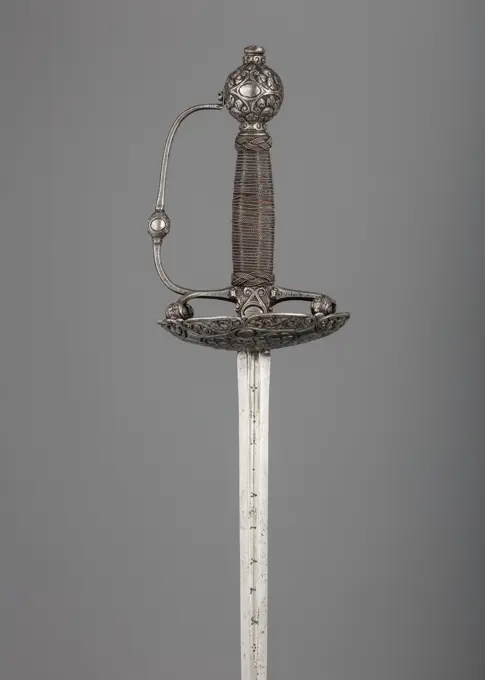
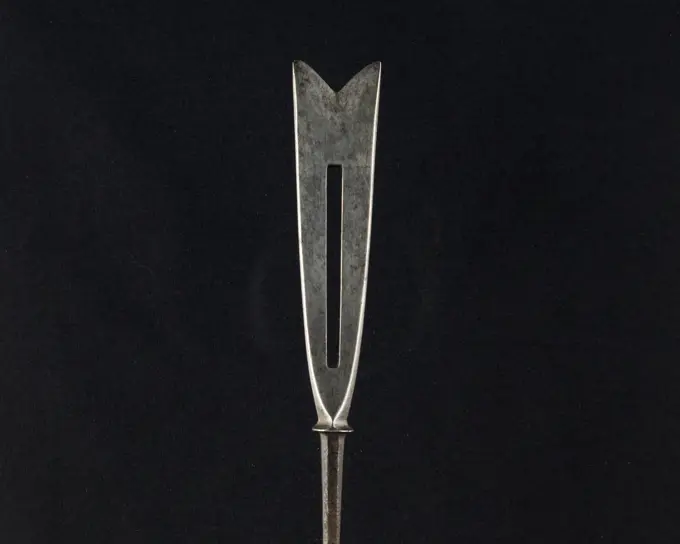
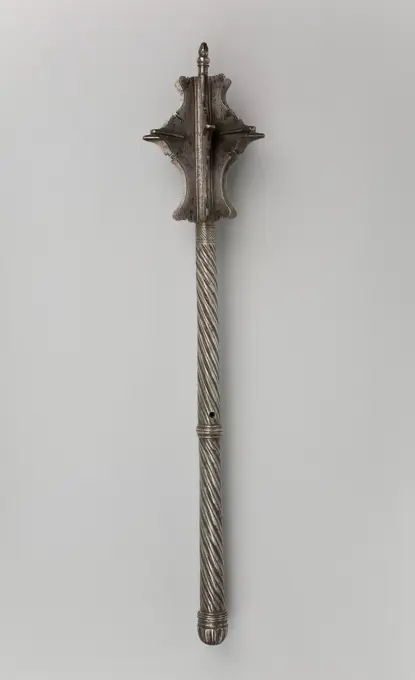
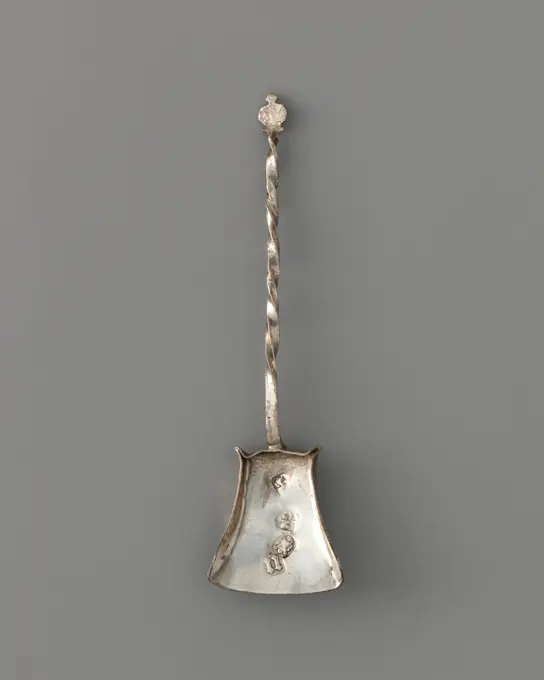
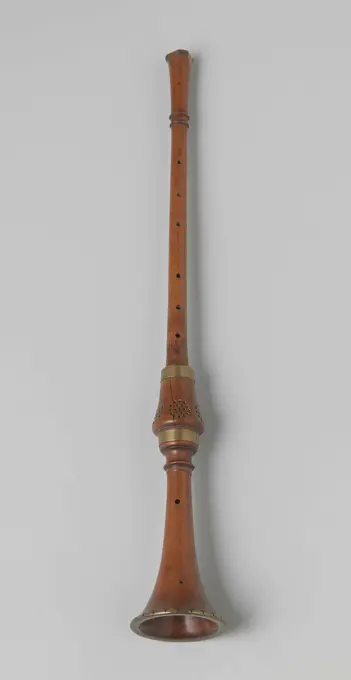
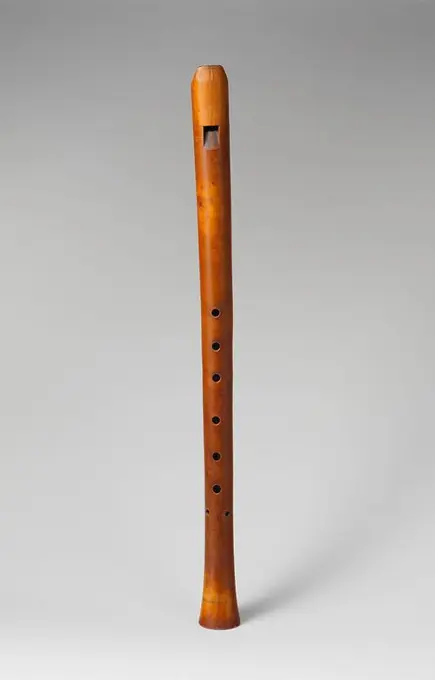
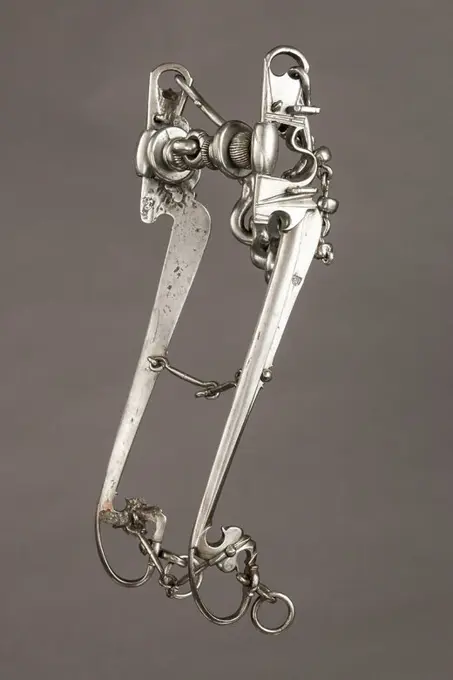
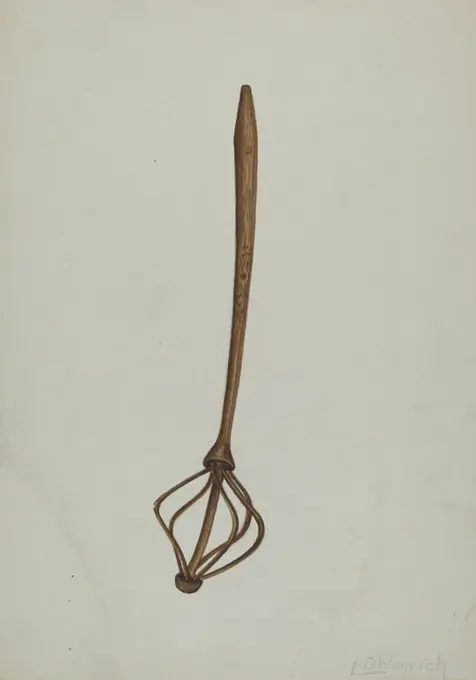
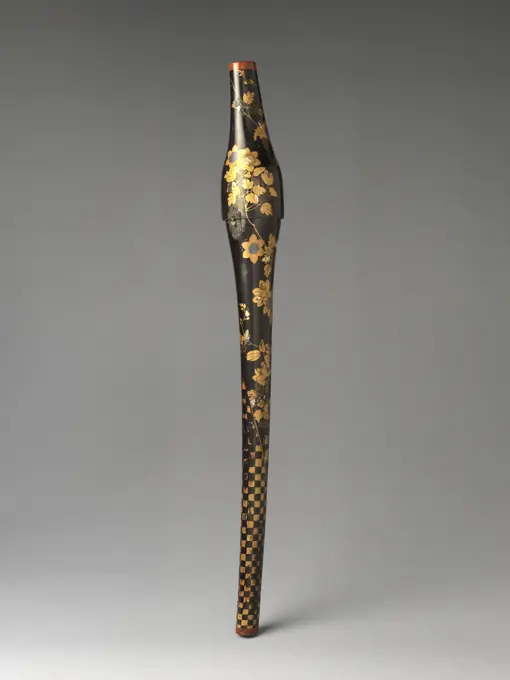
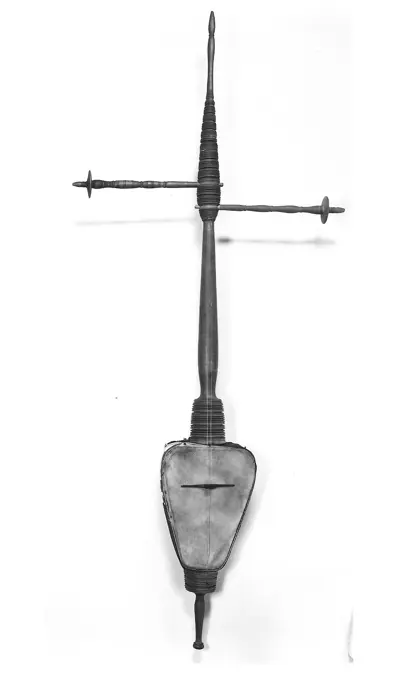
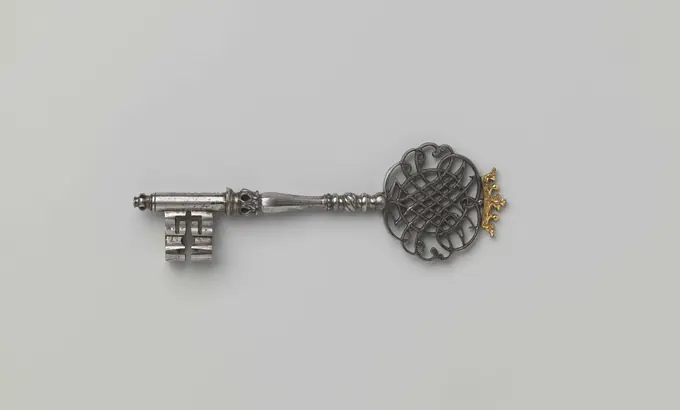
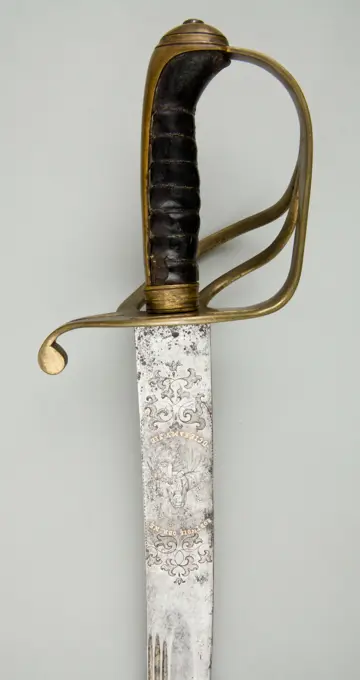
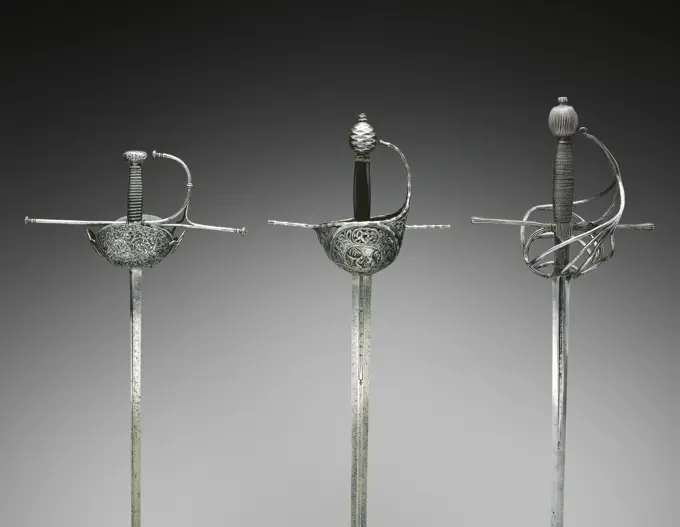
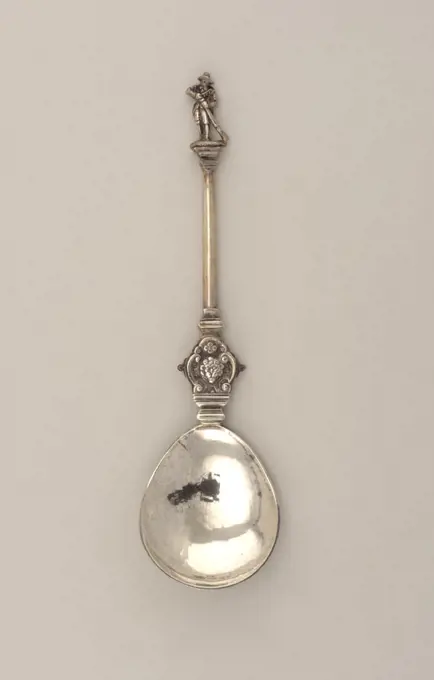
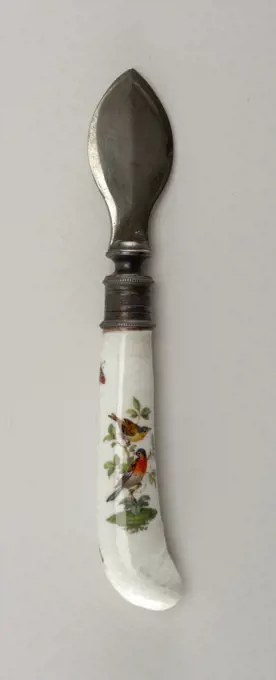
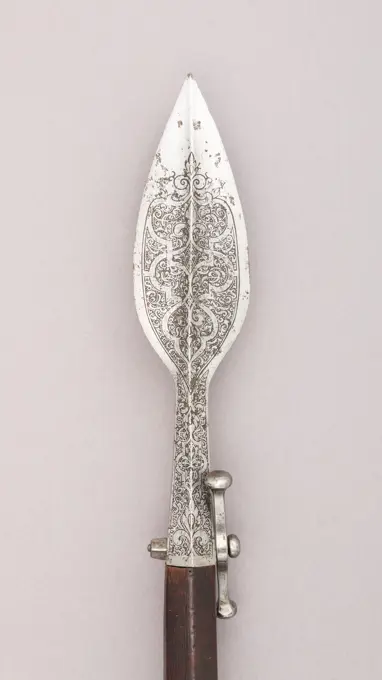
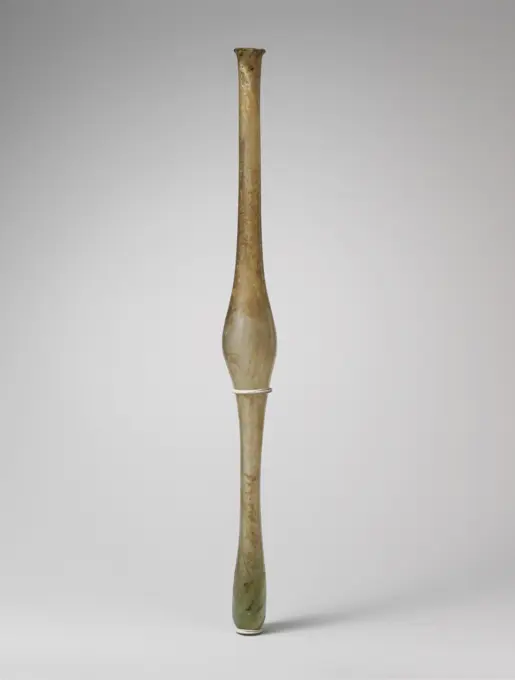
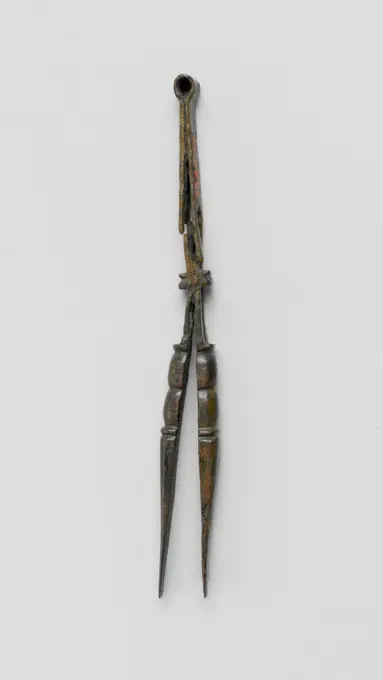
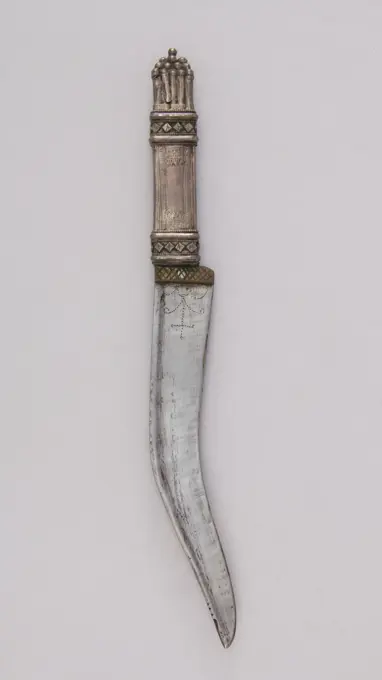
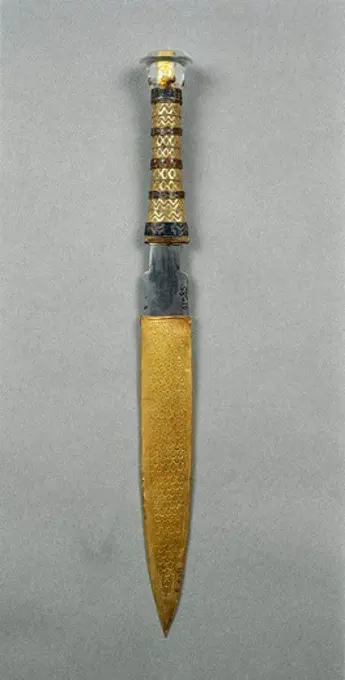
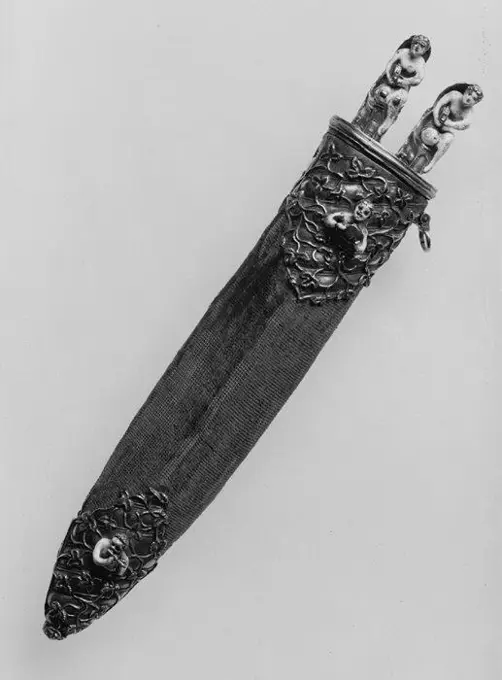
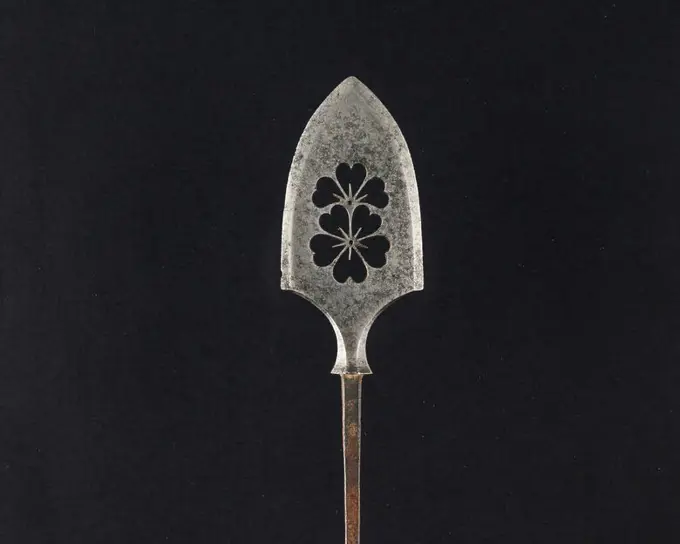
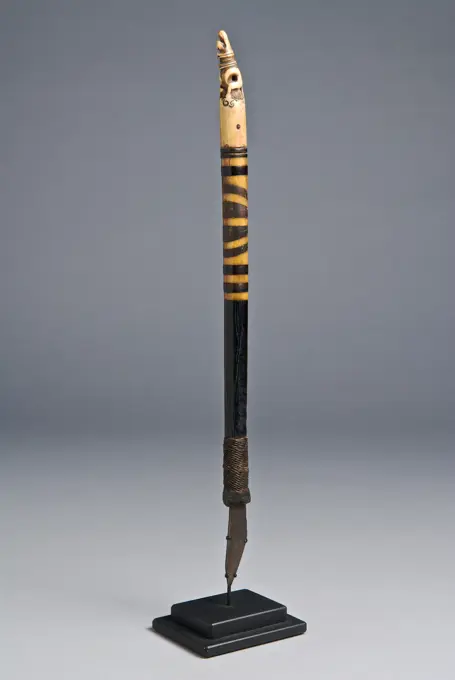
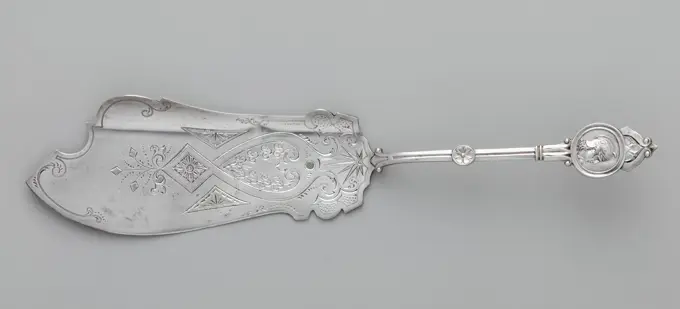
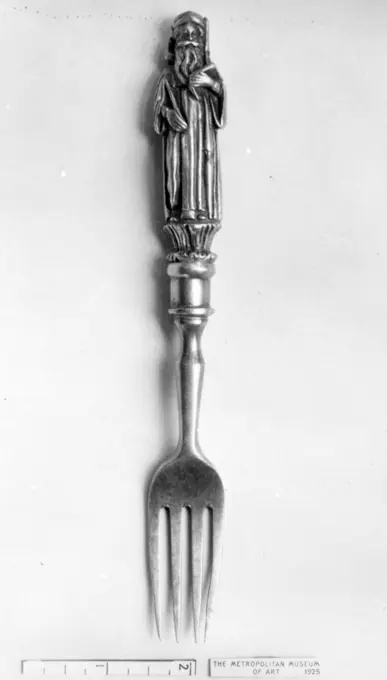
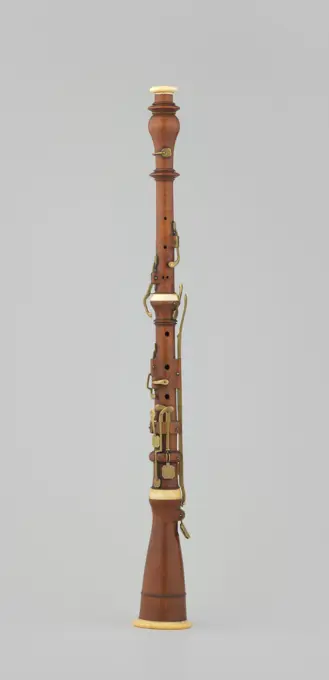
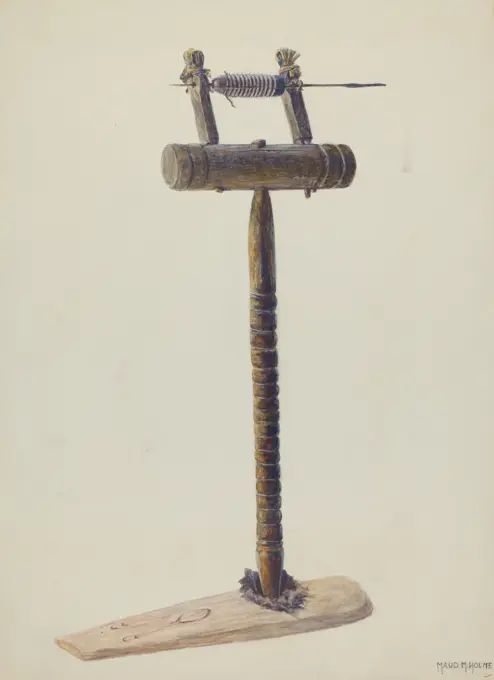
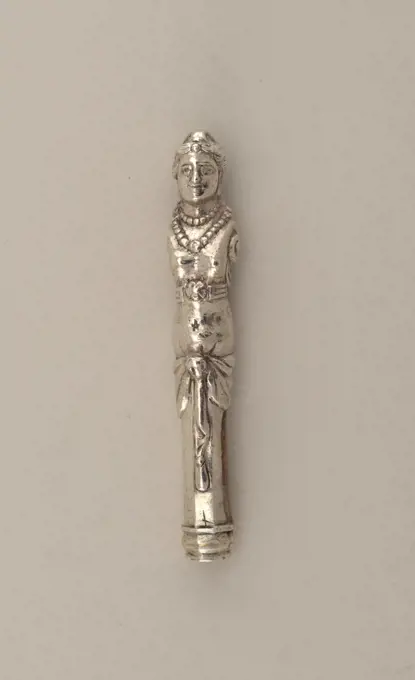
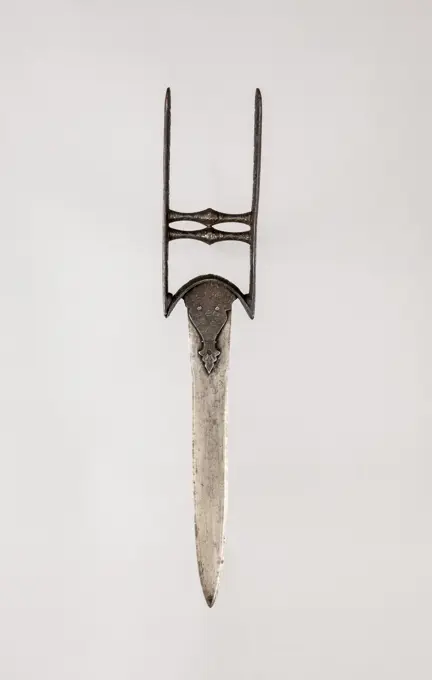
Khatar, 1600s. India, Jaipur, 17th century. Iron; overall: 45.8 cm (18 1/16 in.); blade: 28.6 cm (11 1/4 in.).Sword ca. 1550-1458 B.C. New Kingdom. Sword. ca. 1550-1458 B.C.. Copper alloy. New Kingdom. From Egypt, Upper Egypt, Thebes, Asasif, Courtyard CC 41, Pit 3, Burial D 1, Beside or on inner coffin, MMA excavations, 1915-16. Dynasty 18, earlySpear 18th-19th century Philippine, Lanao del Sur. Spear 30641Dagger with Wheel-Lock Pistol 1601-1633 Italy. Steel, wood, iron, brass, and copper .Gauntlet Dagger (Para). Culture: South Indian. Dimensions: L. 13 3/4 in. (34.9 cm); W. 3 5/8 in. (9.2 cm); Wt. 9.7 oz. (275 g). Date: 18th century. Museum: Metropolitan Museum of Art, New York, USA.Bill, c. 1480. Italy, 15th century. Steel, wood haft; overall: 184.8 cm (72 3/4 in.); blade: 11.4 cm (4 1/2 in.).Walking Staff with Sword Hilt. German. Date: 1663. Dimensions: L. 119.4 cm (47 in.)Wt. 1 lb. 13 oz. Wood, iron, and bone. Origin: Germany. Museum: The Chicago Art Institute, Chicago, USA.Gauntlet Sword (Pata) hilt, dated A.H. 1126 / A.D. 1714-15; blade, probably 16th century hilt, Indian; blade, European Sometimes the nature of the inscriptions on a piece of armor or a weapon indicates an allegiance to a particular religious sect. A noteworthy example of such sectarian decoration occurs on this gold damascened gauntlet sword (pata), which is dated A.H. 1126 (A.D. 1712) and was probably made in one of the Islamic sultanates of the Deccan region of south-central India. The choice of inscriptions makes it clear that the owner of the pata was a Shiite, rather than a Sunni, Muslim. The majority of Muslims adhere to the Sunni (literally, "one of the path") tradition. Shia (literally, "followers") constitutes the largest divergent group within Islm. It became the predominant form of Islm in Iran, southern Iraq, and parts of India during the sixteenth century.The pata, like the katar, is an edged weapon unique to India. Its use apparently originated with the Mahrattas of theSabel 1st Regiment Dragonders, with inscription, S. de Jager, c. 1400 - c. 1950 sabre Sabel with inscription, right: on the Colonel Jhr. C.W.J. Storm De Grave, left: the officers of the 1st Regiment Dragonders. Haarlem schede: German silver. greep: bone (material)   NetherlandsBaselard 1400-1500 France. Wood and steel .Dagger (Khanjar). Culture: Indian, Mughal. Dimensions: H. 14 in. (35.6 cm); H. of blade 9 1/4 in. (23.5 cm); W. 2 11/16 in. (6.8 cm); Wt. 10.2 oz. (289.2 g). Date: 19th century. Museum: Metropolitan Museum of Art, New York, USA.Parrying Dagger 1650-1675 Italy. Steel, iron, and wood .Spoon Incised with Circles on Handle and Abstract Bird on Top. Possibly Inca; South coast or southern highlands, Peru. Date: 1450-1532. Dimensions: 17.2 x 3 cm (6 3/4 x 1 3/16 in.). Bone. Origin: Peru. Museum: The Chicago Art Institute, Chicago, USA.Fireplace stand and tongs. Possibly Frank Lloyd Wright; American, 1867-1959. Date: 1901. Dimensions: 98.9 × 43.7 × 8.3 cm (38 15/16 × 17 3/16 × 3 1/4 in.). Iron. Origin: United States. Museum: The Chicago Art Institute, Chicago, USA.Smallsword Made 1630-1670 Europe, western. Iron, steel, brass, and wood .Yeah to fish; Korzec (Porcelain and faience manufacture; 1790-1832); 19th century (1801-00-00-1901-00-00);Knife (Kard) with Sheath 18th century Indian, Mughal. Knife (Kard) with Sheath 31442Pen holder. unknown, authorSword 19th century Indian. Sword 30908Military Fork ca. 1560 French. Military Fork 25903Dagger (Pesh-kabz) with Sheath. Culture: Indian, Mughal. Dimensions: L. with sheath 18 13/16 in. (47.8 cm); L. of blade 11 5/8 in. (29.5 cm); W. 2 1/16 in. (5.2 cm); D. 1/8 in. (0.3 cm); Wt. 12.9 oz. (365.7 g); Wt. of sheath 3.8 oz. (107.7 g). Date: 18th-19th century. Museum: Metropolitan Museum of Art, New York, USA.Scarf Sword Made 1650-1660 Sweden. Short, stout, and designed with a minimal guard, this early form of smallsword was highly fashionable throughout northern and central Europe by the middle of the 17th century. The form has been called a scarf sword for the elaborate silk-embroidered scarf-like belts or baldrics from which these delicate swords were suspended.. Steel, brass, silver, gilding, and wood .Revers pin with sculptor from Wilhelmina, c. 1940 - c. 1950 Revers pin with a sawn -out sculptor from Wilhelmina without a border. Netherlands silver (metal) Revers pin with a sawn -out sculptor from Wilhelmina without a border. Netherlands silver (metal)Rapier with Scabbard Italian early 18th century The rapier was the principal civilian sidearm throughout the sixteenth and seventeenth centuries. Designed for cut-and-thrust fencing of progressively complex techniques, the rapier is characterized by a double-edged blade with an acute point and an elaborate guard for the hand. The guards, usually of iron or steel, were subject to a variety of embellishment. They were engraved, chiseled, gilded, damascened, and encrusted in gold and silver in keeping with fashionable styles. Unless otherwise noted, the materials, attributions, and dating given here refer to the hilts. Rapier blades, invariably of steel, bear a variety of makers marks denoting their origin in the two principal centers of blademaking, Toledo in Spain and Solingen in Germany. View more. Rapier with Scabbard. Italian. early 18th century. Steel, leather, brass. SwordsRapier with Scabbard Italian early 18th century The rapier was the principal civilian sidearm throughout the sixteenth and seventeenth centuries. Designed for cut-and-thrust fencing of progressively complex techniques, the rapier is characterized by a double-edged blade with an acute point and an elaborate guard for the hand. The guards, usually of iron or steel, were subject to a variety of embellishment. They were engraved, chiseled, gilded, damascened, and encrusted in gold and silver in keeping with fashionable styles. Unless otherwise noted, the materials, attributions, and dating given here refer to the hilts. Rapier blades, invariably of steel, bear a variety of makers marks denoting their origin in the two principal centers of blademaking, Toledo in Spain and Solingen in Germany. View more. Rapier with Scabbard. Italian. early 18th century. Steel, leather, brass. SwordsDerwisza chickBallock Knife late 14th century possibly French The ballock knife, also sometimes called a kidney dagger, was a very popular form of dagger worn by men throughout northern Europe in the 15th and 16th centuries. It served as an eating utensil, tool, and weapon.. Ballock Knife. possibly French. late 14th century. Steel, wood. DaggersKnife with Porcelain Handle Depicting a Lady, gold, metal, porcelain, vitreous enamel, Leaf-shaped silver-gilt blade with straight edges. Angular bolster. Banded ferrule. White porcelain handle, irregularly shaped, with polychromed decoration; on front, a young woman sitting in front of a tree holding a flower wreath in one hand. On back, a young man running. Floral decoration at end of handle., England, 18th century, cutlery, Decorative Arts, knife, knifeKnife (Chopper). Culture: South Indian. Dimensions: H. 16 1/2 in. (41.9 cm); H. of blade 10 1/4 in. (26 cm); W. 1 3/16 in. (3 cm); Wt. 1 lb. (453.6 g). Date: 17th-19th century. Museum: Metropolitan Museum of Art, New York, USA.Halberd of Ferdinand IX, Count Palatine of the Rhine and Duke of Bavaria dated 1584 German, Bavaria. Halberd of Ferdinand IX, Count Palatine of the Rhine and Duke of Bavaria 34313Bill. Culture: British. Dimensions: L. 98 3/4 in. (250.8 cm); L. of head 36 1/8 in. (91.8 cm); W. 12 1/2 in. (31.8 cm.); Wt. 4 lbs. 0.4 oz. (1825.7 g). Date: ca. 1450. Museum: Metropolitan Museum of Art, New York, USA.Yeah to fish; Koenigliche Porzellanmanufaktur (Meissen; 1807/14-1918); 19th century (1801-00-00-1901-00-00);Spoon (Netherlands), 19th century; silver; L x W x D: 15 x 2.4 x 1.5 cm (5 7/8 x 15/16 x 9/16 in.)Halberd. German. Date: 1480-1500. Dimensions: L. 223.5 cm (88 in.)Blade with socket L. 38.2 cm (15 in.) Wt. 5 lb. Steel and wood (oak and ash). Origin: Germany. Museum: The Chicago Art Institute, Chicago, USA.Cavalry Officer's Saber ca. 1810 Hilt by John Lynch American This saber exemplifies the appeal of simple hilt designs in America from the Colonial to the Federal era, and is remarkable among the handful of comparable sabers that survive for the fact that it is the only known example of its type with a signed hilt. The work of John Lynch, a Baltimore silversmith and watch and clock-maker, the hilt is closely related in form and even decoration to that of the saber of Captain Thorndick Chase of Baltimore (1755-1838) in the Maryland Historical Society, and to the hilts of a few additional specimens, which are traditionally thought to have been made in Philadelphia. It occupies a special place in Lynch's work, as his silver hilts for swords and another saber customarily feature eagle-shaped pommels and grips of ivory.. Cavalry Officer's Saber. American, Baltimore. ca. 1810. Steel, silver, wood, gold. Baltimore, Maryland. SwordsObject ID #18445765; silver, steel, gilding; L x W x D: 21.4 x 2.1 x 0.6 cm (8 7/16 x 13/16 x 1/4 in.); Bequest of Richard Cranch Greenleaf in memory of his mother, Adeline Emma Greenleaf; 1962-58-11-aDagger 1650-1675 Italy. Steel, wood, and iron wire .Rapier. Western Euroean. Date: 1610-1630. Dimensions: Overall L. 126 cm (49 5/8 in.)Blade L. 111 cm (43 5/8 in.)Wt. 2 lb. 12 oz. Iron, steel, and copper. Origin: Europe, western. Museum: The Chicago Art Institute, Chicago, USA.Bone hairpin ca. 1st century B.C.-1st century A.D. Greek or Roman The head of the pin is shaped like a hand.. Bone hairpin. Greek or Roman. ca. 1st century B.C.-1st century A.D.. Bone. Hellenistic or Early ImperialPLUMA. Location: PRIVATE COLLECTION. MADRID. SPAIN.Small Sword, c. 1700. Italy (), early 18th Century. Steel, wood, copper wire; overall: 100.3 cm (39 1/2 in.); blade: 83.7 cm (32 15/16 in.); guard: 10.5 cm (4 1/8 in.). During the 1700s, the small-sword emerged as a light, quick weapon. Like the rapier it was carried by unarmored civilians, the noblemen of the upper classes. Over time this delicate sword became more an accessory of male attire than a weapon essential to life and death. The sword hilt, which shows even when the blade is sheathed, became the ground for elaborate decoration. These small-swords thus represent the final stage in the evolution of the sword, from the edged weapons of antiquity to the elegantly refined blades of the 1700s and 1800s.Dagger with Sheath. Culture: Nepalese. Dimensions: L. with sheath 15 3/4 in. (40 cm); L. without sheath 12 3/4 in. (32.4 cm); W. 1 1/4 in. (3.2 cm); Wt. 6 oz. (170.1 g); Wt. of sheath 3.3 oz. (93.6 g). Date: ca. 1650-1700.The figure at the top of this beautifully carved ivory hilt is an iconic Nepalese representation of Garuda, a popular divinity associated with the Hindu god Vishnu. From at least the sixth century, Garuda was depicted as a handsome man with wings, resting on one knee and with hands clasped in prayer. Museum: Metropolitan Museum of Art, New York, USA.Skewer (France); silver; L x W x D: 19.1 x 4.8 x 0.3 cm (7 1/2 x 1 7/8 x 1/8 in.)39 keys from the collection of Emmanuel Vita Israël, anonymous, 1600 - 1625 Key of which the handle consists of two dolphins who are bothered by each other resting on a composition capital. The shaft is drilled heart -shaped. Handle and capital of bronze, shaft and beard of iron. France iron (metal). bronze (metal) Key of which the handle consists of two dolphins who are bothered by each other resting on a composition capital. The shaft is drilled heart -shaped. Handle and capital of bronze, shaft and beard of iron. France iron (metal). bronze (metal)Pin with Two Stamp Seals. Northern Afghanistan, 2000-1500 B.C.. Jewelry and Adornments; pins. BronzeDagger grip and blade, 16th century; guard, hallmarked for 1774-89 Turkish The green-stained ivory grip is carved with a delicacy that recalls many ivory objects made for the Ottoman court. The blade is inscribed in Turkish and Persian, the languages used at the Ottoman court: I besought a drink of water from your trenchant dagger, what if but once you should let me drink, what would you lose If I thirst, his dagger is not laid down.This dagger, assembled during the reign of Sultan Abdulhamid I (r. 1774-89), incorporates a superb sixteenth-century grip and blade and an eighteenth-century guard. The carved grip matches Ottoman ivories dating to the period of Suleiman the Magnificent (r. 1520-66); its green color, beloved in Islamic thought, alludes to God and to life itself and elicits the idea of tranquility and refuge. The gold inscriptions on the blade, in Turkish and Persian, reproduce verses by the Turkish poet Necati (d. 1509) and refer to the waters of Paradise.. Dagger. TurkishBody ornament Japan By the Middle Jmon period, the food supply in Japan had stabilized enough that the Jmon people could focus their activities more on crafts and spiritual life. This led to the development of a wide variety of body ornaments, including necklaces and hairpins, some of which feature very elaborate designs. It is speculated that body ornamentation may have served a religious or spiritual purpose, but it may also have represented social rank and status.. Body ornament. Japan. Bone. Final Jmon period (ca. 1000-300 B.C.). BonePartisan. Culture: French. Dimensions: L. 6 ft. 5 in. (256.5 cm); L. of head 30 in. (76.2 cm); W. 7 15/16 in. (20.2 cm); Wt. 4 lbs. 7.4 oz. (2024.2 g). Date: ca. 1575. Museum: Metropolitan Museum of Art, New York, USA.Cup-Hilted Rapier blade, German; hilt, Italian ca. 1650 The rapier was the principal civilian sidearm throughout the sixteenth and seventeenth centuries. Designed for cut-and-thrust fencing of progressively complex techniques, the rapier is characterized by a double-edged blade with an acute point and an elaborate guard for the hand. The guards, usually of iron or steel, were subject to a variety of embellishment. They were engraved, chiseled, gilded, damascened, and encrusted in gold and silver in keeping with fashionable styles. Unless otherwise noted, the materials, attributions, and dating given here refer to the hilts. Rapier blades, invariably of steel, bear a variety of makers marks denoting their origin in the two principal centers of blademaking, Toledo in Spain and Solingen in Germany. View more. Cup-Hilted Rapier. blade, German; hilt, Italian. ca. 1650. Steel, iron wire. SwordsBalic crisis, Anonymous, 1500 - 1900 Kris, blade in pamor technology, incustation with gold, adorned with the characters: mang, hoeng, ang, (: wind, water and fire). Bali iron (metal). nickel (metal). gold (metal) Kris, blade in pamor technology, incustation with gold, adorned with the characters: mang, hoeng, ang, (: wind, water and fire). Bali iron (metal). nickel (metal). gold (metal)Transitional Rapier hilt, ca. 1625-50; blade, 17th century Tomas Aiala On this transitional rapier, the dishlike guard, short quillons and light blade are all characteristic of the early stages of the development from rapier to smallsword.By the early seventeenth century, the rapier, a long slender thrusting sword, began to dominate as the gentlemans weapon of choice. During the course of the century, however, as civilian fencing techniques became more specialized and refined, the rapier developed into a lighter, trimmed-down weapon known by about 1700 as the smallsword. Smallswords, often richly decorated, remained an integral part of a gentlemans wardrobe until the wearing of swords in civilian settings went out of fashion at the end of the eighteenth century, at which time pistols were replacing swords as arms most frequently used in personal duels. The majority of smallsword hilts are made of silver or steel, but many also employ a wide variety of luxurious materials, such as golSpoon Beyl, Thomas (ca 1682 1758)Arrowhead (Yanone) 18th century Japanese Although today Japanese warriors are renowned most for their swordsmanship, archery, especially from horseback, has been an essential part of samurai warfare and culture for centuries. Arrows were fitted with heads of varying shape according to their intended use in war, the hunt, or target practice. Arrowheads made for use on the battlefield incorporated different designs intended for specialized purposes such as the piercing of armor or to cause maximum damage to horses and unarmored personnel.Large arrowheads, pierced and elaborately chiseled with landscapes, birds, flowers, dragons, and Buddhist divinities, were created to be admired for the beauty of their metalwork and design rather than for use in archery. Such highly elaborate examples may have been made for presentation or as a votive offerings to a shrine.. Arrowhead (Yanone). Japanese. 18th century. Steel. Archery Equipment-ArrowheadsHalberd of the Bodyguard of Philip II, Margrave of Baden-Baden (1559-1588) German ca. 1580Lance Point 15th century Spanish. Lance Point 27074Kris with Sheath 16th-19th century Javanese. Kris with Sheath 31352Mace 1530-1560 Germany. Steel .Miniature shovel (part of a set) 1690-91 Probably George Manjoy British. Miniature shovel (part of a set). British, London. 1690-91. Silver. Metalwork-Silver-MiniatureSoprano Deutsche Schalmei.schamei, Brown Wood.Tenor Recorder. Culture: Italian or British. Dimensions: Height: 12 13/16 in. (32.5 cm). Maker: Bassano (workshop active 1530-1650, Venice and London). Date: ca. 1600.A rare example of a Renaissance tenor recorder made of a single piece of boxwood. As is typical of early woodwind instruments, there are seven tone holes, six down the center and a pair of holes at the bottom that sound the same pitch. This arrangement allows a player to choose their own hand placement for the top and bottom holes. There is a single thumb hole on the back of the instrument. The recorder bears the mark of the Bassano family, a moth, which appears once below the window, and twice on the bottom edge of the instrument. Members of the Bassano family were active as musicians and woodwind makers in both Venice and London from the 1530s to the 1650s. Museum: Metropolitan Museum of Art, New York, USA.Smoker's tongs 18th century British. Smoker's tongs 192348Spontoon. Culture: German. Dimensions: L. 8 ft. 5 3/4 in. (258.5 cm); L. of head 17 in. (43.2 cm); W. 6 1/2 in. (16.6 cm); Wt. 4 lbs. 12 oz. (2154.6 g). Date: ca. 1775. Museum: Metropolitan Museum of Art, New York, USA.Curb Bit. Culture: German, Saxony, possibly Dresden. Dimensions: H. 13 1/2 in. (34.3 cm); W. 6 1/4 in. (15.9 cm); Wt. 3 lb. 0.9 oz. (1386.3 g). Date: ca. 1550.According to contemporary equestrian manuals this bit would have been used on a young horse still under training. This is indicated by the use of a mouthpiece without high port (allowing the horse to cushion the bit with its tongue, protecting the bars, the part of the jaw without teeth, to be constantly in contact with the rollers), combined with two long 'weak' shanks. The term 'weak' means that the swivel ring's hole for the reins is placed behind the axis of the banquet (piece to which the mouthpiece is attached). Weak shanks, having a lower leverage effect, were used on horses lowering their head and nose too much. The banquets can also be opened to switch out the mouthpiece, a feature particularly appreciated on dressage bits in Germany.If the long shanks look impressive, their length in fact reduces their rWooden Egg Beater. Dated: c. 1940. Dimensions: overall: 35.9 x 24.5 cm (14 1/8 x 9 5/8 in.). Medium: watercolor and graphite on paper. Museum: National Gallery of Art, Washington DC. Author: Luther D. Wenrich.Trigger Guard for a Pistol, c. 1680-1700. Italy, Brescia (), late 17th Century. Chiseled steel; overall: 15.9 x 2.9 cm (6 1/4 x 1 1/8 in.).Close-up of claw hammerSword Case (Katana-tsutsu) with Clematis and Checkered Pattern 17th century Japan Decorativeand expensivelacquer sword cases were made for carrying the most treasured swords of the daimyo (feudal lords) while traveling. Those made for presentation were especially richly embellished. This example has an elaborate design of clematis vines combined with a checkered pattern on its lower section. Associated with summer, the clematis is considered auspicious in Japan for its ability to climb upward on fences. The stylized, flat maki-e decoration of the case follows the K?daiji-style lacquers prepared in Kyoto in the Momoyama period (1573-1615) to suit the taste of the warlord Toyotomi Hideyoshi (1537-1598). K?daiji wares and those produced until the 1630s as export furniture for the Western market are strongly connected, as exemplified by the abstract geometric pattern and mother-of-pearl inlay here.. Sword Case (Katana-tsutsu) with Clematis and Checkered Pattern. Japan. 17th century. LacqRebab 19th century Javanese. Rebab 501344Key of iron with openwork initials VPAO with gold-plated crown covered.key or Iron With Openworked Initials VPAO With Gold-Plated Crown covered.Saber Höfelmajer, IgnacyCup-Hilted Rapier, c.1610-30. Italy, Milan, 17th century. Steel, pierced, chased and chiseled; wire ferrules on leather-covered wood grip; overall: 123.2 cm (48 1/2 in.); blade: 100.9 cm (39 3/4 in.); quillions: 25.2 cm (9 15/16 in.); grip: 11.8 cm (4 5/8 in.). The rapier was a sword worn with civilian dress and used in duels. The term rapier derives from a 16th-century French word rapière, which in turn derived from the Spanish espada ropera, or “dress sword.” The rapier was a light weapon with a straight double-edged and pointed blade that, with the development of the art of fencing in the 1500s and 1600s, gradually became narrower and lighter, and thus suitable for thrusts only. With the new technique of swordplay emphasizing the point of the blade, sword guards became more complex to protect the duelist’s unarmored hand. These elaborate guards were frequently decorated by various techniques—chiseling, bluing, russeting, and damascening.Runka 16th century Italian. Runka 25843Spoon, silver, Large fig-shaped spoon-bowl. Flat flaring neck, on front scrolled decoration with lion's head in the centre, long plain neck, round in section. On top of handle a soldier standing on a pedestal holding a rifle., possibly Germany, ca. 1600-1700, cutlery, Decorative Arts, SpoonArrowhead (Yanone) 18th century Japanese Although today Japanese warriors are renowned most for their swordsmanship, archery, especially from horseback, has been an essential part of samurai warfare and culture for centuries. Arrows were fitted with heads of varying shape according to their intended use in war, the hunt, or target practice. Arrowheads made for use on the battlefield incorporated different designs intended for specialized purposes such as the piercing of armor or to cause maximum damage to horses and unarmored personnel.Large arrowheads, pierced and elaborately chiseled with landscapes, birds, flowers, dragons, and Buddhist divinities, were created to be admired for the beauty of their metalwork and design rather than for use in archery. Such highly elaborate examples may have been made for presentation or as a votive offerings to a shrine.. Arrowhead (Yanone). Japanese. 18th century. Steel. Archery Equipment-ArrowheadsSword Case with Design of Clematis Vine and Checks. Culture: Japan. Dimensions: L. 42 3/4 in. (108.6 cm). Date: 17th century. Museum: Metropolitan Museum of Art, New York, USA.Ink Eraser with Porcelain Handle, Meissen Porcelain Manufactory, German, active from 1710 to the present, hard paste porcelain, vitreous enamel, steel, silver, Spatulate point, bevelled on both sides. The curved white handle decorated with small birds and insects in color, and moulded basketry texture at the ends., Germany, 18th century, ceramics, Decorative Arts, ink eraser, ink eraserBoar Spear 16th century German. Boar Spear 27060Glass fusiform bottle mid-3rd-4th century A.D. Roman Translucent pale green.Slanting and uneven everted rim folded over and in; tall cylindrical neck joining with bulbous mid-section of body, then long concave side extending downward to thick, solid, rounded bottom.Intact; pinprick and larger bubbles, some elongated, with black streaky impurities in rim and bottom; dulling, slight pitting, creamy brown weathering, and iridescence.Long slender vase with bulge in the middle.. Glass fusiform bottle 245209Tweezers 9th-10th century Tweezers were widely used in the ancient Near Eastern and Roman worlds and were commonly fashioned out of single piece of metal. These tweezers are made of a single piece of bronze with a separate adjustable sliding piece for altering the opening distance.. Tweezers 449602Knife 18th-19th century Indian or Nepalese. Knife 31631Arrowhead (Yanone) 18th century Japanese Although today Japanese warriors are renowned most for their swordsmanship, archery, especially from horseback, has been an essential part of samurai warfare and culture for centuries. Arrows were fitted with heads of varying shape according to their intended use in war, the hunt, or target practice. Arrowheads made for use on the battlefield incorporated different designs intended for specialized purposes such as the piercing of armor or to cause maximum damage to horses and unarmored personnel.Large arrowheads, pierced and elaborately chiseled with landscapes, birds, flowers, dragons, and Buddhist divinities, were created to be admired for the beauty of their metalwork and design rather than for use in archery. Such highly elaborate examples may have been made for presentation or as a votive offerings to a shrine.. Arrowhead (Yanone). Japanese. 18th century. Steel. Archery Equipment-ArrowheadsCup-Hilted Rapier Spanish ca. 1650 The rapier was the principal civilian sidearm throughout the sixteenth and seventeenth centuries. Designed for cut-and-thrust fencing of progressively complex techniques, the rapier is characterized by a double-edged blade with an acute point and an elaborate guard for the hand. The guards, usually of iron or steel, were subject to a variety of embellishment. They were engraved, chiseled, gilded, damascened, and encrusted in gold and silver in keeping with fashionable styles. Unless otherwise noted, the materials, attributions, and dating given here refer to the hilts. Rapier blades, invariably of steel, bear a variety of makers marks denoting their origin in the two principal centers of blademaking, Toledo in Spain and Solingen in Germany. View more. Cup-Hilted Rapier. Spanish. ca. 1650. Steel. SwordsDagger of the king containing semi-precious stones, from Treasure of TutankhamenSmallsword hallmarked for 1736 French, Paris By the early seventeenth century, the rapier, a long slender thrusting sword, began to dominate as the gentlemans weapon of choice. During the course of the century, however, as civilian fencing techniques became more specialized and refined, the rapier developed into a lighter, trimmed-down weapon known by about 1700 as the smallsword. Smallswords, often richly decorated, remained an integral part of a gentlemans wardrobe until the wearing of swords in civilian settings went out of fashion at the end of the eighteenth century, at which time pistols were replacing swords as arms most frequently used in personal duels. The majority of smallsword hilts are made of silver or steel, but many also employ a wide variety of luxurious materials, such as gold, porcelain, and enamel. At their best, smallswords combine the crafts of swordsmith, cutler, and jeweler to create an elegant weapon that was also a wearable work of art.. Smallsword. French, Partisan ca. 1650 German. Partisan 25892Two-Handed Sword for the Bodyguard of Julius, Duke of Brunswick-Lüneburg and Prince of Wolfenbüttel. Northern German, Brunswick. Date: 1560-1580. Dimensions: Overall L. 198.1 cm (6 ft. 6 in.) Wt. 10 lb. 1 oz. Iron, steel, brass, wood, and leather. Origin: Northern Germany. Museum: The Chicago Art Institute, Chicago, USA.Halberd for the Bodyguard of Archduke of Inner Austria (Later Emperor) Ferdinand II Made 1596 Austria. Steel, iron, and wood .Wedding knife and fork 18th century Dutch, Amsterdam. Wedding knife and fork 203292Hair Ornament, 8 9/16 x 1 5/8 x 5/8 in. (21.75 x 4.13 x 1.59 cm), Silver, ChinaArrowhead (Yanone). Culture: Japanese. Dimensions: L. 10 in. (25.4 cm); L. of head 2 3/4 in. (7 cm); W. 1 1/4 in. (3.2 cm); Wt. 1.2 oz. (34 g). Date: ca. 1615-1868. Museum: Metropolitan Museum of Art, New York, USA.Halberd ca. 1750 American, Medway, Massachusetts. Halberd 34320Knife forMandauFish Slice ca. 1872 Schulz & Fischer The mid-nineteenth century witnessed an efflorescence of creativity in the American silver industry, fueled by the burgeoning middle classs increasing demand for refined luxury goods. Silversmiths devoted considerable time and creative energy to generating an endless variety of new designs and patterns. During the 1860s and 1870s silver flatware ornamented with portrait medallions inspired by antique coins and cameos enjoyed widespread popularity, with virtually every American silversmith producing their own proprietary "medallion" pattern. This fish slice is in a striking medallion pattern created by a partnership of German immigrant silversmiths named Wilhelm Schulz and Emil Fischer. The firm of Schulz & Fischer provided silver to a well-heeled clientele in San Francisco through retailers such as Hain & Pollard, whose mark appears on the fish slice. From the coast to coast, Americans sought medallion flatware for their tables.. Fish Slice. AmericFork 1839-40 British, London. Fork. British, London. 1839-40. Silver gilt. Metalwork-SilverOboe, Johann Heinrich Wihelm Borders, c. 1810 - c. 1817 Hobo of palmhout with four ivory rings and ten brass valves with octagonal plates. The third gap is double. The finger support is cut from the instrument. Marked on the upper part: Kroon / H. Lener / Dresden / 2. Marked on the middle and lower part: Kroon / H. Lener / Dresden. Dresden Boxwood. Valves: Brass (Alloy). Rings: Ivory Hobo of palmhout with four ivory rings and ten brass valves with octagonal plates. The third gap is double. The finger support is cut from the instrument. Marked on the upper part: Kroon / H. Lener / Dresden / 2. Marked on the middle and lower part: Kroon / H. Lener / Dresden. Dresden Boxwood. Valves: Brass (Alloy). Rings: IvoryMaud M Holme, Spinning Wheel, c 1938 Spinning WheelHandle, Silver, Handle in the shape of female caryatids, handle can be screwed on implement, probably Italy, late 17th century, cutlery, Decorative Arts, HandleGuisarme. Culture: Italian. Dimensions: L. 8 ft. 7 1/2 in. (262.9 cm); L. of head 32 1/2 in. (82.6 cm); W. 12 3/8 in. (31.4 cm); Wt. 6 lbs. 3.6 oz. (2823.6 g). Date: ca. 1510. Museum: Metropolitan Museum of Art, New York, USA.Partisan dated 1642 German. Partisan 26766Cinquedea late 15th century Italian, Emilia. Cinquedea. Italian, Emilia. late 15th century. Steel, silver, iron. Emilia. Daggers