Historical Blades and Weapons

A selection of historical weapons including daggers, swords, and spears from different cultures and eras, showcasing intricate designs and materials.
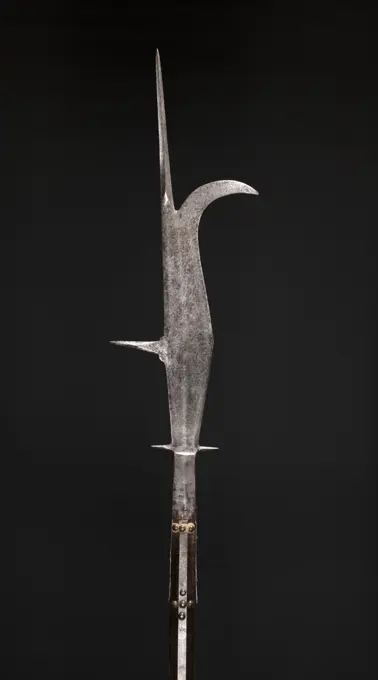
Bill, c. 1480. Italy, 15th century. Steel, wood haft; overall: 184.8 cm (72 3/4 in.); blade: 11.4 cm (4 1/2 in.).
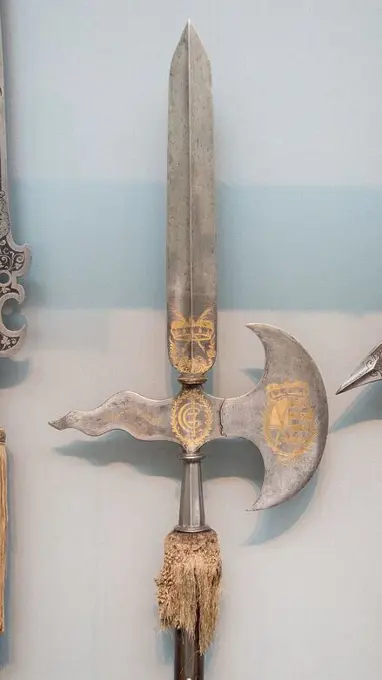
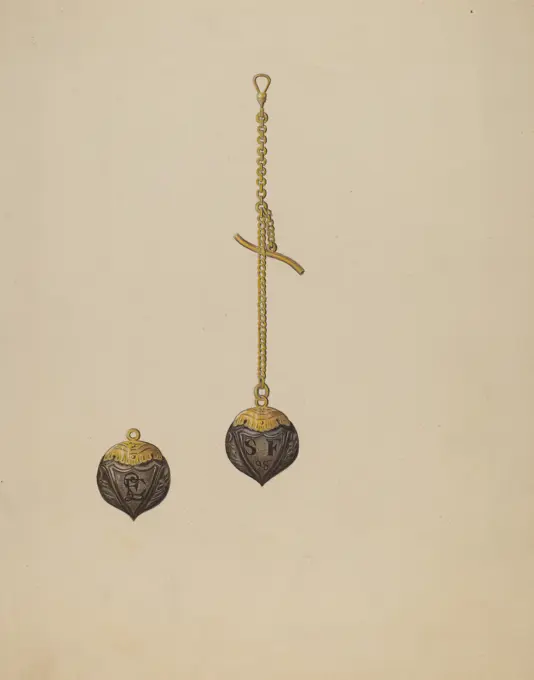
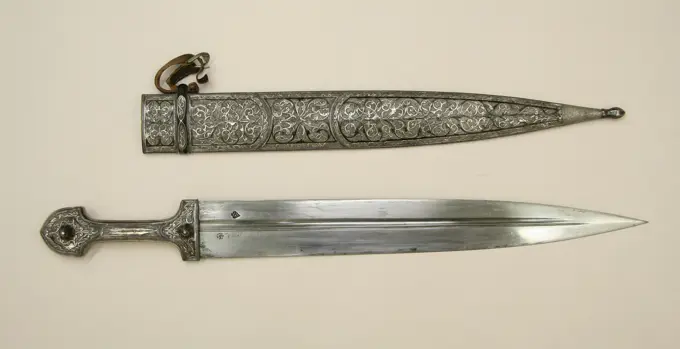
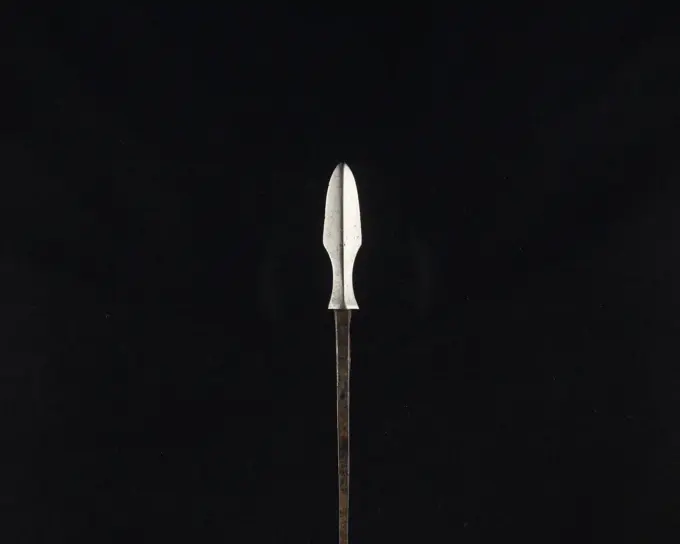
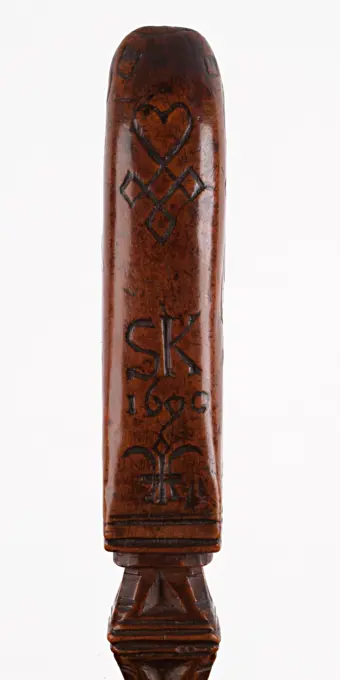
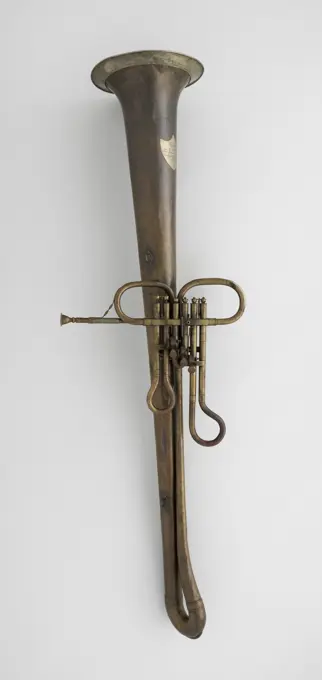
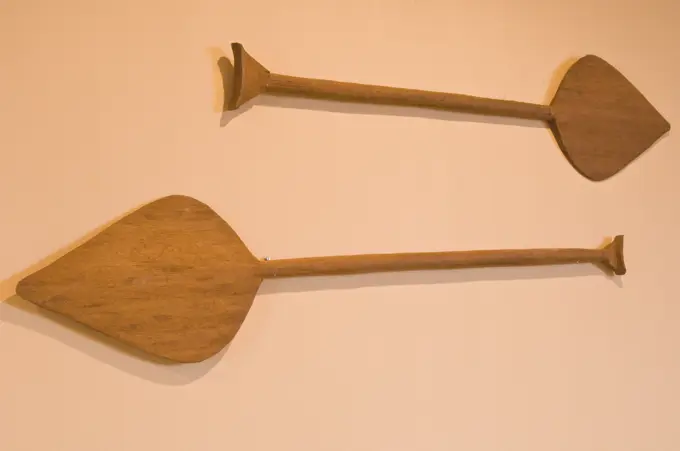
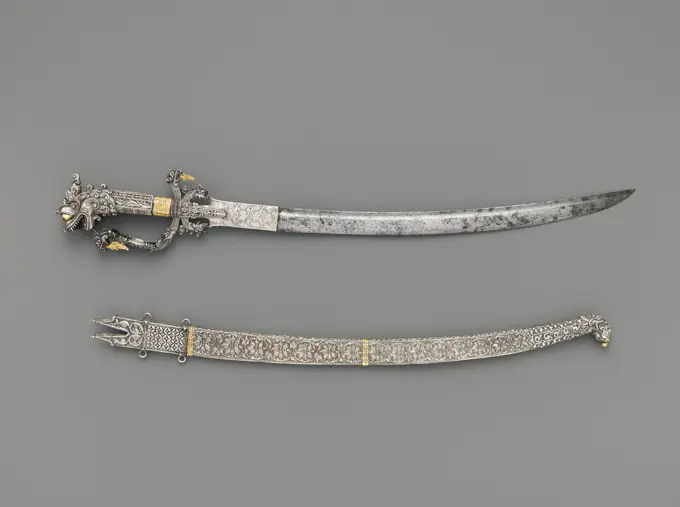
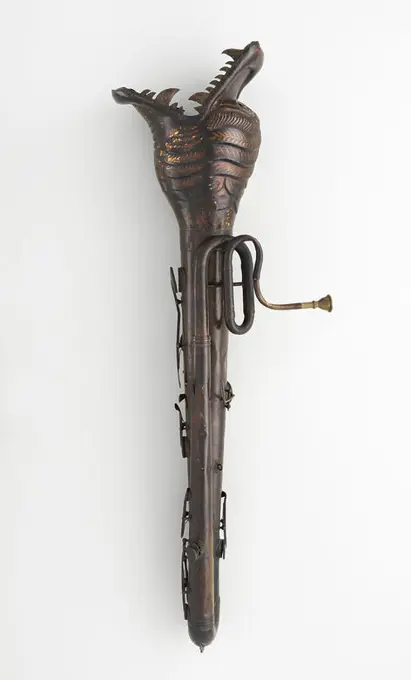
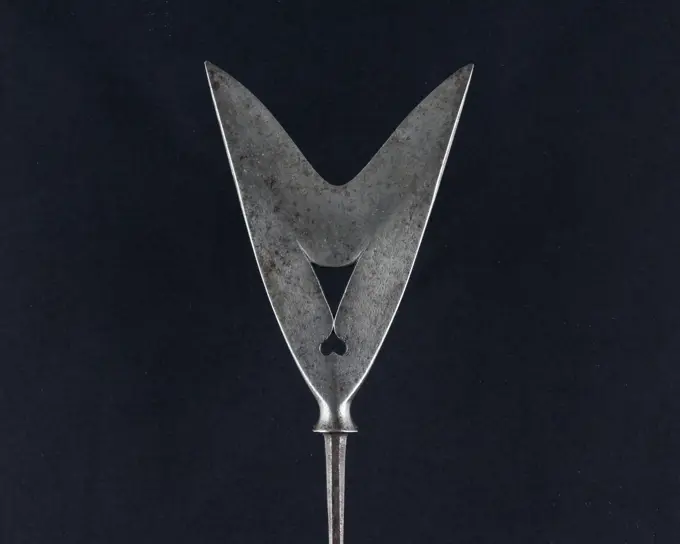
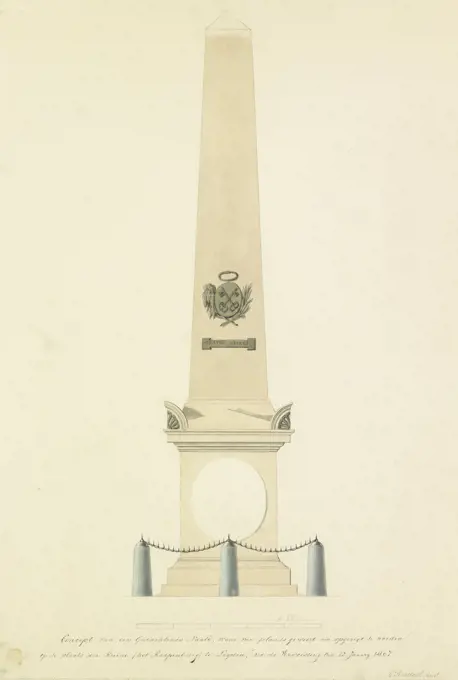
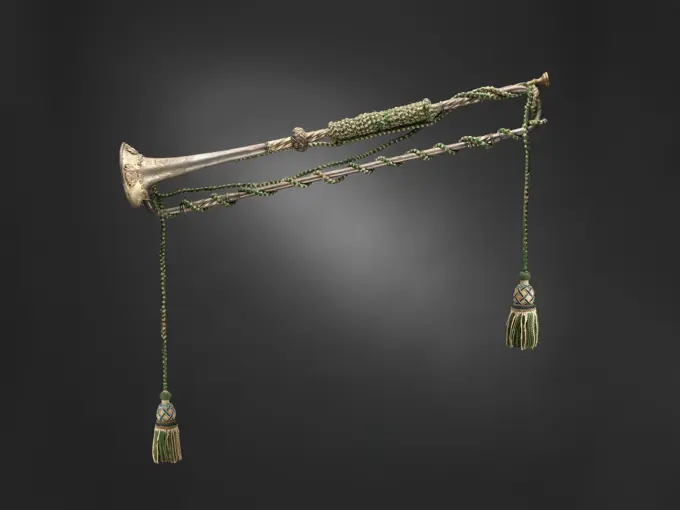
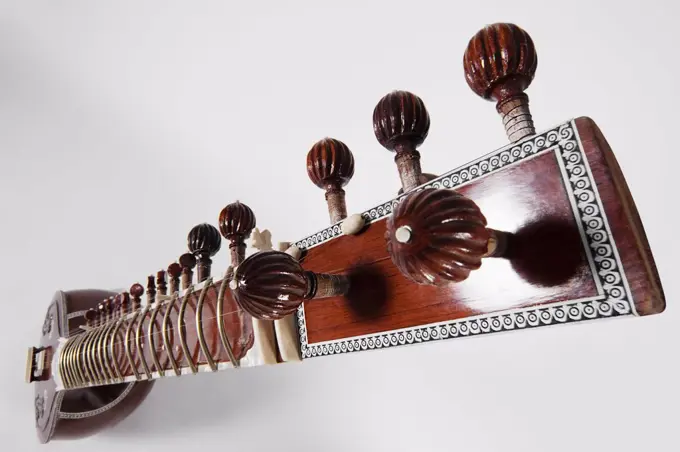
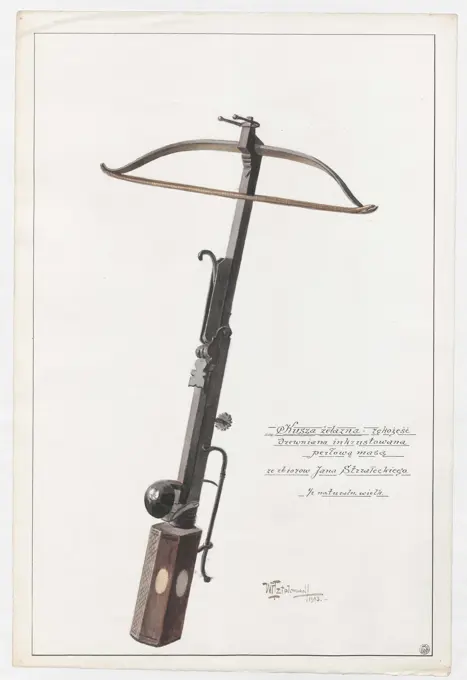
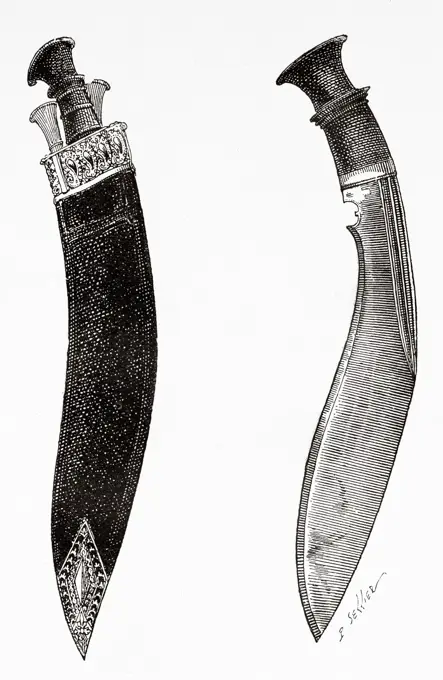
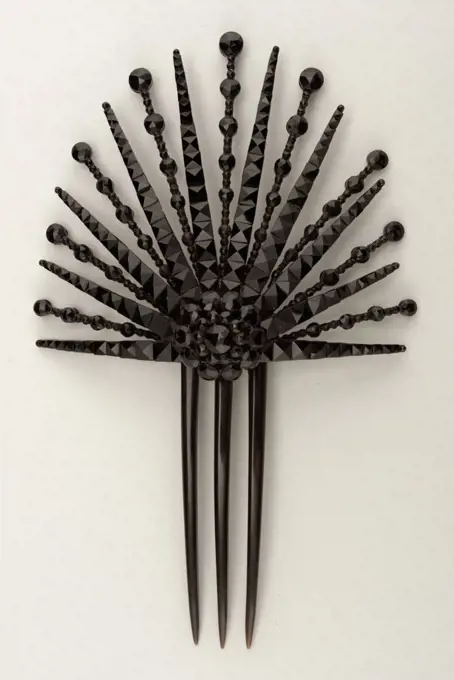
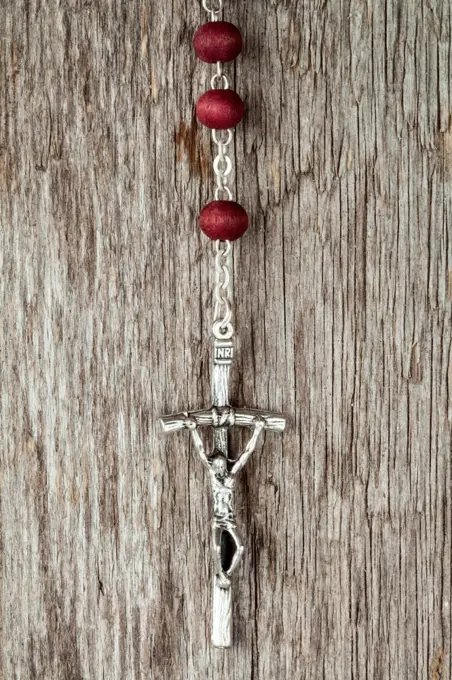
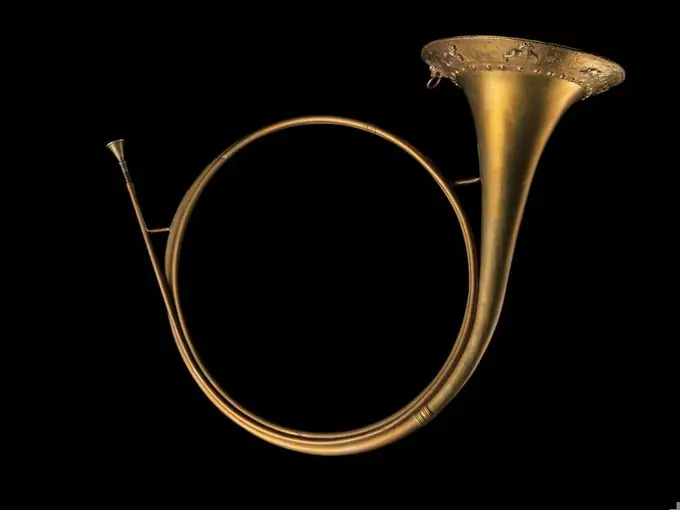
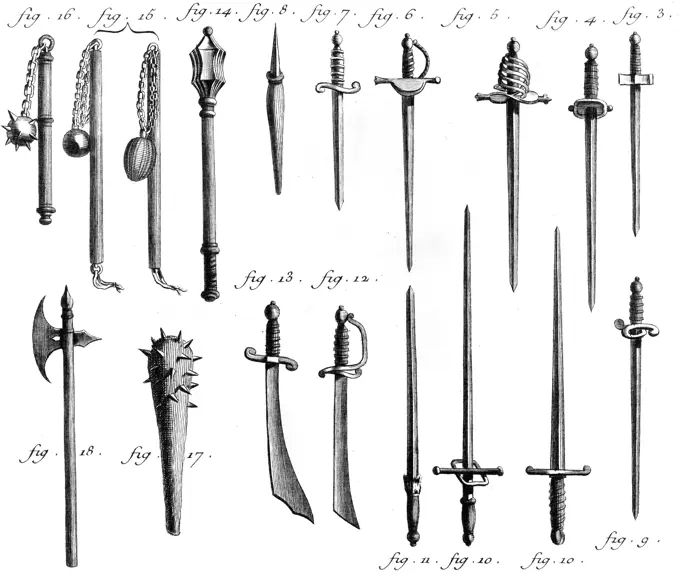
Designs for Jewelry. Artist: Anonymous, French, 19th century. Dimensions: Overall: 9 3/4 x 12 1/2 x 3 1/4 in. (24.8 x 31.7 x 8.3 cm). Date: 19th century. Museum: Metropolitan Museum of Art, New York, USA."Coronation" Presentation Spoon; Designed by Archibald Knox (British, 1864 - 1933); Produced by Liberty & Company (United Kingdom); England; cast, chased, and enameled silver; cm: L: 20.5 x W: 7.8 (at widest)Halberd of the Swiss Guard of Johann Georg II of Saxony (reigned 1656-80). Culture: German. Dimensions: L. 87 in. (220.98 cm). Date: dated 1680.This staff weapon was carried by the bodyguards of the Prince-Electors of Saxony. Museum: Metropolitan Museum of Art, New York, USA.Bertha Semple, Watch Fob, c 1936 Watch FobNeedleSalt spoon () early 19th century German, Dessau. Salt spoon () 188243 German, Dessau, Salt () spoon, early 19th century, Silver, 4 3/8 in. (11.1 cm). The Metropolitan Museum of Art, New York. Gift of Mrs. Samuel P. Avery, 1897 (97.2.220)pencil drawing quill in the inkwellSpoon, multicolored painted with flower bouquets., Meissener Porzellan Manufaktur, c. 1800 Spoon of painted porcelain. The spoon is painted with flower bouquets and along the edge a wide strip with stripes in gold on a rose stock, always trimmed with a rocaille ornament in gold. The spoon is marked. Float porcelain Spoon of painted porcelain. The spoon is painted with flower bouquets and along the edge a wide strip with stripes in gold on a rose stock, always trimmed with a rocaille ornament in gold. The spoon is marked. Float porcelainDagger (Kindjal) with Scabbard dated A.H. 1234/A.D 1818-19 Caucasian, possibly Kubachi, Dagestan. Dagger (Kindjal) with Scabbard 32744Arrowhead (Yanone) 18th century Japanese Although today Japanese warriors are renowned most for their swordsmanship, archery, especially from horseback, has been an essential part of samurai warfare and culture for centuries. Arrows were fitted with heads of varying shape according to their intended use in war, the hunt, or target practice. Arrowheads made for use on the battlefield incorporated different designs intended for specialized purposes such as the piercing of armor or to cause maximum damage to horses and unarmored personnel.Large arrowheads, pierced and elaborately chiseled with landscapes, birds, flowers, dragons, and Buddhist divinities, were created to be admired for the beauty of their metalwork and design rather than for use in archery. Such highly elaborate examples may have been made for presentation or as a votive offerings to a shrine.. Arrowhead (Yanone). Japanese. 18th century. Steel. Archery Equipment-ArrowheadsCarved Boxwood Apple Corer, 1690. Pinto Collection - Purchased from Edward H Pinto, 1965.. Made in England. These small scoops enabled people who had lost their teeth to eat foods such as apples and pears. They have been in use since prehistoric times and must rank as one of the oldest eating utensils in the world. Apple scoops were very personal items and in some areas it was considered bad luck to share one. Most scoops tended to be quite plain and made from animal bone. Elaborate ones, like this, often seemed to be given as love tokens.Skewers and Holder. Dated: c. 1939. Dimensions: overall: 29.4 x 22.8 cm (11 9/16 x 9 in.) Original IAD Object: 10 1/4" long; 4 3/4" wide. Medium: graphite on paperboard. Museum: National Gallery of Art, Washington DC. Author: Bernard Krieger and Mildred Ford.Table (poudresse) 18th century Germain Landrin. Table (poudresse) 199780Contrabass Valve Ophicleide in D ca. 1840 Leopold Uhlmann Austrian Uhlmann developed this type in 1835, first as a bass and then in the contrabass version on display. Also in 1835, August Guichard in Paris developed a different valved ophicleide and Wilhelm Wieprecht in Berlin invented the tuba, which finally became the prevailing valve bass.. Contrabass Valve Ophicleide in D. Austrian. ca. 1840. Brass, nickel-silver. Vienna, Austria. Aerophone-Lip VibratedArrowhead (Yanone). Culture: Japanese. Dimensions: L. 5 5/8 in. (14.3 cm); L. of head 1 3/8 in. (3.5 cm); W. 3/8 in. (1 cm); Wt. 0.4 oz. (11.3 g). Date: 18th century. Museum: Metropolitan Museum of Art, New York, USA.Spear Rack of Governor-General J.C. Baud, anonymous, 1834  Wooden bow with 13 oval recesses for stick weapons. Every recess has brass clamp. The shape of the clamp is a rectangle with a clover-three shape on both ends. Back wall of Boog consists of two wide planks and one narrow board that fits into the arch with pen and hole. Five slats and eleven copper rings on the upper shelf of the back wall to guide the lances in the rack. Indonesia teak (wood). brass (alloy) cutting / castingWalking stick and beads of Prince Radziwill Orphan, vintage engraved illustration. Magasin Pittoresque 1869.Dagger (Katar). Culture: Indian, Thanjavur; blade, European. Dimensions: L. 21 3/4 in. (55.2 cm); W. 5 in. (12.7 cm); Wt. 2 lbs. 3 oz. (992.2 g). Date: 17th century. Museum: Metropolitan Museum of Art, New York, USA.Amazon, Brazil. Manao Indian paddles on wall in the Iberostar Grand Amazon cruise ship.Souvenir medieval dagger. An exact copy made of modern materialsSketch cute bow in vintage styleSpinnwiel, Anonymous, 1700 - 1800 Spinning wheel. Northern Netherlands (possibly)Netherlands (possibly) wood (plant material). oak (wood). walnut (hardwood) Spinning wheel. Northern Netherlands (possibly)Netherlands (possibly) wood (plant material). oak (wood). walnut (hardwood)Sword and scabbard (Sinhalese: kasthane) 18th century Sri Lanka The sword has an exquisitely detailed scabbard with embossed decoration, chased and chiseled in low relief, and a bejeweled hilt set with rubies in gold mounts. As is typical of Kandyan sword design, the pommel resembles the head of a lion (simha), the signature motif of the Kandyan period and insignia of the ruling household. The lion, elaborately cast and chased, is entwined with the liya-pata vegetal motif, and mythical creatures (yali) breathing flames. This style of lion-headed dress sword, worn as a signifier of rank, and particularly to mark ceremonial occasions, is a Sri Lankan invention. The sword type, with a long curved blade and animal finial hilt and guard, is of European origin, and may be linked to the presence of succession of European trading companies in Sri Lanka, especially from the 17th century onward. It has its antecedents in the European short hunting sword (hanger or cuttoe) that became popular amoBlack and White Illustration of Anglo Saxon spoonsBass Ophicleide in B-flat. Culture: European. Dimensions: 48 7/16 × 12 1/2 × 7 1/2 in., 10 lb. (123 × 31.8 × 19.1 cm, 4535.97g)Diameter: 15 3/8 in. (39 cm). Date: ca. 1825. Museum: Metropolitan Museum of Art, New York, USA.Arrowhead (Yanone) 18th century Japanese Although today Japanese warriors are renowned most for their swordsmanship, archery, especially from horseback, has been an essential part of samurai warfare and culture for centuries. Arrows were fitted with heads of varying shape according to their intended use in war, the hunt, or target practice. Arrowheads made for use on the battlefield incorporated different designs intended for specialized purposes such as the piercing of armor or to cause maximum damage to horses and unarmored personnel.Large arrowheads, pierced and elaborately chiseled with landscapes, birds, flowers, dragons, and Buddhist divinities, were created to be admired for the beauty of their metalwork and design rather than for use in archery. Such highly elaborate examples may have been made for presentation or as a votive offerings to a shrine.. Arrowhead (Yanone). Japanese. 18th century. Steel. Archery Equipment-ArrowheadsWindmill cup, anonymous, 1644 Molenbeker of silver. The bell -shaped cup is completely engraved with hunting scenes and allegorical representations. On the stairs in front of the mill, the miller, a trumpet -blowing putto in the doorway. Around the middle two profile tires between which three lion heads. On the Nodus also three lion heads. Inscription: "He hunks" and "Den Dorstigen Laeft." Brands: Utrecht C (1642) or E (1644) Master sign a hand or flower. Utrecht silver (metal) Molenbeker of silver. The bell -shaped cup is completely engraved with hunting scenes and allegorical representations. On the stairs in front of the mill, the miller, a trumpet -blowing putto in the doorway. Around the middle two profile tires between which three lion heads. On the Nodus also three lion heads. Inscription: "He hunks" and "Den Dorstigen Laeft." Brands: Utrecht C (1642) or E (1644) Master sign a hand or flower. Utrecht silver (metal)Design for a monument to the Leiden gunpowder disaster, 1807, Cornelis Apostool, 1807 - 1808, Design for an obelisk to serve as a monument to the memory of the Leiden gunpowder disaster of 12 January 1807. Needle with the city arms of Leiden., draughtsman: Cornelis Apostool, (mentioned on object), Netherlands, 1807 - 1808, paper, pen, brush, h 543 mm × w 369 mmIncised Container(Solep)Natural Trumpet ca. 1700 Johann Wilhelm Haas German Natural trumpets such as these were used in the military and in royal pageantry alongside kettle drums. The production and playing of trumpets in Germany during the seventeenth and early eighteenth centuries were strictly regulated by a guild and dominated by makers working in the Imperial City of Nuremberg, including four generations of the Haas family. The ornaments adorning the bell garland of Johann Haass trumpet feature a pair of banner-draped kettle drums and other motifs that suggest a military and royal context.. Natural Trumpet. German. ca. 1700. Silver. Nürnberg, Germany. Aerophone-Lip VibratedThree Ceremonial Arrowheads. Culture: Bohemian, probably Prague. Dimensions: 66.199: L. 12 1/8 in. (30.7 cm); W. 1 3/4 in. (4.4 cm); Wt. 18.2 oz. (517 g); 1984.17: L. 12 9/16 in. (31.9 cm); W. 2 7/16 in. (6.2 cm); Wt. 28.1 oz. (797 g); 1988.170: L. 10 7/8 in. (27.5 cm); W. 1 9/16 in. (4 cm); Wt. 14.4 oz. (410 g). Date: ca. 1437-39.Originally mounted on wooden shafts, these extremely large arrowheads probably served as symbols of rank or batons of command. They are decorated with royal Bohemian monograms and badges in addition to religious invocations in medieval Czech. All three bear the monogram AR for Albert, king of Bohemia and Hungary (reigned 1437-39). In one instance (66.199), there is also the monogram AE, probably for Albert and Elizabeth, his queen. The right and left arrowheads are stamped with the so-called Turkish arsenal mark, indicating that they were captured by Ottoman forces, perhaps in the campaign of 1439 in which Albert was killed, and were subsequently stored in tA sitarIncensePendantPaddle Doll. Dimensions: Body: H. 22.8 cm (9 in.); W. 7 cm (2 3/4 in.); Th. 0.9 cm (3/8 in.). Dynasty: Dynasty 11, late-12. Date: ca. 2030-1802 B.C..The so-called paddle doll consists of a flat piece of wood depicting the torso, rudimentary arms and neck of a woman, with a thick shock of "hair" made of beads strung on linen thread. The body is often painted with jewelry, textile patterns and/or tattoos. Contrary to their modern name, these "dolls" were not toys. The key-hole shape of the body is similar to the counterpoise of the menat necklaces that were used as percussion instruments during religious ceremonies (see 11.215.450) . When shaken, the beads of the menat necklace would have made a sound intended to appease a god or goddess. The paddle dolls, with their beaded hair, may have served the same purpose. It has been suggested that paddle dolls were an accoutrement of troops of singers and dancers who performed at religious ceremonies associated with the goddess Hathor. Museum: cassowary dagger, 20th century, Indonesia, Álava Armory Museum, Vitoria, Basque Country, Spain.Close-up of ornate silver cutleryCandlestickCaltrop. Caltrops or crows feet were scattered on the deck of ships to impede boarders. This specimen has barbs. Other types have four sharp points.Iron crossbow with wooden grip studded with pearl, from the collection of Jan Strzałecki ; drawing for the publication: Dominika Jeżewskiego Skarbiec Zabytków Polskich znajdujących się w prywatnych zbiorach Warszawy, malował z natury Władysław Sztolcman o. Sztolcman, Władysław Roman (1873-1950), painterThe kukri knife is a type of short sword with a recurved curve originating from the Indian subcontinent. Nepal. Asia. Drawing by P. Sellier. Travel to Nepal by Doctor Gustave Le Bon (1841-1931) Le Tour du Monde 1886Pochette 17th century French. Pochette. French. 17th century. Wood, mother-of-pearl, ivory. France. Chordophone-Lute-bowed-unfrettedAltar candlesticks, goldsmithing and textile art from the 16th to the 20th century, St., Sankt, SaintPENACHERO EN MARFIL. Location: PRIVATE COLLECTION. MADRID. SPAIN.Poll photo collection. Product photos; silverware. Spoon with the coat of arms of the Netherlands from the Fa. Gerritsen & Van Kempen in Zeist. January 1, 1930. Utrecht (province), ZeistGoldsmith's art, 17th century. Rock crystal cutlery.Pair of Miquelet Pistols dated 1757 Signed by Francisco Pintan Signed and dated colonial Spanish firearms are extremely rare. These pistols are in the Peninsular Spanish style, which was popular in Spain by the 1740s in reaction to the strong influence in court circles of English and French firearms. Based on the type of wood used for their stocks, the Pintan pistols appear to have been produced in the New World, probably Mexico, by a Spanish-trained gunsmith. The basic shape of the stocks is reminiscent of pistols from Ripoll, a major exporter of firearms to Spanish colonies in the New World.. Pair of Miquelet Pistols 35702Calvary Bugle and Calvary Trumpets, Renaissance Musical InstrumentsIsolated - Bugle - A bugle is a brass instrument like a small trumpet, typically without valves or keys and is used for military signals. All pitch control is done by varying the player’s embouchure. Consequently, the bugle is limited to notes within the harmonic series. Bugle call scores all consist of only five notes.Incense Burner. Eastern Iran, 11th-12th century. Metal. Bronze, cast, incised and piercedComb, Tortoiseshell, jet, Comb of tortoiseshell decorated with large star arrangement in jet. Alternating rays of pointed and dotted rays radiating from circcular central element., England, ca. 1870, jewelry, Decorative Arts, CombPolitical caricature, puppet, Tony BlairSilver cross crucifix hanging on old wooden backgroundthree dimensional mixed media composition by French-Algerian artist Yves Baume; Born 1933Jagdhorn in G. Culture: German. Dimensions: Height (perpendicular to bell): 18 7/8 in. (47.9 cm)Diameter (of bell): 9 1/8 in. (23.1 cm). Maker: Jacob Schmidt (German, Nürnberg 1642-1720). Date: ca. 1710-20.Jacob Schmid (1642-1720) was the founder of a trumpet-making workshop in Nuremberg, which flourished under his son Johann Jacob and grandson Paulus for about a century. So far, six instruments by Jacob Schmid are known to have survived, one natural trumpet, two trombones, and three horns, of which two are in the Museum's collection. The present horn is in original condition and marked with the inscription "MACHT IACOB SCHMIDT IN NURNBERG" and the master's sign, a bird with the monogram JS. The instrument, pitched in A-flat, is furnished with a metal ring for a leather strap and decorated with cast game animals applied to the garland. Both features indicate that the instrument was designed as a hunting horn and/or as a horn to be used in a Jagdcorps (hunting choir), where it was plaAssorted weapons: epees, short swords, daggers, maces,  sabre, scimitar, cudgel and axe        Date: Circa 15th centuryGuitar, late 1700s. England, London, late 18th century. Varnished wood; overall: 29.2 cm (11 1/2 in.).Djambiya with scabbard and belt, Yemen, 18th century, Castle of San Carlos, seventeenth century, Palma, Mallorca, Spain.Shadow Puppet (Wayang Kulit) of Arit, from the set KyaiNugrohoShadow Puppet (Wayang Kulit) possibly of Panah Biasa, from the set KyaiNugroho