Historical Blades

Images of ornate swords and knives from different eras. Features intricate designs, highlighting craftsmanship and historical significance.

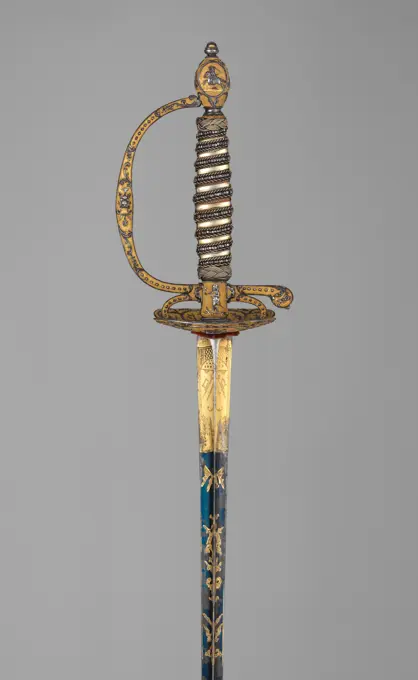
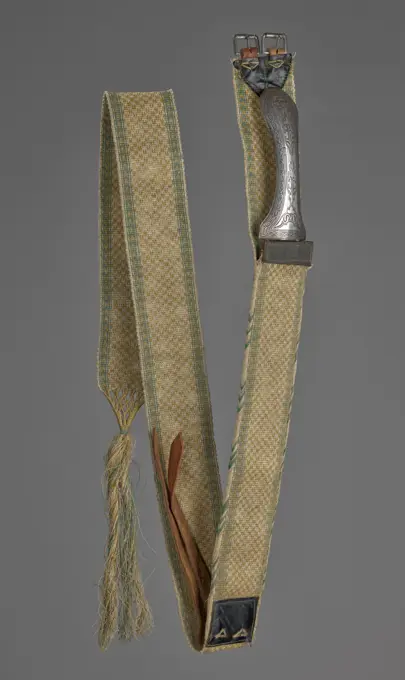
Degen with Schede, Anonymous, c. 1800 - c. 1900 sword Degen with iron blade which is blew and gilded with floramotives. The hing consists of a donkey -shaped double bump plate which is decorated with motifs at the front. The parade rod has a decorated button at the end. The handle consists of silver thread that is strung around the grip. West-Europa Kling: Iron (Metal). hilt: copper (metal). Handle: Silver (Metal). Schede: Leather
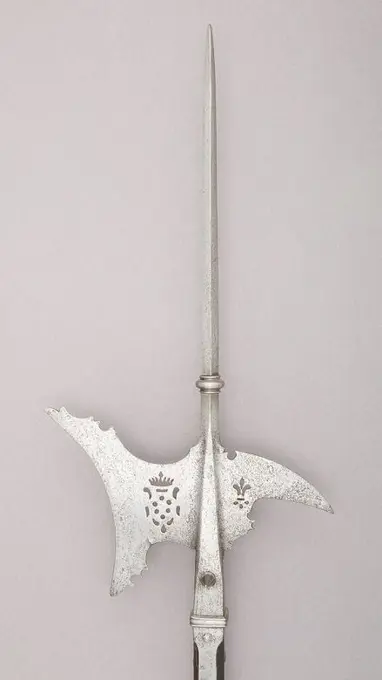
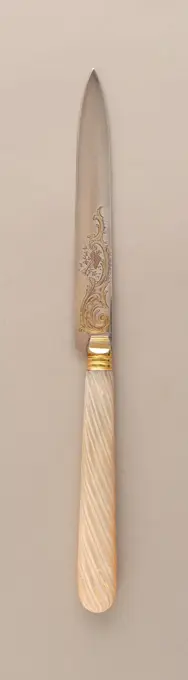
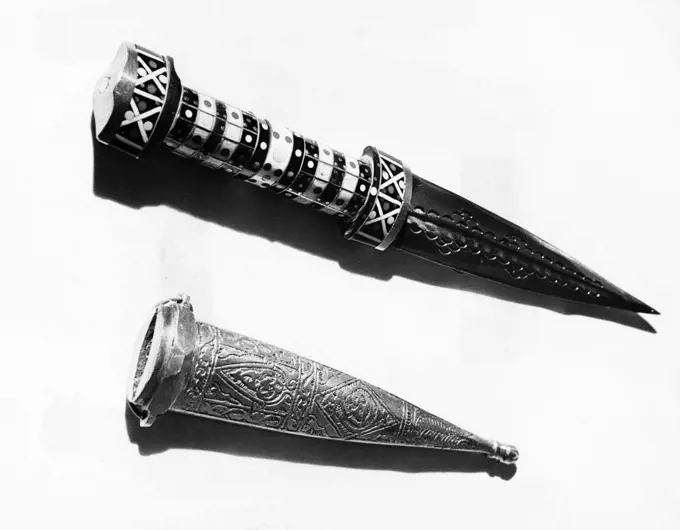
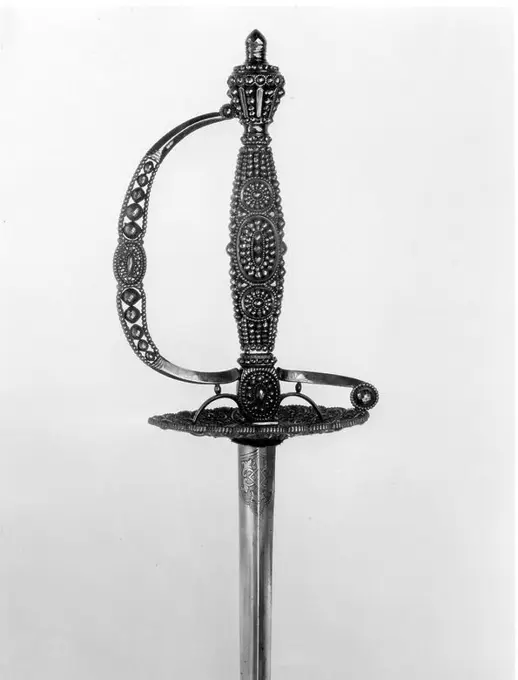
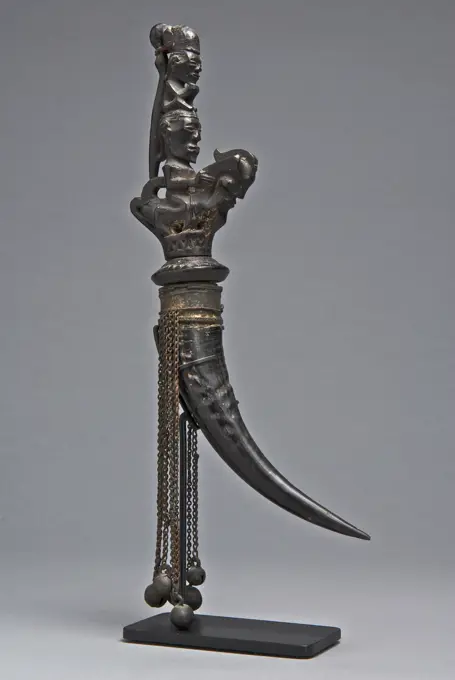
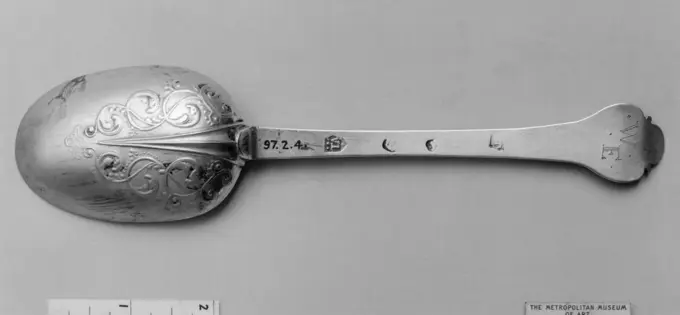
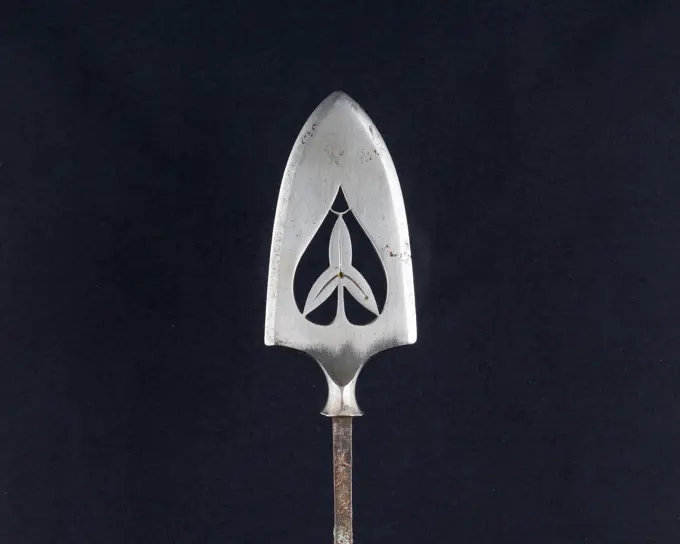
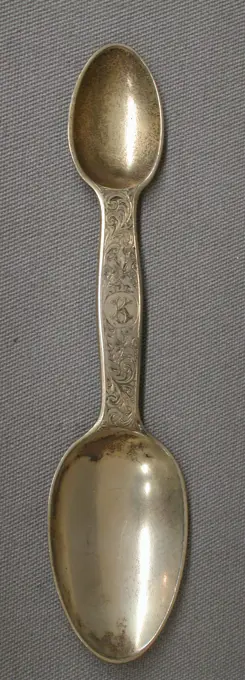
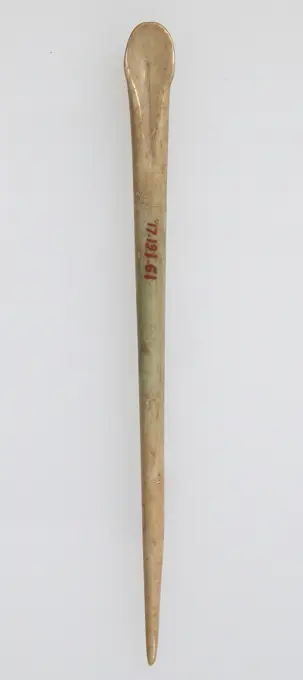
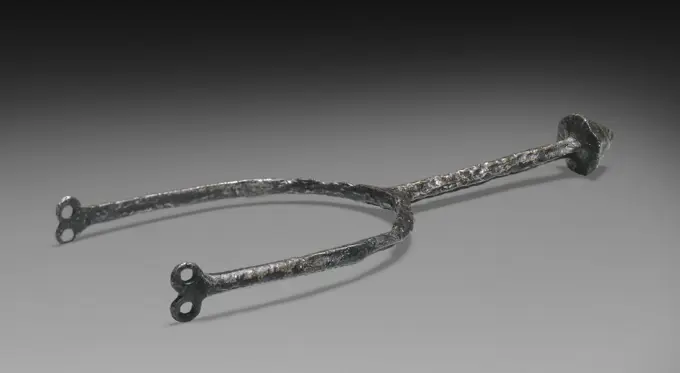
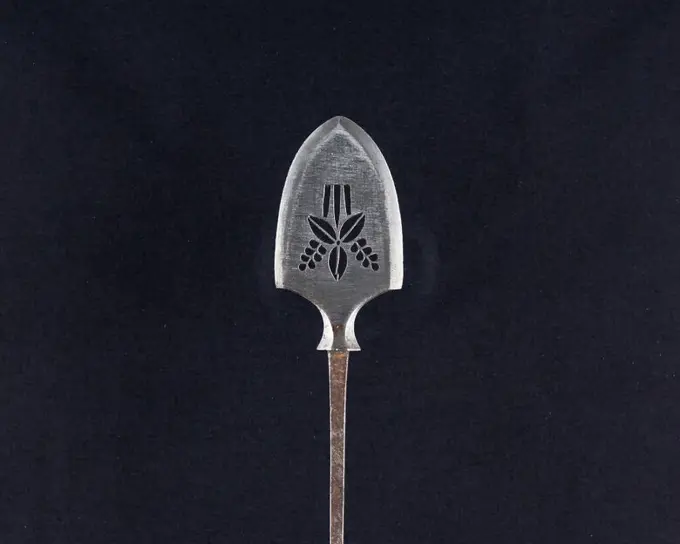
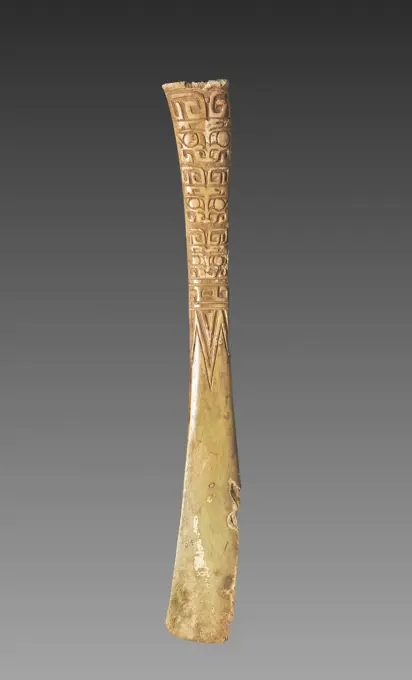
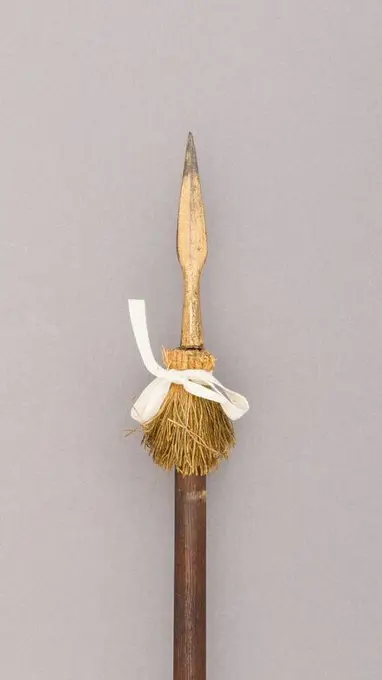
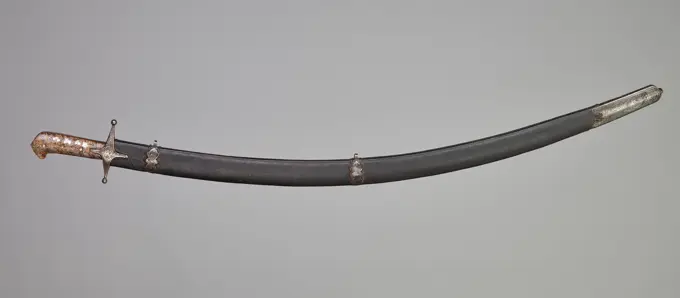
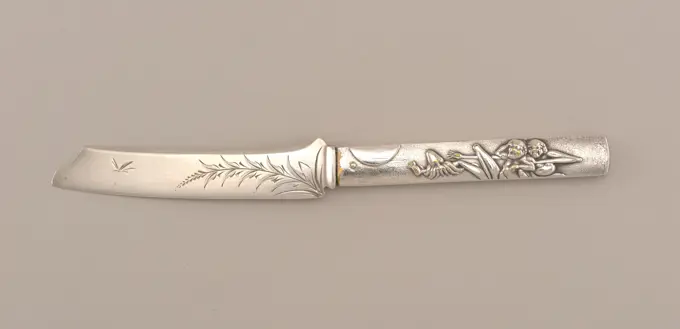
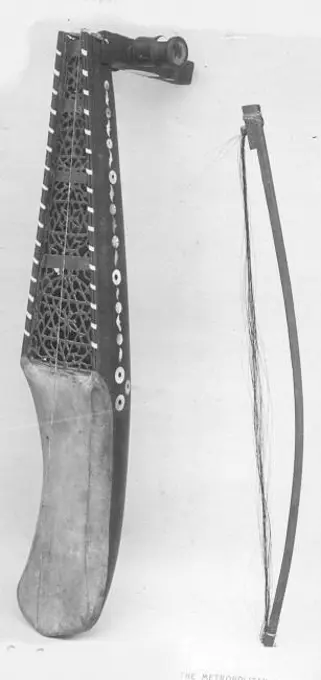
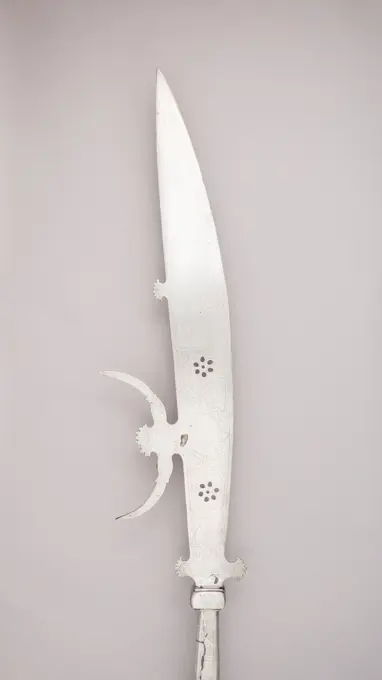
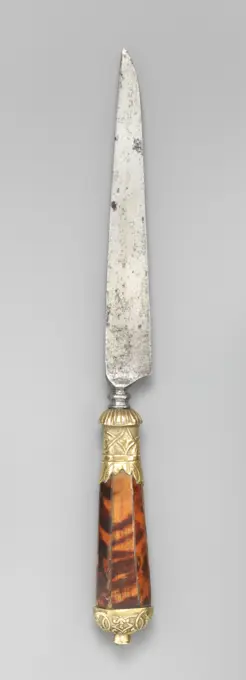
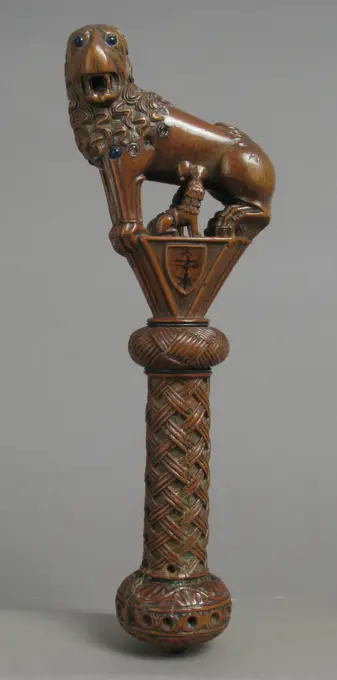
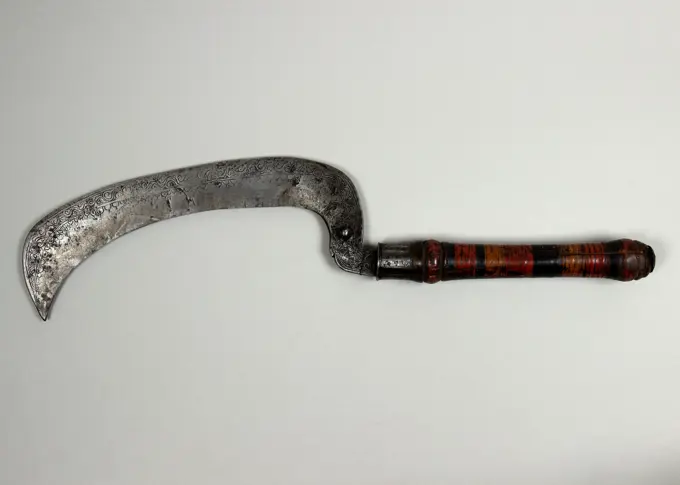
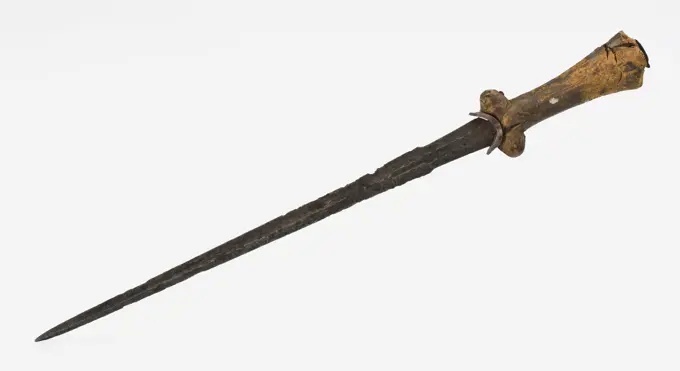
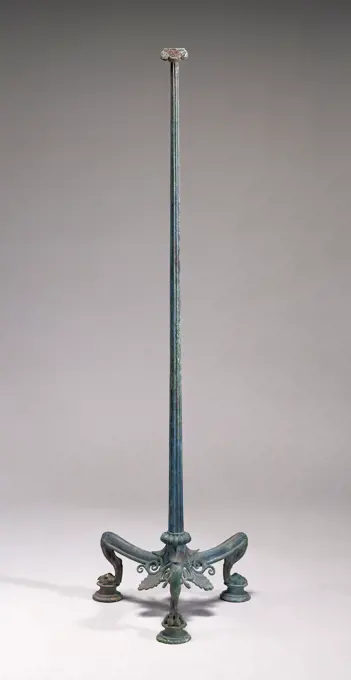
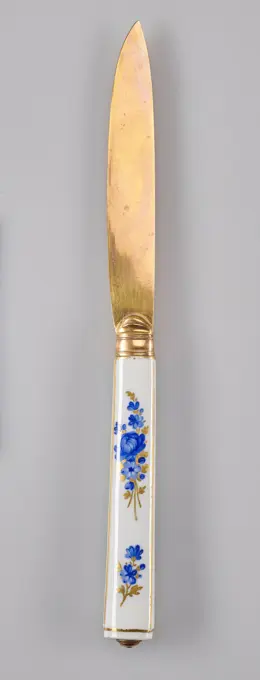
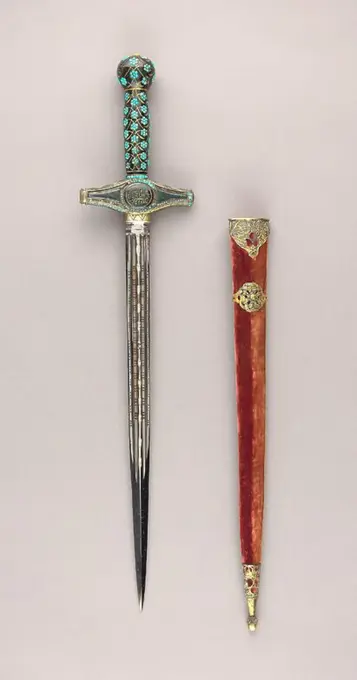
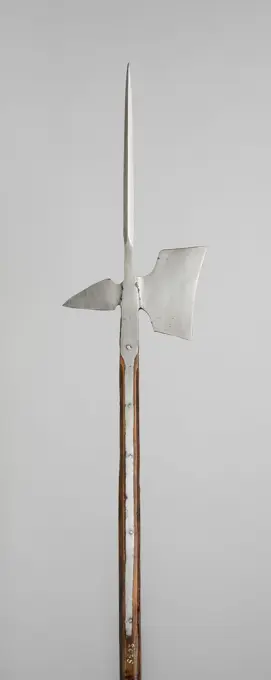
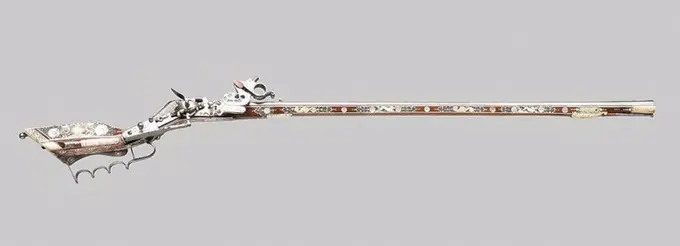
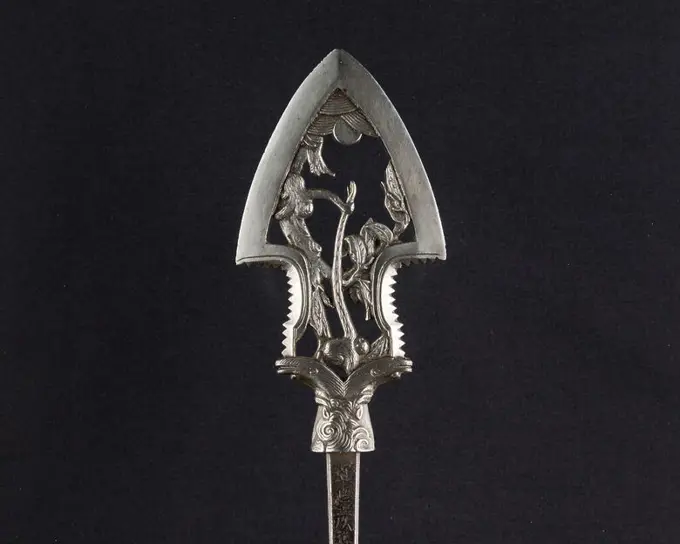
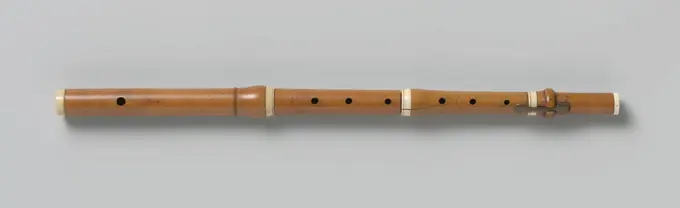
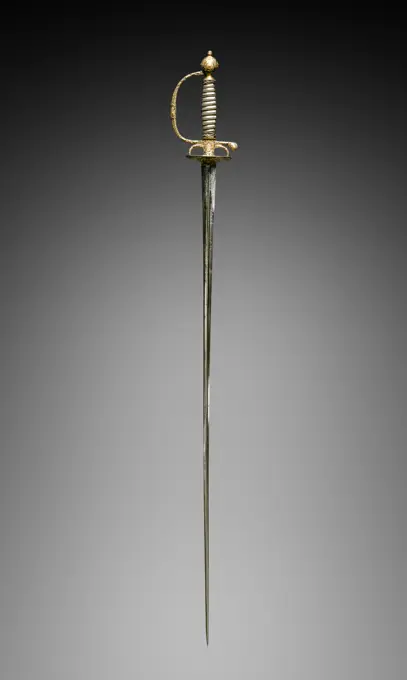
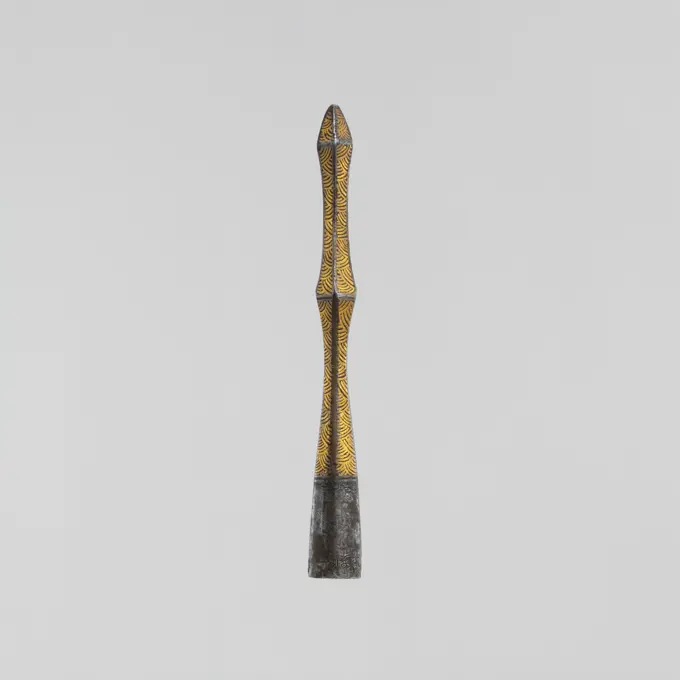
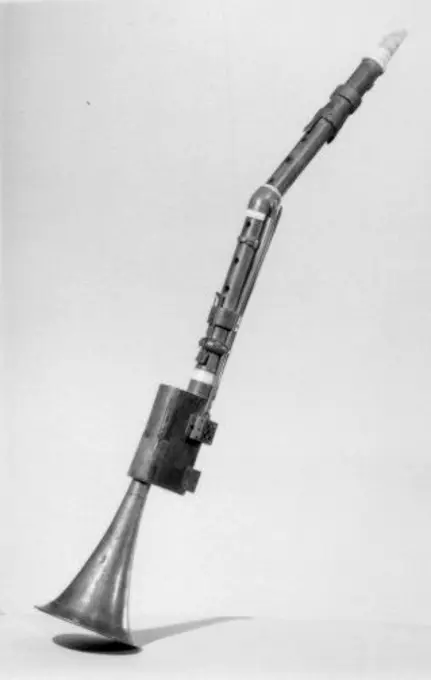
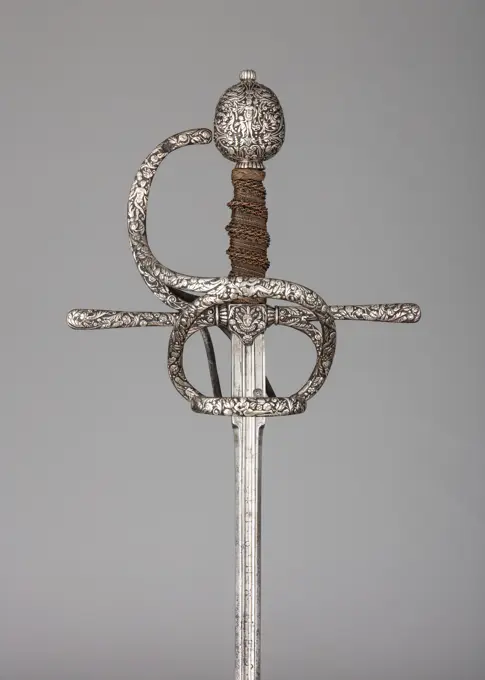
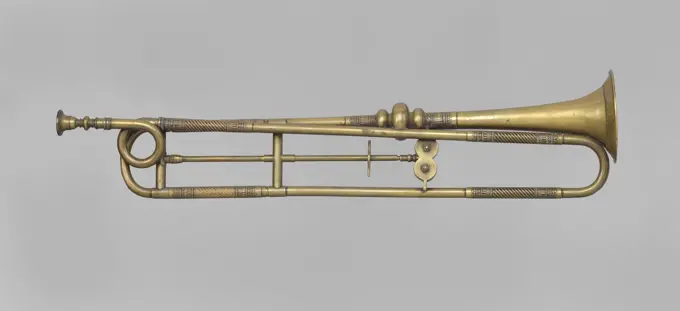
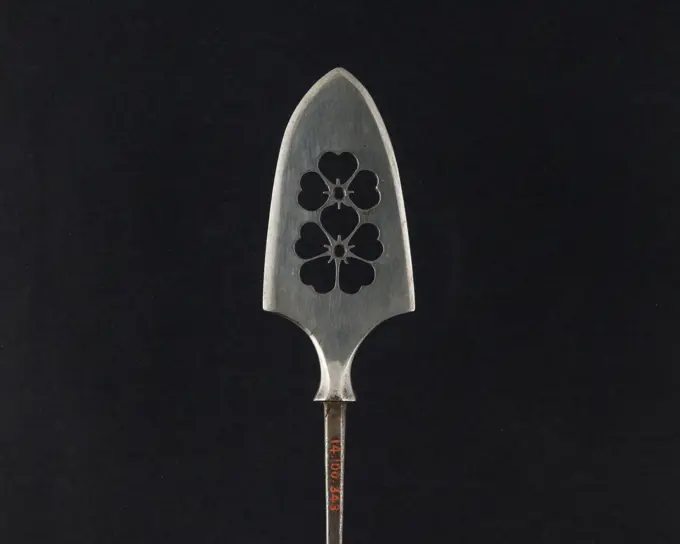
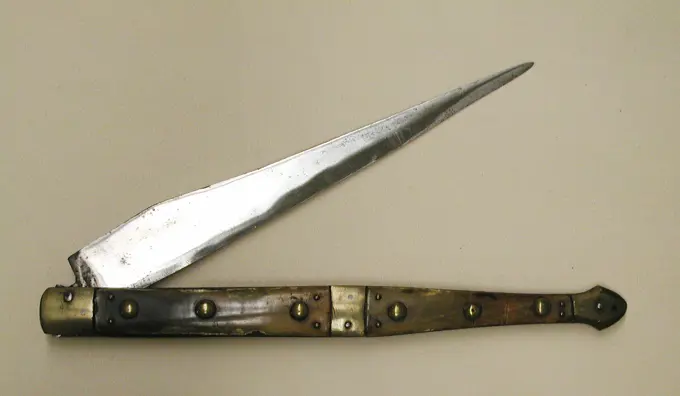
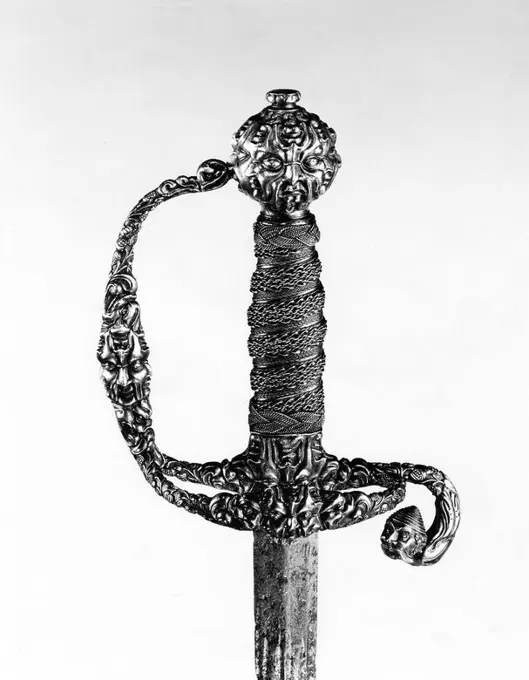
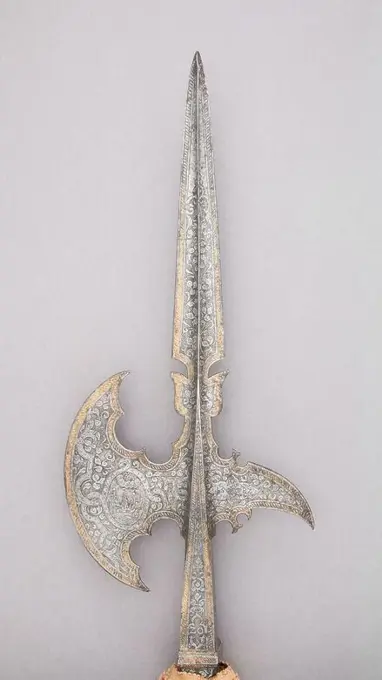
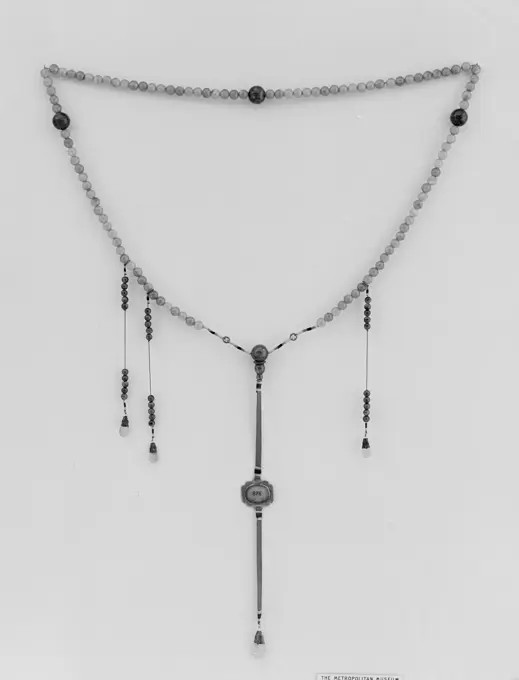
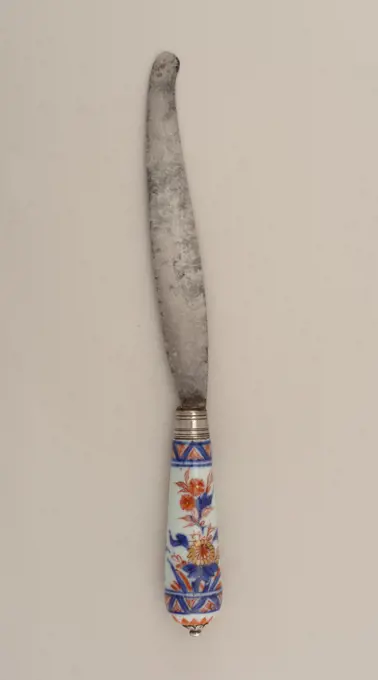
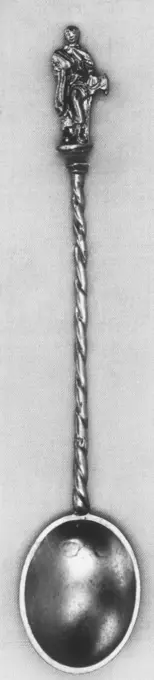
Apostle spoon 18th century possibly Dutch. Apostle spoon 188129 possibly Dutch, Apostle spoon, 18th century, Silver gilt, 4 3/4 in. (12.1 cm). The Metropolitan Museum of Art, New York. Gift of Mrs. Samuel P. Avery, 1897 (97.2.94)Fork, silver, leather, brass, steel, Fork has two long straight tines, decorated shoulders and neck., Greece, ca. 1700-1800, cutlery, Decorative Arts, ForkRapier Italian late 16th century The rapier was the principal civilian sidearm throughout the sixteenth and seventeenth centuries. Designed for cut-and-thrust fencing of progressively complex techniques, the rapier is characterized by a double-edged blade with an acute point and an elaborate guard for the hand. The guards, usually of iron or steel, were subject to a variety of embellishment. They were engraved, chiseled, gilded, damascened, and encrusted in gold and silver in keeping with fashionable styles. Unless otherwise noted, the materials, attributions, and dating given here refer to the hilts. Rapier blades, invariably of steel, bear a variety of makers marks denoting their origin in the two principal centers of blademaking, Toledo in Spain and Solingen in Germany. View more. Rapier. Italian. late 16th century. Steel. Swords-AccessoriesBottle 1700-1799 England. Glass .Knife (Kris), c 1900- 1925 . Indonesia or Malaysia, Early 20th century (). Metal, wood; overall: 4.1 cm (1 5/8 in.).Partisan ca. 1500 Italian, probably Venice. Partisan 26090Halberd. Culture: Italian. Dimensions: L. 96 1/8 in. (244 cm); L. of head 21 in. (53.3 cm); W. 11 1/8 in. (28.2 cm); Wt. 5 lb. 4 oz. (2381.4 g). Date: ca. 1550. Museum: Metropolitan Museum of Art, New York, USA.Small Sword, c. 1780. France, Paris (), 18th century. Forged steel blade; partially gilt and russet steel hilt; steel wire, leather bands, wood core; overall: 103.5 cm (40 3/4 in.); blade: 86.1 cm (33 7/8 in.); guard: 8.3 cm (3 1/4 in.). During the 1700s, the small-sword emerged as a light, quick weapon. Like the rapier it was carried by unarmored civilians, the noblemen of the upper classes. Over time this delicate sword became more an accessory of male attire than a weapon essential to life and death. The sword hilt, which shows even when the blade is sheathed, became the ground for elaborate decoration. These small-swords thus represent the final stage in the evolution of the sword, from the edged weapons of antiquity to the elegantly refined blades of the 1700s and 1800s.Halberd ca. 1650 German. Halberd 25887Smallsword with Scabbard ca. 1780 C. Liger By the early seventeenth century, the rapier, a long slender thrusting sword, began to dominate as the gentlemans weapon of choice. During the course of the century, however, as civilian fencing techniques became more specialized and refined, the rapier developed into a lighter, trimmed-down weapon known by about 1700 as the smallsword. Smallswords, often richly decorated, remained an integral part of a gentlemans wardrobe until the wearing of swords in civilian settings went out of fashion at the end of the eighteenth century, at which time pistols were replacing swords as arms most frequently used in personal duels. The majority of smallsword hilts are made of silver or steel, but many also employ a wide variety of luxurious materials, such as gold, porcelain, and enamel. At their best, smallswords combine the crafts of swordsmith, cutler, and jeweler to create an elegant weapon that was also a wearable work of art.. Smallsword with ScabbaInlay ca. 8th-7th century B.C. Assyrian. Inlay 324783Apostle spoon probably 1629 Dutch, Enkhuizen Apostle spoons are thought to have originated in late-fifteenth century England but also became popular in the Netherlands, where household goods were frequently embellished with biblical imagery reminding the owner of Christian virtues. The sword identifies the apostle as Saint Paul. The decoration of the lower part of the stem, depicting Judith holding the head of Holofernes, is typical for the harbor city Enkhuizen, affluent thanks to its overseas trade with the East Indies. Apostle spoon. Dutch, Enkhuizen. probably 1629. Silver. Metalwork-SilverFruit Knife (France); Designed by F. Nicoud (French, active 1890); silver, steel, mother-of-pearl, gilding; L x W x D: 20 x 1 x 0.8 cm (7 7/8 x 3/8 x 5/16 in.)Old vintage pair of compasses isolated on a white background. Old vintage pair of compasses isolated on white backgroundKnife or Axe (Kharga), 1800s. Nepal. Iron with wooden handle and leather scabbard; overall: 57.2 cm (22 1/2 in.); blade: 42.8 cm (16 7/8 in.).Close-up of an Arabian knifePrzeszo Przyszoci unknownSmallsword, known as a Mourning Sword. Culture: British. Dimensions: L. 38 in. (96.5 cm); L. of blade 30 3/4 in. (78.1 cm); W. 4 3/4 in. (12.1 cm); D. 3 1/2 in. (8.9 cm); Wt. 15 oz. (425 g). Date: ca. 1790.The deeply blued steel hilt is set with faceted steel beads, giving the impression of jewels. Beaded steel smallsword hilts, blued to nearly jet black, were in fashion in England during the Neoclassical period and are thought to have been worn with formal dress at times of mourning. Museum: Metropolitan Museum of Art, New York, USA.Meter met handvat.Length of a meter with handle, divided into decimeters and calculated: 1, 2 etc. up to 9. First decimeter in centimeters (not padded). The 5-cm stripe vertical line with arrowheads at both ends. The 5-DM stripe a vertical line through which 2 crossing arrows (4 arrowheads). V.Z.V. 2 brass shoes and label.Magic Horn (BuliBuli)Pin 19th century. Pin 444676Trifid spoon 1683-84 Thomas Allen. Trifid spoon 188040 Maker: Thomas Allen, active 1678 after 1697, Trifid spoon, 168384, Silver, Length: 8 in. (20.3 cm). The Metropolitan Museum of Art, New York. Gift of Mrs. Samuel P. Avery, 1897 (97.2.4)Arrowhead (Yanone) 18th century Japanese Although today Japanese warriors are renowned most for their swordsmanship, archery, especially from horseback, has been an essential part of samurai warfare and culture for centuries. Arrows were fitted with heads of varying shape according to their intended use in war, the hunt, or target practice. Arrowheads made for use on the battlefield incorporated different designs intended for specialized purposes such as the piercing of armor or to cause maximum damage to horses and unarmored personnel.Large arrowheads, pierced and elaborately chiseled with landscapes, birds, flowers, dragons, and Buddhist divinities, were created to be admired for the beauty of their metalwork and design rather than for use in archery. Such highly elaborate examples may have been made for presentation or as a votive offerings to a shrine.. Arrowhead (Yanone). Japanese. 18th century. Steel. Archery Equipment-ArrowheadsSpoon 1874-75 H. H., London The building of railroads during the first half of the nineteenth century led to a tremendous increase in travel, which stimulated the demand for the sumptuous dressing cases retailed by Frederick Jenner and Fabian James Knewstub and other London firms. This luxury case (61.78.1-.50), with its pivoting compartments, secret storage areas, and myriad fittings "which quite exhaust the requisites for the road or the boudoir," certainly made travel as comfortable as it was cumbersome.. Spoon 210677Aspergill, Goldsmith's art and textile art from the 16th to the 20th century, St., Sankt, SaintMetallic business pen isolated on white backgroundToilet Implement in the Shape of a Pin 200-500 Roman. Toilet Implement in the Shape of a Pin. Roman. 200-500. Ivory. Made in Gaul, Northern France. Ivoriesscrewdriver isolated on a white backgroundBracelet;  beginning of the 20th century (1901-00-00-1910-00-00);Krystall, Bronisław (1887-1983) - collection, women's decorations, testamentary record (provenance)Doccaina 19th century Spanish. Doccaina. Spanish. 19th century. Wood, brass, nickel-silver. Valencia (Southern), Spain. Aerophone-Reed Vibrated-double reedBottle 1101-1300 Iran. Glass . IslamicPricked Spur, 1200s. Spain, 13th century. Steel; overall: 19 x 8.4 cm (7 1/2 x 3 5/16 in.). The spur was an essential part of the knight's equipment. Fastened to his heels by means of straps and buckles, it was used to prod a horse into action. This example represents the oldest type recorded, the "pricked" spur, so-called because its neck terminated in a spike. The pricked spur was replaced during the Middle Ages by the "rowel" spur, with a rotating spiked wheel.Arrowhead (Yanone). Culture: Japanese. Dimensions: L. 8 3/4 in. (22.2 cm); L. of head 2 1/8 in. (5.4 cm); W. 1 3/16 in. (3 cm); Wt. 0.8 oz. (22.7 g). Date: 18th century. Museum: Metropolitan Museum of Art, New York, USA.Spatula (Si), 13th-11th Century BC. China, probably Anyang, Henan province, Shang dynasty (c.1600-c.1046 BC). Bone; overall: 27.6 cm (10 7/8 in.).Lance. Culture: German. Dimensions: L. 8 ft. 6 1/2 in. (260.4 cm); L. of head 4 1/8 in. (10.5 cm); W. 5/8 in. (1.6 cm); Wt. 1 lb. 2 oz. (510.29 g). Date: 17th century. Museum: Metropolitan Museum of Art, New York, USA.Karabela Sabre with scabbard Owned by King Stanislaus Leszczyński (1677-1766) unknownKnife (USA); Made by Gorham Manufacturing Company (United States); silver; L x W x D: 19.8 x 2.1 x 0.7 cm (7 13/16 x 13/16 x 1/4 in.)Rabāb 19th century Algerian This type of rabāb is one of the most important instruments in traditional Arabic ensembles of Tunisia, Algeria, and Morocco. It made its way into Spain with the Moors and from about 1300 lent its name to the early European fiddle, the rebec, which was originally played with the rounded end on the lap just as the rabāb is played today. Short-necked, bowed lutes from Algeria are made with decorative pierced brass fingerboards while those from Morocco use wood to cover the hollowed neck. The dolphin represented on the back of the instrument is a symbol of good luck for these Mediterrian cultures.. Rabāb 500578Fauchard Italian ca. 1550Carving knife 18th century possibly German. Carving knife. possibly German. 18th century. Steel, tortoiseshell, wood, brass. Metalwork-SteelHead of Staff Italian 19th century (13th century style) View more. Head of Staff. Italian. 19th century (13th century style). Wood, stain, glass cabochon, metal wire, copper alloy settings. Made in VeniceSacrificial Axe 18th-19th century Indian, Coorg. Sacrificial Axe. Indian, Coorg. 18th-19th century. Steel, wood. Shafted WeaponsKrzyż do błogosławienia. unknown, authorManicure toolTāhpeno (duct flute) 19th century Native American (Cheyenne or Arapaho). Tāhpeno (duct flute) 501190Kidney dagger with wooden hilt and small metal baffle plate and round iron hilt plate and long thin double-edged blade, kidney dagger dagger knife stab weapon weapon foundations iron wood metal, forged Kidney dagger with long narrow blade. The handle is flared from wood to the knob and round in diameter. The button plate is disc-shaped. The baffle plate is small and double-leaf shaped. The blade is faceted from the heel to 5.0 cm with flat edges. Then the blade is double-edged and flat diamond-shaped. Kling mainly suitable as rifle but sufficiently thin to be able to carry out carving. Archeology Rotterdam Delfshaven klotderdolk klootdolk kliodolk baldolk decoration status symbol personal equipment defense clothing accessory militaria archaeological find in the soil Lange Erf Delfshaven.Prijspen with the weapon of Amsterdam and the year 1754, Jan Aernout Bos (attributed to), 1753 Price pins of silver in the form of a goose feather with the applianed gilded silver weapon of Amsterdam with 1754. Amsterdam silver (metal). gilding (material) gilding / casting Price pins of silver in the form of a goose feather with the applianed gilded silver weapon of Amsterdam with 1754. Amsterdam silver (metal). gilding (material) gilding / castingCandelabrum with Palmettes; Greece; late 6th century B.C; Bronze; 120 x 27.9 cm (47 1,4 x 11 in.)Arrowhead (Yanone). Culture: Japanese. Dimensions: L. 10 7/8 in. (27.7 cm); L. of head 2 5/8 in. (6.7 cm); W. 2 in. (5.1 cm); Wt. 1.5 oz. (42.5 g). Date: 18th century. Museum: Metropolitan Museum of Art, New York, USA.6 Bobbins For Making Lace (England); bone, glassSteel Spatula. Dated: c. 1940. Dimensions: overall: 15.7 x 43.3 cm (6 3/16 x 17 1/16 in.) Original IAD Object: 15 1/8" long; 2 5/8" wide. Medium: watercolor, graphite, and pen and ink on paperboard. Museum: National Gallery of Art, Washington DC. Author: American 20th Century.Knife, from a flatware dessert service, 18th century, Meissen Porcelain Factory, Meissen, Germany, est. 1710, Hard paste porcelain, gilt metal, Germany, 18th centuryComposite Dagger. Turkish. Date: 1500-1600. Dimensions: L. 47.9 cm (18 3/4 in.)Blade L. 33 cm (13 in.)Wt. 15 oz. Nephrite, bloodstone, turquoise, gold, and copper alloy. Origin: Turkey. Museum: The Chicago Art Institute, Chicago, USA.Cataano sword in the vagina unknownDagger (Khanjar) with Sheath. Culture: hilt, Indian, Mughal; sheath, Indian, Kutch. Dimensions: H. with sheath 15 1/4 in. (38.7 cm); H. without sheath 15 1/8 in. (38.4 cm); H. of blade 9 3/4 in. (24.8 cm); W. 3 in. (7.6 cm); D. 1 1/8 in. (2.9 cm); Wt. 1 lb. 2.9 oz. (535.8 g); Wt. of sheath 2.9 oz. (82.2 g). Date: 18th-19th century. Museum: Metropolitan Museum of Art, New York, USA.Halberd 1500-1600 Germany. .Shadzka with vagina and rapThrow Stick ca. 1635-1458 B.C. Second Intermediate Period-Early New Kingdom. Throw Stick 547025vintage corkscrew with wooden handle isolated on white backgroundINSTRUMENTO MUSICAL.Wheellock Birding Rifle (Tschinke). Polish, Silesia, Teschen. Date: 1640-1660. Dimensions: L. 106.5 cm (41 7/8 in.)Barrel L. 81 cm (31 7/8 in.)Caliber .34Wt. 4 lb. 2 oz. Steel, fruitwood, staghorn, bovine horn, and mother-of-pearl. Origin: Teschen. Museum: The Chicago Art Institute, Chicago, USA.Halberd of Wilhelm V, Duke of Bavaria (reigned 1579-97) dated 1582 German. Halberd of Wilhelm V, Duke of Bavaria (reigned 1579-97) 25658Ceremonial Arrowhead (Yanone). Culture: Japanese. Dimensions: L. 10 1/2 in. (26.7 cm); L. of head 3 7/8 in. (9.8 cm); W. 2 in. (5.1 cm); Wt. 3.5 oz. (99.2 g). Steel-chiseler: Umetada Motoshige (Japanese, Edo period, died 1675). Date: dated 1645.Large arrowheads, pierced and elaborately chiseled with landscapes, birds, flowers, dragons, and Buddhist divinities, were created to be admired for the beauty of their metalwork and design rather than for use in archery. This arrowhead is dated 1645 and signed by Umetada Motoshige (died 1675), a member of the Umetada school of swordsmiths, tsuba makers, and iron chiselers. It belongs to a group of more than thirty similarly signed and dated pieces in the Metropolitan Museum's collection (including acc. nos. 32.75.318, .321, .327, .330, .334, .337, .339-.340, .398-.399, .403, .409) that may have been made for presentation or as a votive offering to a shrine. Museum: Metropolitan Museum of Art, New York, USA.Flute, I. Christian c. 1810 Flute with a valve. Base Amsterdam wood (plant material) Flute with a valve. Base Amsterdam wood (plant material)Smallsword, c. 1730. France, Paris, 18th century. Steel, blued, with gold encrusted decoration; chased and engraved; silver wire; overall: 94.5 cm (37 3/16 in.); blade: 77.2 cm (30 3/8 in.); grip: 13.2 cm (5 3/16 in.); guard: 8 cm (3 1/8 in.). During the 1700s, the small-sword emerged as a light, quick weapon. Like the rapier it was carried by unarmored civilians, the noblemen of the upper classes. Over time this delicate sword became more an accessory of male attire than a weapon essential to life and death. The sword hilt, which shows even when the blade is sheathed, became the ground for elaborate decoration. These small swords thus represent the final stage in the evolution of the sword, from the edged weapons of antiquity to the elegantly refined blades of the 1700s and 1800s.Hair Pin, 8 3/16 x 2 x 1 in. (20.8 x 5.08 x 2.54 cm), Silver, ChinaMiniature Votive Spearhead or Arrowhead 17th-18th century Tibetan. Miniature Votive Spearhead or Arrowhead 26609Knife possibly 18th century possibly Sardinian. Knife. possibly Sardinian. possibly 18th century. Steel, gold, whalebone, brass. KnivesBasset Horn 1798-1826 G. Astor & Co.. Basset Horn. British. 1798-1826. Boxwood, ivory, brass. London, England, United Kingdom. Aerophone-Reed Vibrated-single reed cylindricalRapier ca. 1610-20 Meves Berns The rapier was the principal civilian sidearm throughout the sixteenth and seventeenth centuries. Designed for cut-and-thrust fencing of progressively complex techniques, the rapier is characterized by a double-edged blade with an acute point and an elaborate guard for the hand. The guards, usually of iron or steel, were subject to a variety of embellishment. They were engraved, chiseled, gilded, damascened, and encrusted in gold and silver in keeping with fashionable styles. Unless otherwise noted, the materials, attributions, and dating given here refer to the hilts. Rapier blades, invariably of steel, bear a variety of makers marks denoting their origin in the two principal centers of blademaking, Toledo in Spain and Solingen in Germany.. Rapier. German, Solingen. ca. 1610-20. Steel, silver, copper. Solingen. SwordsSlide trumpet, Goulding & Co, c. 1810 Sliding trumpet The tube welding are decorated with spiral motifs with leaves. The name of the maker is engraved on the outside of the cup: Goulding & Co / 20 Soho Squ.re / London. London brass (alloy) hammering Sliding trumpet The tube welding are decorated with spiral motifs with leaves. The name of the maker is engraved on the outside of the cup: Goulding & Co / 20 Soho Squ.re / London. London brass (alloy) hammeringPencil (USA); goldKnife (France); steel, tortoise-shell, silver, wood; L x W: 23.3 x 2 cm (9 3/16 x 13/16 in.); The Robert L. Metzenberg Collection, gift of Eleanor L. Metzenberg; 1985-103-107Arrowhead (Yanone) 18th century Japanese Although today Japanese warriors are renowned most for their swordsmanship, archery, especially from horseback, has been an essential part of samurai warfare and culture for centuries. Arrows were fitted with heads of varying shape according to their intended use in war, the hunt, or target practice. Arrowheads made for use on the battlefield incorporated different designs intended for specialized purposes such as the piercing of armor or to cause maximum damage to horses and unarmored personnel.Large arrowheads, pierced and elaborately chiseled with landscapes, birds, flowers, dragons, and Buddhist divinities, were created to be admired for the beauty of their metalwork and design rather than for use in archery. Such highly elaborate examples may have been made for presentation or as a votive offerings to a shrine.. Arrowhead (Yanone). Japanese. 18th century. Steel. Archery Equipment-ArrowheadsCopper Lime Spoon with Bird Top 15th-16th century Inca. Copper Lime Spoon with Bird Top 315250Fragment of a Staff, late 19th - early 20th century. Kalundwe people, Democractic Republic of the Congo. Wood, copper alloy, upholstery studs, and iron; overall: 34.5 x 3.2 x 5.4 cm (13 9/16 x 1 1/4 x 2 1/8 in.).Walking stick with many hiking badgesSpoon 19th century Swiss or German. Spoon 188151Windmill cup, anonymous, c. 1650 Molenbeker of silver. The mill rests on the inverted bell -shaped cup. There are two men on the stairs, one with a bag on his back. Dordrecht silver (metal) Molenbeker of silver. The mill rests on the inverted bell -shaped cup. There are two men on the stairs, one with a bag on his back. Dordrecht silver (metal)Arrowhead (Yanone) 13th-18th century Japanese Although today Japanese warriors are renowned most for their swordsmanship, archery, especially from horseback, has been an essential part of samurai warfare and culture for centuries. Arrows were fitted with heads of varying shape according to their intended use in war, the hunt, or target practice. Arrowheads made for use on the battlefield incorporated different designs intended for specialized purposes such as the piercing of armor or to cause maximum damage to horses and unarmored personnel.Large arrowheads, pierced and elaborately chiseled with landscapes, birds, flowers, dragons, and Buddhist divinities, were created to be admired for the beauty of their metalwork and design rather than for use in archery. Such highly elaborate examples may have been made for presentation or as a votive offerings to a shrine.. Arrowhead (Yanone). Japanese. 13th-18th century. Steel. Archery Equipment-ArrowheadsKnife; ivory, brass, steel; L x W: 22.8 x 1.9 cm (9 x 3/4 in.); The Robert L. Metzenberg Collection, gift of Eleanor L. Metzenberg; 1985-103-142Sword (Kris), Before 1916. Philippines. overall: 79.8 cm (31 7/16 in.); blade: 60.4 cm (23 3/4 in.).Ivory and gold pin. Culture: Roman. Dimensions: H.: 4 7/16 in. (11.3 cm). Date: 2nd-3rd century A.D..With gold covered head. Museum: Metropolitan Museum of Art, New York, USA.Clasp Knife 19th century Spanish. Clasp Knife. Spanish. 19th century. Steel, horn, brass. KnivesVARA Studio Construction 1938. Silver-colored trowel with black wooden handle to which 3 metal switches and an eye. On the flat part of the trowel a flame with inscription in red.Spoon, 19th century, 12 7/8 x 1 15/16 x 3 1/4 in. (32.7 x 4.9 x 8.3 cm), Wood, Zambia, 19th centuryKa La'Au 19th century Hawaiian. Ka La'Au 501356Jewellery ring isolated on the whiteFan Case with Flowers and Insects on a White Background. Culture: China. Dimensions: H. 13 in. (33 cm); W. 1 15/16 in. (5 cm); D. 1 in. (2.5 cm). Date: mid-19th century.Shown here is an embroidered fan case--an accessory worn at the waist for holding folding fans when they were not in use. The case with a white ground was originally acquired in Beijing by Louis de Geofroy, French ambassador to China in the 1850s. It features an unusual technique--raised-work embroidery, which produces a three-dimensional effect (note the insect motifs). Museum: Metropolitan Museum of Art, New York, USA.Hand-and-a-Half Sword 1800-1900 Switzerland. Steel and leather .Rapier. Culture: probably Dutch. Dimensions: L. 36 in. (91.5 cm); W. 5 1/4 in. (13.3 cm); Wt. 1 lb. 10.4 oz. (748.4 g). Date: ca. 1650; grip made in 1995. Museum: Metropolitan Museum of Art, New York, USA.INSTRUMENTO MUSICAL ARABE-GEMBRI.Caucasian dagger, (Kinjal) 19. centuryHalberd of Wilhelm V, Duke of Bavaria (reigned 1579-97). Culture: German. Dimensions: L. 93 1/2 in. (237.5 cm); L. of head 21 in. (53.3 cm); W. 8 11/16 in. (22.1 cm); Wt. 6 lbs. 4.5 oz. (2849.1 g). Date: dated 1582. Museum: Metropolitan Museum of Art, New York, USA.Partisan ca. 1690 French. Partisan 25928Official necklace (chaozhu) 18th-19th century China. Official necklace (chaozhu). China. 18th-19th century. Rose quartz, agate, and glass. Qing dynasty (1644-1911). HardstoneKnife, Imari porcelain, silver, steel, Sabre-shaped blade, silver ferrule with horizontal bands. Tapering porcelain handle, floral decoration in blue (underglaze), red and gold on a white ground. Silver button cap at the top of the handle., China (handle) , France (blade), Handle, Kangxi, 1622-1722; blade, ca. 1710, cutlery, Decorative Arts, KnifeFrank Budash, Cranberry Picker, c 1941 Cranberry PickerPanel template. Knife with hand-painted porcelain. The mesheft is decorated with the 'three friends' with bound hedges on one side and with prunus and loose bamboo blossoms on the other. The lifetime has not been marked. The blade has been marked.