Historical Book Fittings

Metal and decorative fittings for bookbinding, featuring engraved designs and ornate details, indicative of craftsmanship from historical periods.

Batter of a Missaalband, Anonymous, c. 1450 - c. 1500 Ten fittings of a missal band, from brass. The ten volumes are cut from copper plate, driven, engraved and sponed. A copper button with seven facets has sounded on each of them. They are equipped with holes on the corners or along the edge to be able to stock nails, with which they were contested on the book band. Four corner pieces have a rim turned backwards on two sides. The remaining four have that only on the top or bottom (these were placed against the back of the book). Two sides of each corner piece are trimmed with an open edge of cross flowers. The field in the middle is taken by three stilled tiflines. The ornament on the center pieces consists of a plant with three leaves and two flowers in a pot on the corners. The four parts in between are taken by fantasy drugs. Germany (possibly) brass (alloy) cutting / engraving Ten fittings of a missal band, from brass. The ten volumes are cut from copper plate, driven, engraved an
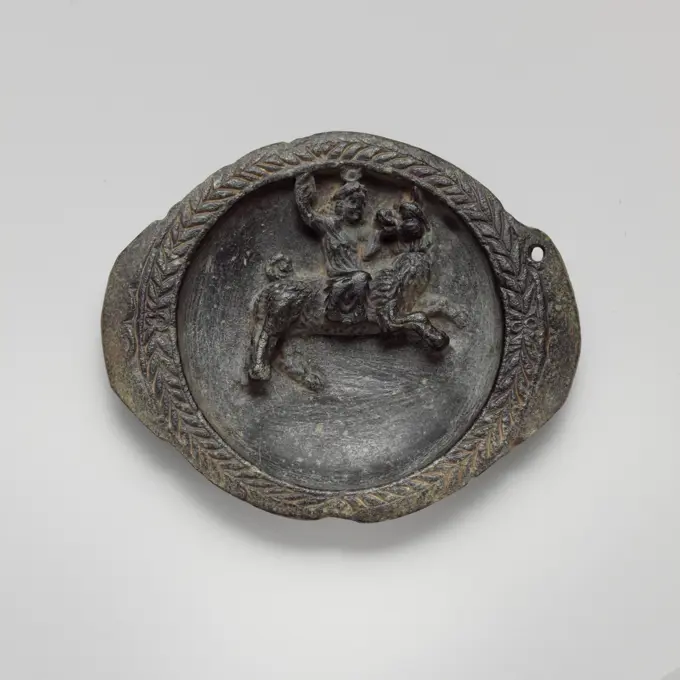
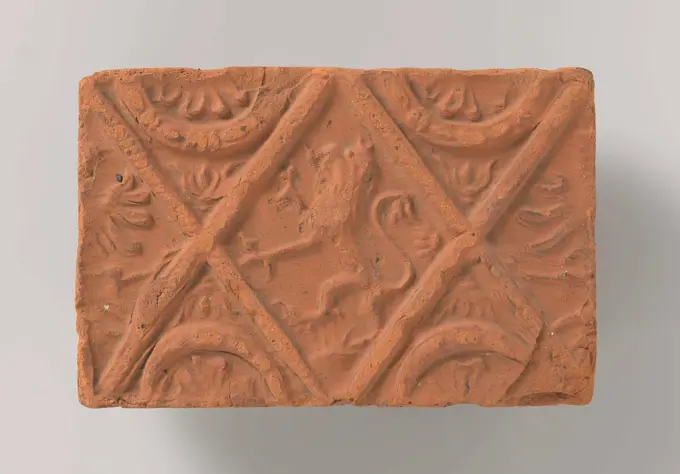
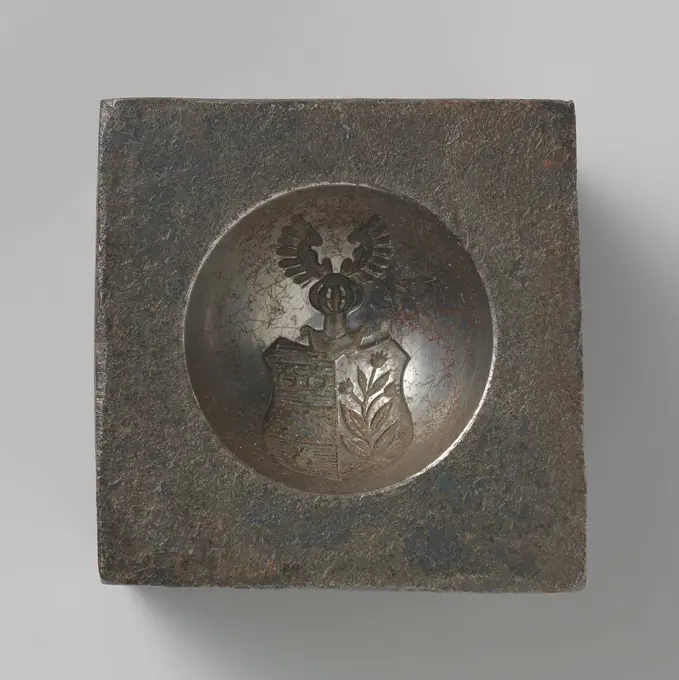
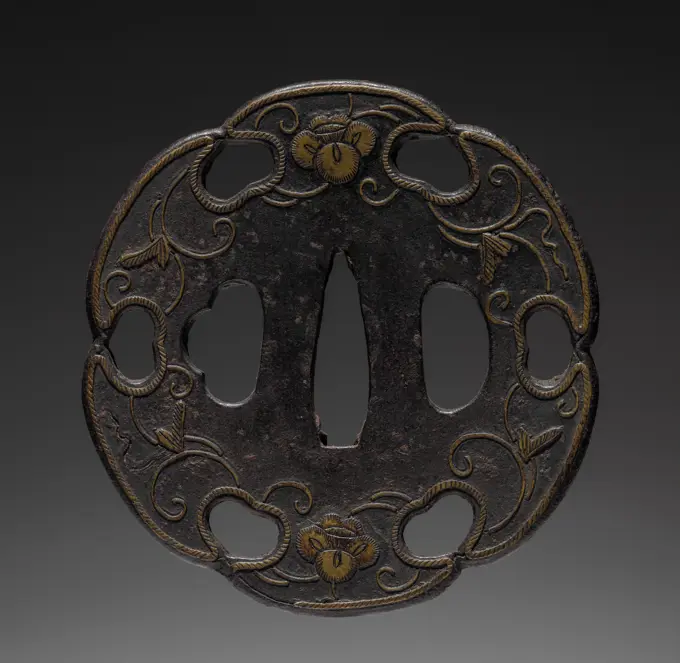
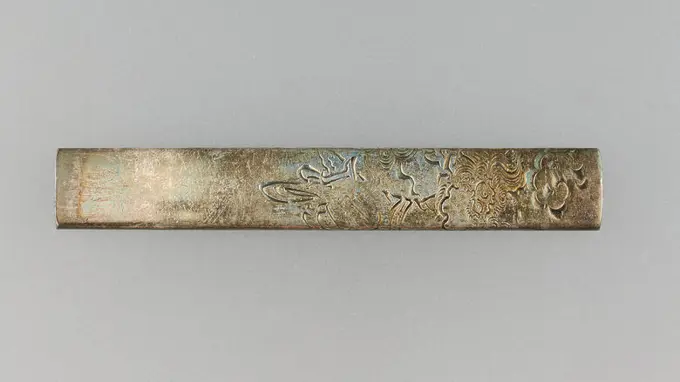
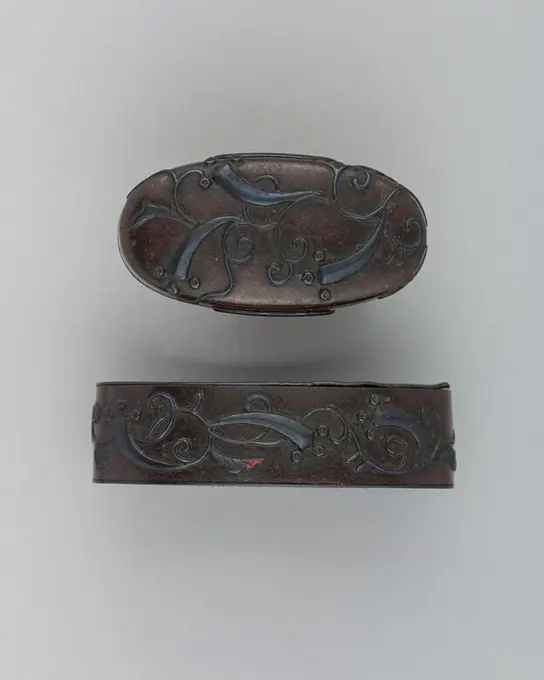
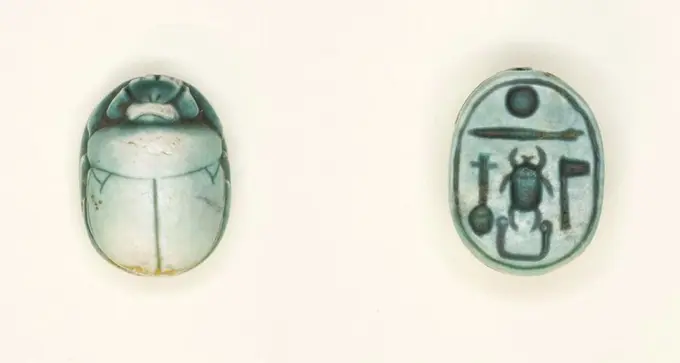
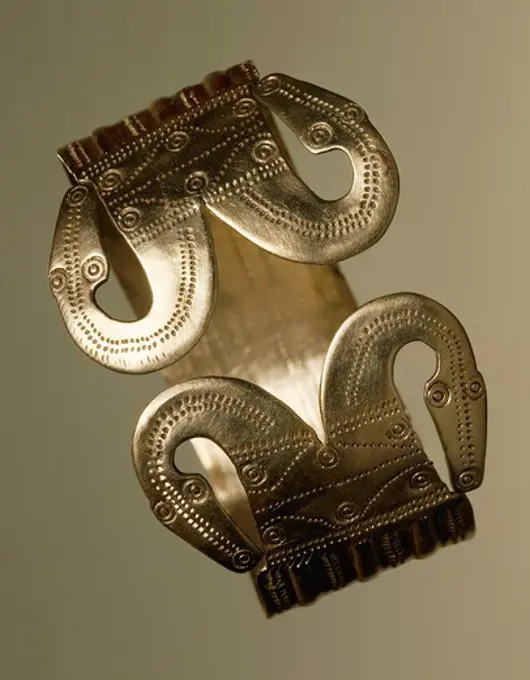
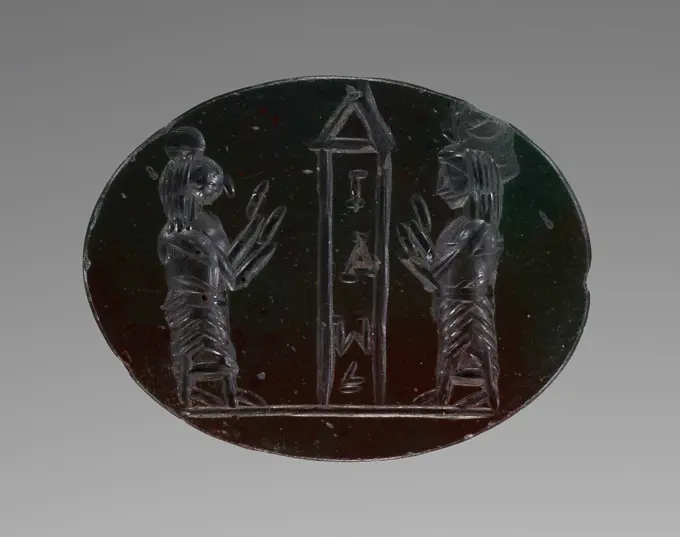
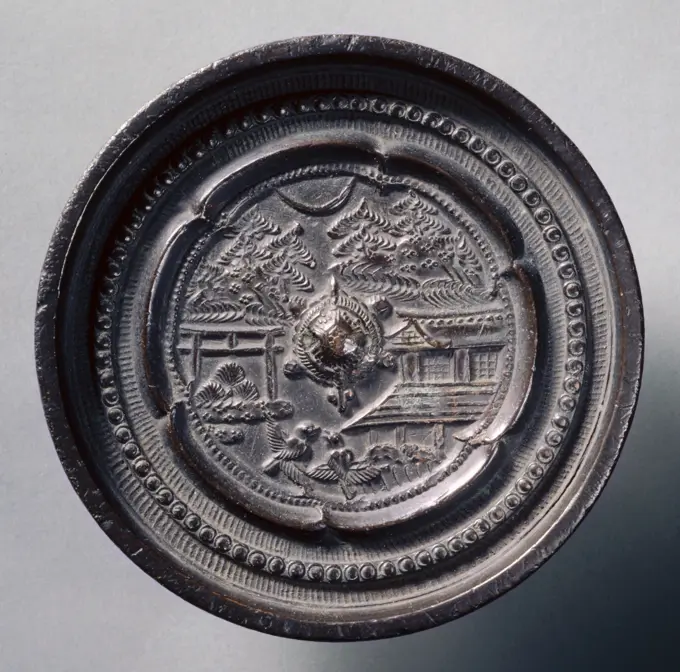
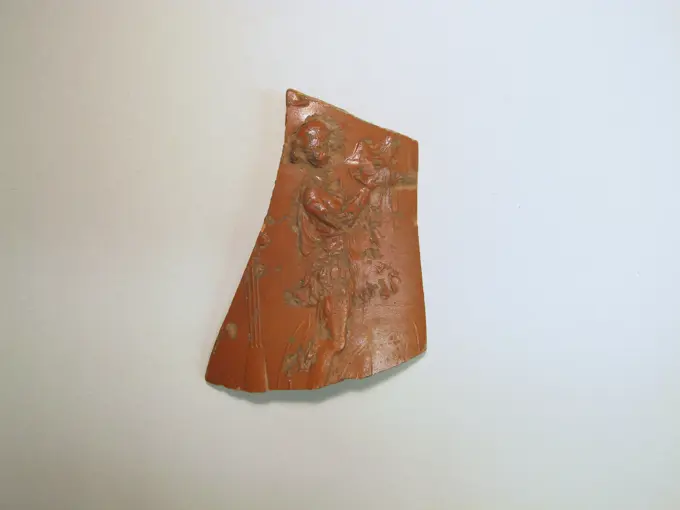
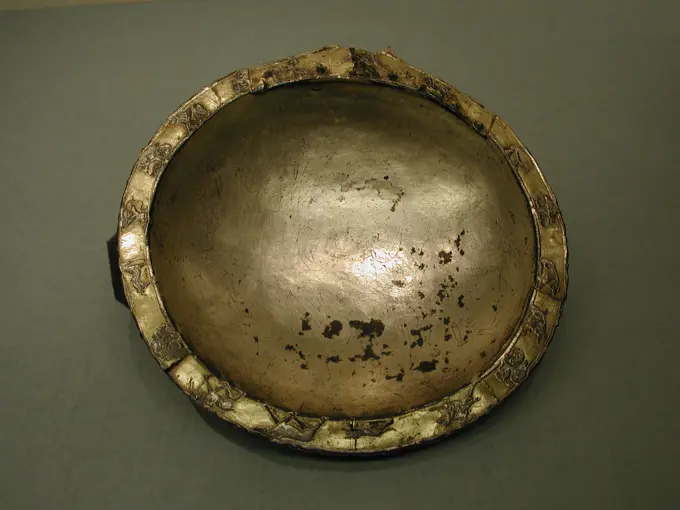
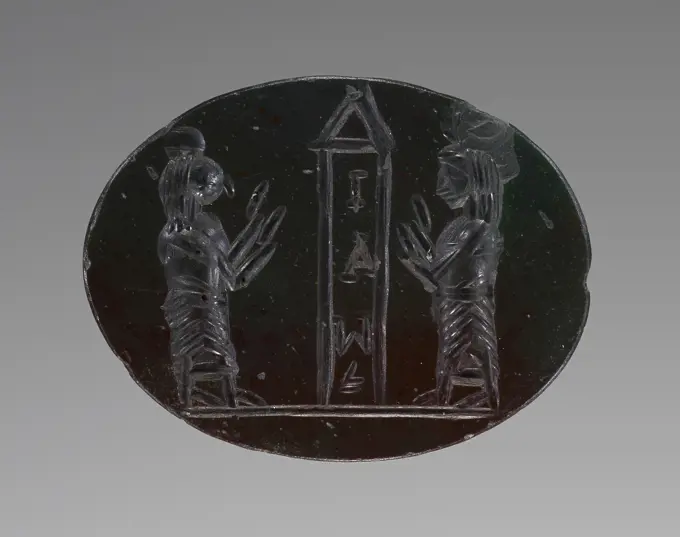
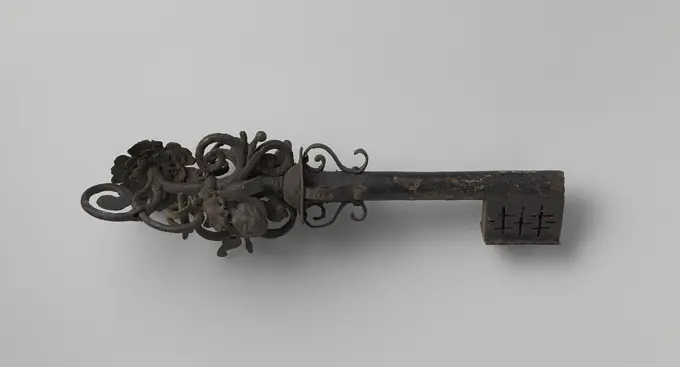
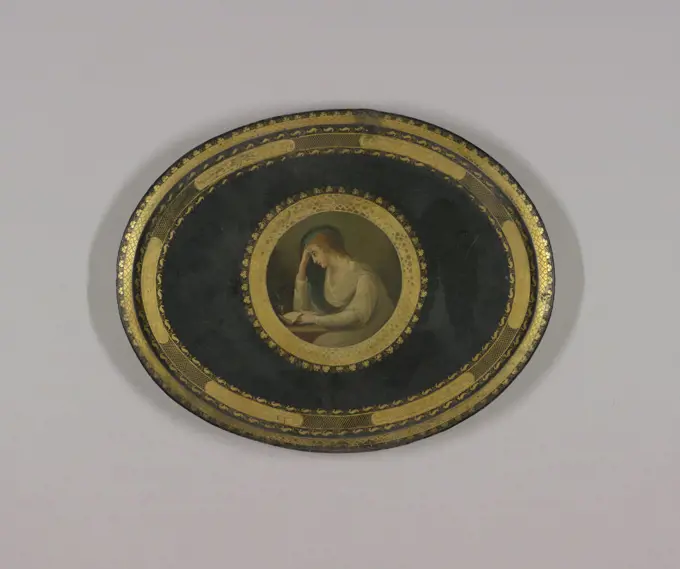
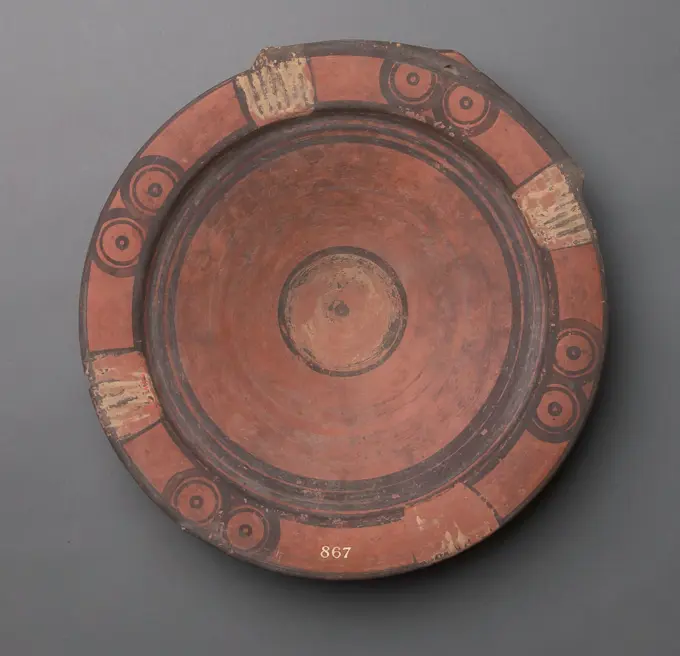
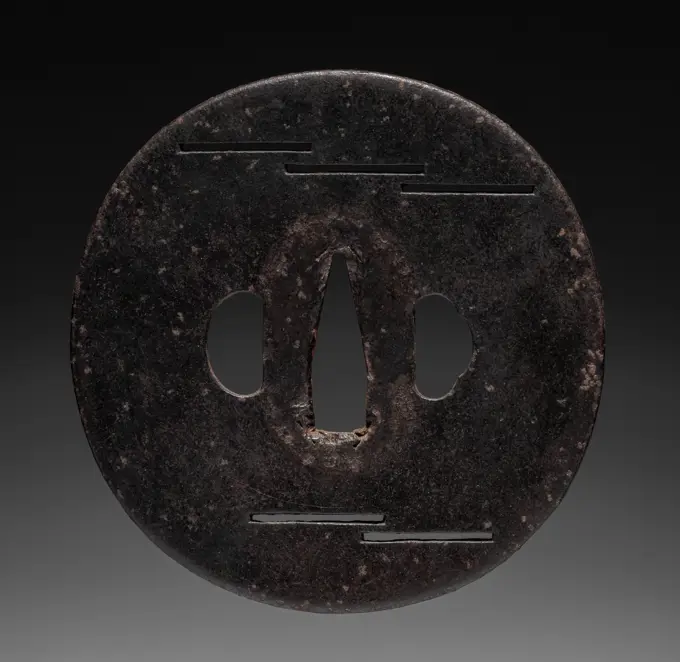
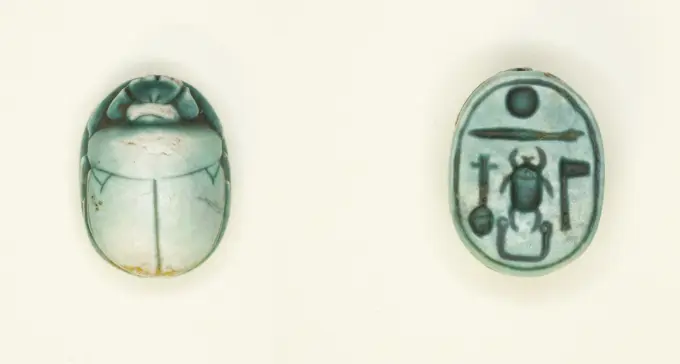
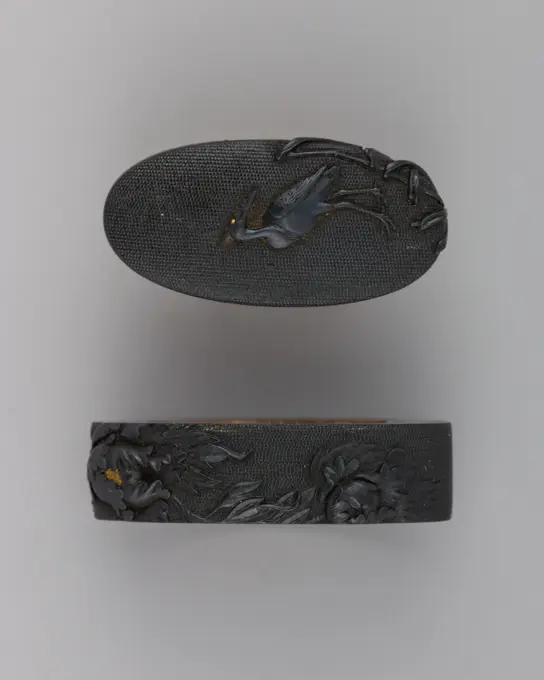
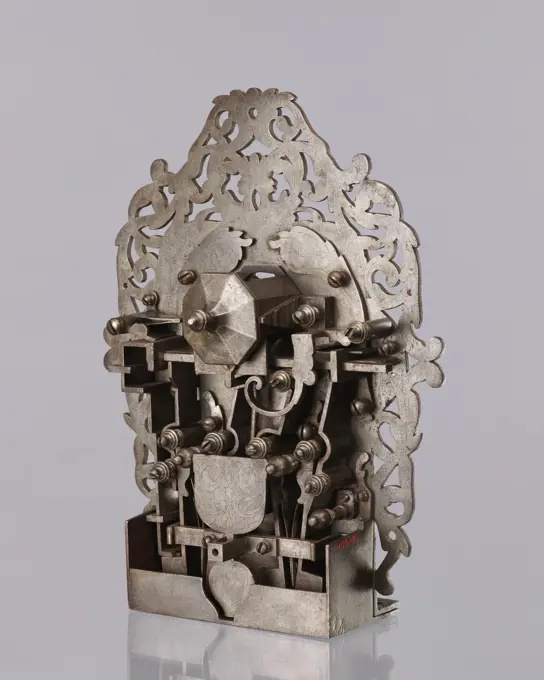
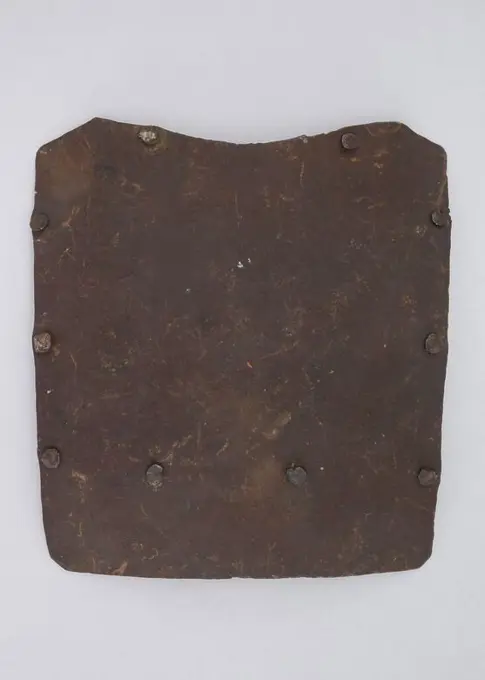
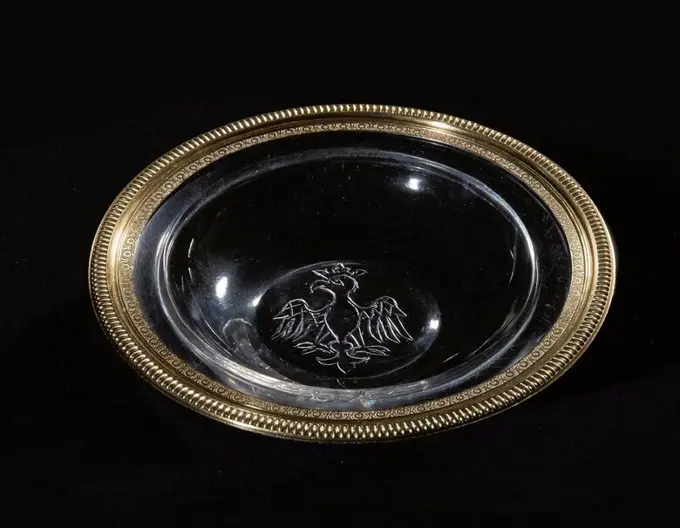
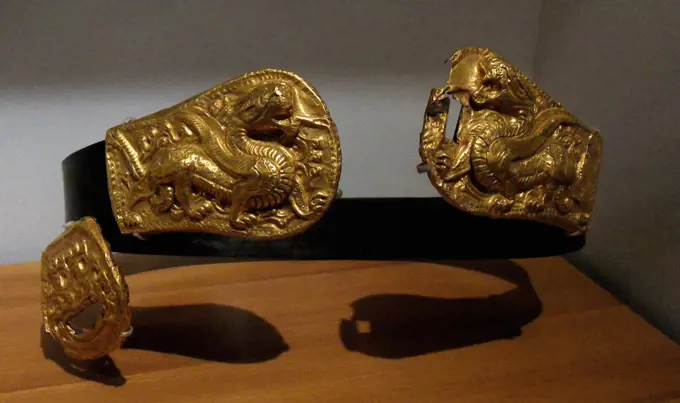
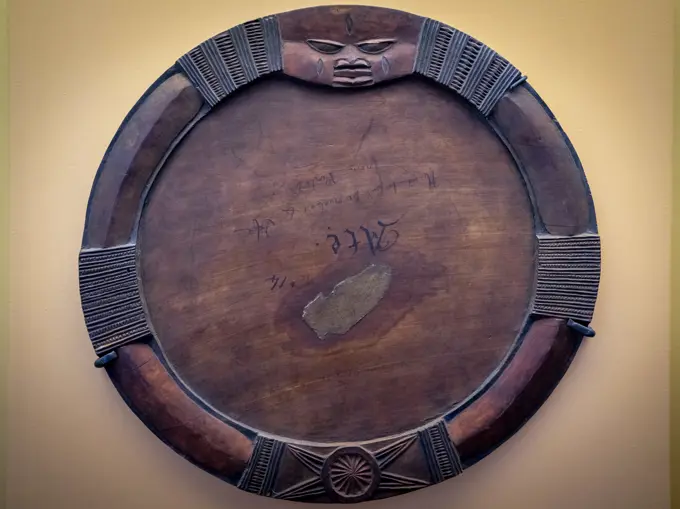
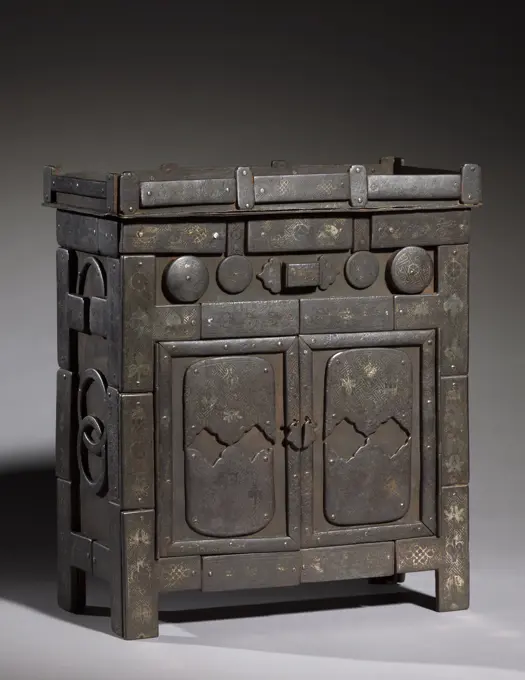
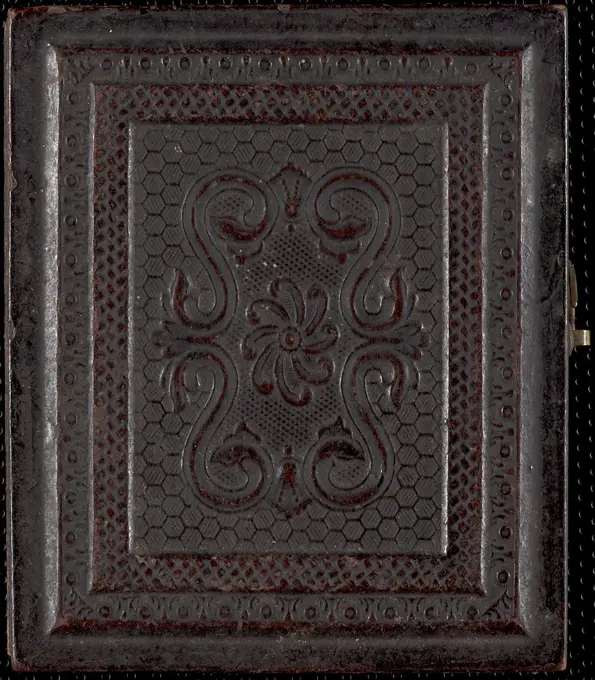
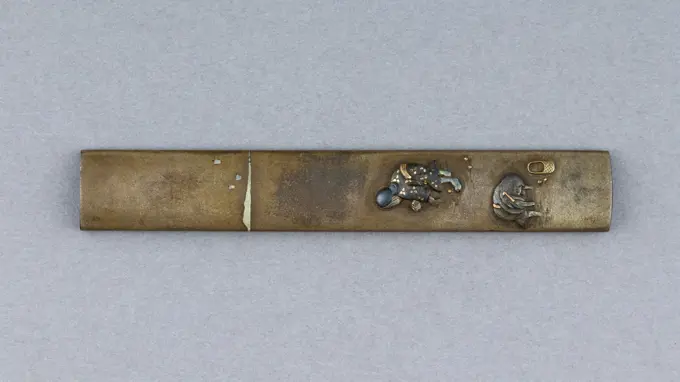
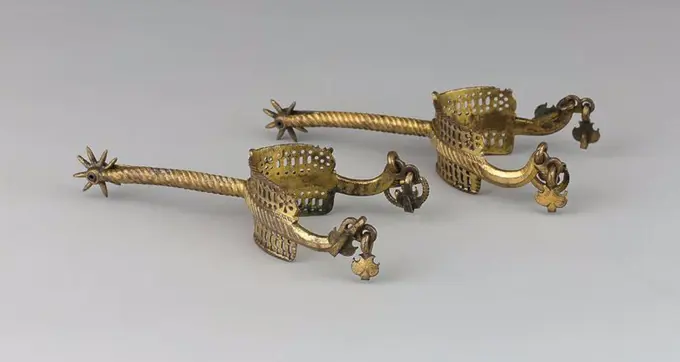
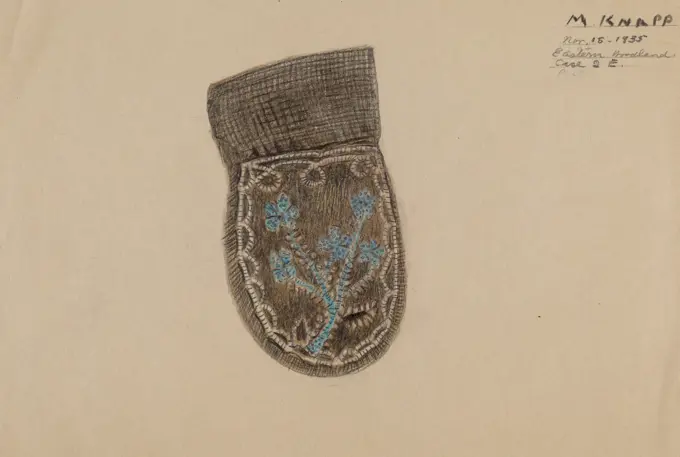
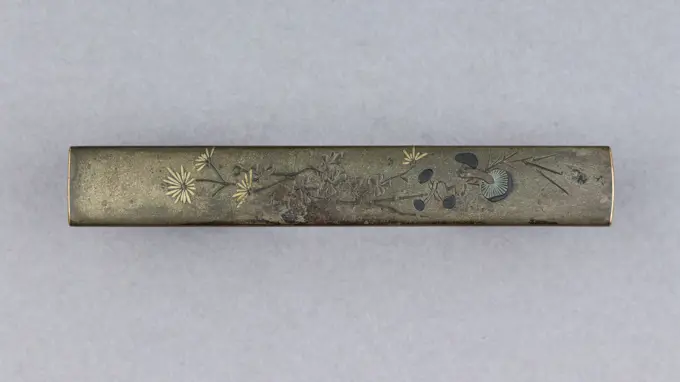
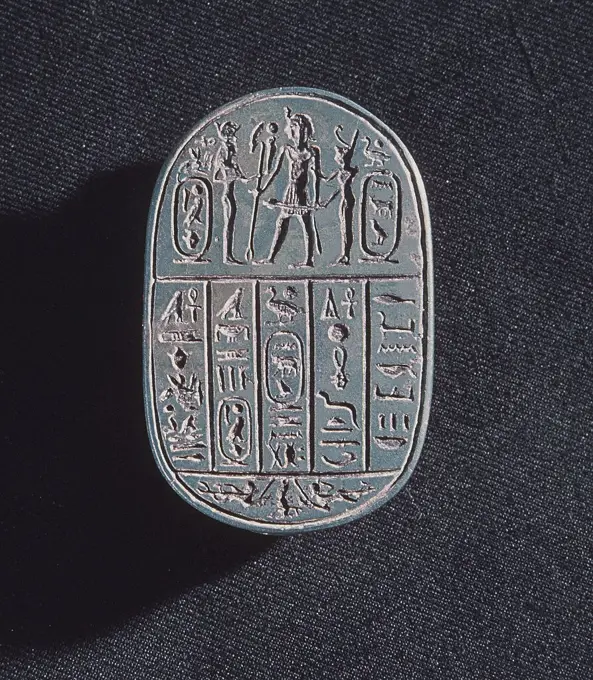
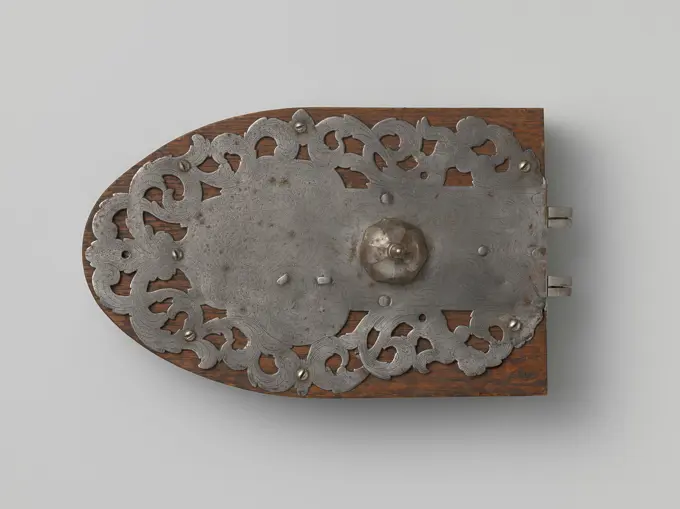
Slot with two shots. .Batter of a mission tire. Ten fitting parts of a mission tape, from brass. The ten parts are cut from copper plate, driven, engraved and sponately edited. A copper button with seven facets is riveted on each of them. They are equipped with holes on the corners or along the edge to be able to turn nails, with which they were constituted on the book band. Four corner pieces have a rear edged on two sides. The remaining four have that only at the top or bottom (these were placed against the back of the book). Two sides have been deposited with an open edge of cross flowers from each corner piece. The field in the middle is taken by three-dialed tendrils. The ornament on the middle parts exists on the corners from a plant with three leaves and two flowers in a pot. The four parts in between are taken by fantasy decreases.Batter of a Missaalband, Anonymous, c. 1450 - c. 1500 Ten fittings of a missal band, from brass. The ten volumes are cut from copper plate, driven, engraved and sponed. A copper button with seven facets has sounded on each of them. They are equipped with holes on the corners or along the edge to be able to stock nails, with which they were contested on the book band. Four corner pieces have a rim turned backwards on two sides. The remaining four have that only on the top or bottom (these were placed against the back of the book). Two sides of each corner piece are trimmed with an open edge of cross flowers. The field in the middle is taken by three stilled tiflines. The ornament on the center pieces consists of a plant with three leaves and two flowers in a pot on the corners. The four parts in between are taken by fantasy drugs. Germany (possibly) brass (alloy) cutting / engraving Ten fittings of a missal band, from brass. The ten volumes are cut from copper plate, driven, engraved anSteatite dish ca. 1st century B.C.-1st century A.D. Egyptian, Ptolemaic or Roman The figures in relief represent the goddess Isis-Sothis sitting astride a large dog, symbol of the dog star Sirius. Similar votive dishes are found in Egypt but this is the only example known from Cyprus. Other contemporary stone dishes carved with deities were produced in ancient Gandhara (modern Pakistan).. Steatite dish 243907Two-Handled Strainer. Isaac Cookson (England, Newcastle, active circa 1728-1747). England, Newcastle, circa 1740. Tools and Equipment. SilverHearing stone with representation of two climbing lions, c. 1875 - c. 1900 Hearing stone with representation of two climbing lions, placed in profiled window. The half windows at the top and bottom are filled with star motif. Netherlands earthenware Hearing stone with representation of two climbing lions, placed in profiled window. The half windows at the top and bottom are filled with star motif. Netherlands earthenwareModel for a bracket of a book lock with a field with braid surrounded by rococo ornament, anonymous, c. 1750 - c. 1775 The models for mold forms made from plate have a driven decoration consisting of rococo ornament with flowers around a field. The model for the Beugel braids is engraved on it. The bracket shape bastate from two plates sounded together. Amsterdam copper (metal) engraving The models for mold forms made from plate have a driven decoration consisting of rococo ornament with flowers around a field. The model for the Beugel braids is engraved on it. The bracket shape bastate from two plates sounded together. Amsterdam copper (metal) engravingFireplace with lion in diamond shape .. a red baked fireplace with diamond decoration, in which a lion. Found near De Grebbe.Mold for manufacturing livreiknopen with the coat of arms of the Elias family. Mold for manufacturing livreiknopes with the Elias family with a thistle in the right coat arm.Fragment; linenAnonymous / "Can policromado", XIV-XV centuries.Covered Box with Double-Parakeet Design (lid), 900s-1100s. China, Zhejiang province, Five dynasties (907-60) or later. Glazed stoneware with incised decoration, Yue ware;Sword Guard (Tsuba), c. 1615-1868. Japan, possibly Edo period (1615-1868). Iron; diameter: 10.2 cm (4 in.).Printing Block (possibly India); wood; Height: 23 cm (9 inches). Width: 7.5 cm (3 inches)TraySword Guard (Tsuba), c. 1615-1868. Japan, possibly Edo period (1615-1868). Iron; diameter: 8.4 cm (3 5/16 in.).Knife Handle (Kozuka). Culture: Japanese. Dimensions: L. 3 3/4 in. (9.5 cm); W. 9/16 in. (1.4 cm); thickness 3/16 in. (0.5 cm); Wt. 0.9 oz. (25.5 g). Date: mid-17th-mid-18th century. Museum: Metropolitan Museum of Art, New York, USA.Sword-Hilt Collar and Pommel (Fuchigashira). Culture: Japanese. Dimensions: Fuchi (a); H. 1 1/2 in. (3.8 cm); Wt. 0.8 oz. (22.7 g); kashira (b); H. 1 3/8 in. (3.5 cm); Wt. 0.4 oz. (11.3 g). Date: late 18th-early 19th century. Museum: Metropolitan Museum of Art, New York, USA.Sword Guard (Tsuba). Culture: Japanese. Dimensions: H. 3 in. (7.6 cm); W. 2 7/8 in. (7.3 cm); thickness 3/16 in. (0.5 cm); Wt. 4.1 oz. (116.2 g). Date: ca. 1615-1868. Museum: Metropolitan Museum of Art, New York, USA.Scarab: Aakheperkara (Thutmose I). Egyptian. Date: 1504 BC-1492 BC. Dimensions: 0.6 × 1.3 × 1 cm (1/4 × 1/2 × 3/8). Glazed steatite. Origin: Egypt. Museum: The Chicago Art Institute, Chicago, USA. Author: Ancient Egyptian.Prehistory, Serbia, 6th century b.C. Silver bracelet. From Kolari Smederevo.Engraved Gem. UnknownJelec (Tsuba); Kikuchi, Tsukitsu (1704-), Kikuchi; 1 PO. XVIII (1701-00-00-1750-00-00);metal plate on a white backgroundJelec (Tsuba); Gotô; 19th century (1801-00-00-1868-00-00);Mirror with a Tortoise Knob and Magpies, 1600s to mid-1800s. Japan, Edo period (1615-1868). Bronze; diameter: 11.5 cm (4 1/2 in.); overall: 1.2 cm (1/2 in.); rim: 1.2 cm (1/2 in.).Lint, anonymous, c. 1860 Fragment ribbon of black fine-meshed silk mesh or tulle with white leaf and floral pattern from approx. 1860. Europe silk. embroidering Fragment ribbon of black fine-meshed silk mesh or tulle with white leaf and floral pattern from approx. 1860. Europe silk. embroideringCup, fragment Roman Tambourine player between columns supporting figures of Athene Promachos.. Cup, fragment 250437Bowl 19th century Elkington & Co. British. Bowl 443146Knife Handle (Kozuka) 19th century Japanese A kozuka is a handle of a by-knife that is part of a sword mounting. It is kept in a slot on the reverse of a katana scabbard, often with a matching kgai (hairdressing tool).. Knife Handle (Kozuka). Japanese. 19th century. Copper-silver alloy (shibuichi), gold, silver. Sword Furniture-KozukaPlaque 8th-9th century. Plaque 449525Roundel, disk. Roundel, disk. BonePresentation sheet with bladder knit on the edge, Nicolaes Sylvester Bertrans, c. 1690 - c. 1739 Around present magazine van Tin. The edge is equipped with a narrow, slanted tire. Around a wider bond with bladder grinding. Mechelen tin (metal) Around present magazine van Tin. The edge is equipped with a narrow, slanted tire. Around a wider bond with bladder grinding. Mechelen tin (metal)Engraved Gem; Roman Empire; 1st - 4th century; Green Jasper Ringstone; 1.8 x 1.4 cm (11,16 x 9,16 in.)Dragon Plaque 410 BCE-290 BCE China. Jade .Hearing stone with representation of two climbing lions, c. 1875 - c. 1900 Hearing stone with representation of two climbing lions, placed in profiled window. The half windows at the top and bottom are filled with star motif. Netherlands earthenware Hearing stone with representation of two climbing lions, placed in profiled window. The half windows at the top and bottom are filled with star motif. Netherlands earthenwareSleutel van ijzer.Iron key, probably served as suspension marks.Tray, tin, enamel, England, ca. 1800-25, metalwork, Decorative Arts, TrayThe Lomellini Basin, 1618-20. Made in ItalyPanel 13th-14th century. Panel 445094Lock with four shots, anonymous, c. 1700 A lock with four shots. Germany A lock with four shots. GermanyHearing stone with representation of two climbing lions, placed in two windows, Anonymous, c. 1575 - c. 1625 Hearing stone with representation of two climbing lions, placed in two windows. Southern Netherlands earthenware Hearing stone with representation of two climbing lions, placed in two windows. Southern Netherlands earthenwareTrace of a non-identifiable master's punch. Large and openwork strip, CDECOR of scrolls and garlands, flowers and relief leaves.Delicate instruments were developed by al-Zahrawi and others for eye surgery including scalpels, cauteries, retractors, speculums and scissors. The scissors created for eye surgery were amongst the first scissors used anywhere in the world. The scalpels invented by early Islamic surgeons compare in quality with the instruments used today.Carnavalet museum, tokens collectionPlate 750-600 B.C. Cypriot Low foot, horizontal bands, concentric circles, and details in white.. Plate. Cypriot. 750-600 B.C.. Terracotta. Cypro-Archaic I. VasesSword Guard (Tsuba), c. 1615-1868. Japan, possibly Edo period (1615-1868). Iron; diameter: 8.4 cm (3 5/16 in.).Sword Pommel (Kashira) late 18th-early 19th century Japanese A kashira is a pommel cap mounted at the end of a sword hilt, usually made as part of a set with a matching fuchi (hilt collar).. Sword Pommel (Kashira). Japanese. late 18th-early 19th century. Iron, gold, copper. Sword Furniture-Fuchi-KashiraScarab Aakheperkara (Thutmose I) 1504 BCE-1492 BCE Egypt. Glazed steatite . Ancient EgyptianCentral Panel or Book Cover 15th-16th century Tibet. Central Panel or Book Cover 38855Commemorative badgeWilliam L Antrim, Pa German Plate, c 1938 Pa. German PlateGrahal-Manzara. Carnavalet 2013-2016 collection sites. Numismatics.Panel 13th-14th century. Panel. 13th-14th century. Wood; carved, inlaid with ivory. Attributed to Egypt, Cairo. Woodancient Asian stringed musical instrument on black background with backlight. tuning peg . national musical instrument of AsiaSword-Hilt Collar and Pommel (Fuchigashira) ca. 1615-1868 Japanese A fuchigashira is a pair of matching sword fittings comprising the fuchi (collar at the base of the grip of the sword hilt) and kashira (pommel cap at the end of a sword hilt).. Sword-Hilt Collar and Pommel (Fuchigashira). Japanese. ca. 1615-1868. Copper-gold alloy (shakud). Sword Furniture-Fuchi-KashiraCastle to the chest;  XVII century (1601-00-00-1700-00-00);Dishwill of earthenware with a drawing of a coastal landscape with cloudy sky, in underly glaze blue, anonymous, 1500 - 1799   earthenware. glaze   earthenware. glazeSword Guard (Tsuba) with Scattered Fans, c. 1615-1868. Japan, possibly Edo period (1615-1868). Iron; diameter: 6.7 cm (2 5/8 in.).Terracotta fragment of a kylix (drinking cup) 500-480 B.C. Greek, Attic Kylix fragment with meander and cross squares on the interior; also preserved, one handle, with handle patch. Terracotta fragment of a kylix (drinking cup) 687000Brigandine Plate. Culture: Italian. Dimensions: H. 8 in. (20.3 cm); W. 7 1/4 in. (18.4 cm); Wt. 1 lb. 3.9 oz. (564.2 g). Date: 1400-1450. Museum: Metropolitan Museum of Art, New York, USA.Anonymous; Jean Royel / 'Rock crystal dish with an engraved eagle'. 1689. Rock crystal / Hyaline quartz, Silver-gilt. Museum: Museo del Prado, Madrid, España.Mongolian belt buckle, shaped like a horseshoe Toward the second century AD. Han dynasty (206 BC - 220 AD) gold leafBracket 18th century British. Bracket. British. 18th century. Deal. WoodworkSculpture model, anonymous, 1800 - 1900 Sculpture model: cutting, test model or example in the form of a garland (set of two pieces). Netherlands linden. pine (wood) cutting / gluing Sculpture model: cutting, test model or example in the form of a garland (set of two pieces). Netherlands linden. pine (wood) cutting / gluingPhoto album with 192 photo productions of genre pieces, anonymous, anonymous, after various manufacturers, 1860 - 1900  Photo album with 50 pages with a total of 192 photos; all cartes-de-visiting. The album contains photo productions of genre pieces.  leather. metal. cardboard. photographic support albumen print / decorated paper painting, drawing and the graphic arts. adult man. adult woman. child. family life. interior of the houseFragment of a Bowl 12th-13th century. Fragment of a Bowl 456266Sword-Hilt Collar and Pommel (Fuchigashira) ca. 1615-1868 Japanese A fuchigashira is a pair of matching sword fittings comprising the fuchi (collar at the base of the grip of the sword hilt) and kashira (pommel cap at the end of a sword hilt).. Sword-Hilt Collar and Pommel (Fuchigashira). Japanese. ca. 1615-1868. Copper-silver alloy (shibuichi), gold. Sword Furniture-Fuchi-KashiraSword Guard, 1600s-1700s. Japan, Edo period (1615-1868). Bronze; diameter: 7.4 cm (2 15/16 in.).Beslag versierd gekrulde bladmotieven.Rectangular, opened piece of batter of tinned iron. The wide middlebaan consists of leaf motifs that are unexulated in spiral form, turn right and clockwise. In addition, two narrow paths have been applied with oval planes such as decoration. The top is closed with a plain track.CDK unknownHearing stone with a representation of two man's heads in windows, c. 1499 - c. 1699 Highstone with a representation of two man's heads in windows Southern Netherlands earthenware Highstone with a representation of two man's heads in windows Southern Netherlands earthenwareAnonymous, medallion of a pavilion of the central halls of Paris (dummy title), 1860. Metal alloy. Carnavalet museum, history of Paris. Weapons of the City of Paris NEF and Flowel Bang, Crown with four crenellated towers, branches of oak and bay leaf.Fragment 10th-12th century. Fragment 452715Highstone with the presentation of the Dutch Lion in the Dutch garden, c. 1600 - c. 1625 Hearing stone with the representation of the Dutch century with a raised sword and shield, standing in the Dutch garden, with the year 1607. Lions standing on either side. Southern Netherlands earthenware Hearing stone with the representation of the Dutch century with a raised sword and shield, standing in the Dutch garden, with the year 1607. Lions standing on either side. Southern Netherlands earthenwareCast Iron Mail Box. Dated: c. 1942. Dimensions: overall: 35.7 x 26.9 cm (14 1/16 x 10 9/16 in.). Medium: watercolor and graphite on paperboard. Museum: National Gallery of Art, Washington DC. Author: Roger Deats.Box late 19th century German. Box 207423Textile Fragment 6th-7th century. Textile Fragment. 6th-7th century. Silk; samite (). Attributed to probably Syria. Textiles-WovenList of Stoneware Shard. List Belonging To Shard Of Stoneware With Number BK-14712-1.Bowl ca. 1295-1185 B.C. New Kingdom, Ramesside. Bowl. ca. 1295-1185 B.C.. Faience. New Kingdom, Ramesside. From Egypt. Dynasty 19Plate ca. 1750-70 Style of Whieldon type. Plate. British, Staffordshire. ca. 1750-70. Earthenware, glazed. Ceramics-PotteryHearing stone with representation of two climbing lions, c. 1875 - c. 1900 Hearing stone with representation of two climbing lions, placed in profiled window. The half windows at the top and bottom are filled with star motif. Netherlands earthenware Hearing stone with representation of two climbing lions, placed in profiled window. The half windows at the top and bottom are filled with star motif. Netherlands earthenwareBadge or Harness Pendant 14th century Spanish Heraldry, or coat-of-arms, were vitally important in Europe throughout the Middle Ages and the Renaissance. Heraldic emblems were used to identify noble families, cities, regions, and even countries. In addition to being displayed on shields and flags, heraldry was incorporated into architectural decoration on the interior and the exterior of buildings, on furniture, works of art, clothing, and horse equipment. Harness pendants, like this example, would have been attached to a headstall, bridle, or other straps making up the tack of a horse ridden by a nobleman or noblewoman, or a member of their household. Many harness pendants also have decoration that is simply ornamental, or have symbols that are not specifically heraldic in nature.. Badge or Harness Pendant. Spanish. 14th century. Copper, gold. Miscellaneous-BadgesLuminaire of the prayer book Smaller Poland altar. A collection of Catholic service  KSI Garnia B. Behrh (E. Bock.)Silver plaque from 1576 from the collection of count. Mieroszowska in Krakow; Kleinberger, E. (Fl. 1900); around 1900 (not after 17.09.1925) (1870-00-00-1900-00-00);Medal box. Johan Werner Gericke (1746-1801) Middelburg 1784, gold, diamonds. With the conclusion of the peace treaty of 1784, the French vice-admiral Pierre Andre de Suffren de Saint-Tropez was honoured as a hero by France and the Netherlands. The Dutch East India Company (VOC) presented him with this box containing a gold medal. Thanks to De Suffren, the Dutch colonies in Africa and Asia had not fallen into British hands.opon ifa, divination tray, Yoruba culture, Nigeria, 19th century, wood, Anthropology National Museum, Madrid, SpainGrahal-Manzara. Carnavalet 2013-2016 collection sites. Numismatics.Spirit House, 1700s. Korea, Joseon dynasty (1392-1910). Iron inlaid with silver and copper decoration; overall: 30 x 35 x 14 cm (11 13/16 x 13 3/4 x 5 1/2 in.).Key plate. A key plate.Interieuronderdeel, anonymous, 1700 - 1800 Diamond -shaped wooden ornament, presumably from a ceiling. On the diamond-shaped flat surface of oak with slightly bent sides, an en-relief cut flour has been applied in oak. See also: BK-18860-B. Northern Netherlands (possibly)Netherlands (possibly) wood (plant material). oak (wood). paint (coating) Diamond -shaped wooden ornament, presumably from a ceiling. On the diamond-shaped flat surface of oak with slightly bent sides, an en-relief cut flour has been applied in oak. See also: BK-18860-B. Northern Netherlands (possibly)Netherlands (possibly) wood (plant material). oak (wood). paint (coating)Man and Woman ,. Messenger CollectionKnife Handle (Kozuka) ca. 1615-1868 Japanese A kozuka is a handle of a by-knife that is part of a sword mounting. It is kept in a slot on the reverse of a katana scabbard, often with a matching kōgai (hairdressing tool).. Knife Handle (Kozuka) 34646Lock And Key; ironPair of Rowel Spurs. German. Date: 1490-1535. Dimensions: L. 19.7 cm (7 3/4 in.); W. 7.8 cm (3 in.). Brass or bronze with gilding. Origin: Germany, East. Museum: The Chicago Art Institute, Chicago, USA.Margaret Knapp, Mitten, 1935 MittenMount, Brass, Square, with repoussé acanthus scroll., Italy, early 19th century, metalwork, Decorative Arts, MountKnife Handle (Kozuka) 19th century Japanese A kozuka is a handle of a by-knife that is part of a sword mounting. It is kept in a slot on the reverse of a katana scabbard, often with a matching kōgai (hairdressing tool).. Knife Handle (Kozuka) 35035Hearing stone with representation of two climbing lions, c. 1875 - c. 1900 Hearing stone with representation of two climbing lions, placed in profiled window. The half windows at the top and bottom are filled with star motif. Netherlands earthenware Hearing stone with representation of two climbing lions, placed in profiled window. The half windows at the top and bottom are filled with star motif. Netherlands earthenwareESCARABEO-ANVERSO CON INSCRIPCION JEROGLIFICA. XXVI DINASTIA SAITA PERIODO TARDIO. BASALTO. 7 CMS LA. Location: EGYPTIAN MUSEUM. KAIRO. EGYPT. HATHOR. NECAO FARAON. NEIT DIOSA.