Historical Bottles and Jugs

Antique ceramics and glass vessels from different cultures and eras, featuring intricate designs and traditional crafting.

Water Jar, Khmer, 12th-13th century, 9 5/8 x 6 3/8 in. (24.45 x 16.19 cm), Stoneware with incised decor under brown glaze, Cambodia or Thailand, 12th-13th century
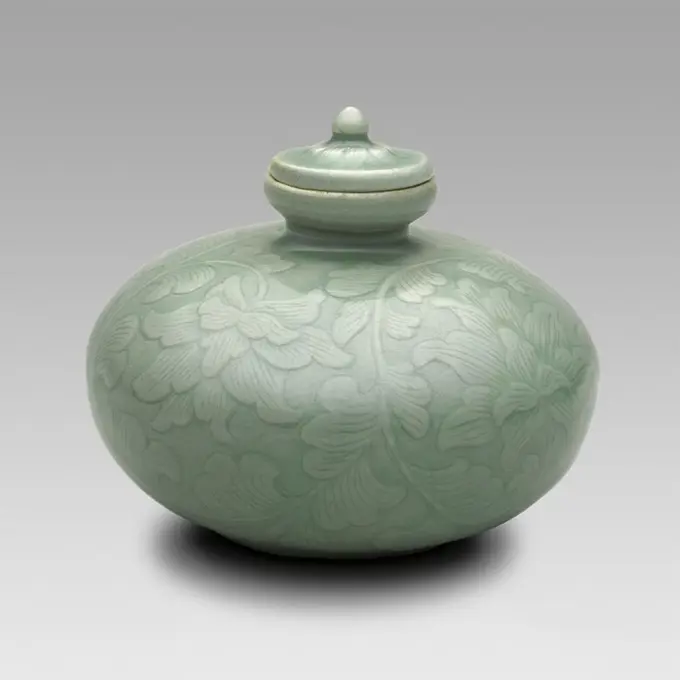
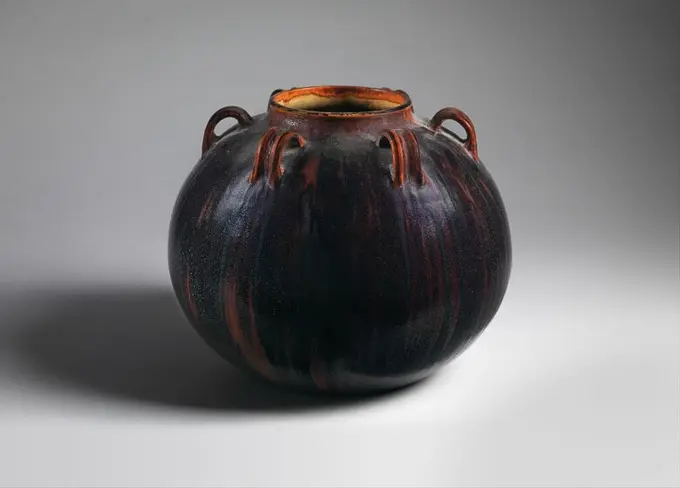
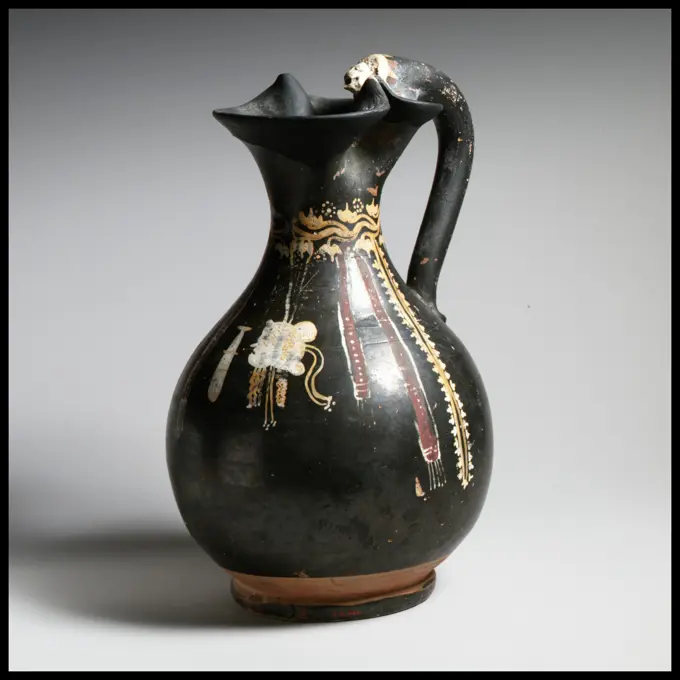
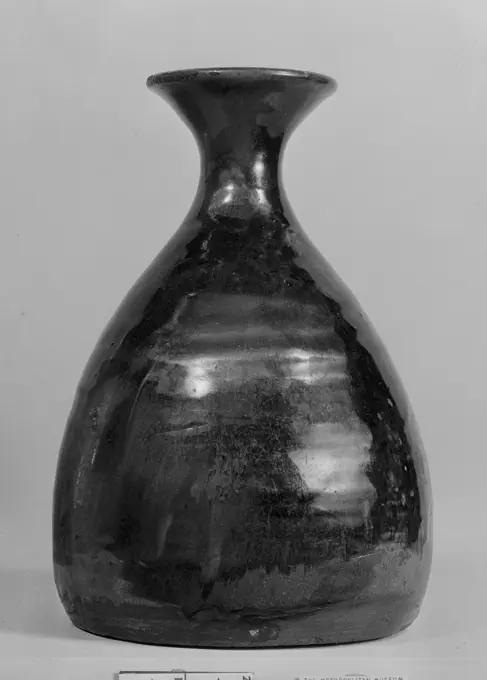
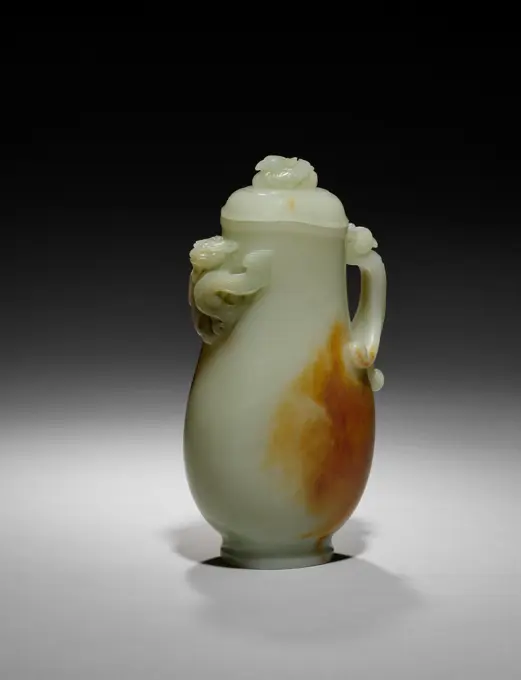
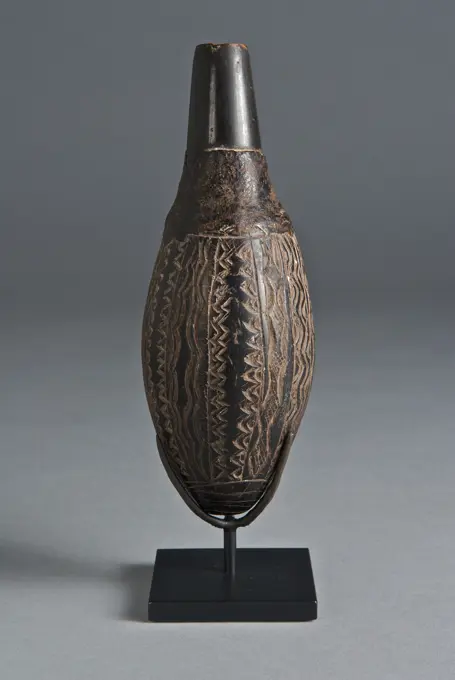
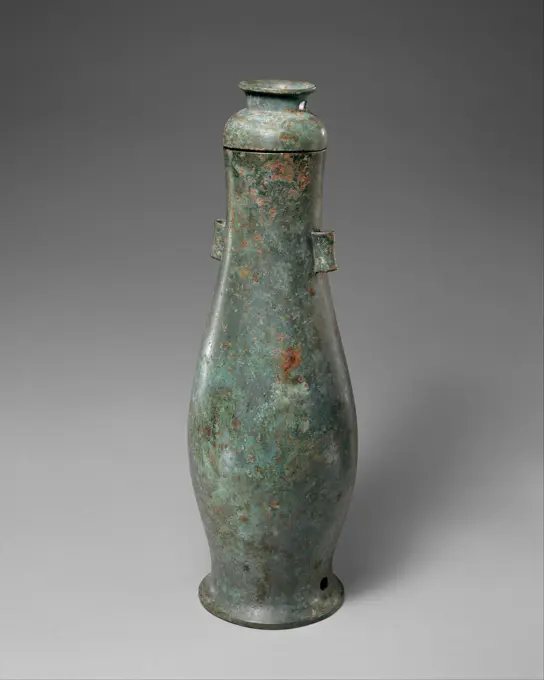
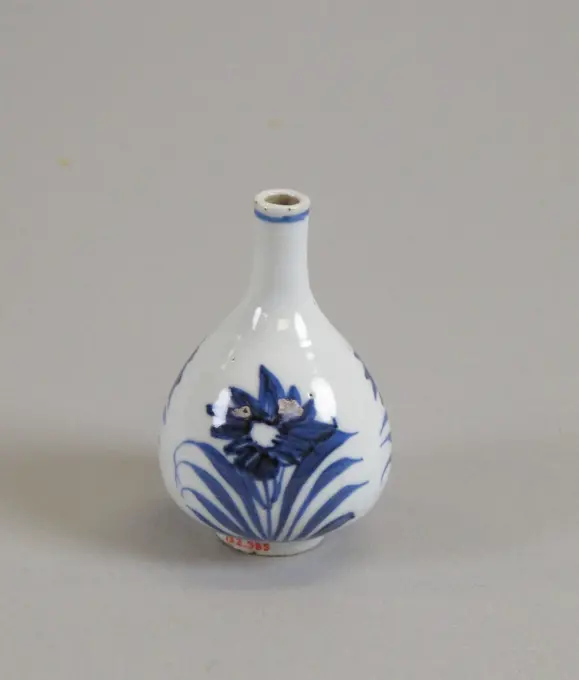
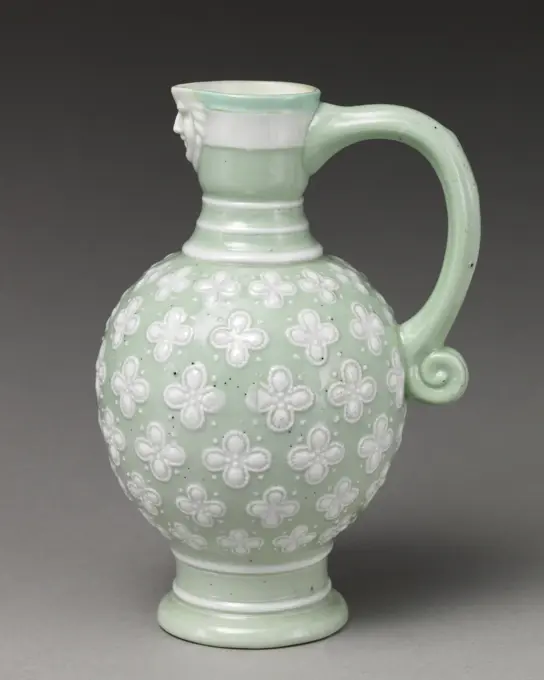
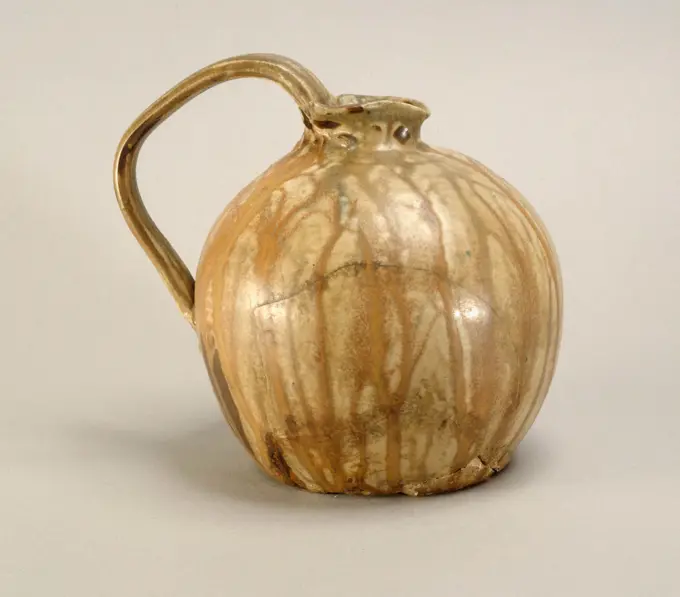
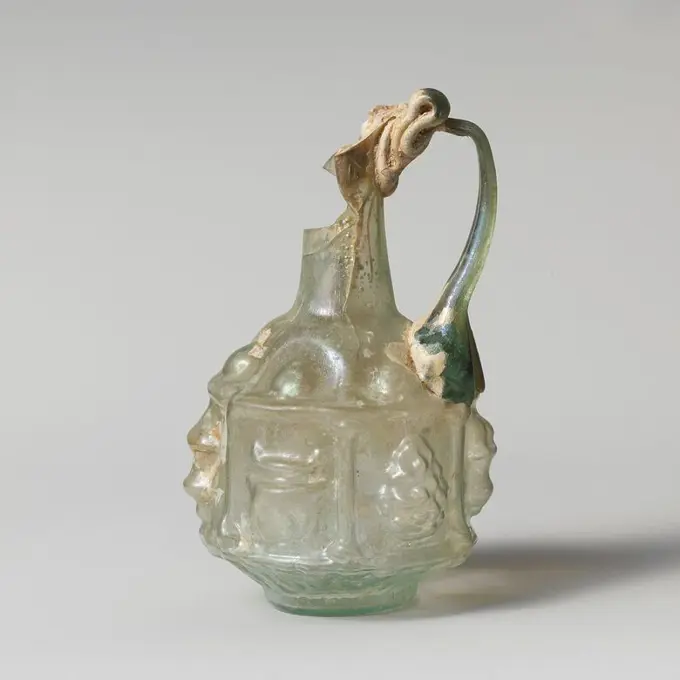
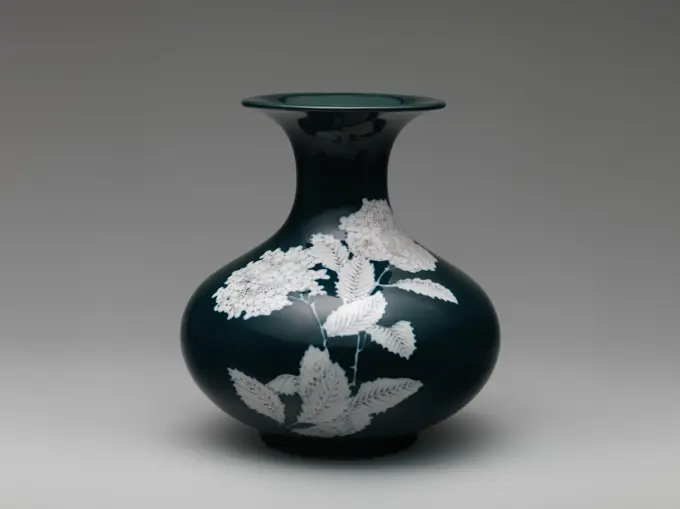
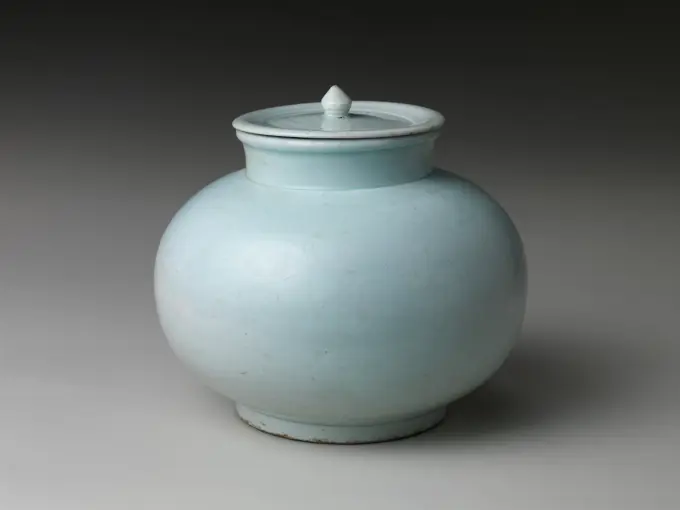
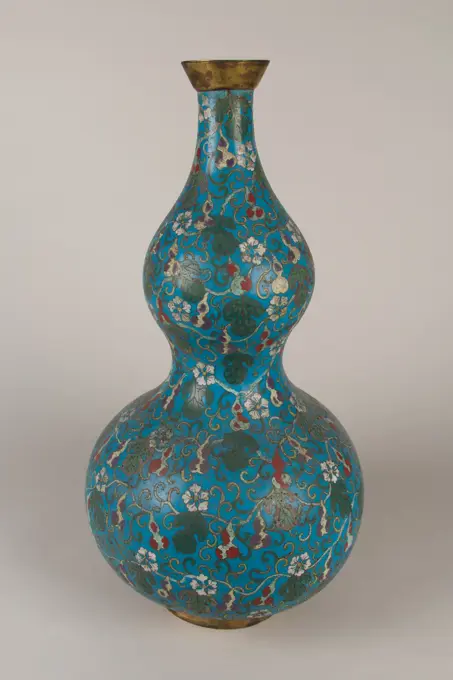
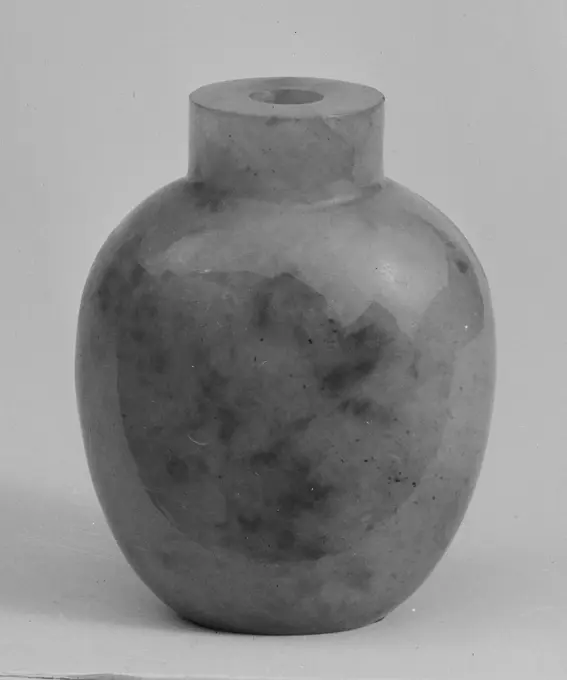
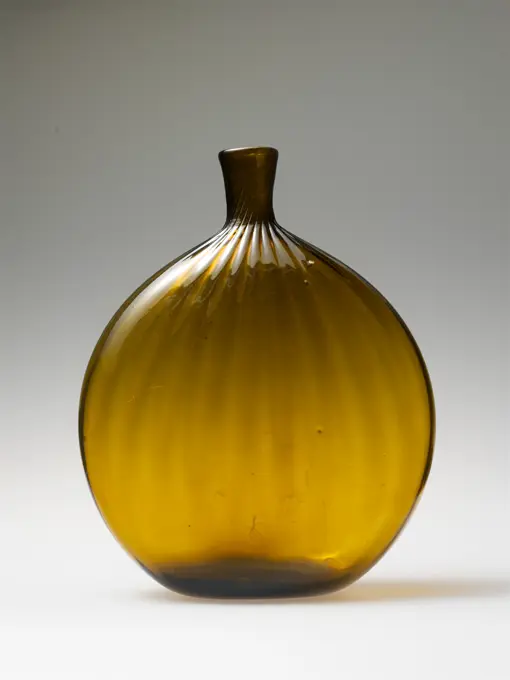
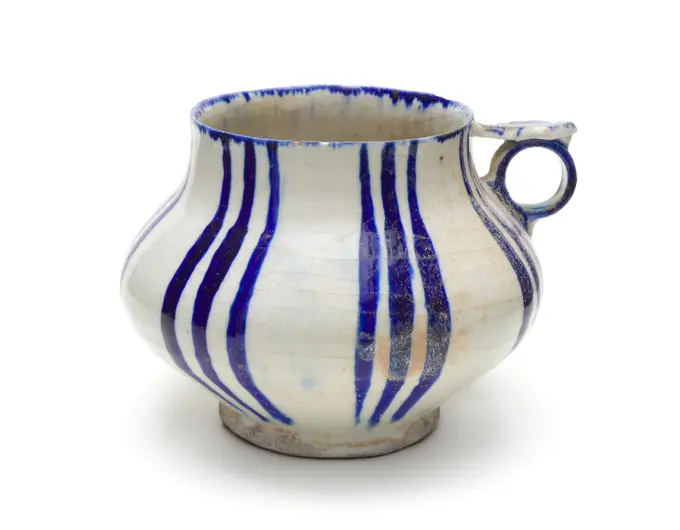
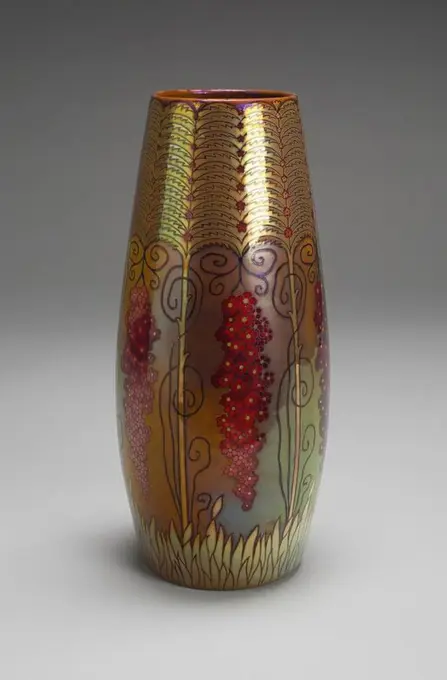
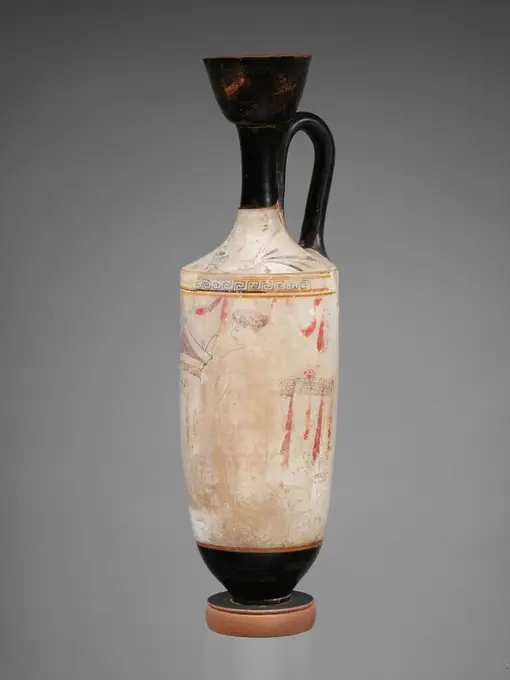
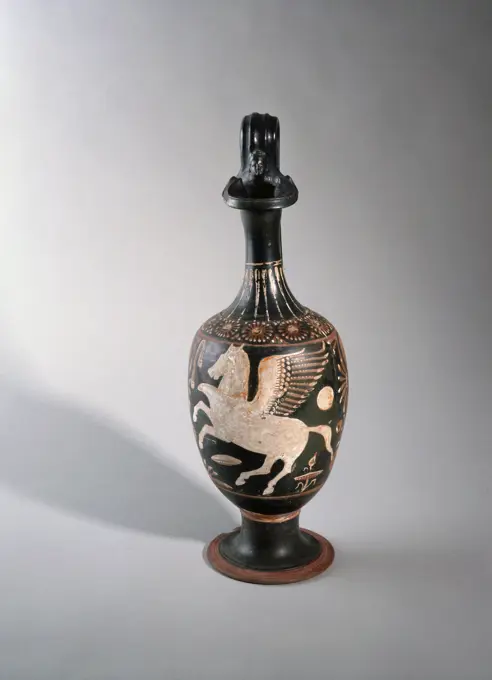
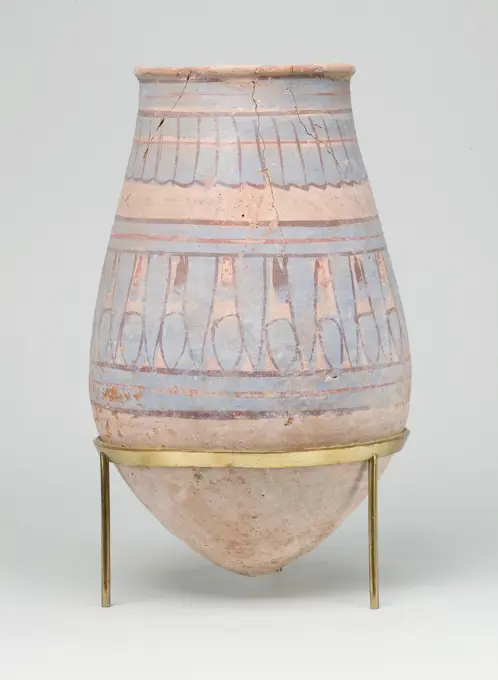
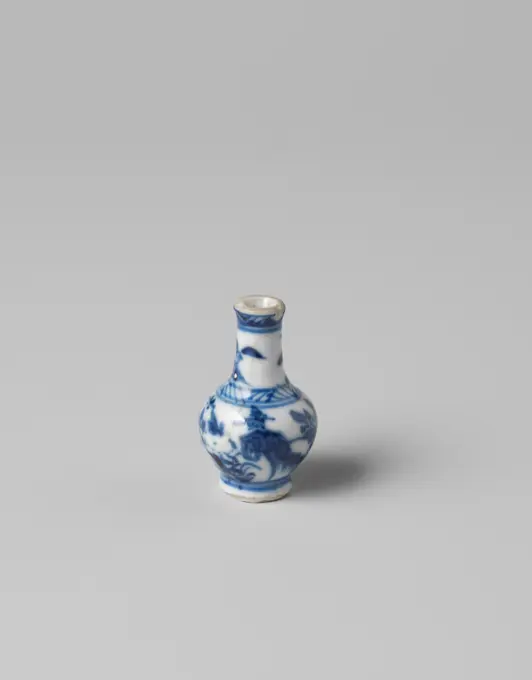
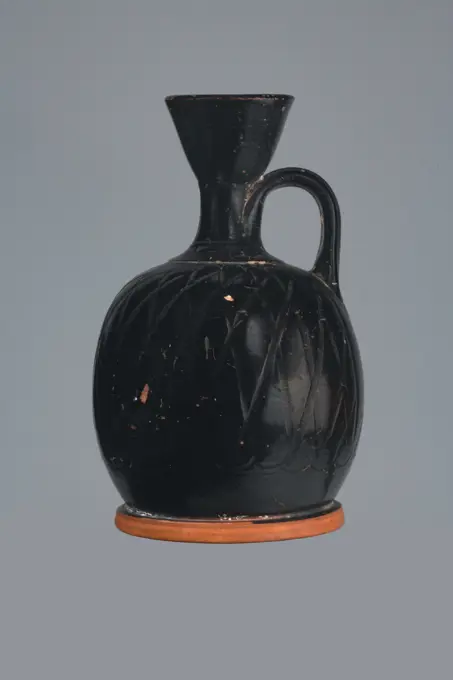
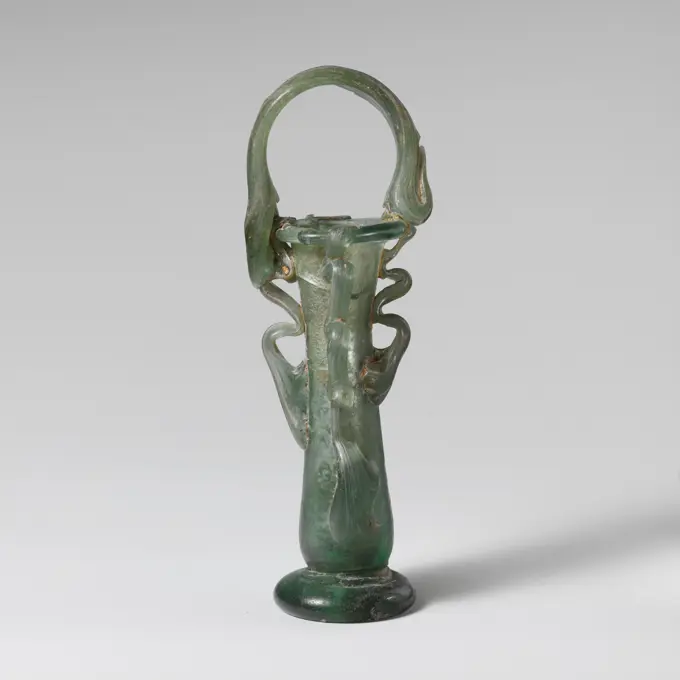
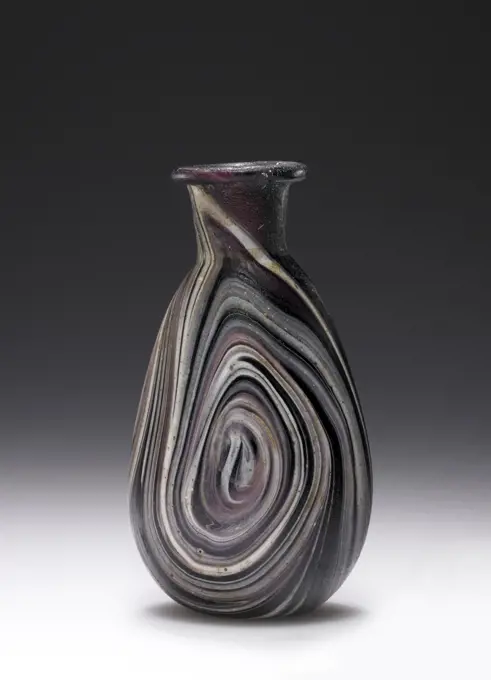
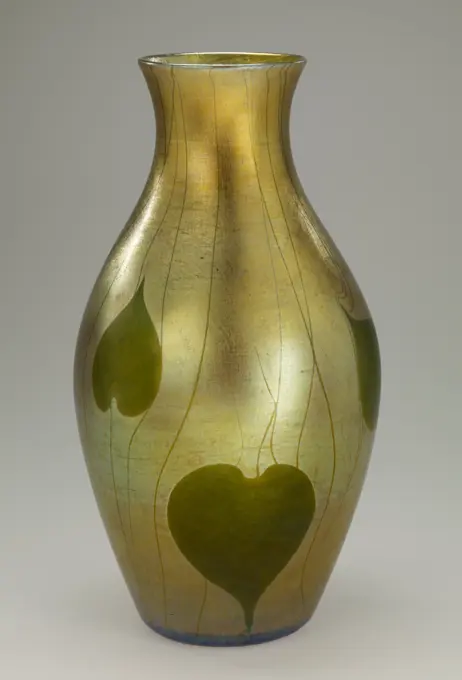
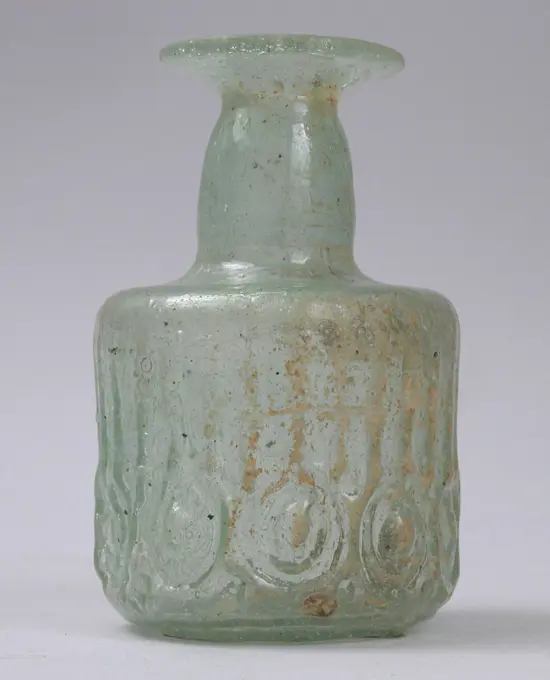
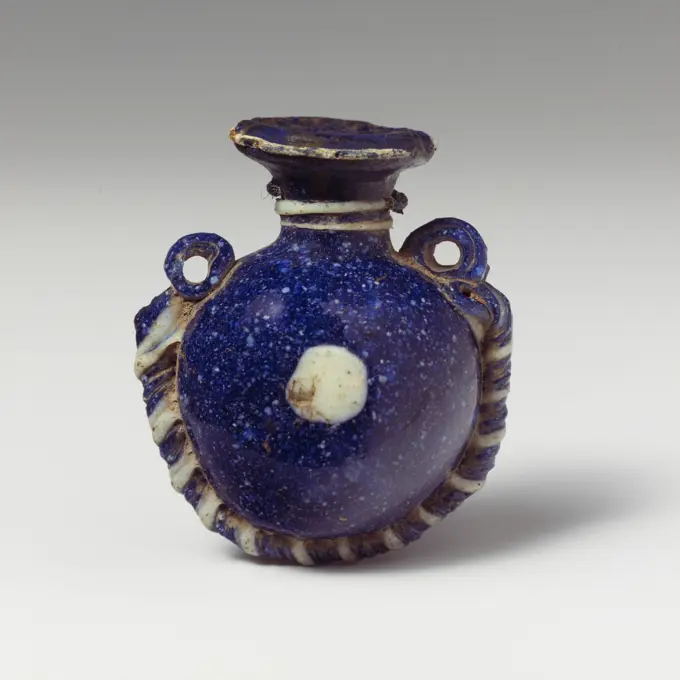
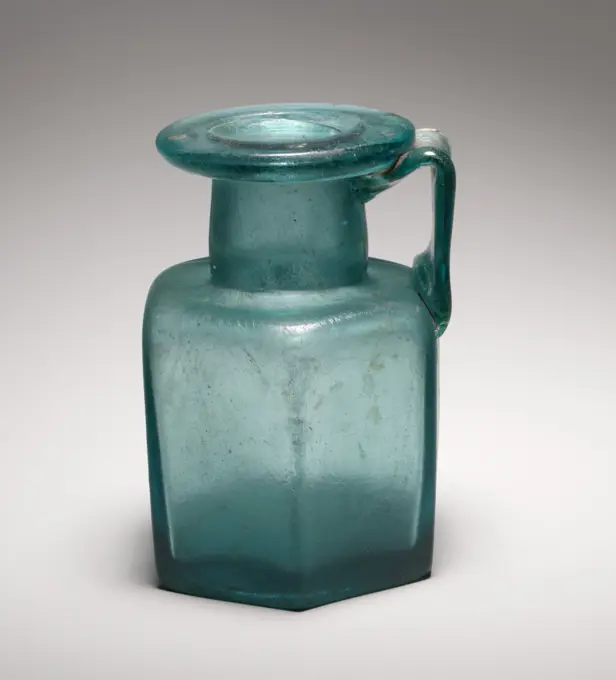
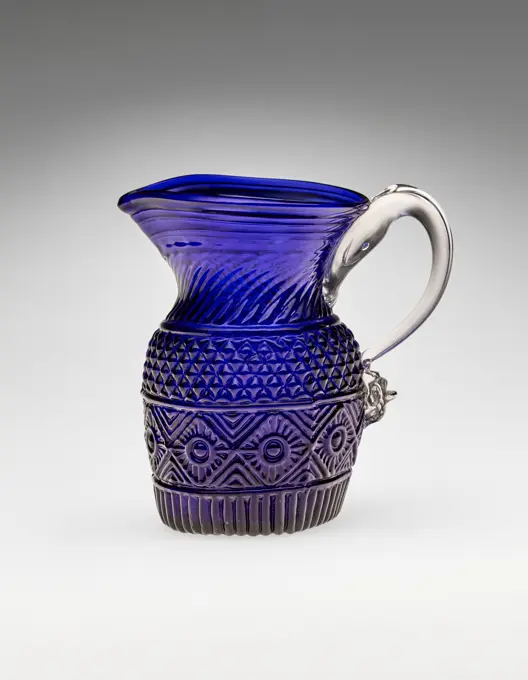
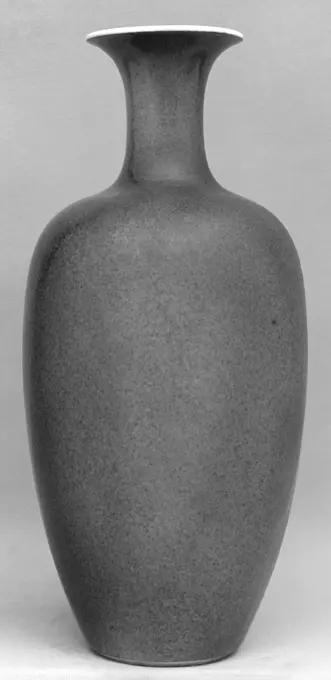
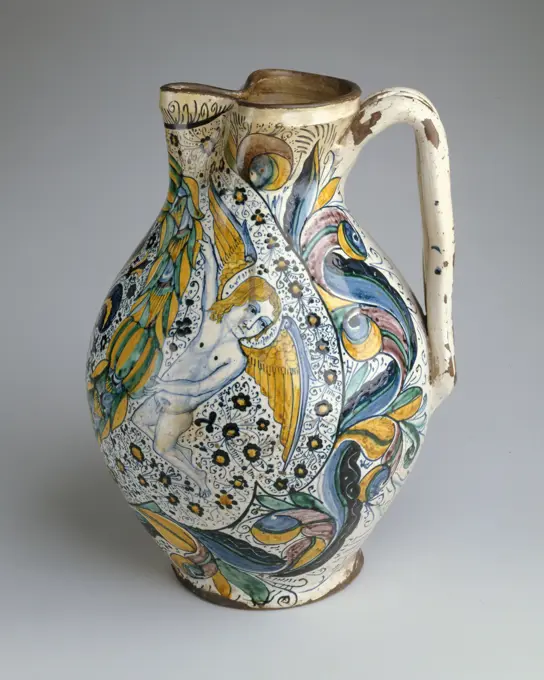
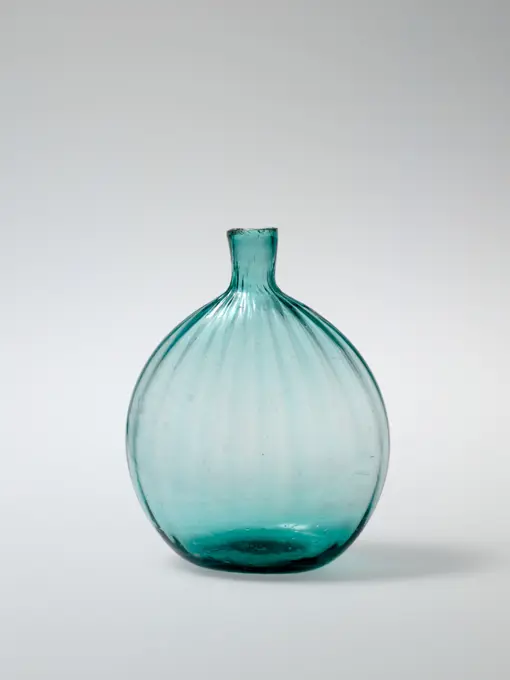
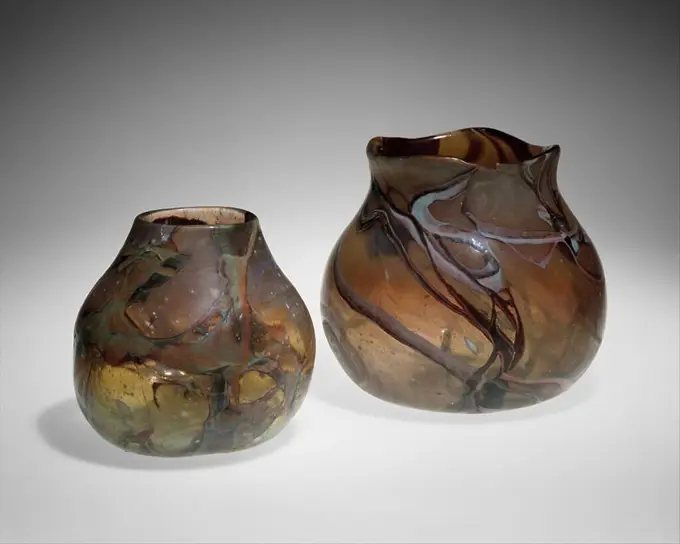
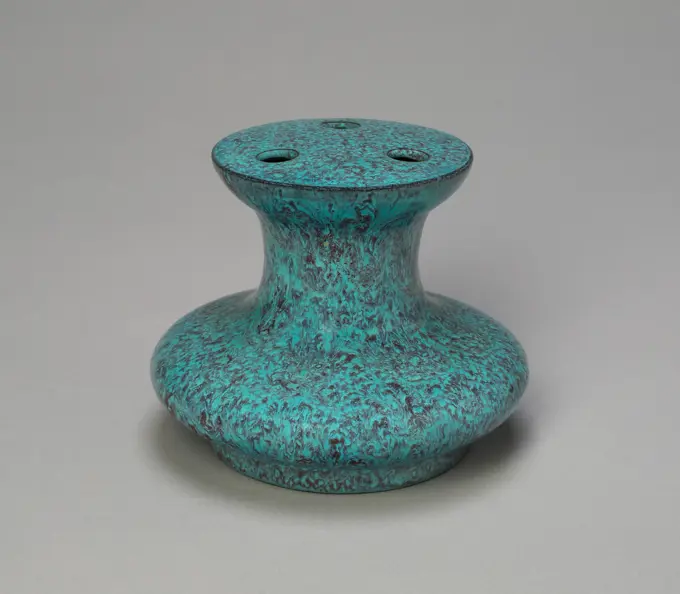
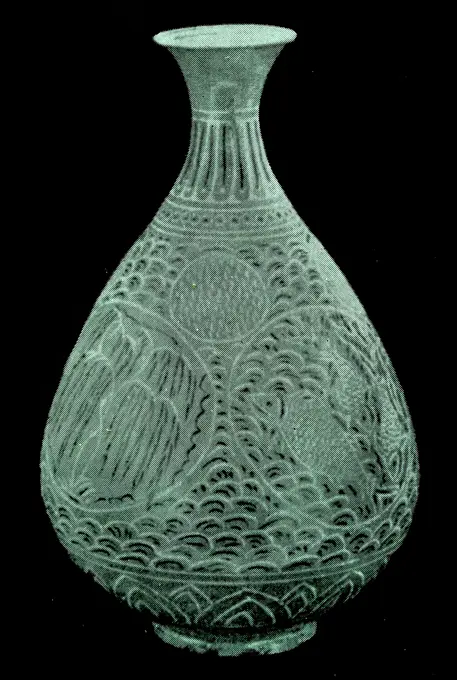
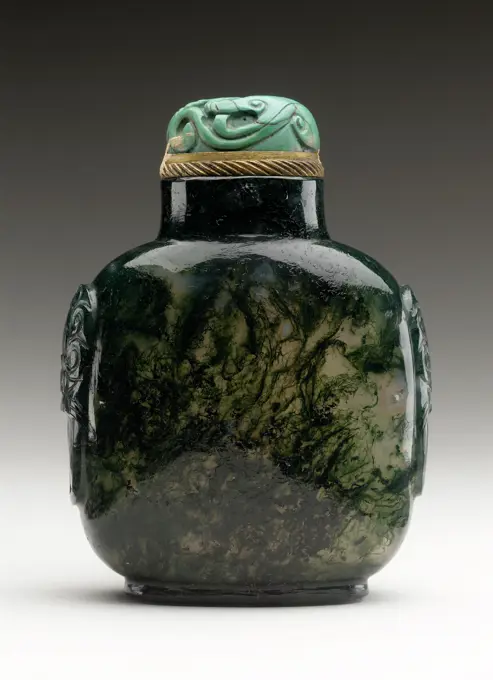
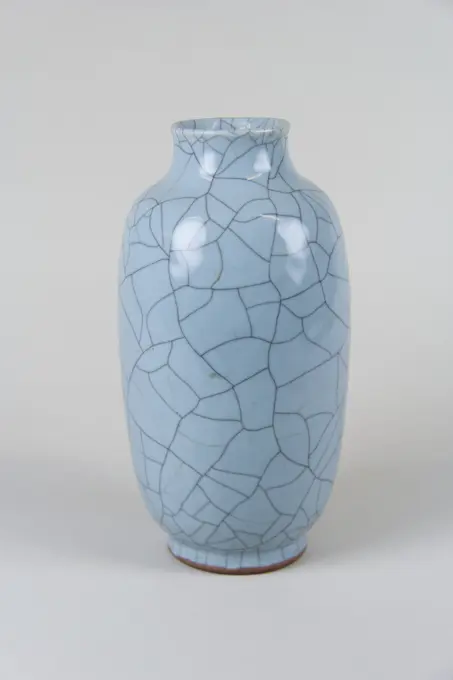
Pear-shaped vase with a molded tarragon. Pear-shaped vase of stoneware with a lump in the neck just below the edge, covered with a cracked gray and flambé purple glaze. Starting on the shoulder and continuously over the neck, a winding, applicated Chilong (corneless dragon). Shiwan.Vase Jęczkowska, Barbara, ĆmielówBlown Glass jugs Yellow and Red. Barcelona. Spain 2013Covered Jar. China. Date: 618 AD-906 AD. Dimensions: H. 16.2 cm (6 3/8 in.); diam. 13.6 cm (5 3/8 in.). Stoneware with blue lead glaze. Origin: China. Museum: The Chicago Art Institute, Chicago, USA.Covered Oil Bottle with Flowering Lotus and Scrolling Leaves. Korean. Date: 1100-1199. Dimensions: H. 7.4 cm (2 15/16 in); diam. 8.9 cm (3 9/16 in). Stoneware with underglaze carved and incised decoration. Origin: North Korea. Museum: The Chicago Art Institute, Chicago, USA.Belly bottle, cat's head, belly bottle bottle holder soil find glass, bottom. Around rejuvenated body to round shoulders and rejuvenated (h 10, - 2,5 cm) neck with round convex glass thread and flattened lip with chip archeology packagingVase with Handles. Designer: Auguste Delaherche (French, Beauvais 1857-1940 Paris). Dimensions: 11 1/2 × 14 1/2 in. (29.2 × 36.8 cm). Date: ca. 1900. Museum: Metropolitan Museum of Art, New York, USA.Glass amphora. Culture: Roman. Dimensions: 5 3/16 in. (13.2 cm)Other: 2 5/16 in. (5.8 cm)Diam. of rim: 1 5/16 in. (3.3 cm). Date: 1st century A.D..Translucent pale blue green; handles in same color.Uneven collared rim, folded out, down, and up, with lip above mouth; cylindrical neck expanding downwards to join imperceptibly with ovoid body that then curves out to low, splayed base ring; slightly concave bottom; rod handles with a single central rib, applied as a pad with a long, downward tail on upper sides of body, drawn up and out, then turned in at an angle and pressed on to neck below rim.Complete, but cracks in neck and body around one of the handles; a few pinprick bubbles and black streaked impurities in handles; slight iridescence and small patches of limy encrustation and weathering.Bluish blown glass bottle with two handles and double lip. Museum: Metropolitan Museum of Art, New York, USA.Flask 1840-60 Possibly Kentucky Glass Works. Flask 3735Sake bottle with pine and plum. Culture: Japan. Dimensions: Diam. 6 in. (15.2 cm). Date: 18th century. Museum: Metropolitan Museum of Art, New York, USA.Terracotta jug with two necks Cypriot ca. 2000-1800 BCE Double neck and handle, incised lozenges and circles. View more. Terracotta jug with two necks. Cypriot. ca. 2000-1800 BCE. Terracotta. Early Cypriot III-Middle Cypriot I. VasesVase 1904 Van Briggle Pottery Company. Vase. American. 1904. Earthenware. Made in Colorado Springs, Colorado, United StatesGlass alabastron (perfume bottle). Culture: Greek, Eastern Mediterranean. Dimensions: Overall: 3 13/16 x 1 1/2 x 1 5/16 in. (9.7 x 3.8 x 3.3 cm). Date: late 6th-5th century B.C..Opaque white, with handles in same color; trails in translucent purple.Broad, flat rim-disk; short cylindrical neck; narrow rounded shoulder; straight-sided body with slight upward taper; convex bottom; below shoulder, two large vertical ring handles with vestigial knobbed tails applied over trail decoration.One trail attached at edge of rim-disk; another applied to neck and wound down in spiral, then tooled into a close-set zigzag pattern around middle of body; below this, a third trail wound twice horizontally around lower body.Broken and repaired, with parts of lower body missing; dulling and pitting.These glass vessels with opaque white bodies and purple threads have been found throughout the Greek world, but most examples are from cemeteries and sanctuaries in the eastern Mediterranean. Museum: MetropSnuff Bottle, 1644-1911. China, Qing dynasty (1644-1911). Glass; overall: 7.7 cm (3 1/16 in.).Terracotta oinochoe (jug) ca. 325-300 B.C. Greek, South Italian, Gnathian Theatrical mask, alabastron (perfume vase), and fillets (bands)Though associated primarily with Apulia, the Gnathian technique was also used in other regions of Italy. This example may be Apulian or Campanian. The mask is that of one of the stock courtesans in comedies of the late fourth and early third centuries B.C. The alabastron may reflect a predilection of the courtesan. The vines and ivy have a Dionysiac reference.. Terracotta oinochoe (jug) 244859Bottle ca. 1700 Japan. Bottle. Japan. ca. 1700. Clay; glaze strongly marked with splashes (Seto ware). Edo period (1615-1868). CeramicsPitcher (Gong) with Dragon and Bird-Headed Handle, 1700s. China, Qing dynasty (1644-1911). Pale greenish-white jade with brown markings; overall: 25.4 cm (10 in.).LimeContainer. Egg-shaped can of Quartz Fritgoed decorated with block and stripe pattern cut away from black sludge engine under a turquoise alkali acid.Vase with Peony Scroll 12th century China. Vase with Peony Scroll 42439Jar, 18th century, Unknown Japanese, 12 in. (30.5 cm), Glazed stoneware, Japan, 18th centuryJug. Late Roman or Byzantine; Eastern Mediterranean. Date: 301 AD-400 AD. Dimensions: 12.3 × 7.2 × 5.6 cm (4 7/8 × 2 7/8 × 2 1/4 in.). Glass, blown technique. Origin: Levant. Museum: The Chicago Art Institute, Chicago, USA. Author: ANCIENT ROMAN.Wine Container (Hu) late 11th-early 10th century B.C. North and northwest China. Wine Container (Hu). North and northwest China. late 11th-early 10th century B.C.. Bronze. MetalworkSnuff Bottle, 1644-1911. China, Qing dynasty (1644-1911). Glass; overall: 6.4 cm (2 1/2 in.).Bottle Vase with Peony Scrolls. China. Date: 1368-1400. Dimensions: H. 30 cm (11 7/8 in.); diam. 15.1 cm (6 1/16 in.). Porcelain painted in underglaze blue. Origin: China. Museum: The Chicago Art Institute, Chicago, USA.Glass jar. Culture: Roman. Dimensions: 4 3/8 in. (11.2 cm)Diameter: 2 1/2 in. × 2 1/16 in. × 2 7/16 in. (6.4 × 5.2 × 6.2 cm). Date: 2nd-3rd century A.D..Colorless with slight greenish tinge, with trail in same color.Everted, rounded rim; conical, straight sides; tubular integral base ring; pushed-in bottom with round pontil mark.Single horizontal trail around upper body, then spiral up to end below rim.Intact; pinprick and larger bubbles; patches of dulling and pitting, with creamy brown weathering and faint iridescence. Museum: Metropolitan Museum of Art, New York, USA.Bottle first half of the 19th century China. Bottle. China. first half of the 19th century. Porcelain painted in underglaze blue. Qing dynasty (1644-1911). CeramicsEwer with quatrefoil motifs 1870 Minton(s). Ewer with quatrefoil motifs. British, Stoke-on-Trent, Staffordshire. 1870. Glazed Parian ware. Ceramics-PorcelainJean Carriès (1855-1894). "Spherical pot with Anse". Enameled sandstone. Museum of Fine Arts of the City of Paris, Petit Palais. 24205-1 Anse, ceramic, gres emaille, pot, sphericalGlass jug. Culture: Roman. Dimensions: H.: 3 3/4 x 2 1/2 x 1 1/8 in. (9.5 x 6.4 x 2.9 cm). Date: 1st half of 1st century A.D..Translucent pale blue green, with same color handle.Everted rim, folded down, round, and in; flaring mouth; tall neck expanding downwards; sloping, slightly convex shoulder; squat body with hexagonal sides; low base with flat bottom; bifurcated handle attached to shoulder, drawn up and out in a curve, then turned in horizontally and trailed on to edge of rim and top of neck in several folds.Decoration in relief in three registers: on shoulder, six arches, each containing an unidentified domed object; on body, six square panels, divided by columns with capitals and bases, each containing an object: 1, a footed bowl; 2, a pine cone; 3, a footed jar with rounded objects (fruit ) emerging from its rim; 4, a footed jug with long S-shaped handle; 5, another pine cone; 6, a handled vase with conical lid; below, continuous band of twenty-two radiating upturned tonguVase 19th century Makuzu Kzan I (Miyagawa Toranosuke) Japanese. Vase. Makuzu Kzan I (Miyagawa Toranosuke) (Japanese, 1842-1916). Japan. 19th century. Porcelain covered with a dark green glaze and design in white enamel (Kyoto ware). Edo (1615-1868) or Meiji period (1868-1912). CeramicsVase with Flowers and Vines 1368-1644 China. Cizhou-type ware; stoneware with turquoise glaze .Pair of SakeFlasksFlakon; Non -like Lona Huta; 4. W. 18th century (1775-00-00-1800-00-00);Jar first half of the19th century Korea Written in cobalt blue on the bottom of this jar is a single Chinese character (Korean: chung). Even after the Korean alphabet, known as hangeul, was created in 1443, official court documents and writings by literati continued to use Chinese characters. Chung probably refers to Chunghūi-dang, a building (now lost) within the Changdōk palace complex in modern Seoul that King Gojong (r. 1864-1907) used to receive foreign envoys.. Jar 57517Vase (one of a pair) China. Vase (one of a pair). China. Cloisonné enamel. Ming dynasty (1368-1644). CloisonnéEwer with Abstract Swirls and Radiating Strokes 800 CE-899 CE China. Tongguan (Changsha) ware; stoneware with underglaze painting in copper green .Bottle probably 18th-19th century. Bottle 444804Snuff Bottle China. Snuff Bottle. China. Jadeite. Qing dynasty (1644-1911), Qianlong period (1736-95). Snuff BottlesMug with silver frame. Acquired by S. Bing, L'Art Nouveau, Paris, on the Paris World Fair 1900Snuff Bottle. Culture: China. Dimensions: H. 3 in. (7.6 cm). Date: 19th century. Museum: Metropolitan Museum of Art, New York, USA.Glass alabastron (perfume bottle). Culture: Greek, Eastern Mediterranean. Dimensions: H. 3 3/8 in. (8.6 cm). Date: late 6th-5th century B.C..Translucent cobalt blue, with handles in same color; trail in opaque white.Inward-sloping rim-disk, with radiating tooling marks on upper surface; cylindrical neck, tapering downwards; small rounded shoulder; straight-sided cylindrical body, tapering upwards; convex bottom; two vertical ring handles with knobbed tails, applied over trail decoration, one higher than the other.A thick white trail applied on neck, wound down across shoulder one and a half times, then tooled into an inverted close-set festoon pattern, with nine downward strokes.Complete, except for chips in rim and one small hole in upper body; a trail probably decorated the edge of the rim-disk but this is now completely missing, leaving a weathered beveled edge; dulling, pitting, and iridescent milky weathering. Museum: Metropolitan Museum of Art, New York, USA.BOTTLE WIT STYLized Flower Scrolls. Bottle of porcelain with spherical body and straight, long neck, painted in underglaze blue. On the bottle a continuous motif of stylized flower drinks; On the shoulder a band with blue and flower rinks in reserve; To the edge a tire with floral motifs. Marked on the underside with the letter 'G'. Blue White.Bottle for Sweets. Culture: Japan. Dimensions: H. 5 in. (12.7 cm). Date: 18th century. Museum: Metropolitan Museum of Art, New York, USA.Pocket bottle 1815-45 American. Pocket bottle 6608Vase 17th-18th century. Vase 442873Tankard. Iran, 12th or 13th century. Ceramics. Fritware, underglaze-paintedVase. Design attributed to József Rippl-Rónai; Hungarian, 1861-1927; Made by Zsolnay-Pécs; Hungary, founded 1862. Date: 1898-1900. Dimensions: H. 27.9 cm (11 in.). Lead-glazed earthenware with iridescent glazes. Origin: Pécs. Museum: The Chicago Art Institute, Chicago, USA.Terracotta lekythos (oil flask). Culture: Greek, Attic. Dimensions: H.: 16 1/4 in. (41.3 cm). Date: ca. 420-410 B.C..Youth and woman, each holding basket with fillets, bringing offerings to a tomb. Museum: Metropolitan Museum of Art, New York, USA.Oenochoé Apulian with trifled mouth and red figures (Face A), ancient Greece, ivme century BC ". Ceramics. Museum of Fine Arts of the city of Paris, Petit Palais. Antiquity, ceramic, wing horse, triflee mouth, face a, red figure, ancient Greece, apulian oenochoe, wine pitcher, representation, dishesGlass perfume bottle 1st-2nd century A.D. Roman Translucent deep blue green.Rim folded out, over and in, with upper surface pressed flat; slightly flaring mouth; tall cylindrical neck, with concave sides, expanding downwards to join imperceptibly conical body; uneven bottom, with jagged pontil scar.Complete but broken and repaired around upper neck and lower body; pinprick and elongated bubbles and blowing striations; deep pitting, dulling, and patches of brilliant iridescence on exterior, soil encrustation and limy weathering on interior.. Glass perfume bottle 244708CANTARO VIDRIADO Y DECORADO EN BLANCO Y AZUL-PARA AGUA-ARTE POPULAR. Location: ALFARERIA. GRANADA. SPAIN.Blue-painted Jar from Malqata ca. 1390-1353 B.C. New Kingdom. Blue-painted Jar from Malqata. ca. 1390-1353 B.C.. pottery, slip, paint. New Kingdom. From Egypt, Upper Egypt, Thebes, Malqata, Palace of Amenhotep III, Houses G-K, MMA excavations, 1910-11. Dynasty 18Tomb urn 11th-12th century China. Tomb urn. China. 11th-12th century. Porcelain with yellowish white glaze (Jingdezhen qingbai ware). Song dynasty (960-1279). CeramicsJug, 10th-13th century, 9 x 6 9/16 in. (22.9 x 16.67 cm), Stoneware, China, 10th-13th centuryMiniature Bottle Vase With Flowering Plants. Miniature bottle-shaped vase of porcelain with spherical body, painted in underglaze blue. Plants flowering plants at a rock; on the shoulder a band with zigzag work; The neck with a branch twice. A chip in the edge; A crack in the wall. Blue White.Fruit and flowers ca. 1760 Chelsea Porcelain Manufactory. Fruit and flowers. British, Chelsea. ca. 1760. Soft-paste porcelain. Chelsea Porcelain Manufactory (British, 1745-1784, Red Anchor Period, ca. 1753-58). Ceramics-PorcelainLekyt aryballosowy. unknown, authorGlass cosmetic flask (kohl tube) 4th century A.D. Roman, Syrian Translucent deep blue green; handle and trails in same color.Everted tubular rim, folded round and in, flattened on top edge; cylindrical body with concave side; thick, solid pad base, made as a coil, with sloping upper surface; bottom with deep central kick and part of circular pontil; basket handle applied over trails in an arching loop above rim.On body, four trails, applied as large pads, two on opposite sides near base, the other two between them higher up side, all drawn up vertically in tooled loops, ending on top of rim.Broken and repaired around rim and top of body; some pinprick bubbles in body, black impurities in handle and trails; pitting, dulling, and patches of iridescent weathering on exterior, creamy white weathering and iridescence on interior.. Glass cosmetic flask (kohl tube) 256717Sugar bowl 1820-45 American. Sugar bowl. American. 1820-45. Blown-molded glass. Probably made in Ohio, United StatesVase, Lenore Asbury, American, 1866-1933, Rookwood Pottery, American, 1880 - 1967, Glazed earthenware, Cast white clay body. Ovoid body with raised neck; no foot. Underglaze slip-decorated on front with two large unopened lotus blossoms with water leaves and single blossom with unfurled leaf and stem on side. Blossoms are pastel pink and leaves are a pale gray-green. Background shades from a dark blue to a pale green at shoulder. Allover clear high glaze with wide crackle. Bottom glazed., Cincinnati, Ohio, USA, 1906, ceramics, Decorative Arts, VaseBrushes rinsing vessel with engraved dragon silhouettes unknownBottle 1 CE-100 CE Syria. Glass, blown technique . Ancient RomanPitcher ca. 1849-79 Probably Pyatt. Pitcher 5840Glass manner unknown labelAlfred Parys, Bottle, c 1939 BottleBowl of a Footed Beaker. UnknownBottle 17th century. Bottle 444517Pair of Vases 19th century Japan. Pair of Vases 46034Flask; Eastern Mediterranean; 1st century A.D; Glass; 7.5 × 4.1 cm (2 15,16 × 1 5,8 in.)Vase, late 19th-early 20th century, Louis Comfort Tiffany, American, 1848-1933, 12 1/4 x 6 1/2 in. (31.1 x 16.51 cm), Glass, United States, 19th-20th centuryBottle 10th-11th century. Bottle 448354Vase. Biloxi Art Pottery (United States, Mississippi, Biloxi, pottery manufacturer, circa 1880-circa 1909)George Edgar Ohr (United States, 1857-1918). United States, circa 1895-1900. Furnishings; Accessories. EarthenwareRoman Glass, Italy Glass lentoid aryballos (perfume bottle) 4th-3rd century B.C. Greek Semi-opaque cobalt blue, with same color handles and cord; trails and blobs in opaque white.Broad slightly uneven and slanting rim-disk; cylindrical neck; sloping shoulder; globular lentoid body; convex bottom; two vertical ring handles attached to shoulder.A trail attached at edge of rim-disk; another wound twice horizontally around neck; a circular marvered blob applied to both faces of body; a large cord, twisted together with a white trail, attached under handles runs down sides and across bottom.Body complete, but part of rim missing and restored with fill; many tiny white inclusions in blue glass; some encrustation and weathering especially around handles and cord.This bottle belongs to a small group of core-formed glass that may have been made in southern Italy, Sicily, or even Carthage. It has also been suggested that these bottles may have been worn as amuletic pendants around the neck.. Glass lentoid aryballoJar 201 CE-400 CE Levant. Byzantine glassmakers refined the techniques they inherited from their Roman predecessors, creating objects with increasingly elaborate forms and complex decorative elements to flaunt their skills. Cosmetic containers were often adorned with fine strands (trails) of glass that required a steady hand and rapid execution, while other vessels look quite complex yet were easily made. Glass continued to be used in objects of personal adornment such as jewelry, both as a material in its own right and to imitate precious stones, offering more affordable options for what was in fashion.. Glass, blown technique . ByzantineGlass hexagonal bottle 2nd half of 1st-3rd century A.D. Roman Translucent deep blue green; handle in same color.Rim folded out, down, round and in, with broad, flattened upper surface; cylindrical but slightly convex neck, with slight horizontal tooling marks around the base; slightly indented horizontal shoulder with rounded corners; hexagonal body with flat sides slightly tapering downward; thick, flat bottom; broad strap handle, combed on exterior surface, applied as a long pad to edge of shoulder, drawn up vertically, then bent in and down, and attached to neck with upward trail.On bottom, pattern in relief from base mold, comprising a circle enclosing four inward-curving lines and a small central knob.Intact; many pinprick and some larger bubbles; dulling and pitting, thin patches of weathering, and faint iridescence.Hexagonal jug with round neck and broad rim; mark on bottom.. Glass hexagonal bottle. Roman. 2nd half of 1st-3rd century A.D.. Glass; mold-blown. Early to Mid ImperiaCreamJugVase 18th century China. Vase. China. 18th century. Porcelain with blue glaze (Jingdezhen ware). Qing dynasty (1644-1911). CeramicsArmorial Jug (boccale) ca. 1470-80 Italian, Florence or vicinity. Armorial Jug (boccale). Italian, Florence or vicinity. ca. 1470-80. Maiolica (tin-glazed earthenware). Ceramics-PotteryGlass flask 3rd-4th century A.D. Roman Colorless, with pale greenish tinge.Plain, vertical, knocked-off rim; conical neck, with horizontal tooled indent at base; elongated piriform body; tubular, splayed foot applied to rounded bottom.Bands of horizontal wheel-abraded lines on neck and body (four on neck, six on body, unevenly spaced).Intact; few bubbles; dulling, iridescence, and large areas of creamy brown weathering.. Glass flask. Roman. 3rd-4th century A.D.. Glass; blown and cut. Late Imperial. GlassPocket bottle 1815-40 American. Pocket bottle. American. 1815-40. Blown-molded glass. Possibly made in Pennsylvania, United States; Probably made in Ohio, United StatesHolder for Incense Sticks or Flowers. China. Date: 1723-1735. Dimensions: H. 6.8 cm (2 11/16 in.); diam. 8.3 cm (3 1/4 in.). Porcelain with robin's egg blue glaze. Origin: China. Museum: The Chicago Art Institute, Chicago, USA.Vase. Culture: American. Designer: Designed by Louis Comfort Tiffany (American, New York 1848-1933 New York). Dimensions: H. 4 1/8 in. (10.5 cm). Maker: Tiffany Glass and Decorating Company (American, 1892-1902). Date: 1893-96. Museum: Metropolitan Museum of Art, New York, USA.Vase. Designer Taxile Doat, French, 1851-1938 Maker: University City Porcelain Works, 1912-14Holder for Incense Sticks or Flowers 1723-1735 China. Porcelain with robinís egg blue glaze .Snuff bottle. Culture: China. Dimensions: H. 3 in. (7.6 cm); W. 2 3/8 in. (6 cm); D. 3/4 in. (1.9 cm). Date: 18th-19th century. Museum: Metropolitan Museum of Art, New York, USA.Jug Made 1660-1670 Nuremberg. Tin-glazed earthenware (faience) and pewter with enamel decoration . Johann SchaperPedestalled Cup 2800-2400 B.C. China. Pedestalled Cup 36447Korean Wine Bottle dating back to the Joseon dynasty. Celadon glaze; incised and stamped decoration filled with white and black slips. From the time of Joseon kingdom (1392 - 1910)Sheppard Historical Flask, 19th century, Zanesville Glass Manufacturing Company, (Zanesville, Ohio), 6 3/4 x 4 1/8 x 2 3/4in. (17.1 x 10.5 x 7cm), Glass, United States, 19th centuryGreen Glass Jar 10th century No direct evidence for the production of glass was revealed during the Nishapur excavations, although we assume that glass objects were in fact made in Nishapur, especially the utilitarian vessels found in quantity in the Sabz Pushan neighborhood. This small jar is typical of the glass finds of Sabz Pushan.. Green Glass Jar 449406Bowl of a Footed Beaker; about 1525 - 1575; Free-blown colorless (purplish-brown) glass with gold leaf, enamel, and diamond-point engraved decoration; 21.4 cm (8 7,16 in.)Covered Vase, 1901. Sèvres Porcelain Factory (French, est. 1756), Taxile Maximin Doat (French, 1851-1939). Porcelain; overall: 17.5 x 8 x 8 cm (6 7/8 x 3 1/8 x 3 1/8 in.).Flask ca. 1836-50 Bridgetown Glass Works. Flask 3719Roemer with the arms and the motto of Prince Maurice. The barren, chopped-down tree engraved on the glass stands for Maurices assassinated father, William ofOrange. Sprouting from another stump are two twigs: Maurice and his younger brother, Frederick Henry.Maurices motto (Tandem fit surculus arbor) reads in translation: ‘In time, the (off)shoot becomes a tree. By1606, when this glass was engraved, Maurice had already racked up many military successes.Alabastron 664-332 B.C. Late Period. Alabastron 550919Snuff Bottle (Biyanhu) with Mock Mask HandlesSuccess to the RailroadsFlaskVase 18th century China. Vase 47529