Historical Bottles and Jugs

Antique ceramics and glass vessels from different cultures and eras, featuring intricate designs and traditional crafting.

Water Jar, Khmer, 12th-13th century, 9 5/8 x 6 3/8 in. (24.45 x 16.19 cm), Stoneware with incised decor under brown glaze, Cambodia or Thailand, 12th-13th century
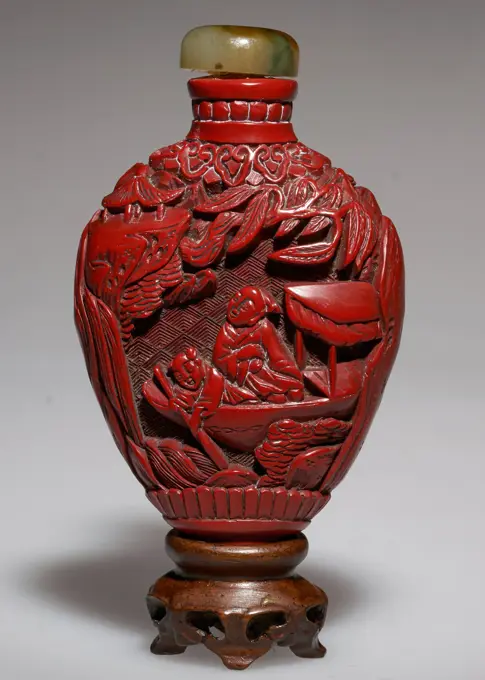
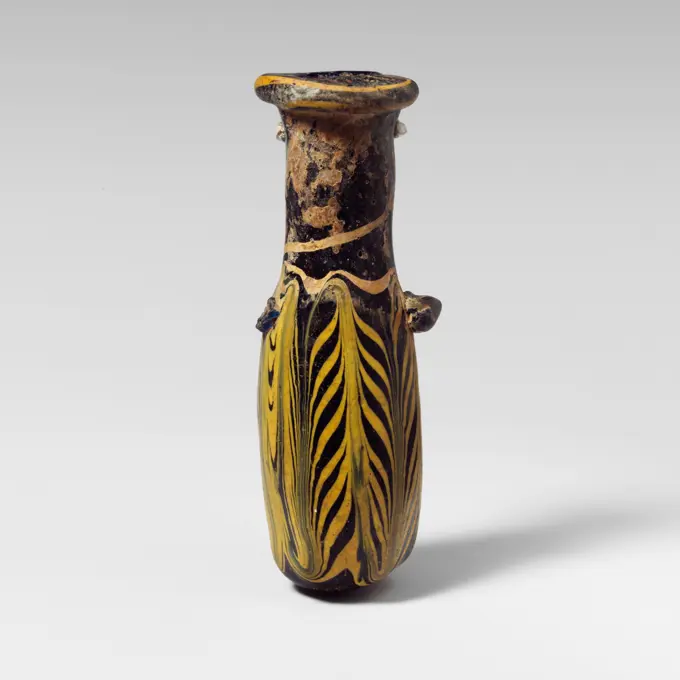
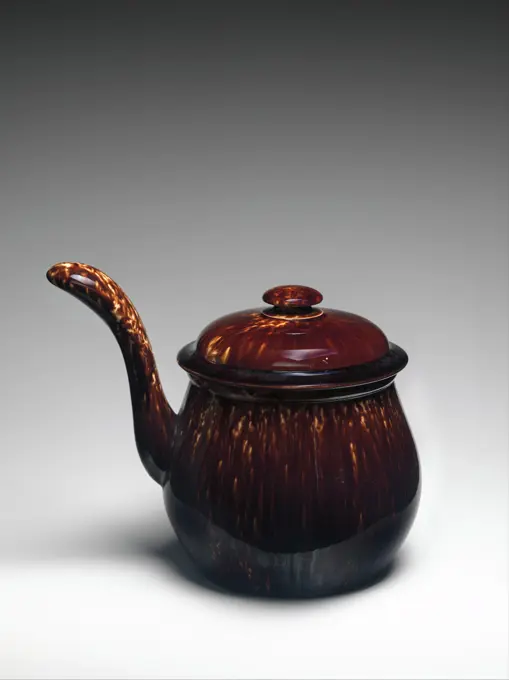
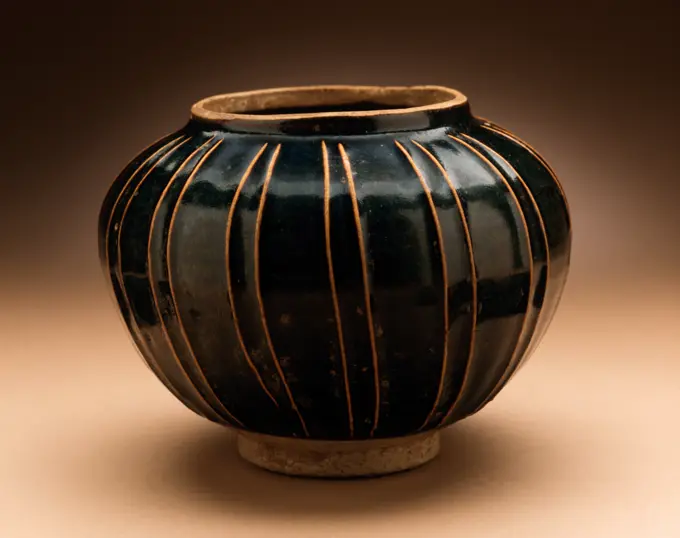
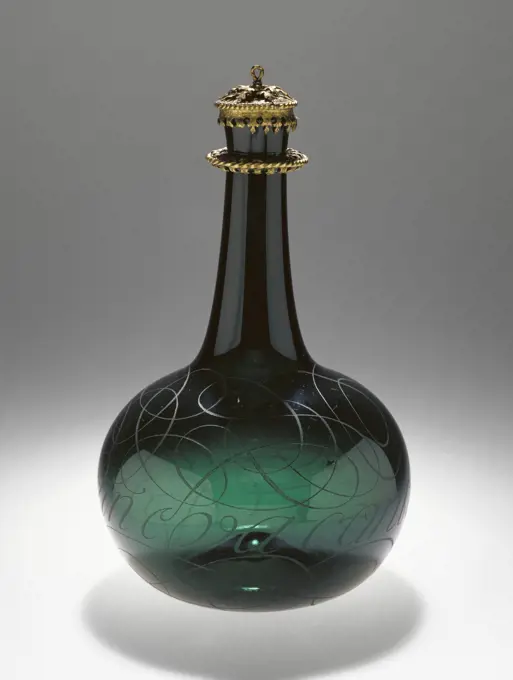
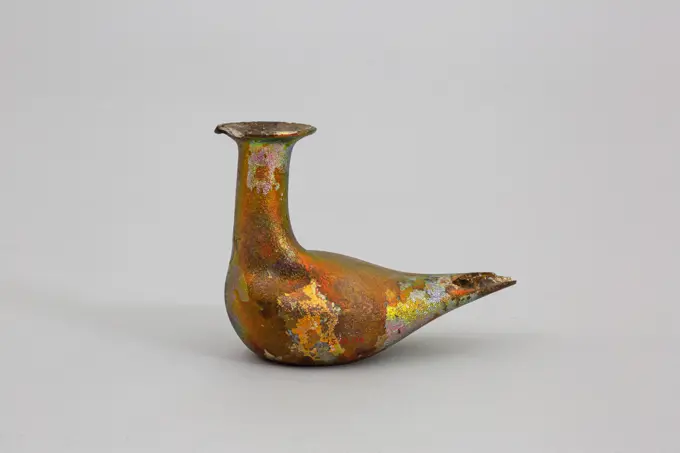
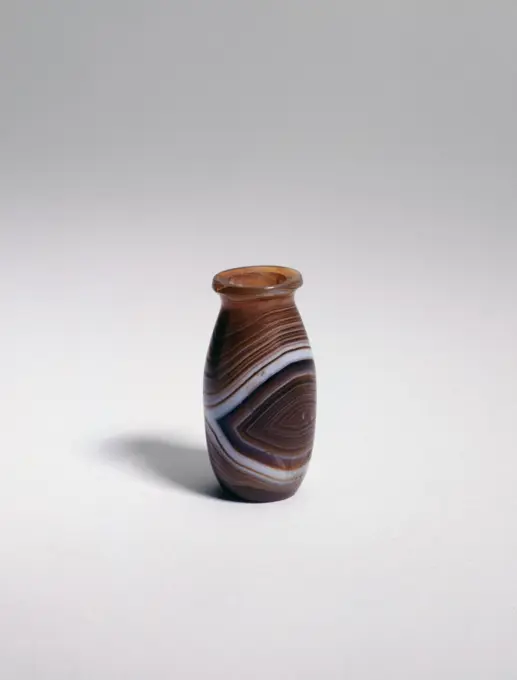
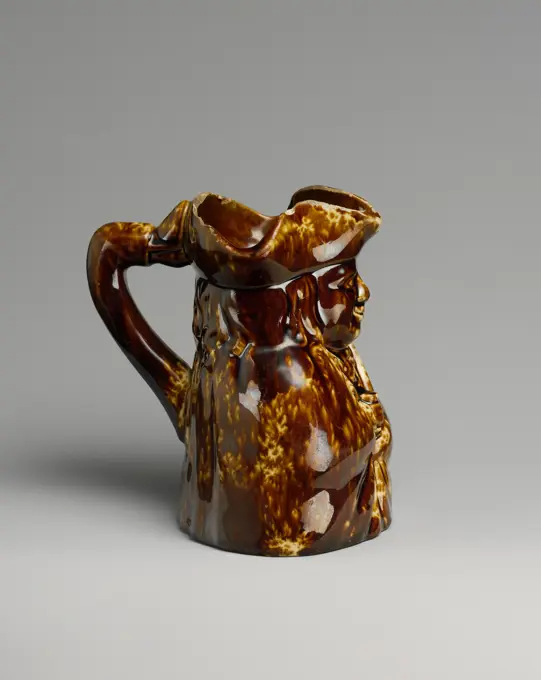
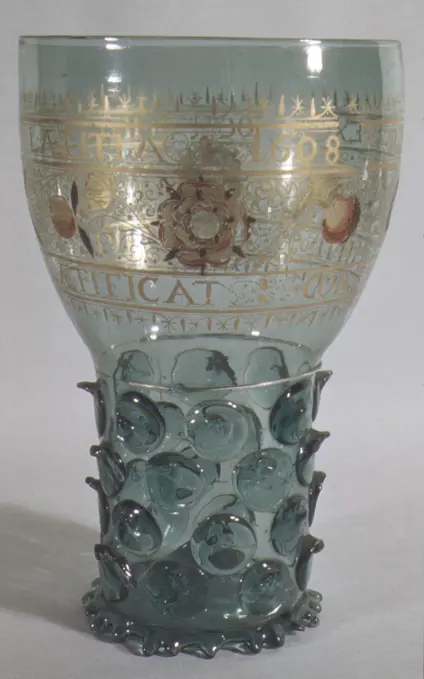
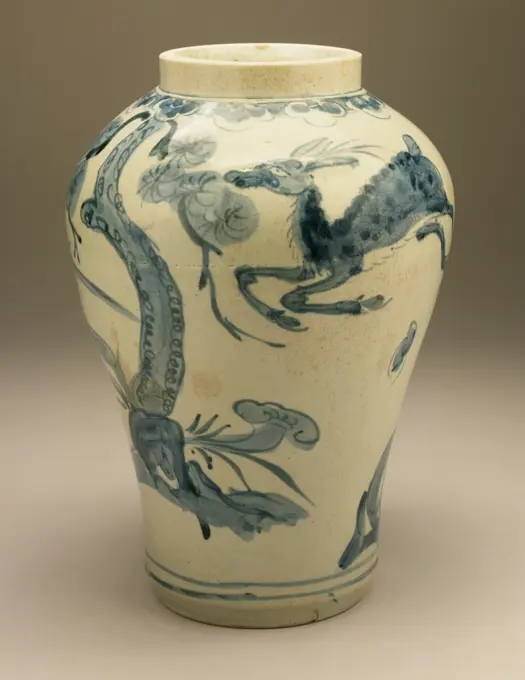
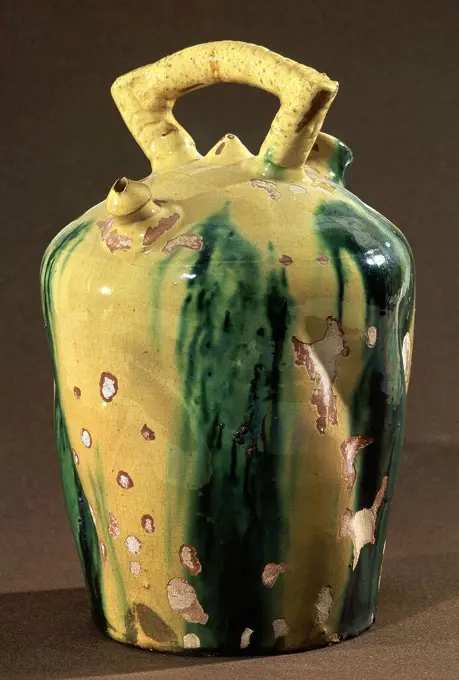
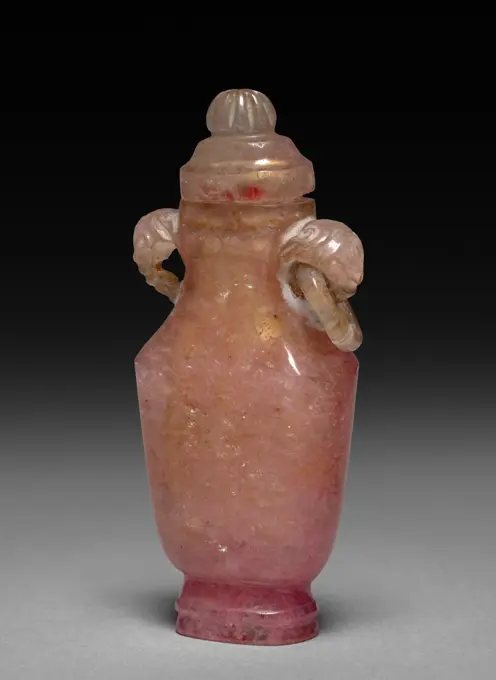
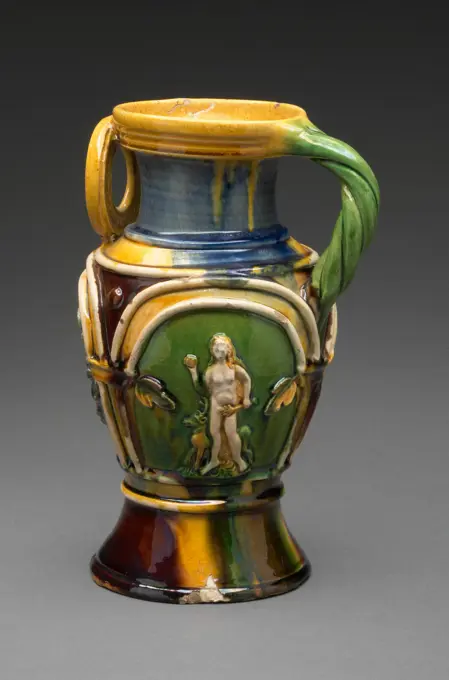
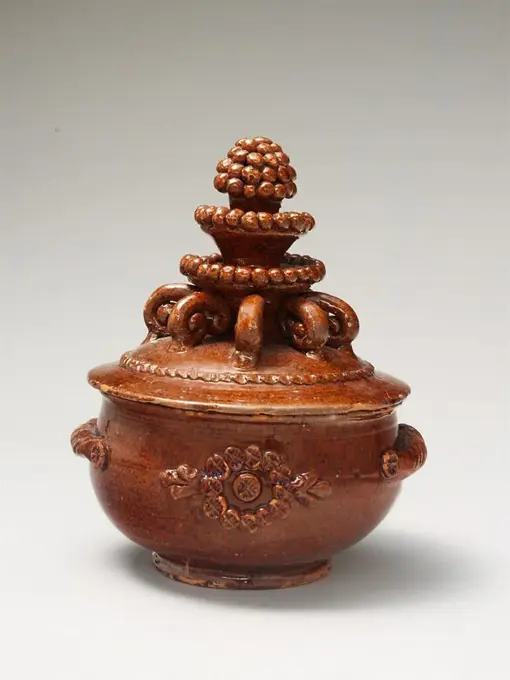
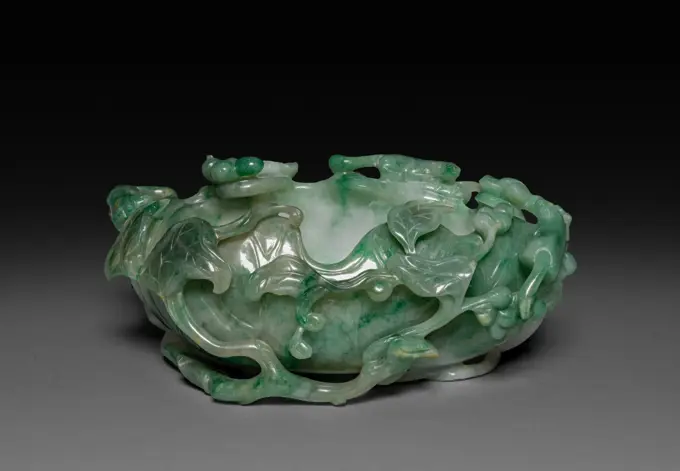
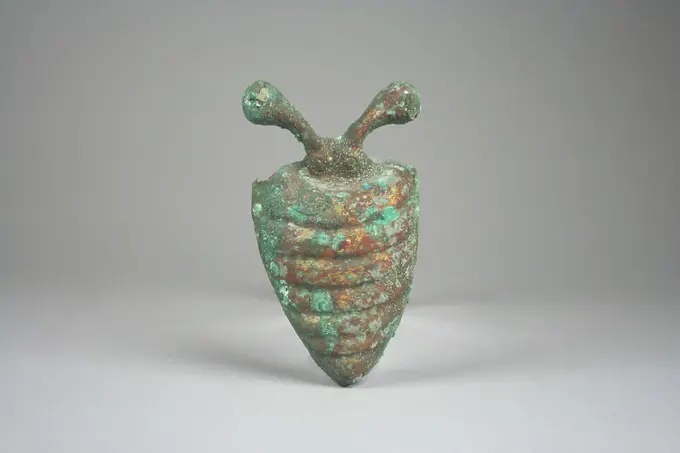
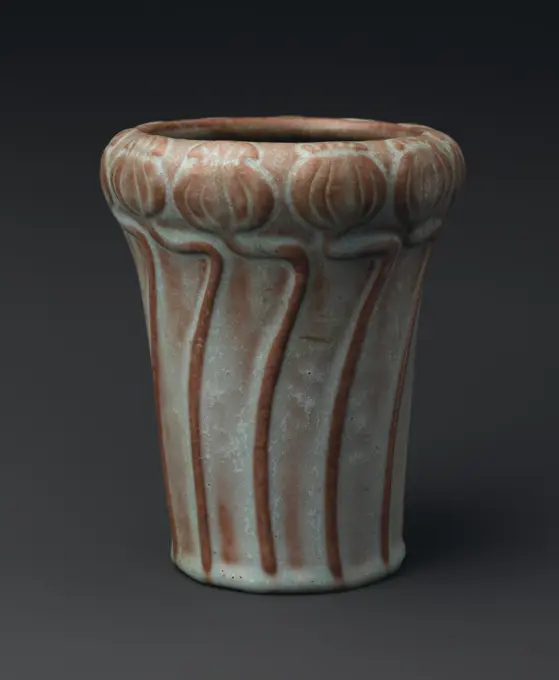
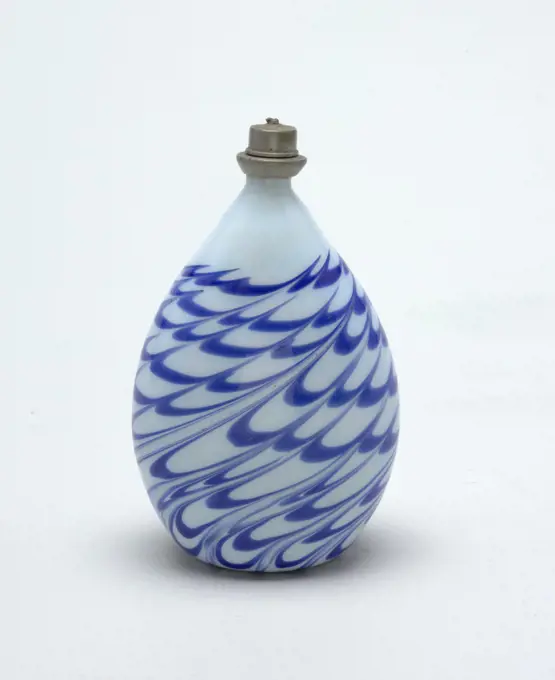
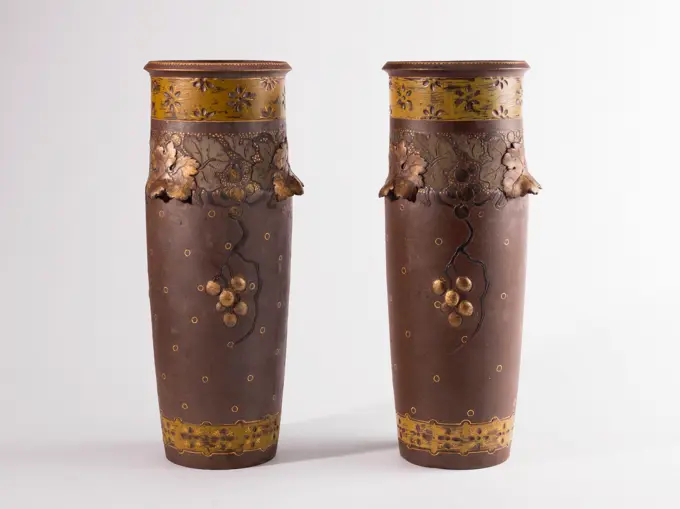
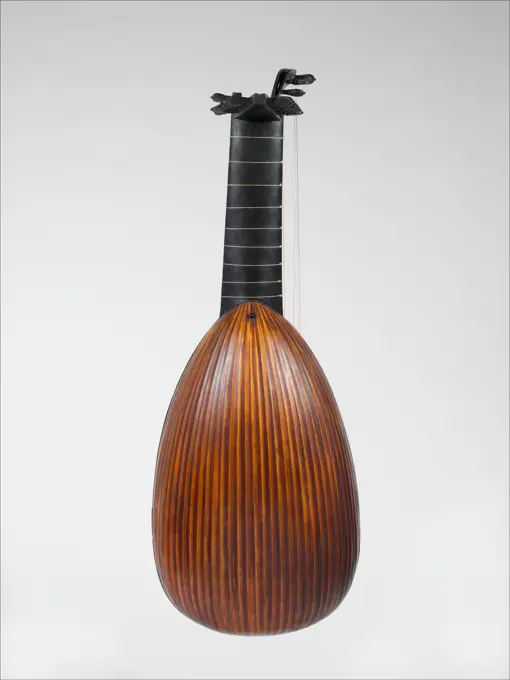
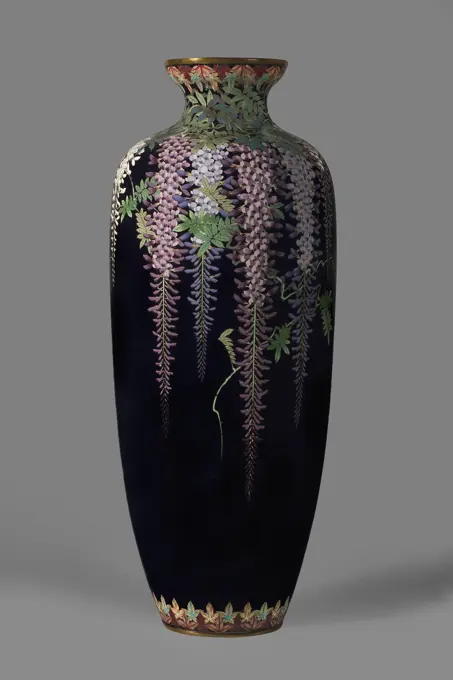
Vessel  (4th c.). Roman art. Late Empire. Glass and Crystal. FRANCE. ALSACE. BAS-RHIN. Strasbourg. Archaeological Museum. Proc: FRANCE.Vase with boy riding an ox 18th century China. Vase with boy riding an ox. China. 18th century. Soft paste porcelain painted in underglaze cobalt blue (Jingdezhen ware). Qing dynasty (1644-1911). CeramicsSnuff Bottle, 1780-1850, 2 3/4 x 1 3/4in. (7 x 4.4cm), Cinnabar lacquer, jade, ChinaElton Pottery Jug, 1900-1910. Manufactured by Elton PotteryGlass alabastron (perfume bottle) 3rd-2nd Century B.C. Greek, Eastern Mediterranean Translucent cobalt blue, with handles in same color; trail in opaque yellow.Thick horizontal rim-disk, unevenly shaped with radiating tooling marks on upper surface; cylindrical neck, tapering slightly downward; small sloping shoulder; straight-sided cylindrical body; convex bottom; on upper body, two lug handles, applied over trail pattern; one considerably larger than the other.Trail attached at top of rim-disk, wound spirally round edge, then down across neck, and over body where it is tooled into a close-set feather pattern in five vertical panels of upward and downward strokes, ending around edge of bottom.Intact; some dulling and iridescent brownish weathering on rim, neck, and upper body.. Glass alabastron (perfume bottle) 249830Vase;  beginning of the 20th century (1901-00-00-1910-00-00);Covered Bean Pot 1849-58 Lyman, Fenton & Co.. Covered Bean Pot 434Ewer 12th-13th century. Ewer 451707Jar (Hu) in the Form of a Melon. China, probably Henan Province, Jin dynasty, 1127-1234. Furnishings; Serviceware. Northern Black ware, wheel-thrown stoneware with slip-trailed ribs and black glazeGlass miniature jar. Culture: Roman. Dimensions: H.: 15/16 in. (2.4 cm). Date: 4th-5th century A.D..Translucent cobalt blue; one trail in same color, zigzag trail and base ring in opaque brownish red.Everted rim, folded over and in; short cylindrical neck with concave profile; projecting, rounded shoulder; bulbous body with side tapering downwards; applied base ring; small, pushed-in bottom with central pontil mark.Fine blue trail wound in a spiral twice around neck; thicker red trail applied to shoulder and drawn up to rim seven times forming openwork zigzag running from left to right.Body complete but cracked and chipped, part of zigzag trail and base ring missing; pinprick and larger bubbles; slight dulling and faint iridescent weathering.Blue jar with red opaque foot and red zigzag thread from neck to body. Museum: Metropolitan Museum of Art, New York, USA.Dagger Belonging to a Royal Seal Bearer. Egypt, 12th - 13th Dynasty (1991 - 1664 BCE). Arms and Armor; daggers. BronzeBottle; Willem Jacobsz van Heemskerk (Dutch, 1613 - 1692); Netherlands; 1675 - 1685; Dark green glass with diamond point-engraving; modern silver-gilt mounts; 23 cm (9 1,16 in.)Terracotta vase in the form of a mouse. Culture: Greek, Sicilian. Dimensions: H. 3 11/16 in. (9.4 cm)length 6 13/16 in. (17.3 cm). Date: mid-5th century B.C..Once localized in Campania, the group of works to which this example belongs has been reattributed to Sicily. They may have been used as feeding bottles. Museum: Metropolitan Museum of Art, New York, USA.Miniature Bottle China. Miniature Bottle. China. Porcelain. Qing dynasty (1644-1911), Kangxi period (1662-1722). CeramicsWine Bottle 1739-80 American. Wine Bottle 9867Glass bottle in the form of a bird Roman 1st-3rd century CE Colorless.Everted, slightly thickened rim; shallow funnel mouth; cylindrical neck, merging at right angle with ovoid body, drawn out at back to form stylized tail; pushed-in bottom.Body complete, but missing part of rim and much of tail; pitting of surface bubbles and brilliant iridescence on exterior, creamy dark brown weathering on interior. View more. Glass bottle in the form of a bird. Roman. 1st-3rd century CE. Glass; blown. Imperial. GlassCharles Caseau, Flask, c 1936 FlaskSilversmith: Willem van Strant, Silver miniature vase, lid vase vase crockery holder dolls toy relaxing medium miniature model silver, cast Baluster shaped vase with serrated base round lid. Flower on lid stadskeur: three crosses under crown play decorate home interior dollhouse Bishop RotterdamAnonymous. "Balsamaire". Gem, ribbon onyx. Museum of Fine Arts of the City of Paris, Petit Palais. 99936-15 Antiquity, gem, ribbon onyx, ancientJessie M Youngs, Water Pitcher, c 1940 Water PitcherSnuff bottle with Buddhist emblems China The parasol and flaming jewel carved deeply into the surface of this object are two of eight auspicious emblems introduced to China with Buddhism.. Snuff bottle with Buddhist emblems 41240Toby Jug 1849-58 Lyman, Fenton & Co.. Toby Jug 8676Goblet (Roemer) 1608 German, Rhineland The challenging size of this drinking beaker reveals the work of a master glassblower. It displays the mediums admired qualities of transparency, malleability of shape, and capacity for surface decoration—here, delicate gold and probably oil-resin-painting. The Venetian-style glass shown nearby was sought after by princely collectors for display in their curiosity cabinets; this piece is more typical of the local Germanic glassmaking tradition. The northern European form—with a broad, hollow stem covered with relief dots, called prunts—prevented slippage as it was passed from one greasy-handed diner to another in a communal toast.[Elizabeth Cleland, 2017. Goblet (Roemer) 195991Jar with Ten Longevity Symbols. Korea, Korean, Joseon (1392-1910), 19th century. Furnishings; Serviceware. Wheel-thrown porcelain with underglaze blue painted decoration under clear glaze (ch'onghwa paekja ware)BOTIJO VIDRIADO EN AMARILLO Y VERDE - ARTE POPULAR S XX. Location: ALFARERIA. Miravet. TARRAGONA. SPAIN.Miniature Jar, 19th-early 20th century. China, Qing dynasty (1644-1911). Jade; overall: 6.1 cm (2 3/8 in.).Jug with Adam and Eve 1545-1555 Nuremberg. Earthenware, polychrome glaze . Paul PreunigCannister, 1715. Johann Melchoir Warner (German). Pewter; overall: 33 cm (13 in.).Four blue glass bottles, used as measures of capacity, from PompeiBottle 1 CE-200 CE Roman Empire. Initially affordable only among the wealthy, glass was used in ancient Rome as containers for oils, perfume, and tablewares. The variety of glass-making techniques reveals the changing tastes and fashions over the centuries. During the 1st century A.D., cast glass was a novel form that was a luxury for the Roman household, but by the end of the century, the innovation of blown glass allowed for less labor-intensive and less expensive production, which meant people of lesser means could afford it. Blown glass became so popular it nearly supplanted ceramic and even bronze wares in the home.. Glass, blown technique . Ancient RomanSugar bowl. Culture: American. Dimensions: H. 5 3/4 in. (14.6 cm); Diam. 4 3/4 in. (12.1 cm). Maker: Attributed to John Nice (1785-1867). Date: ca. 1830. Museum: Metropolitan Museum of Art, New York, USA.Brushwasher in Shape of Lotus Leaf, 19th Century. China, Qing dynasty (1644-1911). Translucent jadeite; overall: 61 x 10 cm (24 x 3 15/16 in.).Clarinet (Barrel), Heinrich Borders, c. 1800 Ton or Baril from a Palmhout clarinet. Corning with a ton or baril with invnr. BK-NM-11430-123-A. Dresden boxwood (hardwood). ivory Ton or Baril from a Palmhout clarinet. Corning with a ton or baril with invnr. BK-NM-11430-123-A. Dresden boxwood (hardwood). ivoryGlass amphoriskos (perfume bottle). Culture: Greek, Eastern Mediterranean. Dimensions: 3 3/4 × 2 1/16 in. (9.5 × 5.2 cm)Diam. of rim: 1 1/8 in. (2.9 cm)Diam. of foot: 9/16 in. (1.5 cm). Date: late 6th-5th century B.C..Translucent cobalt blue, with handles in same color; trails in opaque white.Broad, inward-sloping rim-disk with radiating tool marks on upper surface; cylindrical neck tapering upward; broad rounded shoulder; top-shaped body; circular base-knob with with rounded edge and slightly concave bottom; two vertical strap handles applied to top of shoulder, drawn up, and pressed onto neck and underside of disk-rim.One trail attached at edge of rim-disk; another applied as an uneven pad on shoulder, wound spirally round one and a half times to junction of shoulder and body, then tooled into an uneven close-set zigzag pattern on upper half of body, with twenty-seven alternating upward and downward tooling strokes forming vertical ribs in sides; below this, same trail continuesvintage Salt and pepper shakers on a white backgroundAnimal Ornament. Culture: Moche (Loma Negra). Dimensions: Length 4-3/16 in. (10.6 cm). Date: 390-450. Museum: Metropolitan Museum of Art, New York, USA.Cosmetic Jar 401 CE-700 CE Syria. Glass containers were used to store cosmetics, including scented oils and kohl, a mineral compound used to dramatic effect to darken eyelids and eyelashes. Containers for cosmetics were fashioned out of a variety of materials in addition to glass, including metal, ivory, bone, and wood. In his writings, the third-century church father Saint Clement of Alexandria (d. 215) mentions white lead, charcoal, and even the ìdroppings of crocodilesî as common ingredients for cosmetics, although he must be regarded as a hostile witness at best. Nevertheless, the fact that his writings feature such detail about the use of makeup attests to its ubiquity.. Glass, core-formed technique . ByzantineGlass double cosmetic flask (kohl tube). Culture: Roman, Syrian. Dimensions: Overall: 4 13/16in. (12.2cm). Date: 4th century A.D..Translucent yellow green; handles and trails in same color.Everted tubular rim, folded over and in; body comprising two tubes, side by side, made from a single inflated gather by pinching sides vertically to make diaphragm; large, jagged pontil pad on very thick bottom; two ring handles attached to lower body in large, rounded pads, drawn vertically up sides in uneven loops, then turned up, out, and down, forming loops above rim, and pressed onto top edge of rim.Single fine trail applied as a pad and wound in a spiral nine times around middle of body; two other thick trails, resembling the handles, attached to lower body over join of tubes in large, rounded pads, drawn vertically up sides, one in prominent loops, the other as a slightly sinuous rod, then turned in and pressed onto top of rim.Body intact, but tops of handles chipped, and one missing part Vase with poppy seed pods ca. 1905-07 Designed by Artus Van Briggle Artus Van Briggle began his career in ceramics at the Rookwood Pottery, but because of respiratory issues, moved to Colorado, where, with his wife Anna Van Briggle, he established his own pottery in Colorado Springs in 1901. The Van Briggles and some other designers produced models from which molds were made, and the vases were then slip-cast in multiple forms. They were particularly noteworthy for their glazes in satiny soft textures in unusual colors, sometimes one or more combine on a single piece. Like many American artists, Artus Van Briggle had traveled to and studied in Paris in the late 1890s and was much influenced by not only the artistic ceramics he saw there, but much of the French art that was on exhibition. Van Briggles early work often exhibits the stylistic characteristics of the Art Nouveau, especially in the sinuous curves of the stems on his floral-decorative vases. As seen in this vase, he kept theBottle and cap, Glass, Tear-drop shaped bottle in opaque white glass with slightly blue cast, has horizontal cobalt blue swirling lines., Switzerland, 18th century, glasswares, Decorative Arts, Bottle and capVase. Culture: China. Dimensions: H. 6 1/4 in. (15.9 cm). Date: 1678-88. Museum: Metropolitan Museum of Art, New York, USA.BrushPotErnest Chaplet (1835-1909). "Roll vases". Brown sandstone with inlaid color land. Between 1882-1885. Museum of Fine Arts of the City of Paris, Petit Palais. 101362-2 Ceramic, extended shape, brown gres, encrustation, color of color, vase, roller mudJar 11th-12th century China. Jar 49203CasebottleFlaskLute late 16th century Attributed to Wendelin Tieffenbrucker German (active Italy) The arched back is formed of 37 ribs, the neck and pegbox--holding 4 bass strings and 20 fretted strings--are veneered with ebony. The fragile spruce top has been removed and is displayed to show repairs and alterations in the original ribbing; a modern replacement top maintains the form of the body. The Tieffenbrucker family was among the most important dynasties of the lute-making craft during the Italian Renaissance. The family migrated from the little town of Tieffenbruck in Bavaria to Venice at the beginning of the sixteenth century, and became the cornerstone of the lute-making industry there. This lute was built as a bass instrument, which originally had eight or ten courses (groups of strings meant to be played together) and was modified in the eighteenth century to thirteen courses. The back is made of thirty-seven bicolor yew ribs. The large number of ribs, as well as the wood choices, are distTeapot in the form of a Rooster 1700-1725 Germany. Tin-glazed earthenware (faience) .Vase;  around 1890-1900 (1880-00-00-1900-00-00);Block, Julius Henry (1858-1934) - collection, cloisonné, gift (provenance), glycine, Japanese (culture), modernism (style), Japanese art, vasesVase, Caroline Virginia (Rich) McGuffey, American, 1839 - 1905, Rookwood Pottery, American, 1880 - 1967, Glazed earthenware, Vase in form of flattened oval, with truncated top forming oval lip. Flat base. Decorated with mottled brown and white underglaze slip at back. At front, pale blue ground decorated in trailed and brushed slip with winter landscape; foreground mottled white and brown, with double row of leafless trees. Interior clear glazed over tan body. fine crackle over entire surface., Cincinnati, Ohio, USA, 1882, ceramics, Decorative Arts, VaseVintage Photograph. A still life of an onion.Chinese, Snuff Bottle, porcelain.aquatic plants, green, pink Vase; Manufactured by Daum (France); France; glass; 30.2 x 12 x 8 cm (11 7/8 x 4 3/4 x 3 1/8 in.)Bead. China. Date: 770 BC-445 BC. Dimensions: H. 2.2 cm (7/8 in.); diam. 2.2 cm (7/8 in.). Round glass bead with pattern of seven circles within a circle in brown, white and blue glass. Currently stored in embroidered box. Origin: China. Museum: The Chicago Art Institute, Chicago, USA.