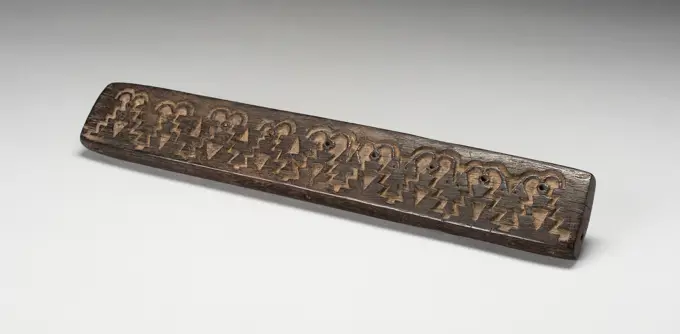
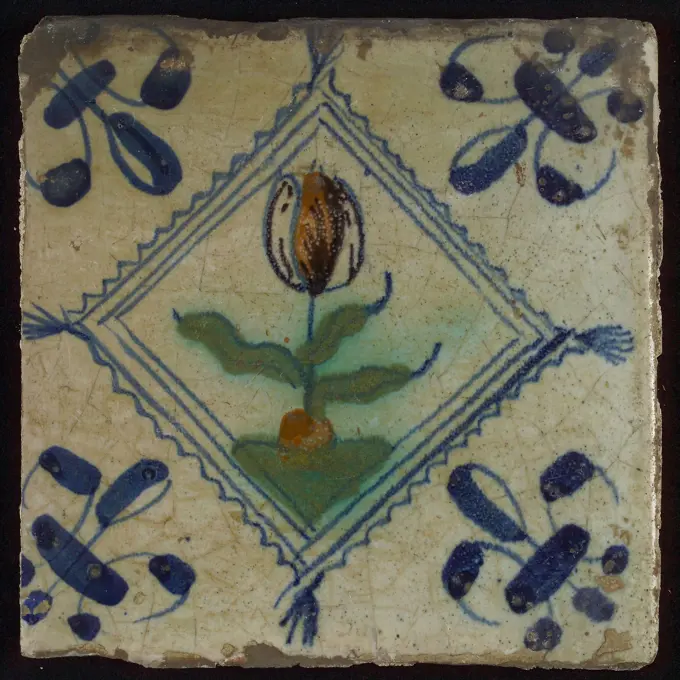
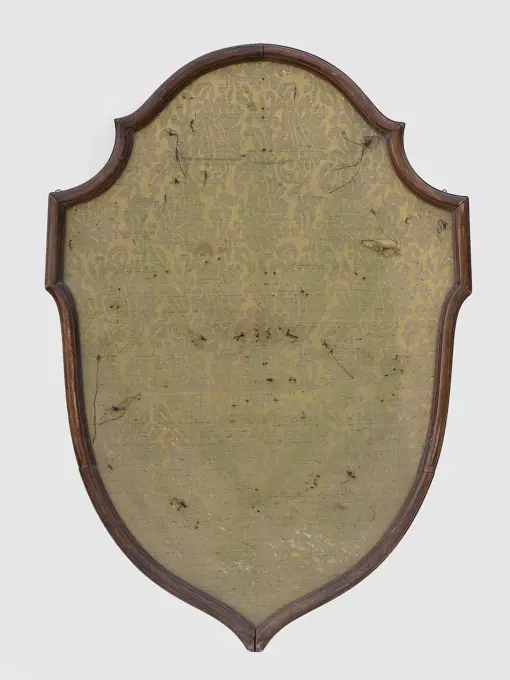
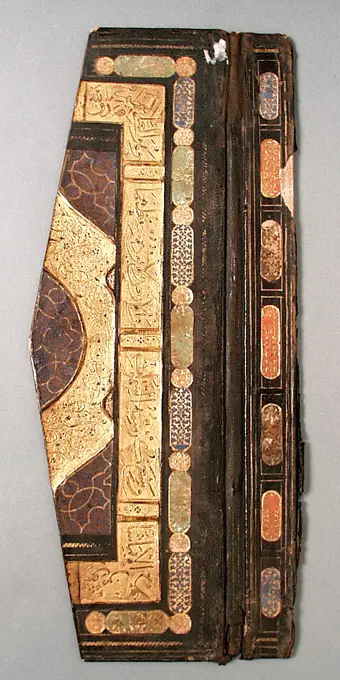
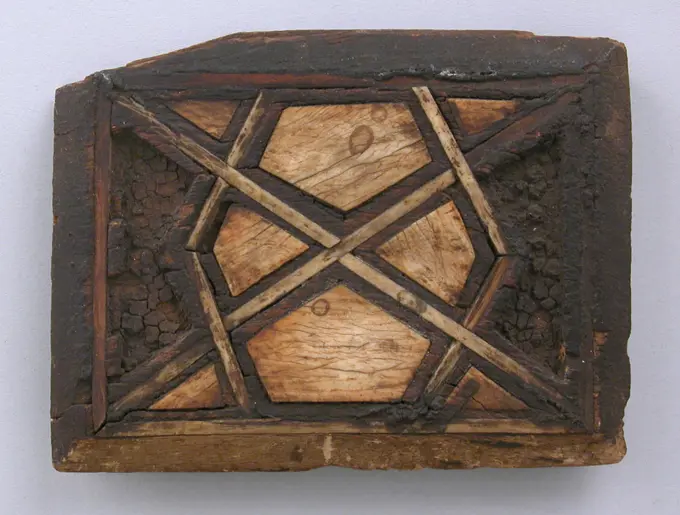
Historical Carved Artifacts

A collection of carved artifacts, including marble fragments, wood chest fronts, and iron plaques, showcasing intricate designs and historical significance.

Mirror, 4th-3rd century BCE, H.5-1/4 x W.5-1/4 in., Bronze, China, 4th-3rd century BCE
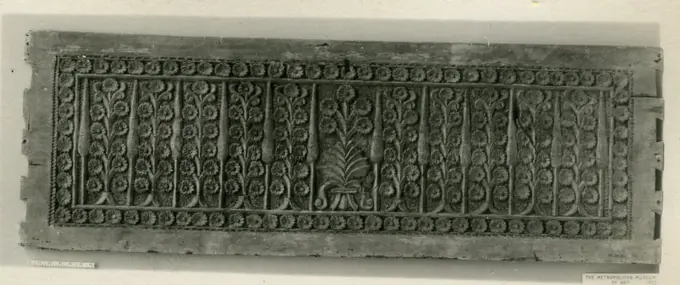
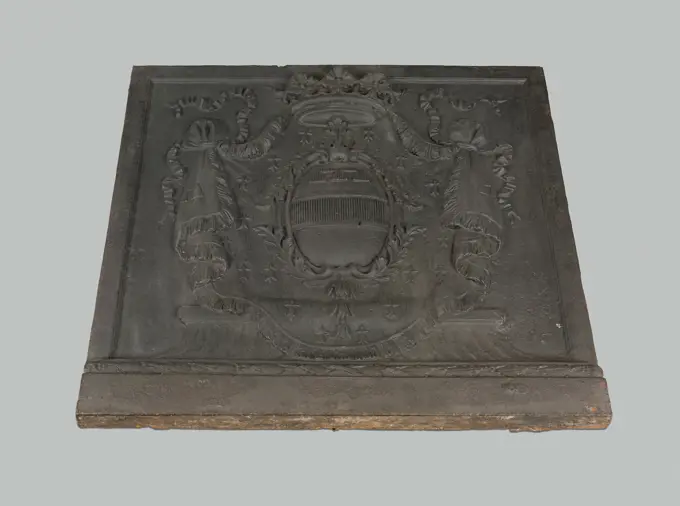
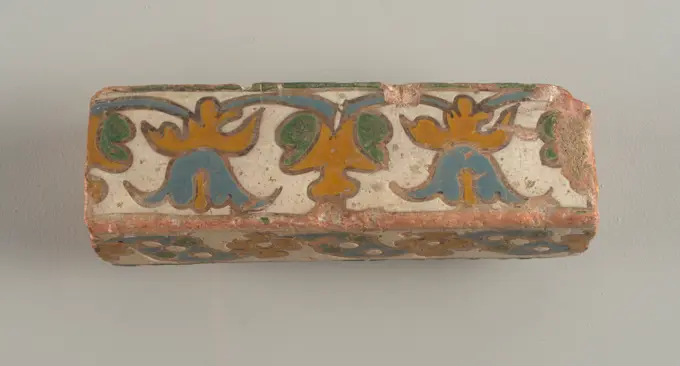
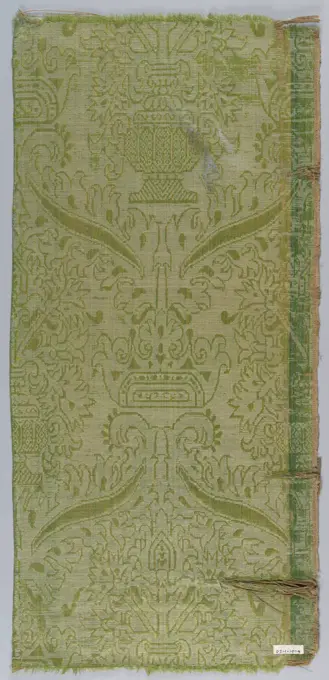
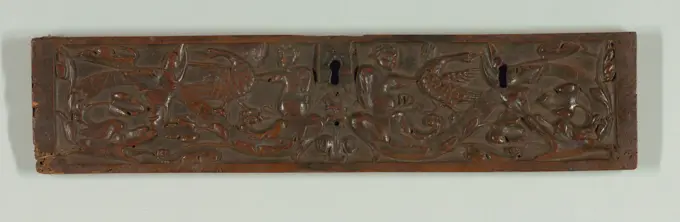
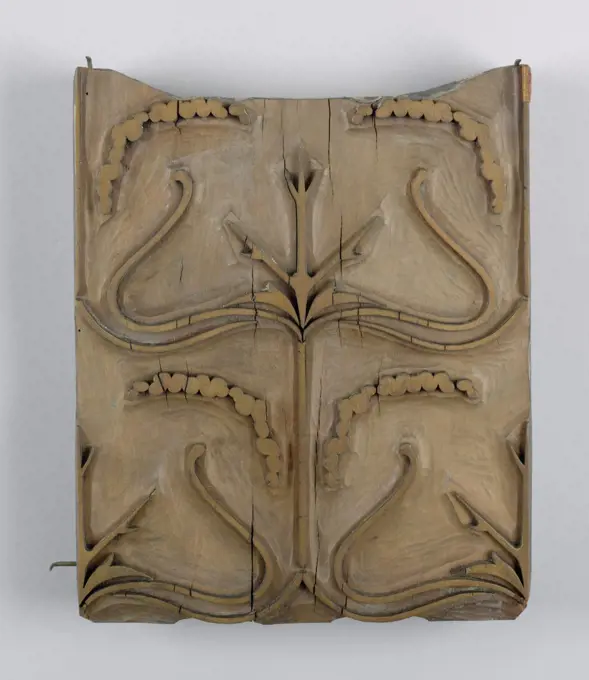
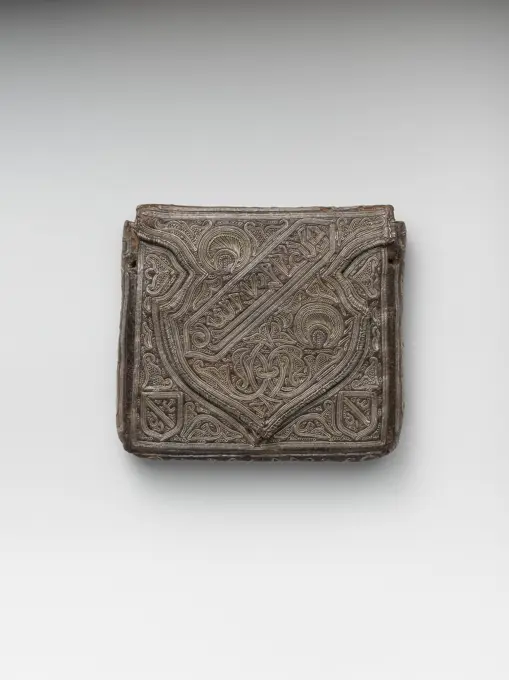
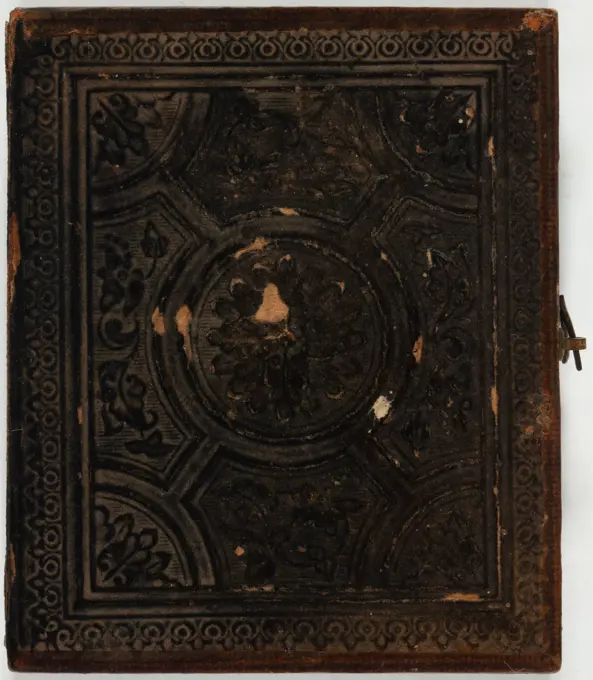
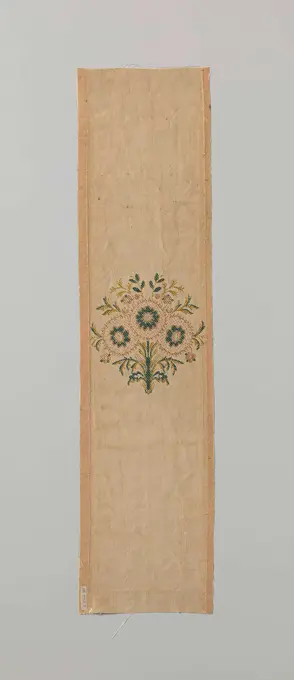
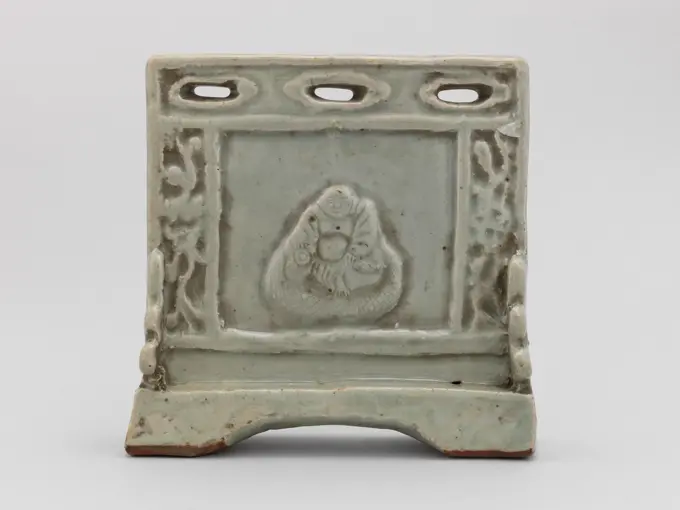
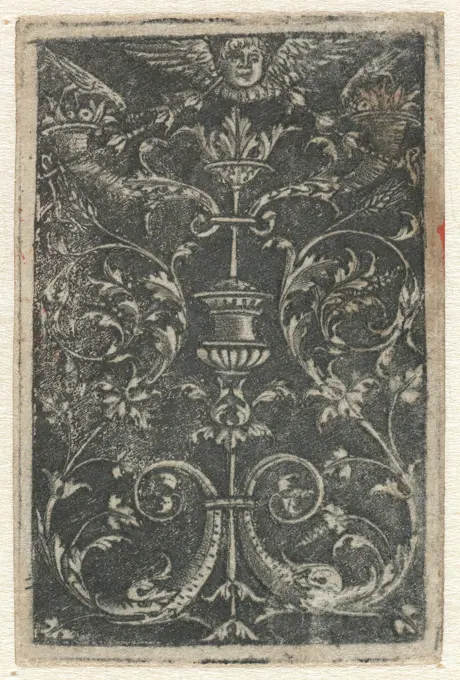
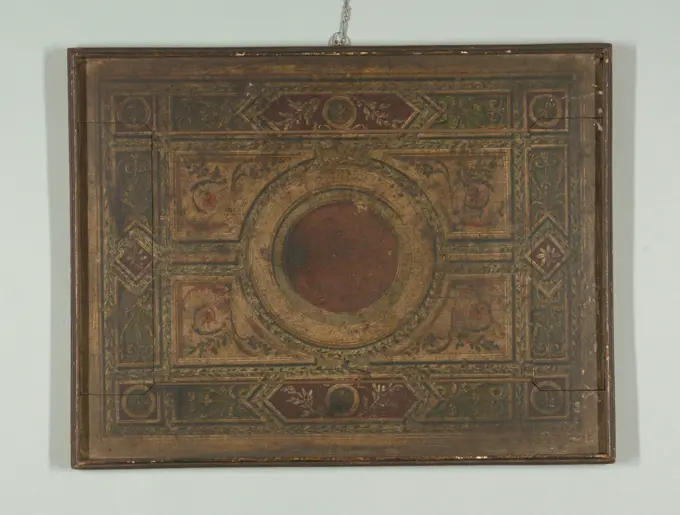
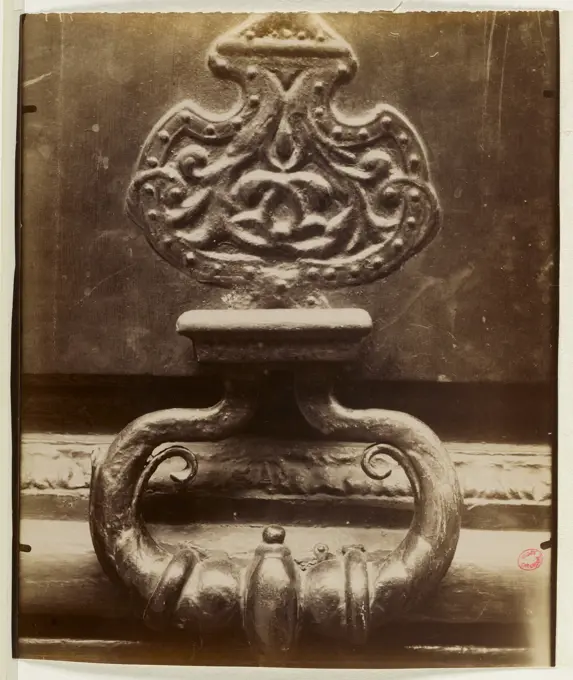
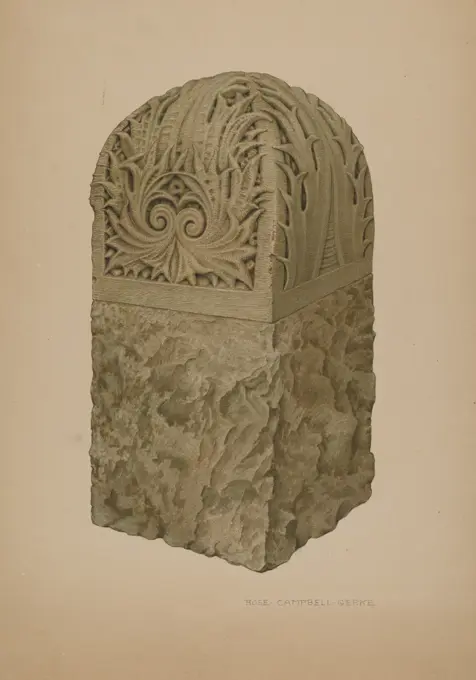
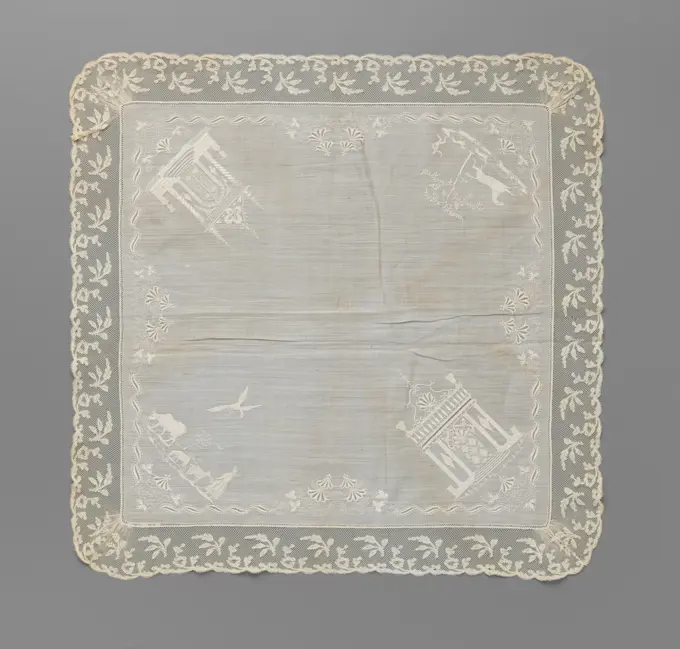
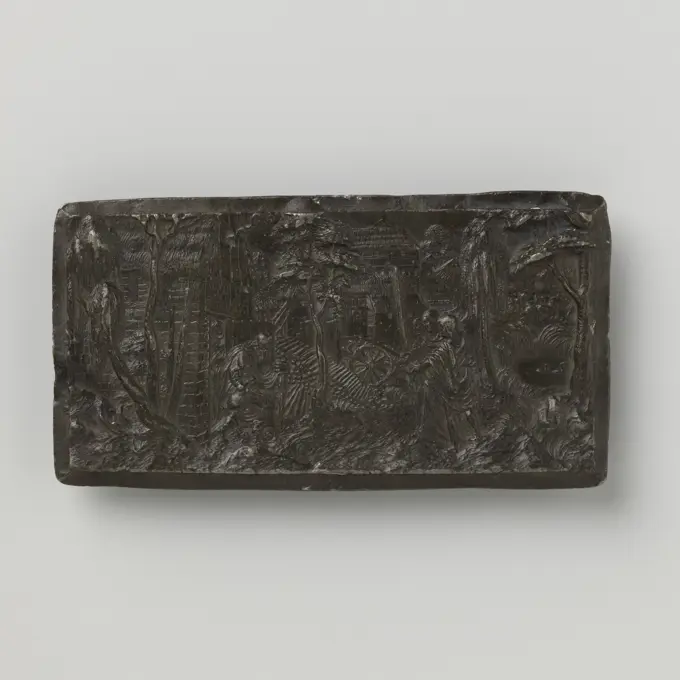
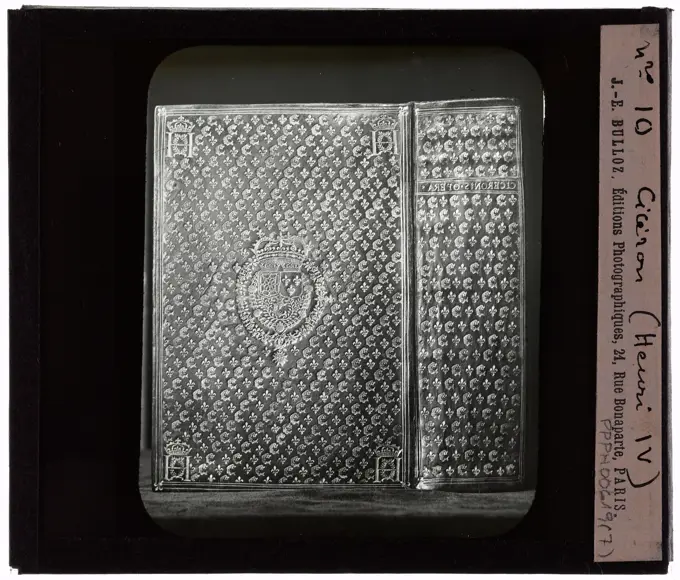
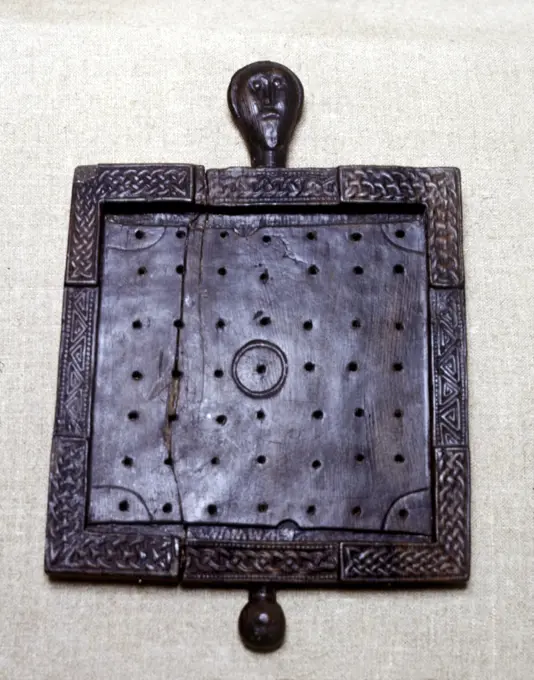
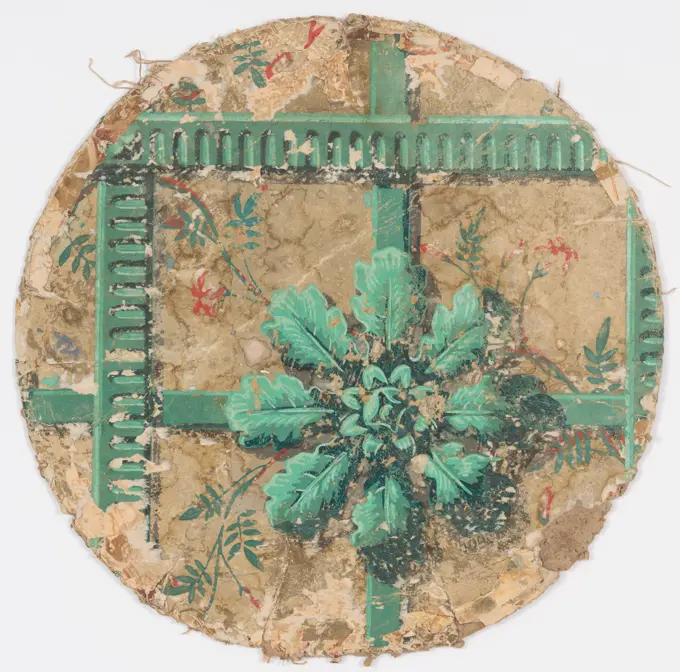
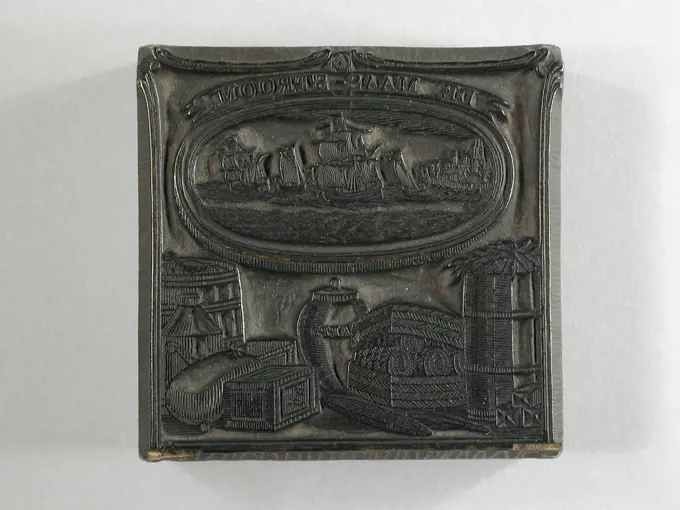
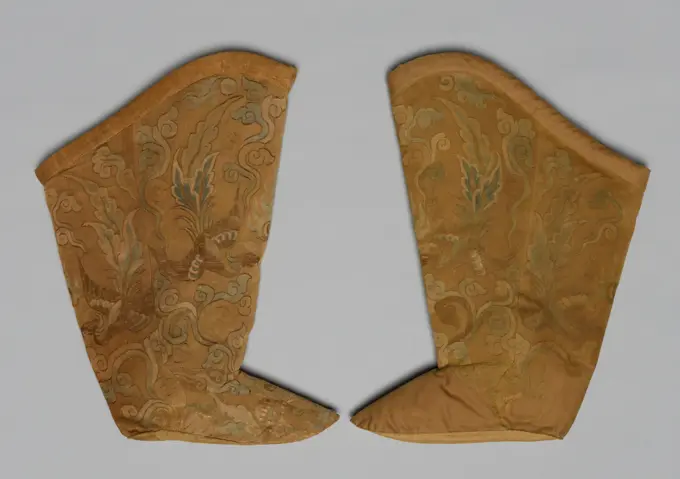
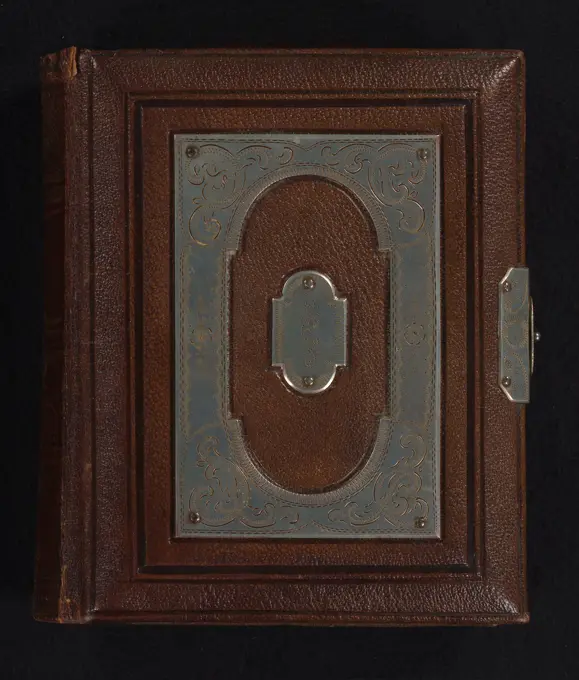
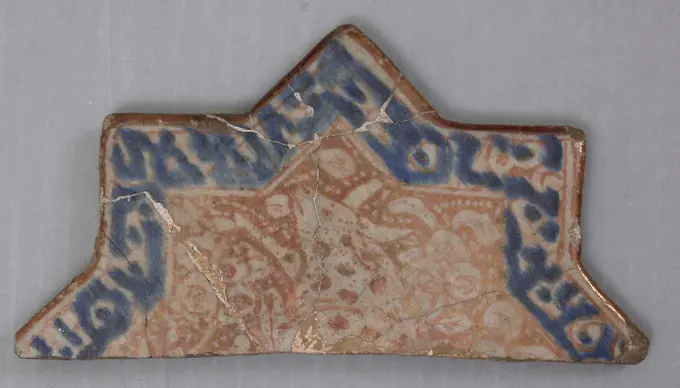
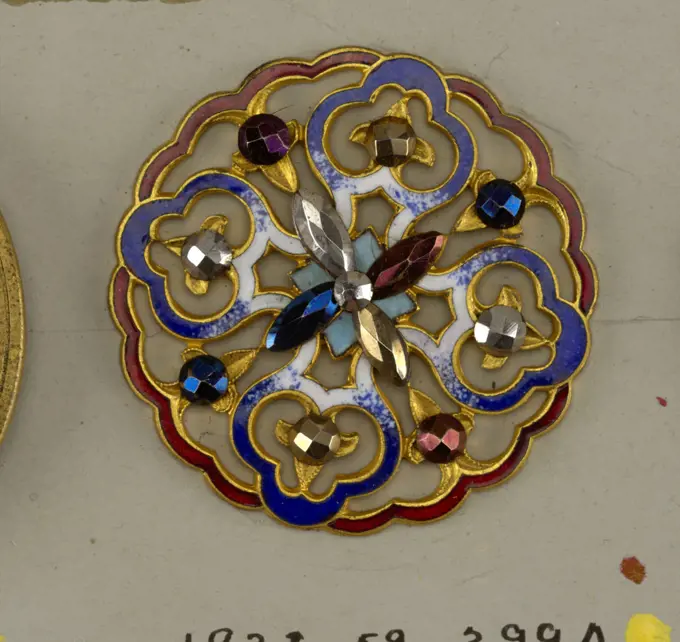
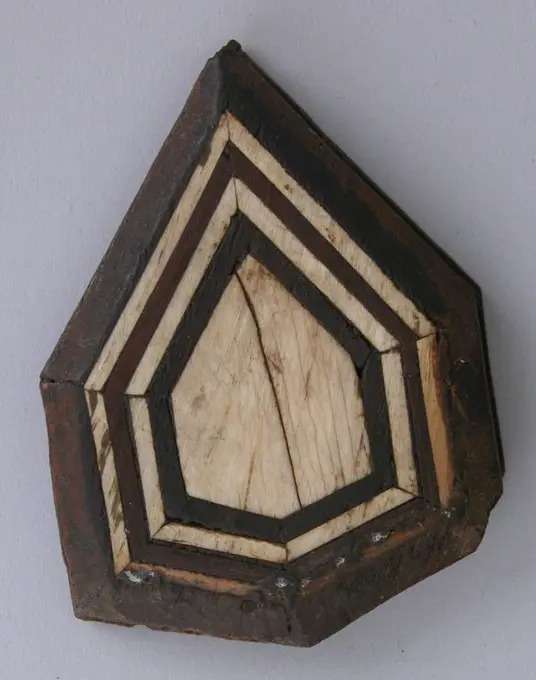
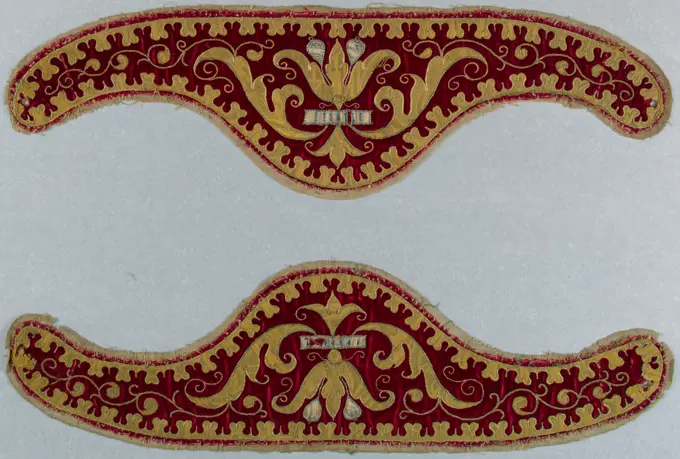
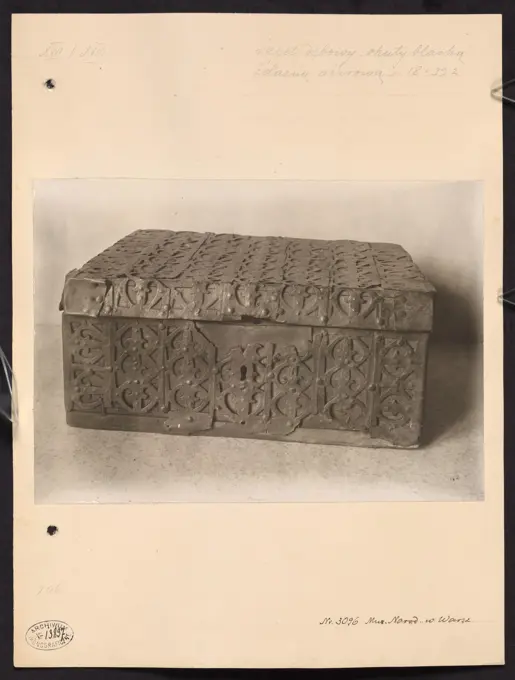
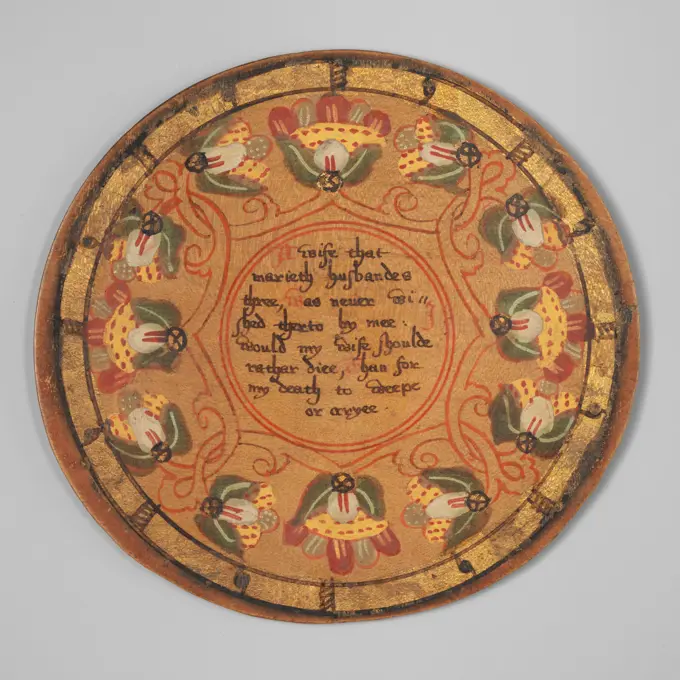
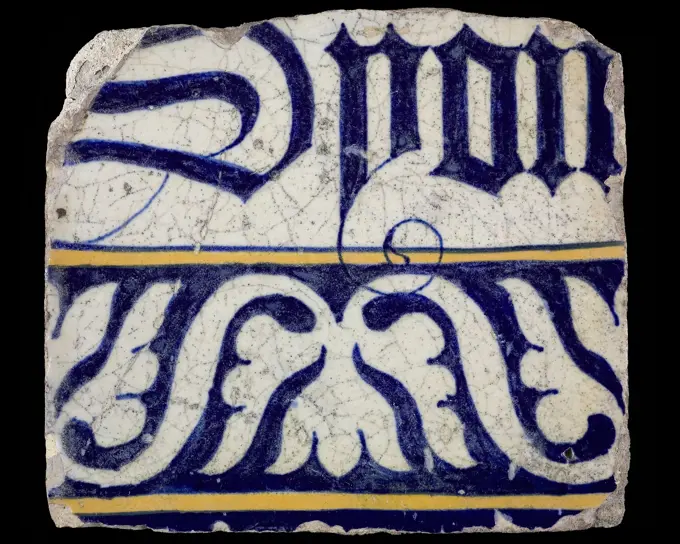
Fragment of a Marble Sarcophagus 8th century () Frankish The monogram of Christ along with the Greek letters alpha and omega, referring to Christ as the beginning and end of all things, were common motifs on Christian tombstones. This piece—like several others from this region—oddly displays the alpha and omega upside down, probably a mistake on the part of the non-Greek-speaking sculptor.. Fragment of a Marble Sarcophagus 466603Chest Front 18th century. Chest Front. 18th century. Wood (walnut); carved. Attributed to Syria. WoodChimney Plaque Coat of Arms of Duc de Bethune-Charlost 1673-1683 France. Cast in iron .Sidewall Sample; machine-printed on paper; 22.5 x 22.5 cm (8 7/8 x 8 7/8 in.)Panel 13th-14th century. Panel. 13th-14th century. Wood; carved, inlaid with ivory or bone. Attributed to Egypt, Cairo. WoodWall Facing (Netherlands); tin-glazed earthenware, underglaze; 5 tiles tall, various wideMirror, 4th-3rd century BCE, H.5-1/4 x W.5-1/4 in., Bronze, China, 4th-3rd century BCEModel of a door of oak, c. 1400 - c. 1950 Model of an oak door with simple cutting work  oak (wood) Model of an oak door with simple cutting work  oak (wood)Glazed Pottery Tile Revetment (Spain); lead-glazed red earthenwarePlant with two multi -flowered flowers, 1600 - 1699    wood (plant material)Tissue fragment with Tabula. Natural linen tissue fragment with woven tabula with five circles in burgundy red. In the central circle a centaur, in the circles at the top left and bottom right a kneeled figure with shield and wreath, at the top right of a lying deer and at the bottom left of a landscape animal, possibly an ox. The surfaces between the circles are filled with yellow floral or fruit baskets. Here and there are color accents in red, green and blue. The flying wire technique is used for the detailing. Along three sides are remnants of loops tissue, which indicates possible use as a pillow.WaxTabletTextile; silkFireback vase with flowers, hob plate cast iron, cast Rectangular bow at the top on which dolphins Wide edge between frame and pearl necklace decorated with fruit makers In the middle vase with different types of flowers living environment interior heatingPanel 13th-14th century. Panel 454700Beam wrench with men's head., Anonymous, c. 1500 - c. 1599 Beam wrench made of grayish green painted oak; A men's head is depicted on the day side. Northern Netherlands (possibly)Netherlands (possibly) wood (plant material). oak (wood). paint (coating). iron (metal) Beam wrench made of grayish green painted oak; A men's head is depicted on the day side. Northern Netherlands (possibly)Netherlands (possibly) wood (plant material). oak (wood). paint (coating). iron (metal)Balance-Beam Scale Insided with Bird, Fish and Geometric Motifs 1000-1470 Peru. Wood . IcaDrawer Front; wood, carved; 1908-25-37Printing block, Medium: wood, One from a set of five blocks for printing textiles. This would have been the second block in the sequence of printing., Crayford, England, late 19th century, appliances & tools, Printing blockTowneley Lectionary details Clasp. 1550. three dimensional object. Religious books, Manuscripts. Manuscripts and Archives DivisionQur'an Case second half 15th century This pouch, decorated with the Nasrid shield and motto, "There is no Victor but God," may have held a section of a small Qur'an. A French inscription on a piece of paper found inside the pouch at the time of purchase claimed that it belonged to the last sultan of Granada, Muhammad XII, known in Europe as Boabdil (r. 1486-92).. Qur'an Case. second half 15th century. Leather; embroidered with gilt-silver wire. Attributed to Spain, possibly Granada. LeatherAmbrotype - Portrait of an unidentified man, 1850-1870Sign with the weapons of Cornelis Gans and Johanna Maria Tromp, Anonymous, 1650 - 1700 Oak fence or gate crown, being the linked weapons of Cornelis Gans, lord of Nuland (-1699)) and of Johanna Maria Tromp (1644-1717), including the spell: "Virtuti Omnia Parent". The image work is similar to the front and back. Northern NetherlandsNetherlands wood (plant material). oak (wood) Oak fence or gate crown, being the linked weapons of Cornelis Gans, lord of Nuland (-1699)) and of Johanna Maria Tromp (1644-1717), including the spell: "Virtuti Omnia Parent". The image work is similar to the front and back. Northern NetherlandsNetherlands wood (plant material). oak (wood)Fragment; medium:; Bequest of Marian Hague; 1971-50-352-a,bBorder tile, blue, decoration with circles and flowers, edge tile wall tile tile sculpture ceramic earthenware glaze, baked 2x glazed paintedFragment bordered silk with a flower in yellow and green.A Fragment of White Silk with a Pattern of a Flower Branch in Yellow, Green and White.Wooden plate of wagon with carved drapery, cord with tassels, wood carving sculpture wood painting, Wood plate with carved ornament in form of drapery and cord with tassels probably coming from wagonRound dish with a hole in the middle, decorated by Pierre Raymond with representations of presumably Moses; Plateau AVEC Ombilic Percé (Intérieur) émail de Limoges du XVie Siècle. RP-F-2001-7-1545B-2 shows the back of the dish, RP-F-2001-7-1545B-3 shows the front of the dish.Table screen (username). Sandstone, molding, celadon, molded and incised decor. Cernuschi Museum, Asia Museum of Asia in the city of Paris.Ornament with rollerwork of leaf raft and horns.Tile, tulip on ground in orange, purple and blue on white, inside serrated squared with tuft, corner pattern french lily, wall tile tile sculpture ceramic earthenware glaze, baked 2x glazed paintedShield for presenting items;  19th/20th century (1890-00-00-1910-00-00);BookbindingFragment silk tissue with embroidery ,, c. 1830 Fragment blue silk tissue with embroidery in yellow and white. The embroidery has a tire medallions formed by French lilies in which alternately a vase and a palmet. Under the band, an ornament band with sewn -up tulle runs. The pattern has sewn up sequins. Spain (possibly) silk. embroidering / damask Fragment blue silk tissue with embroidery in yellow and white. The embroidery has a tire medallions formed by French lilies in which alternately a vase and a palmet. Under the band, an ornament band with sewn -up tulle runs. The pattern has sewn up sequins. Spain (possibly) silk. embroidering / damaskWeefselfragment met nail Anonymous c. 600 - c. 799 Natural linen tissue fragment with sown clavus with natural geometric motifs (circles, lobe shapes with small motifs) on red soil. The tire is trimmed with green edges with black line drawing. Egypt Ketting an element: Linen (material). Entry: Wool tapestry Natural linen tissue fragment with sown clavus with natural geometric motifs (circles, lobe shapes with small motifs) on red soil. The tire is trimmed with green edges with black line drawing. Egypt Ketting an element: Linen (material). Entry: Wool tapestryPanel 14th-15th century. Panel 445082Fragmentos de frisos clásicos con adornos florales y geométricos clásicos.Bible illustrations, c. 1550 - c. 1699    wood (plant material)Hexagonal Tile second half 15th century Hexagonal tiles such as this one- decorated in a black scrolling arabesque underneath a green glaze- belong to a number of international museum collections. Such pieces were produced in Iran, and a group of very similar tiles remain in situ, in the tomb chamber of the Masjid-i Shah at Mashhad, Iran.. Hexagonal Tile 453361Hearing plate with the family crest of Joan Huydecoper, Anonymous, in or after 1647 - c. 1660 Cast iron fireplace. Central is the family crest of Joan Huydecoper: a shield with an eagle on the left, a six -pointed star and three ox skulls and a jumping grinding dog at the bottom right. There is a boar in the heart shield. Above the shield a crowned helmet between a foliage, above which a centaur with bow and arrow. On both sides a weapon festival and at the bottom a banderol with inscription in 1647. Grotesque creatures on the lower corners. The ornament at the top is worked out in quab style. Northern Netherlands (possibly) iron (metal) casting Cast iron fireplace. Central is the family crest of Joan Huydecoper: a shield with an eagle on the left, a six -pointed star and three ox skulls and a jumping grinding dog at the bottom right. There is a boar in the heart shield. Above the shield a crowned helmet between a foliage, above which a centaur with bow and arrow. On both sides a weapoMedallion (Egypt); warp; s-spun linen. weft; s-spun linen, s-spun woolsPanel; wood, paintedUnknown photographer, decorated door frame in Baalbek (without dat.): Detail. Photo, 20.3 x 20.5 cm (including scan edges) unbek. Fotograf : Verzierter Türrahmen in Baalbek (ohne Dat.)Ornament tile, diagonally across the tile white braid band motif, corner motif quarter rosette, wall tile tile sculpture ceramic earthenware glaze, baked 2x glazed painted Light yellow shard with fine red dots and square strings. Multicolored: blue (ocher to lemon) yellow and orange on white. Savings technique MoorsTile of chimney pilaster, blue on white, horizontal border with scallop and five-leaved flower, rosette, underneath two continuous tops of leaf branches, chimney pilaster tile pilaster footage fragment ceramics earthenware glaze, baked 2x glazed painted vaguely recognizable letter: with v-shaped centerline below number: 7.Medallion, Frisian and Quillon; Parts of Degschede. Decorated with leaf raft.Carnavalet museum, medal collectionOrnament tile, blue on gray, with light blue brushed check pattern, dark blue outline, as checkerplate, small windows, floor tile tile images ceramic earthenware glaze, d 1.3Fireplace;  2. XVIII W (1701-00-00-1800-00-00);Handkerchief, 1800s. France or Italy, 19th century. Embroidery on linen ground; lace edging; overall: 57.2 x 55.9 cm (22 1/2 x 22 in.).Fastening, field fasteningBand (From Headdress) Made 1790-1810 Austria. Metal thread and sequins on linen; embroidered in gold; couched and padded stitches .Panel 1296. Panel 445061Oval classicizing frame on a rectangular background; "Blades, Jan Nikodem (1747-1810); around 1800 (1775-00-00-1810-00-00);Paris, Ministere de la Marine, Table style Louis XIV. Louis Parnard (French, 1840 - 1893)Fragment 17th century Italian. Fragment 230529Fragment of the decorative belt; Egyptian workshop; VII-VIII century (601-00-00-800-00-00);Decorative door boss and nail, Steel-plated wrought iron, Square flat mount, notched on four sides, raised wrought square elements at center. Notched square nail heads on square shank., Spain, ca. 1550-1700, metalwork, Decorative Arts, Decorative door boss and nailWallet;  XVIII/19th century (1790-00-00-1810-00-00);Flower ornaments, vegetable wrapTile, Anonymous, 1700 - 1800 Tile, painted in blue, yellow, orange, green and manganese. A rocaille on which a palmet; A C-Volut on either side. Yellow and orange tires on top and bottom. Spain (possibly) earthenware. tin glaze Tile, painted in blue, yellow, orange, green and manganese. A rocaille on which a palmet; A C-Volut on either side. Yellow and orange tires on top and bottom. Spain (possibly) earthenware. tin glazeHearing stone with representation of two climbing lions, c. 1875 - c. 1900 Hearing stone with representation of two climbing lions, placed in profiled window. The half windows at the top and bottom are filled with star motif. Netherlands earthenware Hearing stone with representation of two climbing lions, placed in profiled window. The half windows at the top and bottom are filled with star motif. Netherlands earthenwareDoor knocker, 12 rue des Lions-Saint-Paul, 4th arrondissement, Paris Door Knocker, 12 rue des Lions-Saint-Paul, Paris (Iveme Arrested), 1908. Photography of Eug�ne Atget (1857-1927).Rose Campbell Gerke, Stone Gate Post, c 1939 Stone Gate PostZakdoek van batist waarop borduurwerk met een man die achter zijn paard aan rent.Natural-colored batist handkerchief with embroidery - white work - and around a border climbing side: Valenciennes side. Square model with rounded corners by the strip side that has been turned up at the corners. The batist is embroidered along each side in the middle with palm browsing surrounded by highly curly thin tanks and flanked on both sides by a nozzle wavy ribbon. In each of two opposite angles, a similar building is embroidered: a gloroid with pillars, a staircase and high doors. Descents are embroidered with people, animals and trees in the other two corners. A parrot flies in one corner. The bird looks at a shepherdess with her cow, sheep and goat. In the other corner, a man rises with his two dogs behind a saddled horse. He holds one hand on his buttocks. The edge climbing side has a repeating pattern that consists of a poultry flower on a stem with three leaves. Along the bottom is a successBoxPanel 1296. Panel. 1296. Wood; carved, inlaid. Made in Egypt, Cairo. WoodAbraham as the host of the angels, Peter Flötner, c. 1525 - c. 1550 Rectangular, lead, plaque with beveled edges. Abraham will leave the three -coming angels from the door of his home with bread and wine Tenemoed. Behind him, in the doorway, Sara is still visible. In the background trees and buildings of the farm, on the right a pond with ducks. Nuremberg lead (metal) Rectangular, lead, plaque with beveled edges. Abraham will leave the three -coming angels from the door of his home with bread and wine Tenemoed. Behind him, in the doorway, Sara is still visible. In the background trees and buildings of the farm, on the right a pond with ducks. Nuremberg lead (metal)Door from a cupboard late 17th century () Italian. Door from a cupboard 460613Binders. Cicero Binders. Cicero. Black and white projection plate. 1900-1930. Photograph of Jacques-Ernest Bulloz (1858-1942).Viking Gaming Board, 10th cent. from ballindery, Ireland.Bandbox Lid (USA); block-printed; 33 x 33 cm (13 x 13 in.)Wooden cliché for printing tobacco bags, cliché printing equipment wood pokewood, stabbed engraved Square wooden block with inserted representation; mold for printing of tobacco pouches APPE (= RAPPE) THE MAAS-STREAM (mirrored) Rotterdam tobacco tobacco trade grocery shop company advertising printing house E. de Bont and Son Van Meurs and StufkensSilk fragment with striped pattern, 900s. Syria, 900s. Plain weave variation with supplementary weft: silk; overall: 37 x 19 cm (14 9/16 x 7 1/2 in.).Purse, leather, probably France, mid-19th century, Decorative Arts, PurseTile with blue curved edge with decoration, tile picture footage fragment ceramics pottery glaze, d 1.2Wood Block (France); wood with brass inserts; 57 x 19 x 3.5 cm (22 7/16 x 7 1/2 x 1 3/8 in.); Purchase in memory of Mrs. Lloyd S. Bryce; 1956-164-3Pair of Boots, 907-1125. Northern China, Liao dynasty (907-1125). Silk: tapestry weave; two kinds of metal threads; overall: 47.5 x 30.8 cm (18 11/16 x 12 1/8 in.). This magnificent pair of boots, made of finely woven silk tapestry (kesi), features two phoenixes in flight chasing a flaming pearl. Although the bright colors of the fabric have become muted from being buried in a tomb and the gold threads are partly disintegrated, the once lavish use of gold and the Chinese-inspired phoenix motif suggest that the boots were made for a member of the Liao imperial family, probably a woman. At the time the boots were made in the Khitan-occupied territory in northern China, footbinding was introduced among upper-class women in southern China. The high value the Khitan people accorded to boots relates to their mobile, seminomadic lifestyle.Photo album (empty), Anonymous, 1860 - 1900  Photo album with fifty pages, each with a passe-partout-framed passe-partout for a carte-de-visiting. On a part of the album blades, handwritten names are listed at the passe-partouts, presumably of portrayed people who were once in the album. The album therefore seems to have been emptied.  cardboard. paper. leather. silver (metal)Star-Shaped Tile Fragment 13th century. Star-Shaped Tile Fragment 451863Buttons, brass, enamel and cut steel, each button shows a design of four flowers ? with cut steel centers, arranged around a central cross of cut steel; pierced work, ornamented with colored enamel., Component -a is on card 10, Component -c is on Cooper Union Exhibition card 4, France, late 19th century, costume & accessories, Decorative Arts, ButtonsHearing stone with a representation of two flower vases, anonymous, c. 1600 - c. 1625 Hearing stone with a representation of two flower vases, placed in two oval laurel wreaths that are connected by a rosette. Southern Netherlands earthenware Hearing stone with a representation of two flower vases, placed in two oval laurel wreaths that are connected by a rosette. Southern Netherlands earthenwareOrnament tile, blue on gray, with dark blue brushed check pattern, outline clearly seen, as checkerplate, small windows, floor tile tile images ceramic earthenware glaze, d 1.1Roller;  19th century (1801-00-00-1900-00-00);Tile with blue decorated folds, tile picture footage fragment ceramics pottery glaze, d 1.3Firearm coat of arms of Amsterdam, year 1663, fire place, cast Rectangular arch at the top. On top of two horns of plenty from which money flows. In the middle and on the sides of the horns three putti On the horns two crossed feathers and pearl necklace. On the sides and at the bottom wide list. In the middle the crowned coat of arms of Amsterdam held by two lions Under the coat of arms cartouche with year In cartouche: 1663 heraldry living environment interior heating Amsterdam city coat of armsPanel 14th-15th century. Panel 445115One -sided gingerbread form with various performances;  XVIII-XIX century (1790-00-00-1810-00-00);Water Filter 10th-12th century. Water Filter 447450Hearthstone, Luiks, from Luik, Liege Belgium, with wide frame, vase with flowers, hearth stone fireplace part ceramic brick, fired fireplace of the Liege type with wide frame depicting vase with flower leaves and fruit branch building history heatingCollars (Spain); silk, metallic thread, linenCupboard door of oak, anonymous, c. 1500 - c. 1525 Door of an oak cupboard. The right half shows two late-gothic stabbing tracals placed one above the other; The corners are filled with rosettes. The left half shows wingerdranken and grape bunches around the saved space for the lock plate. Northern Netherlands wood (plant material). oak (wood) Door of an oak cupboard. The right half shows two late-gothic stabbing tracals placed one above the other; The corners are filled with rosettes. The left half shows wingerdranken and grape bunches around the saved space for the lock plate. Northern Netherlands wood (plant material). oak (wood)Wooden oklate seket from the collections of the National Museum in Warsaw - general view; Bu Akowska, Zofia (1866-); around 1920-1922 (not after 2/10/1922) (1923-00-00-1925-00-00);Tray first half 19th century Firm of Henry Clay. Tray 209318Tile, flowerpot in blue on white, inside serrated square, corner pattern french lily, wall tile tile sculpture ceramic earthenware glaze, baked 2x glazed paintedBox decorated with a cross form (presumably) in the Rijksmuseum in Amsterdam, c. 1875 - c. 1900 photograph  Rijksmuseum Amsterdam photographic support  chest, cofferTextile Fragment 5th century Coptic. Textile Fragment 475279Trencher (one of a set) late 16th-early 17th century British Banquets usually ended with candied fruits or other sweetmeats served on such decorative "spice dishes" of silver or wood. The gold effects were achieved with yellow varnish over a layer of silver-leaf. The verses were written in Black Letter script, with elaborate capital letters in Lombardic script. The verses, either amusing or moralizing, were shared with the other diners.. Trencher (one of a set). British. late 16th-early 17th century. Oak and sycamore woods, painted, silvered and yellow varnished; inscription: ink (animal or vegetable). Natural SubstancesTile with Syon and ornament edge, tile picture material fragment earth discovery ceramic earthenware glaze, baked 2x glazed painted Yellow shard square nail hole Frontside baked in lettering: Syon archeology Rotterdam Stadscentrum Stadsdriehoek Den Bergh Sion tile factory Hoogstraat Sion biblical place bible religion gothic Soil discovery Rotterdam.Front, Drawer (France); wood (walnut)Albert Levone, Pennsylvania German Dish, c 1936 Pennsylvania German Dish