Historical Ceramic Bowls

Collection of antique ceramic bowls from Japan, China, and France, showcasing intricate designs and historical significance from various centuries.

Covered Bowl (He) China Instead of being glazed, some tomb pottery was decorated with pigments applied after firing to mimic the form and decor of vessels made of more precious materials such as lacquer or bronze.. Covered Bowl (He) 44334
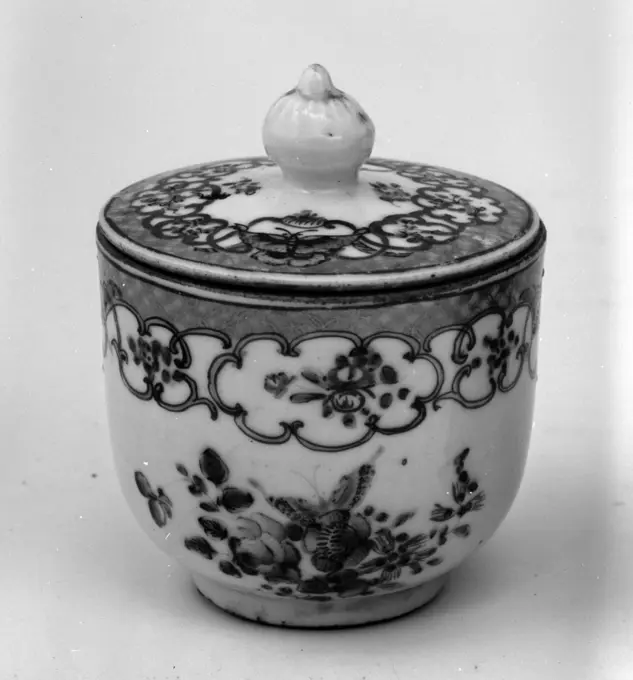
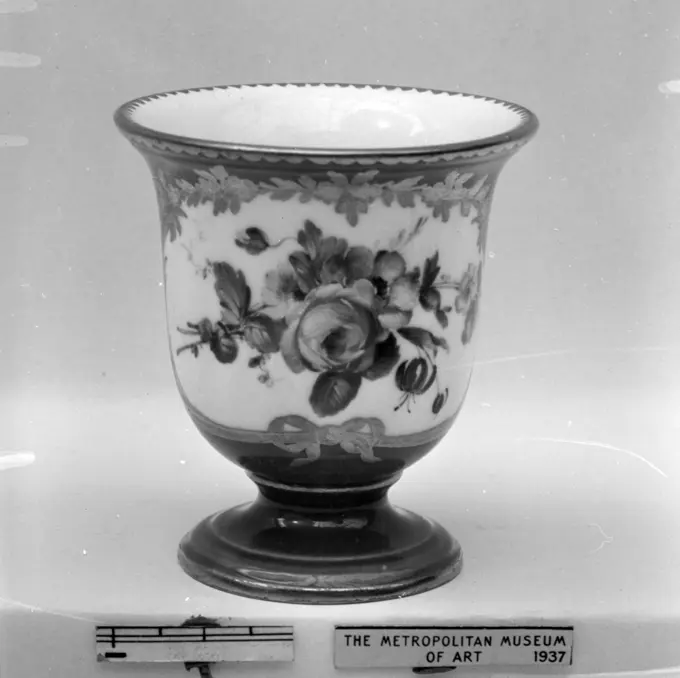
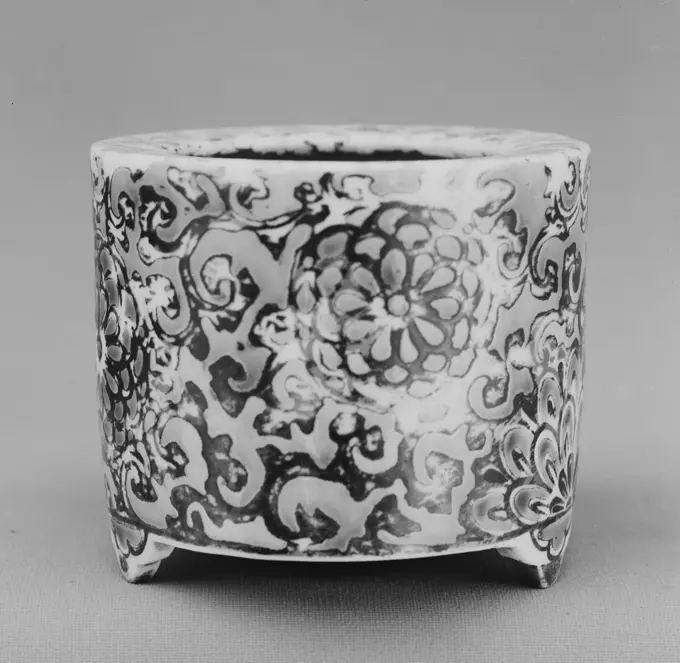
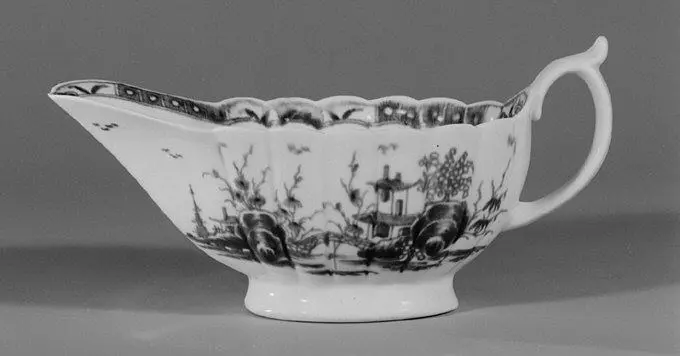
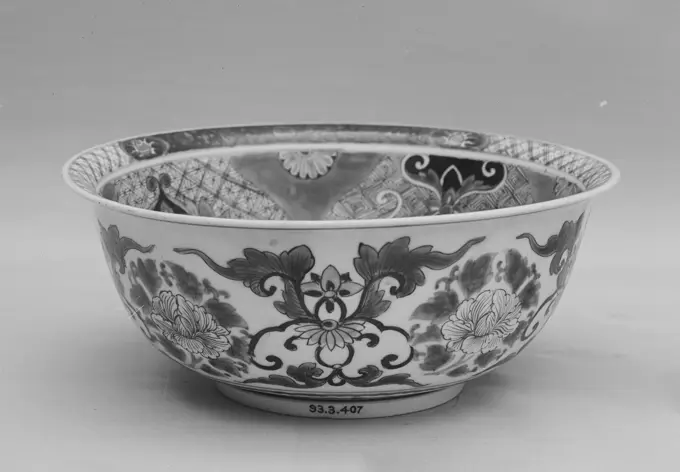
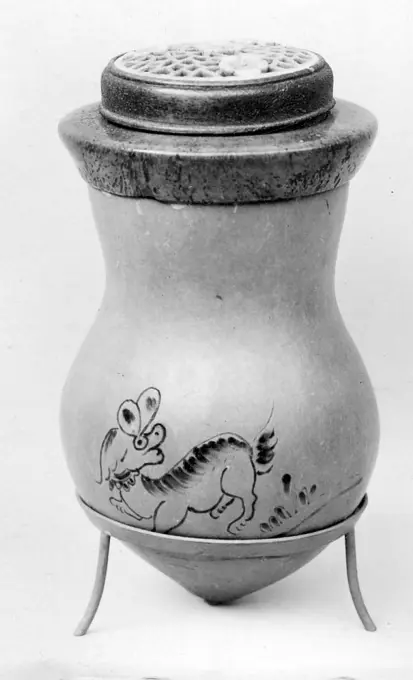
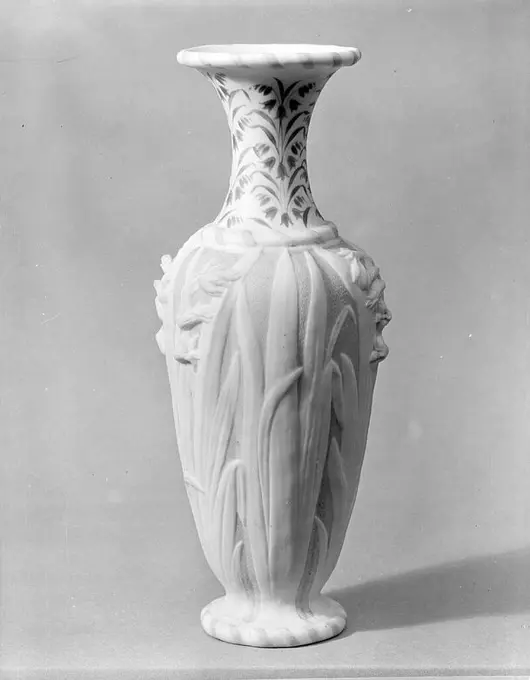
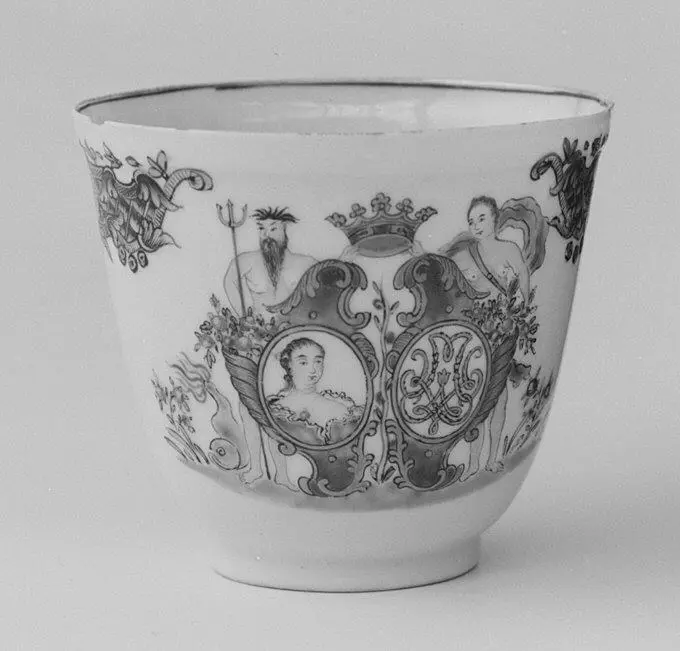
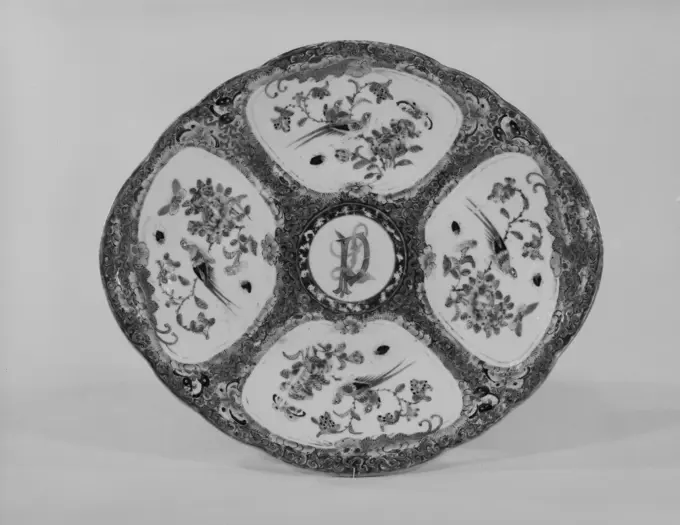
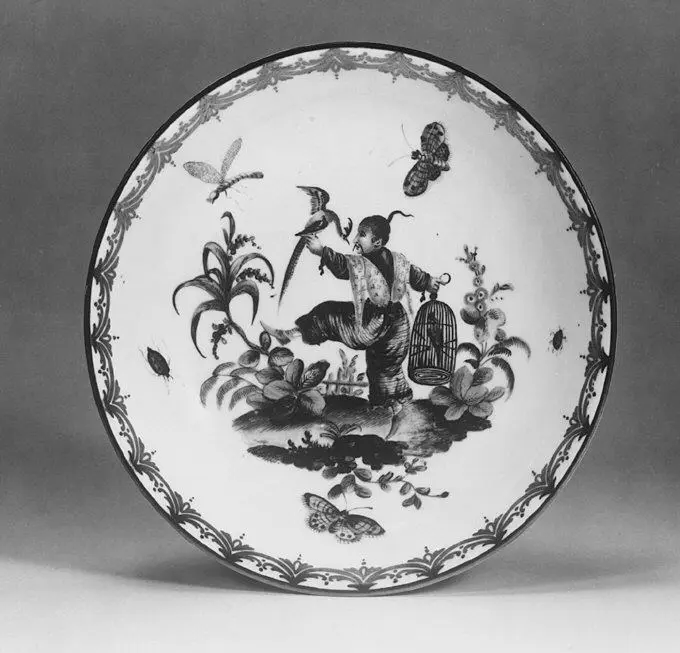
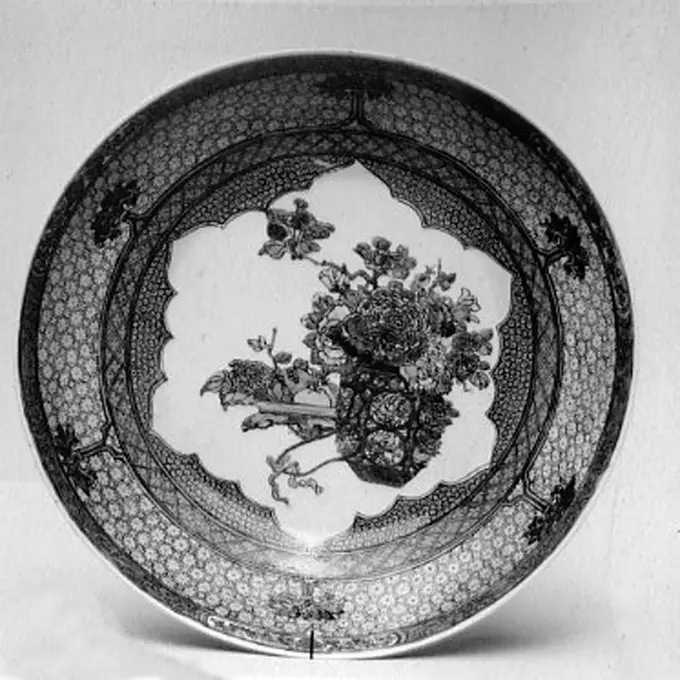
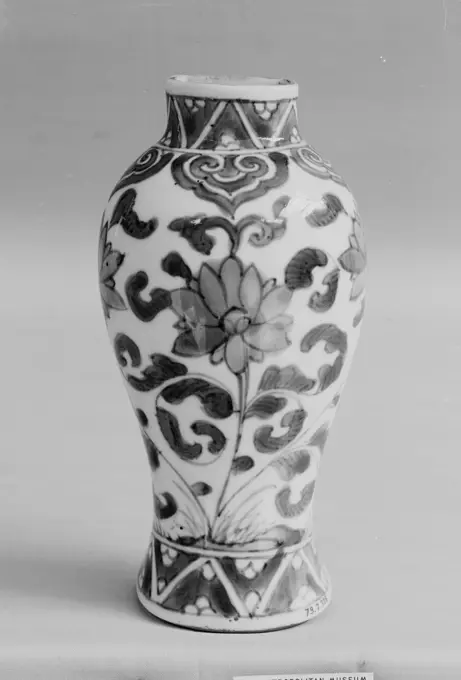
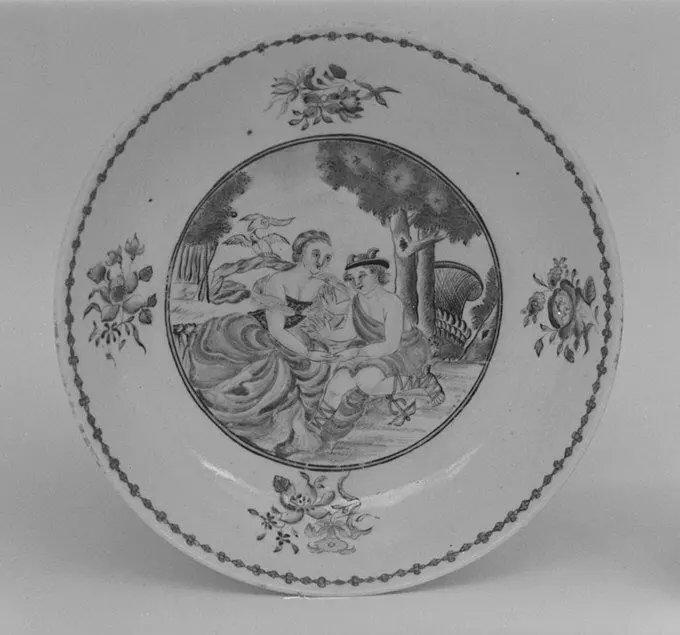
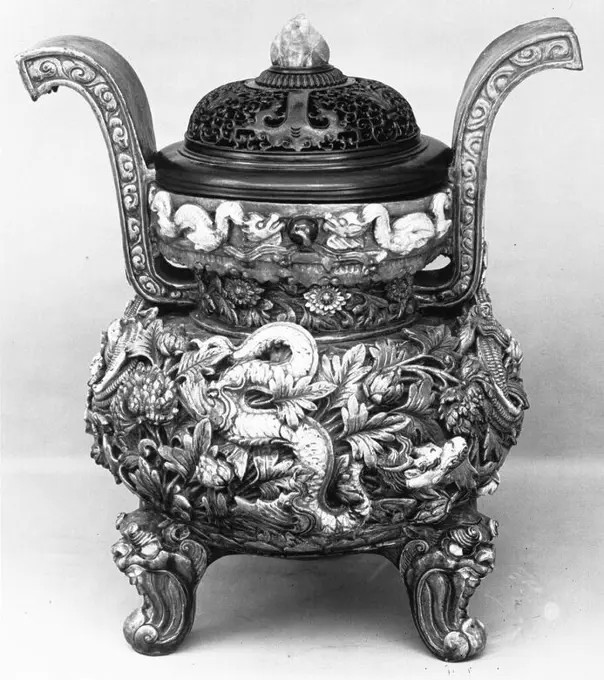
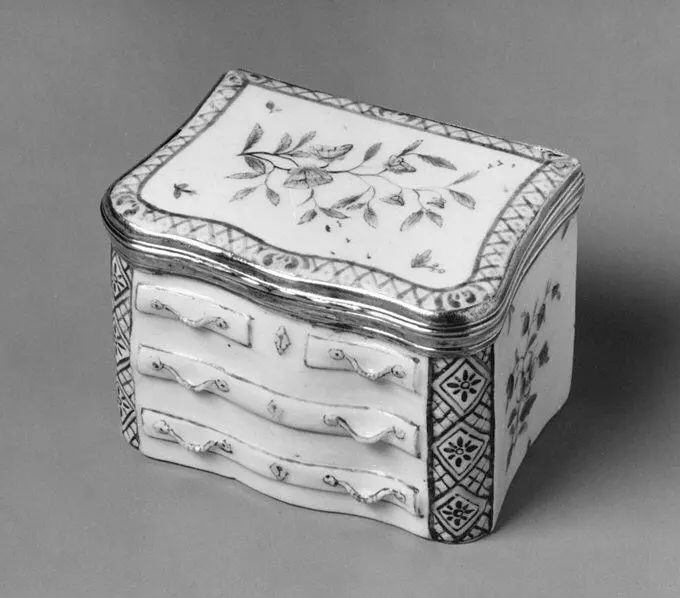
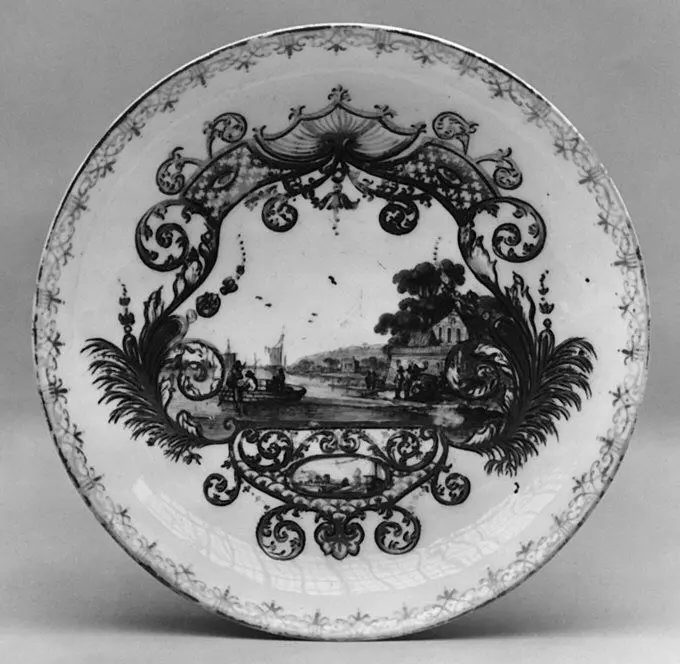
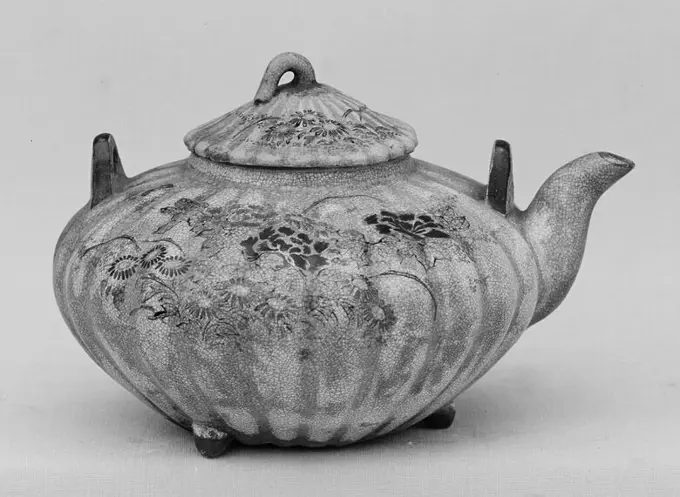
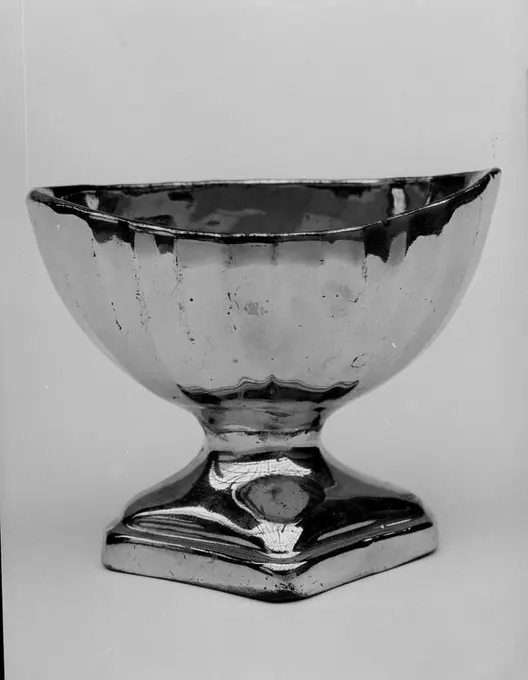
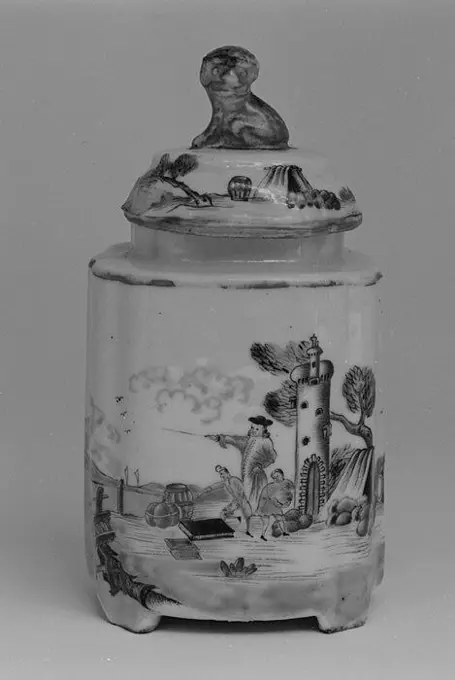
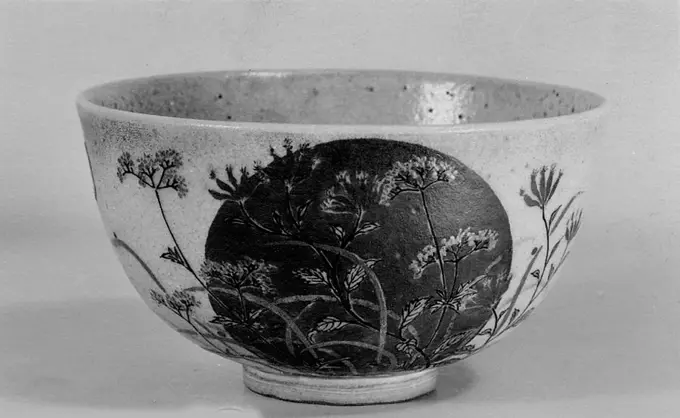
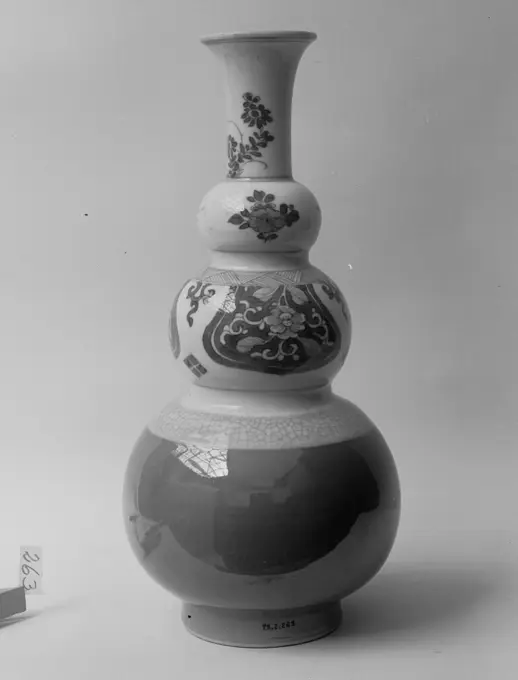
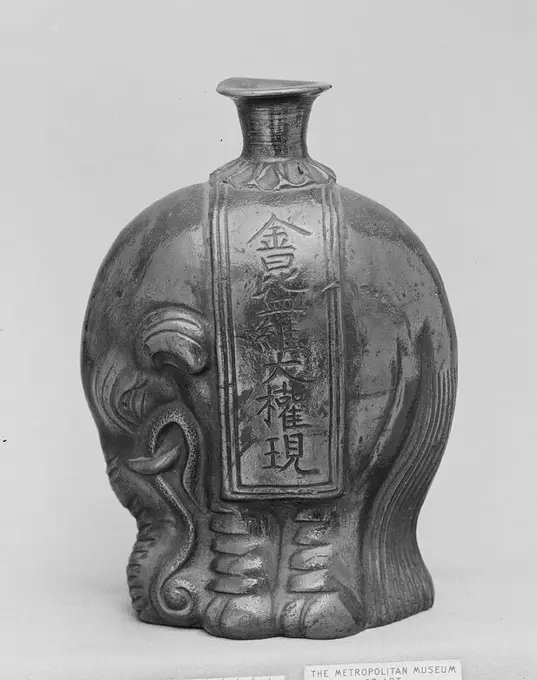
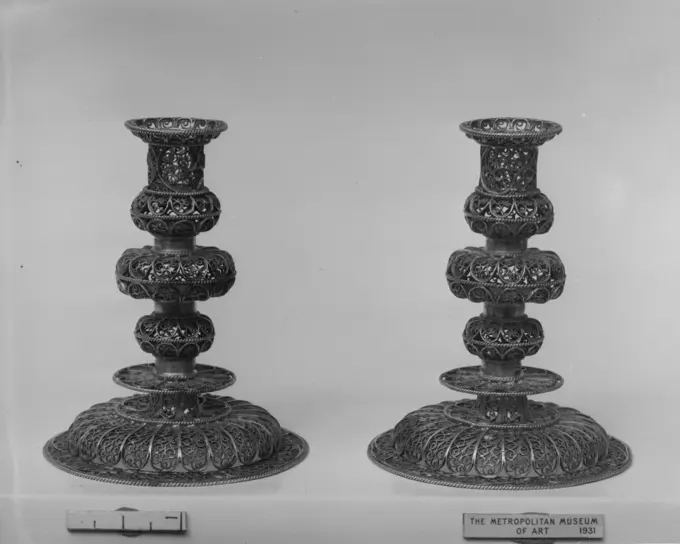
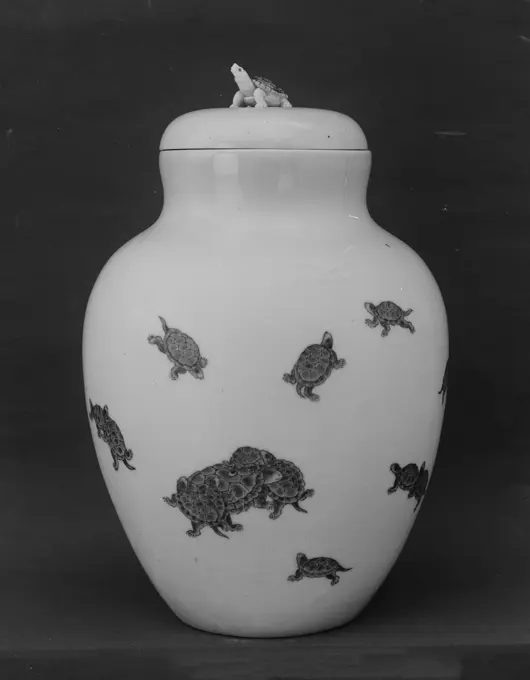
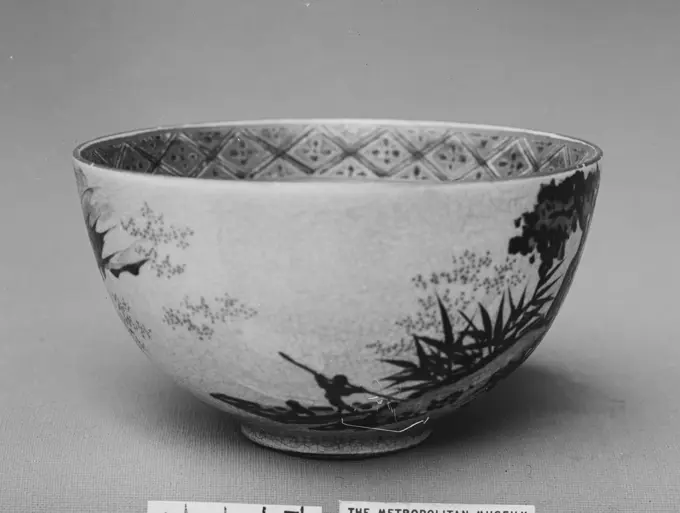
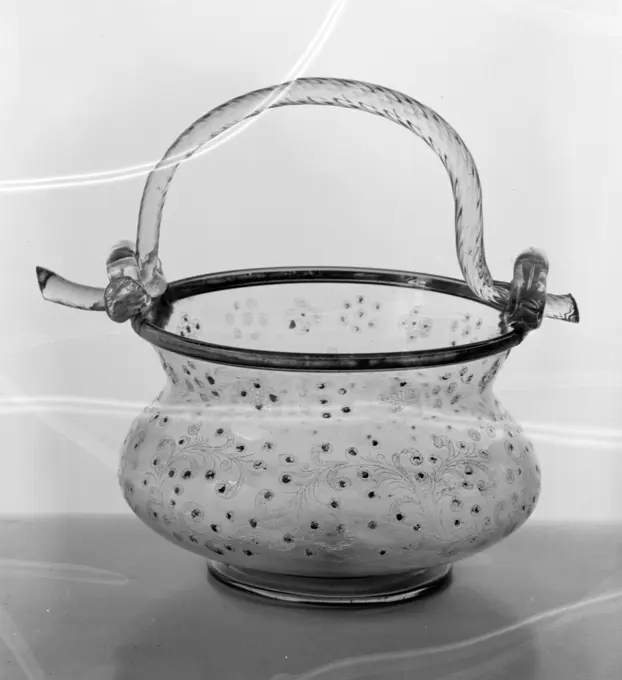
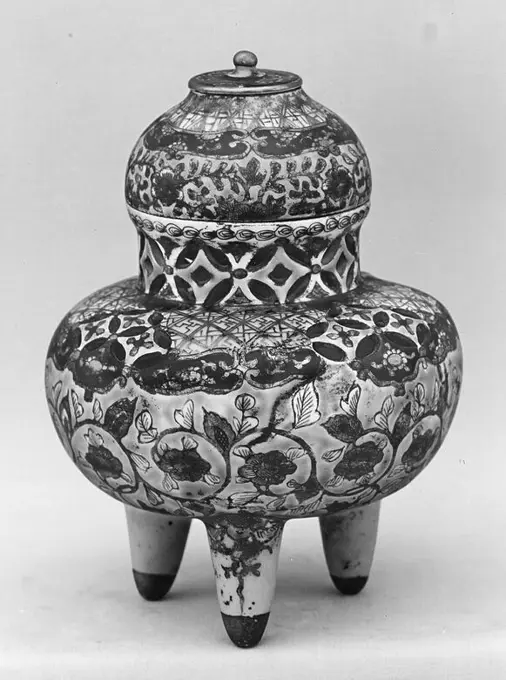
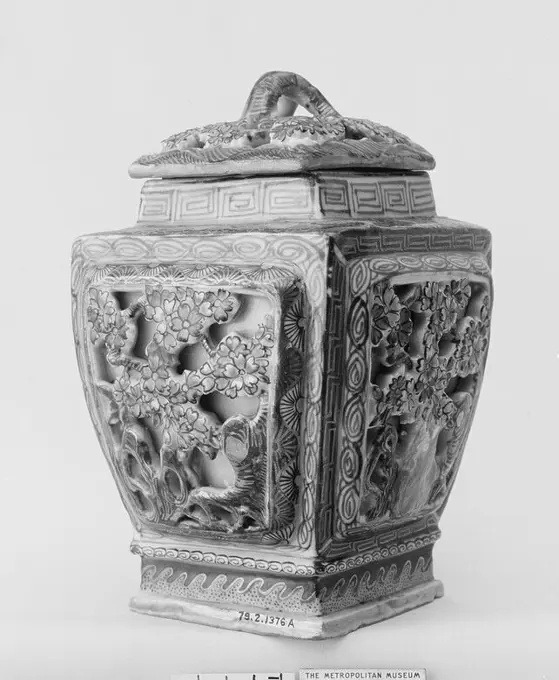
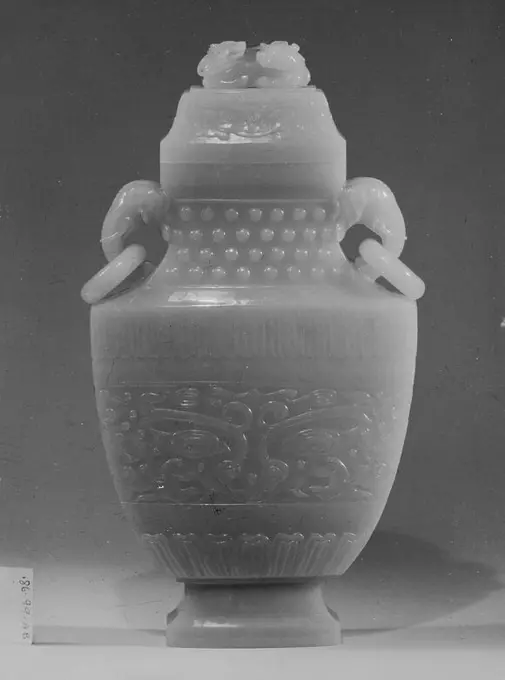
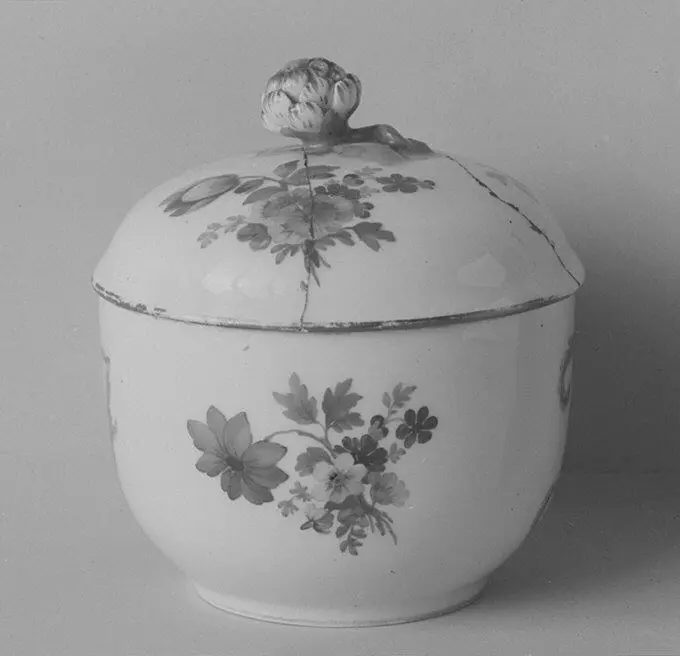
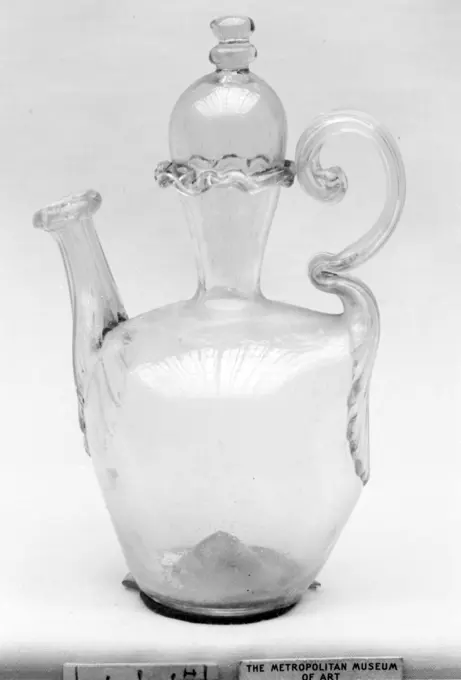
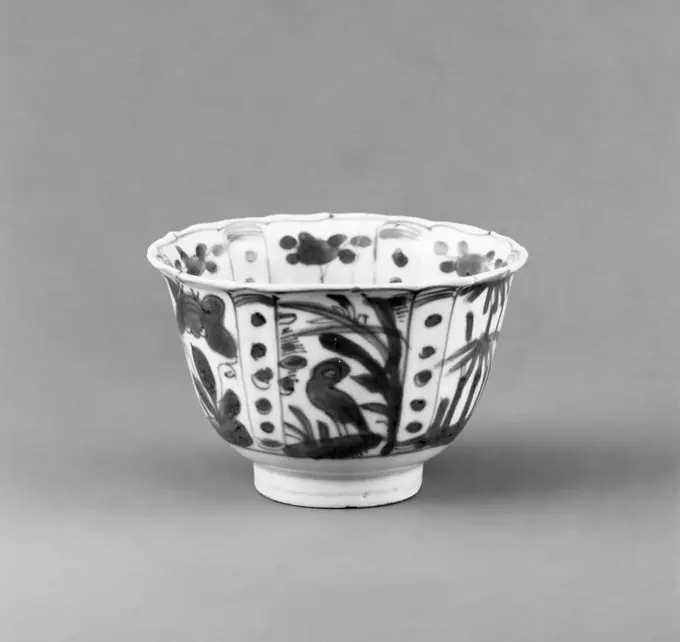
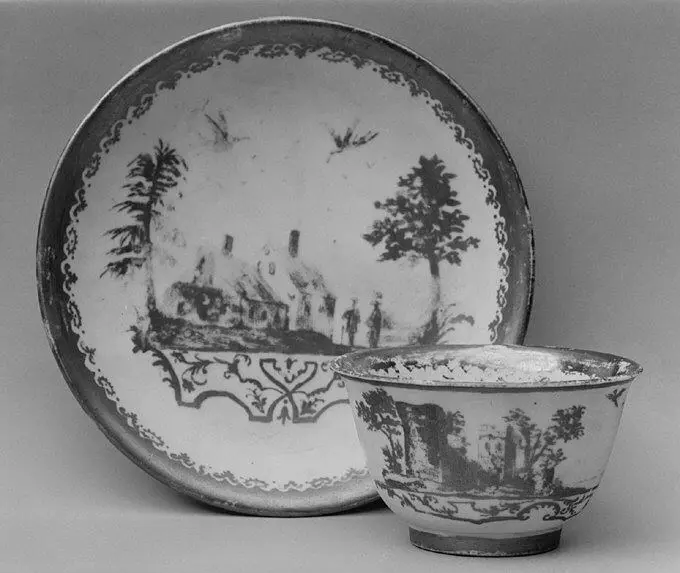
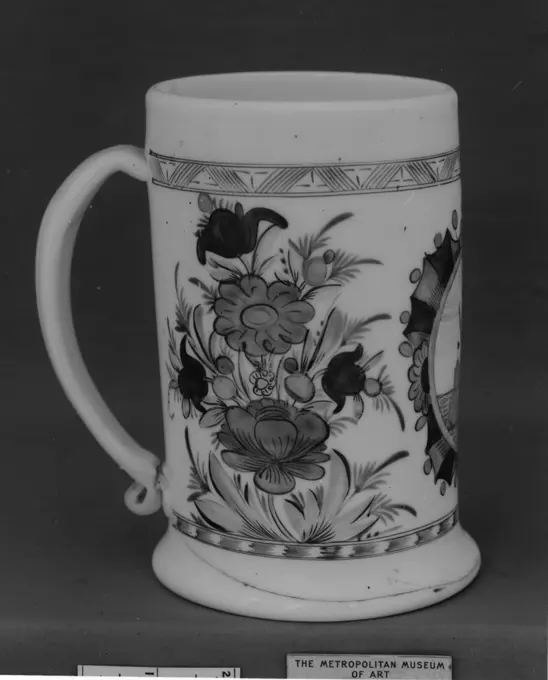
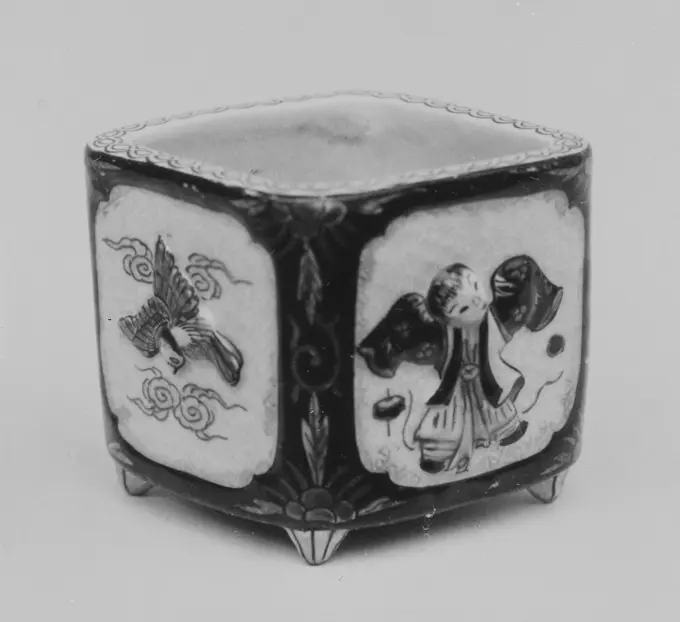
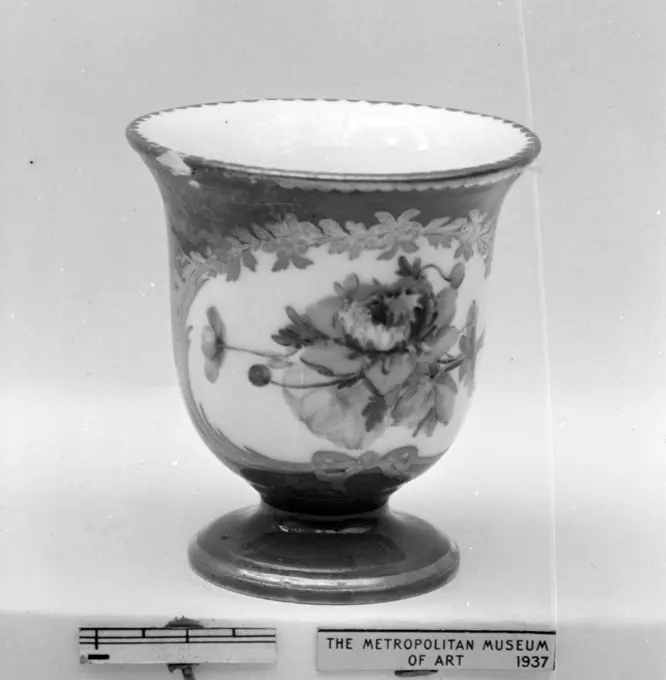
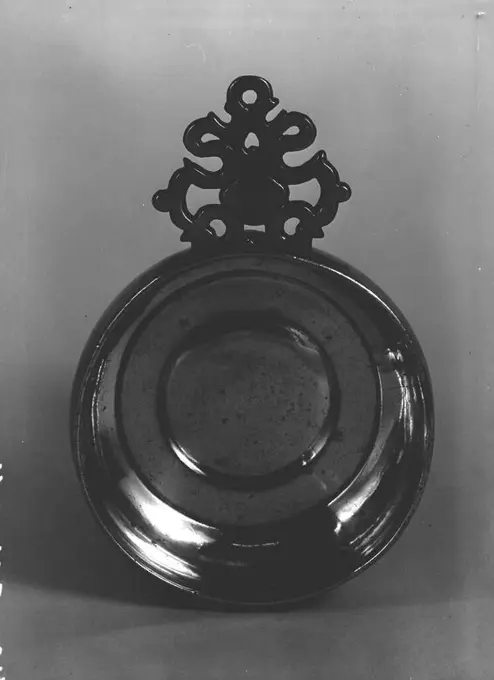
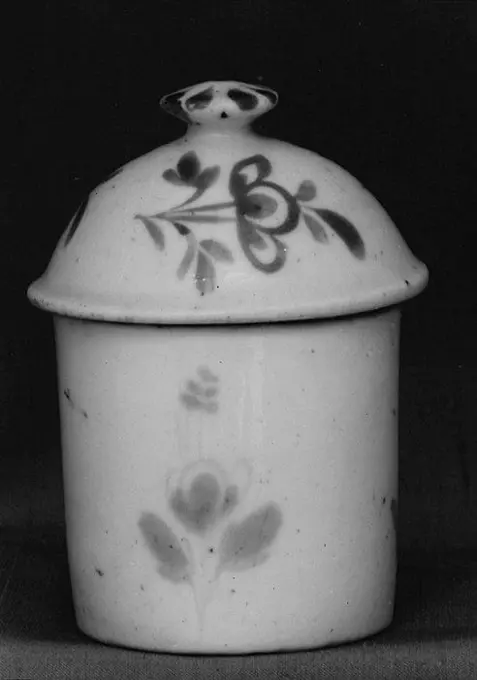
Bowl 1800 Japan. Bowl 62996Covered Bowl (He) China Instead of being glazed, some tomb pottery was decorated with pigments applied after firing to mimic the form and decor of vessels made of more precious materials such as lacquer or bronze.. Covered Bowl (He) 44334Sugar bowl with cover (pot à sucre Bouret) (part of a service) 1775 Sèvres Manufactory French. Sugar bowl with cover (pot à sucre Bouret) (part of a service). French, Sèvres. 1775. Soft-paste porcelain. Ceramics-PorcelainCustard cup with cover ca. 1765-75 Chinese, for Continental European market. Custard cup with cover. Chinese, for Continental European market. ca. 1765-75. Hard-paste porcelain. Ceramics-Porcelain-ExportVase (one of a pair) 1740-45 Meissen Manufactory German. Vase (one of a pair) 203148Sugar bowl with cover 1758-59 British, London. Sugar bowl with cover 197373Jar. Culture: China. Dimensions: H. 9 1/4 in. (23.5 cm); W. 5 in. (12.7 cm). Museum: Metropolitan Museum of Art, New York, USA.Ice cream cup (Tasse à glace) (part of a service) 1771 Sèvres Manufactory French. Ice cream cup (Tasse à glace) (part of a service). French, Sèvres. 1771. Soft-paste porcelain. Ceramics-PorcelainMustard pot with cover (one of two) (part of a service) 1780 Sèvres Manufactory French. Mustard pot with cover (one of two) (part of a service) 197867Incense Burner 1700 Japan. Incense Burner. Japan. 1700. White porcelain decorated with enamels and gold (Hizen ware, Kutani type). Edo period (1615-1868). CeramicsVase 11th-early 12th century China. Vase 49206Sauceboat ca. 1755-60 Worcester factory. Sauceboat. British, Worcester. ca. 1755-60. Soft-paste porcelain. Worcester factory (British, 1751-2008). Ceramics-PorcelainBowl 1750 Japan. Bowl. Japan. 1750. White porcelain decorated with blue under the glaze, iron red and gold, green enamel (Arita ware). Edo period (1615-1868). CeramicsBowl and Cover 18th century Japan. Bowl and Cover. Japan. 18th century. White porcelain decorated with blue under the glaze, colored enamels and gold, silver mounted (Arita ware, Ko Imari style). Edo period (1615-1868). CeramicsFoliated dish with lotus design 19th century China. Foliated dish with lotus design 46282Cricket cage 18th-19th century China. Cricket cage 60733Vase. Culture: American. Dimensions: H. 9 in. (22.9 cm). Date: 1830-70. Museum: Metropolitan Museum of Art, New York, USA.Cream jug ca. 1760 Chinese, for British market. Cream jug 201289Cup (part of a set) 1760-70 Chinese, for Danish market. Cup (part of a set) 201305Bowl with cover (part of a set) ca. 1740-50 Meissen Manufactory German. Bowl with cover (part of a set) 187811 Factory: Meissen Manufactory, German, 1710present, Bowl with cover (part of a set), ca. 174050, Hard-paste porcelain, Height: 3 1/8 in. (7.9 cm). The Metropolitan Museum of Art, New York. Gift of Henry G. Marquand, 1894 (94.4.298a, b)Pitcher. Proprietor: William Ellis Tucker, American, 1800-1832 Manufacturer: Tucker and Hulme, American, active 1828-1829 Manufacturer: Tucker and Hemphill, American, active 1831-38 Manufacturer: Joseph Hemphill, American, 1770-1842Dish ca. 1860-66 Chinese, for American market. Dish. Chinese, for American market. ca. 1860-66. Porcelain. Made in ChinaCovered Bowl with Thai celestial beings 19th century China. Covered Bowl with Thai celestial beings. China. 19th century. Porcelain painted in overglaze polychrome enamels (Bencharong ware for Thai market ). Qing dynasty (1644-1911). CeramicsCup and saucer 1775 Frankenthal Porcelain Manufactory. Cup and saucer 199260Porringer 1801-56 Samuel Ely Hamlin. Porringer. American. 1801-56. Pewter. Made in Providence, Rhode Island, United StatesVase after 1885 American. Vase. American. after 1885. Blown satin glass. Made in United StatesPlate China. Plate 52956Potpourri vase with cover (one of a pair) German 19th centuryHanging Vase 19th century Japan. Hanging Vase. Japan. 19th century. White porcelain decorated with blue under the glaze (Arita ware, Imari type). Edo (1615-1868) or Meiji period (1868-1912). CeramicsBowl. Culture: Japan. Dimensions: H. 2 1/2 in. (6.4 cm); Diam. 9 1/4 in. (23.5 cm). Date: 1780. Museum: Metropolitan Museum of Art, New York, USA.Bowl ca. 1750 British (American market). Bowl. British (American market). ca. 1750. Stoneware. Made in Staffordshire, EnglandCovered Jar. Culture: China. Dimensions: H. 9 7/8 in. (25.1 cm); H. incl. lid 10 1/2 in. (26.7 cm); Diam. 8 3/8 in. (21.3 cm); Diam. of rim 4 in. (10.2 cm); Diam. of base 5 3/8 in. (13.7 cm). Museum: Metropolitan Museum of Art, New York, USA.Cup and saucer ca. 1765 Meissen Manufactory German. Cup and saucer 199248Vase in Shape of Archaic Bronze Vessel. Culture: China. Dimensions: H. 8 in. (20.3 cm). Date: 18th century.The shape, the two stylized elephant's heads supporting the rings at the sides, and the decoration carved into the surface allude to the forms and designs found in some of China's earliest bronze vessels, produced during the Shang (ca. 1600-1050 B.C.) and Zhou (ca. 1050-256 B.C.) dynasties. These early vessels, which were used in court and ancestral rituals, were re-created in porcelain and other media for centuries. Museum: Metropolitan Museum of Art, New York, USA.Water Coupe. Culture: China. Dimensions: H. 3 1/2 in. (8.9 cm); Diam. 4 7/8 in. (12.4 cm). Museum: Metropolitan Museum of Art, New York, USA.Saucer (part of a service) 1750-70 Chinese, for Continental European market. Saucer (part of a service) 201233Holy-Water Vessel ca. 14th century Indonesia (Java). Holy-Water Vessel 37704Lamp ca. 1885-87 Probably Hobbs, Brockunier and Company. Lamp. American. ca. 1885-87. Blown glass. Made in Wheeling, West Virginia, United StatesVase 1830-70 American. Vase. American. 1830-70. Parian porcelain. Probably made in Bennington, Vermont, United StatesBonbon Bottle. Culture: Japan. Dimensions: H. 3 1/2 in. (8.9 cm). Date: 1750. Museum: Metropolitan Museum of Art, New York, USA.Incense Burner with Cover and Stand. Culture: China. Dimensions: H. 23 1/2 in. (59.7 cm); Diam. 17 in. (43.2 cm). Museum: Metropolitan Museum of Art, New York, USA.Candlestick. Dimensions: 8 5/8 x 4 13/16 in. (21.9 x 12.2 cm). Date: 1700-1800. Museum: Metropolitan Museum of Art, New York, USA.Snuffbox ca. 1751-52 Mennecy In eighteenth-century Europe, Paris led the production of high-quality luxury goods. Parisian goldsmiths made a wide range of small, personal articles such as snuffboxes; étuis to hold sealing wax, tweezers, or utensils for sewing; souvenirs, which contained thin ivory tablets for note taking; and shuttles for knotting lace. Gold snuffboxes and boxes decorated with portrait miniatures were prized and frequently given as royal gifts, often to ambassadors or members of the court in lieu of cash payments for their services. Coveted and admired, these boxes were produced from a variety of materials. The best were skillfully made of gold and embellished with diamonds, enameled decoration, lacquer, and other luxurious materials. By the middle of the century, the taking of snuff had become an entrenched social ritual, and the snuffbox, too, had become an important social prop. Snuffboxes were considered highly fashionable accessories, with some merchants advertisiPitcherSaucer ca. 1740 Meissen Manufactory German. Saucer. German, Meissen. ca. 1740. Hard-paste porcelain. Ceramics-PorcelainTeapot. Culture: Japan. Dimensions: H. 3 1/4 in. (8.3 cm). Date: 1865-70. Museum: Metropolitan Museum of Art, New York, USA.Saltcellar. Culture: British (American market). Dimensions: 3 x 3 1/2 in. (7.6 x 8.9 cm). Date: 1800-1830. Museum: Metropolitan Museum of Art, New York, USA.Tea jar 18th century Japan. Tea jar. Japan. 18th century. Clay; ochre underglaze and mottled brown overglaze (Seto ware). Edo period (1615-1868). CeramicsVegetable Dish 1800 Japan. Vegetable Dish. Japan. 1800. White porcelain decorated with colored enamels (Arita ware). Edo period (1615-1868). CeramicsTea caddy (part of a service) 1750-70 Chinese, for European market. Tea caddy (part of a service) 201322Campania Caserta Capua Museo Campano015. Hutzel, Max 1960-1990 Medieval: Byzantine architectural fragments; parchment fragments with miniatures (12th century) from Montecassino; painted wooden crucifix (13th century); Carolingian crucifixes; Bishop's miter (11th century) of gold and silver damask; fresco (13th century). Post-medieval: Architecture (15th century). Formerly the Palazzo Antignano. Unusual Catalan/Moorish-style portal; Paintings on panel and canvas (15th-18th centuries); marble intarsia (16th century); marble sculpture: busts of Christ and Mary (17th century); sculpture of saints in marble and in wood (15th century); painted and gilded sculpture in wood; marble grave sculpture (16th century); sarcophagus with allegorical carvings; gold reliquary "Rosa d'Oro"; crucifix made of elephant tusk Specific Location: Pianterreno Antiquities: Italic sculpture (seated women holding babies); inscription. Photo campaign #1: 533 photos. Roman relief and sculpture; cinerary urns; Greek aPlate 1765-75 Tournai. Plate 188973 Factory: Tournai, Belgian, established ca. 1750, Plate, 176575, Soft-paste porcelain, Diameter: 9 1/4 in. (23.5 cm). The Metropolitan Museum of Art, New York. Rogers Fund, 1906 (06.325)Plate ca. 1730-50 China. Plate. China. ca. 1730-50. Porcelain painted in overglaze famille rose enamels. Qing dynasty (1644-1911). CeramicsTea Bowl with Design of Moon and Autumn Grasses ca. 1825 Eiraku Hozen. Tea Bowl with Design of Moon and Autumn Grasses 45354Bowl ca. 1850 American or British. Bowl. American or British. ca. 1850. Lacy pressed glass. Possibly made in England; Possibly made in United StatesVase late 17th-early 18th century China. Vase. China. late 17th-early 18th century. Porcelain painted in underglaze blue, with crackled and brown glazes. Qing dynasty (1644-1911), Kangxi period (1662-1722). CeramicsHooked Rug 1850-1900 Possibly after Edward Sands Frost. Hooked Rug 13938William Law and William Nowlan, Tea Canister, 1825, silver.Saucer ca. 1825 British (American market). Saucer. British (American market). ca. 1825. Earthenware, gaudy dutch. Made in Staffordshire, EnglandCup and saucer ca. 1770 Kloster-Veilsdorf Porcelain Manufactory. Cup and saucer 188983 Factory: Kloster-Veilsdorf Porcelain Manufactory, German, 1760present, Cup and saucer, ca. 1770, Hard-paste porcelain, Height (cup .340a): 1 3/4 in. (4.4 cm); Diameter (saucer .340b): 5 in. (12.7 cm). The Metropolitan Museum of Art, New York. Rogers Fund, 1906 (06.340a, b)Bottle. Culture: Japan. Dimensions: H. 4 1/2 in. (11.4 cm); W. 3 1/4 in. (8.3 cm); D. 2 1/8 in. (5.4 cm). Date: 19th century. Museum: Metropolitan Museum of Art, New York, USA.Cricket cage 18th-19th century China. Cricket cage. China. 18th-19th century. Gourd, jade. Qing dynasty (1644-1911). Cricket cagesMiniature candlestick (one of a pair) (part of a set) 1675-1700 Southern German Part of set of silver miniature furniture, 31.37.1-.22, and a box, 31.37.23.. Miniature candlestick (one of a pair) (part of a set). Southern German. 1675-1700. Silver. Metalwork-SilverSoup Dish 1770-1830 Chinese. Soup Dish. Chinese. 1770-1830. Porcelain. Made in ChinaJar with Cover 1820 Japan. Jar with Cover. Japan. 1820. White porcelain decorated with blue under the glaze (Hirado ware). Edo period (1615-1868). CeramicsBowl with Lid. Culture: China. Dimensions: H. 5 3/8 in. (13.7 cm); Diam. 5 1/4 in. (13.3 cm). Museum: Metropolitan Museum of Art, New York, USA.Ewer 1830-70 American. Ewer. American. 1830-70. Parian porcelain. Probably made in Bennington, Vermont, United StatesWhiskey Taster 1840-60. Whiskey Taster. 1840-60. Lacy pressed amethyst glassIce cream cup (tasse à glace) (one of thirty-one) (part of a service) 1771 Sèvres Manufactory French. Ice cream cup (tasse à glace) (one of thirty-one) (part of a service). French, Sèvres. 1771. Soft-paste porcelain. Ceramics-PorcelainBowl 1800 Japan. Bowl. Japan. 1800. Buff ware covered with a finely crackled glaze and decorated with enamels (Satsuma ware). Edo period (1615-1868). CeramicsSitula 17th century Italian, Venice (Murano) or Dutch. Situla. Italian, Venice (Murano) or Dutch. 17th century. Glass. GlassClove Boiler. Culture: Japan. Dimensions: H. 6 3/4 in. (17.1 cm). Date: 18th century. Museum: Metropolitan Museum of Art, New York, USA.Plate. Culture: China. Dimensions: W. 7 3/4 in. (19.7 cm). Date: 18th century. Museum: Metropolitan Museum of Art, New York, USA.Jar with Cover (one of a pair). Culture: China. Dimensions: H. 16 1/2 in. (41.9 cm). Museum: Metropolitan Museum of Art, New York, USA.Jar with Cover. Culture: Japan. Dimensions: H. 5 in. (12.7 cm); W. 3 1/2 in. (8.9 cm). Date: 18th century. Museum: Metropolitan Museum of Art, New York, USA.Covered vase. Culture: China. Dimensions: Gr. H. 9 15/16 in. (25.2 cm); W. 5 3/8 in. (13.7 cm). Date: 18th century. Museum: Metropolitan Museum of Art, New York, USA.Sugar bowl (part of a set) ca. 1765 Royal Porcelain Manufactory, Berlin. Sugar bowl (part of a set). German, Berlin. ca. 1765. Hard-paste porcelain. Royal Porcelain Manufactory, Berlin (German, founded 1763). Ceramics-PorcelainIncense Burner Japan 1780 View more. Incense Burner. Japan. 1780. White porcelain decorated with blue under the glaze (Hirado ware). Edo period (1615-1868). CeramicsBiberon 19th century probably Spanish, Catalonia. Biberon. probably Spanish, Catalonia. 19th century. Glass. GlassCup before 1613 China. Cup. China. before 1613. Porcelain. late Ming dynasty (1368-1644). CeramicsSaucer. Culture: Chinese. Dimensions: Diam. 5 in. (12.7 cm). Date: 1735-96. Museum: Metropolitan Museum of Art, New York, USA.Saucer ca. 1725-30 Meissen Manufactory German. Saucer 188659 Factory: Meissen Manufactory, German, 1710present, Factory director: Johann Gregor Hroldt, 16961775, Saucer, ca. 172530, Hard-paste porcelain, Diameter: 5 in. (12.7 cm). The Metropolitan Museum of Art, New York. Gift of Alfred Duane Pell, 1902 (02.6.115)12/31/1919. Carlos III type armchair from the royal palace.Double-Gourd Vase China. Double-Gourd Vase. China. Jadeite, light lavender. Qing dynasty (1644-1911), Qianlong period (1736-95). JadeWater Bottle 18th century Japan. Water Bottle. Japan. 18th century. White porcelain decorated with blue under the glaze. Edo period (1615-1868). CeramicsMug ca. 1750 German. Mug. German. ca. 1750. Enamelled and gilded milk glass. GlassCenser Decorated with Figures within Scrolls 1830 Japan. Censer Decorated with Figures within Scrolls. Japan. 1830. Porcelain decorated with figures in relief and enamels (Arita ware, Imari type). Edo period (1615-1868). CeramicsIce cream cup (Tasse à glace) (part of a service) ca. 1780 Sèvres Manufactory French. Ice cream cup (Tasse à glace) (part of a service). French, Sèvres. ca. 1780. Soft-paste porcelain. Ceramics-PorcelainHobnail Creamer after 1886 Probably Hobbs, Brockunier and Company. Hobnail Creamer. American. after 1886. Pressed cranberry and colorless glass. Made in Wheeling, West Virginia, United StatesVase. Culture: China. Dimensions: H. 4 7/8 in. (12.4 cm). Museum: Metropolitan Museum of Art, New York, USA.Porringer. Culture: American. Dimensions: 1 3/8 x 6 1/8 x 4 1/8 in. (3.5 x 15.6 x 10.5 cm). Maker: Josiah Danforth (1803-1872). Date: 1821-ca. 1843. Museum: Metropolitan Museum of Art, New York, USA.Compote 1830-50 Possibly Boston & Sandwich Glass Company. Compote. American. 1830-50. Lacy pressed glass. Probably made in Sandwich, Massachusetts, United StatesCenser and cover 1800 Japan. Censer and cover. Japan. 1800. Porcelain decorated with enamels; silver lid (Arita ware, Imari type). Edo period (1615-1868). CeramicsEwer American 1830-70 View more. Ewer. American. 1830-70. Parian porcelain. Probably made in Bennington, Vermont, United StatesCovered Jar 1739-75 Designed by Justus Brouwer Dutch. Covered Jar 2416Plate (Assiette à palmes) (1 of 102) (part of a service) 1772 Sèvres Manufactory French. Plate (Assiette à palmes) (1 of 102) (part of a service) 197951Toilet jar ca. 1775-80 Sceaux. Toilet jar 192308Cover with three ring handles 3rd-2nd century BC China. Cover with three ring handles 61095Musee National d'Athènes, 13729, vase Mycénien de Kakovatos (Pylos) , Vases, Antiquities. Nicholas Catsimpoolas CollectionPlate ca. 1750-70 Veuve Perrin Factory Faience, or tin-glazed and enameled earthenware, first emerged in France during the sixteenth century, reaching widespread usage among elite patrons during the seventeenth and early eighteenth centuries, prior to the establishment of soft-paste porcelain factories. Although characterized as more provincial in style than porcelain, French faience was used at the court of Louis XIV as part of elaborate meals and displays, with large-scale vessels incorporated into the Baroque garden designs of Versailles. Earlier examples of French faience attest to the strong influence of maiolica artists from Italy. Later works demonstrate the ways in which cities such as Nevers, Rouen, Lyon, Moustiers, and Marseille developed innovative vessel shapes and decorative motifs prized among collectors throughout Europe. While faience can be created from a wide mixture of clays, it is foremost distinguished by the milky opaque white color achieved by the addition of tin