Historical Ceramic Bowls

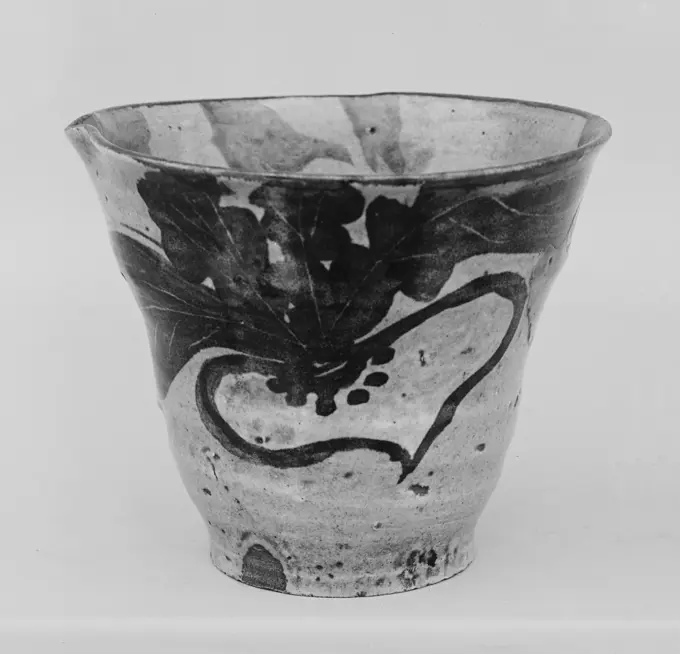
Collection of antique ceramic bowls from Japan, China, and France, showcasing intricate designs and historical significance from various centuries.

Covered Bowl (He) China Instead of being glazed, some tomb pottery was decorated with pigments applied after firing to mimic the form and decor of vessels made of more precious materials such as lacquer or bronze.. Covered Bowl (He) 44334
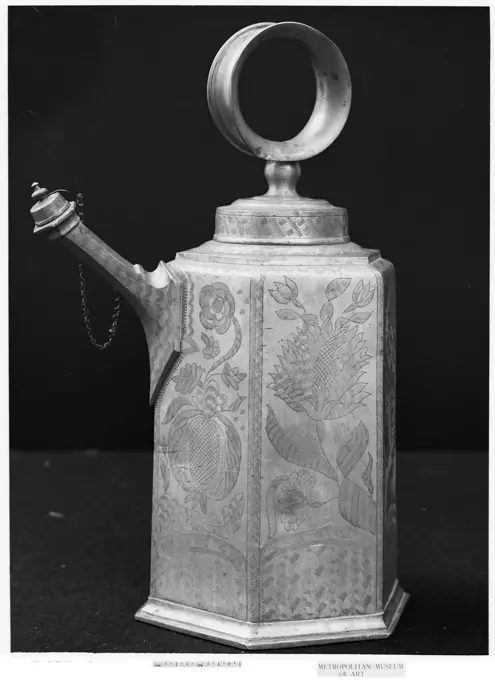
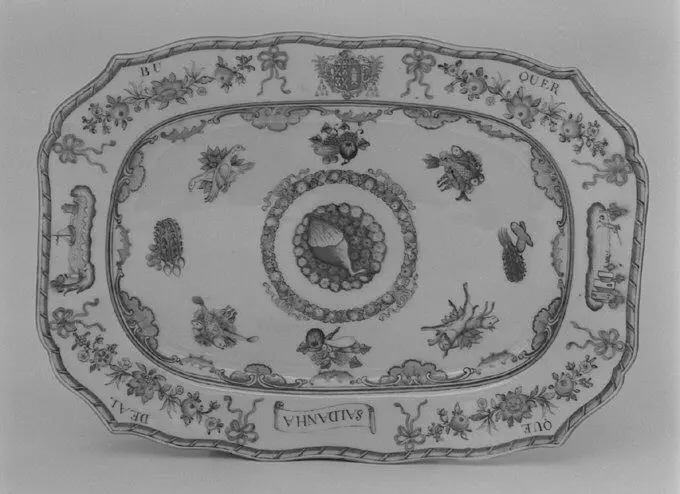
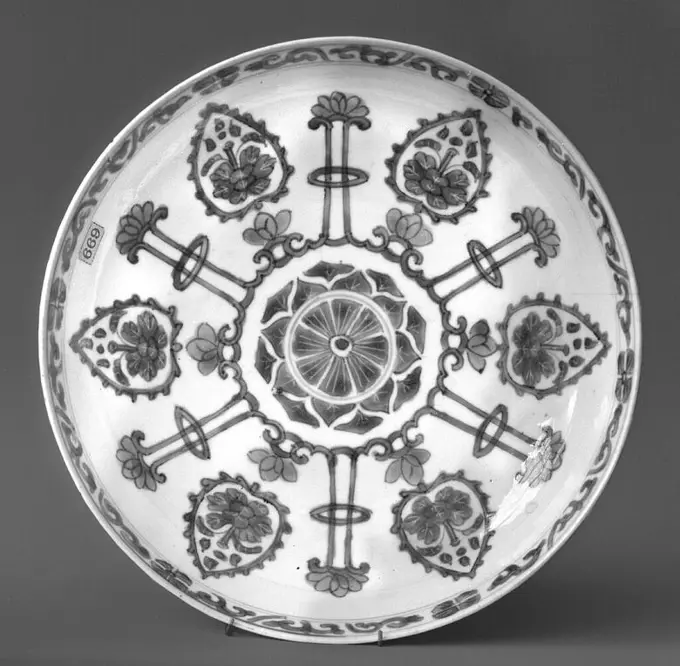
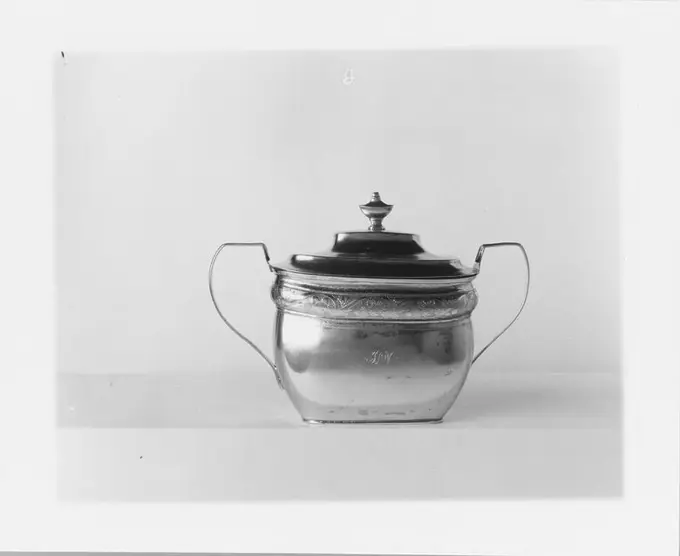
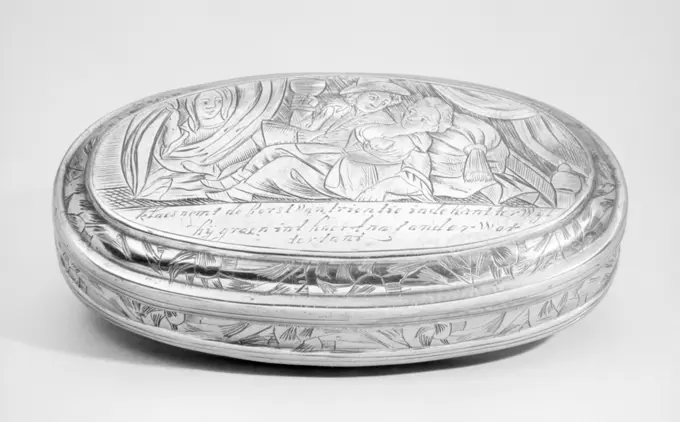
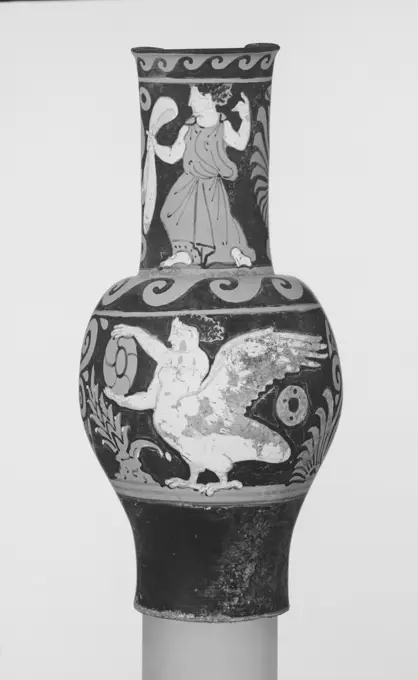
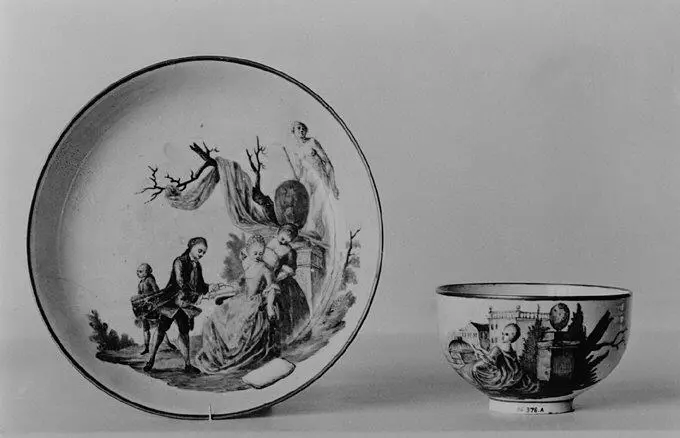
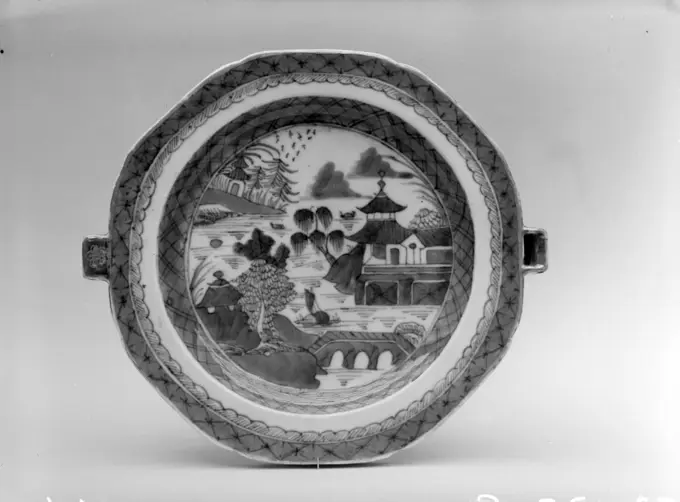
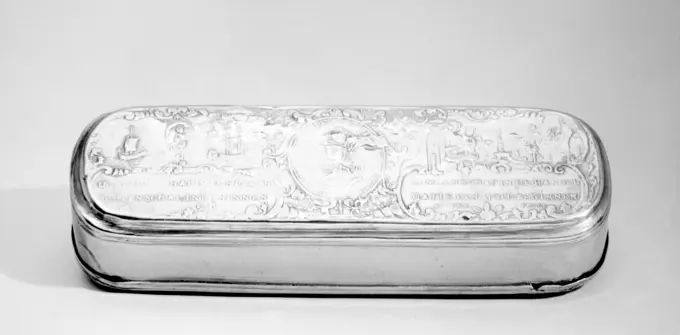
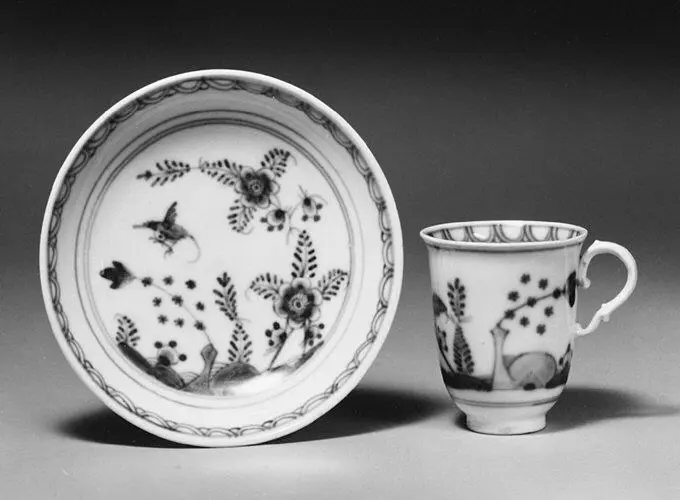
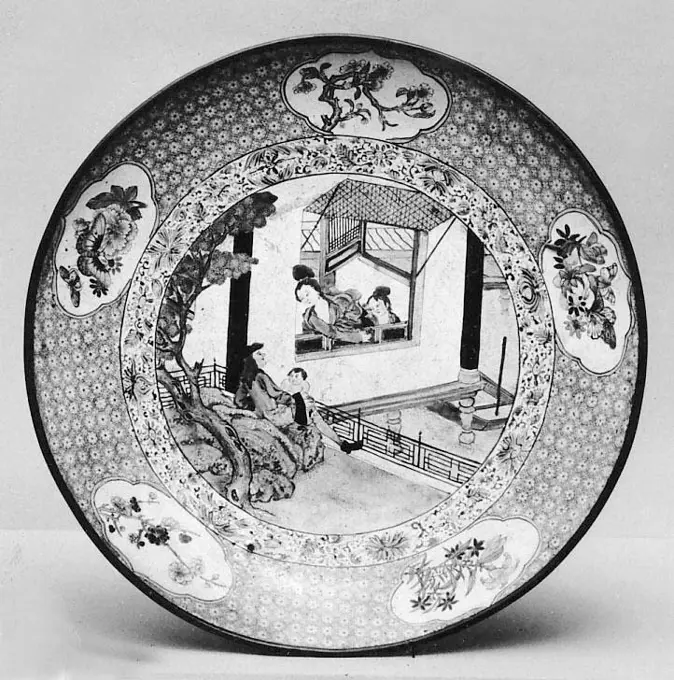
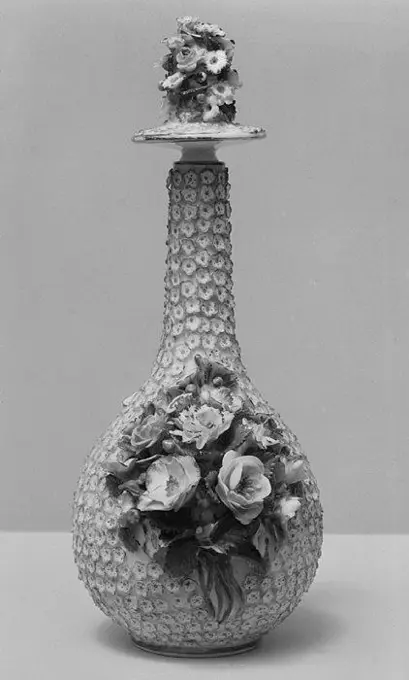
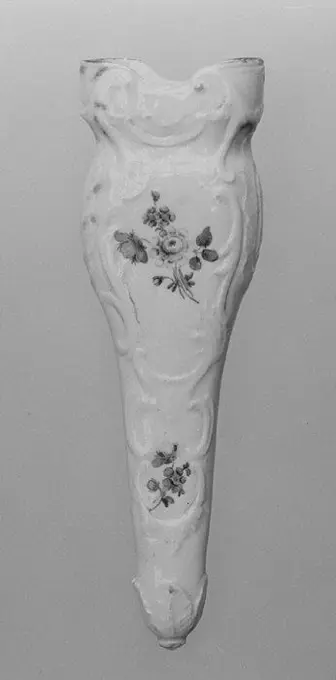
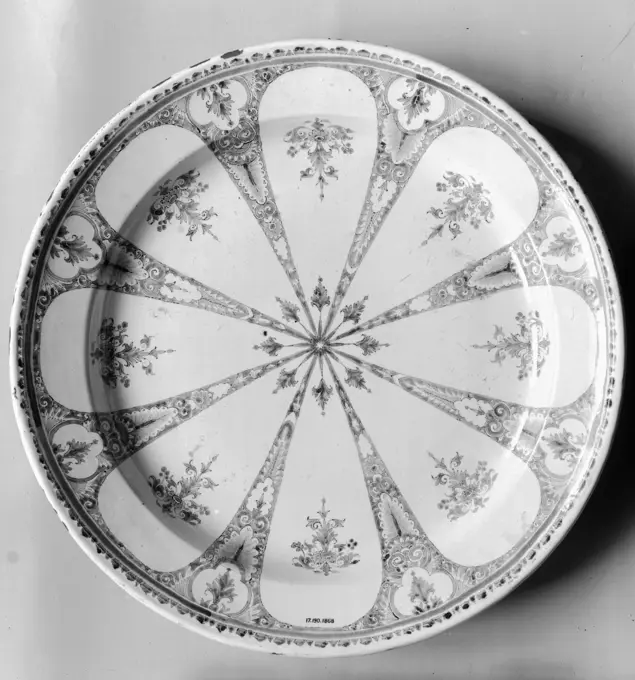
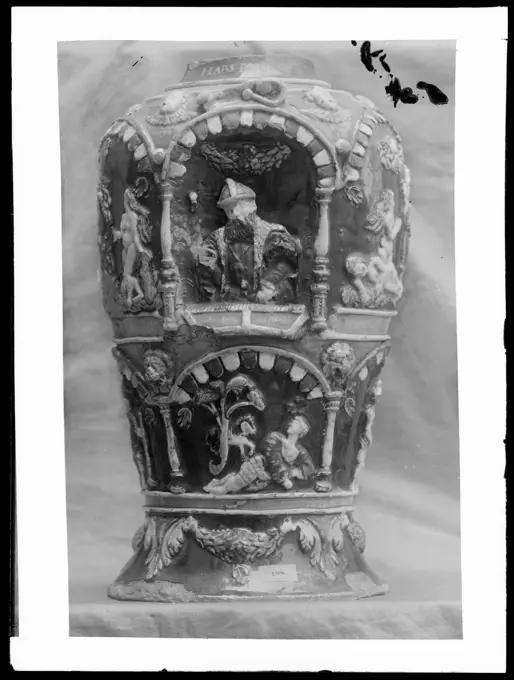
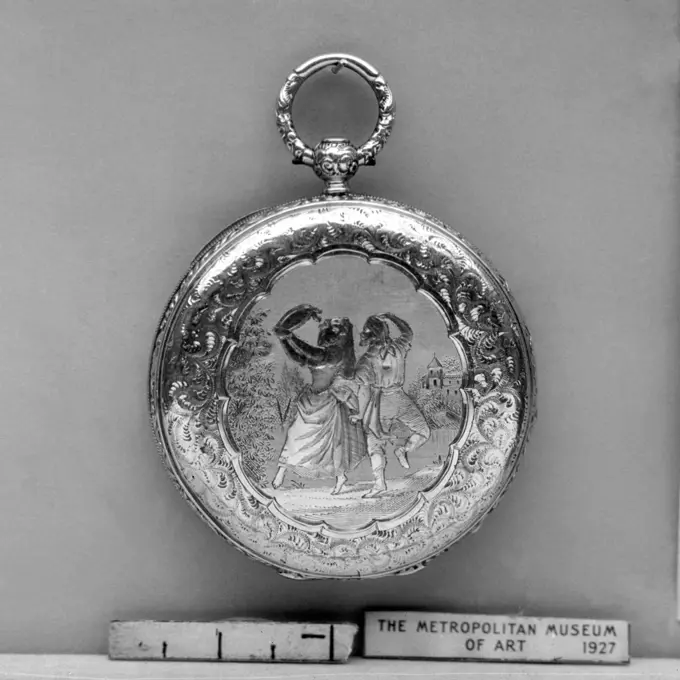
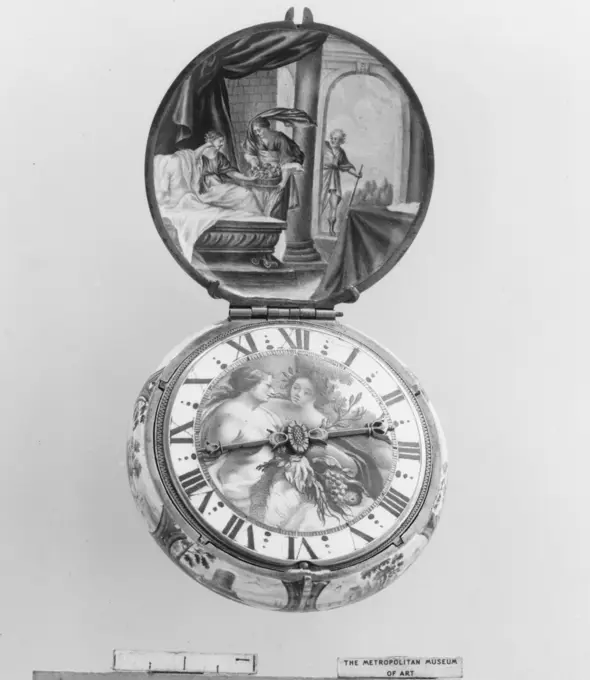
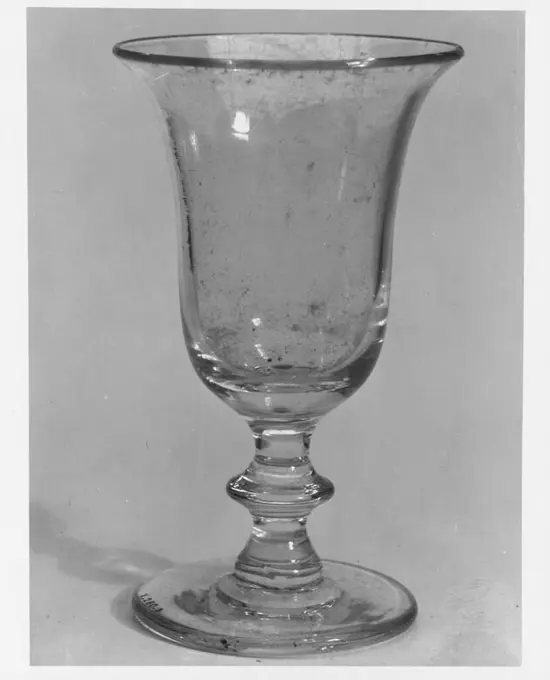
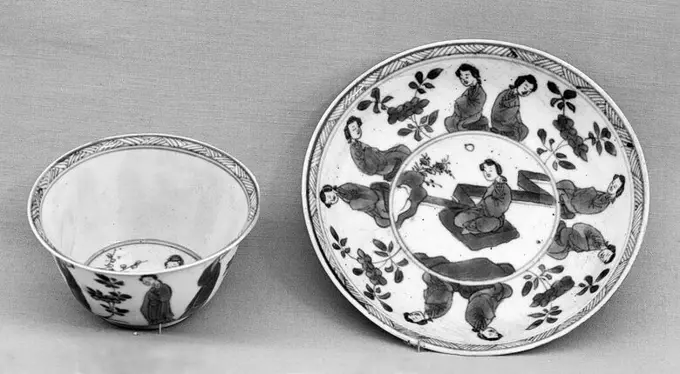
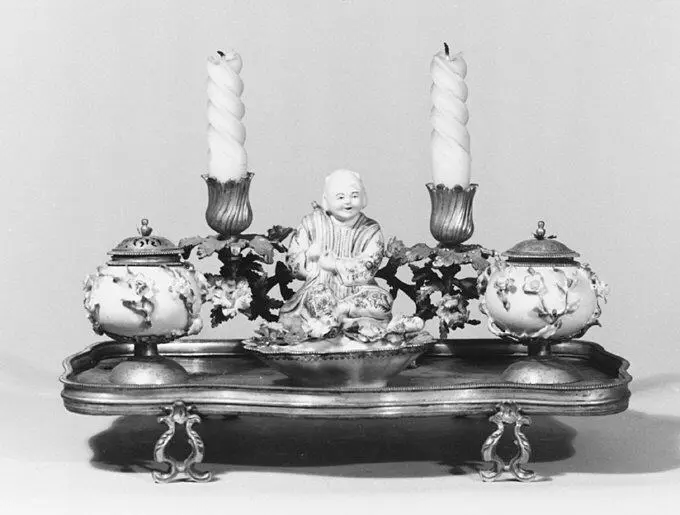
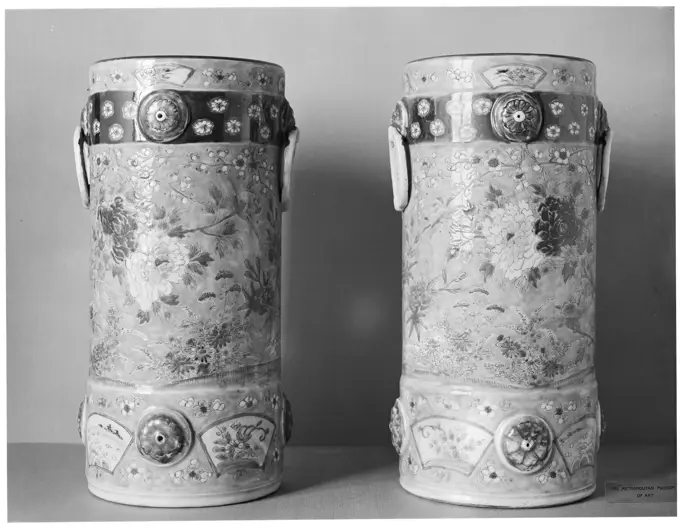
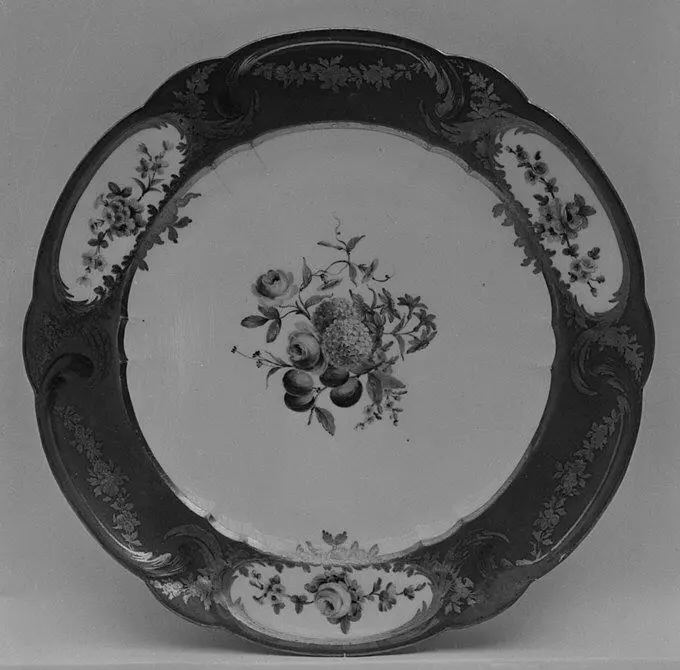
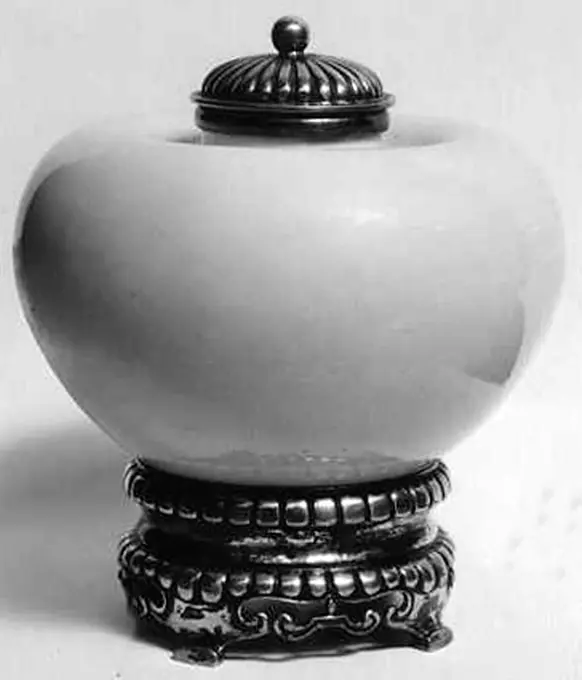
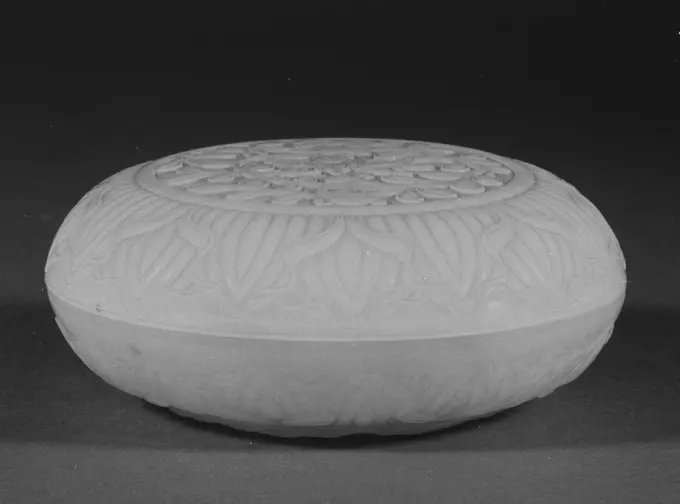
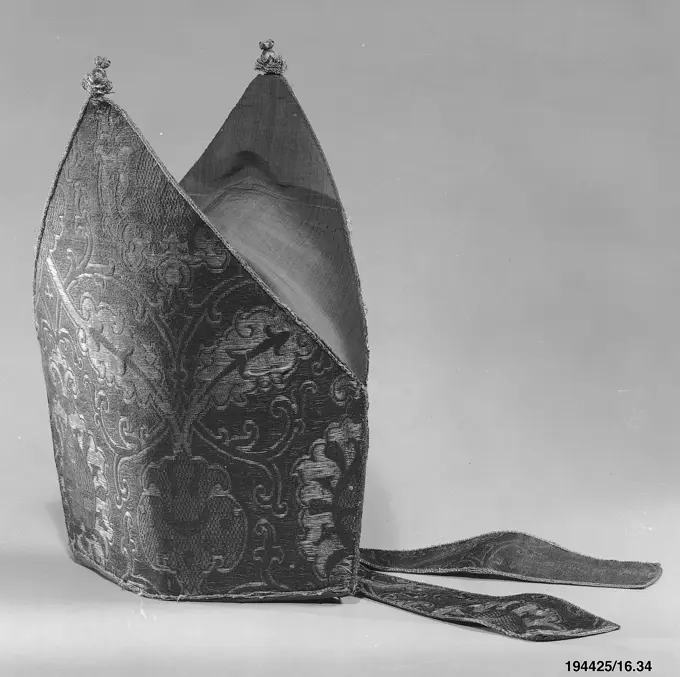
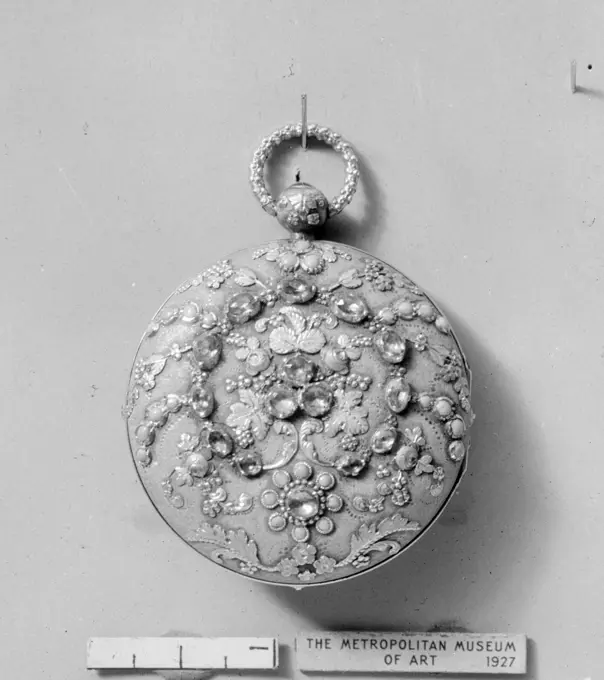
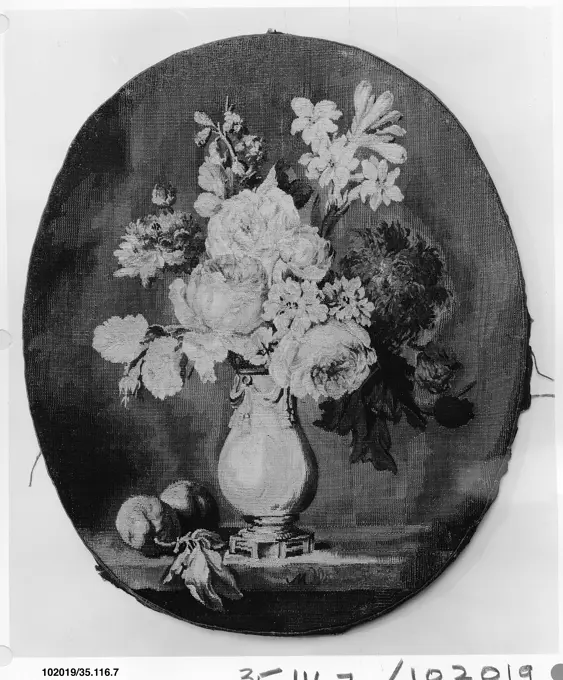
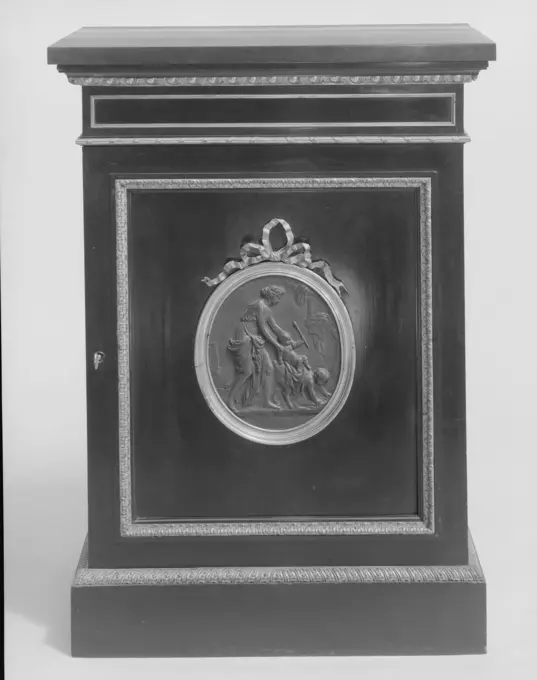
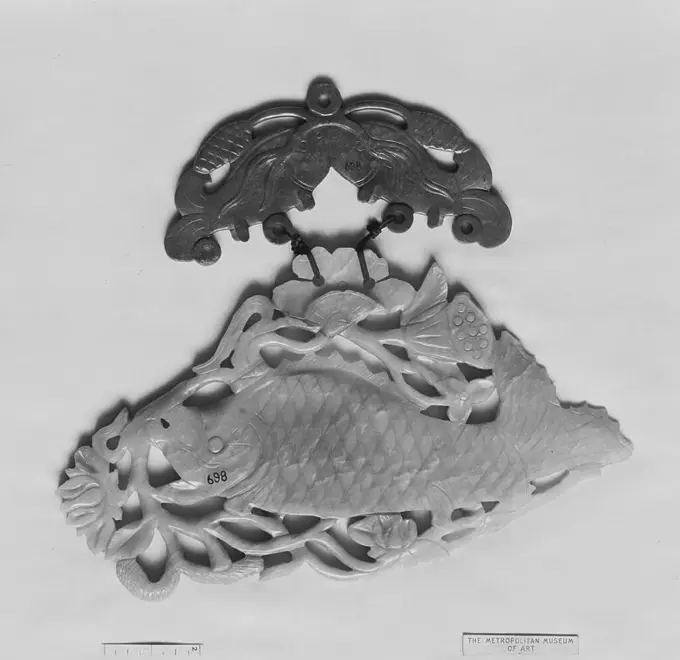
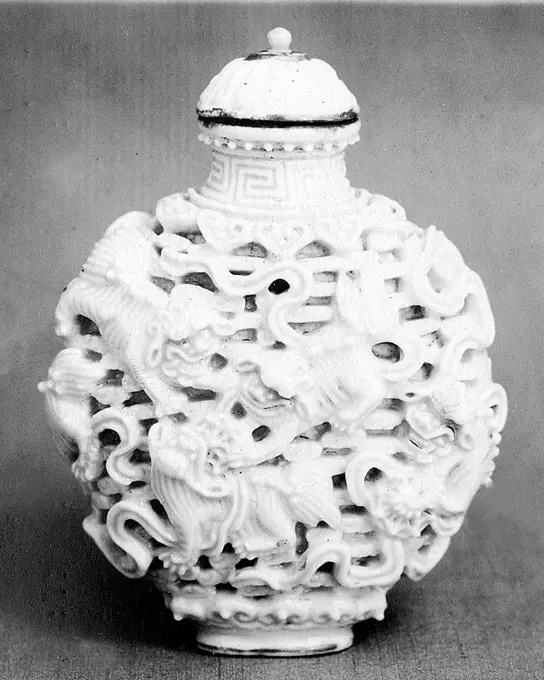
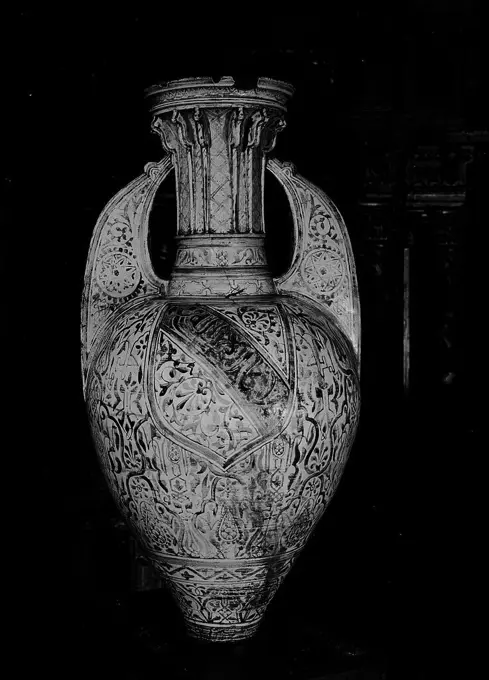
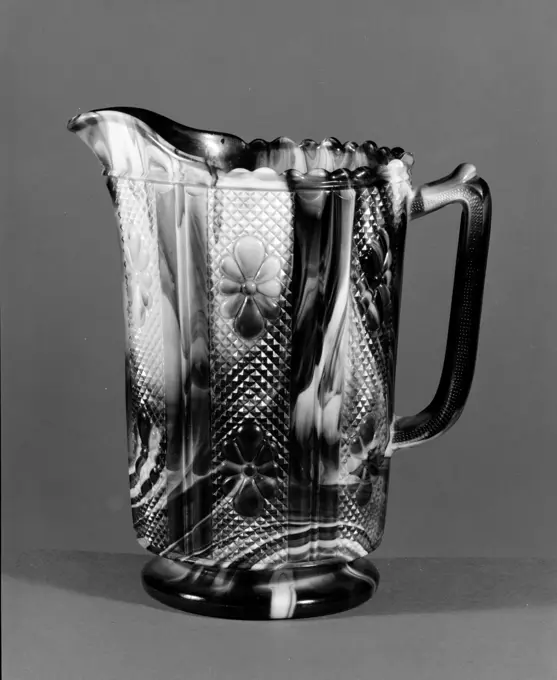
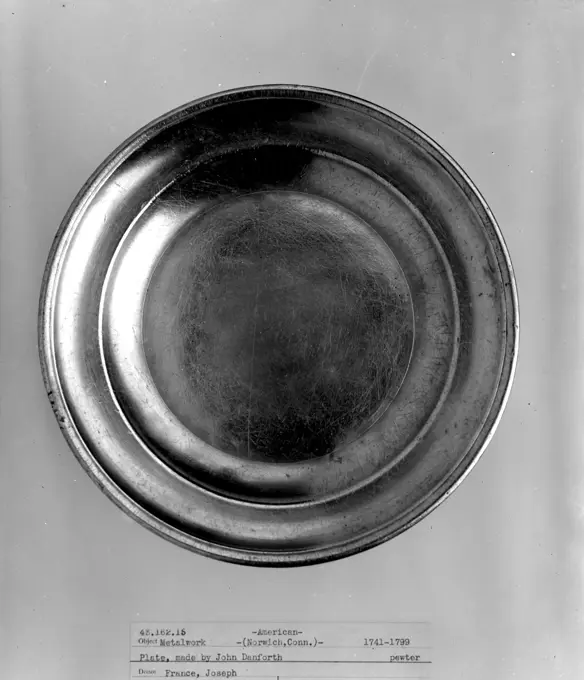
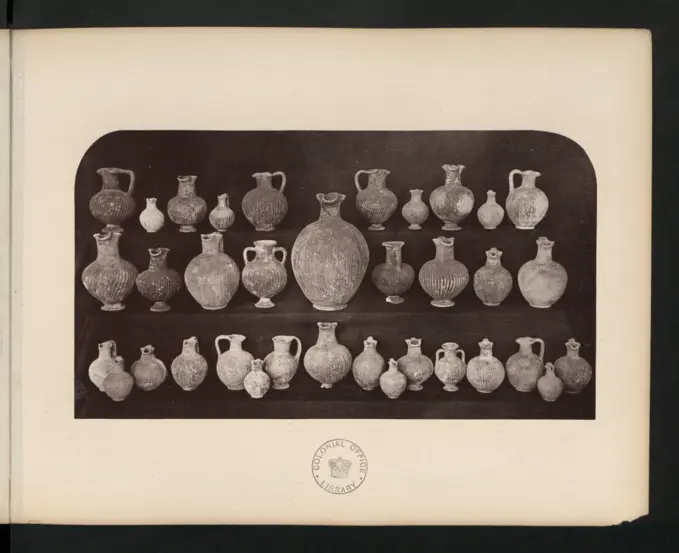
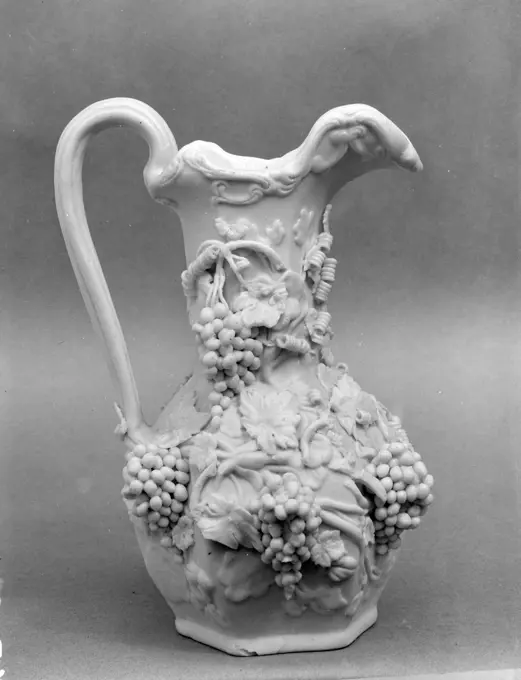
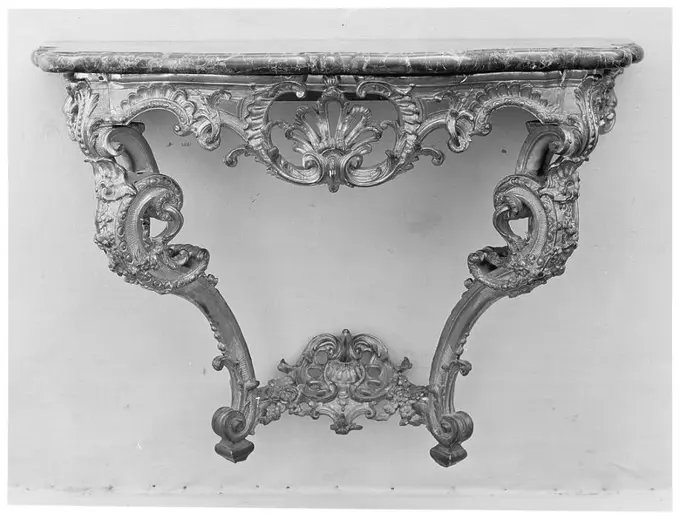
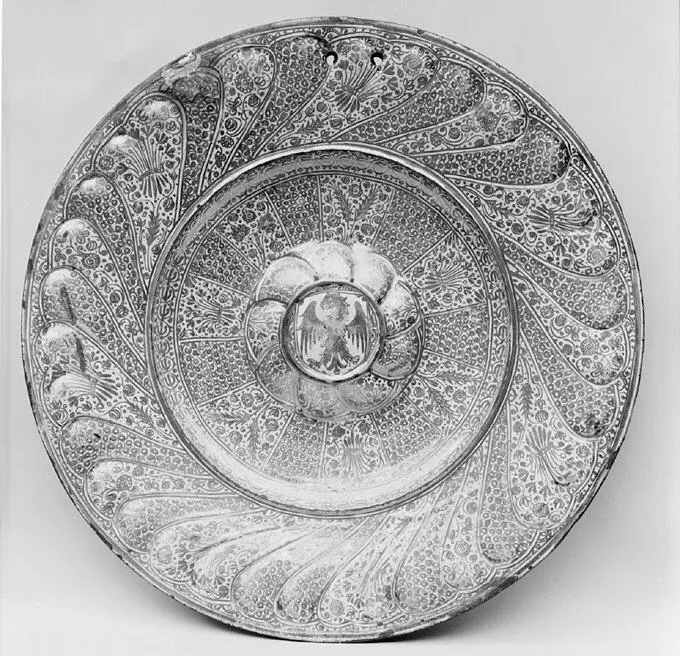
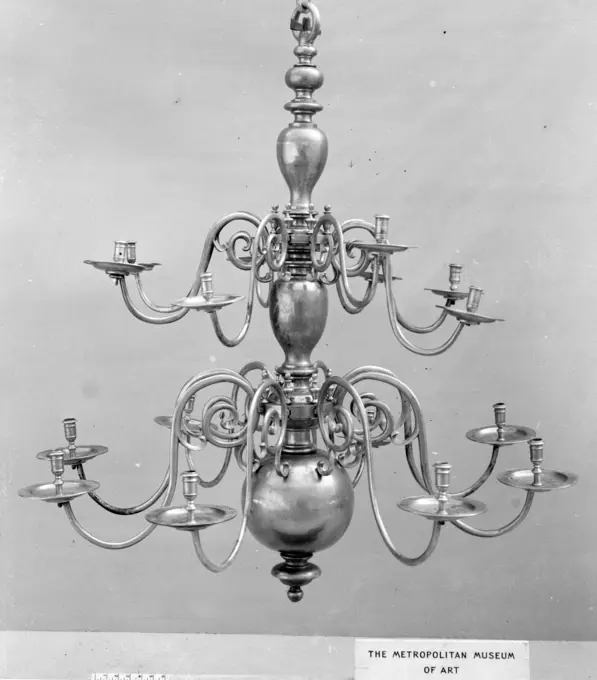
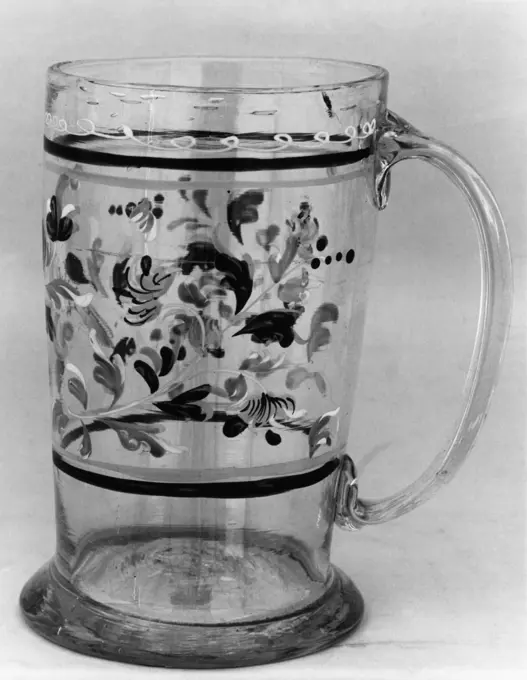
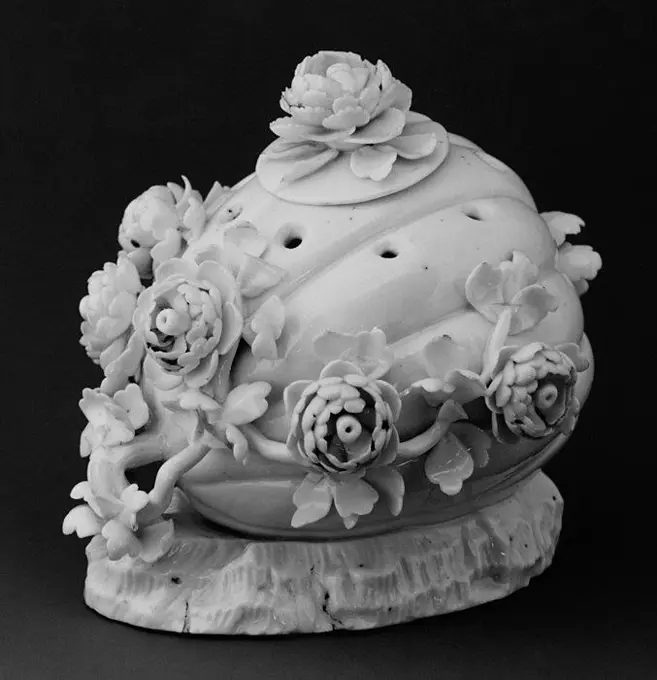
Snuff Bottle China. Snuff Bottle 41696Milk or wine can 18th century Johannes oder Hans Waeber. Milk or wine can. Swiss, Zurich. 18th century. Pewter. Metalwork-PewterPlatter (part of a service) ca. 1765 Chinese, for Portuguese market. Platter (part of a service) 201153Dish. Culture: China. Dimensions: Diam. 8 1/2 in. (21.6 cm). Date: late 17th-early 18th century. Museum: Metropolitan Museum of Art, New York, USA.Campania Salerno Padula Museo Archeologico della Lucania Occidentale3. Hutzel, Max 1960-1990 Antiquities: There are views of Ardean artifacts, including artefixes. German-born photographer and scholar Max Hutzel (1911-1988) photographed in Italy from the early 1960s until his death. The result of this project, referred to by Hutzel as Foto Arte Minore, is thorough documentation of art historical development in Italy up to the 18th century, including objects of the Etruscans and the Romans, as well as early Medieval, Romanesque, Gothic, Renaissance and Baroque monuments. Images are organized by geographic region in Italy, then by province, city, site complex and monument.Sugar Bowl. Culture: American. Dimensions: Overall: 6 3/16 x 8 7/8 x 3 3/4 in. (15.7 x 22.5 x 9.5 cm); 14 oz. 12 dwt. (454.1 g)Base: 3 15/16 x 2 9/16 in. (10 x 6.5 cm)Body: H. 4 7/8 in. (12.4 cm); 9 oz. 17 dwt. (306 g)Cover: 2 3/8 x 5 5/8 x 3 9/16 in. (6 x 14.3 x 9 cm); 4 oz. 15 dwt. (148.1 g). Maker: William G. Forbes (1751-1840). Date: 1800-1810. Museum: Metropolitan Museum of Art, New York, USA.Tobacco box 18th century Dutch The box is oval; its lid depicts an amorous couple stretched out on a bed. A second woman peeks around one of the curtains. Inscribed below: Klaes nemt de borst van Trientie in de hant terwijl hij groen int heart nat ander wat tertant (Klaes takes Trienties breast in his hand, while with desiring heart heart he longs for the other).The underside shows another indoor scene framed by brick walls. A couple is smoking, the woman seated on the mans knees, while another woman looks on from behind the curtains. Inscribed below: Moegt ick lieve meijt u lippen eens genaken wij souden allebij in het paradeijs geraken (Dear girl, could I touch your lips, both of us would be in paradise).With lined rims and molded edges, the borders and sides engraved with leaf scrolls.. Tobacco box 201973Pitcher after 1885 American or British. Pitcher. American or British. after 1885. Blown satin cranberry glass. Possibly made in England; Possibly made in United StatesFaliscan Red-Figure Beaked Jug. UnknownBottle 1840 Japan. Bottle. Japan. 1840. Porcelain with designs in relief, covered with buff glaze (Awaji ware). Edo period (1615-1868). CeramicsTeabowl and saucer ca. 1770 Cozzi Manufactory Italian. Teabowl and saucer 189016 Factory: Cozzi manufactory, Italian, 17641812, Teabowl and saucer, ca. 1770, Hard-paste porcelain, Height (teabowl): 1 3/4 in. (4.4 cm); Diameter (saucer): 4 1/8 in. (10.5 cm). The Metropolitan Museum of Art, New York. Rogers Fund, 1906 (06.376a, b)Snuff Bottle China. Snuff Bottle 41704Dish on High Foot 1780 Japan. Dish on High Foot. Japan. 1780. White porcelain decorated with polychrome enamels (Arita ware). Edo period (1615-1868). CeramicsCup 18th century Japan. Cup. Japan. 18th century. Clay covered with a transparent glaze and decorated under the glaze (Kiyomizu ware, Kenzan style). Edo period (1615-1868). CeramicsCup (one of six) (part of a set) 1820-30 French. Cup (one of six) (part of a set) 187817 French, Cup (one of six) (part of a set), 182030, Hard-paste porcelain, Height: 3 1/2 in. (8.9 cm). The Metropolitan Museum of Art, New York. Gift of Henry G. Marquand, 1894 (94.4.304)Vase China. Vase. China. Porcelain painted in famille verte enamels. Qing dynasty (1644-1911), Kangxi period (1662-1722). CeramicsPitcher ca. 1885 American or British. Pitcher. American or British. ca. 1885. Blown satin pink glass. Possibly made in England; Possibly made in United StatesSpoon Dish. Culture: British (American market). Dimensions: 6 1/2 x 4 1/8 in. (16.5 x 10.5 cm). Date: 1740-60. Museum: Metropolitan Museum of Art, New York, USA.Hot Water Plate 1800-1830 Chinese. Hot Water Plate. Chinese. 1800-1830. Porcelain. Made in ChinaDish for a ewer (bacile da versatore). Culture: Italian, Deruta. Dimensions: Diameter: 13 3/4 in. (35 cm). Date: ca. 1520-30. Museum: Metropolitan Museum of Art, New York, USA.Coffee cup (part of a service) ca. 1780-85 Meissen Manufactory German. Coffee cup (part of a service). German, Meissen. ca. 1780-85. Hard-paste porcelain. Ceramics-PorcelainBeaker early 18th century German, Potsdam. Beaker. German, Potsdam. early 18th century. Glass. GlassTobacco box 1777 I. H. Becker. Tobacco box 201982Cup and saucer ca. 1765 () Imperial Porcelain Manufactory The gift of the Hans Syz Collection in 1995 endowed the Museum with nearly three hundred examples of European and Asian ceramics meticulously acquired by Swiss-born collector Dr. Syz (1894-1991) to chart the migration of models and patterns from East to West. Documenting a continuous process of influence and adaptation, these pieces provide a discriminating review of the nuances of stylistic change resulting from three centuries of trade.. Cup and saucer 208429Woman and objects; inscribed 'Kirkaldie' gelatin silver negatives, black-and-white negatives, studio portraitsDish 19th century China. Dish. China. 19th century. Painted enamel. Qing dynasty (1644-1911). EnamelsVase with Flowers. Culture: China. Dimensions: H. 14 in. (35.6 cm). Date: mid-18th century. Museum: Metropolitan Museum of Art, New York, USA.Vase with Magnolia, Hollyhocks, and Phoenixes early 18th century China. Vase with Magnolia, Hollyhocks, and Phoenixes. China. early 18th century. Porcelain painted with colored enamels over a transparent glaze (Jingdezhen ware). Qing dynasty (1644-1911), Kangxi period (1662-1722). CeramicsCricket cage 18th-19th century China. Cricket cage 60723Jar. Artist: Bukkado (Japanese). Culture: Japan. Dimensions: H. 14 1/2 in. (36.8 cm); Diam. 7 3/8 in. (18.7 cm); Diam. of rim 6 1/8 in. (15.6 cm); Diam. of base 5 1/4 in. (13.3 cm). Date: 19th century. Museum: Metropolitan Museum of Art, New York, USA.Vase with stopper ca. 1830 Fontainebleau. Vase with stopper 196359Bouquet holder Continental 19th centuryPlateau ca. 1710-20 French, Rouen Faience, or tin-glazed and enameled earthenware, first emerged in France during the sixteenth century, reaching widespread usage among elite patrons during the seventeenth and early eighteenth centuries, prior to the establishment of soft-paste porcelain factories. Although characterized as more provincial in style than porcelain, French faience was used at the court of Louis XIV as part of elaborate meals and displays, with large-scale vessels incorporated into the Baroque garden designs of Versailles. Earlier examples of French faience attest to the strong influence of maiolica artists from Italy. Later works demonstrate the ways in which cities such as Nevers, Rouen, Lyon, Moustiers, and Marseille developed innovative vessel shapes and decorative motifs prized among collectors throughout Europe. While faience can be created from a wide mixture of clays, it is foremost distinguished by the milky opaque white color achieved by the addition of tin oxidEwer 1830-70 American. Ewer. American. 1830-70. Parian porcelain. Probably made in Bennington, Vermont, United StatesPlate late 16th-early 17th century China. Plate 49245Vase (one of a pair) late 17th-early 18th century China. Vase (one of a pair) 42280Cup ca. 1780 Chinese, for British market. Cup 202487Dish. Culture: British (American market). Dimensions: Diam. 9 5/8 in. (24.4 cm). Maker: William Ridgway, Son & Co. (active ca. 1836-48). Date: ca. 1844-ca. 1846. Museum: Metropolitan Museum of Art, New York, USA.Bliżej Kultury unknownWatch ca. 1840-55 Watchmaker: Frederick Courvoisier. Watch. Swiss, La Chaux-de-Fonds. ca. 1840-55. Gold, enamel, steel. HorologyVase. Culture: China. Dimensions: H. 19 3/4 in. (50.2 cm). Museum: Metropolitan Museum of Art, New York, USA.Watch ca. 1650 Watchmaker: Jacques Goullons French. Watch. French, Paris. ca. 1650. gold, enamel. HorologyImitation of a Roman Toilet Bottle. UnknownPitcher and Wash Bowl Liberty and the White House”.   Maker: James and Ralph Clews, British, active 1817-35Coffeepot (part of a set) 1820-30 French. Coffeepot (part of a set) 187825 French, Coffeepot (part of a set), 182030, Hard-paste porcelain, Height: 8 in. (20.3 cm). The Metropolitan Museum of Art, New York. Gift of Henry G. Marquand, 1894 (94.4.312a, b)Cup and saucer 1778-99 Rue Thiroux: Queen's Factory. Cup and saucer 188641 Factory: Rue Thiroux: Queen's Factory, Cup and saucer, 177899, Hard-paste porcelain, Overall (cup .88): 2 1/8  3 3/8 in. (5.4  8.6 cm); Diameter (saucer .89): 5 1/4 in. (13.3 cm). The Metropolitan Museum of Art, New York. Gift of Alfred Duane Pell, 1902 (02.6.88, .89)Wine Glass. Culture: American. Dimensions: H. 4 1/2 in. (11.4 cm). Date: 1800-1830. Museum: Metropolitan Museum of Art, New York, USA.Cup with handle 1760 () possibly Sèvres Manufactory French. Cup with handle 194893Dish 1800-1900 View more. Dish. 1800-1900. EarthenwareSaltcellar ca. 1830 American. Saltcellar. American. ca. 1830. Lacy pressed glass. Made in New England, United StatesDish ca. 1760 British, Staffordshire. Dish 194485Cup and Saucer. Culture: China. Dimensions: Cup: Diam. 2 1/2 in. (6.4 cm); Saucer: Diam. 4 in. (10.2 cm). Museum: Metropolitan Museum of Art, New York, USA.Covered Tureen late 17th-early 18th century China. Covered Tureen. China. late 17th-early 18th century. Porcelain painted in underglaze blue with gilded biscuit decoration. Qing dynasty (1644-1911), Kangxi period (1662-1722). CeramicsMaker Unknown, The Milliner, probably 19th century, hard-paste porcelain.Cup and saucer Manufactory Meissen Manufactory German 19th centuryCupPlate. Maker, probably by: Boston and Sandwich Glass Works, American, 1826-88Bowl. Culture: British (American market). Dimensions: H. 5 in. (12.7 cm); Diam. 4 3/4 in. (12.1 cm). Maker: E. J. Neale and Company. Date: 1778-86. Museum: Metropolitan Museum of Art, New York, USA.Plate (one of six) Manufactory Meissen Manufactory German late 19th century View more. Plate (one of six). German, Meissen. late 19th century. Hard-paste porcelain. Ceramics-PorcelainTeacup. Ćmielów (fabryka fajansu i porcelany ; 1804-), factoryInkstand French 18th-19th centuryPair of Vases 19th century Japan. Pair of Vases. Japan. 19th century. Porcelain with polychrome decoration. Edo (1615-1868) or Meiji period (1868-1912). CeramicsPlate (Assiette à palmes) (1 of 102) (part of a service) 1786 Sèvres Manufactory French. Plate (Assiette à palmes) (1 of 102) (part of a service). French, Sèvres. 1786. Soft-paste porcelain. Ceramics-PorcelainWater Coupe (one of a pair) China. Water Coupe (one of a pair). China. Porcelain with clair de lune glaze. Qing dynasty (1644-1911), Kangxi mark and period (1662-1722). CeramicsCovered box with floral design late 18th-early 19th century China. Covered box with floral design. China. late 18th-early 19th century. Jade (nephrite). Qing dynasty (1644-1911). JadeMitre 16th century Spanish. Mitre 219836Bowl. Culture: China. Dimensions: Diam. 7 1/4 in. (18.4 cm). Date: 16th century or later. Museum: Metropolitan Museum of Art, New York, USA.Wine Bottle. Artist: Mr. and Mrs. Samuel Colman. Culture: Japan. Dimensions: H. 10 in. (25.4 cm). Date: 19th century. Museum: Metropolitan Museum of Art, New York, USA.Bliżej Kultury unknownWatch ca. 1800-1830 Watchmaker: Firm of Esquivillon Frères et De Choudens. Watch. Swiss, Geneva. ca. 1800-1830. Gold, pink and blue jewels, steel. HorologyPlate - "Naval Battle". Dated: c. 1936. Dimensions: overall: 20.3 x 25.4 cm (8 x 10 in.) Original IAD Object: 10 1/8" in diameter. Medium: black and white photograph. Museum: National Gallery of Art, Washington DC. Author: Helmut Hiatt.Candlestick. Dimensions: H. 8 3/4 in. (22.2 cm). Date: 1750-60. Museum: Metropolitan Museum of Art, New York, USA.Vase 1850 Japan. Vase. Japan. 1850. White porcelain decorated with blue under the glaze. Edo period (1615-1868). CeramicsTea cup (part of a service) ca. 1760 Doccia Porcelain Manufactory Italian. Tea cup (part of a service) 196904Mug 1870-90 Adams and Company. Mug. American. 1870-90. Pressed yellow glass. Made in Pittsburgh, Pennsylvania, United StatesFlowers in a Vase and Two Plums Designed 1781; Woven 1800-1804 Anne Vallayer-Coster French. Flowers in a Vase and Two Plums 223091Cabinet ca. 1860 Léon Marcotte French This cabinet is part of a suite of Louis XVI-style furniture that John Taylor Johnston (1820-1893) purchased from the firm of Ringuet-Leprince and L. Marcotte in about 1856. This international firm had showrooms in both Paris and New York, and it is believed that at least some of the pieces of the suite were made in Paris for the New York commission. Johnston, a railroad executive and the first president of The Metropolitan Museum of Art, used the furniture in the music room of his residence at 8 Fifth Avenue. The suite (68.69.1-68.69.11, 68.165.1-68.165.6) includes two sofas, two armchairs, a table, two matching cabinets, a third large cabinet, six matching side chairs, a pair of lyre-back side chairs, and a firescreen. After Ringuet-Leprince retired in 1860, the firm became known as L. Marcotte and Company. Léon Marcotte was New York's most noted cabinetmaker and interior decorator during the 1860s.. Cabinet 1081Fish Gong. Culture: China. Dimensions: Gong: H. 12 1/4 in. (31.1 cm); W. 7 1/8 in. (18.1 cm); D. 1/2 in. (1.3 cm)Mount: W. 1 3/4 in. (4.4 cm); L. 7 1/4 in. (18.4 cm). Museum: Metropolitan Museum of Art, New York, USA.Saucer ca. 1820 Chinese. Saucer. Chinese. ca. 1820. Porcelain. Made in ChinaBowl with Saucer Cover. Culture: China. Dimensions: H. 4 1/8 in. (10.5 cm); Diam. 5 3/4 in. (14.6 cm). Date: late 18th-19th century. Museum: Metropolitan Museum of Art, New York, USA.Snuff Bottle China. Snuff Bottle 41263Lamp ca. 1860 American. Lamp. American. ca. 1860. Pressed glass. Made in United StatesTobacco box 18th century I. H. Becker. Tobacco box 205401Cup with cover late 19th century Italian, Venice (Murano). Cup with cover. Italian, Venice (Murano). late 19th century. Glass. GlassJARRON HISPANOMUSULMAN - FOTOGRAFIA EN BLANCO Y NEGRO - AÑOS 60. Location: ALHAMBRA-MUSEO-CERAMICA. SPAIN.Water Pitcher 1870-90 Challinor, Taylor and Company. Water Pitcher. American. 1870-90. Pressed purple marble glass. Made in Tarentum, Pennsylvania, United StatesPlate 1773-93 John Danforth. Plate. American. 1773-93. Pewter. Made in Norwich, Connecticut, United StatesOrnament (one of a pair). Culture: British. Dimensions: Height: 8 1/8 in. (20.6 cm). Date: ca. 1770-80.One of a pair with 26.260.39. Museum: Metropolitan Museum of Art, New York, USA.Description: Cyprus Antiquities Location: Cyprus Date: 1876-1942 mediterranean, mediterraneanthroughalensPitcher 1830-70 American. Pitcher. American. 1830-70. Parian porcelain. Probably made in Bennington, Vermont, United StatesConsole table. Culture: French. Dimensions: 31 1/2 × 43 1/4 × 17 3/4 in. (80 × 109.9 × 45.1 cm). Date: first quarter 18th century. Museum: Metropolitan Museum of Art, New York, USA.Plateau ca. 1500 Spanish, Valencia Tin-glazed earthenware, of which lusterware is one type, was developed in the Middle East in the ninth and tenth centuries to imitate the porcelains produced in China. The opaque white glaze concealed the clay body, which could range from pale buff to brick red, allowing for brilliant effects created by painting the white surface with metal oxides that fired to a range of colors. This technique, as well as the use of metallic lusteran iridescent, coppery painted glazespread throughout the Muslim world, arriving among the potters of Valencia in the thirteenth century. The so-called Hispano-Moresque lusterware, with its fusion of Islamic and Gothic styles and motifs, often in shaped imitating those of metal vessels, was treasured by the elite in Spain during the fifteenth century and exported to the courts of Europe. The Valencian industry declined in the late sixteenth century, as colorful Italian Renaissance maiolica gained in popularity among the fPoll photo collection. Advertising photography. Articles from Gero-silver. undatedBrooch ca. 1850-70 Probably by Dumoret French. Brooch. French, Paris. ca. 1850-70. Gold, diamonds, crystal, silkChandelier 17th century Dutch. Chandelier. Dutch. 17th century. Brass. Metalwork-BrassPair of candelabra with porcelain flowers ca. 1760 Bow Porcelain Factory British Porcelain flowers, a specialty of the Sèvres porcelain factory, were imitated by many other factories.. Pair of candelabra with porcelain flowers 203567Mug 18th century. Mug 5276Plate with Design of Two Cranes Japan. Plate with Design of Two Cranes 52249Tobacco box 17th century Dutch The box is oblong, its ends elaborately curved. The lid and underside each have a central brass cartouche similar in shape to the box. The cartouche on the lid illustrates Christ's resurrection. An angel is lifting the cover of the sepulcher, while a man looks on. The cartouche is framed by leaf scrolls and the following inscription: Kristus / opstandige (Christ / resurrected).The underside has a much-effaced Noli me tangere scene. Inscribed: Kristus vertoont./hem aen mariea (Christ appears/to Mary).With lined rims and molded edges. The front and back sides are decorated with running animals. The shaped ends have engraved line decoration.. Tobacco box. Dutch. 17th century. Brass and copper. Metalwork-BrassPlate ca. 1828-ca. 1830 British (American market). Plate 5963Potpourri (one of a pair) ca. 1730-50 Saint-Cloud factory. Potpourri (one of a pair) 187769 Factory: Saint-Cloud, French, active by 16931766, Potpourri (one of a pair), ca. 173050, Soft-paste porcelain, Height: 5 3/4 in. (14.6 cm). The Metropolitan Museum of Art, New York. Gift of Henry G. Marquand, 1894 (94.4.152a, b)