Historical Ceramic Bowls

Collection of antique ceramic bowls from Japan, China, and France, showcasing intricate designs and historical significance from various centuries.

Covered Bowl (He) China Instead of being glazed, some tomb pottery was decorated with pigments applied after firing to mimic the form and decor of vessels made of more precious materials such as lacquer or bronze.. Covered Bowl (He) 44334
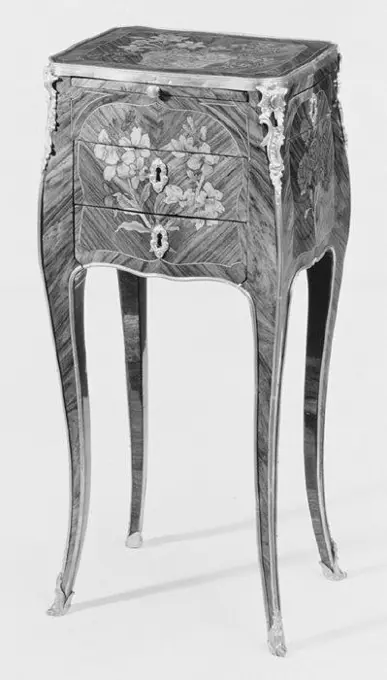
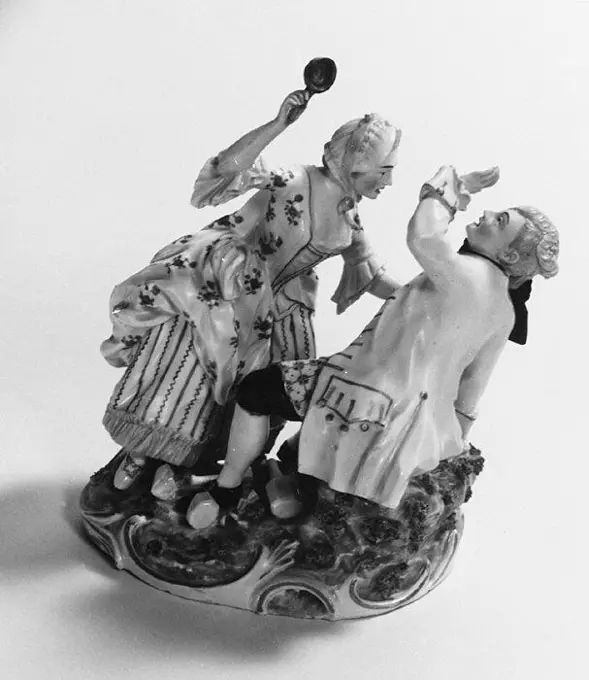
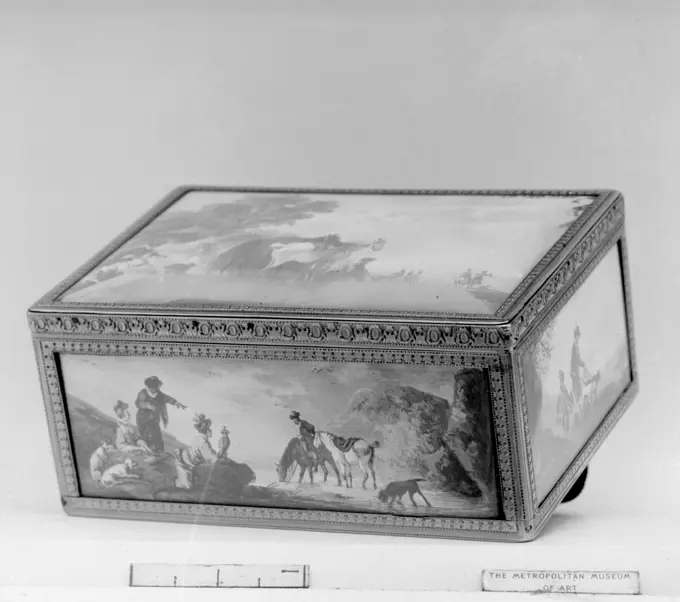
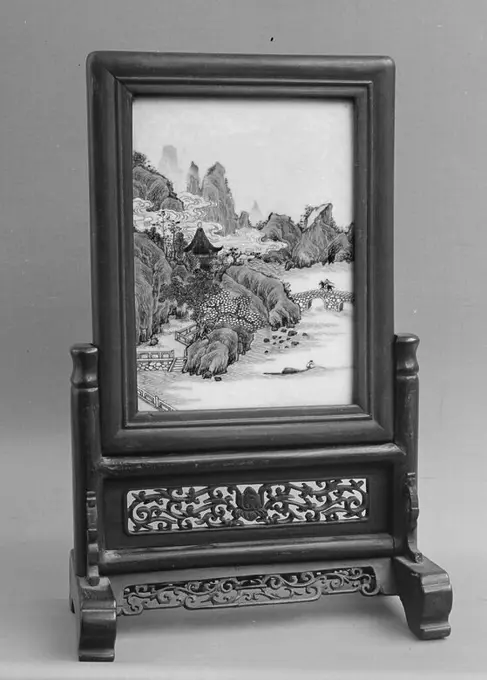
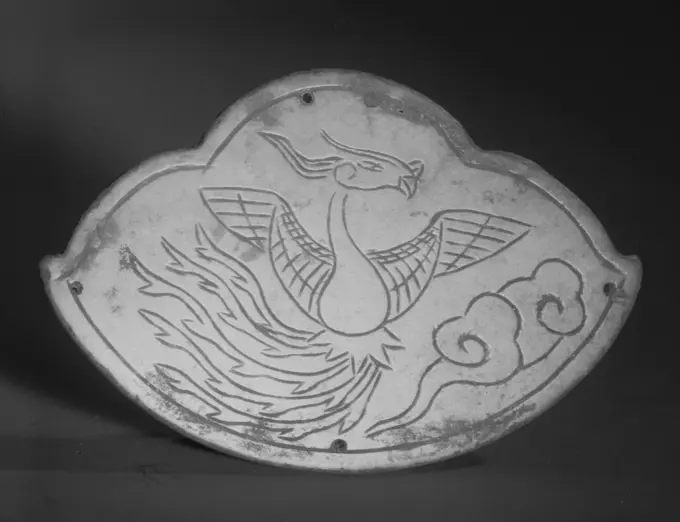
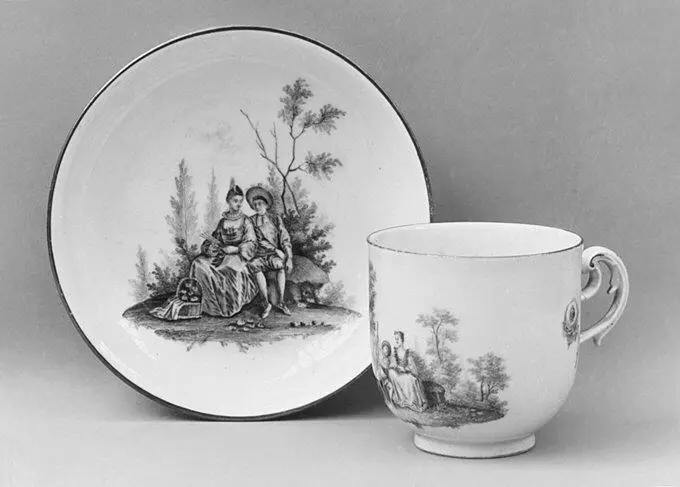
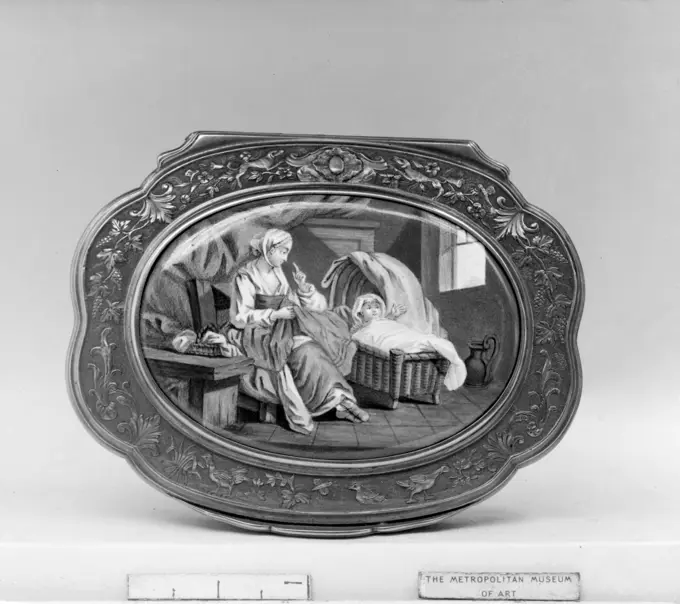
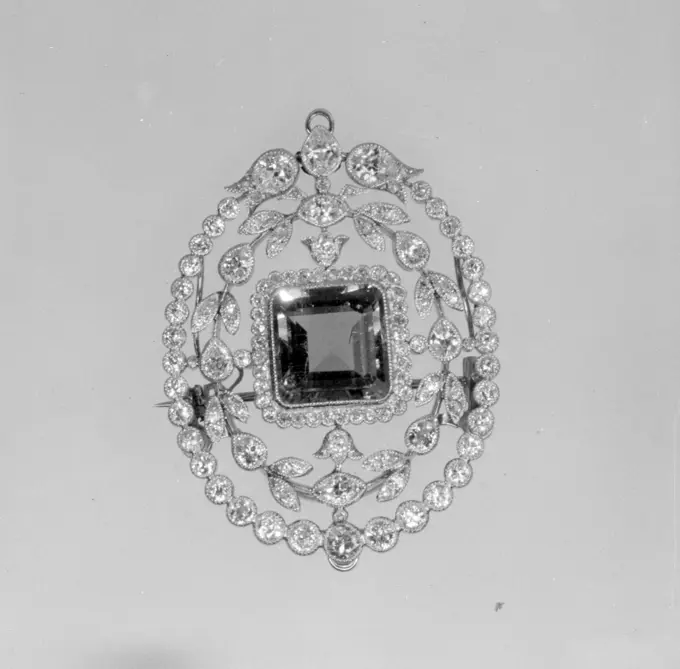
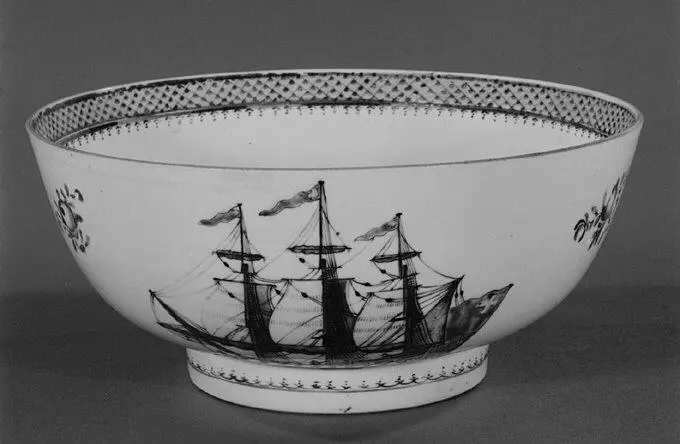
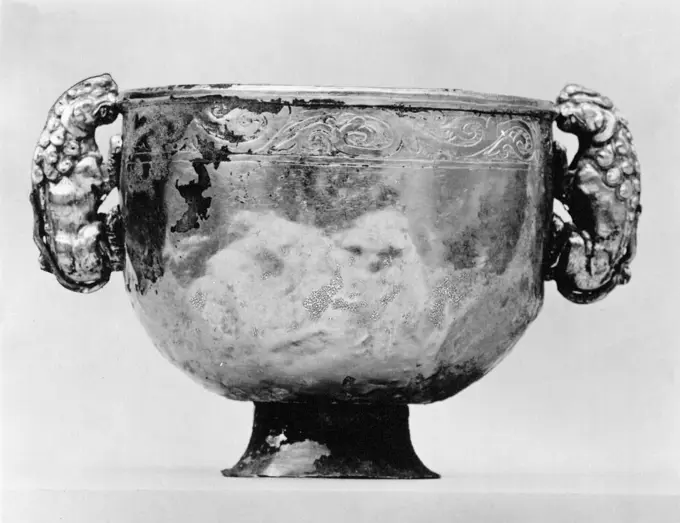
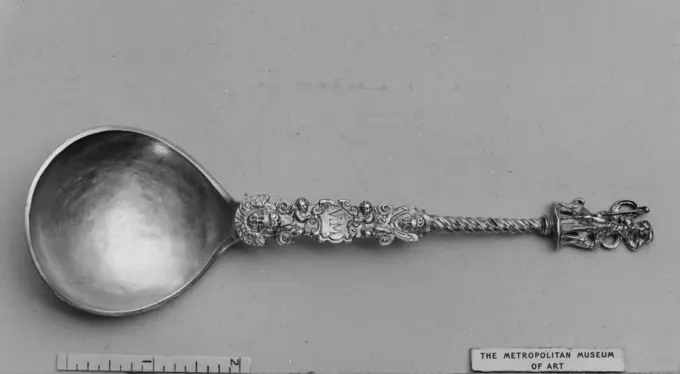
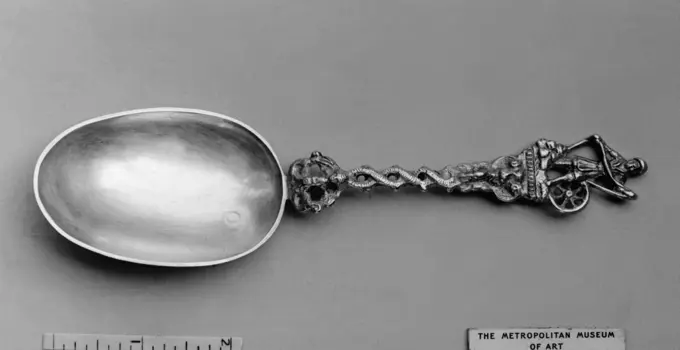
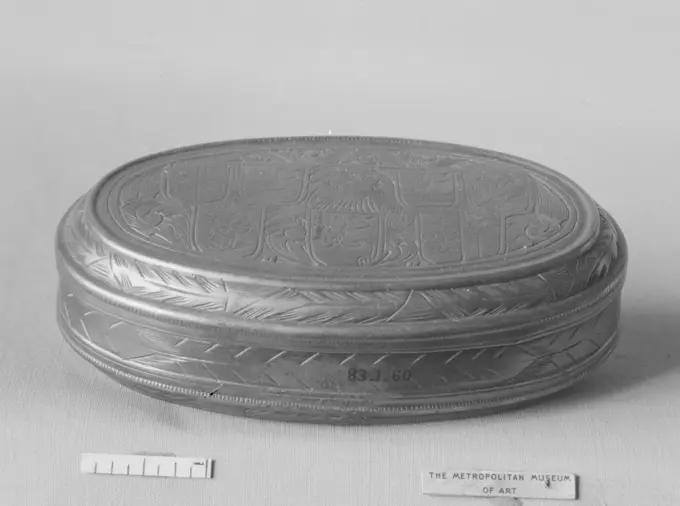
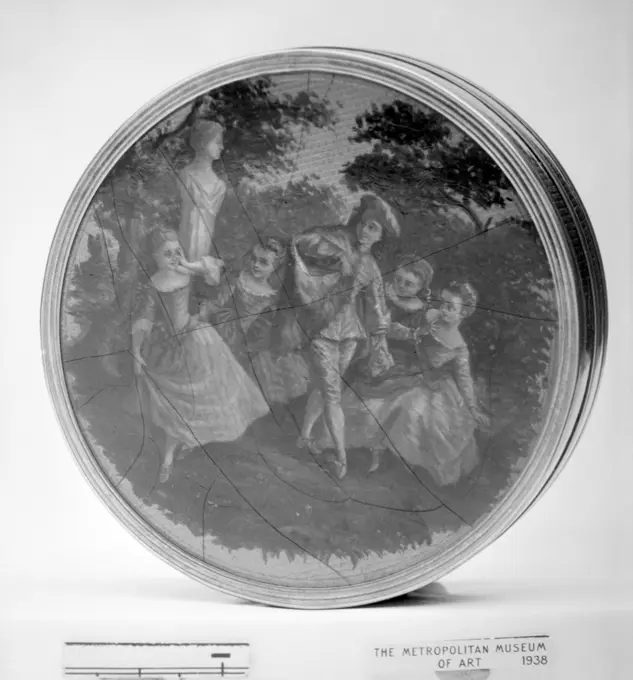
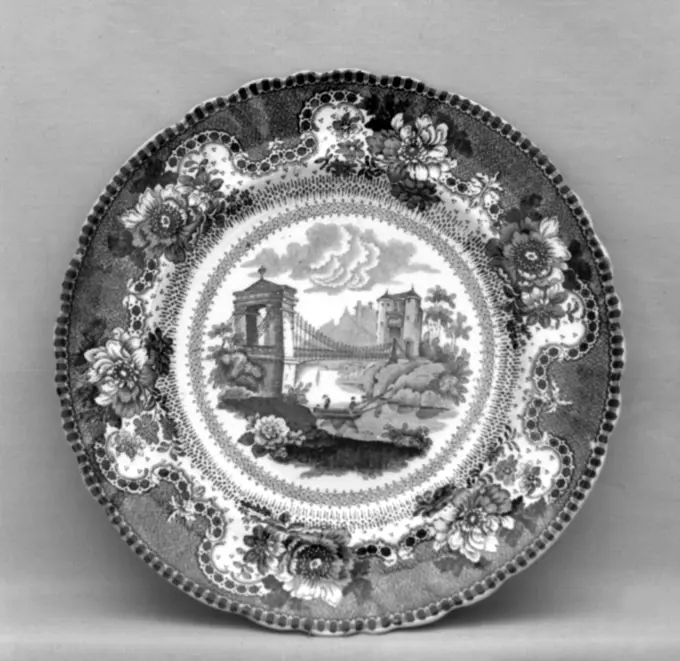
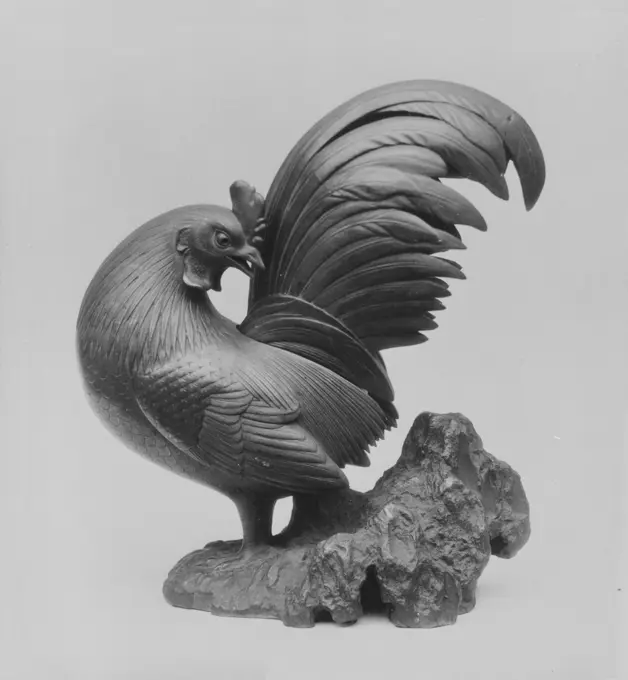
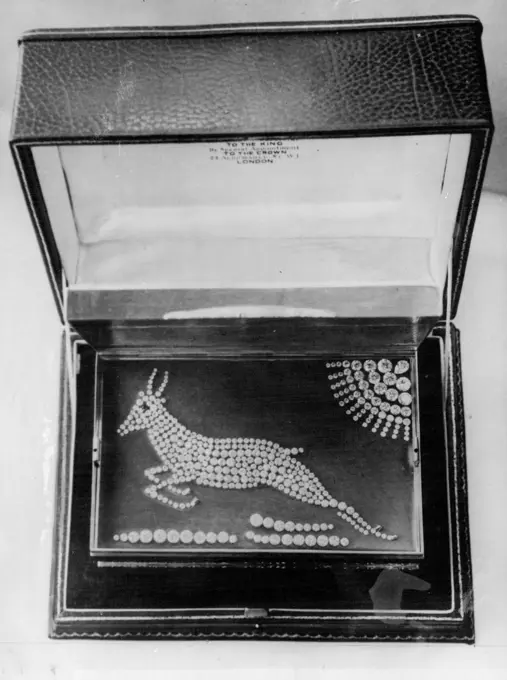
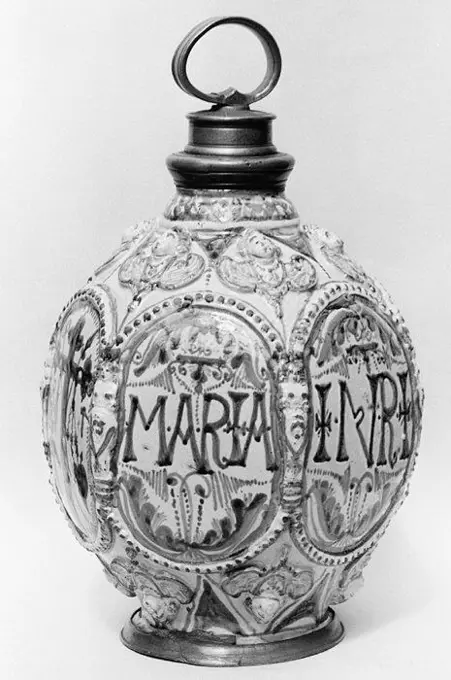
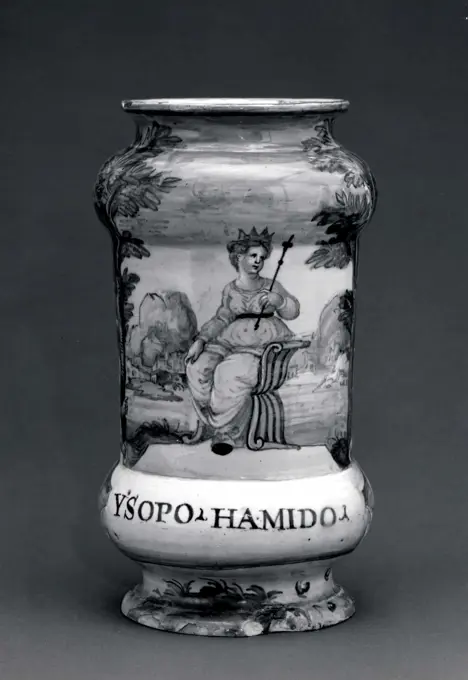
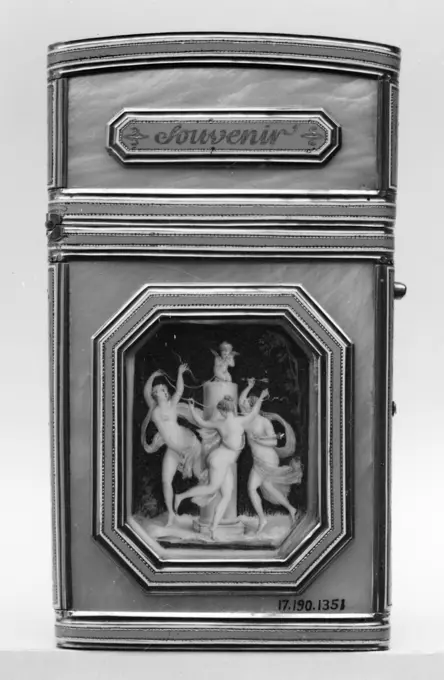
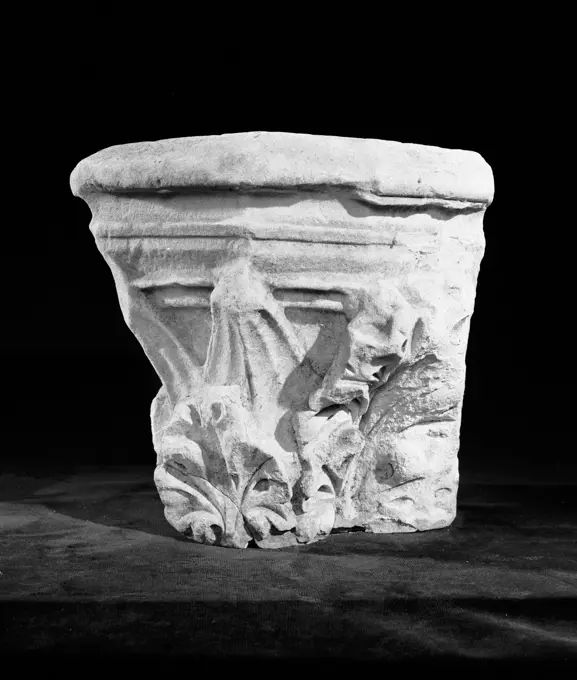
Engagee column marquee decores foliage, unknown provenance, XIII century (Cat 224) Anonymous. Engaged column marquee decorated with foliage, unknown origin, 13th century (Cat 224). Pierre.Chandelier 18th century British or Irish Luxury items like this cut glass lighting fixture were regularly imported from England both before and after the Revolution to decorate the homes of well-to-do Americans.. Chandelier. British or Irish. 18th century. Cut glass. GlassWork and writing table (table en chiffonière) ca. 1755-65 French. Work and writing table (table en chiffonière) 207382Marital discord (one of a pair) ca. 1766 Frankenthal Porcelain Manufactory. Marital discord (one of a pair) 205637Vase with cover 1765-70 Worcester factory. Vase with cover 200772Augustin Le Sage, Pair of Tea Canisters, 1763/64, silver.Snuffbox with hunting scenes 1768-69 J.D. In eighteenth-century Europe, Paris led the production of high-quality luxury goods. Parisian goldsmiths made a wide range of small, personal articles such as snuffboxes; étuis to hold sealing wax, tweezers, or utensils for sewing; souvenirs, which contained thin ivory tablets for note taking; and shuttles for knotting lace. Gold snuffboxes and boxes decorated with portrait miniatures were prized and frequently given as royal gifts, often to ambassadors or members of the court in lieu of cash payments for their services. Coveted and admired, these boxes were produced from a variety of materials. The best were skillfully made of gold and embellished with diamonds, enameled decoration, lacquer, and other luxurious materials. By the middle of the century, the taking of snuff had become an entrenched social ritual, and the snuffbox, too, had become an important social prop. Snuffboxes were considered highly fashionable accessories, with some merchaDesk Screen. Culture: China. Dimensions: H. 5 3/4 in. (14.6 cm); W. 4 3/16 in (10.6 cm) (sight). Museum: Metropolitan Museum of Art, New York, USA.Pendant plaque 12th-13th century China. Pendant plaque. China. 12th-13th century. Jade. Song dynasty (960-1279). JadeSaucer ca. 1745 Meissen Manufactory German. Saucer 188742 Factory: Meissen Manufactory, German, 1710present, Decorator: Decoration in the style of Antoine Watteau, French, Valenciennes 16841721 Nogent-sur-Marne, Saucer, ca. 1745, Hard-paste porcelain, Diameter: 5 1/4 in. (13.3 cm). The Metropolitan Museum of Art, New York. Gift of Alfred Duane Pell, 1902 (02.6.242)Snuffbox with domestic scene third quarter 18th century possibly German. Snuffbox with domestic scene. possibly German. third quarter 18th century. Gold, enamelLazio Roma Rome SS. Giovanni e Paolo, Museum20. Hutzel, Max 1960-1990 Medieval: Ceramic fragments, sculptural fragments, fresco fragments, inscribed tomb markers. Houses one of the best collections of Malagan medieval ceramics for casting wall monuments, copies of which are housed in campanile. Specific Location: Museum Antiquities: Ceramic fragments, sculptural fragments, architectural fragments Object Notes: Basilica has separate record and is filed separately. German-born photographer and scholar Max Hutzel (1911-1988) photographed in Italy from the early 1960s until his death. The result of this project, referred to by Hutzel as Foto Arte Minore, is thorough documentation of art historical development in Italy up to the 18th century, including objects of the Etruscans and the Romans, as well as early Medieval, Romanesque, Gothic, Renaissance and Baroque monuments. Images are organized by geographic region in Italy, then by province, city, site complex and monument.Bliżej Kultury unknownBrooch ca. 1900 Probably Tiffany & Co. This brooch features a large, square, step-cut emerald with rounded corners ringed by two concentric oval frames of round, marquis, and pear-shaped brilliant-cut diamonds. The gems are arranged like garlands in thin platinum bezels with millegrain detailing. Findings on the back of the piece allow it to be worn as either a brooch or a pendant. The delicate appearance of this and other "garland style" pieces popular around the turn of the twentieth century relied on the advanced use of platinum, which was a newly accessible material at the time of this broochs manufacture. Although unmarked, this piece was possibly made by New York-based jewelers Tiffany & Co. The first iteration of Tiffany & Co. was founded in New York City in 1837 and specialized in stationary and fancy goods. By the early 1900s, around the time this brooch was made, Tiffany & Co had become a favorite shopping destination of the Gilded Age elite, with branches in London and PariPunch bowl ca. 1790 Chinese, for Swedish market. Punch bowl 202476Candelabrum ca. 1785 British. Candelabrum. British. ca. 1785. Cut blown glass. Made in EnglandBeaker ca. 1800-1820 probably French, Paris. Beaker. probably French, Paris. ca. 1800-1820. Glass. GlassDish ca. 1735 Meissen Manufactory German. Dish 199192Cup with handles in the form of lions China. Cup with handles in the form of lions 61103Cup ca. 1830 () Meissen Manufactory German. Cup 190460 Factory: Meissen Manufactory, German, 1710present, Saucer, ca. 1840 (), Porcelain, Diameter: 5 1/4 in. (13.3 cm). The Metropolitan Museum of Art, New York. Bequest of Margarette A. Jones, 1906 (07.233.6b)Beaker ca. 1710-30 Chinese, for Dutch market. Beaker 185906Figure-top spoon ca. 1560-90 Probably by Tonnies Dierssen. Figure-top spoon. German, Lüneberg. ca. 1560-90. Silver gilt. Metalwork-SilverGoblet presented to White House. View of a goblet, presented to the White House, commemorating former President Harry S. Trumans 75th birthday. Washington, D.C.Rodman Nichols House, Salem: interior, china , Tableware. Samuel Chamberlain Photograph Negatives CollectionCup. Culture: China. Dimensions: H. 1 1/8 in. (2.9 cm); Diam. 2 in. (5.1 cm). Date: 18th century. Museum: Metropolitan Museum of Art, New York, USA.Campania Napoli Naples S. Lorenzo Maggiore95. Hutzel, Max 1960-1990 Medieval: Sculpture, architecture, architectural sculpture (including Roman spolia) 13-14th century Chapter house; sarcophagi, gravestones; wall painting. Fragment of mosaic; sculptural fragments in the Sala Capitolare. Post-medieval: Architecture, architectural sculpture, ceiling painting fresco cycle; prints depicting Venice c. 1845 (4), sculpture; life-size creche figures dressed in original Neapolitan costume Church restored in 1882, 1926, 1944; excavations under the transept undertaken between 1958-1962, and in the cloister in 1976, have revealed remains of a Roman macellum (market), street, and the paleochristian basilica of the 6th c. AD. Antiquities: Pottery: black-glazed, archaic banded, domestic wares, bucchero; architectural terracottas, statuettes, lamps, sculpture fragments Object Notes: 3 color negatives with no prints at the end. General Notes: Most objects/paintings/frescoes unidentified. Three batches Figure-top spoon probably 1880 Dutch, Groningen. Figure-top spoon 188281Tobacco box 17th century Dutch The box is oval. On the lid, among the leaf scrolls, the coats of arms of the Republic of the Seven United Provinces, officially recognized in 1648, are rendered. The coats of arms are those of, from left to right (top row): Gelderland, Overijssel, Zeeland, Groningen en Ommelanden; bottom row: Friesland, Holland, and Utrecht. A lion bears the central shield of Holland. The underside shows three roundels. In the central one is depicted a walking lion with a sword, the symbol of the United Provinces. The two flanking medallions contain popinjays and flowers.Rims are lined and edges are molded; leaf scrolls adorn the borders. The sides are decorated with chevron ornament.. Tobacco box. Dutch. 17th century. Brass. Metalwork-BrassBox 18th century () French. Box. French. 18th century (). Wood (), vernis Martin, silver gilt. Metalwork-Silver In CombinationPoll photo collection. Silver milk jug and sugar bowl on a Gerritsen and van Kempen firm leaf. 1933Beaker (Humpen) 1699 German, Thuringia. Beaker (Humpen). German, Thuringia. 1699. Glass. GlassPlate 19th century Enoch Wood & Sons British. Plate. British, Burslem, Staffordshire. 19th century. Pottery. Enoch Wood & Sons (British, active Burslem, 1818-46). Ceramics-PotterySoup plate 19th century J. and W. Ridgway, Cauldon, Stoke British. Soup plate 192990Censer in Form of a Cock 1700 Japan. Censer in Form of a Cock. Japan. 1700. Stoneware covered with thin glaze (Bizen ware). Edo period (1615-1868). CeramicsCelestial globe 1695 Italian, Rome. Celestial globe 199675Watch ca. 1800-1830 Watchmaker: Etienne Duchène. Watch. probably Swiss. ca. 1800-1830. Gold, turquoise (), silver. HorologyMirror (one of a pair) ca. 1750 Meissen Manufactory German. Mirror (one of a pair) 203179King Brings Home Springbok of Diamonds as South African Memento: The Springbok of diamonds presented to the King. Glittering Souvenirs as well as sparkling memories accompany the Royal Family on their homeward voyage from South Africa. As mementos of the Royal tour of the Union, beautiful diamonds were presented to the King and Queen and their daughters by the South African people.King George was given unset diamonds mounted in wax in the form of Springbok (South African symbol). Queen Elizabeth received a magnificent unset single stone, Princess Elizabeth a necklace and Princess Margaret a bracelet. April 24, 1947."Happy Easter" motif and hare image on a chicken egg, scratchedBottle ca. 1660-70 Workshop of Lorenz Speckner. Bottle 201751Apothecary jar (albarello) ca. 1560-70 Italian, Urbino. Apothecary jar (albarello). Italian, Urbino. ca. 1560-70. Maiolica (tin-glazed earthenware). Ceramics-PotterySquare Water Pot 18th century Japan. Square Water Pot 62688Souvenir 1789 Miniatures in the manner of Jacques Joseph de Gault French In eighteenth-century Europe, Paris led the production of high-quality luxury goods. Parisian goldsmiths made a wide range of small, personal articles such as snuffboxes; étuis to hold sealing wax, tweezers, or utensils for sewing; souvenirs, which contained thin ivory tablets for note taking; and shuttles for knotting lace. Gold snuffboxes and boxes decorated with portrait miniatures were prized and frequently given as royal gifts, often to ambassadors or members of the court in lieu of cash payments for their services. Coveted and admired, these boxes were produced from a variety of materials. The best were skillfully made of gold and embellished with diamonds, enameled decoration, lacquer, and other luxurious materials. By the middle of the century, the taking of snuff had become an entrenched social ritual, and the snuffbox, too, had become an important social prop. Snuffboxes were considered highly fashionabl12/31/1905. Wedding cake made in London by order of the King.Pharmacy jar with cover ca. 1745-50 Chantilly. Pharmacy jar with cover 201408