Historical Ceramics

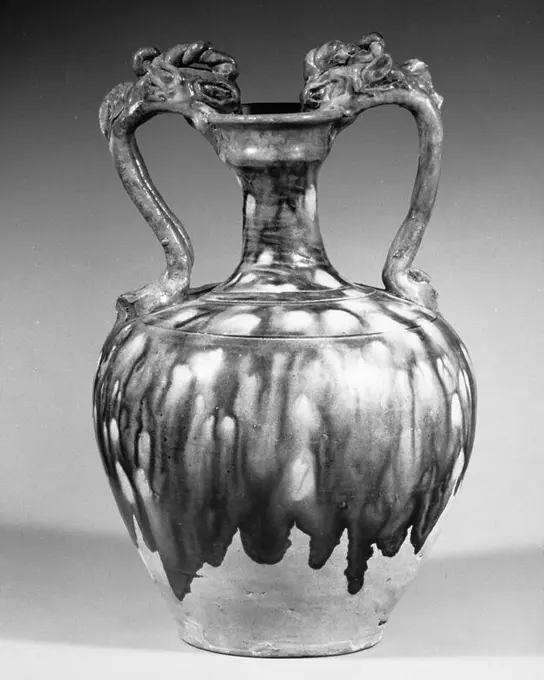
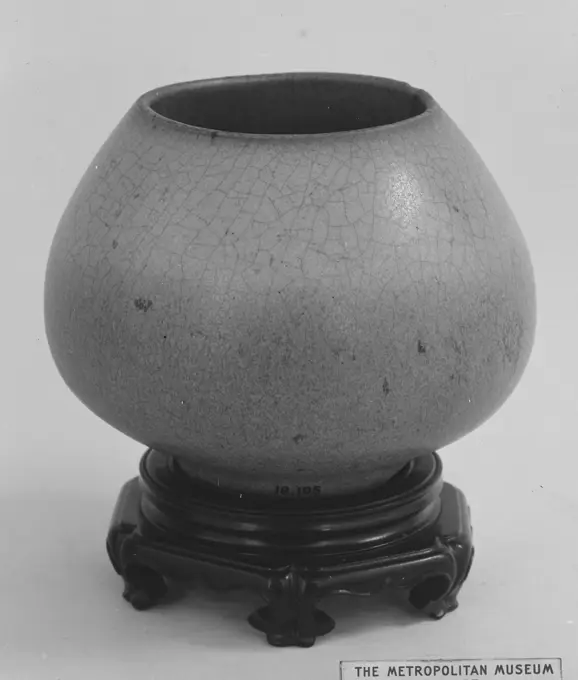
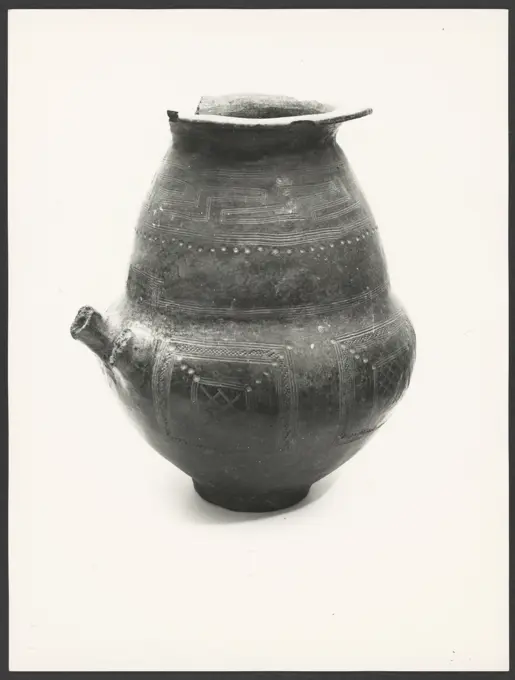
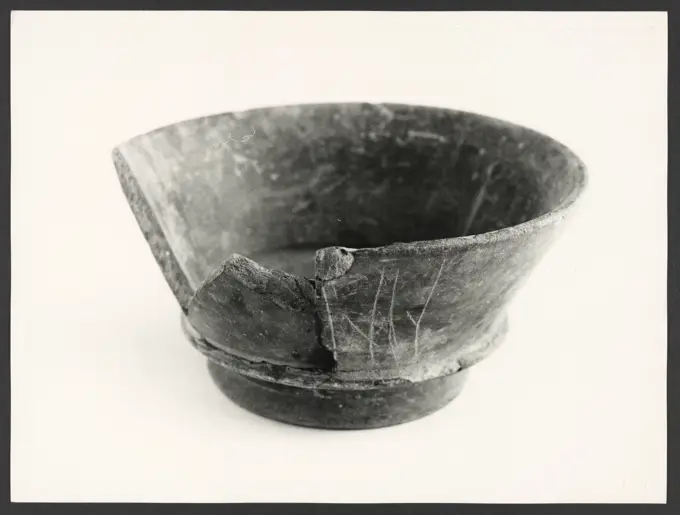
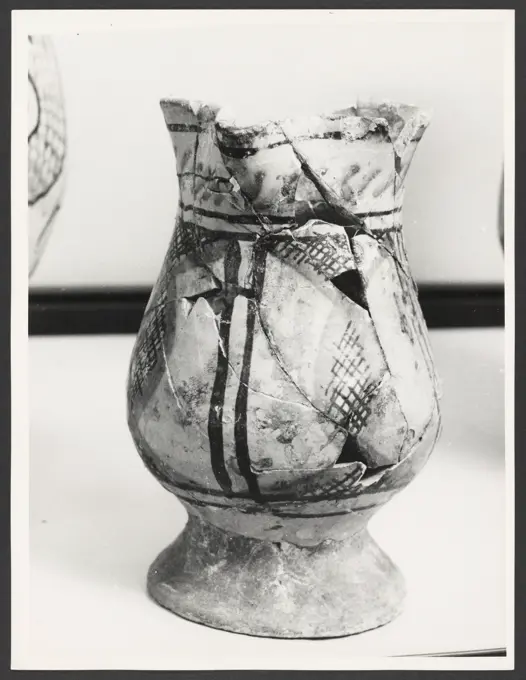
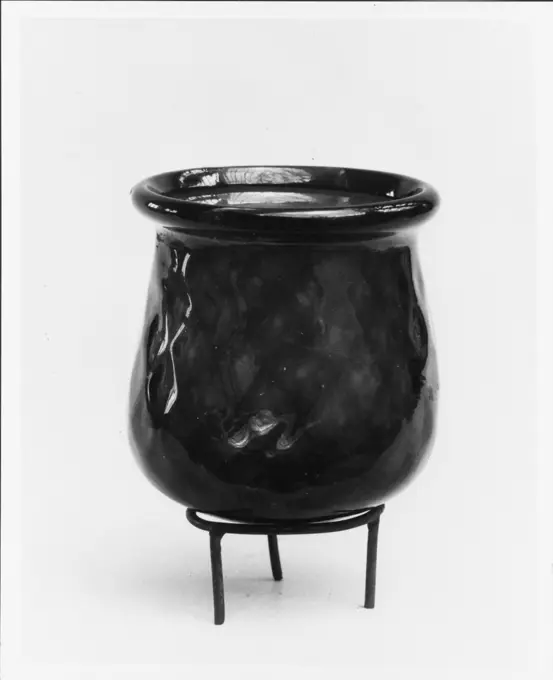
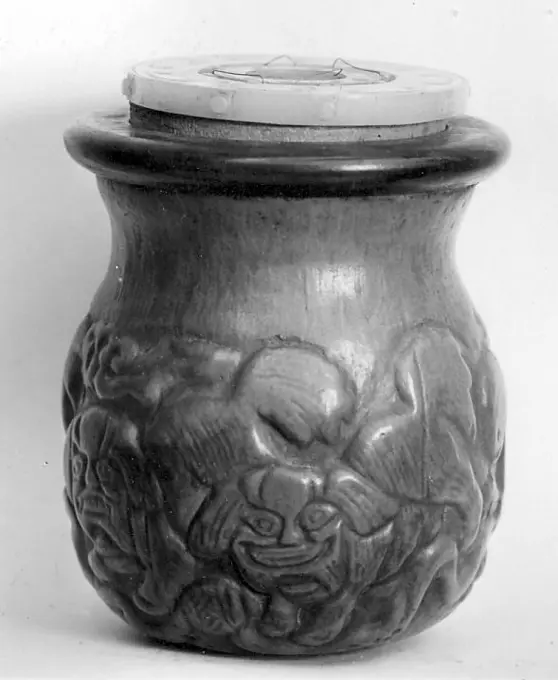
Black and white images showcasing ancient pottery, vases, and urns from various cultural backgrounds, focusing on their unique features.
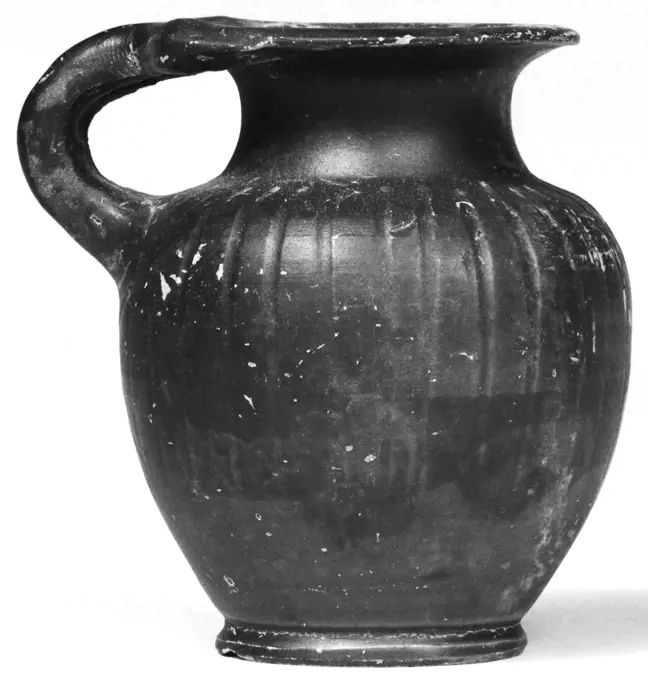
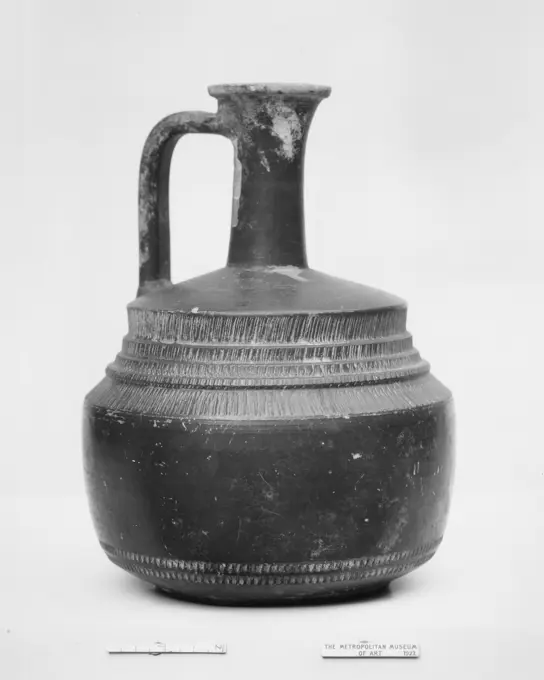
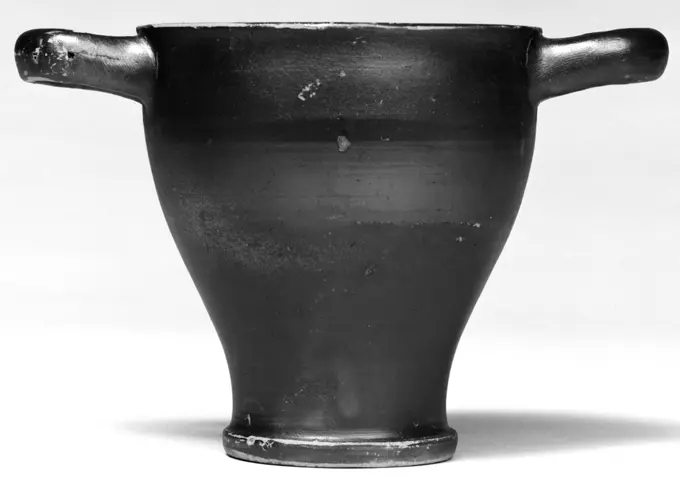
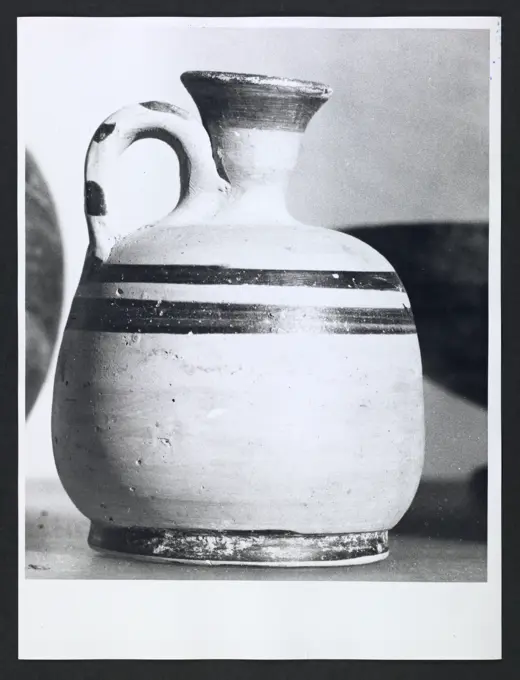
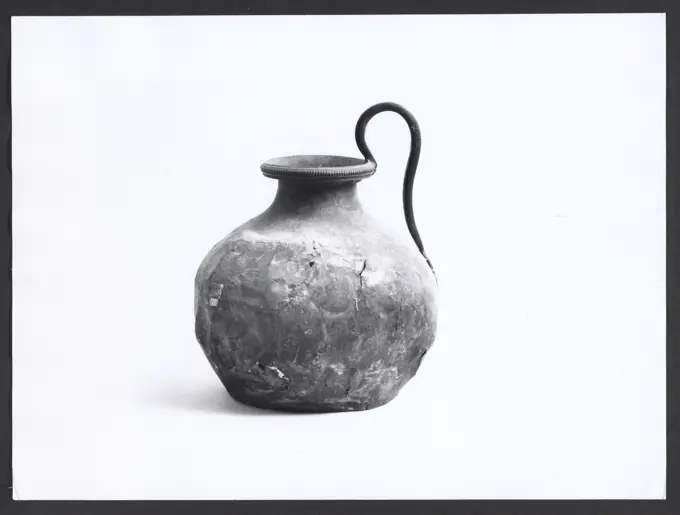
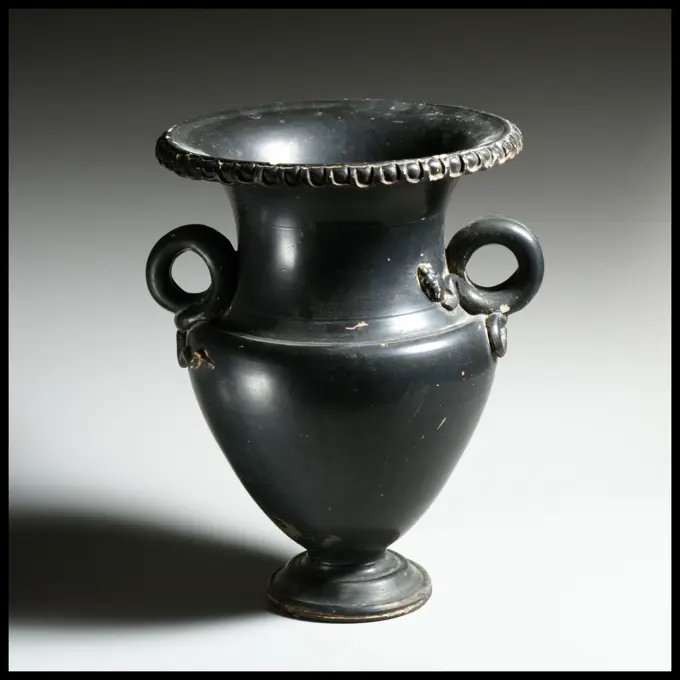
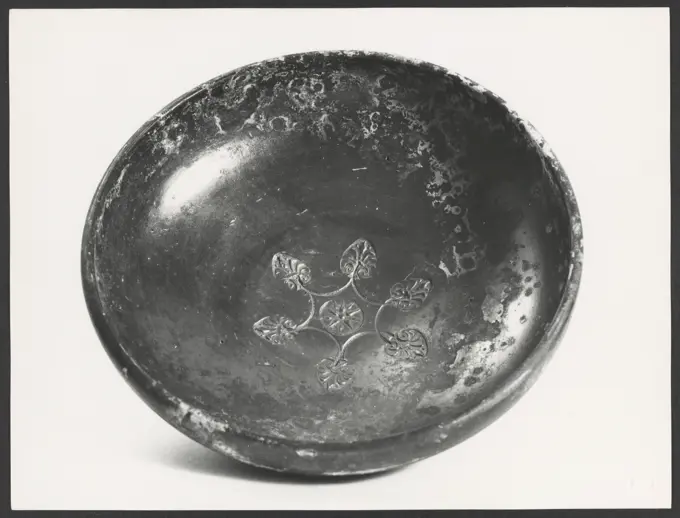
Campanian Black Juglet; Campania, South Italy, Europe; 325 - 146 B.C; Terracotta; 7.5 cm (2 15,16 in.)
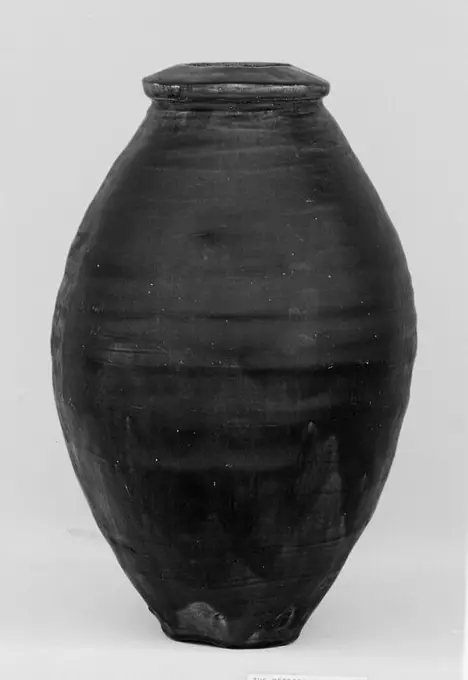
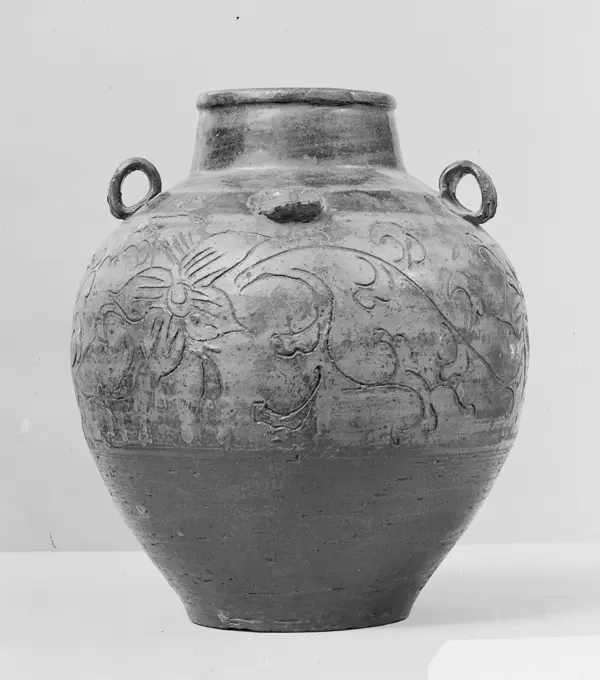
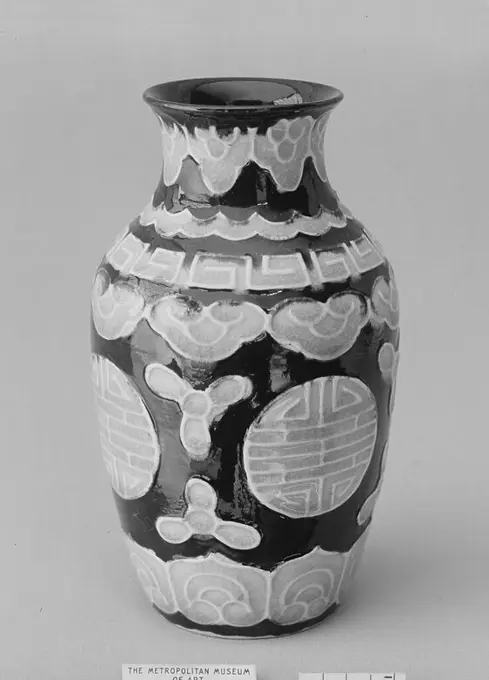
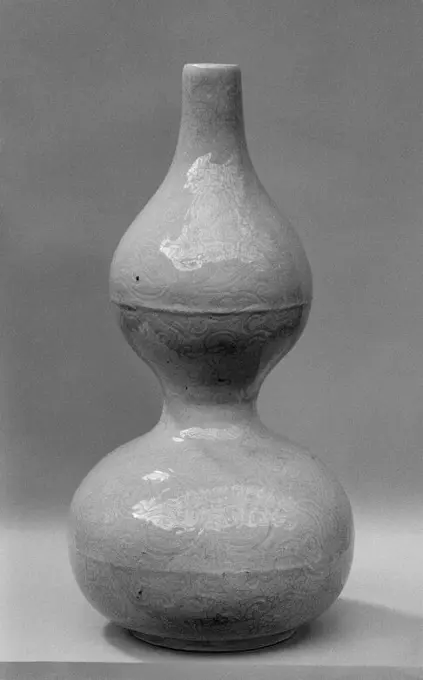
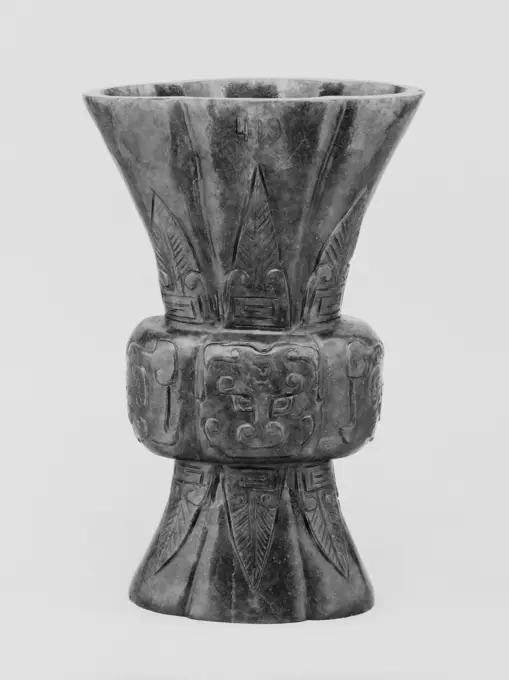
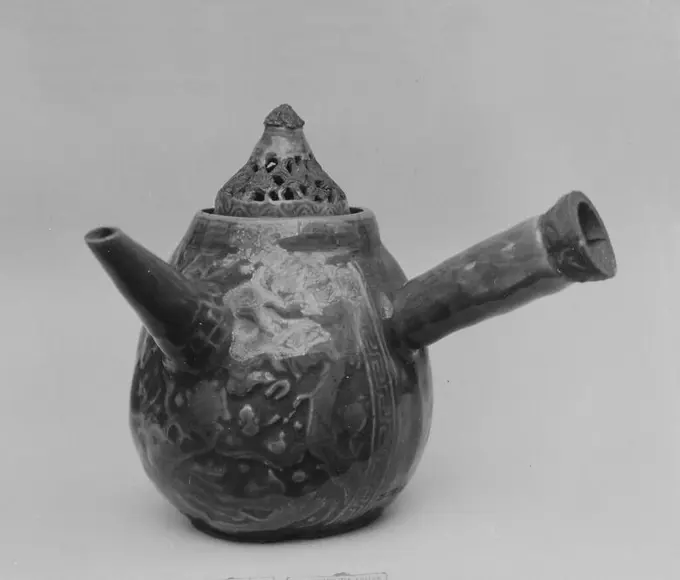
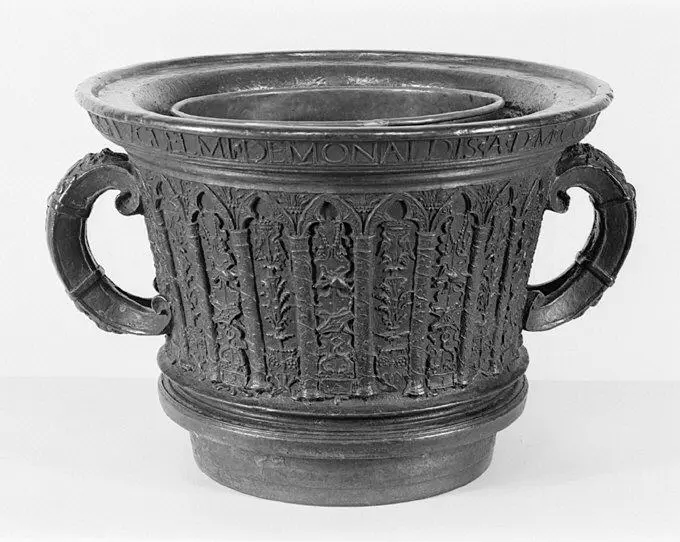
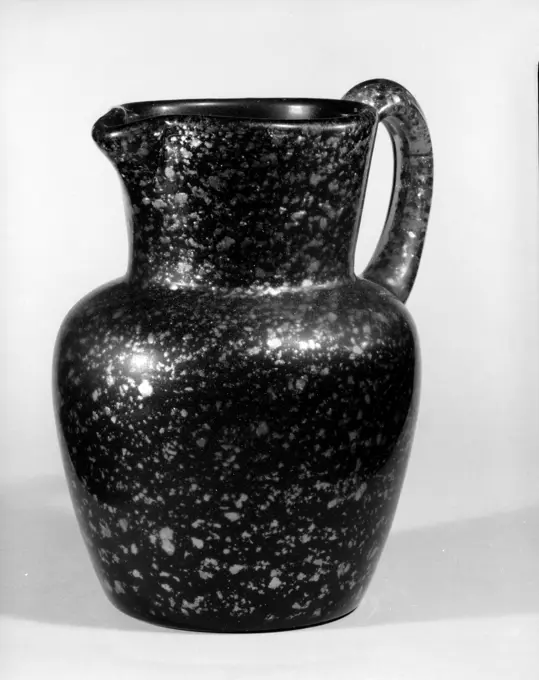
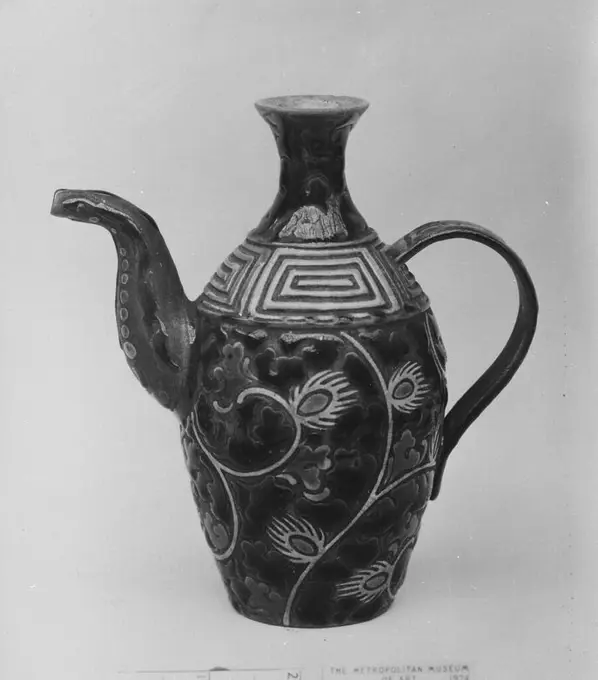
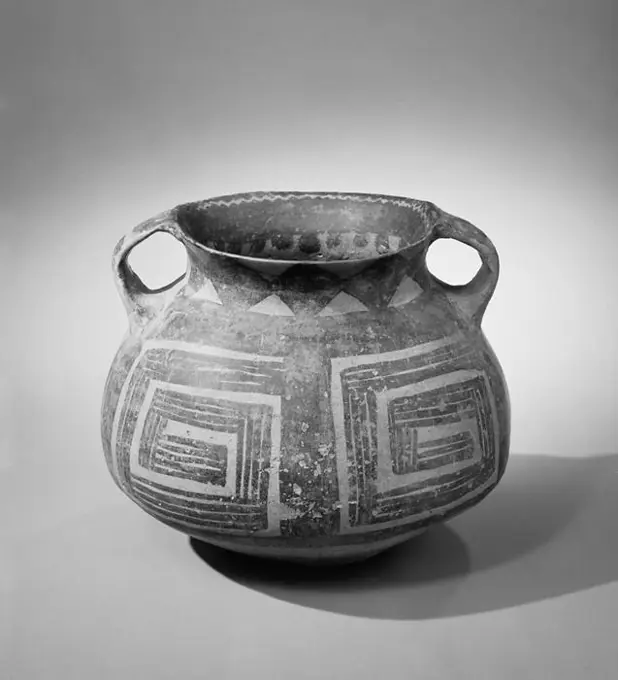
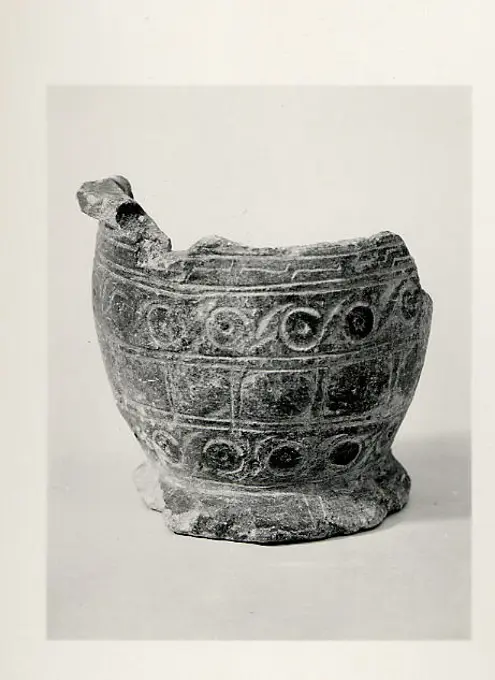
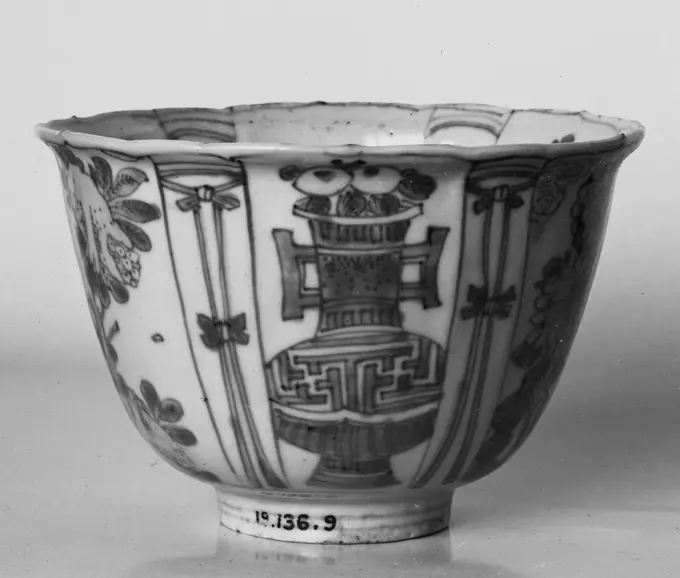
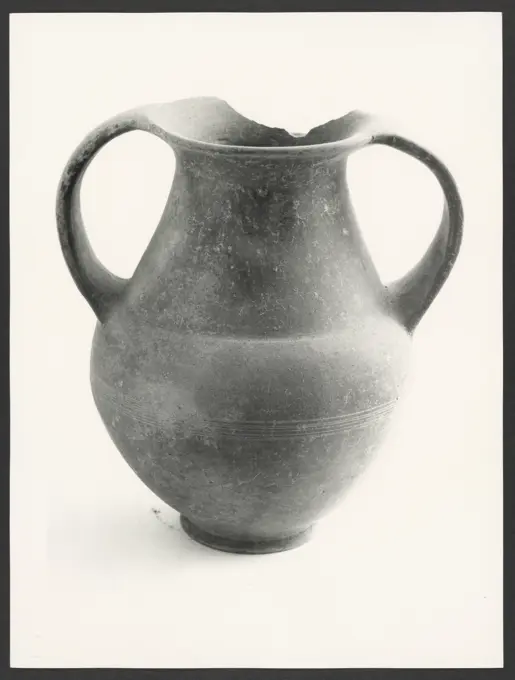
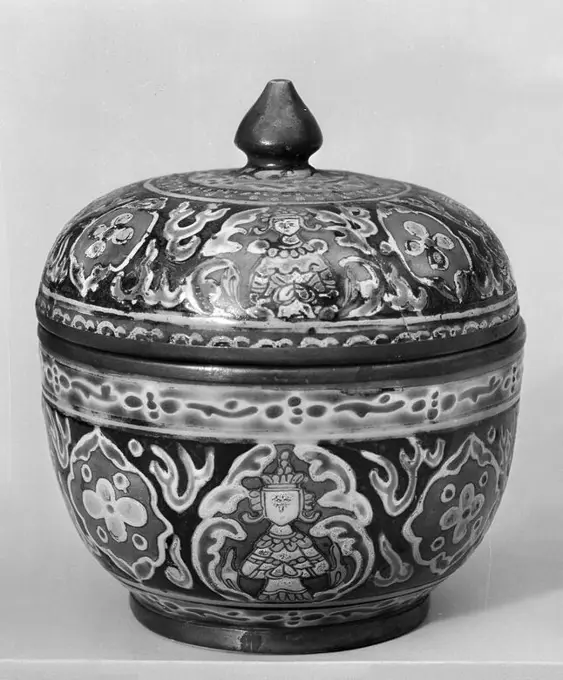
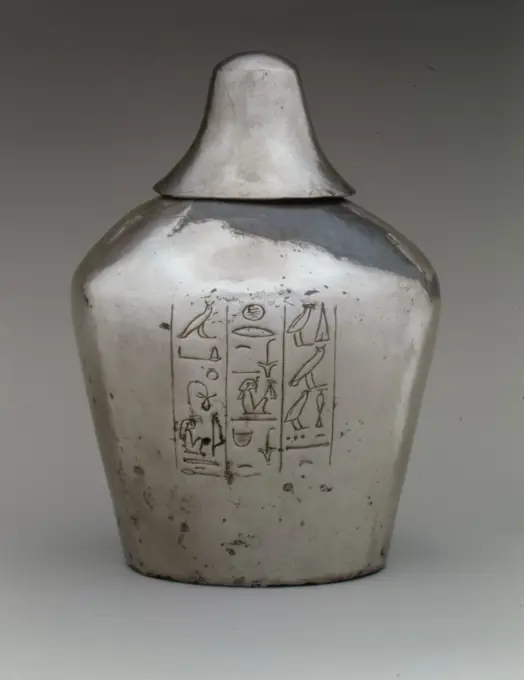
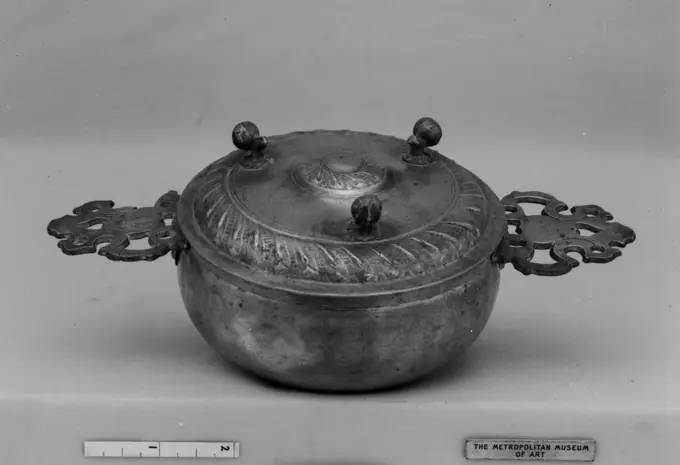
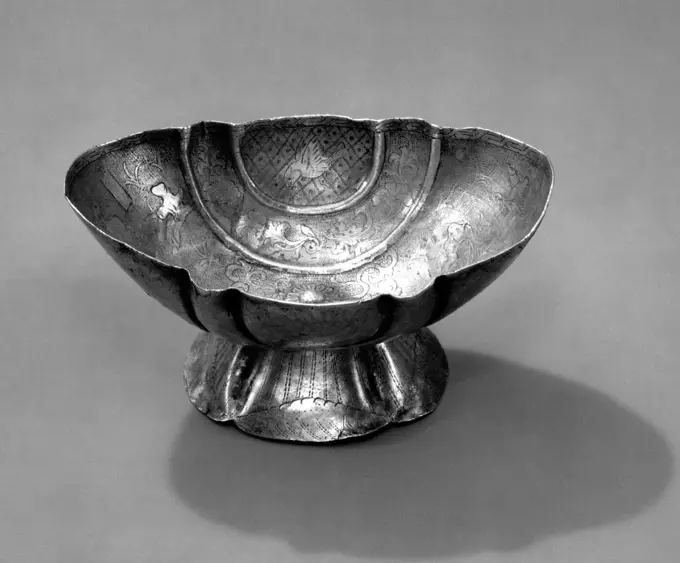
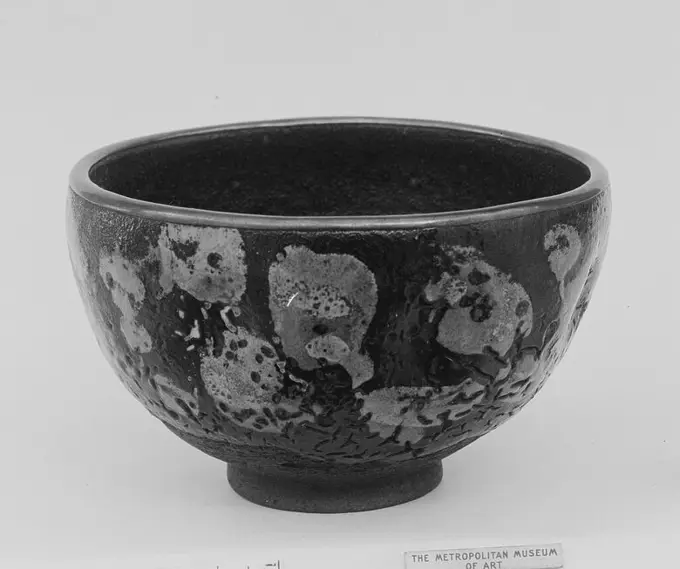
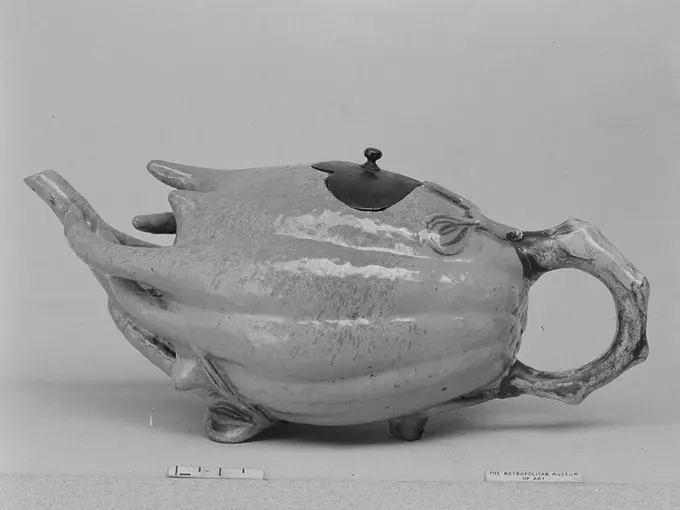
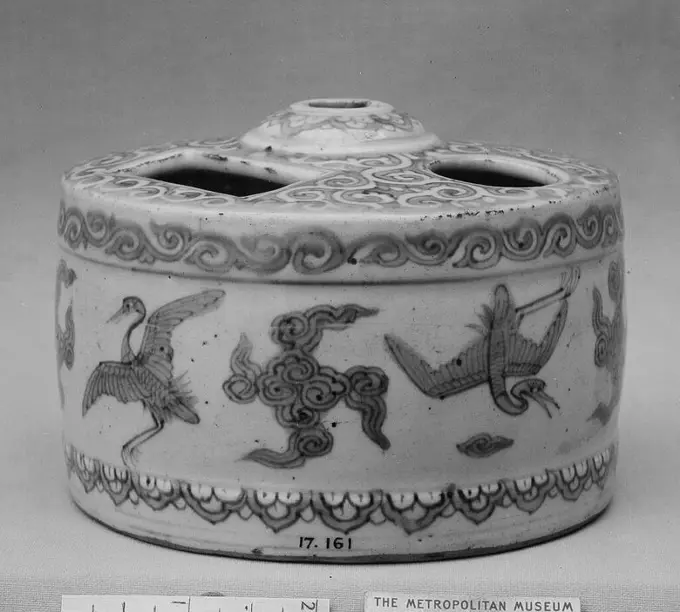
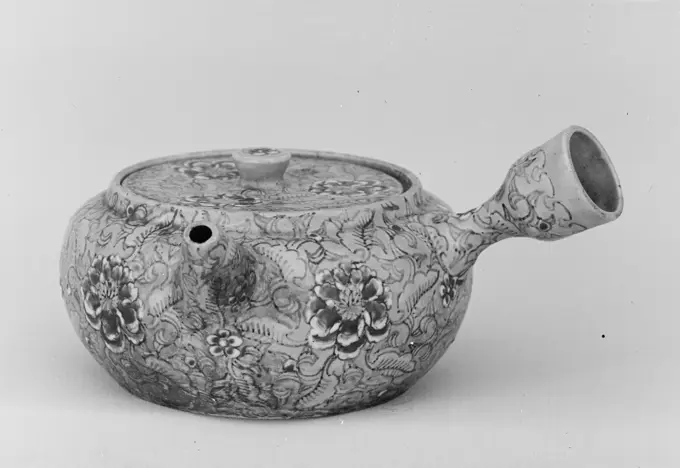
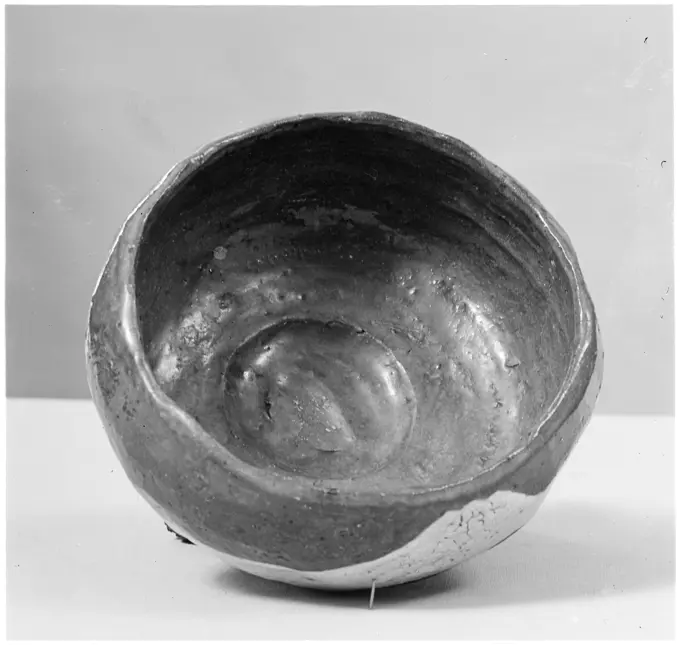
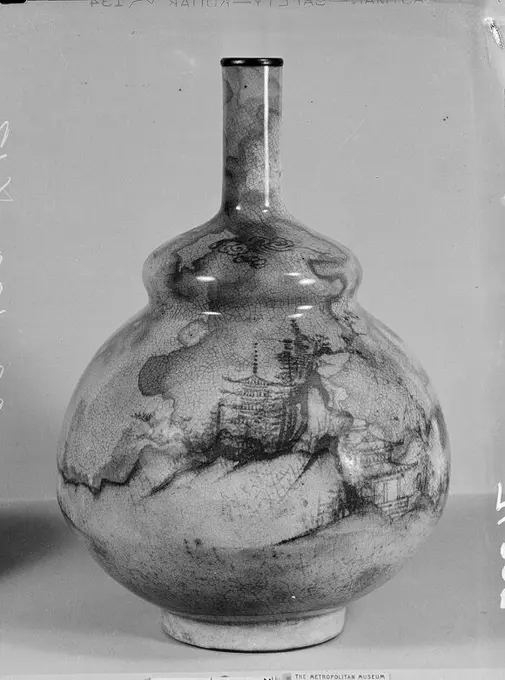
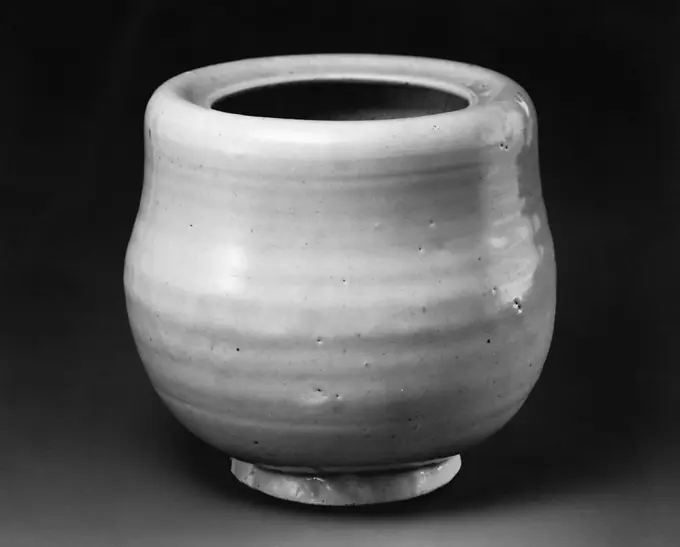
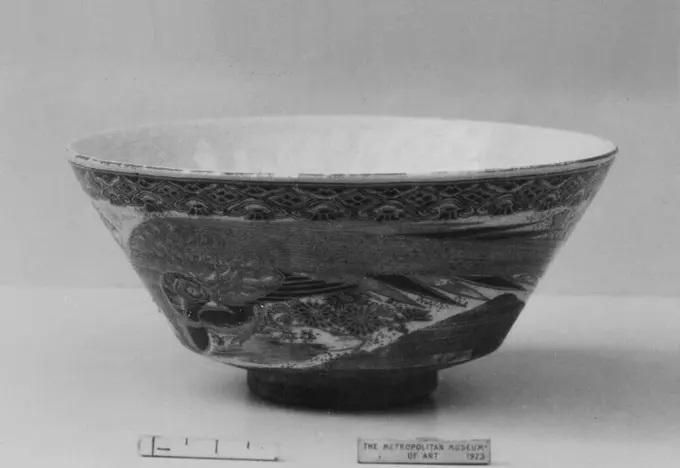
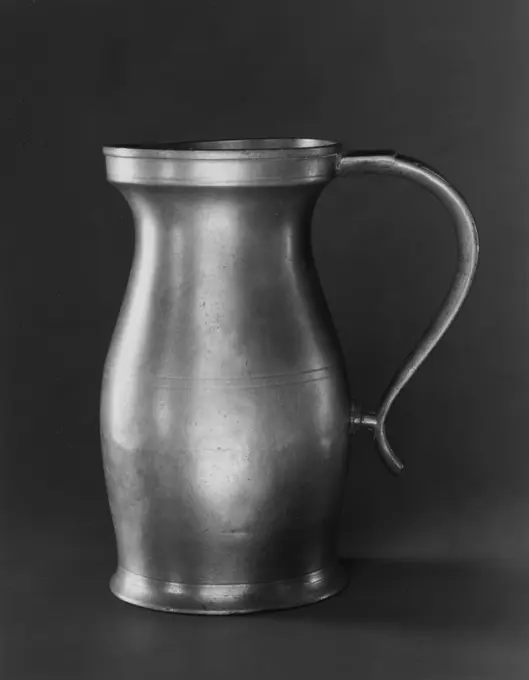
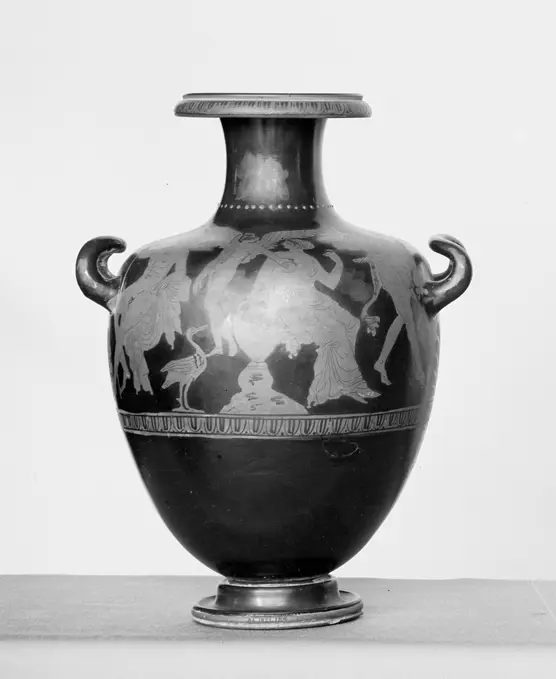
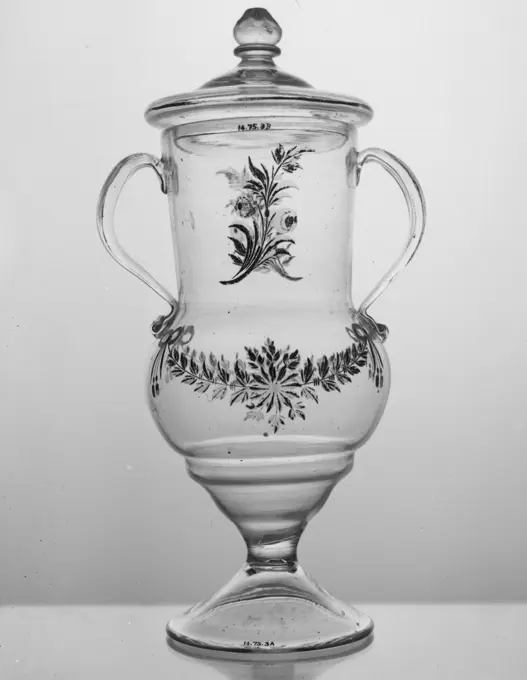
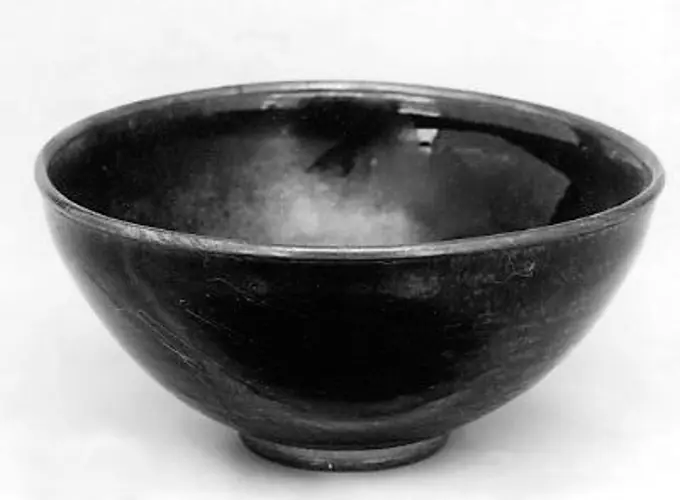
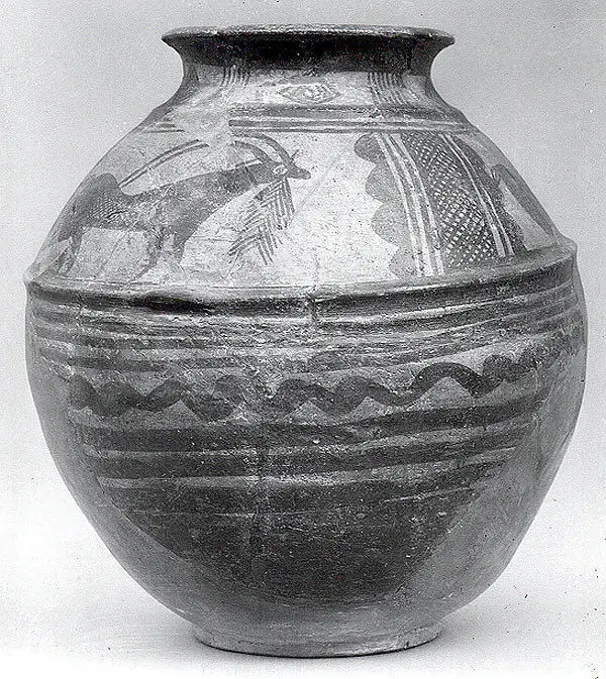
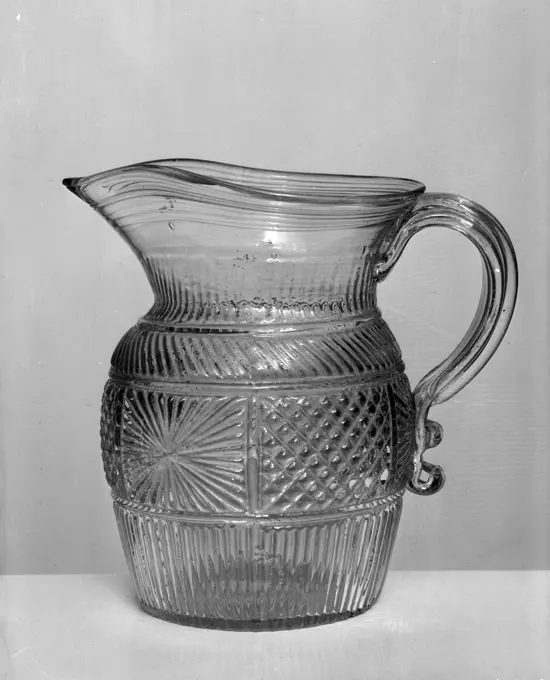
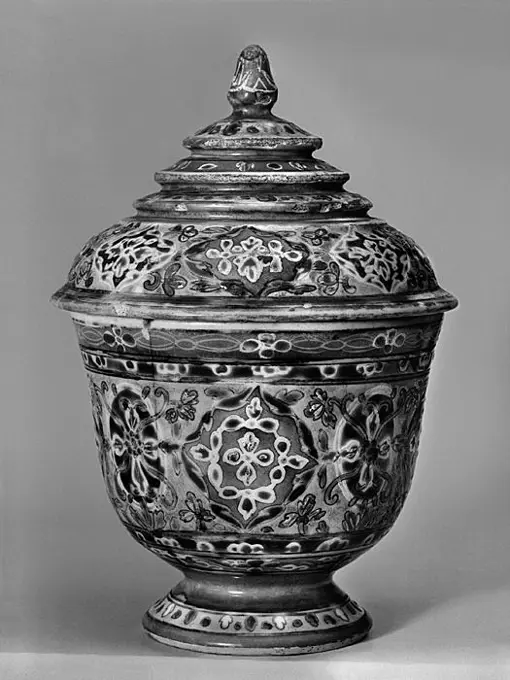
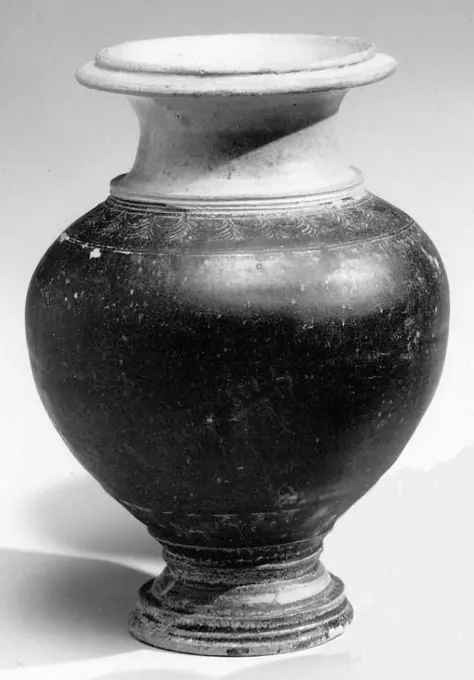
Footed Urn mid-11th-12th century Cambodia. Footed Urn 37433Bottle China. Bottle 48633Jug 1st-3rd century A.D. Roman Red varnished jug with handle and moulded and furrowed bands around shoulder and base.. Jug 250091Jar. Culture: China. Dimensions: H. 9 in. (22.9 cm). Museum: Metropolitan Museum of Art, New York, USA.Vase 18th century China. Vase 48703Cake dish 18th century Japan. Cake dish. Japan. 18th century. Clay covered with a thick, finely crackled glaze and a blue overglaze (Karatsu ware). Edo period (1615-1868). CeramicsCampanian Black Juglet; Campania, South Italy, Europe; 325 - 146 B.C; Terracotta; 7.5 cm (2 15,16 in.)Jar ca. 100 B.C.-A.D. 100 Japan. Jar 44907Jar. Culture: Japan. Dimensions: H. 12 in. (30.5 cm); W. 7 in. (17.8 cm). Date: late 18th century. Museum: Metropolitan Museum of Art, New York, USA.Lazio Roma Subiaco Monastery of S. Scolastica Archaeological Museum8. Hutzel, Max 1960-1990 Antiquities: Views of antiquities in museum, including sarcophagi, plates, vases, coins. General Notes: Hutzel guide says we have negatives, but we cannot find them. German-born photographer and scholar Max Hutzel (1911-1988) photographed in Italy from the early 1960s until his death. The result of this project, referred to by Hutzel as Foto Arte Minore, is thorough documentation of art historical development in Italy up to the 18th century, including objects of the Etruscans and the Romans, as well as early Medieval, Romanesque, Gothic, Renaissance and Baroque monuments. Images are organized by geographic region in Italy, then by province, city, site complex and monument.Jar 18th century Japan. Jar. Japan. 18th century. Clay covered with a transparent glaze with streaks on the upper half, a thin brown glaze on the lower half; incised decorations (Karatsu ware). Edo period (1615-1868). CeramicsVase. Artist: Eiraku Hozen (1795-1854). Culture: Japan. Dimensions: H. 5 3/4 in. (14.6 cm); Diam. 3 3/8 in. (8.6 cm); Diam. of rim 2 1/8 in. (5.4 cm); Diam. of base 2 1/4 in. (5.7 cm). Date: 19th century. Museum: Metropolitan Museum of Art, New York, USA.Vase. Culture: China. Dimensions: H. 13 in. (33 cm); Diam. 6 in. (15.2 cm). Museum: Metropolitan Museum of Art, New York, USA.Vessel mid- to late 4th millennium B.C.. Vessel 327491Water Coupe China Qing dynasty (1644-1911), Kangxi mark and period (1662-1722) View more. Water Coupe. China. Porcelain with peachbloom glaze; neck cut off. Qing dynasty (1644-1911), Kangxi mark and period (1662-1722). CeramicsVase China. Vase. China. Porcelain with blue glaze. Qing dynasty (1644-1911), Yongzheng period (1723-35). CeramicsVase China. Vase. China. Nephrite, very dark gray, almost black. Ming dynasty (1368-1644). JadeTerracotta neck-amphora of Panathenaic shape (jar) ca. 480-470 B.C. Attributed to the Syleus Painter Obverse, youth carrying wide, shallow bowl and branchesReverse, youth with branchesThe distinctive shape of the Panathenaic prize amphora, with its broad shoulder and sharply tapering body, was adopted on a smaller scale for other vases. The interpretation of the subject and of the function of this vase depends upon the identification of the bowl carried by the youth on the obverse. He may be a victorious athlete with a prize vase or simply a participant in the Panathenaic games.. Terracotta neck-amphora of Panathenaic shape (jar) 250993Teapot. Artist: Aoki Mokubei (1767-1833). Culture: Japan. Dimensions: H. (with cover) 4 5/8 in. (11.7 cm); L. 6 1/8 in. (15.6 cm). Date: 1800. Museum: Metropolitan Museum of Art, New York, USA.Mortar 1502 Guglielmo de Monaldis. Mortar 198753Pitcher ca. 1885 American. Pitcher. American. ca. 1885. Blown spangled black and amber glass. Made in United StatesBottle. UnknownWine pot. Culture: Japan. Dimensions: H. 6 1/4 in. (15.9 cm); L. 5 13/16 in. (14.8 cm). Date: 1790. Museum: Metropolitan Museum of Art, New York, USA.Jar ca. 2300-2000 B.C. China. Jar 49136Fragment of a Stone Bottle 9th-10th century. Fragment of a Stone Bottle 449832Corinthian Pyxis. UnknownBottle vase 18th century China. Bottle vase. China. 18th century. Porcelain with crackled yellow glaze (Jingdezhen ware). Qing dynasty (1644-1911). CeramicsCovered bowl with floral patterns 19th century China. Covered bowl with floral patterns. China. 19th century. Porcelain painted in overglaze polychrome enamels (Bencharong ware for Thai market ). Qing dynasty (1644-1911). CeramicsCup ca. 1600 China. Cup. China. ca. 1600. Porcelain (Kraak porcelain). Ming dynasty (1368-1644). CeramicsLazio Viterbo Viterbo Museo Civico18. Hutzel, Max 1960-1990 Views of paintings (Middle Ages through 18th c.), frescoes, a tabernacle, coffin, sculpture reliefs, portal fragments, busts, sculpture, tapestry found in the Pinacoteca, Second floor gallery and Second floor cloister sequences. Antiquities: Many views of Etruscan and Roman fragments, sculpture, sarcophagi, pottery, masks, jewelry and other objects found in the Storeroom sequence (inventory numbers on back of prints), and the Cloister, Second floor Cloister, Valle Giulia, Sala Romana and Sala Etrusca sequences. General Notes: There are eight separate numerical sequences for this location. The cloister as an architectural structure, rather than museum site, is documented in the record and file for S. Maria della Verita, Cloister, all views of which are stored in Medieval core collection. Five views from the Museo Civico Second floor cloister sequence are stored in Medieval. German-born photographer and scholar Max Hutzel (1911-Covered Bowl. Culture: China. Dimensions: H. 3 3/4 in. (11.1 cm); Diam. 3 1/4 in. (10.8 cm). Date: late 18th-19th century. Museum: Metropolitan Museum of Art, New York, USA.Campanian Black Glazed Skyphos. UnknownAmphora. Culture: China. Dimensions: H. (to top of handles) 11 1/4 in. (28.6 cm); Diam. 6 3/4 in. (17.1 cm); Diam. of base 3 3/4 in. (9.5 cm). Date: ca. late 7th-first half of 8th century. Museum: Metropolitan Museum of Art, New York, USA.Antique glass 1898, Middle EastJar China. Jar. China. Pottery (Jun ware). Song dynasty (960-1279). CeramicsLazio Roma Subiaco Monastery of S. Scolastica Archaeological Museum8. Hutzel, Max 1960-1990 Antiquities: Views of antiquities in museum, including sarcophagi, plates, vases, coins. General Notes: Hutzel guide says we have negatives, but we cannot find them. German-born photographer and scholar Max Hutzel (1911-1988) photographed in Italy from the early 1960s until his death. The result of this project, referred to by Hutzel as Foto Arte Minore, is thorough documentation of art historical development in Italy up to the 18th century, including objects of the Etruscans and the Romans, as well as early Medieval, Romanesque, Gothic, Renaissance and Baroque monuments. Images are organized by geographic region in Italy, then by province, city, site complex and monument.Jar. Culture: China. Dimensions: H. with cover: 2 7/8 in. (7.3 cm). Museum: Metropolitan Museum of Art, New York, USA.Vase 18th century Japan. Vase. Japan. 18th century. Clay covered with speckled glaze (Takatori ware). Edo period (1615-1868). CeramicsLazio Viterbo Viterbo Museo Civico49. Hutzel, Max 1960-1990 Views of paintings (Middle Ages through 18th c.), frescoes, a tabernacle, coffin, sculpture reliefs, portal fragments, busts, sculpture, tapestry found in the Pinacoteca, Second floor gallery and Second floor cloister sequences. Antiquities: Many views of Etruscan and Roman fragments, sculpture, sarcophagi, pottery, masks, jewelry and other objects found in the Storeroom sequence (inventory numbers on back of prints), and the Cloister, Second floor Cloister, Valle Giulia, Sala Romana and Sala Etrusca sequences. General Notes: There are eight separate numerical sequences for this location. The cloister as an architectural structure, rather than museum site, is documented in the record and file for S. Maria della Verita, Cloister, all views of which are stored in Medieval core collection. Five views from the Museo Civico Second floor cloister sequence are stored in Medieval. German-born photographer and scholar Max Hutzel (1911-Cup China. Cup 40934Lazio Viterbo Viterbo Museo Civico31. Hutzel, Max 1960-1990 Views of paintings (Middle Ages through 18th c.), frescoes, a tabernacle, coffin, sculpture reliefs, portal fragments, busts, sculpture, tapestry found in the Pinacoteca, Second floor gallery and Second floor cloister sequences. Antiquities: Many views of Etruscan and Roman fragments, sculpture, sarcophagi, pottery, masks, jewelry and other objects found in the Storeroom sequence (inventory numbers on back of prints), and the Cloister, Second floor Cloister, Valle Giulia, Sala Romana and Sala Etrusca sequences. General Notes: There are eight separate numerical sequences for this location. The cloister as an architectural structure, rather than museum site, is documented in the record and file for S. Maria della Verita, Cloister, all views of which are stored in Medieval core collection. Five views from the Museo Civico Second floor cloister sequence are stored in Medieval. German-born photographer and scholar Max Hutzel (1911-Naczynie malowane. unknown, authorJar ca. 2700-2400 B.C. Yortan. Jar 325068Incense Burner. Culture: Japan. Dimensions: H. 5 7/8 in. (14.9 cm). Date: 18th century. Museum: Metropolitan Museum of Art, New York, USA.Lazio Latina Sezze Antiquarium Comunale7. Hutzel, Max 1960-1990 German-born photographer and scholar Max Hutzel (1911-1988) photographed in Italy from the early 1960s until his death. The result of this project, referred to by Hutzel as Foto Arte Minore, is thorough documentation of art historical development in Italy up to the 18th century, including objects of the Etruscans and the Romans, as well as early Medieval, Romanesque, Gothic, Renaissance and Baroque monuments. Images are organized by geographic region in Italy, then by province, city, site complex and monument.Snuff Bottle 19th century China. Snuff Bottle 41317Goblet ca. 8th-7th century B.C. Assyrian. Goblet 324401Vase 1830-70 American. Vase. American. 1830-70. Parian porcelain. Probably made in Bennington, Vermont, United StatesFooted Bowl 304-30 B.C. Ptolemaic Period. Footed Bowl. 304-30 B.C.. Faience. Ptolemaic Period. From Egypt, Upper Egypt, Thebes, Asasif, Courtyard CC 41, Radim, Burial 5A.Ptol. x, MMA excavations, 1915-16Libation Vessel of Manuwai ca. 1479-1425 B.C. New Kingdom Manuwai was one of three minor wives of Thutmose III whose names suggest that they came from western Asia. When these non-Egyptian women died, they were mummified and buried with the same equipment one would expect to find the tomb of a native Egyptian queen. Among other things, each was provided with a silver canister like this one, which is similar in shape to a type of libation vessel, but has no spout (see also 18.8.20a, b and 19.8.22a, b).The inscription on this vessel reads, "Given as a blessing of the King to the King's Wife, Manuwai, justified." The foreign name can be seen in the column of text on the left written phonetically in hieroglyphs. For objects recording the names of the other two wives, see 18.8.5a, b and 26.8.144.. Libation Vessel of Manuwai 547550Cup ca. first half 1st millennium B.C. Iran. Cup 324104Porringer (Écuelle) 18th century German. Porringer (Écuelle). German. 18th century. Pewter. Metalwork-PewterCup with figures in a landscape 9th century China The chalice-like shape of this vessel derives from Western prototypes while the lush decoration on its interior surface is typically Chinese: figures in a landscape, elegant floral scrolls, and birds flying against a geometric background.. Cup with figures in a landscape 44807Bowl. Culture: Japan. Dimensions: H. 2 3/4 in. (7 cm); Diam. 4 1/2 in. (11.4 cm). Date: 19th century. Museum: Metropolitan Museum of Art, New York, USA.Campania Salerno Nocera Inferiore Museo dell'Agro Nocerino8. Hutzel, Max German-born photographer and scholar Max Hutzel (1911-1988) photographed in Italy from the early 1960s until his death. The result of this project, referred to by Hutzel as Foto Arte Minore, is thorough documentation of art historical development in Italy up to the 18th century, including objects of the Etruscans and the Romans, as well as early Medieval, Romanesque, Gothic, Renaissance and Baroque monuments. Images are organized by geographic region in Italy, then by province, city, site complex and monument.Teapot in the Shape of Buddha's-hand Citron. Culture: China. Dimensions: H. 3 1/4 in. (8.3 cm): W. 7 3/4 in. (19.7 cm). Date: 19th century. Museum: Metropolitan Museum of Art, New York, USA.Amphora; Unknown Etruscan workshop; around 600 BC (-605-00-00--595-00-00);Brush holder. Culture: China. Dimensions: H. 3 1/2 in. (8.9 cm); W. 4 3/4 in. (12.1 cm). Museum: Metropolitan Museum of Art, New York, USA.Balinese - Type Of People. November 6, 1950.Terracotta kantharos (drinking cup) ca. 650-600 B.C. Etruscan The tall, flaring handles with struts and notched decoration indicate the influence of metallic prototypes. Impressed designs resembling fans, made with a comb-like device, are typical of this period. Archaeologists generally divide bucchero pottery into two basic types, bucchero pesante (heavy) and, as exemplified here, bucchero sottile (light), which tends to be finer, thinner, and more delicate.. Terracotta kantharos (drinking cup). Etruscan. ca. 650-600 B.C.. Terracotta; bucchero sottile. Archaic. VasesCreamer 1780-1820 American. Creamer. American. 1780-1820. Blown pattern-molded blue glass. Possibly made in England; Possibly made in United StatesCup with incised decoration ca. late 3rd-early 2nd millennium B.C. Bactria-Margiana Archaeological Complex. Cup with incised decoration 326760Teapot ca. 1790 Japan. Teapot. Japan. ca. 1790. Pottery decorated in colored enamels (Zuishi ware). Edo period (1615-1868). CeramicsTeabowl Hogen Doshun. Teabowl. Hogen Doshun. Japan. Clay painted with design in white slip and black under a transparent glaze (red Raku ware). Meiji period (1868-1912). CeramicsJug. UnknownWine bottle. Culture: Japan. Dimensions: H. 9 7/8 in. (25.1 cm); Diam. 6 7/8 in. (17.5 cm). Date: ca. 1750. Museum: Metropolitan Museum of Art, New York, USA.Vase 18th century China. Vase 46378Kettle 19th century China. Kettle 61002Campania Caserta Carditello Plazzo Reale75. Hutzel, Max 1960-1990 German-born photographer and scholar Max Hutzel (1911-1988) photographed in Italy from the early 1960s until his death. The result of this project, referred to by Hutzel as Foto Arte Minore, is thorough documentation of art historical development in Italy up to the 18th century, including objects of the Etruscans and the Romans, as well as early Medieval, Romanesque, Gothic, Renaissance and Baroque monuments. Images are organized by geographic region in Italy, then by province, city, site complex and monument.Covered incense burner China. Covered incense burner. China. Nephrite. Qing dynasty (1644-1911), Qianlong period (1736-95). JadeJar with floral medallions 19th century China. Jar with floral medallions. China. 19th century. Stoneware with low-relief decoration under brown glaze. Qing dynasty (1644-1911). CeramicsFreshwater Jar (Mizusashi) mid-17th century Japan. Freshwater Jar (Mizusashi) 39575Bowl. Culture: Japan. Dimensions: H. 2 1/4 in. (5.7 cm); Diam. 5 1/8 in. (13 cm). Date: 1820. Museum: Metropolitan Museum of Art, New York, USA.Quart Measure 1835 Boardman and Hart. Quart Measure 4996Terracotta hydria: kalpis (water jar) ca. 370-350 B.C. Greek, Attic Poseidon and AmymoneDanaos, a mythical king, had fifty daughters whom he sent out to find water during a great drought. One of them, Amymone, was accosted by a satyr but rescued by the sea god, Poseidon, who sought her favors for himself. In return, he struck the earth with his trident and created a spring. The vase shows Poseidon and Amymone seated on either side of Eros, the god of love, and a waterbird.. Terracotta hydria: kalpis (water jar). Greek, Attic. ca. 370-350 B.C.. Terracotta; red-figure. Classical. VasesTwo-handled vase with cover late 18th century Spanish, San Ildefonso. Two-handled vase with cover. Spanish, San Ildefonso. late 18th century. Glass. GlassTeabowl 19th century Japan. Teabowl. Japan. 19th century. Clay covered with a thin glaze (Ko Seto type). Edo (1615-1868) or Meiji period (1868-1912). CeramicsGreek Ceramic Vase  Greek Art(- )  Teabowl ca. 1680 Ubagamochi Japanese. Teabowl 63167Cup. Culture: China. Dimensions: H. 2 1/8 in. (5.4 cm); Diam. 2 1/2 in. (6.4 cm); Diam. of foot 1 in. (2.5 cm). Museum: Metropolitan Museum of Art, New York, USA.Teabowl 19th century Japan. Teabowl. Japan. 19th century. Red Raku, rather glassy, made on the wheel. Momoyama (1573-1615) or Edo period (1615-1868). CeramicsTea cloth holder. Culture: Japan. Dimensions: H. 2 1/2 in. (6.4 cm). Date: 1680. Museum: Metropolitan Museum of Art, New York, USA.Jar with ibexes ca. 2600-2500 B.C. Iran This jar, which is heavily restored, has a globular body with a raised ridge at the shoulder and an everted rim; a smaller ridge circles the neck. It is made of a buff clay, and has dark brown geometric decoration. On the shoulder these decorations frame images of ibexes. The ibex has rounded hindquarters, and a triangular chest and neck. Two thin horns rise from the back of its head and curve back, nearly touching his rump. The ibex has a large eye and a long goatee rendered with chevrons; his body is decorated with crosshatching.This jar was found at Kamterlan I, a mound in Luristan in the Zagros Mountains of western Iran that was the site of both settlement and burials. It is not clear what purpose it served. Its size makes it suitable for storage, but its decoration suggests the possibility of display as well; perhaps it was used for serving. The raised ridges at the shoulder and neck might suggest that the shape of this vessel imitates a metVase. Culture: China. Dimensions: H. 11 in. (29.2 cm); W. 5 in. (12.7 cm). Museum: Metropolitan Museum of Art, New York, USA.Block for molding a bowl ca. 1750 British. Block for molding a bowl 199580Covered jar with flowers late 17th-early 18th century China. Covered jar with flowers 48757Campania Caserta Capua Museo Campano075. Hutzel, Max 1960-1990 Medieval: Byzantine architectural fragments; parchment fragments with miniatures (12th century) from Montecassino; painted wooden crucifix (13th century); Carolingian crucifixes; Bishop's miter (11th century) of gold and silver damask; fresco (13th century). Post-medieval: Architecture (15th century). Formerly the Palazzo Antignano. Unusual Catalan/Moorish-style portal; Paintings on panel and canvas (15th-18th centuries); marble intarsia (16th century); marble sculpture: busts of Christ and Mary (17th century); sculpture of saints in marble and in wood (15th century); painted and gilded sculpture in wood; marble grave sculpture (16th century); sarcophagus with allegorical carvings; gold reliquary "Rosa d'Oro"; crucifix made of elephant tusk Specific Location: Pianterreno Antiquities: Italic sculpture (seated women holding babies); inscription. Photo campaign #1: 533 photos. Roman relief and sculpture; cinerary urns; Greek aTerracotta krateriskos (small mixing bowl) ca. 300 B.C. Attributed to the Group of Copenhagen 3817 The distinctive ring handles are in the form of two snakes whose heads and tails are modeled carefully in relief. Snakes were often connected with death and rebirth in the ancient Mediterranean world. At least one vase of this specific type is known to have been used as a cremation urn.. Terracotta krateriskos (small mixing bowl) 255286Pitcher 1820-40 American. Pitcher. American. 1820-40. Blown molded lead glass. Made in United StatesPitcher.  Manufacturer: Gorham Manufacturing Company, American, founded 1831Stoneware jug, c1590, (1881). Etching of a jug with silver mounts, possibly made in England in the late 16th century. From "The South Kensington Museum", a book of engraved illustrations, with descriptions, of the works of art in the collection of the Victoria & Albert Museum in London (formerly known as the South Kensington Museum). Sampson Low, Marston, Searle and Rivington, London, 1881Bottle. Culture: China. Dimensions: H. 7 7/8 in. (20 cm). Museum: Metropolitan Museum of Art, New York, USA.Lazio Latina Sezze Antiquarium Comunale33. Hutzel, Max 1960-1990 German-born photographer and scholar Max Hutzel (1911-1988) photographed in Italy from the early 1960s until his death. The result of this project, referred to by Hutzel as Foto Arte Minore, is thorough documentation of art historical development in Italy up to the 18th century, including objects of the Etruscans and the Romans, as well as early Medieval, Romanesque, Gothic, Renaissance and Baroque monuments. Images are organized by geographic region in Italy, then by province, city, site complex and monument.Cup China. Cup 61126Cake Jar 1700-1780 Japan. Cake Jar 52399Flask. UnknownTuscany Siena Montalcino Museo Civico5. Hutzel, Max 1960-1990 Medieval: Entire manuscript. Manuscripts. Post-medieval: Sculpture and ceramics from local workshops (2nd half 12th century; Sienese maiolica; 14th century weapons German-born photographer and scholar Max Hutzel (1911-1988) photographed in Italy from the early 1960s until his death. The result of this project, referred to by Hutzel as Foto Arte Minore, is thorough documentation of art historical development in Italy up to the 18th century, including objects of the Etruscans and the Romans, as well as early Medieval, Romanesque, Gothic, Renaissance and Baroque monuments. Images are organized by geographic region in Italy, then by province, city, site complex and monument.Hanging Light 1780-1825 American or British. Hanging Light. American or British. 1780-1825. Blown pattern-molded green glass. Possibly made in England; Possibly made in United StatesCricket cage 18th-19th century China. Cricket cage 60713Covered bowl with floral patterns 19th century China. Covered bowl with floral patterns 46245