Historical Ceramics

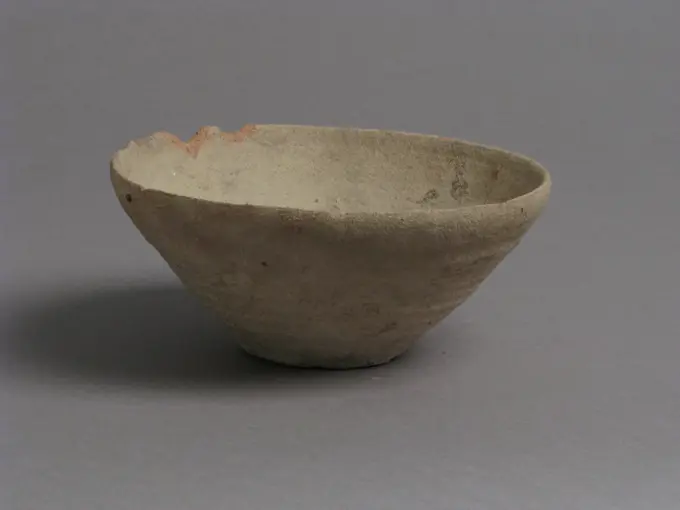
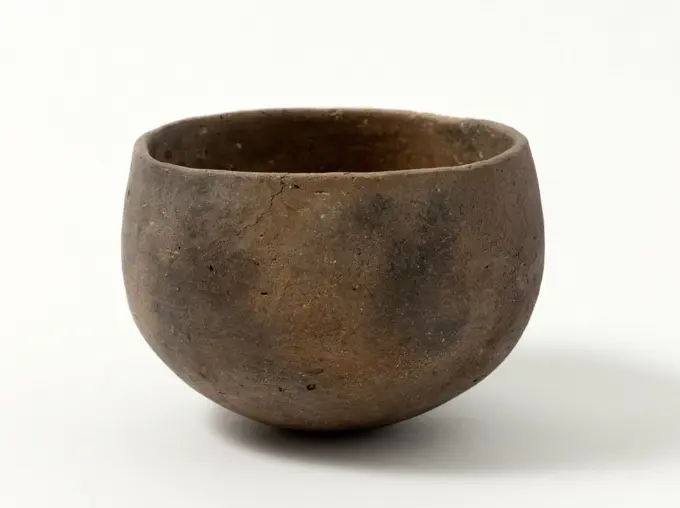
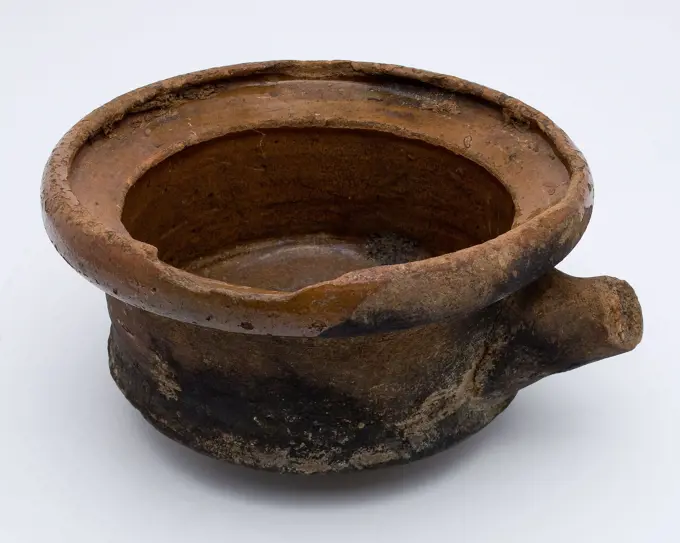
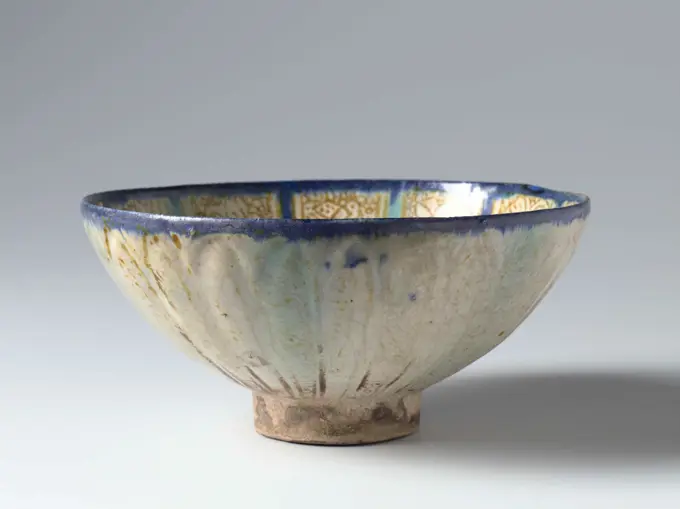
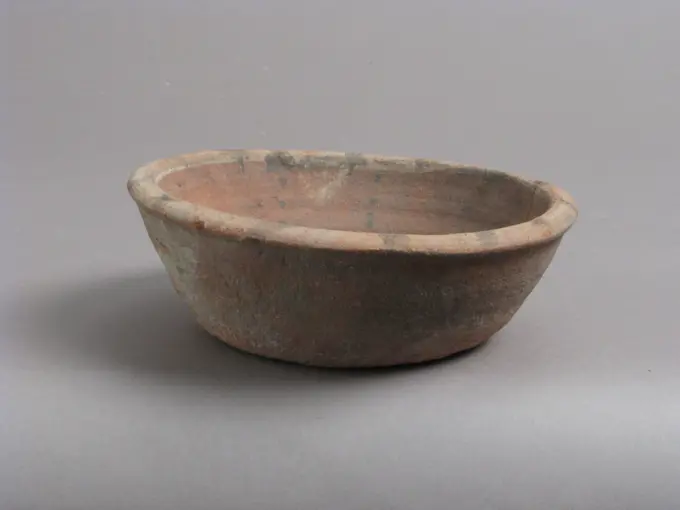
Ancient Coptic and decorative bowls showcasing intricate designs. Each piece reflects historical craftsmanship and highlights the muted colors of unglazed earthenware.
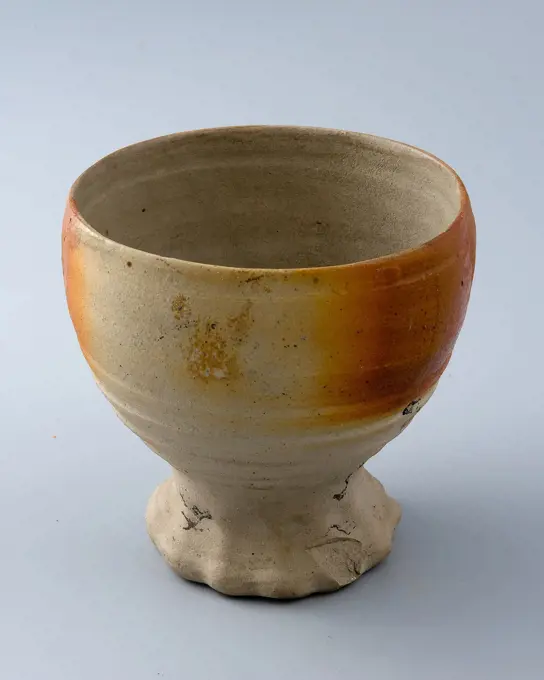
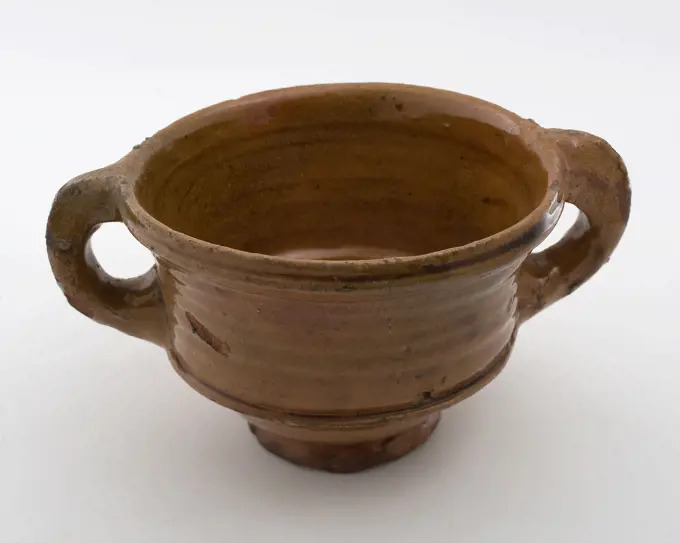
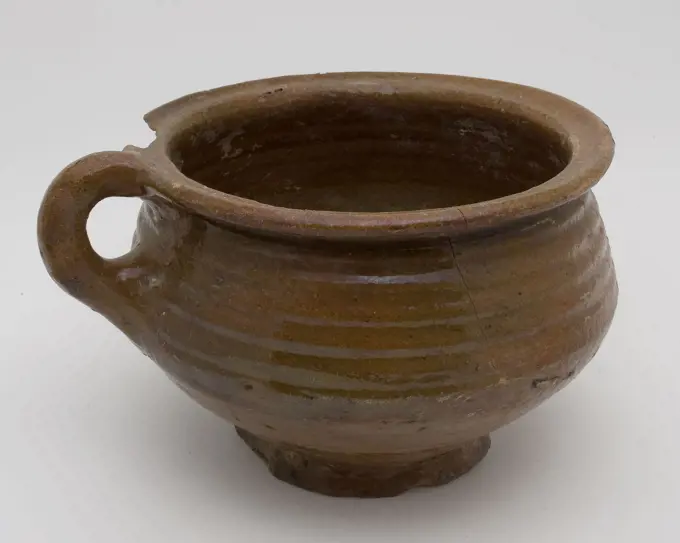
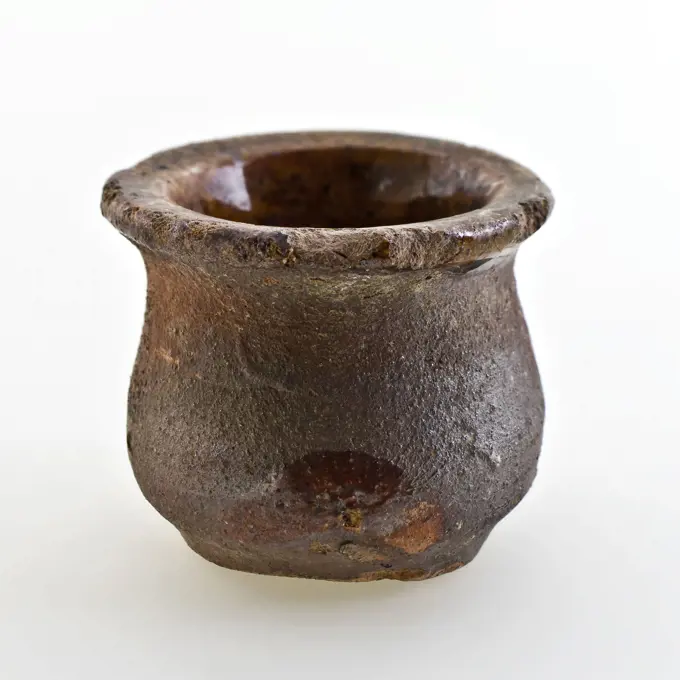
Gray stoneware cup, ball round with wide mouth rim, on pinched foot, drinking cup drinking utensil holder soil find ceramic stoneware glaze salt glaze, hand-turned glazed baked Half ball-shaped stoneware cup with five rings under the middle. On pinched foot. Gray shard archeology Rotterdam City center Stadsdriehoek Groenendaal underground pit uitheems earthenware import serving drinking Soil discovery: underground pit Rotterdam Groenendaal direction Blaak. Loose find 1977.04.
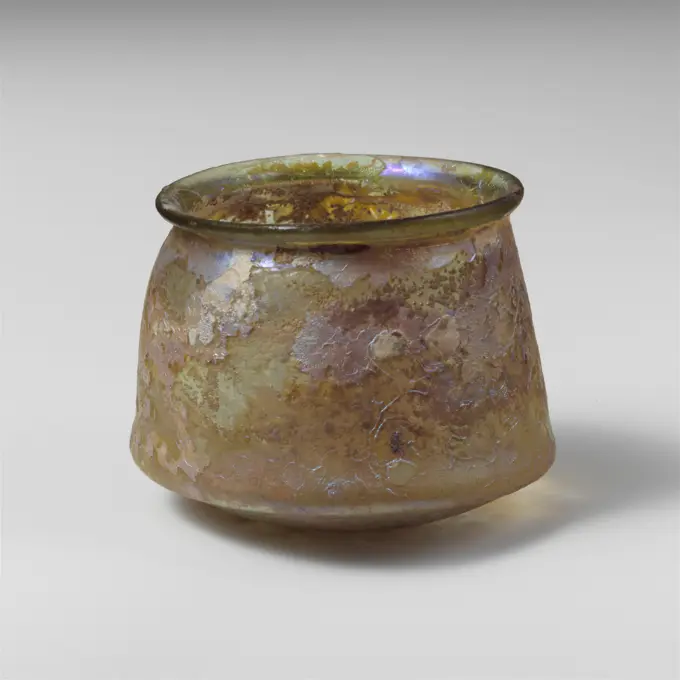
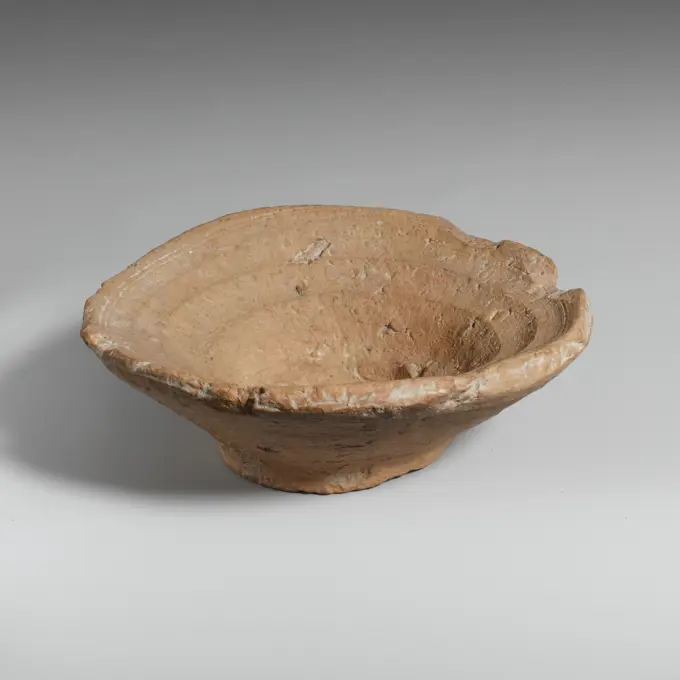
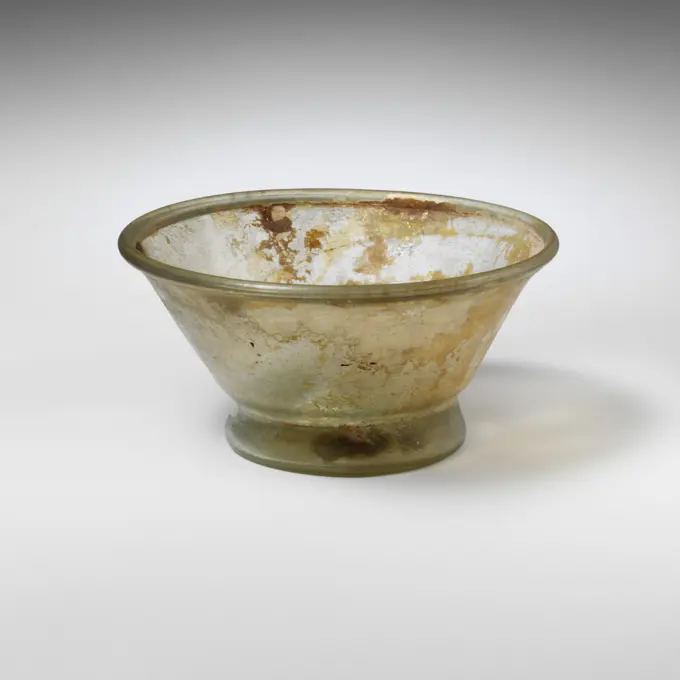
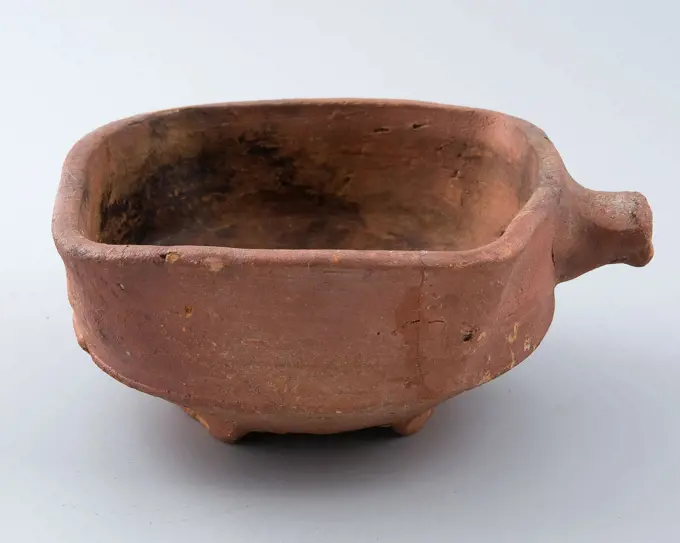
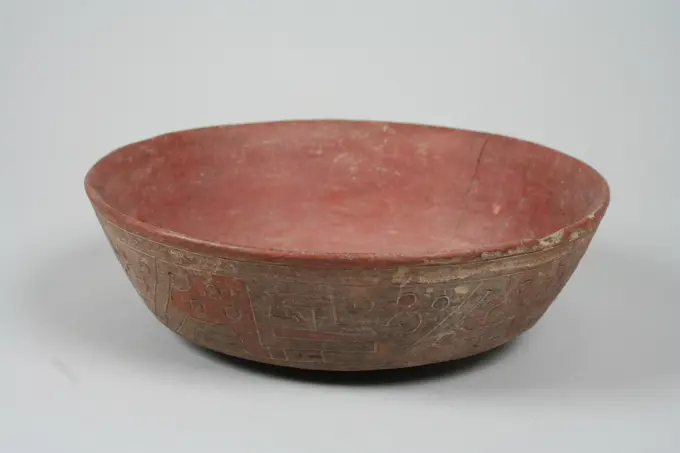
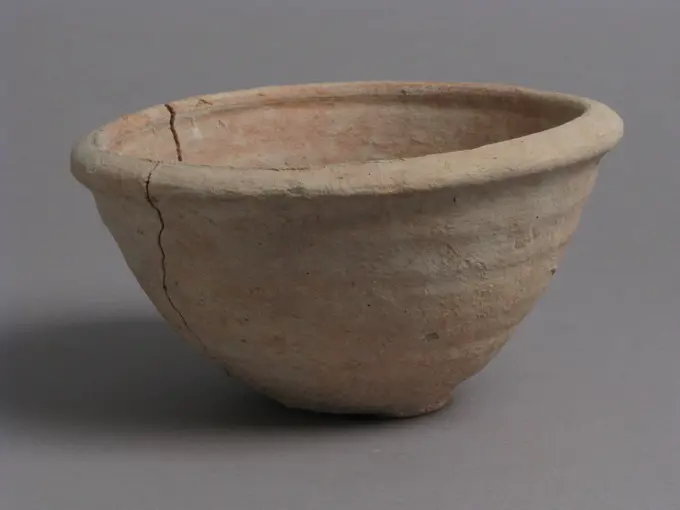
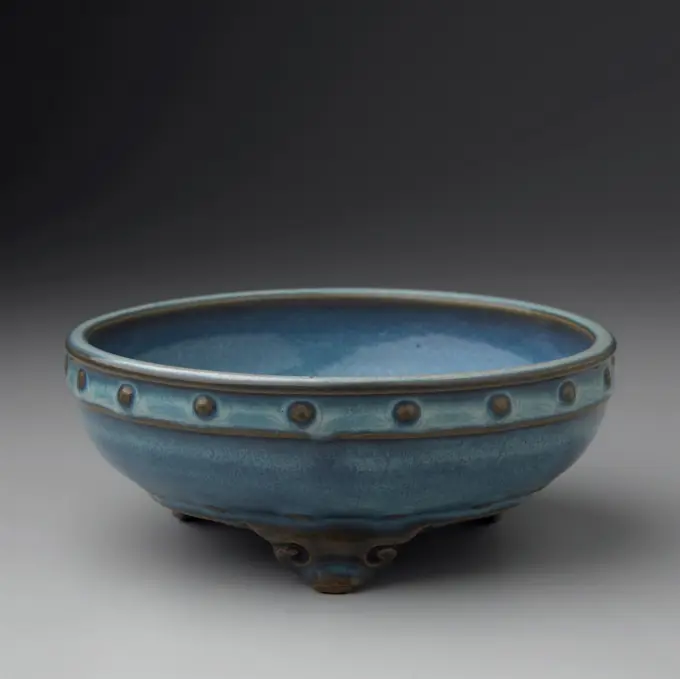
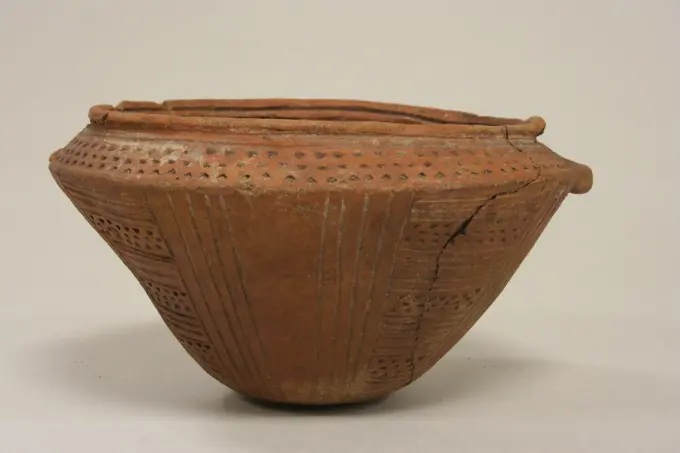
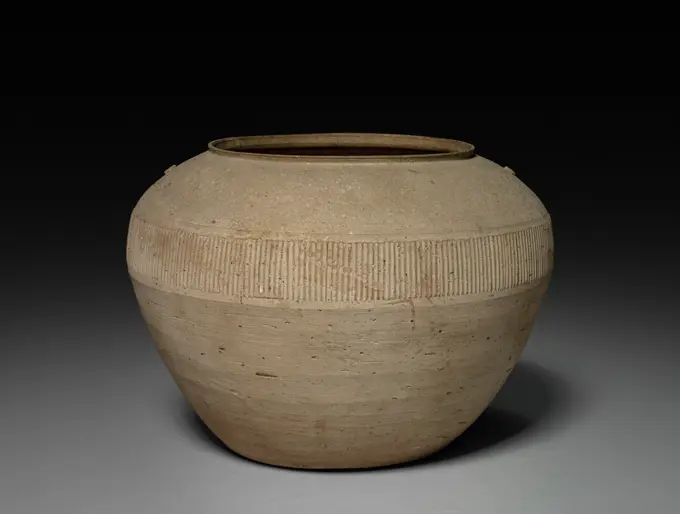
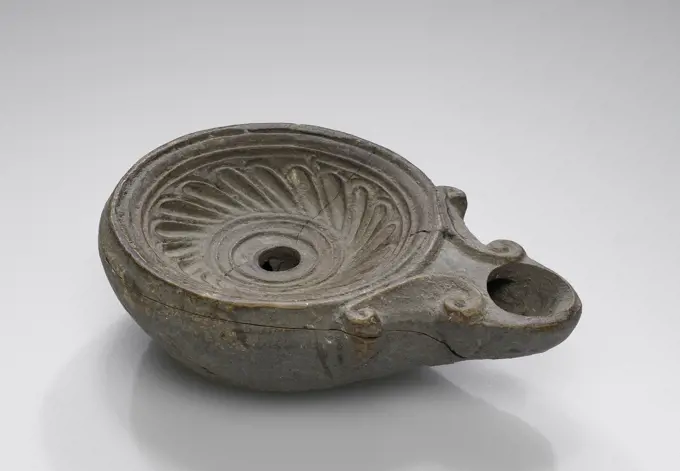
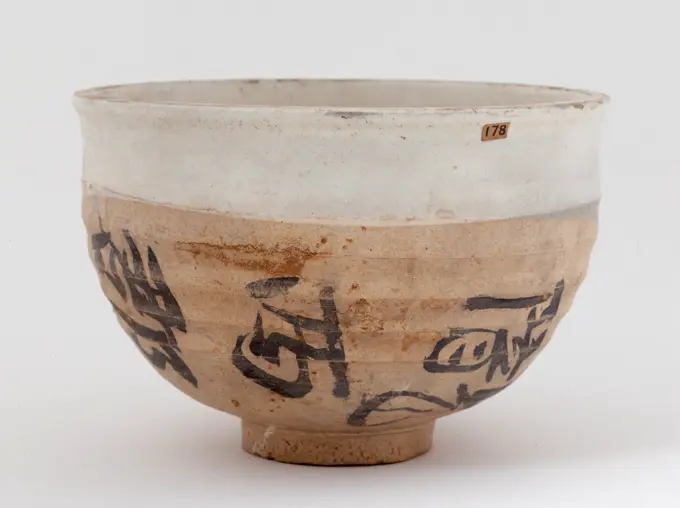
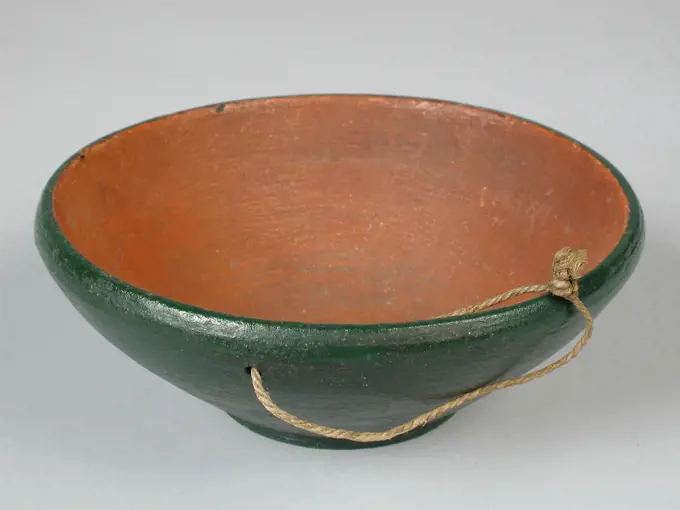
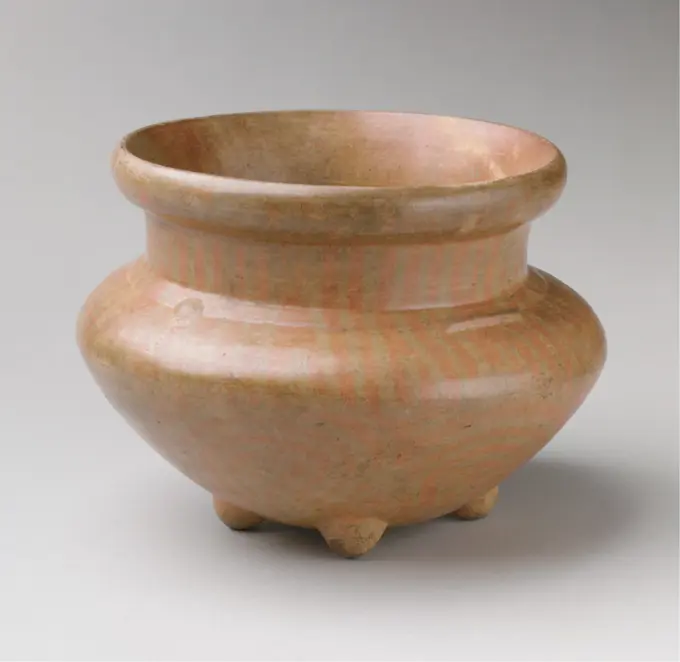
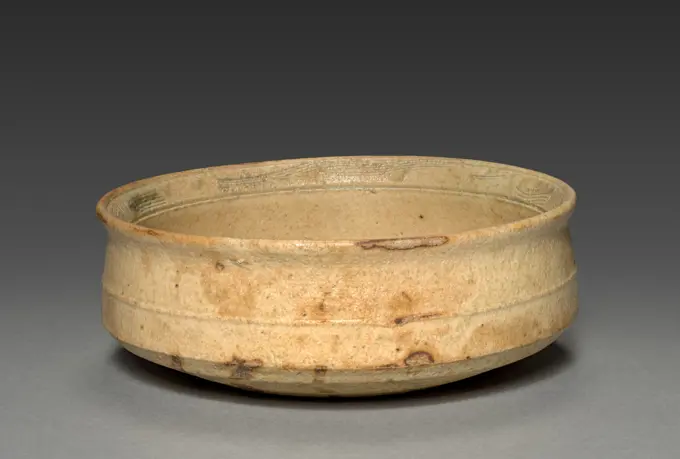
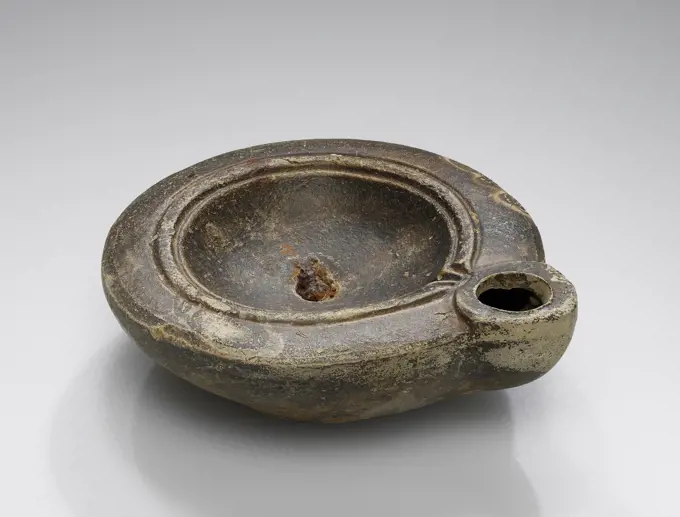
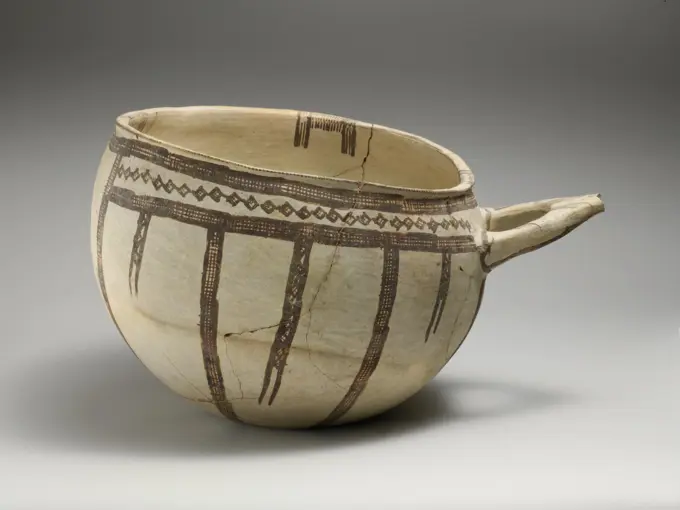
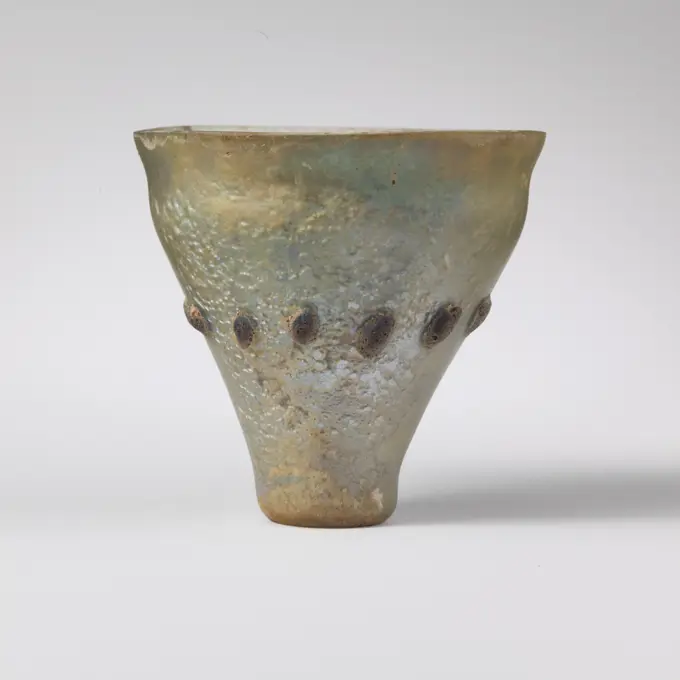
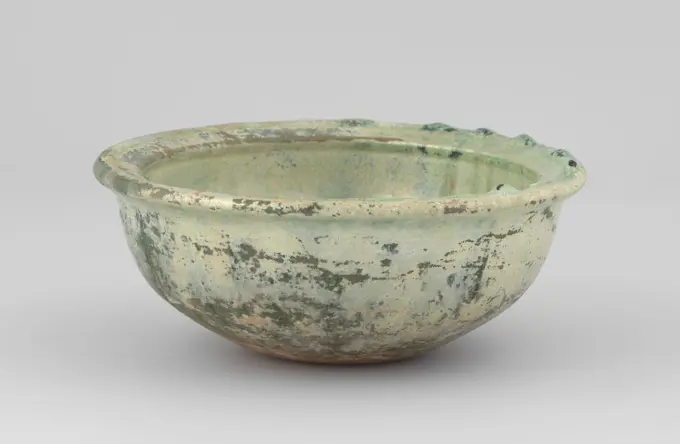
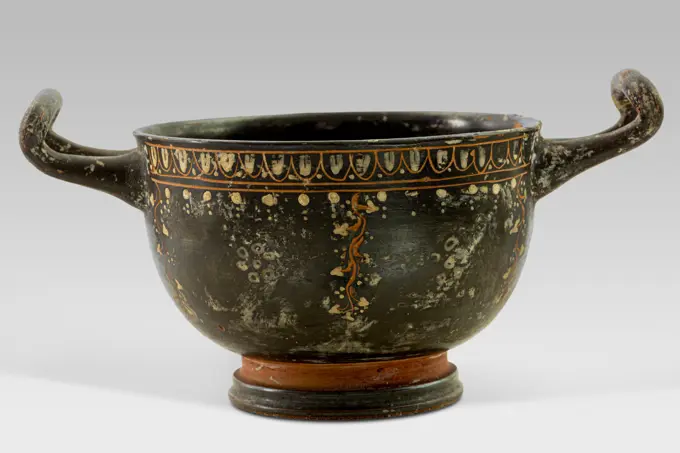
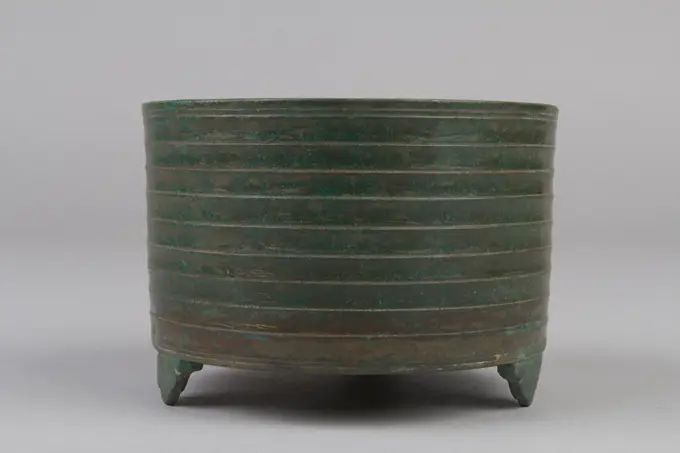
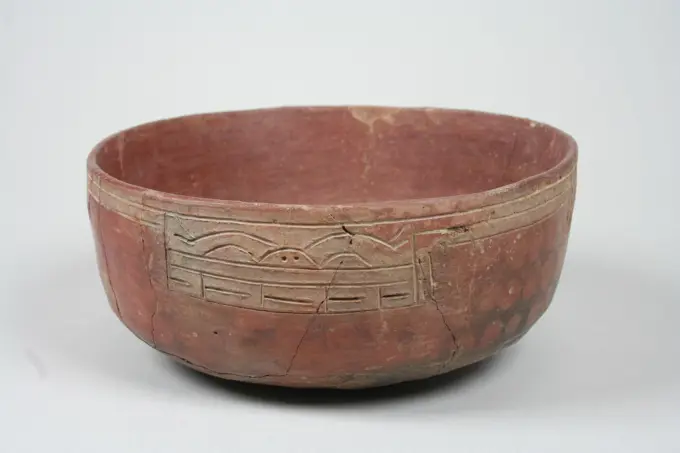
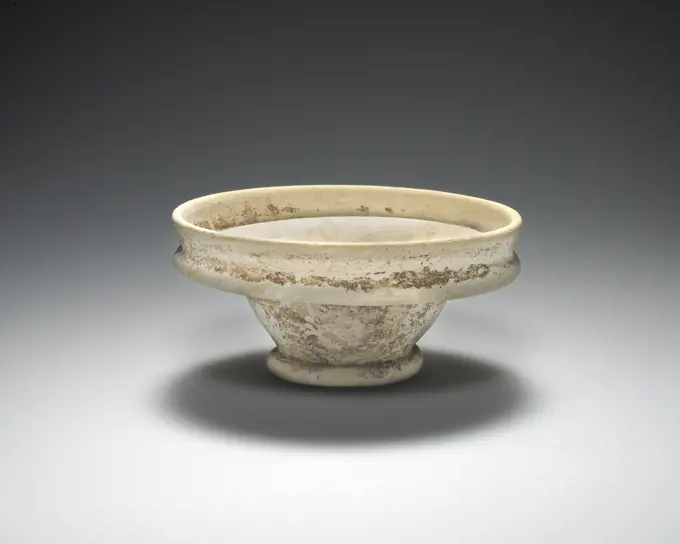
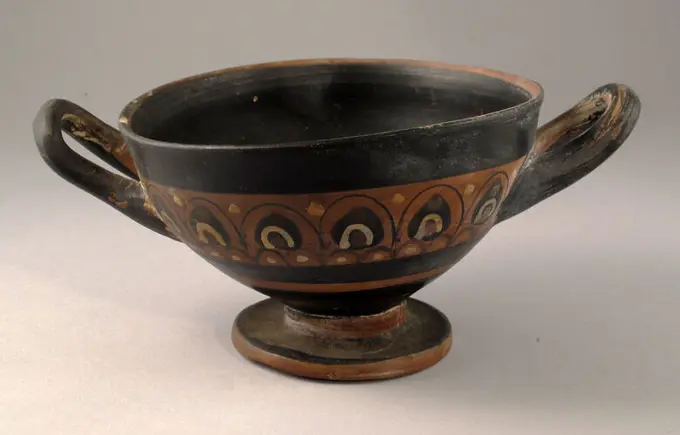
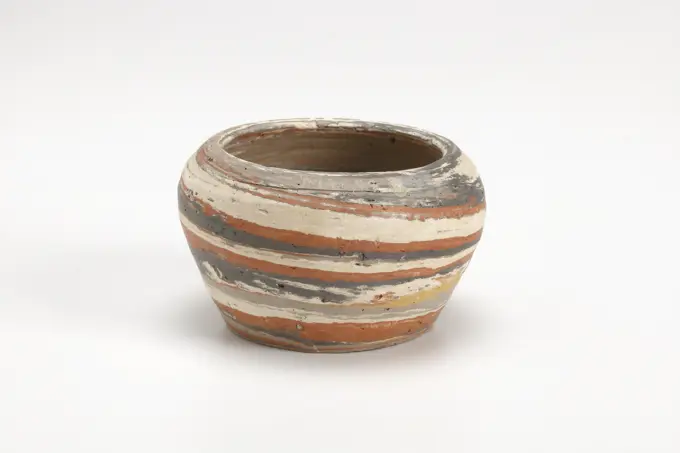
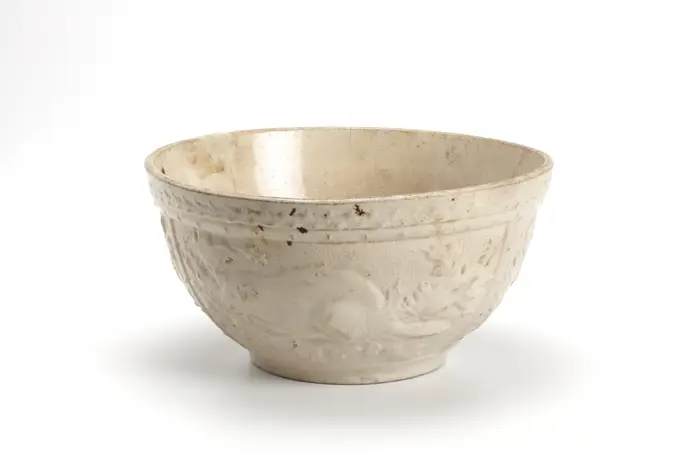
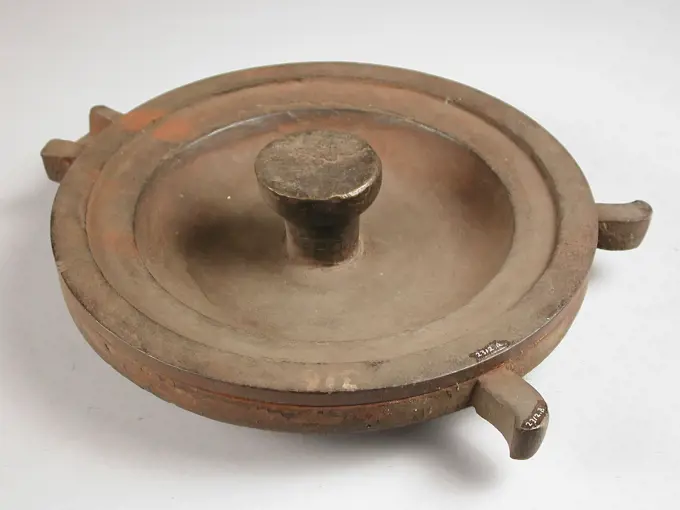
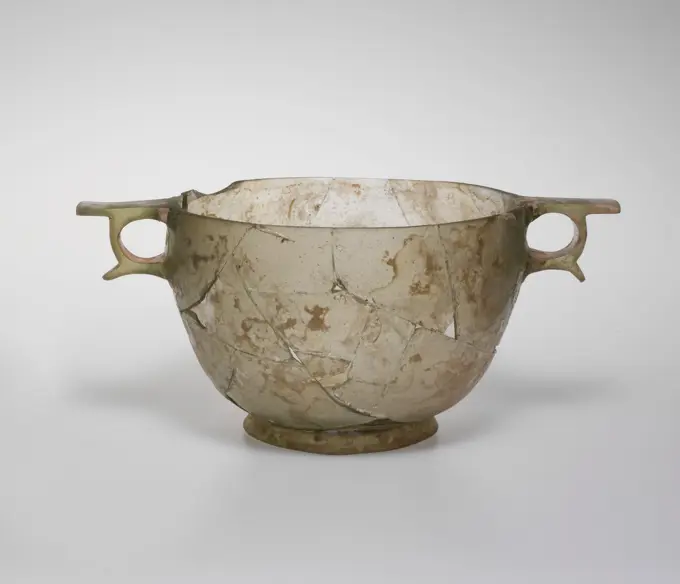
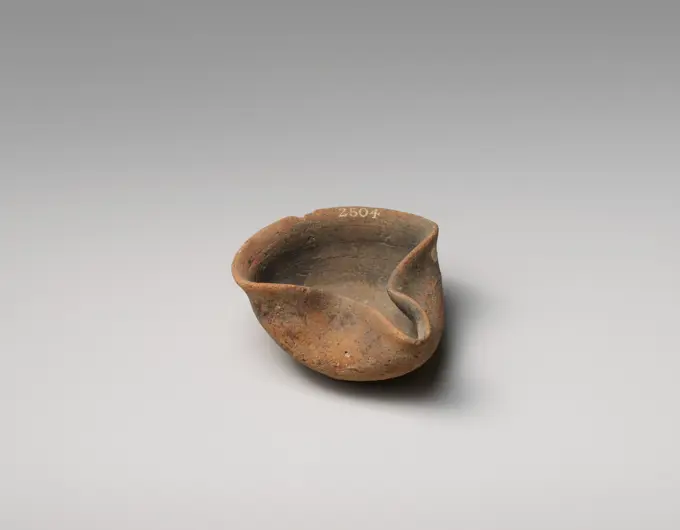
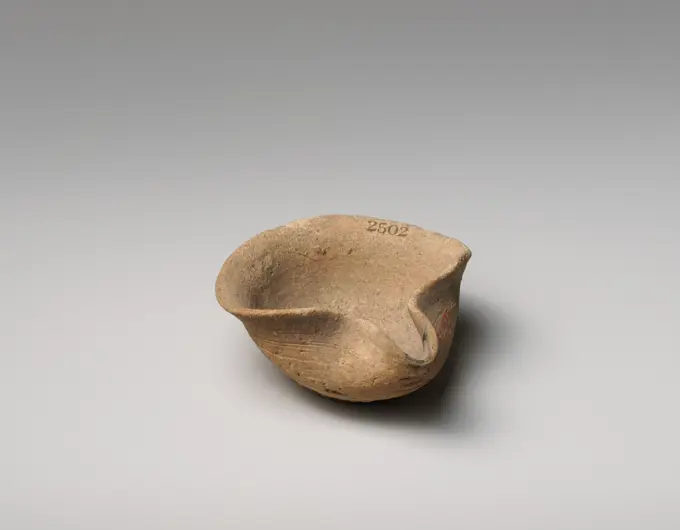
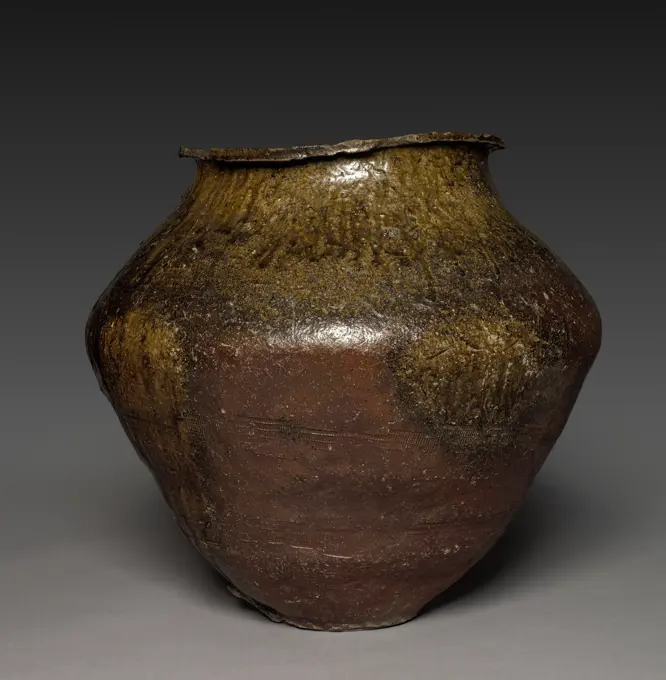
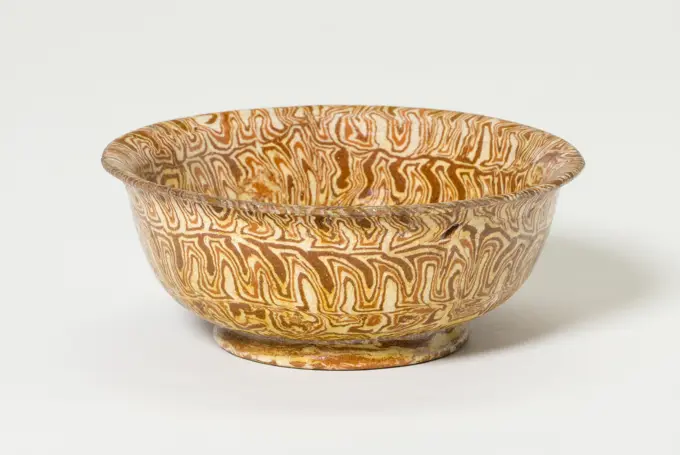
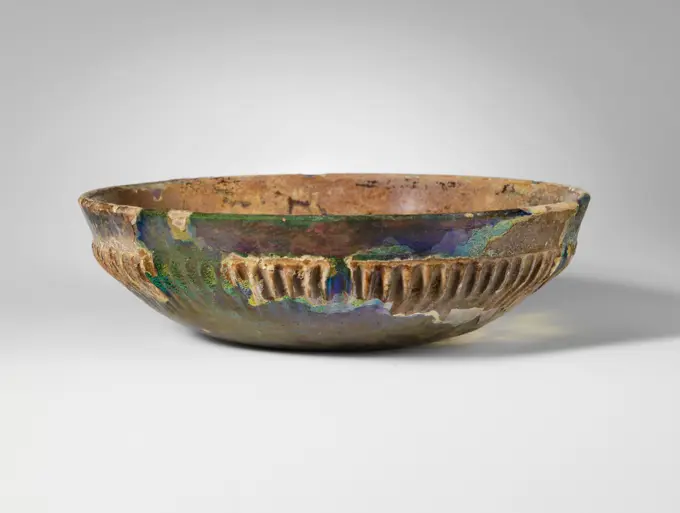
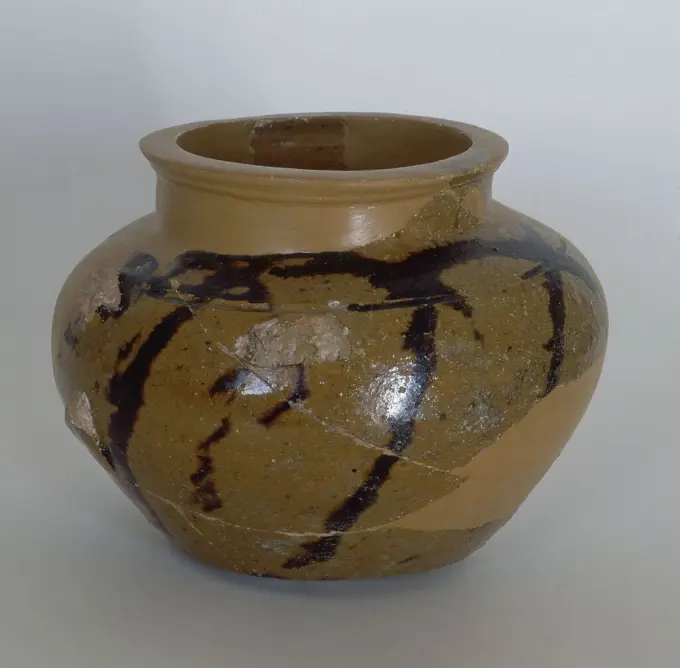
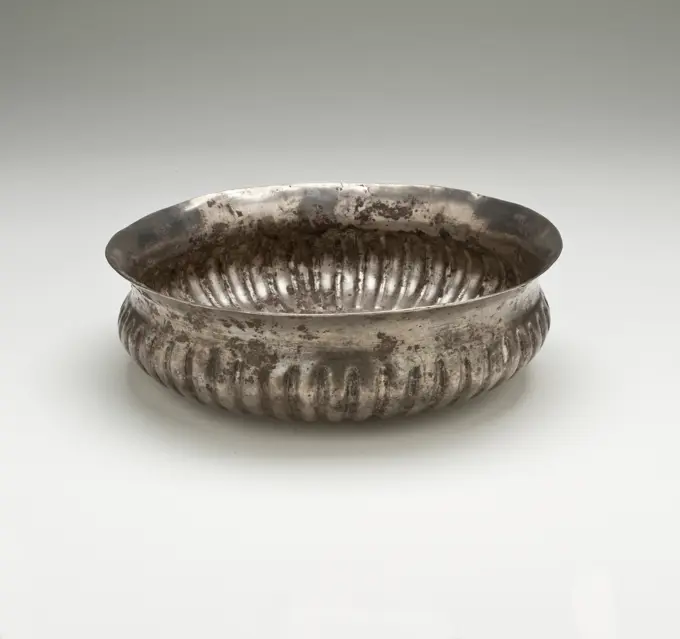
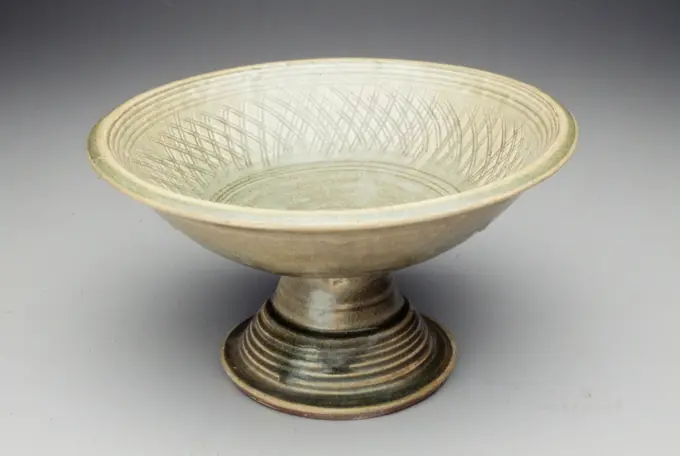
Bowl 4th-7th century Coptic. Bowl 478875Bowl 4th-7th century Coptic. Bowl. Coptic. 4th-7th century. Earthenware. Made in Kharga Oasis, Byzantine Egypt. CeramicsEarthenware bowl, unglazed, on three stand lobes, bowl crockery holder soil find ceramic pottery, hand-turned baked Pottery dish unglazed on three stand lobes. Red shard. Deep model with the shape of hemisphere Flat outstanding top edge archeology Rotterdam Spangen castle indigenous pottery cooking kitchen food preparation serving room table Soil discovery: Castle Spangen Spaanse Polder Rotterdam.. Come from quartz fritgoed decorated with polychrome luster on oprake white tin-lead-alkalilation. A medallion with birds on the bottom. The inner wall with two pseudo-script tires. In between a wider bond with flower drinks and six sitting people. A tire with courses on the outside wall.A bowl with relief decoration unknownRound base bowl, 3rd-7th century, 4 1/2 x 4 1/2 in. (11.4 x 11.4 cm), Polychromed earthenware, Mexico, 3rd-7th centuryBowl 4th-7th century Coptic. Bowl 478680Bowl 9th-10th century. Bowl 449749Gray stoneware cup, ball round with wide mouth rim, on pinched foot, drinking cup drinking utensil holder soil find ceramic stoneware glaze salt glaze, hand-turned glazed baked Half ball-shaped stoneware cup with five rings under the middle. On pinched foot. Gray shard archeology Rotterdam City center Stadsdriehoek Groenendaal underground pit uitheems earthenware import serving drinking Soil discovery: underground pit Rotterdam Groenendaal direction Blaak. Loose find 1977.04.Nesting Bowl. Culture: Coptic. Dimensions: Overall: 1 5/8 x 4 1/8 in. (4.2 x 10.4 cm). Date: 4th-7th century. Museum: Metropolitan Museum of Art, New York, USA.Bowl. Culture: Coptic. Dimensions: Overall: 2 1/2 x 4 1/16 in. (6.3 x 10.3 cm). Date: 4th-7th century. Museum: Metropolitan Museum of Art, New York, USA.Bowl. Culture: Coptic. Dimensions: Overall: 1 9/16 x 4 7/16 in. (4 x 11.2 cm). Date: 4th-7th century. Museum: Metropolitan Museum of Art, New York, USA.Bowl. Terracotta. Neolithic. Paris, Carnavalet museum. Bowl, neolithic, terracotta, dishes, archeological vestigeBowl. Culture: Coptic. Dimensions: Overall: 1 15/16 x 3 1/16 in. (5 x 7.7 cm). Date: 4th-7th century. Museum: Metropolitan Museum of Art, New York, USA.Pottery saucepan on three legs, with lid edge and stem as handle, saucepan pan holder kitchenware earth discovery ceramic earthenware glaze lead glaze, hand turned molded glazed baked Pottery saucepan on three legs Lightly curled bottom. Red shard and internally glazed. Cylindrical in shape with outstanding top edge. Lid edge Angled handle as handle. Many traces of use: soot on the bottom cracks and scratches in the glaze on the inside archeology indigenous pottery food preparation cooking kitchenBowl. Culture: Paracas. Dimensions: Overall: 2 5/8 in. (6.67 cm)Other: 8 3/4 in. (22.23 cm). Date: 7th-4th century B.C.. Museum: Metropolitan Museum of Art, New York, USA.Bowl. Vietnam, 13th-14th century. Furnishings; Serviceware. Stoneware with celadon glaze. Come from quartz frying with a white tin-lead alkalilation on which radial lines in blue and cobalt and a decor in luster. The inside is divided into twelve compartments with a flower drink in each.Glass cup 2nd-3rd century A.D. Roman Colorless with greenish tinge.Everted rim, with rounded and thickened lip; uneven, undulating side expanding downwards with slight projecting ridge at base, then angled in to bottom with pointed kick at center.Intact; pinprick bubbles; pitting and brilliant iridescent weathering; some soil encrustation and limy weathering on interior.. Glass cup 244612Terracotta shallow bowl ca. 3200-1050 B.C. Minoan Characters inscribed on the base.. Terracotta shallow bowl. Minoan. ca. 3200-1050 B.C.. Terracotta; Plain coarse ware, wheel-made. Bronze Age. VasesBowl with a stylised flower and ornamental border, anonymous, c. 1175 - c. 1199 Come from quartz-fritgoed covered with Engobe from black sludge from which decoration has been cut away in 'Silhouette' under a monochrome turquoise alkalial glaze. On the bottom a stylized flower (lotus) In a double circle. On the inner edge a band with medallions with a window in it. Iran earthenware. glaze cutting / vitrification Come from quartz-fritgoed covered with Engobe from black sludge from which decoration has been cut away in 'Silhouette' under a monochrome turquoise alkalial glaze. On the bottom a stylized flower (lotus) In a double circle. On the inner edge a band with medallions with a window in it. Iran earthenware. glaze cutting / vitrificationGlass bowl 2nd-3rd century A.D. Roman Colorless with pale green tingeTubular rim, folded over and in; straight sides to body, flaring upwards; integral tubular base ring, flaring downwards with rounded bottom edge; thick, pushed-in bottom, slightly concave with traces of pontil scar.Intact; pinprick bubbles and blowing striations; some dulling and faint iridescence; patches of creamy brown and black weathering.. Glass bowl 239852Bowl 4th-7th century Coptic. Bowl 478841Brush Washer, late 1000s-1127. China, Henan Province, Baofeng, Qingliangsi, Northern Song dynasty (960-1127). Porcelaneous stoneware, Ru ware; diameter: 12.8 cm (5 1/16 in.); overall: 3.8 cm (1 1/2 in.). Ru ware is the rarest and most celebrated of all Chinese imperial wares. It was made for the late Northern Song court for a very short time and was therefore extremely rare and precious. Simplicity and refined elegance are Ru ware's hallmarks. Its graceful shape, soft luster, and subtle color variation of the glaze interact in perfect unity. Other physical characteristics include an ash-grey body, soft greyblue glaze with a fine crackle, as well as small sesame-seed spur marks on the base.Bowl 4th-7th century Coptic. Bowl 478688Cup (usual name), 1400. Covered sandstone. Cernuschi Museum, Asia Museum of Asia in the city of Paris.Unglazed pottery test on three standfins, with short handle, square, test fire test soil find ceramic pottery, hand turned hand shaped baked Pottery test on three stand fins Short handle between two corners attached. Round bottom and side wall merging into square top edge. Glaze tuft along the upper edge Roetsporen on the inside archeology underground pit Rotterdam City center Stadsdriehoek Groenendaal indigenous pottery heat food preparation food cooking kitchen room Soil discovery underground pit Groenendaal found 1976-09-23.Painted bowl with geometric patterns. Culture: Paracas. Dimensions: Overall: 2 15/16 in. (7.38 cm)Other: 7 in. (17.78 cm). Date: 3rd-2nd century B.C.. Museum: Metropolitan Museum of Art, New York, USA.Earthenware pap bowl, red shard, entirely covered with lead glaze, two bandors, on stand, papkom bowl crockery holder earth discovery ceramics earthenware glaze lead glaze, hand turned glazed baked earthenware pap bowl red shard entirely covered with lead glaze two on top pinched bandors standring archeology indigenous pottery porridge eating food cooking kitchenPottery ointment jar, mortar model, red shard, internally glazed, ointment jar pot holder soil find ceramic earthenware glaze lead glaze, hand turned glazed baked Pottery ointment jar mortar model red shard internal glazed Flat oblique inwardly directed wide top edge Surface coarse finished archeology health care indigenous pottery pharmacy store sell craftsmanshipIncised bowl with fox motif 7th-5th century B.C. Paracas. Incised bowl with fox motif 308317Bowl 4th-7th century Coptic. Bowl 478677Globular pot ". Terracotta. Vietnam-Xe-Xive s. Paris, Cernuschi museum. 72186-59 Vietnamese object, globular pot, terracottaNarcissus Bowl, 960-1127, 2 1/2 x 6 3/8 x 6 3/8 in. (6.35 x 16.19 x 16.19 cm), Stoneware with blue glaze, China, 10th-12th century, Linru in Henan province appears to have been the main production center for Jun wares known for their thick, strikingly beautiful rich blue glazes. While green, white and black ware were common by late Tang, light blue ceramics with purple-red splashes were unknown until Jun ware was developed in Northern Song (960-1127). The opalescent blue was produced by spontaneous unmixing at high temperature of the glaze into silica-rich and lime-rich glasses. The optimum temperature for this phase separation to occur is just below 1200° C.Vessel faired paste clear and gray slip, made a lathe. Mouth diameter 174 mm Height 115 mm Width180 mm Thickness 7 mm ( 3rd BCE ) - Second Iron Age period , from the archaeological site of "Poligono 25" in Alcalá de Henares -" Burgo de Santiuste Museum" (Madrid .) SPAIN.Bowl with Stippled Patterns 9th-14th century Quimbaya. Bowl with Stippled Patterns 318577Jar, 481-221 BC. China, Eastern Zhou dynasty (771-256 BC), Warring States period (475-221 BC). Stoneware with incised and applied decoration under a thin ash glaze; diameter: 21.5 cm (8 7/16 in.); diameter of mouth: 13.4 cm (5 1/4 in.); overall: 16.5 cm (6 1/2 in.).Lamp, Anatolia; 1st - 4th century; Terracotta; 2.2 x 5.8 x 8.3 cm (7,8 x 2 5,16 x 3 1,4 in.)Bol ". Terracotta, white slip, transparent covered. China, Song dynasty (960-1279). Paris, Cernuschi museum. Chinese art, bowl, Chinese Ceramic, container, Song dynasty, decorative motif, porcelain, container, terracottaTe Poel, Painted round wooden shell, bake holder kitchenware miniature toy relaxant model wood paint, cm Rounded from foot woadening outside green inside reddish brown With hanging cord 1868 Sibilla van Embden playing peeling food preparing kitchenBowl. Roman, Levant or Syria. Date: 100 AD-601 AD. Dimensions: H. 5.4 cm (2 1/8 in.); diam. 10.8 cm (4 1/4 in.). Glass, blown technique. Origin: Syria. Museum: The Chicago Art Institute, Chicago, USA. Author: ANCIENT ROMAN.Glass ribbed bowl early 1st century A.D. Roman Translucent pale blue green.Vertical rim with rounded top edge; plain, vertical band of irregular height around top of side, then bulging outward before curving in sharply to concave bottom.On interior, two concentric grooves around outer edge of bottom and small, broader circle at center; on exterior, eighty vertical ribs of slightly varying length and width, with tops ground off, arranged around bulging middle section of body.Intact; pinprick bubbles; pitting, dulling, and iridescence with small patches of creamy weathering.Rotary grinding marks on interior and on band around top of exterior.. Glass ribbed bowl. Roman. early 1st century A.D.. Glass; cast, tooled, and cut. Early Imperial. GlassLamp. UnknownBowl. Culture: Paracas. Dimensions: Height: 2 1/4in. (5.7cm)Diameter: 6 1/4in. (15.9cm). Date: 7th-5th century B.C.. Museum: Metropolitan Museum of Art, New York, USA.Tetrapod Jar 200 B.C.-A.D. 1 Maya This bowl is part of a group of ceramic vessels called Usulután based on superficial resemblances in surface decoration. The technique employed here, termed "resist," results in a two-color patterning. The method of achieving the color separation differs within the Usulután group and, in some instances, is yet to be understood. Usulután vessels were made during the centuries before and after the turn of the first millenniuma period of innovation in ceramic form and decorationin the southernmost part of the Maya highlands (southeastern Guatemala, western Honduras, and El Salvador). They were widely disbursed from there. Archaeologists have long thought that the distribution of Usulután vessels was tied to the migrations of peoples or perhaps to invasions. More recently, it has been proposed that these ceramics were much admired in their time and thus widely traded. The present example sits on four small feet, early evidence of what would later become Jar, before 1550. Colombia, 15th-16th century. Red ware; diameter: 15.3 cm (6 in.); overall: 6.5 x 14.5 cm (2 9/16 x 5 11/16 in.).Bowl. Culture: Coptic. Dimensions: Overall: 2 1/4 x 4 3/4 in. (5.7 x 12 cm). Date: 4th-7th century. Museum: Metropolitan Museum of Art, New York, USA.Bowl China. Bowl 48100Jar with Spout 4th-7th century Coptic. Jar with Spout 477326Bowl: Yellow Seto Ware, c. 1590. Japan, Momoyama period (1573-1615). Glazed stoneware with incised decoration (Seto ware); diameter: 15.2 cm (6 in.); overall: 5.4 cm (2 1/8 in.).. Come from pottery with white sludge and a painting in black sludge with four times a decoration on the edge under a transparent lead glaze.Lamp, Asia Minor; 1st - 4th century; Terracotta; 2.3 x 6.8 x 7.7 cm (7,8 x 2 11,16 x 3 1,16 in.)Tea Bowl. China. Date: 1100-1279. Dimensions: H. 6.4 cm (2 1/2 in.); diam. 12.3 cm (4 13/16 in.). Jian ware; stoneware with dark brown "hare's fur" glaze and metal rim. Origin: China. Museum: The Chicago Art Institute, Chicago, USA.Close-up of china bowlEarthenware strawberry pot, low model with bandoor and on three legs, strawberry pot bowl holder soil find ceramic pottery, hand-turned glazed baked earthenware strawberry pot low model with bandoor and on three legs Red shard internal glazed one hole in the middle of the soil archeology indigenous pottery market sell food cooking kitchen Rotterdam Soil discovery Rotterdam.Jar with loop handles China. Jar with loop handles 50709Bowl. Culture: Sasanian. Dimensions: 3 × 6 in. (7.6 × 15.2 cm). Date: ca. 3rd-7th century A.D..Plain unglazed ceramics, like this cream colored bowl, are the most common type of pottery found during the Sasanian period. These plain vessels were part of the everyday household materials. Because ceramic material is so durable, clay artifacts are one of the most frequently recovered materials in the archaeological record. The bowl was excavated from a house at the site of Ma'aridh IV in the Ctesiphon area.The city of Ctesiphon was located on the east bank of the Tigris River, 20 miles (32 km) south of modern Baghdad in Iraq. It flourished for more than 800 years as the capital of the Parthians and the Sasanians, the last two dynasties to rule the ancient Near East before the Islamic conquest in the seventh century. Systematic excavations in the Ctesiphon area were undertaken by an expedition in 1928-29 sponsored by the German Oriental Society (Deutsche Orient-Gesellschaft). The MetropolitIncised bowl with fox motif. Culture: Paracas. Dimensions: Overall: 2 1/2 in. (6.35 cm)Other: 6 1/8 in. (15.6 cm). Date: 7th-5th century B.C.. Museum: Metropolitan Museum of Art, New York, USA.Bowl. China. Date: 25 AD-220 AD. Dimensions: H. 7.1 cm (2 7/8 in.); diam. 18.5 cm (7 5/16 in.). Earthenware with green lead galze. Origin: China. Museum: The Chicago Art Institute, Chicago, USA.Terracotta bowl ca. 1600-1150 B.C. Cypriot White slip ware with horned handle, lattice and lozenge ornament.. Terracotta bowl. Cypriot. ca. 1600-1150 B.C.. Terracotta; White slip ware. Late Cypriot I-IIIA. VasesGlass beaker or lamp 4th century A.D. Roman, Syrian Colorless with pale green tinge; translucent blue blobs appearing opaque bluish grey.Thick rim, cracked off and ground, slightly outsplayed; short, vertical side to top of body, then funnel-shaped; small kick in bottom.Midway down side an uneven horizontal row of thirteen applied blobs.Intact, except for a small chip in rim; many bubbles; dulling on exterior, with pitting and whitish weathering on blobs, thick encrustation and weathering on interior above brilliant iridescence.Conical, with glass patches.. Glass beaker or lamp 245319Round bowl with green glaze, anonymous, c. 25 - c. 220  China earthenware. glaze vitrification  China earthenware. glaze vitrification. Ding ware from north China was admired for its subtle colour gradations and sometimes compared with ivory. It was generally mould-made. This made it easy to create decorations in relief, such as the flower pattern on the tea bowl. The dish, by contrast, has incised decoration. The unglazed rim was fitted with a protective metal band.Terracotta skyphos second half of the 4th century B.C. Greek, South Italian, Gnathian The polychrome motifs and patterns on this skyphos created by applying yellow and white directly on top of black gloss before the vessel was fired, are characteristic of the "Gnathian style". The term is derived from the ancient name of the site of Gnathia where a great many examples of this type have been discovered. Fine lines in yellow evoke models with gilded decoration.. Terracotta skyphos. Greek, South Italian, Gnathian. second half of the 4th century B.C.. Terracotta. Classical. VasesIncense burner 12th-13th century China This small but elegant incense burner embodies both the antiquarian taste and minimalist design sensibility of the Song dynasty. The cylindrical form is based on larger-scale bronze wine containers widely used in the Han dynasty (206 BC to AD 220). The Song designer made this smaller version to accommodate its new function as an incense burner. This reinterpretation of an archaic form made this vessel better suited for personal use on a scholars table. The elaborate decoration often found on archaic bronzes was also discarded in favor of horizontal bands. This treatment not only adds visual simplicity, but also enhances handling pleasure. Furthermore, this design reflects a similar taste in contemporary ceramics.. Incense burner. China. 12th-13th century. Bronze. Song dynasty (960-1279). MetalworkIncised bowl with animal motif 7th-5th century B.C. Paracas. Incised bowl with animal motif 308310BowlBowl; Eastern Mediterranean or Italy; end of 1st century B.C. - 1st century A.D; Glass; 3.5 x 7.2 cm (1 3,8 x 2 13,16 in.)Lamp. UnknownGlass jar. Culture: Roman. Dimensions: H.: 5 3/16 in. (13.2 cm). Date: mid-1st-2nd century A.D..Colorless with pale blue tinge.Uneven sloping rim, with rounded tubular edge, folded out, down, round, up, and in, forming collar around neck; ovoid body; deep concave bottom.Complete, but one large crack in side with area of repair; pinprick bubbles; pitting and brilliant iridescent weathering on exterior, creamy brown weathering on interior. Museum: Metropolitan Museum of Art, New York, USA.Pottery cooking pot, grape-model, red shard, glazed, two sausage rolls, on three legs, cooking pot crockery holder kitchenware earth discovery ceramic earthenware glaze lead glaze, hand-turned glazed baked earthenware cooking pot grape-model red shard inside and part exterior covered with lead glaze two vertical sausage wheels three legs scoured to the bottom archeology food prepare cooking kitchen foodGlass bowl 4th century A.D. Roman Translucent blue green; trails in same color.Outsplayed rim, with rounded lip; side of body tapers downwards, then curves inwards; tall, splayed tubular foot, made by folding; thick, conical bottom, flattened at center by pontil mark.A fine trail applied horizontally around base of side; another thicker trail applied over it and wound round side in an irregular, curving zigzag pattern, ending in a long trail under rim.Intact; pinprick bubbles and blowing striations, with a few black impurities; dulling, patches of whitish weathering, and some iridescence.. Glass bowl 256721Skyphos. Culture: Greek, Attic. Dimensions: Diameter: 4 5/16 × 2 3/8 in. (11 × 6 cm)Other (width w/ handles): 2 13/16 × 6 1/8 in. (7.1 × 15.6 cm). Date: ca. 500 B.C.. Museum: Metropolitan Museum of Art, New York, USA.. Tea bowl of stoneware, partly covered with a black glaze with golden brown stripes (hazel). The lower half of the bowl is unglazed. The edge is caught in a metal band. Jian.Bowl -Bowl - St. Johns Stone Chinaware Company (founded 1873) St. Johns Stone Chinaware Company (founded 1873)Bowl with a incised scroll border, anonymous, c. 1175 - c. 1224 Come from Kwartsfritgoed, decorated with a band with broken-in tifles and curl shapes and covered with a monochrome blue alarm laze. Iran earthenware. glaze engraving / vitrification Come from Kwartsfritgoed, decorated with a band with broken-in tifles and curl shapes and covered with a monochrome blue alarm laze. Iran earthenware. glaze engraving / vitrificationTwo-piece bronze mold for plate, mold casting tool tools base metal bronze, cast twisted Two-piece bronze mold for casting large plate Rotterdam tin foundry tin stain tin Meeuws Druy craft Shapes are from the original 18th century Rotterdam tinnegieter J Druy. The large molds that were not signed or dated were the property of the tinker guild and were rented to the small tin caster.Pottery chamber pot, ease of use on stand, belly model with wide neck opening and standing ear, pot holder sanitary soil found ceramic earthenware glaze lead glaze, hand turned glazed baked Pottery chamber pot on stand. Red shard entirely glazed lead glaze Double conical model with nearly flat top edge few pivot arms over the shoulder Wide pot ridge and narrower foot Standing sausage above the edge excellent archeology indigenous pottery drains night sleeping room hygieneSmall Cup. Greater Iran (Afghanistan), 6th-7th century. Ceramics. CeramicBowl 4th-7th century Coptic. Bowl 478843Bowl with decoration of fish second half of the 12th century Korea. Bowl with decoration of fish 51358Glass skyphos (drinking cup) late 3rd-early 2nd century B.C. Greek Colorless with pale greenish tinge.Slightly inverted rim, with top edge ground flat; convex curving side tapering downward; splayed base ring with rounded bottom edge; slightly undulating, flat bottom; two ring handles applied to sides of body, carved out from blanks surrounded by raised squared-off areas, with flat thumb-rests above rings and projecting wings above and below.Body broken and repaired, with one large chip in rim and several holes in body, but both handles intact; pinprick and larger bubbles; dulling, pitting, patches of iridescence and creamy weathering.Rotary grinding marks on interior, exterior, and bottom.. Glass skyphos (drinking cup). Greek. late 3rd-early 2nd century B.C.. Glass; cast and cut. Hellenistic. GlassTerracotta saucer-shaped lamp 4th century B.C. Cypriot Wheel-made with edge folded in to form a long wick rest; flaring rim, with rounded lip; deep, open body; raised base ring, and slightly uneven, rough base, with marks of potter's string across it.Complete, except for one chip in rim at back.. Terracotta saucer-shaped lamp. Cypriot. 4th century B.C.. Terracotta. TerracottasBowlJar, before 1550. Colombia, 15th-16th century. Red ware with incised patterns; overall: 6 x 12 cm (2 3/8 x 4 3/4 in.).Terracotta saucer-shaped lamp 4th century B.C. Cypriot Wheel-made with edge folded in to form a wick rest; flaring rim, with beveled lip; deep, almost round, open body; raised base ring, and flat base, with marks of potter's string across it. Band of fine grooves around upper body on underside.Intact. Iron stains on front edge of base.. Terracotta saucer-shaped lamp. Cypriot. 4th century B.C.. Terracotta. Terracottas. Low bowl of pottery, with a flat, wide edge and with a high stand ring. Completely covered with a strongly irrigated turquoise lead glaze.Storage Jar, 1350-99. Japan, Nanbokuchō period (1336-92). Stoneware with natural ash glaze and impressed designs (Tokoname ware); diameter: 55.3 cm (21 3/4 in.); overall: 51 cm (20 1/16 in.). This storage jar was made by piling coils of clay atop one another, smoothing the inner and outer surfaces, and allowing the clay to dry before adding another section of the form. The wide rim and mouth were then added using a potters wheel. Because of its small base, the vessel could stand safely on a narrow step on the steep slope of a rising kiln floor. Such kilns were built into the side of a hill and used wood for firing. The natural ash glazes took about a week to 10 days to form.Pottery belly model ointment jar, red shard, internally glazed, ointment jar pot holder soil find ceramic earthenware glaze lead glaze, hand turned glazed baked Pottery ointment red shard internally glazed. Abdomen model Narrowing over the foot. Flat outstanding top edge. Heavy. Stand archaeology health care indigenous pottery import pharmacy store sell craftBowl 618 CE-907 CE China. Earthenware with marbled slip .Covered Bowl with Design of Pine, Bamboo, and Cherry Blossom 19th century Japan. Covered Bowl with Design of Pine, Bamboo, and Cherry Blossom 57874Glass ribbed bowl late 1st century B.C.-mid 1st century A.D. Roman Colorless.Slightly outsplayed rim with rounded edge; plain, slightly concave band around top of sides, then bulging outward before curving in sharply to concave bottom.On interior, narrow groove immediately below rim, two concentric grooves around outer edge of bottom, and small broader circle at center; on exterior, eighty-three short vertical ribs of slightly varying length, with tops ground off, around middle of body.Intact; pinprick bubbles; deep pitting and brilliant iridescence with patches of thick creamy brown weathering and soil encrustation on exterior, and most of interior also covered with weathering.Rotary grinding marks on interior and on plain band around top of sides.. Glass ribbed bowl 248975MUSEO-ORZA MELADA HISPANO MUSULMANA. Location: MEDINA AZAHARA / MADINAT AL-ZAHRA-MUSEO-CERAMICA. PROVINCIA. CORDOBA. SPAIN.Bowl. Western Iran, 550-330 B.C.. Furnishings; Serviceware. SilverTerracotta two-handled bowl. Culture: Italic, Villanovan. Dimensions: H. with handles 5 1/2 in. (14 cm)H. without handles 4 7/16 in. (11.3 cm). Date: 7th century B.C..Reddish-brown two-handled vase, decorated with incised vertical lines. Museum: Metropolitan Museum of Art, New York, USA.Undecorated painted bowl with flaring sides 6th-3rd century B.C. () Paracas. Undecorated painted bowl with flaring sides 308337Terracotta stemless kylix (drinking cup) 4th century B.C. Greek, South Italian, Campanian Stemless cup with stamped design.. Terracotta stemless kylix (drinking cup). Greek, South Italian, Campanian. 4th century B.C.. Terracotta; black-glaze. Late Classical. VasesOffering Bowl, 15th century, 5 5/8 x 9 5/8 in. (14.3 x 24.45 cm), Sawankalok ware Stoneware with carved decor under a celadon glaze, Thailand, 15th centuryBowl. Egypt, 395 - 1000. Furnishings; Serviceware. Ceramic, glazed