Historical Ceramics

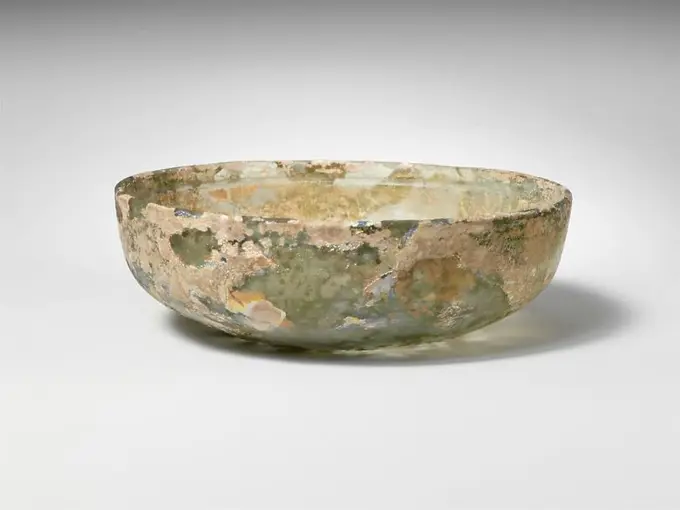
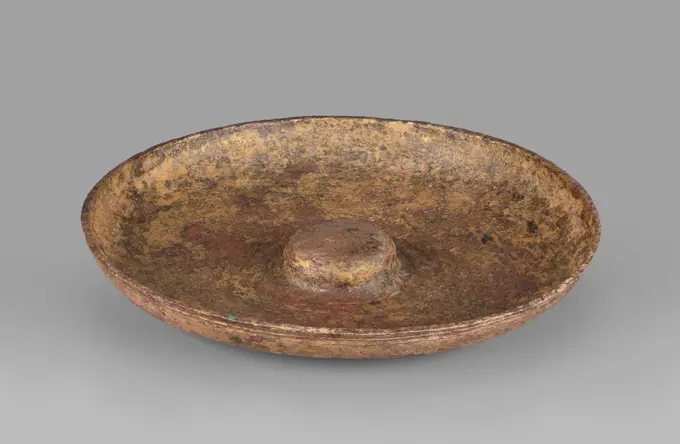
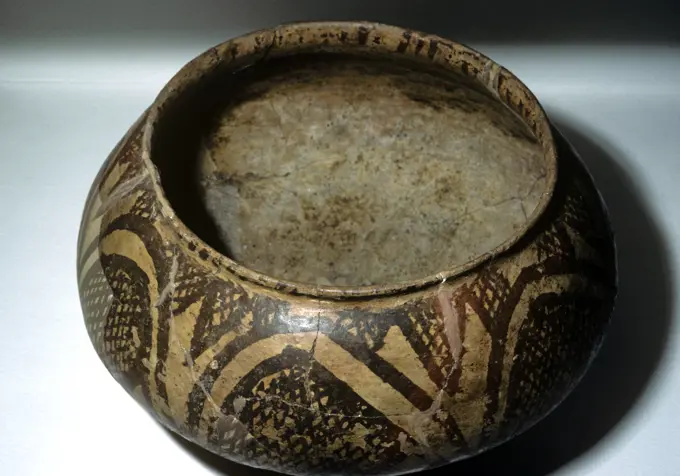
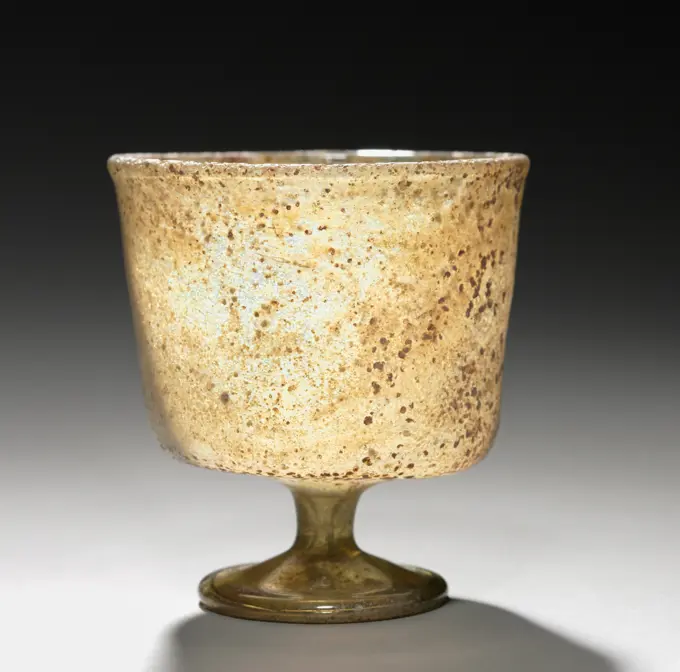
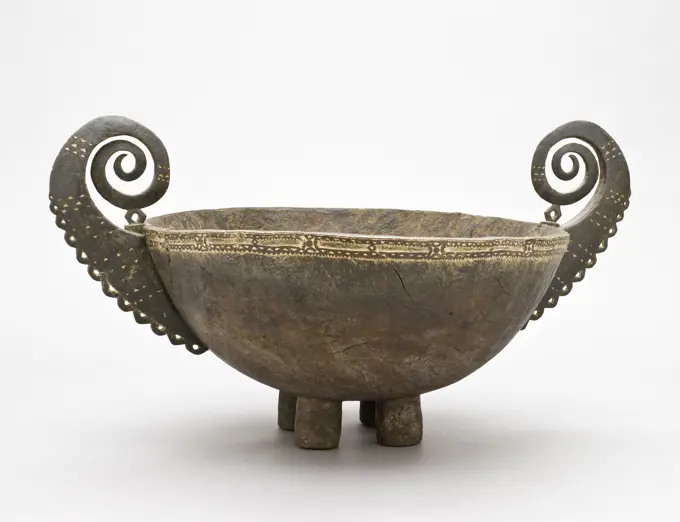
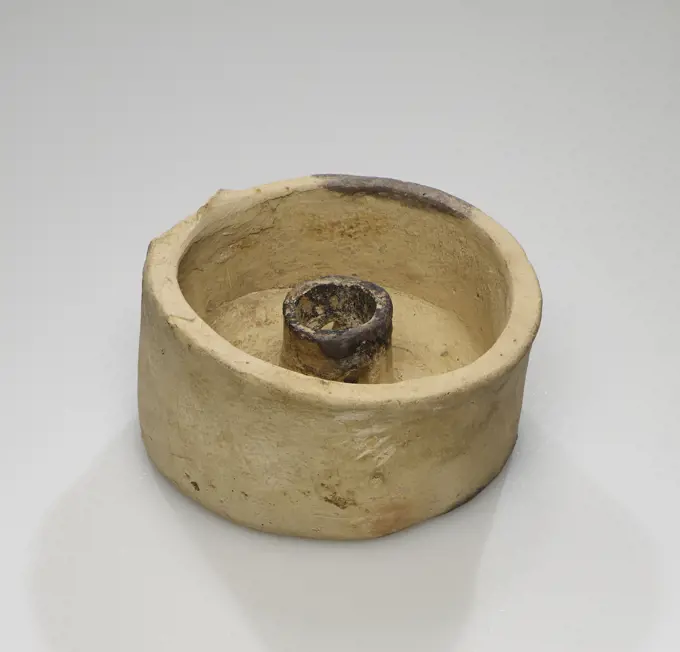
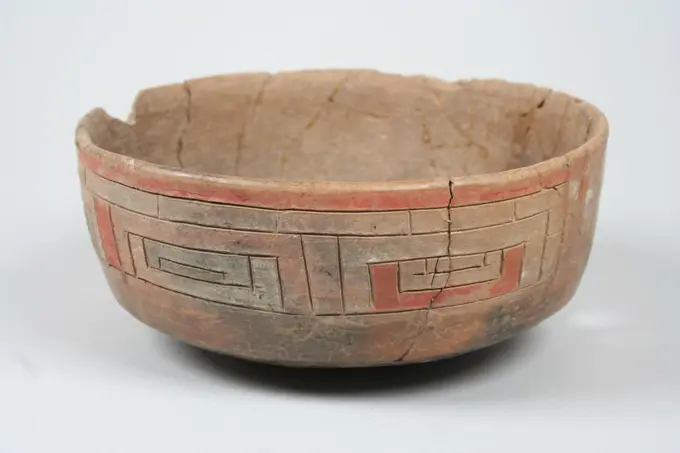
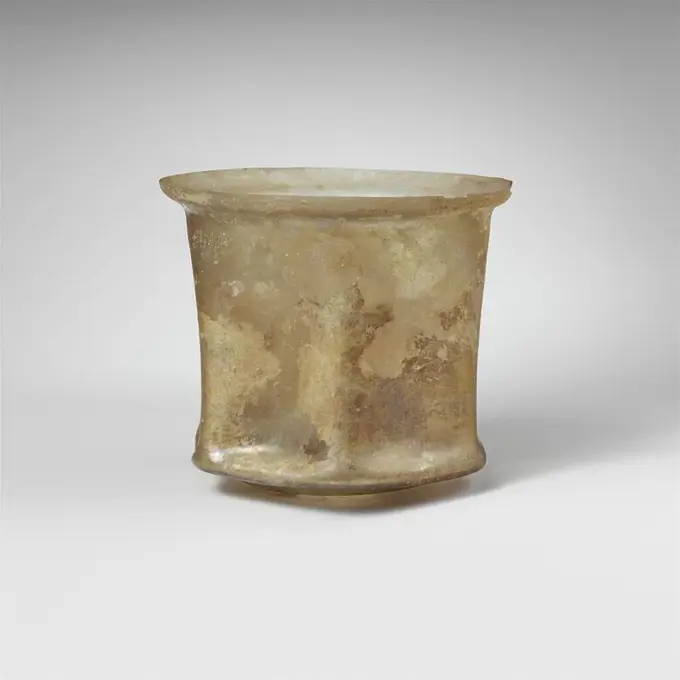
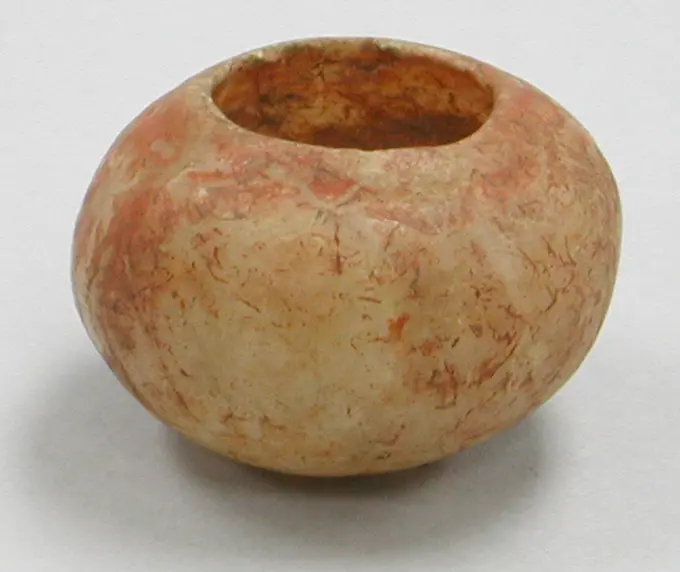
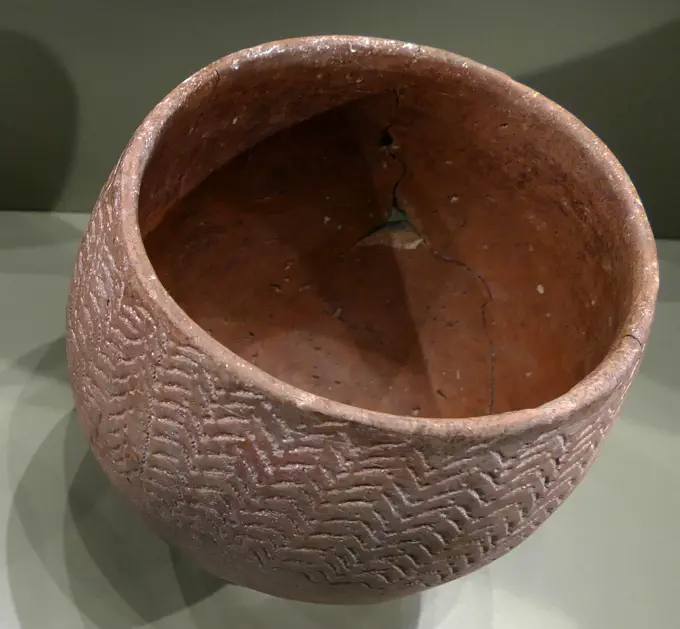
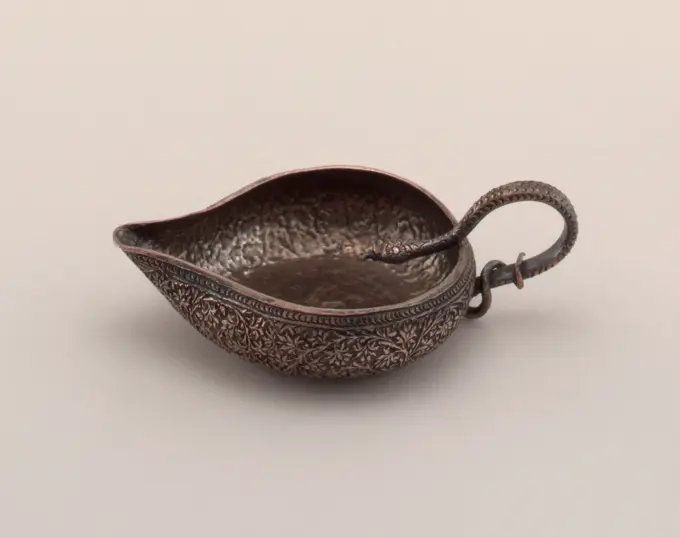
Ancient Coptic and decorative bowls showcasing intricate designs. Each piece reflects historical craftsmanship and highlights the muted colors of unglazed earthenware.
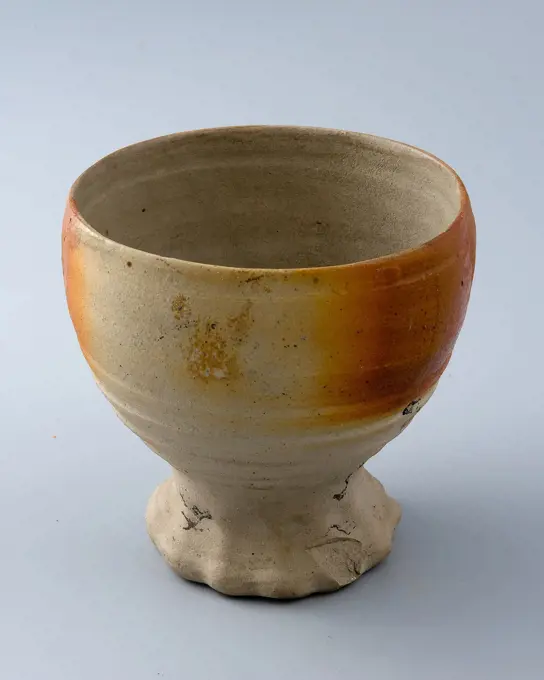
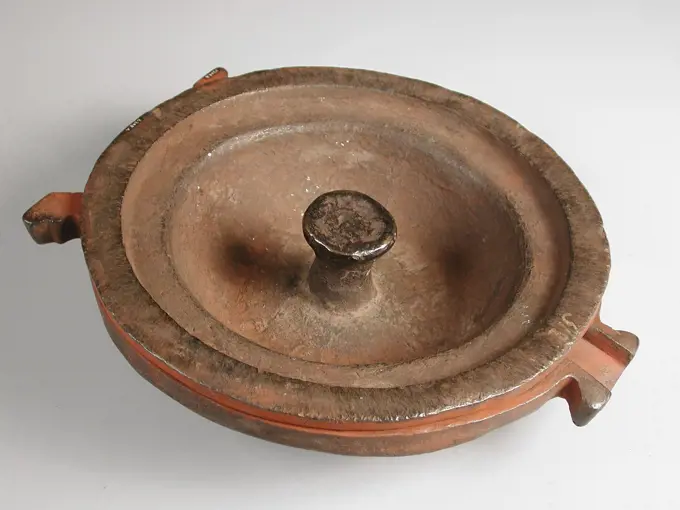
Gray stoneware cup, ball round with wide mouth rim, on pinched foot, drinking cup drinking utensil holder soil find ceramic stoneware glaze salt glaze, hand-turned glazed baked Half ball-shaped stoneware cup with five rings under the middle. On pinched foot. Gray shard archeology Rotterdam City center Stadsdriehoek Groenendaal underground pit uitheems earthenware import serving drinking Soil discovery: underground pit Rotterdam Groenendaal direction Blaak. Loose find 1977.04.
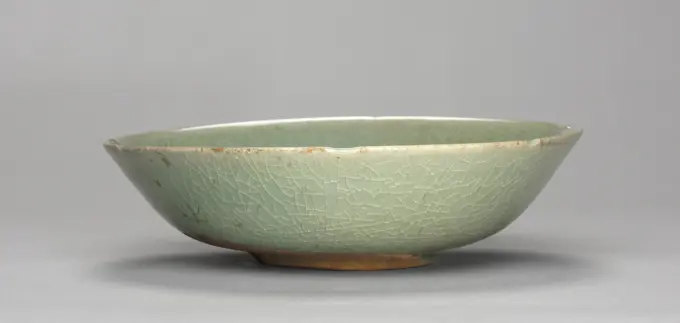
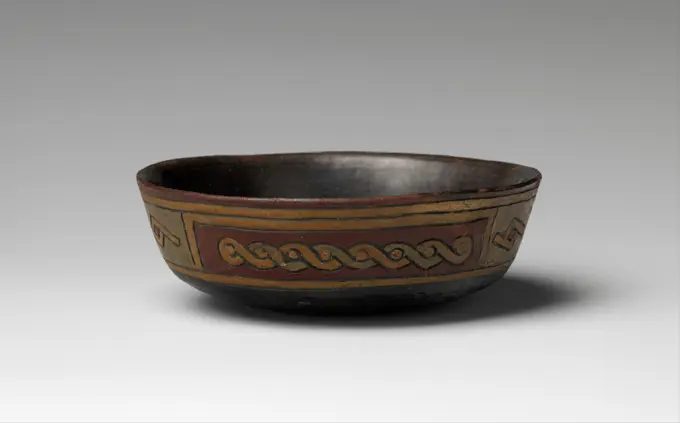
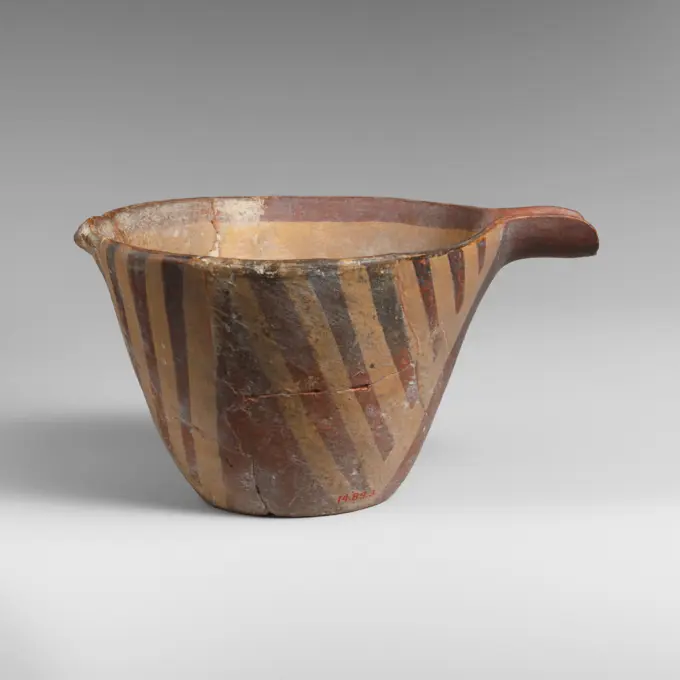
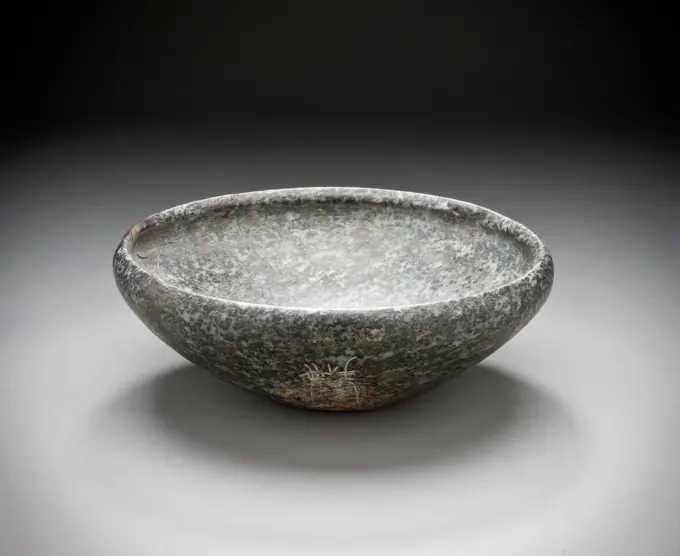
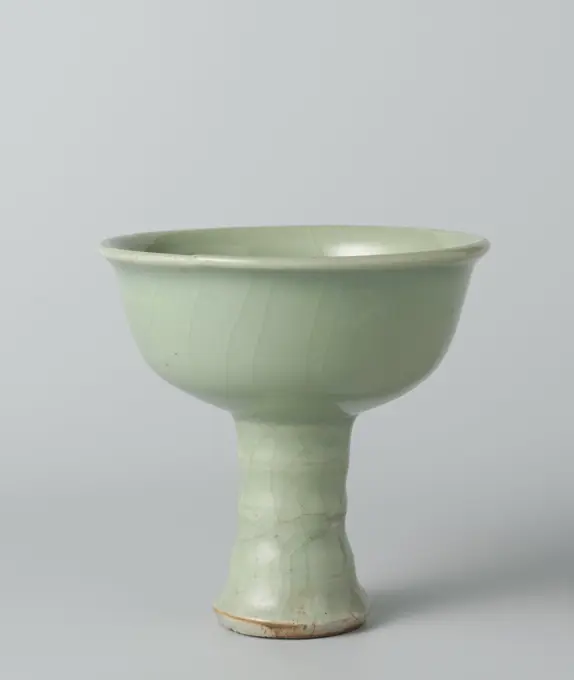
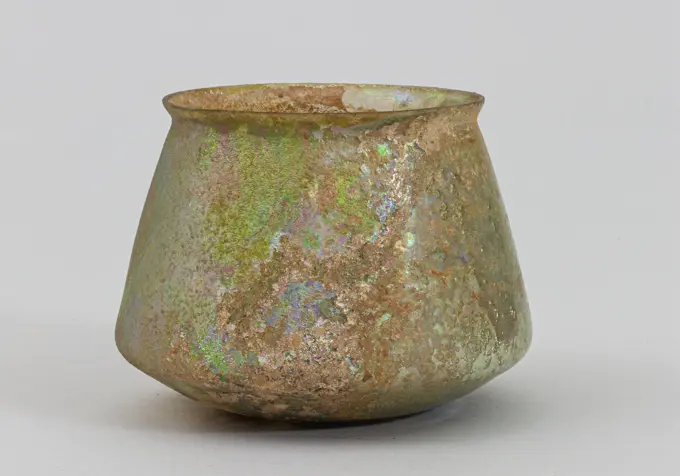
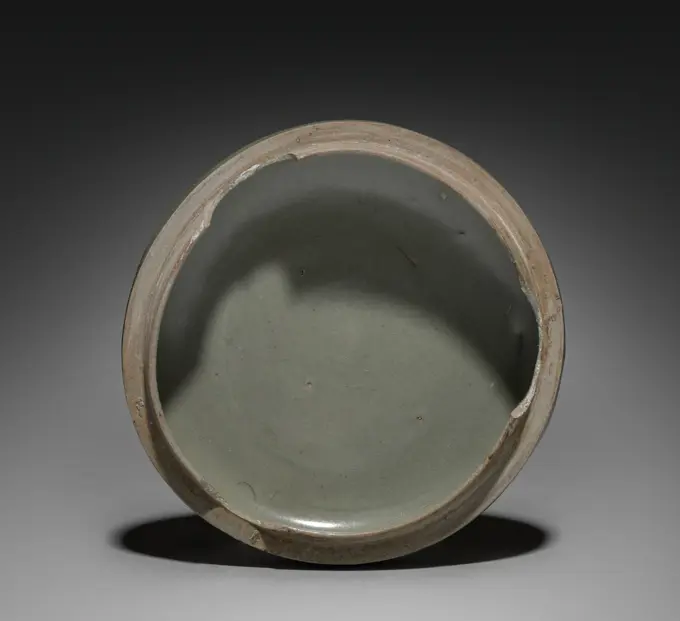
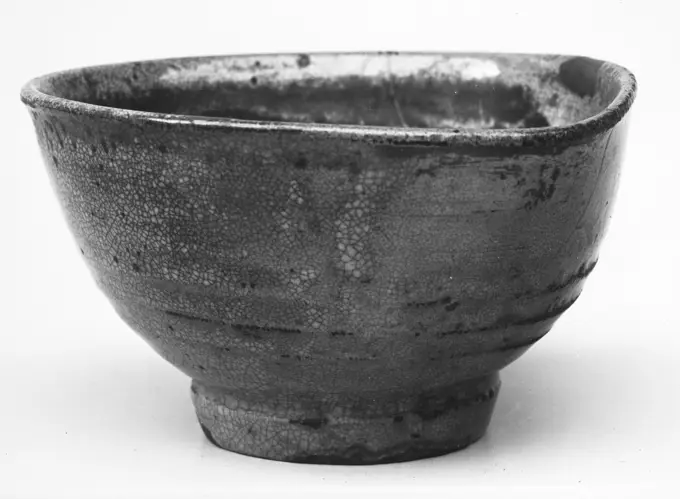
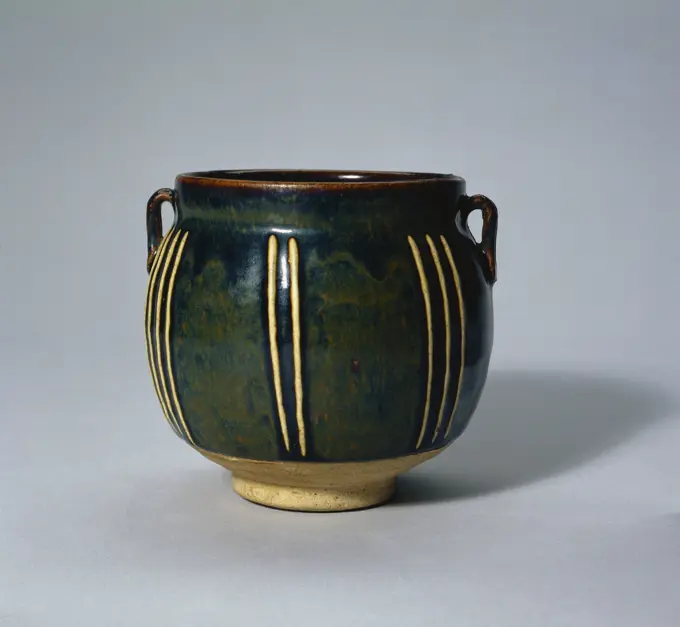
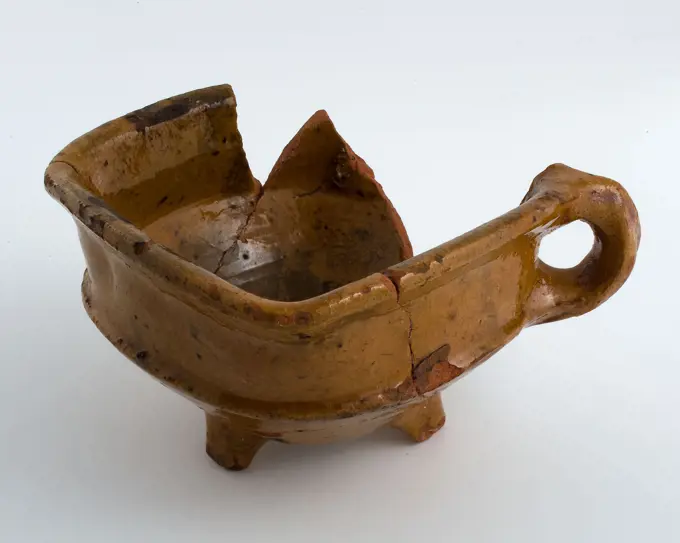
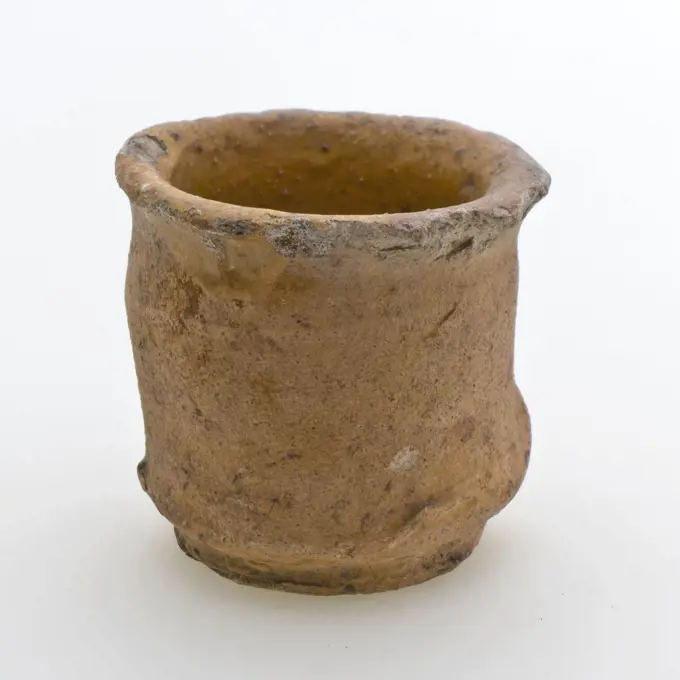
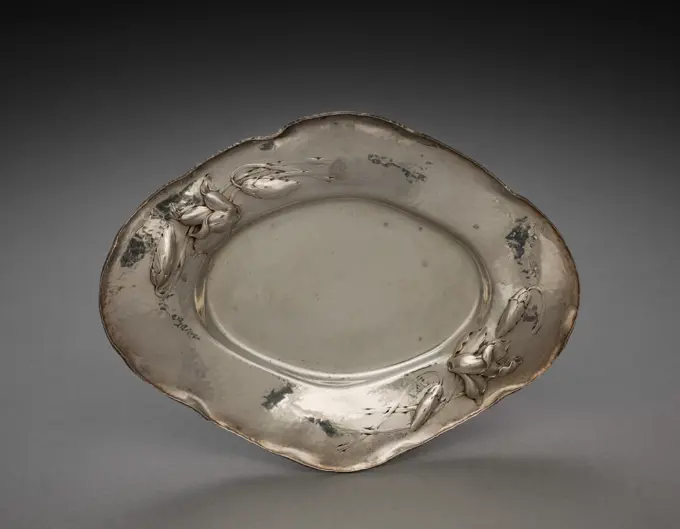
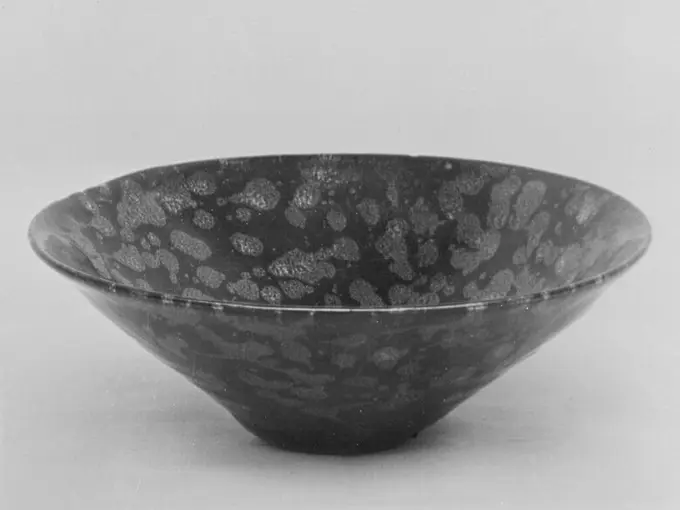
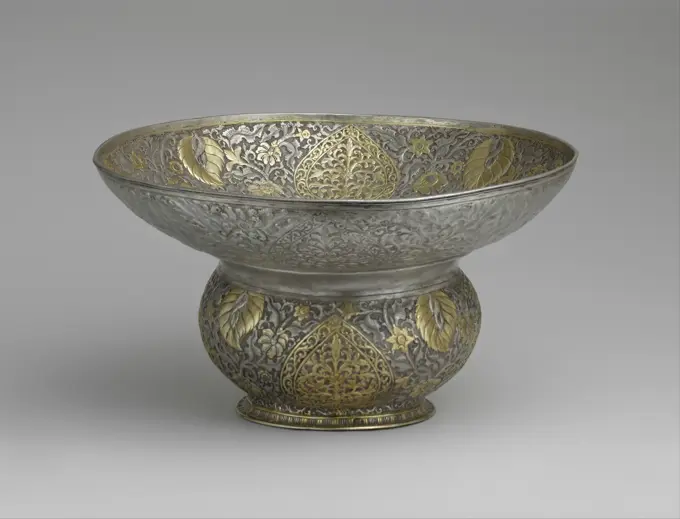
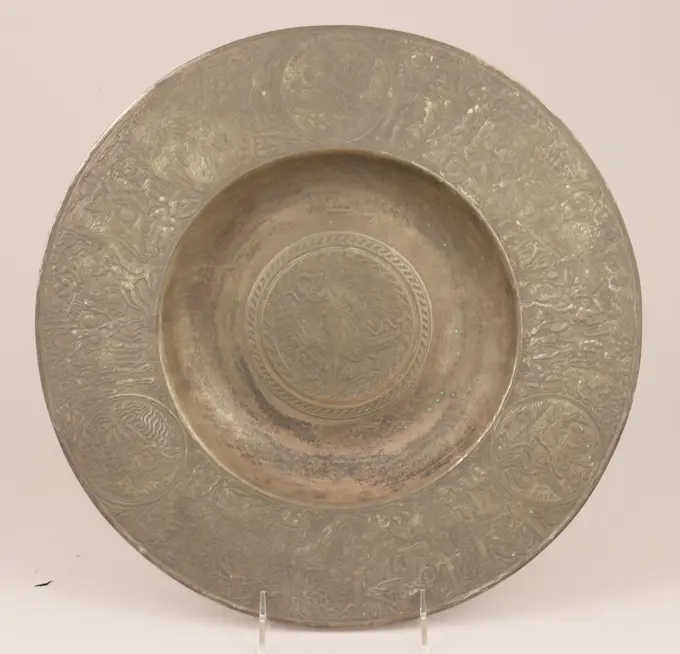
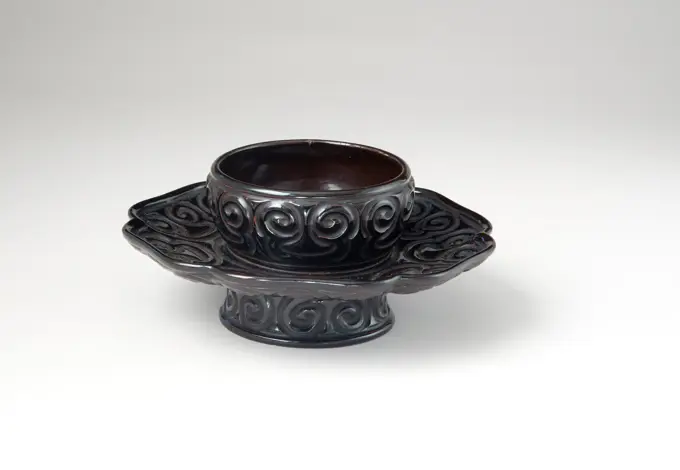
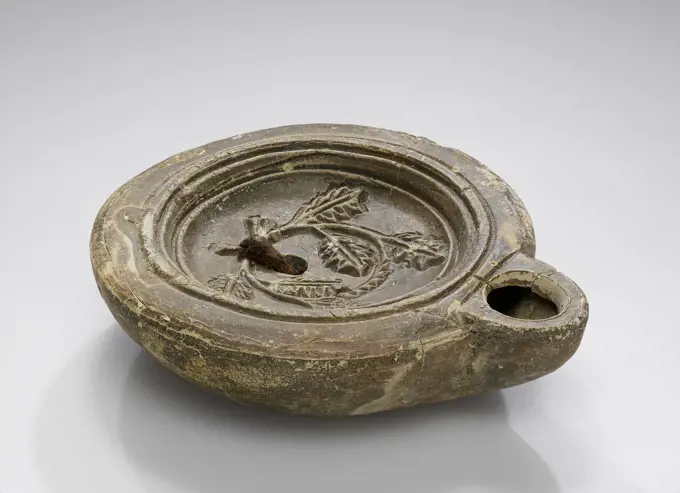
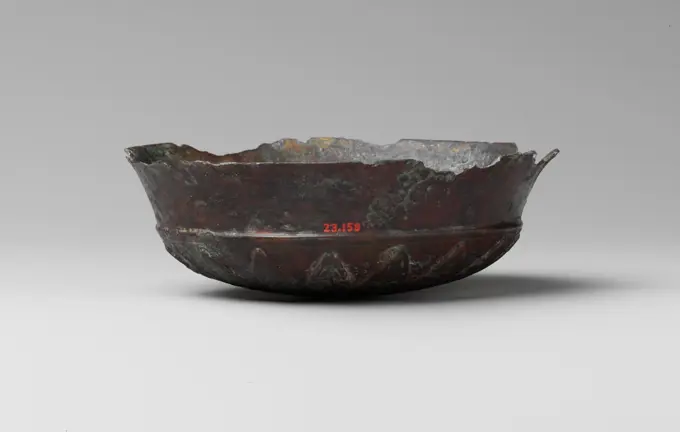
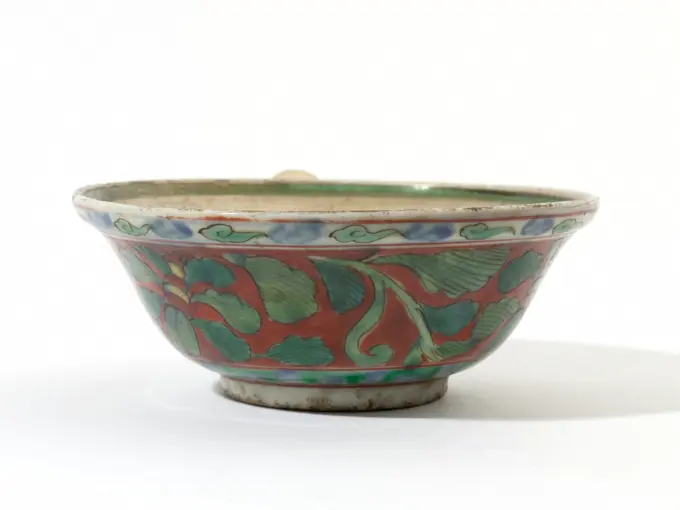
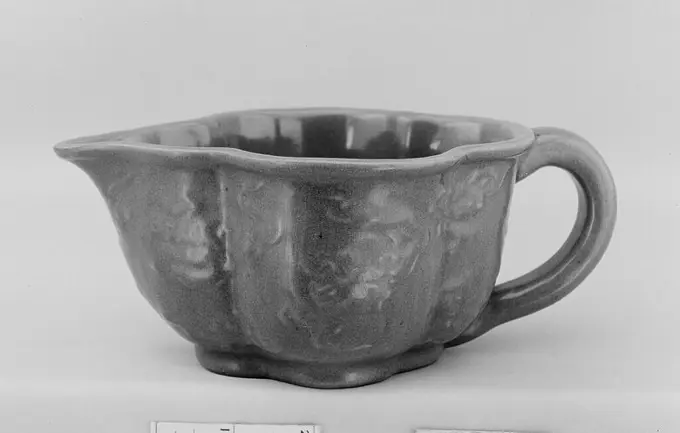
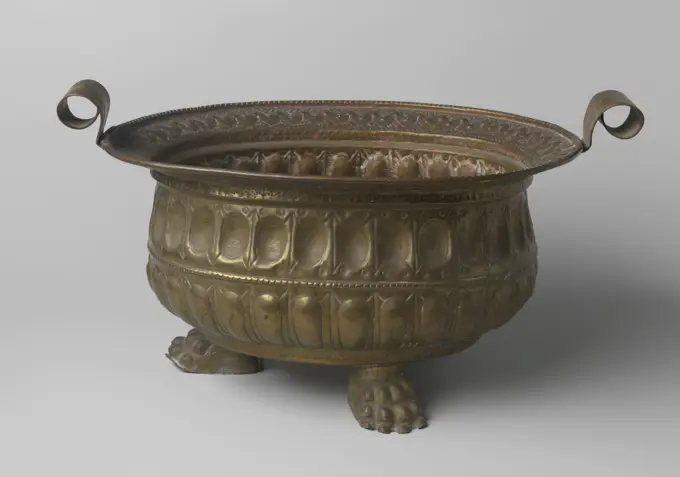
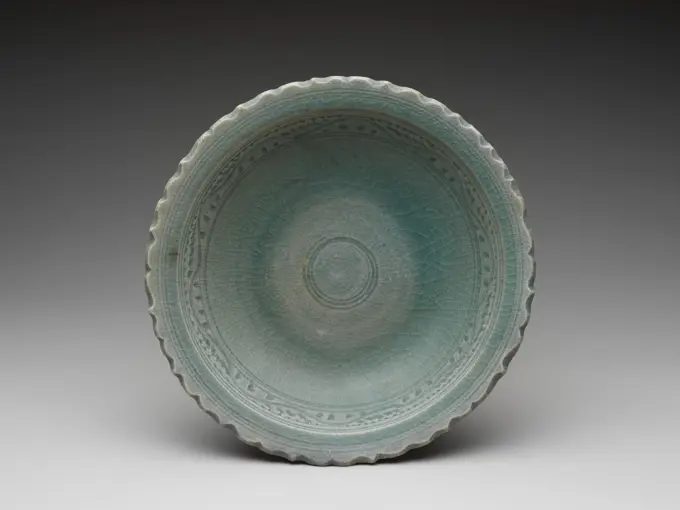
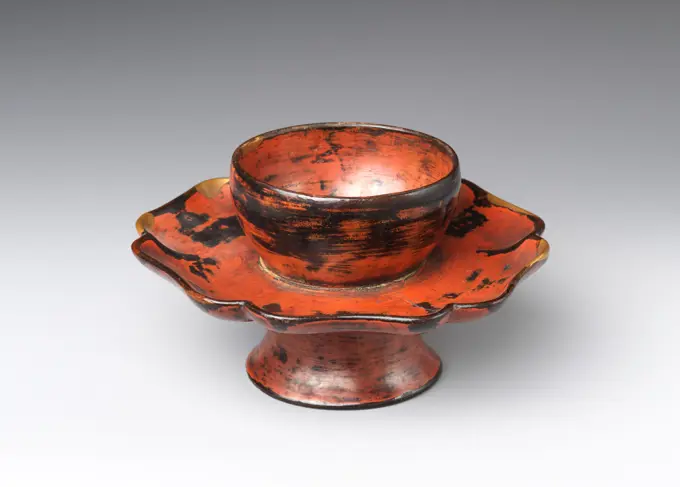
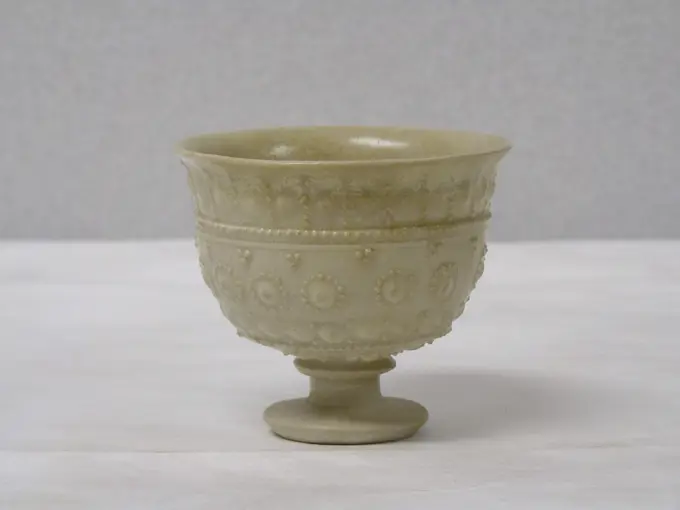
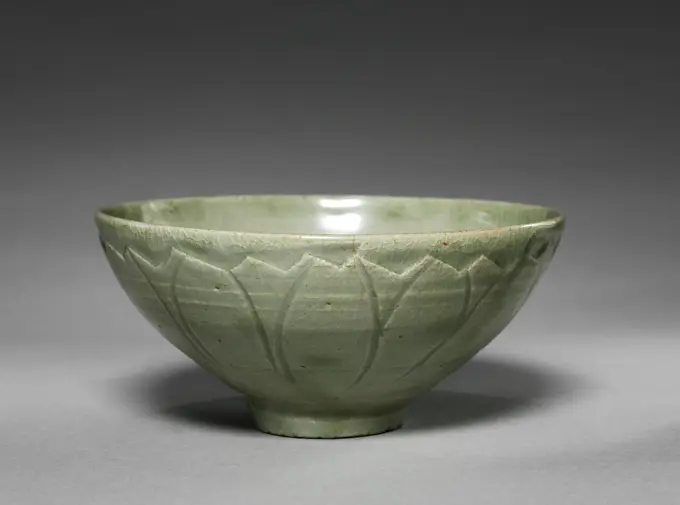
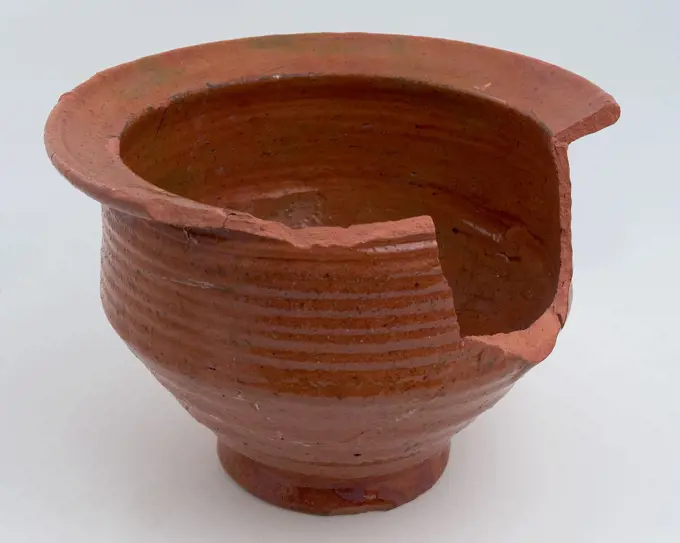
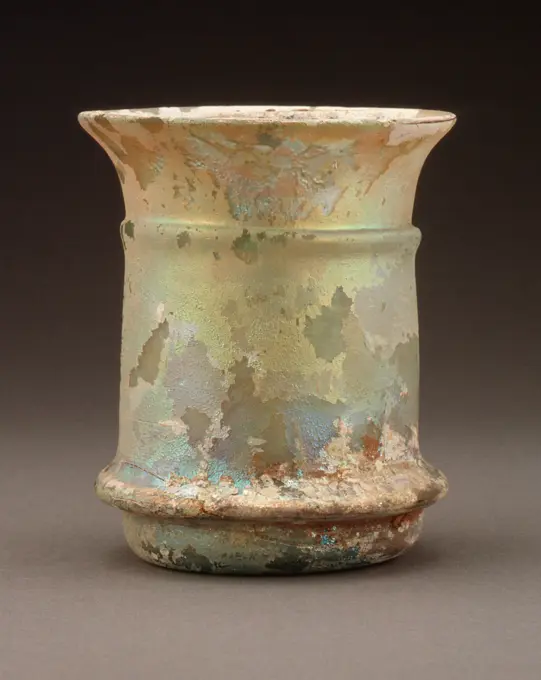
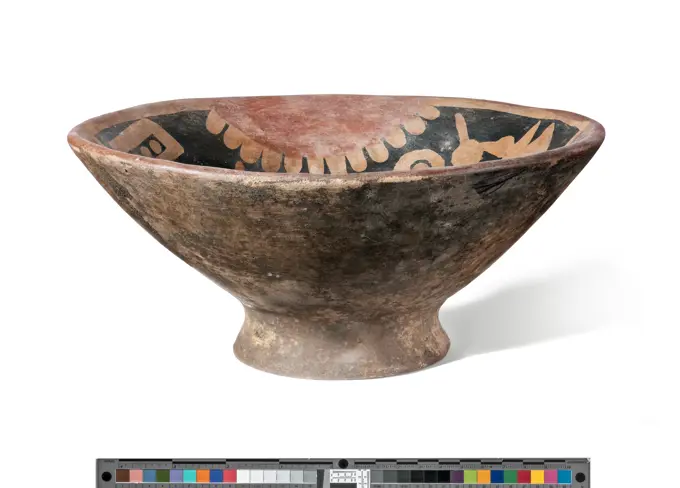
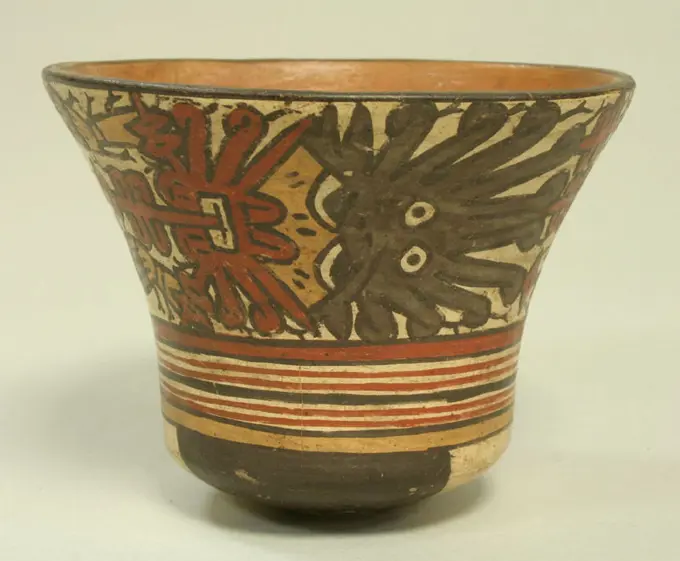
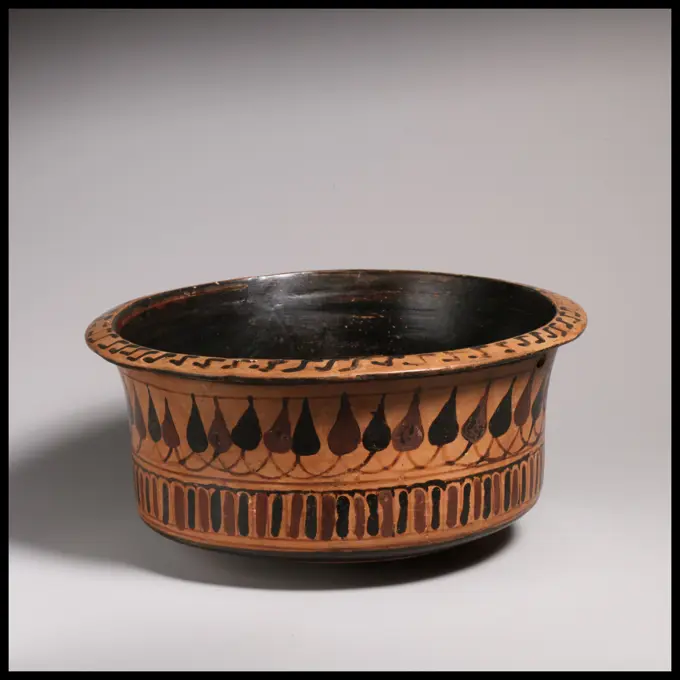
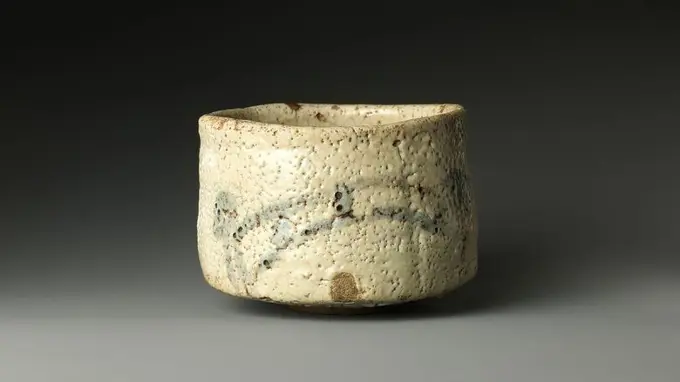
. Come from quartz frites covered with a white tin-lead alkalilation on which a decoration in luster. On the inner wall six times a lobd cartouche with a seated person. The outer wall is divided into seven compartments with tendrils or curl.Crackle-glazed Bowl, 1100s. Korea, Goryeo period (918-1392). Pottery; diameter of base: 5.5 cm (2 3/16 in.); overall: 4.2 cm (1 5/8 in.).Pot ca. 3rd-7th century A.D. Sasanian. Pot 322746Bowl - Portneuf potteryIncised bowl with animal motif. Culture: Paracas. Dimensions: Overall: 2 3/4 in. (6.99 cm)Other: 6 1/2 in. (16.51 cm). Date: 7th-5th century B.C.. Museum: Metropolitan Museum of Art, New York, USA.Incised Bowl 7th-5th century B.C. Paracas. Incised Bowl 308595Terracotta spouted conical bowl ca. 2400-2200 B.C. Minoan Cup with trough spout with oblique white lines on reddish and black ground.. Terracotta spouted conical bowl. Minoan. ca. 2400-2200 B.C.. Terracotta; White-on-dark ware. Early Minoan III. VasesChlorite mortar or plate ca. 1200-1050 B.C. Cypriot The bowl is shallow and the lip is nicked.. Chlorite mortar or plate. Cypriot. ca. 1200-1050 B.C.. Chlorite. Late Bronze Age. Miscellaneous-Stone VasesPart of Lamp or Incense Burner Inscribed in Arabic with Good Wishes 10th-11th century. Part of Lamp or Incense Burner Inscribed in Arabic with Good Wishes 452782Bowl. Egypt, early Dynastic Period, circa 3050-2687 B.C.. Furnishings; Serviceware. Quartz-dioriteBRASERILLO DE BRONCE PROCEDENTE DEL MIRADOR DE ROLDAN- S VII A.C.- ARTE TARTESICO. Location: MUSEO ARQUEOLOGICO-METALISTERIA TARTESICA. GRANADA. SPAIN.Stemmed cup, c. 1200 - c. 1399 Come from stoneware with a flared border, covered down, covered with a fairly light green glaze. Old label on the bottom with 'Bluett 1528'. Celadon (Longquan). China stoneware. glaze vitrification Come from stoneware with a flared border, covered down, covered with a fairly light green glaze. Old label on the bottom with 'Bluett 1528'. Celadon (Longquan). China stoneware. glaze vitrificationGlass bowl Roman 3rd century CE Colorless with pale blue green tinge.Outsplayed rim, cracked off and ground flat; sack-shaped body, with straight side sloping outwards to rounded carination, then slanting in sharply; small, slightly concave bottom.On body, traces of a band of horizontal wheel-cut lines above carination.Intact; many pinprick bubbles; deep pitting, brilliant iridescence, and wweathering on exterior, some soil encrustation and large patches of brownish creamy weathering on interior. View more. Glass bowl. Roman. 3rd century CE. Glass; blown and cut. Late Imperial. GlassKop van faience, anonymous, c. 1720 - c. 1770 Head of faience. Blue painted. Delft . Head of faience. Blue painted. Delft .Box, 918-1392. Korea, Goryeo period (918-1392). Pottery; overall: 2.9 x 9.9 cm (1 1/8 x 3 7/8 in.). Celadons, spoons, seals, and bronze mirrors were the most common burial objects in tombs during the Goryeo period (918-1392). Once used to contain colored powder, rouge, and eyebrow gel for makeup, this small container was one of the standard goods that furnished elites' tombs. Both women and men used the grain powder of rice or millet for whitening their skin, safflower extract for rouge, and plant ash or soot for eyebrow gel. Yet, natural-looking make-up seems to have been the most favorable one in Korea according to the travelogue by Xu Jing (1091-1153), the Chinese diplomat who visited Korea in 1123.Teabowl ca. 1700 Japan. Teabowl 63152Glass bowl. Culture: Roman. Dimensions: Overall: 1 9/16in. (3.9cm)Diam.: 4 7/8 in. (12.4 cm). Date: late 1st century B.C.-early 1st century A.D..Translucent very pale blue green.Vertical, rounded rim; convex upper sides, then turned in at an angle and curving down to flat bottom.Wheel-cut decoration on interior, comprising a broad horizontal groove below rim and two parallel, narrower lines at angle in sides.Intact, but internal cracks and slight notches in rim; few bubbles; deep pitting, brilliant iridescence, and milky white weathering. Museum: Metropolitan Museum of Art, New York, USA.Jar with Handles: Cizhou ware, 1100s-1200s. China, Henan or Hebei province, Jin dynasty (1115-1234). Glazed buff stoneware with underglaze iron slip coating; diameter: 12.5 cm (4 15/16 in.); overall: 11.5 cm (4 1/2 in.).Earthenware pipe test on three legs, bandoor attached to the corner, fire test test ground find ceramic earthenware glaze lead glaze, hand turned hand shaped glazed baked Pottery test with square top edge. Semi-circular bottom Three legs Angled band ear Fully glazed. Red shard Thickened ring on the transition from edge to bottom. Dark spots in glaze layer archeology Rotterdam City center C.S.-Kwartier Schiekade indigenous pottery heating room smoking tobacco food preparation kitchen room Soil discovery: Schiekade second waste pit.Bronze ritual water vessel from the Shang Dynasty. Dated 11th Century BCPottery ointment jar, cylindrical model, red shard, internally glazed, ointment jar holder soil found ceramic earthenware glaze lead glazing, hand turned glazed baked Pottery ointment jar cylindrical model red shard internal light brown glazed Flat obliquely inwardly directed outstanding upper edge Stand surface Narrowing of the boiler just above the foot. Pot is rudely turned and finished archeology health care indigenous pottery pharmacy store sell craftLeendert Jansz Pot I, Two-piece bronze mold for scale with initials L I P and 1655, cast molding tool tools kit metal_metal bronze, cast turned Two-piece bronze mold for casting bowl. signed L I P and year 1655 (Leendert Jansz Pot I) Rotterdam tin foundry tin stain tin Meeuws Druy artisan Shapes are from the originally 18th century Rotterdam tinnegieter J Druy. The large molds that were not signed or dated were the property of the tinker guild and were rented to the small tin caster.Fiale;  VI century BC (-700-00-00--601-00-00);Falkenhausen, Ernst von (1925) - collection, KingdomSauce Boat and Tray, c. 1890. Barbour Silver Company (American), attributed to William Christmas Codman (British, 1839-1921). Silver; overall: 18.4 x 14 cm (7 1/4 x 5 1/2 in.).Lazio Viterbo Viterbo Museo Civico51. Hutzel, Max 1960-1990 Views of paintings (Middle Ages through 18th c.), frescoes, a tabernacle, coffin, sculpture reliefs, portal fragments, busts, sculpture, tapestry found in the Pinacoteca, Second floor gallery and Second floor cloister sequences. Antiquities: Many views of Etruscan and Roman fragments, sculpture, sarcophagi, pottery, masks, jewelry and other objects found in the Storeroom sequence (inventory numbers on back of prints), and the Cloister, Second floor Cloister, Valle Giulia, Sala Romana and Sala Etrusca sequences. General Notes: There are eight separate numerical sequences for this location. The cloister as an architectural structure, rather than museum site, is documented in the record and file for S. Maria della Verita, Cloister, all views of which are stored in Medieval core collection. Five views from the Museo Civico Second floor cloister sequence are stored in Medieval. German-born photographer and scholar Max Hutzel (1911-Tea Bowl with "Tortoiseshell" Design. Culture: China. Dimensions: H. 2 in. (5.1 cm); Diam. 5 7/8 in. (14.9 cm). Date: 13th-14th century. Museum: Metropolitan Museum of Art, New York, USA.Europe, Bulgaria. Vessel. Bulging. Clay. Early Neolithic. Tschawdar - Kremikowtzi. 6 / 5 mill, BC.Czarka;  beginning of the 20th century (1901-00-00-1910-00-00);Globular Bowl, 4 1/8 x 4 3/8 x 4 3/8 in. (10.5 x 11.11 x 11.11 cm) (at mouth), Earthenware, MexicoBowlStemmed Cup, 500s-600s. Syro-Palestinian, 6th-7th century. Glass; overall: 8 x 7.2 cm (3 1/8 x 2 13/16 in.); diameter of foot: 4.3 cm (1 11/16 in.).In a bowl;  District Hellenistic (0-00-00-0-00-00);Collection of ancient artTwo-piece bronze mold for deep plate, cast molding tool tools base metal bronze, cast twisted Two-piece bronze mold for pouring deep plate with wide rim Rotterdam tin foundry tin stain tin Meeuws Druy craft Shapes are from the from origin 18th century Rotterdam tinnegieter J Druy. The large molds that were not signed or dated were the property of the tinker guild and were rented to the small tin caster.Feast BowlBowl. Mexico, Yucatán, Northern Lowlands, Maya, 750-900 CE. Ceramics. Slate ware ceramicTerracotta krater (mixing bowl). Culture: Etruscan. Dimensions: total H. 10 11/16 in. (27.2 cm)H. of bowl 9 3/16 in. (23.4 cm). Date: ca. 550 B.C..Six female heads decorate the rim of the large vessel. Below, a frieze showing a procession of modeled sirens moving to the right. They alternate with lion protomai facing left. The trumpet shaped foot is fluted. Museum: Metropolitan Museum of Art, New York, USA.Pyxis Lid; Crete (perhaps), Greece; 3rd - 1st century B.C; Glass; 8.7 cm (3 7,16 in.)Basin 19th century Objects like this basin were typically stored in open niches in reception rooms of upper-class Syrian residences during the Ottoman period. Basin 445229Salver or dish 19th century, after 1567 original British, after German original This electrotype is after an original, dated 1567, in the South Kensington Museum, London, at the time of reproduction.. Salver or dish. British, after German original. 19th century, after 1567 original. Pewter. Metalwork-ElectrotypeTripod Basin (pan), 6th-5th century BCE, 3 7/8 x 17 1/4 x 17 11/16 in. (9.8 x 43.8 x 44.9 cm), High-fired stoneware with incised designs under a light yellow-green glaze, China, 6th-5th century BCE, This shallow round basin is hand-built from clay coils and is very heavily potted. The vessel closely follows the shape of bronze tripod water basins of the Eastern Zhou period (770-221 BCE). The outside has three animal masks holding loose rings similar to the bronze vessels it imitates. The broad rim and exterior are decorated with stamped spiral designs also in vague imitation of late Zhou bronze decoration.Tea bowl stand, 16th century, 2 13/16 × 6 1/8 × 6 7/16 in. (7.14 × 15.56 × 16.35 cm), Carved red and black lacquer on wood (guri), Japan, 16th centuryBowl with Lotus Design 1135-1165 Korea. Celadon-glazed stoneware with underglaze incised decoration .Pottery ointment jar, cylindrical model, red shard, internally glazed, ointment jar pot soil find ceramic earthenware glaze lead glaze, hand turned glazed baked Pottery ointment jar cylindrical model red shard internal light brown glazed Flat thin wide top edge. Narrowing of the boiler above the stand plane with light soul. Rotary pills archeology health care indigenous pottery pharmacy store sell craftLamp; Anatolia; 1st - 4th century; Terracotta; 2.6 x 7.7 x 9.3 cm (1 x 3 1,16 x 3 11,16 in.)Bowl. Culture: Coptic. Dimensions: 2 5/16 × 6 1/8 in. (5.9 × 15.6 cm). Date: 4th-7th century. Museum: Metropolitan Museum of Art, New York, USA.Jar, early to mid-1800s. Japan, Edo period (1615-1868). Porcelain with underglaze blue; average: 22.9 cm (9 in.).Bronze phiale (libation bowl) with rosette on the bottom 4th century B.C. Greek Phialai decorated with a rosettes in shallow relief have been found in Cyprus, Macedonia, and Asia Minor. However, the depiction of similar bowls in ancient Near Eastern relief sculpture from the late Archaic period suggests that the prototypes for these wares were perhaps the metallic vessels used by the Achaemenid kings of Persia. A glass phiale in the Metropolitan Museum (69.11.6) from the sixth century B.C., which closely parallels the bronze example in this case, confirms that despite being made in a variety of media, such bowls adhered to a stylistic convention over time.. Bronze phiale (libation bowl) with rosette on the bottom. Greek. 4th century B.C.. Bronze. Late Classical- Early Hellenistic. BronzesBowl. Porcelain with enamel decor, Qing dynasty (1644-1912). Provenance: China. Paris, Cernuschi museum. 78842-12 Asian art, Chinese art, living art, table arts, bowl, fine ceramic, ching dynasty, Qing dynasty, tsing dynasty, porcelain, dishesTerracotta skyphos (deep drinking cup). Culture: Greek, Attic. Dimensions: H. 2 3/4 in. (6.9 cm). Date: late 8th century B.C..From the Hymettos deposit (see 30.118.1). Museum: Metropolitan Museum of Art, New York, USA.Pitcher. Culture: Japan. Dimensions: H. 3 in. (7.6 cm); W. 7 3/8 in. (18.7 cm). Date: 19th century. Museum: Metropolitan Museum of Art, New York, USA.Cooling barrel with a godron list and a hollow egg list, on three claw legs, Anonymous, 1633 The object consists of a single plate driven, three legs and two handles made of the same material. They have a driven and punched decor. The feet have the shape of claw legs. The container has an almost flat bottom and a somewhat bolle, which was grasped up between two narrow upright parts, just ascing up a narrowing wall. This rib is divided in two by a rib indicated as a cord: the lower convex part is decorated with a godron list, the upper straight part by a hollow egg list. The narrow upright parts up and top are decorated with a decor of points and semi-circles. The wide edge has a driven and punched zigzag decor against a background of circles and is probably reinforced with iron wire all around. The handles that have the shape of a curl and that are sounding with red copper nails on the container have a corresponding decoration of points and semi -circles, whereby in the middle on one hIncised Painted Bowl 5th-2nd century B.C. Paracas. Incised Painted Bowl 308653Bowl with Inlaid Lychee and Chrysanthemum Scroll DesignLamp. UnknownDish green glazed with foliate rim North-central Thailand, Sukhothai Province, Sisatchanali kilns 15th-16th century Green glazed wares of this type have been identified with the Sisatchanlai kilns north of Sukhothai, in north central Thailand. They appear to have had a long production life, spanning the 15th and sixteenth centuries, and were produced in direct imitation of Chinese Longquan celadon, the famed green wares of Zhejiang Province that became a staple of Chinas glazed ceramic export industry. The Thai imitations are technically inferior ad were presumably marketed to a lower end clientele in Southeast Asia. They were transported downstream on the Yom River system to Ayutthaya, which by the later 15th century was emerging as a major Asian entrepot. They have been recorded throughout insular Southeast Asia and the Philippines, and appear archaeologically at such disparate locations as southern Japan, Sri Lanka and Fostat, (Old Cairo). View more. Dish green glazed with foliate rStand for a teabowl 15th-16th century Japan Tea was central to life in the Chan/Zen Buddhist monastery. Monks drank it to sustain themselves over long periods of meditation, and it served as the focal point of formal ceremonies held by abbots for visiting dignitaries. This assemblage of bowl and stand captures the austere elegance of Zen tea ceremony aesthetics in Muromachi-period Japan. A darkly-hued Chinese tea bowl is paired with a Japanese lacquer stand, the red surface of which has abraded over time to reveal the black underlayer, a prized effect that develops with use and age.. Stand for a teabowl. Japan. 15th-16th century. Red lacquer; Negoro ware. Muromachi period (1392-1573). LacquerBowl ca. late 8th-7th century B.C. Israelite. Bowl 323169Iberian ceramics from Castellones de Ceal, Iberian culture, Archeological Museum. Úbeda, Jaén province, Andalusia, Spain.Bowl 12th-13th century. Bowl 447316Bowl - Portneuf potteryStem cup late 6th-early 7th century China The dragons circling this bulbous jar are represented by their sinuous, scaly bodies. Such abstraction, along with the speed of the brush, imbues the piece with great vigor and a "modern" aesthetic.. Stem cup 73367Bowl. Cornelius Wynkoop; American, c. 1701-1740; New York, New York. Date: 1720-1740. Dimensions: 9.5 × 19.4 cm (3 3/4 × 7 5/8 in.). Silver. Origin: New York. Museum: The Chicago Art Institute, Chicago, USA.Terracotta scyphus (drinking cup). Culture: Roman. Dimensions: H. 3 1/16 in. (7.8 cm); diameter of mouth 3 7/16 in. (8.7 cm). Date: 1st half of 1st century A.D..Lead-glazed cup decorated with leafy sprays, fillets and rosettes. Museum: Metropolitan Museum of Art, New York, USA.Bowl with Lotus Petal Design in Relief, 1200s. Korea, Goryeo period (918-1392). Porcelain celadon ware;Pottery chamber pot, red shard, glazed, one vertical sausage ear, on stand, pot holder sanitary earthenware ceramic earthenware glaze lead glaze, hand turned glazed baked Pottery chamber pot pot red shard fully glazed except bottom bottom vertical on the top edge sausage ear on stand ring. Rotation of the upper half of the boiler archeology Rotterdam City center Stadsdriehoek Oudehaven indigenous pottery toilet article bed sleeping Soil discovery Old Port of Rotterdam.Dish, 618-906, Dia.1-1/2 in., Porcelain, China, 7th-10th centuryChalice. UnknownLamp, Cologne, Germany; 1st century B.C. - 4th century A.D; Terracotta; 3.7 x 7.4 x 7.4 cm (1 7,16 x 2 15,16 x 2 15,16 in.)Beaker. 901 - 1000. Furnishings; ServicewareBowl with Pouring Lip 5th-6th century Maya. Bowl with Pouring Lip 310354Incised bowl with eye motif 7th-5th century B.C. Paracas. Incised bowl with eye motif 308308Glass beaker. Culture: Roman. Dimensions: H: 2 7/8 in. (7.3 cm)Diam.: 3 1/4 in. (8.3 cm). Date: 2nd-3rd century A.D..Colorless.Rim short and everted, cracked off and ground; indented body with sides expanding slightly downwards and projecting rounded collar below; hexagonal sides to base with central raised circle, forming flattish but slanting bottom.Cylindrical body has six indentations, curved at top and almost horizontal at bottom, giving body horizontal cross section that appears to be hexagonal.Complete except for one large chip in rim and cracks in side below; pinprick and larger bubbles; dulling and faint iridescent weathering on exterior; patches of soil encrustation and weathering on interior. Museum: Metropolitan Museum of Art, New York, USA.Onyx Bowl (Tecomate) before 16th century Mexican. Onyx Bowl (Tecomate) 317576Incised bowl with birds 7th-5th century B.C. Paracas. Incised bowl with birds 308318BowlTripod pottery plate, Aztec, Mexico AD 1300-1521. Black-on-orange wares are among the most striking examples of Aztec pottery.Terracotta bowl with vertical handle. Culture: Native Italic, Daunian. Dimensions: Overall: 4 9/16 x 6 7/8in. (11.5 x 17.4cm)diameter 6 in. (15.3 cm). Date: mid-6th-early 5th century B.C..This type of bowl is one of the most characteristic Daunian shapes. Figural motifs are often integrated into the geometric decoration of the handle and the interior of the vase. Museum: Metropolitan Museum of Art, New York, USA.Chlorite mortar ca.1600-700 B.C. Cypriot The mortar has three short legs.. Chlorite mortar. Cypriot. ca.1600-700 B.C.. Chlorite. Late Bronze Age or Geometric. Miscellaneous-Stone VasesTerracotta stemmed dish. Culture: Lydian. Dimensions: H. 3 1/16 in. (7.8 cm)diameter 5 5/16 in. (13.5 cm). Date: 6th century B.C..Shallow bowl on high foot, decorated with concentric circles in black. Museum: Metropolitan Museum of Art, New York, USA.Bracelet, 19th century, 1 1/2 × 4 × 3 1/2 in. (3.81 × 10.16 × 8.89 cm), Ivory, silver, Democratic Republic of Congo (), 19th centuryLamp. UnknownBowl ca. 1811 Chinese, for American market. Bowl. Chinese, for American market. ca. 1811. Hard-paste porcelain. Ceramics-Porcelain-ExportShoulder Cauldron with Diagonal Basketry Pattern 950 CE-1150 Arizona. Pottery making reached the Southwest from western Mexico. By A.D. 300, along the Gila and Salt rivers in the southern Arizona desert, the Hohokam people were building pithouse villages and irrigation canals, slowly changing their way of life from hunting and gathering to a more sedentary existence. They formed ceramic vessels by coiling clay rolls and finished them in the ìpaddle-and-anvilî technique, supporting the inside of a vessel with a smooth stone or fingers, while working the outer surface with a paddle. Red-painted linear designs appear to derive from older Southwestern basketry weaving; the diagonal pattern on this vessel is created by vertically linked, parallel lines of scrolls.. Ceramic and pigment . HohokamSudanese clay bowl 2nd-4th Century AD. Polish National MuseumStoneware room comfort or chamber pot with ear, three medallions in which man figure with chalice, two lions, pot holder sanitary soil find ceramic stoneware glaze salt glaze, hand turned stamped glazed glazed baked Stoneware chamber pot gray shard with salt glaze profiled bandor profile rings around the neck and at the bottom of the hull Edge lettering around medallions: IW ** *. DRINCKT. UND. BUT. KEINEN. WEIN possible with year badly readable archeology import pottery draining night sleeping room hygieneIncised Painted Bowl with Feline Faces 5th-2nd century B.C. Paracas. Incised Painted Bowl with Feline Faces 308641Fragmentary stone oil lamp. Culture: Minoan. Dimensions: Greatest diameter 12 3/8 in. (31.5 cm.). Date: ca. 1750-1450 B.C..Fragment of a stone lamp. Museum: Metropolitan Museum of Art, New York, USA.Footed Bowl with Village Scene. Colombia, Nariño Highlands or Ecuador, Carchi, Nariño or Carchi, 750-1250 CE. Ceramics. Resist-painted ceramicPainted Flared Bowl with Deity 4th-6th century Nasca. Painted Flared Bowl with Deity 309383Covered cooking pot with lying ear and high rim, red shard, lid closure earth discovery ceramic earthenware glaze lead glaze, hand turned set glazed baked Red earthenware lid of cooking or stew external brown glazed overleaf lid one ear Pretty high lid with lying in the middle as handle Raised edge with narrowed edge archeology Valckensteyn Poortugaal Albrandswaard indigenous pottery kitchen cooking stew cooking stew food nutrition food preparation Soil discovery: canal at kitchen castle Valckensteyn at Poortugaal now Albrandswaard 1961.Vase. Jagmin, Stanisław (1875-1961), authorJar, 2900-2400 BCE, H.4-3/8 x Dia.4-1/2 in., Alabaster, Mesopotamia, 29th-24th century BCESugar Bowl 1735-55 American. Sugar Bowl 2301Deep terracotta bowl 6th century B.C. Greek, Euboean This bowl represents one of the simplest of vase shapes. Interestingly, it has no real counterpart among Attic decorated wares.. Deep terracotta bowl 255828Stem Dish, 600s-700s. China, Tang dynasty (618-907). Glazed cream-white stoneware; diameter: 13.2 cm (5 3/16 in.); overall: 9.5 cm (3 3/4 in.).Shino Teabowl with Bridge and House, known as "Bridge of the Gods" (Shinkyo). Culture: Japan. Dimensions: H. 4 1/8 in. (10.5 cm); Diam. 5 1/2 in. (14 cm). Date: late 16th century.Shino ware, produced at the Mino kilns during the Momoyama period, is characterized by a heavy body and coarse, crackled feldspathic glaze, qualities appreciated by the tea master Sen no Rikyu (1522-1591). This Shino teabowl was produced before the introduction of the improved multichambered climbing kiln (noborigama). It is decorated with a simple, linear design of a bridge and a house, painted in iron oxide under the white glaze. This composition had been depicted on several Mino teabowls and is thought to be either a simplified and somewhat abstract representation of the Sumiyoshi Shrine in Osaka or a reference to the Lady of the Bridge (Hashi-hime), a character from courtly fiction who waited by a bridge at night for her lover to arrive. Museum: Metropolitan Museum of Art, New York, USA.Oil lamp, Terra-cotta, ceramics, Decorative Arts, Oil lampOil Lamp (possibly India); raised, repoussé, chased silverBronze pot. Barcelona. Spain 2013Incised bowl with eye motif 7th-5th century B.C. Paracas. Incised bowl with eye motif 308312