Historical Ceramics

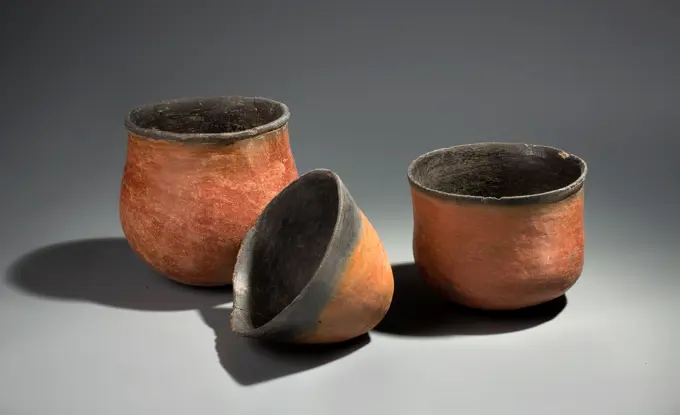
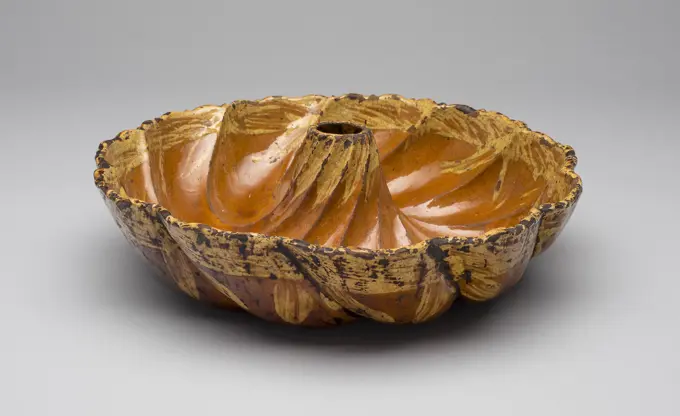
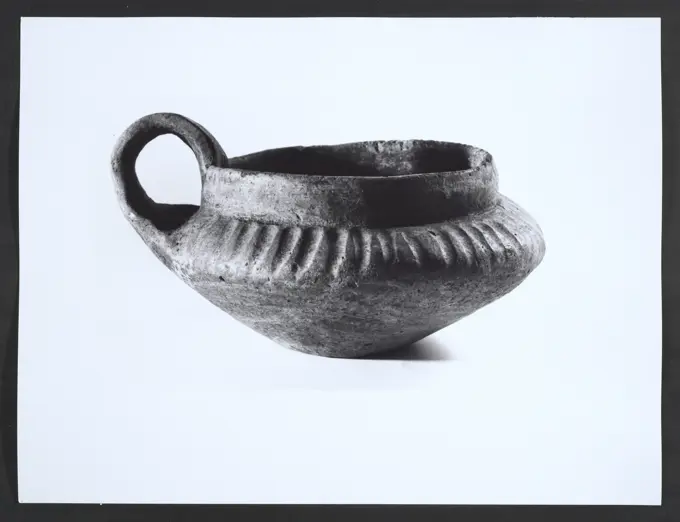
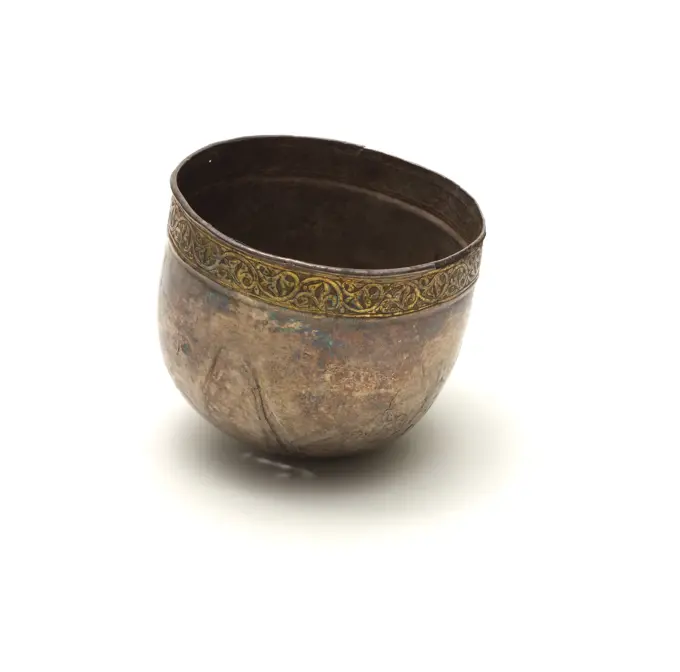
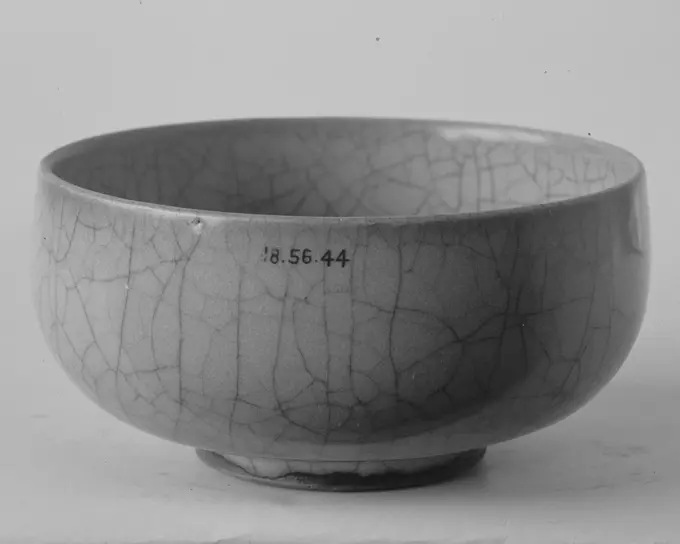
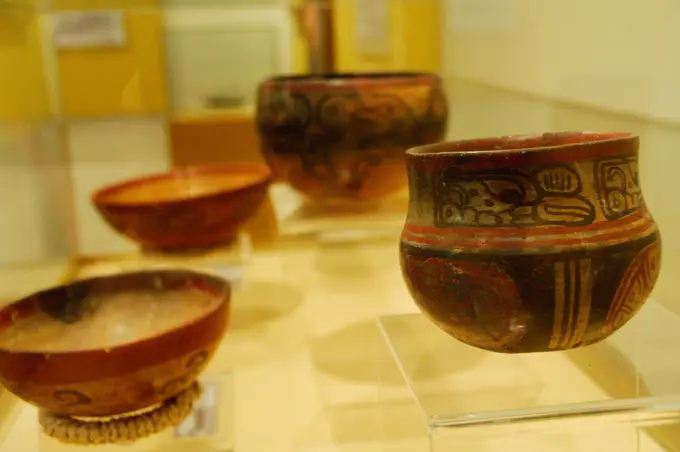
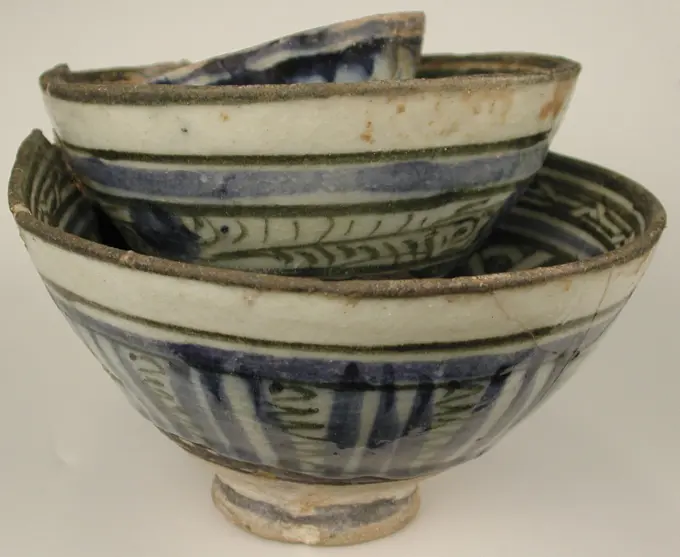
Ancient Coptic and decorative bowls showcasing intricate designs. Each piece reflects historical craftsmanship and highlights the muted colors of unglazed earthenware.
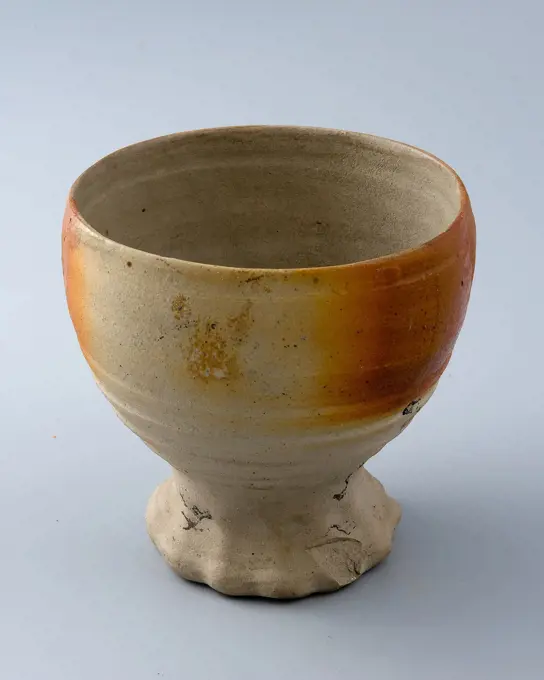
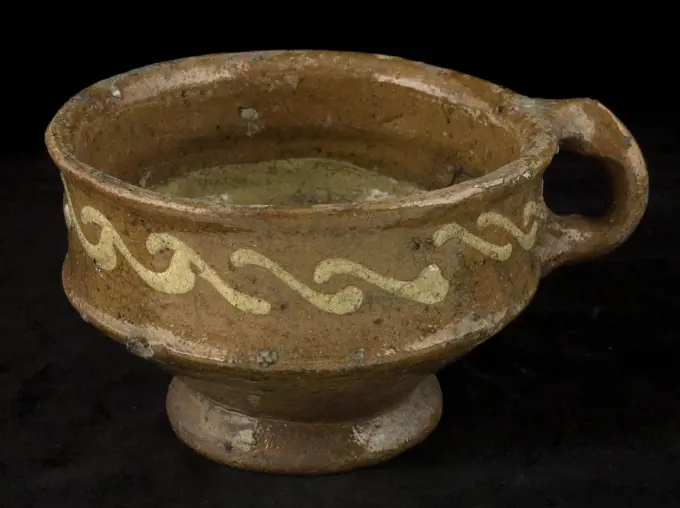
Gray stoneware cup, ball round with wide mouth rim, on pinched foot, drinking cup drinking utensil holder soil find ceramic stoneware glaze salt glaze, hand-turned glazed baked Half ball-shaped stoneware cup with five rings under the middle. On pinched foot. Gray shard archeology Rotterdam City center Stadsdriehoek Groenendaal underground pit uitheems earthenware import serving drinking Soil discovery: underground pit Rotterdam Groenendaal direction Blaak. Loose find 1977.04.
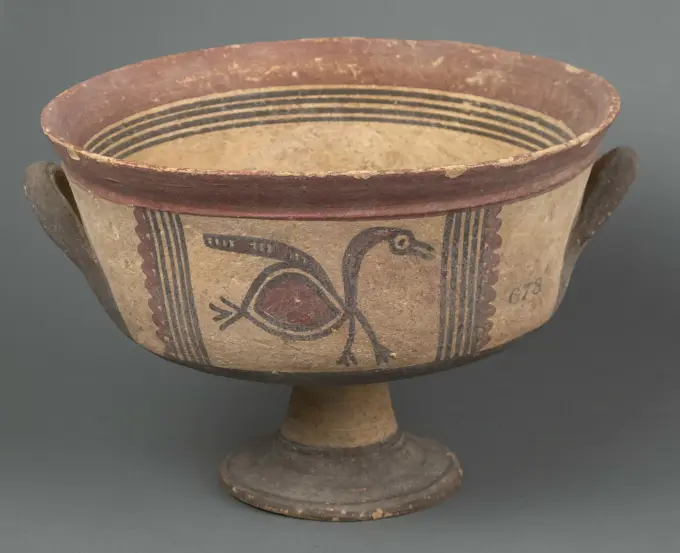
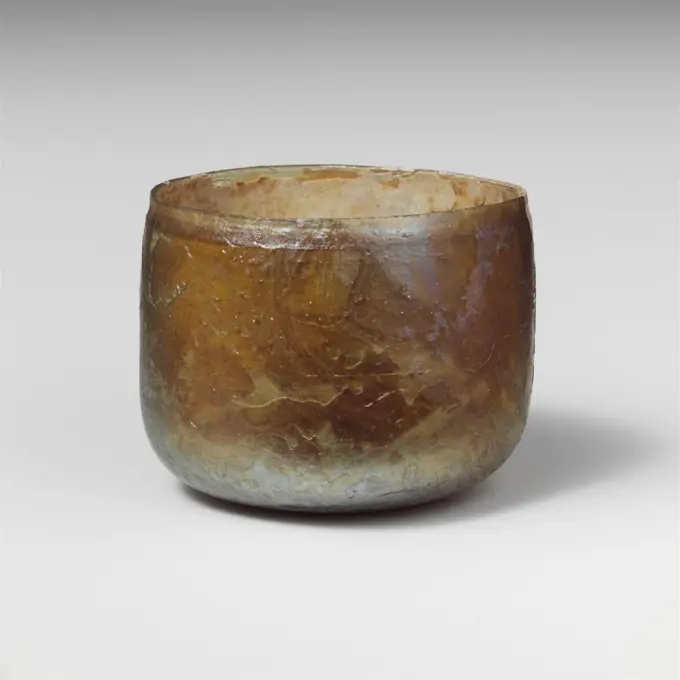
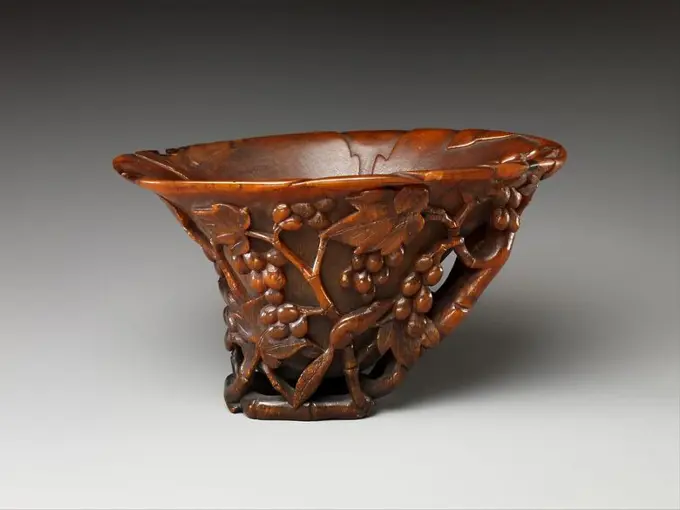
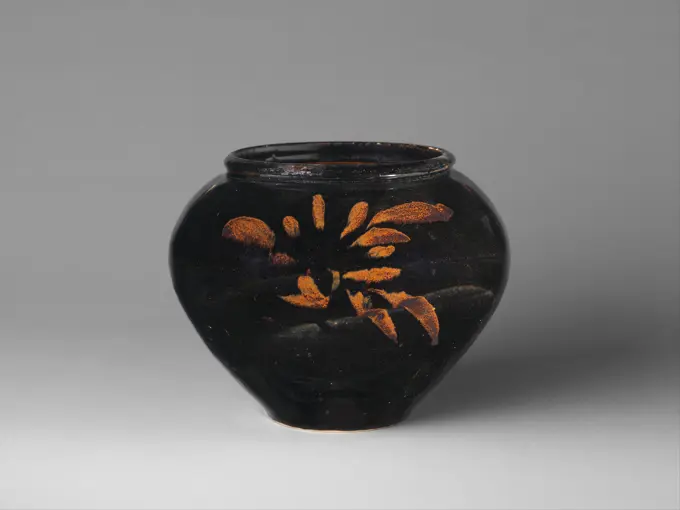
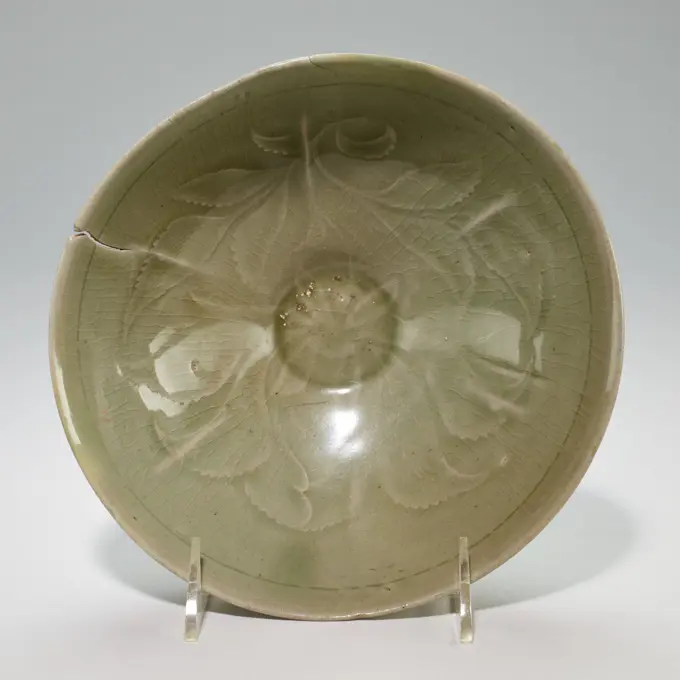
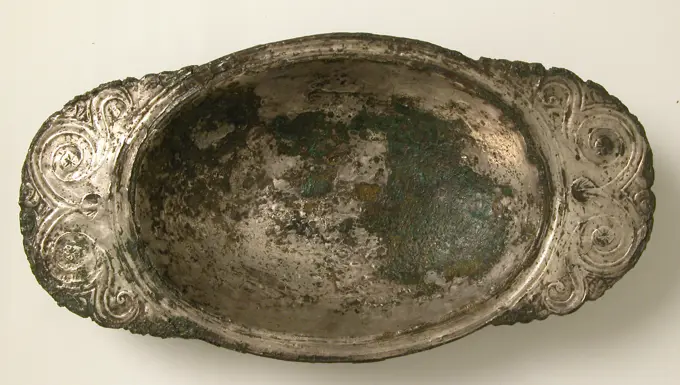
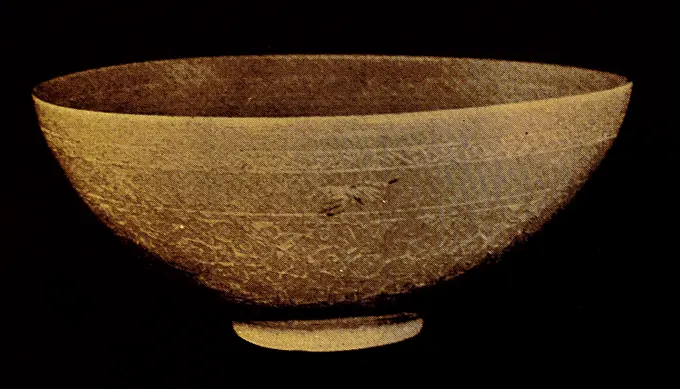
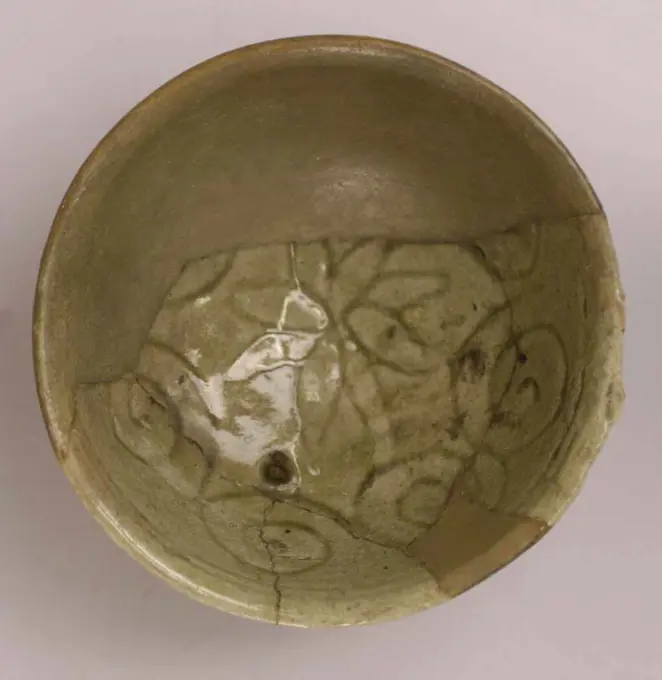
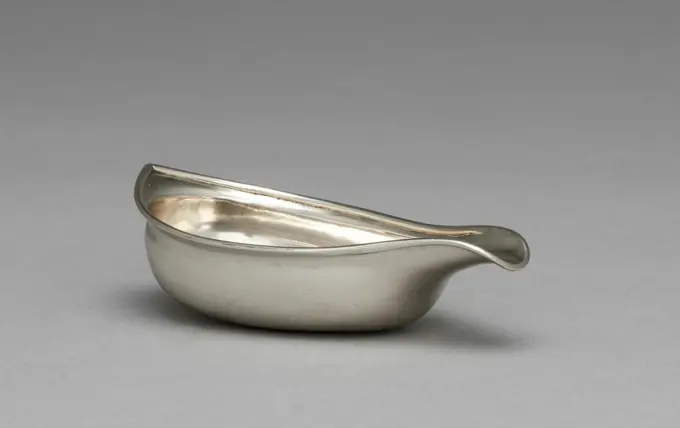
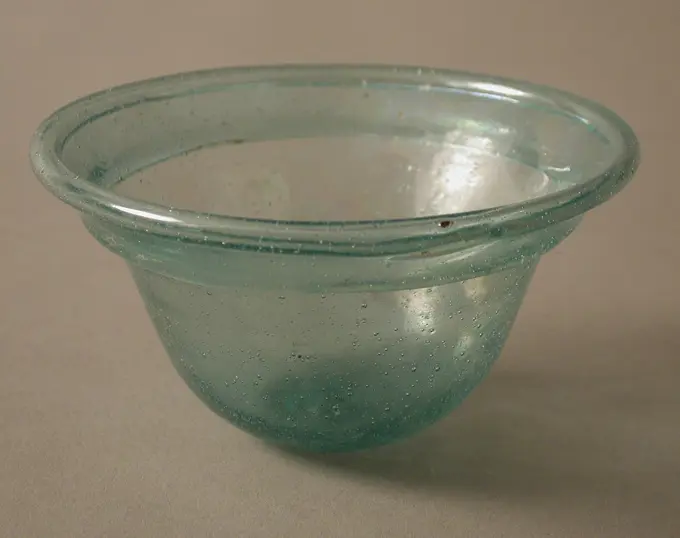
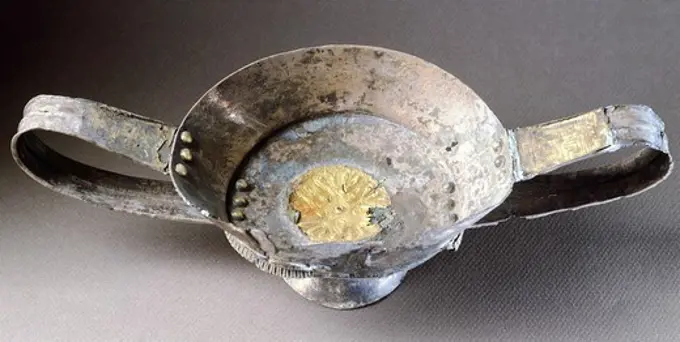
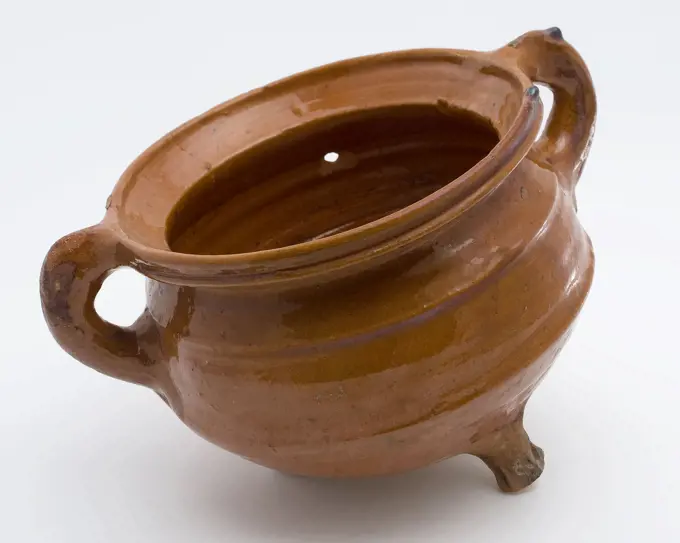
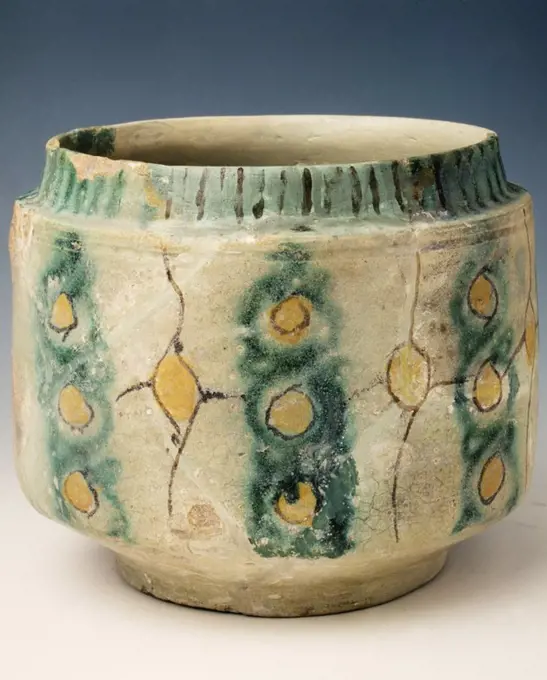
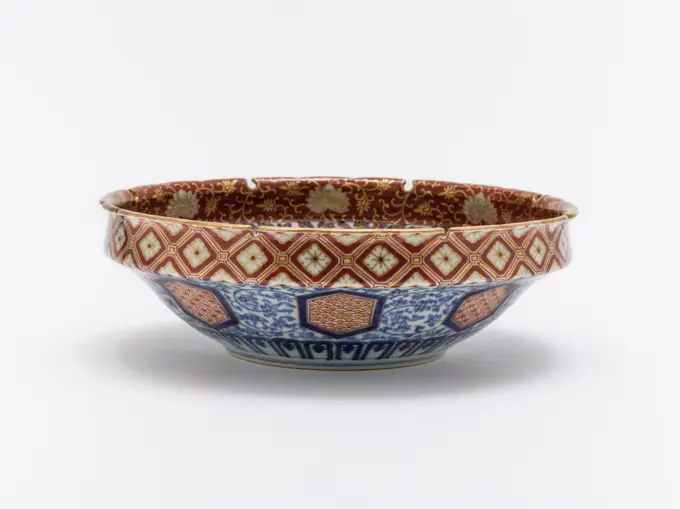
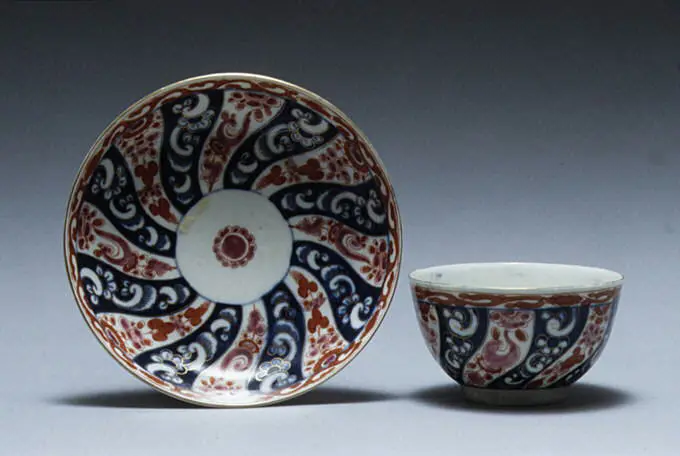
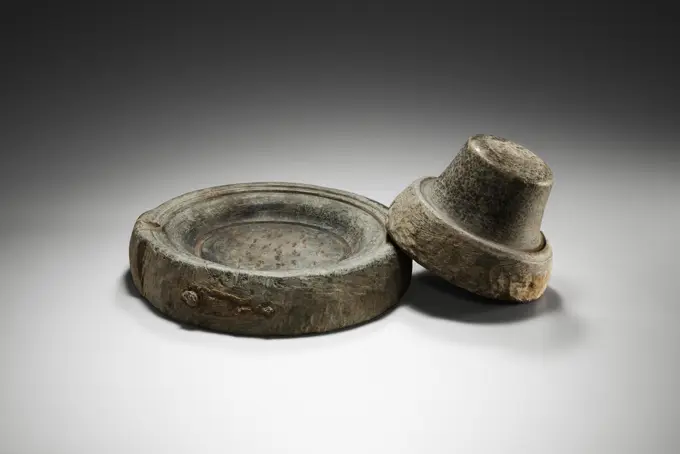
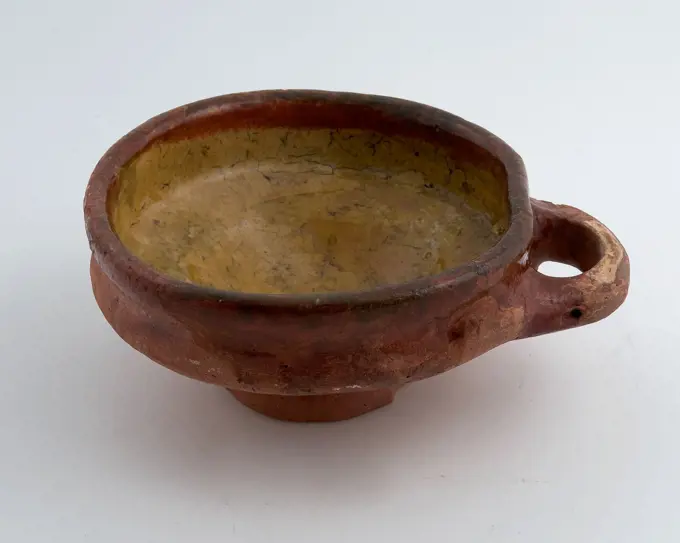
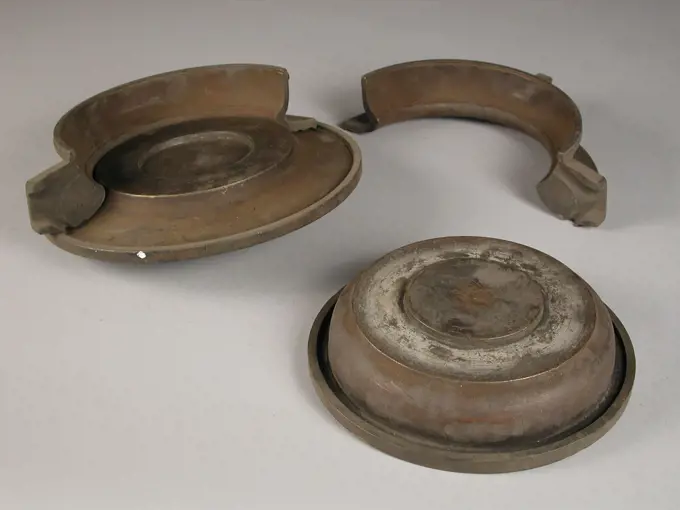
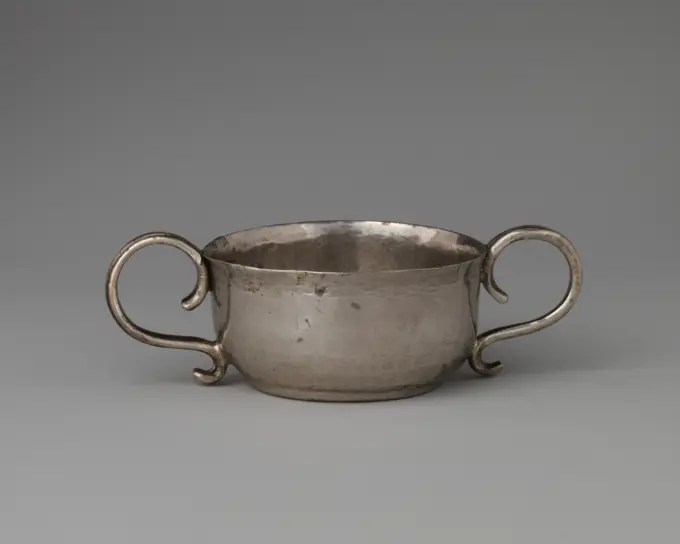
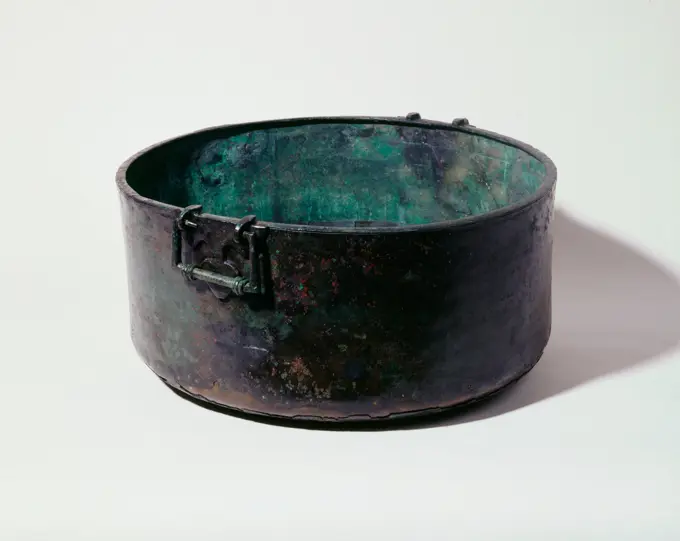
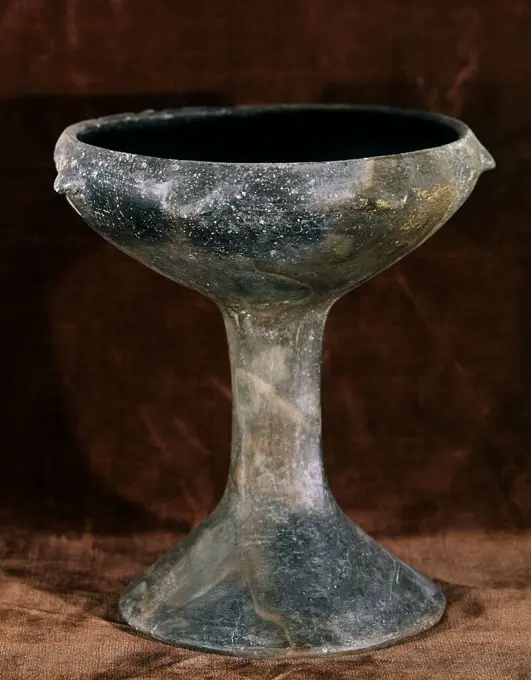
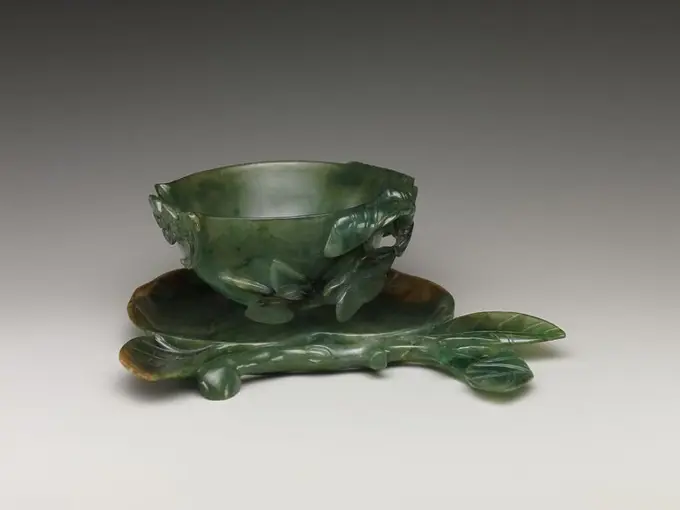
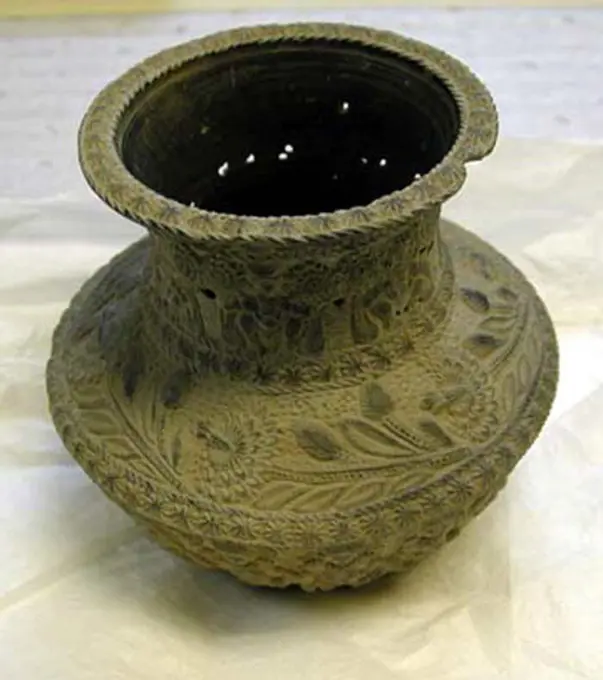
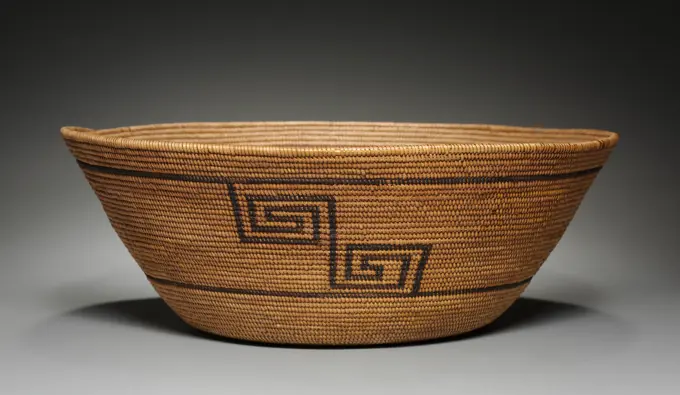
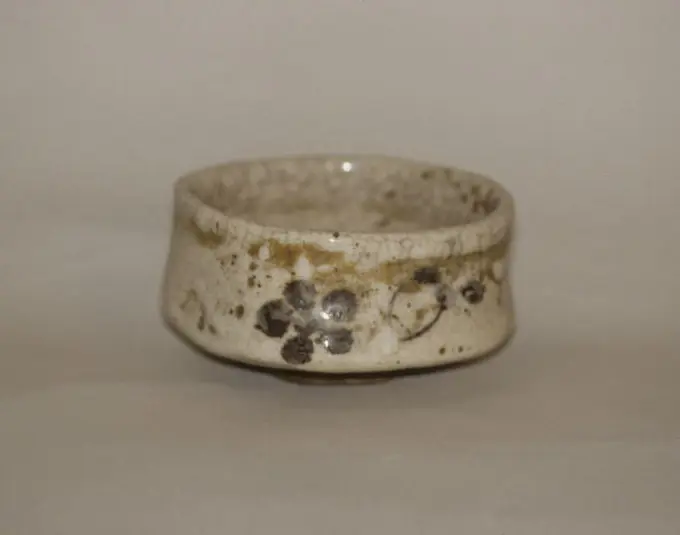
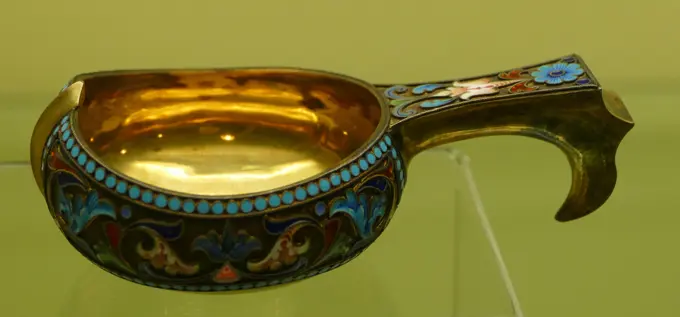
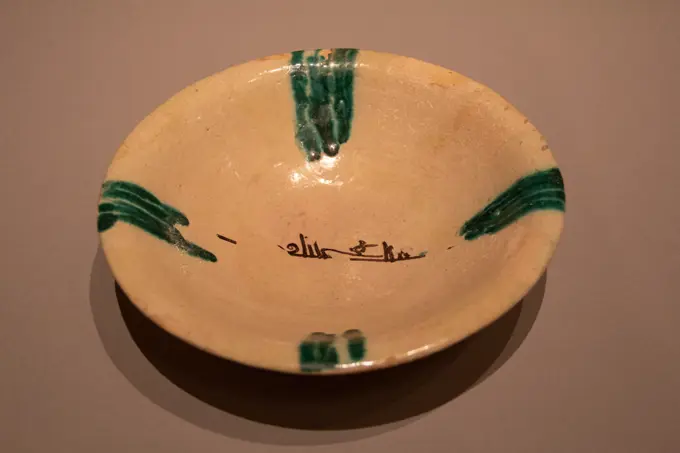
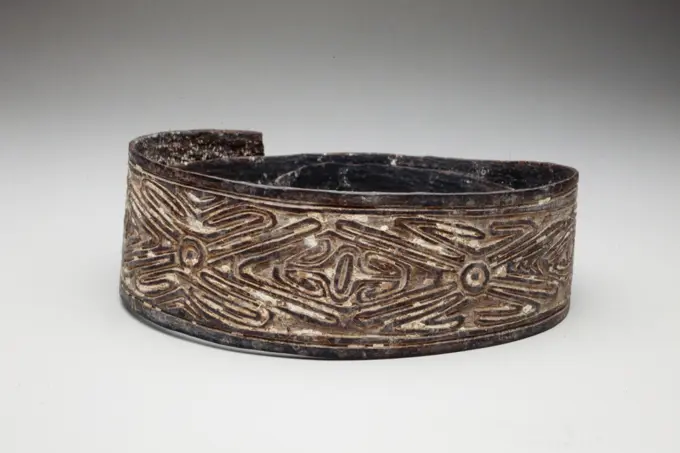
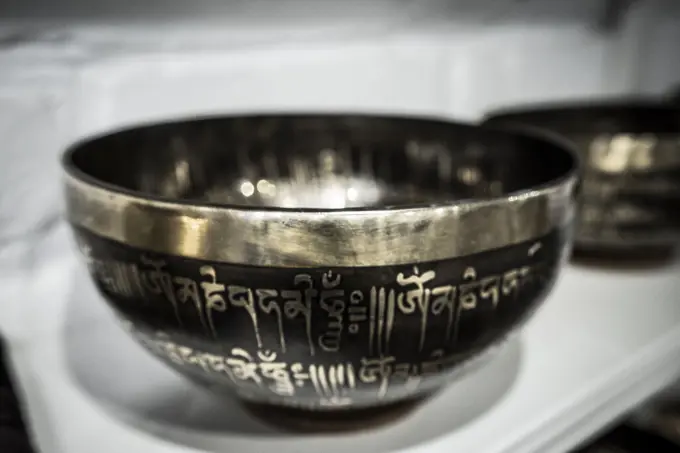
Pottery test on stand ring, bandoor, wide top edge and narrow foot, silt decoration, fire test heating soil finding ceramics earthenware glaze lead glaze clay, ring 7.7 hand turned decorated glazed baked loin cord Pottery test red shard entirely covered with lead glaze vertical set bandoor stand ring archeology indigenous pottery cooking heat food prepare kitchen stew roomAbruzzo, L'Aquila, S. Giuliano (L'Aquila environs), Museo, Italy, 20th century, photo, photography, EuropeCup 850-750 B.C. Cypriot Kylix with bands and a bird on each side.. Cup. Cypriot. 850-750 B.C.. Terracotta. Cypro-Geometric III. VasesQuatrefoil Vessel with Frog. Guatemala, Maya, 300-600 CE. Ceramics. CeramicBowl with Geometric Design 10th-15th century Mexican. Bowl with Geometric Design 316305Painted decor bowl. Ceramic. Paris, Cernuschi museum. 55521-9 Asian art, bowl, ceramic, painted decor, decoration, archeological vestige, view aboveBowl, early 1900s. Central Africa, Democratic Republic of the Congo, Kuba, early 20th century. Earthenware; diameter: 26.4 cm (10 3/8 in.); overall: 8.4 cm (3 5/16 in.).Shallow bowl ca. 7th century B.C. Iran This shallow bowl has a flat base, a carinated shoulder and a vertical rim. A horizontal loop handle emerges from the shoulder on one side. It is made of a red clay, using a potters wheel. It was excavated at Tepe Nush-i Jan, an Iron Age hilltop site about 60 km sound of Hamadan in western Iran. Nush-i Jan was occupied in the 7th and 6th centuries B.C., and its occupants are generally thought to be the Medes, an Iranian people known from Assyrian, Achaemenid and Biblical sources. Though the textual sources portray them as a powerful empire, archaeological evidence for the Medes has yet to sustain this impression. Rather, they seem to have lived in scattered fortified sites in western and central Iran, without any clear capital. Nush-i Jan, one of the best known of these sites, features two temples, a columned hall, and a fort. This jar was found in the Central Temple, a tower-like structure in the middle of the site. Thus it may have been used inGlass cup 1st century A.D. Roman Colorless with greenish tinge.Uneven, knocked-off rim; slightly convex, vertical side, then turned in to bottom with slightly concave center.Deep, wheel-cut horizontal groove immediately below rim, one horizontal wheel-abraded line 3.8 cm down side from rim, and other faint horizontal lines on body.Intact; pinprick bubbles and blowing striations; deep pitting and brilliant iridescence on exterior; thick creamy weathering on interior.. Glass cup 244617Covered Bowl. Culture: China. Dimensions: H. 5 3/4 in. (14.6 cm); Diam. 8 1/4 in. (21 cm). Museum: Metropolitan Museum of Art, New York, USA.Bowl. Culture: China. Dimensions: H. 3 1/2 in. (8.9 cm); Diam. 8 1/8 in. (20.6 cm). Museum: Metropolitan Museum of Art, New York, USA.Cup with grapes. Culture: China. Dimensions: H. 3 in. (7.6 cm). Date: early 17th century.Sometimes symbolic of autumn, grapes and grapevines also represent abundance, both in the sense of material wealth and multiple children. Often presented as gifts at court, cups made of rhinoceros horn were used for drinking wine in part because the horn was thought to enhance the wine's fragrance. Museum: Metropolitan Museum of Art, New York, USA.Vase and bowl (4th c. BC) of the Vettones. Celtic art. Ceramics. SPAIN. MADRID (AUTONOMOUS COMMUNITY). Madrid. National Museum of Archaeology. Proc: SPAIN. CASTILE AND LEON. AVILA. Chamartn de la Sierra. Castro de La Mesa de Miranda.Jar with Abstract Decoration late 12th-early 13th century China The dramatic, abstract design may be read as alluding to birds or plants, motifs characteristically found on ceramics produced in a wide range of kilns in northern China.. Jar with Abstract Decoration 50700Bowl 18th-19th century. Bowl 444546Bowl 12th-13th century. Bowl 445988Prehistory, Italy, Bronze Age. Ceramic dipper cup. From Apulia Region.Fragment po, pot holder sanitary soil found ceramics stoneware glaze salt glaze, hand-turned glazed fried Fragment wall and edge of stoneware room pot Cream-colored shard 1672 in seal and lettering: archeology Rotterdam City triangle drainage Schielandshuis Soil discovery: Schielandshuis during restoration 1982.Bowl with floral motif, 918-1392, Unknown Korean, 3 1/16 x 7 7/8 x 7 7/8 in. (7.78 x 20 x 20 cm), Stoneware with celadon glaze, Korea, 10th-14th centuryOil Lamp with Horse's Head. Roman, 1st-3rd century A.D.. Furnishings; Lighting. BronzeBoka Misa, a cup in a tulip, a bowl of a bowl;  2050-1750 BC ; Kerma Rodkowa (-2050-00-00--1750-00-00);Egyptian ceramics, transmission (provenance), rescue excavations, IV Qatract (Sudan)Dish 4th-5th century Late Roman This oval-shaped dish with a handle at each end is a modest example of a type found throughout the Empire, but especially in the West. The simple volute pattern on the handles suggests an owner attracted to classical decorative motifs, an observation confirmed by the round platter found with it (47.100.32).. Dish. Late Roman. 4th-5th century. Copper alloy, silver or tin overlaid. Made in Gaul. Metalwork-BronzeCeladon glaze; incised decoration filled with white and black slips. The black is used only for the legs, beaks, eyes and tail feathers of four white cranes which are placed around the exterior. From the time of Koryo (Goreyo) (Goreyo) dynasty (918 - 1392)Incense Burner with Chrysanthemum and Knobbed Scrolls 1000-1099 China. Cizhou ware; stoneware, slip-coated with incised decoration on ground of impressed rings (fish roe) .Bowl 13th century. Bowl 447018Fragmentary Bowl 11th-12th century. Fragmentary Bowl 446531Ewer. Egypt, 10th or 11th century. Ceramics. Earthenware, glazedPap Boat, c. 1790. Cary Dunn (American, 1798). Silver; overall: 3.2 x 6.7 cm (1 1/4 x 2 5/8 in.).Beaker ca. mid-3rd millennium B.C.. Beaker 326059Palm Cup 7th-8th century Frankish. Palm Cup 465676 Frankish, Palm Cup, 7th8th century, Glass, Overall: 2 1/4 x 4 in. (5.7 x 10.2 cm). The Metropolitan Museum of Art, New York. Gift of J. Pierpont Morgan, 1917 (17.193.339)Silver cup, with applied gold rosette ornaments in the center, from Kamiros, Rhodes (Greece). Goldsmith art, Greek Civilization, 8th-7th Century BC.Bowl. Thailand, Sukhothai, circa 1380. Furnishings; Serviceware. Stoneware with underglaze iron painted decoration and white slipTerracotta saucer-shaped lamp. Culture: Cypriot. Dimensions: 1 1/2 in. (3.8 cm). Date: 4th century B.C.. Museum: Metropolitan Museum of Art, New York, USA.Jar 400 CE-600 CE Syria. Initially affordable only among the wealthy, glass was used in ancient Rome as containers for oils, perfume, and tablewares. The variety of glass-making techniques reveals the changing tastes and fashions over the centuries. During the 1st century CE, cast glass was a novel form that was a luxury for the Roman household, but by the end of the century, the innovation of blown glass allowed for less labor-intensive and less expensive production, which meant people of lesser means could afford it. Blown glass became so popular it nearly supplanted ceramic and even bronze wares in the home. The technical achievements and prestige of glass continued through the Byzantine period.. Glass, blown technique . ByzantineBowl. Dimensions: 2 1/16 × 7 3/8 in. (5.2 × 18.7 cm). Museum: Metropolitan Museum of Art, New York, USA.Red Figure KylixSpool Pyxis. UnknownPottery cooking pot, grape-model, red shard with lead glaze, two vertical sausages, on three legs, cooking pot crockery holder kitchenware earth discovery ceramics earthenware glaze lead glaze, hand-turned glazed baked Pottery cooking pot grape-model red shard with lead glaze two at the top pinched sausages three legs underside unglazed Single rotational wings around the shoulder archeology native pottery food prepare cooking food cuisineSubtot of soup turbine in the form of a green cabbage, anonymous, c. 1750 - c. 1780 Soup terrine in the form of a green cabbage, of green painted faience. Brussels earthenware. tin glaze. Soup terrine in the form of a green cabbage, of green painted faience. Brussels earthenware. tin glaze.ORZA. Nº INV. 18710. ALTURA 13,5 CM. DIAMETRO MAXIMO 16 CM. MUSULMAN. (EXPOSICION :ARTE ISLAMICO ESPAÑOL)(DEPOSITO: MUSEO DE CERAMICA).Pierced-lip Bowl with Design of Phoenixes, Dragons, and Scrolling Vines. Japan, early 18th century. Ceramics. Hizen, Arita ware; porcelain with underglaze blue and overglaze red and goldArm Band 10th-13th century Huastec. Arm Band 313128Teabowl and saucer ca. 1770 Worcester factory The gift of the Hans Syz Collection in 1995 endowed the Museum with nearly three hundred examples of European and Asian ceramics meticulously acquired by Swiss-born collector Dr. Syz (1894-1991) to chart the migration of models and patterns from East to West. Documenting a continuous process of influence and adaptation, these pieces provide a discriminating review of the nuances of stylistic change resulting from three centuries of trade.. Teabowl and saucer 208394Mortar andPestleEarthenware bowl, two bandors, on three legs, white glazed, dishware holder earthenware pottery earthenware glaze tin glaze, hand-turned baked glazed baked Earthenware bowl low model with wide top edge Two vertical flattened sausage ears. Lid edge Three legs White glazed dark dots in glaze. Model of cooking pot, but since this type of pottery was not suitable for cooking, it is probably serving of archeology indigenous pottery food preparation serve servingCup with Foliate Panels 8th-early 9th century Indonesia (Java). Cup with Foliate Panels 44771Ceramic vase with a decorative pattern, from the Mexican state of Guanajuato, MexicoEarthenware oil lamp with lower and upper shell, column and suspension, oil lamp lamp illuminant soil find ceramic earthenware glaze lead glaze, hand turned hand shaped glazed baked earthenware oil lamp with base and top shell column and suspension eye red shard covered with lead glaze. Stand with outstretched soul under the column. Underlay made straight on one side. Restoration is color-repainted archeology lighting indigenous pottery oil lamp illuminate evening nightCovered zhou ritual food vessel, 475-221 BCE, 4 15/16 × 8 1/8 × 8 5/8 in., 3.3 lb. (12.54 × 20.64 × 21.91 cm, 1.5 kg)7 3/4 × 5 15/16 in. (19.69 × 15.08 cm) (object part, mouth-b)7 1/2 × 5 11/16 in. (19.05 × 14.45 cm) (object part, mouth-a), Bronze, China, 5th centuryEarthenware bowl, toys, internal yellow glazed, one horizontal sausage ear, on stand, porcelain crockery holder toy relaxant soil find ceramics earthenware glaze lead glaze clay, hand turned glazed baked earthenware cup bowl pap bowl toys red shard internal yellow glazed below the top edge horizontal sausage ear on stand ring When restoration is the the bowl entirely painted or varnished internally in Rotterdam Rotterdam City Triangle Oudehaven indigenous pottery food preparation cooking food kitchen playing child Soil discovery: Oude Haven Rotterdam.Four-piece bronze mold for the top chamber pot, mold casting tool tools equipment base metal bronze, cast turned Four-part bronze mold for top collar of chamber pot with two reinforcement edges at the bottom core: 2834 443 Rotterdam tin foundry tin pourer tin casting Meeuws Druy craft Forms come from the originally 18th century Rotterdam tinnegieter J Druy. The large molds that were not signed or dated were the property of the tinker guild and were rented to the small tin caster.Protohistory. Latin peoples. Objects from tomb 238, La Rustica/Collatia Necropolis. Grave inhumation. Adult female. Daate: Phase III B2. National Roman Museum. Baths of Diocletian. Rome. Italy.Miniature porringer 1684-85 Probably George Manjoy British. Miniature porringer. British, London. 1684-85. Silver. Metalwork-Silver-MiniatureAnonymous. "Lébès (cauldron)". Metal, bronze. 450. Museum of Fine Arts of the City of Paris, Petit Palais. 99939-15 Antiquity, bronze, middle of the 5th century before av. JC, metal, ancientMiniature kyatos;  The beginning of the 7th century BC (-610-00-00--600-00-00);COPA DE CERAMICA ARGARICA CON PEANA PROCEDENTE DEL CERRO DE LA ENCINA DE MONACHIL (GRANADA) - 1900-1300 a JC. Location: MUSEO ARQUEOLOGICO-PREHISTORIA. GRANADA. SPAIN.Black-Figure SianaCupCake mold c 1800-1850 Pennsylvania. Earthenware . Artist unknownLazio Viterbo Viterbo Museo Civico70. Hutzel, Max 1960-1990 Views of paintings (Middle Ages through 18th c.), frescoes, a tabernacle, coffin, sculpture reliefs, portal fragments, busts, sculpture, tapestry found in the Pinacoteca, Second floor gallery and Second floor cloister sequences. Antiquities: Many views of Etruscan and Roman fragments, sculpture, sarcophagi, pottery, masks, jewelry and other objects found in the Storeroom sequence (inventory numbers on back of prints), and the Cloister, Second floor Cloister, Valle Giulia, Sala Romana and Sala Etrusca sequences. General Notes: There are eight separate numerical sequences for this location. The cloister as an architectural structure, rather than museum site, is documented in the record and file for S. Maria della Verita, Cloister, all views of which are stored in Medieval core collection. Five views from the Museo Civico Second floor cloister sequence are stored in Medieval. German-born photographer and scholar Max Hutzel (1911-Cup. Iran or Central Asia, second half of 13th century. Metal. Silver, gilded, chased and punchedBronze container. 14th-15th centuries. Turkish-Iranian style. Iran. Persian epigraphic decoration. Saint Olalla collection. Diocesan Museum. Lleida. Spain.Bowl 12th-13th century China. Bowl. China. 12th-13th century. Stoneware with blue-gray glaze (Jun ware). Song (960-1279) or Jin (1115-1234) dynasty. CeramicsPeach-shaped Cup with Saucer. Culture: China. Dimensions: Overall (cup and saucer): H. 2 in. (5.1 cm); W. 5 7/8 in. (14.9 cm); Diam. (cup) 3 3/6 in. (9.8 cm). Date: 19th century.According to myth, Xiwangmu, the queen mother of the west, had an orchard producing peaches that granted immortality, and the peach thus became a symbol of long life. The outer surface of this peach-shaped cup features a branch with leaves and blossoms, giving the impression that the fruit is still attached to an otherworldly tree. The cup's rim is enhanced with a tiny bat (fu), a pun with the word for blessings. (From Longevity in Chinese Art). Museum: Metropolitan Museum of Art, New York, USA.Clay pot Clay pot of manual work. It is possible to store milk or other liquid Copyright: xZoonar.com/ValeryxxSibrikovx 2418782Vessel ca. 1st century B.C. India (Bengal). Vessel 62024Box: Yue ware, 960-1279. China, Zhejiang province, Song dynasty (960-1279). Glazed stoneware with incised decoration; diameter: 12.5 cm (4 15/16 in.); overall: 5.4 cm (2 1/8 in.).Food Bowl, c 1875- 1924. California, Mission, Late 19th- Early 20th century. Coiled; overall: 14.8 x 41 cm (5 13/16 x 16 1/8 in.).Tea bowl decorated with chrysanthemums and wavy lines ca. 1700 Japan The white slip, stamp technique, and chrysanthemum motif of this tea bowl echo the decoration of fifteenth-century buncheong ware, such as the adjacent vessel. Yet this cylindrical bowl was made specifically for the Japanese market, probably in the early seventeenth century. It is also possible that it was a product of the so-called Busan kilns (active 1639-1718) in southeastern Korea, which manufactured and exported revivalist Korean-style ceramics that catered to the tastes of Japanese consumers.. Tea bowl decorated with chrysanthemums and wavy lines. Japan. ca. 1700. Clay, pitted; thick, whitish crackled glaze; decoration in blue (Mino ware, Shino type). Edo period (1615-1868). CeramicsGlass bowl. Culture: Roman. Dimensions: H.: 1 3/16 in. (3 cm); Diam.: 2 11/16 in. (6.8 cm). Date: early 1st century A.D..Opaque white.Outsplayed rim with angular outward edge; convex curving side; convex bottom within slightly outsplayed base ring with rounded edge.Intact, except for small weathered chip in underside of rim; pitting, dulling, and creamy brown weathering covering whole of interior and most of base ring and bottom.Small opaque white cup, without decoration. Museum: Metropolitan Museum of Art, New York, USA.Seal Paste Box (Yinnihe). China, Jiangxi Province, Jingdezhen, Chinese, Qing dynasty, Kangxi mark and period, 1662-1722. Furnishings; Accessories. Wheel-thrown porcelain with peach-bloom glazeCentral America, El Salvador, San Salvador, Joya de Ceren (Jewel of Ceren) Museum. Pottery artifacts. UNESCO World Heritage Site.Tuareg culture plate, Libya, 1880, vegetable fiber and pigments, Anthropology National Museum, Madrid, Spain.Wine cup Japan. Wine cup 52307Box, 1700s. France, 18th century. Lacquer with tortoiseshell lining, gilt metal mounts; overall: 3.2 x 8.3 cm (1 1/4 x 3 1/4 in.).Kovsch or drinking cup; Russian 1898.Basket, 20th century, 5 1/2 x 22 3/4 x 22 3/4 in. (13.97 x 57.79 x 57.79 cm), Natural fiber, New Caledonia, 20th centuryBowl with Green Splashes and Inscription, "Sovereignty is God's" 9th-10th century Looking at this bowl found at Nishapur, Iran, we notice four distinct splashes of green glaze that run from the rim down into the base of the bowl on the opaque white ground. This technique was commonly used in ceramic production throughout Iraq, and western Central Asia in the ninth and tenth century. The black Arabic inscription at the center reads "Sovereignty belongs to God".. Bowl with Green Splashes and Inscription, "Sovereignty is God's". 9th-10th century. Earthenware; painted in black with splashes of green on opaque white (tin) glaze. Excavated in Iran, Nishapur. CeramicsNishapur dish, with Islamic writing, 9th cent. AD, Iran.Bark Belt (titi bae), 20th century, 2 3/4 x 8 1/2 x 7 1/2 in. (6.99 x 21.59 x 19.05 cm), Bark, pigments, Papua New Guinea, 20th centuryCloseup of a Tibetan singing bowl isolated on a white backgroundDishclay cup and saucer isolated on white backgroundPot , Pots & pans. The Massachusetts WPA Federal Art Project Photograph CollectionSquare Dish with Abstract Motifs. Artist: Shuntai (Japanese, 1799-1878). Culture: Japan. Dimensions: H. 2 1/4 in. (5.7 cm); W. 9 in. square (22.9 cm square). Date: 19th century.Kato Shuntai, whose father was the famous potter Shunzan, ran the official Owari branch of the Tokugawa family kiln (goyoyama) at Ofukeyo from 1817until 1851, when he passed the operations on to his son. He is famous for his Oribe style renditions. Museum: Metropolitan Museum of Art, New York, USA.Empty wooden plate, knife, fork and cutting board Empty wooden plate, knife, fork and cutting board set on textured concrete background Copyright: xZoonar.com/TetianaxChernykovax 21413721Bowls 14th century Fuel has always been an expensive commodity and Islamic potters, like those of today, often sought to economize on its use by packing their ceramic kilns as tightly as possible. Refractory clay tripod stilts were used to keep stacked vessels from sticking together during firing and these left behind small stilt marks that are seen seen on many ceramics. In this case, the bowls accidently shifted before or during firing fusing them together along with the interposed stilts.Sometimes molten glaze dripped down onto objects below. The two large turquoise splashes on a large luster painted bowl in gallery 451 (32.52.3) suggests that it was placed below a blue glazed ceramic in the firing kiln.. Bowls 446165tibetan singing bowl, Sofia, Republic of Bulgaria, Europe.stiillife with ancient utensils