Historical Ceramics

A collection of ancient ceramic fragments, including terracotta, stoneware, and earthenware, showcasing archaeological finds from different periods and regions.

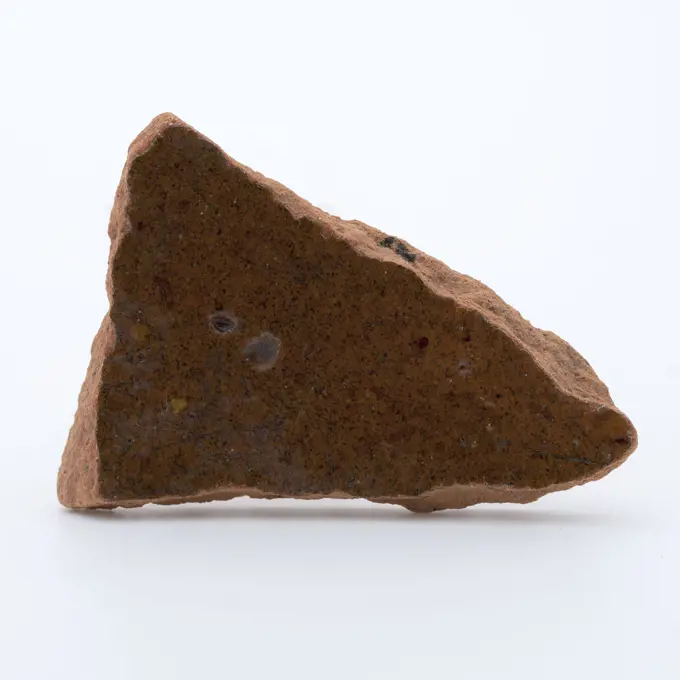
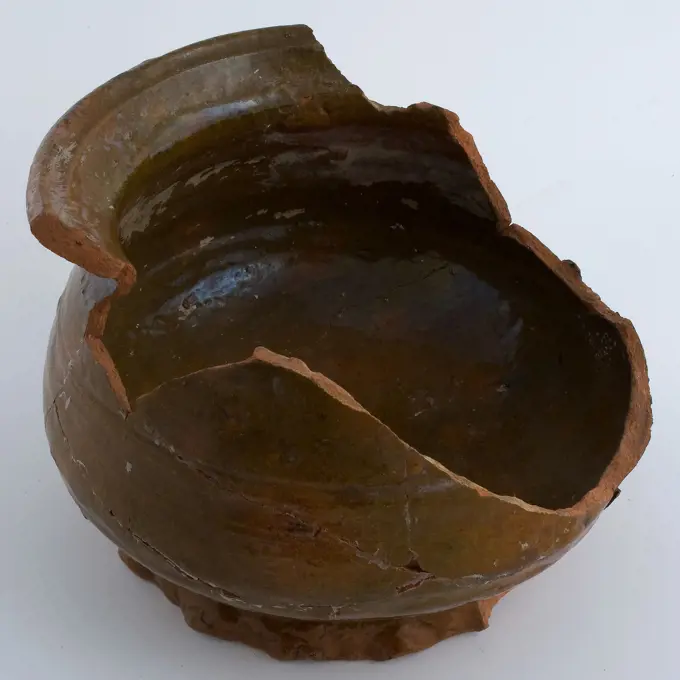
Earthenware reinforcement with round hole at top, grid reinforcement soil found ceramic earthenware glaze lead glaze, hand shaped baked earthenware reinforcement with round hole at top. Present glaze has probably accidentally landed on the object during baking. Red shard with gray core archeology Rotterdam City center Stadsdriehoek Mariniersweg indigenous pottery fish catch fishing craft Soil discovery: Mariniersweg 1983.
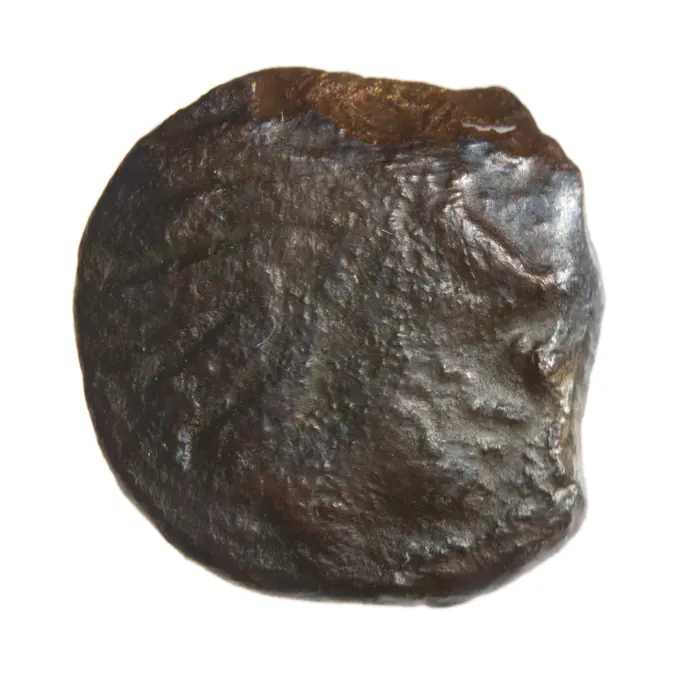
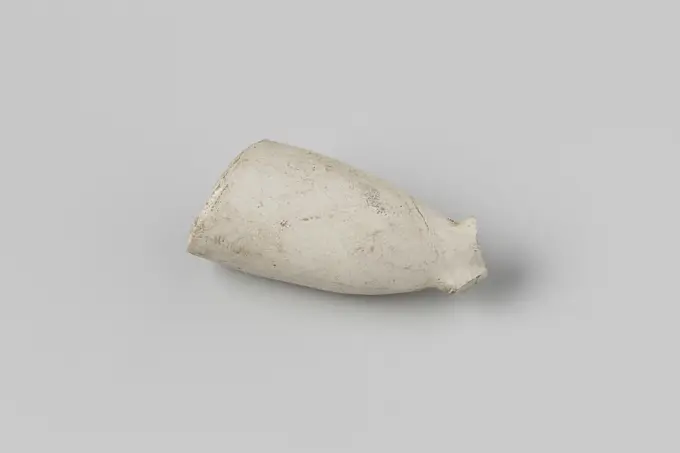
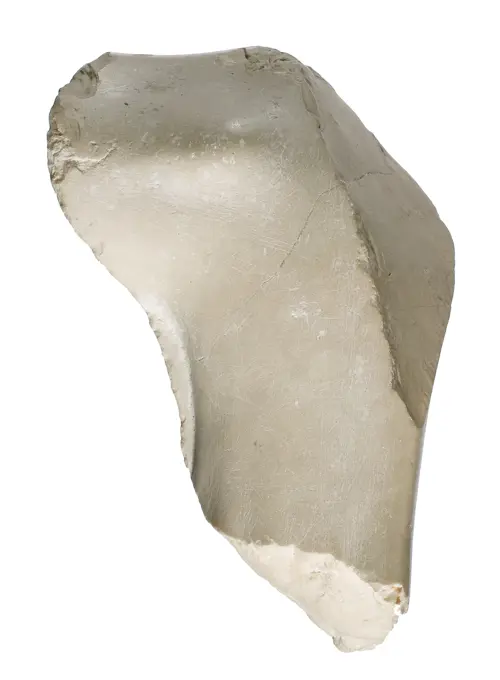
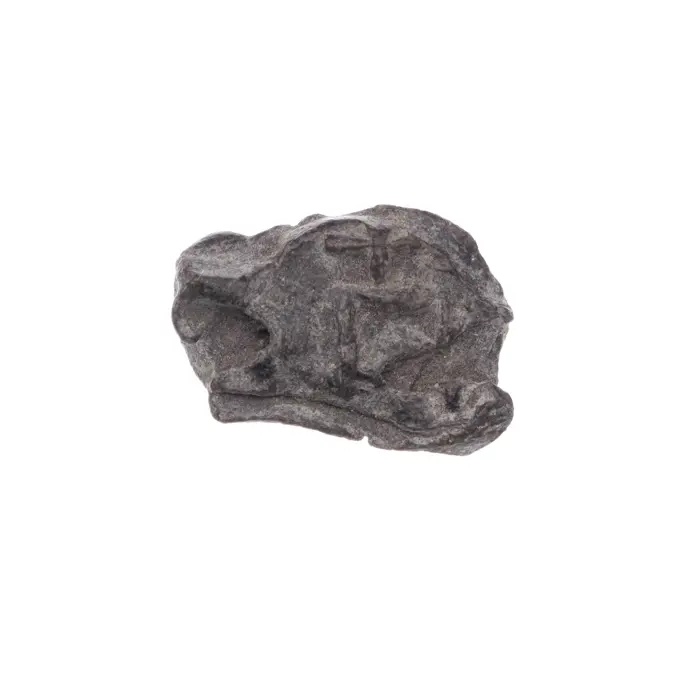
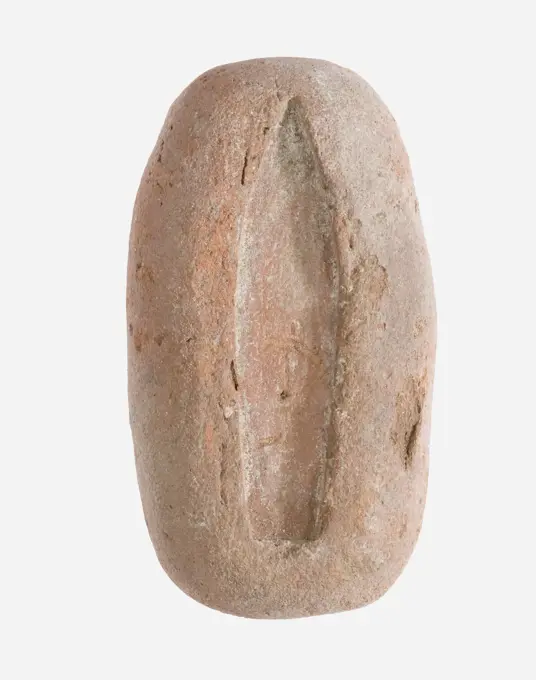
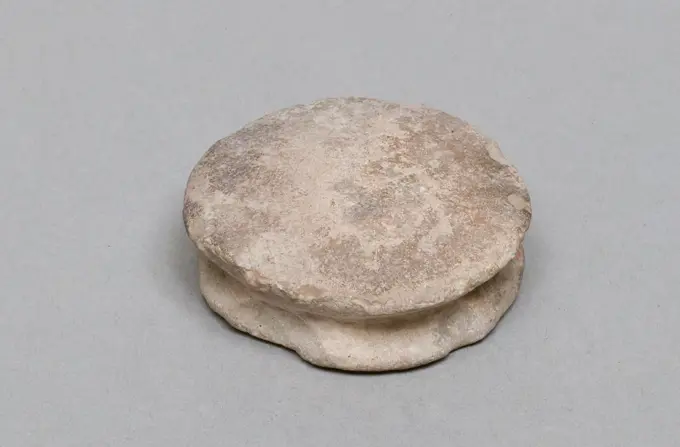
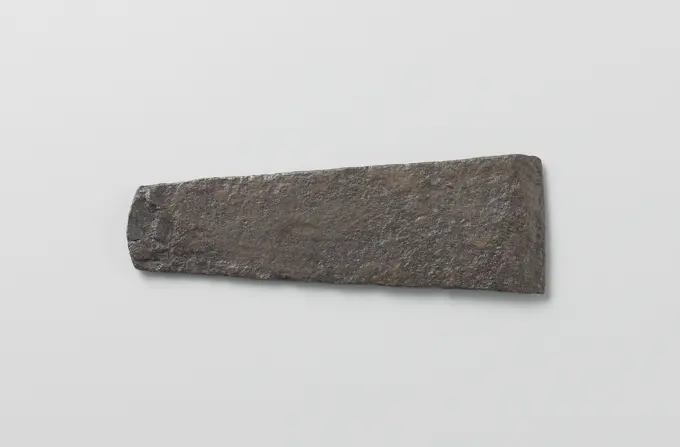
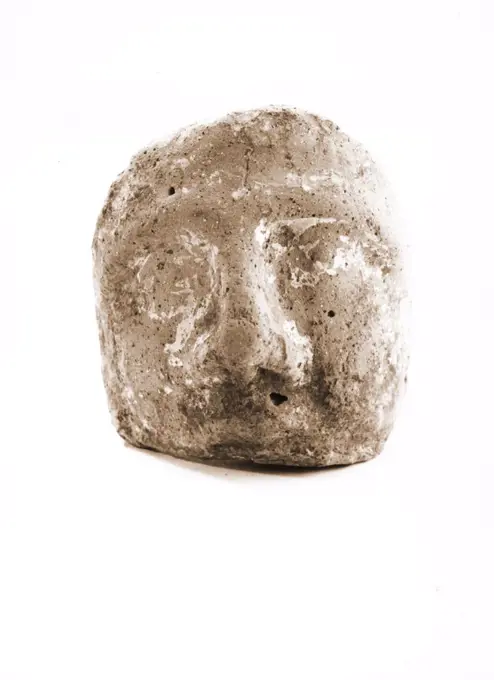
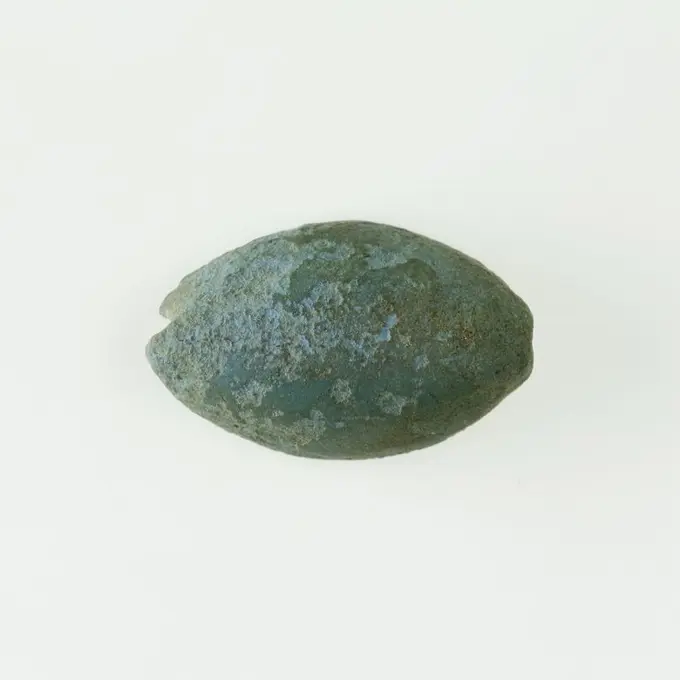
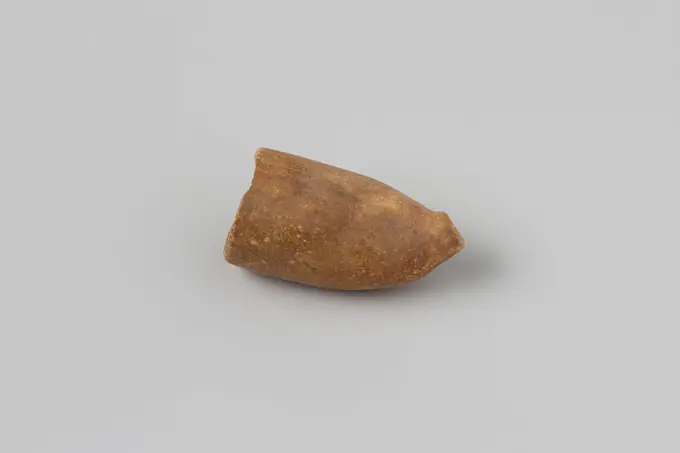
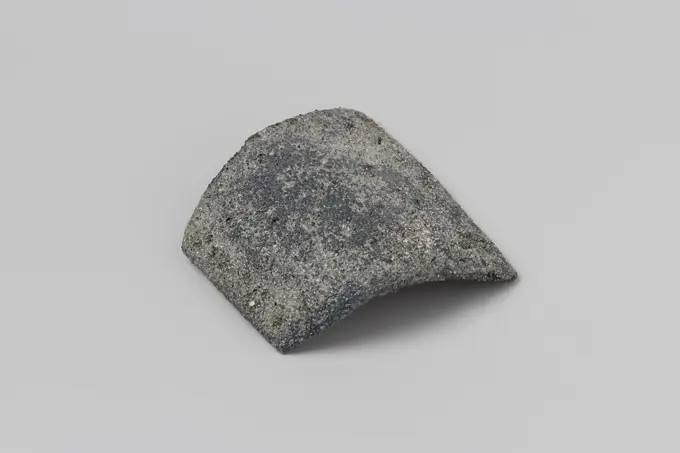
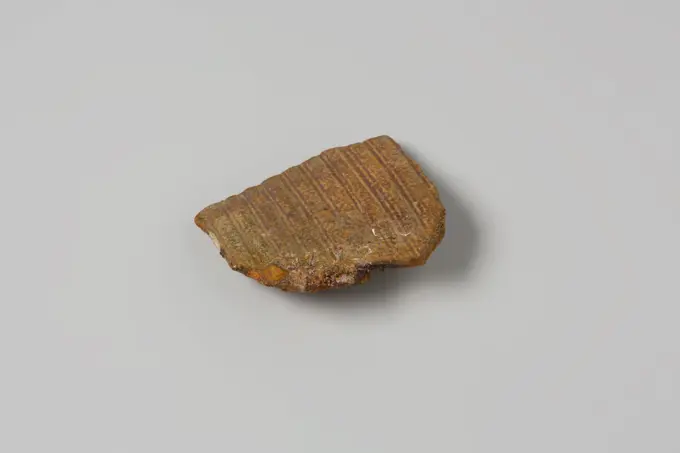
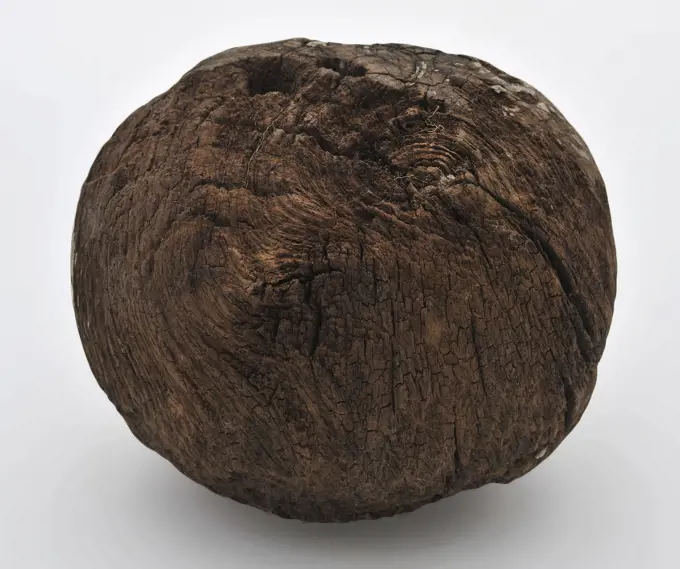
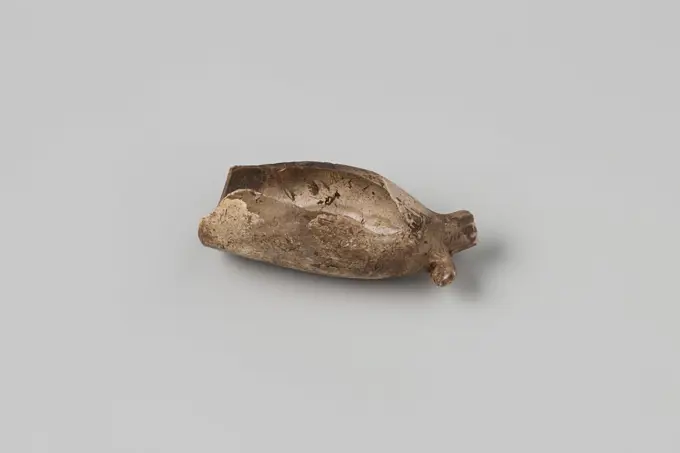
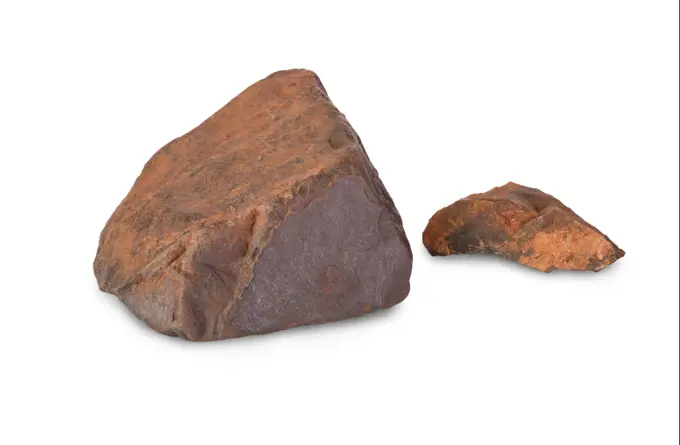
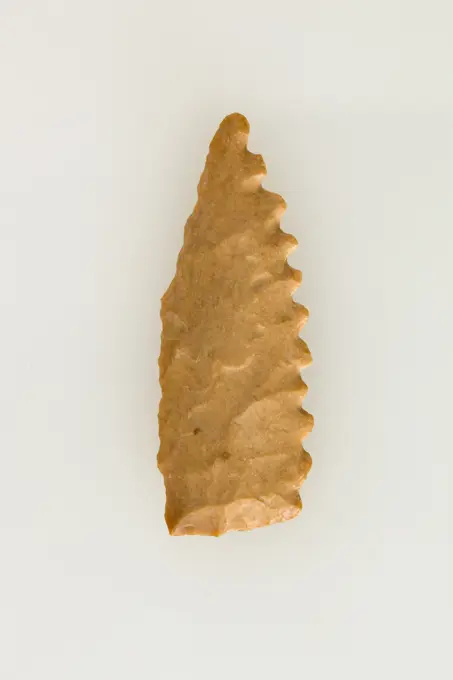
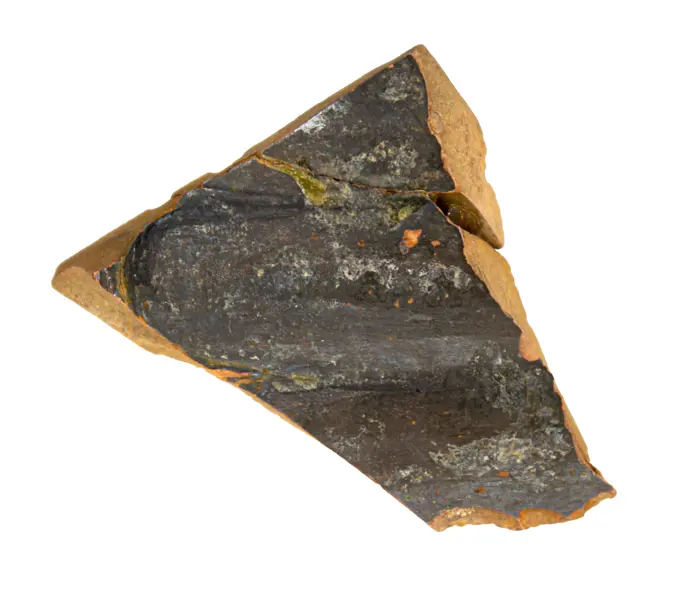
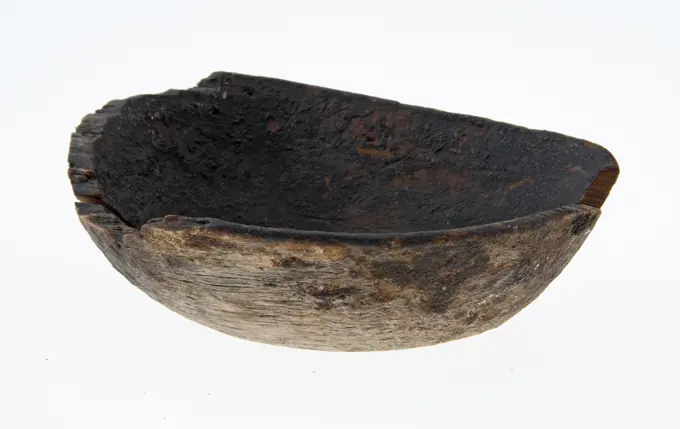
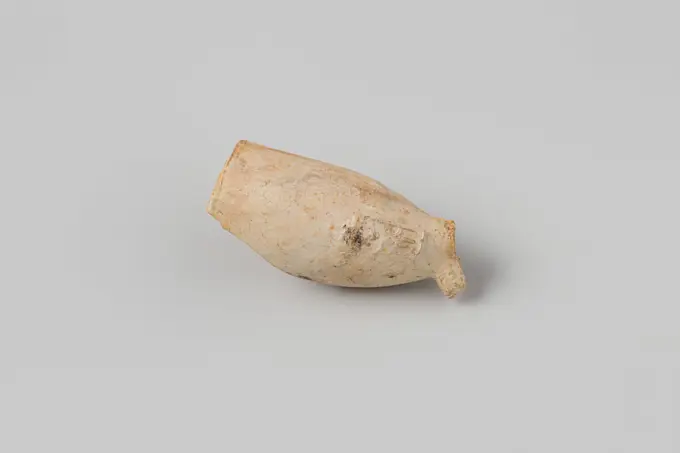
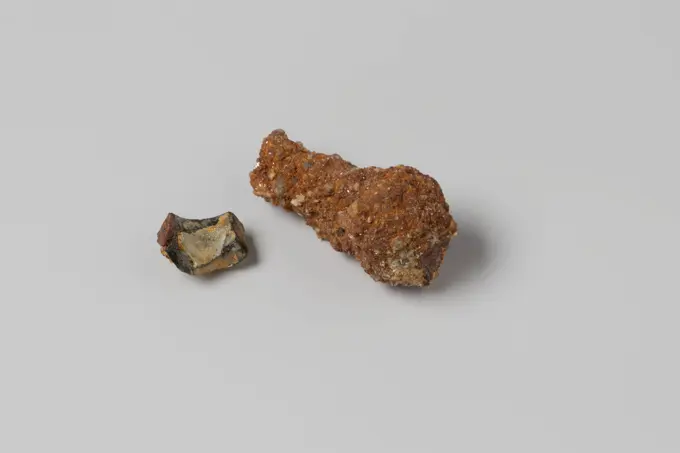
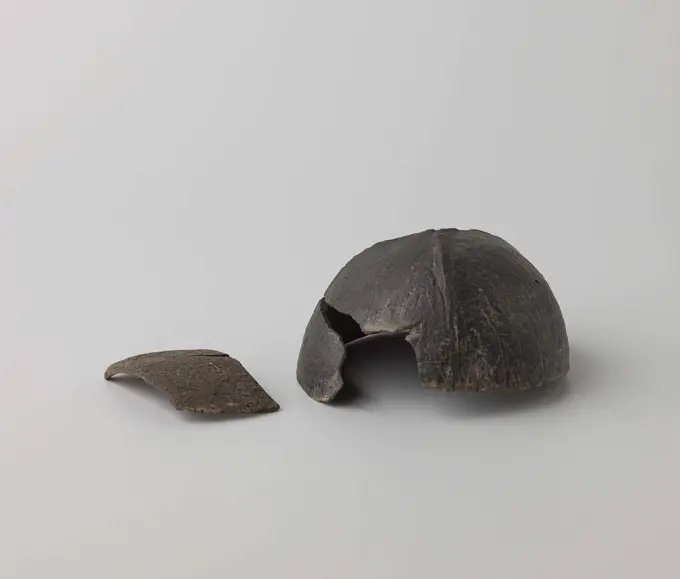
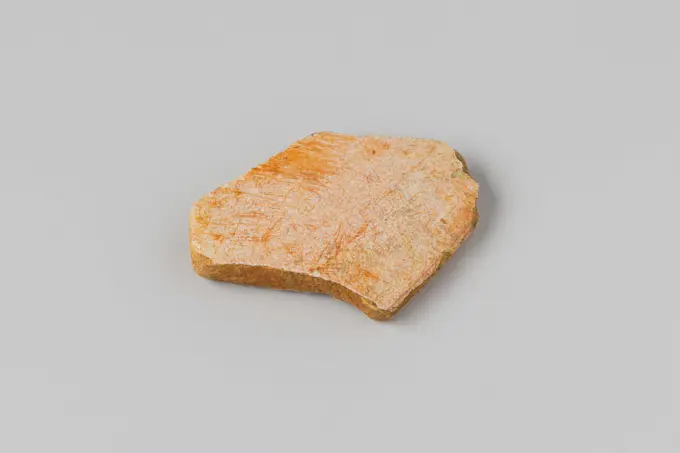
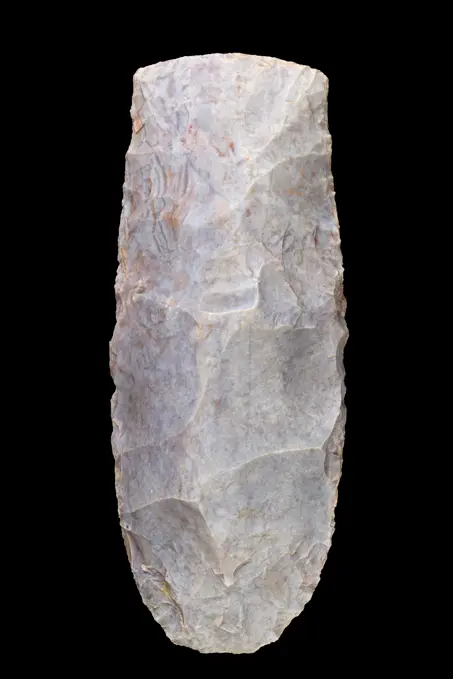
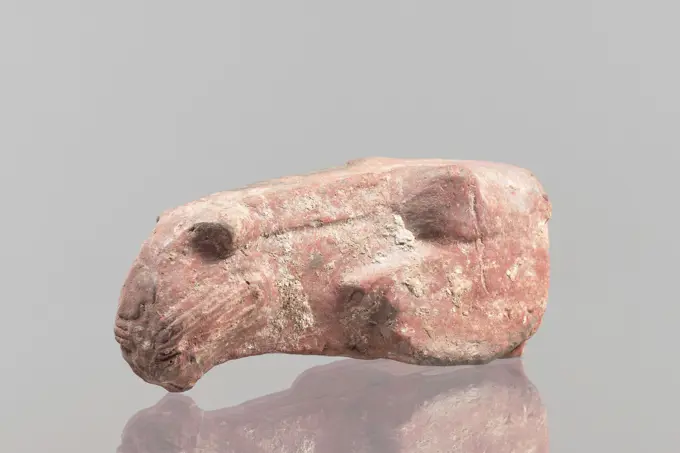
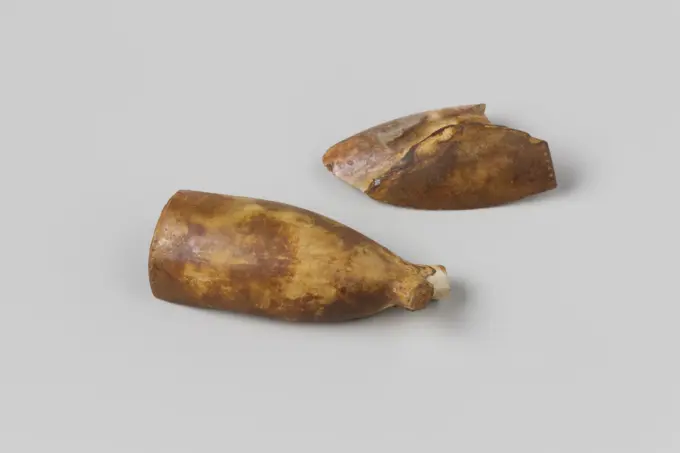
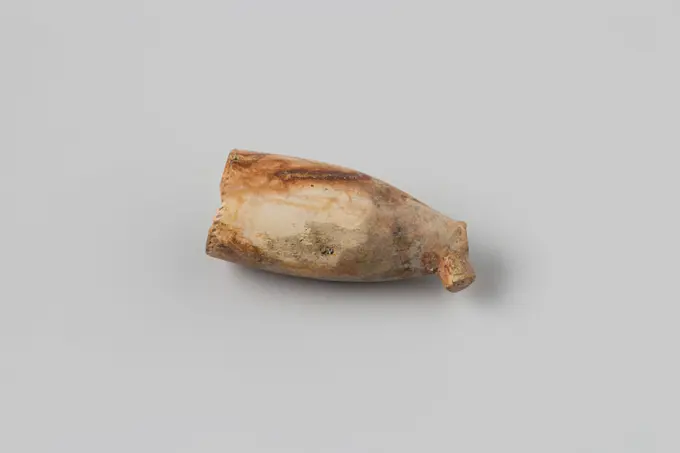
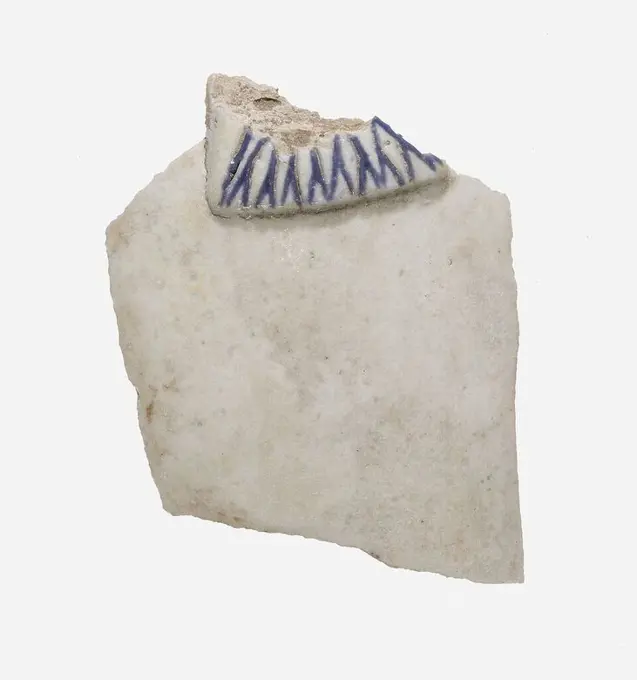
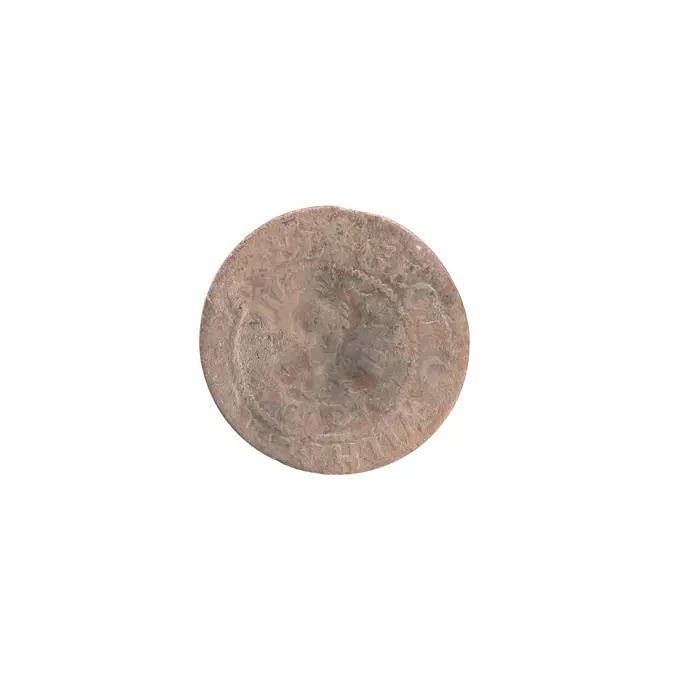
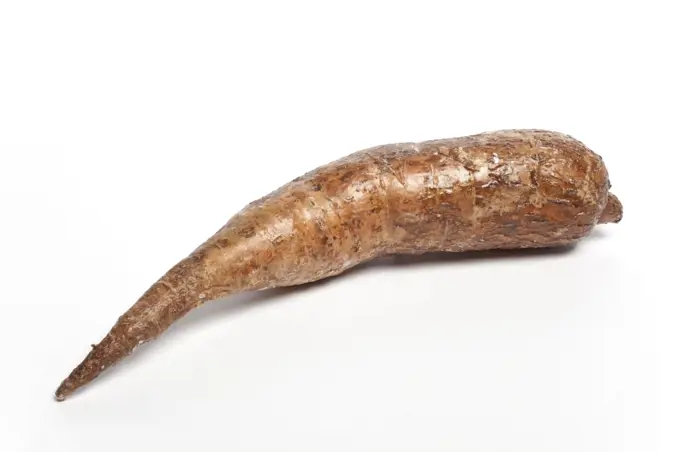
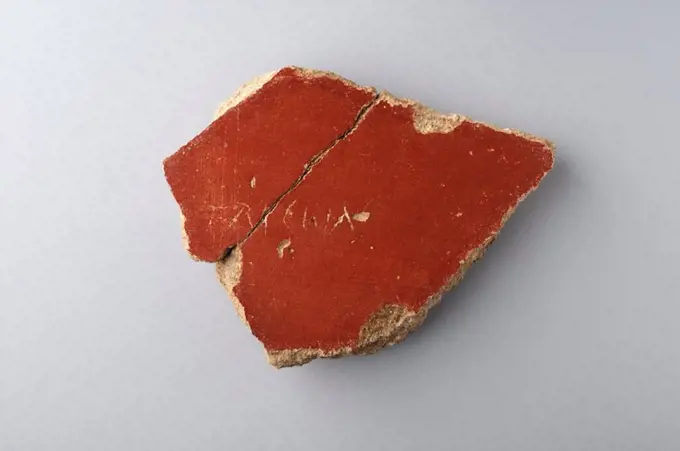
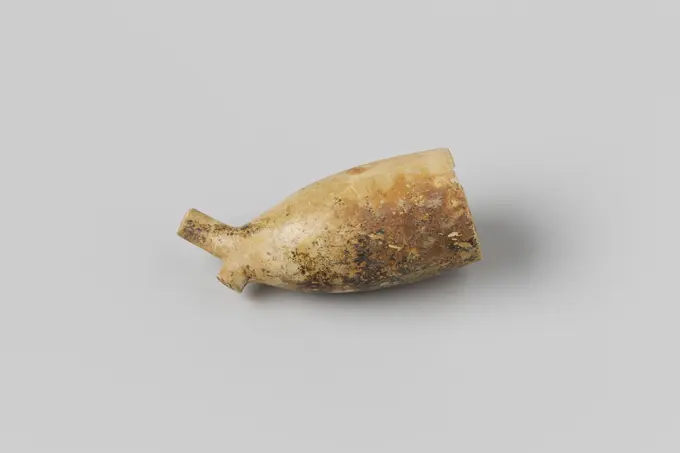
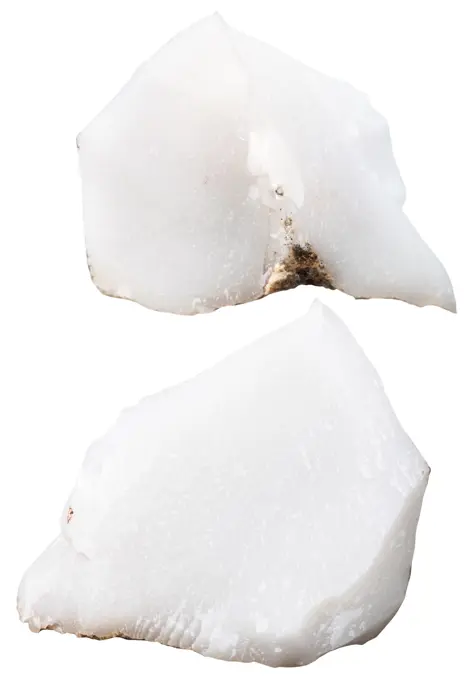
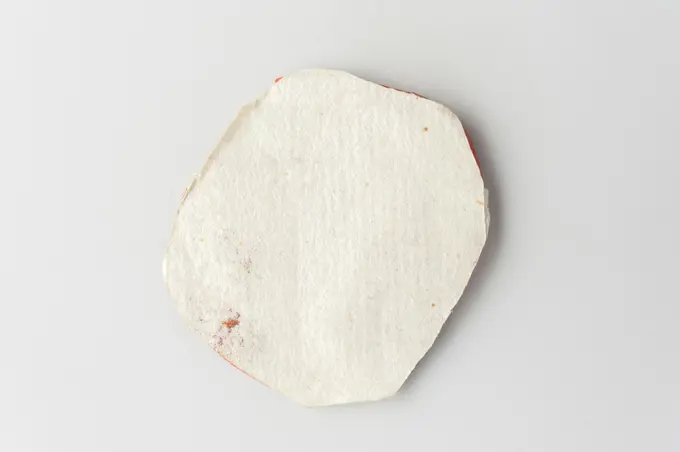
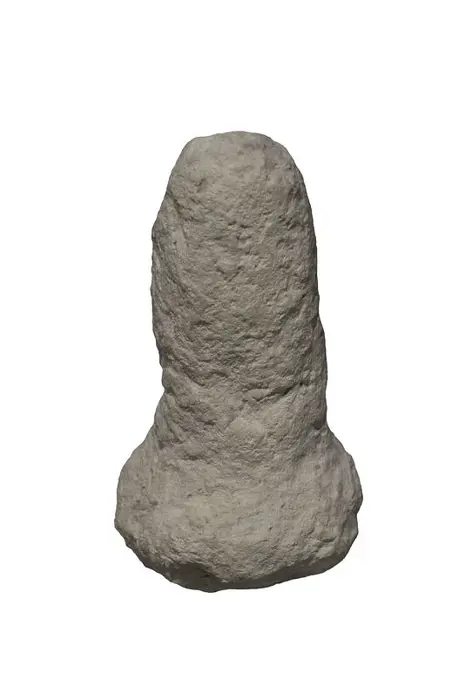
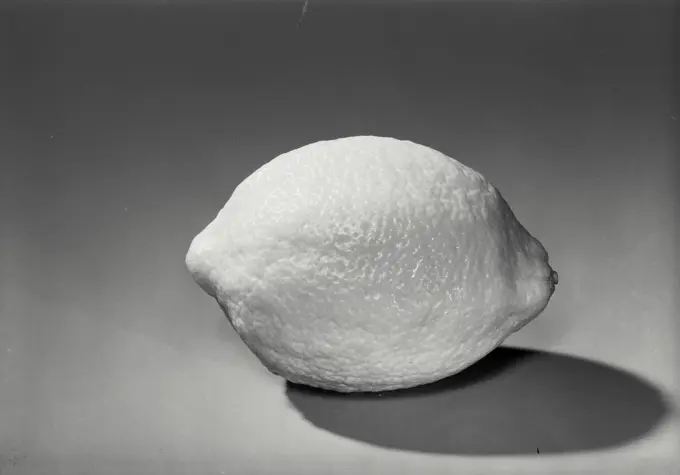
Circular fragment ". Terracotta. Vietnam-Xe-Xive s. Paris, Cernuschi museum. 72186-56 Circular fragment, Vietnamese object, terracottaScherf of a jug of the wreck of the East Indians Hollandia, Anonymous, 1700 - in or Before 1743  Stoneware, Rhenish, Frechen-ware, jug; fragm of body. Cologne stoneware   SecondEarthenware reinforcement with round hole at top, grid reinforcement soil found ceramic earthenware glaze lead glaze, hand shaped baked earthenware reinforcement with round hole at top. Present glaze has probably accidentally landed on the object during baking. Red shard with gray core archeology Rotterdam City center Stadsdriehoek Mariniersweg indigenous pottery fish catch fishing craft Soil discovery: Mariniersweg 1983.Pijpenkop from the wreck of the East Indians Hollandia, Anonymous, 1700 - in Or Before 1743  Pipe, bowl without heel: stamped decoration. Netherlands pipe clay   SecondNemes fragment ca. 1353-1336 B.C. New Kingdom, Amarna Period. Nemes fragment 561672Elbow or shoulder ca. 1353-1336 B.C. New Kingdom, Amarna Period. Elbow or shoulder 549842 Owls pellet on white backgroundEar of a pot from the wreck of the East Indiesman Hollandia. Stoneware, Rhenish, Westerwald, Pot; or handle, sim. NG 1980-27H2624R.Greece, Kimerian Bospor, PantiKapajon, last quarter of the 4th century, Bronze, bronze (AE) PanticapaeumFragment of upper arm, body, negative space from a double statue holding stela () ca. 1353-1336 B.C. New Kingdom, Amarna Period. Fragment of upper arm, body, negative space from a double statue holding stela () 550020Cap, Medium: cotton embroidery on cotton foundation Technique: embroidered in knots, back stitch and underside quilting on plain weave foundation, Cap made of three pieces of fabric seamed together. Quilting done before the cap was sewn up. Cap was originally finished with lace., Europe, 18th century, costume & accessories, CapFragment pijpenkop.Fragment pipe head. Of the excavations at the Hofstede Arentsburg 1827-1831 under the supervision of professor Reuvens.. Piece of leg from the hip wound to which Hendrik Casimir I died on 12 July 1640 at Hulst.Foot and leg of Akhenaten or Nefertiti prostrate ca. 1352-1336 B.C. New Kingdom, Amarna Period. Foot and leg of Akhenaten or Nefertiti prostrate 549652Petrified Lemon 3rd-12th century. Petrified Lemon 447828Octagonal conical lead weight with bronze Core, next to core on top mark, weight of soil find lead bronze metal, gram Eight-sided block weight with iron or bronze residue on top and bottom. Top round hole by deeply stamped mark or gauge Top: unreadable stamped mark archeology Rotterdam railroads roads Soil discovery: rail tunnel Rotterdam.Fragment of image. .Pijpenkop, c. 1400 - c. 1950  Fragment of tobacco pipe.  pipe clay   Zeeuwsche UytkyckWasp's nest on white background, Moselle, FranceThree small pewter objects and button of undefined metal, artifact soil find tin silver iron metal largest, Four small metal objects: archeology Rotterdam rail tunnel Soil discovery: trajectory rail tunnel RotterdamFragment of red earthenware, partly glazed, fragment crockery holder kitchen utensils earthenware ceramics earthenware glaze lead glaze, hand-formed hand turned glazed fried Fragments of red pottery Frying pans jugs pots of grass and soil of small jug Spicy or only partly glazed with lead glaze archeology Rotterdam Stadscentrum Stadsdriehoek Hoogstraat indigenous pottery water washing cooking nutrition food preparation handicraft pottery Soil discovery Hoogstraat Rotterdam 15 June 1983.Drohiczy seal;  XI-XIII century (1090-00-00-1110-00-00);guild seals, customs seals, touches, seals of customs chambers, official seals, seals with a crossMold of a Lotus Petal ca. 1390-1353 B.C. New Kingdom. Mold of a Lotus Petal. ca. 1390-1353 B.C.. Pottery. New Kingdom. From Egypt, Upper Egypt, Thebes, Malqata, Khor west of camp or E. side of S. Village, MMA excavations, various 1911-12. Dynasty 18CobblestoneElbow ca. 1353-1336 B.C. New Kingdom, Amarna Period. Elbow. ca. 1353-1336 B.C.. Indurated limestone. New Kingdom, Amarna Period. From Egypt, Middle Egypt, Amarna (Akhetaten), Great Temple of the Aten, pit outside southern wall, Petrie/Carter excavations, 1891-92. Dynasty 18Reel ca. 1295-1070 B.C. New Kingdom, Ramesside. Reel. ca. 1295-1070 B.C.. Limestone. New Kingdom, Ramesside. From Egypt, Memphite Region, Lisht North, Cemetery, MMA excavations, 1913-14. Dynasty 19-20Button from the wreck of the East India hollandia. Button. (1) Flat, Plan (2.4D, 0.3T), Shank CorrodedTools, anonymous, c. 1590 - c. 1596  Schaafeitel with straight cut.  iron (metal) forging  Nova Zembla. Saving HuysAbruzzo, L'Aquila, Albe, S. Pietro, Italy, 20th century, photo, photography, EuropeBead. Dimensions: L. 1.45 cm (9/16 in.); W. 0.9 cm (3/8 in.); H. 0.5 cm (3/16 in.). Dynasty: Dynasty 18, early. Reign: reign of Thutmose II-Early Joint reign. Date: ca. 1492-1473 B.C..This cowrie-shaped seal-amulet was found with twenty-three scarabs and seal-amulets in the coffin of a young woman who was buried in Hatnefer's tomb (see 36.3.1 and 36.3 26). The base is not inscribed. Museum: Metropolitan Museum of Art, New York, USA.Blowjob from the wreck of the East India Hollandia.Pipe, Bowl Without: Stamped Decoration; Fragment, Imprint: 1 dot.Kolfbag from the East India Dresser Wreck 't flying heart. Triangular curved piece of metal with rounded corners with oxidized gray bumpy surface. Butt plate.Fragment of red earthenware, partly glazed, fragment crockery holder kitchen utensils earthenware ceramics earthenware glaze lead glaze, hand-shaped hand-turned glazed fried Fragments of red pottery Frying pans jugs pots of grass and soil of small jug Spicy or only partly glazed with lead glaze archeology Rotterdam Stadscentrum Stadsdriehoek Hoogstraat indigenous pottery water washing cooking nutrition food preparation handicraft pottery Soil discovery Hoogstraat Rotterdam 15 June 1983.Scherf of a storage jar with concretion from the wreck of the East Indians Hollandia, Anonymous, 1700 - in Or Before 1743  Stoneware, Rhenish, Langerwehe-ware, storage-jar; fragm of body, straight, slightly curved, reeded exterior. Cologne stoneware   Secondmacro shooting of specimen of natural igneous rock - piece of porous basalt stone isolated on white background from RussiaChest of Akhenaten prostrate () ca. 1352-1336 B.C. New Kingdom, Amarna Period. Chest of Akhenaten prostrate () 549645Piece of granite stone isolated on white backgroundSharfing of a black-blacked pottery pot from v.o.c.-ship the 'Witte Leeuw', Anonymous, Before 1613  Sharf of a black-broken pottery pot from v.o.c. ship the 'Witte Leeuw'.  earthenware   Sint-HelenaWeight: 1 deben  ca. 1981-1640 B.C. Middle Kingdom. Weight: 1 deben . ca. 1981-1640 B.C.. Green feldspar. Middle Kingdom. From Egypt, Memphite Region, Lisht North, Cemetery, MMA excavations, 1920-22. Dynasty 12-13Stożek mozaikowy. unknown, authorFragment Kruithoorn from the wreck of the East Indians Hollandia, Anonymous, 1700 - in Or Before 1743 powder horn Powderhorn; two fragments: curved, tapering horn, lower end eroded, nozzle consisting of conical copper band with 2 circular holes and 1 copper wire screw eye; wood base, circular, flat with 1 copper wire screw eye. Netherlands bone (material)   SecondWooden ball, ball soil find wood thread, sawn turned Wooden ball (walnut) Twisted along wood weathered in side end three trenches one of which 3 cm deep (net float) ) Or possibly target for shooting games archeology Valckensteyn Poortugaal Albrandswaard militaria indigenous woodwork fishing floating playing shooting militia child Soil discovery: castle Valckensteyn in Poortugaal now Albrandswaard.Boulder, stone, cropped, white background, studio shotFragment Pijpenkop, Anonymous, 1650 - 1750 Fragment Pijpenkop. Of the excavations on the Hofstede Arentsburg 1827-1831 under the supervision of Professor Reuvens. Netherlands pipe clay Fragment Pijpenkop. Of the excavations on the Hofstede Arentsburg 1827-1831 under the supervision of Professor Reuvens. Netherlands pipe clayFragment blowjob from the wreck of the East India Hollandia.Pipe, Bowl, Bowlmark: Sentry; Fragm, no HSM.Two pieces of iron ore isolated on white backgroundLoden playing disc or playing stone, disc game ground find lead metal, gram poured beaten Disc-shaped with rim with notches. Play disc from unknown game archeology Rotterdam play railroad game game Soil discovery: rail tunnel Rotterdam.Lead weight from the wreck of the Dutch East India ship Hollandia, anonymous, 1700 - in or before 1743 weight Disc-shaped weight, circular, domed top, flat underside. Netherlands lead (metal)   SecondBifacial Sickle Insert ca. 6900-3100 B.C. Neolithic-Predynastic Period This small piece of flint was a key element to a successful agricultural season in ancient Egypt. Grain was a staple of the economy, as bread and beer made from grain were consumed daily. They also formed the foundation of eternal sustenance, as funerary offerings. Ancient Egyptians used sickles made from flint and wood to reap grain. Pieces of flint such as this one were shaped to fit into a wooden haft along with a number of other such inserts, and secured with an adhesive. The flint pieces provided a sharp edge to cut the grain stalks. With use, the flint would wear down and develop a shiny gloss. The flint inserts could be re-sharpened or replaced as needed. Bifacial sickle inserts like this constitute some of the earliest evidence for farming in Egypt. They were made mainly during the 5th- 4th millennia BC, after which they were replaced by sickle inserts made on thin blades with less invasive retouch. The sickVolute-krater fragment ca. 330-310 B.C. Greek, South Italian, Apulian. Volute-krater fragment. Greek, South Italian, Apulian. ca. 330-310 B.C.. Terracotta; red-figure. Late Classical. VasesBowl -seashell on a white backgroundOliva elegans from v.O.c.-ship the 'white lion'. Shell from v.o.c.-ship the 'white lion'.Boulder, stone, cropped, white background, studio shotPounder ca. 4500-4000 B.C. Neolithic Period, Buto-Merimda-Maadi. Pounder 573786Fragment blowjob from the wreck of the East India Hollandia.Pipe, Bowl, Bowlmark: Sentry; Fragm, 2HSM1.Igneous rock , ObsidianFunerary Cone of the Steward Abekh ca. 1550-1295 B.C. New Kingdom. Funerary Cone of the Steward Abekh 552367Fragment of a tobacco pipe ...Concretion and glass shard from the wreck of the East Indians Hollandia, 1700 - in Or Before 1743 concretionary stone Parts of artefacts; eroded fragments: materials; lump, straight, tapering with rectangular hollow core. Netherlands concretionary stone.   SecondHalveman -shaped hat box of cardboard, covered with liver -colored marbled paper; intended for a stitch, anonymous, c. 1785 - c. 1800 Halveman -shaped hat box made of cardboard, covered with liver -colored marbled paper. On the lid a label stating: S.C. Bosch Reytz // Laren N.H.Land. Netherlands Completely: Cardboard. Decoration: Marbled Paper Halveman -shaped hat box made of cardboard, covered with liver -colored marbled paper. On the lid a label stating: S.C. Bosch Reytz // Laren N.H.Land. Netherlands Completely: Cardboard. Decoration: Marbled PaperTwo parts of coconut from v.o.c.-ship the 'white lion'. Two parts of coconut from v.o.c.-ship the 'white lion'. Roughly half, the top, and a piece out of the wall.Weight: 40 deben  ca. 1981-1640 B.C. Middle Kingdom. Weight: 40 deben . ca. 1981-1640 B.C.. Limestone. Middle Kingdom. From Egypt, Memphite Region, Lisht North, Cemetery, MMA excavations, 1920-22. Dynasty 12-13Carnavalet Museum, Footage CollectionShard of a plate from the wreck of the East India Hollandia.Porcelain, Plate, Type 3; Fragm or Rim, SIM. Or 1980-27H3202C.Roll tacked tarpaulin, anonymous, c. 1590 - c. 1596 textile materials. sailcloth Roll tacked tarpaulin made of a piece of rolled up canvas. Singlike tire.  textile materials. canvas. sailcloth   Nova Zembla. Saving HuysMechanical part, hemisphere, from the wreck of the East Indians Hollandia, Anonymous, 1700 - in Or Before 1743 part Varied parts or fragments, mechanical parts; fragm of pulley wheel, eroded; circular, grooved outer edge. Netherlands tin (metal)   SecondAx cut in jasper. Neolithic period. North Africa. 15.5cm.Greece, Macedonia, Antigone 2 Gonatas (277 / 6 239), Bronze (AE) Antigon Gonatas (277/6 239)Head of horse (camel). unknown, craftsmanmacro shooting of natural mineral rock specimen - raw olivinite stone isolated on white background from Kovdor region, Kola Peninsula, RussiaBlowjob from the wreck of the East Indieschief Hollandia. Pipe, Bowl, Healmar: Coat of Arms of the City of Amsterdam; 1HSM2.Fragments Pijpenkop from the wreck of the East Indians Hollandia, Anonymous, 1700 - in Or Before 1743  Pipe, bowl, heelmark: crowned 57; fragments, 2hsm3. Netherlands pipe clay   SecondBlowjob from the wreck of the East India Hollandia.Pipe, Bowl, Heelmar: Fish, Flounder; 2HSM1.4.Disc shaped weight, lead, from the wreck of the Dutch East India ship Hollandia, anonymous, 1700 - in or before 1743 weight Disc-shaped weight, circular, slightly convex top, concave underside. Netherlands lead (metal)   Secondmacro shooting of natural mineral rock specimen - rough chalkstone on dark granite background from Voronezh region, RussiaCopper closing weight, round and conical, weight of founding ground copper metal, grams cast Circular bottom with wide flared upright side (tray) archeology Rotterdam railway tunnel roads Soil discovery: trajectory rail tunnel Rotterdam.Fragments of Vase. Dimensions: H. 7.5 cm (2 15/16 in), w. 6 cm (2 3/8 in). Dynasty: Dynasty 18. Reign: reign of Amenhotep III. Date: ca. 1390-1353 B.C.. Museum: Metropolitan Museum of Art, New York, USA.Piece of granite stone on white background with shadowsKnife lift from the wreck of the East Indiesman Hollandia.knife, Handle, Cylindrical: tapering; ID. NG 1979-403H, eroded.StoneDrohiczyn seal. unknown, managerszel g; Pfahler, Ernest; 1627 (1627-00-00-1627-00-00);Vase fragment Greek, Lydian. Vase fragment. Greek, Lydian. Terracotta. VasesScherf of a bowl from V.O.C. ship De 'Witte Leeuw', Before 1613 bowl Scherf of a bowl from V.O.C. ship the 'Witte Leeuw'.  porcelain   Sint-HelenaManiok, Manihot esculenta on white background Graphite " Trichias " on piece of wall of a building ( 3 rd - 4 th CE ) - Roman period , from the "Villa del Val" - Archaeological site of Complutum in Alcala de Henares (Madrid). SPAIN.Fragment blowjob from the wreck of the East Indieschief Hollandia. Pipe, Bowl, Healmark: Crowned Peat Basket; Fragment, 1HSM6.Grahal-Manzara. Carnavalet 2013-2016 collection sites. Numismatics.Arquebus bullet, lead bullet, rifle ball bullet projectile ammunition found in the ground lead metal, cast Bullet for handgun the arquebus archeology Rotterdam Kralingen-Crooswijk Kralingen East Honingerdijk shooting armed war hunting Soil discovery: Honingerdijk.two pieces of cacholong milky opal gemstones macro shooting of natural mineral stone - two pieces of cacholong milky white opal gemstones isolated on white background Copyright: xZoonar.com/ValeryxVoennyyx 8703089Grahal-Manzara. Carnavalet 2013-2016 collection sites. Numismatics.Blade 13th-16th century Aztec. Blade 307737Concretion with glass and wood fragments from the wreck of the East Indians Hollandia, 1700- in Or Before 1743 concretionary stone Parts of artefacts; eroded fragments: materials; lump, mixed composition, containing fragm of glass, wood, hollow impressions of nails . Netherlands concretionary stone. wood (plant material)   SecondNeolithic Period. Temple Period (3600 to 2500 BC). Malta. Phallic representation in stone. Unknown provenance. National Museum of Archaeology. Valletta. Malta.Vintage Photograph. Closeup of a lemon on paper backgroundFragment of earthenware chamber pot on pinched stand, wide neck opening, glazed, pot holder sanitary soil find ceramic earthenware glaze lead glaze, hand-turned glazed fired Fragment of earthenware chamber pot on pinched stand ring Wide neck opening Outstanding top edge. Convex shape with low belly Fully lacerated Single profile ring around the shoulder. Typical lime scale on the inside archeology underground pit Rotterdam City Triangle Blaak Groenendaal indigenous pottery drains night sleeping room hygiene Soil discovery Groenendaal underground pit to Blaakstation.Pounder before 16th century Mexican. Pounder 317641Fragment with unknown elements in high relief ca. 1353-1336 B.C. New Kingdom, Amarna Period. Fragment with unknown elements in high relief 550040Old tennis ball isolated on white background