Historical Ceramics

A collection of ancient ceramic fragments, including terracotta, stoneware, and earthenware, showcasing archaeological finds from different periods and regions.

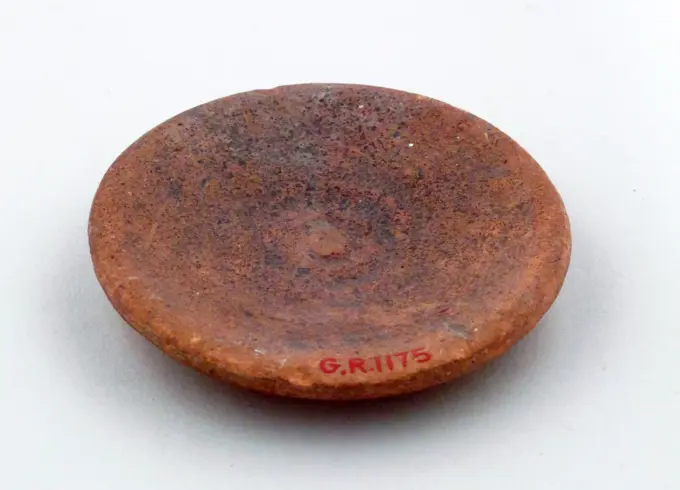
Earthenware reinforcement with round hole at top, grid reinforcement soil found ceramic earthenware glaze lead glaze, hand shaped baked earthenware reinforcement with round hole at top. Present glaze has probably accidentally landed on the object during baking. Red shard with gray core archeology Rotterdam City center Stadsdriehoek Mariniersweg indigenous pottery fish catch fishing craft Soil discovery: Mariniersweg 1983.
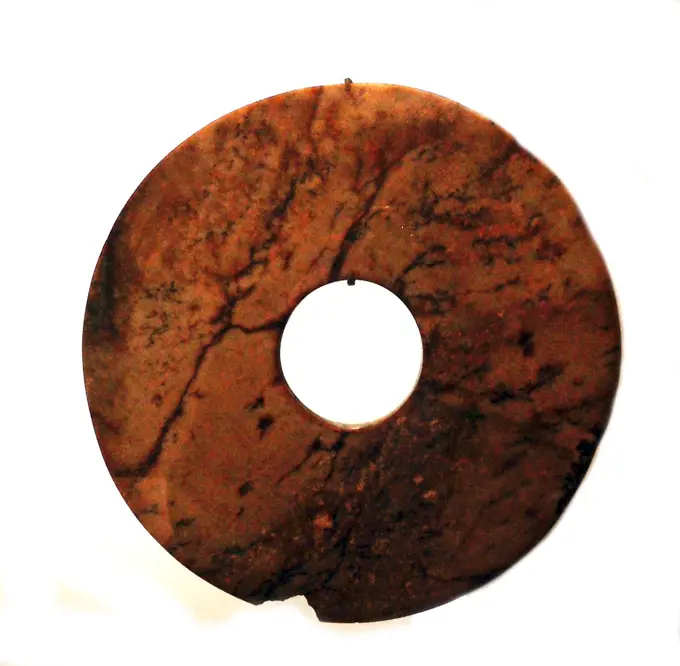
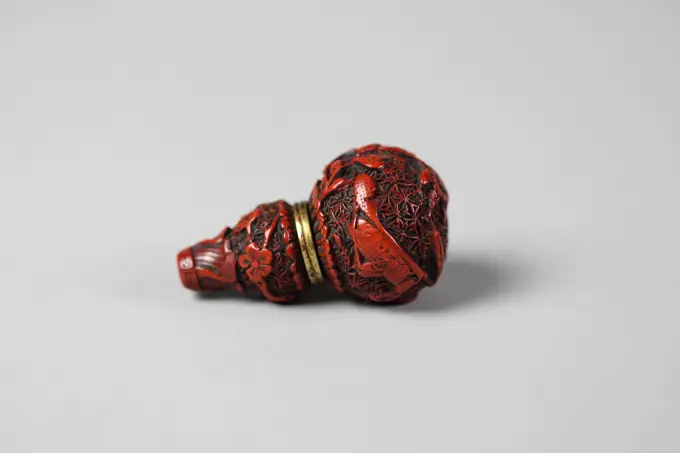
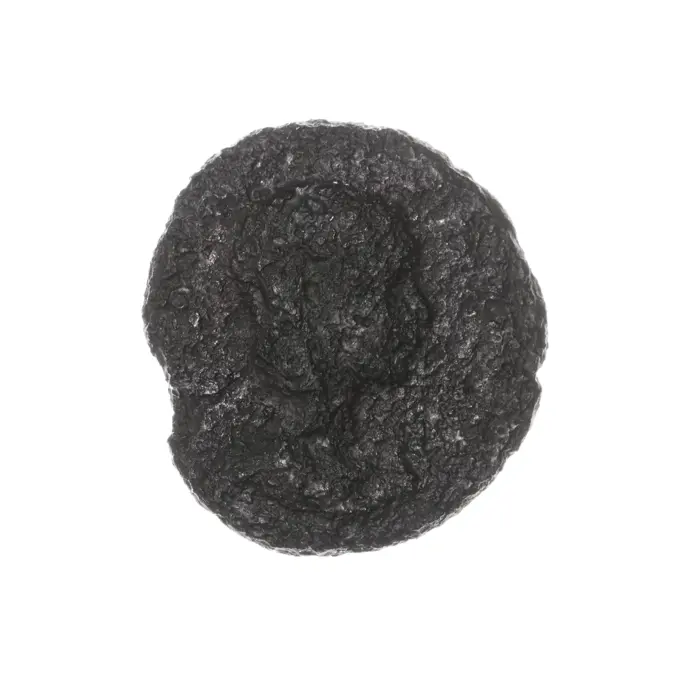
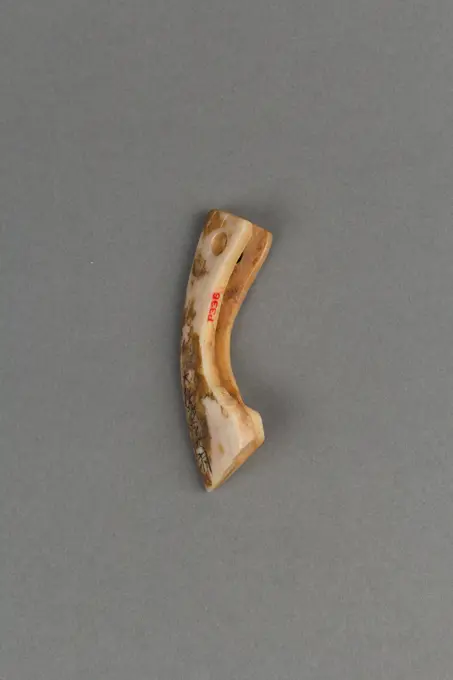
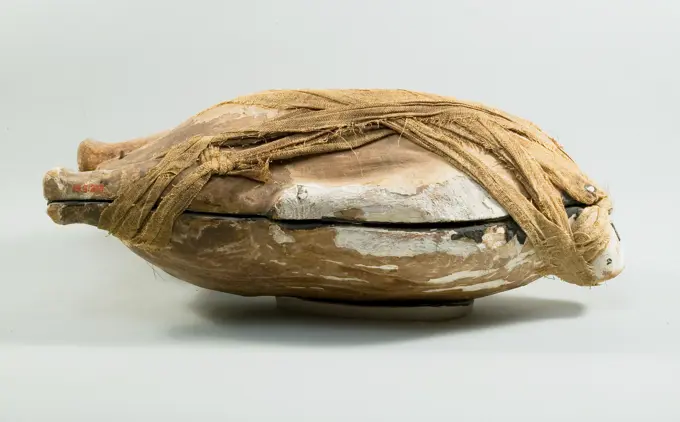
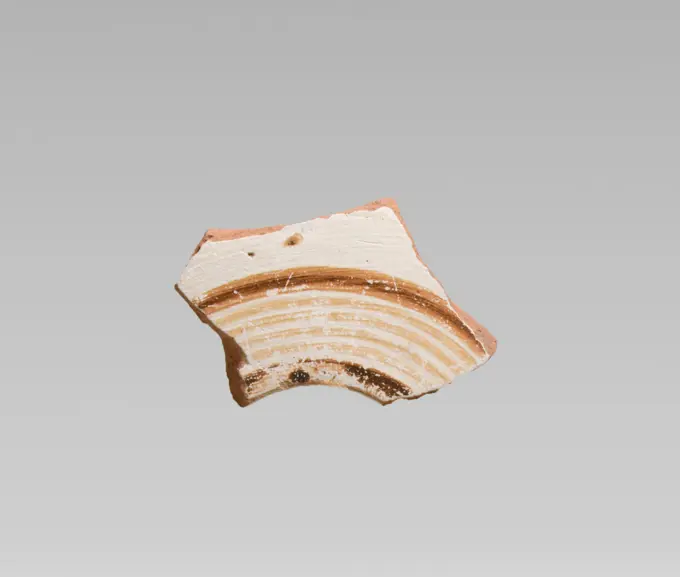
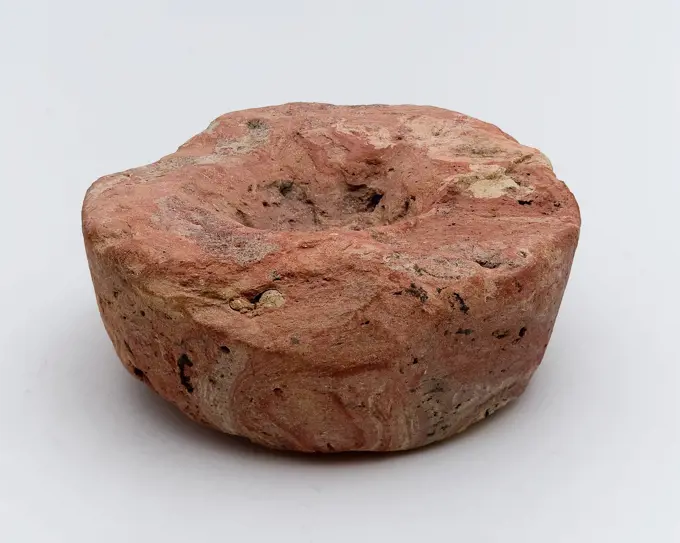
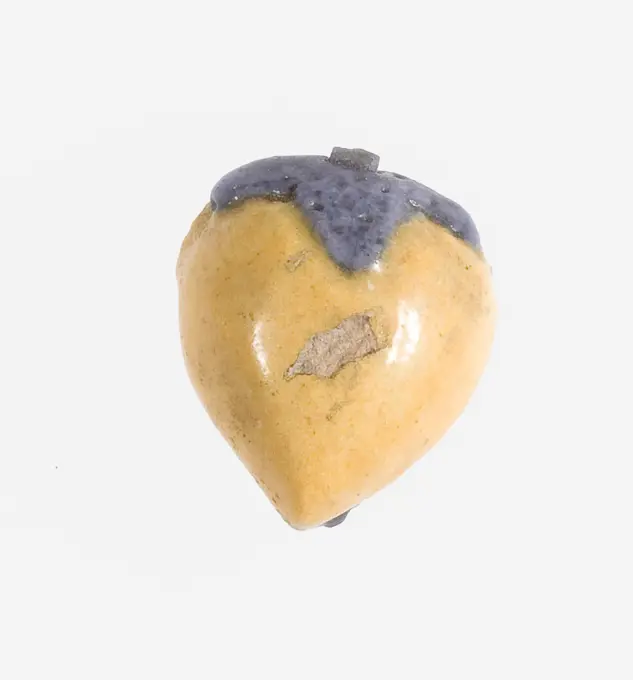
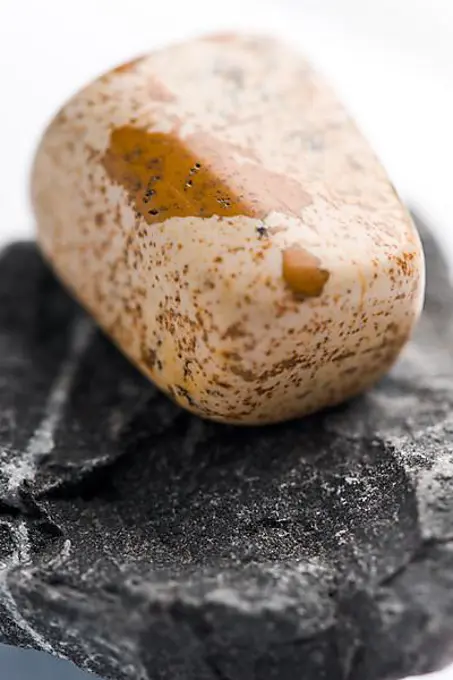
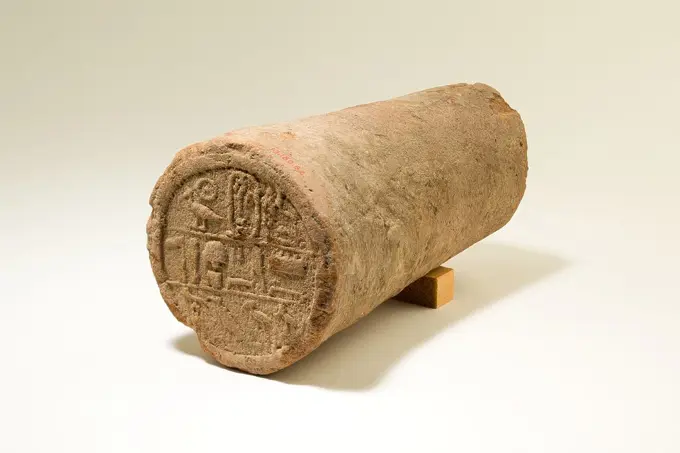
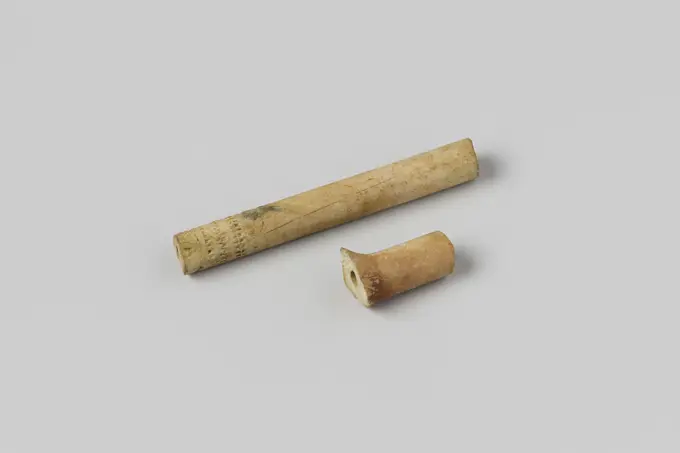
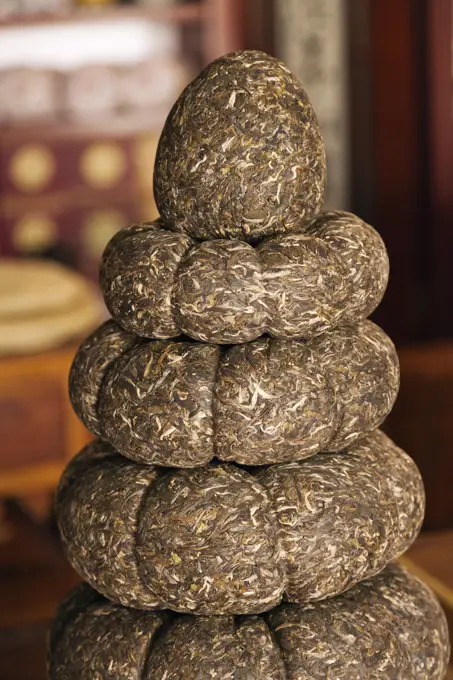
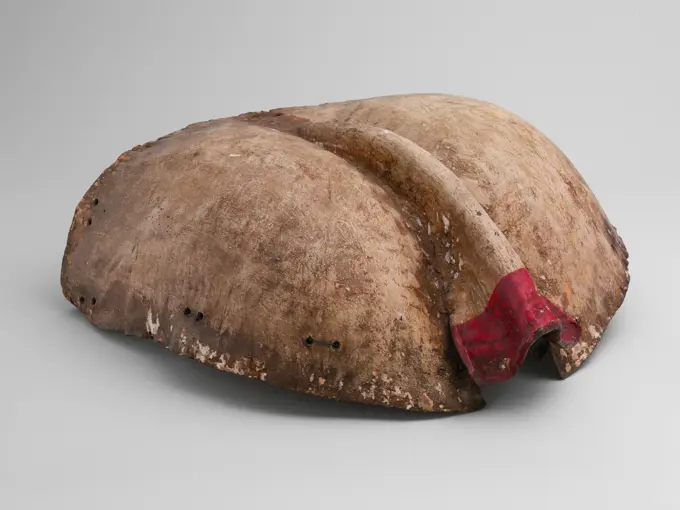
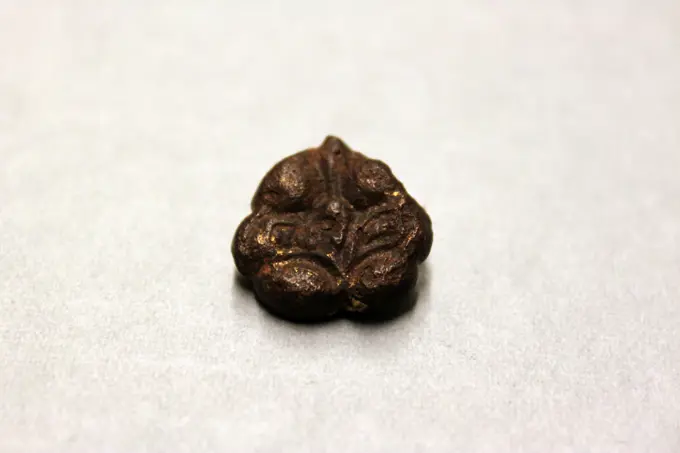
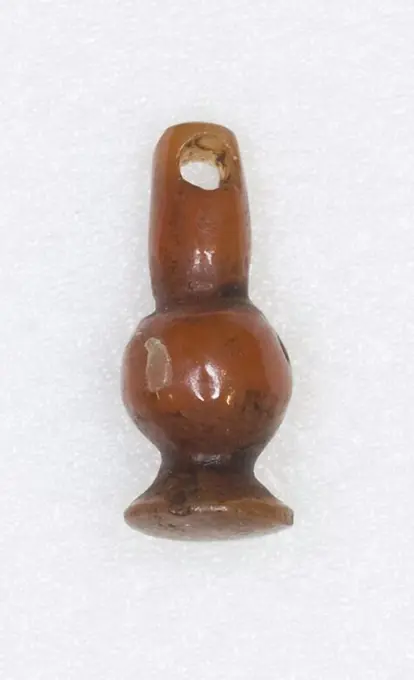
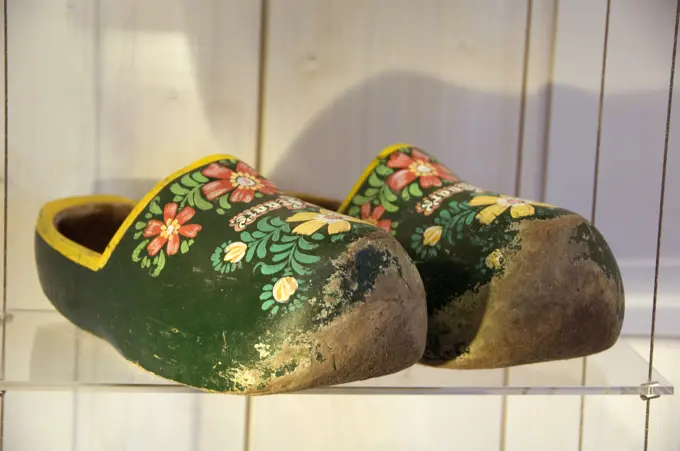
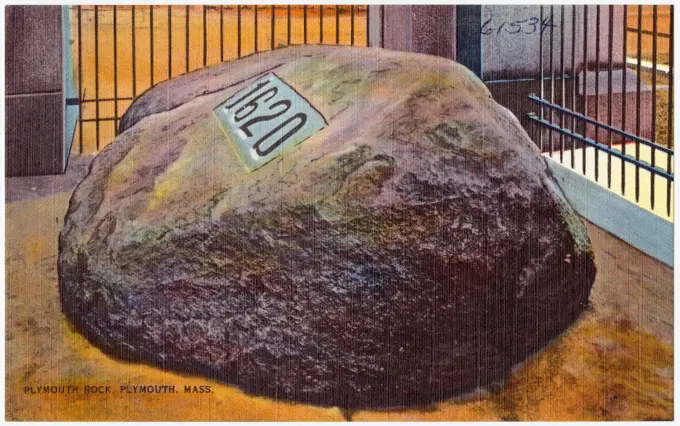
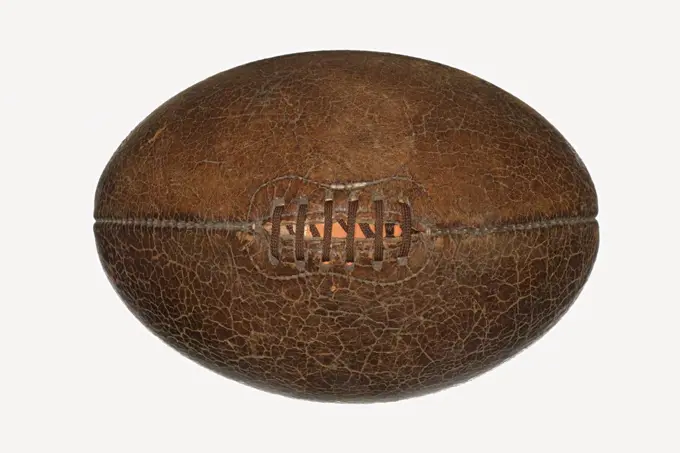
EggBoulder, stone, cropped, white background, studio shotEmilia-Romagna Ferrara Ferrara Museo Civico di Schifanoia81. Hutzel, Max 1960-1990 General Notes: INCOMPLETE RECORD--NEGATIVES PROCESSED, PRINTS FILED German-born photographer and scholar Max Hutzel (1911-1988) photographed in Italy from the early 1960s until his death. The result of this project, referred to by Hutzel as Foto Arte Minore, is thorough documentation of art historical development in Italy up to the 18th century, including objects of the Etruscans and the Romans, as well as early Medieval, Romanesque, Gothic, Renaissance and Baroque monuments. Images are organized by geographic region in Italy, then by province, city, site complex and monument.Labradorite, feldspar mineral, found in Madagascar against white backgroundRelief Fragment with Floral Design 6th-7th century Coptic. Relief Fragment with Floral Design 464641 Coptic, Relief Fragment with Floral Design, 6th7th century, Bone, Overall: 3 3/8 x 1 1/16 x 11/16 in. (8.5 x 2.7 x 1.8 cm). The Metropolitan Museum of Art, New York. Gift of J. Pierpont Morgan, 1917 (17.190.78)Pounder ca. 4500-4000 B.C. Neolithic Period, Buto-Merimda-Maadi. Pounder. ca. 4500-4000 B.C.. Quartz. Neolithic Period, Buto-Merimda-Maadi. From Egypt, Western Delta, Merimda Beni Salama, Vienna Academy of Science excavations 1929-30Disque bi : Han dynasty (206 B.C - 220 A.D. Jade. China (Geography)polished andesite mineral isolated on white close up of sample of natural stone from geological collection - polished andesite mineral isolated on white background from Crimea Copyright: xZoonar.com/ValeryxVoennyyx 21467479Netsuke of Double-Gourd Shape 19th century Japan. Netsuke of Double-Gourd Shape. Japan. 19th century. Red lacquer. Edo (1615-1868) or Meiji period (1868-1912). NetsukeAromatic bay leaves isolated on white background cutoutReel New Kingdom, Ramesside ca. 1295-1070 B.C. View more. Reel. ca. 1295-1070 B.C.. Pottery. New Kingdom, Ramesside. From Egypt, Memphite Region, Lisht North, Cemetery, MMA excavations, 1913-14. Dynasty 19-20Common bunt on Wheat graindupondius; Heliogabal (204-222; Roman emperor 218-222), Julia Paula (Ca 190-235; Roman Empress 219-220); 219-220 (219-00-00-220-00-00);Concordia between Heliogabal and Julia Paula, the Bust of the Empresstumbled Thulite gemstone on dark background macro shooting of natural mineral rock specimen - tumbled Thulite gemstone on dark granite background from Leksvik, Norway Copyright: xZoonar.com/ValeryxVoennyyx 11392115Arrowheads, needles, hooks and harpoons Japan These implementsan arrowhead, fishhooks, needle, and harpoonwere skillfully carved from bone, a material worked by Japanese artisans since Paleolithic times. They were found in the Obara Shell Mound at Ofunato Bay in Iwate Prefecture. According to information gleaned from shell mounds, or middens, the people of the J?mon period relied on a variety of strategies to obtain food. The large number of fishhooks, fashioned with and without barbs, together with the rich array of marine remains found in these rubbish heaps since very early times indicate that some fifty species of fish and shellfish constituted an essential dietary staple. Toggle-head harpoons, a later innovation, facilitated the hunting of sea mammals. Attaching a line to the toggle allowed the hunter to draw in his prey once the toggle had broken away from the harpoon shaft. Further evidence gathered from these refuse dumps suggests that the J?mon people also relied heavily on . In 1980 archaeologists investigated the graves of 185 Dutchmen - whale hunters and workmen of the train oil refineries - who had died on or near Spitsbergen during the 17th century. The skeletons were still wearing their knitted woollen caps. Each cap was individualized; the men recognized one another only by the pattern of stripes on the caps. The men were bundled up so tightly against the fierce cold that only their eyes were visible.Food Case Probably Containing a Preserved Duck ca. 1550-1479 B.C. New Kingdom. Food Case Probably Containing a Preserved Duck 545673Conus Marmoreus from v.O.c.-ship the 'white lion'. Shell from v.o.c.-ship the 'white lion'.Fragment Steel van Fork or Spoon from the wreck of the East Indians Hollandia, Anonymous, 1700 - in Or Before 1743 spoon Cutlery, fragment: stem of fork or spoon; fragm, id. NG 1980-27H1373a. Netherlands copper (metal)   SecondFruit Mold ca. 1390-1353 B.C. New Kingdom. Fruit Mold. ca. 1390-1353 B.C.. Pottery. New Kingdom. From Egypt, Upper Egypt, Thebes, Malqata, Palace of Amenhotep III, MMA excavations, 1910-11. Dynasty 18An abrasive stone to remove dry skin from heelginger isolated on the white background.Umbel Pendant ca. 1390-1353 B.C. New Kingdom. Umbel Pendant. ca. 1390-1353 B.C.. Faience. New Kingdom. From Egypt, Upper Egypt, Thebes, Malqata, Palace of Amenhotep III, MMA excavations, 1910-11. Dynasty 18Vase fragment 7th century B.C. East Greek Phiale fragment with concentric circles.. Vase fragment. East Greek. 7th century B.C.. Terracotta. Archaic. VasesFragments from the wreck of the East Indiescher 't flying heart. The seventy fragments is orange-brown, purularly discolored. you. A number are in a concrete layer. A fragment encloses a piece of clay pipe. Four fragments enclose a piece of wood.Earthenware disc with cavity and tapered walls, artifact soil found ceramic earthenware, shaped baked Round tapered stone In the middle of the largest side hollow. Pink beige marbled poorly mixed earthenware archeology Rotterdam railway tunnel Soil discovery: rail tunnel Rotterdam.Persea fruit pendant ca. 1390-1353 B.C. New Kingdom. Persea fruit pendant. ca. 1390-1353 B.C.. Faience, Yellow and violet. New Kingdom. From Egypt, Upper Egypt, Thebes, Malqata, Palace of Amenhotep III, MMA excavations, 1911-12. Dynasty 18Button ca. 1st century B.C.-1st century A.D. Parthian This is a bronze button made of sheet metal, with an attachment loop on one side. It was excavated at Shahr-i Qumis in northern Iran, which has been identified as the ancient city of Hecatompylos, established by the Parthians as their capital by about 200 B.C. In Greek Hecatompylos means a hundred gates,’ suggesting that the city was quite large. Indeed, the modern archaeological site includes several mounds, only a few of which have been excavated, and a vast area covered with potsherds. The button was found at Site VI, a building which has been interpreted as a fortified garrison.The excavations at Shahr-i Qumis by the British Institute of Persian Studies in 1967 were co-sponsored by the Metropolitan Museum of Art. However, this button was not discovered until 1971, and it was acquired from the British Institute as a result of the Met’s financial contributions to the Institute’s excavations at Tepe Nush-i Jan, another site in Iratumbled Bronzite Enstatite variety gem stone closeup of sample of natural mineral from geological collection - tumbled Bronzite Enstatite variety gem stone isolated on white background Copyright: xZoonar.com/ValeryxVoennyyx 14990079Studio shot of Sunflower Seed on white backgroundSliced bread isolated on the white backgroundBlowjob head and fragment blowjob from the wreck of the East Indiaman Hollandia. Pipe, Bowl, Healmar: Coat of Arms of the City of Amsterdam; Fragment, 2 hsm.Wood slice cross section isolated on white background Wood slice cross section isolated on white background Copyright: xZoonar.com/AndresxVictorerox 21223601clove isolated on white background one clove isolated on white background, macro Copyright: xZoonar.com/RuslanxGrigolavax 3025182Natural stone jasper shines in beautiful colours on a white backgroundVintage mappolished red Aventurine rock on white marble closeup of sample of natural mineral from geological collection - polished red Aventurine rock on white marble background from Taganay, South Ural, Russia Copyright: xZoonar.com/ValeryxVoennyyx 16070159Close-up of four roasted chestnut in a rowPhiale, miniature Etruscan Yellow clay, no decoration.. Phiale, miniature. Etruscan. Terracotta. VasesPoint in chipped stone. Neolithic period. North Africa. 4,2 cm.Hammered Copper Half Dome 8th-mid-16th century Peru; north coast (). Hammered Copper Half Dome 309029Blade - in the sickle;  4-3 thousand BC (-4000-00-00--2001-00-00);Culture Uruk (approSingle log of wood horizontally isolated on white backgroundPendant: female head 5th century B.C. Italic Pendant in the form of a female head facing right.. Pendant: female head. Italic. 5th century B.C.. Amber. Classical. Miscellaneous-AmberLoofah (Luffa sp.) dried fruit 'sponge'black sunflower seed isolated on a white backgroundA small and a large pine-cone.isolated golden object made in 3d graphicsHand holding a dry autumn leaf in hand on a white backgroundPendant: female head with bird headdress 8th-7th century B.C. Etruscan Pendant of a female head in profile wearing a headdress.. Pendant: female head with bird headdress. Etruscan. 8th-7th century B.C.. Amber. Archaic. Miscellaneous-AmberPendant: head of Herakles. Culture: Etrusco-Campanian. Dimensions: H.: 7/8 in. (2.2 cm). Date: 5th century B.C..Head of Herakles with lion headress. Museum: Metropolitan Museum of Art, New York, USA.Four trufflestumbled clinohumite gemstone isolated macro shooting of natural mineral stone - tumbled clinohumite gemstone from Pamir isolated on white background Copyright: xZoonar.com/ValeryxVoennyyx 9082065closeup of sample of natural mineral from geological collection - raw Rose quartz crystal isolated on white background. raw Rose quartz crystal isolated on whiteMediterranean mussels on a white backgroundLeaf Pendant ca. 1390-1353 B.C. New Kingdom. Leaf Pendant. ca. 1390-1353 B.C.. Faience. New Kingdom. From Egypt, Upper Egypt, Thebes, Malqata, Palace of Amenhotep III, MMA excavations, 1910-11. Dynasty 18Funerary Cone of First Prophet of Amun Djehuty. Dimensions: Preserved L. 15 cm (5 7/8 in.); Diam. 8.6 cm (3 3/8 in.). Dynasty: Dynasty 18. Reign: reign of Ahmose I. Date: ca. 1550-1525 B.C.. Museum: Metropolitan Museum of Art, New York, USA.Headdress 19th century European. Headdress 89681Ornament, christmas tree, Dough, Shape of an 'E.', USA, 1850-99, Decorative Arts, Ornament, christmas treeFigurine 4th-1st Millennium BC. Figurine. 4th-1st Millennium BC. Ceramic. Mesopotamia, NippurFragments Pipe states from the wreck of the East Indiesman Hollandia. Pipe, voice; Fragments, Decoration ID. 80H501 Inscription ( G VSCHUT T, Gouda).Tassel 17th century Italian. Tassel. Italian. 17th century. Linen. Textiles-TrimmingsShell on the beach in Sapi Island, Sabah.Pod, cone or capsule on a backgroundMusketballs from the wreck of the East Indians Meresteijn, Anonymous, 1693 - 1702  Thirty -four lead musket bullets, partly with your sake. Solid spherical bullets. Shot, musket. Northern Netherlands lead (metal)   Cape of Good HopeChina, Yunnan, Jianshui. A pyramid of Puer tea cakes for sale in a tea shop in Jianshui.autumn yellow leaf of dog rose plant isolated autumn yellow leaf of dog rose plant isolated on white background Copyright: xZoonar.com/ValeryxVoennyyx 12042122Property Transfer Document: Ananiah Gives Yehoishema Another Part of the House Aramaic. Property Transfer Document: Ananiah Gives Yehoishema Another Part of the House, November 25 or November 26, 404 B.C.E. Papyrus, ink, mud, Glass: 30 5/16 x 15 5/16 in. (77 x 38.9 cm).   Egyptian, Classical, Ancient Near Eastern Art November 25 or November 26, 404 B.C.E.Vertical stump isolated on a white backgroundPendant: Lotus Sepal. Dimensions: H. 4.1 cm (1 5/8 in.); W. 1.2 cm (1/2 in.); th. 0.3 cm (1/8 in.). Dynasty: Dynasty 18. Reign: reign of Amenhotep III. Date: ca. 1390-1353 B.C.. Museum: Metropolitan Museum of Art, New York, USA.Crupper Plate early 16th century Possibly Flemish or German Much lighter, and probably faster and cheaper to produce than metal defenses, armor made from shaped and hardened leather (cuir bouilli) was used throughout Europe for war, tournament, and parades from at least Roman times until the end of the sixteenth century. Although very few examples of cuir bouilli armor survive, its use as a defense for both man and horse was once much more widespread than is commonly assumed. In 1547, for example, the Master of the Armoury at the Tower of London bought forty-six "leather barbes" (bards), together with the same number of leather crinets, for an imminent campaign in Scotland. In addition, the inventories of the armory at Neuburg Castle, Bavaria, seat of the Counts Palatine of the Rhine, list no less than half a dozen sixteenth-century leather bards for the personal use of the counts' horses. Leather bards could be worn without further protection for the head or neck, although shaffrons, One pistachio over wooden gray backgroundMarble funerary urn containing a bronze lebes for the bones of the deceased from Faliro, Greece, 6th century b.c.A date stuck in a date jam, studio photography with black backgroundMarshmallows, elevated viewBelt Fittings 9th-10th century. Belt Fittings. 9th-10th century. Bronze; cast, remains of gilding. Excavated in Iran, Nishapur. Metalpoppy roll poppy roll isolated on a white background Copyright: xZoonar.com/RuslanxGrigolavax 3088489Pendant in the Shape of a Poppy. Egyptian. Date: 1550 BC-1069 BC. Dimensions: 1.11 × .48 × .48 cm (7/16 × 3/16 × 3/16 in.). Carnelian. Origin: Egypt. Museum: The Chicago Art Institute, Chicago, USA. Author: Ancient Egyptian.Cuban cigar isolated on whiteWicker basket with a loaf of bread on a white backgroundArchitectural Ornament 11th century. Architectural Ornament 450326Netherlands (aka Holland), Zaandam. Zaanse Schans, Wooden Shoe Museum, highly painted antique wooden clogs showing years of use. (Editorial Usage Only)Plymouth Rock, Plymouth, Mass. , Rocks, Tichnor Brothers Collection, postcards of the United Statesbrown coal briquette Record from the Lusatia, heating material, RAW Material, Heat Generation, McP Wal 2024 002452 McPkstKarte von Laos auf rostigem Metall - Map of Laos on rusty metal Karte von Laos auf rostigem Metall - Map of Laos on rusty metal Copyright: xZoonar.com/lantapixx 10692172Old rugby ball