Historical Ceramics and Jars

A range of antique jars and jugs with intricate designs, showcasing craftsmanship from various historical periods and regions.

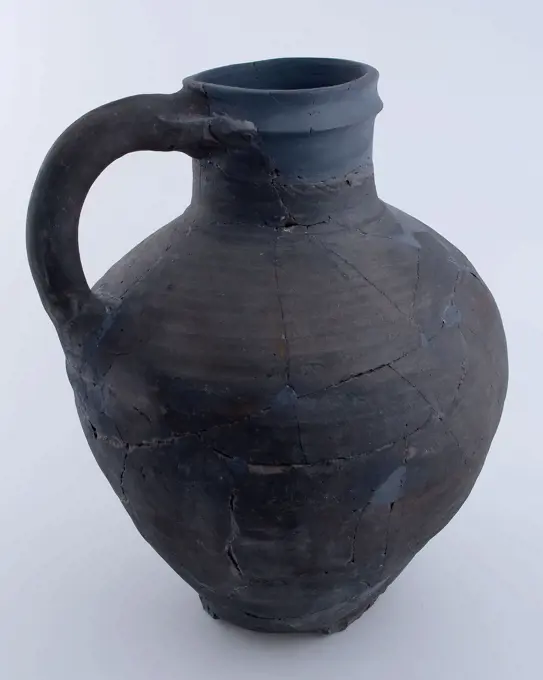
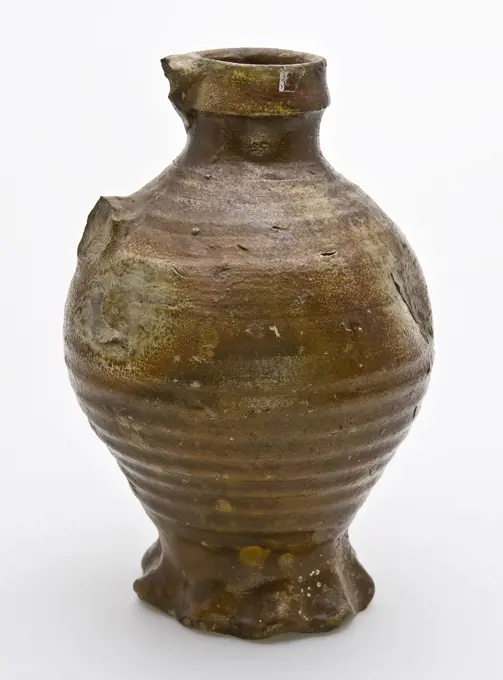
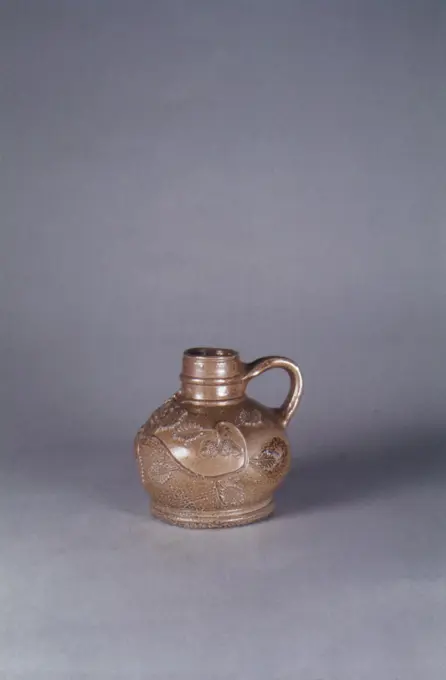
Jug (Bartmann jug) with a roundel in a medallion, anonymous, c. 1540 - c. 1570 Can (beard fancier bush) of stoneware on stand ring with a pear -shaped body and wide neck. Tuit is missing; On the abdomen the remnant of the onset of a long spout and on the neck a damage where the bridge was attached. The C-shaped ear is attached to the neck and shoulder. Profiles on the neck. Covered with a brown Engobe. On the neck, continuously on the shoulder, a bearded man. Cologne/ Frechen. Cologne (possibly) stoneware. glaze. engobe vitrification Can (beard fancier bush) of stoneware on stand ring with a pear -shaped body and wide neck. Tuit is missing; On the abdomen the remnant of the onset of a long spout and on the neck a damage where the bridge was attached. The C-shaped ear is attached to the neck and shoulder. Profiles on the neck. Covered with a brown Engobe. On the neck, continuously on the shoulder, a bearded man. Cologne/ Frechen. Cologne (possibly) stoneware. glaze. engobe vitrification
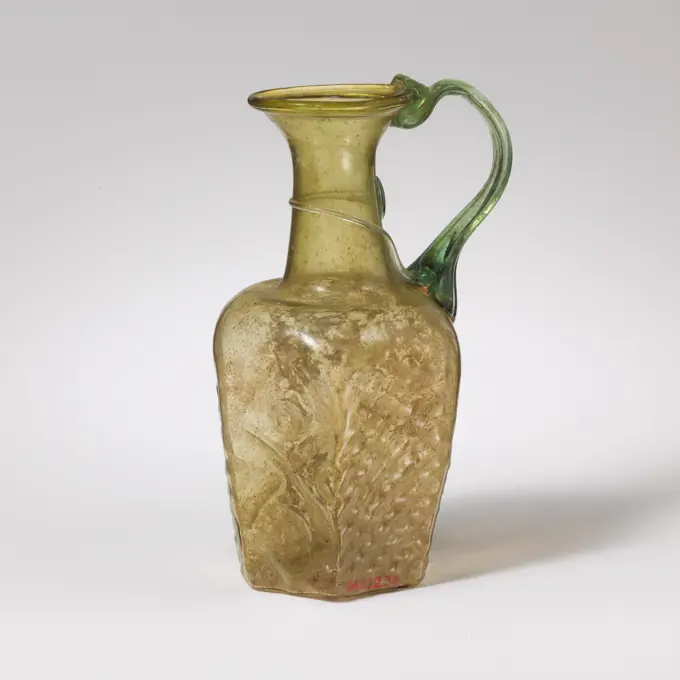
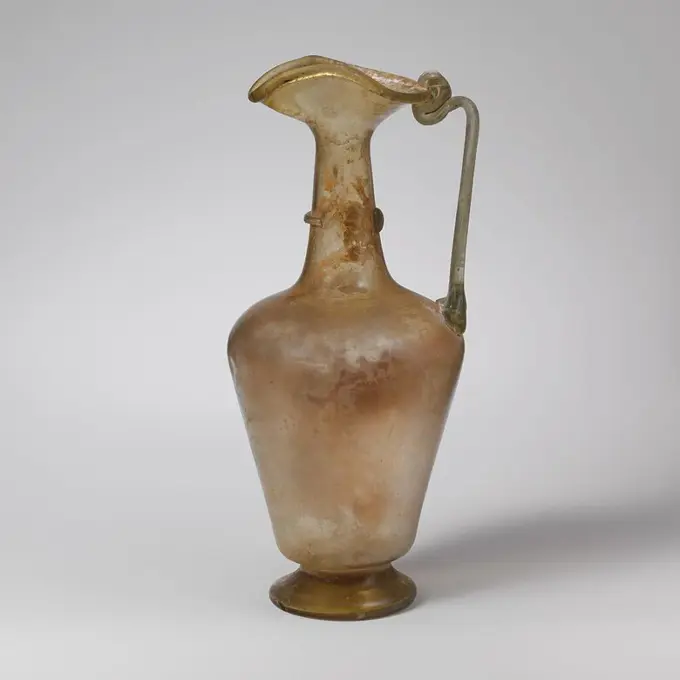
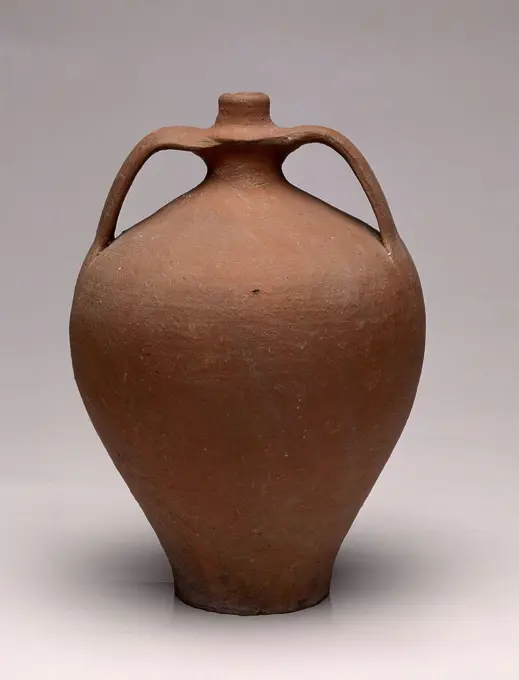
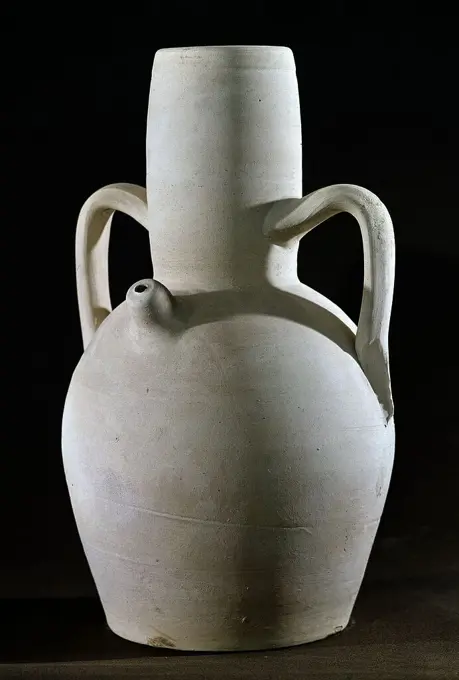
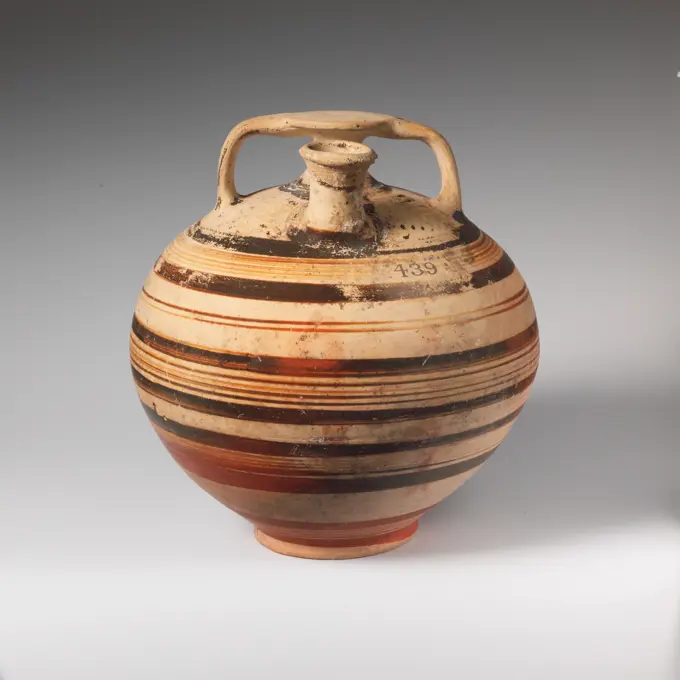
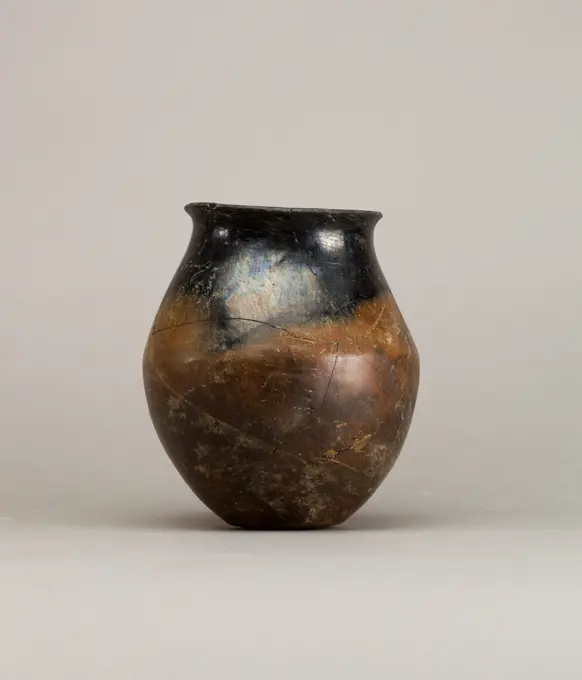
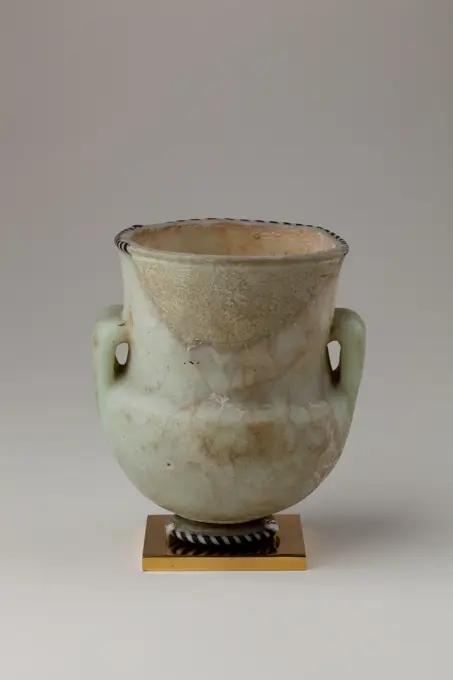
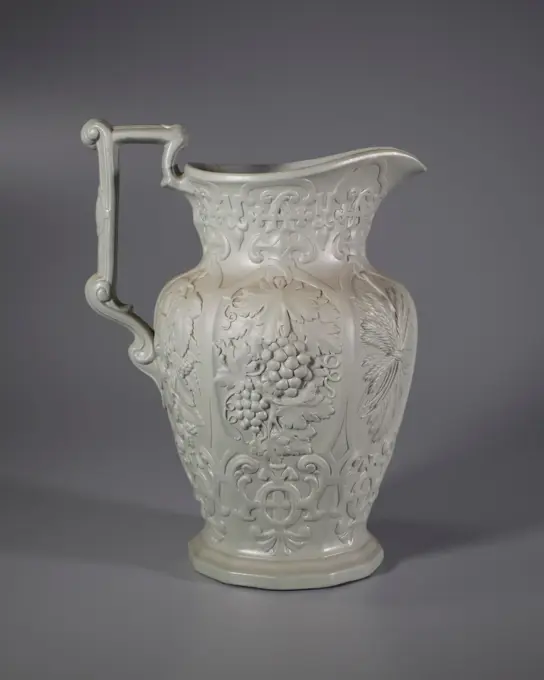
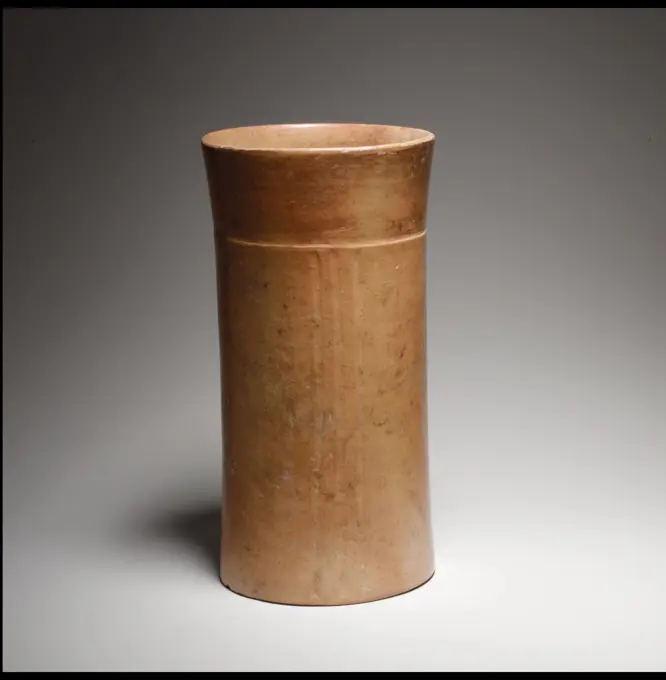
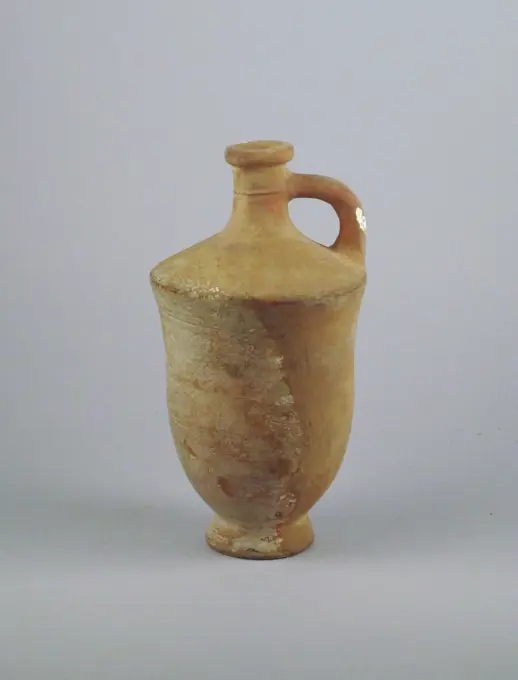
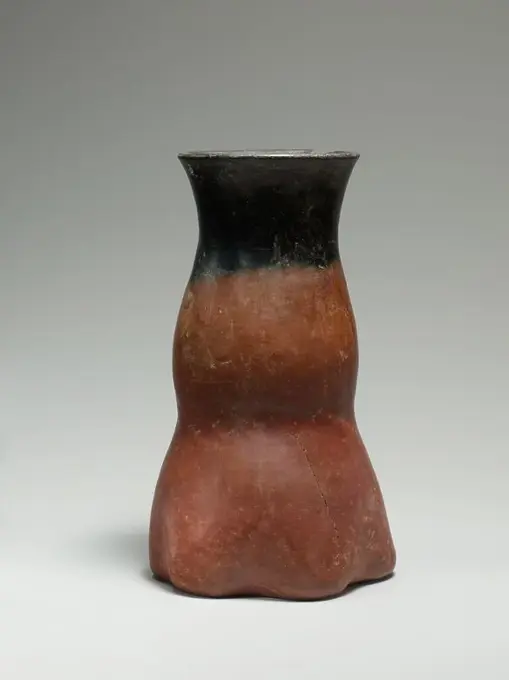
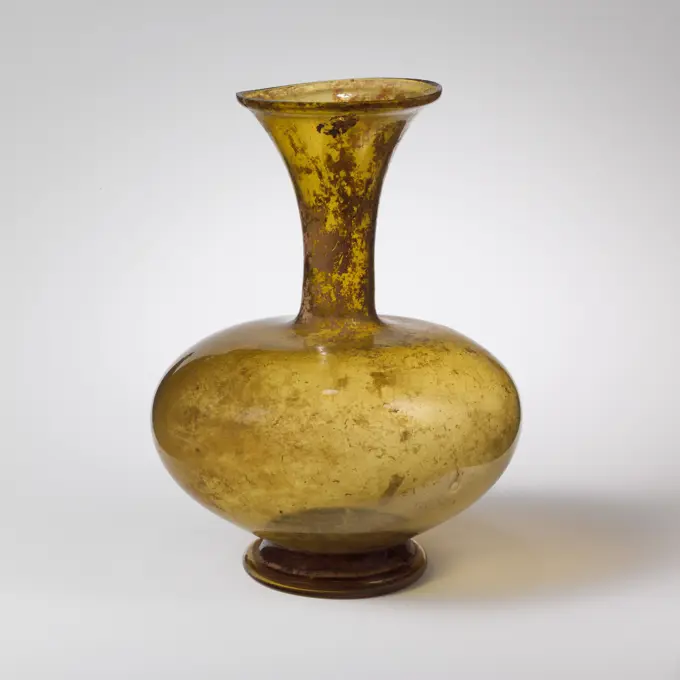
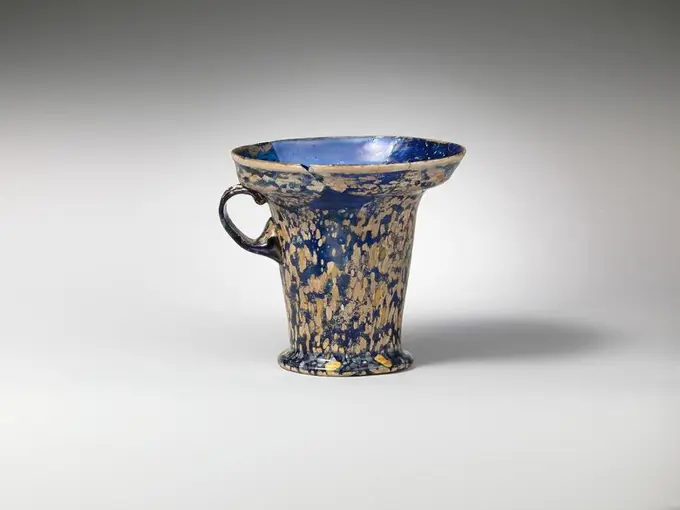
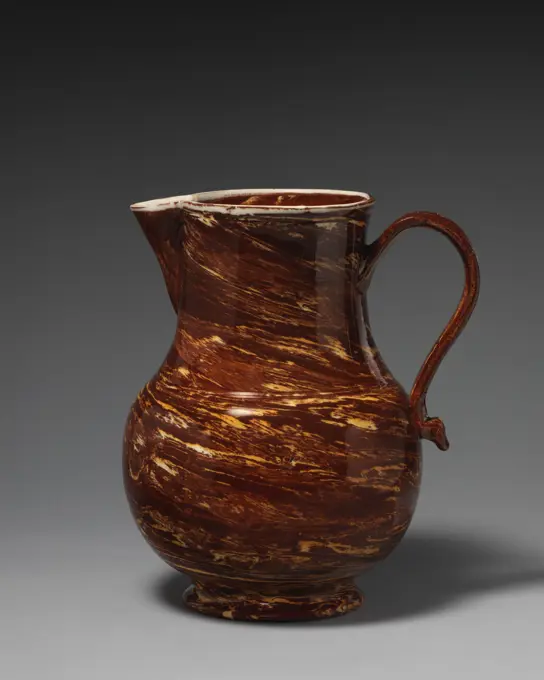
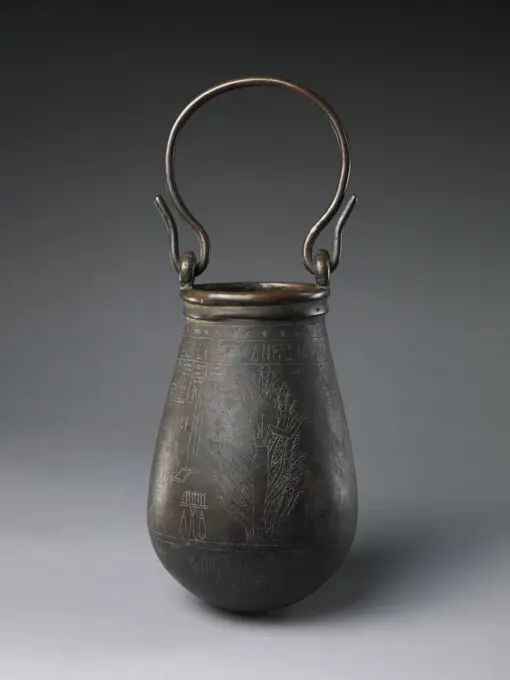
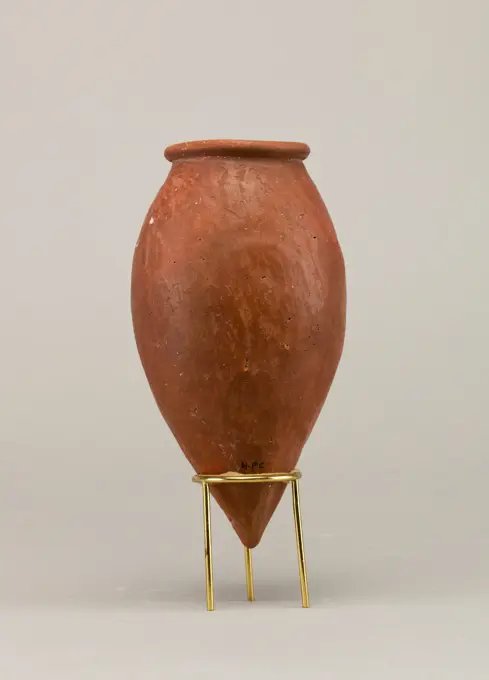
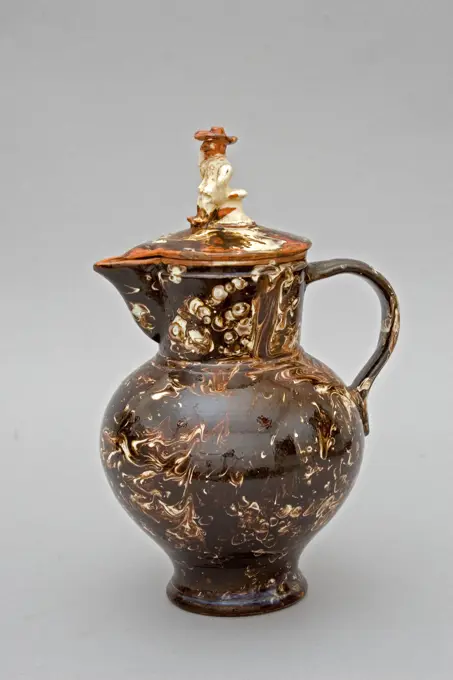
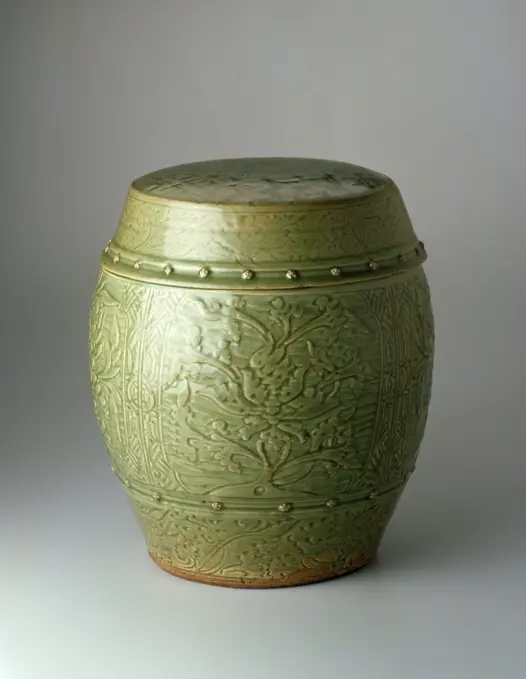
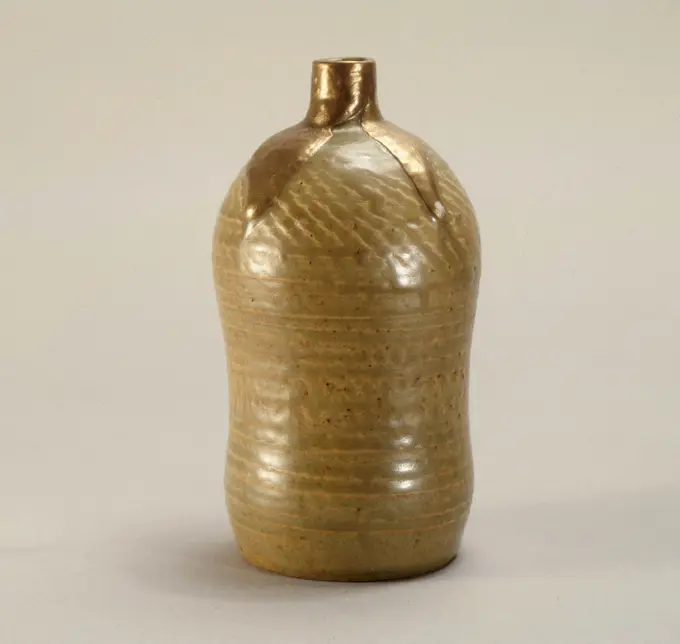
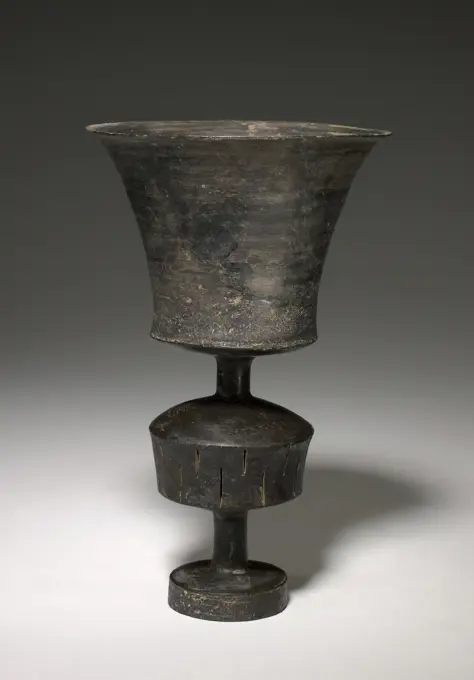
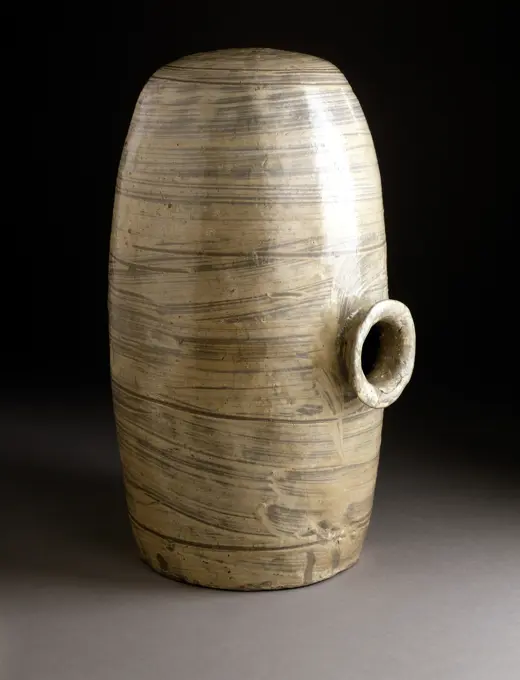
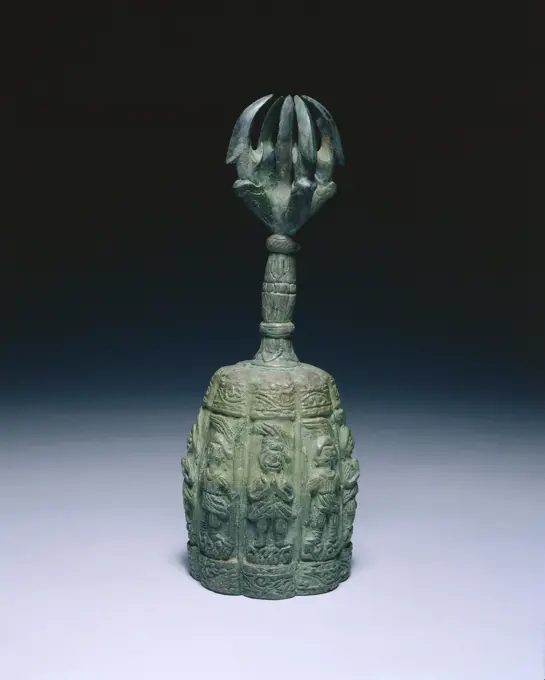
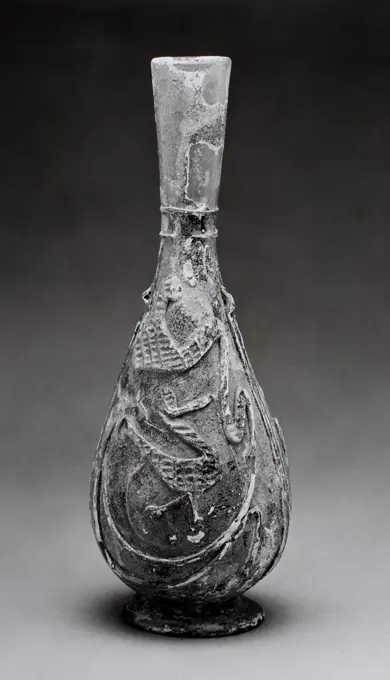
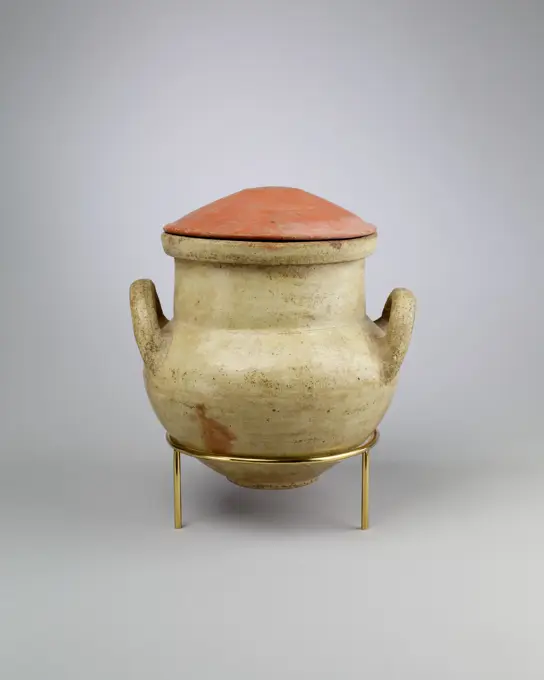
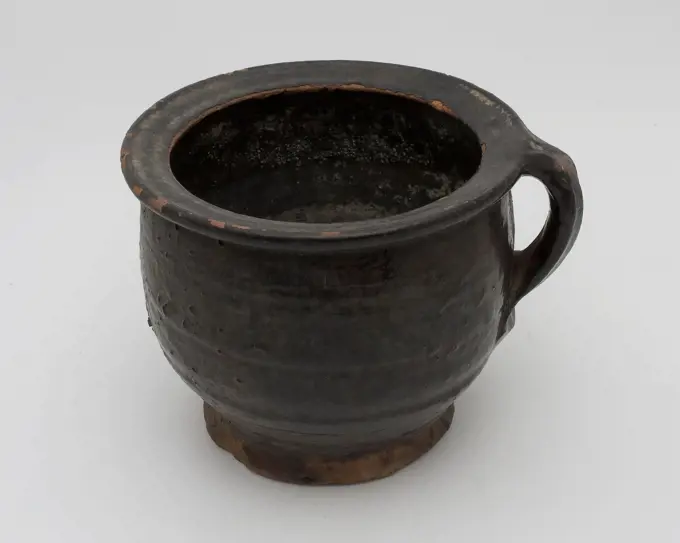
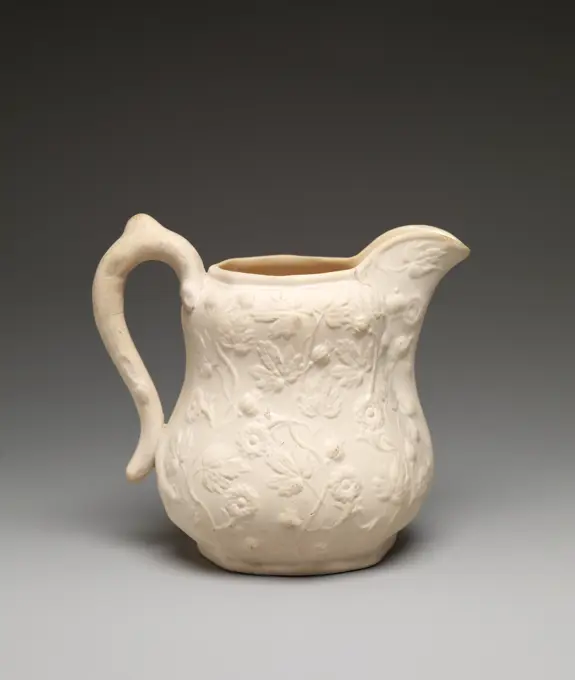
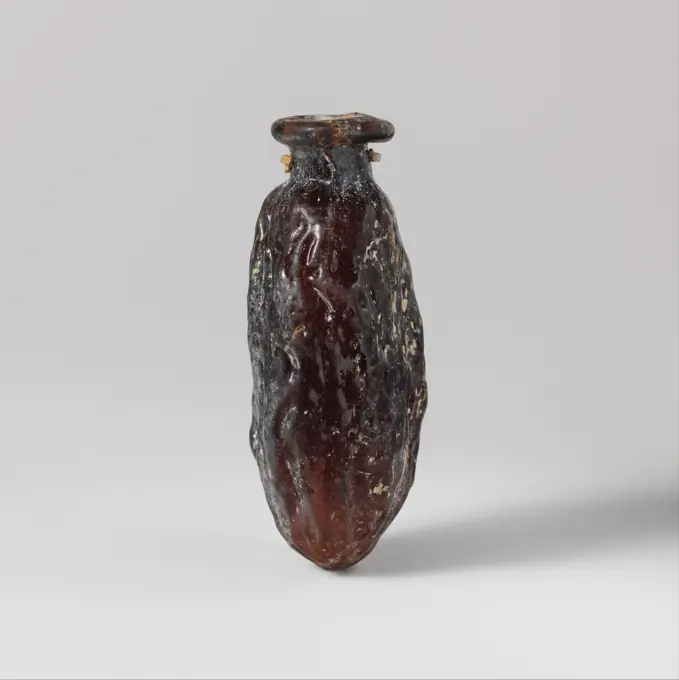
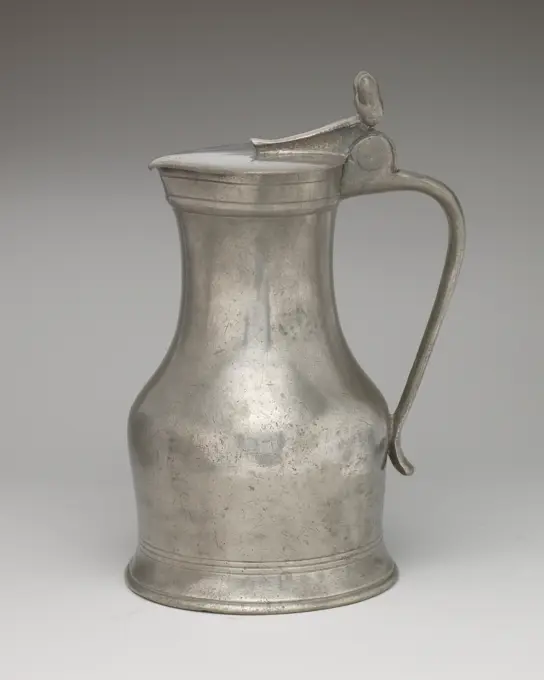
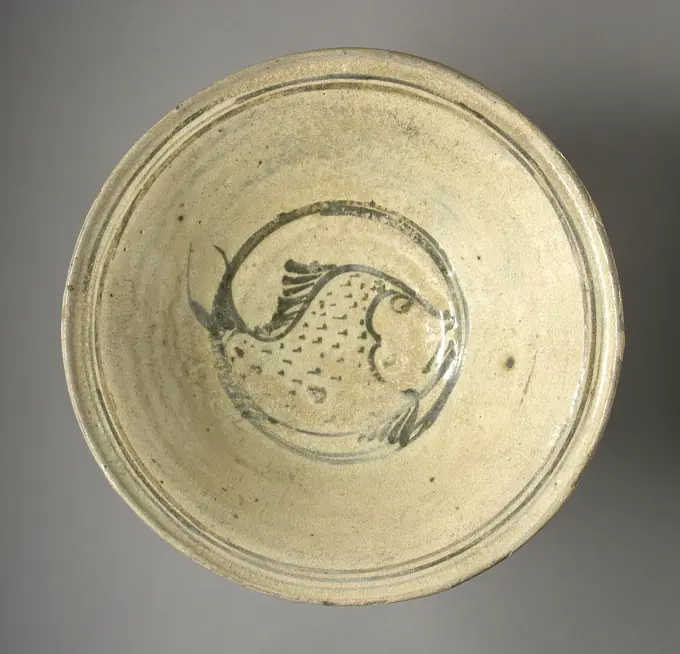
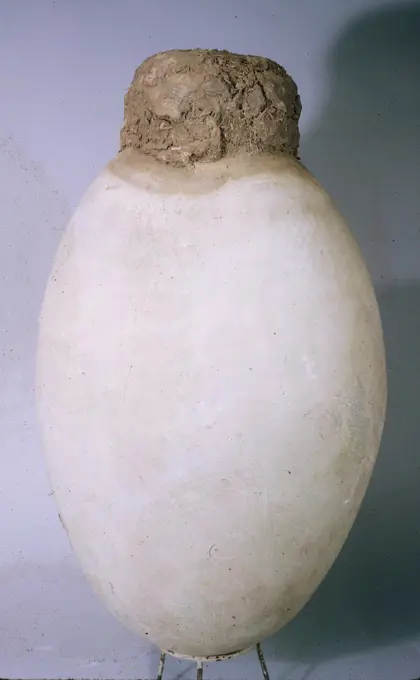
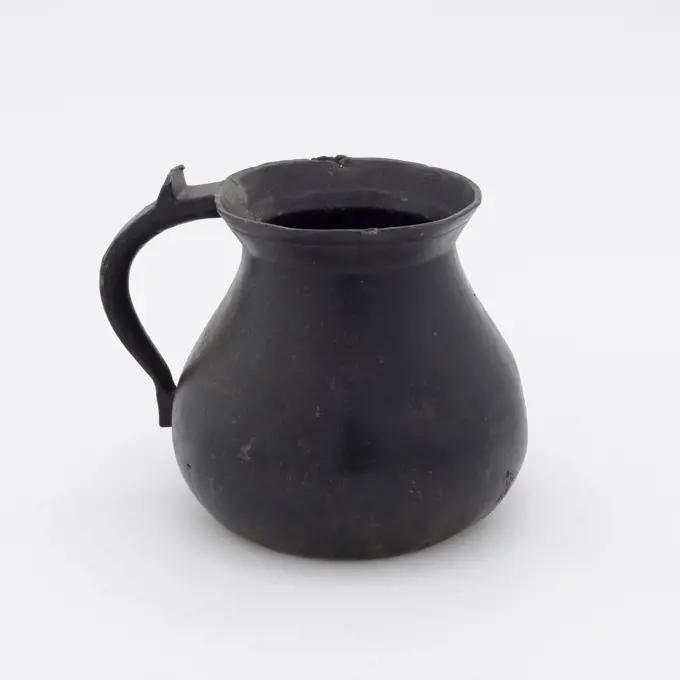
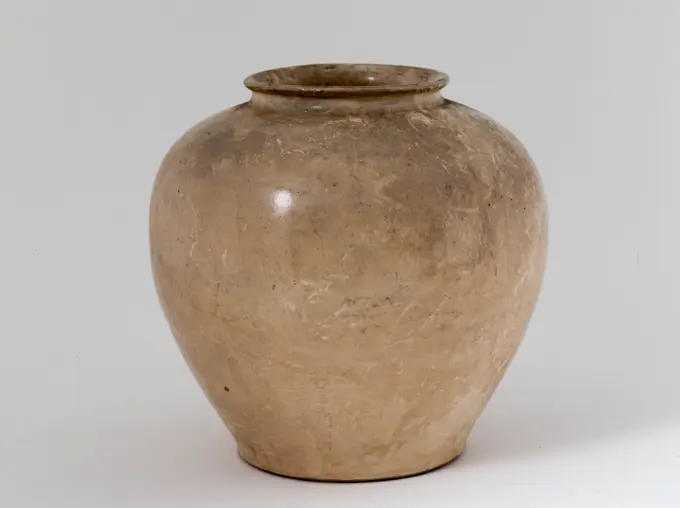
Jar ". Porcelain sandstone, transparent covered. China, Tang dynasty (618-907). Paris, Cernuschi museum. Chinese art, container, tang dynasty, oval form, jar, Chinese porcelain, container, terracottaJug (Bartmann jug) with a roundel in a medallion, anonymous, c. 1540 - c. 1570 Can (beard fancier bush) of stoneware on stand ring with a pear -shaped body and wide neck. Tuit is missing; On the abdomen the remnant of the onset of a long spout and on the neck a damage where the bridge was attached. The C-shaped ear is attached to the neck and shoulder. Profiles on the neck. Covered with a brown Engobe. On the neck, continuously on the shoulder, a bearded man. Cologne/ Frechen. Cologne (possibly) stoneware. glaze. engobe vitrification Can (beard fancier bush) of stoneware on stand ring with a pear -shaped body and wide neck. Tuit is missing; On the abdomen the remnant of the onset of a long spout and on the neck a damage where the bridge was attached. The C-shaped ear is attached to the neck and shoulder. Profiles on the neck. Covered with a brown Engobe. On the neck, continuously on the shoulder, a bearded man. Cologne/ Frechen. Cologne (possibly) stoneware. glaze. engobe vitrificationGlass hexagonal jug 6th-early 7th century A.D. Roman, Syrian Translucent yellow green, with trail and handle in green.Outsplayed rim folded outward, over, and inward; funnel-shaped mouth joining cylindrical neck that expands downwards; slightly pushed-in horizontal shoulder with downward curving outer edge; hexagonal body, tapering downwards, with slightly impressed side panels; deeply pushed-in bottom, with traces of central pontil; rod handle, applied in a large pad on edge of shoulder, drawn up and outward, then curved round and trailed onto underside of mouth and rim, with trail extending above upper edge of rim.On neck, single trail applied as a pad, drawn round and down to join handle pad; on body, six rectangular panels, decorated with matching pairs of three different geometric relief patterns: two vertical lozenges with central dots and half lozenges to either side, a lattice of diamond-shaped bosses, and a stylized palm frond with twelve or thirteen leaves to either side of cJarre funraire. Grès to couverts brunette. Par musée musée malée. 78845-6 Asian art, ancient ceramic, containerJar with lid. Terracotta. Vietnam. Paris, Muse Cernuschi. Jar with lid Asian art, art of extreme orient, art of Vietnam, Vietnamese art, terracotta, dishesShigaraki Jar (Tsubo) 17th century Japan. Shigaraki Jar (Tsubo). Japan. 17th century. Stoneware with natural ash glaze and gold lacquer repairs (Kyoto ware, Shigaraki type). Edo period (1615-1868). CeramicsGlass jug with trefoil rim. Culture: Roman. Dimensions: Overall: 6 1/4in. (15.9cm). Date: 4th-5th century A.D..Translucent pale greenish yellow; handle and trail in same color.Rim folded out and rounded in the flame; trefoil, flaring mouth; cylindrical neck, expanding downwards; broad, sloping shoulder; body with straight side, tapering downwards; splayed tubular foot, made by folding; uneven, slightly concave bottom with pontil scar; rod handle applied in a large pad to outer edge of shoulder, drawn up almost vertically, then turned in and down, and folded onto underside of rim, with trail splayed out along edge of rim on one side.Tubular trail applied as a pad and wound horizontally from left to right once around neck.Intact, except for small part of lower trail; some bubbles and blowing striations, and black impurities in handle; some dulling, slight pitting, and iridescence on exterior, patches of reddish soil encrustation and weathering on interior. Museum: Metropolitan MuseumVase, Weller Pottery, Earthenware, bronze, Buff clay body, cast. Amphora form with flaring rim. High relief decoration of grape clusters and leaves on each side below vine-formed handles. Electro-deposit of bronze covers surface and foot rim portion of bottom. Green patination, slightly streaked., Zanesville, Ohio, USA, 1910-20, ceramics, Decorative Arts, VaseTeacaddy with a goldenbrown glaze, anonymous, anonymous, c. 1700 - c. 1800 Dust bar or Chare van Steengoed with an ivory lid, partly covered with a golden brown glaze. The lower half of the bus is unglazed. Old label on the bottom with 'W637'; Two old labels on the inside with 'Takatori (Inkyu-shu)/ 18th' and 'Ko-Seto'. SETO. Japan stoneware. glaze. deksel: ivory vitrification Dust bar or Chare van Steengoed with an ivory lid, partly covered with a golden brown glaze. The lower half of the bus is unglazed. Old label on the bottom with 'W637'; Two old labels on the inside with 'Takatori (Inkyu-shu)/ 18th' and 'Ko-Seto'. SETO. Japan stoneware. glaze. deksel: ivory vitrificationCANTARO TRONCO-CONICO CON DOS ASAS CUELLO CORTO Y ESTRECHO - ARTE POPULAR. Location: ALFARERIA. SPAIN.Narrow high jug of stoneware with ear, with colorless glaze with a small decoration in blue, anonymous, 1600 - 1650  Northern Netherlands stoneware. glaze majolica  Northern Netherlands stoneware. glaze majolicaCANTARO DE BARRO BLANCO CON DOS ASAS Y CUELLO ALTO Y ANCHO- CERAMICA PARA AGUA. Location: ALFARERIA. Agost. Alicante. SPAIN.Large dark gray jug on three standard fins, jug crockery holder soil find ceramic earthenware, hand-turned baked Large dark gray earthenware water jug Three stand fins. Bolle jug be ovoid with high shoulder. Reduced fried. Fors standing ear. Cylindrical neck with thickened upper edge. Fragile spindles on the shoulder archeology Hellevoetsluis Nieuwenhoorn water washing drinking Soil discovery housing tower Ravenseweg in ditch slot V number 13 Uithof Ter Doest Nieuwenhoorn 1978.11.00.Large jar ca. 2649-2100 B.C. Old Kingdom. Large jar. ca. 2649-2100 B.C.. Pottery. Old Kingdom. From Egypt, Memphite Region, Saqqara, Egyptian Antiquities Service excavations. Dynasty 3-4Jug, miniature Cypriot Miniature jug with long neck and one handle.. Jug, miniature. Cypriot. Terracotta. VasesTerracotta stirrup jar ca. 1325-1300 B.C. Mycenaean False-necked vase with broad and narrow bands and degererate floral ornament.. Terracotta stirrup jar 240964JugBrown stoneware jug with rings and pinched foot, cuff collar, jug crockery holder soil find ceramic stoneware clay engobe glaze salt glaze, surface 7.3 hand turned glazed baked stoneware jug gray shard brown engobe and salt glaze with gray spots cuff collar around the neck rotations around belly pinched foot. Abdominal model archeology Rotterdam Delfshaven Lage Erf import pottery serving drinking wine beer packaging Soil discovery Rotterdam: Lage Erf Delfshaven 1925.Cooking pot on legs from v.o.c. ship De 'Witte Leeuw', Before 1613  Cook pot on legs from V.O.C. ship the 'Witte Leeuw'.  bronze (metal)   Sint-HelenaBlack-topped red ware jar ca. 3850-2960 B.C. Predynastic Period. Black-topped red ware jar. ca. 3850-2960 B.C.. Pottery. Predynastic Period. From Egypt, Southern Upper Egypt, Hierakonpolis (Nekhen), MMA excavationsJar ca. 1295-1070 B.C. New Kingdom, Ramesside Egyptian glassmaking, which had reached a high level of virtuosity in late Dynasty 18, continued to be practiced in the Ramesside Period; however, the quality, as well as quantity, of it production dropped off sharply in Dynasty 20. The flasks and bowls made at this time were often monochrome like this jar here, with only a "rope" made of stained glass rods in contrasting colors attached to the rims, shoulders or feet of the vessels.. Jar 549350Jug, Hops and Barley” pattern. Maker, attributed to: Ridgway & Abington, British, 1835-1860Bottle with spherical body. Inserted soul, slightly narrowing body through rounded shoulders passing into a highly tapered neck with a highly placed ring.Cylindrical Vessel 1st century B.C.-A.D. 1st century Maya The clean lines and spare ornament of this Maya ceramic vessel illustrate the early stages of an art form for which the ancient Maya have become renowned. The refined simplicity of style and noble presentation of form in this early Maya cylinder suggests ownership by a person of rank; however, the object's good condition refutes any suggestion of use in daily life. The fine proportions, with a flat base, tall, slender sides, and slightly flared mouth, are accentuated by the simple incised vertical lines and the horizontal band that tops them. This elegant vessel predates the painted cylinders with narrative scenes for which the Maya are well known, but its tall shape resonates in later work.. Cylindrical Vessel. Maya. 1st century B.C.-A.D. 1st century. Ceramic, slip. Guatemala, Mesoamerica. Ceramics-ContainersVase of amber -colored, Opaak Glass with Tincraquelé, Kristalunie Maastricht, 1935 Large vase of amber -colored Irisizing Opaak Glass. Pear -shaped. With silly ribs and Tincraquelé. Bent edge. Marked on soil in diamondgravure: Maastricht. Maastricht glass glassblowing / iridescence Large vase of amber -colored Irisizing Opaak Glass. Pear -shaped. With silly ribs and Tincraquelé. Bent edge. Marked on soil in diamondgravure: Maastricht. Maastricht glass glassblowing / iridescenceLekythos East Greek/Sardis, Lydian. Lekythos. East Greek/Sardis, Lydian. Terracotta. Vases. Vase of quartz Fritgoed covered with an opaque white tin-lead alkali acid on which a decor in luster with people in cartouches surrounded by geometric motifs.Small vase with handles in the shape of shachi. unknown, craftsmanBlack-topped red ware jar. Dimensions: H. 17.2 × W. 10.4 × diam. 7.3 cm (6 3/4 × 4 1/8 × 2 7/8 in.). Date: ca. 3700-3500 B.C.. Museum: Metropolitan Museum of Art, New York, USA.Glass bottle 4th-5th century A.D. Roman Translucent deep yellow with green tinge.Uneven rim, cracked off and ground; funnel-shaped neck; horizontal shoulder; broad, bulbous body; applied, outsplayed low base, with everted tubular foot ring, made by folding over and in; convex bottom.Intact, except for small chip in rim; many pinprick and a few larger bubbles; slight dulling and iridescence, patches of enamel-like brownish weathering.Yellow vase with round body and funnel-shaped neck.. Glass bottle 245222Miniature Rattle in the Form of a Figure Wearing Headdress and Mask 100 CE-300 CE Costa Rica. Ceramic . GuacimoGlass modiolus (one-handled drinking cup). Culture: Roman. Dimensions: H.: 4 13/16 in. (12.2 cm). Date: 1st century A.D..Translucent cobalt blue; handle in same color; blobs in opaque white and yellow; trail in opaque white.Rim outsplayed with rounded lip; broad sloping collar below, then curving in to cylindrical body, tapering downwards with slightly convex side; hollow folded foot ring at junction of side and bottom; bottom convex around edge but concave at center; two-ribbed strap handle, applied in an arched pad to upper body, drawn up and round in a loop, and pressed onto undercurve of collar.Trail wound around top of rim; surface covered with round and elongated blobs.Broken and repaired around rim and upper body, with patches of restoration and one remaining chip in rim; severe pitting, dulling, iridescence, and creamy weathering especially on white blobs and trail.Vessels of this shape are known in silver and pottery as well as glass. The shape resembles that of a measuriJug and lid, with an emblem. Bolesławiec (ośrodek ceramiczny ; ca 1400- ), potter's workshopEwer 18th century. Ewer 445238Jarlet. China, Ming Dynasty, 17th century. Furnishings; Serviceware. Porcelain with white glazeJarFragment of a bowl with a flowering plant in a medallion, anonymous, c. 1150 - c. 1224 Fragment of a bowl of quartz fritry. Gray yellow shard on a white Engobe. On the soil a flowering plant in a medallion in red and blue, with black outlets are painted. On the inner wall a band with braid work in the same colors. Outside a design of ovale interlocking black lines along the blue edge. The foot is unglazed. The fragment was found in Cairo. Syria earthenware. glaze painting / vitrification Fragment of a bowl of quartz fritry. Gray yellow shard on a white Engobe. On the soil a flowering plant in a medallion in red and blue, with black outlets are painted. On the inner wall a band with braid work in the same colors. Outside a design of ovale interlocking black lines along the blue edge. The foot is unglazed. The fragment was found in Cairo. Syria earthenware. glaze painting / vitrificationJug, Stoneware, Stoneware jug with molded decoration., USA, 19th century, ceramics, Decorative Arts, JugBottleCreamer ca. 1800 Saunders Pitman. Creamer 5837Baluster-shaped vase. unknown, craftsmanBowl; silver-plated copperUtensil. unknown, craftsmanFive Stem Cups, Each with Pierced Ring FootJARRO. TARTESICO. (DEPOSITO: MUSEO ARQUEOLOGICO NACIONAL).Censer (kôro) with lid. Kinkôzan, Sôbei VII (1867-1927), workshopRound bottomed jar ca. 1850-1640 B.C. Late Middle Kingdom. Round bottomed jar. ca. 1850-1640 B.C.. Pottery, Nile clay C. Late Middle Kingdom. From Egypt, Memphite Region, Lisht North, Cemetery, MMA excavations, 1906-07. Dynasty 13, late-15Situla. Situla. Bronze. BronzesKiddush (sanctification) cup with lid and saucer, c. 1920, 5 11/16 x 5 1/2 in. (14.45 x 13.97 cm), Silver, Iraq, 20th century, This covered cup from Iraq would have been used for drinking wine during kiddush, literally sanctification, a prayer said over wine during the Sabbath or other holiday. The floral decorations and stylized bird motif on the cover are common Middle Eastern design motifs.Glass perfume bottle Roman 1st century CE Miniature bottle.Translucent amber yellow.Flaring, unworked rim; cylindrical neck; squat globular body; flat bottom.Intact; creamy, enamel-like weathering and iridescence. View more. Glass perfume bottle. Roman. 1st century CE. Glass; blown. Early Imperial. GlassBellarmine or Bartman jug ca. 1540 Workshop of Maximinen Strasse. Bellarmine or Bartman jug 201756Jar with lid 550-500 B.C. Etruscan Three small pierced handles; no decoration.. Jar with lid. Etruscan. 550-500 B.C.. Terracotta; grey ware. Archaic. VasesGourd Flask with Floral Medallion, 1403-24. China, Jiangxi province, Jingdezhen, Ming dynasty (1368-1644), Yongle period (1403-24). Porcelain with incised decoration and white glaze; overall: 28.1 x 20.4 cm (11 1/16 x 8 1/16 in.).Bottle from V.O.C. ship De 'Witte Leeuw', Before 1613  Bottle from V.O.C. ship the 'Witte Leeuw'. The bottle has the shape of a pear and has 2 vertical loops on the shoulder against the neck. The transition between the neck and the shoulder contains four concentric circular incision lines that connect the ears. 95 present. southeast Asia stoneware   Sint-HelenaJug ca. 1745 Style of John Astbury. Jug. British, Staffordshire. ca. 1745. Agateware. Ceramics-PotteryDrinking jug from Tin, Anonymous, c. 1400 - c. 1600 Tin drinking jug. The transition from stand ring to belly is slightly profiled. The jug is closed with a flat lid. The angular thumb rest pass through a one -cash hinge into the handle, which is laid down down the abdomen at the bottom. The inside of the jug is decorated on the bottom with a rosette. Antwerp tin (metal) Tin drinking jug. The transition from stand ring to belly is slightly profiled. The jug is closed with a flat lid. The angular thumb rest pass through a one -cash hinge into the handle, which is laid down down the abdomen at the bottom. The inside of the jug is decorated on the bottom with a rosette. Antwerp tin (metal)ancient metal bowl on dark background. antique bronze tableware. ancient metal utensilsWilloughby Ions, Pottery Jug, c 1936 Pottery JugCeremonial Situla of the 'Great Praised' Penmin showing Nut as a tree-goddess, and Osiris, Isis, Nephthys, and Harsiese 332-30 B.C. Ptolemaic Period Just below the rim of this situla is a band of stars indicating the sky, and beneath that is a register of inscription which asks that the 'Great Praised' Penmin give life to Hetepkhonsu, and names various other individuals whose relationship is not entirely clear.Two scenes cover opposite sides of this vessel. In one scene a tree goddess, named here as Nut, pours water down over Penmin on the right and his ba (in the form of a bird) on the left. In the other Penmin adores across an offering table the gods, Osiris, Isis, Nephthys, and Harsiese. A lotus design clasps the rounded bottom of the vessel.. Ceremonial Situla of the 'Great Praised' Penmin showing Nut as a tree-goddess, and Osiris, Isis, Nephthys, and Harsiese 545871Red polished ware jar ca. 3850-2960 B.C. Predynastic Period. Red polished ware jar. ca. 3850-2960 B.C.. Pottery. Predynastic Period. From Egypt, Southern Upper Egypt, Hierakonpolis (Nekhen), MMA excavationsPitcher National Potter School in KołomyjaVase, c. 1900. George E. Ohr (American, 1857-1918). Stoneware; overall: 16.3 x 13 cm (6 7/16 x 5 1/8 in.).Barrel-Shaped Garden Stool, 15th century, 14 5/8 x 13 1/4 in. (37.15 x 33.66 cm), Lung-chuan ware Stoneware with molded decor under celadon glaze, China, 15th century, Ceramics were put to a wide variety of practical use in China and the affordability, decorative potential, and durability of glazed stoneware was recognized and incorporated into garden furniture at least as early as the Sung dynasty (960-1279). Like many wooden versions of the so-called 'drum stool,' this example has raised bosses encircling its upper register recalling the nail-heads of the stretched hide drums of traditional China that inspired the form of barrel-shaped stools. The central panel is boldly carved with four cartouches each containing a flowering peony rising from the ground. These cartouches are separated by decorative bands that, in fact, simulate the vertical members of a wooden stool. Unlike wood or bamboo, glazed ceramics withstood the elements well, making them an ideal material for small-scale outOil lamp. unknown, craftsmanTerracotta one-handled cup ca. 1400-1200 B.C. Minoan One-handled, no decoration.. Terracotta one-handled cup 247638Hexagonal Flask with JewishSymbolsA bottle for a snack unknownVase with Molded Diamond Pattern 10th-11th century The diamond pattern that covers the surface of this mold-blown vase can be found on glass objects from the eleventh to thirteenth centuries. This pattern was formed by partially blowing the glass into a dip mold before removing it for further expansion, resulting in a soft and slightly irregular pattern. The short, gently flaring neck of the vessel was shaped after its spherical body was fully formed. The surface of the glass is iridescent due to the qualities of the soil in which it was buried for many years.. Vase with Molded Diamond Pattern. 10th-11th century. Glass, colorless; mold blown. Probably made in Iran. GlassBridge and Spout Bottle with Bird Head 6th-3rd century B.C. Paracas. Bridge and Spout Bottle with Bird Head 307865Jean Carriès (1855-1894). "Small depression pot". Enameled sandstone. Museum of Fine Arts of the City of Paris, Petit Palais. 24203-16 Ceramic, depression, gres emaille, small potStem cup, c. 2700-2100 BCE, 8 1/2 x 5 1/4 x 5 1/4 in. (21.59 x 13.34 x 13.34 cm), Burnished black earthenware, China, 27th-22nd century BCE, When distinctive black wares were first excavated in 1930, the Neolithic culture responsible for their production was named Longshan, after a nearby town in present-day Shandong Province in northeast China. Active during the third millennium B.C.E., Longshan culture thrived and its artisans produced some of the most sophisticated and elegant forms of any ancient culture. Made of fine-grained clay turned on a potter's wheel, Longshan ware is characterized by its astonishingly thin walls and bold, geometric silhouettes. As is the case with the present example, the stems of these cups often sport a bulbous embellishment, perforated by 'arrow' slits. Although typically devoid of painted decoration or clay appliqué, Longshan wares were fired in a reduction kiln atmosphere which darkened their surfaces. With burnishing, the surface took a handsome metalGray stoneware jug with ear, with blue band around neck and foot, ball model with wide neck, water jug crockery holder soil find ceramic stoneware glaze salt glaze, hand turned glazed fried jug stoneware gray internally and externally glazed one ear blue bandage around neck and foot Ball model with elongated shoulder and wide neck opening. Profiled ear with curl on the abdomen attached archeology Valckensteyn Poortugaal Albrandswaard indigenous pottery import serving serve beverage drinking Soil discovery: castle Valckensteyn in Poortugaal now Albrandswaard 1961-1962.Drinking jar of tin. Drinking jar of tin. The transition from stand ring to belly is slightly profiled. The jug is closed with a flat lid. The angular thumbs of thumbs run over through a one-case hinge into the handle, which is placed down along the belly down. The inside of the jug is decorated on the bottom with a rosette.CANTARO DE ARCILLA ROJA CON UN ASA- ARTE POPULAR- S XX. Location: ALFARERIA. SALVATIERRA DE LOS BARROS. Badajoz. SPAIN.Ewer probably 18th-19th century. Ewer. probably 18th-19th century. Applied glass. Attributed to Iran. GlassCylindrical Bottle with Brushstroke Marks. Korea, Korean, Joseon (1392-1910), 15th-early 16th century. Tools and Equipment; flasks. Buncheong ware: Wheel-thrown stoneware with slip and pale green glazeBuddhist Ritual Bell, 1300s. Korea, Goryeo period (918-1392). Bronze; with incised designs; overall: 17.8 x 6.6 cm (7 x 2 5/8 in.).Snake-thread Bottle. Syria-Palestine, first half of 3rd century. Furnishings; Accessories. Thread decor glassGlass 'Mercury' bottle 2nd-3rd century A.D. Roman Translucent pale green.Cylindrical neck, expanding downwards; slightly pushed-in horizontal shoulder; square, thick-walled body, tapering downwards; slightly concave bottom.In relief on bottom, cloaked standing figure, facing left, holding torch-like object in right hand and left arm bent across chest; in each corner, a large capital letter: G F H I.Broken around neck (with weathered edges), with upper half of neck and rim missing, one large crack running from neck to upper body; many pinprick bubbles; dulling, pitting, and patches brilliant iridescence and black enamel-like weathering.Flasks of this type have a base stamp, comprising four Latin letters (GFHI) around a central draped figure, here identified as Mercury holding an attribute.. Glass 'Mercury' bottle. Roman. 2nd-3rd century A.D.. Glass; mold-blown. Imperial. GlassVessel with strap handles and a lid ca. 1353-1336 B.C. New Kingdom, Amarna Period These are marl-clay pots excavated in the North Suburb at Amarna. The lentoid flask (29.7.1) is a type that originates outside Amarna itself. It probably came with particular trade contents: many such lentoid flasks from Amarna show a pitting on the interior that suggests their special contents was somewhat corrosive. The two-handled jar (29.7.2) is lidded with a small upside down silt-clay dish. It had a brown contents when excavated. The jar was found in a house with many others, some sunk into the floor for storage, and plentiful remains of pigments in the house suggested to the excavators that it belonged to a painter.. Vessel with strap handles and a lid 550061Pottery chamber pot, ease of use on stand, dark purple glazed, pot holder sanitary soil found ceramic earthenware glaze lead glaze, hand turned glazed baked Pottery chamber pot on stand. Red shard entirely dark purple matt black glazed except the bottom of the bottom Taps of shape with slightly curved side wall Wide neck opening and narrow foot Slightly slanted and flat upper edge Wide and very flat standing bandoor Sintered bubbles in glaze layer archeology drains night sleeping room hygieneBOTIJO DE CERAMICA NEGRA - ARTE POPULAR S XX. Location: ALFARERIA. VERDU. Lerida. SPAIN.Pitcher. Schmidt, Karol, goldsmithFlask. Roman; Levant or Syria. Date: 101 AD-300 AD. Dimensions: 13 × 7.6 × 4.1 cm (5 1/8 × 3 × 1 5/8 in.). Glass, blown technique. Origin: Syria. Museum: The Chicago Art Institute, Chicago, USA. Author: ANCIENT ROMAN.Milk; Korzec (Porcelain and faience manufacture; 1790-1832); 1820-1830 (1820-00-00-1830-00-00);Tarasowiczs, Konstanty and Helena - collection, gift (provenance), palmetsHUCHA O ALCANCIA VIDRIADA. Location: ALFARERIA. JIMENEZ DE JAMUZ. LEON. SPAIN.JarLipsanoteca, chest to keep relics, year one thousand thirty-eight, cathedral church of Girona, Girona art museum, Girona, Catalonia, Spain.Exhibit, vase, at the Mirador del Río, an architecturally charming viewpoint in the far north of Lanzarote, Canary Islands, Spain, EuropePair of ewers. Culture: British, Staffordshire. Dimensions: Height (each): 11 1/8 in. (28.3 cm). Factory: Attributed to Church Works (Hanley, Staffordshire). Date: possibly 1778-92. Museum: Metropolitan Museum of Art, New York, USA.Pitcher 1847-48 Fenton's Works. Pitcher 5794Glass bottle shaped like a date mid-1st-early 2nd century A.D. Roman Translucent deep yellowish brown.Thick, everted rim folded round and in; short cylindrical neck; elongated body; uneven round bottom. One continuous mold seam around body, extending to top of neck.Body molded into the shape of a wrinkled date, with pattern of short wavy ridges and hollows.Intact; dulling, faint iridescence, some whitish weathering, and encrustation.. Glass bottle shaped like a date 245683Measure 18th century French, Caen. Measure. French, Caen. 18th century. Pewter. Metalwork-PewterAntique Roman glass. 1898Bowl. Thailand, Sukhothai, 14th-15th century. Furnishings; Serviceware. Stoneware with underglaze black painted decorationJARRO. Nº INV. 1628-C. MUSULMAN. (EXPOSICION :ARTE ISLAMICO ESPAÑOL)(DEPOSITO:MUSEO NUMANTINO ).Jar containing mummifying materials ca. 2030-1640 B.C. Middle Kingdom. Jar containing mummifying materials. ca. 2030-1640 B.C.. Pottery, clay stopper. Middle Kingdom. From Egypt, Upper Egypt, Thebes, Deir el-Bahri, Tomb of Ipy (TT 315, MMA 516), Embalming cache (MMA 516A), MMA excavations, 1920-22. Dynasty 12Pewter room comfort or chamber pot, marked on the ear, belly model with slender neck, pot holder sanitary soil found tin metal, cast soldered Pewter ease of use. Belly model with rather slender neckline and outstanding neckline. Curved standing ear marked on the outside. tin mark on the ear: city weapon of Rotterdam further uncertain archeology night sleep drains hygieneFlask. UnknownBOTIJO EN BARRO BLANCO-CERAMICA PARA AGUA-ARTE POPULAR S XX. Location: ALFARERIA. JAEN. SPAIN.