Historical Ceramics and Jars

A range of antique jars and jugs with intricate designs, showcasing craftsmanship from various historical periods and regions.

Jug (Bartmann jug) with a roundel in a medallion, anonymous, c. 1540 - c. 1570 Can (beard fancier bush) of stoneware on stand ring with a pear -shaped body and wide neck. Tuit is missing; On the abdomen the remnant of the onset of a long spout and on the neck a damage where the bridge was attached. The C-shaped ear is attached to the neck and shoulder. Profiles on the neck. Covered with a brown Engobe. On the neck, continuously on the shoulder, a bearded man. Cologne/ Frechen. Cologne (possibly) stoneware. glaze. engobe vitrification Can (beard fancier bush) of stoneware on stand ring with a pear -shaped body and wide neck. Tuit is missing; On the abdomen the remnant of the onset of a long spout and on the neck a damage where the bridge was attached. The C-shaped ear is attached to the neck and shoulder. Profiles on the neck. Covered with a brown Engobe. On the neck, continuously on the shoulder, a bearded man. Cologne/ Frechen. Cologne (possibly) stoneware. glaze. engobe vitrification
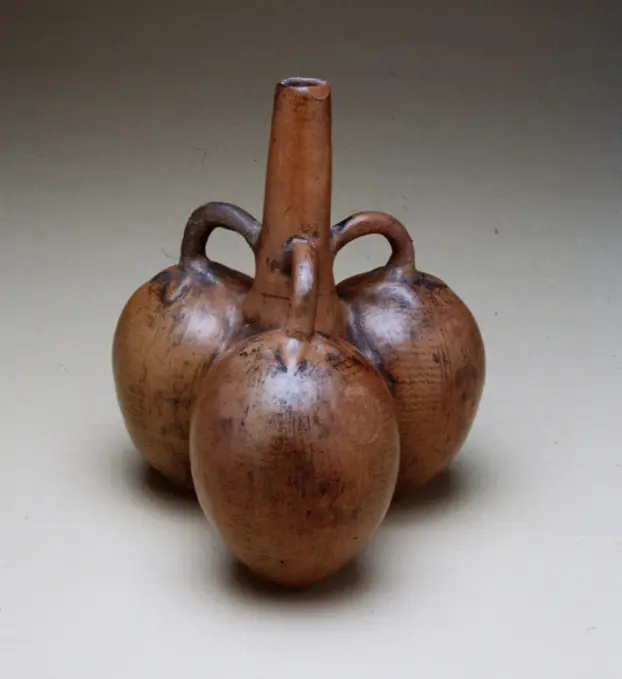
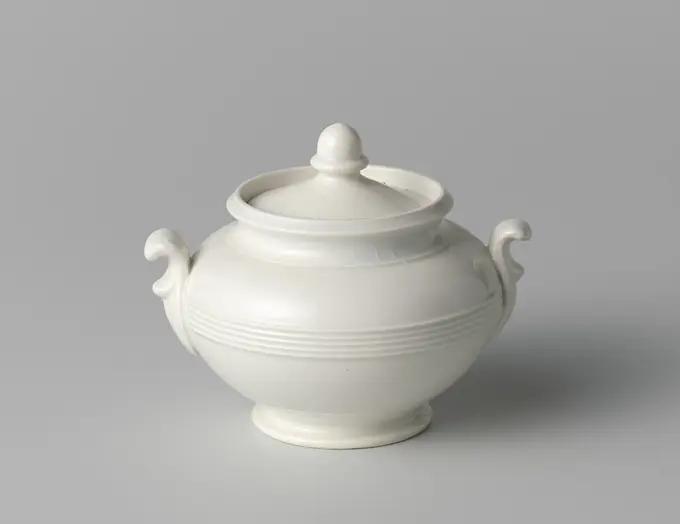
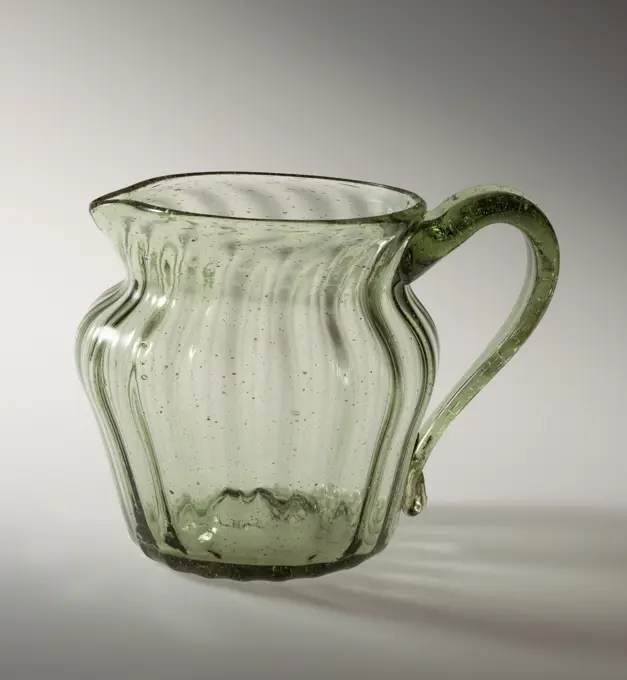
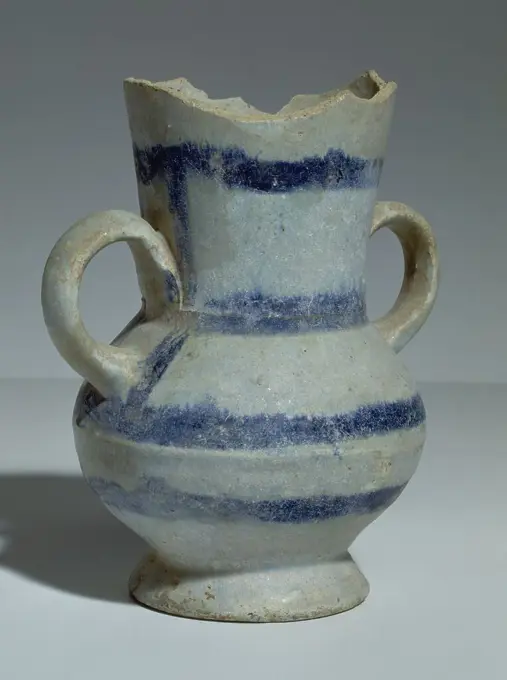
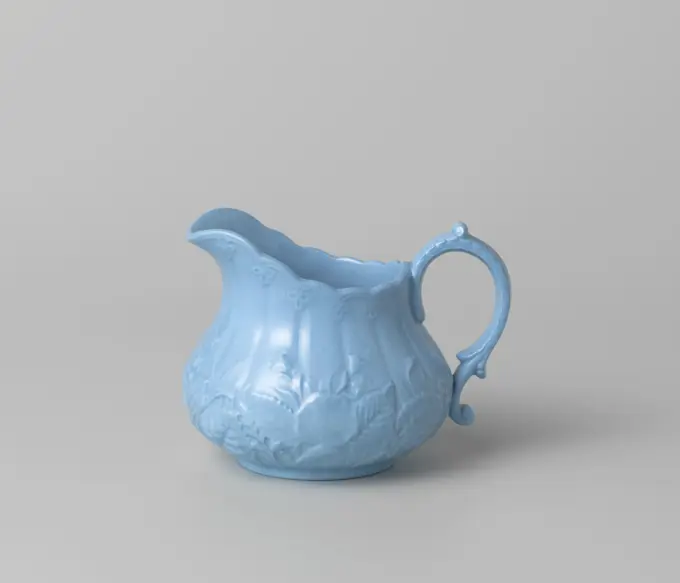
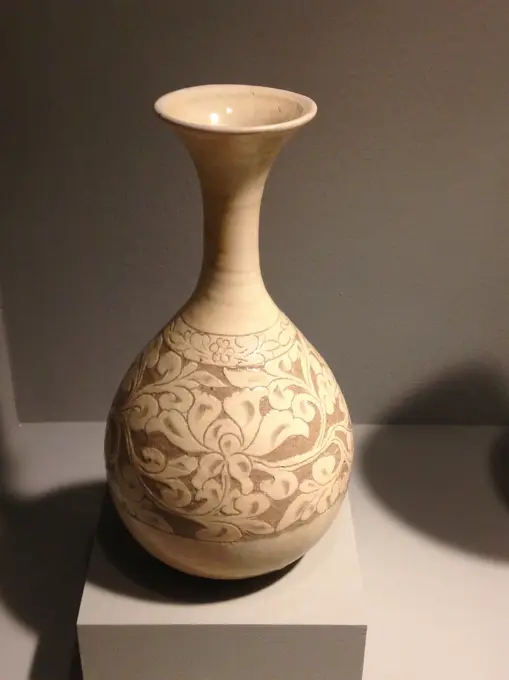
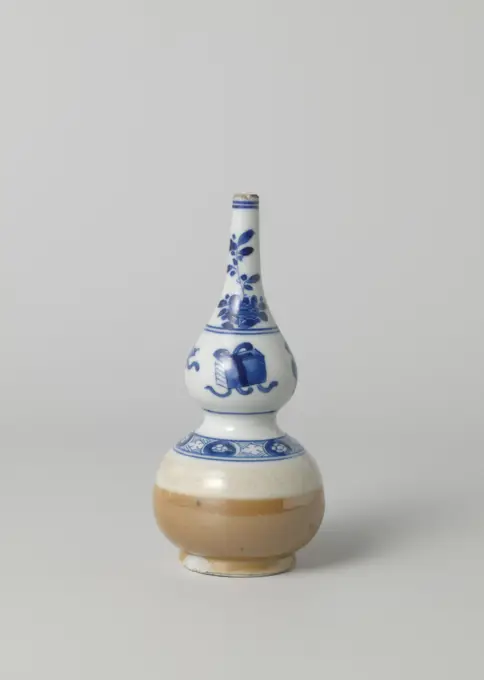
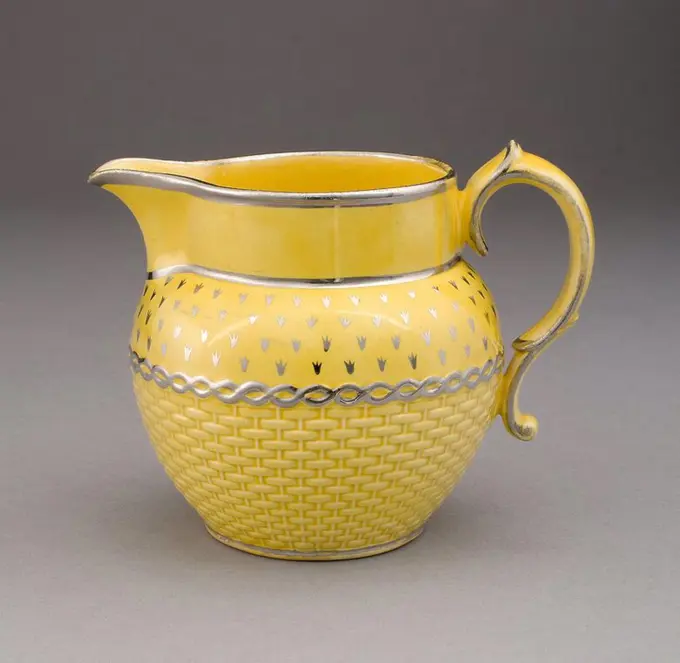
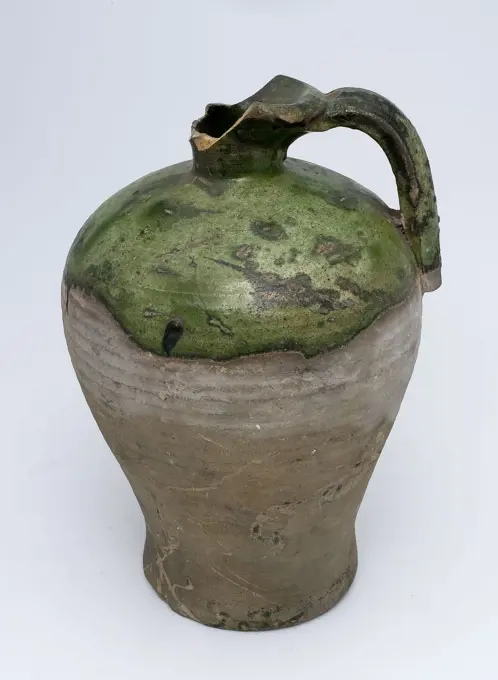
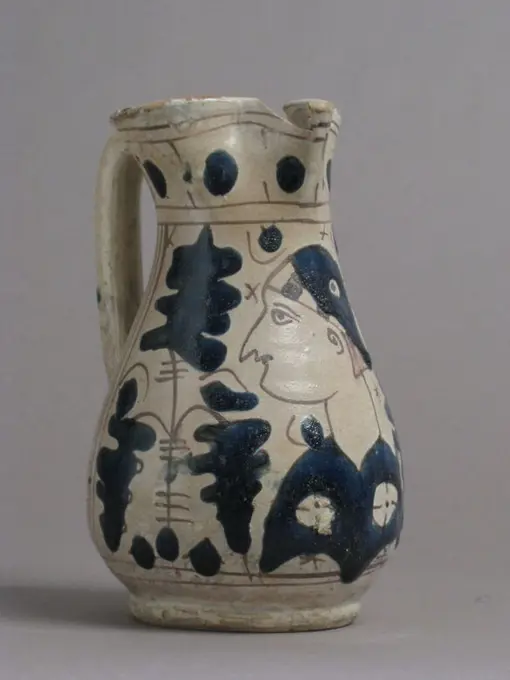
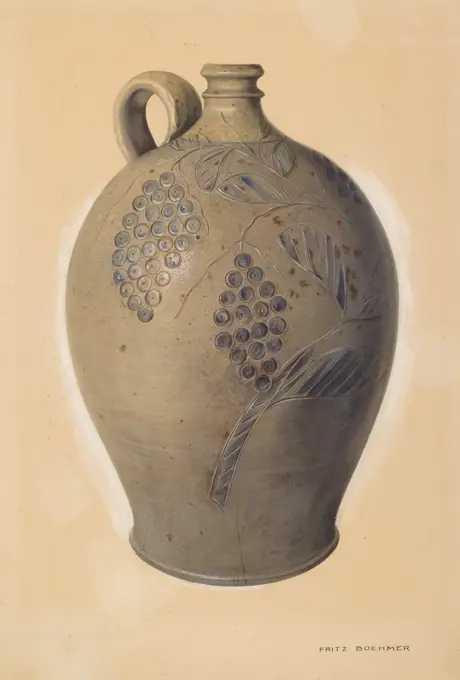
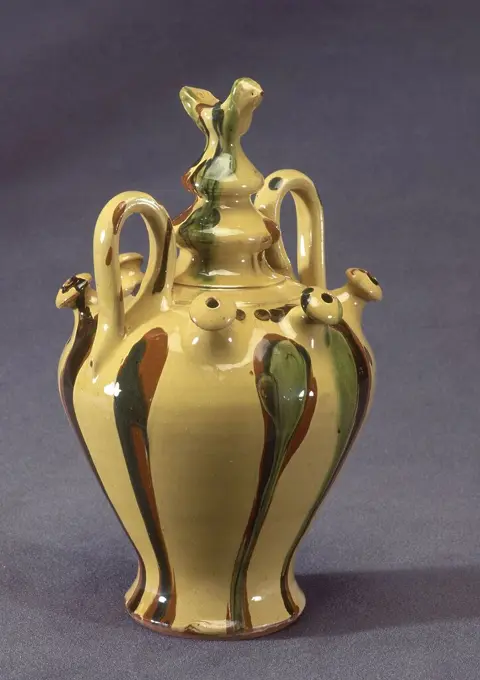
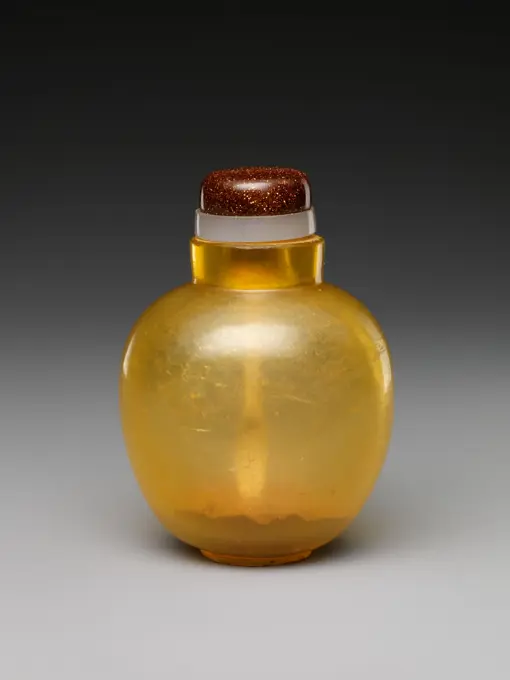
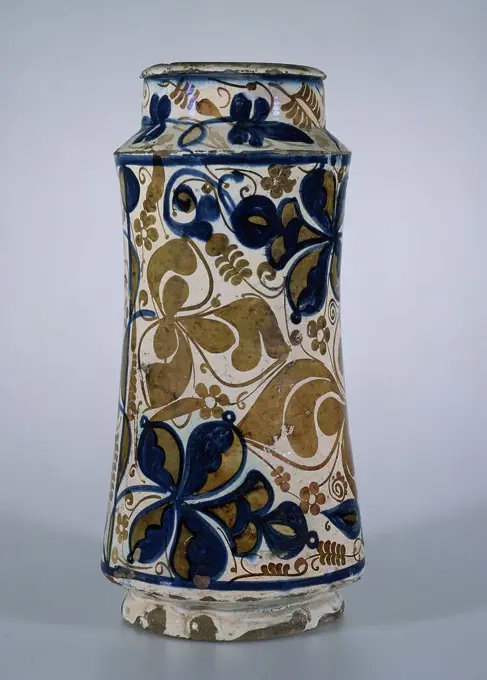
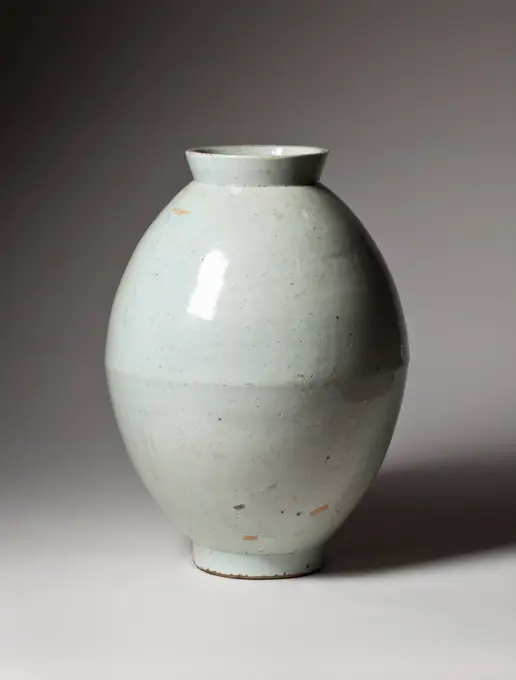
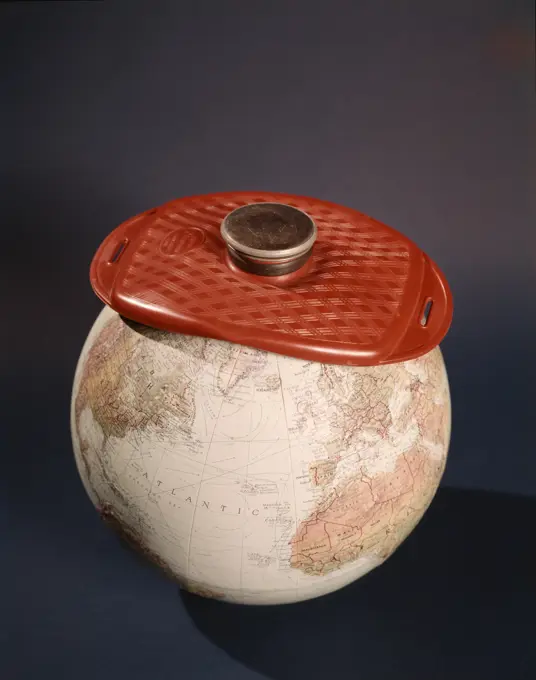
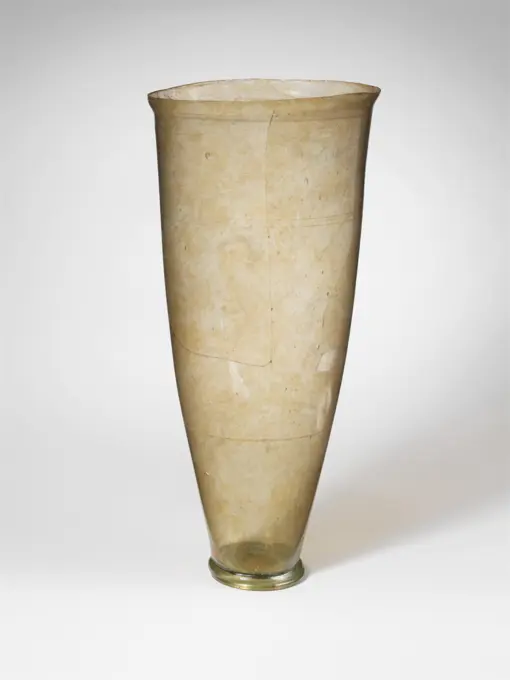
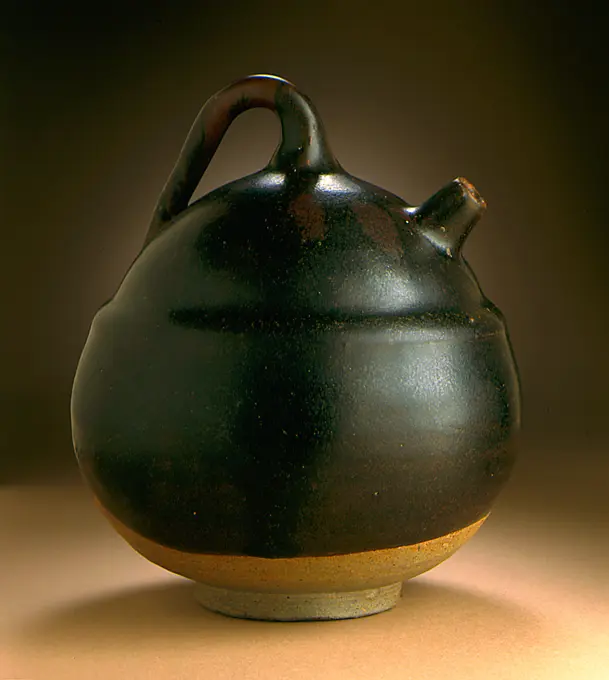
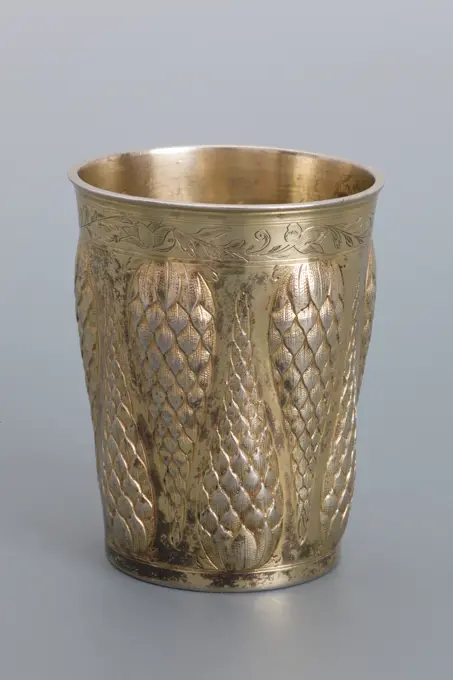
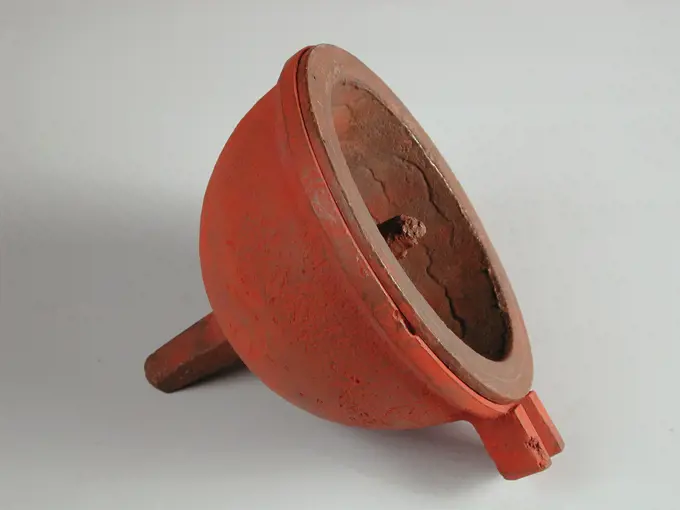
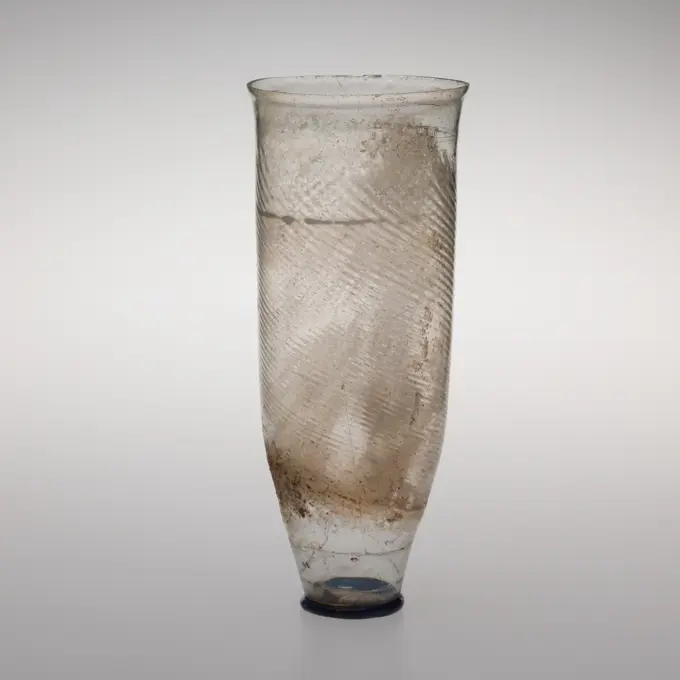
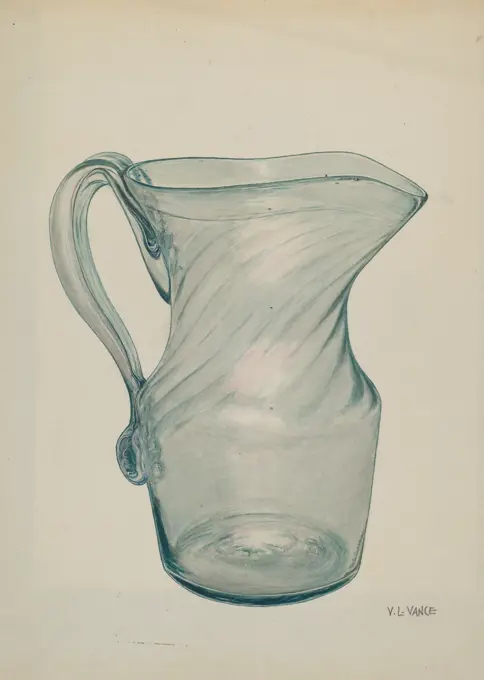
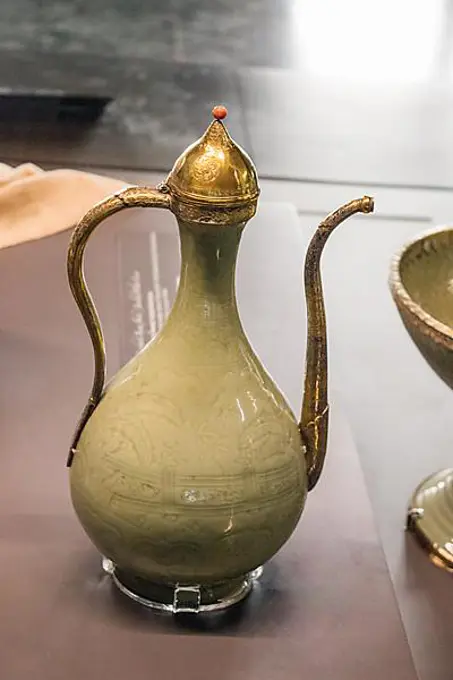
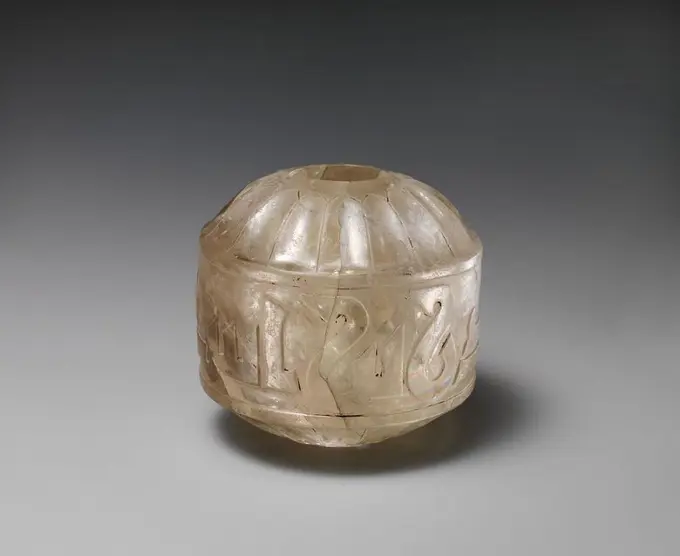
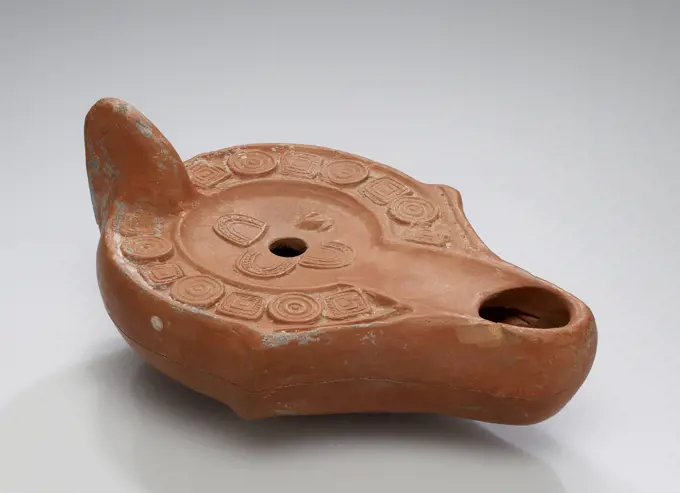
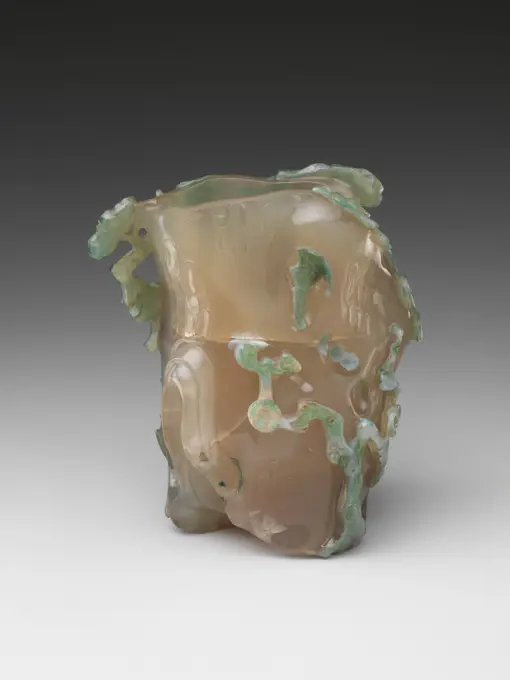
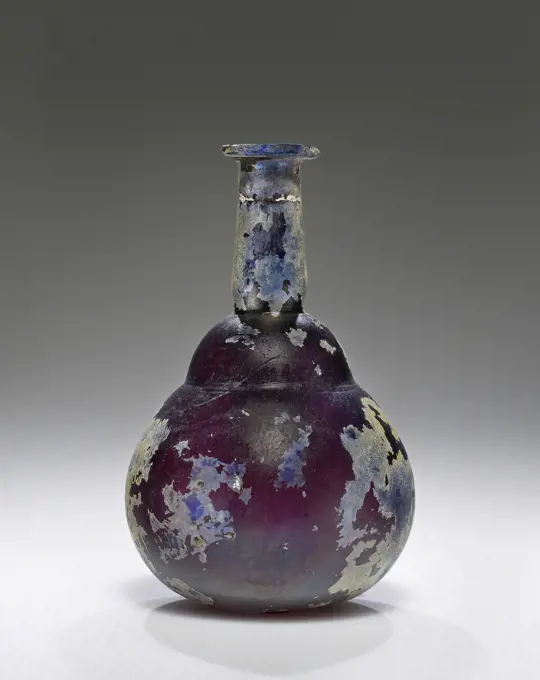
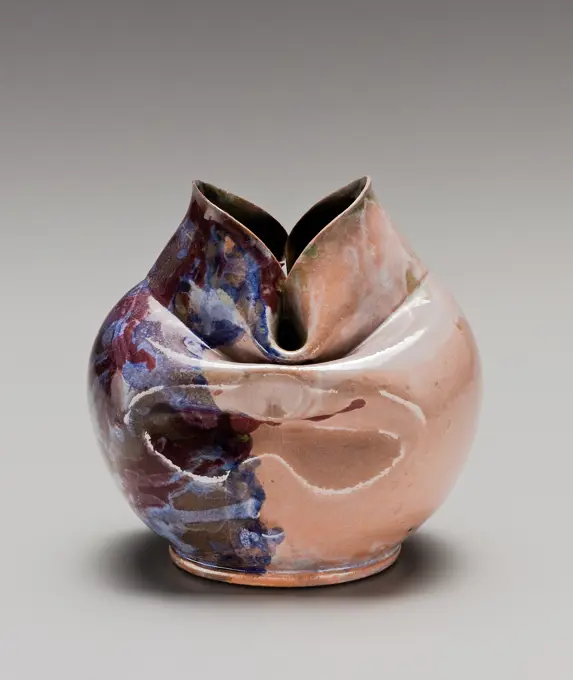
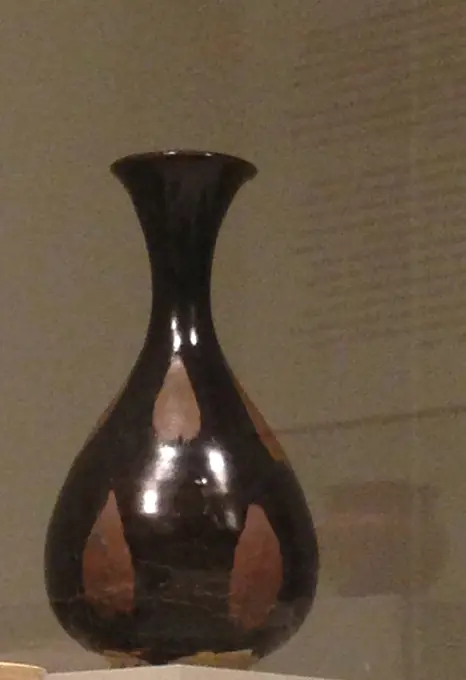
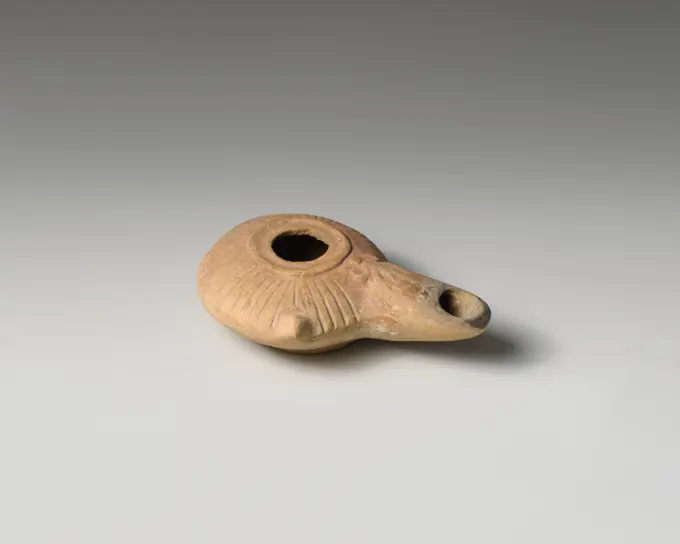
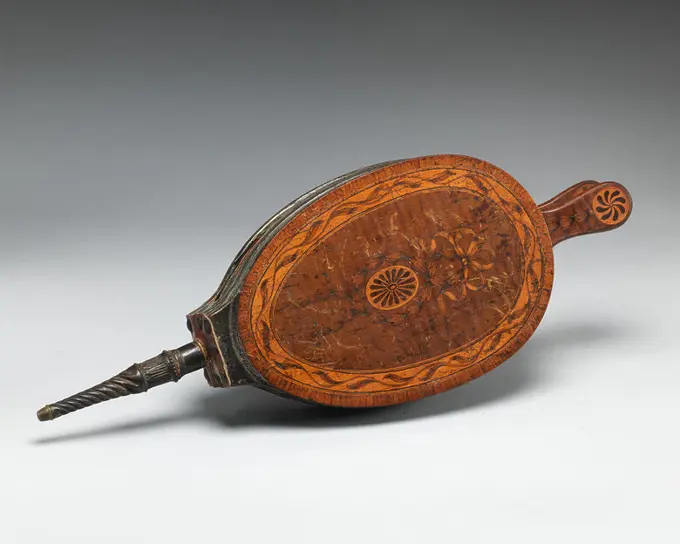
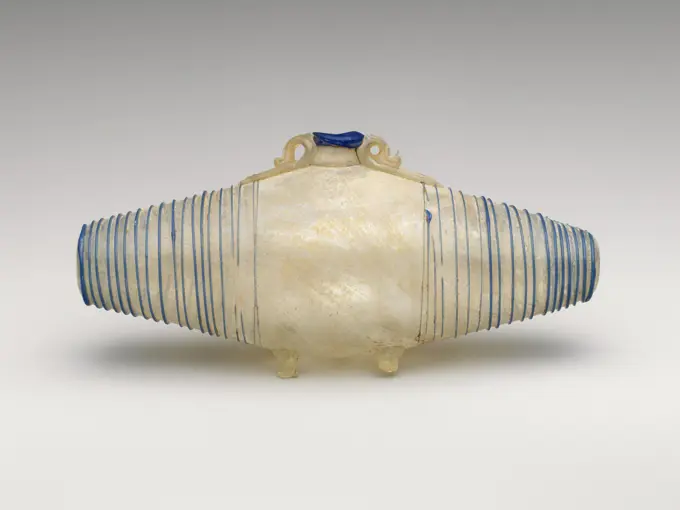
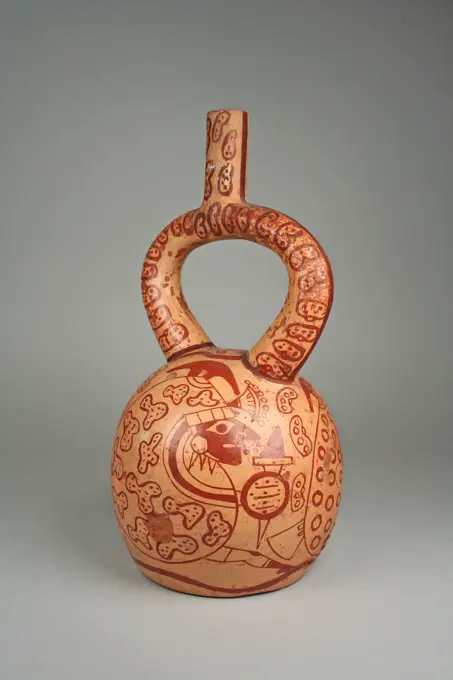
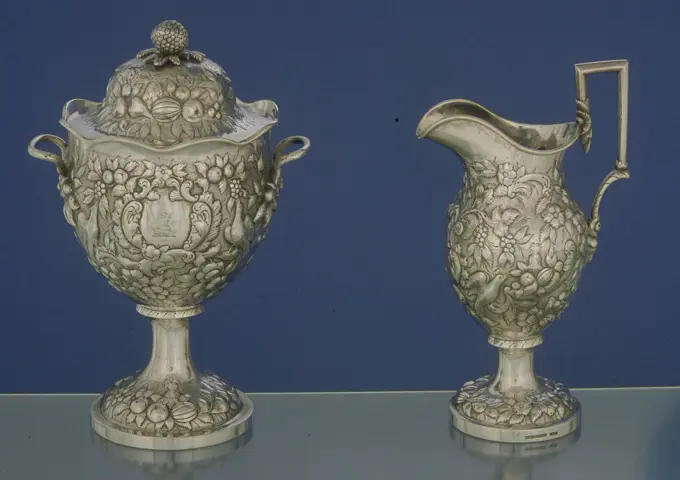
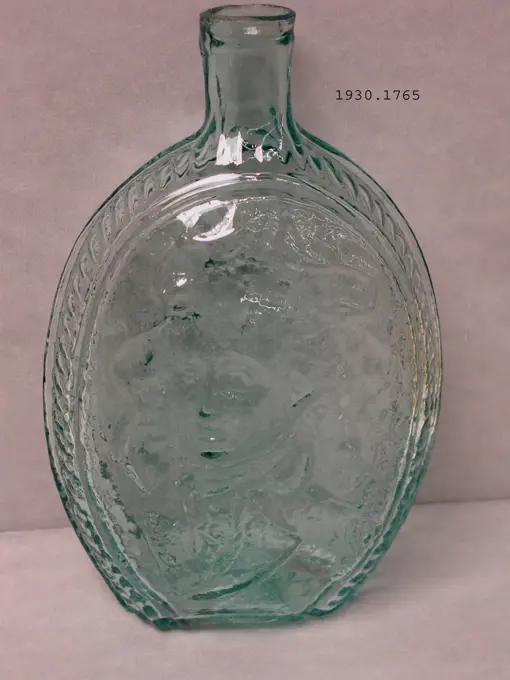
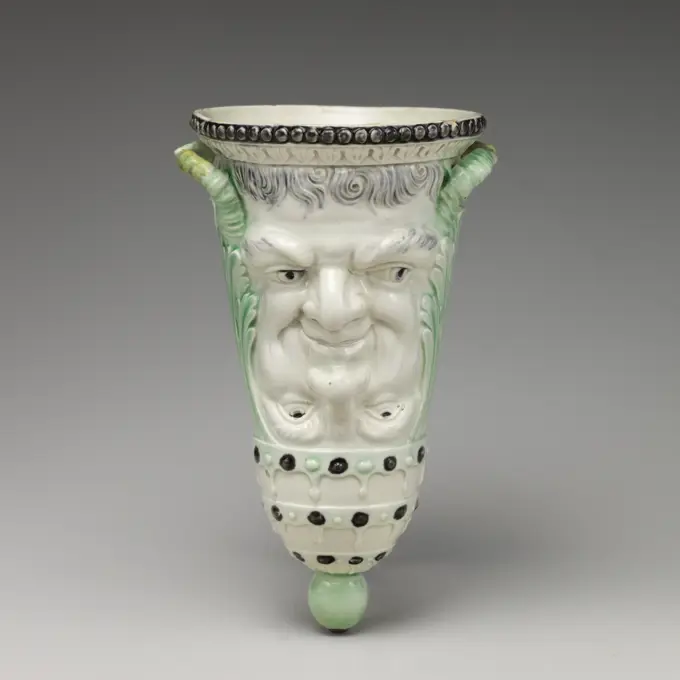
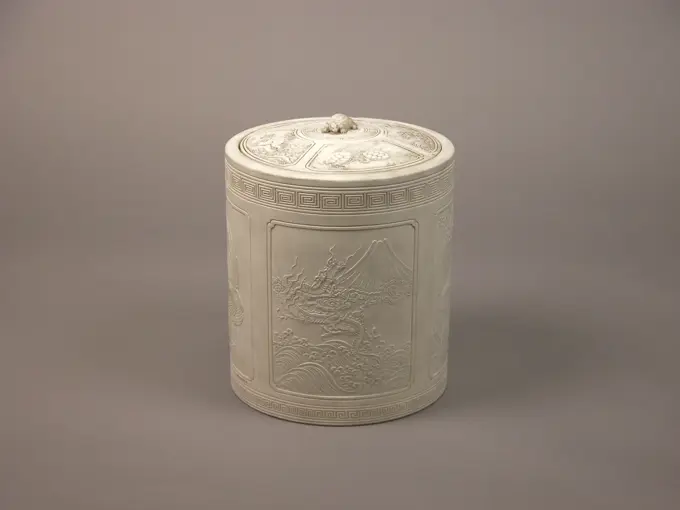
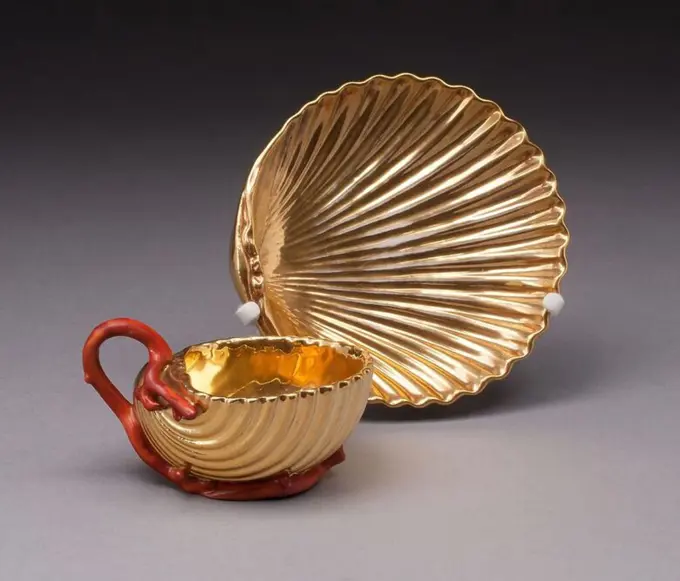
Pitcher (USA); Company: Biloxi Art Pottery (United States); Ceramist: George E. Ohr (American, 1857-1918); glazed earthenwareVessel in the form of vegetables, 6th-15th century, 7 x 5 3/8 x 5 3/8 in. (17.8 x 13.7 x 13.7 cm), Clay, pigments, Peru, 6th-15th centuryJug late 19th century German, Westerwald. Jug. German, Westerwald. late 19th century. Salt-glazed stoneware; copper. Ceramics-PotterySugar bowl, cream colored, with a band with horizontal ridges on the belly. Sugar bowl of pottery, creamware, with a band with horizontal ridges on the belly.Maker Unknown, Cream Pitcher, c. 1820-40, light green glass.Dish;  19th/20th century (1701-00-00-1900-00-00);JARRA HISPANO MUSULMANA DECORADA EN AZUL. Location: ALHAMBRA-MUSEO-CERAMICA. GRANADA. SPAIN.Milk jug, blue, with flowers and leaves in relief, Peter Regout, c. 1860 - c. 1890 Earthenware milk jug, bluestone. The outside decorated with flowers and leaves in relief. A trim with three -pass motifs runs along the scalloped top edge. The ear is made up of stylized leaves in relief. Maastricht . Earthenware milk jug, bluestone. The outside decorated with flowers and leaves in relief. A trim with three -pass motifs runs along the scalloped top edge. The ear is made up of stylized leaves in relief. Maastricht .Bottle Vase, 13th century, 13 9/16 x 7 5/16 in. (34.45 x 18.57 cm), Tz'u-chou type ware Stoneware with carved slip decoration under clear glaze, China, 13th century, This type of tall pear-shaped bottle-vase with long neck and flared mouth is called a yu hu chun ping by the Chinese. Typically used as a display vase for carefully arranged floral displays, it is one of the most elegant shapes in Chinese ceramics. This example features floral patterns that were carved through the white slip to reveal the contrasting grey of the clay body. This was a common decorative technique at Cizhou kilns in North China during the Song, Jin, and Yuan dynasties (11th-14th centuries). More commonly, a dark-brown glaze was carved to reveal a lighter clay body, opposite of the light on dark effect seen here.Vase 4th-7th century Coptic. Vase. Coptic. 4th-7th century. Earthenware. Made in Kharga Oasis, Byzantine Egypt. CeramicsRosewater sprinkler or bottle vase with light brown and precious object and antiquities, anonymous, c. 1700 - c. 1724 Rose water dropper or porcelain porcelain with spherical body and pear-shaped neck, covered with a cafe-au-lait glaze and painted in underlaze blue. The lower part of the body is covered with a light brown glaze above which a band with a thick cream -colored glaze; the shoulder in underly glaze blue with servetwork interspersed with a flower in a cartouche; The neck also in blue with valuables (books) and antiques (vase, scepter, books), above that two flower branches. Edge damaged; chip from the foot. Monochrome brown with undermglaze blue. China porcelain. glaze. cobalt (mineral) painting / vitrification Rose water dropper or porcelain porcelain with spherical body and pear-shaped neck, covered with a cafe-au-lait glaze and painted in underlaze blue. The lower part of the body is covered with a light brown glaze above which a band with a thick cream -colored glaze; thVase; De Porceleyne Schotel (Fiansusu Factory; 1612-1800), Delft (ceramic family; Ca 1600-); 18th century (1701-00-00-1800-00-00);Punch Pot. England, Staffordshire. Date: 1760-1770. Dimensions: 25.1 x 21 cm (9 7/8 x 8 1/4 in.). Lead-glazed earthenware (creamware). Origin: Staffordshire. Museum: The Chicago Art Institute, Chicago, USA.Vase van Faience, the gilded Blompot, 1780 - 1820 vase Multicolored representation of Jesus with the Samaritan woman. The vase is marked: B-p. Delft .Pitcher. England, Staffordshire. Date: 1820-1830. Dimensions: H. 10.2 cm (4 in.). Lead-glazed earthenware with lustre decoration. Origin: Staffordshire. Museum: The Chicago Art Institute, Chicago, USA.Stirrup Spout Bottle with Felines 4th-7th century Moche This stirrup-spout bottle, made by potters of Perus Moche culture between the 5th and 8th centuries A.D., depicts a series of felines proceeding up a spiral ramp. The spiral design is repeated on the spout along with two feline profile heads at the intersection of the three elements of the spout. Moche artists depicted animals with care and accuracy, thereby permitting the identification of these creatures as pampas cats—small, wild felines native to South America—based upon the stripes on their legs, body markings, and their bushy tails. Felines, including pumas, jaguars, and pampas cats, are a favorite subject in Moche ceramics, wood, and metal work. These cats were the most powerful predators on Perus North Coast, territory governed by the Moche. The strength and agility of these mammals, as well as their ability to bring down much larger prey such as deer, may account for the numerous depictions of cats on objects meant to rPartially green glazed gray jug with ear, narrow and protruding neck, jug holder kitchen utensils earthenware ceramics earthenware glaze lead glaze, hand turned glazed baked Pottery jug or jug gray white shard whose mouth neck shoulder and ear covered with green (copper oxide) lead glaze rotational ribs around the belly stand. Sphere model with high shoulder Short and bulging neck archeology indigenous pottery import pouring serve packing store carryMouse Flask; Eastern Mediterranean; 3rd - 4th century; Glass; 14 x 5.2 cm (5 1,2 x 2 1,16 in.)Jean Carriès (1855-1894). "Little gourd". Enameled sandstone. Museum of Fine Arts of the City of Paris, Petit Palais. 24203-6 Ceramic, gres emaille, small gourdJug with Figure in Profile. Culture: Italian. Dimensions: Overall: 7 1/2 x 5 9/16 x 4 11/16 in. (19.1 x 14.2 x 11.9 cm). Date: 1420-50.By the 1500s Italian maiolica makers would famously use the surface of their wares to depict complex narrative scenes, but this jug, with its confident half-length depiction of a man, represents an early foray into figure drawing by a Florentine potter. Museum: Metropolitan Museum of Art, New York, USA.Neck of a Bottle 4th-early 5th century Coptic. Neck of a Bottle. Coptic. 4th-early 5th century. Glass. Made in Kharga Oasis, Byzantine Egypt. Glass-VesselsPrzeszo Przyszoci Deuerlein, Frantz (1687 1727)Fritz Boehmer, Wine Jug, probably 1939 Wine Jug"GARGOLA MOYSO" O BOTIJO DE LA PALOMITA-VIDRIADO EN AMARILLO CON 2 ASAS - SIGLO XX. Location: ALFARERIA. TARRAGONA. SPAIN.Snuff bottle. Culture: China. Dimensions: H. 3 1/8 in. (7.9 cm). Museum: Metropolitan Museum of Art, New York, USA.Burgundian storm hat with short comb, c. 1600 - c. 1699  Burgundian storm hat, iron, white, helmet with valve and comb made of one plate. The valve has a point, a fairly high comb on the helmet. Neck plate. Hinged cheek plates with air holes ripped with copper rivets. The edges are flanging. The inside of the helmet is black, there is a green remnant of presumably paint visible. A rope between the cheek valves hold it in place. North Europe whole: Iron (metal). Klinknagels: Copper (Metal) striking (metalworking) / forgingClarinet mouthpiece cover, anonymous, 1800 - 1850 Clarinet mouthpiece cap to protect wicker. Horend with five deck pieces (BK-NM-11430-124-A to BK-NM-11430-124-F).  wood (plant material) Clarinet mouthpiece cap to protect wicker. Horend with five deck pieces (BK-NM-11430-124-A to BK-NM-11430-124-F).  wood (plant material)Snuff Bottle 18th-19th century China. Snuff Bottle. China. 18th-19th century. Glass with aventurine stopper. Qing dynasty (1644-1911). Snuff BottlesSnuff Bottle China. Snuff Bottle 41433Snuffer  19th century (1800-00-00-1900-00-00);Sugar bowl with relief decoration of Lisdodden, Peter Regout, c. 1870 - c. 1890 Sugar bowl of earthenware, celladon -colored. The walls in relief decorated with dods, which partly go over the two S-shaped ears. The vaulted lid is decorated in relief with a wreath of dods, and is crowned by an onion-shaped button, on which French lilies relief. Maastricht . Sugar bowl of earthenware, celladon -colored. The walls in relief decorated with dods, which partly go over the two S-shaped ears. The vaulted lid is decorated in relief with a wreath of dods, and is crowned by an onion-shaped button, on which French lilies relief. Maastricht .POT O BOTE DECORADA CON FLORES - LAZO - MANISES - SIGLO XV. Location: INSTITUTO VALENCIA DE DON JUAN-COLECCION. MADRID. SPAIN.Jar, 19th century, Unknown Korean, 13 1/4 × 9 5/8 × 9 11/16 in. (33.66 × 24.45 × 24.61 cm), Glazed white porcelain, Korea, 19th centuryGlass jug. Culture: Roman, Cypriot. Dimensions: 6 5/8 in. (16.9 cm)Other: 3 15/16 in. (10 cm)Diam. of rim: 1 11/16 in. (4.3 cm). Date: 2nd-3rd century A.D..Translucent pale blue green; handle in same color but with olive green streaks.Rim folded out, down, over, and in, and pressed flat on top surface; oval mouth; cylindrical neck with tooling marks around base; large piriform body; pushed-in bottom; curving handle with ribs at sides, attached to top of body with downward fins, drawn up and out, turned in horizontally and trailed on to top of neck and rim, with folded thumb rest above.Complete but several internal cracks in rim and body; pinprick and larger bubbles with some white gritty impurities in body, and many black streaky impurities in handle; faint iridescence and weathering, with one patch of brownish weathering on interior.Bluish pear-shaped blown glass vase with curving handle. Museum: Metropolitan Museum of Art, New York, USA.2000s WORLD GLOBE EARTH WITH ICE PACK ON TOPBowl. Korea, Korean, Joseon (1392-1910), 18th century. Furnishings; Serviceware. Wheel-thrown porcelain with clear glazeCarl Strehlau, Pa German Pitcher, c 1939 Pa. German PitcherVase kou, ting vase, lei urn, tripod, urn, vase, urn, vase and yeou vase. Bronze. China, Qing dynasty. Paris, Cernuschi museum. 74290-12 Bronze, Dynastie Qing, Tripode, Urne, Urne Lei, Vase Kou, Vase Ting, Vase YeouGlass beaker 3rd-4th century A.D. Roman Colorless; base ring with green tinge.Bulging rim, cracked off unevenly; tall body with side tapering downwards; low, solid, base ring applied as a coil and flattened underneath; shallow kick in bottom.On body, three registers of wheel-cut horizontal lines: a single line immediately below bulge; a band of three fine lines on upper body; and another single line two-thirds down side.Broken and repaired, with three holes in side; pinprick and larger bubbles; dulling and yellowish brown weathering.. Glass beaker 245801Ewer (Zhihu) in the Form of a Fruit. China, probably Henan Province, Northern Song dynasty, 960-1127. Furnishings; Serviceware. Northern Black ware, wheel-thrown stoneware with applied decoration and black glaze with brown spotsPunch Pot Made 1760-1770 Staffordshire. Lead-glazed earthenware (creamware) .Standing cup with cover ca. 1855-75 Italian, Venice (Murano). Standing cup with cover. Italian, Venice (Murano). ca. 1855-75. Glass. GlassPeach-Shaped Wine Pot or Tea Pot. Artist: Chinese , Qing Dynasty, Later Transitional Period. Culture: Chinese. Dimensions: Height: 12.7 cm.. Date: ca. 1644-83. Museum: Metropolitan Museum of Art, New York, USA.Pair ofcanns.   Maker: Paul Revere, American, 1735-1818Mug Brockmer, JohannTwo-piece bronze mold for bottom tap jug, mold casting tool tools base metal bronze, cast twisted Two-piece bronze mold for bottom of medium tap jug top: Rotterdam tin foundry tin stain tin Meeuws Druy craft Shapes are from the originally 18th century Rotterdam tinnegieter J Druy. The large molds that were not signed or dated were the property of the tinker guild and were rented to the small tin caster.Vase.  Designer Arthur Irwin Hennessey, American, 1882-1923Decorator: Sarah Tutt, American, 1859-1947 Manufacturer: Marblehead Pottery, American, 1904-36POAL - CERAMICA POPULAR. Author: JOSEP FONT (S XX) ALFARERO. Location: ALFARERIA. VERDU. Lerida. SPAIN.Pitcher 1852-58 United States Pottery Company. Pitcher. American. 1852-58. Parian porcelain. Made in Bennington, Vermont, United StatesBottle China. Bottle 46131Glass beaker 4th century A.D. Roman Colorless with blue green tinge; foot ring in translucent cobalt blue.Outsplayed, knocked-off rim; tall cylindrical body, tapering slightly downwards, then slanting inwards; applied solid foot ring, made by applying trail around edge of bottom; low kick in bottom.Side decorated with continuous band of closely spaced shallow ribs in a downward spiral from left to right, extending from below rim to point where body slants inwards; in plain band below rim and above ribs, two horizontal wheel-abraded lines; on slanting lower section of body, a band of two horizontal wheel-abraded lines and then below another single horizontal wheel-abraded line.Broken and repaired, with some small holes in lower body; pinprick bubbles; dulling, limy encrustation, weathering, and iridescence.. Glass beaker. Roman. 4th century A.D.. Glass; blown in a dip mold, trailed, and cut. Late Imperial. Glassfresh milk in white jug and on a tableBasket 1880-88 Possibly Boston & Sandwich Glass Company. Basket 363VL Vance, Glass Pitcher, c 1940 Glass PitcherIncense burner. Culture: China. Dimensions: Gr. H. 4 in. (10.2 cm); W. 3 in. (7.6 cm). Date: 20th century. Museum: Metropolitan Museum of Art, New York, USA.Cylindrical Vessel 1st-2nd century Maya The simple elegance of this vessel belies the complex skills needed to achieve the delicate "fire-clouding" that adorns the base. The contrasting red and black fields evoke nothing so much as the fires from which the vessel emerged, a smooth flame rising from coarse coals. The incised lines around the circumference mark different zones, which in later times become fields for pictorial and hieroglyphic information. The overall sophistication of the vessel indicates probable use in royal rituals, but the unusual tapered, cylindrical shape says little about its precise function.. Cylindrical Vessel. Maya. 1st-2nd century. Ceramic. Guatemala, Mesoamerica. Ceramics-ContainersVery old style clay ewer water jar in viewOil bottle, blown and molded glass, 18th century, anonymous author, Museum of Baroque of Catalonia, Manresa, Spain.urna cineraria, Necrópolis de Carratiermes, siglo IV-II a.C. museo del Yacimiento arqueológico de Tiermes, Soria, comunidad autónoma de Castilla y León, Spain, Europe.Vase. Potter: Wilhemine Rehm, American, 1899-1967 Manufacturer: Rookwood Pottery, American, 1880-1960Berkenmeier with two row of flat studs. Berkenmeier with outstretched bottom, on low, spun base from a wire. The light convex chalice as a whole blown out with the trunk, which is busy with two rows very large flat studs. The transition from the chalice to the trunk indicated by a smooth wire.Tankard. Turkey, 16th century/circa 10-11th century A.H.. Metal. Copper, gilt (tombak)Mace Head. Dimensions: H. 3 1/4 in. (8.2 cm)Diam. 3 1/4 in. (8.2 cm). Date: late 15th century. Museum: Metropolitan Museum of Art, New York, USA.Lamp, North Africa; 1st - 4th century; Terracotta; 3.5 x 7.9 x 12 cm (1 3,8 x 3 1,8 x 4 3,4 in.)Vase of porcelain, decorated in Pte-sur-Pte with leaves and flowers. Vase of porcelain, decorated at the top in Pte-sur-Pte technique with the long leaves of arrow herb, between flowers, in green and two shades of pink and blue and dark pink to purple hearts at the flowers. Openwork shoulder and neck.Vase with bamboo and plum tree 18th century China. Vase with bamboo and plum tree. China. 18th century. Chalcedony. Qing dynasty (1644-1911). HardstoneFlask; Eastern Mediterranean; 1st century; Glass; 9.8 x 6.5 cm (3 7,8 x 2 9,16 in.)Vase ca. 1897-1900 George E. Ohr In many ways George Edgar Ohr was the quintessential Arts and Crafts potter, combining artistic vision with extraordinary skill with his hands. Working in the seaside resort town of Biloxi, Mississippi, he dug the clay, processed and prepared it, threw the shape on the wheel, altered the piece according to his vision, mixed and applied his own glazes, fired the kiln, created his own style of advertising, and took his wares on the road. Ohrs personal mantra was "no two alike," and he was as eccentric as his work was individualistic, with its manipulated forms on ultra-thin thrown vessels, crimping, ruffling, off-centering, and twisting, to create unprecedented forms for the 1890s. To these forms, he applied his own completely new and unusual glazes, applied by sponging, splashing, and spattering, resulting in works that in many ways anticipated the abstract art movements that would find form decades later.Dramatic extremes of contortion can be seen in OOld dented metallic oil canGlass alabastron (perfume bottle). Culture: Eastern Mediterranean or Italian. Dimensions: H. 7 3/8 in. (18.7 cm). Date: late 4th-early 3rd century B.C..Translucent cobalt blue, with handles in same color; trails in opaque yellow and opaque white.Broad slightly uneven rim-disk, made as a spiral coil around top of neck; cylindrical neck, tapering downwards; angular shoulder; straight-sided cylindrical body, with slight upward taper; convex bottom; on upper body, two vertical ring handles, applied over trail pattern, one slightly higher than the other.A yellow trail attached at edge of rim-disk; on body, alternating bands of yellow and white, tooled from top of body to undercurve at bottom into a widely spaced festoon pattern in nine vertical panels with fourteen upward strokes, forming round loops at top.Broken and repaired, with about one third of rim-disk missing, and small holes and chips in body; many white inclusions; some trails completely weathered, leaving hollow lines in bodPear-shaped Bottle, 12th-13th century, 10-5/8 x 5-7/16 x 5-7/16 in. (27.0 x 13.8 x 13.8 cm), Tz'u-chou type ware Stoneware with black glaze and russet splashes markings, China, 12th-13th century, Used for storing wine during the Jin (1115-1234) and Yuan (1280-1368) dynasties, pear-shaped bottles of this type are usually called either ping (bottles) or chang qing ping (long-necked bottles) by the Chinese. The form originated in silver vessels and was quickly imitated in ceramic Ding ware during the eleventh century.Fusiform ointmentTerracotta oil lamp Greek Wheel-made body, with applied long nozzle. Large central filling hole, surrounded by a plain band and an incised circle; convex sloping shoulder decorated with radiating incised lines and with a single projecting knob at edge of left side; palmette in relief along top of nozzle; squat, carinated body. Raised, flat base.Intact.. Terracotta oil lamp. Greek. Terracotta. Hellenistic. TerracottasBreastplate of a harness with decorations, c. 1525 - c. 1575  Breastplate, iron, white, made from three parts, the edges of the neck and arm cuts are wired, fluarke and ranged on the inside of the breastplate. Iron buckles on both sides of the neck cut under the edge. Straight middle bone that ends in a small bulge above the abdominal demand. Under the edges of the breastplate you can see a decorations of different shapes and animals. In addition to the middle bone, six more parallel strips that are decorated with various, presumably, biblical figures. Under the neck cutting decorations of a round figure that is through two angels with different animals on both sides. In the middle two circles in which the head of a man and the head of a woman are depicted. The circles are worn by two angels figures. Below you can see a woman who holds a cross with both hands. On the strip to the left of this etching a figure that has a bowl on which a head is located. On the right a woman figure that Bellows. Culture: British. Dimensions: Overall: 20 1/2 × 7 × 6 in. (52.1 × 17.8 × 15.2 cm). Date: ca. 1790. Museum: Metropolitan Museum of Art, New York, USA.Glass barrel-shaped flask late 2nd-early 3rd century A.D. Roman Colorless with greenish tinge; handles and feet in same glass; trails in translucent cobalt blue.Rim made from a thick blue trail wound once around top of neck; short neck, expanding downwards, applied to top of body; barrel-shaped body, bulbous at center, then with tapering straight sides to two rounded ends, one with large pontil scar; two broad handles applied to top of body over trails, pressed flat, drawn up side of neck to rim, then looped out and down onto itself, and trailed off back towards rim; four short, solid feet applied to bottom of body.One thick trail as rim; two fine trails applied to ends of body and wound in a spiral towards the center, 18 times on one side, 19 times on the other; flattened upper surface of handles decorated with a pattern of small raised knobs.Intact, but one crack in neck and center of body, parts of spiral trails missing; blowing striations and a few pinprick bubbles; dulling and creTeapot KorzecSize of 1/8 oil size with handle, anonymous, c. 1810  Size of 1/8 oil mate with handle (approx. 1/16 liters) from Enkhuizen. On the inside label with inscription. Enkhuizen tin plate   EnkhuizenCottage cheese dish with a cover. Sazikow (Moskwa i Petersburg ; firma złotnicza ; 1793-1887), goldsmiths companyBottle with Bean Warriors 3rd-5th century Moche. Bottle with Bean Warriors 308512Vase (Japanese monster head), Émile Gallé, 1876 Vase of smoke -colored and brown glass with a flat bottom with cut pontil brand. The convex body has the shape of a Japanese sample or lion's head, a so-called 'tête the monstre jaronais', the open-opened mouth forms the opening of the vase. Brown cloud -like motifs have been blew in various places. The nose, ears and eyes are sharpened in high relief. The moons are engraved with the wheel in stylized spirals and straight lines. The lips of the mouth are painted in brown Émail and gold containing a stylized leaf vank. On the left cheek of the head, an engraved and gilded grasshopper with in the bottom left, in Japanizing letters in radgravure, among each other the monogram Eg (Émile Gallé) with the Lorraine Cross in between.  glass. gilding (material) grinding / engraving / gilding Vase of smoke -colored and brown glass with a flat bottom with cut pontil brand. The convex body has the shape of a Japanese sample or lion's head, a so-calledSnuff bottle with figure in a garden. Culture: China. Dimensions: H. 3 7/16 in. (8.7 cm). Date: 19th century. Museum: Metropolitan Museum of Art, New York, USA.Set of cream pitcher and sugar bowl withlid.   Maker: Andrew Ellicott Warner, American, 1786-1870Kettle, 1900. Charles Robert Ashbee (British, 1863-1942). Silver with ivory handle and chrysoprase finial; overall: 28.6 x 25.7 cm (11 1/4 x 10 1/8 in.).BOTIJO - ARTE POPULAR S XX. Location: ALFARERIA. LLAMAS DE MOURO. ASTURIAS. SPAIN.Maker Unknown, Scroll Flask (quart), 1845-60, mold-blown glass.Vase 6th century B.C. Cypriot. Vase. Cypriot. 6th century B.C.. Bronze. BronzesPitcher; Radziwi , Micha Piotr (1853-1903); L.70-TE XIXW. (1870-00-00-1870-00-00);Beaker 17th-18th century possibly German. Beaker. possibly German. 17th-18th century. Glass. GlassFred Weiss, Stoneware Crock, c 1936 Stoneware CrockCup with an image of a man seated next to a barrel, anonymous, c. 1800 - c. 1810  Porcelain head on high foot, with a spreading edge and high, curled ear, painted on the glaze in enamel colors and gold. The head is almost completely covered with gold on both the inside and the outside. On the outside wall a large compartment surrounded by a decorative tire. In it a performance of a man (farmer) Sitting on a wooden chair next to a ton on which a glass is standing. He looks to the left, towards a door. France porcelain. glaze. gold (metal) painting / gilding / vitrificationBell. Dimensions: H. 3.1 cm (1 1/4 in.); Dia. 2.7 cm (1 1/6 in.). Date: 332-30 B.C..Bells appear in Egypt in the 8th century BC. This one of faience is unlikely to have actually functioned, but was probably intended as an offering or amulet. See 23.6.33 or 23.6.34. Museum: Metropolitan Museum of Art, New York, USA.Votive stupa, 600. Terracotta. Cernuschi Museum, Asia Museum of Asia in the city of Paris.Washington and EagleFlask.   Subject: George Washington, American, 1732-1799, LL.D. 1781Cup, painted with the crocus decor. Cup of painted porcelain. The head is painted in green and brown as a crocus. The head belongs to the so-called Krokus service. The head is noticed.Stirrup cup ca. 1780 Ralph Wood the Younger. Stirrup cup. British, Burslem, Staffordshire. ca. 1780. Lead-glazed earthenware. Ceramics-PotteryWater Jar with Dragon, Mount Fuji, Kirin, Cockerels, and Auspicious Motifs second half of the 19th century Japan. Water Jar with Dragon, Mount Fuji, Kirin, Cockerels, and Auspicious Motifs 52470MEDIDA DE VINO O BARRIL - VIDRIADO PARCIAL Y DECORACION INCISA- ARTE POPULAR. Location: ALFARERIA. SPAIN.Cup and Saucer. Pierre Louis Dagoty; French, 1771-1840; Paris. Date: 1810-1815. Dimensions: Cup: 5.7 × 9.8 cm (2 1/4 × 3 7/8 in.); saucer: D. 3.2 cm (1 1/4 in.); diam. 13 cm (5 1/8 in.). Hard-paste porcelain, red enamel and gilding. Origin: Paris. Museum: The Chicago Art Institute, Chicago, USA. Author: Pierre Louis Dagoty.Cup.   Maker: Garrett Eoff, 1779-1845