Historical Ceramics and Jars

A range of antique jars and jugs with intricate designs, showcasing craftsmanship from various historical periods and regions.

Jug (Bartmann jug) with a roundel in a medallion, anonymous, c. 1540 - c. 1570 Can (beard fancier bush) of stoneware on stand ring with a pear -shaped body and wide neck. Tuit is missing; On the abdomen the remnant of the onset of a long spout and on the neck a damage where the bridge was attached. The C-shaped ear is attached to the neck and shoulder. Profiles on the neck. Covered with a brown Engobe. On the neck, continuously on the shoulder, a bearded man. Cologne/ Frechen. Cologne (possibly) stoneware. glaze. engobe vitrification Can (beard fancier bush) of stoneware on stand ring with a pear -shaped body and wide neck. Tuit is missing; On the abdomen the remnant of the onset of a long spout and on the neck a damage where the bridge was attached. The C-shaped ear is attached to the neck and shoulder. Profiles on the neck. Covered with a brown Engobe. On the neck, continuously on the shoulder, a bearded man. Cologne/ Frechen. Cologne (possibly) stoneware. glaze. engobe vitrification
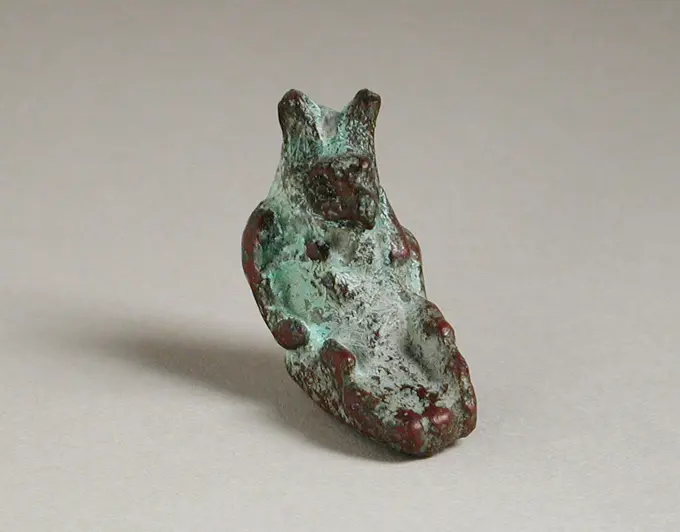
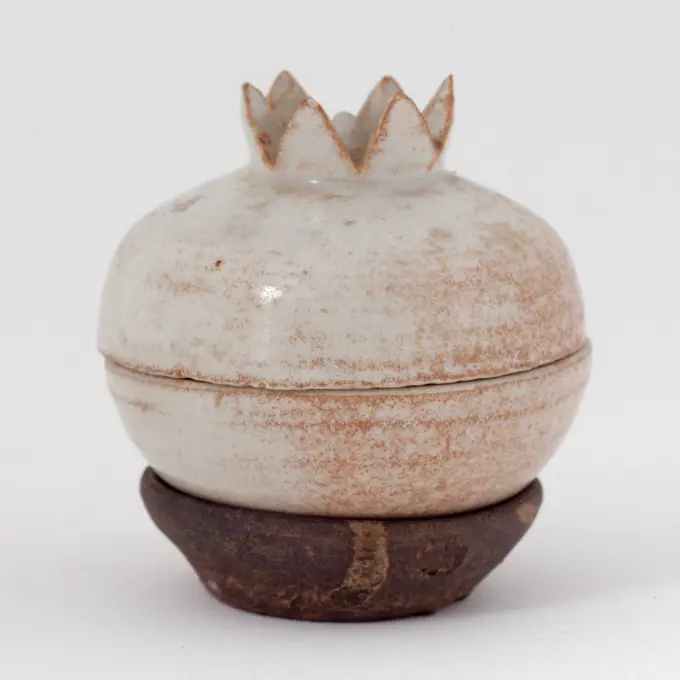
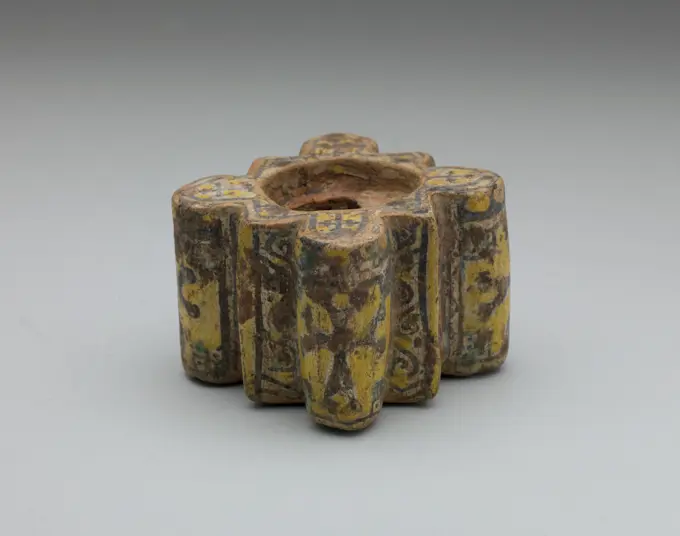
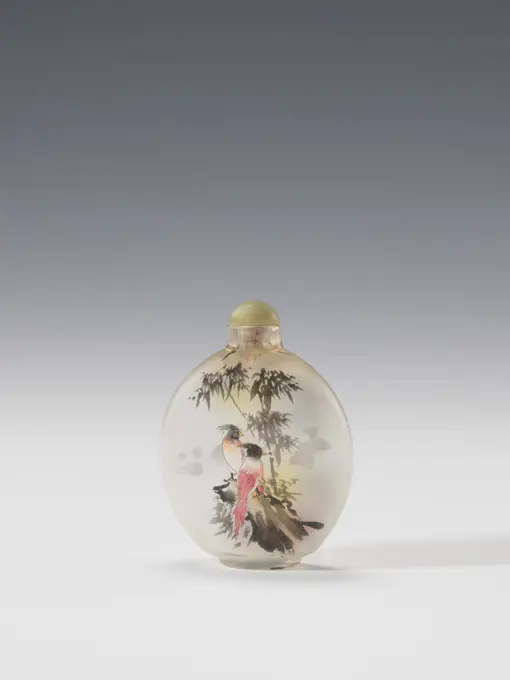
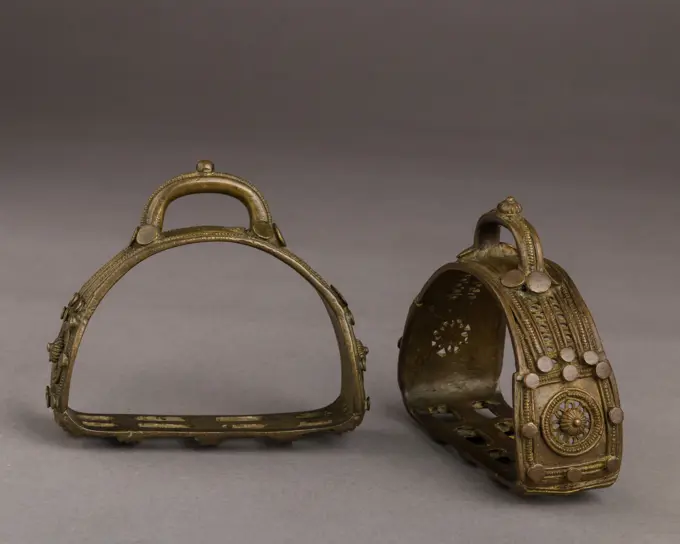
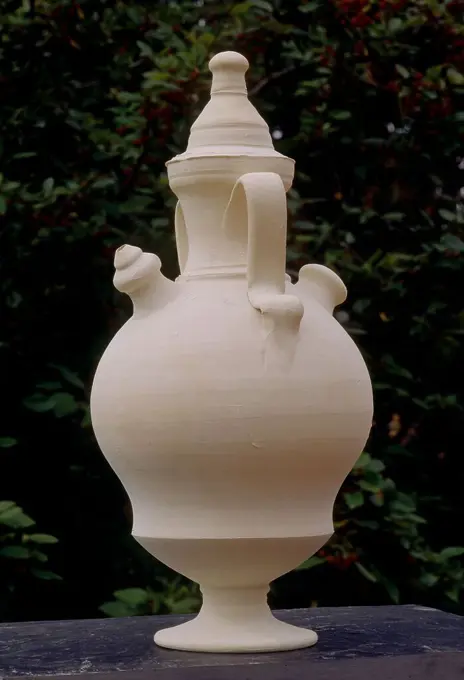
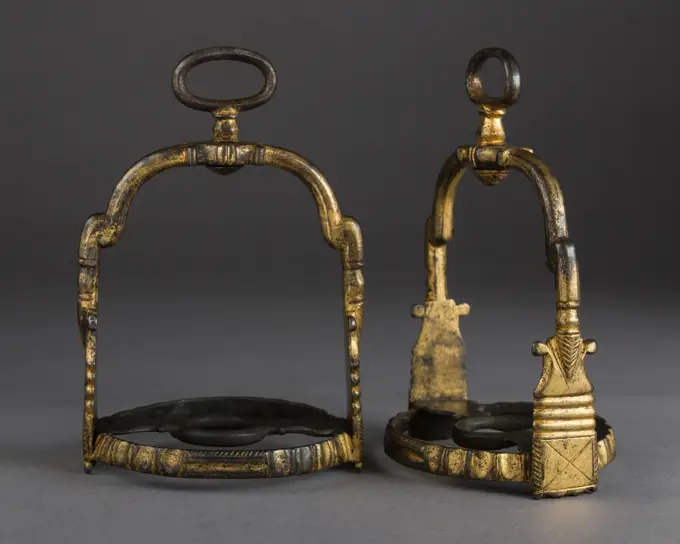
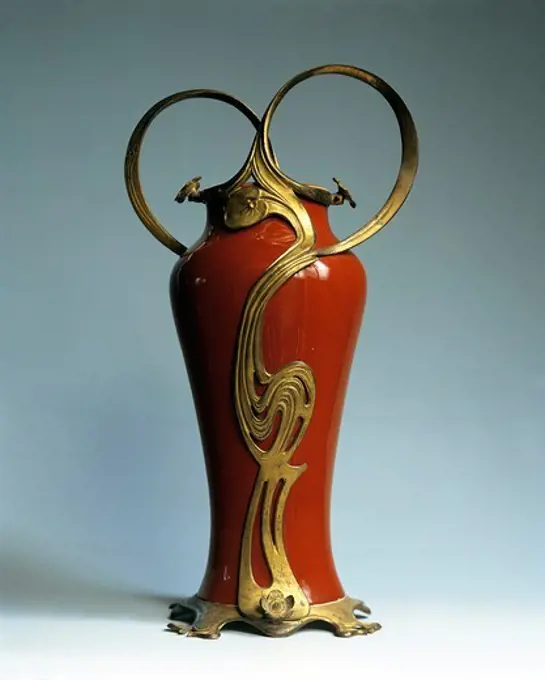
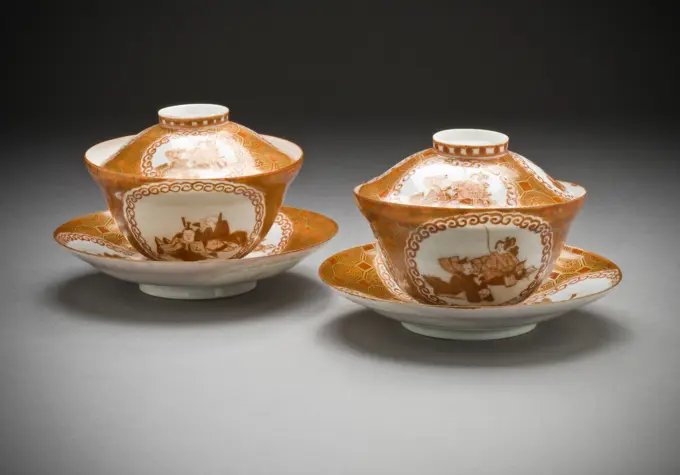
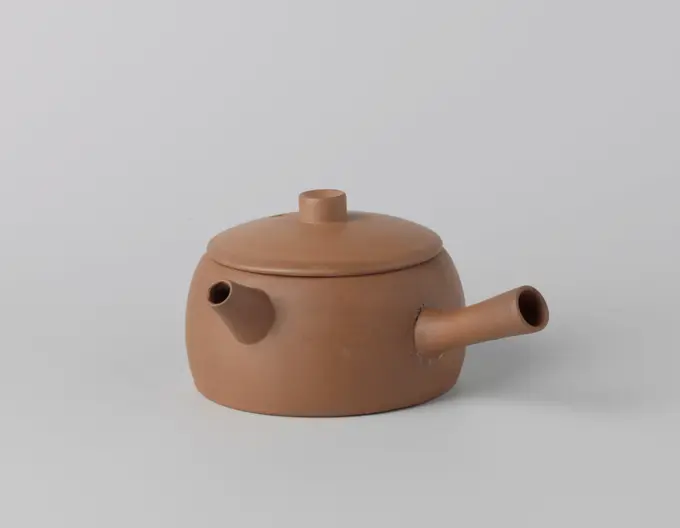
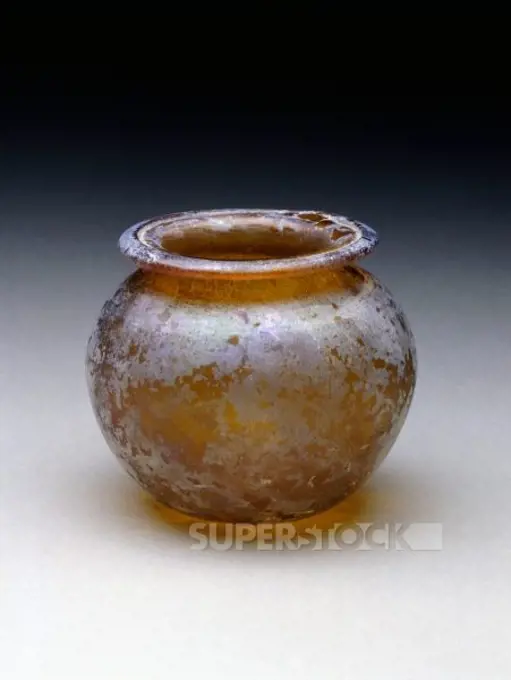
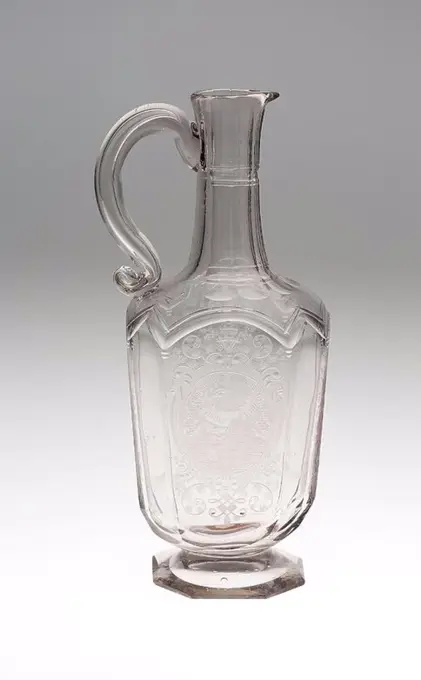
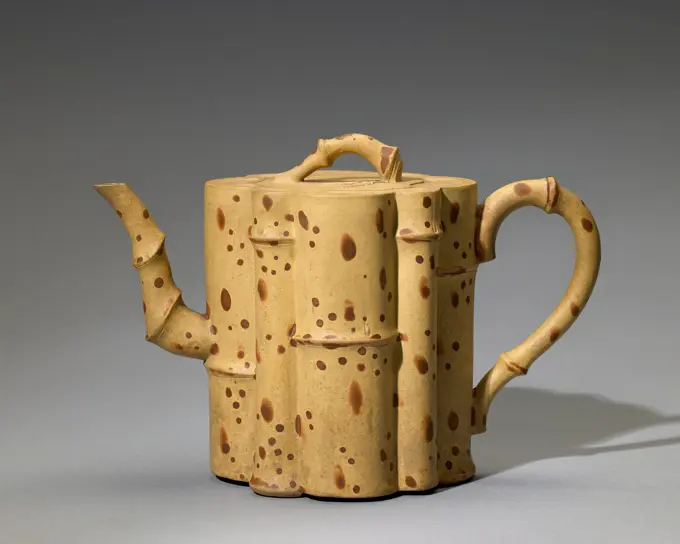
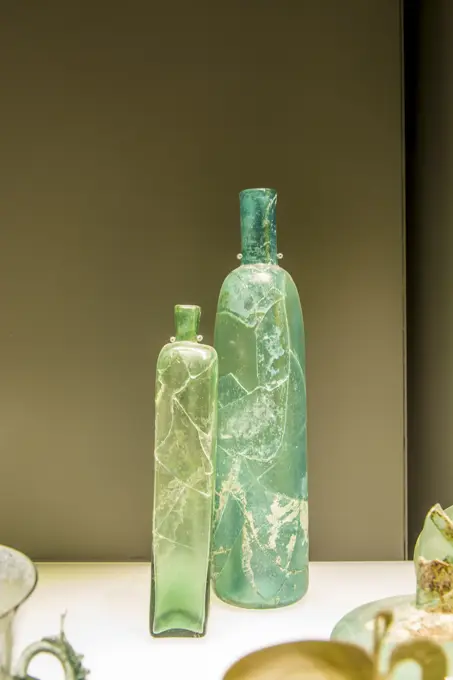
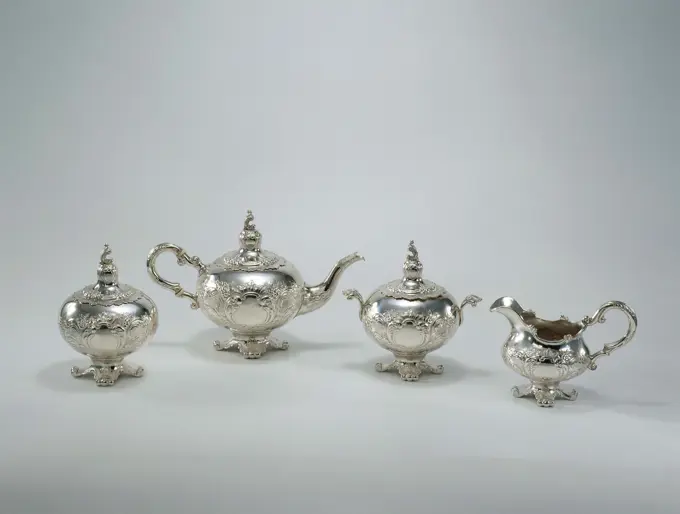
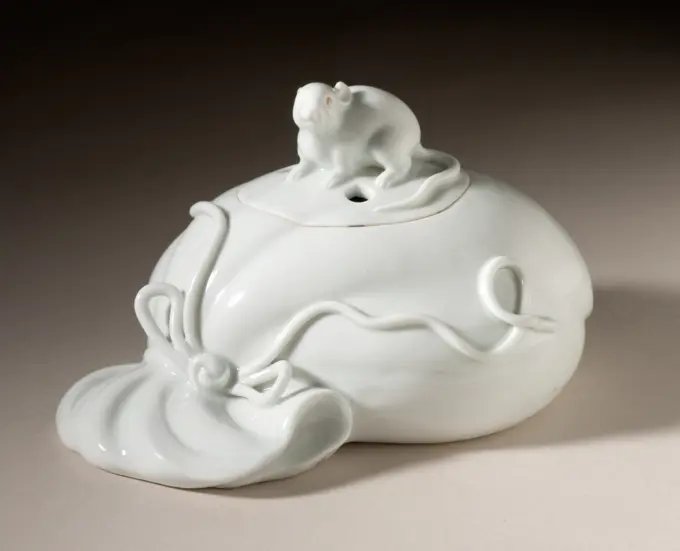
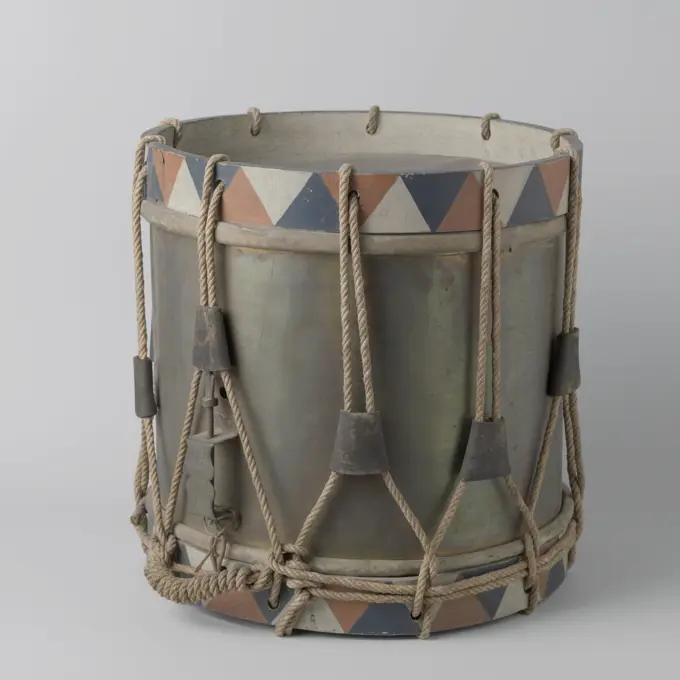
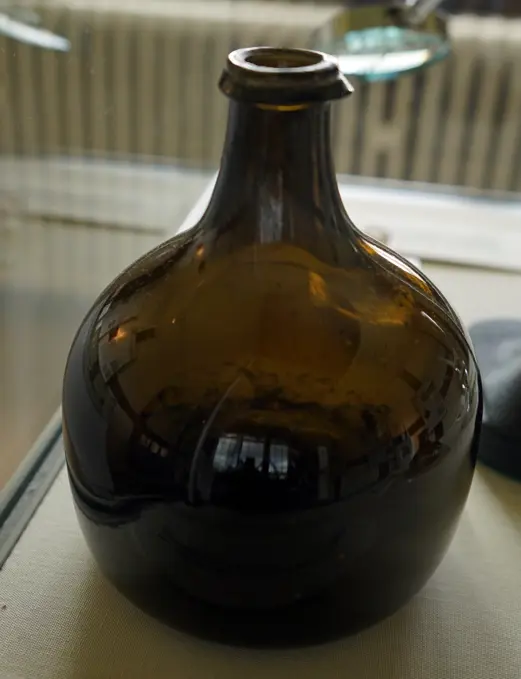
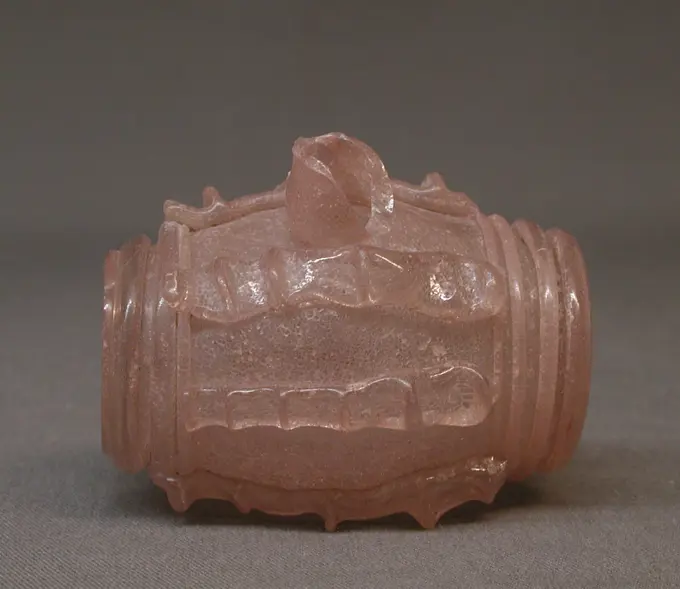
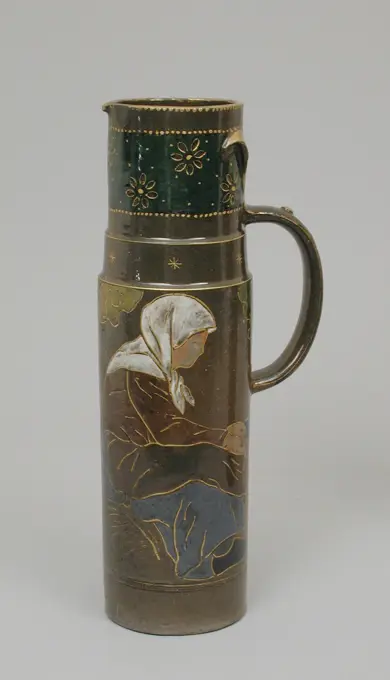
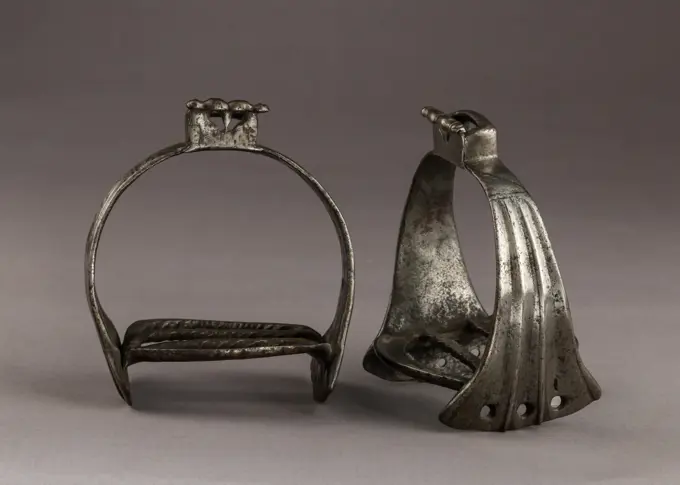
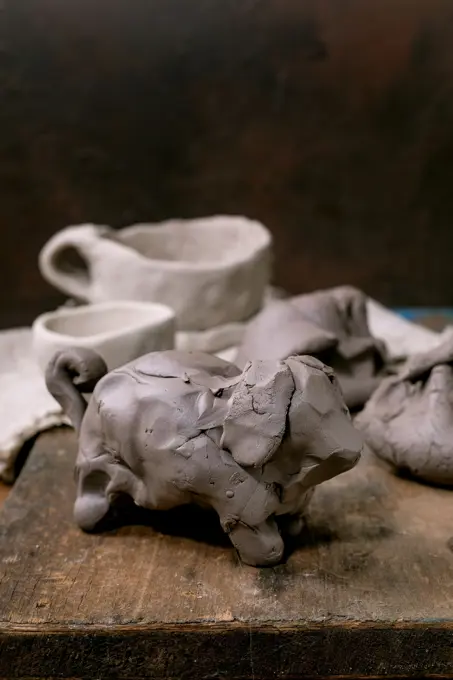
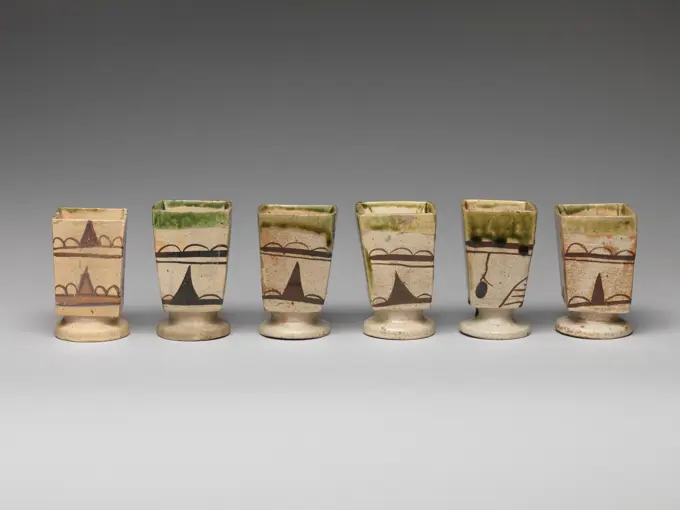
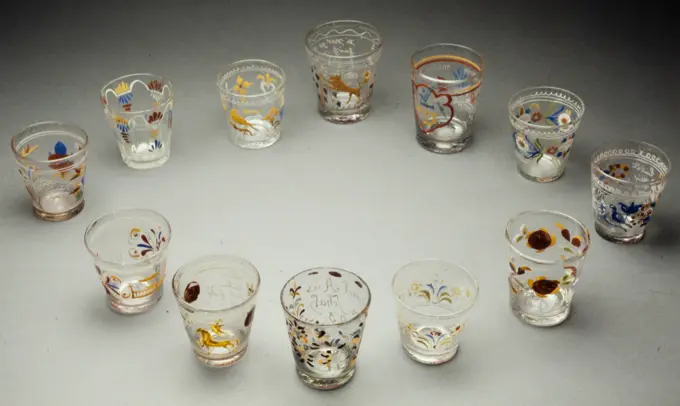
Malaysia, State of Selangor, Kuala Lumpur. The Royal Selangor pewter workshop, museum, & showroom. Historic pewter items in museum.ARTE ISLAMICO. ESPAÑA. ENSENCIARIO DE ALBARRACIN realizado en plata. Fechado hacia el siglo XI. Museo de Teruel. Aragón.Seated Jackal Figurine with Human Body. Egypt, Late Period to Ptolemaic Period (711 - 30 BCE) or later. Sculpture. BronzeCrock. Dated: c. 1939. Dimensions: overall: 29 x 22.8 cm (11 7/16 x 9 in.) Original IAD Object: 10"High 9 1/2" Dia.(top) 10" Dia.(base). Medium: watercolor, colored pencil and graphite on paperboard. Museum: National Gallery of Art, Washington DC. Author: Yolande Delasser.Brown asian teapot on the white windowsill Brown asian teapot on the white windowsill side view Copyright: xZoonar.com/DmitryxShabanovx 6218336Vase. Culture: American. Dimensions: H. 7 3/8 in. (18.7 cm). Date: after 1885. Museum: Metropolitan Museum of Art, New York, USA.JARRA DE TRAMPA VIDRIADA EN ROJO CON GRAN ASA. Location: ALFARERIA. Coruña. SPAIN.Snuff Bottle with Stopper, 1736-95. China, Qing dynasty (1644-1912), Qianlong reign (1735-1795). Jade; overall: 6.9 x 2.5 cm (2 11/16 x 1 in.).Artifacts in the museum at the Alcazaba and Castle of Gibralfaro on Mount Malaga above the old town, Malaga, Spain. (Editorial Use Only)Lock weight of 16 pounds, Anonymous, 1571 The object consists of nineteen parts: twelve weights, the container and the lid (which together form the house), a hinge, a closing bracket, two handle, the handle. The center point can be seen on the container, the lid and the weights. The wall of the container is divided into six areas, the first (i.e. the lower) and the fourth in jump slightly, the second and third as well as the fifth and the sixth are separated by a holond edge. The surfaces have a frieze of repeated motifs. On the first area, the motif is a mermaid. On the second a hunting dog, a boar and a tree. On the third a hunter, a hunting dog, a deer and a tree. On the fourth a flower challenge between two leaves. On the fifth a hunter, a hunting dog, a deer and a tree. On the sixth one duck and a tree. HT vertical surface of the lid is decorated with repeated motifs consisting of a arched arch and from a star. The slightly excellent edge has been punched. The horizontal plane of Box ". White covered porcelain sandstone. China, Hunan, Changsha. Paris, Cernuschi museum. Asian art, Chinese art, Box, Chinese Ceramic, container, cover, container, base, terracottaMiniature vase with a flower spray, anonymous, c. 1675 - c. 1724 Miniature vase of porcelain with an egg -shaped body, painted in underlaze blue. A flower branch on the wall. Blue White. China porcelain. glaze. cobalt (mineral) painting Miniature vase of porcelain with an egg -shaped body, painted in underlaze blue. A flower branch on the wall. Blue White. China porcelain. glaze. cobalt (mineral) paintingSeal with a horse shaped handle unknownInkwell with Crosses 10th century This inkwell preserves a small ball inside that was probably used to stir the ink it once held. The color scheme of this object is typical of the buff ware group, but the main decorative motifa cross-like symbolis not. The cross may indicate that the object belonged to one of Nishapur's Christians, or it may simply have been a decorative device improvised by the potter.. Inkwell with Crosses 449501Tabakierka z łyżeczką. unknown, craftsmanCANTARO DE BARRO CON DECORACION EN RELIEVE Y UN ASA - SIN VIDRIAR- S XX. Location: ALFARERIA LAS VISTILLAS. COIN. Malaga. SPAIN.VASIJA DE MADERA (LA GOMERA). Location: ARCHAEOLOGICAL MUSEUM. SANTA CRUZ DE TENERIFE. TENERIFFA. SPAIN.Trinket Box 1830-70 American. Trinket Box 8816Pair of Stirrups possibly 17th-18th century Indian, Central or South India. Pair of Stirrups. Indian, Central or South India. possibly 17th-18th century. Bronze. Equestrian Equipment-StirrupsItalo-Geometric Kotyle. Unknownceramics and glass from the imperial Roman period, 27 B.C. - 3rd century B.C. Museu Municipal de Ciutadella,. Bastió de sa Font, Ciutadella, Menorca,balearic islands, Spain.Wall Facing (Holland); tin-glazed earthenware, underglazeBOTIJO DE ARCILLA LLAMADA GREDA-SIN VIDRIAR-ARTE POPULAR S XX. Location: ALFARERIA. LA RAMBLA. CORDOBA. SPAIN.Cup 1736-95 Chinese. Cup 2823PULL with pewter lid. PUL made of yellow-white stoneware, colored by immersion for two-thirds brown. The top and bottom of the body are decorated with rings. Engraved in the lid IH or Hi.Pair of Stirrups early 18th century Spanish This shape of stirrups, evolved from 17th-century German types, became very popular in Spain in the 18th century. The swivel suspension eye allowed the stirrup leather to stay flat against the horses flank when the stirrup is in use, but it is more fragile than regular non-rotating systems.. Pair of Stirrups. Spanish. early 18th century. Iron, gold. Equestrian Equipment-StirrupsVase by Giorgio SpertiniPair of Lidded Soup Bowls on Plates. Japan, 19th century. Ceramics. Hirado Mikawachi ware; porcelain with iron and gold overglazeTea pot of red stoneware, anonymous, c. 1800 - c. 1824 Low teapot made of red stoneware with a short, straight spout and perpendicular to it a slightly curved handle. The handle has been broken down. Marked with an unidentified seal brand on the lid. Japanese imitation of Chinese Yixing. Japan stoneware Low teapot made of red stoneware with a short, straight spout and perpendicular to it a slightly curved handle. The handle has been broken down. Marked with an unidentified seal brand on the lid. Japanese imitation of Chinese Yixing. Japan stonewareClear yellow glass egg-shaped unguentarium, Pompeii, Campania, Italy. Roman civilisation, 1st century AD.Bottle in the form of a ton, anonymous, c. 1700 - c. 1800 Four rectangular legs, barrel -shaped body around which hoops twice three ribbed threads. At the widest point a short neck, contained in a pewter frame with thread. Tin screw cap with ring. Four white decorative motifs on the middle lane, on either side and white piping between the hoops. On the hoops, gilding remains. Bohemia glass. gilding (material). tin (metal) glassblowing / gilding Four rectangular legs, barrel -shaped body around which hoops twice three ribbed threads. At the widest point a short neck, contained in a pewter frame with thread. Tin screw cap with ring. Four white decorative motifs on the middle lane, on either side and white piping between the hoops. On the hoops, gilding remains. Bohemia glass. gilding (material). tin (metal) glassblowing / gildingJug. Germany, Schleswig. Date: 1735-1750. Dimensions: 24.8 x 8.3 cm (9 3/4 x 3 1/4 in.). Glass. Origin: Schleswig. Museum: The Chicago Art Institute, Chicago, USA.Tea Pot, late 18th century, 5 1/4 x 7 1/4 x 3 11/16 in. (13.34 x 18.42 x 9.37 cm), I-hsing stoneware with slip decor, China, 18th century, This buff colored stoneware teapot and cover is modeled as a bundle of cut bamboo stems with matching swan-neck spout and loop handle. The flat, inset cover is fashioned with a similar curved stem of bamboo with low relief leaves forming the knob. The buff stoneware is splashed with a russet colored slip to resemble spotted bamboo.Jar with Wooden Cover, 1700s-1800s. Japan, Edo period (1615-1868). Pottery; overall: 14.3 cm (5 5/8 in.).Artifacts at the El Born Cultural and Memorial Centre archeological site and museum, Barcelona, Spain. (Editorial Use Only)Fragment of a Situla. UnknownHoly water stoup. Attributed to Nicola Caccialepri. Marble. National Museum of Fine Arts. Valletta. Malta.abstract minimal kitchen cups pileJug (Ireland); glass; 8.6 x 15.5 x 7.6 cm (3 3/8 x 6 1/8 x 3 in.); Bequest of Walter Phelps Warren.; 1986-61-182Saucer. Dish of fire-digging suassa, with scalloped brace-shaped edge and in the middle a raised ring, within which a cup fits. The edge has a smooth surface without entered decorations. On top of scalloped brace-shaped edge six cartouches (medallions) with images embossed from branches with flowers and birds. Three elongated and three small diamond-shaped scalloped cartouches. On the bottom within the inner edge, exit around the inner ring image in gold-plated relief of trees, branches with flowers, birds, two pagodas, two of them or flags. In the middle a raised ring (with weld seam) around which a narrow band with a flow of petals in black varnish; Within the ring a dredged image of an opened flower. Bottom is smooth, plated.Ring probably 19th century Chinese This collection of largely ethnographic jewelry includes examples from cultures in South America, North America, Europe, Asia, and Africa and dates from the Pre-Columbian period to the twentieth century. Owned by renowned art collector and fashion enthusiast Muriel Kallis Newman, the collection represents her knowledge and appreciation of a wide range of jewelry design and making traditions. Numerous items in her collection are composite artifacts made from various cultures and time periods reappropriated as modern jewelry creations by or for Muriel. It is important to note that Newman wore many of the pieces in the collection, interpreting them to suit and express her own singular, often avant-garde style.. Ring 141601. Four-part tea set from silver, consisting of a teapot (a) with curved spout and an ear made from volutes, in which two ivory rings are included; a milk jug (b) with a similar smaller ear and a wide lip; A knob of lump (c) with two raised ears and a sugar bowl (D). The spherical bodies rest on a vaulted stand ring with four claw-like legs and are - on the milk jug after - with loose bell-shaped lids, awarded by volutely buttons. The crockery is decorated with partially driven, partially engraved Louis XV motifs.CERAMICA POPULAR. Location: EXTERIOR. PROVINCIA. SPAIN.Censer (kōrō) in the Form of a Rat on a Treasure Bag. Japan, mid to late 19th century. Ceramics. Hirado Mikawachi ware; porcelain with transparent glazeDrum, 1800 - before 1865 musical instrument. percussion instrument. drum Trom of the militia. The brass kettle is equipped with a veal sheet on both sides, held by a hoop and tense by means of a tension with tractors and screws. Both hoops are decorated with a motif of triangles in the colors red, white and blue. With engraved numbers: 1855-33. Netherlands Kettle: Brass (Alloy). Hoop: Wood (Plant Material). Team resort: RopePriming Flask or Sander. French. Date: 1675-1725. Dimensions: L. 15.2 cm (6 in.). Ivory and silver. Origin: France. Museum: The Chicago Art Institute, Chicago, USA.17th century 'Onion pot; ceramic glazed jar from the late Tudor to Jacobean period; found at Aston Hall in Birmingham, England.Flask 17th century French. Flask. French. 17th century. Glass. GlassTankard with woman seated ca. 1885 Haviland & Co. American and French This vessel recalls sixteenth-century German salt-glazed stoneware tankards and flagons. However, the flat style of the decoration and the unmodulated use of color, particularly for the boys skin, are novel to the nineteenth century.. Tankard with woman seated. French, Paris. ca. 1885. Stoneware. Ceramics-PotteryPrzeszo Przyszoci unknownWriting feather against gradient backgroundValkenkap, Anonymous, c. 1400 - c. 1700  Learning falcon hood. The different pieces are put together with rope. At the front is an opening for the beak; At the back there are two straps for putting on the cap. A feather plume has been applied to the top. The basis is walled with copper wire and pieces of bay. Netherlands leather. cutting / sewingOdd Fellows ceremonial hourglass, 1856, 8 1/16 x 5 7/8 in. (20.48 x 14.92 cm), Painted wood, United States, 19th centuryPair of Stirrups early 17th century possibly Netherlandish or Spanish This shape of stirrup, with its flaring sides, evolved from 16th-century German types and became very popular in several other countries in the first decades of the 17th century, including the Netherlands, Northern Italy or Spain.. Pair of Stirrups. possibly Netherlandish or Spanish. early 17th century. Iron alloy. Equestrian Equipment-StirrupsExhibit from the Gold Museum, Museo del Oro, Bogota, Columbia, South AmericaCeramics Workshop For Children and Beginners Idea: Dog, Bird and Fish Figures Made of Raw Clay, Kids Handmade Ceramic Creative, Dark Wooden Table, .Double Goblet 1701-1713 Germany. Glass .One from a set of Six Side Dishes (Mukōzuke) for Tea Gathering Meal (Cha-kaiseki) early 17th century Japan. One from a set of Six Side Dishes (Mukōzuke) for Tea Gathering Meal (Cha-kaiseki) 52210Cup with a foliate scroll on a matt blue ground, Fabriek Nast Rue Popincourt, c. 1775 - c. 1799  Porcelain head with a cylindrical wall and C-shaped ear, painted on the glaze with matte blue, black and gold. The outer wall is covered with blue with a leaf vank saved. Foot, edge and ear are covered with gold. On the inner edge a band with gold triangles. Marked on the underside with Nast and I II. Paris porcelain. glaze. gold (metal) painting / gilding / vitrificationBottle. Niemcy Południowe, creator, Tyrol, creatorBeaker, 1729, 3 3/8 x 3 x 3 in. (8.6 x 7.62 x 7.62 cm), Glass, Switzerland, 18th centuryBell;  19th century (1801-00-00-1900-00-00);Ancient Greek vase with human head on cave backgroundExhibition Arita Porcelain from now. .