Historical Ceramics and Vessels

A variety of antique vases and bowls, showcasing intricate designs and craftsmanship from different cultures and eras.

Vase with decor of four equal geometric ornaments, Willem C. Brouwer, 1905 Vase of earthenware, decorated with a incised backdrop of four equal geometric ornaments in brown, against a green stock. The inside is green. Leiddorp earthenware Vase of earthenware, decorated with a incised backdrop of four equal geometric ornaments in brown, against a green stock. The inside is green. Leiddorp earthenware
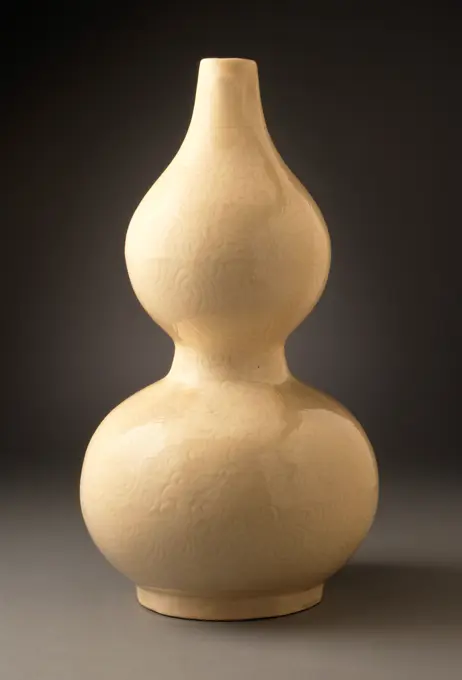
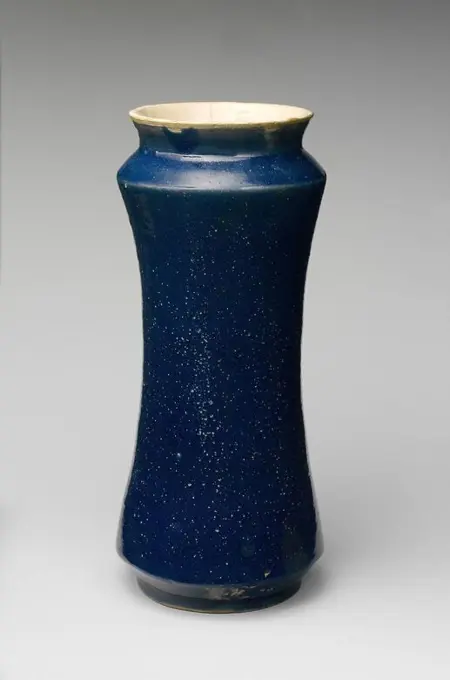
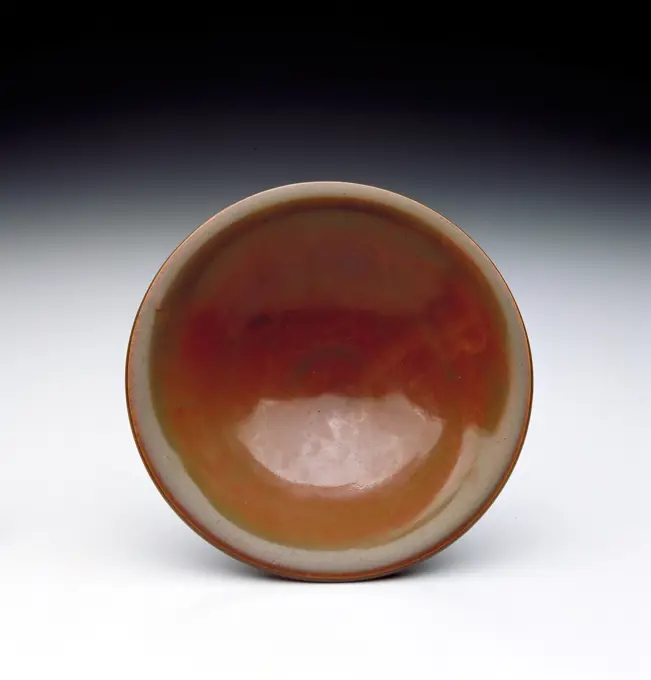
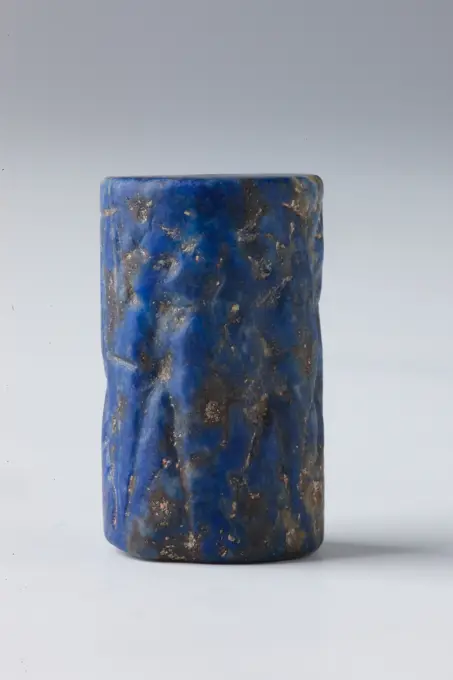
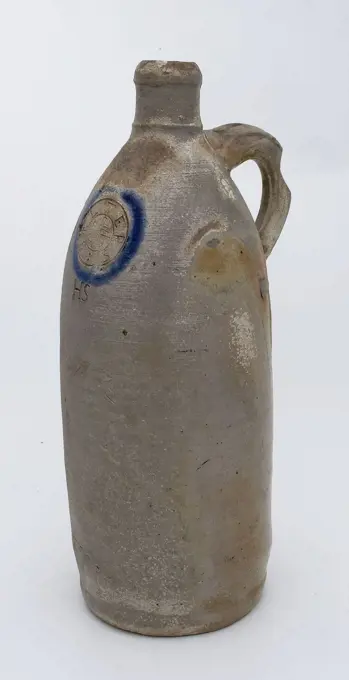
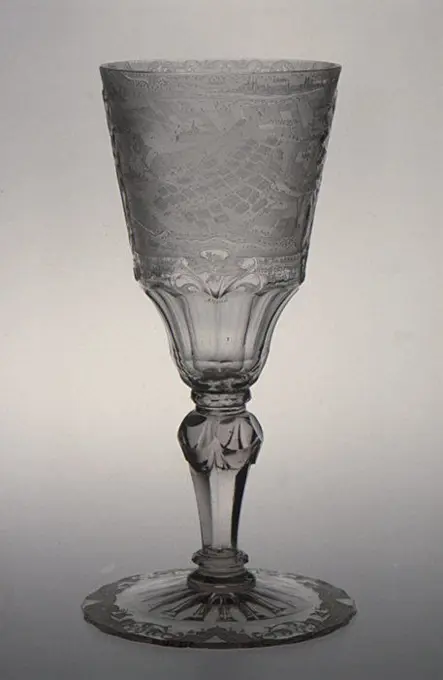
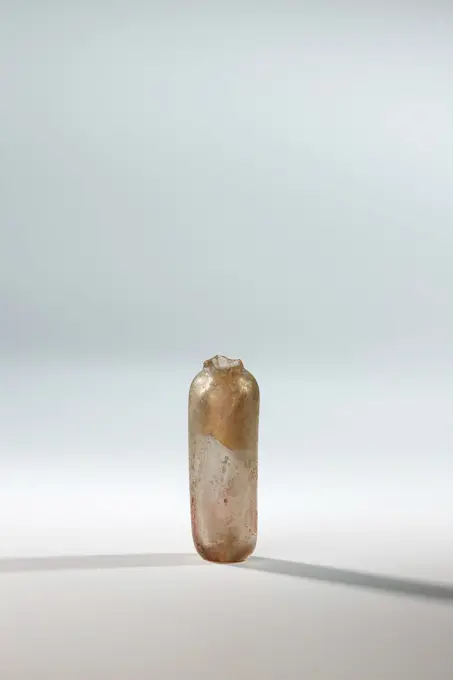
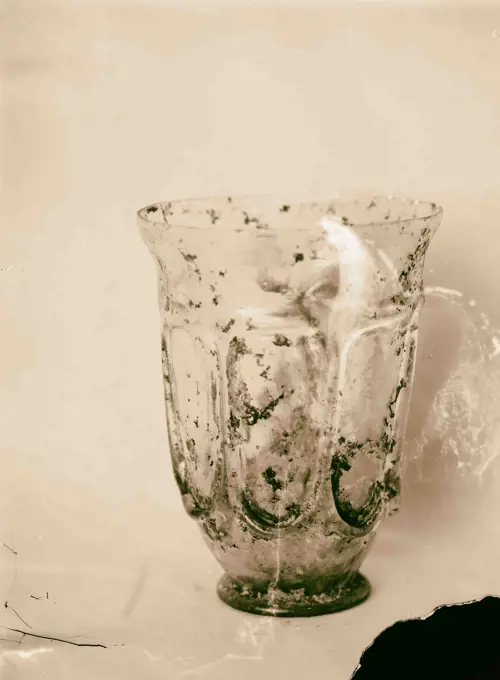
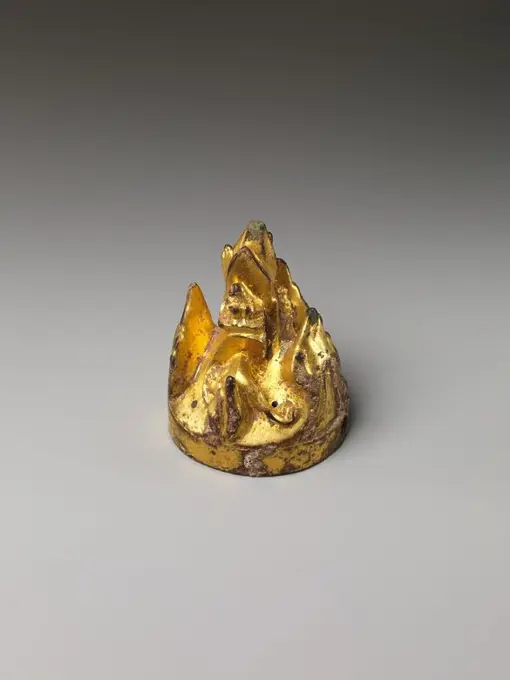
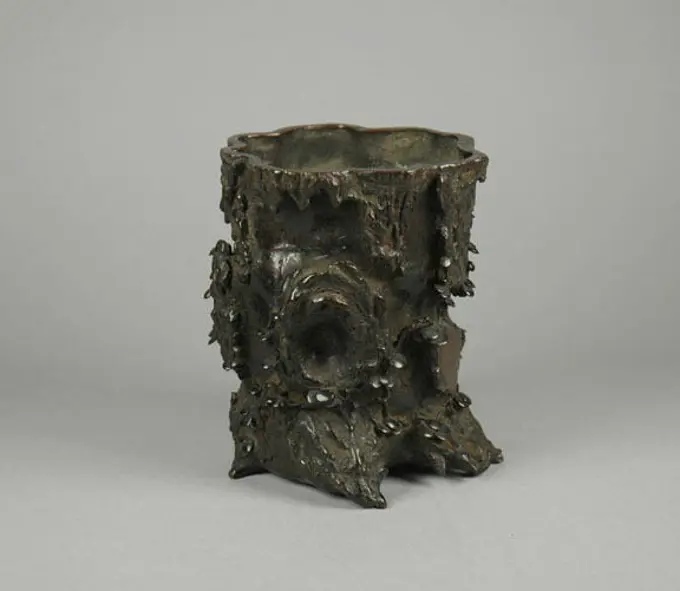
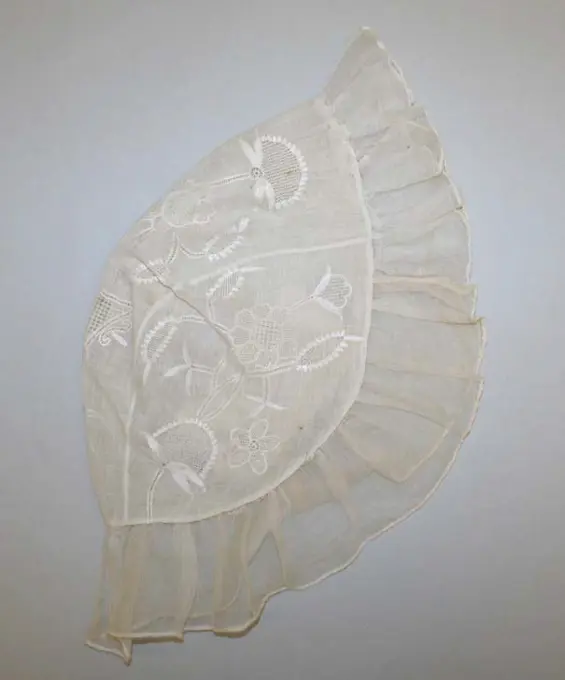
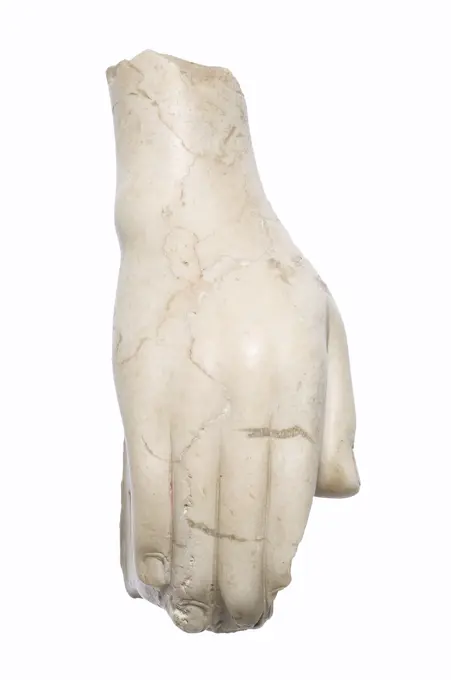
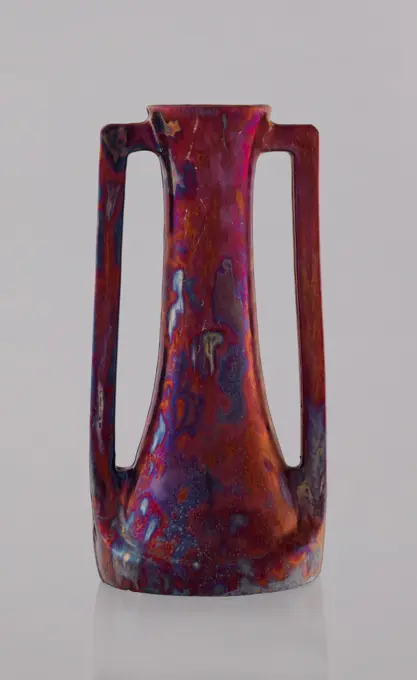
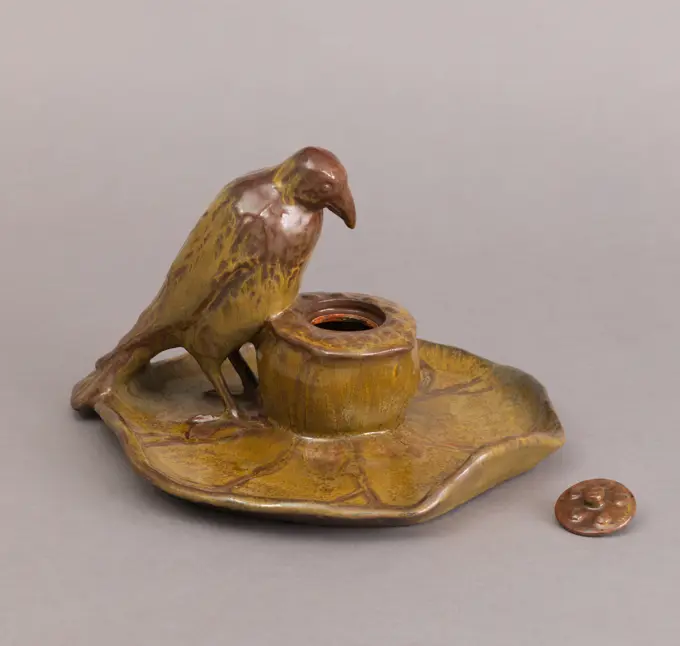
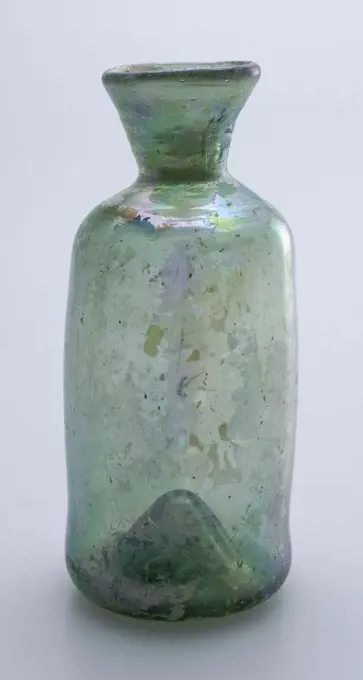
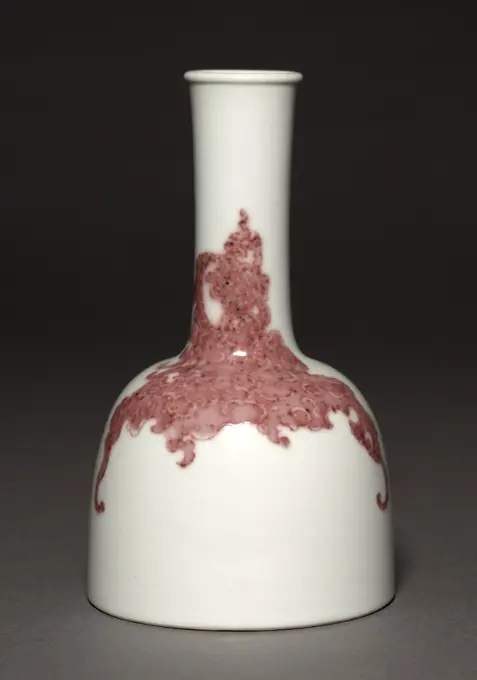
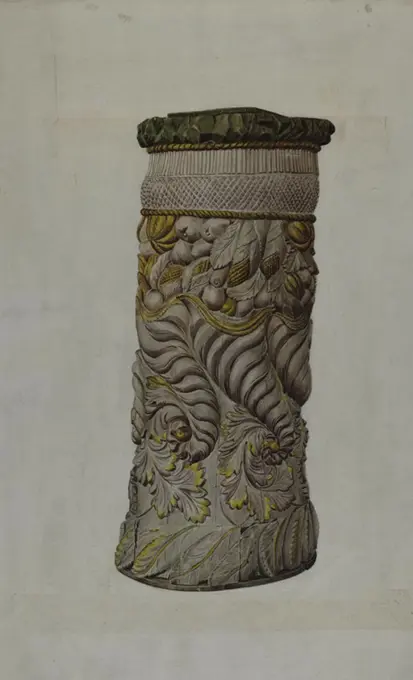
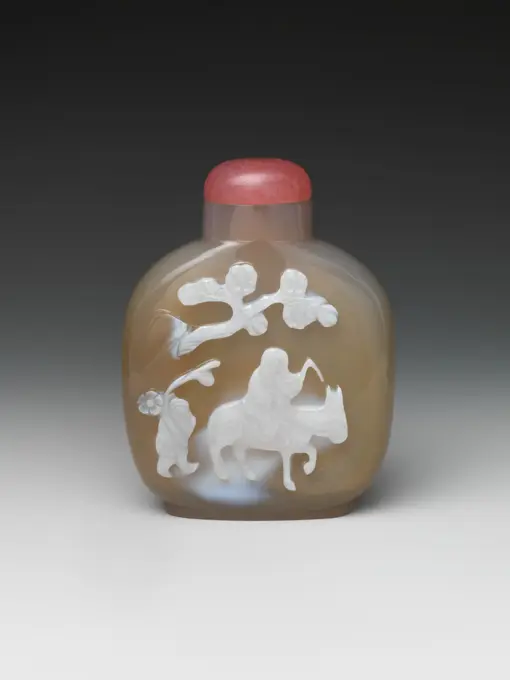
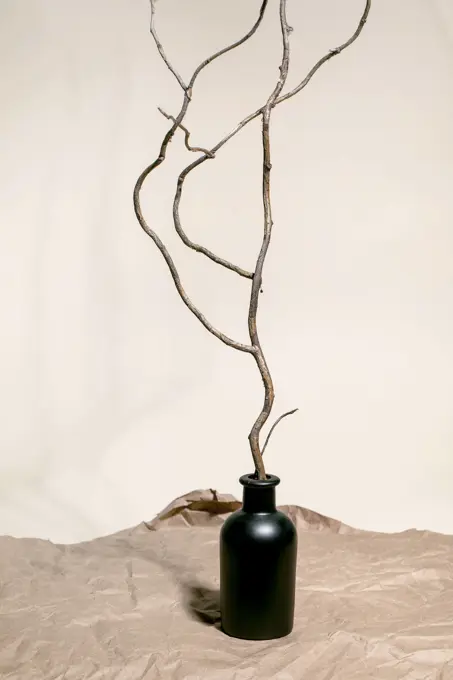
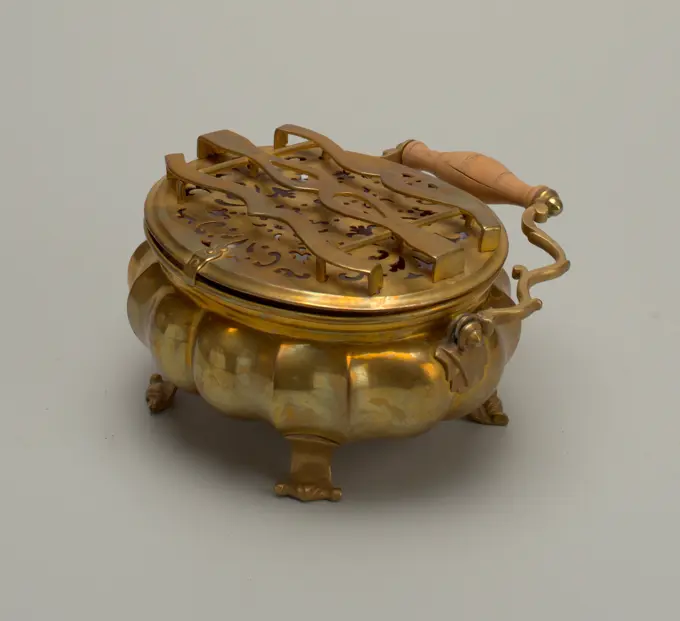
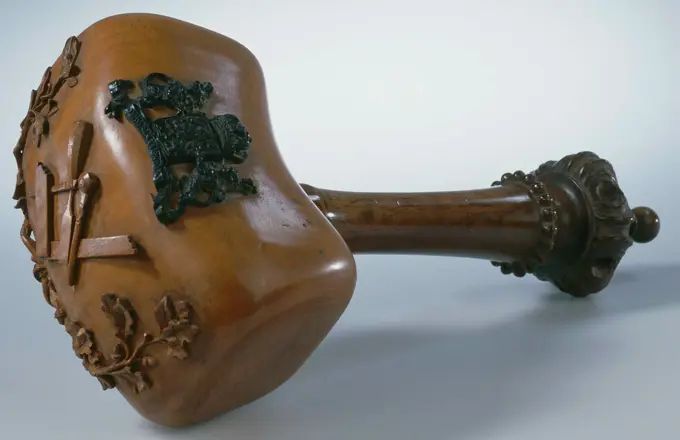
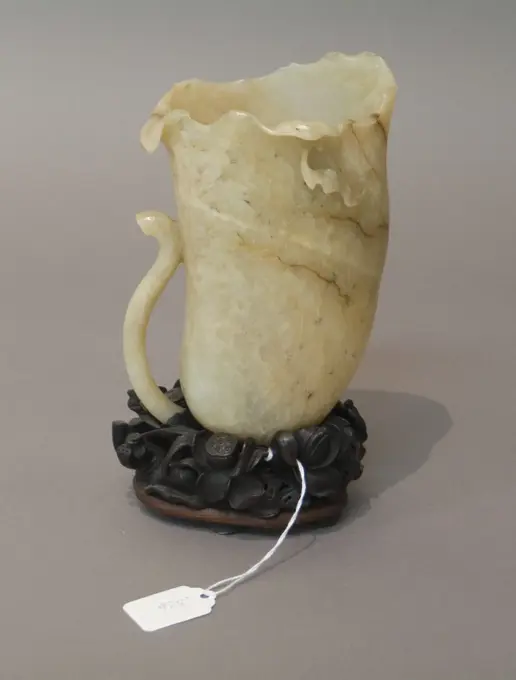
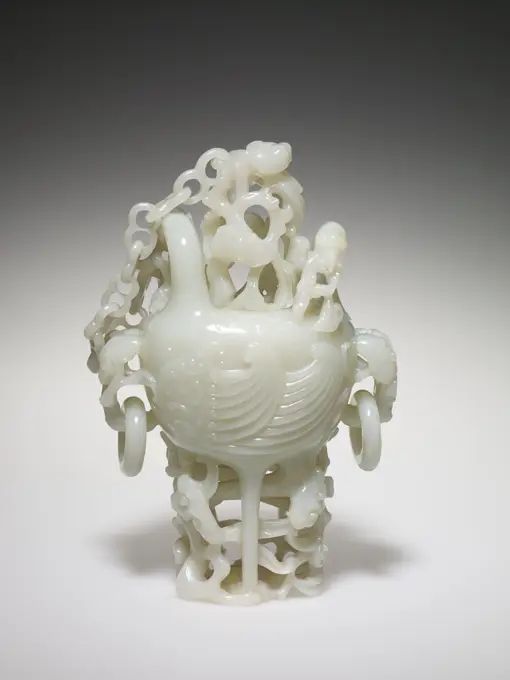
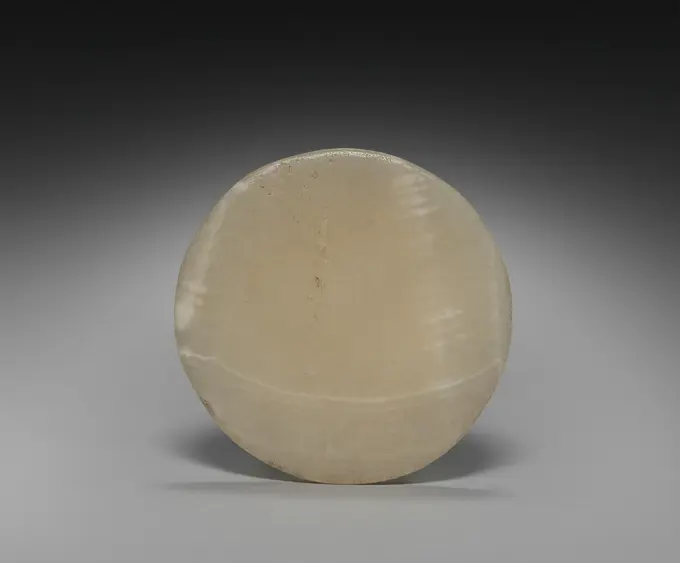
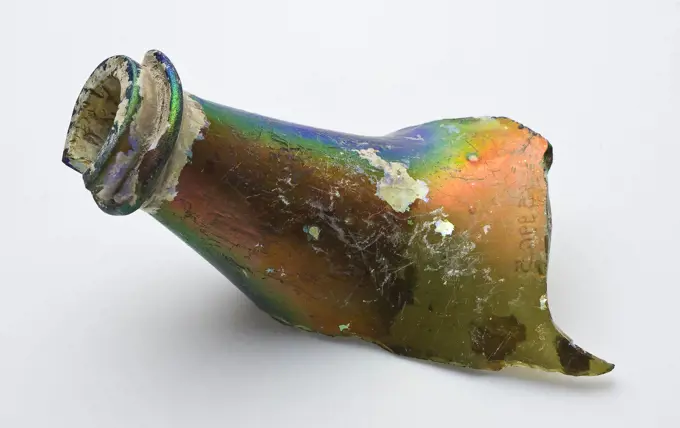
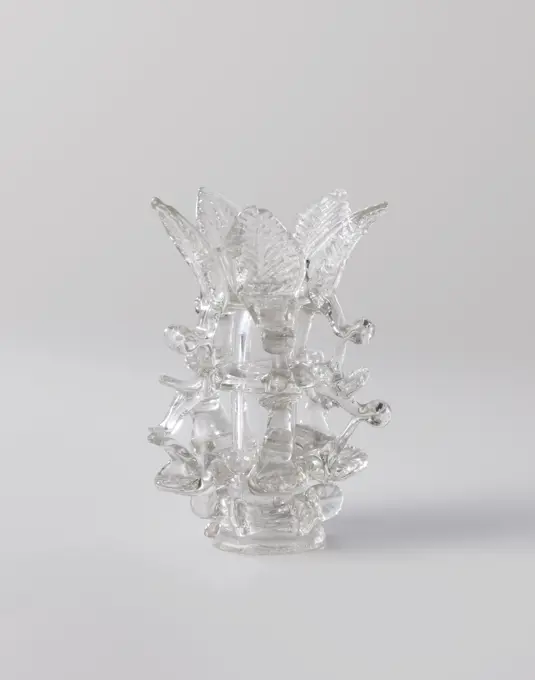
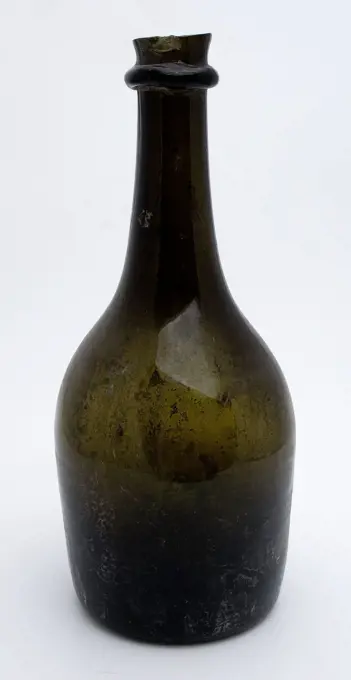
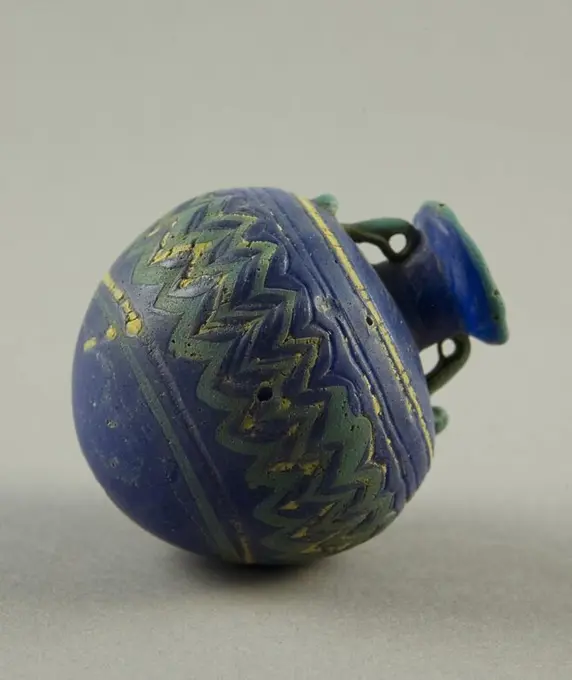
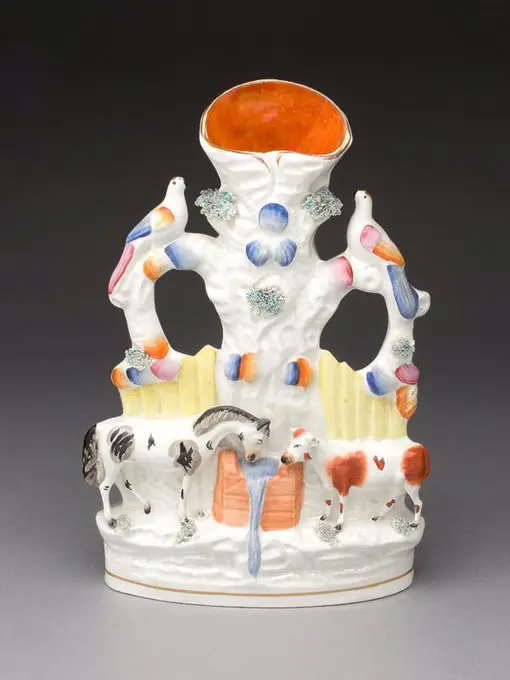
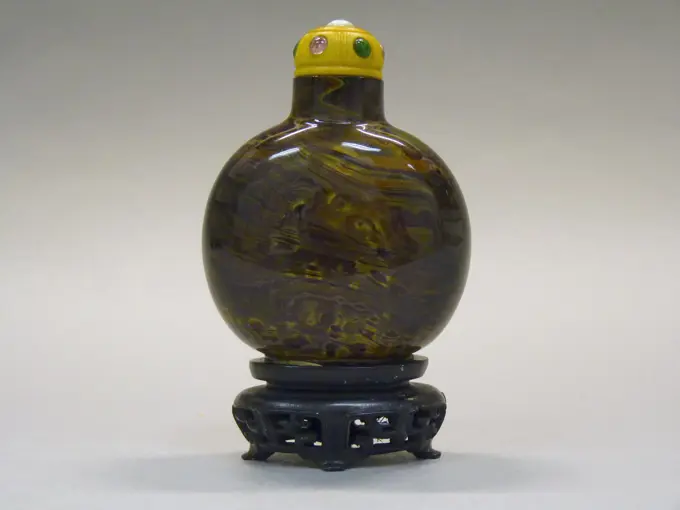
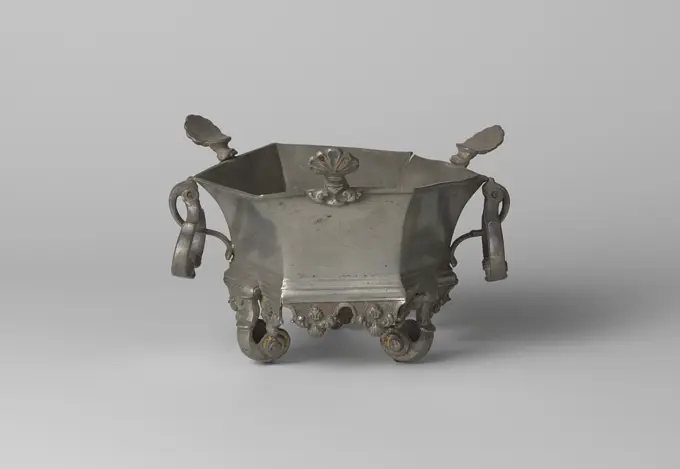
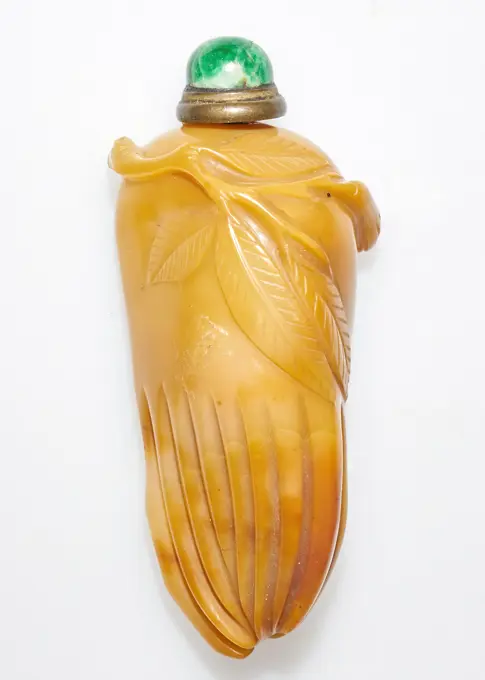
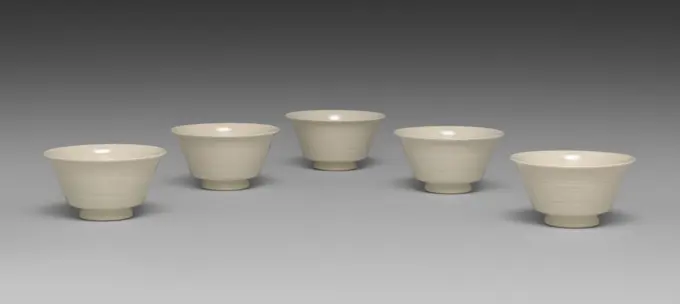
Cup; silverSprinkler 18th-19th century. Sprinkler 444769Vase (Ping) in the Form of a Gourd with Floral Scrolls. China, Jiangxi Province, Jingdezhen, Middle Qing dynasty, 1700-1800. Furnishings; Accessories. Wheel-thrown porcelain with incised decoration and cream glazeBottle China. Bottle. China. Porcelain. Qing dynasty (1644-1911), Qianlong period (1736-95). CeramicsApothecary Jar. Culture: Mexican. Dimensions: H. 11 1/4 in. (28.6 cm). Date: ca. 1840. Museum: Metropolitan Museum of Art, New York, USA.Vase (USA); Possibly by Taxile Doat (France, 1851 - 1938); Manufactured by University City Pottery; glazed porcelainVase with decor of four equal geometric ornaments, Willem C. Brouwer, 1905 Vase of earthenware, decorated with a incised backdrop of four equal geometric ornaments in brown, against a green stock. The inside is green. Leiddorp earthenware Vase of earthenware, decorated with a incised backdrop of four equal geometric ornaments in brown, against a green stock. The inside is green. Leiddorp earthenwareSnuff Bottle China. Snuff Bottle 41403DeepbowlArrow-Holder Vase (Jianhu), 1200s. China, Zhejiang province, Hangzhou, Southern Song dynasty (1127-1279). Porcelaneous stoneware, Guan ware; diameter: 7.9 cm (3 1/8 in.); overall: 12.4 cm (4 7/8 in.).Tea Bowl and Stand, 10th-11th century, 1 11/16 x 5 9/16 in. (4.29 x 14.13 cm), Yaozhou ware Stoneware with persimmon glaze, China, 10th-11th century, This shallow, conical bowl has an elegantly curled rim and a rich rust-colored glaze that thins to reveal a subtle brown underglaze. Best known during Northern Song for their celadon-glazed stoneware, the Yaozhou kilns in Shanxi province also produced black and russet-glazed vessels like this one. These so-called persimmon glazed wares were fired at temperatures slightly higher than the celadons resulting in pieces that are hard and resonant.Jug. Very small jug of stoneware. With a ridge on the belly.Cylindrical seal with the hunting stagePitcherStoneware mineral water hatch on stand surface, cylindrical, stamped mark, mineral pitcher pitcher pitcher product packaging container soil find ceramic stoneware icing salt enamel, hand turned baked glazed stoneware mineral pitcher gray shard with salt glaze sausage ear traces on the underside. Contained spring water from Nieder Selter. Cylindrical jug with smooth transition to the narrow neck Badly glazed layer Fairly decorated with cobalt blue Stamped source: SELTERS to cross with C T and blue ring archeology advertising health care import pottery packing serve drink medicine drug pharmacyCupstand with Floral Scrolls, 1368-1398. China, Ming dynasty (1368-1644), Hongwu reign (1368-1398). Porcelain painted in underglaze red; diameter: 22.3 cm (8 3/4 in.); overall: 2.5 cm (1 in.).Standing cup 1741 German, Silesia. Standing cup. German, Silesia. 1741. Glass. GlassSmall bottle. unknown, craftsmanStanding female figure with a rooster against her right foot; Coming from the facade of the Villa of the Rijksmuseum, 1900 - 1925 sculpture Woman standing out with a fold of her long robe in her left hand. A standing rooster against her right foot. The image includes an image with invnr. BK-TN-3167. Both images includes a pedestal with invnr. BK-TN-3047 and BK-TN-3048.  .Close-up of a conch shell, Providencia y Santa Catalina, San Andres y Providencia Department, ColombiaAntique glass 1898, Middle EastTaweret statuette 664-332 B.C. Late Period. Taweret statuette 546151Bottle belly (qumqum). unknown, craftsmanGlass bowl, possibly an inkwell. Culture: Roman. Dimensions: Diam.: 4 in. (10.2 cm). Date: ca. 2nd-3rd century A.D..Colorless, with attachment in same glass.Narrow circular mouth with horizontal rounded lip; concave discus; rounded vertical shoulder; sides of body curving in sharply to pushed-in bottom with traces of central pontil scar; small oval knob-like attachment on outer edge of shoulder with tiny central hole.Complete, but with large cracks running across body; few bubbles; dulling and iridescent weathering. Museum: Metropolitan Museum of Art, New York, USA.Lid of Incense Burner. Culture: China. Dimensions: H. 2 3/4 in. (7 cm); Diam. 2 in. (5.1 cm). Date: 3rd century. Museum: Metropolitan Museum of Art, New York, USA.Carafe with stud pattern, anonymous, c. 1850 - c. 1899  Light soul inserted. Bulb body, blown into a stud pattern. Slim neck with bent peat. Turned on, bent ear. Northwest Europe glass glassblowingPitcher 1847-53 Fenton's Works. Pitcher 5792Brush Holder 19th century Japan A time-ravaged tree stump bedecked with the fresh growth of an encircling vine provokes a poignant awareness of beauty in nature's ever-changing forms. Bronze casting of this quality won wide acclaim for Japan's metalworking tradition, unknown in the West before the Meiji period.. Brush Holder. Japan. 19th century. Bronze. Meiji period (1868-1912). MetalworkVase, The Gates Potteries, 1890 - 1930, American Terracotta and Ceramic Company, 1881-1935, Unknown, Glazed earthenware, Moss green vase with relief daffodils. Buff colored clay body, cast. Large ovoid body on low flat foot; no neck. Body modeled in relief with three tiers of large pendulous bell flowers and leaves (daffodils). Allover light and dark green matte glaze, with the clay body revealed at the high points in the relief. Bottom and interior glazed., 1902-20, ceramics, Decorative Arts, VaseFlakon with cover;  XVIII-XIX century (1701-00-00-1900-00-00);Six miniature saucers (part of a set). Culture: British, London. Dimensions: Diameter (each): 1 5/16 in. (3.3 cm). Maker: David Clayton (British, active 1689). Date: late 17th-early 18th century.The tea kettle and teapot are based on Chinese hot-wine pots. The tea bowls are modeled after Japanese forms. Museum: Metropolitan Museum of Art, New York, USA.Ewer (Iran); glassVase 18th century China. Vase 50726Porringer, c. 1785-1790, Otto Paul de Parisien or Otto Parisien & Son, (active 1764-1797), partnership active 1789-1790, 2 1/8 x 7 1/4 x 5 3/8 in. (5.4 x 18.42 x 13.65 cm), Silver, United States, 18th centuryCover. Kotlina Jeleniogórska (ośrodek rytownictwa ; ca 1600- ), glass engraver, Karlsthal (huta szkła ; 1754-post 1874), creator, Weiberberge (huta szkła ; post 1702-ante 1754), creator, Weissbach (huta szkła ; 1617-ante 1754), creatorCap mid-18th century European. Cap 104291Hand ca. 1353-1323 B.C. New Kingdom, Amarna Period. Hand 549211Vase. Jagmin, Stanisław (1875-1961), authorInkwell And Cover (USA); Manufactured by Rookwood Pottery (United States); earthenware, glazeVase; Gallé, Emile (1846-1904); 1909-1911 (1909-00-00-1909-00-00);Dygas, message (provenance)Snuff Bottle China. Snuff Bottle 41539Medicine Bottle, medicine bottle bottle holder soil find glass, free blown and shaped Small (medicine) Bottle in clear light green glass. Pontil mark under raised bottom. Cylindrical body with convex shoulders short neck and funnel-shaped flared lip (dm 1.9 cm) archeology health care packaging pharmacyPear-Shaped Bottle with a Dark Brown Glaze. Pear-shaped vase of porcelain, covered with a monochrome dark brown glaze. Inside the foot ring white glazed; Marked on the underside with the six character mark of Emperor Kangxi in a double circle. Monochromes.Mallet-Shaped Bottle with Phoenixes, 1662-1722. China, Jiangxi province, Jingdezhen, Qing dynasty (1644-1911), Kangxi mark and period (1662-1722). Porcelain with underglaze red (and green) decoration; diameter: 10.5 cm (4 1/8 in.); overall: 17.8 cm (7 in.).Snuff bottle and stopper, porcelain, enamel, malachite, ivory, cork, China, 19th century, containers, Decorative Arts, Snuff bottle and stopperBottle probably 18th-19th century. Bottle 444747Decanter And Stopper (Ireland); glass; 21.3 x 12.5 cm (8 3/8 x 4 15/16 in.); Bequest of Walter Phelps Warren; 1986-61-140-a,bBell, anonymous, 930 - 1600 Hanging clock with bull as a masterpiece. Indonesia bronze (metal) Hanging clock with bull as a masterpiece. Indonesia bronze (metal)Concept, gullak clay bag or box for keeping wealth with coin on white background India Copyright: xNirmalaxMishra/DinodiaxPhotoxMast Sheath. Dated: 1937. Dimensions: overall: 44.8 x 27.5 cm (17 5/8 x 10 13/16 in.). Medium: watercolor and graphite on paper. Museum: National Gallery of Art, Washington DC. Author: Lucille Chabot.Snuff Bottle China. Snuff Bottle 41392Zapinka do pasa. unknown, craftsmanLazi on the base;  19th century (1801-00-00-1900-00-00);Puzderko z nakrywką. unknown, craftsmanSnuff Bottle with Two Figures early 19th century China. Snuff Bottle with Two Figures 41457WaterjarOrnamental unguent vase made from alabaster. From the tomb of King Tutankhamen. 1323 BC. 18th dynasty, New KingdomBowl (common name). Sandstone turned, celadon, molded decor. Cernuschi Museum, Asia Museum of Asia in the city of Paris.Box with cover China. Box with cover 60971Trockener Holzzweig in schwarzer Keramikflasche Still life with dry tree branch in black ceramic bottle vase on crumpled craft paper over beige background. Hard shadows. Trend minimalistic design Copyright: xZoonar.com/NATASHAxBREENx 22751137Bell-shaped Bottle: Lang Ware, 1662-1722. China, Qing dynasty (1644-1911), Kangxi reign (1661-1722). Porcelain with red copper glaze; overall: 21.6 cm (8 1/2 in.).Przeszo Przyszoci unknownBrazier; brass, copper lining, woodPair of sandals ca. 1479-1458 B.C. New Kingdom. Pair of sandals. ca. 1479-1458 B.C.. leather. New Kingdom. From Egypt, Upper Egypt, Thebes, Sheikh Abd el-Qurna, below the Tomb of Senenmut (TT 71), in radim near the Burial of Amenhotep, MMA excavations, 1935-36. Dynasty 18Vase ca. 1900 Pierre-Adrien Dalpayrat French. Vase 208036Dish, Eiraku Hozen (After), Eiraku Hozen (After), C. 1800 -C. 1899 Irregular shaped, square scale of stoneware, covered with a red glaze  And painted in green, yellow and black. The front with a river landscape in relief with a scholar on horseback followed by two servants. In the background a group of scholars sitting on the bank. A boat in the water. The landscape with trees (pine, banana plant), mountains and rocks. The back with Karakusa vends against a yellow background. Old label on the bottom with 'W727'. Kyoyaki followed red paintwork. Japan stoneware. glaze painting / vitrification Irregular shaped, square scale of stoneware, covered with a red glaze  And painted in green, yellow and black. The front with a river landscape in relief with a scholar on horseback followed by two servants. In the background a group of scholars sitting on the bank. A boat in the water. The landscape with trees (pine, banana plant), mountains and rocks. The back with Karakusa vends against a yellow Plate Plate with onyx glass.. Plate. Terracotta. VasesBumpHamer gebruikt door koning Willem III bij het leggen der eerste steen van de spoorwegbrug over de IJssel bij Zutphen.Hammer with palm wood cup. The end of the handle is decorated with pearl edge and plant motifs. On the head on one side from black wood embossed crowned lions above a banderole with inscription: "Your Maintiendrai"; On the other side silver plate with inscription. On top of relief sliced passer, shopping hook and chisel between oak wreaths. Dated: XXII October MDCCCLXI. Signature: Sr .... (illegible). Inscription: King Willem III has used this hammer to lay the first etc.Hat van Tulle, consisting of a ball that is trimmed along the forehead with a pleated strip of tulle, anonymous, c. 1800 - c. 1900 Hat van Tulle, consisting of a ball that is trimmed along the forehead with a pleated strip of tulle. The tulle is trimmed along the edges with picots. Friesland whole: Linen (Material). Hat van Tulle, consisting of a ball that is trimmed along the forehead with a pleated strip of tulle. The tulle is trimmed along the edges with picots. Friesland whole: Linen (Material).Lotus-Leaf Cup China. Lotus-Leaf Cup 43738Bottle vase Made 1199-1299 Korea. Glazed stoneware with inlaid decoration .Covered Vase, 19th century, 8 1/2 in. (21.59 cm), White jadeite, China, 19th century, During the late Qing period, jade was used more than ever for decorative purposes. As technical boundaries were challenged, the treatment of form became increasingly complex. By the late eighteenth and ninteenth centuries, virtuoso carving was much admired, and elaborately carved works like this vase gained in popularity with the aristocracy. The vessel consists of two swans grasping aquatic plants in their bills; ring handles hang at each side, and an openwork cover decorated with reticulated floral motifs is attached to the body by several links of chain. Remarkably, all this is carved from a single block of white jadeite. This piece clearly aims to delight through the sheer virtuosity of its carving rather than the beauty of its form or any symbolic references to Chinese antiquity. Typically, the more colorful and showy pieces of jadeite were used for this type of work, which became a hallmark of tArmor(Öroba)Long-Necked Flask with Lid (Lid), 1401-1353 BC. Egypt, New Kingdom, dynasty 18, reign of Tuthmosis III to Amenhotep III, 1479-1353 BC. Travertine; diameter of lid: 6.6 cm (2 5/8 in.).Minature standing horse 7th-9th century China. Minature standing horse. China. 7th-9th century. Earthenware with pigments. Tang dynasty (618-907). Tomb PotteryJean Carriès (1855-1894). "Squash". Enameled sandstone. Museum of Fine Arts of the City of Paris, Petit Palais. 24205-16 Ceramic, squash, gres emailleFragment of the shoulders, neck and mouth of the abdominal bottle, bottle bottle storage bottle wine bottle bottle holder soil find glass, free blown and shaped Fragment of small part shoulders neck and mouth of abdominal bottle in clear light green glass. Hanging shoulders and short (7 cm) rejuvenated (5.0 - 2.7 cm) neck with sharp all-round glass thread at approximately 0.5 cm under mouth. shard (of 1.5 by 0.7 cm) is lacking in mouth. Gerdesiaweg underground pit Rotterdam Kralingen-Crooswijk Rubroek Soil discovery Metro construction Gerdesiaweg 1975 - 1977.Set of Ceramic, stylish tableware, table decor and food menu concept.. Set of Ceramic, stylish tablewareBottle; 1st half 19th century (1800-00-00-1850-00-00);Jug, Naomi” pattern.   Maker: Samuel Alcock & Co., British, 1828-1853Candlestick (), Anonymous, c. 1700 - c. 1800 High foot, made up of five Akanthus leaves. Hollow trunk with two rings and a disc. Vertically along the trunk five laid in loops, smooth threads. A pinched thread along the top edge. South of the Netherlands glass glassblowing High foot, made up of five Akanthus leaves. Hollow trunk with two rings and a disc. Vertically along the trunk five laid in loops, smooth threads. A pinched thread along the top edge. South of the Netherlands glass glassblowingglass perfume bottles or jars, Greco-Egyptian 1st century ADPouring bottle, bottle holder bottomfound glass, handblown glass application Pouring bottle In clear green glass with slim belly and neck. Pontil mark under high cone-shaped bottom Body widens (9.8 - 10.4 cm) to drooping shoulders and rejuvenated (5 0 - 2.7) neck with tension. Removed mouth (3.2 cm) and wrap around thick convex glass wire archeologyTuitkan. Tuitkan at low, concave foot. Inserted soil. Spherical body, overtreen in a cylinder-shaped neck with a knowing mouth, high spout. To the neck a corrugated blue thread, with a flat, pinched C-shaped earCup with Butterflies 18th century China. Cup with Butterflies. China. 18th century. Porcelain painted with colored enamels and gilded (Jingdezhen ware). Qing dynasty (1644-1911), Qianlong period (1736-95). CeramicsSculpture on stand, Carved nephrite, carved rosewood, Green-white nephrite carving of a duck with head turned back on shoulder and holding floral stem in bill; lotus carvings around duck and waves beneath him. Stand has four feet., China, 1736-1795, sculpture, Decorative Arts, Sculpture on standCovered Vase, late 18th century, 6 3/4 x 5 1/4 in. (17.1 x 13.3 cm), Yellow jade, China, 18th century, A climbing Chi carved in high relief and openwork serves as a handle on this slender vase. Similar feline creatures carved in high relief rim the neck and the remaining surfaces of the vase and create a lively surface decor. A small dog-like creature carved in three dimensions extends from the lower side of the vase and carries a small, gourd-shaped secondary vase.Flask. Eastern Mediterranean. Date: 500 BC-301 BC. Dimensions: 6.7 × 5.4 × 5.4 cm (2 5/8 × 2 1/8 × 2 1/8 in.). Glass, core-formed technique. Origin: Egypt. Museum: The Chicago Art Institute, Chicago, USA. Author: Ancient Egyptian.Feeding bowl. Culture: Hungarian, Transylvania. Dimensions: Overall: 6 3/4 x 8 x 4 7/16 in. (17.2 x 20.3 x 11.3 cm). Date: 1690.This shell-shaped vessel--known as a feeding bowl--was used to serve strong broth or other liquid nourishment to the sick through a pierced well. The absence of marks suggests that the unknown goldsmith, who merged superior craftmanship with inventive design to create this piece, was guild-exempt while working as a court goldsmith. On the cover plate is an armorial roundel with a Latin inscription encircling the ibex (goat) crest of Count Michael Teleki de Szk (b. 1634), a wealthy statesman, military commander, and landlord. The engraved date 1690 is the year of the count's death. He likely used the bowl himself during his final illness. A similar coat of arms of a rampant goat as a hexagonal dish in the Hungarian National Museum (Judit H. Kolba. Schtze des ungarischen Barock. Exh. cat. Deutsches Goldschmiedehaus Hanau. Hanau, 1991, p. 82, no. 41).LVase after 1885 British. Vase 9223Flower Holder. England, Staffordshire. Date: 1825-1835. Dimensions: H. 26 cm (10 1/4 in.). Glazed earthenware with polychrome enamel decoration. Origin: Staffordshire. Museum: The Chicago Art Institute, Chicago, USA. Author: Staffordshire Potteries.Jade Recumbent Deer, 1700s. China, Qing dynasty (1644-1911). Pale gray-green jade with brown markings; overall: 11.3 cm (4 7/16 in.).Snuff Bottle China. Snuff Bottle 41447Cylindrical seals with geometric patterns. Dated 4000 B.C.Komfoor van tin, hexagonal. Komfoor van tin. On the three volute-shaped legs, the hexagonal bowls, of which the underside is decorated with a scalloped ornament edge with shell shapes. On the top, three types of shells are attached in the form of shells, as well as two loose handles. Tracks of gold paint visible on the legs, the decorative edge and on the shells.Snuff Bottle, 1850-1925, 3 x 1 1/4in. (7.6 x 3.2cm), Agate,green jade, ChinaTeacups with Floral Band Motif, c. 1893-1914. Seifū Yohei III (Japanese, 1851-1914). Set of five teacups; porcelain with incised decoration; height (each): 4.5 cm (1 3/4 in.); diameter (each): 8.5 cm (3 3/8 in.).Snuff Bottle, 1644-1911. China, Qing dynasty (1644-1911). Glass; overall: 6.8 cm (2 11/16 in.).Cast Fragment; Workshop in the Eastern Mediterranean, Eastern Mediterranean; 2nd century B.C. - 1st century A.D; Glass; 2.5 cm (1 in.)