Historical Ceramics and Vessels

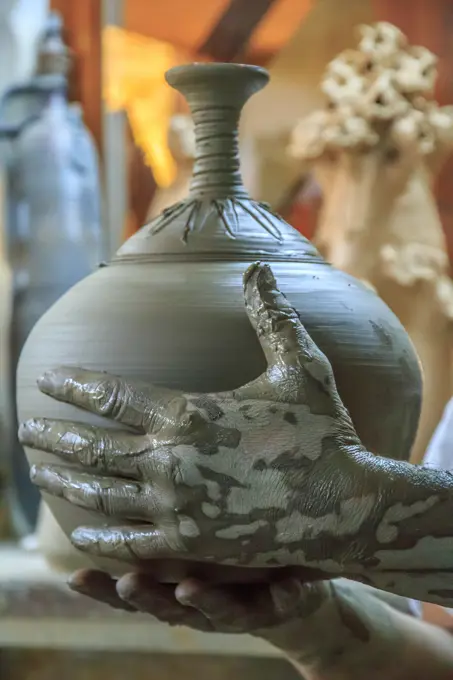
A variety of antique vases and bowls, showcasing intricate designs and craftsmanship from different cultures and eras.

Vase with decor of four equal geometric ornaments, Willem C. Brouwer, 1905 Vase of earthenware, decorated with a incised backdrop of four equal geometric ornaments in brown, against a green stock. The inside is green. Leiddorp earthenware Vase of earthenware, decorated with a incised backdrop of four equal geometric ornaments in brown, against a green stock. The inside is green. Leiddorp earthenware
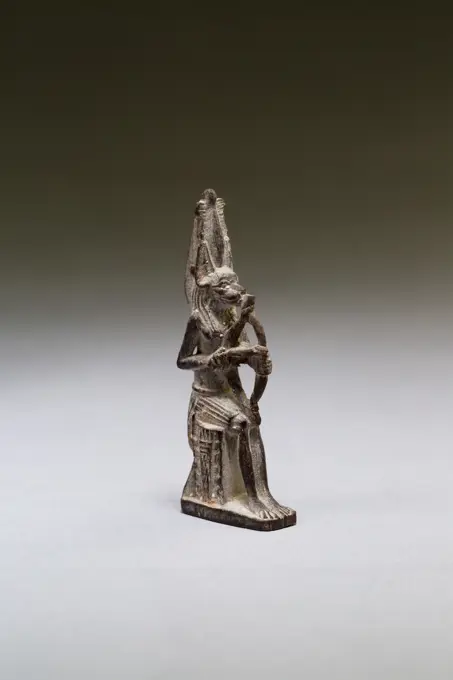
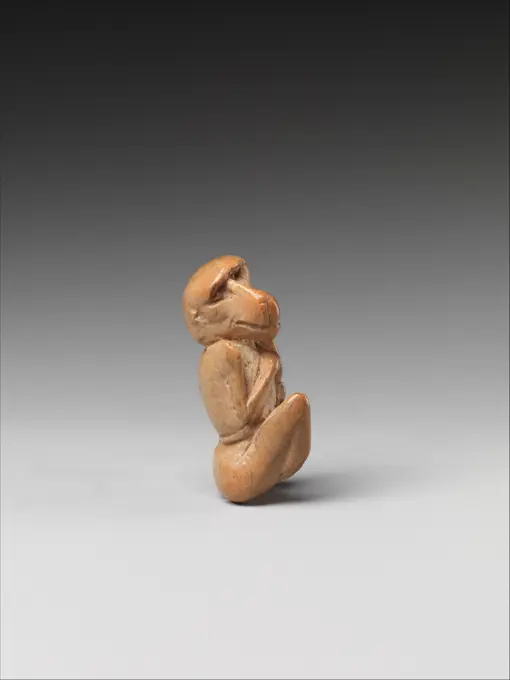
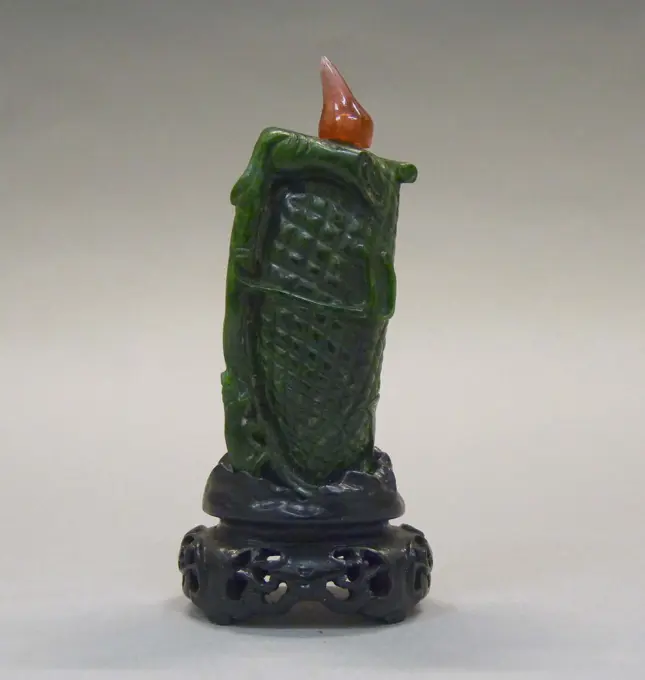
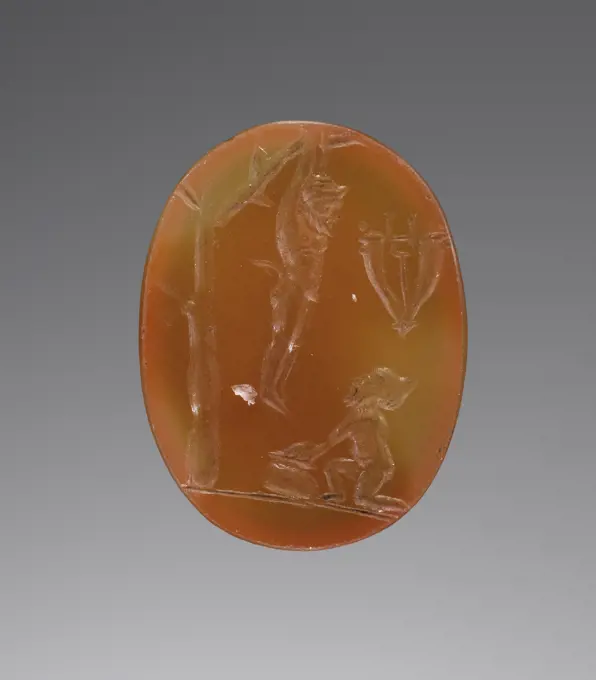
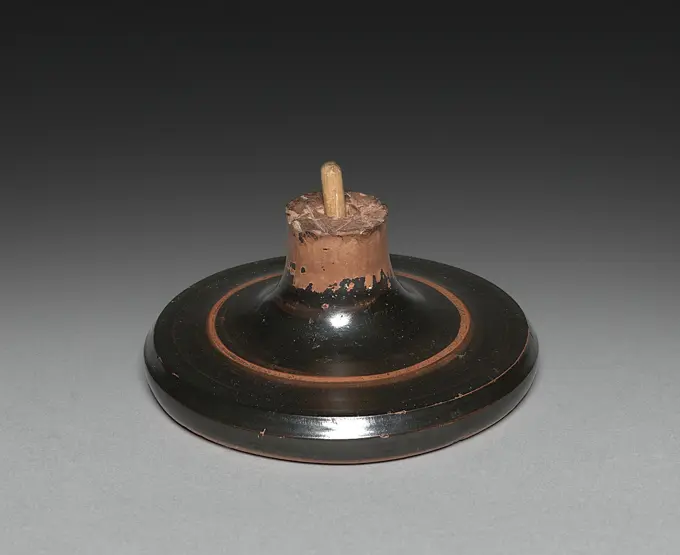
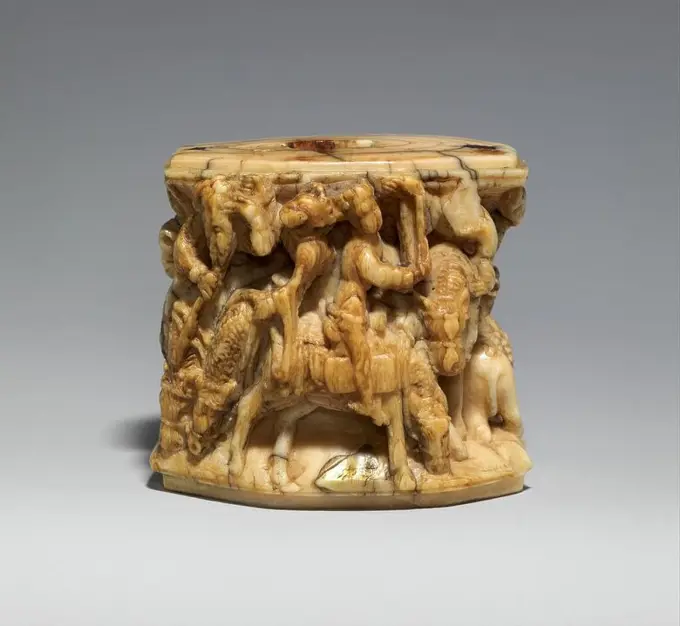
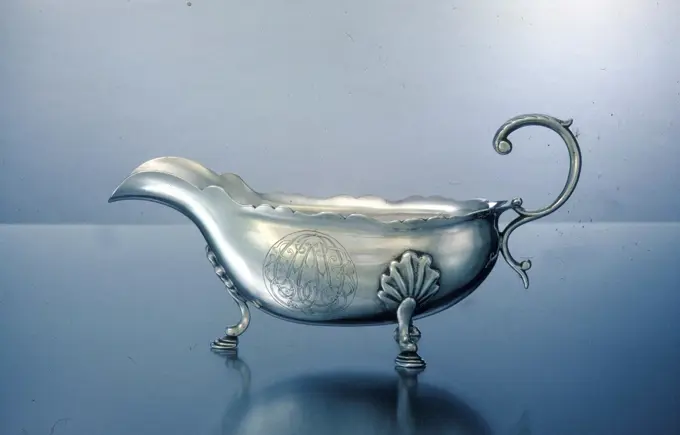
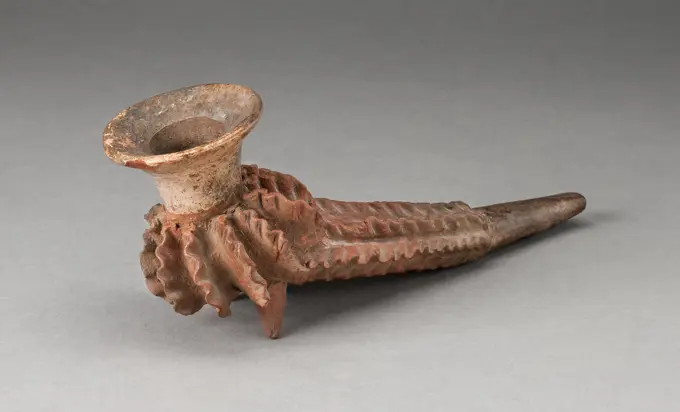
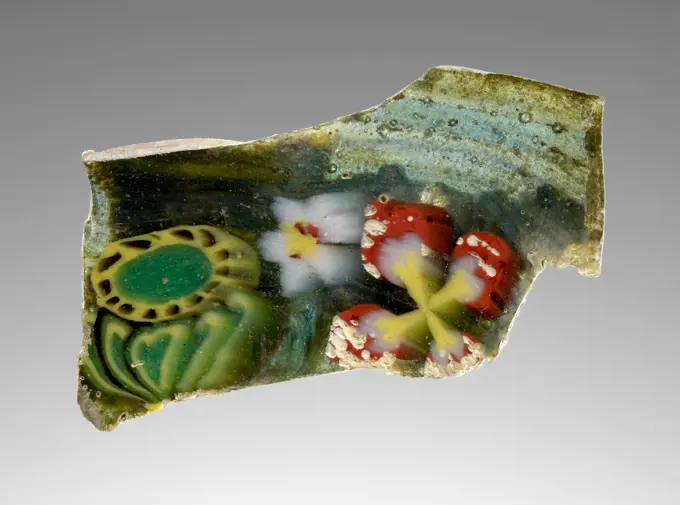
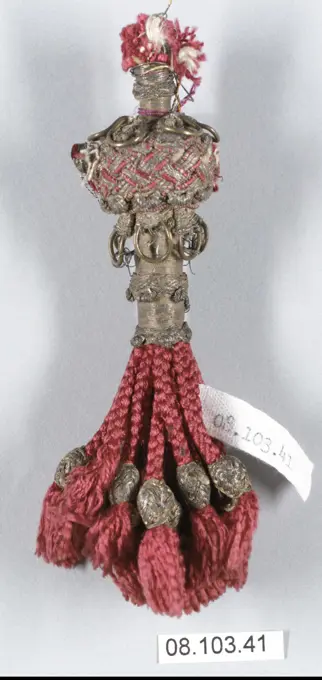
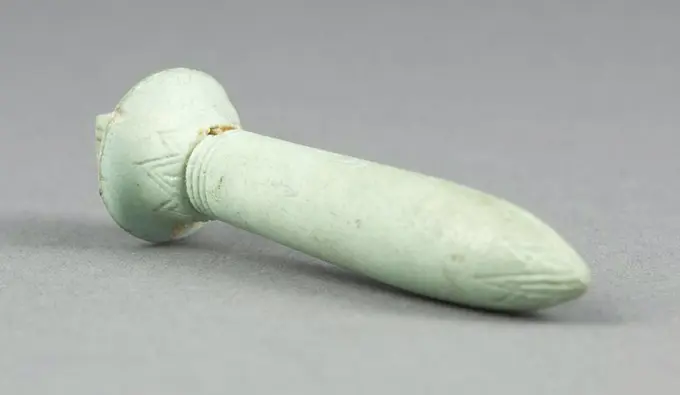
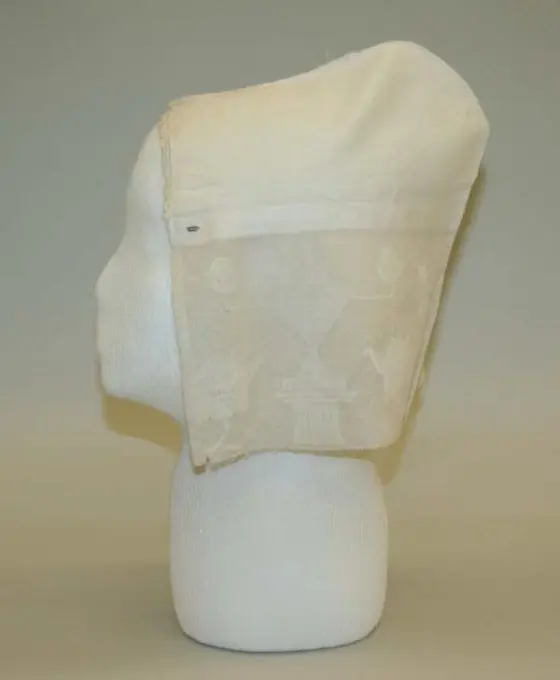
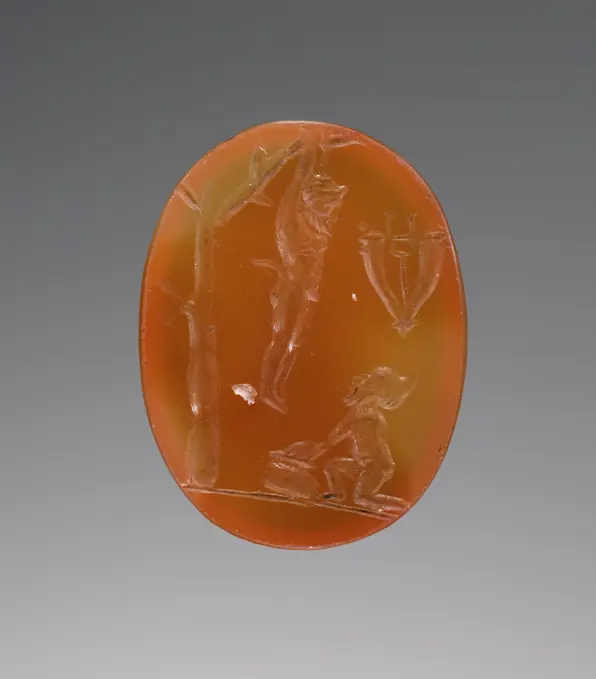
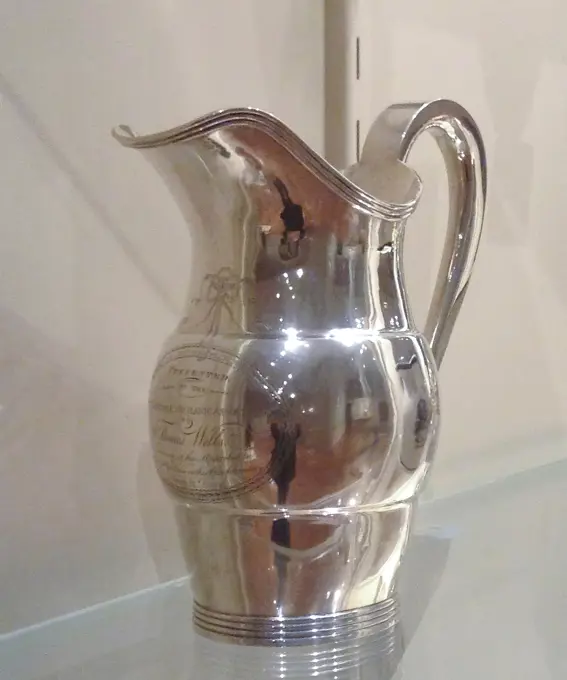
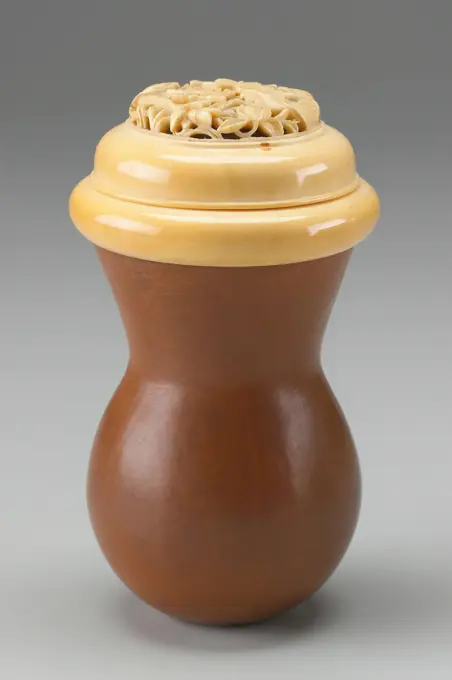
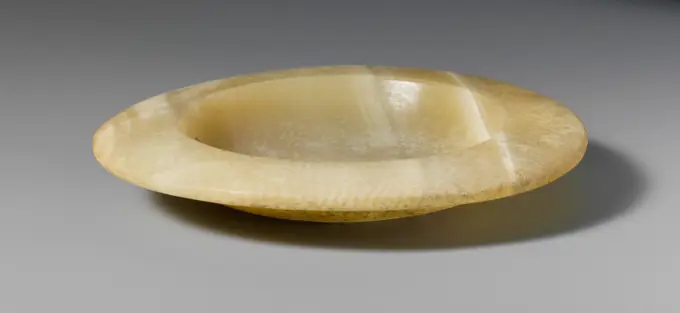
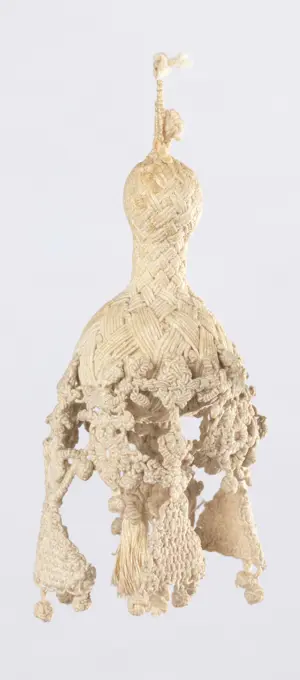
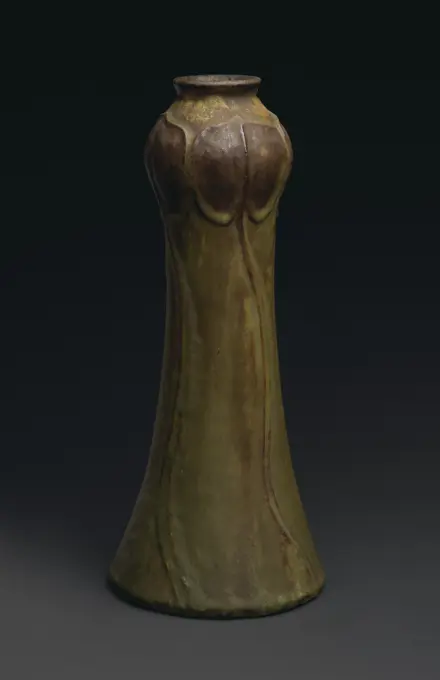
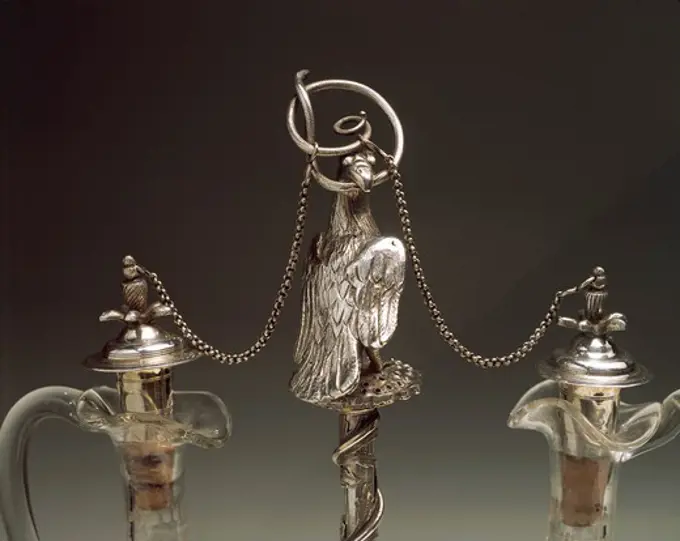
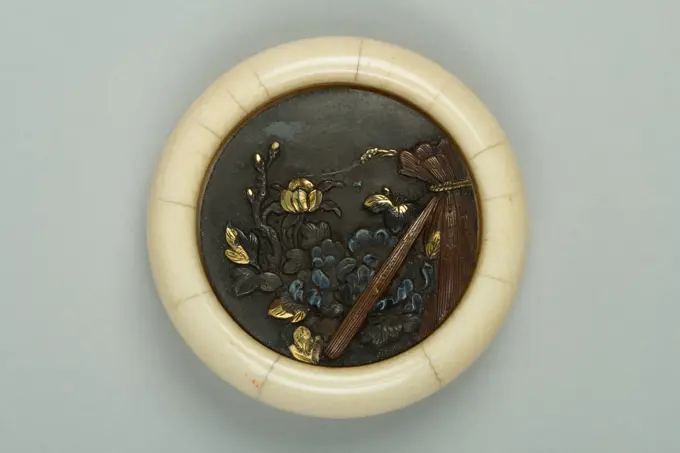
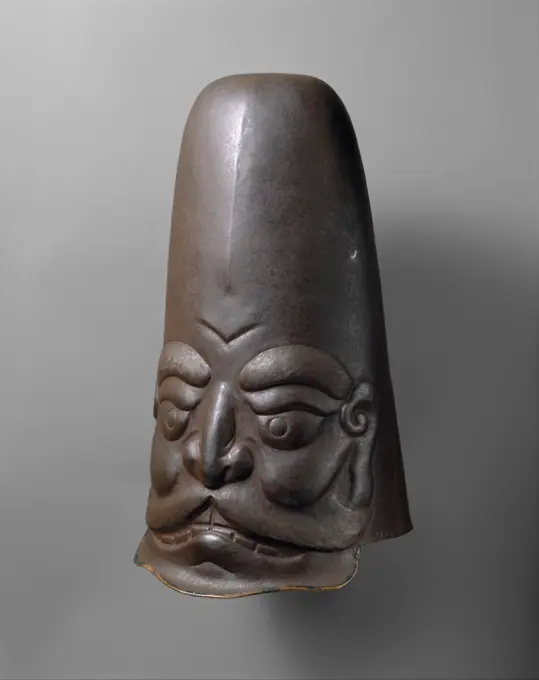
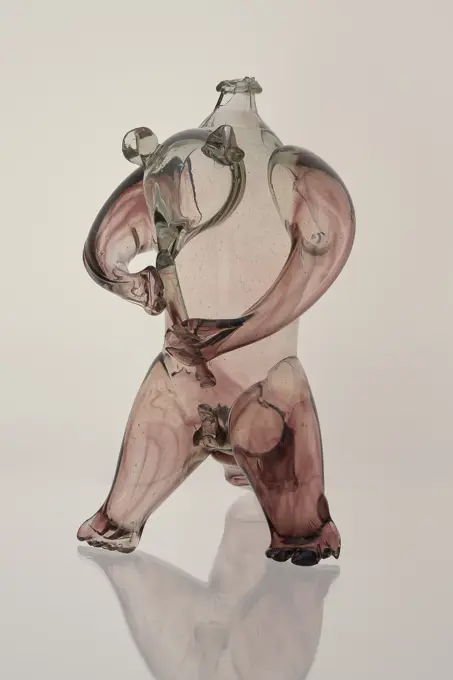
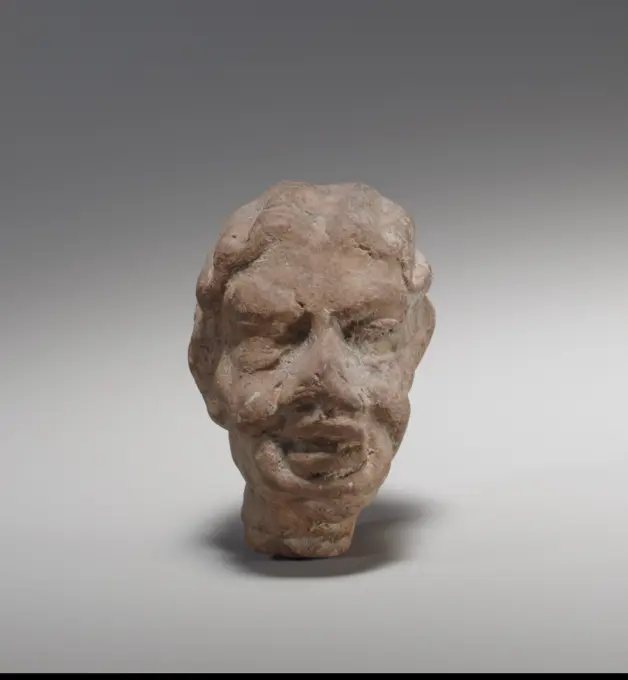
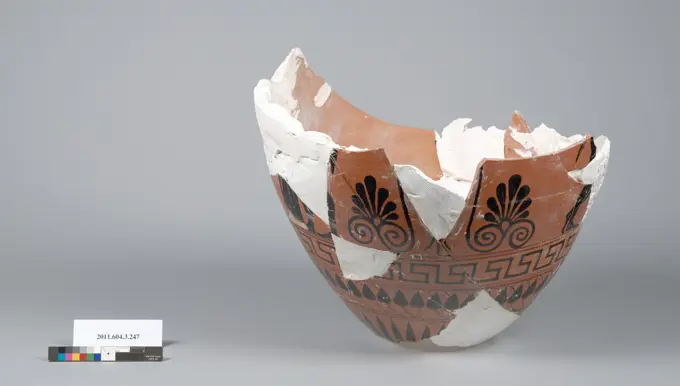
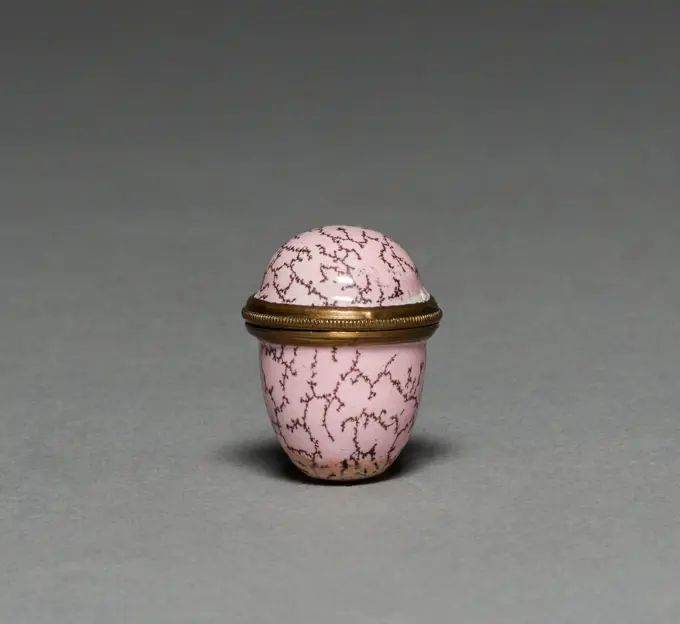
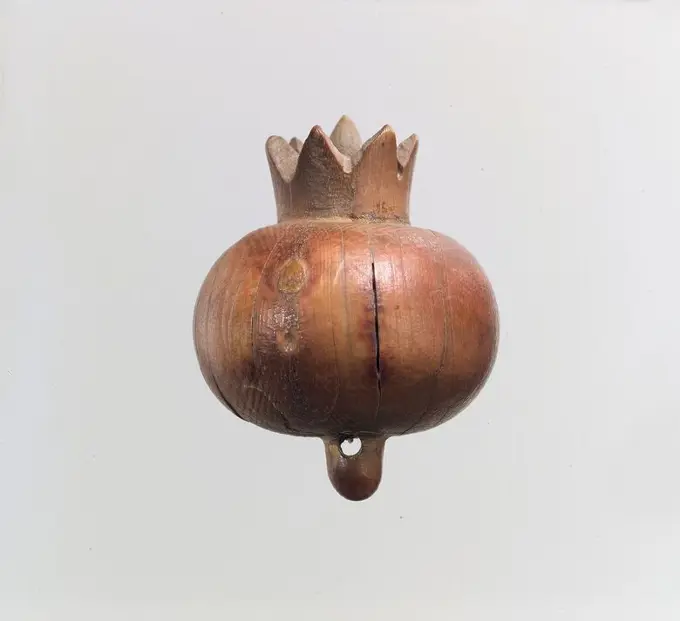
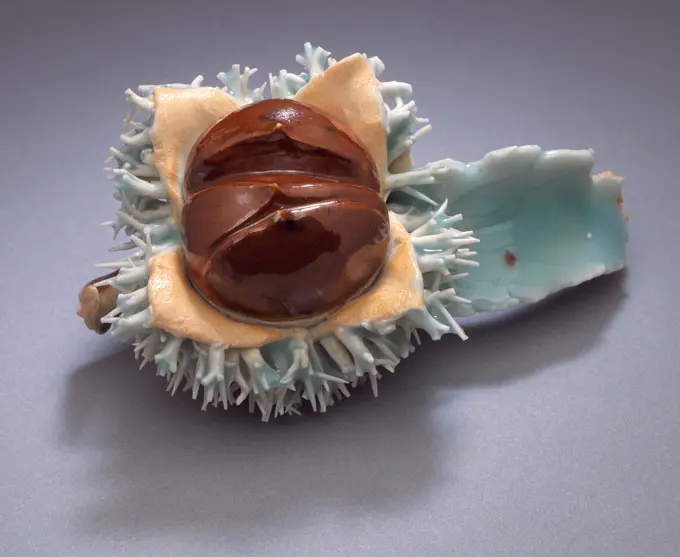
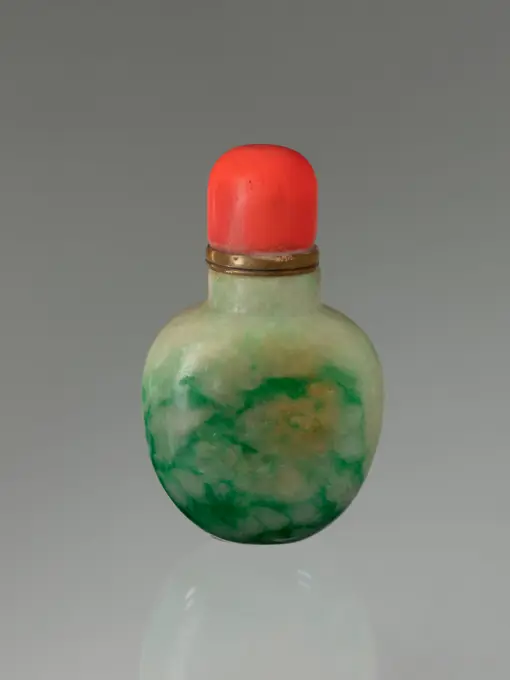
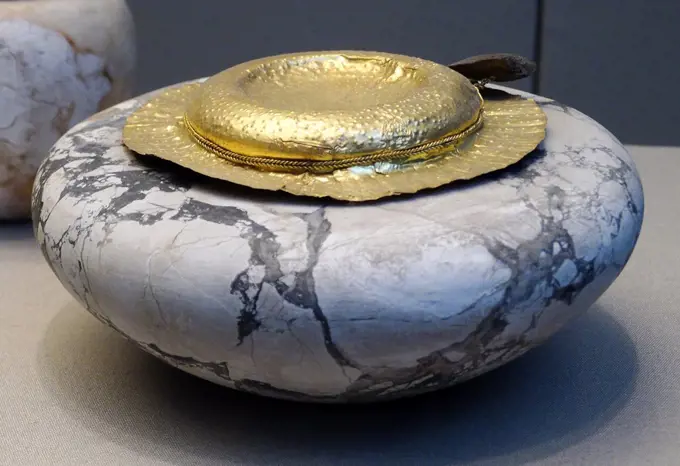
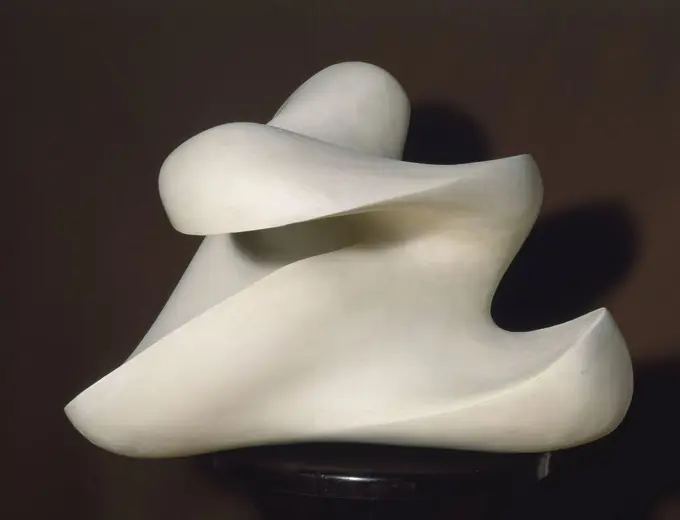
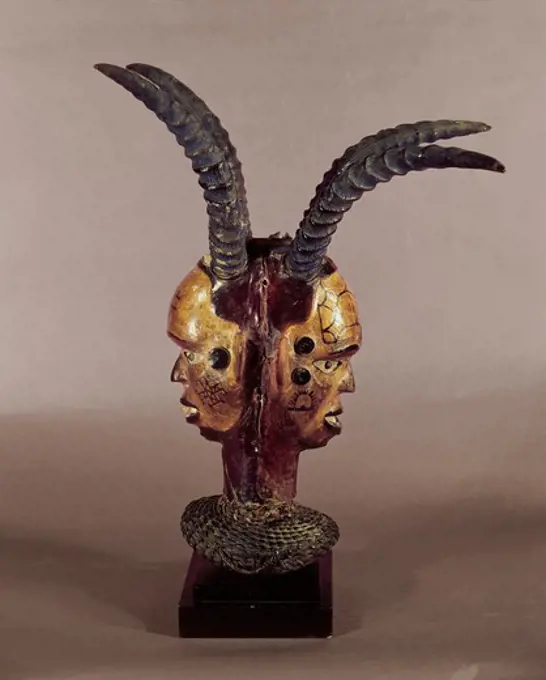
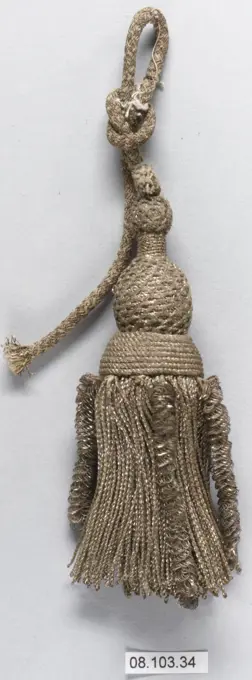
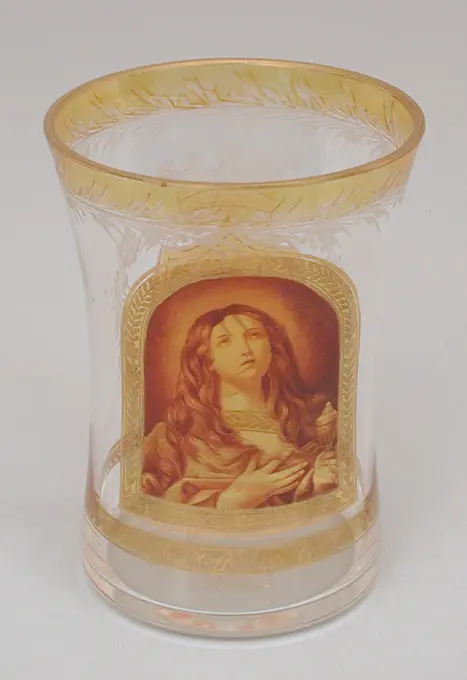
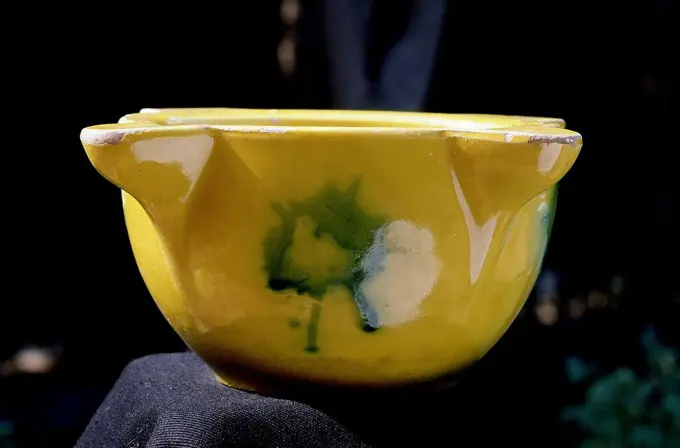
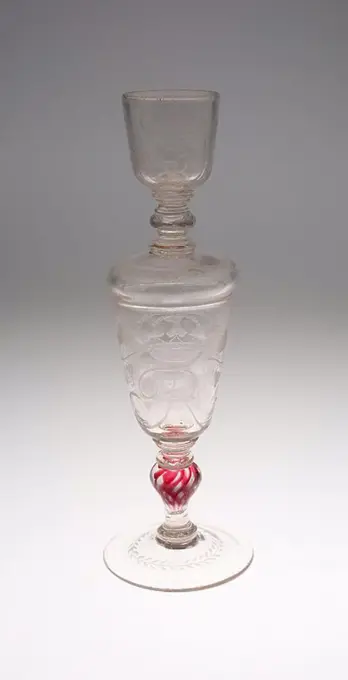
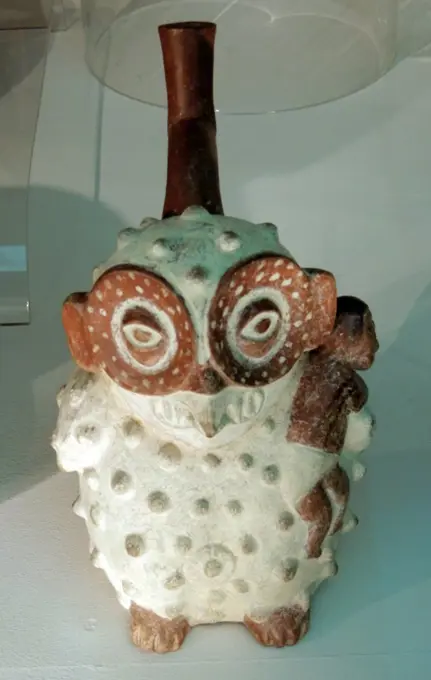
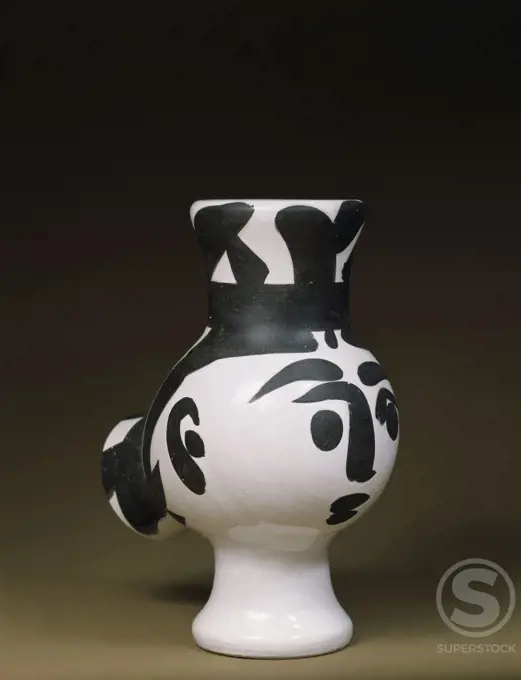
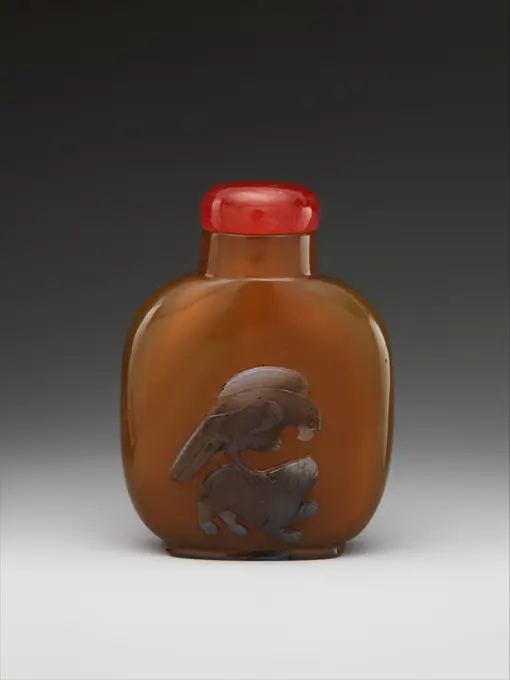
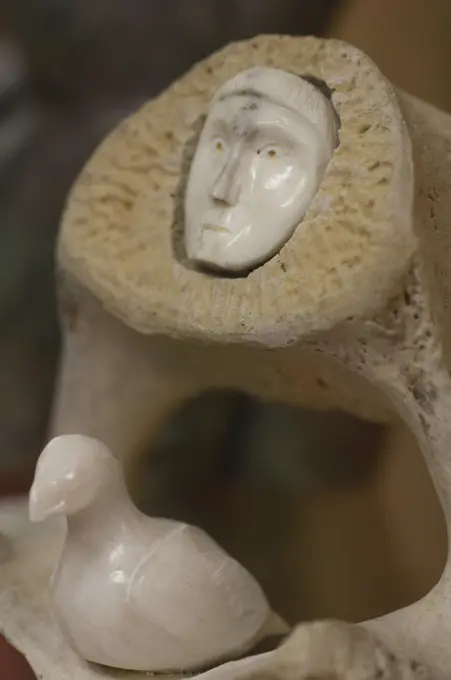
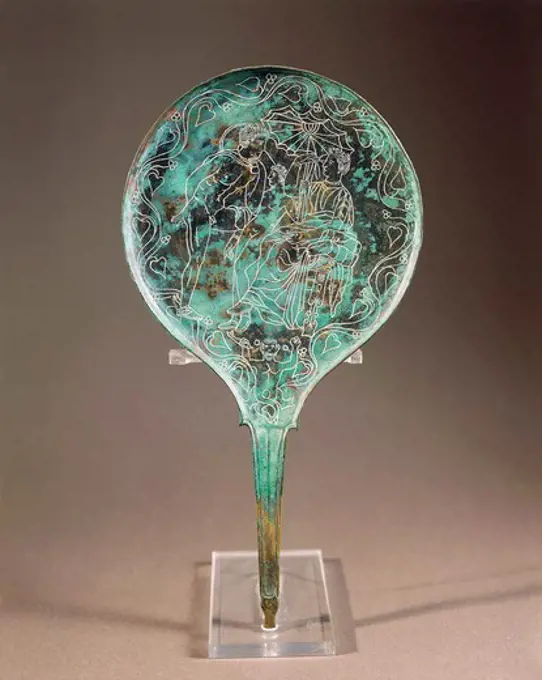
Bronze mirror, Back side engraved with a mythical couple, circa 250 B.C.Man in Tricorn Hat' still bank, 19th century, 5 1/4 x 2 1/4 x 2 5/8 in. (13.34 x 5.72 x 6.67 cm), Rockingham ware, paper, England, 19th centurySeated polymorphic figure of jackal-headed archer 664-30 B.C. Late Period-Ptolemaic Period The small, finely detailed amulets 10.130.2439-.2445 are all made of wood. Wooden amulets are often gilded, but the only remaining gilding is on the goddess's sun disk (10.130.2443)... Seated polymorphic figure of jackal-headed archer. 664-30 B.C.. Wood. Late Period-Ptolemaic Period. From EgyptBellGame piece in the shape of a baboon 332-30 B.C. Ptolemaic Period Animal ankle joints, anatomically termed astragals, were used as gaming pieces. The knucklebone itself might be carved, or astragal-shaped gaming pieces might be carved from other sources or materials. All were termed astragals, which were used like dice or jacks.This baboon has been compactly carved, seated and with limbs and head against its body, to serve as an astragal.. Game piece in the shape of a baboon 545212Snuff Bottle China. Snuff Bottle. China. Chloromelanite jadeite with pink glass stopper. Qing dynasty (1644-1911), Qianlong period (1736-95). Snuff BottlesCanopic Jar Lid. Jackal headed god Anubisstack of ceramic pots on an old wooden tableVase (USA); Designed by Artus Van Briggle (American, 1869 - 1904); Made by Van Briggle Pottery Company; glazed earthenwareEngraved Gem; United States; 20th century; Orange-Red Carnelian; 1.4 x 1.8 cm (9,16 x 11,16 in.)Glass bead Roman Bead comprising two parts, fused together.Translucent blue, with opaque white.Large irregular cylindrical bead, with hole in one end of body; stem, decorated with white spiral trail in relief, applied to top of bead.Broken and chipped on one side; iridescence and creamy weathering on surface, some iridescence on jagged edges.. Glass bead 245828Foot from Red-Figure Kylix (Drinking Cup), c. 480 BC. Greece, Athens, 5th Century BC. Ceramic; diameter: 29.6 cm (11 5/8 in.). Removed during an extensive conservation treatment in 1990, this foot was broken from a different kylix and used in an ancient repair. It likely once belonged to a differently proportioned cup than the one to which it was long attached, as seen by its thicker stem and smaller foot diameter.Terrine of multi-colored padded faience, in the form of a grape food. Terrine in the form of a grape food. With accompanying lid and underfaith.Decorative Mount. Culture: German. Dimensions: 2 3/8 × 2 5/8 × 1 3/4 in. (6 × 6.6 × 4.5 cm). Date: ca. 1375-1400.This enigmatic object is carved in high relief. Neither its original function nor the narrative are known, but the style of the carving suggests that it was made in Germany in the late 14th century. On one side, four lions are depicted against a background of trees. The opposite side depicts four male equestrian figures. On the left, the crowned figure of an old, bearded man leans forward as his horse lowers its head to eat or drink. The man brings his left hand to his eye, perhaps looking into the distance while he holds the reins or a shaft with his right hand. Immediately above this object, a hole is drilled into the surface, suggesting that the object represented continued on a now lost section. The next rider, to the right of this figure leans forward and looks up as his horse lowers its head to the ground. He, too, appears to be crowned. He holds the horse's reins in Pair ofsauceboats.   Maker: Samuel Casey, American, 1723-1773Footed Pipe with Fluted Relief Design 600 BCE-200 BCE México. Ceramic and pigment . TlatilcoVase from the cover; Bielino (Manufaktura Fajansu; 1779-1800), Wolff, Karol (fl. Ca 1800); 1780-1795 (1780-00-00-1795-00-00);Snuff bottle. unknown, craftsmanCast Fragment. UnknownVase, c. 1820, 12 1/2 x 8 3/4 in. (31.75 x 22.23 cm), Porcelain, sang de boeuf glaze, China, 19th centuryTassel 17th century French. Tassel 213537Monkey 1700-1799 France. Glass; lampwork (verre de Nevers), metal armature .Box. Culture: American. Designer: Designed by Louis Comfort Tiffany (American, New York 1848-1933 New York). Dimensions: 4 1/2 x 4 in. (11.4 x 10.2 cm). Maker: Tiffany Studios (1902-32). Date: ca. 1905-10. Museum: Metropolitan Museum of Art, New York, USA.Six miniature cups (part of a set). Culture: British, London. Dimensions: Diameter (each): 1 5/16 in. (3.3 cm). Maker: David Clayton (British, active 1689). Date: late 17th-early 18th century.The tea kettle and teapot are based on Chinese hot-wine pots. The tea bowls are modeled after Japanese forms. Museum: Metropolitan Museum of Art, New York, USA.Brandewijnkom of gilded silver with flower and leaf rank decorations in Indonesian style, anonymous, c. 1700 - c. 1749 Brandewijnkom of gilded silver with flower and leaf rank decorations in Indonesian style. The wall of the bowl is divided into 8 areas with a paisleym motif in every area. The bowl has large flat ears and a scalloped foot. Indonesia, first half of the 18th century. Batavia silver (metal) gilding Brandewijnkom of gilded silver with flower and leaf rank decorations in Indonesian style. The wall of the bowl is divided into 8 areas with a paisleym motif in every area. The bowl has large flat ears and a scalloped foot. Indonesia, first half of the 18th century. Batavia silver (metal) gildingRim of a Vessel 4th-early 5th century Coptic. Rim of a Vessel. Coptic. 4th-early 5th century. Glass. Made in Kharga Oasis, Byzantine Egypt. Glass-VesselsAmulet of a Papyrus Column. Egyptian. Date: 1070 BC-656 BC. Dimensions: H. 6 cm (2 3/8 in.); diam. 1.9 cm (3/4 in.). Faience. Origin: Egypt. Museum: The Chicago Art Institute, Chicago, USA. Author: Ancient Egyptian.Pendant: Lion. UnknownCap first quarter 18th century Dutch. Cap 79072Engraved Gem. UnknownFemale Attendant (Tomb Figurine). China; probably Shaanxi province. Date: 200 BC-101 BC. Dimensions: 29.8 × 8.4 × 5.7 cm (11 3/4 × 3 5/16 × 2 1/4 in.). Gray earthenware with slip coating and polychrome pigments. Origin: China. Museum: The Chicago Art Institute, Chicago, USA.bowl with anaconda design representing Sungui, mukawa, Canelos Kichwa culture, Ecuador 2008, clay, mineral pigments, shilquillu tree resin, Anthropology National Museum, Madrid, Spain.Pitcher, c. 1810, Jesse Churchill, American (Boston), American, 1773-1819, 9 3/4 x 9 x 5 in. (24.77 x 22.86 x 12.7 cm), Silver, United States, 19th century, This pitcher was presented to Thomas Wells in 1810 for services rendered to the Massachusetts Charitable Mechanic Association. Founded in 1795 to promote the 'mechanic arts' and their application to the betterment of American society, the organization counted tailors, hatters, metalsmiths, housebuilders, and others among its members. Paul Revere, the famous patriot and silversmith, was its first president. Wells, a bookbinder, served as the associations secretary.Can. Can go to concave foot. Spherical body overtorning in a slim neck with a bent spout, optically blown with vertical ribs. C-shaped earBudai (a Buddha);  19th century (1800-00-00-1900-00-00);Earring-hook type with sphere ends. Earring-hook type with sphere ends 243422Cricket Container, 4 13/16 x 2 3/4 x 2 3/4 in. (12.22 x 6.99 x 6.99 cm) (overall), Gourd, ivory, tortoise shell, ChinaAlabaster dish 4th century B.C.  Cypriot. Alabaster dish 241849Close-up of a money bagFlask 9th-11th century. Flask 446676Tassel (Italy); linenCandlestick ca. 1898-1918 William J. Walley William J. Walley was one of Gruebys many followers in the Northeast. Working in his small pottery in West Sterling, Massachusetts, and inspired by Gruebys leaf-based designs, Walley turned from historicizing shapes to vessels with richly modeled plant forms that are variations on Gruebys inventions. Whereas the Boston pottery relied on decorators to apply thin ropes of clay to delineate the leaves, in many instances Walley created designs where the leaves are modeled with greater relief.. Candlestick. American. ca. 1898-1918. Earthenware. Made in West Sterling, Massachusetts, United StatesSilversmith's art, Italy, 18th century. Silver cruet-stand, around 1770. Detail.Babychoentje, AnonymousBasket. The oval basket rests on four cast paws, shaped as bird claws that include a ball. The flat bottom is caught in the straight bottom edge, which is decorated with a pearl table as well as the top edge and the ears. The vaulted wall is completely open with engraved motifs: a lower edge of two-sliced ribbons, a middle portion of elongated guilloches with on top and bottom half rosettes and an upper edge of ovals connected by balls. The top edge of the basket is scalloped. The flat, angular ears have concave vaulted sides. They are placed diagonally to the top. A slot is applied to the two short sides, in which the removable interior fits. This consists of two perpendicular to each other with corrugated tops, crowned at the intersection by a cast cubic pedestal on which a vase with a bouquet of flowers (some flowers and leaves are damaged, two leaves are missing). The vase has a channeled body and two round ears to which rings hang.Small red bowls and a plate rim of nearly opaque red glass. The copper oxide in the glass has gradually turned it green over time. From Samaria and Eastern Mediterranean from the 1st century.Poke bonnet ca. 1848 American. Poke bonnet 169832vessel with the royal names of pharaoh Pepi I, VI dynasty reigning Pepi I, calcite, Egypt, collection of the British Museum.MAZA DE PLATA DE LA PRESIENCIA DE GREGORIO PECES BARBA - 1982/86. Location: CONGRESO DE LOS DIPUTADOS-OBJETOS. MADRID. SPAIN.Bust of MinervaNetsuke of Peonies 19th century Japan. Netsuke of Peonies. Japan. 19th century. Ivory with metal disc. Edo (1615-1868) or Meiji period (1868-1912). NetsukeStone Temple Model. Culture: Mezcala. Dimensions: H. 4 3/8 x W. 2 3/4 in. (11.1 x 7 cm). Date: 1st-8th century. Museum: Metropolitan Museum of Art, New York, USA.Helmet Bowl 17th-18th century Japanese In Japan the peace and stability that characterized the Edo period (1615-1868) allowed armorers and their patrons to indulge in and experiment with many elaborate styles, both historical revivals and new designs, creating armors intended for ceremonial purposes and not for use in battle. These armors were often equipped with eccentric or representational helmets, which invoked a staggering variety of religious and naturalistic themes.The tall conelike skull of this helmet portrays the most notable physical trait of Fukurokuju, one of the Shichi Fukujin (Seven Gods of Good Fortune). Fukurokuju's name means "luck-prosperity-longevity," the three universal ideals of Taoism. He is, in fact, sometimes considered to be an incarnation of Lao-tzu, the legendary Chinese founder of Taoism. Fukurokuju is usually depicted in a humorous and playful vein. His angry expression on this helmet, however, is reminiscent of another of the Shichi Fukujin, namely JurōjDish, 1368- 1644. China, Ming dynasty (1368-1644). Jade; overall: 4.5 cm (1 3/4 in.).Stoppered cruet with scroll handle, 18th-19th century, 8 1/2 x 4 x 3 5/8in. (21.6 x 10.2 x 9.2cm), Glass, United States, 18th-19th centuryBottle.Pair of Stirrups second half 17th century German This type of chiseled and pierced decoration was used by the spur makers in eastern Germany in the 16th and 17th centuries. Despite their name, spur makers not only made spurs, but also all the small equestrian hardware like bits, stirrups, muzzles, cavessons or curry-combs, sometimes adorned with the same intricate decoration.The swivel suspension eye allowed the stirrup leather to stay flat against the horses flank when the stirrup is in use, but it is more fragile than regular non-rotating systems.. Pair of Stirrups. German. second half 17th century. iron alloy. Equestrian Equipment-StirrupsTerracotta head of an old woman 2nd-1st century B.C. Greek, Asia Minor, Smyrna The head is mold-made and solid. The eyes are very large and thick-lidded below protuberant brows.. Terracotta head of an old woman 241050Glass in the shape of a riding boot. Sole deposited with a ribbed wire. Low, broken heel, blunt convex nose. The high shaft, at the bottom decorated with a bramnop and two wings, runs out in a low wide roof.Terracotta fragment of a neck-amphora (jar) 540-530 B.C. Greek, Attic Obverse, lower body of a draped male to right wearing a himation with a patterned hem; bent right arm and lower body of a draped woman to right wearing a garment with a patterned hem; lower drapery and feet of a male to right and two legs of a deer; lower drapery and feet of a woman to left; bit of drapery, spears, and greaved calves of a warrior to left; Reverse, right buttock, right leg and foot, and left calf and foot of a draped male to right; lower drapery and feet of a male to right; in between the obverse and reverse, palmettes with tendrils and lotus buds; below the figures, a frieze with a leftward meander; two lines; a frieze of upright lotuses; two lines; rays. Terracotta fragment of a neck-amphora (jar). Greek, Attic. 540-530 B.C.. Terracotta; black-figure. Archaic. VasesBeaker 14th-15th century Chimú. Beaker 310630Thimble and Container , mid-18th century. England, mid-18th century. Enamel on metal; overall: 3 x 2.3 cm (1 3/16 x 7/8 in.); thimble: 1.8 x 1.6 cm (11/16 x 5/8 in.).Two tumorsPlateClose-up of lotus pods in a vasePomegranate carved in the round. Culture: Assyrian. Dimensions: 1.3 in. (3.3 cm). Date: ca. 9th-8th century B.C..This small ivory pomegranate is carved in the round, with a pointed calyx, the floral element that protects the developing flower at top, and a thin stem projecting from the bottom. It was found in a well in the Northwest Palace of Ashurnasirpal II, where it was probably thrown when the palace was sacked, perhaps during the final defeat of Assyria at the end of the seventh century B.C. Its warm, reddish color, although appropriate for a pomegranate, is actually a stain on the surface of the ivory from long exposure to well water or sludge. The horizontal perforation where the stalk meets the skin suggests that this piece was sewn onto a garment or suspended from a diadem. Symbols of fertility because of their many seeds, pomegranates were favored as decoration on the clothes and jewelry of royal Assyrian women. Pomegranate beads are depicted strung onto necklaces and embroiLizard on Chestnut. Mitani Gōhō (style of) (Japan, late 18th-early 19th century). Japan, late 18th-early 19th century. Costumes; Accessories. Wood with inlaysIncense Box in the Form of a Chestnut. Japan, 19th century. Ceramics. Hirado Mikawachi ware; porcelain with iron and celadon glazesSnuffer  19th century (1800-00-00-1900-00-00);Romania, Maramures, Baia Spire, Guest house Casa Olarului. Pottery workshop. Finished pottery before firing.Blue glass vase with interlaced decoration. Made by the Crystal works of Saint-Louis, 1851Jesse Churchill, Beaker, c. 1805, silver.Scholar's Rock, from Taihu Lake region, Jiansu province, China, perforated limestone.Medallion (France); Jean-Baptiste Nini (Italian, active Italy and France, 1717 - 1786); earthenware, salmon coloreddolomite stone vase found beneath a collapsed wall in Khasekhemwy's tomb. the vase has a lid of sheet gold tied on with fine gold wire and secured with small clay seals. Abydos, Egypt, Tomb of Khasekhemwy, Second Dynasty. Khasekhemwy (ca. 2690 BC;) was the final king of the Second dynasty of Egypt.FORMA - 1959. Author: EQUIPO 57. Location: PRIVATE COLLECTION, MADRID, SPAIN.Terrine lid in the form of a grapes, Blankenburg, After Arie Blankers, c. 1756 - c. 1764 Lid of multi -colored painted faience. Amsterdam earthenware. tin glaze. Lid of multi -colored painted faience. Amsterdam earthenware. tin glaze.Tabi 20th century Japan. Tabi 126339Vase (France); After Emile Gallé (French, 1846-1904); glassMacro, Western shrine, Phylakopi IV, Late Helladic IIIC period, Cyclades, Phylakopi, Animal figurines, Archaeological Museum, Plaka, Milos Island, Cyclades, Greece, EuropeLittle model crown placed on a  heart shapeEkpo Headdress, Ekoi Tribe Nigerian Art Bottle. Culture: China. Dimensions: H. 4 1/4 in. (10.8 cm). Museum: Metropolitan Museum of Art, New York, USA.Anonymous, rabbit (common name). Bronze. Cernuschi Museum, Asia Museum of Asia in the city of Paris.Bird Pendant in Silhouette, 1027-775 BCE, 1 1/4 x 2 1/2 in. (3.18 x 6.35 cm), Partially calcified light green jade with traces of red pigment, China, 11th-8th century BCEA stack of chocolate chunksglass, fruit bowl, india Copyright: xAnilxDave/DinodiaxPhotoxSauceboat; Matthews, Henry (Fl. 1893-Ca 1930); 1903/04 (1903-00-00-1904-00-00);Tassel early 19th century French. Tassel. French. early 19th century. Metal thread. Textiles-TrimmingsBeaker ca. 1840 Bohemian. Beaker 207930MORTERO O ALMIREZ (MORTER DE TERRA) VIDRIADO EN AMARILLO Y MANCHA VERDE. Location: ALFARERIA. LA BISBAL. GERONA. SPAIN.Candlestick 1880-90. Candlestick 1258Empty bowl on dark background with copy spaceDouble Goblet. Germany. Date: 1701-1713. Dimensions: 31.3 x 7.9 cm (12 5/16 x 3 1/8 in.). Glass. Origin: Germany. Museum: The Chicago Art Institute, Chicago, USA.Tassel 17th century Italian. Tassel. Italian. 17th century. Linen. Textiles-TrimmingsVessel from Peru in the shape of an owl. Moche culture. 300 BC - 600 AD.Crab claw in spotlight, Den Helder, NetherlandsHead by Pablo Picasso, painted ceramic, 1881-1973Snuff bottle with eagle and bear 19th century China The combination of an eagle and a bear is a Chinese rebus for hero or champion.. Snuff bottle with eagle and bear 41209Arctic Canada, Nunavut, Baffin Island, Iqaluit (aka Frobisher Bay). Nunatta Sunakkutaangit Museum. Hand carved Inuit art made from bone and ivory.